
Upper Elementary Writing Workshop: Narrative, Opinion, and Informative Writing
This editable 210-slide presentation provides an 8–12 week writing workshop for Grades 4–6.
$24.99
Clear, practical resources for busy educators, organized so you can get from search to ready-to-teach quickly.
This editable 210-slide presentation provides an 8–12 week writing workshop for Grades 4–6.
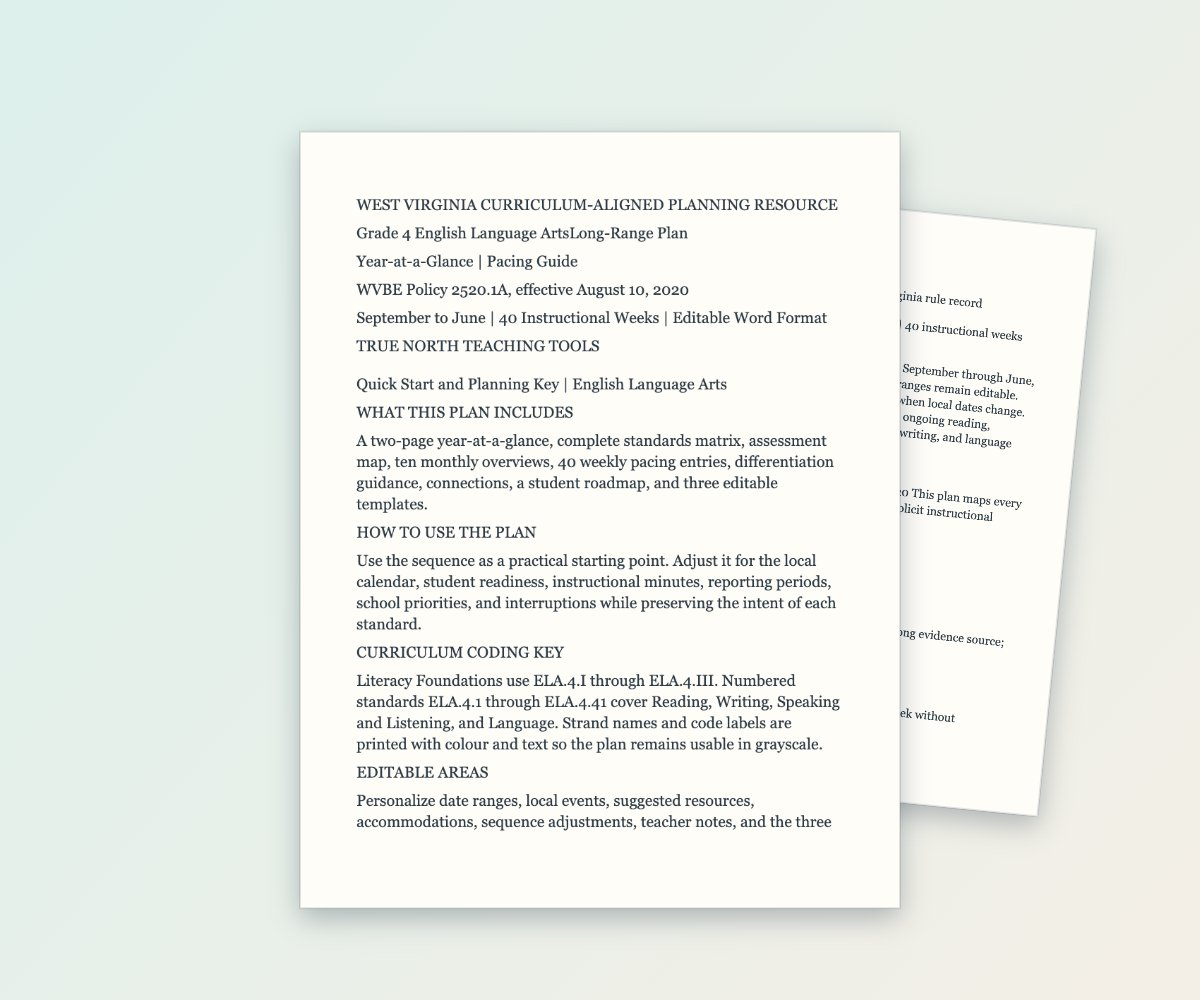
A 40-week editable Grade 4 English Language Arts long-range plan aligned to West Virginia curriculum standards.
This editable 40-page Grade 4 ELA long-range plan provides a year-at-a-glance, curriculum matrix, assessment map, monthly overviews, and 40-week pacing guide.
Students develop opinions with reasons and evidence, deliver campaign speeches, participate in a class election, and graph the results.
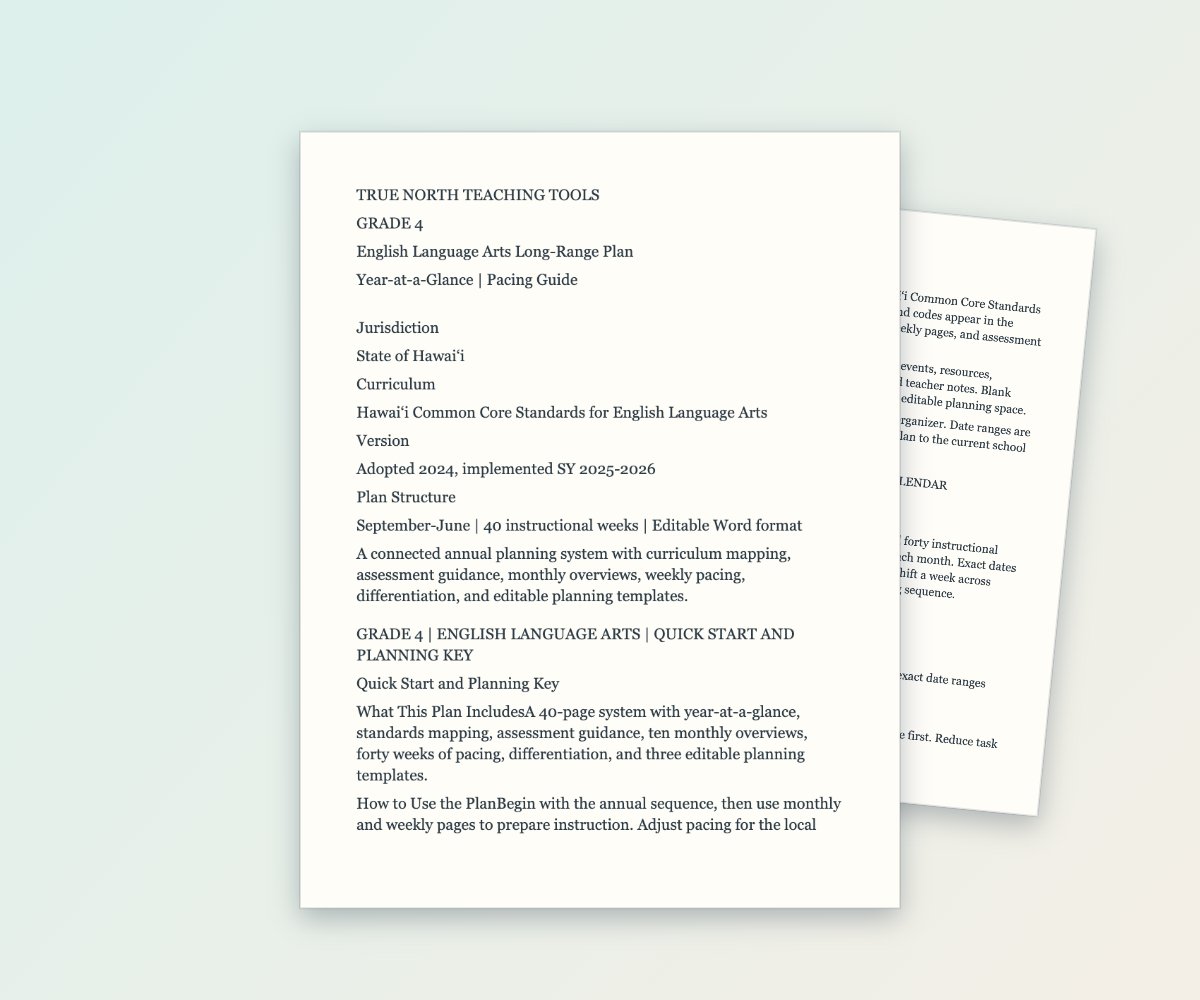
This editable 40-page Grade 4 English Language Arts long-range plan aligns to Hawaiʻi Common Core standards and covers the full September–June school year.
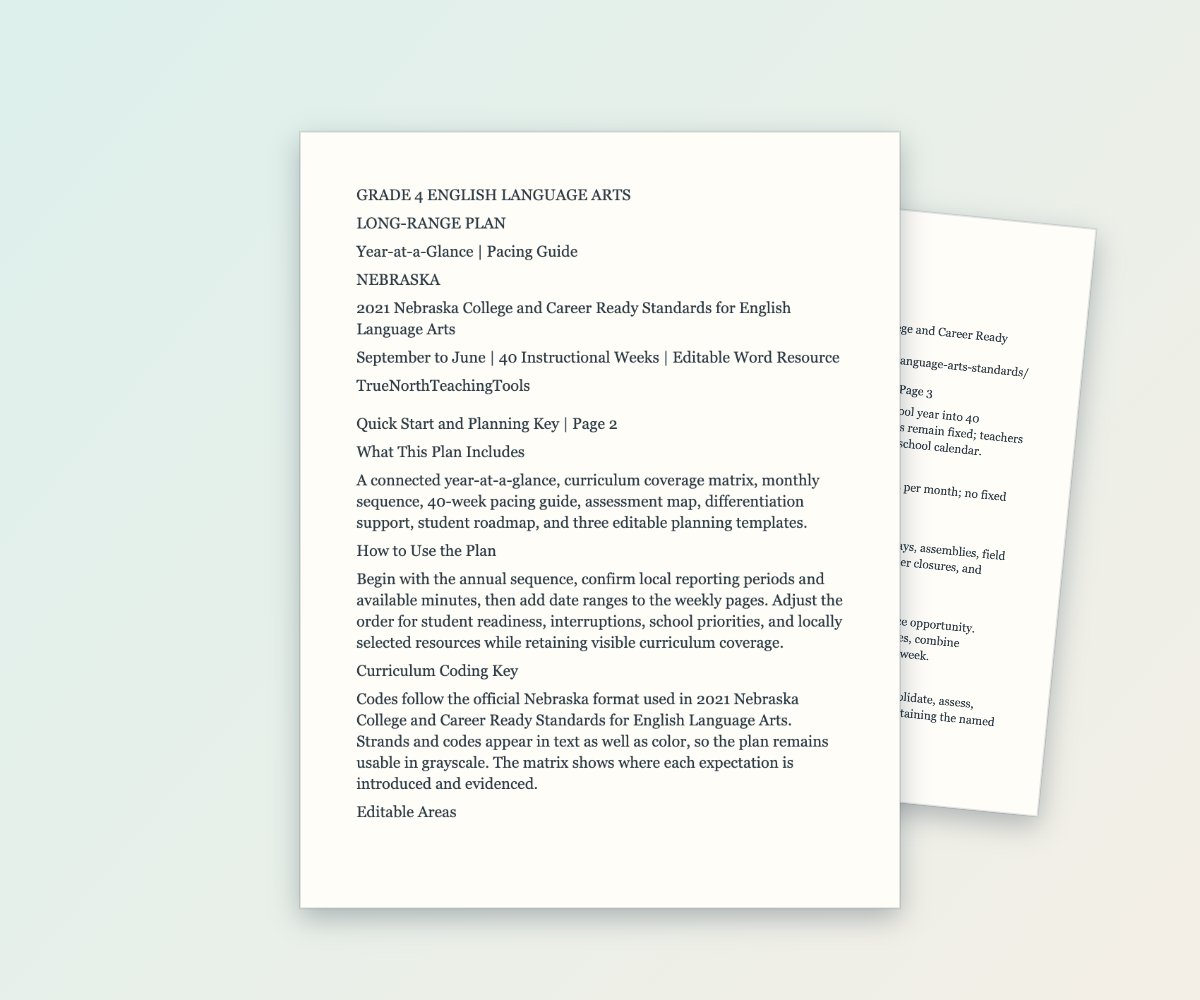
This editable 40-page plan provides a September-to-June year-at-a-glance, curriculum coverage matrix, monthly sequence, 40-week pacing guide, assessment map, and differentiation support.
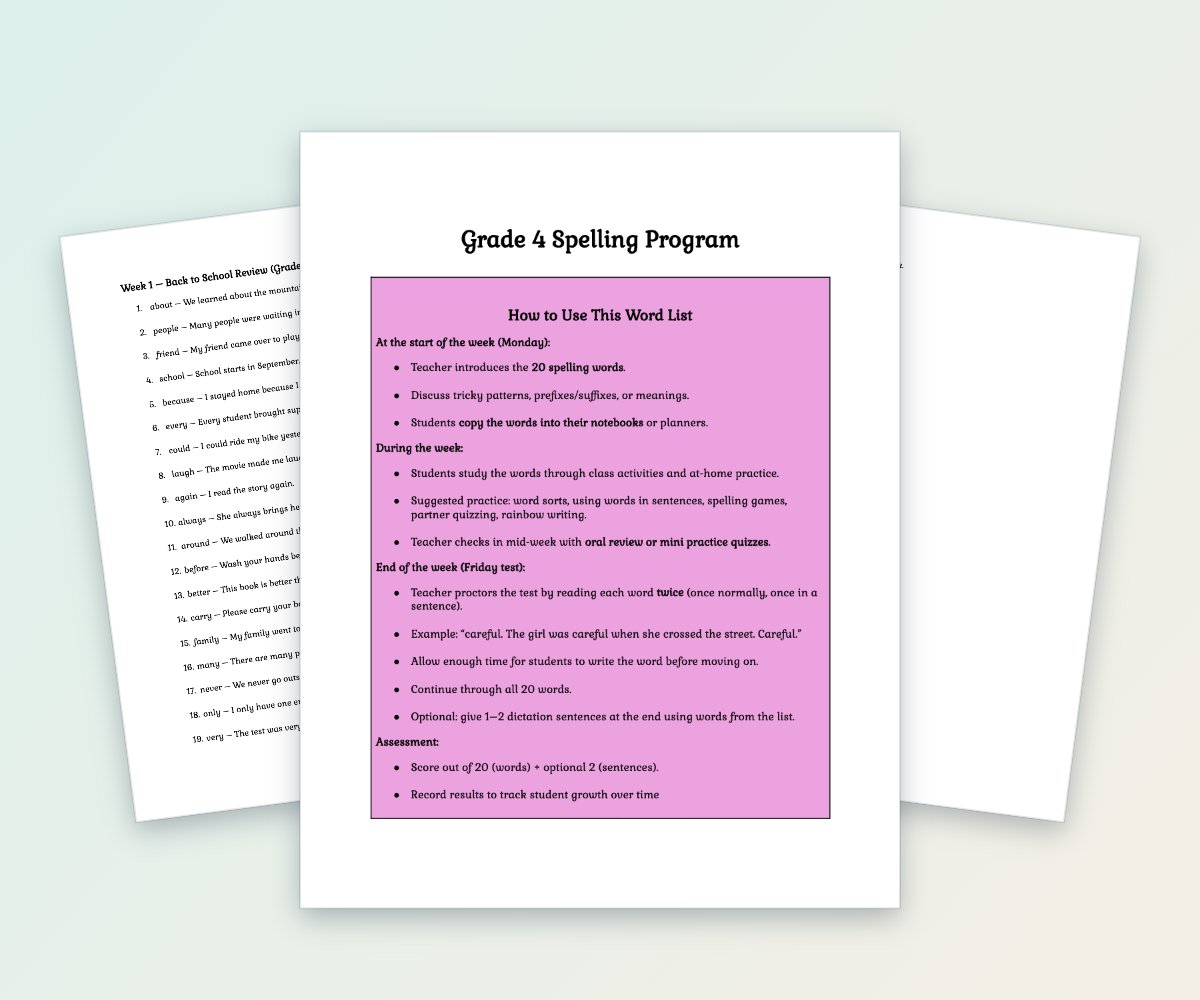
A ready-to-use Grade 4 spelling program organized into weekly word lists, including review words, spelling patterns, prefixes, suffixes, meanings, and example sentences.
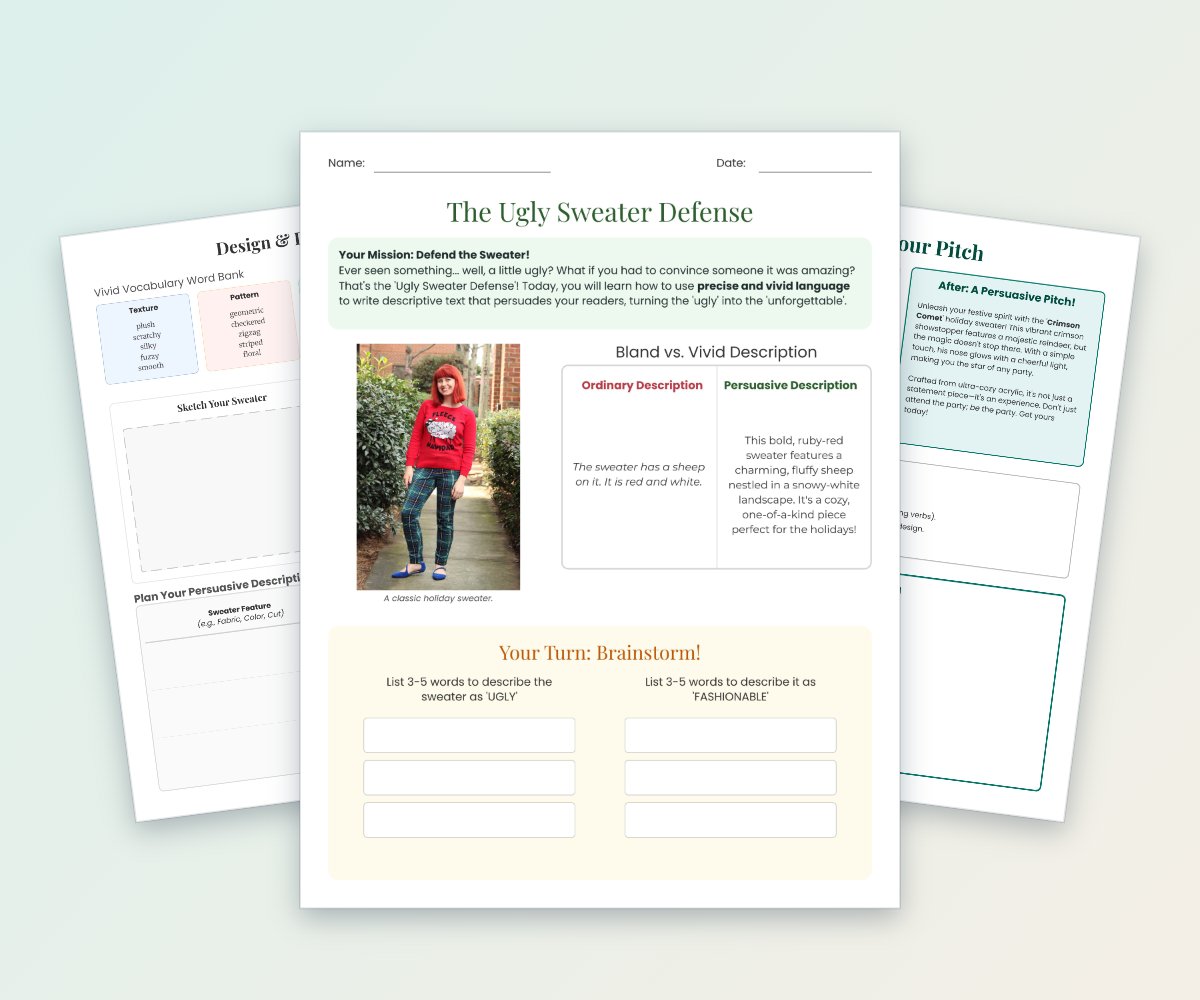
Students transform an ordinary ugly sweater description into an engaging persuasive catalog pitch using vivid vocabulary, sensory details, and strong calls to action.
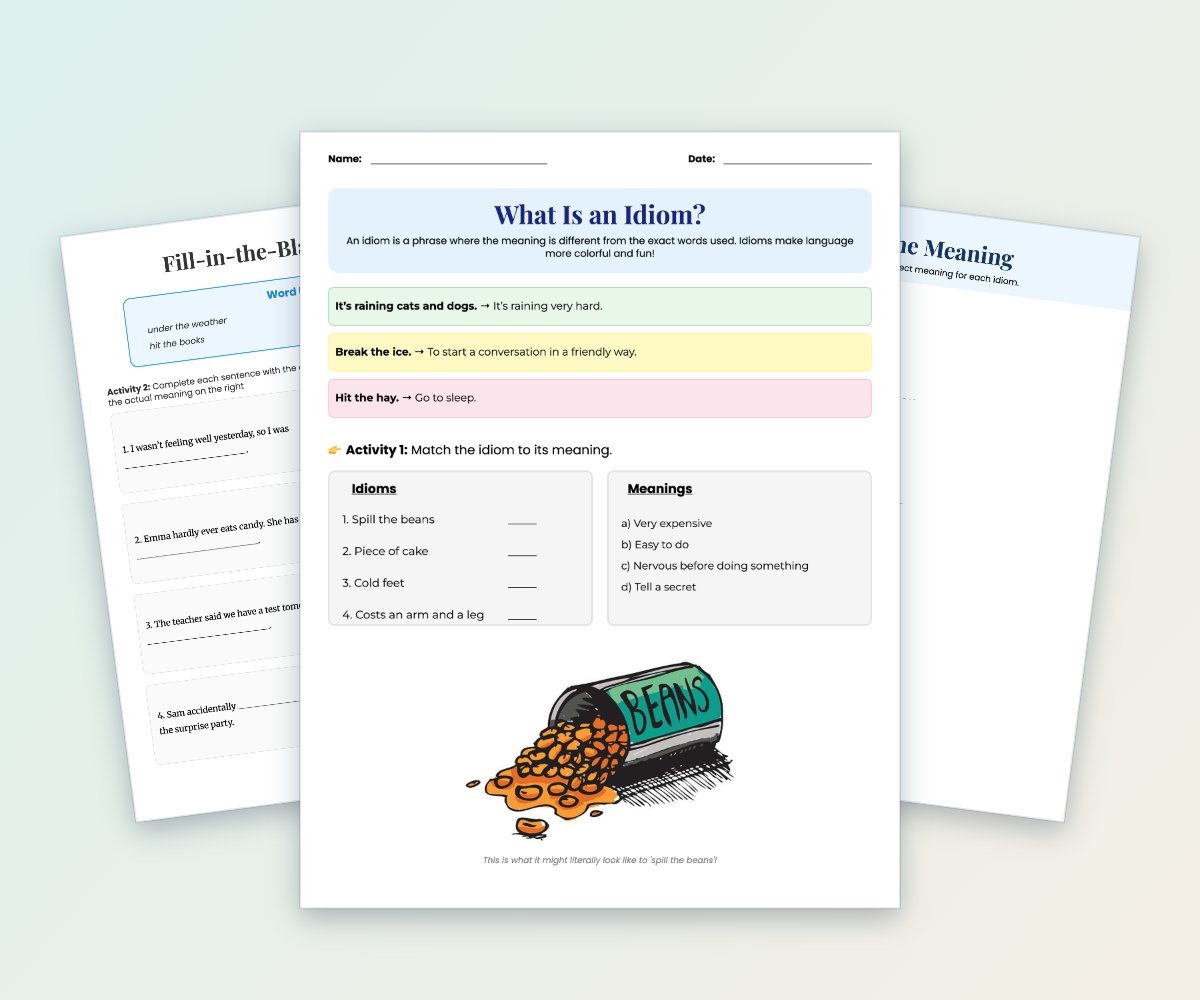
This five-page activity pack introduces idioms and provides varied practice with matching meanings, completing sentences, choosing definitions, writing, illustrating, and identifying idioms in context
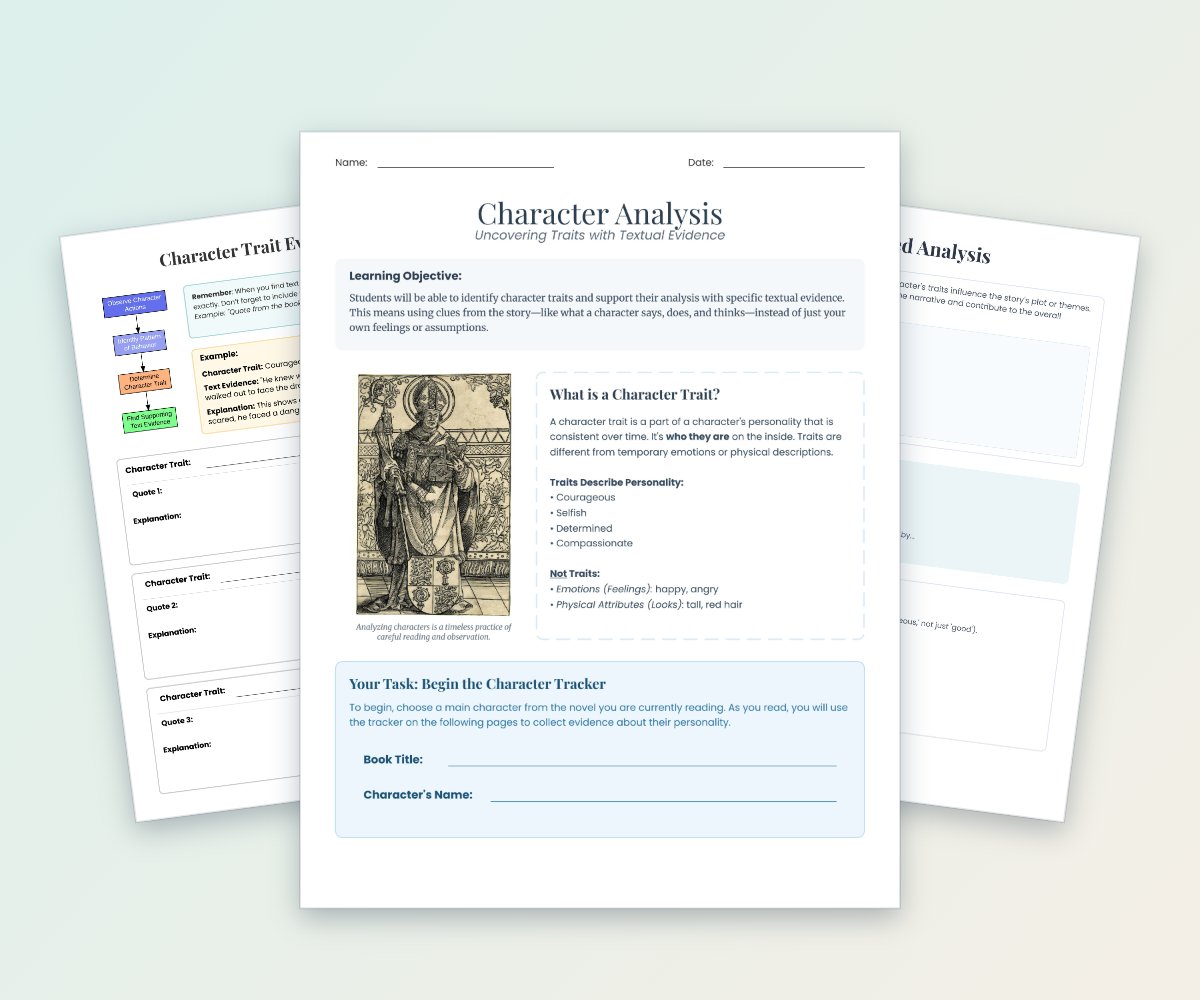
Students analyze a character’s personality traits using actions, thoughts, dialogue, and direct textual evidence.
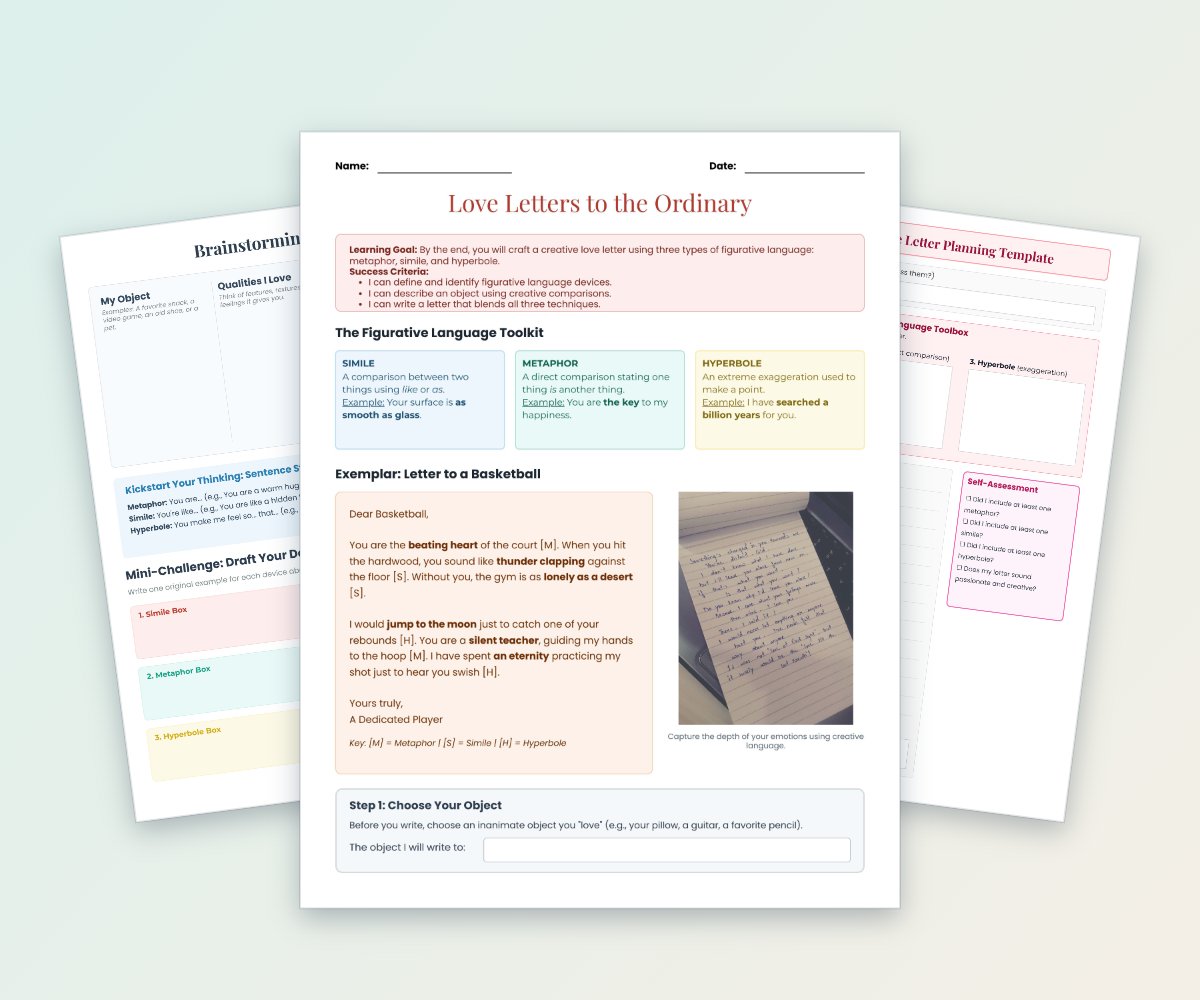
Students learn and apply similes, metaphors, and hyperbole by writing a creative love letter to an ordinary object.
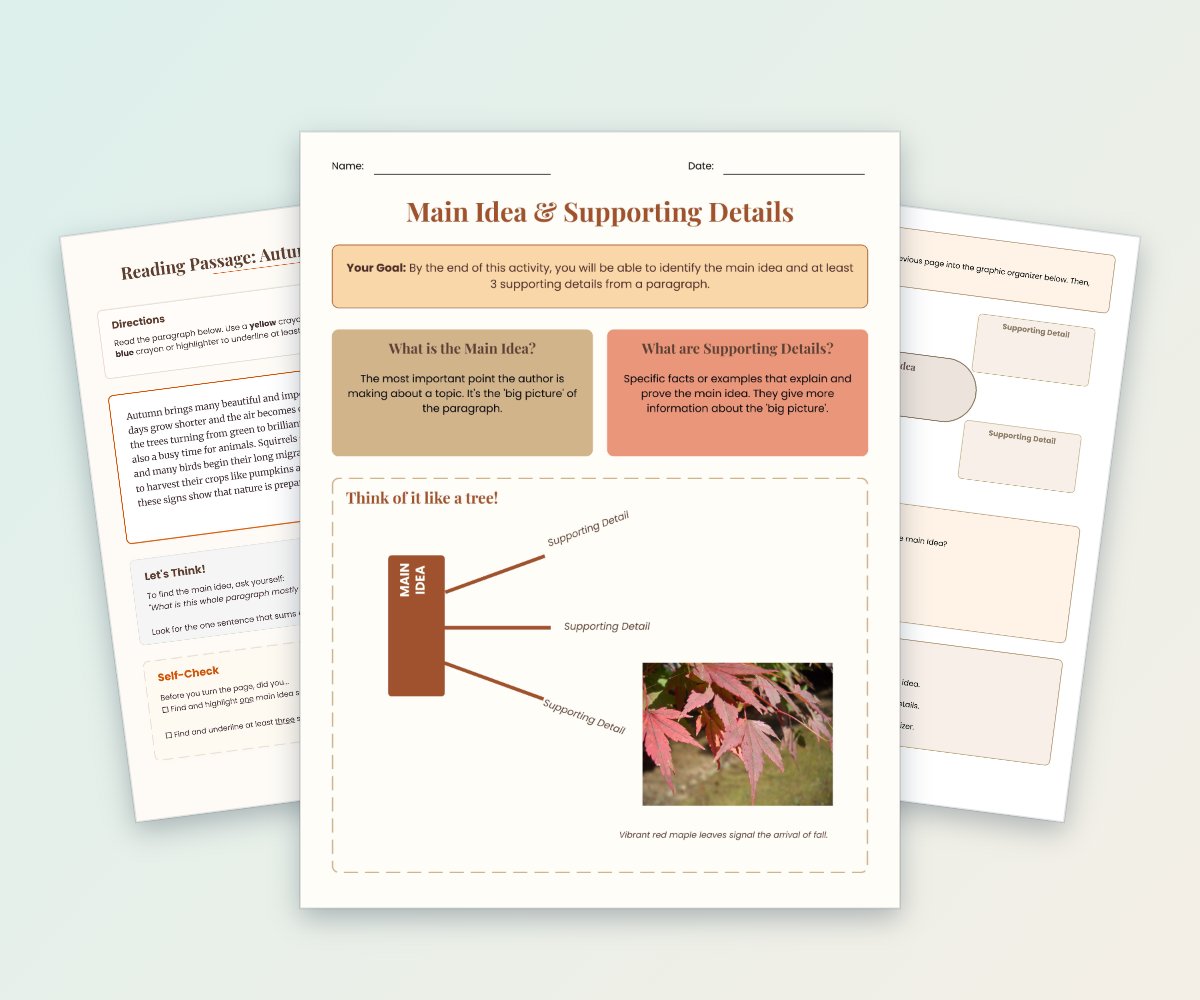
This three-page reading activity teaches students to identify a paragraph’s main idea and supporting details.
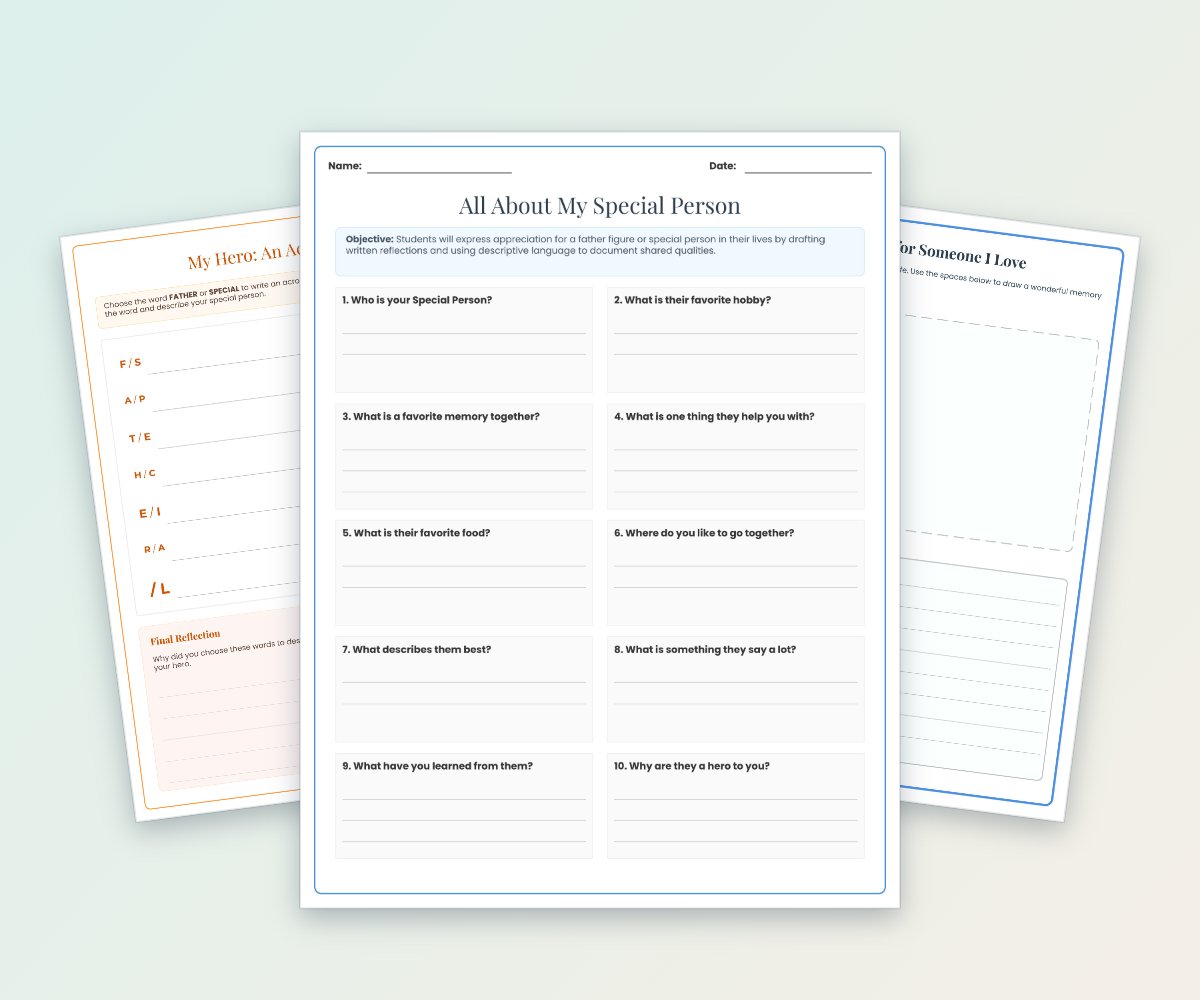
This six-page writing pack helps students celebrate a father figure or special person through descriptive writing, acrostic poetry, sensory details, drawing, and reflection.
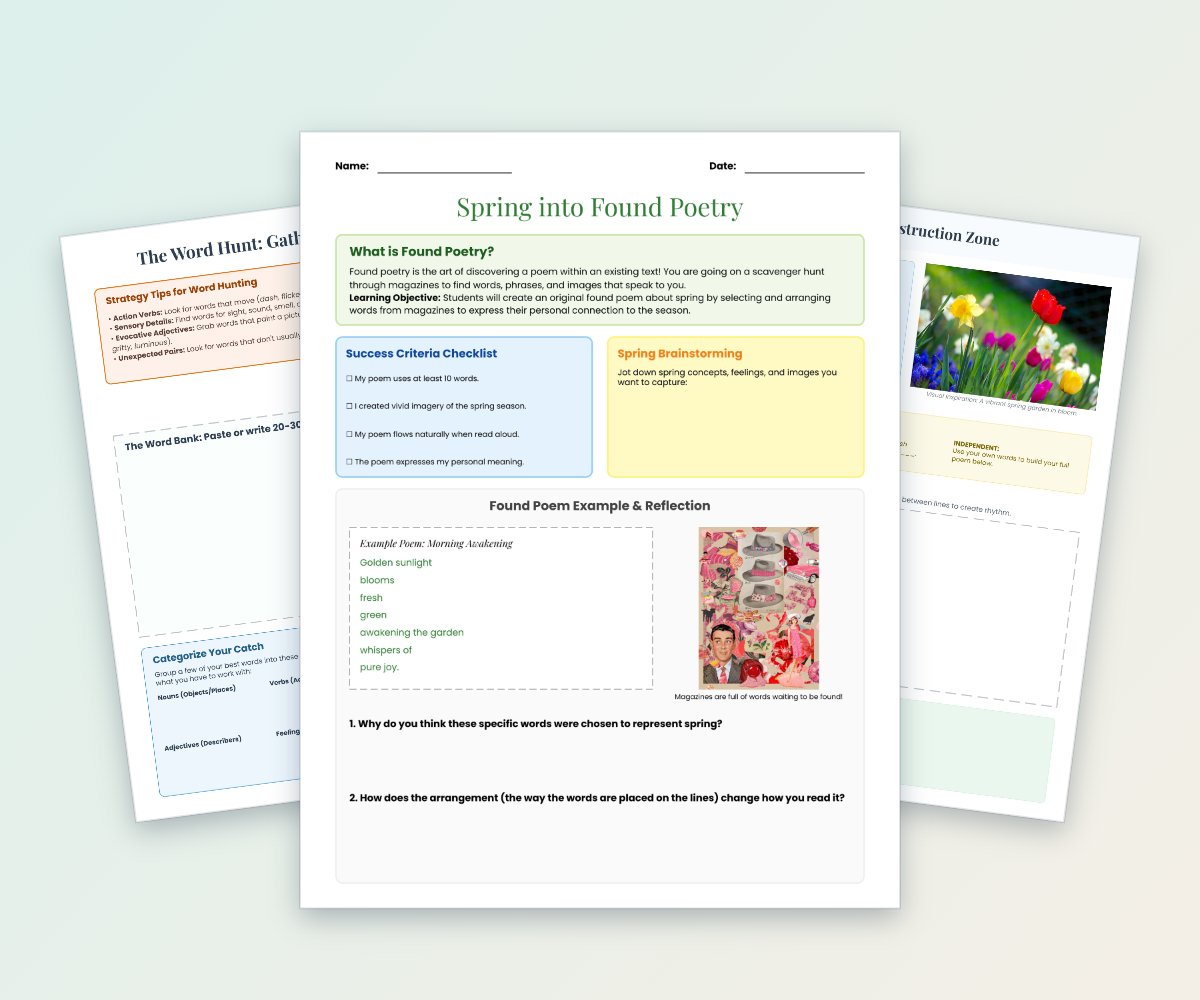
Guide students through creating an original spring-themed found poem using words gathered from magazines.
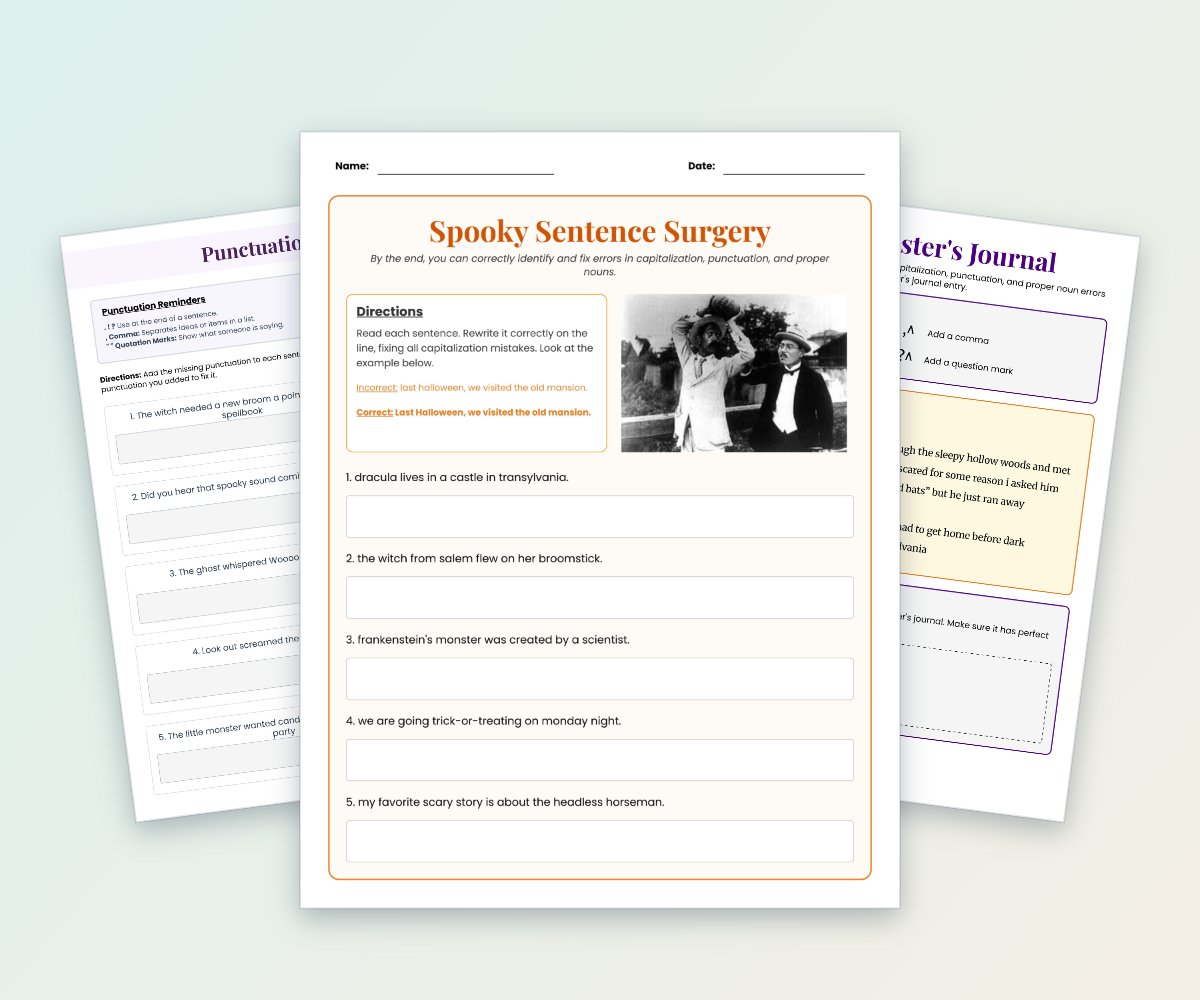
Students edit spooky-themed sentences by correcting capitalization, punctuation, proper nouns, and dialogue.
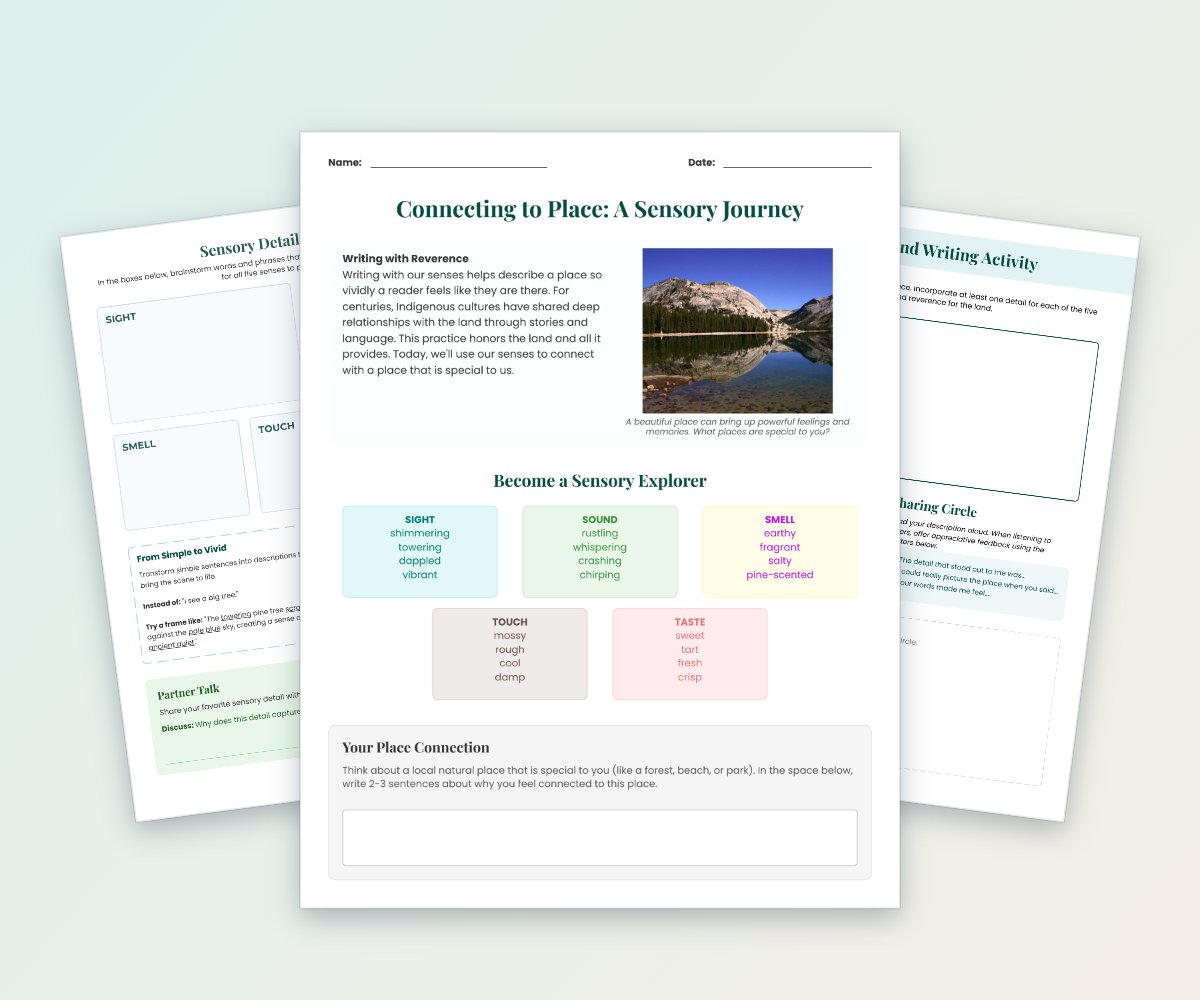
Students explore a meaningful natural place through all five senses, brainstorm vivid vocabulary, and craft a descriptive paragraph.
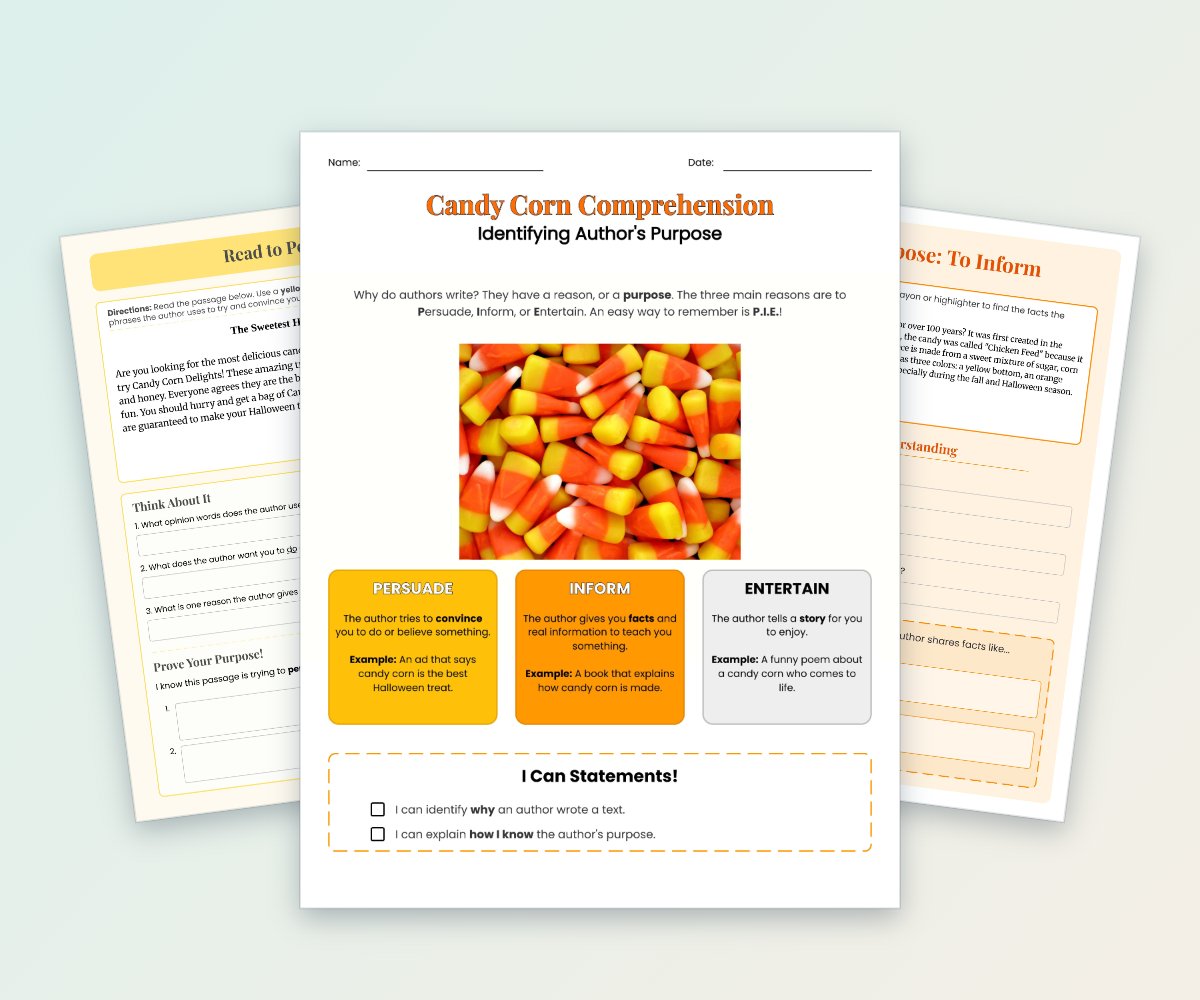
This six-page printable activity pack introduces the P.I.E.
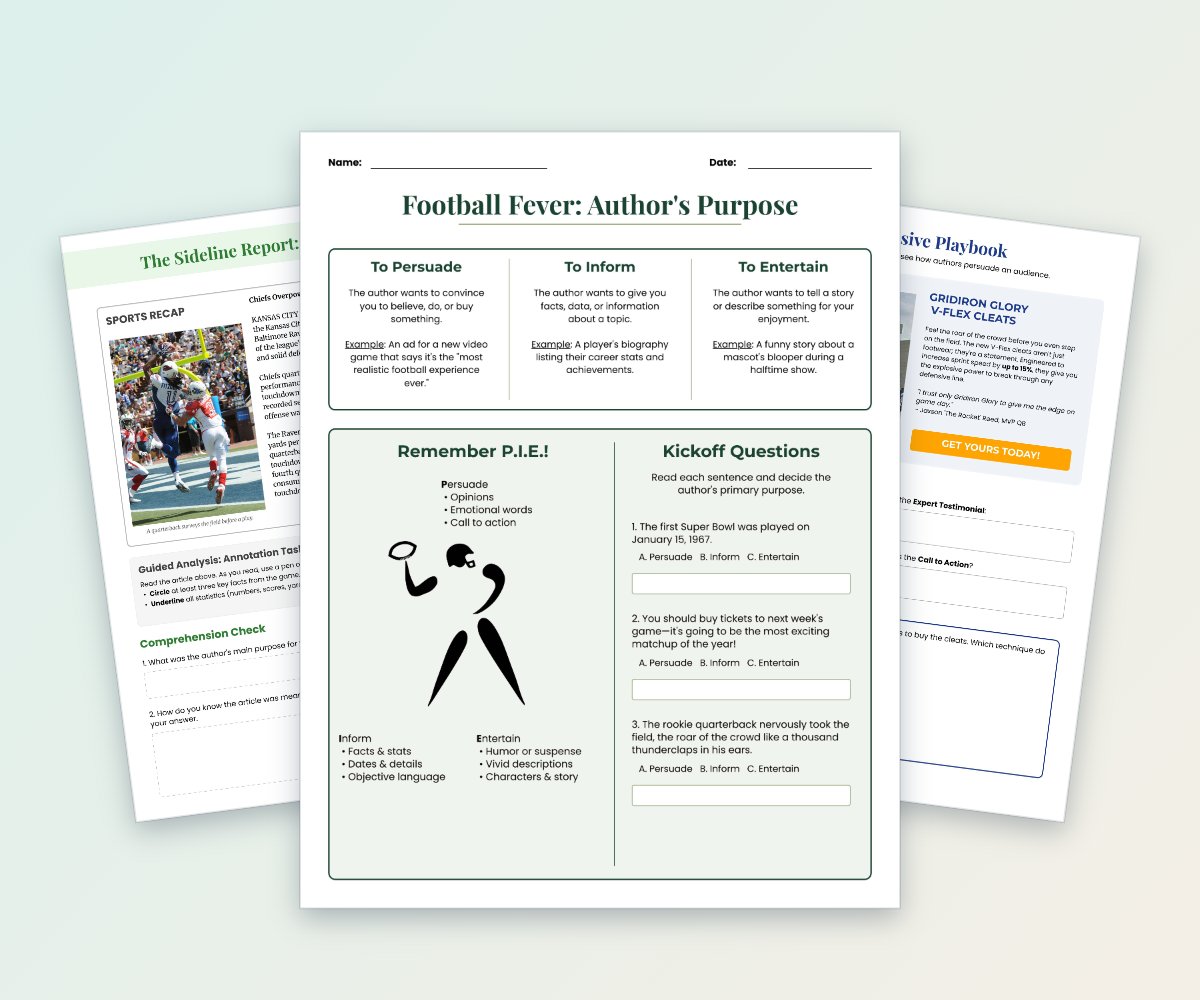
This football-themed worksheet teaches students to identify whether an author’s purpose is to persuade, inform, or entertain.
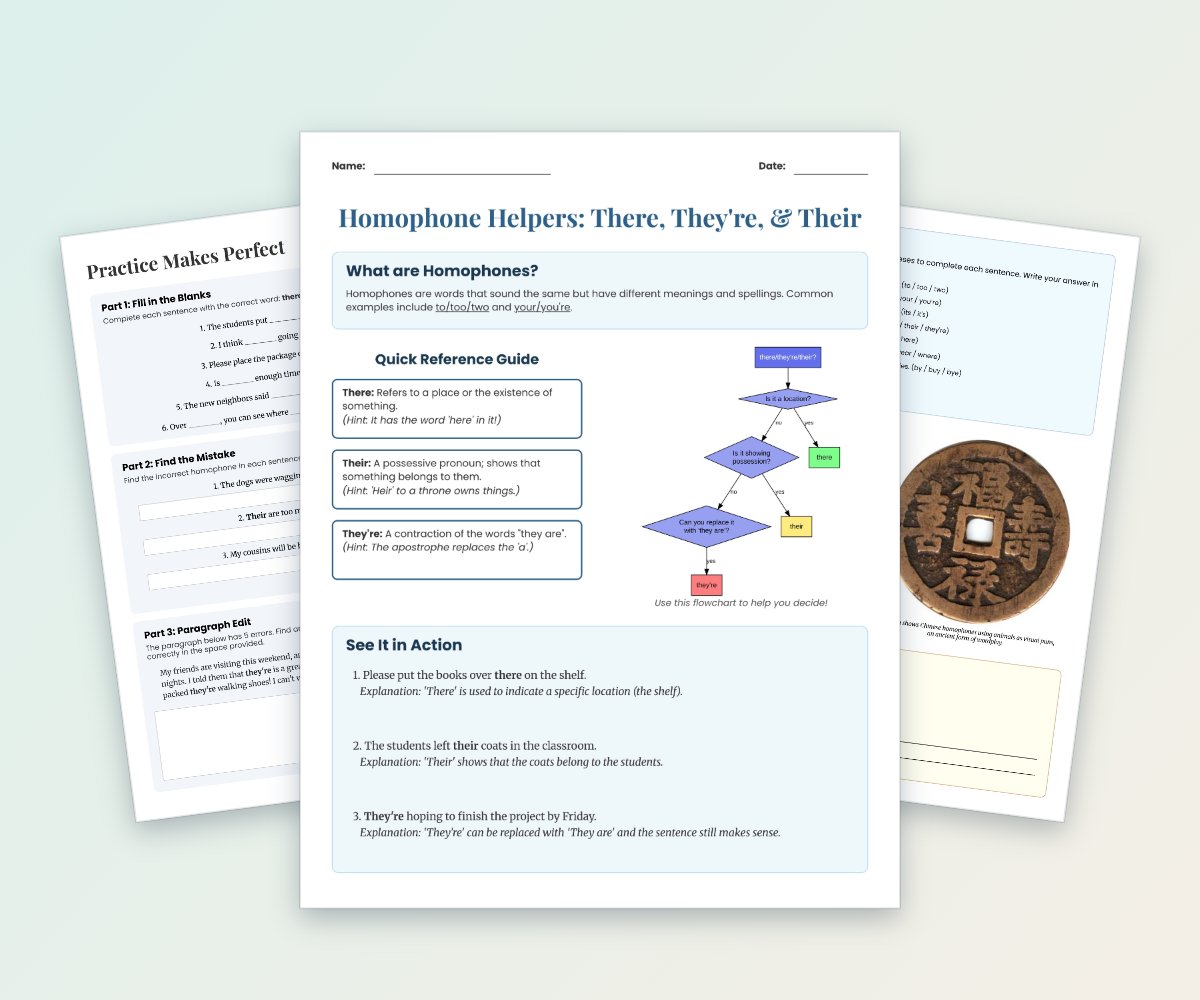
This four-page worksheet teaches students to distinguish between there, their, and they're using definitions, memory hints, examples, and a flowchart.
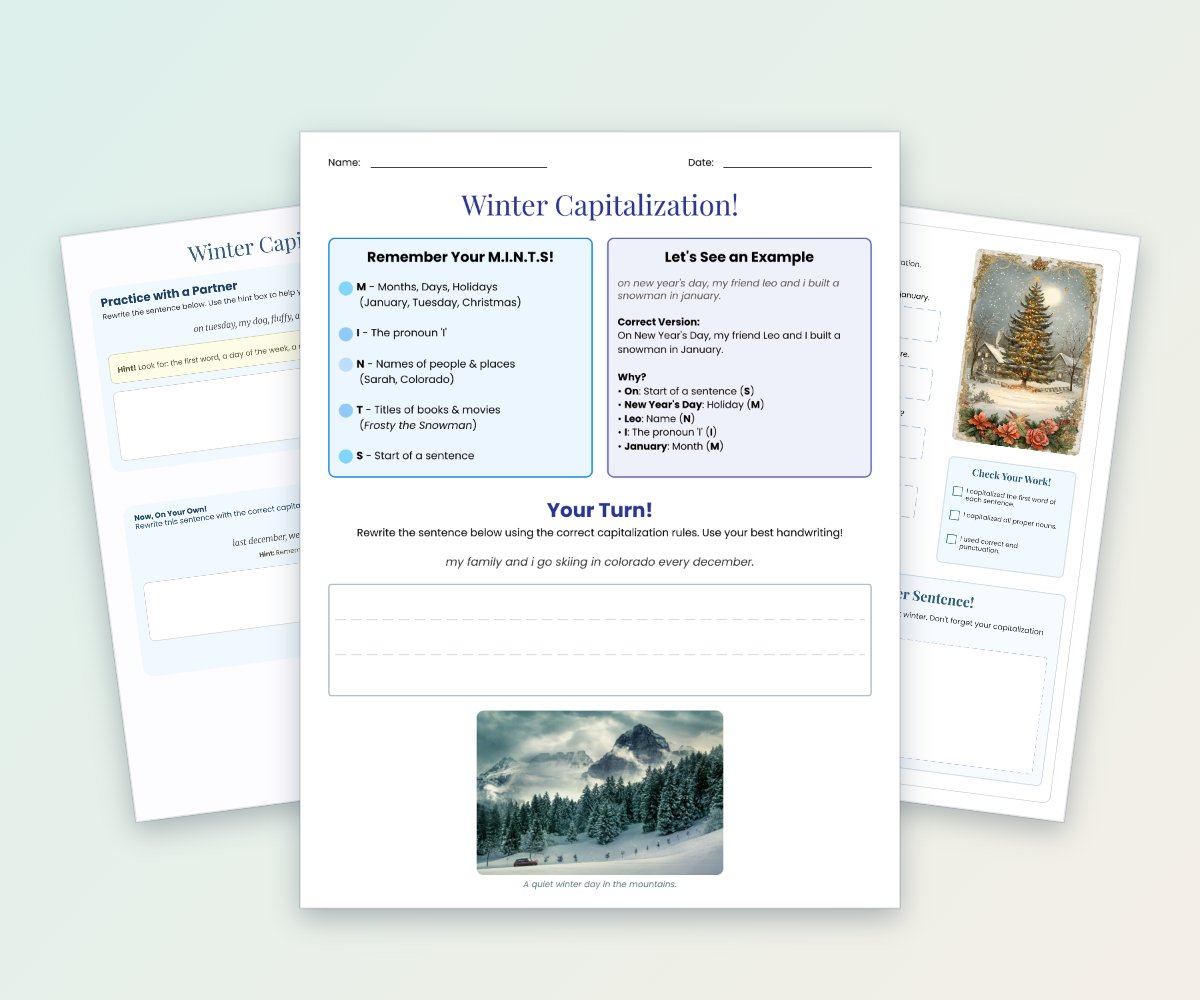
This three-page winter-themed worksheet teaches capitalization rules using the M.I.N.T.S.
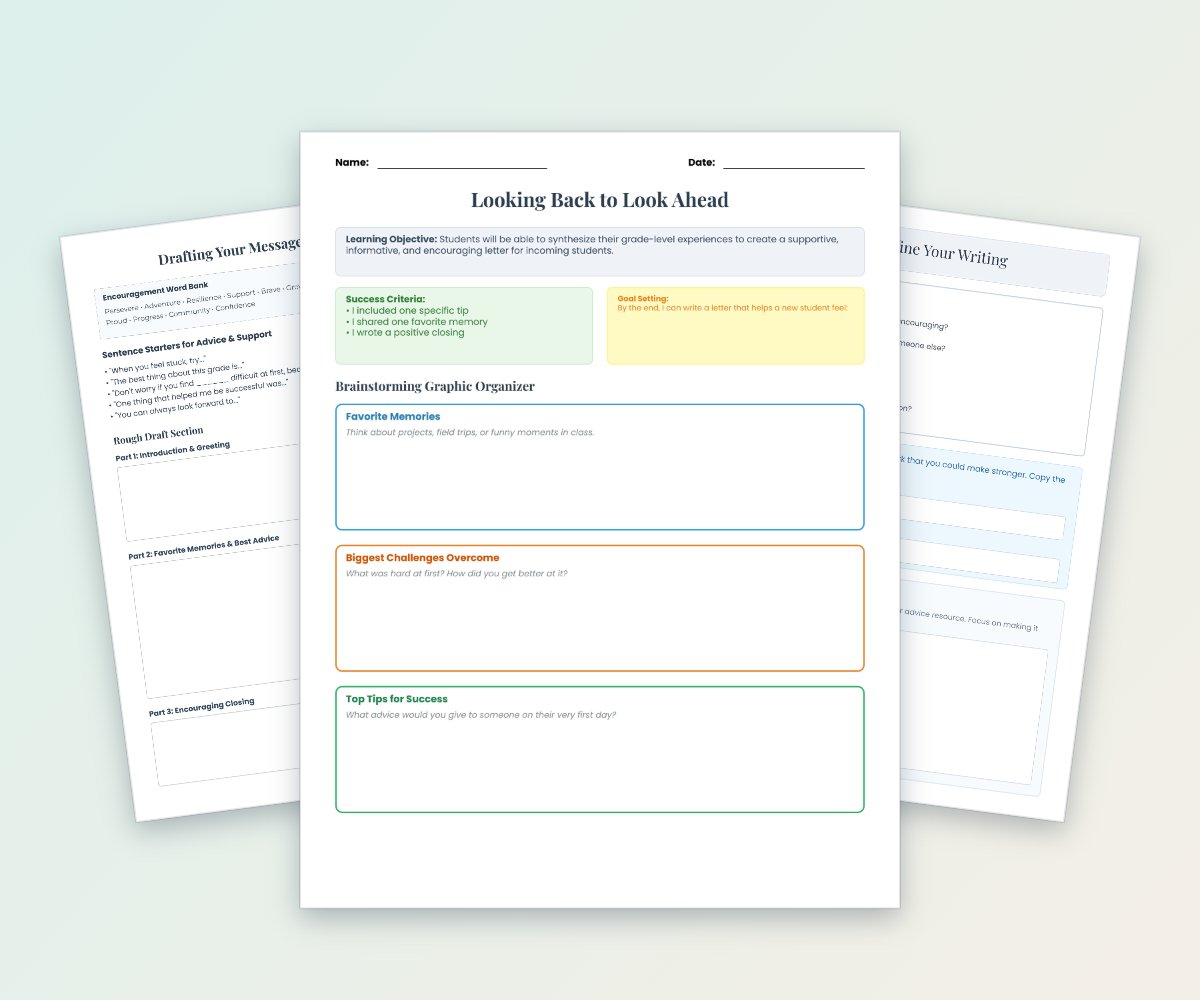
Students reflect on their grade-level experiences and write an encouraging letter to incoming students.
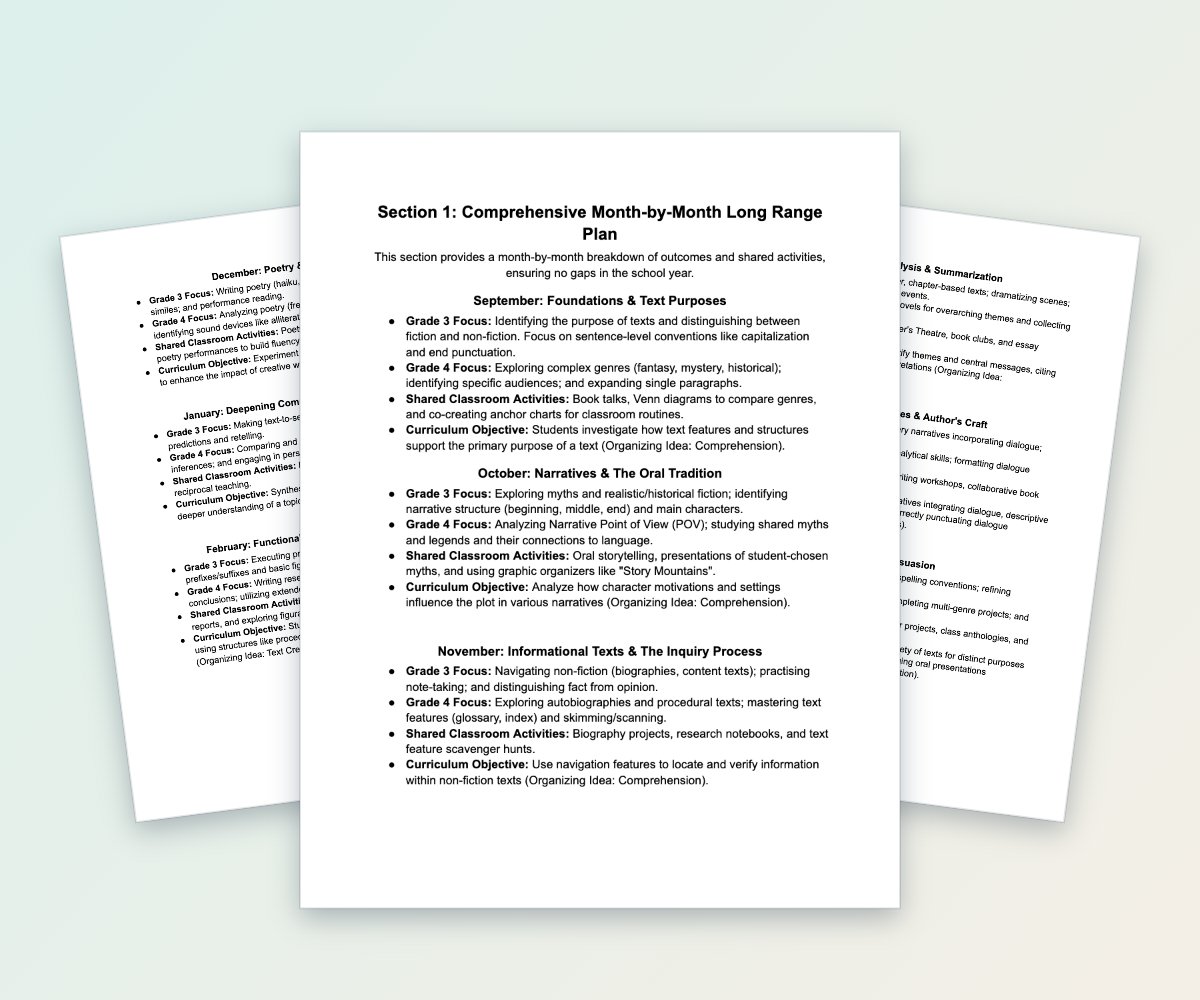
This five-page long-range plan organizes Alberta English language arts instruction month by month for Grades 3 and 4.
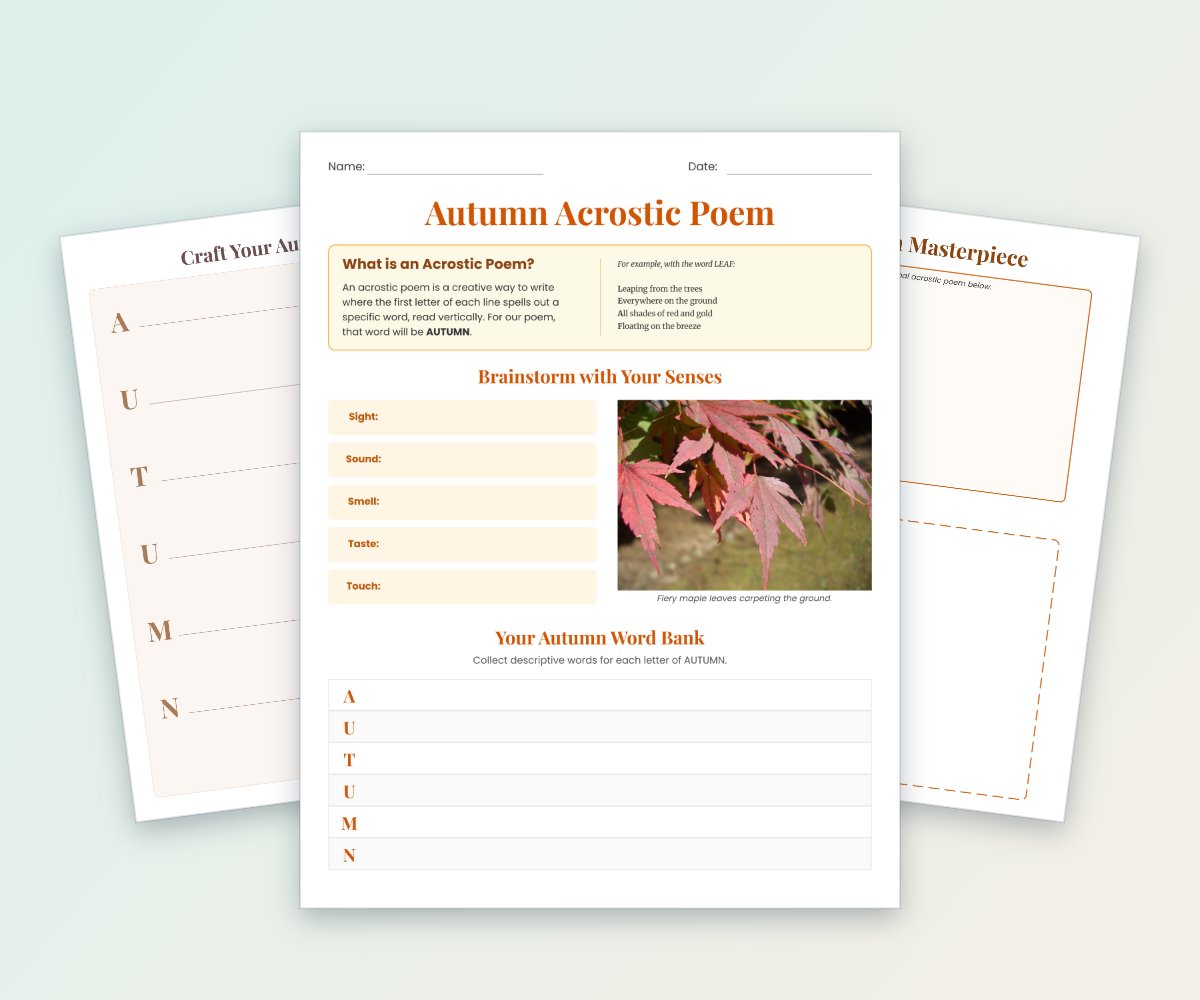
Students brainstorm autumn vocabulary using their senses, explore poetic devices, and collect descriptive words.
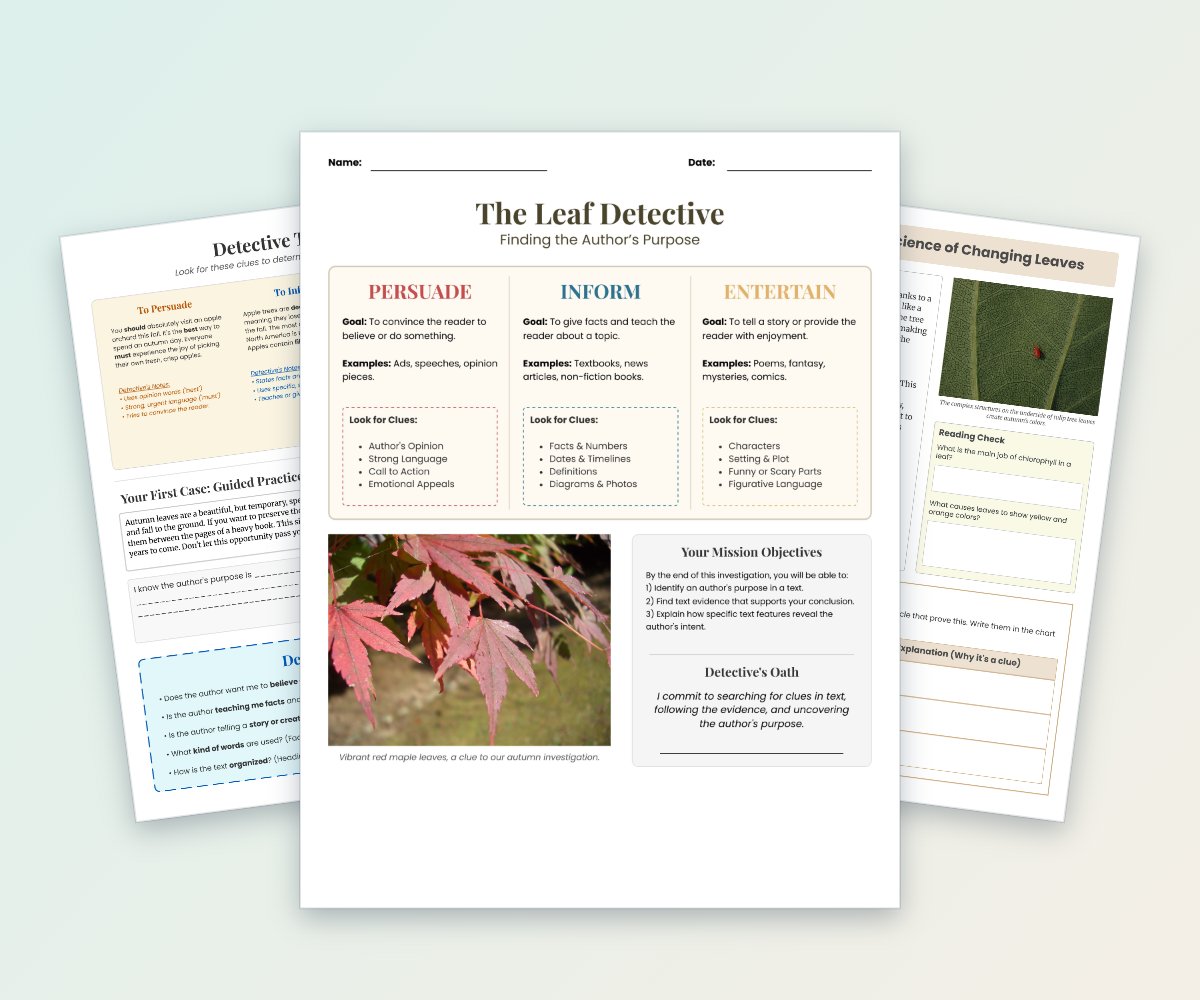
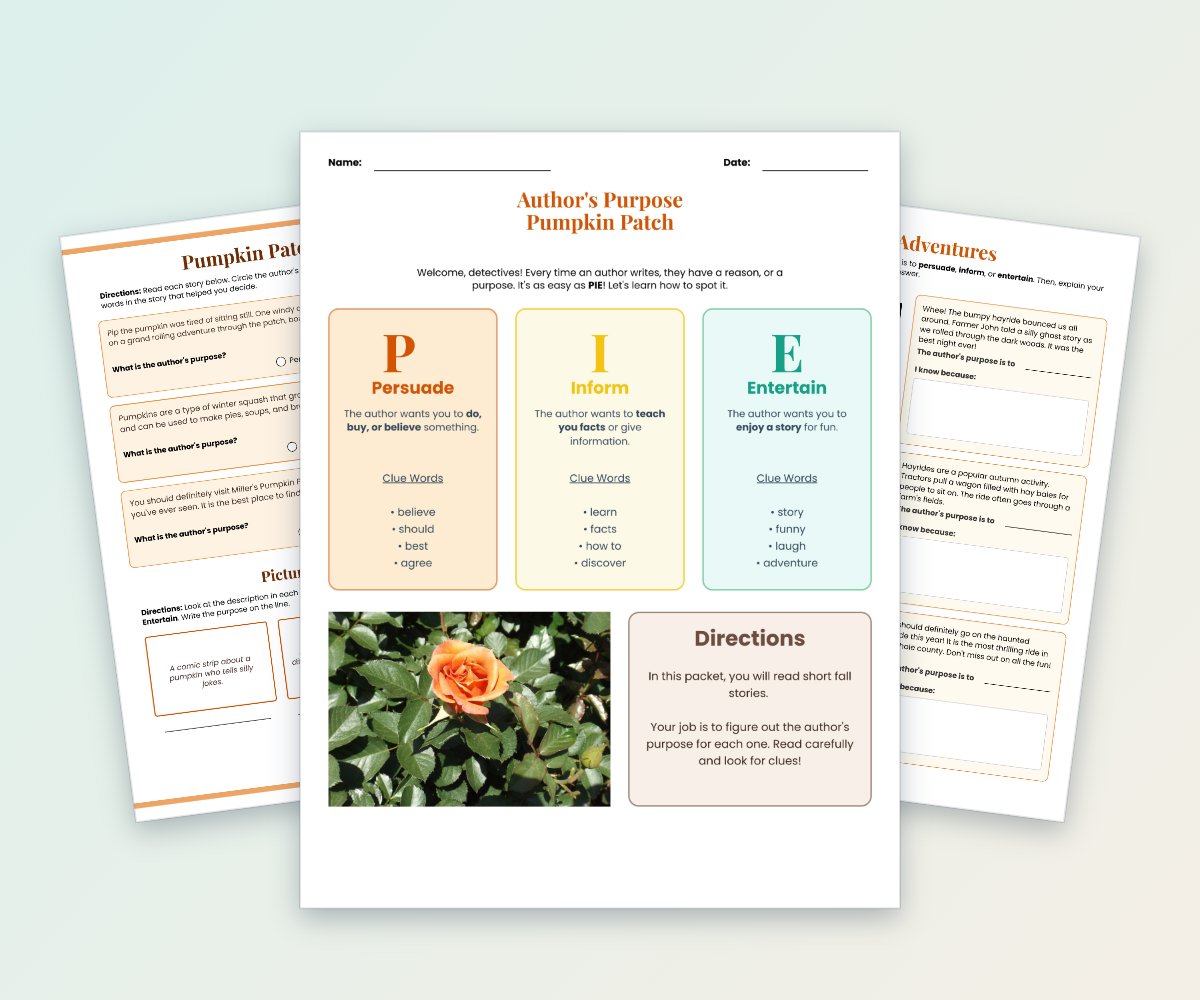
Students investigate whether texts are written to persuade, inform, or entertain using detective-themed examples and text clues.
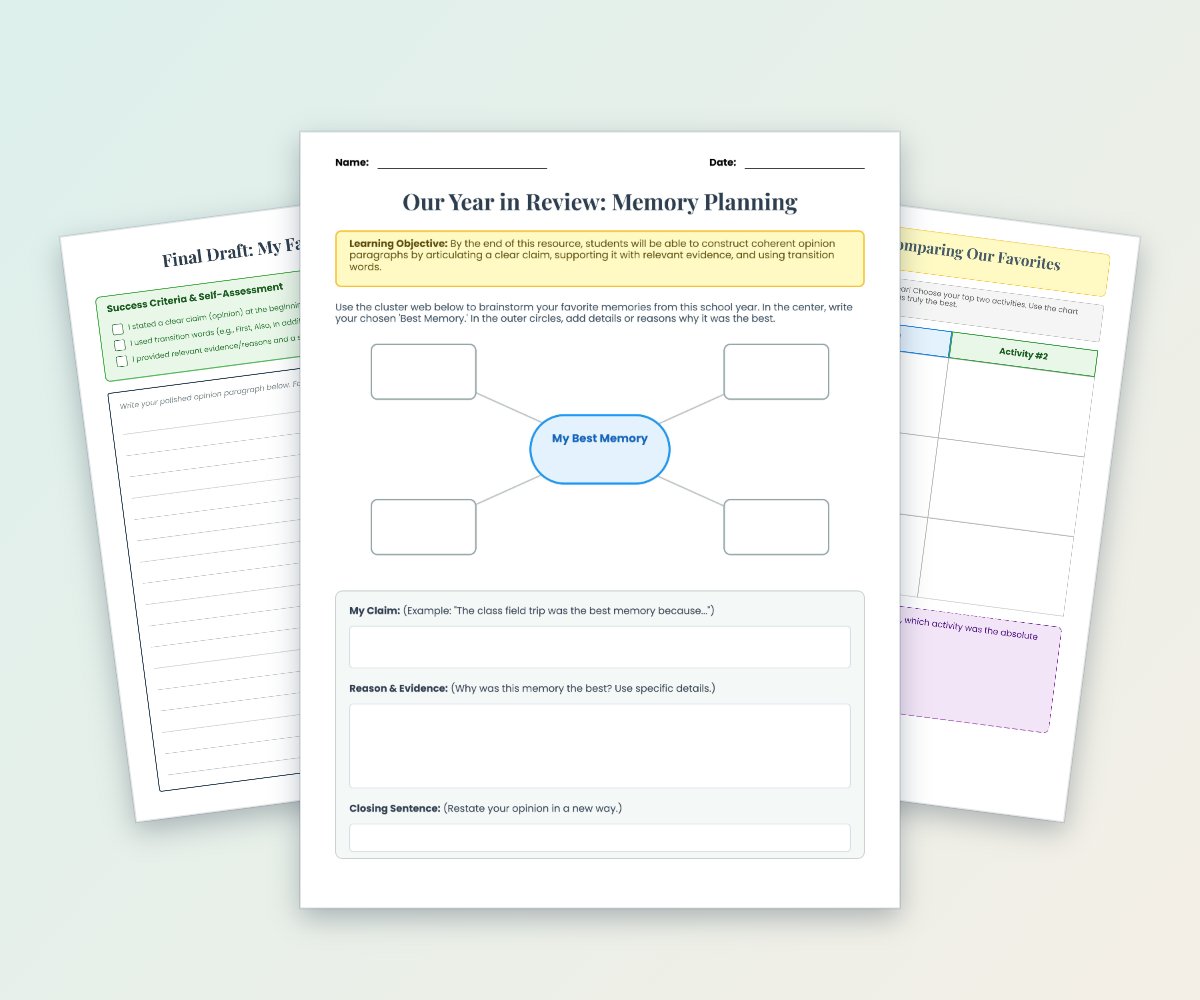
This end-of-year writing pack guides students through brainstorming favorite memories, developing claims with supporting evidence, comparing activities, and drafting persuasive paragraphs.
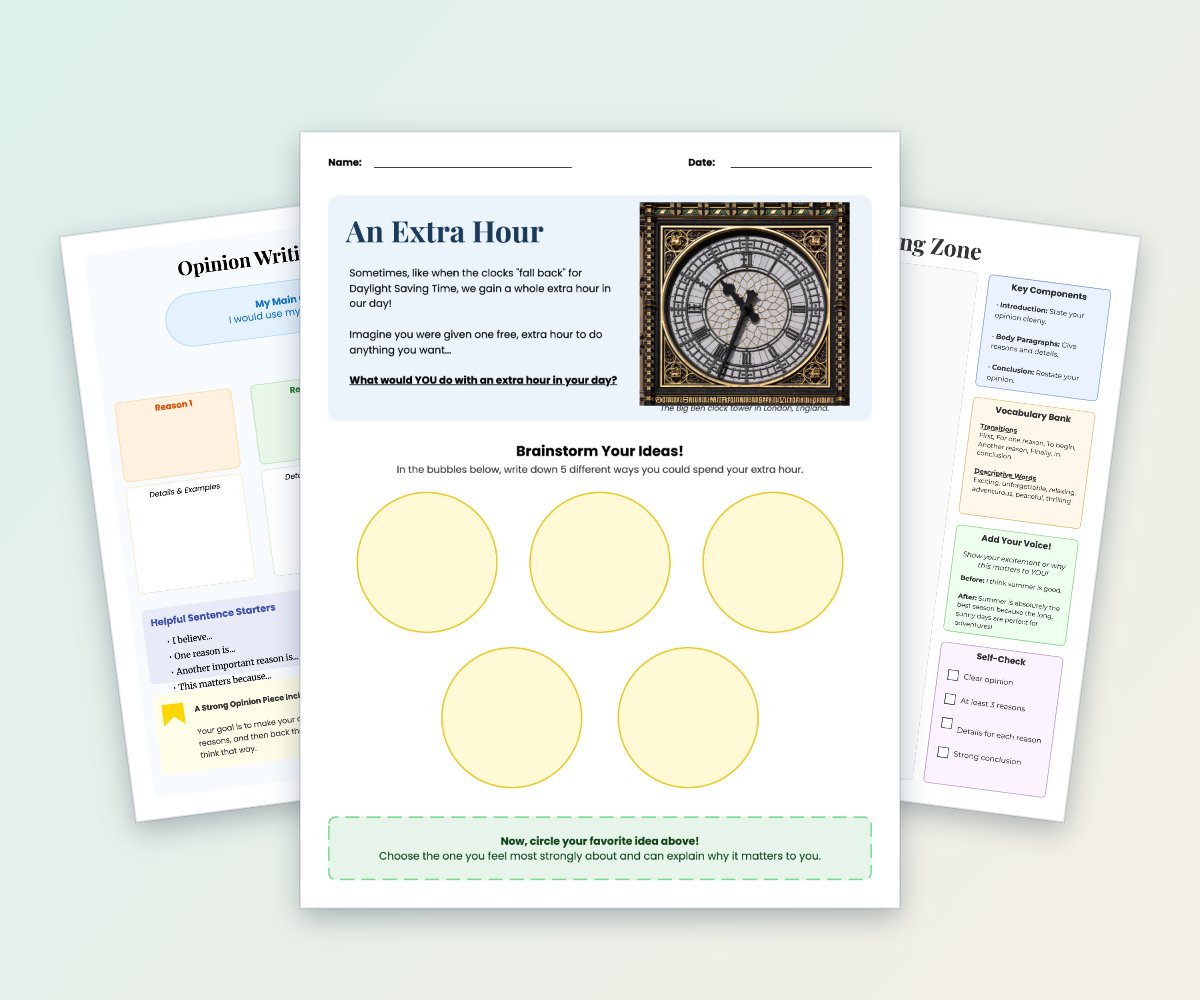
Students imagine how they would spend an extra hour and develop a persuasive opinion piece.
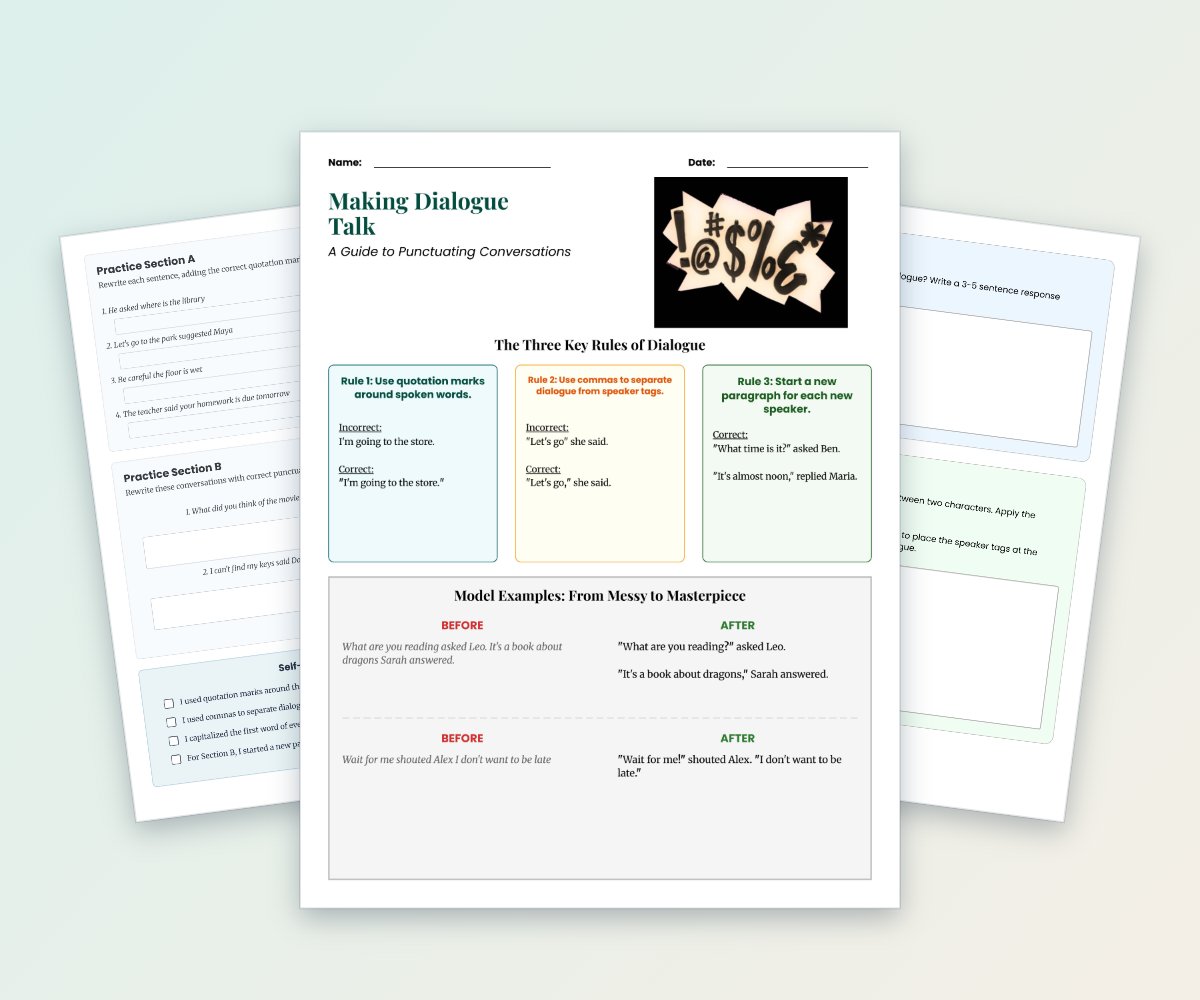
Teach students three key dialogue punctuation rules: quotation marks, commas with speaker tags, and paragraphing for new speakers.
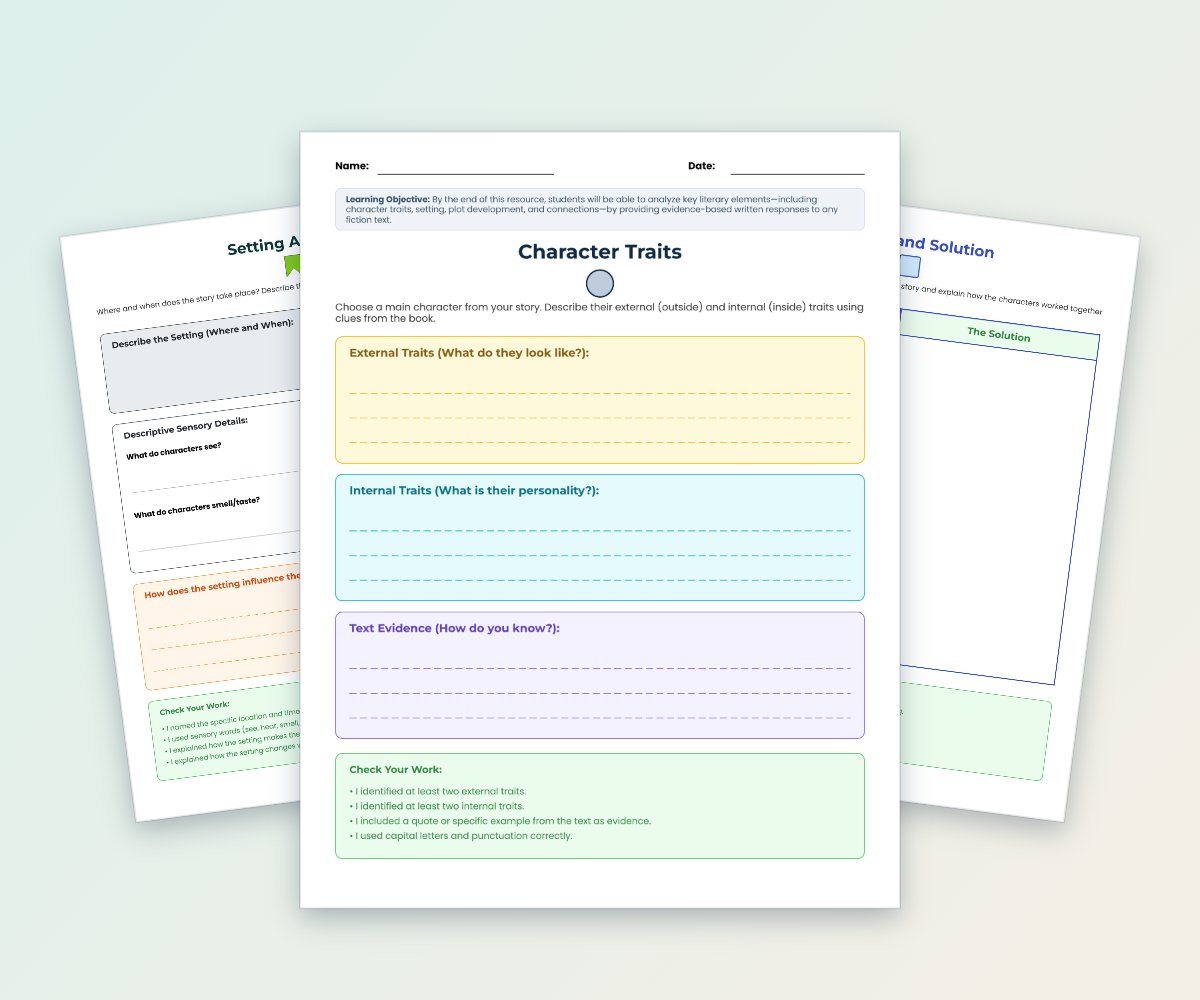
This six-page journal pack guides students through analyzing character traits, setting, problem and solution, literary connections, and meaningful quotes.
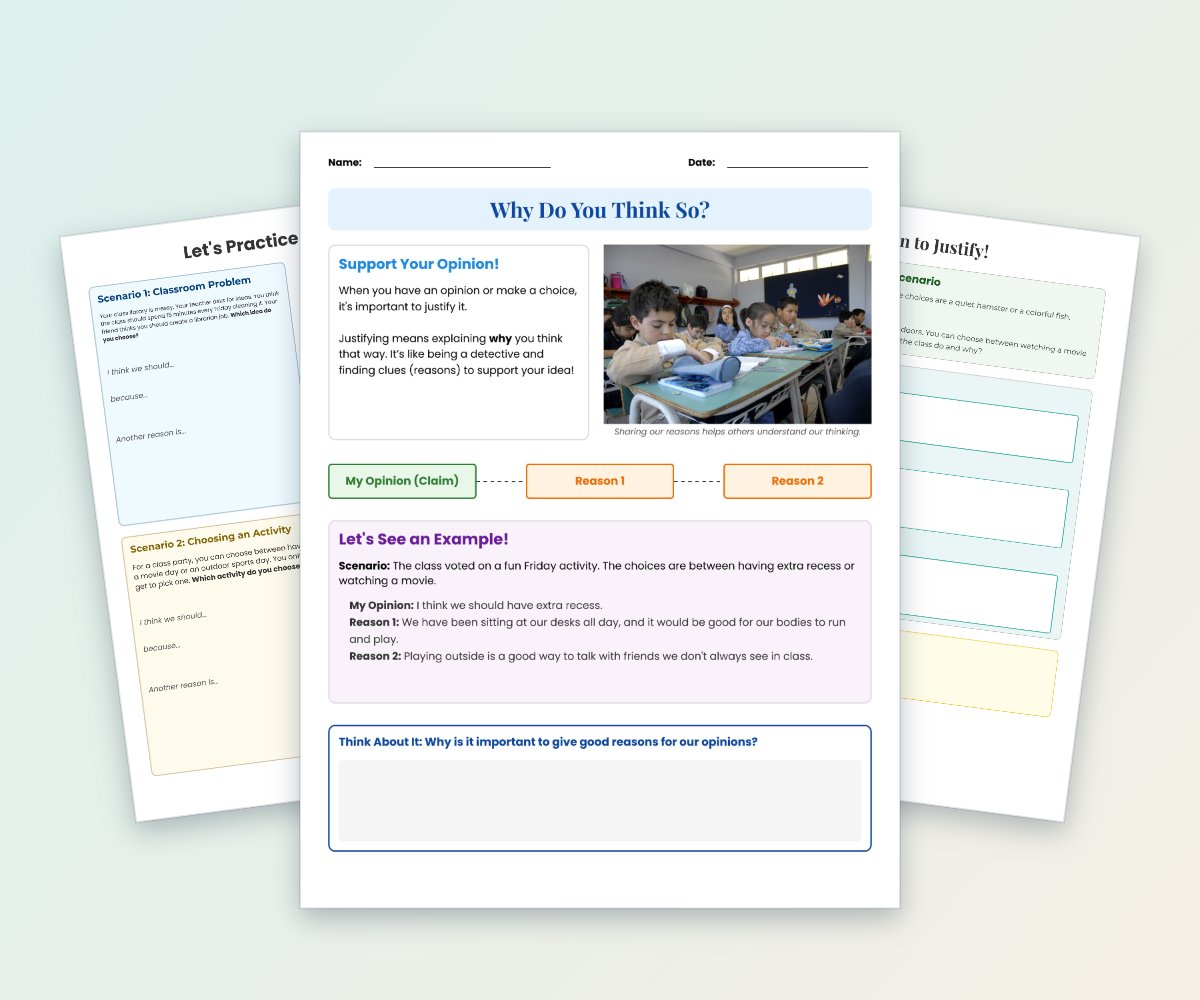
This three-page worksheet helps students state an opinion, provide two supporting reasons, and explain their thinking.
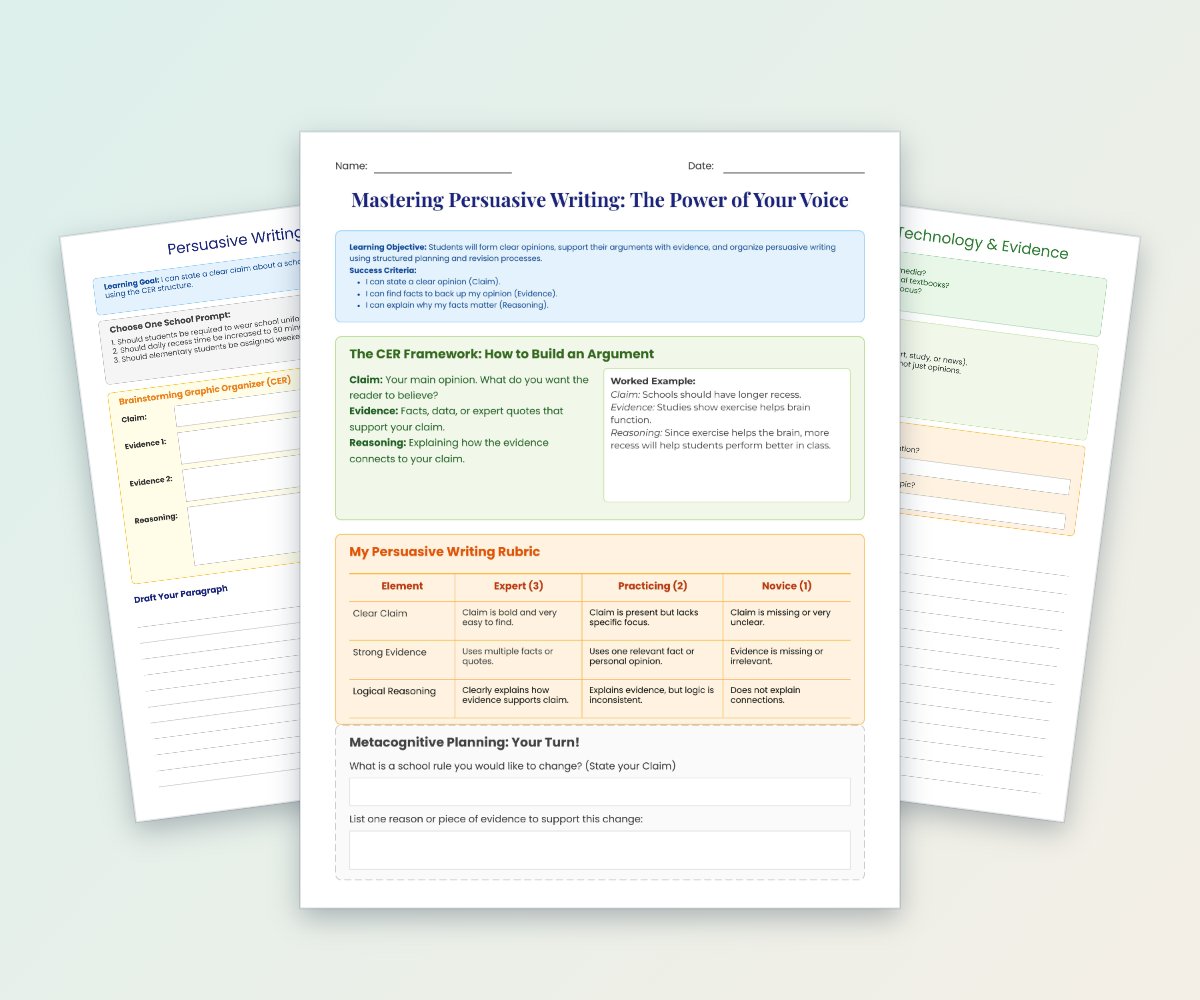
This eight-page writing pack teaches students to develop claims, support opinions with evidence, explain reasoning, and organize persuasive paragraphs using the CER framework.
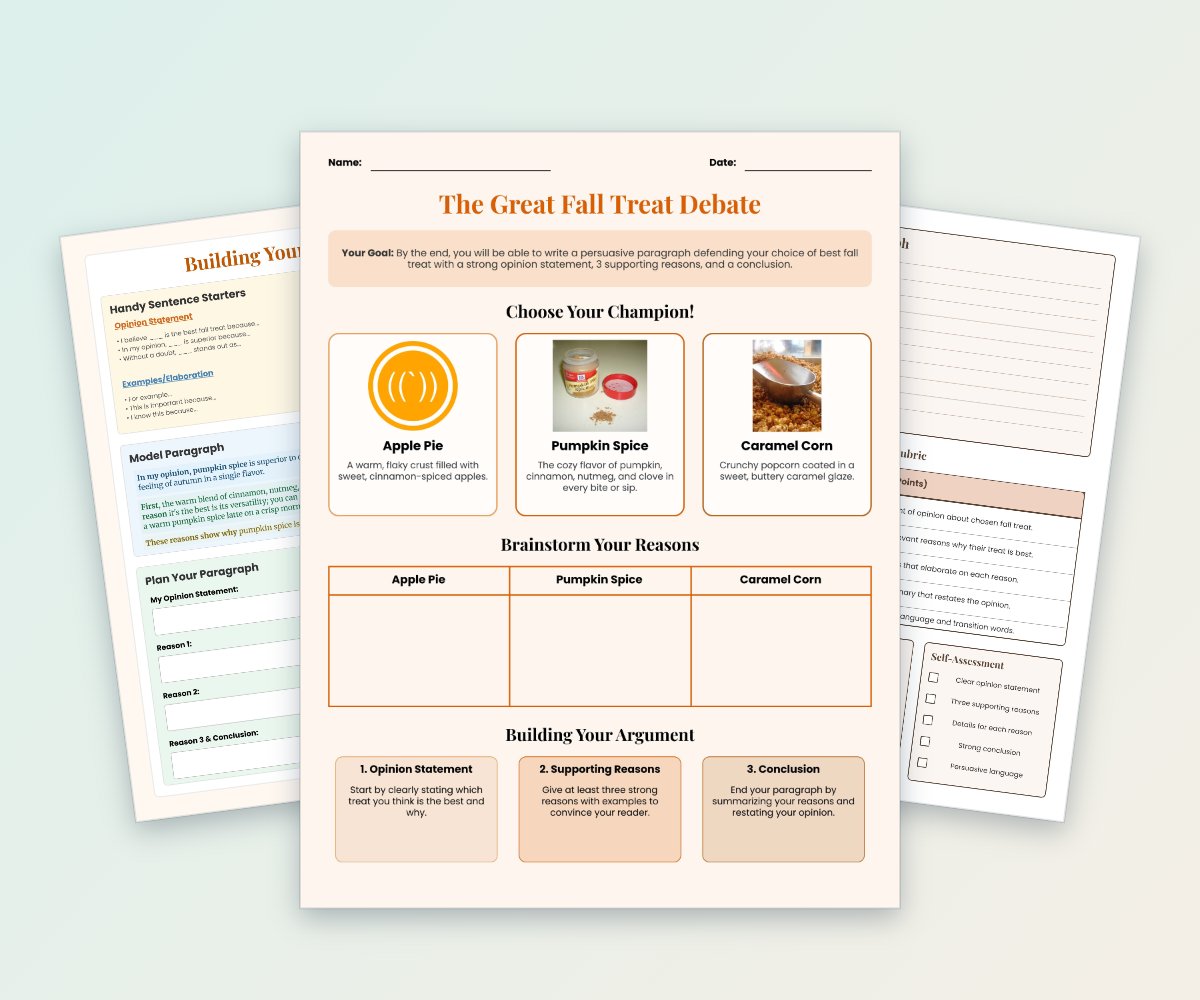
Students choose a favorite fall treat and develop a persuasive paragraph with an opinion statement, three supporting reasons, examples, and a conclusion.
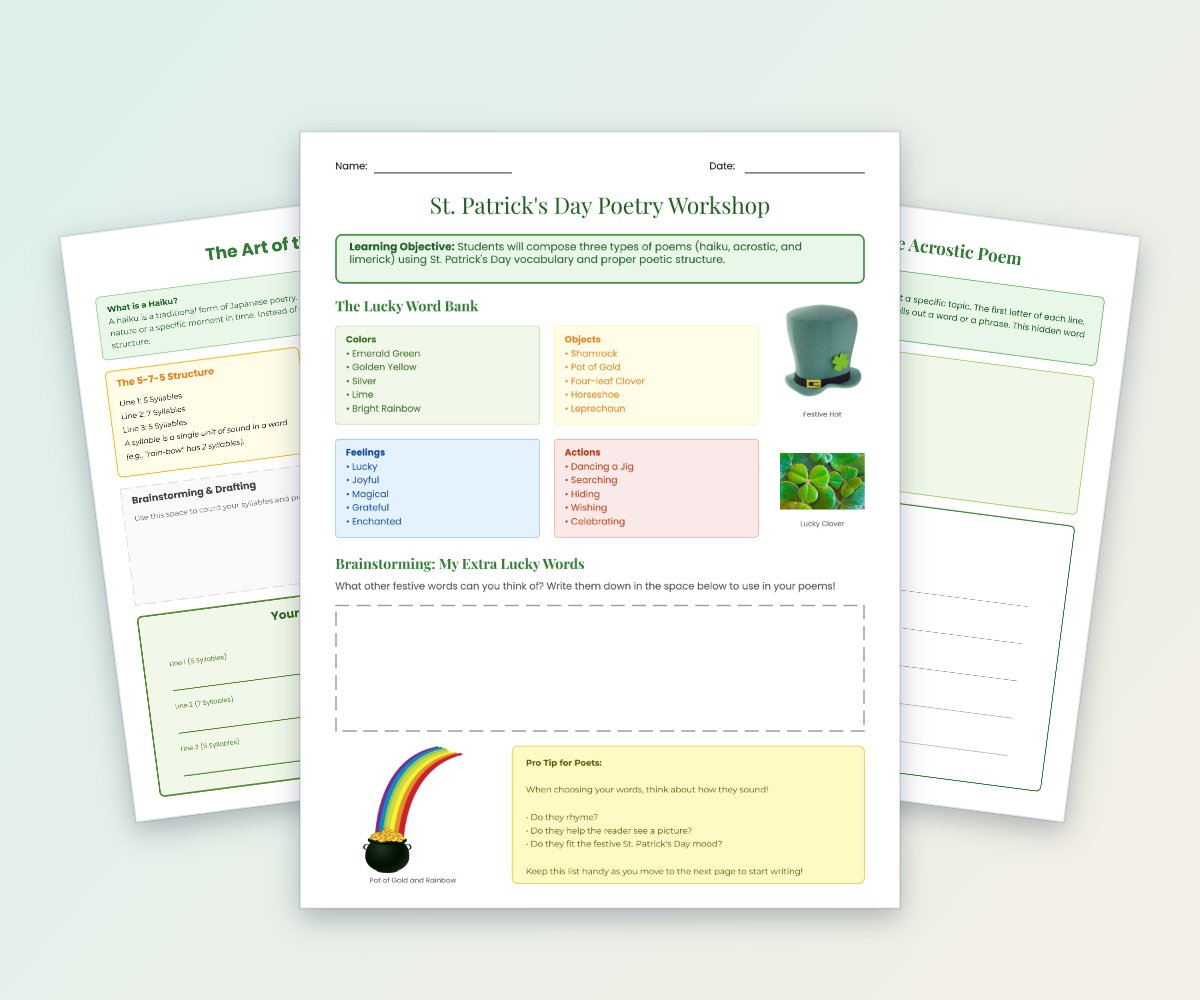
Students learn and practice writing haiku, acrostic poems, and limericks using St.
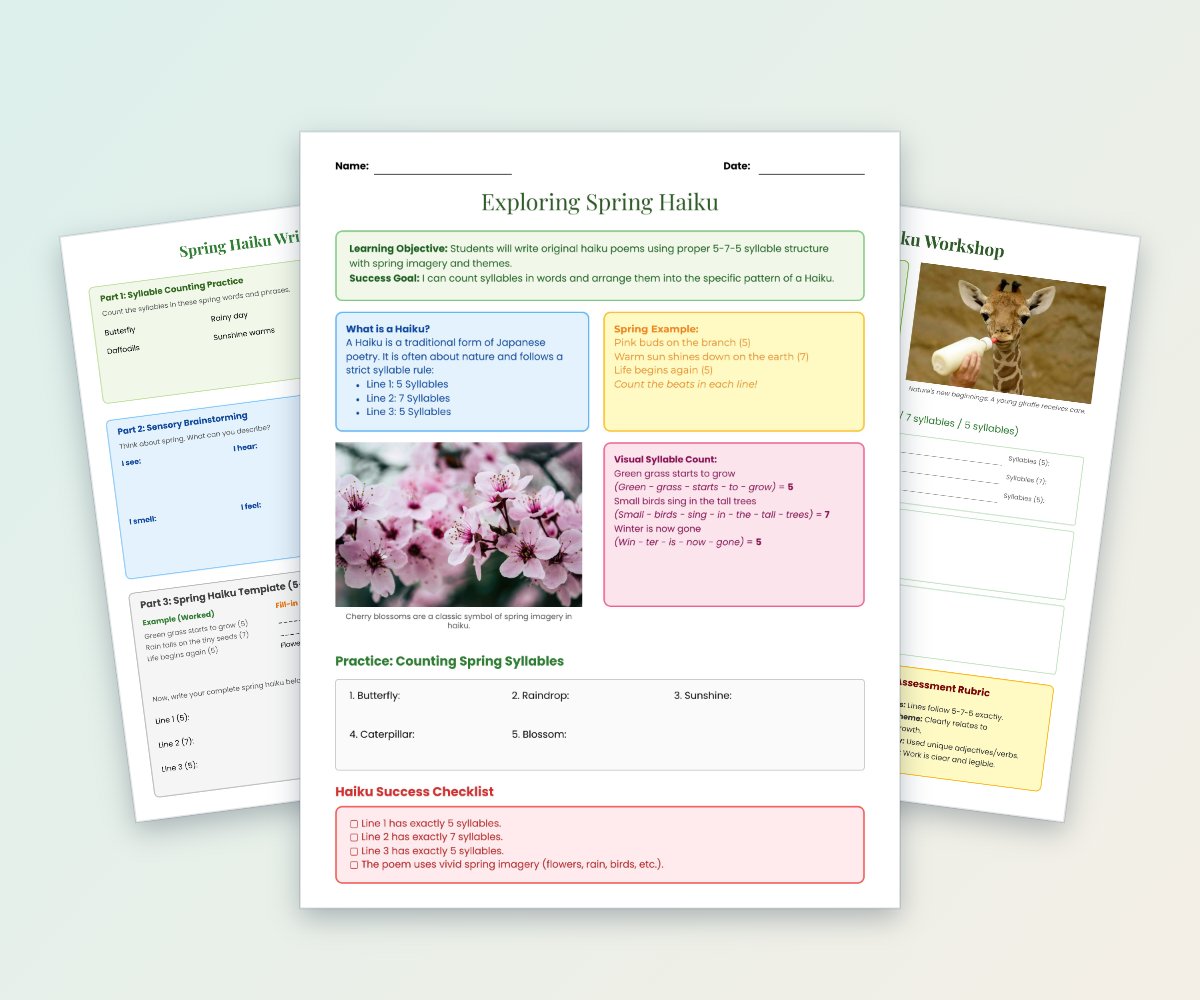
Teach students to write spring-themed haiku using the traditional 5-7-5 syllable structure.
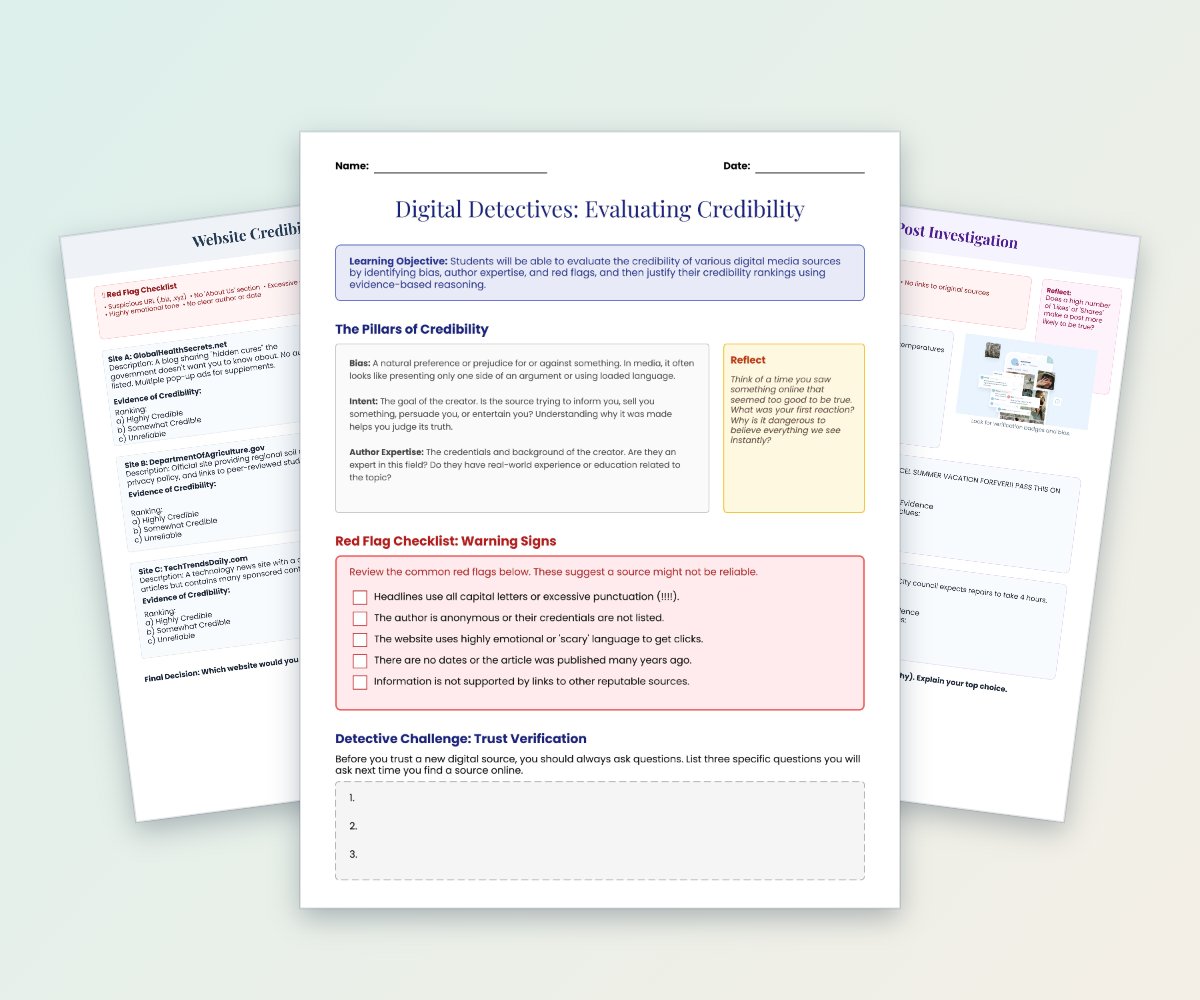
Students examine bias, intent, author expertise, website clues, and red flags to rank digital sources by credibility.
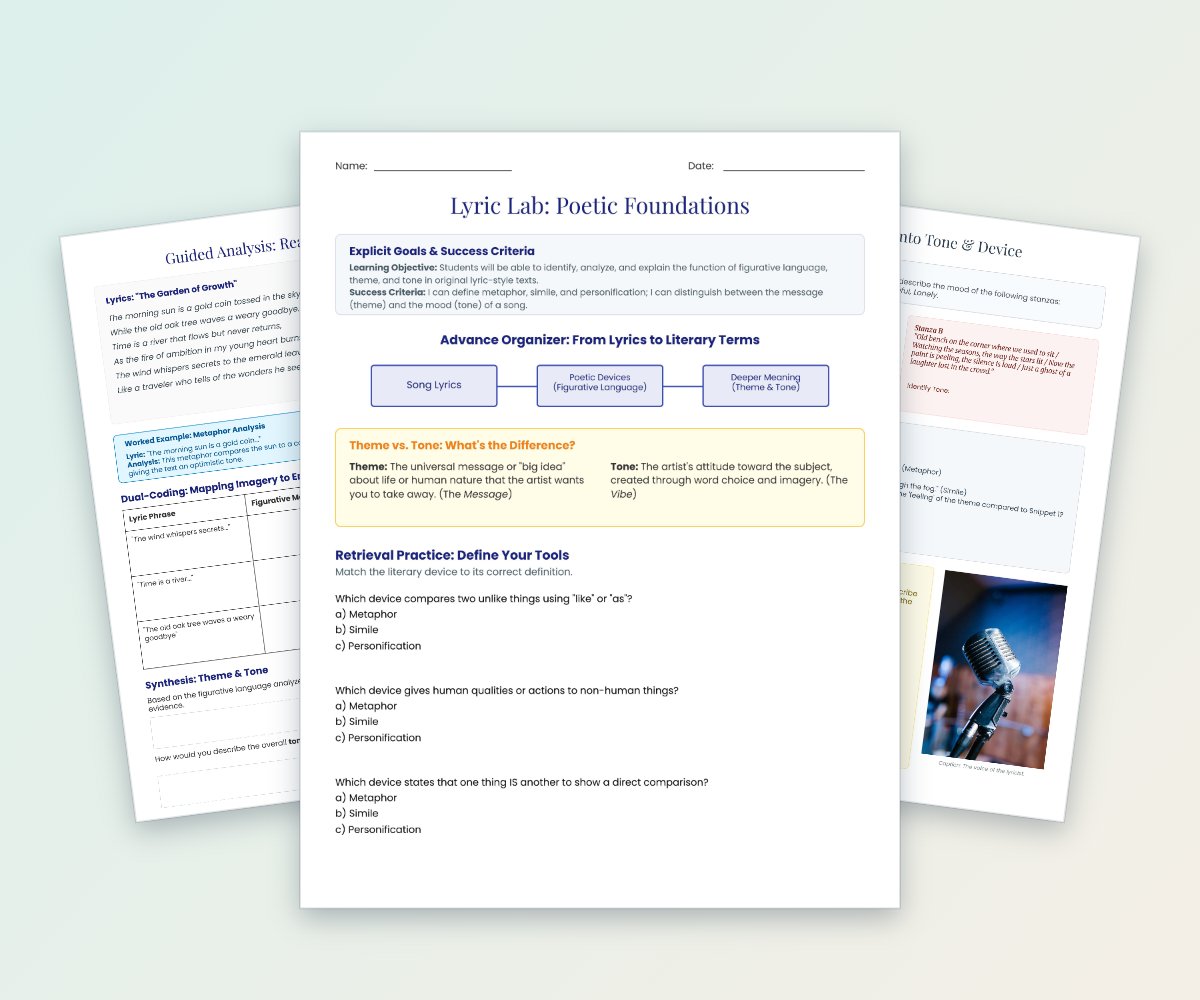
This six-page activity pack guides students through identifying and analyzing metaphor, simile, personification, theme, and tone in lyric-style texts.
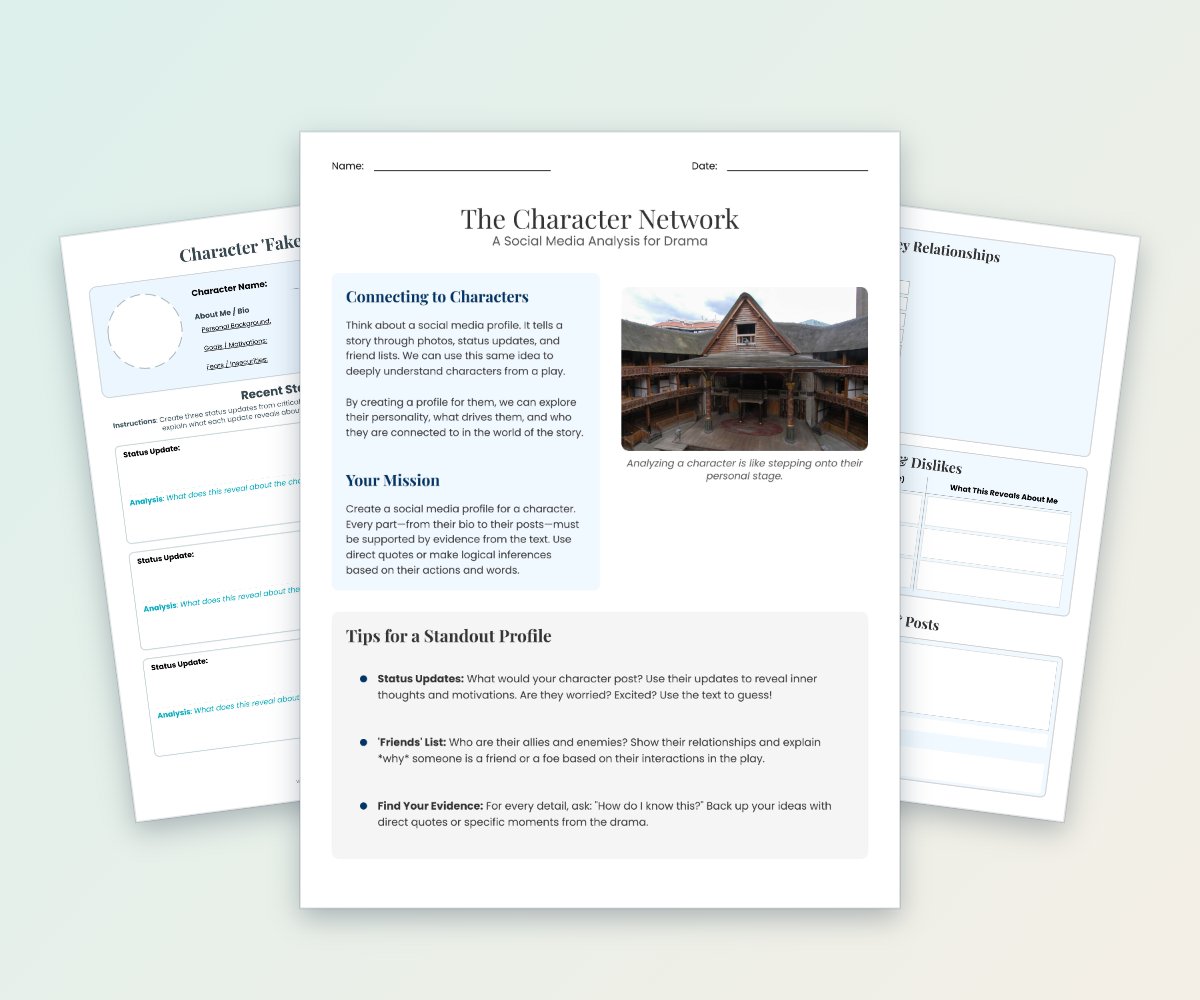
Students create a social media-style profile for a character from a play, including a biography, status updates, relationships, likes, dislikes, and posts.
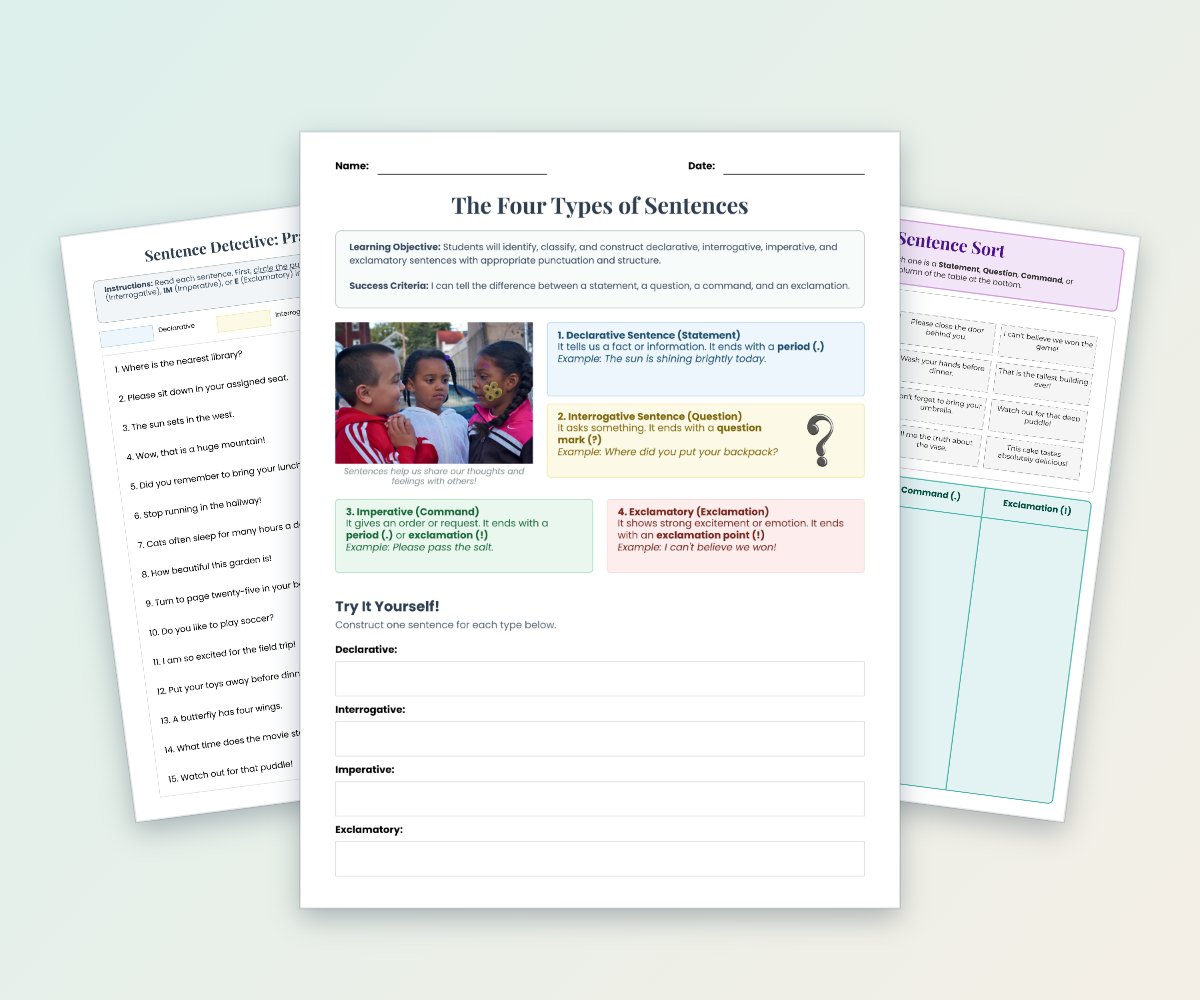
This six-page grammar activity pack teaches declarative, interrogative, imperative, and exclamatory sentences.
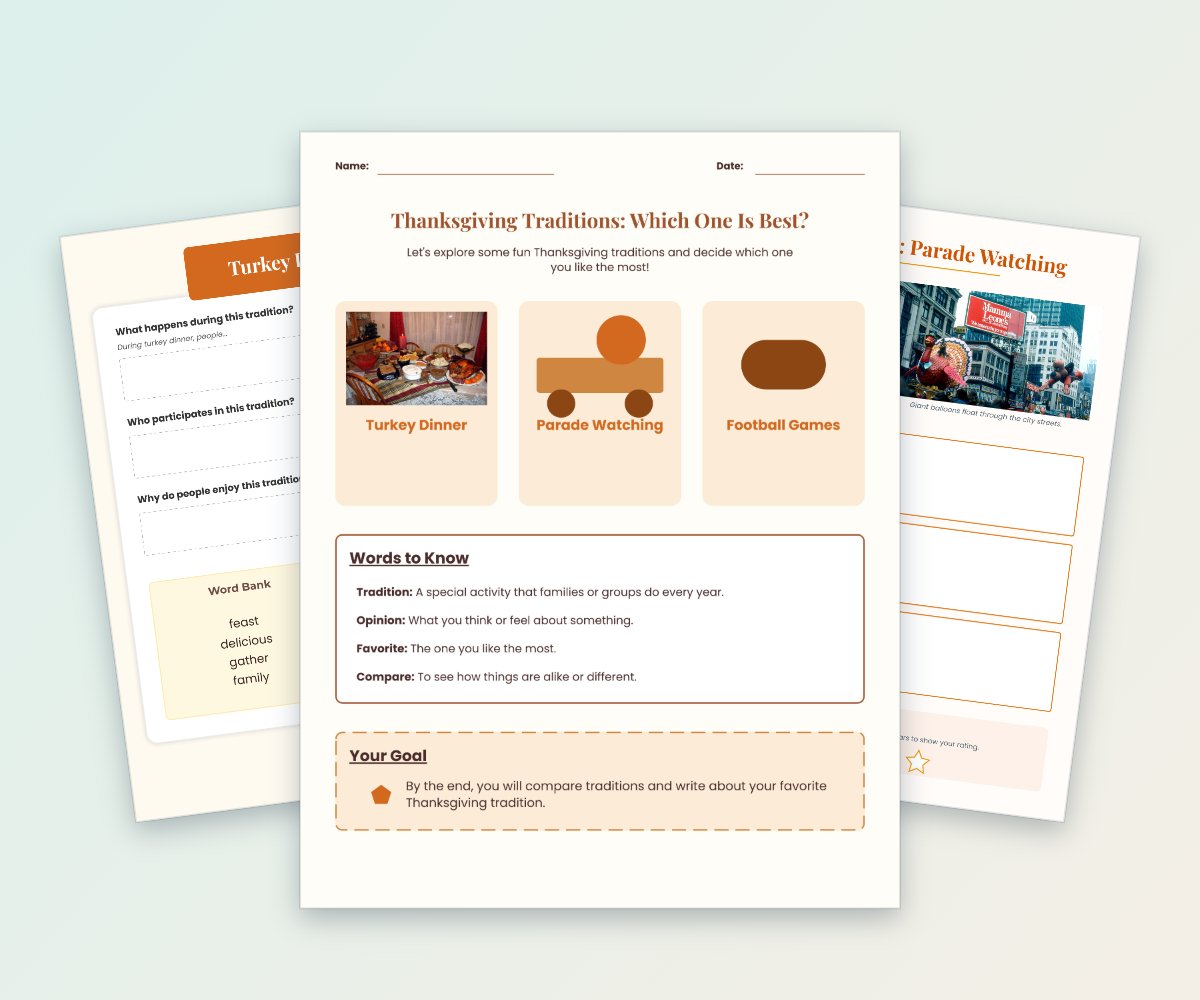
Students explore turkey dinner, parade watching, and football games as Thanksgiving traditions.
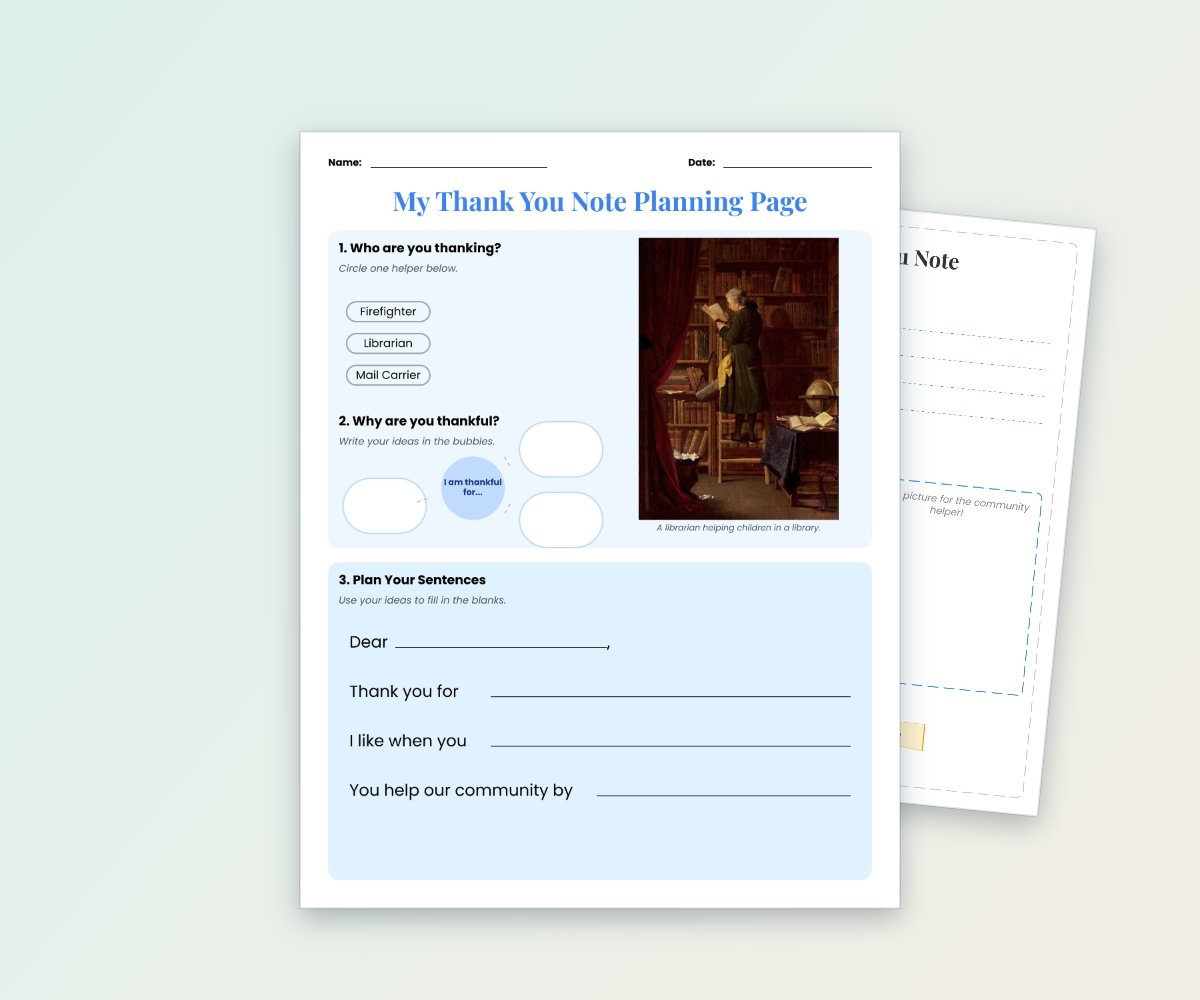
Students plan and write a thank-you note to a community helper such as a firefighter, librarian, or mail carrier.
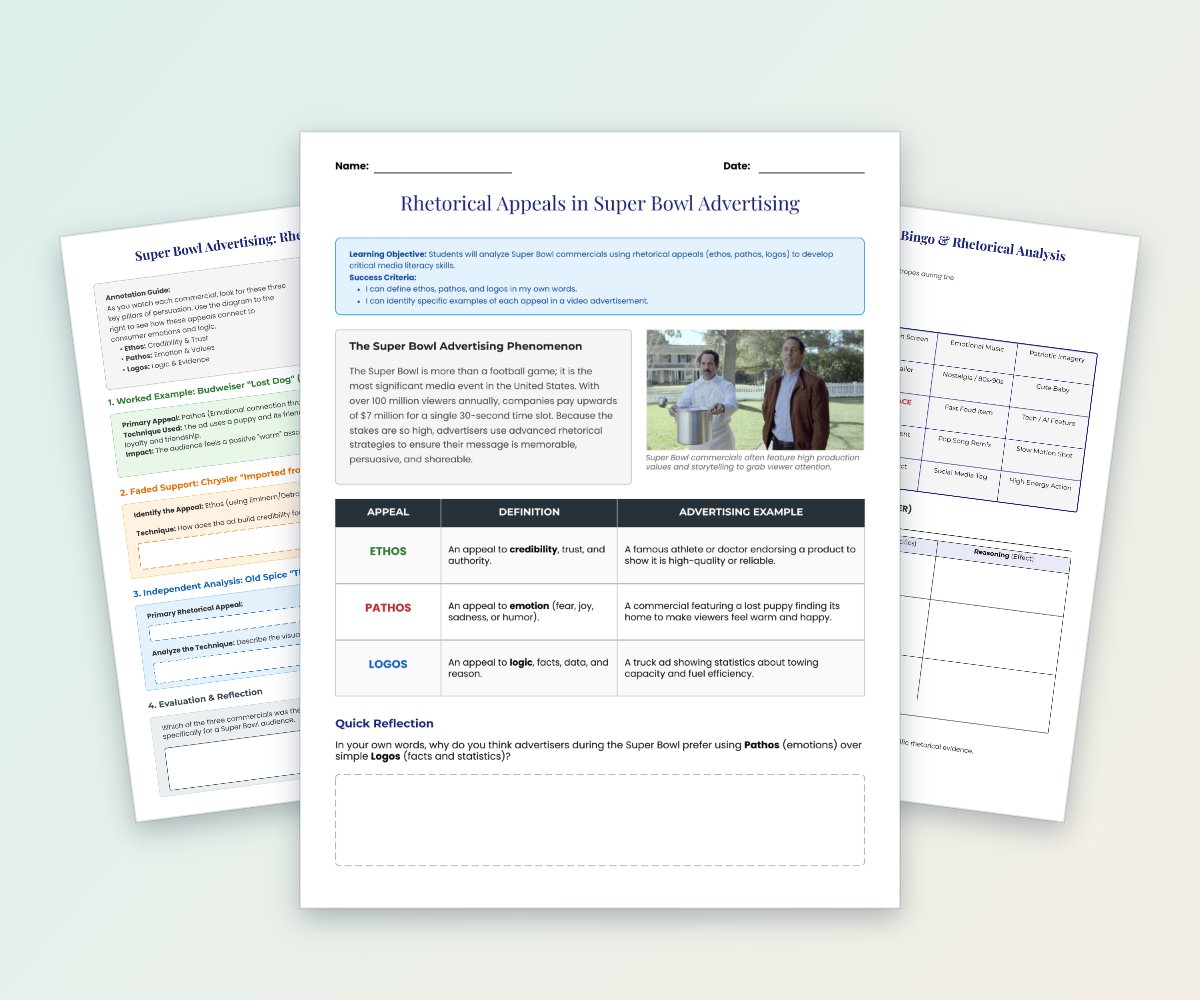
Students analyze Super Bowl advertisements through ethos, pathos, and logos.
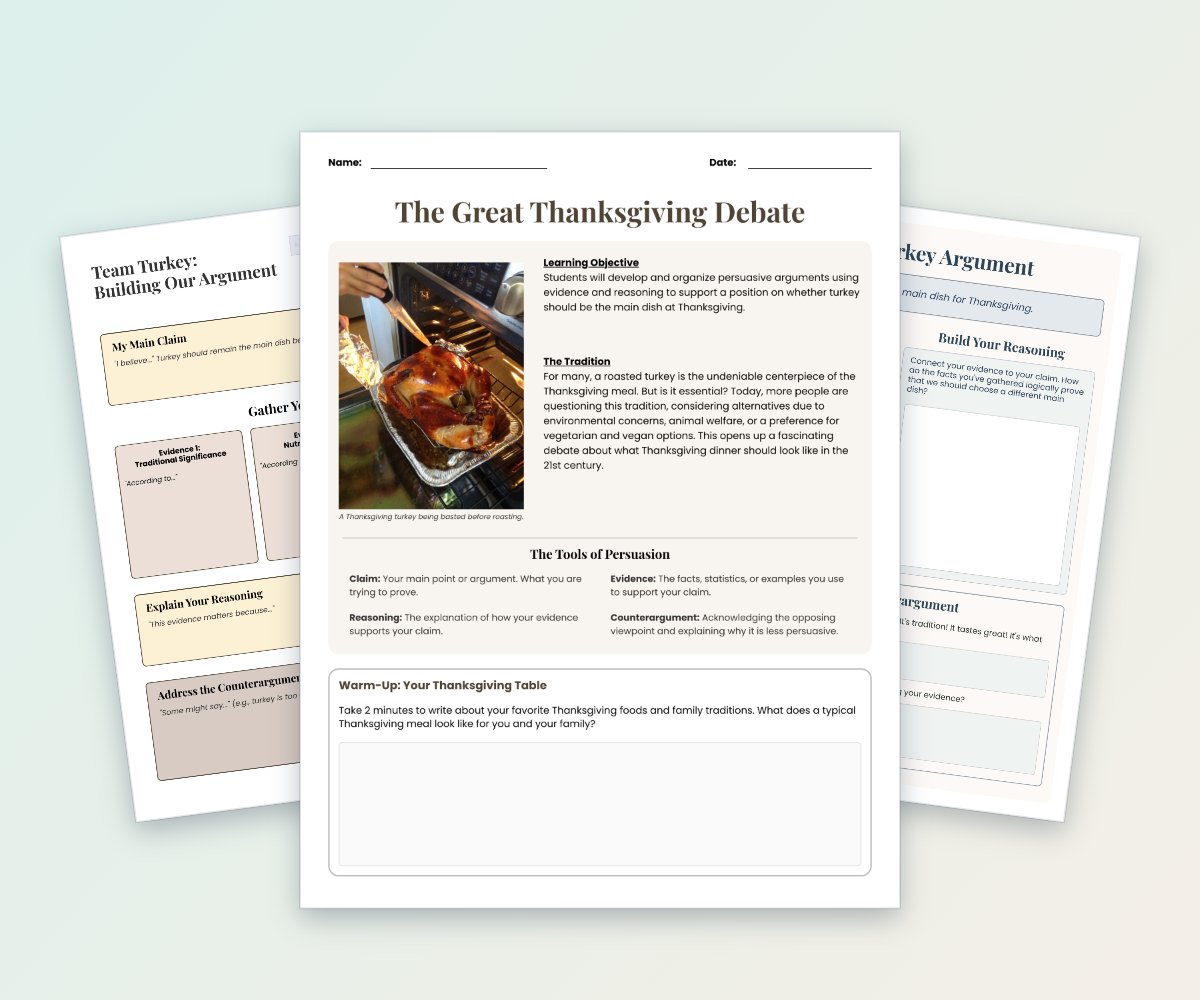
Students debate whether turkey should remain the main Thanksgiving dish while developing claims, gathering evidence, explaining reasoning, and addressing counterarguments.
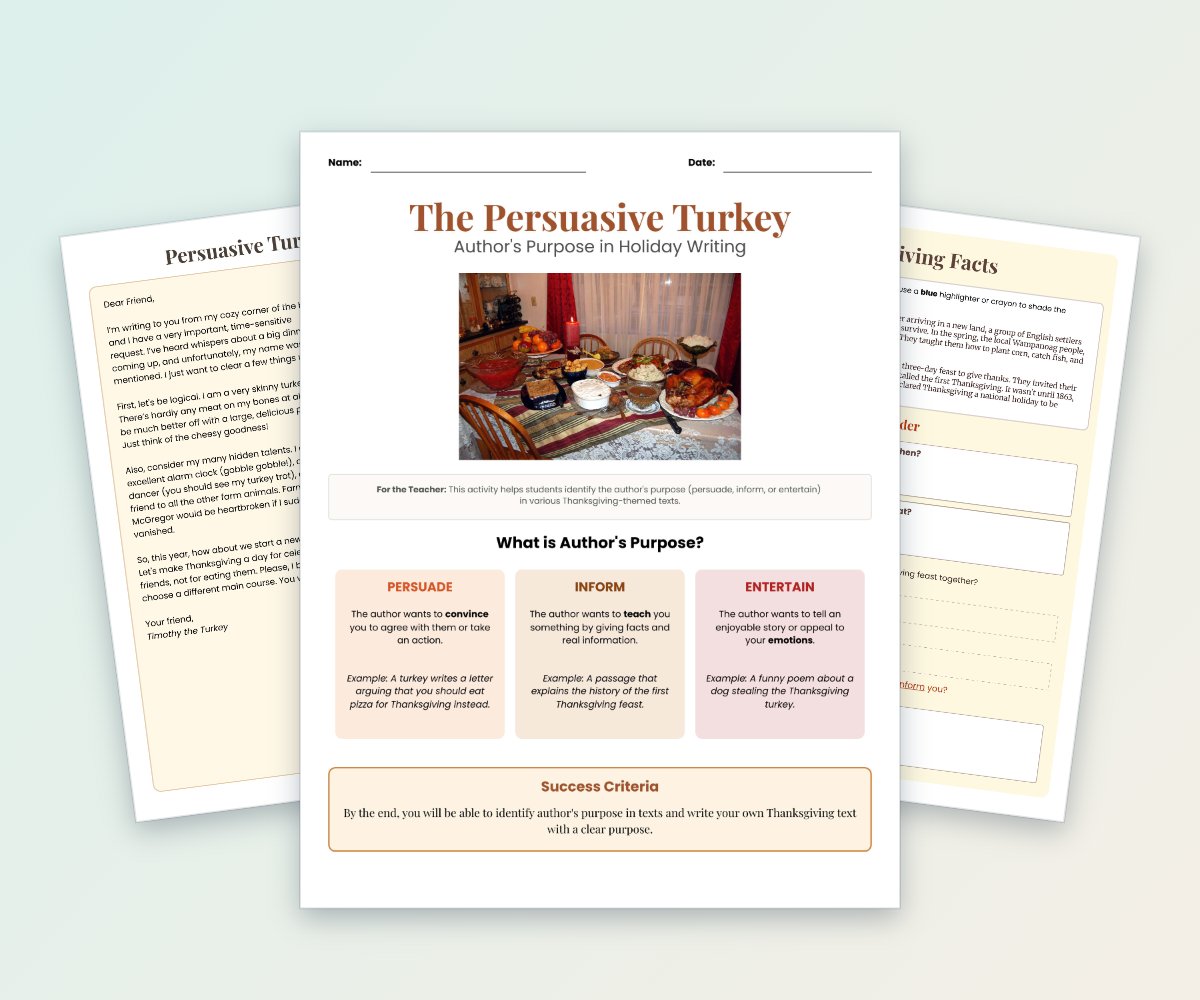
This Thanksgiving-themed activity pack helps students distinguish between persuade, inform, and entertain in holiday writing.
This five-page printable packet helps students identify whether an author's purpose is to persuade, inform, or entertain.
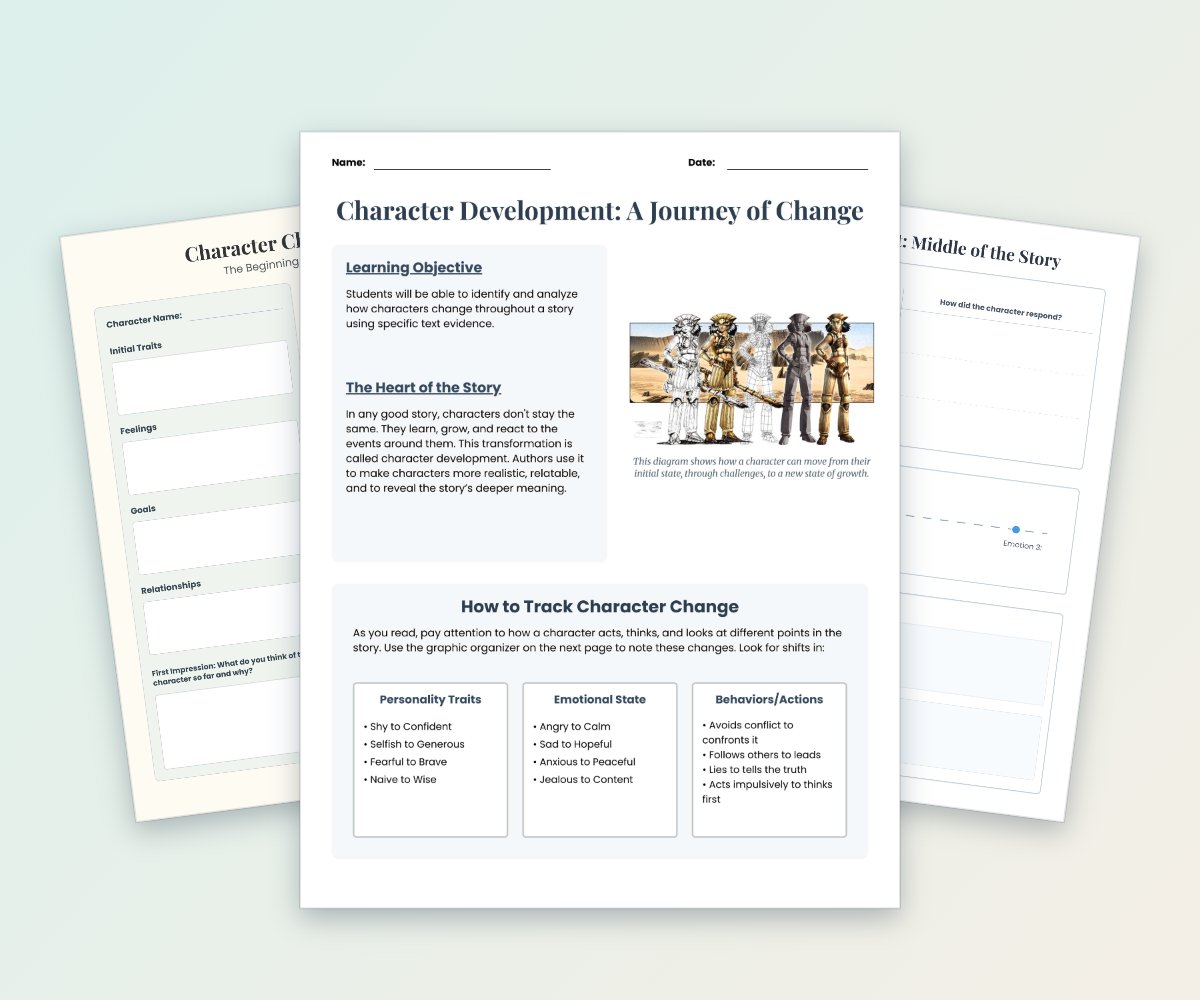
This four-page resource teaches students how to track character traits, emotions, actions, and relationships throughout a story.
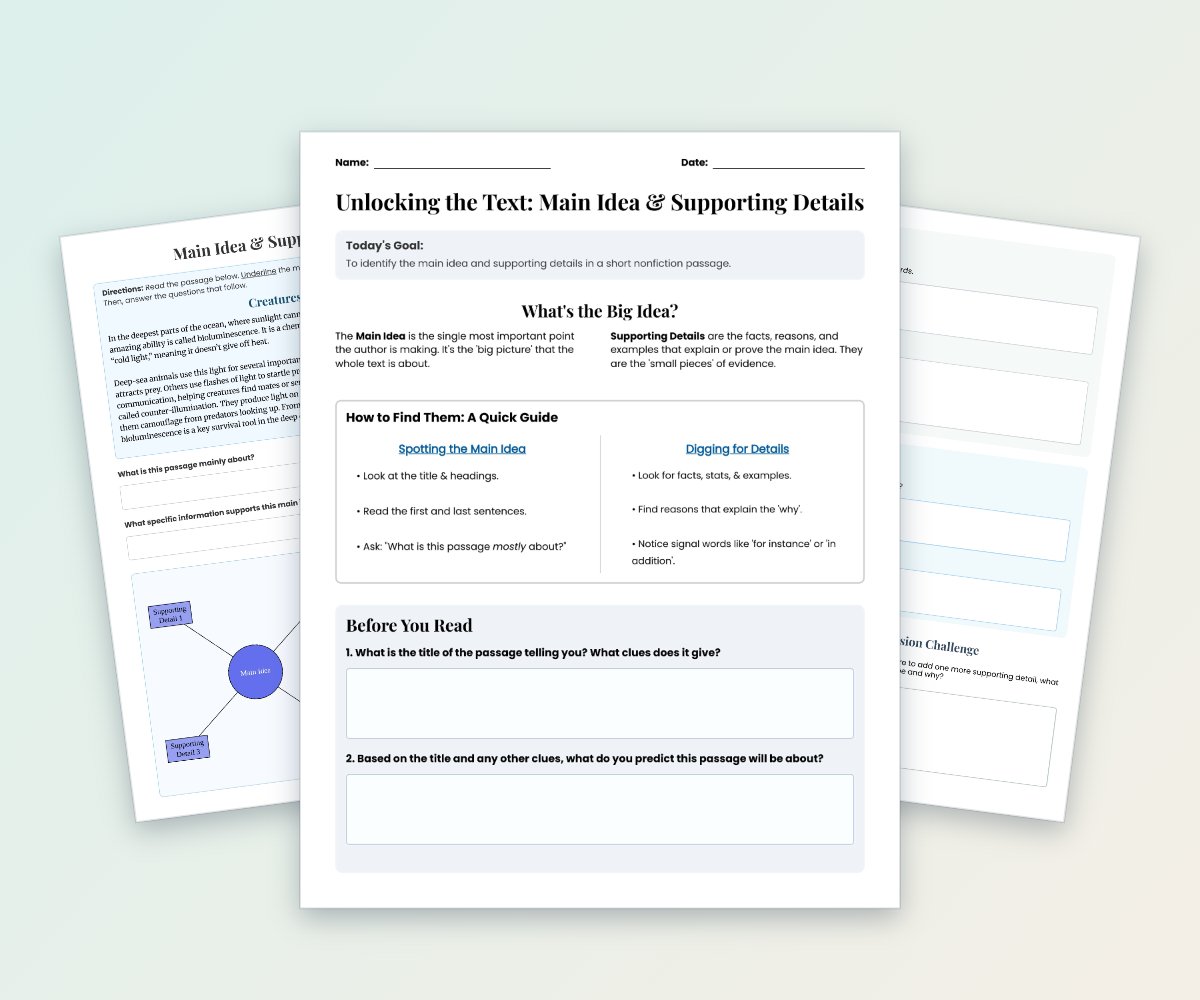
This three-page worksheet teaches students to identify the main idea and supporting details in a nonfiction passage.
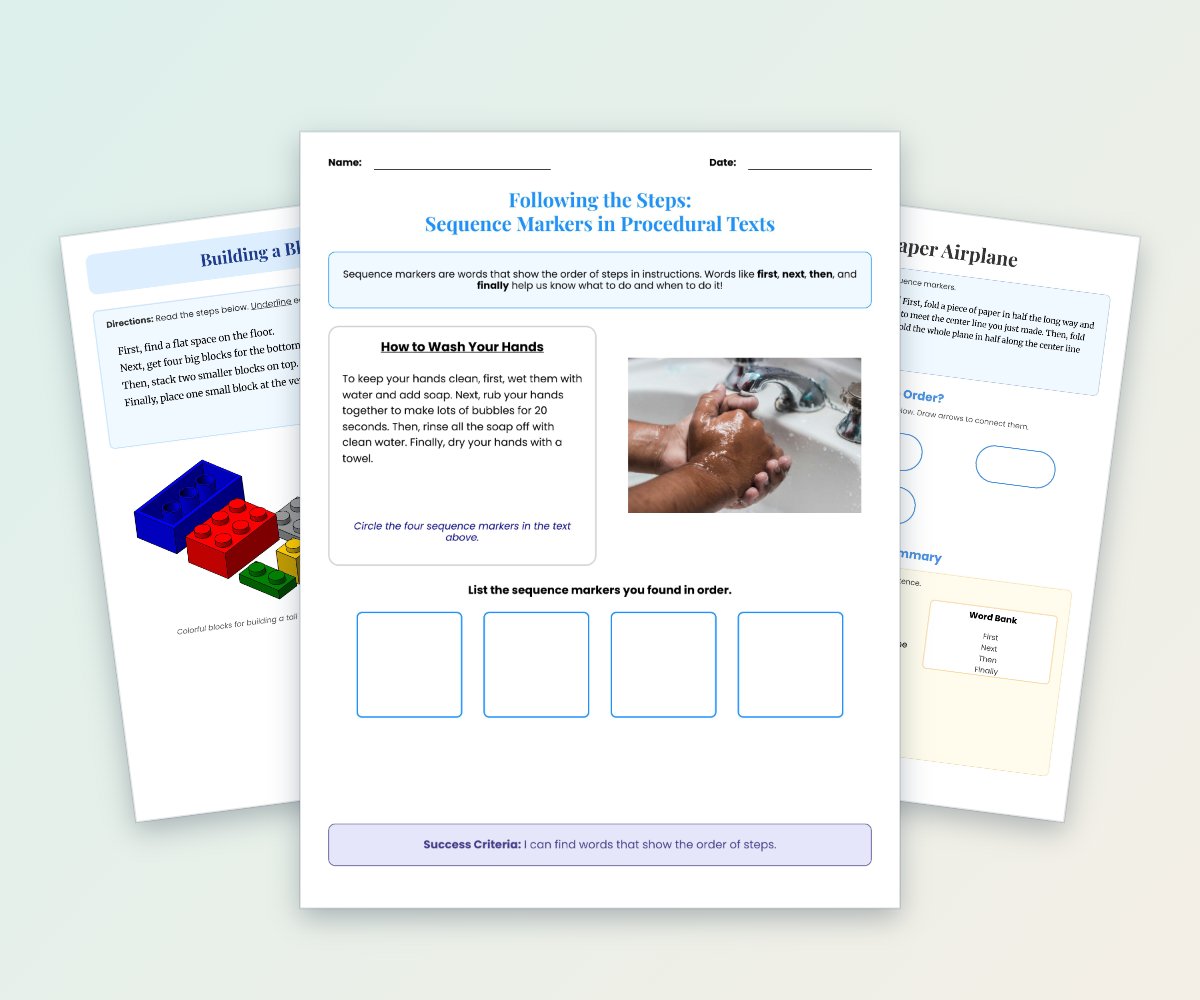
Students identify sequence markers such as first, next, then, and finally in procedural texts.
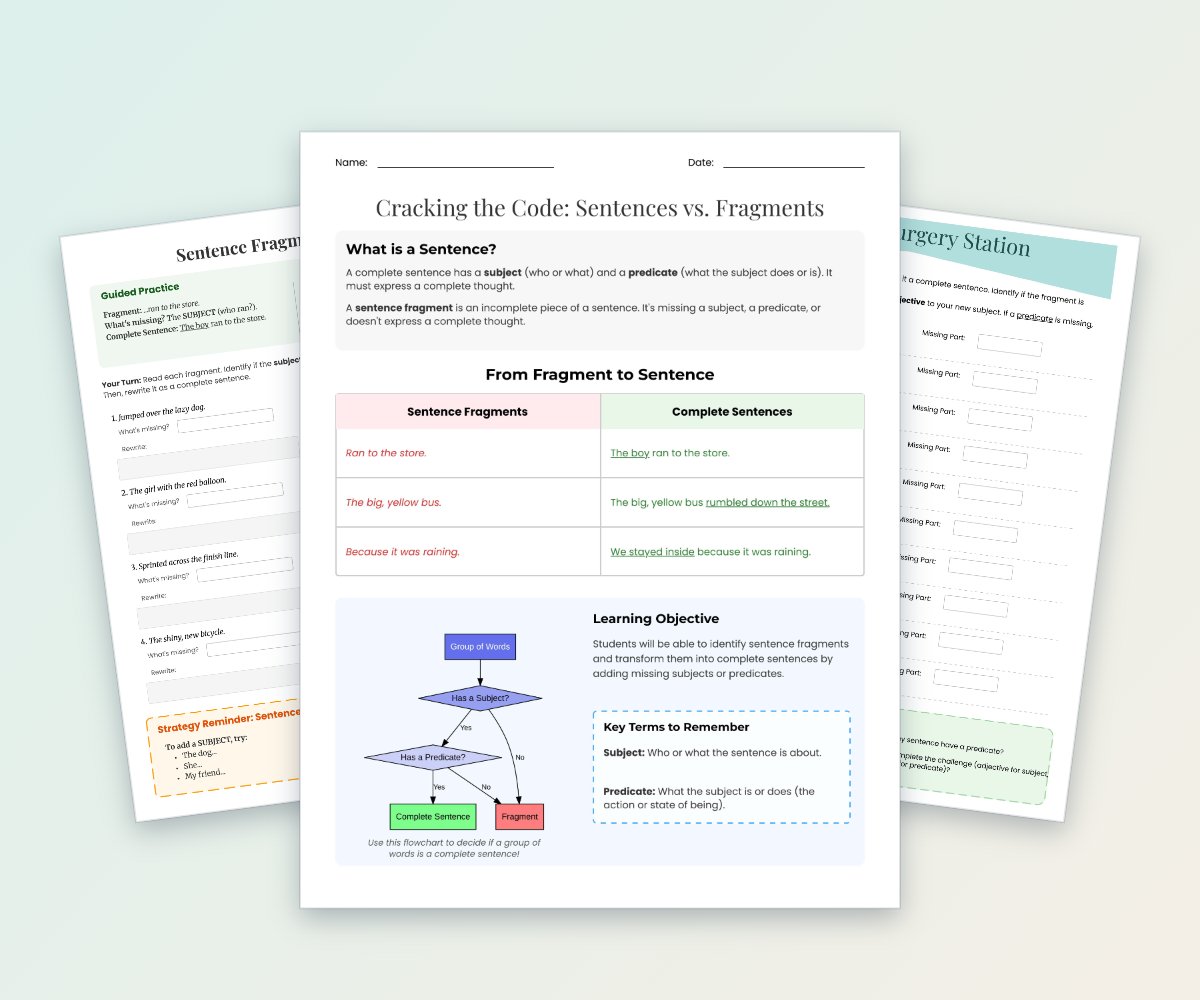
This four-page worksheet teaches students to distinguish complete sentences from fragments by identifying missing subjects or predicates.