
What Should My Teacher Be for Halloween? Persuasive Writing and Class Election Project
Students develop opinions with reasons and evidence, deliver campaign speeches, participate in a class election, and graph the results.
$9.50
Clear, practical resources for busy educators, organized so you can get from search to ready-to-teach quickly.
Students develop opinions with reasons and evidence, deliver campaign speeches, participate in a class election, and graph the results.
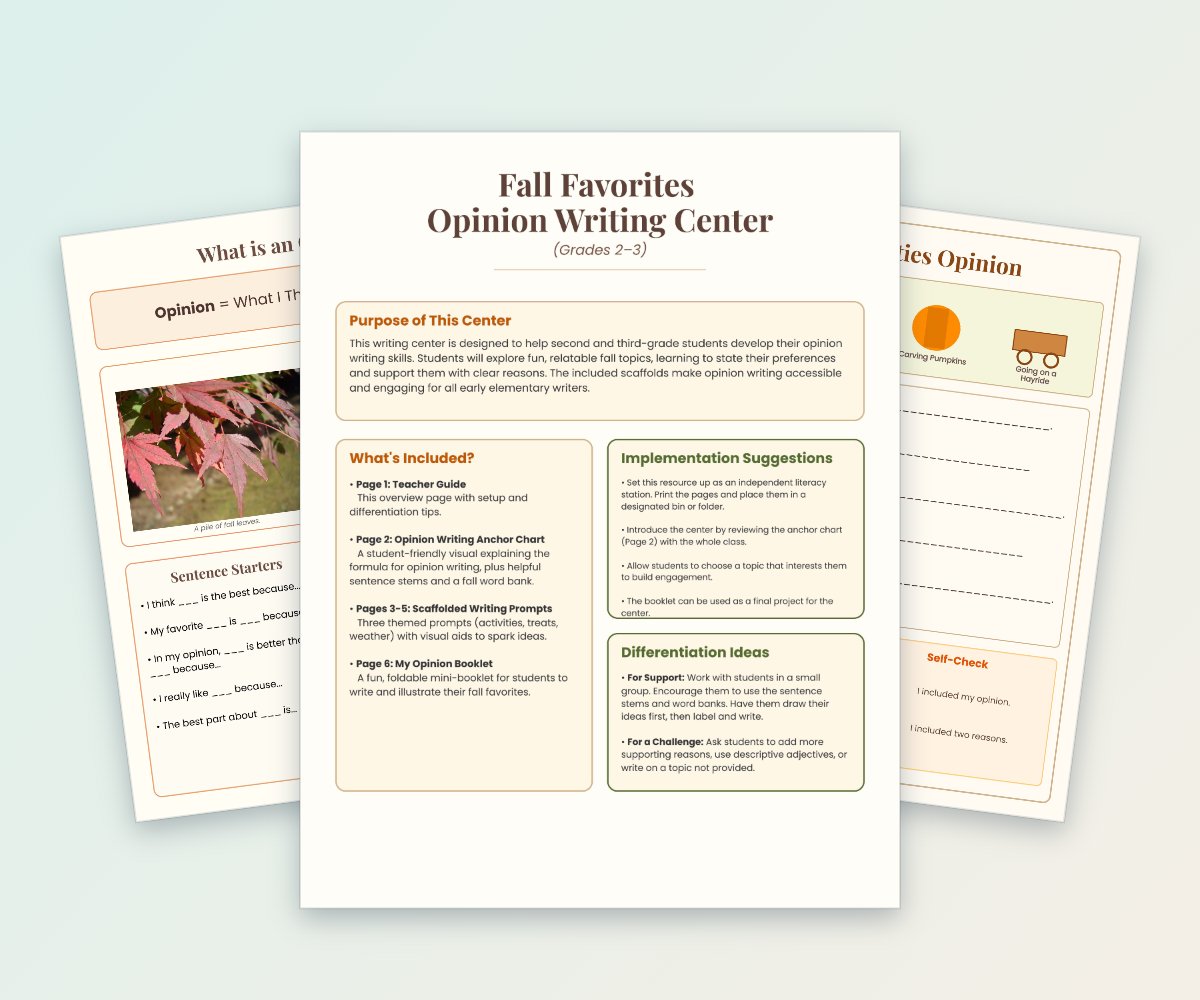
This fall-themed writing center helps Grades 2–3 students state opinions and support them with clear reasons.
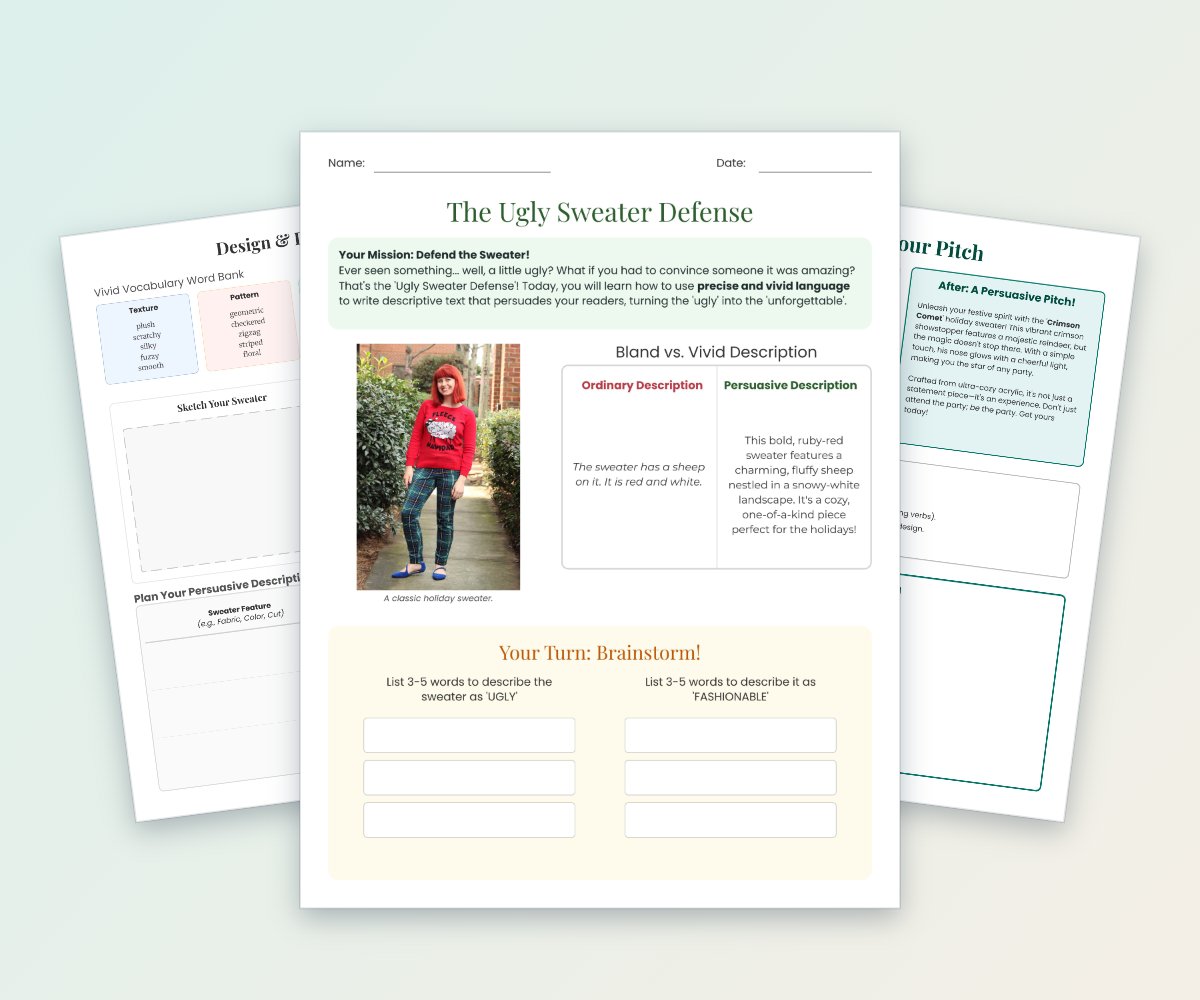
Students transform an ordinary ugly sweater description into an engaging persuasive catalog pitch using vivid vocabulary, sensory details, and strong calls to action.
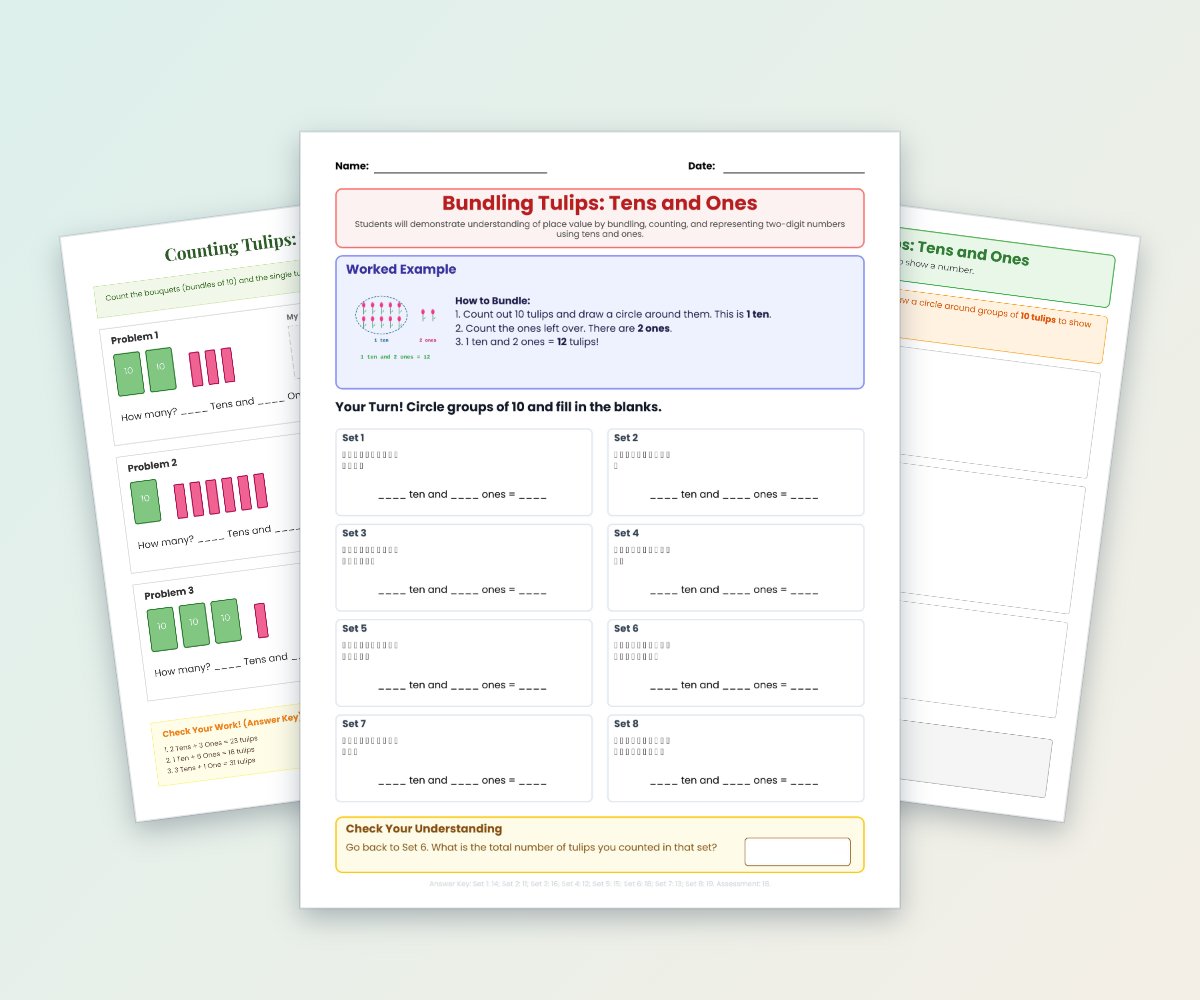
Students bundle, count, and represent two-digit numbers using groups of tens and individual ones.
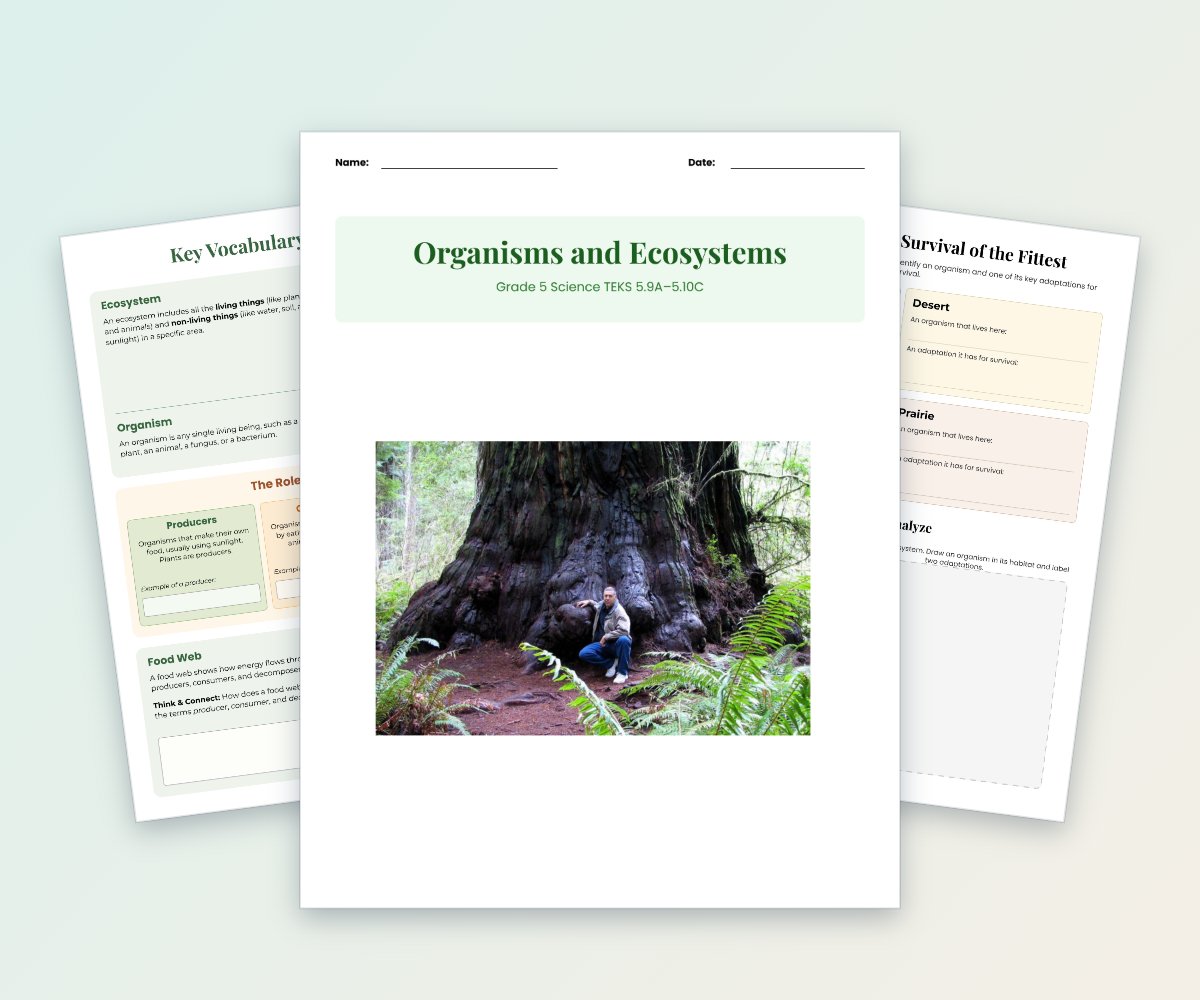
This 13-page Grade 5 science activity pack explores ecosystems, organisms, producers, consumers, decomposers, food webs, energy flow, and adaptations.
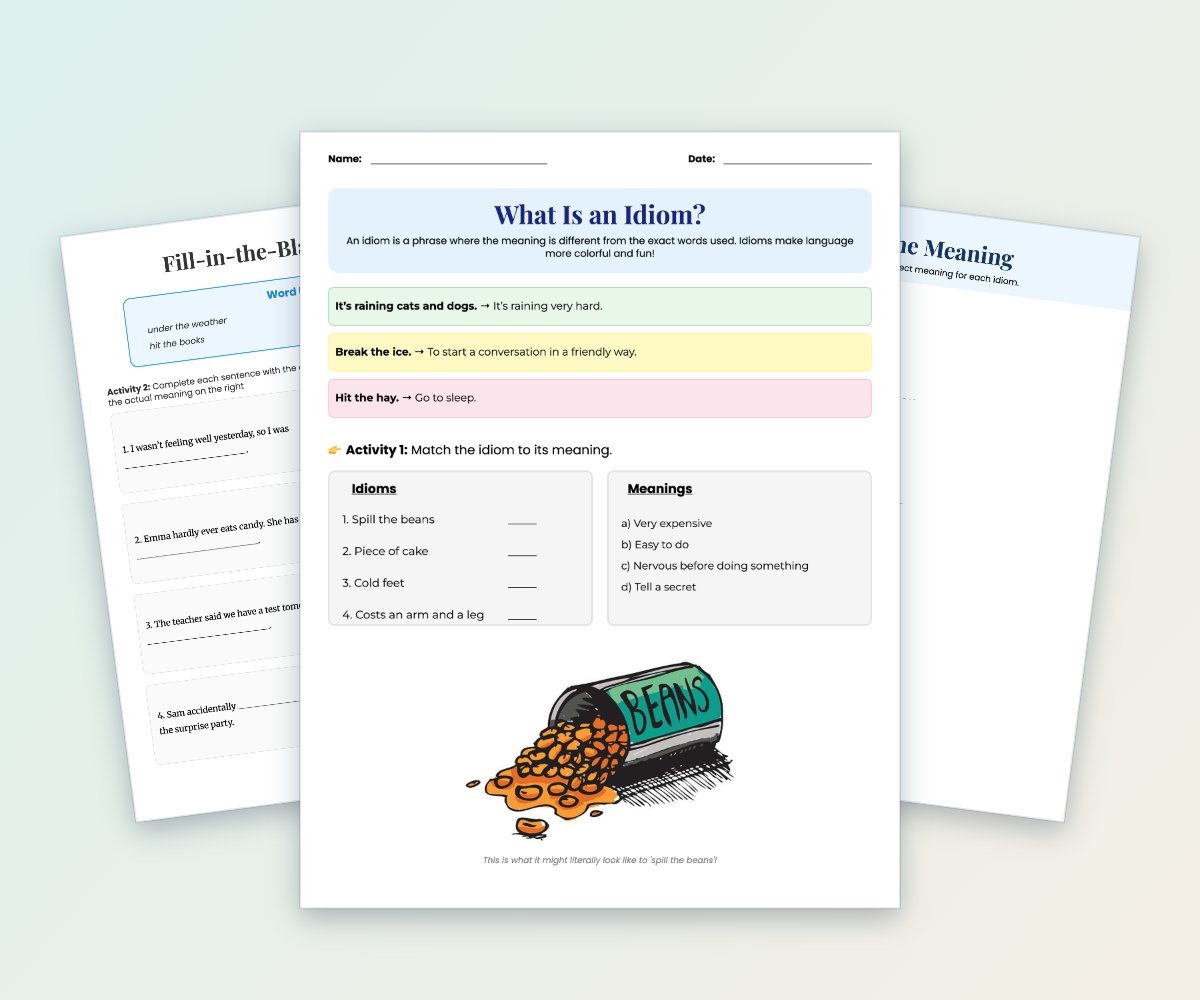
This five-page activity pack introduces idioms and provides varied practice with matching meanings, completing sentences, choosing definitions, writing, illustrating, and identifying idioms in context
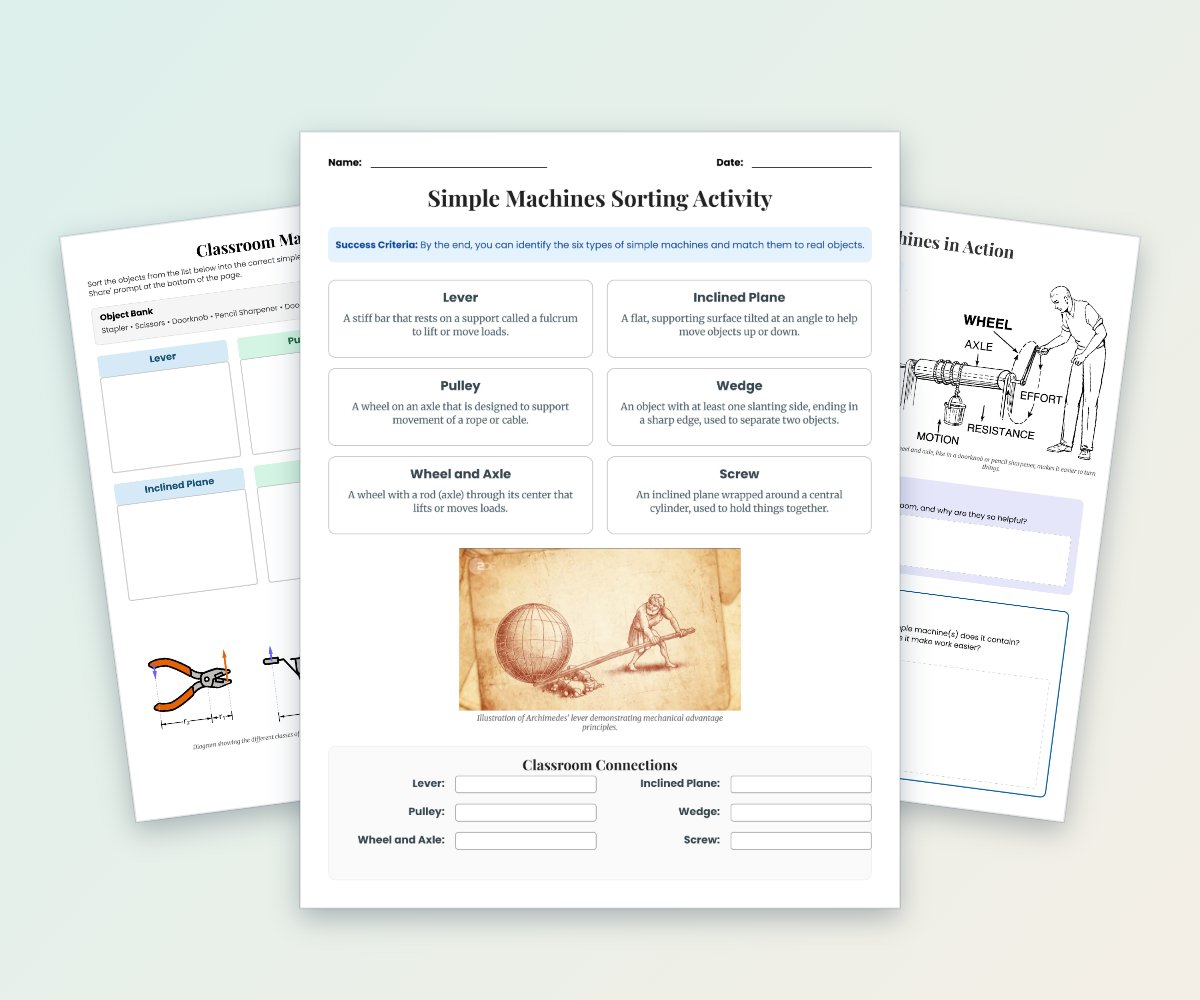
Students learn the six types of simple machines, match them to familiar objects, and explain how they make work easier.
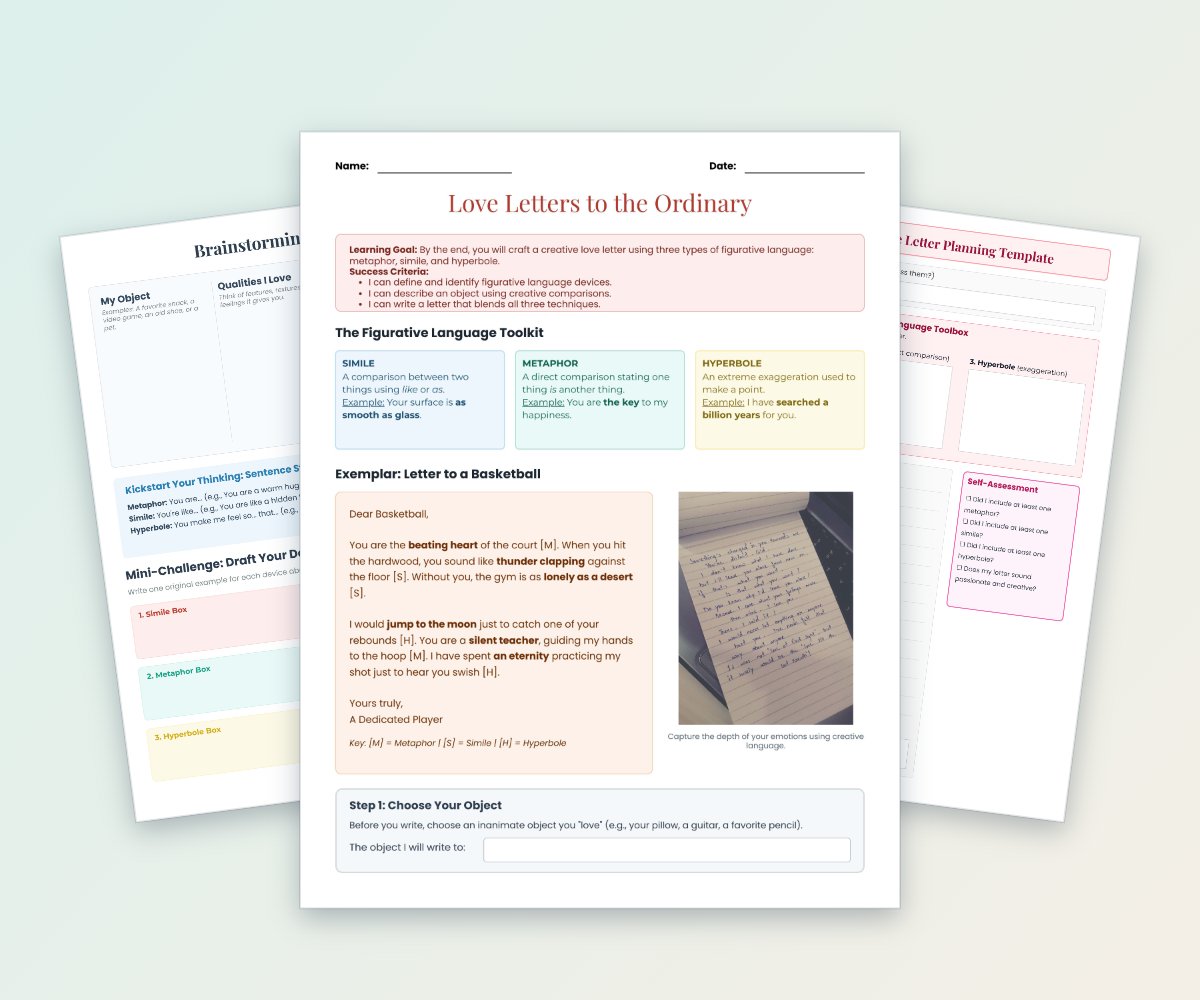
Students learn and apply similes, metaphors, and hyperbole by writing a creative love letter to an ordinary object.
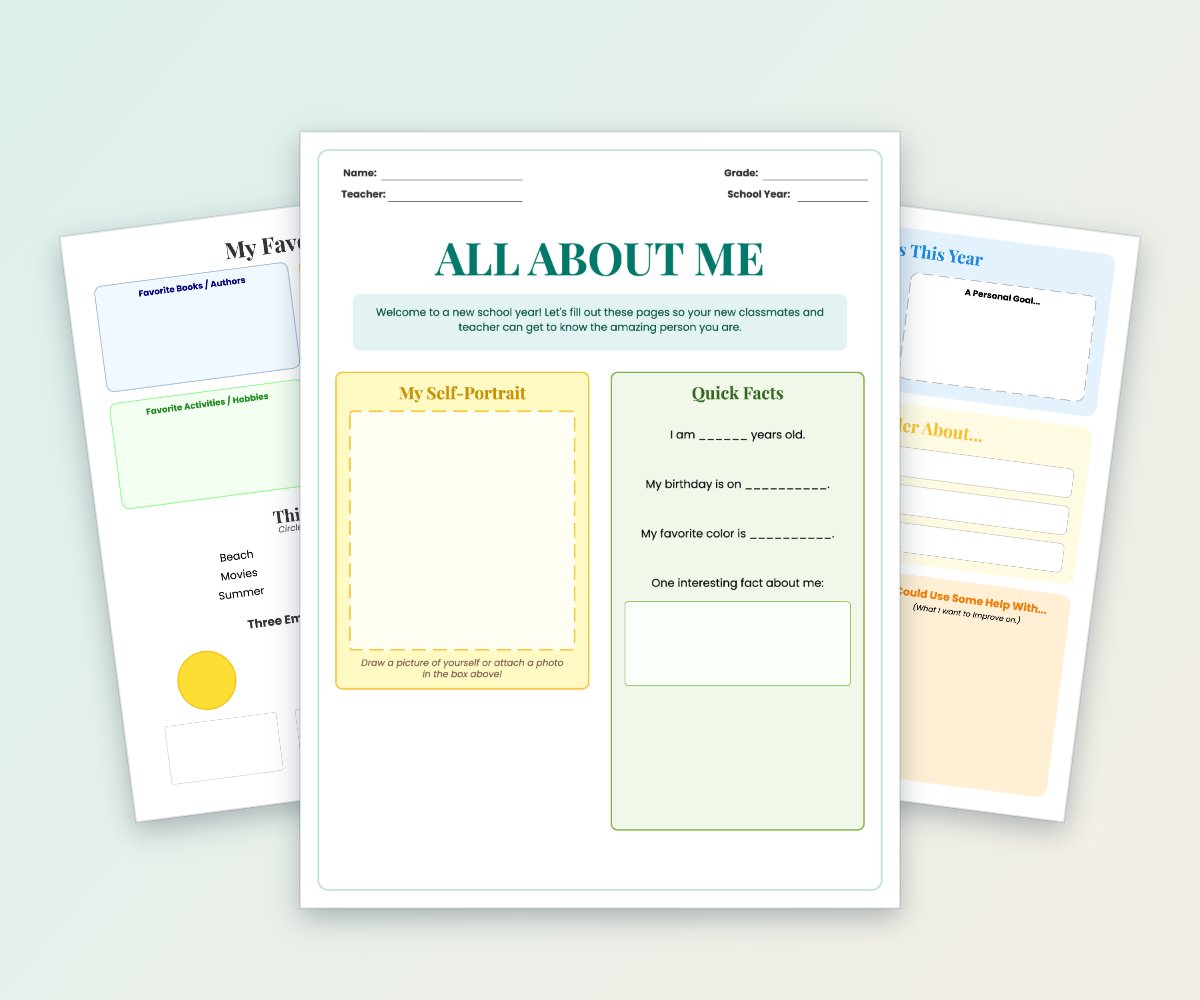
This four-page activity pack helps students share personal interests, reflect on their strengths, and set academic and personal goals.
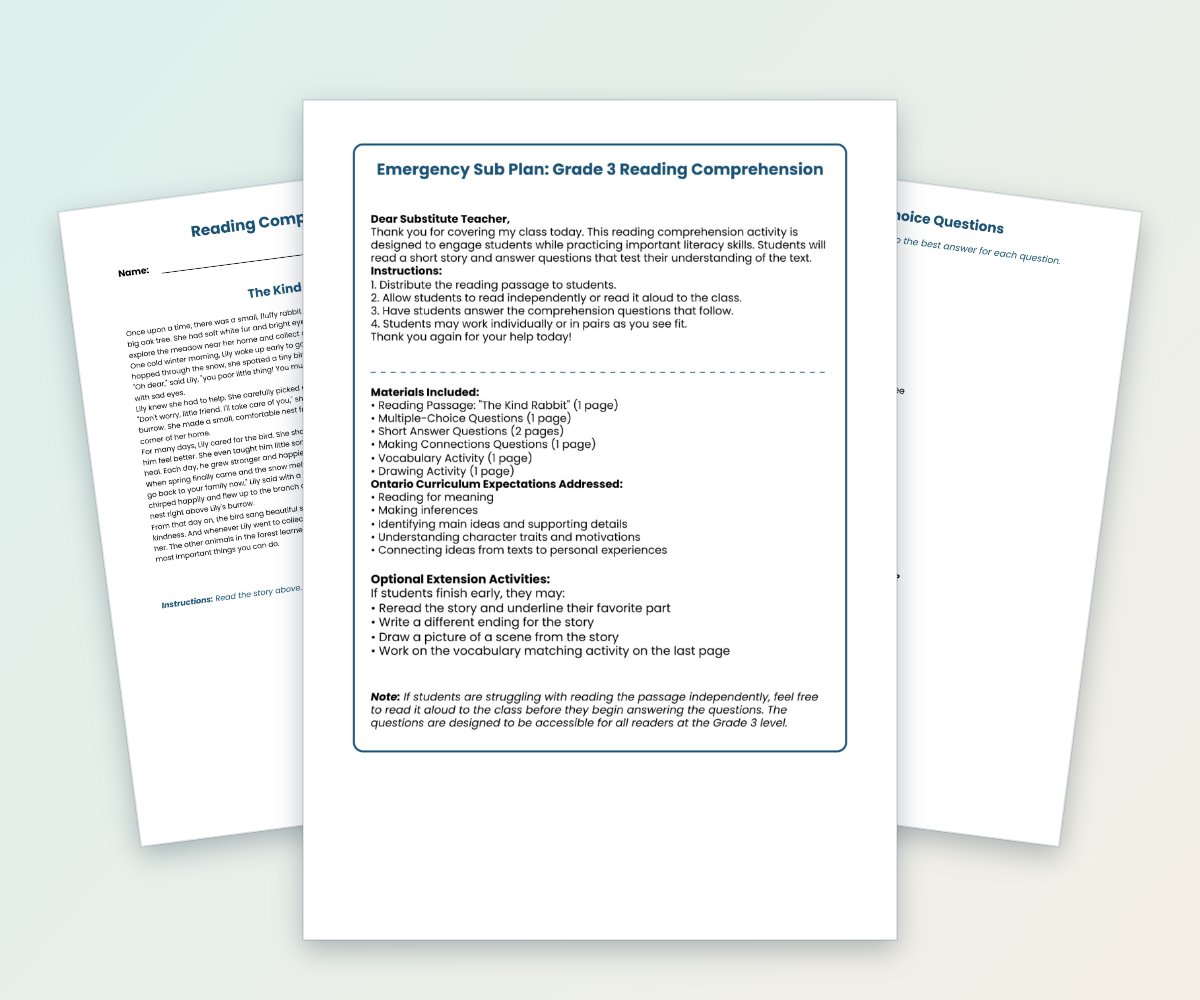
This six-page emergency sub plan features a narrative passage about a helpful rabbit, followed by multiple-choice, short-answer, vocabulary, making-connections, and drawing activities.
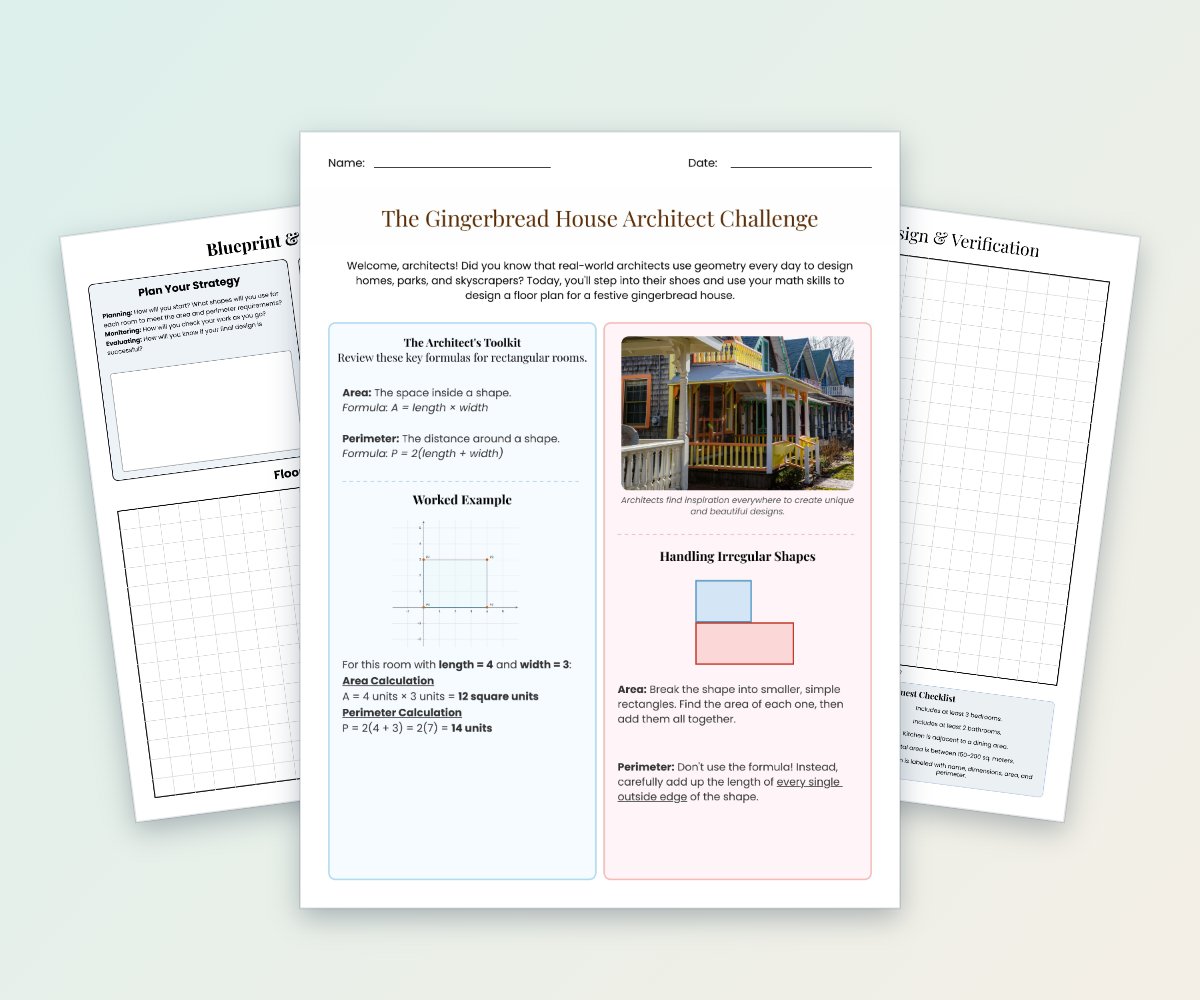
Students become architects as they design a gingerbread house floor plan using area, perimeter, irregular shapes, and scale.
Students cut out and arrange historical hexagon cards to show causal, chronological, conceptual, and comparative connections.
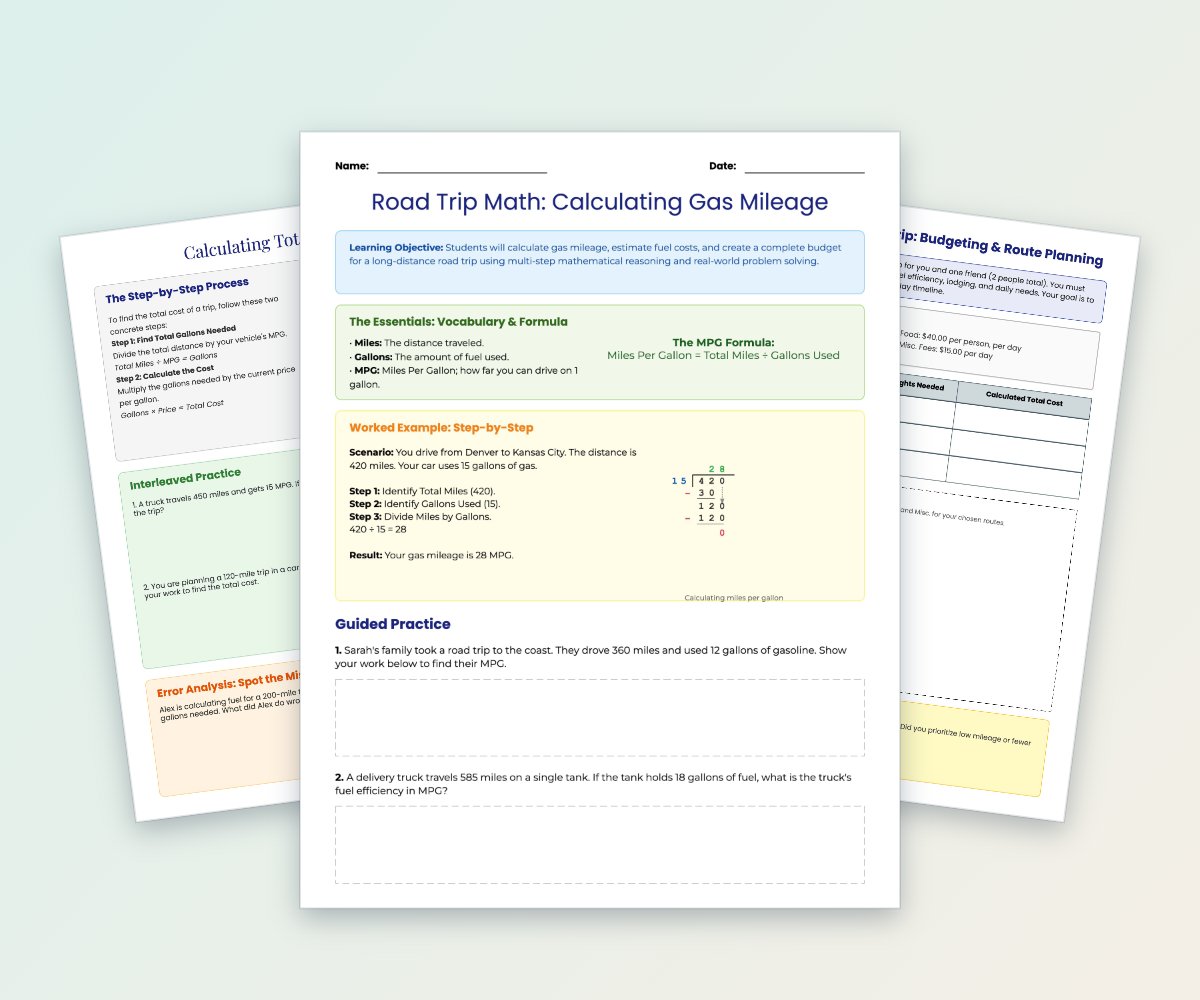
Students calculate miles per gallon, estimate fuel costs, analyze errors, and create a budget for a long-distance road trip.
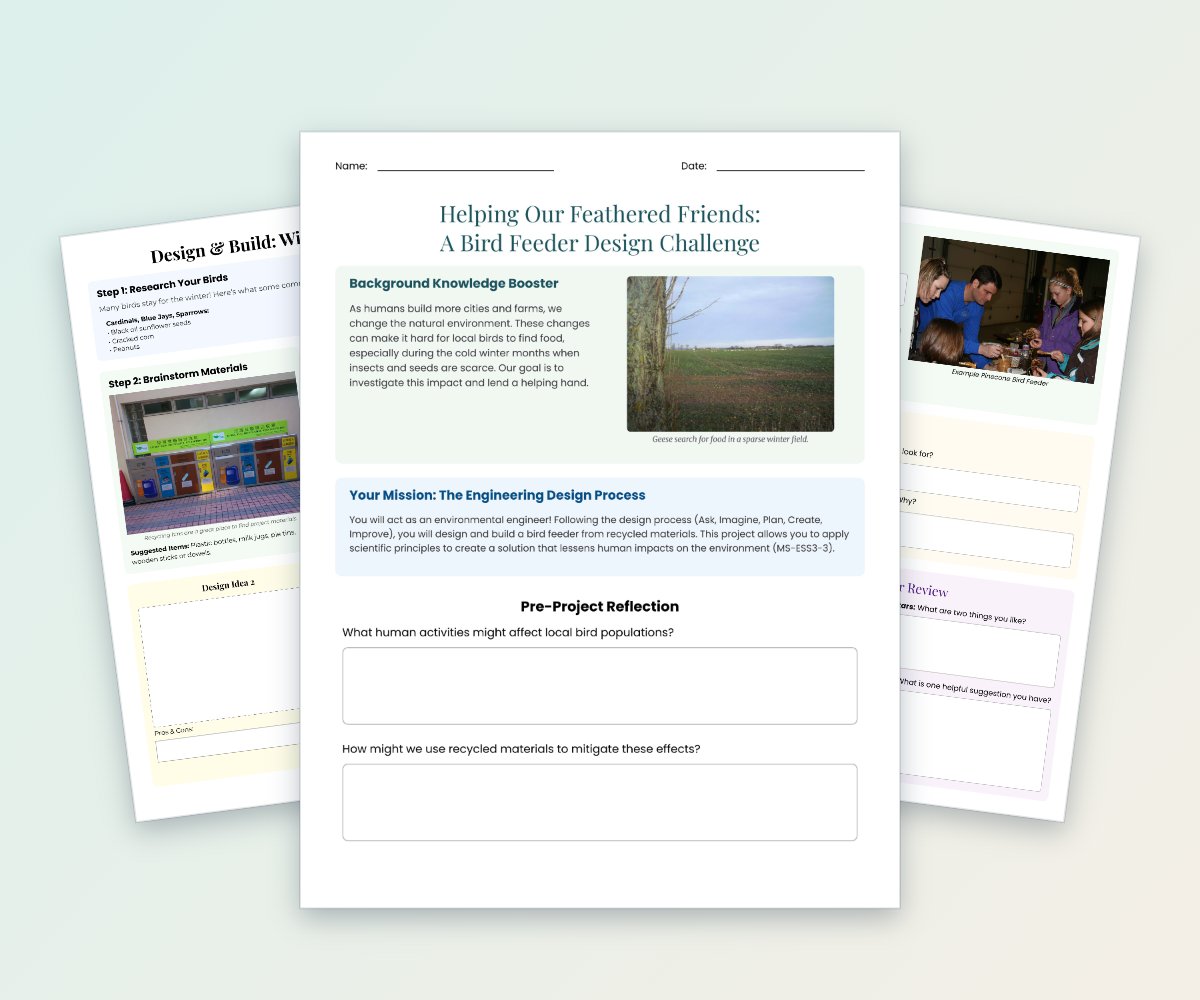
Students investigate how human activities affect local bird populations and design a bird feeder using recycled materials.
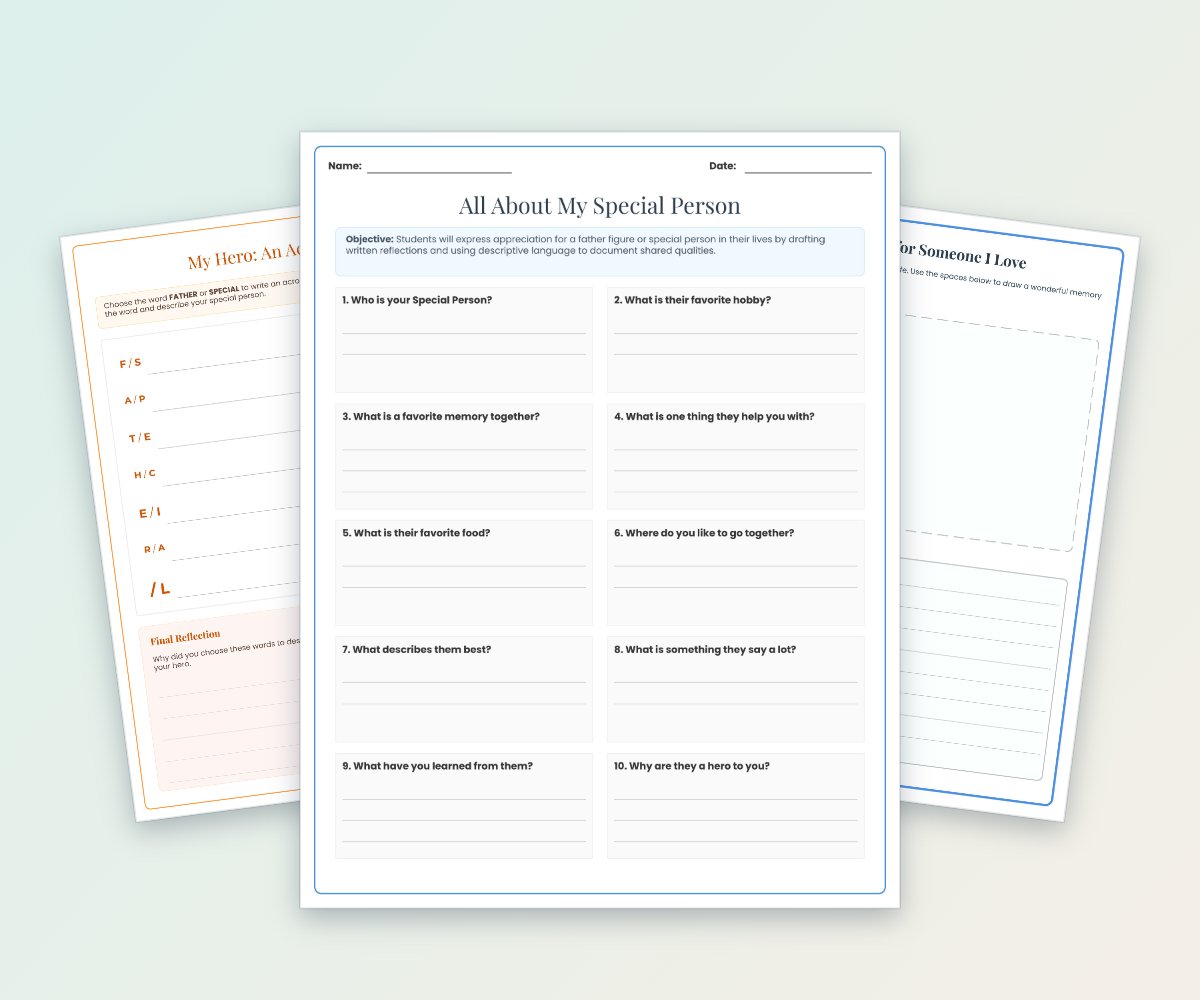
This six-page writing pack helps students celebrate a father figure or special person through descriptive writing, acrostic poetry, sensory details, drawing, and reflection.
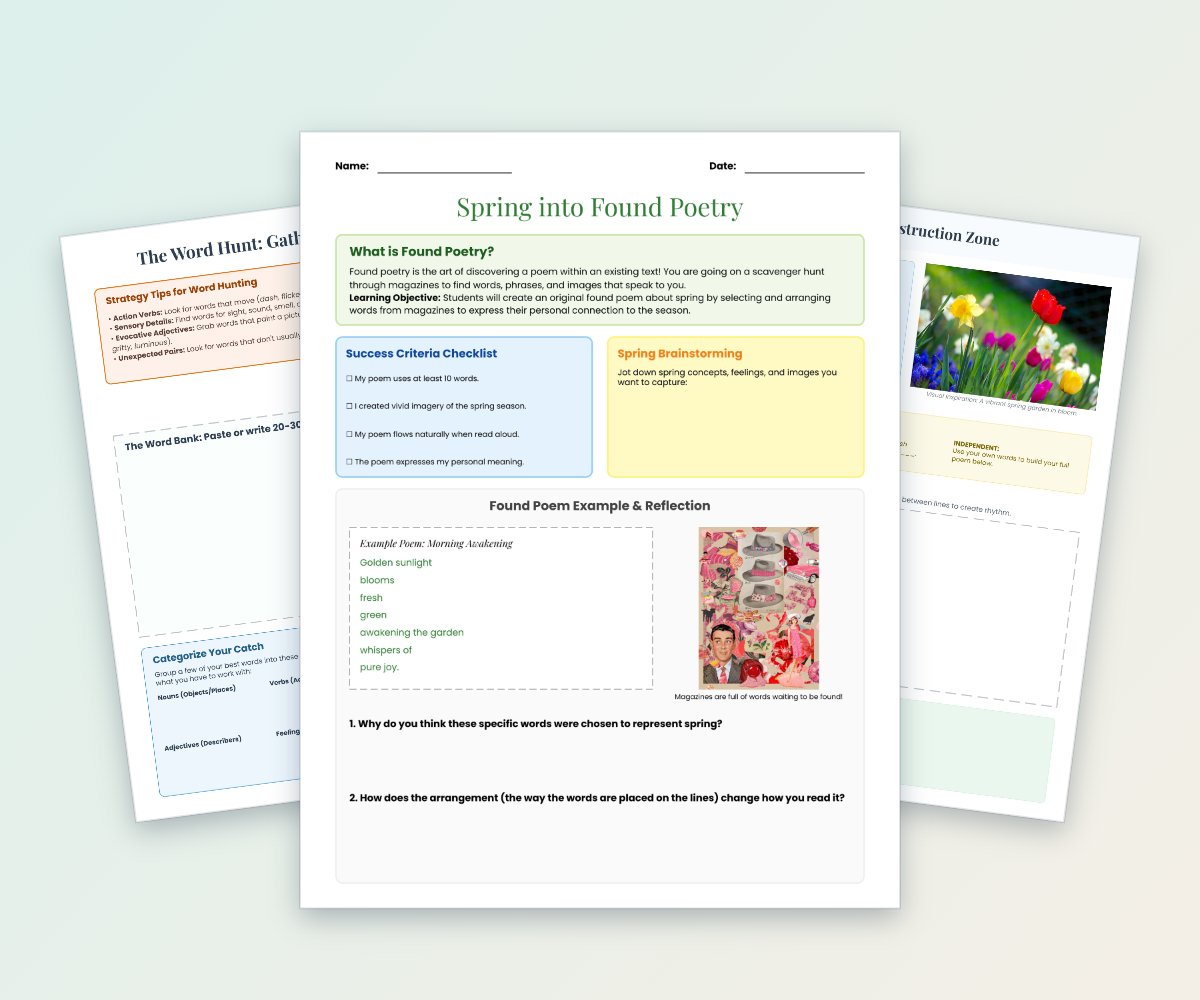
Guide students through creating an original spring-themed found poem using words gathered from magazines.
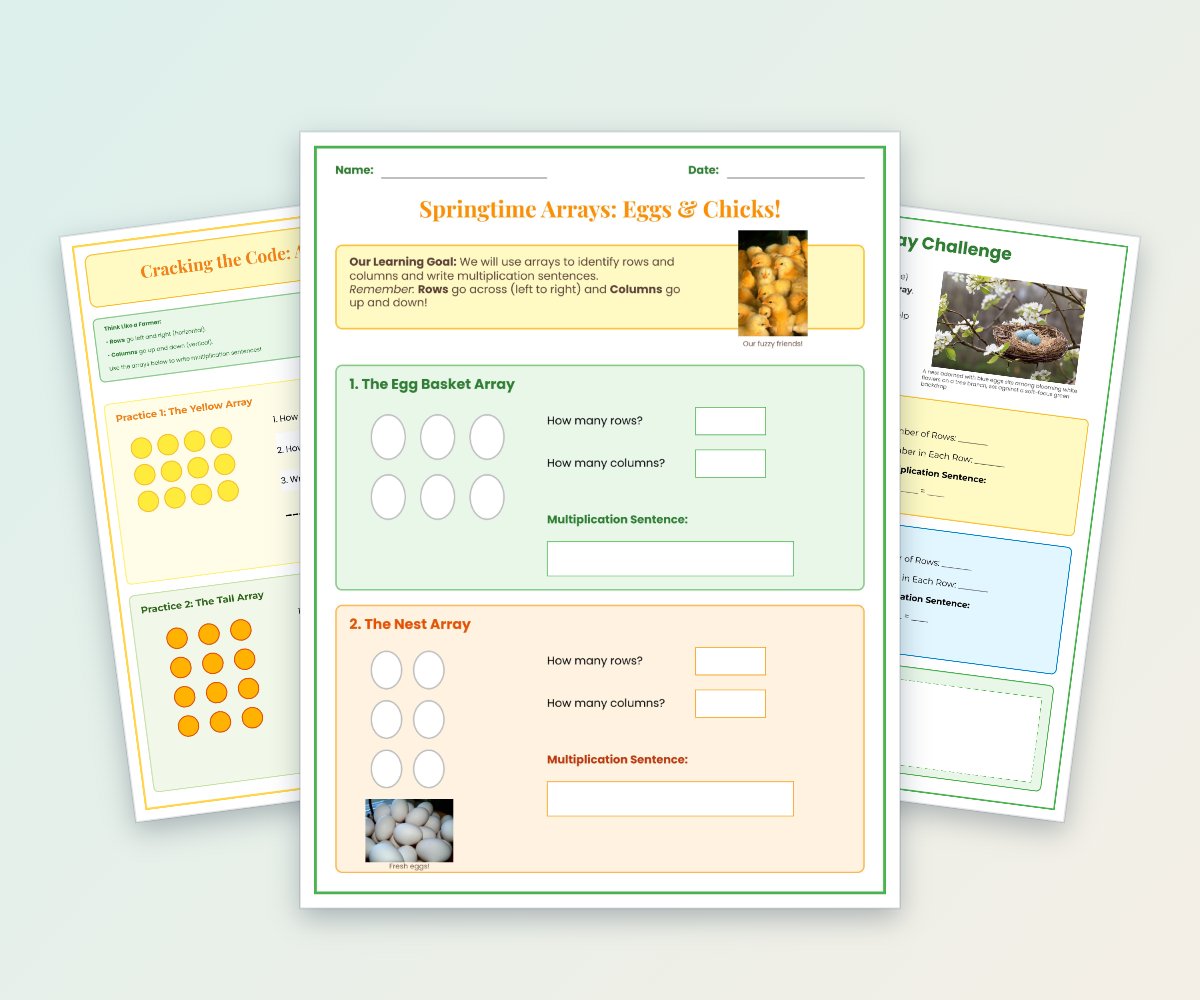
Students identify rows and columns, write multiplication sentences, and represent facts using spring-themed egg and chick arrays.
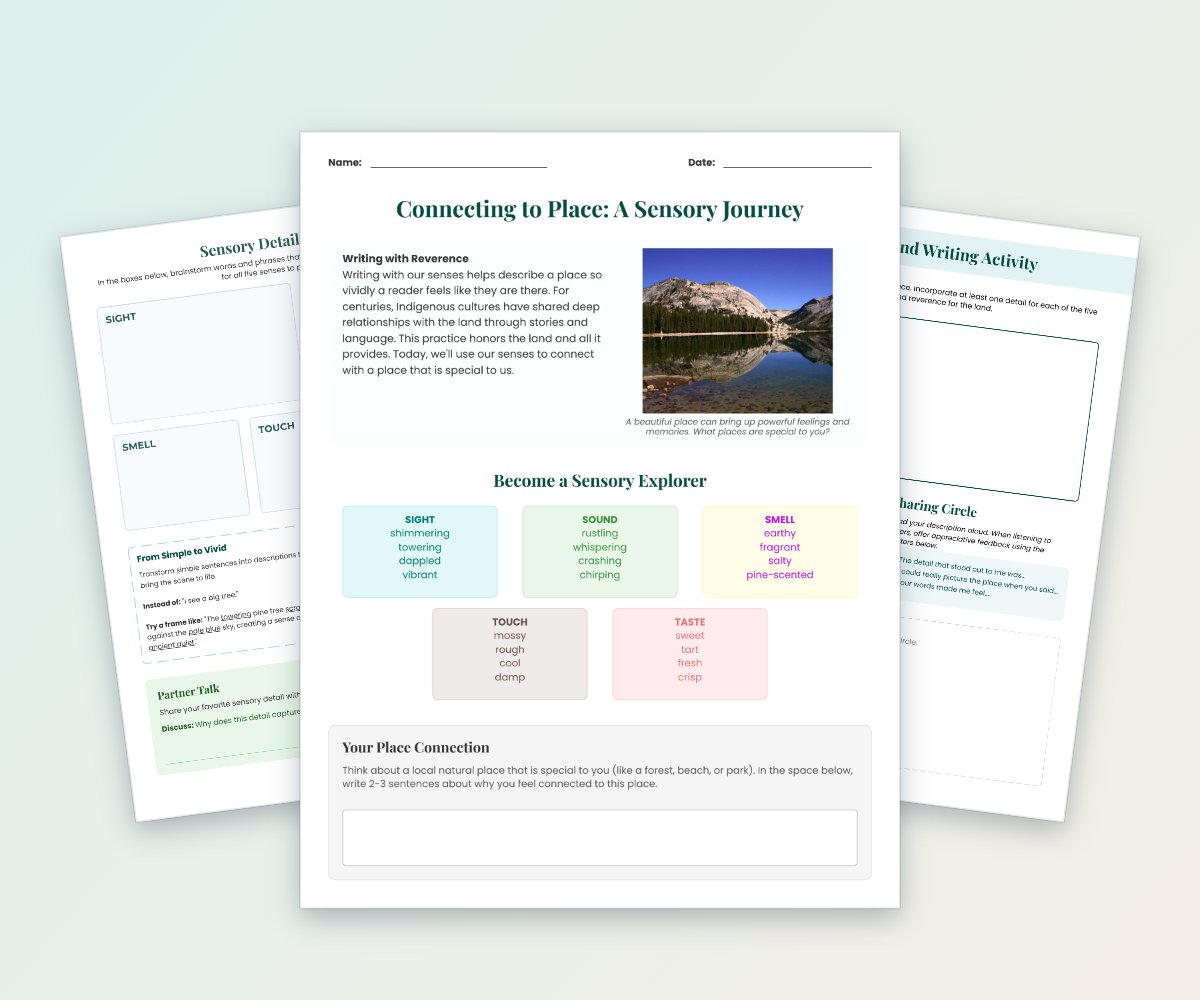
Students explore a meaningful natural place through all five senses, brainstorm vivid vocabulary, and craft a descriptive paragraph.
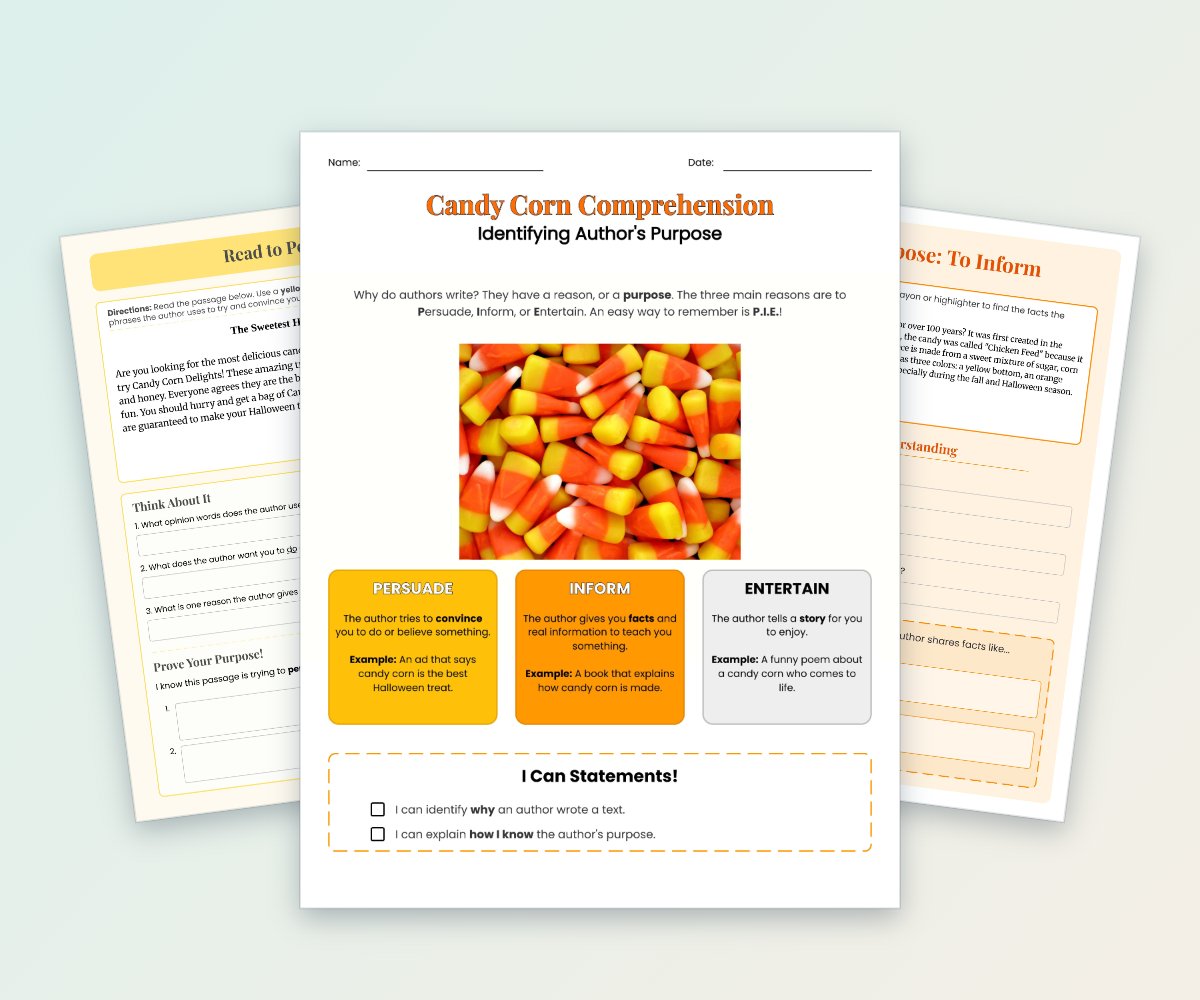
This six-page printable activity pack introduces the P.I.E.
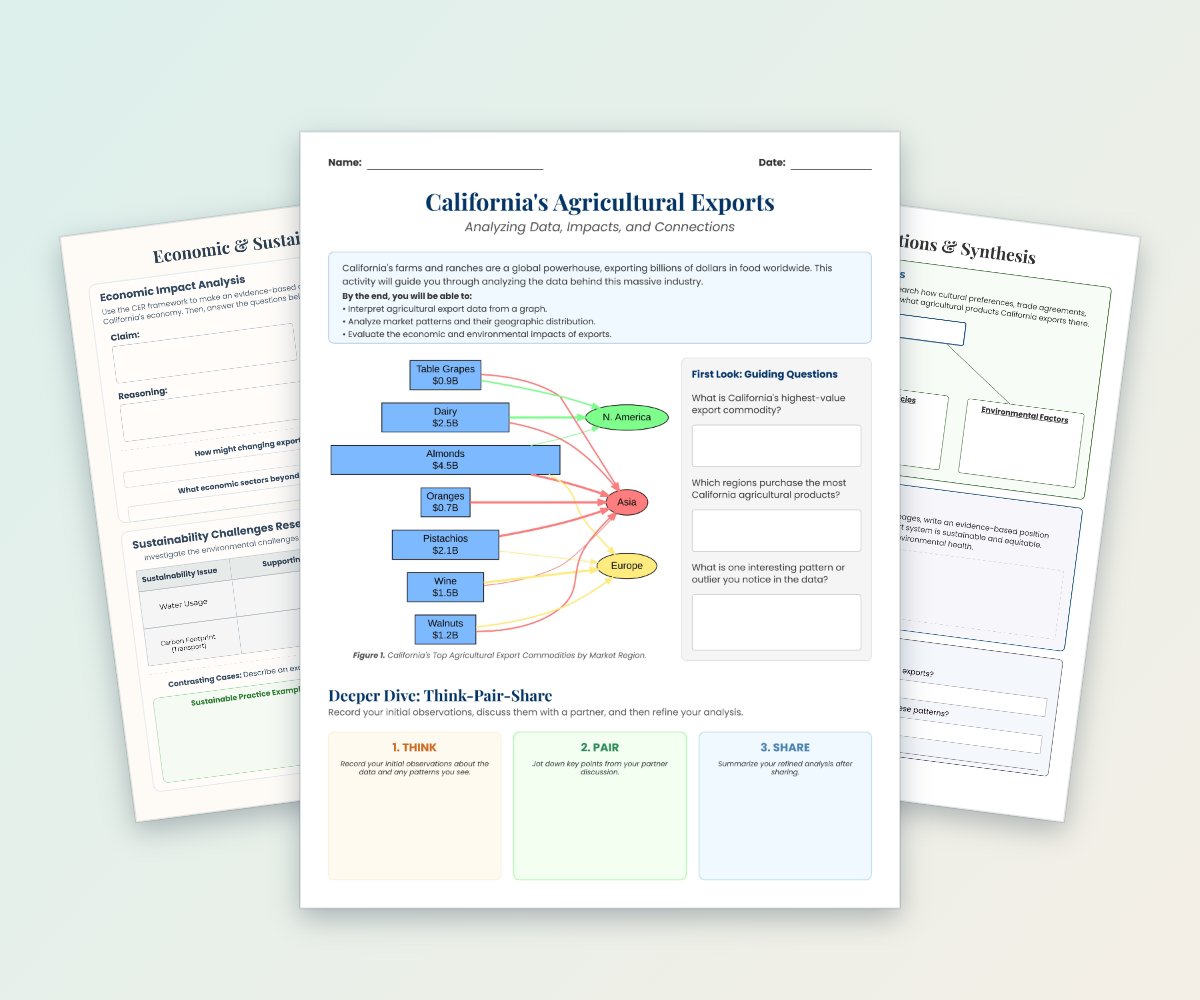
This three-page activity guides students in interpreting agricultural export data and examining economic, environmental, and global connections.
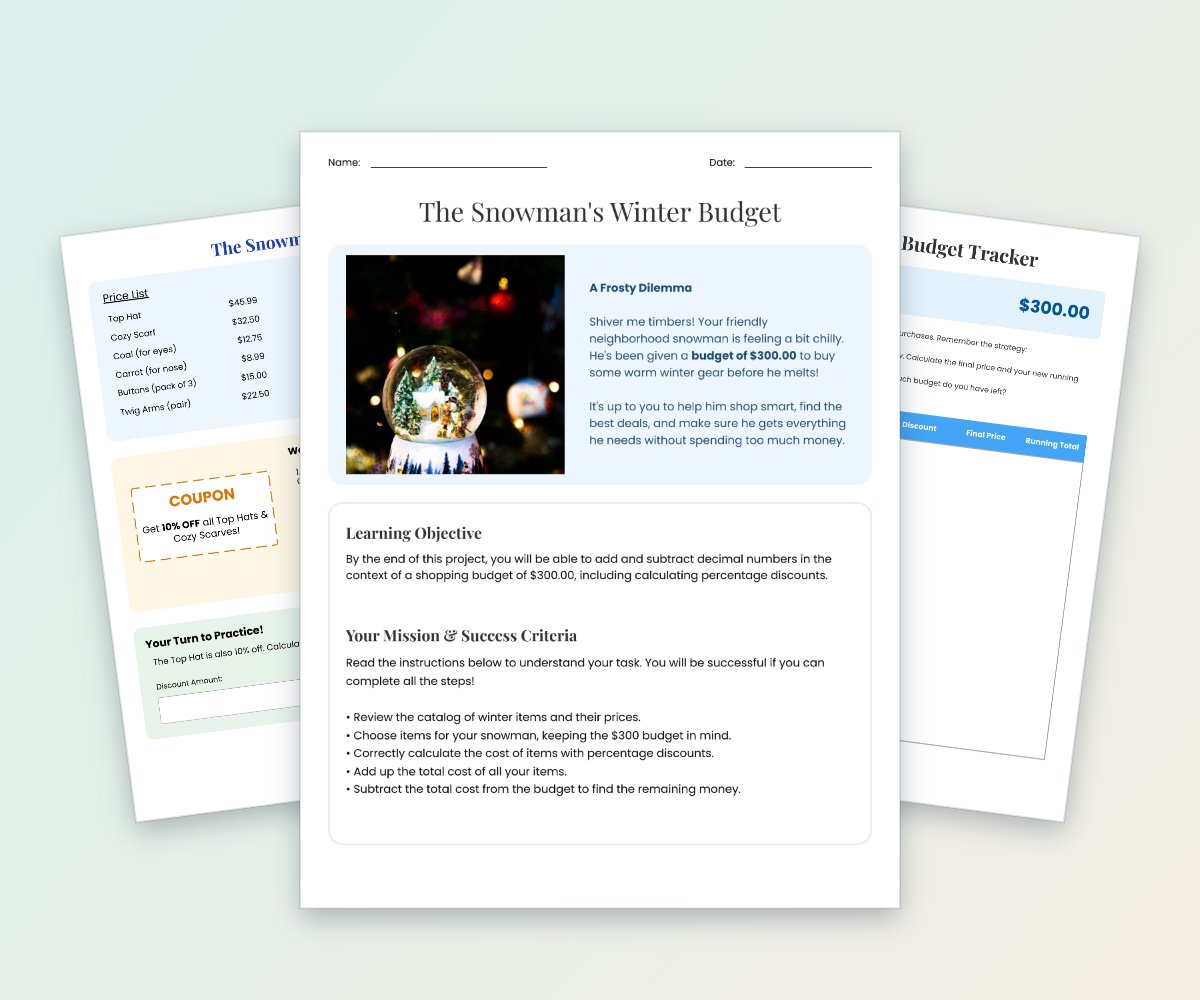
Students help a snowman shop for winter items within a $300 budget while calculating percentage discounts, final prices, totals, and remaining money.
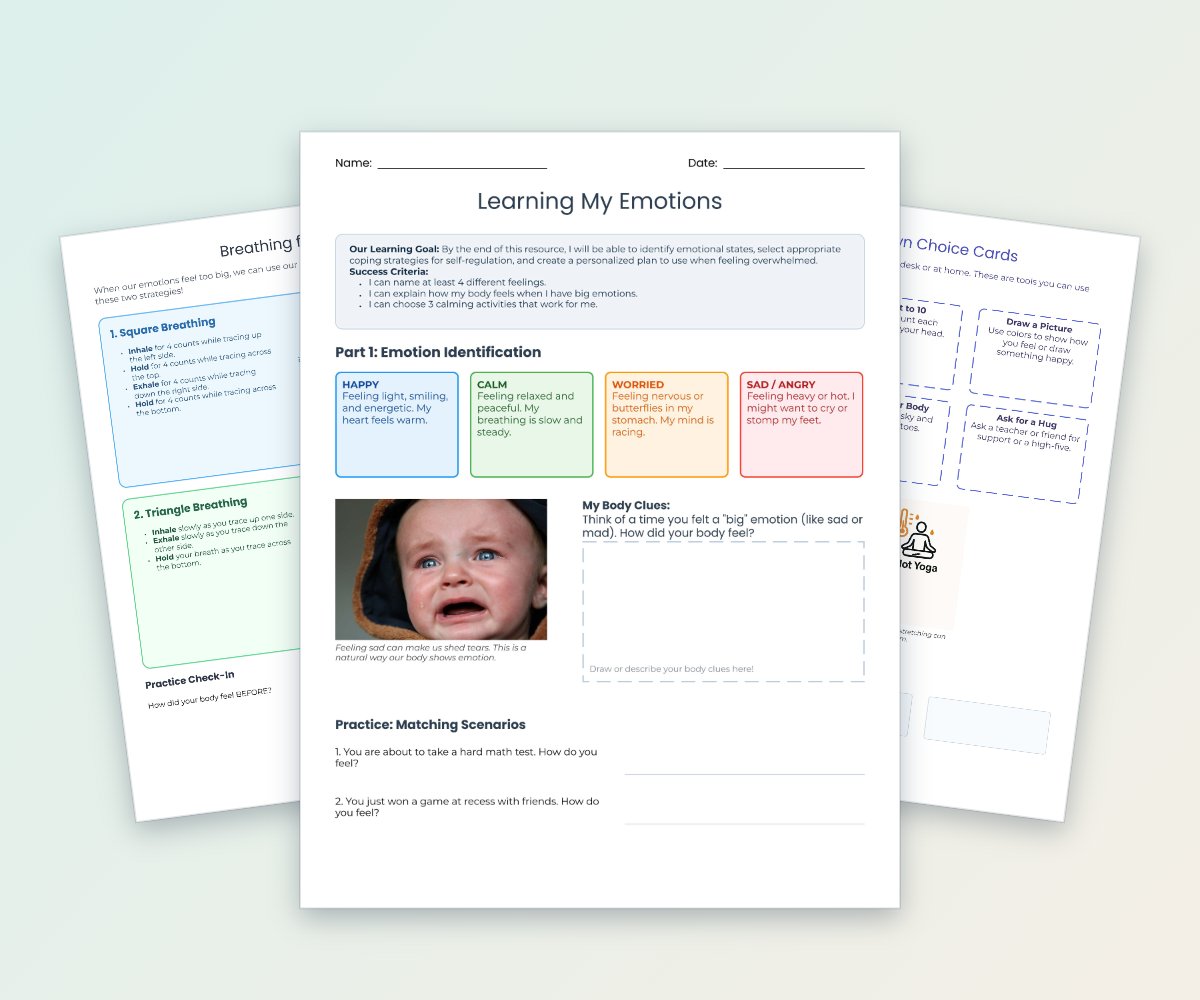
This seven-page activity pack helps students identify emotions, recognize physical signs of big feelings, and practice calming strategies.
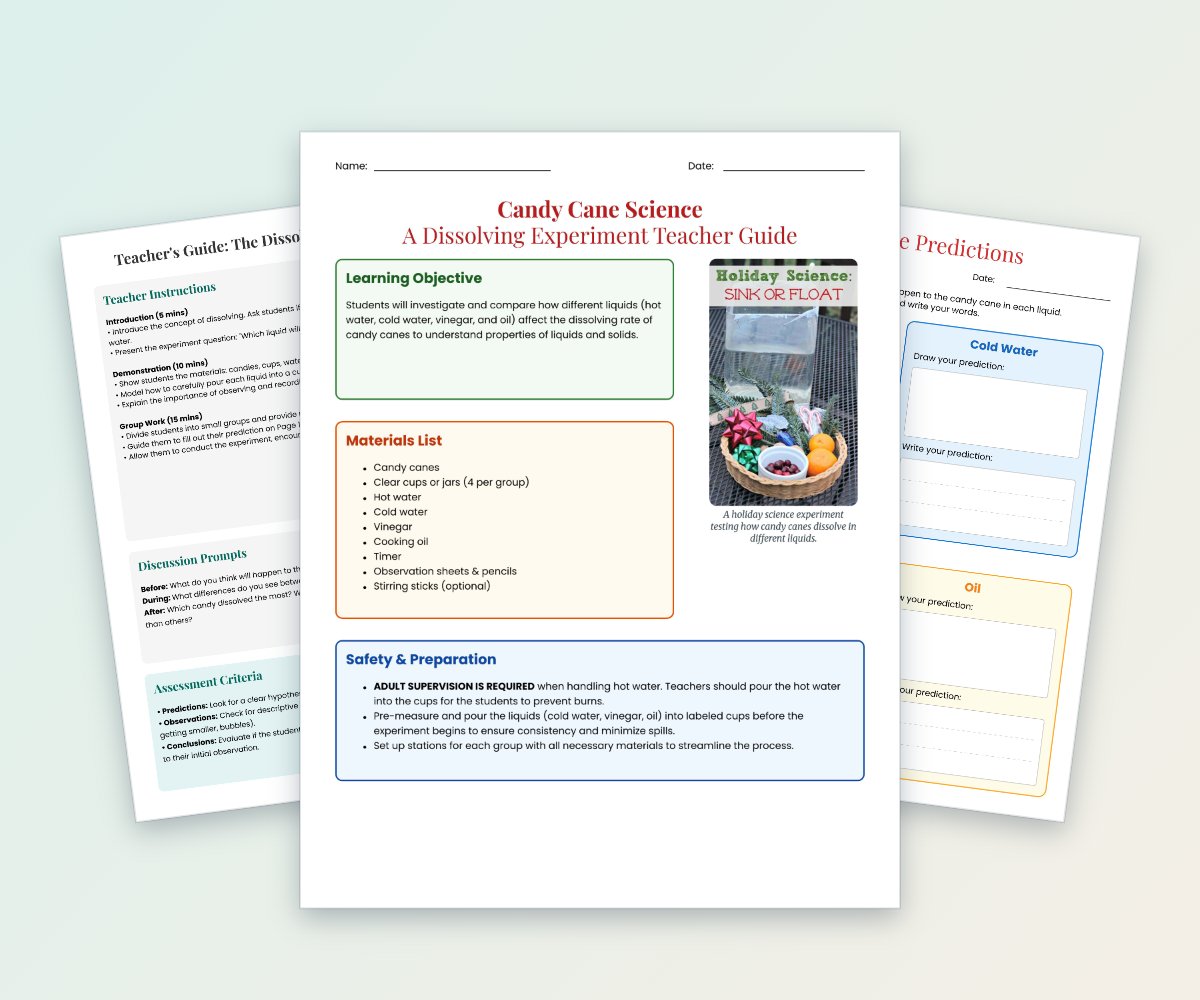
Students investigate how hot water, cold water, vinegar, and cooking oil affect the dissolving rate of candy canes.
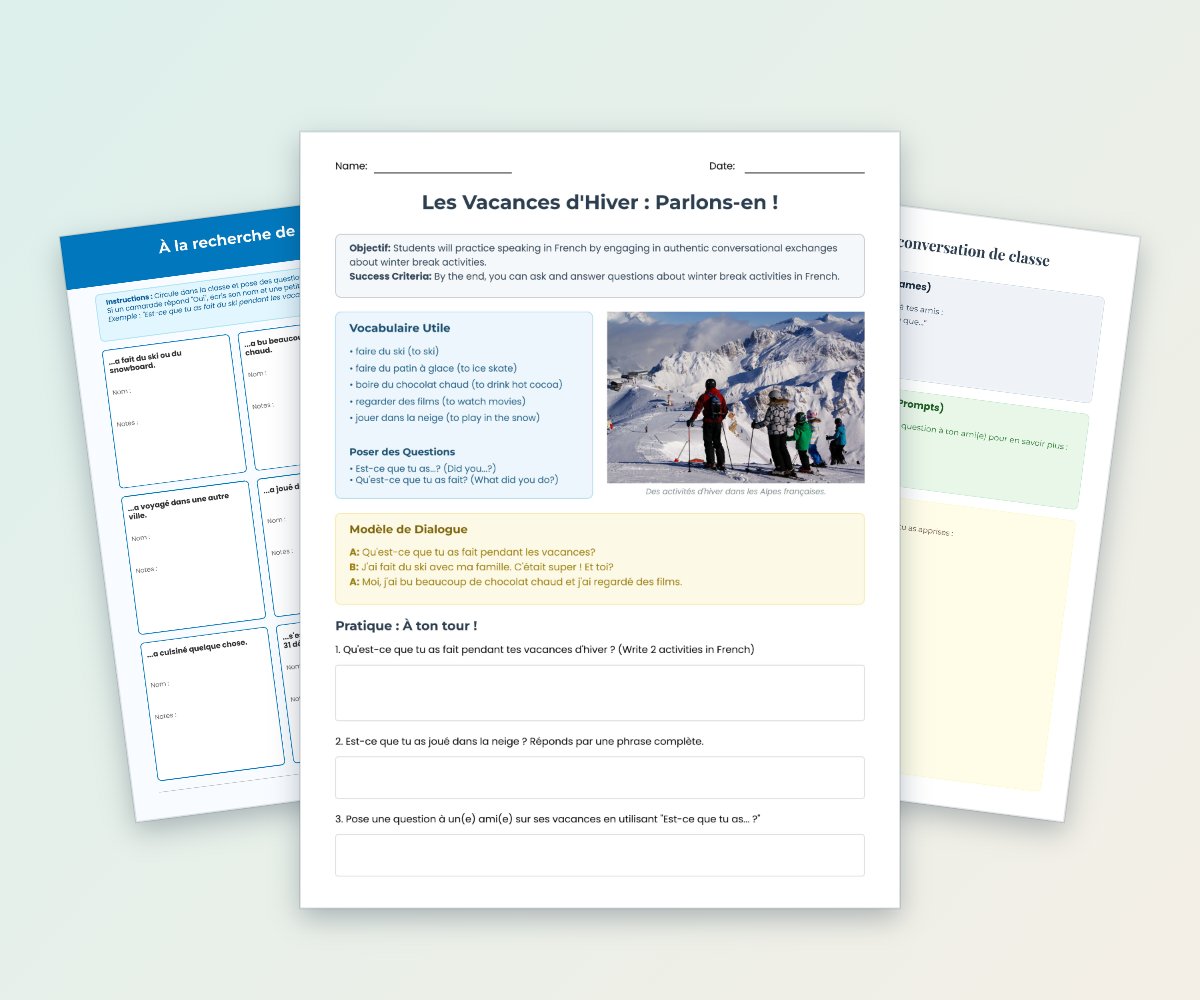
Students practice asking and answering questions in French about winter break activities.
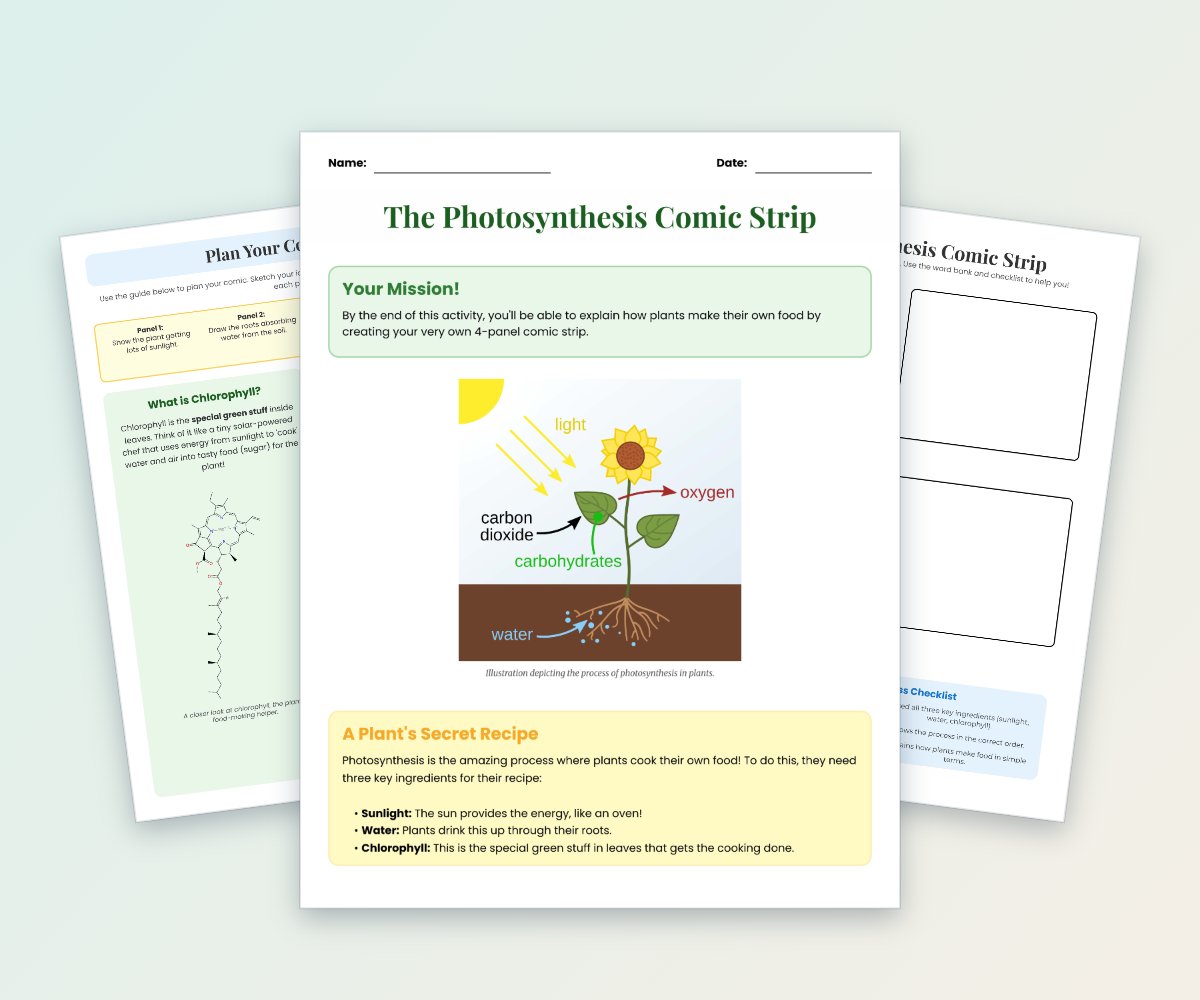
Students learn how plants use sunlight, water, and chlorophyll to make food through a guided comic-strip activity.
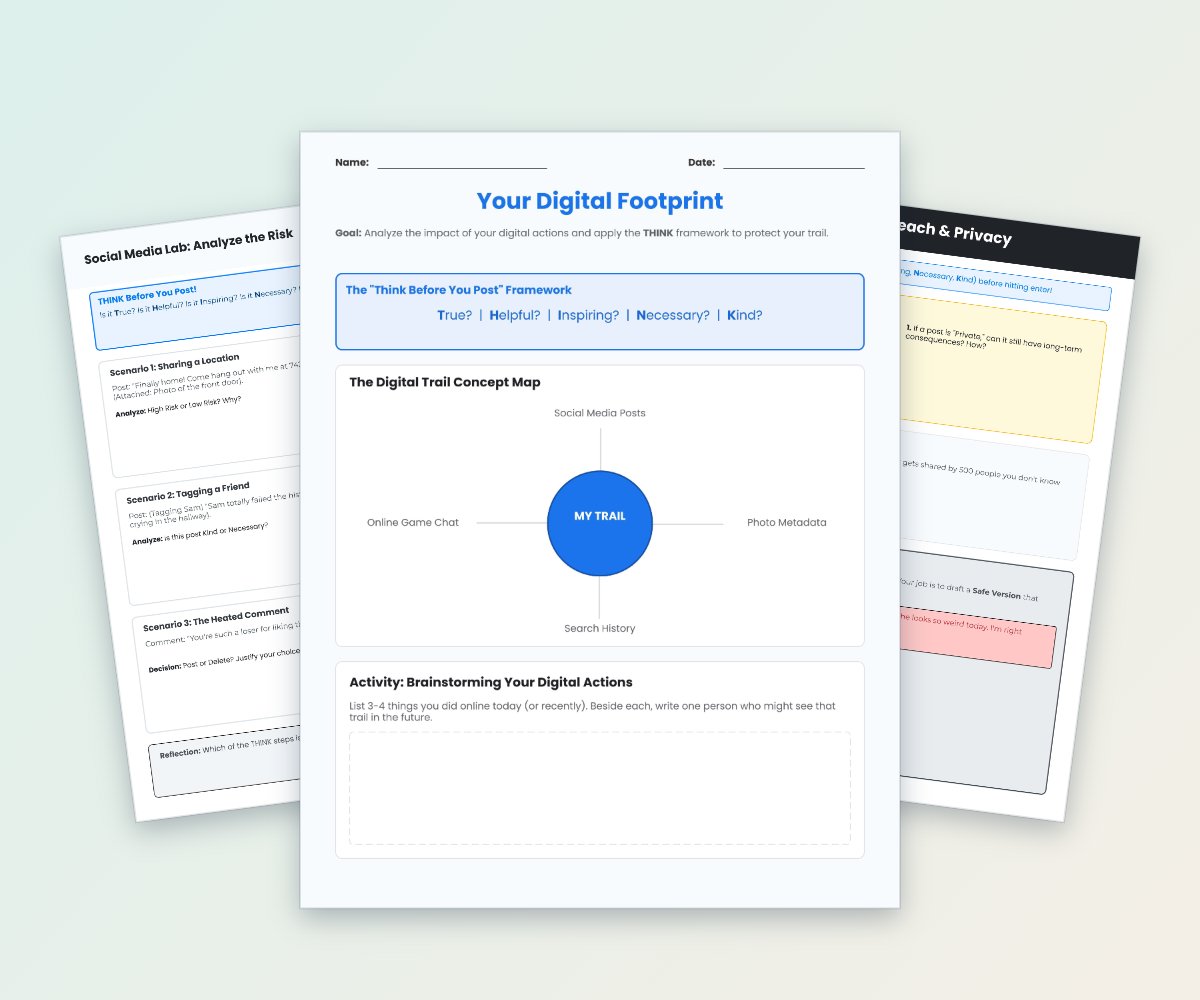
This six-page activity pack helps students analyze digital footprints, audience reach, privacy risks, and the consequences of online posts.
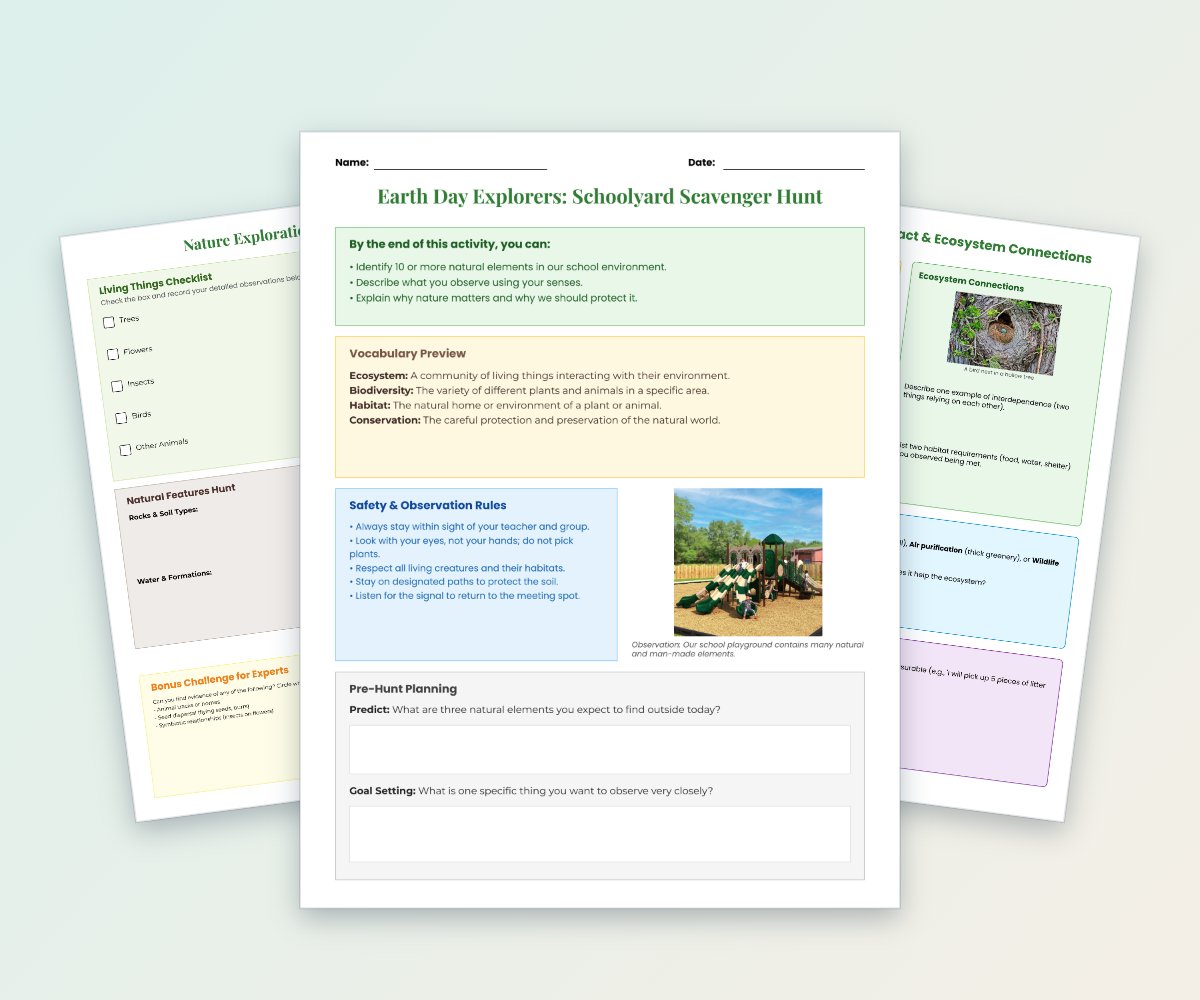
Students explore their schoolyard to identify natural elements, record sensory observations, and investigate habitats, biodiversity, seasonal changes, and human impact.
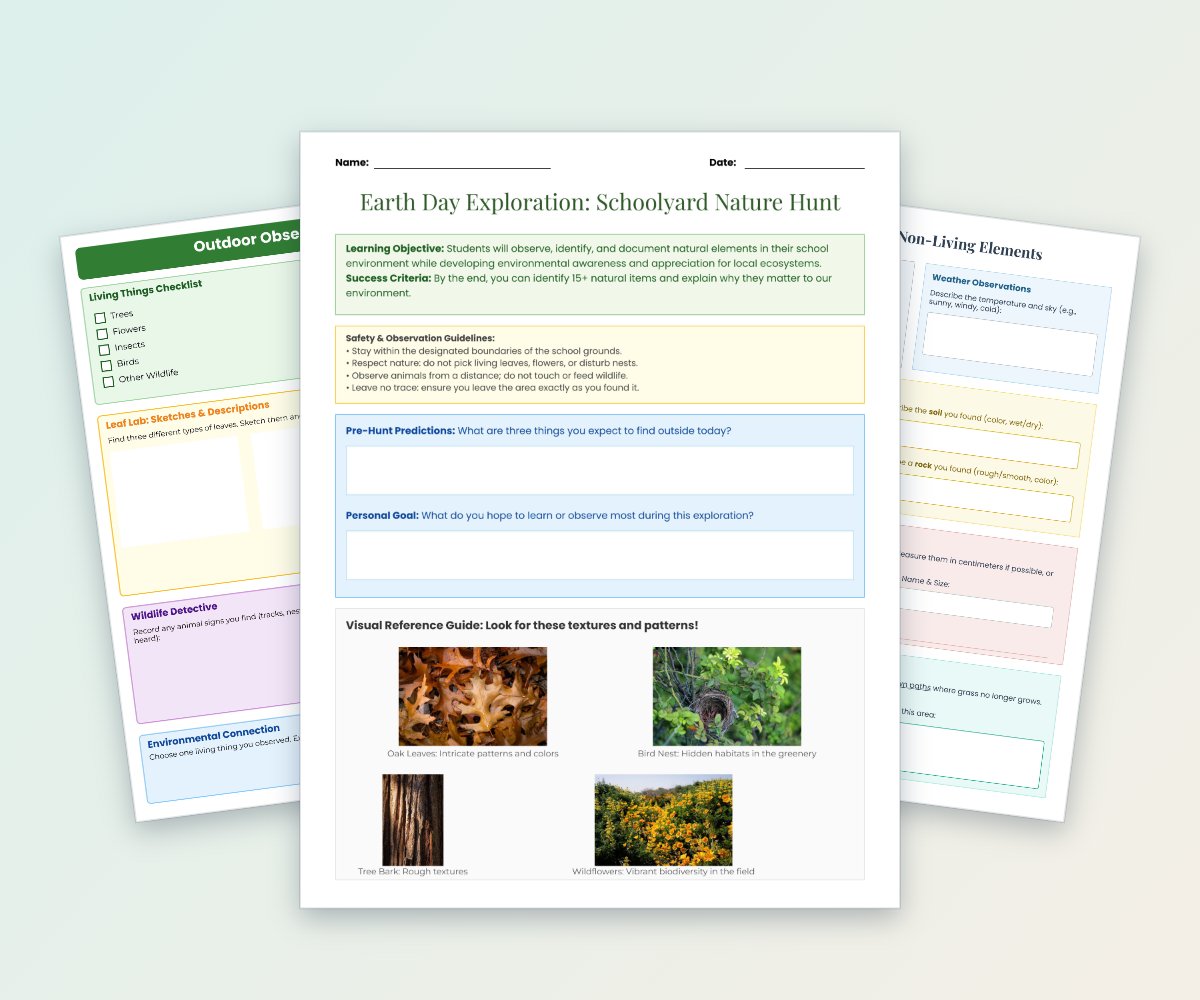
This Earth Day activity guides students through a schoolyard nature hunt focused on living and non-living elements, wildlife signs, textures, weather, and human impact.
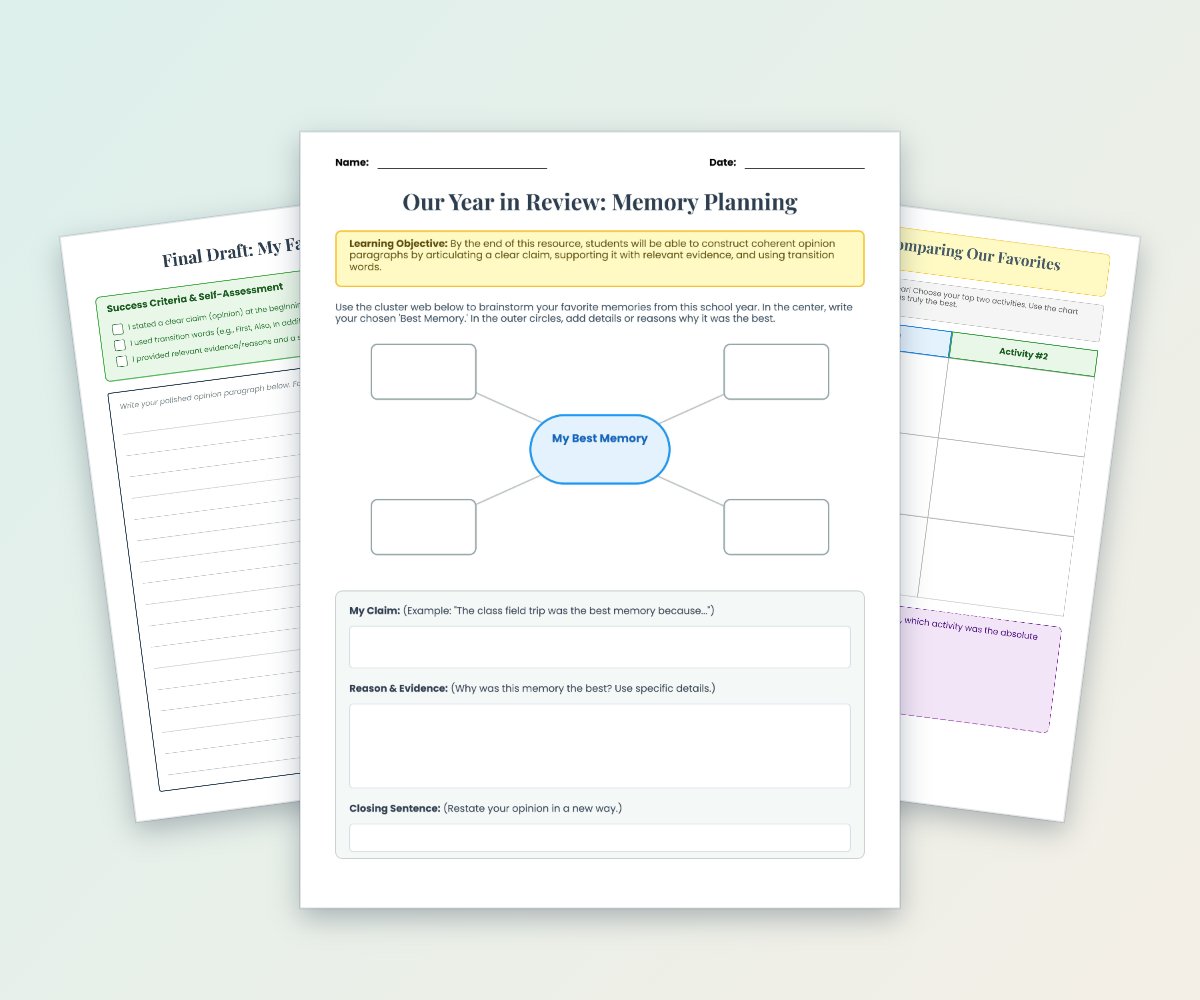
This end-of-year writing pack guides students through brainstorming favorite memories, developing claims with supporting evidence, comparing activities, and drafting persuasive paragraphs.
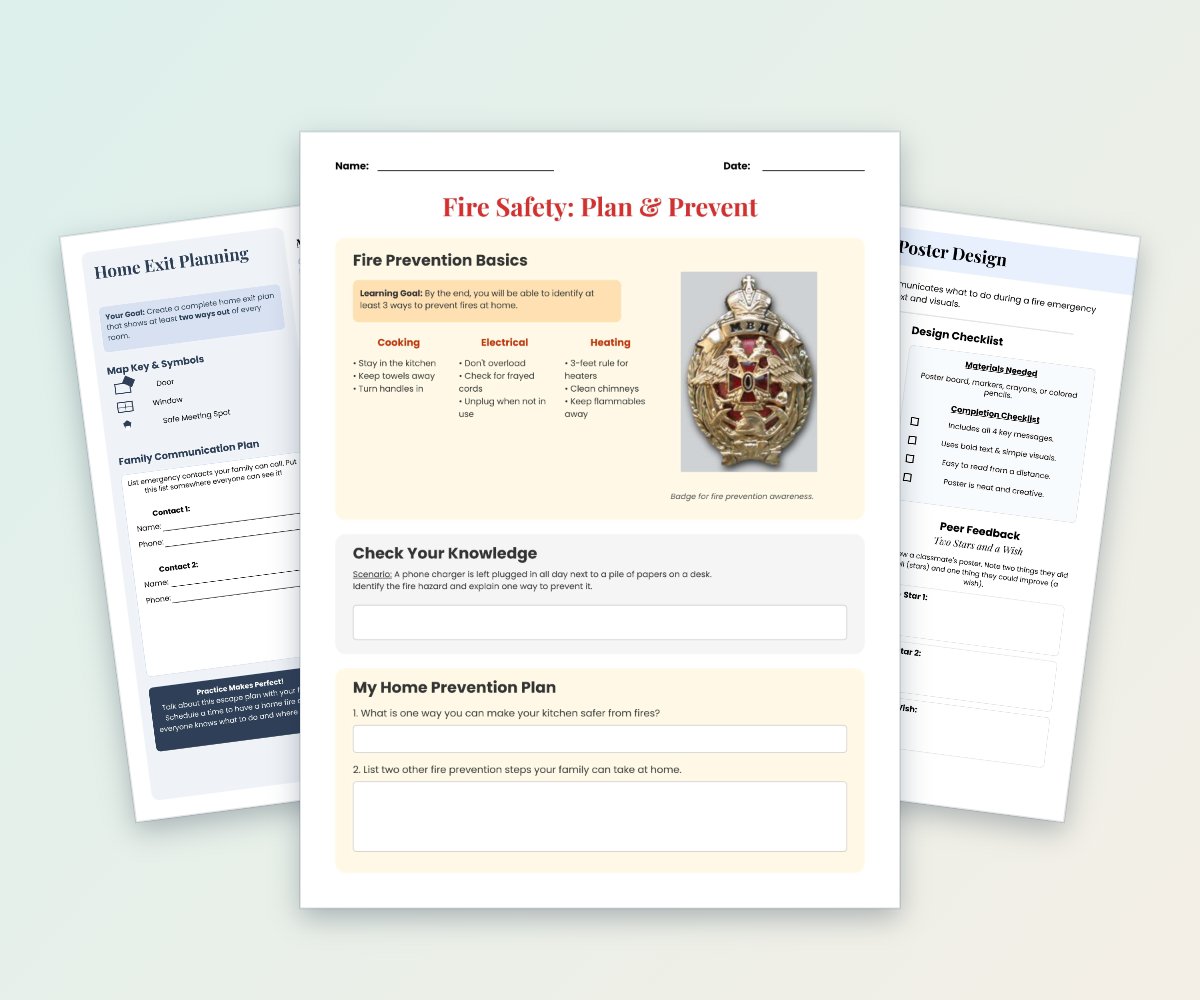
This three-page activity pack teaches students practical fire prevention and evacuation skills through safety tips, a hazard scenario, home planning prompts, and a floor-plan activity.
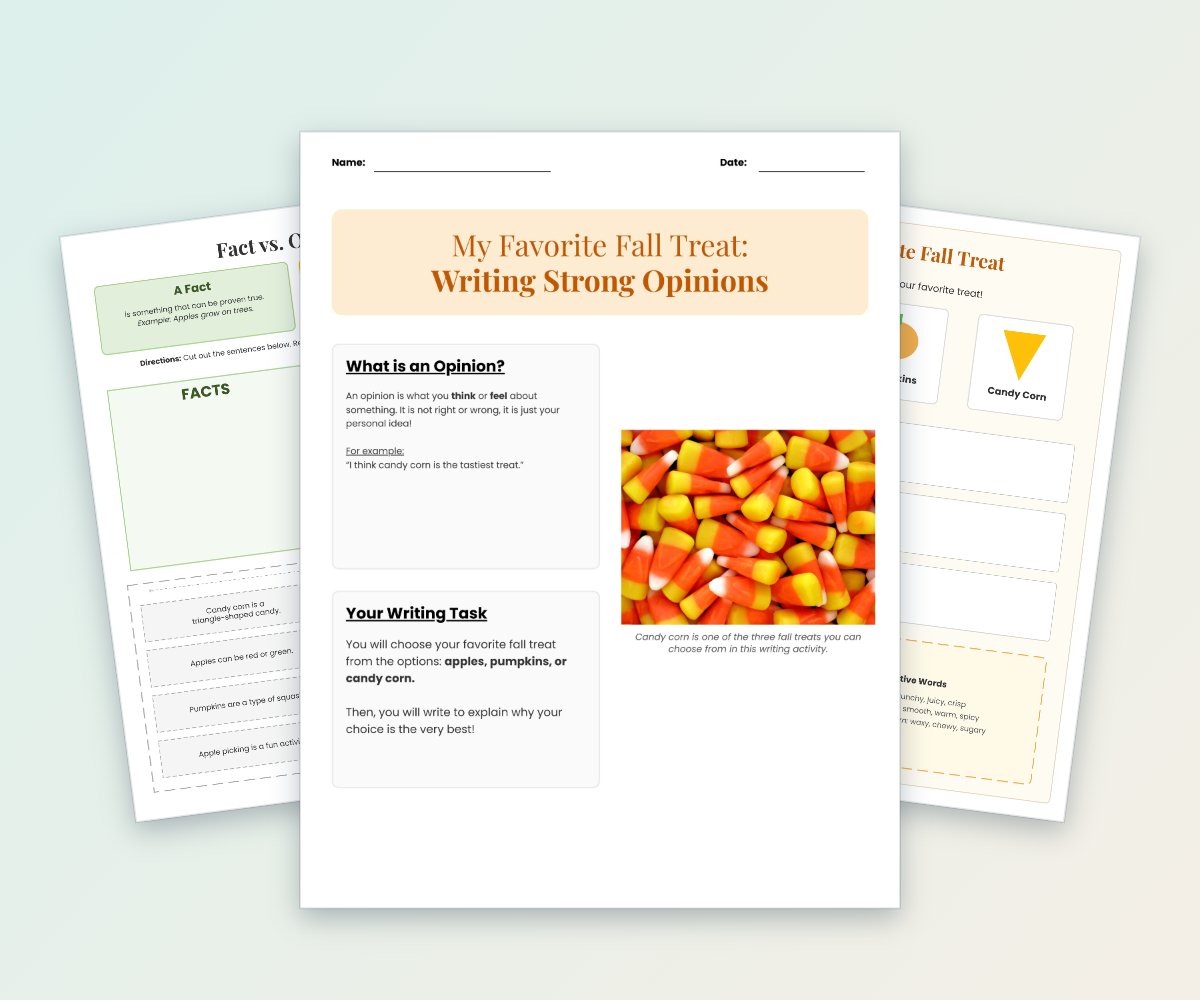
This six-page fall-themed writing activity teaches students to distinguish facts from opinions and develop an opinion about their favorite treat.
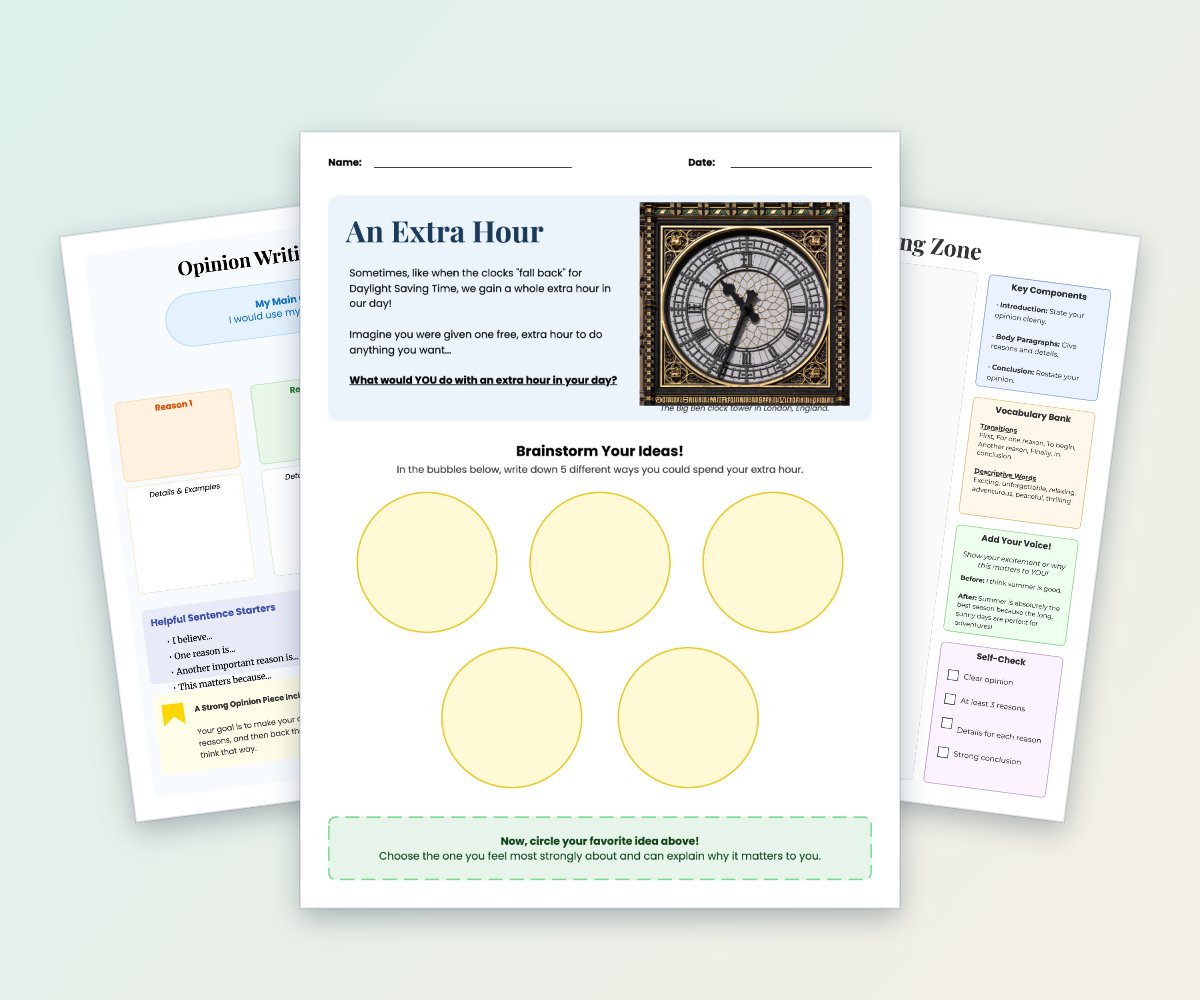
Students imagine how they would spend an extra hour and develop a persuasive opinion piece.
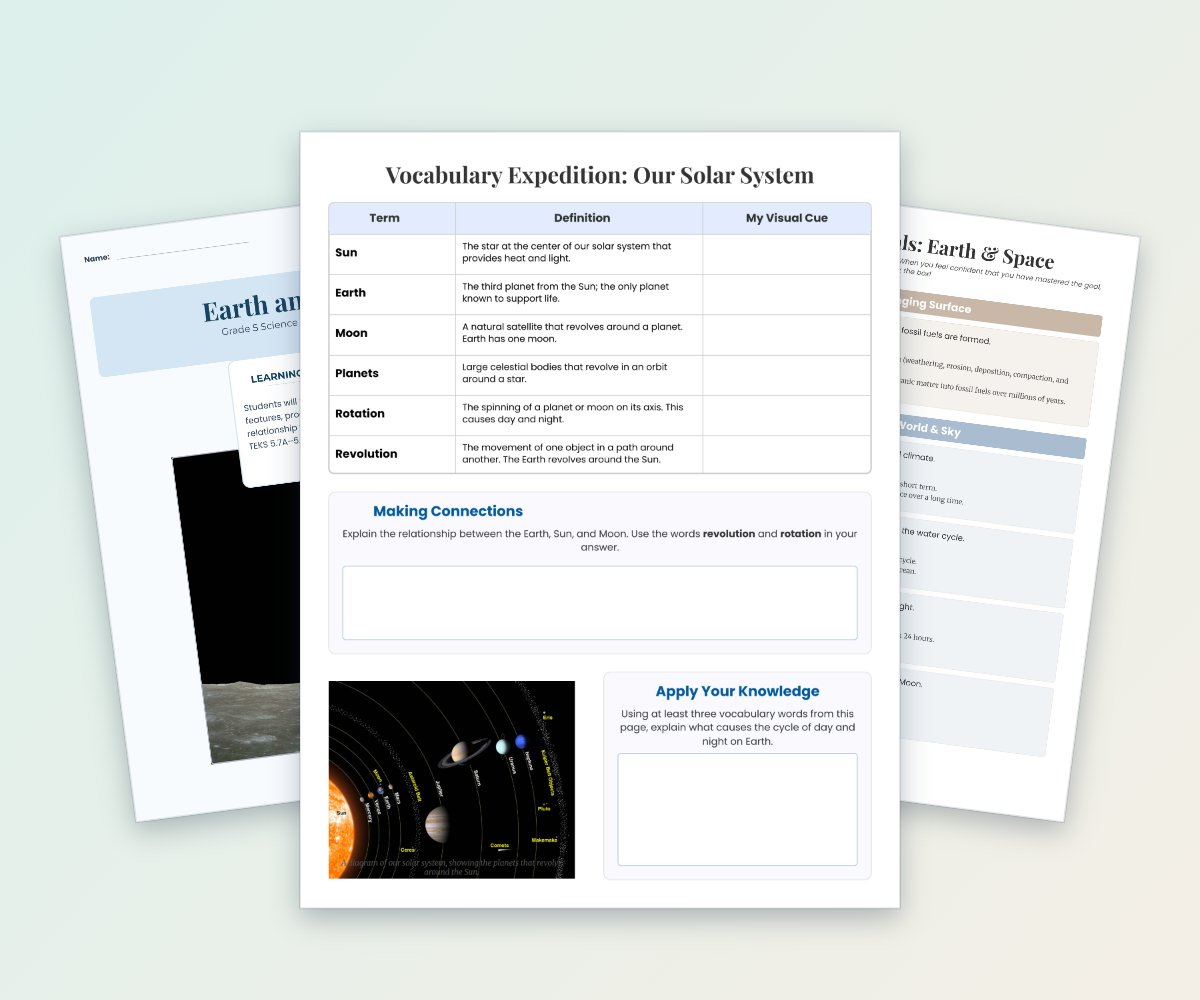
This 13-page Grade 5 science activity pack introduces Earth’s changing surface, weather and climate, the water cycle, day and night, and characteristics of the Sun, Earth, and Moon.
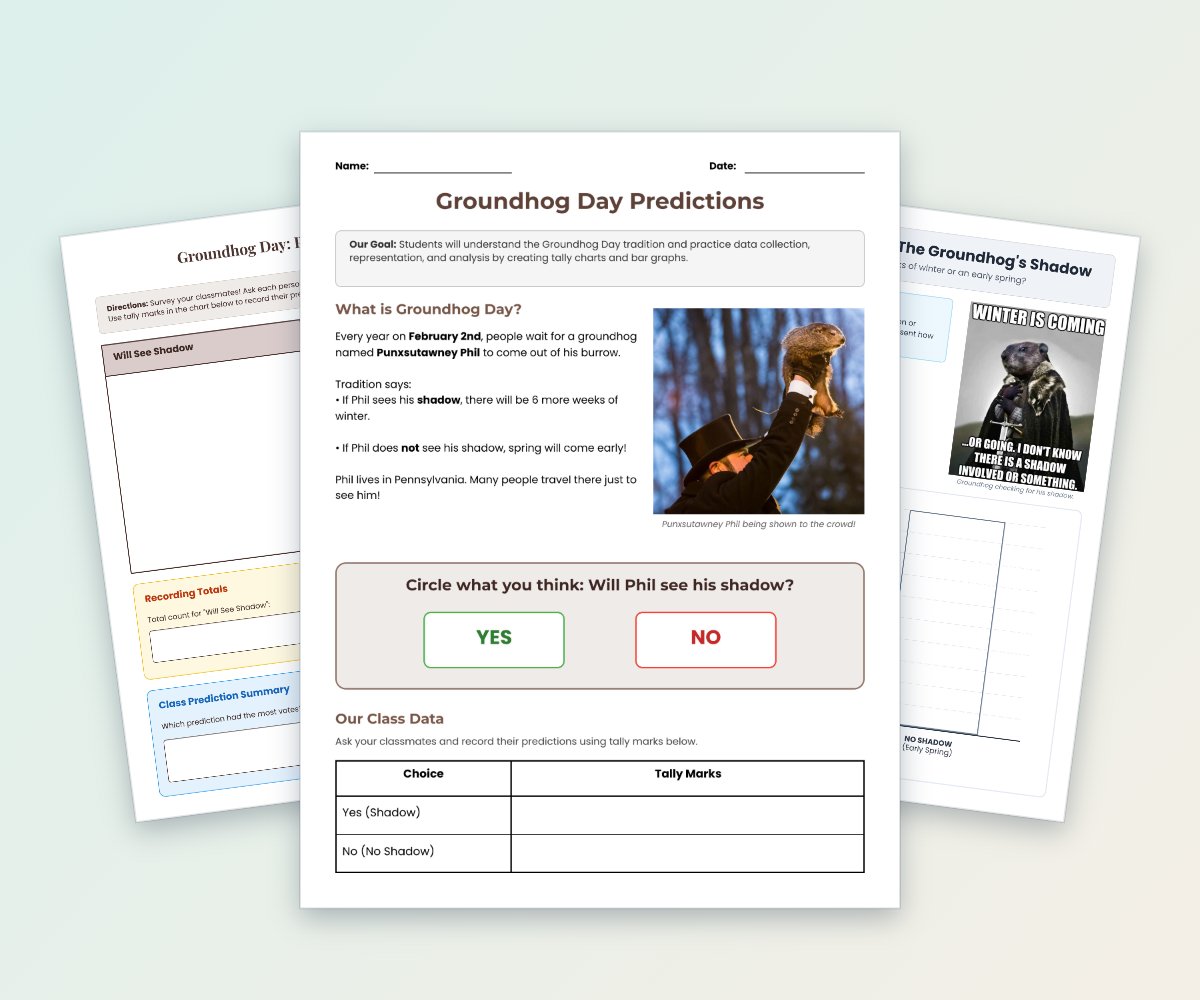
Students learn about the Groundhog Day tradition, survey classmates about their predictions, and record results with tally marks.
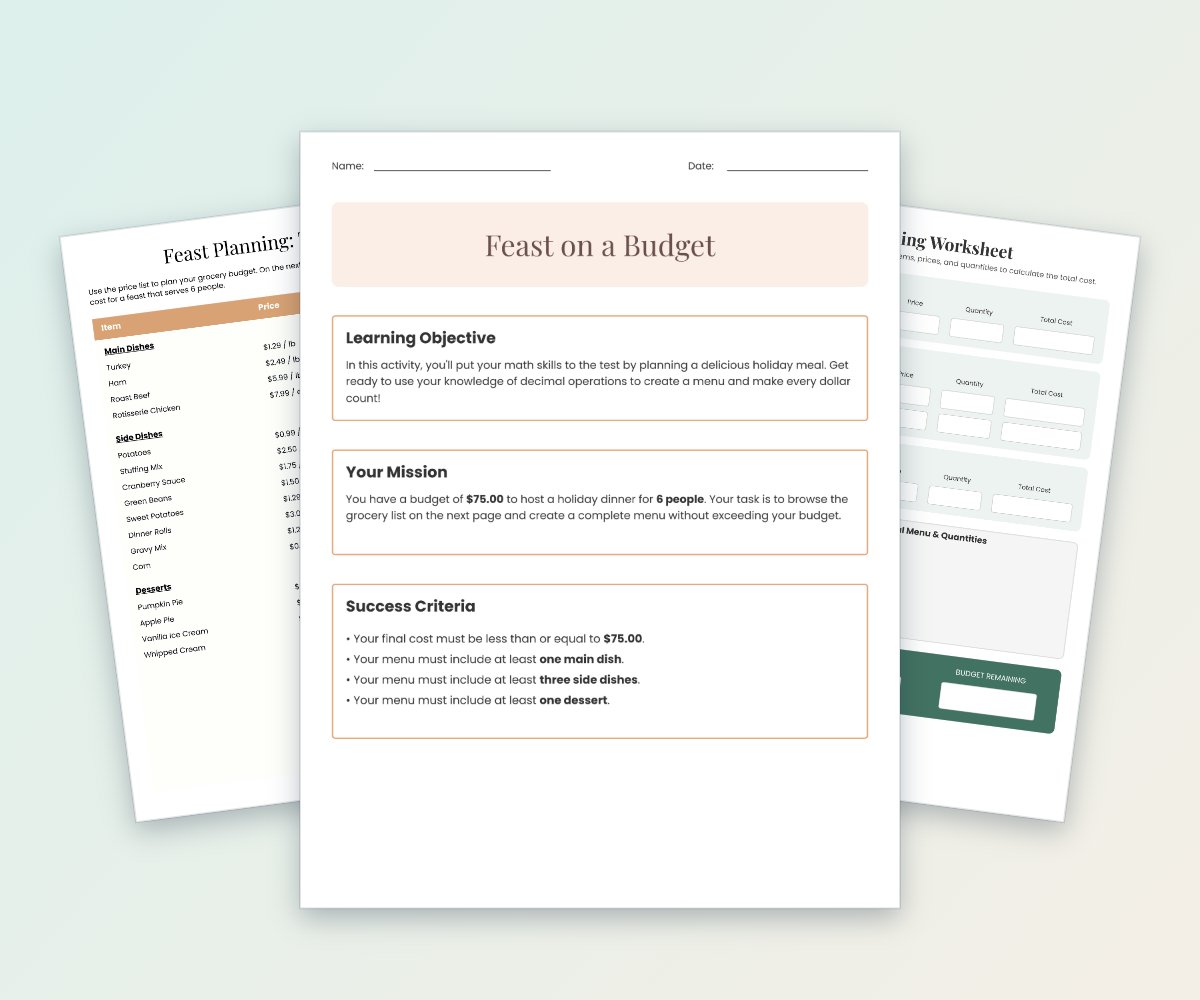
Students plan a holiday dinner for six people using a $75 budget and a grocery price list.
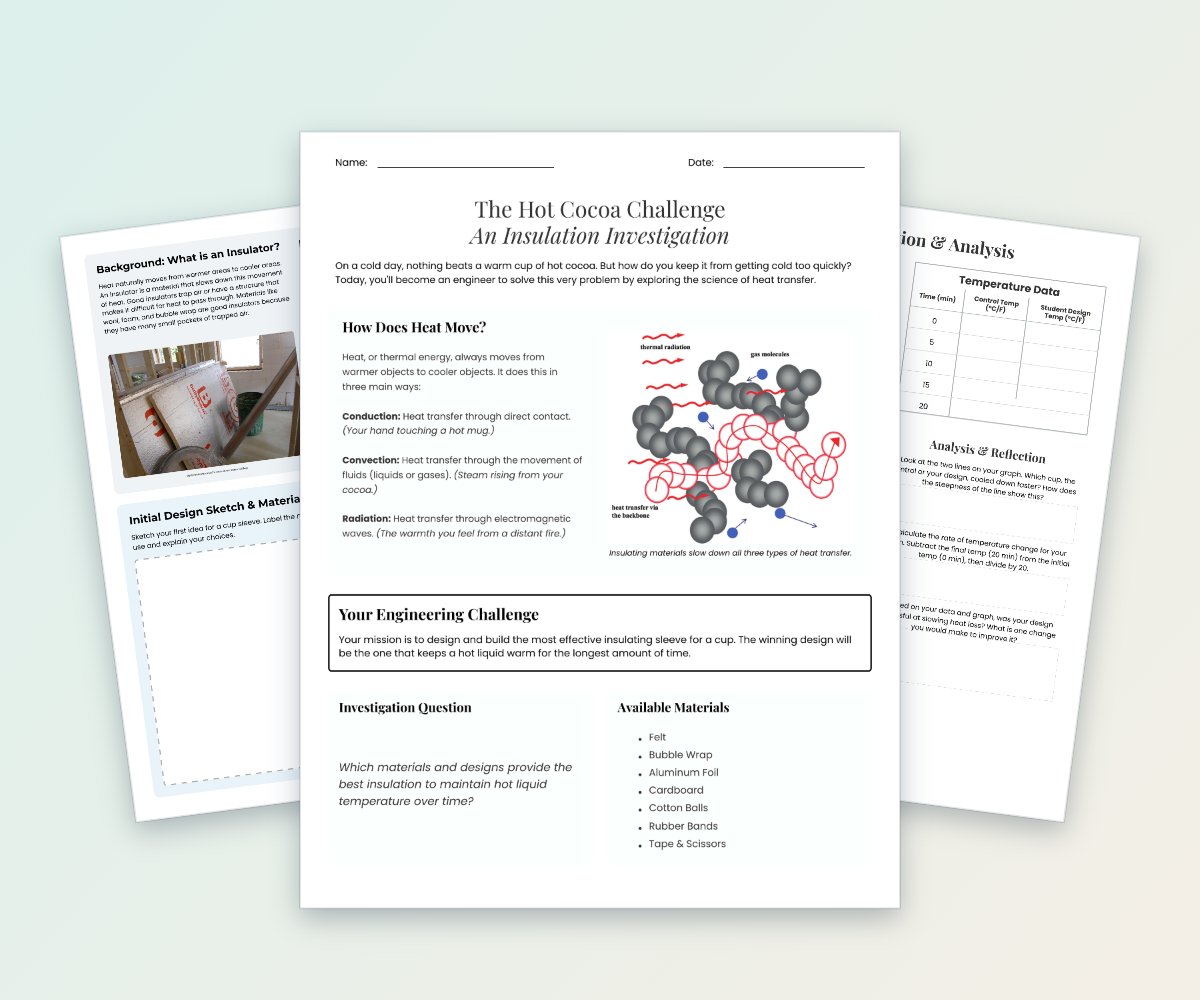
Students investigate conduction, convection, and radiation by designing and testing an insulating sleeve for a cup of hot cocoa.
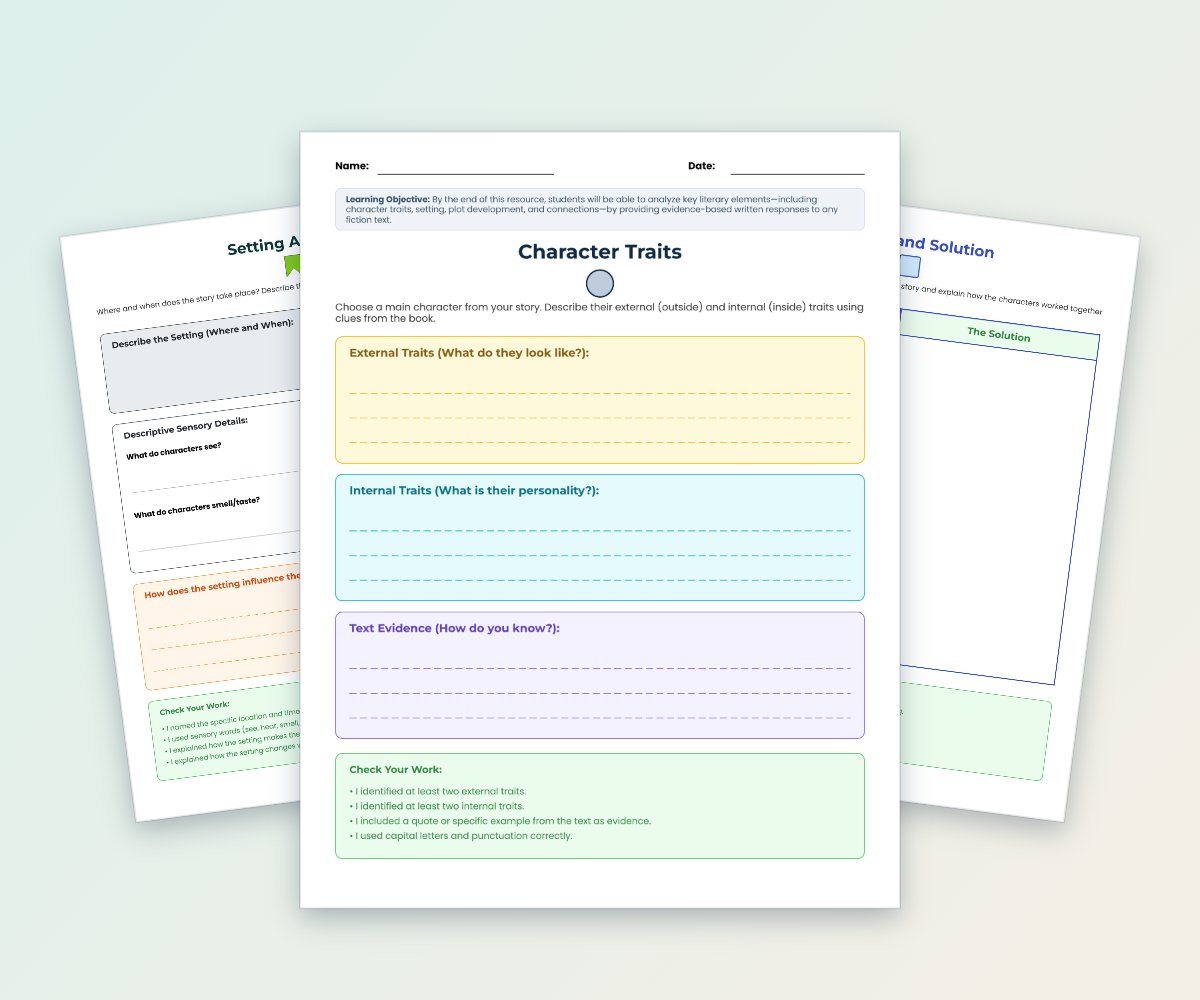
This six-page journal pack guides students through analyzing character traits, setting, problem and solution, literary connections, and meaningful quotes.
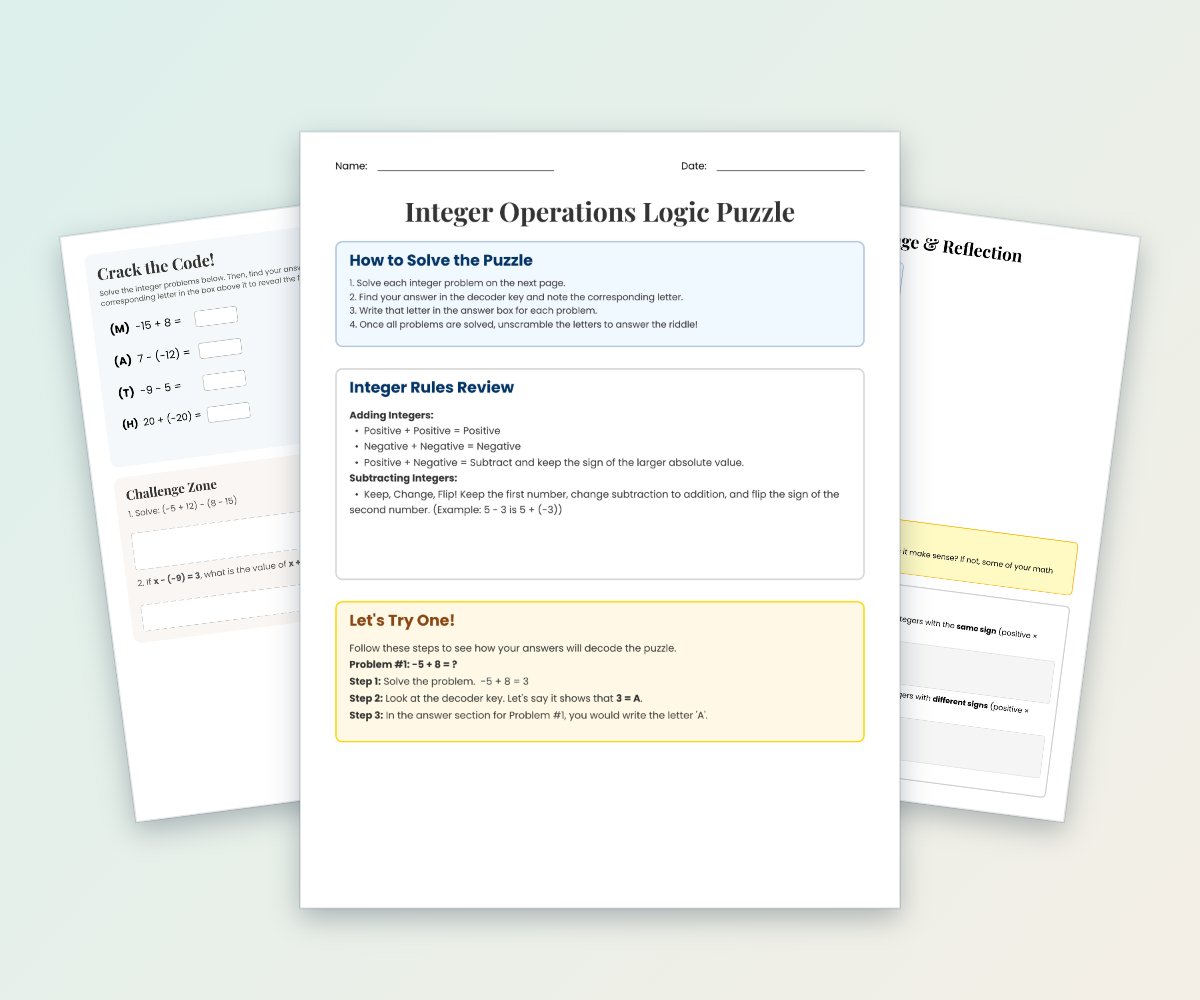
Students review integer addition and subtraction, solve coded problems, and unscramble a secret message.
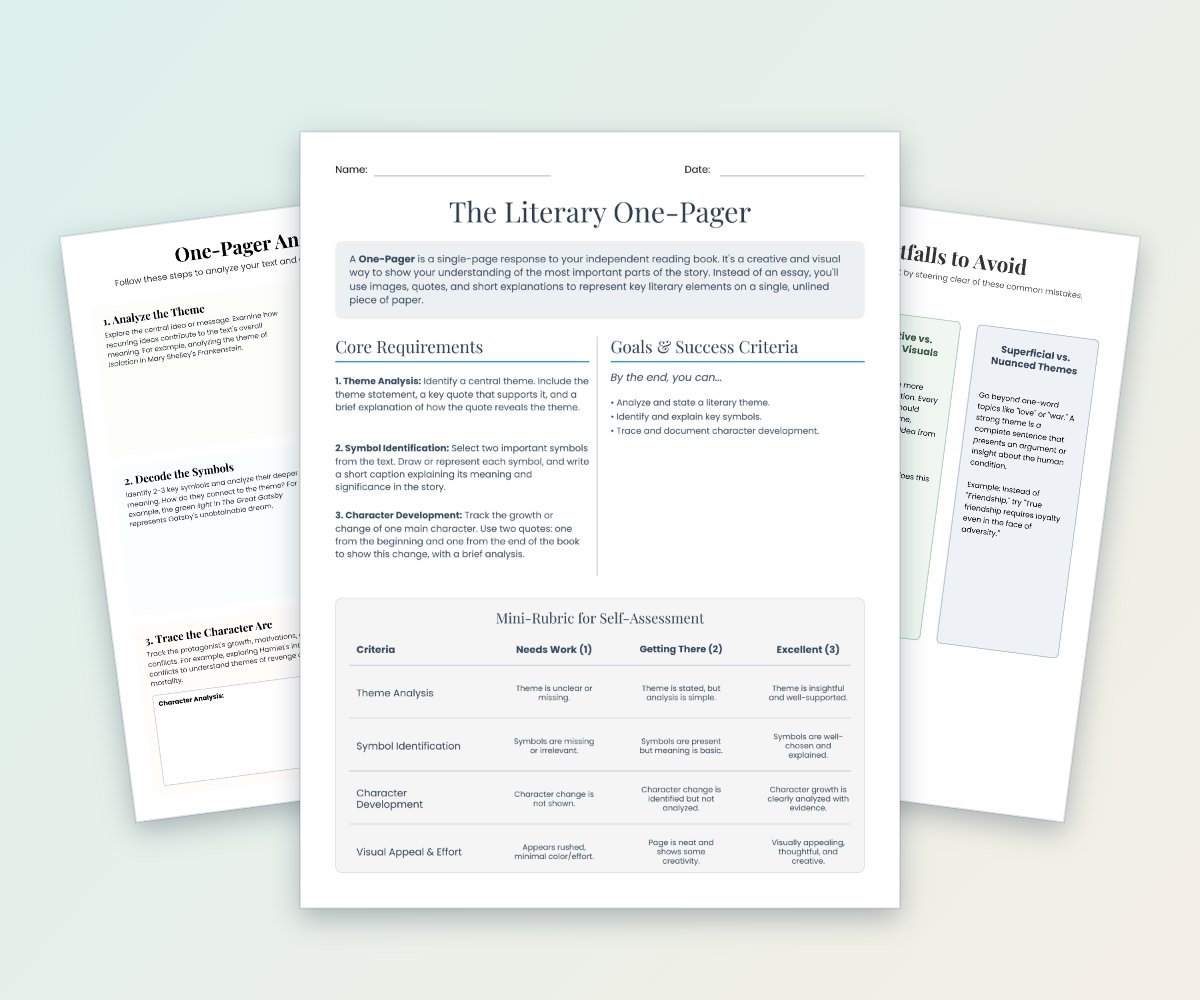
Students create a visual one-page response to an independent reading book, analyzing theme, symbols, and character development with textual evidence.
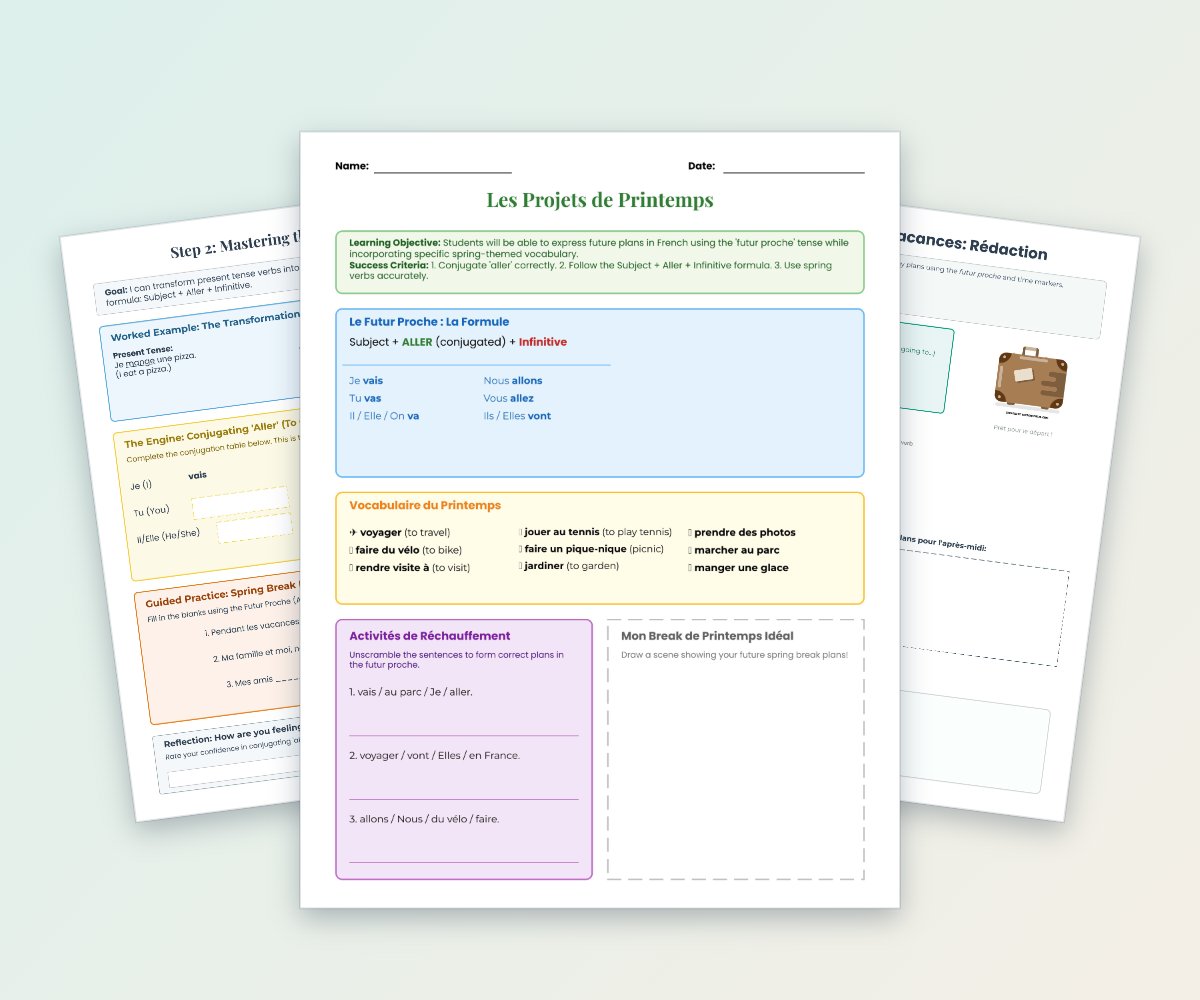
This five-page French activity pack helps students express future plans using aller plus an infinitive.
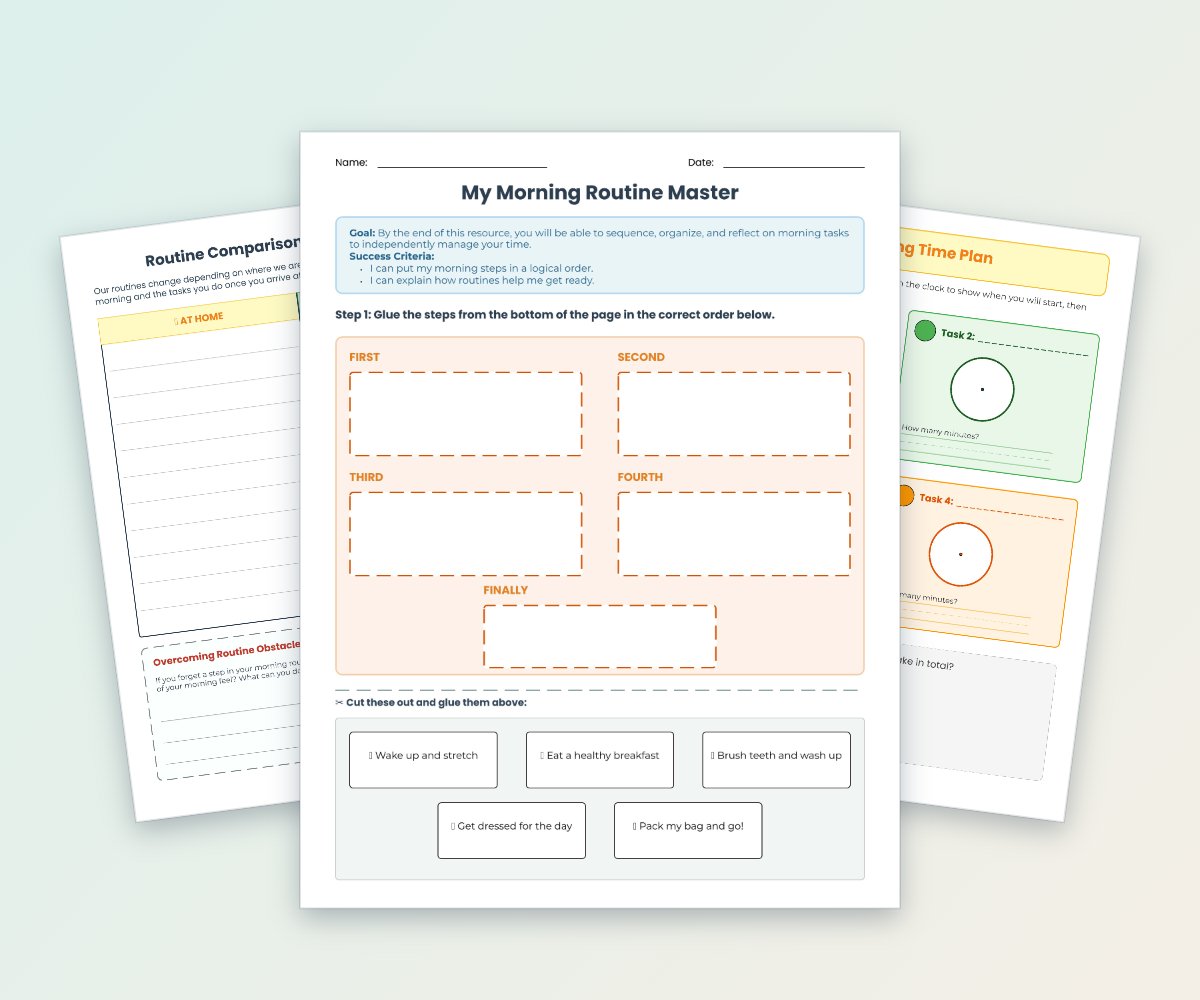
This six-page activity pack helps students sequence morning tasks, compare home and school routines, plan time, and reflect on success.
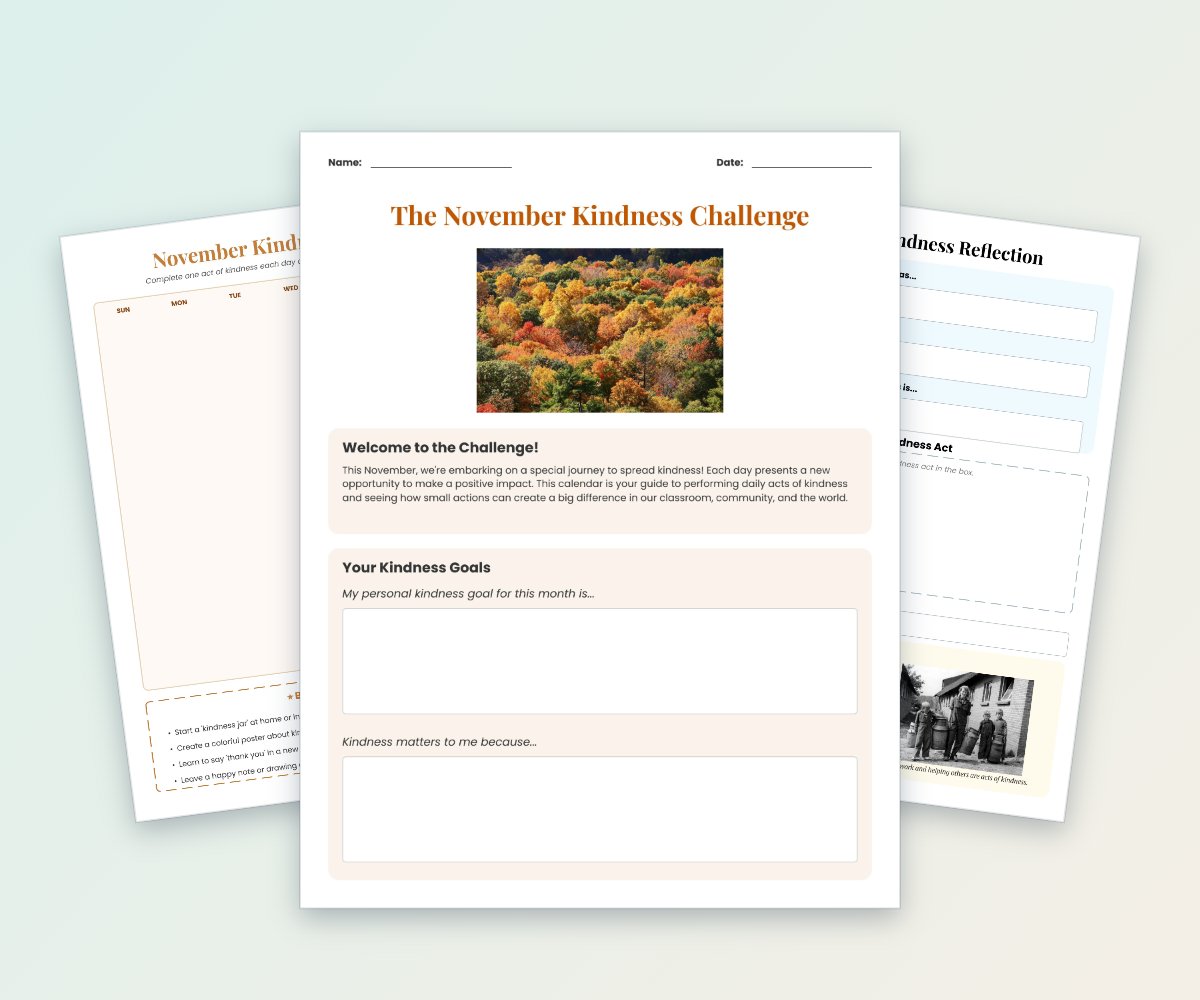
Guide students through a month-long kindness challenge with daily acts, personal goals, reflection prompts, partner discussions, and a class wrap-up.
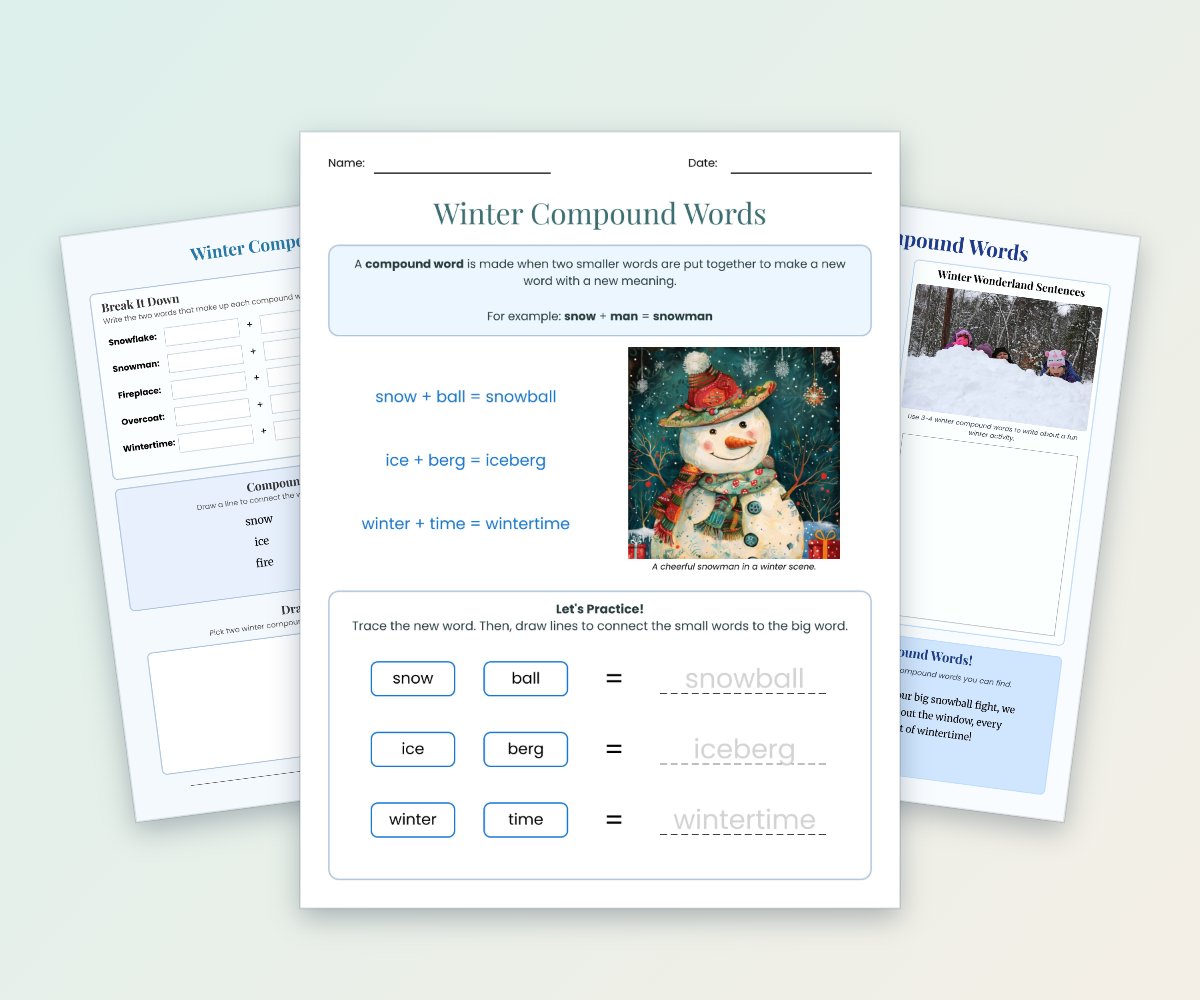
This three-page winter-themed activity pack helps students identify, build, read, and write compound words.
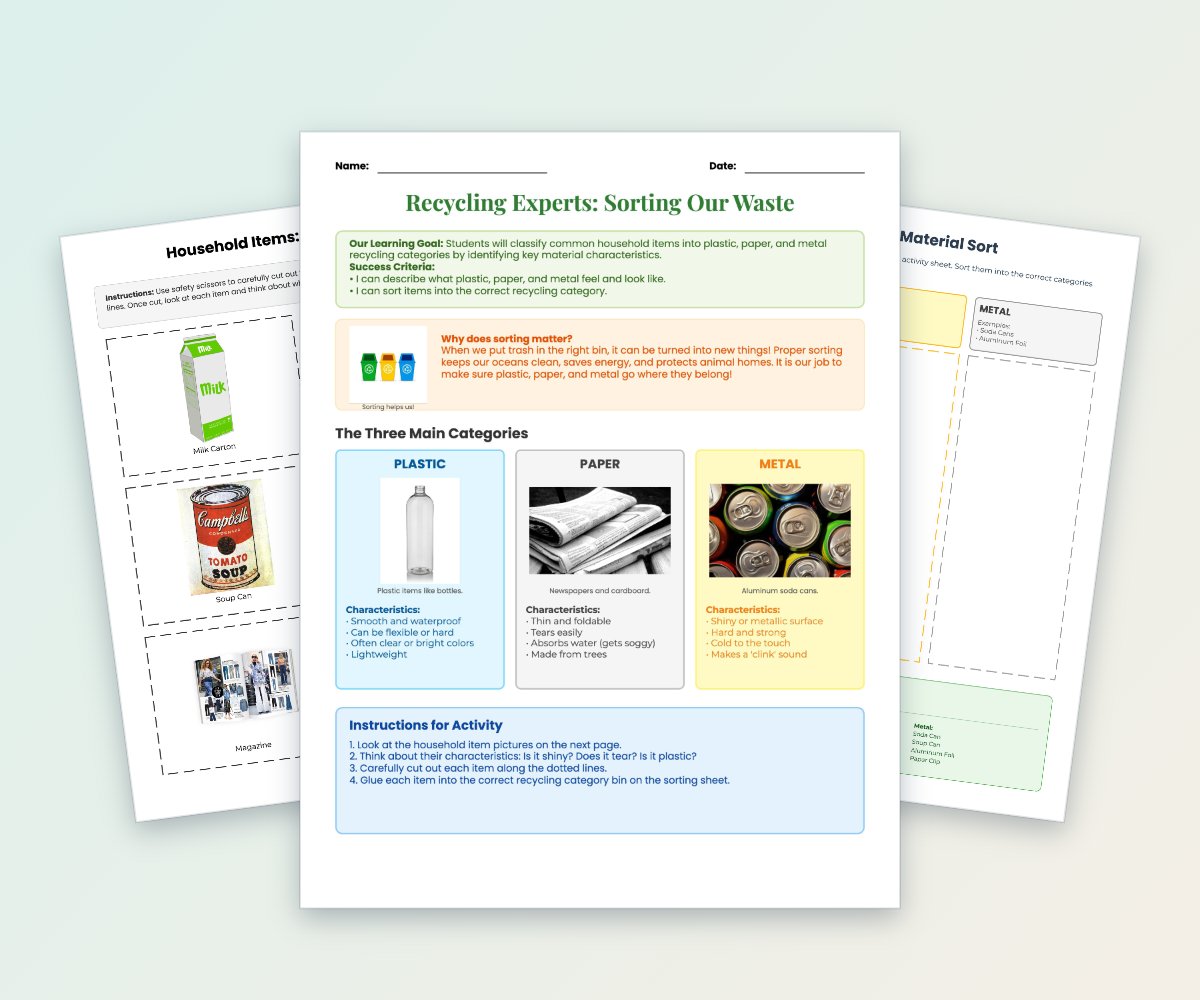
Students learn to identify plastic, paper, and metal by their observable characteristics, then sort household items into recycling categories.
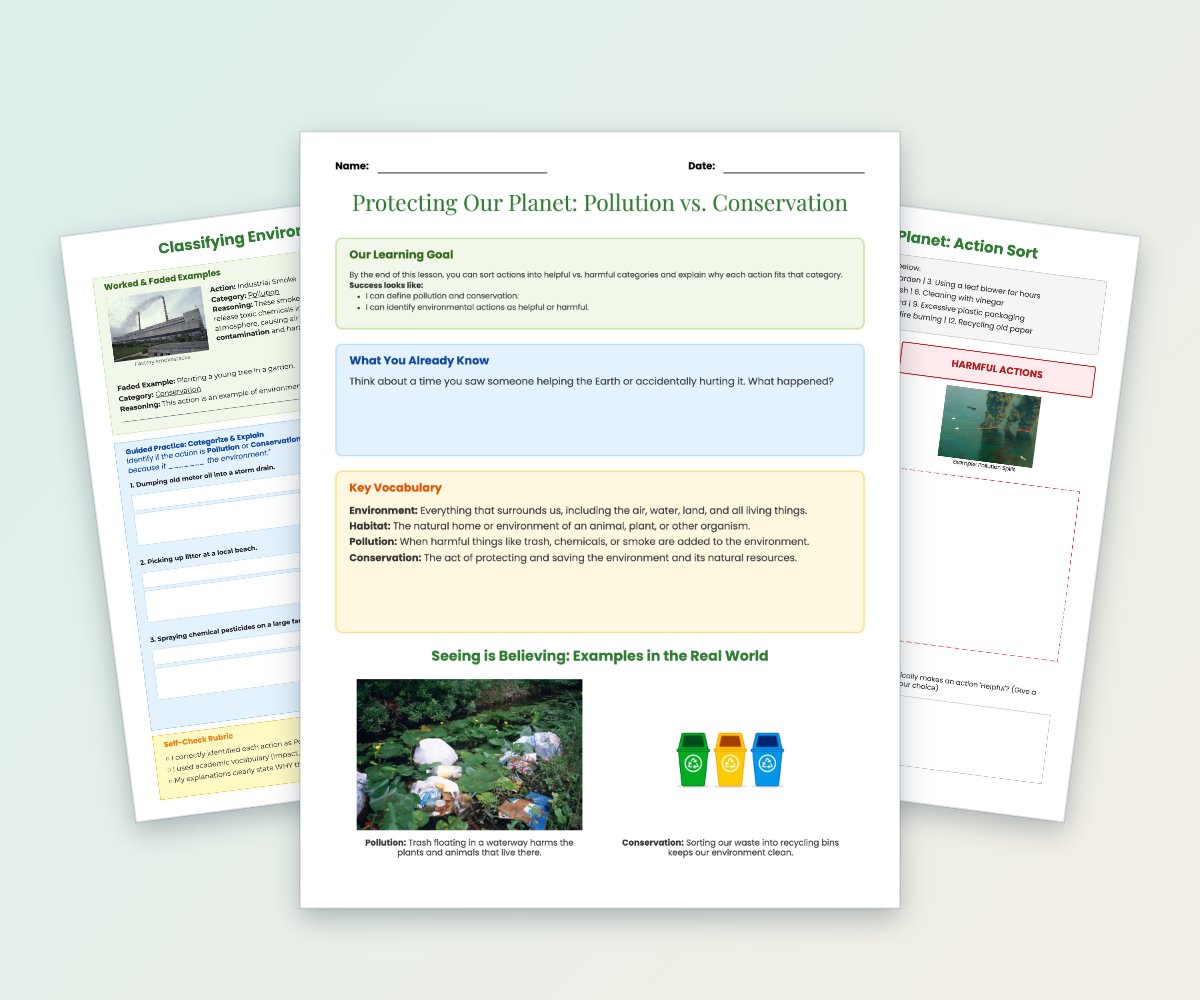
This four-page environmental science resource teaches students to distinguish pollution from conservation actions.
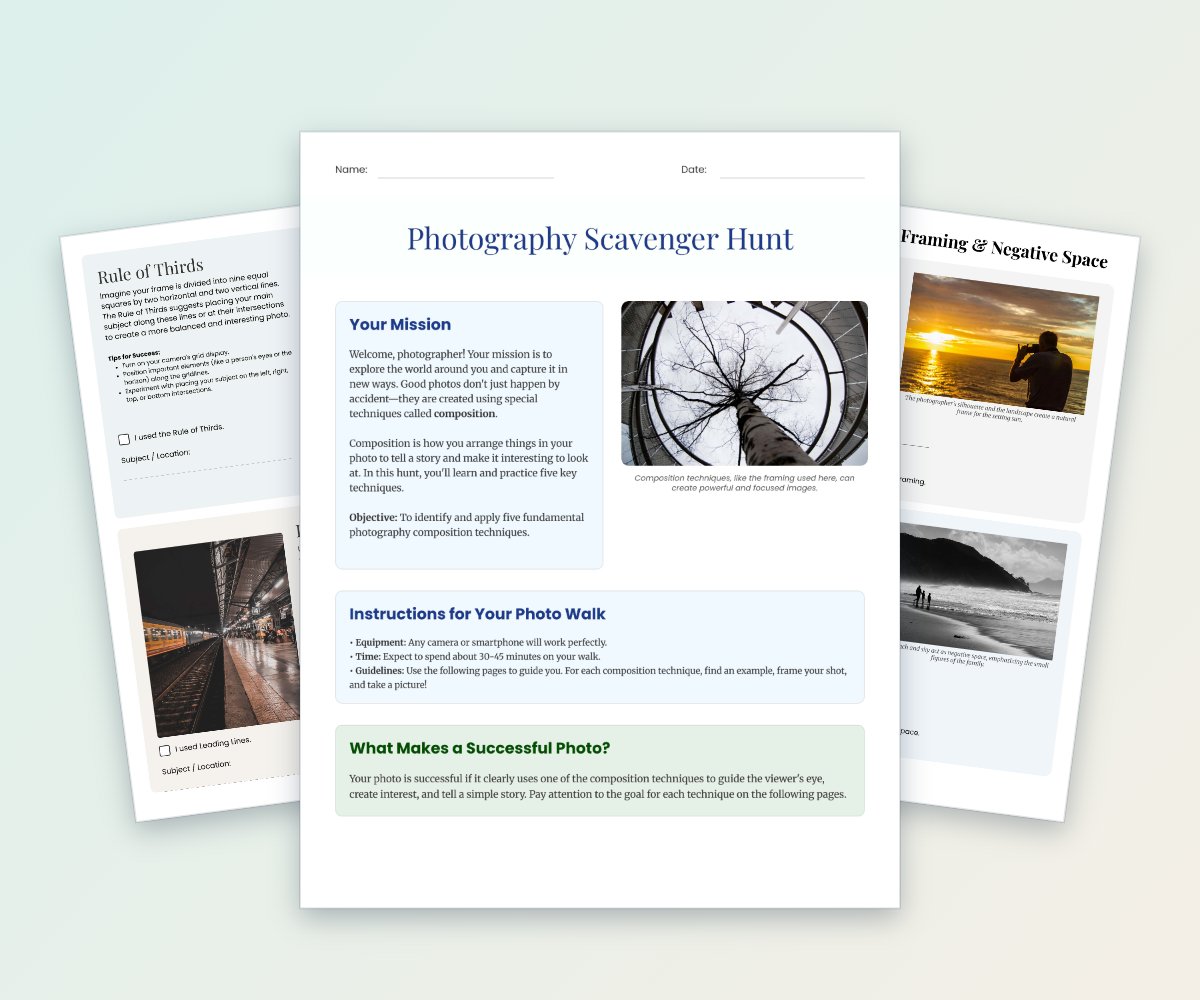
Students explore their surroundings and capture photographs demonstrating five fundamental composition techniques, including rule of thirds, leading lines, framing, and negative space.
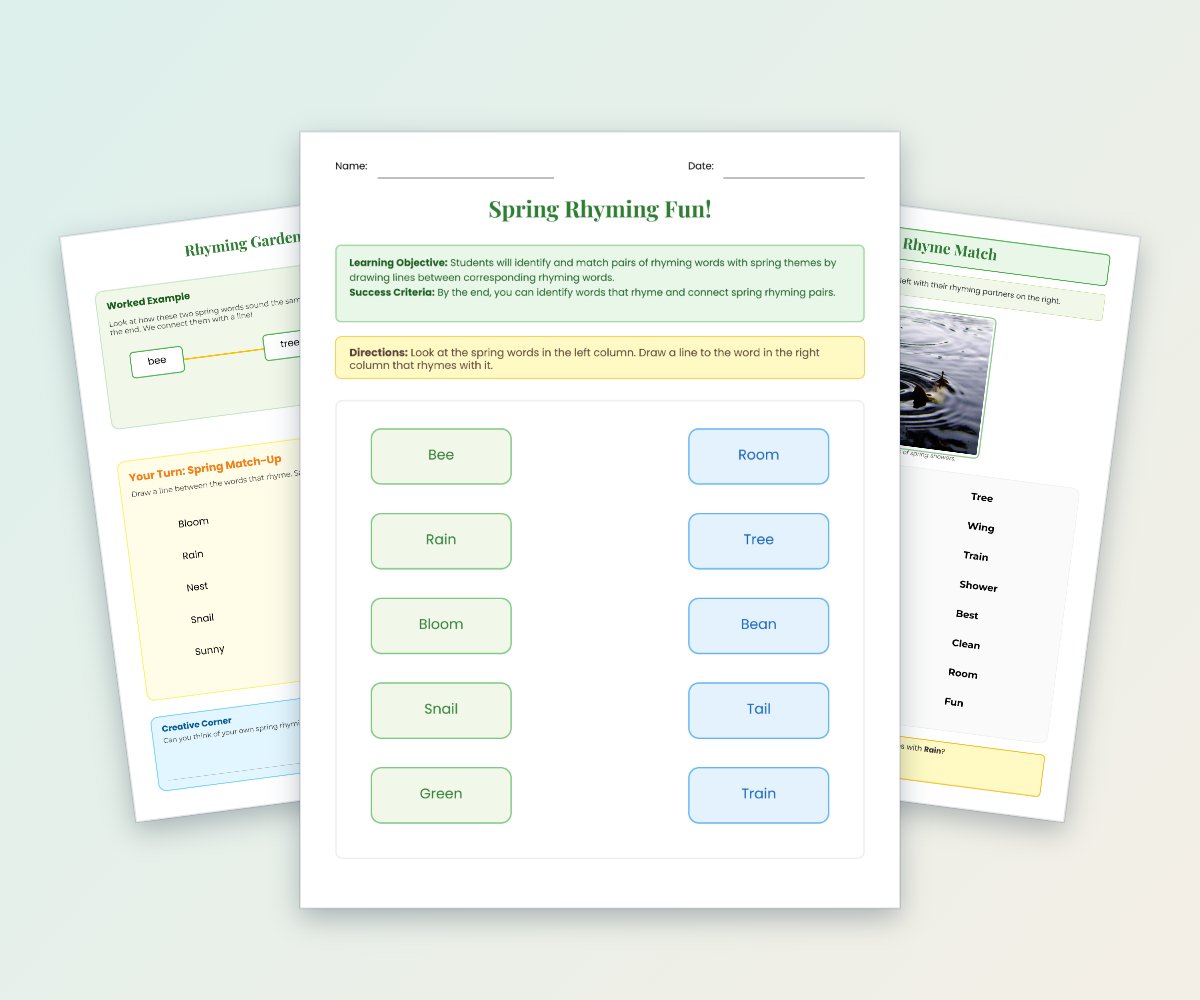
This four-page spring-themed activity pack helps students identify, match, and generate rhyming words.
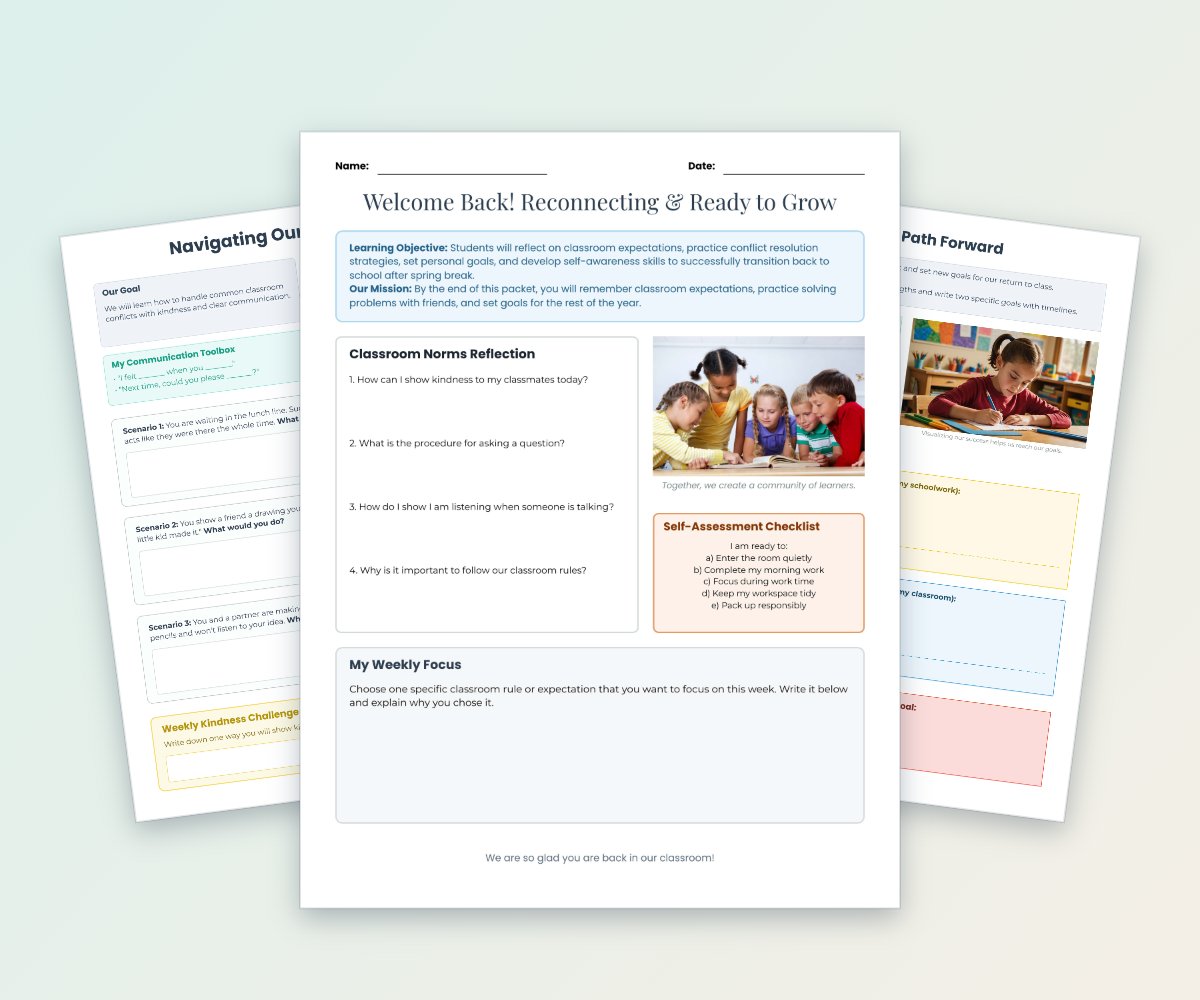
Help students transition back to school after spring break by reviewing classroom expectations, practicing conflict-resolution strategies, and reflecting on kindness.