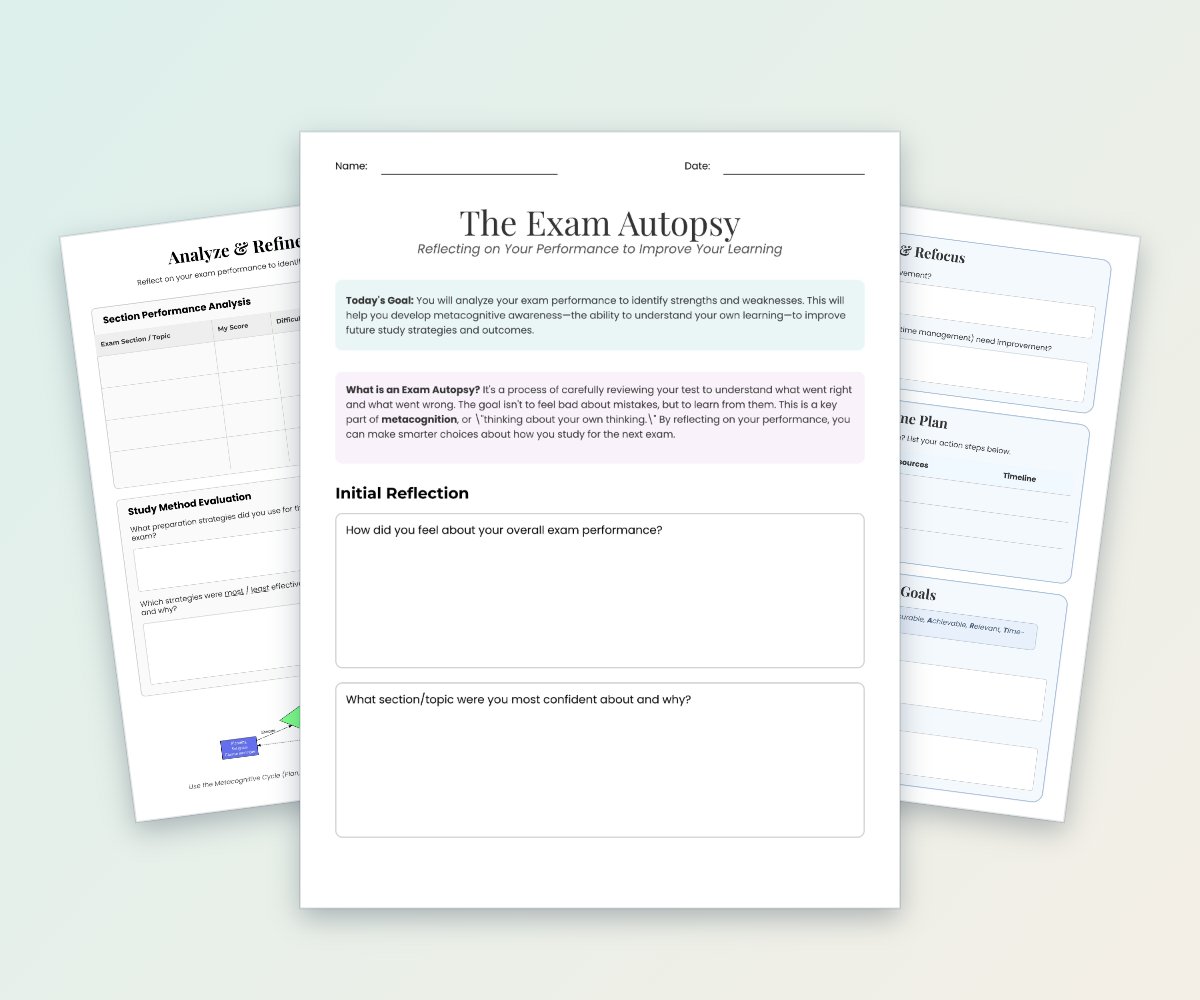
Exam Performance Reflection Guide: Exam Autopsy and Study Plan
This four-page guide helps students conduct an exam autopsy, identify strengths and challenges, evaluate study strategies, and recognize learning patterns.
$4
Clear, practical resources for busy educators, organized so you can get from search to ready-to-teach quickly.
This four-page guide helps students conduct an exam autopsy, identify strengths and challenges, evaluate study strategies, and recognize learning patterns.
This four-page interactive anchor chart helps students distinguish internal and external character traits and support inferences with text evidence.
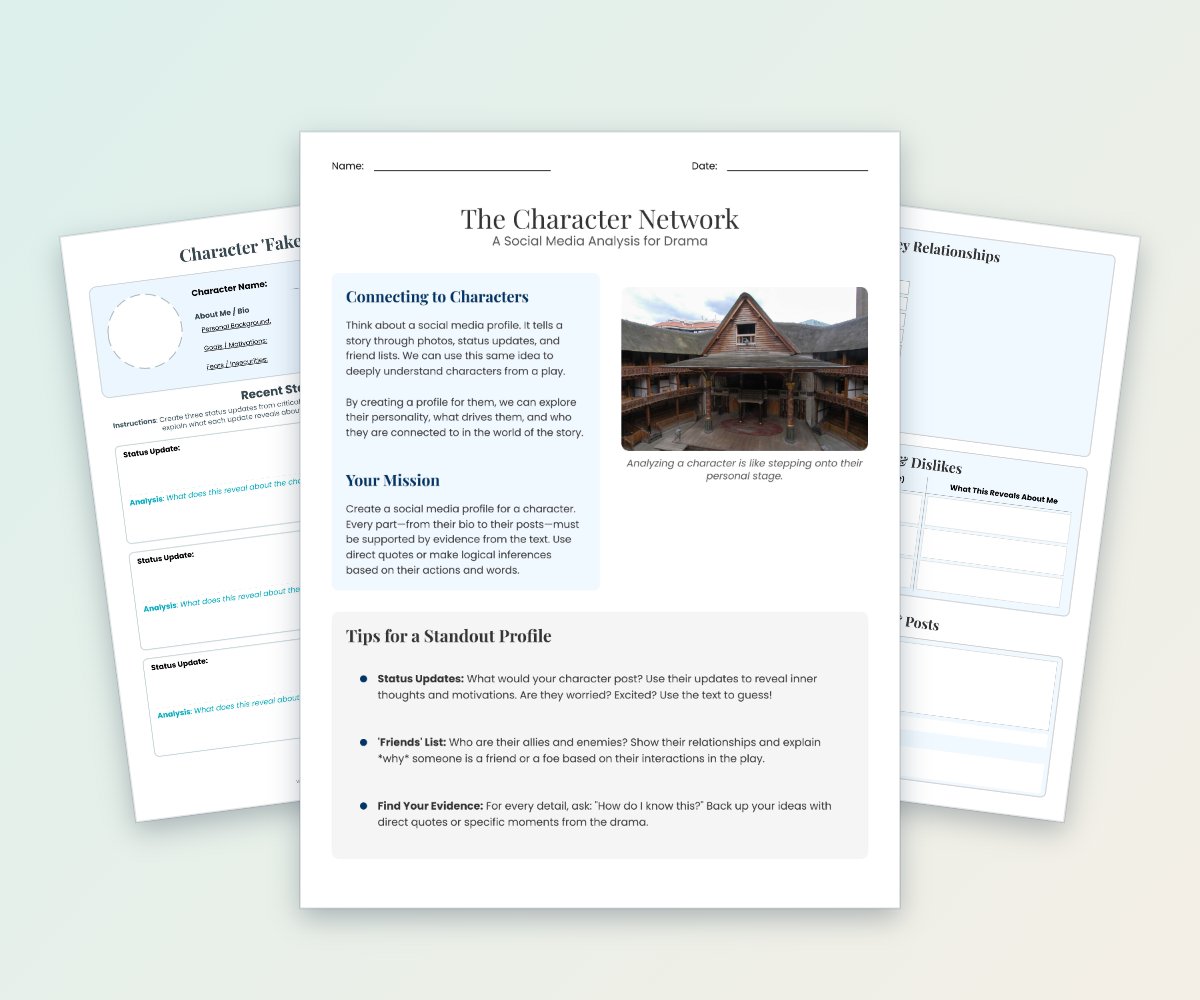
Students create a social media-style profile for a character from a play, including a biography, status updates, relationships, likes, dislikes, and posts.
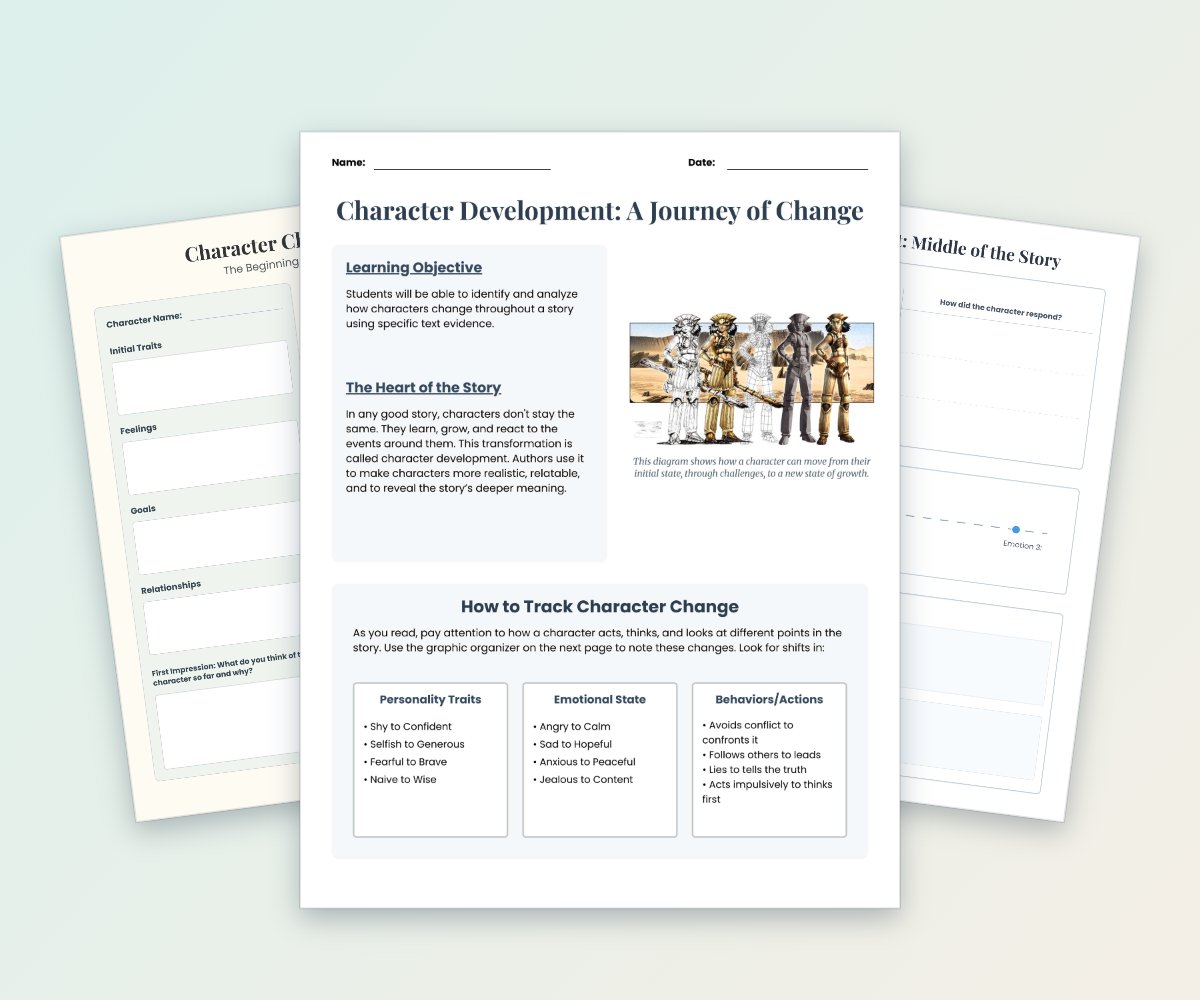
This four-page resource teaches students how to track character traits, emotions, actions, and relationships throughout a story.
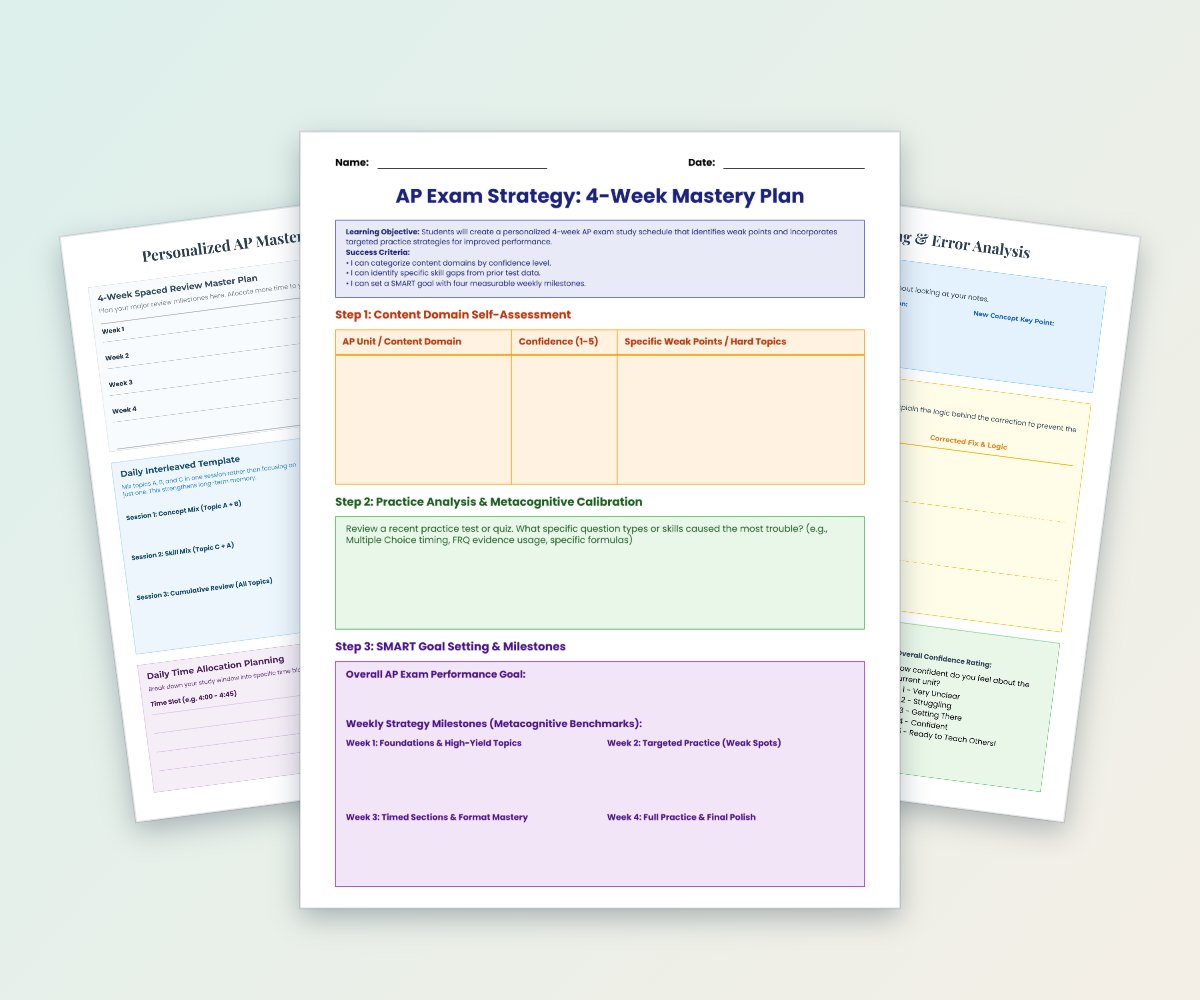
Help students build a personalized four-week AP exam study plan using confidence ratings, practice-test analysis, SMART goals, spaced review, and targeted drills.
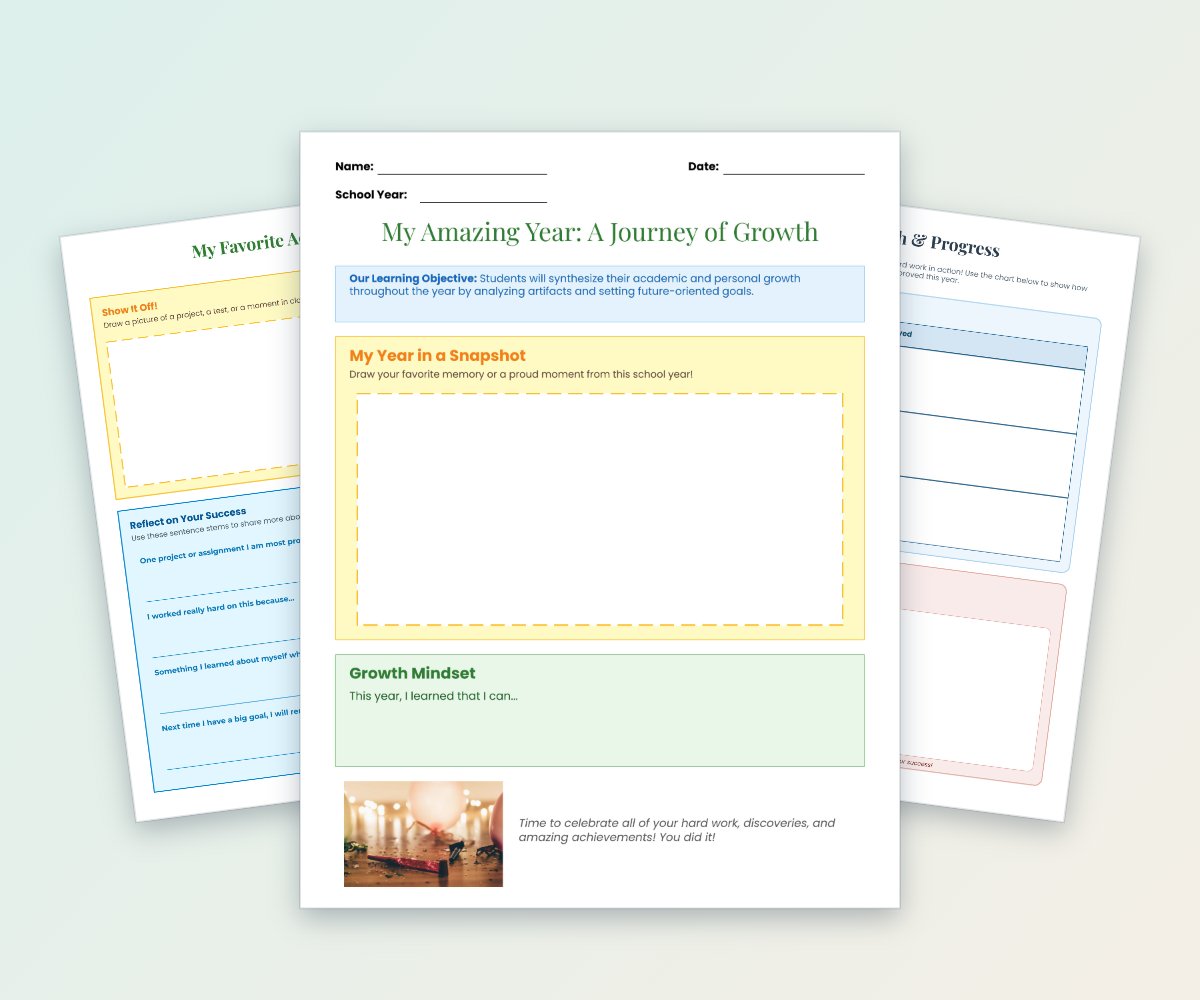
This six-page portfolio helps students reflect on academic growth, personal achievements, challenges overcome, and meaningful memories from the school year.
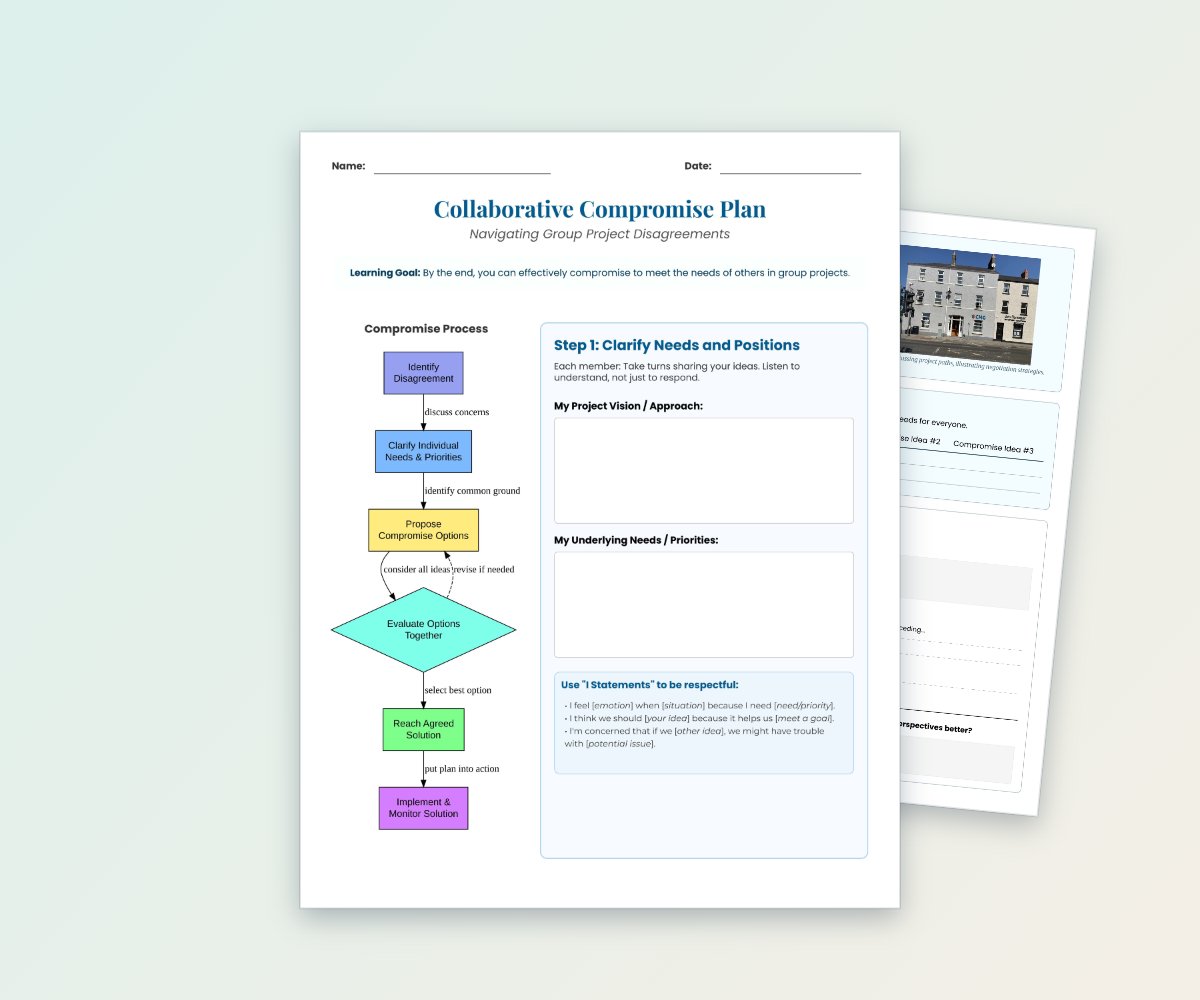
This two-page graphic organizer guides students through resolving group project disagreements.
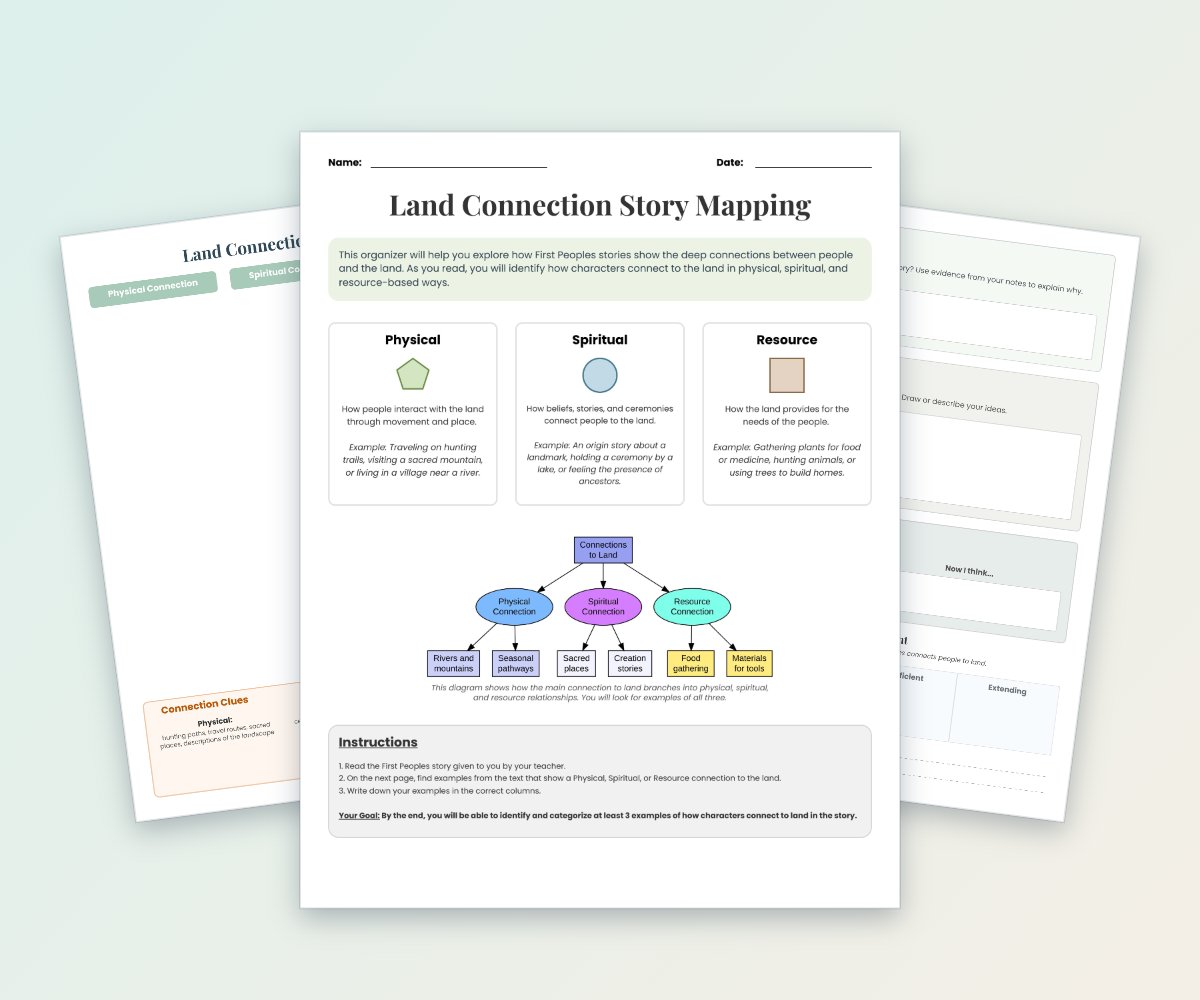
Students analyze a First Peoples story by identifying physical, spiritual, and resource-based connections to land.
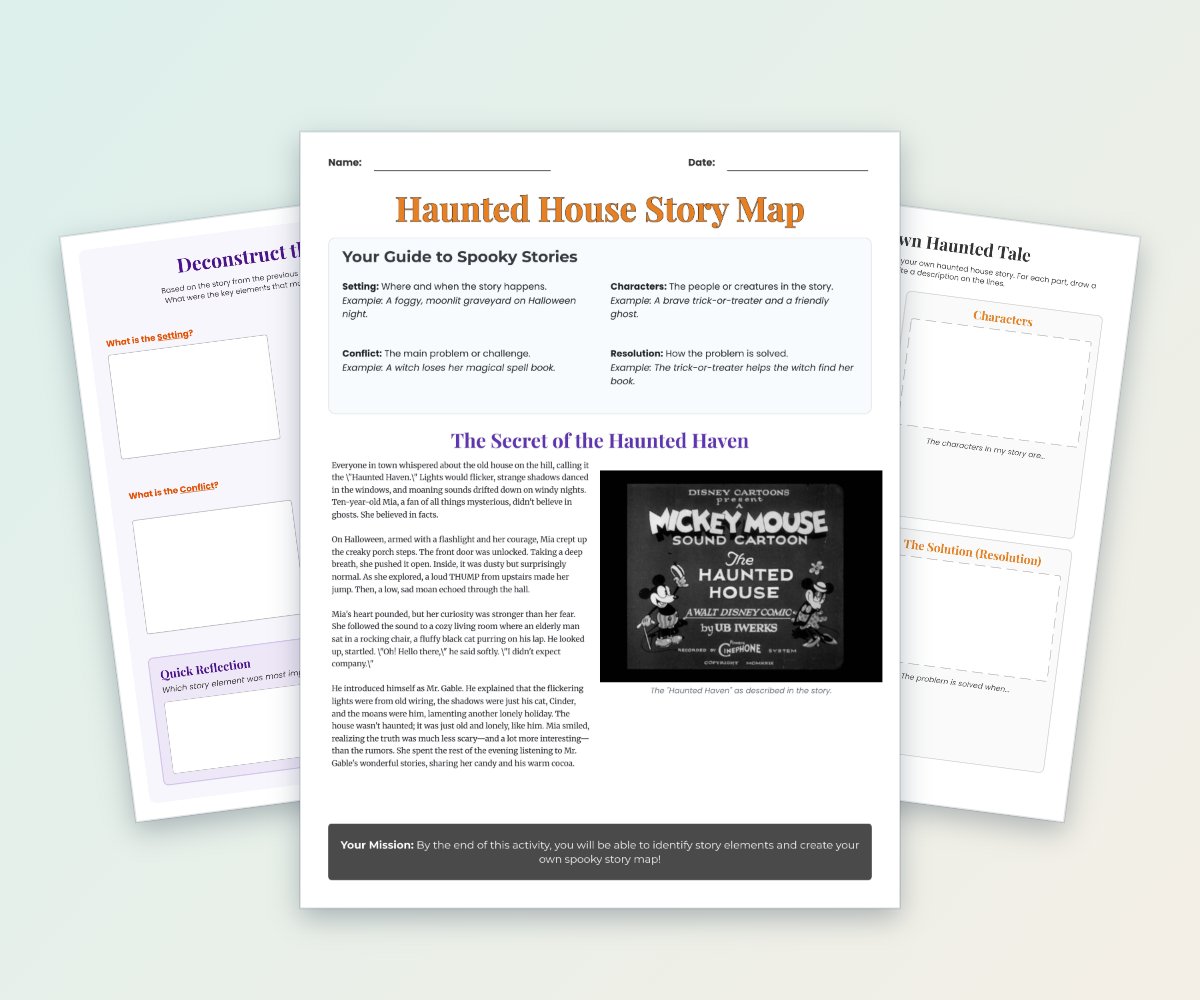
Students read a spooky model story, identify its setting, characters, conflict, and resolution, then reflect on story structure.
This four-page interactive anchor chart helps students distinguish internal and external character traits.
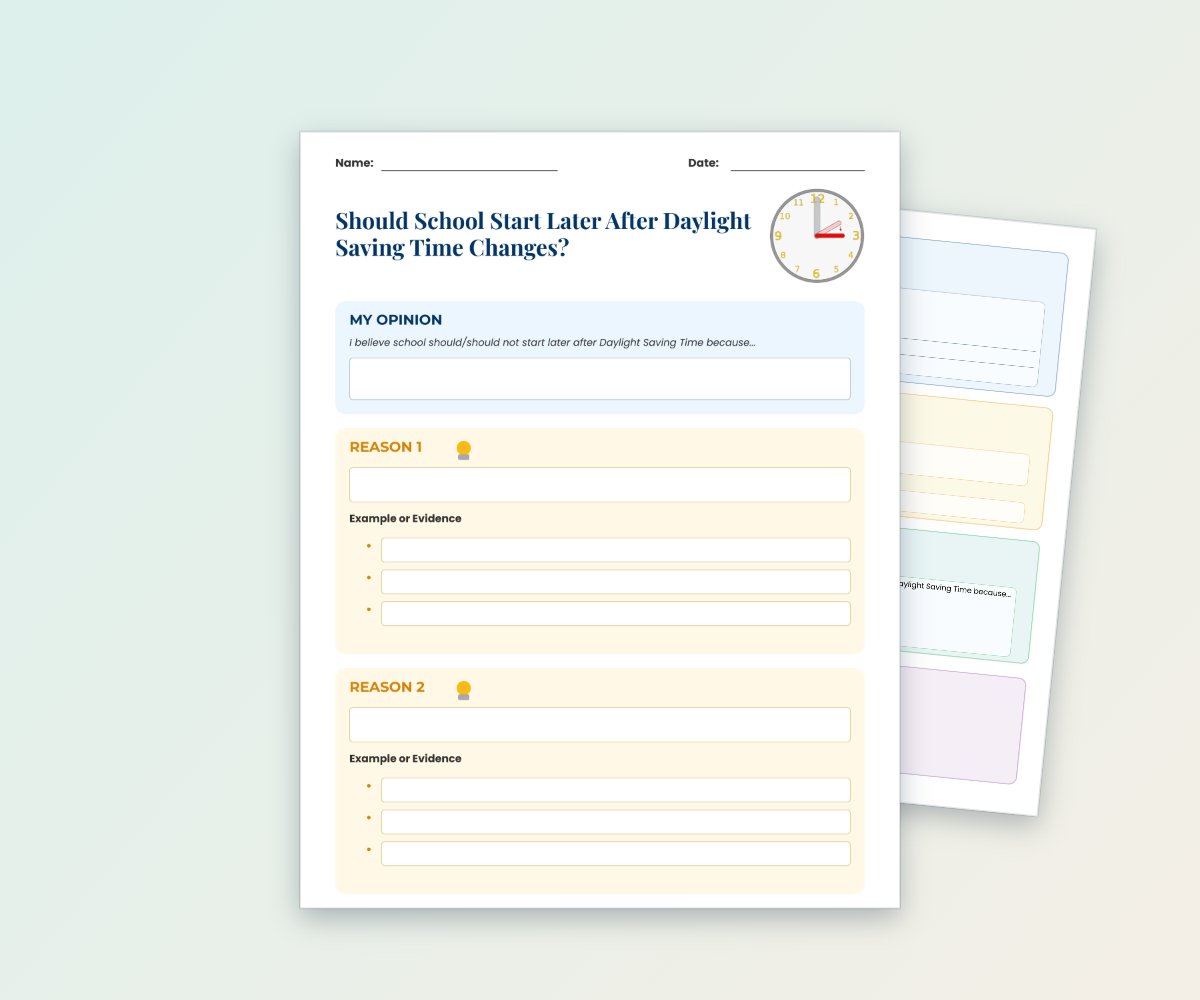
Students develop an opinion about whether school should start later after Daylight Saving Time changes.
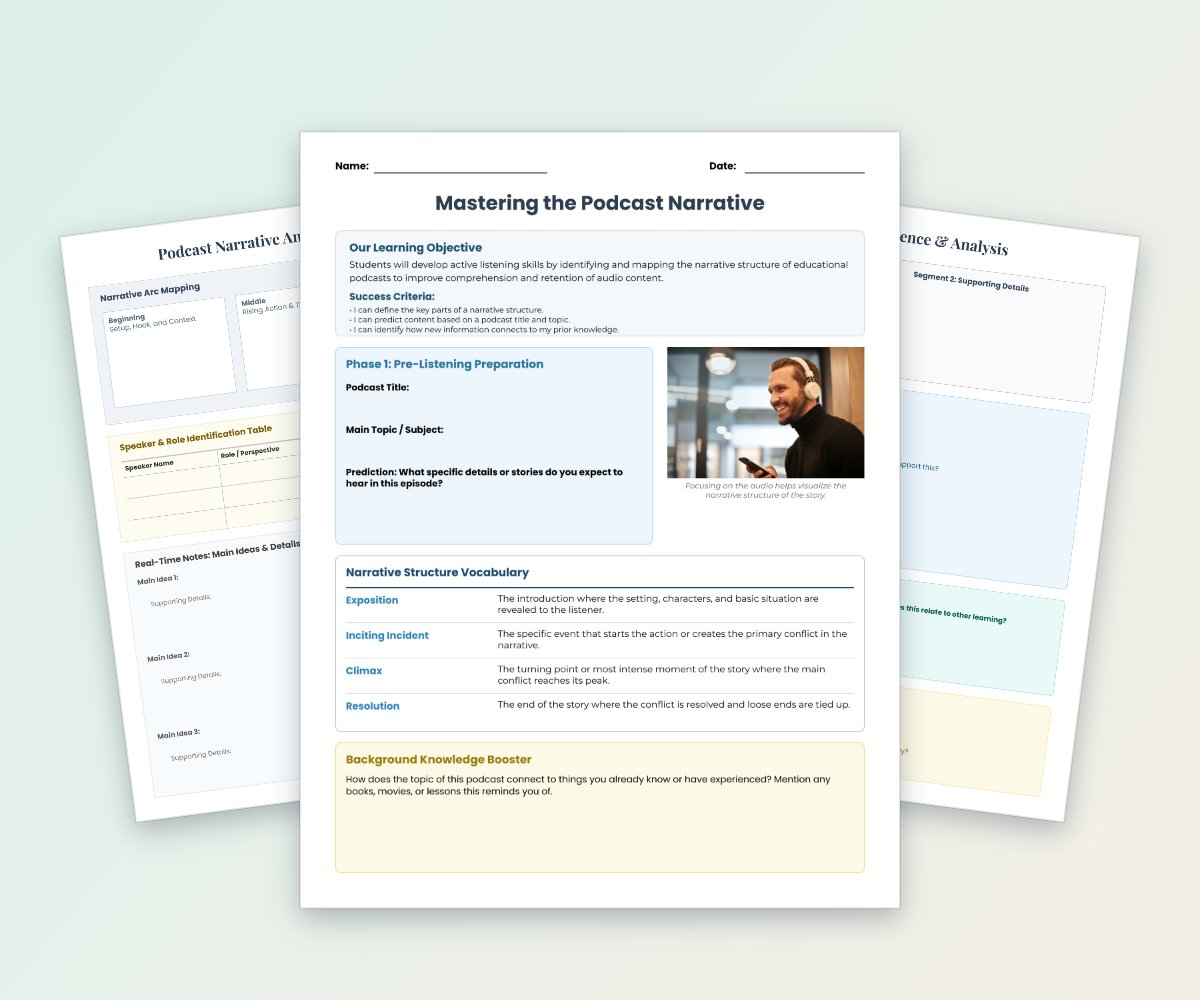
Guide students through pre-listening predictions, narrative arc mapping, speaker identification, note-taking, evidence analysis, and post-listening reflection.
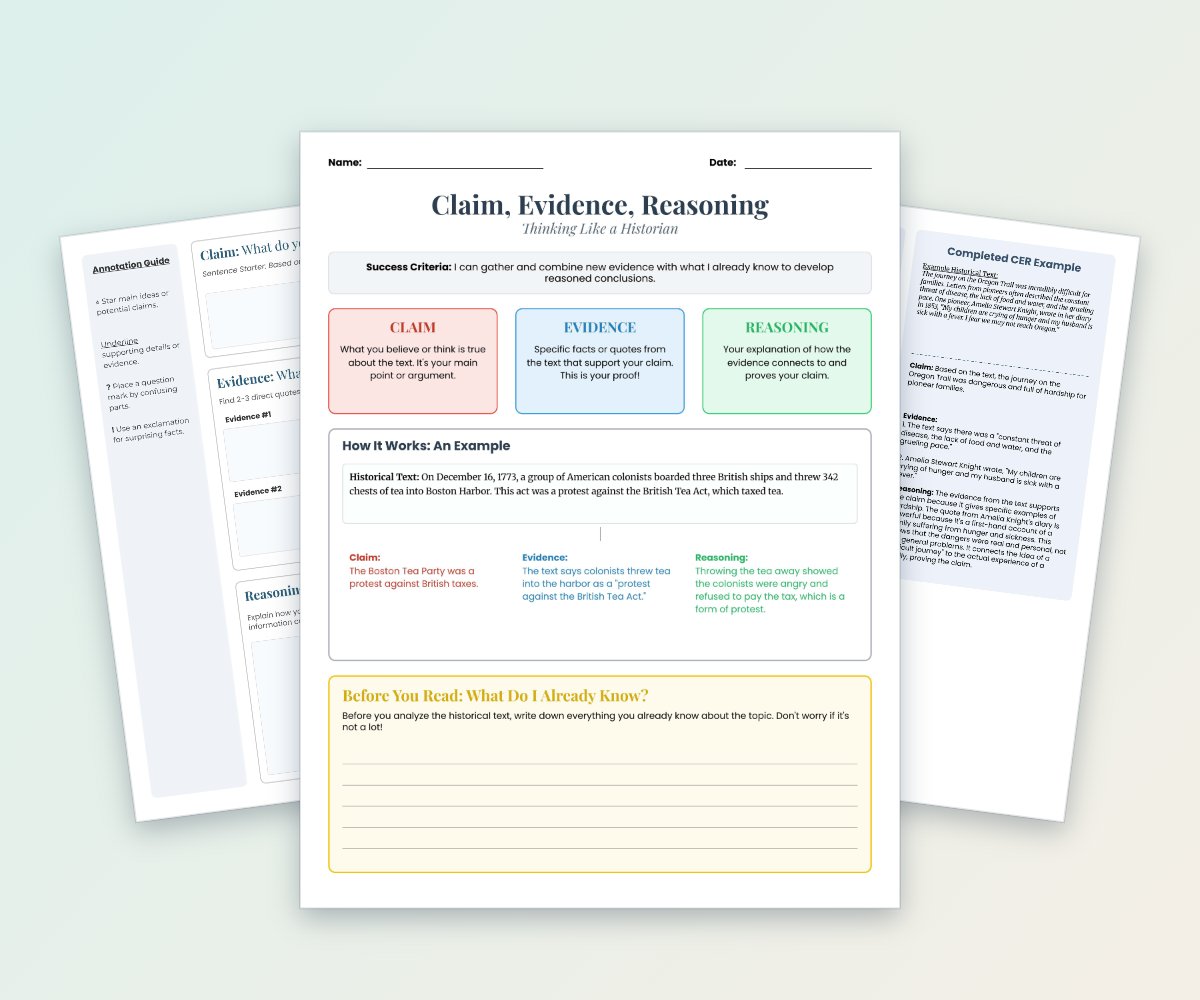
This three-page resource teaches students to develop historical claims, select textual evidence, and explain their reasoning.
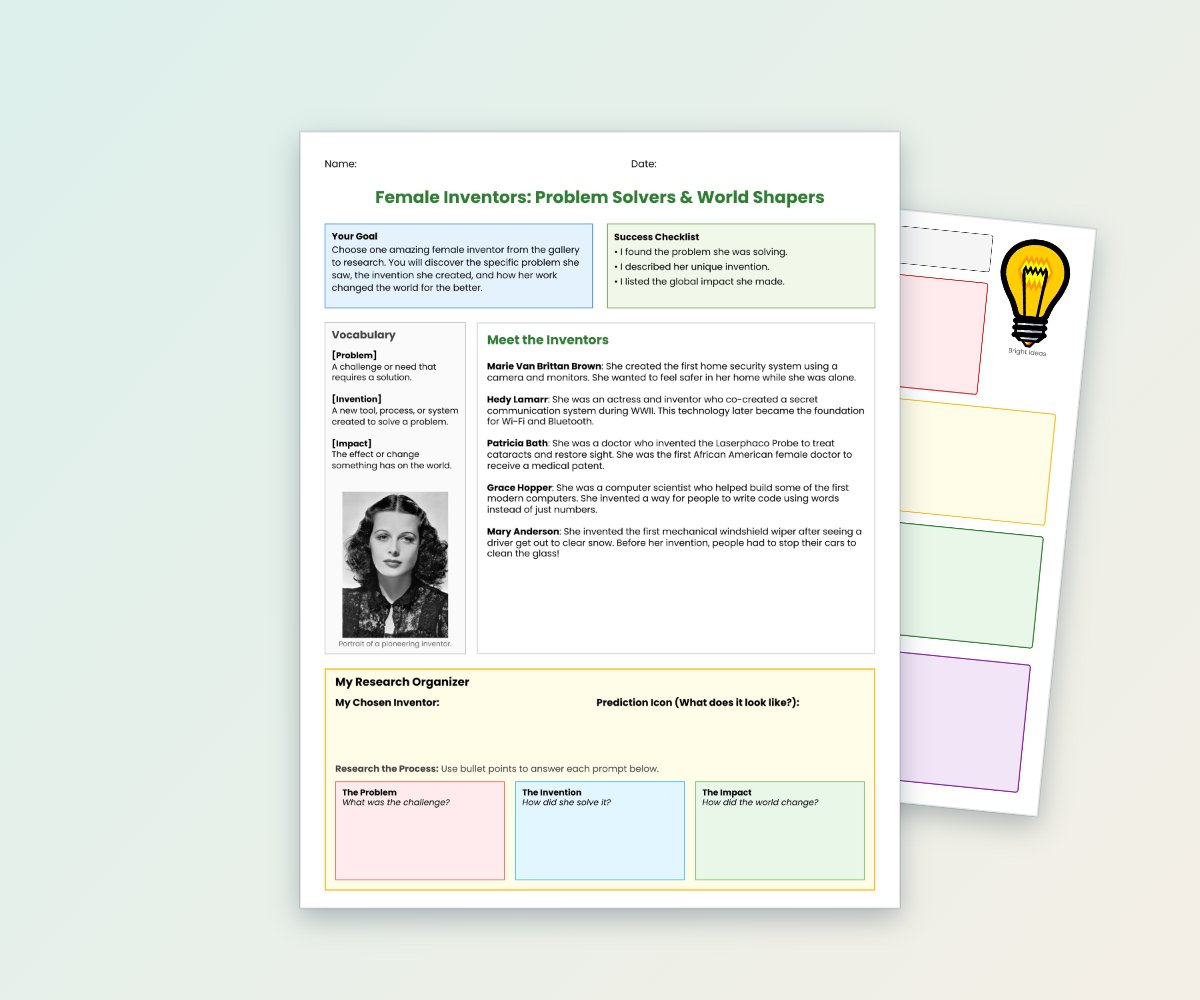
Students choose a female inventor and organize research about the problem she addressed, her invention, and its impact.
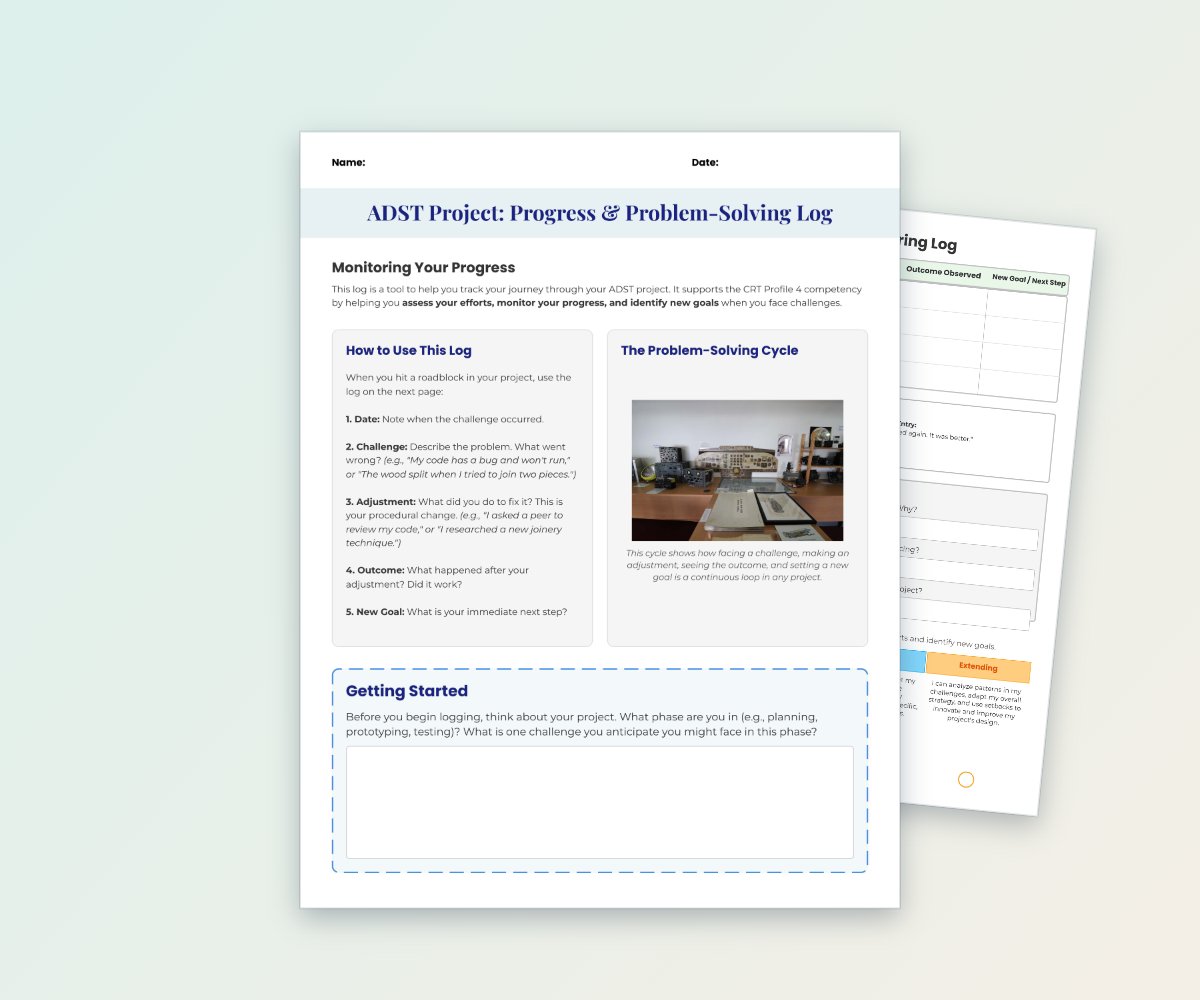
Help students document challenges, adjustments, outcomes, and next steps throughout an ADST project.
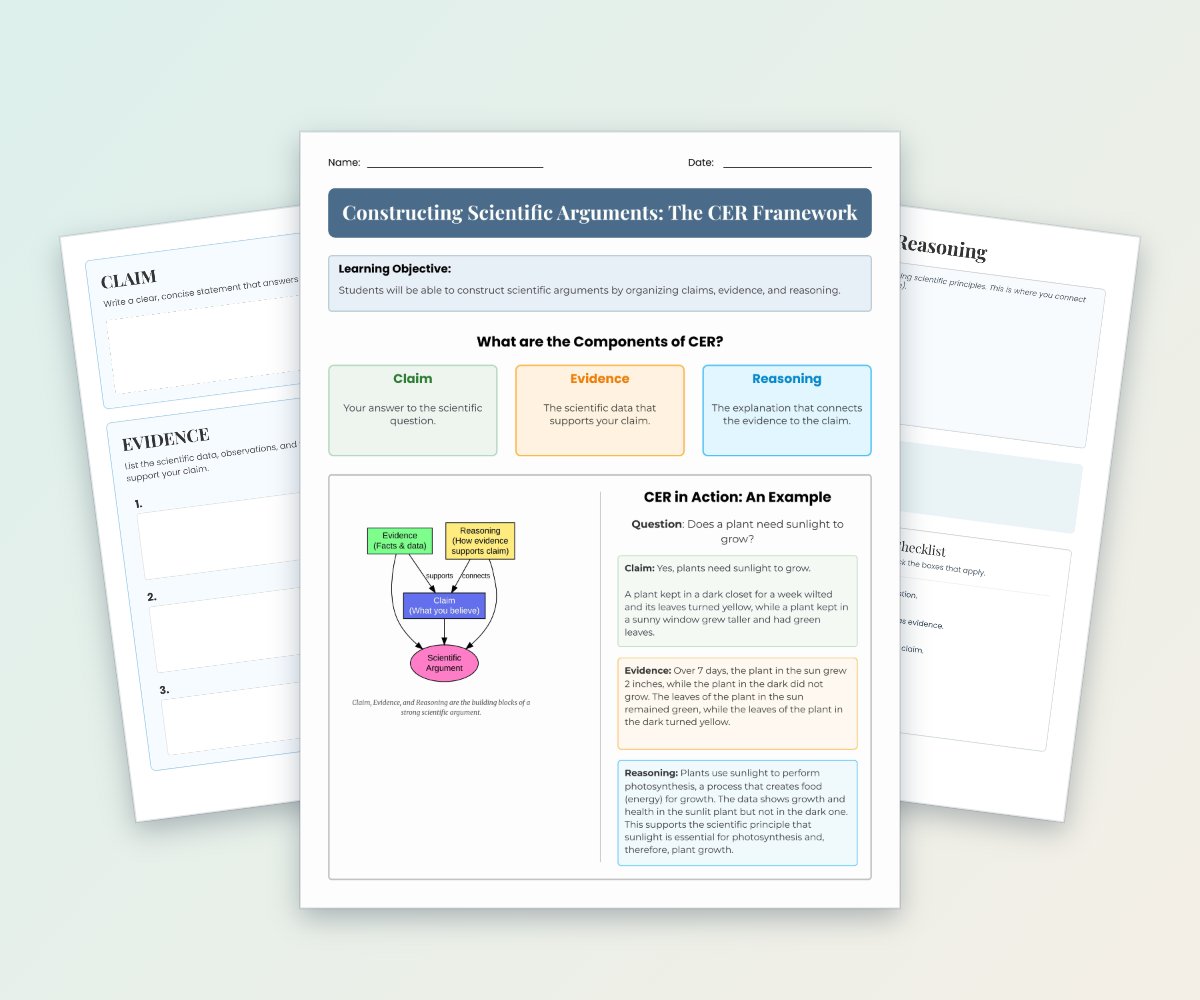
This four-page resource introduces the Claim, Evidence, and Reasoning framework for constructing scientific arguments.
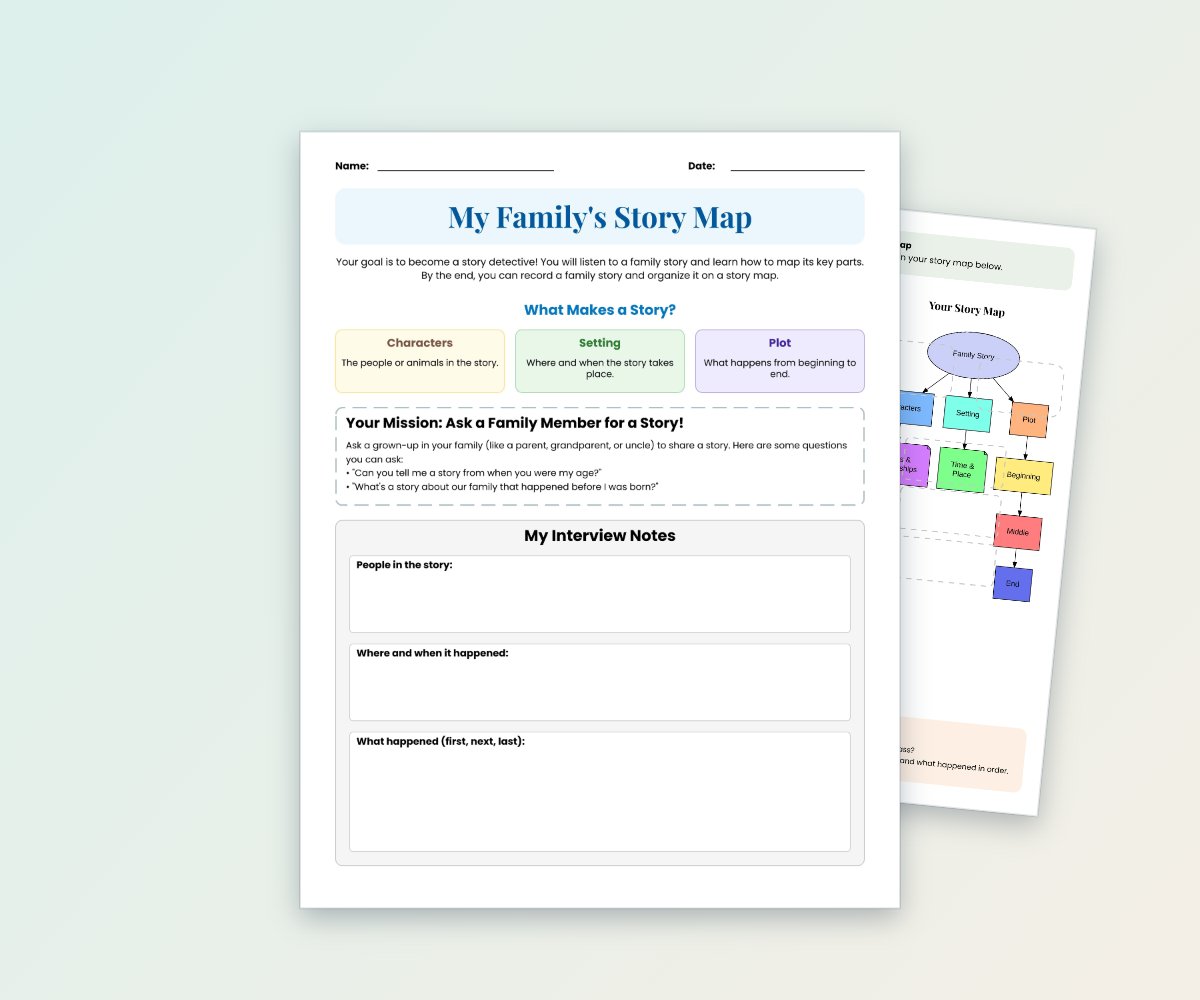
Students interview a family member, take notes, and organize the story’s characters, setting, and plot.
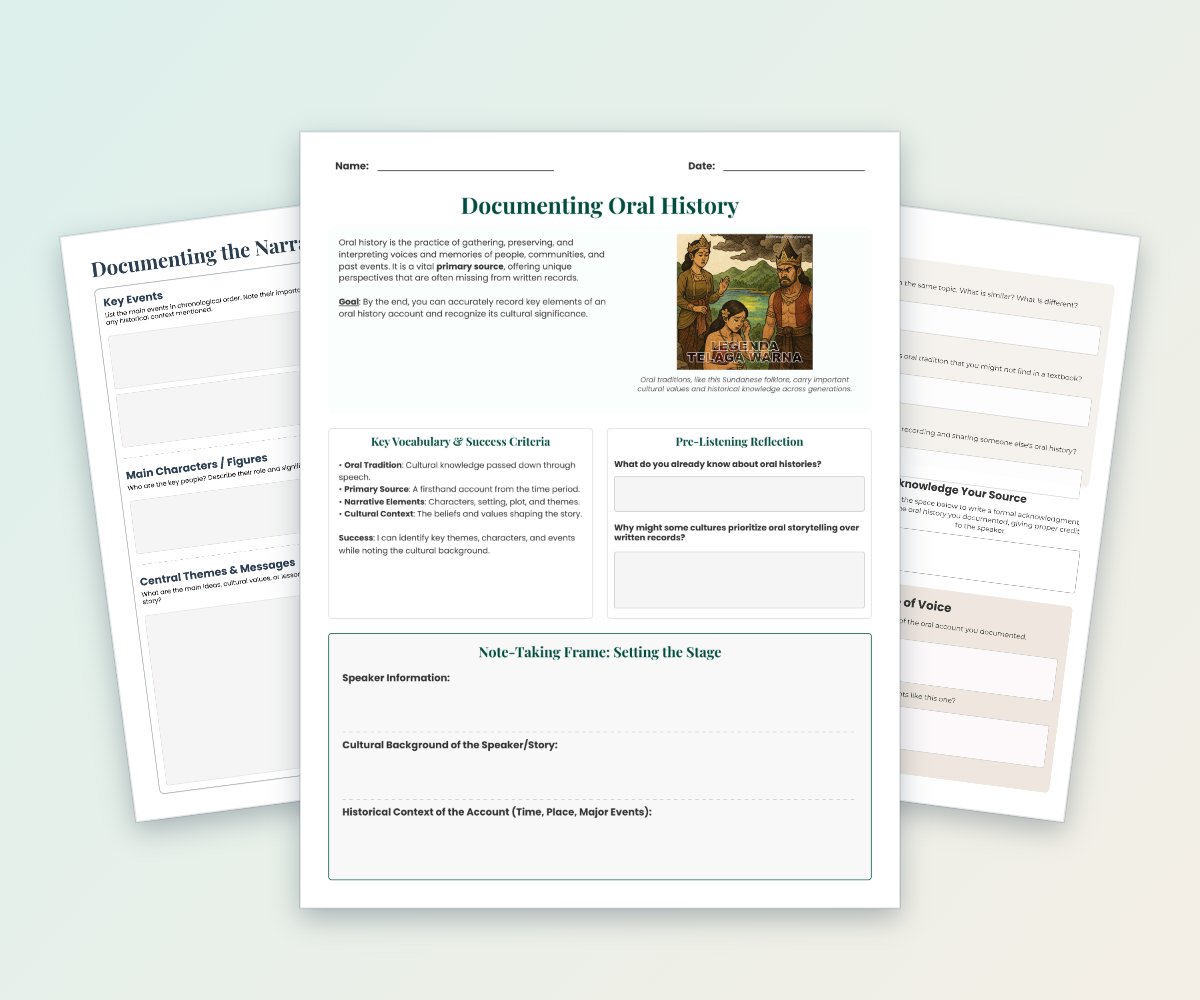
This three-page graphic organizer guides students in documenting oral histories through speaker information, cultural context, historical setting, key events, characters, themes, and quotations.
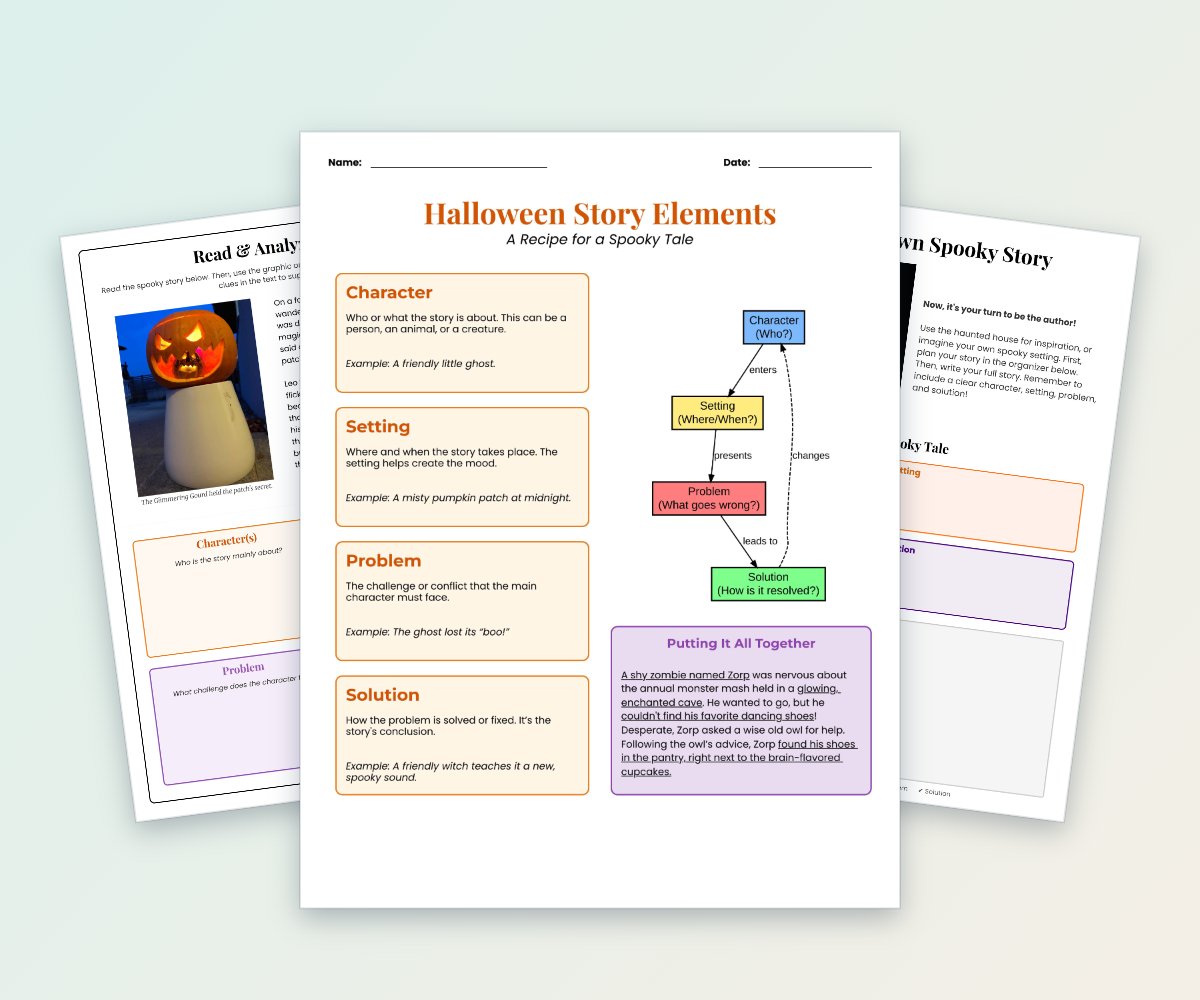
Students identify character, setting, problem, and solution in a Halloween-themed model story, then use a graphic organizer to plan their own spooky tale.
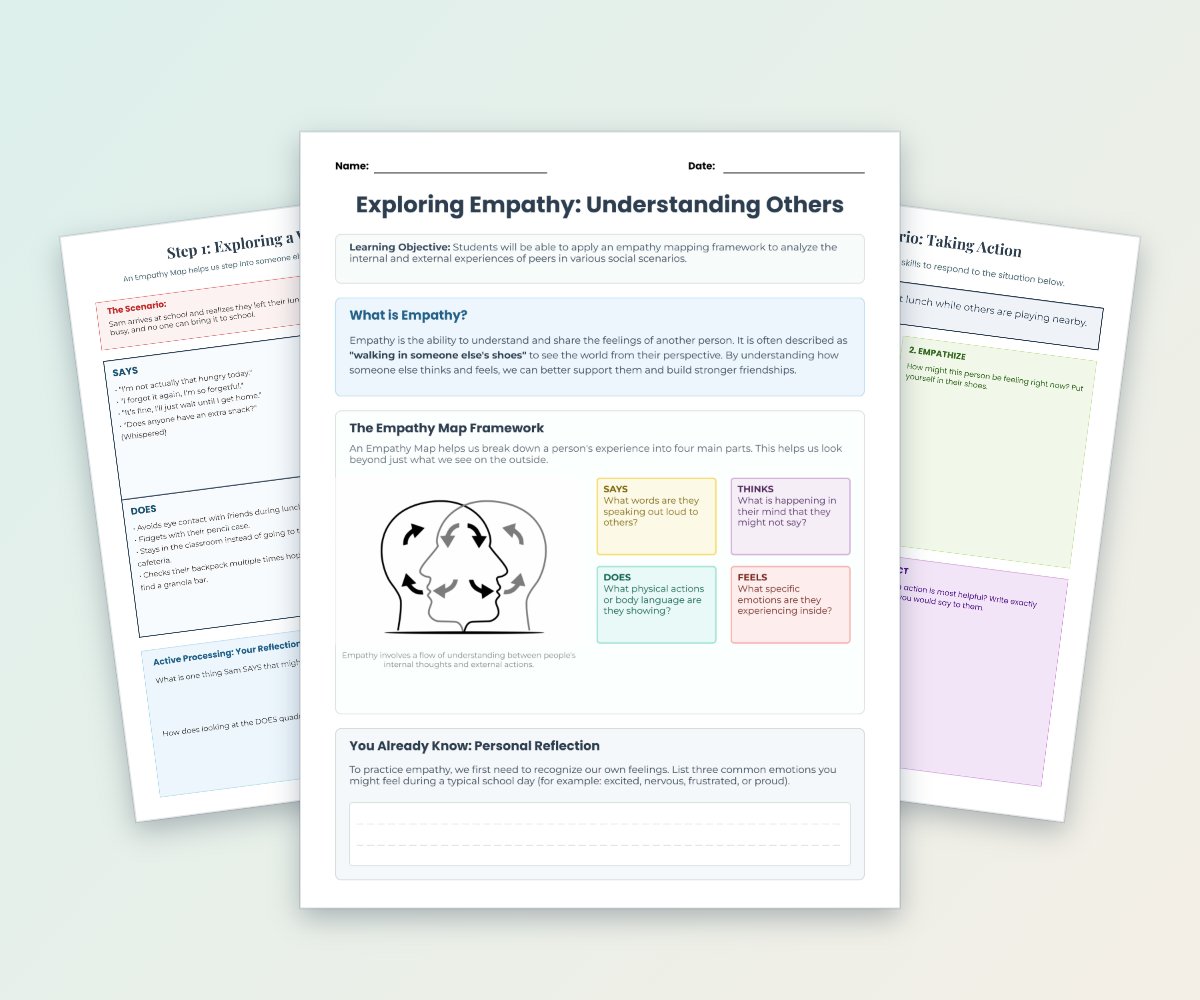
This five-page SEL resource introduces the Says, Does, Thinks, and Feels empathy map framework.
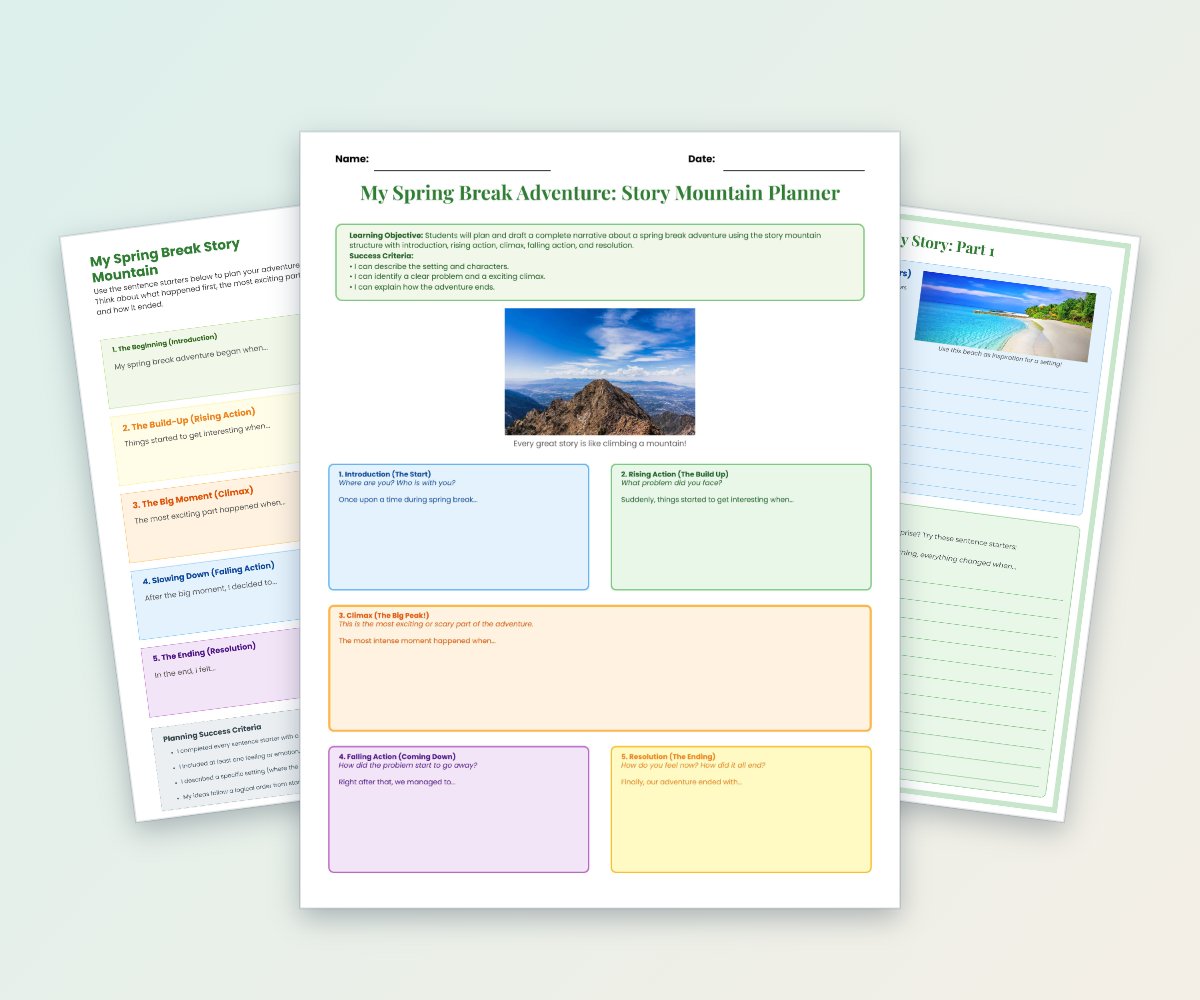
Students plan and draft a spring break adventure using the five-part story mountain structure: introduction, rising action, climax, falling action, and resolution.
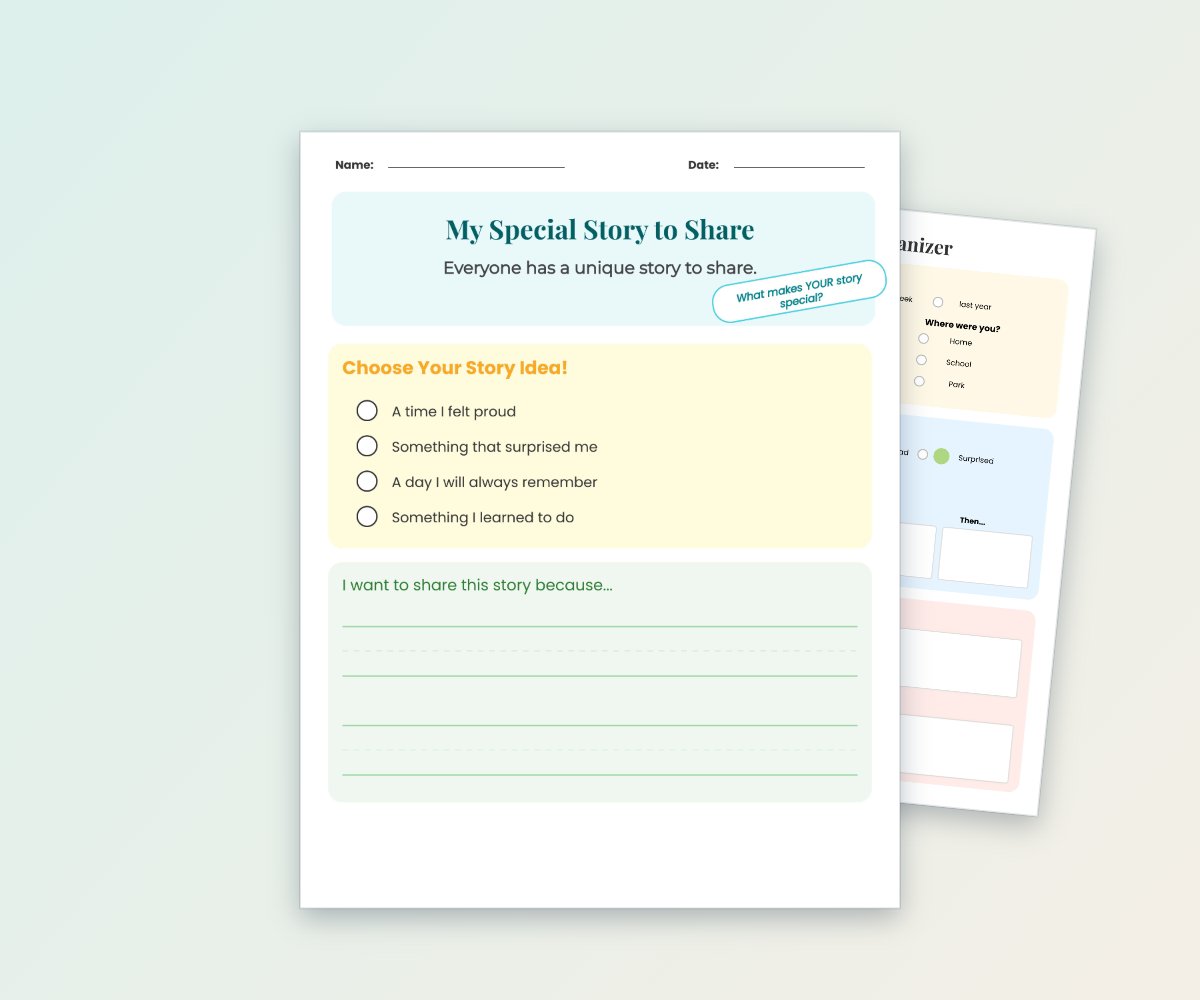
Students use this two-page organizer to plan a personal story by identifying the event, setting, characters, feelings, sequence, and significance.
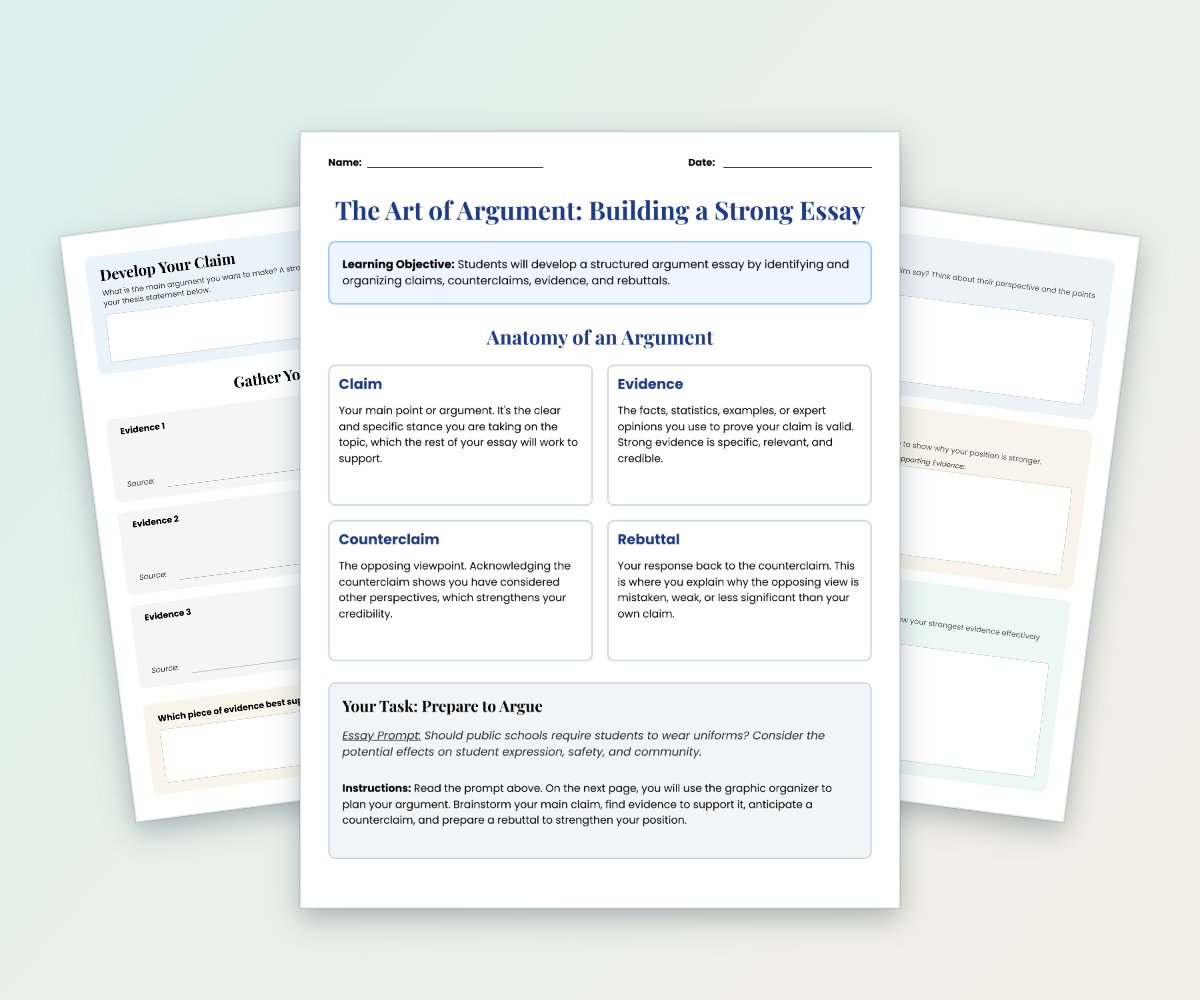
Students plan an argumentative essay by developing a claim, gathering evidence, addressing a counterclaim, and writing a rebuttal.
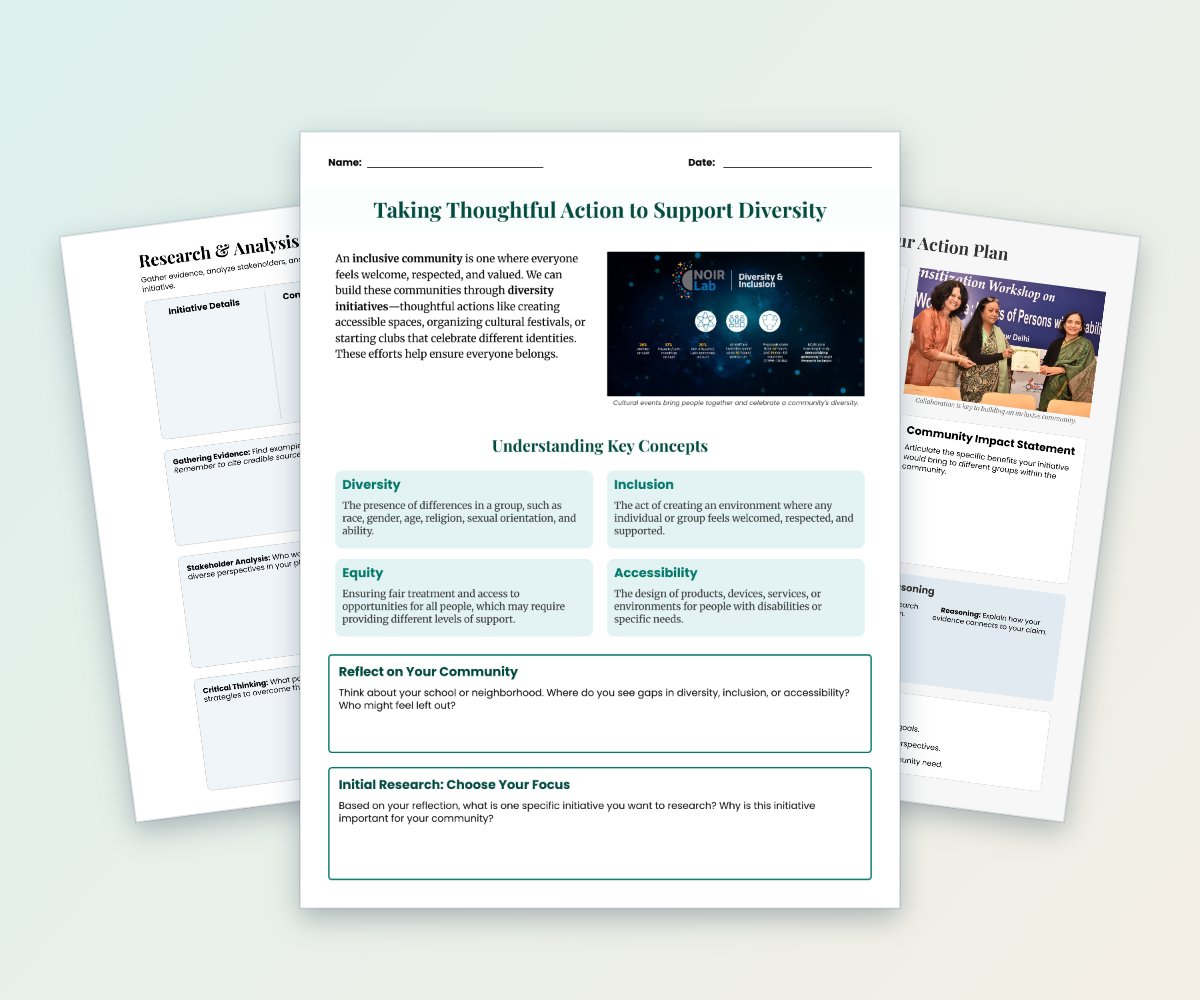
Students reflect on diversity, equity, inclusion, and accessibility in their school or community, then research a specific initiative.
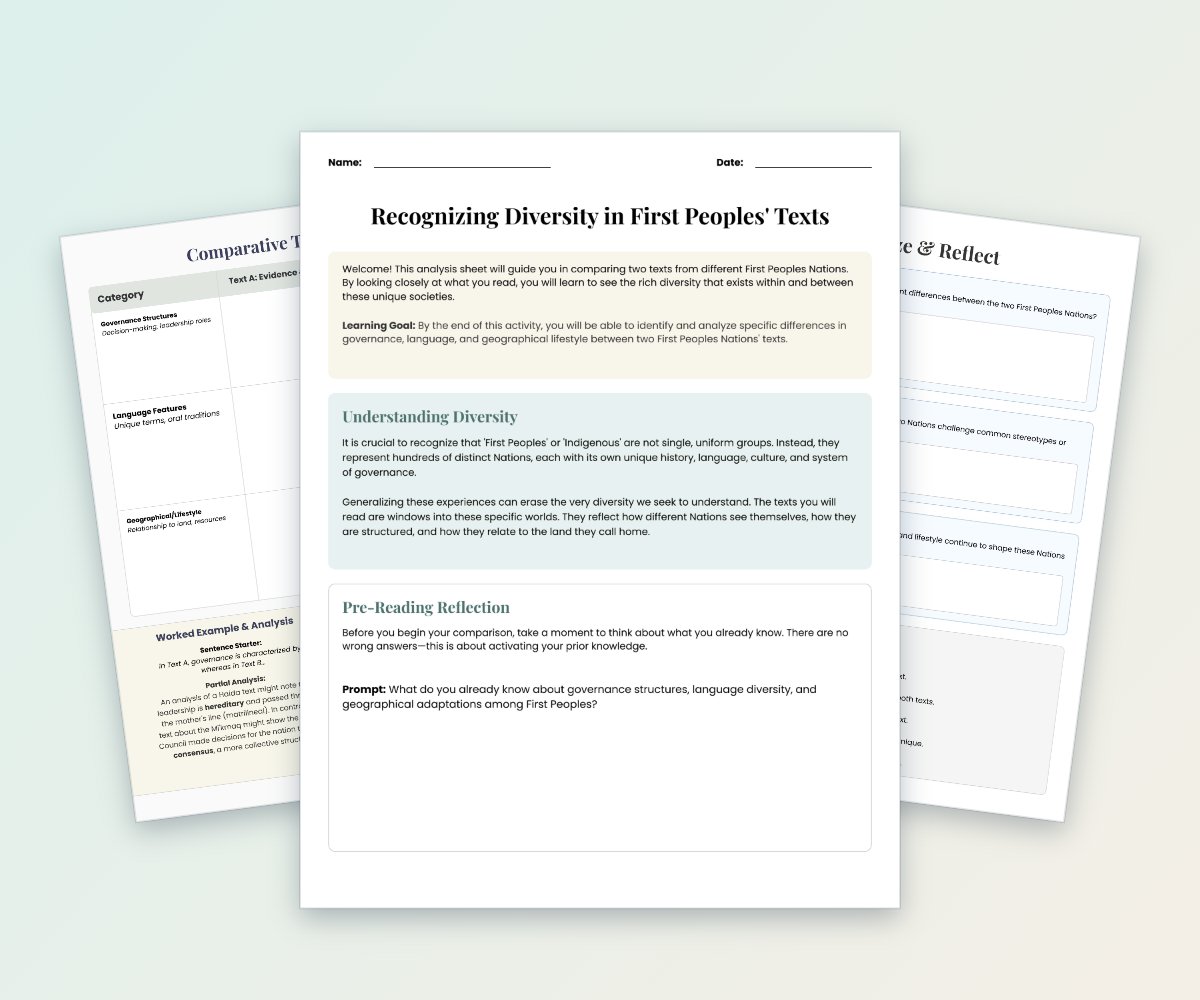
This three-page analysis worksheet guides students in comparing texts from two First Peoples Nations.
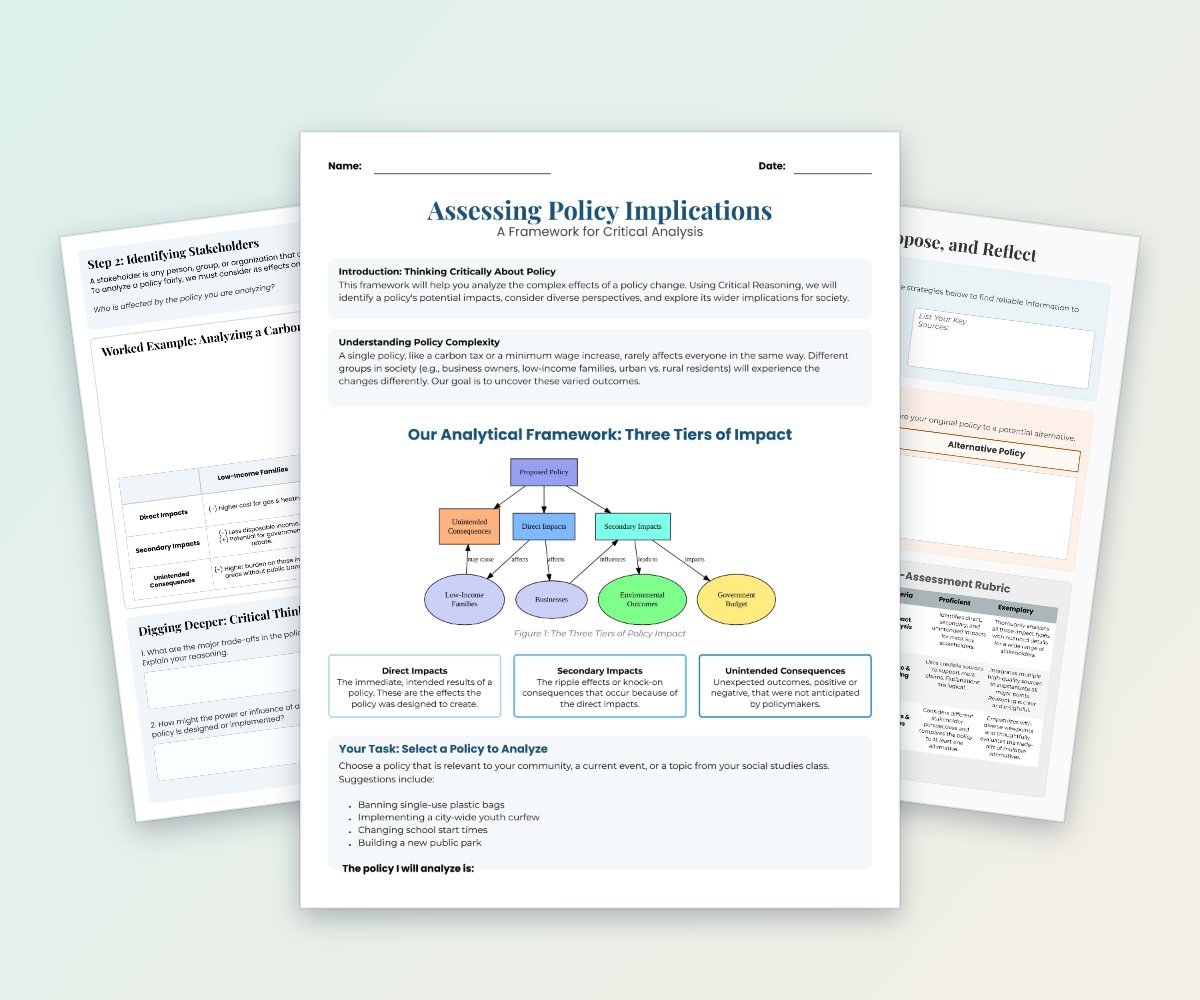
This three-page framework guides students through analyzing the direct impacts, secondary effects, and unintended consequences of a proposed policy.
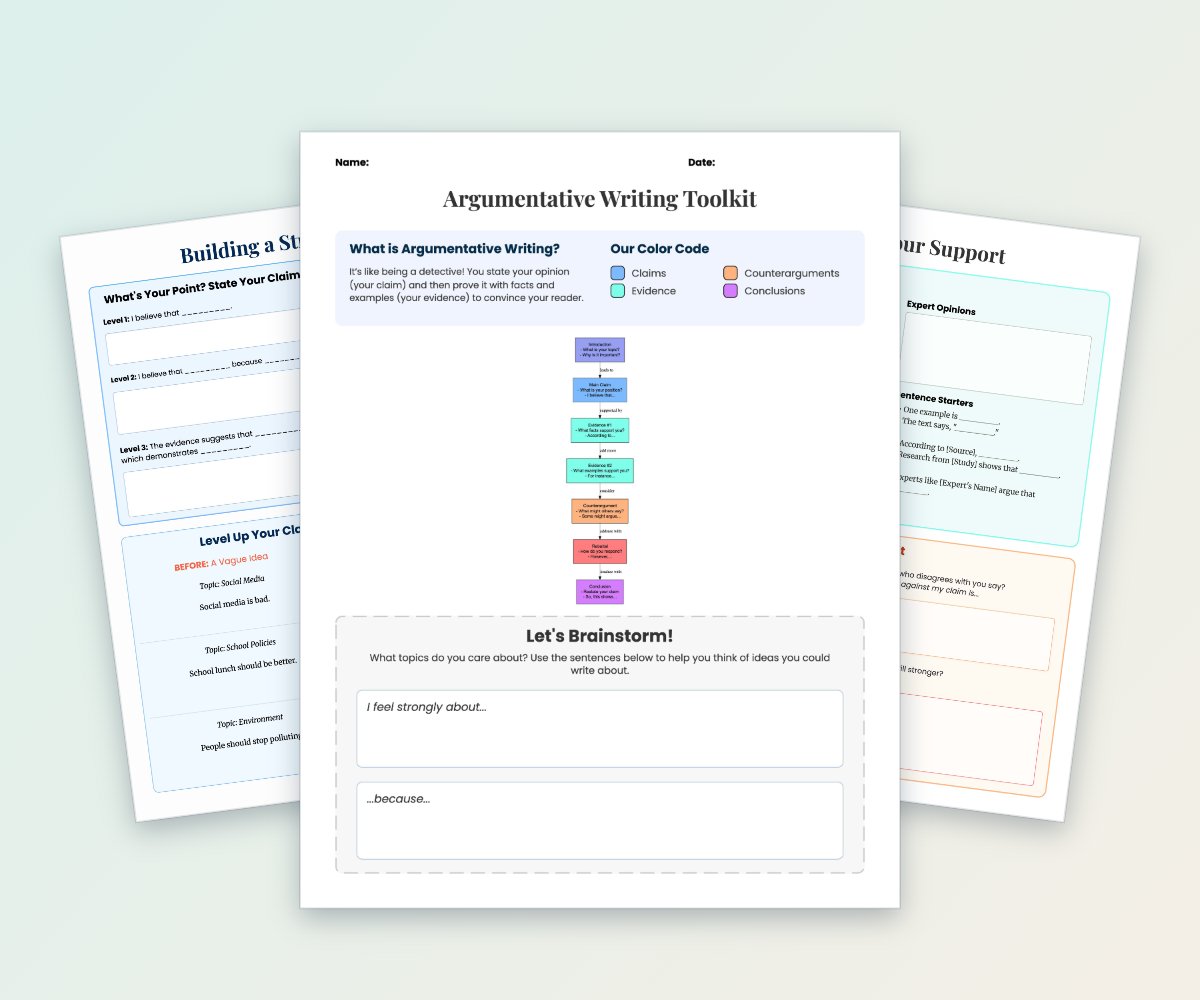
This four-page guide helps students develop argumentative writing through brainstorming, crafting strong claims, gathering evidence, and addressing counterarguments.
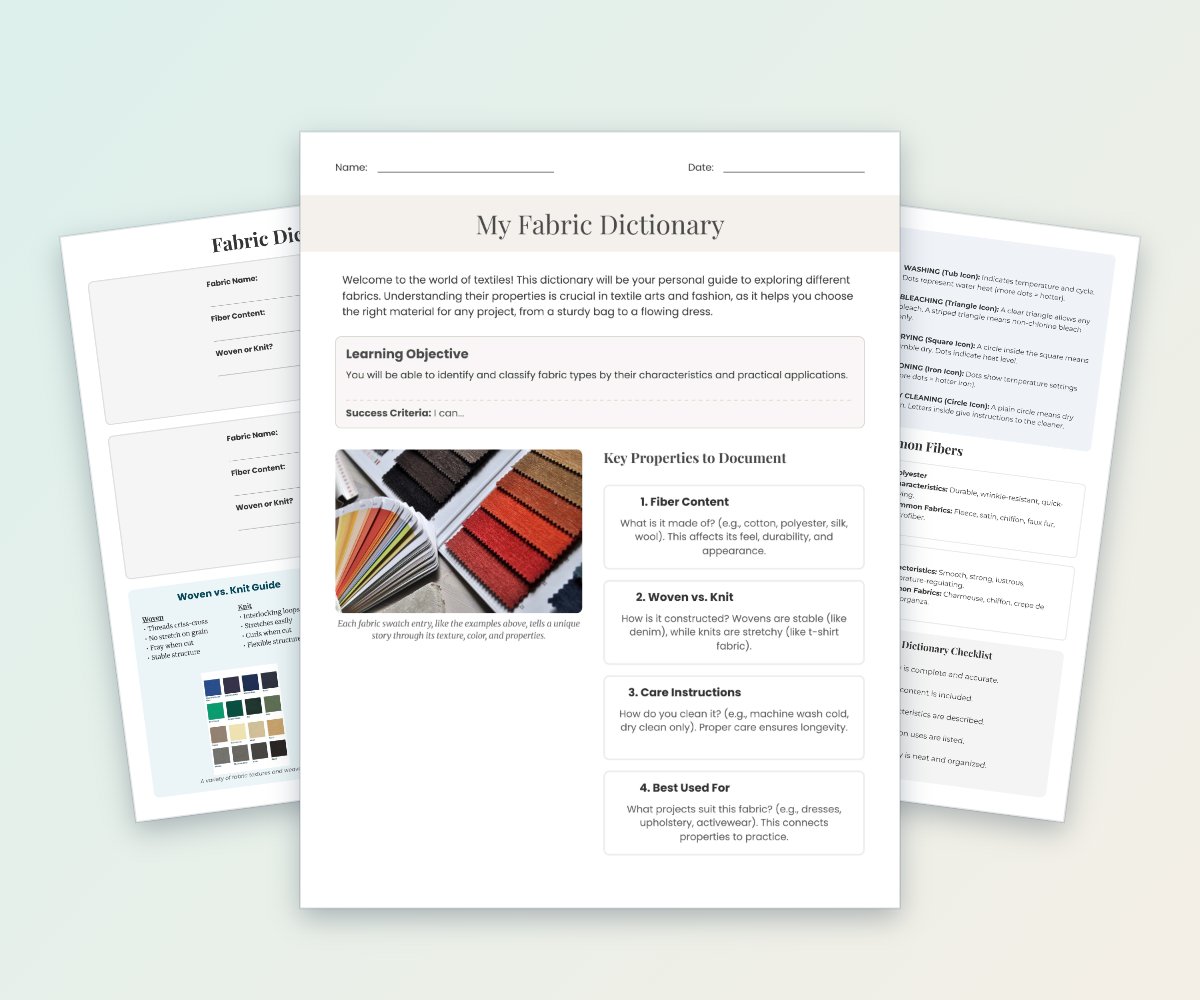
Students create a personal fabric dictionary by recording fiber content, construction, care instructions, and practical uses.
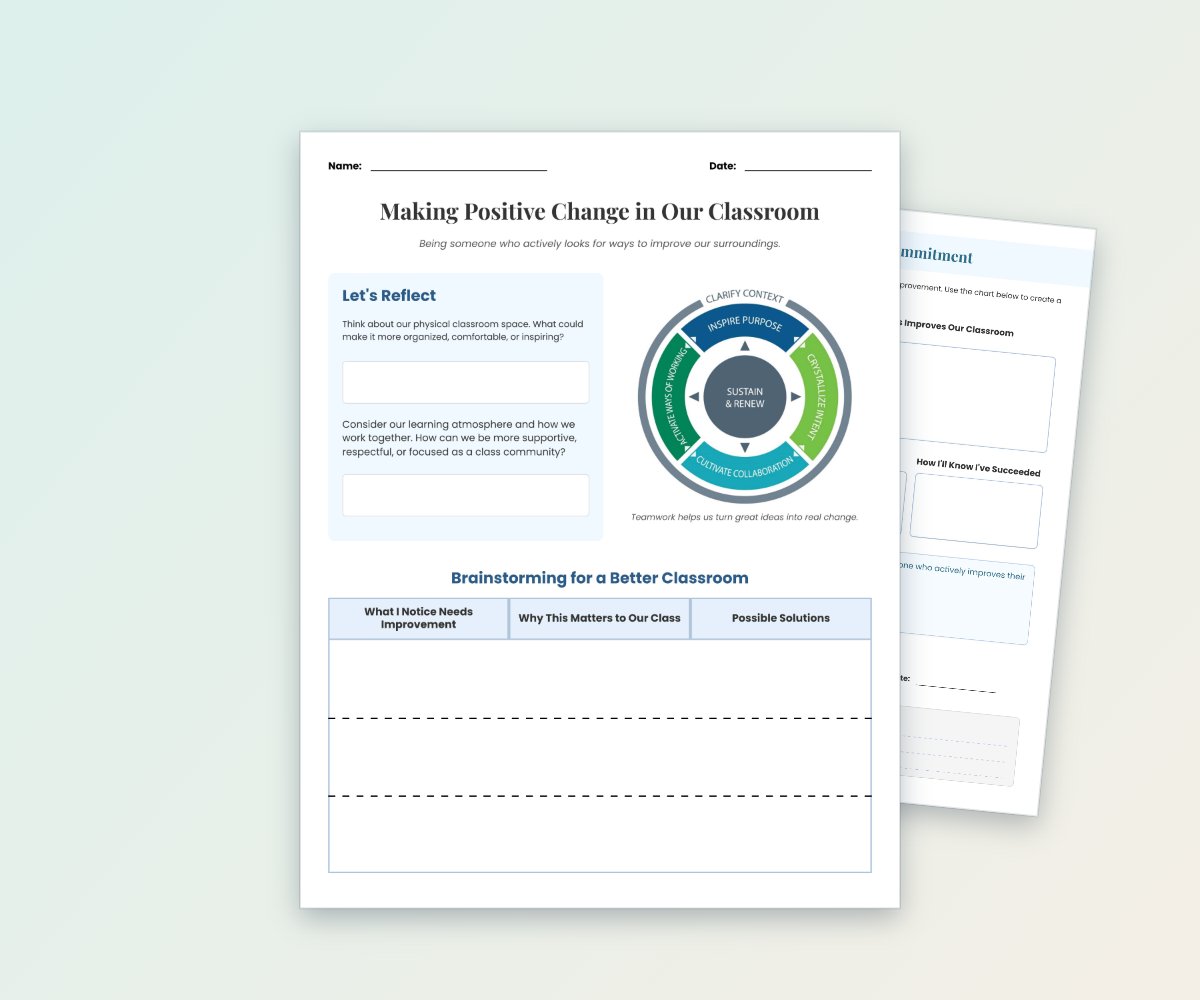
Students reflect on their classroom environment, identify an area needing improvement, and brainstorm practical solutions.
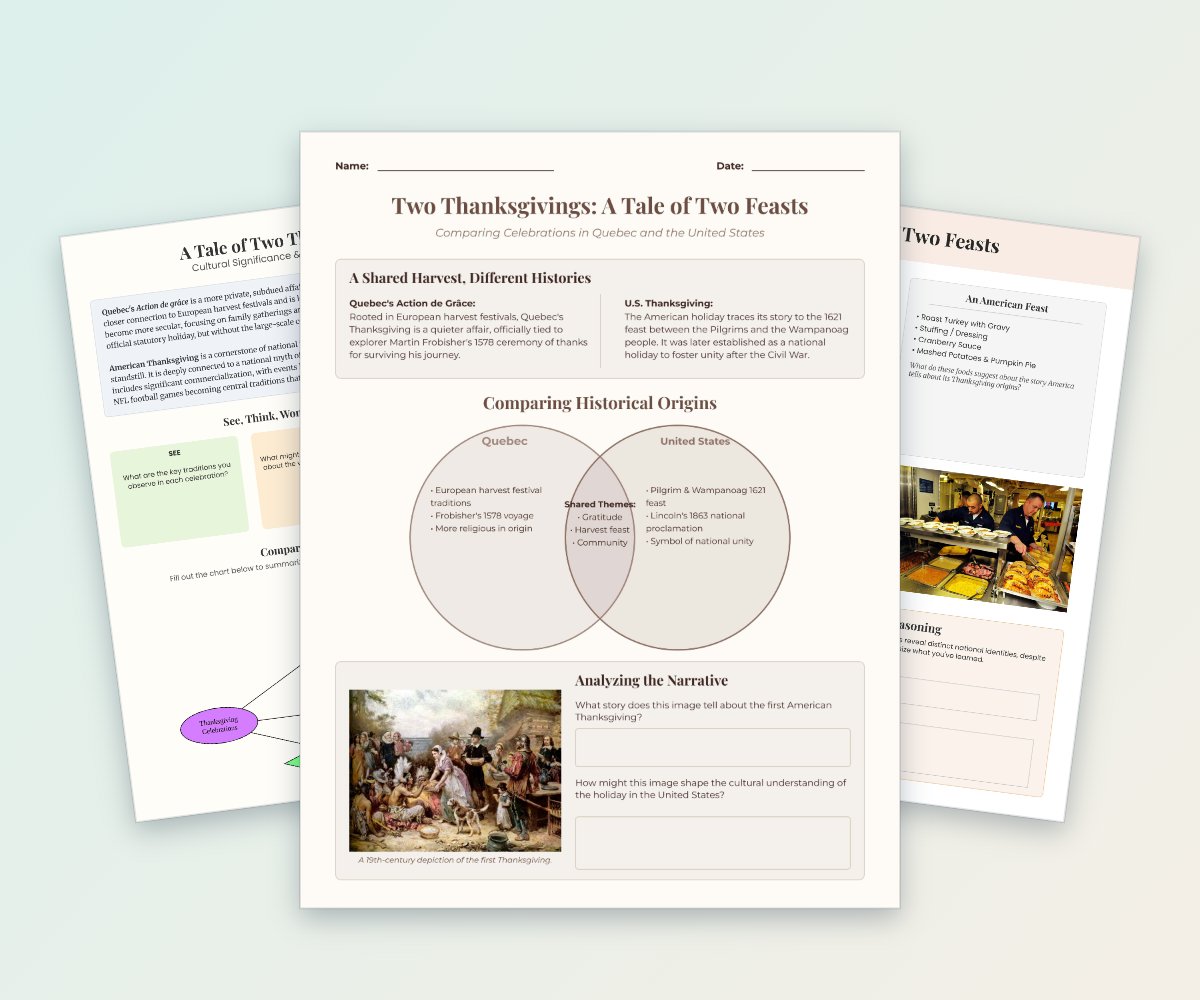
Students compare the historical origins, traditions, and cultural significance of Thanksgiving in Quebec and the United States.
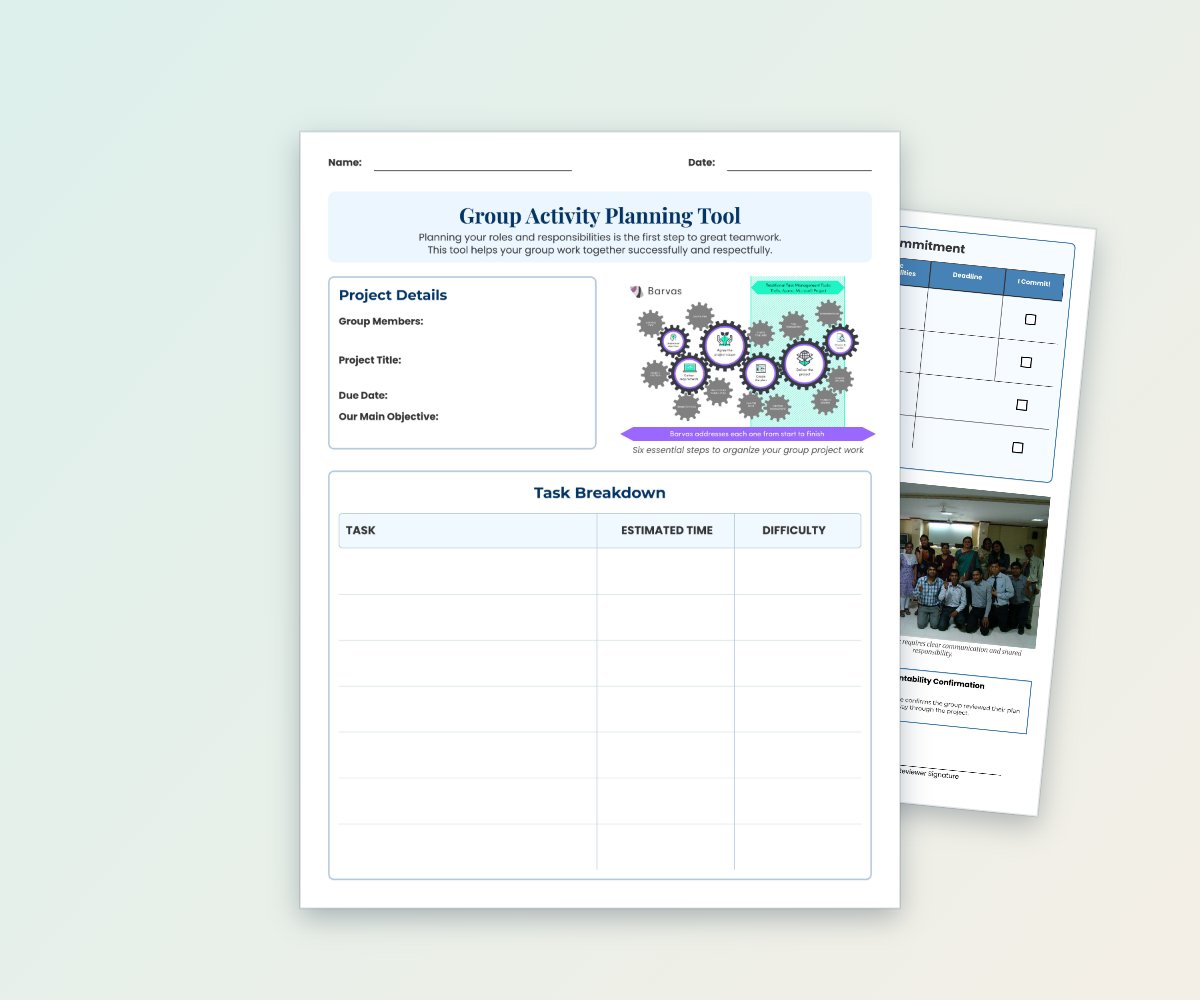
This two-page planning tool helps students organize group projects by identifying tasks, assigning roles, setting deadlines, and estimating time and difficulty.
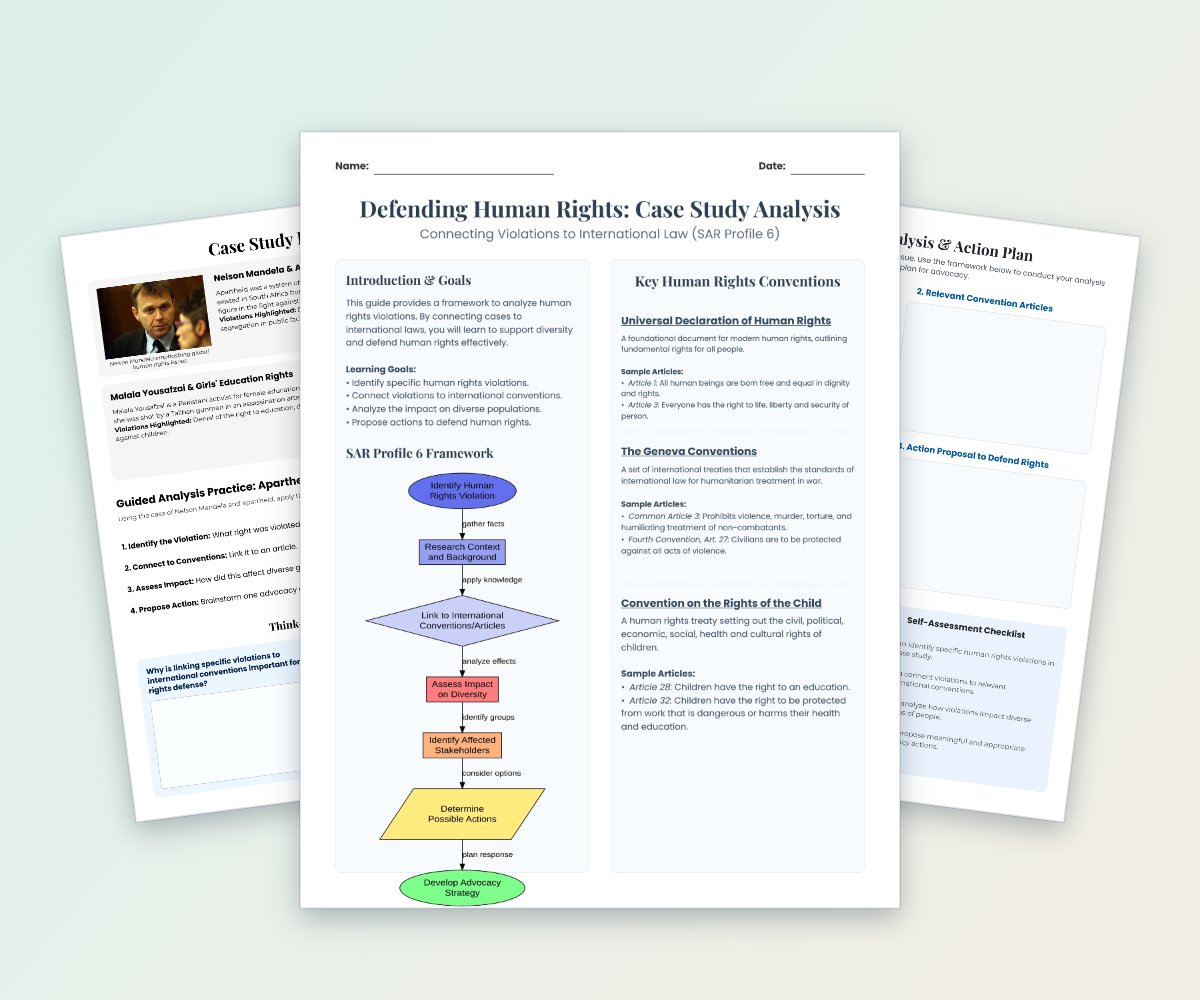
Students investigate human rights case studies, identify affected stakeholders, connect violations to international conventions, and propose advocacy actions.
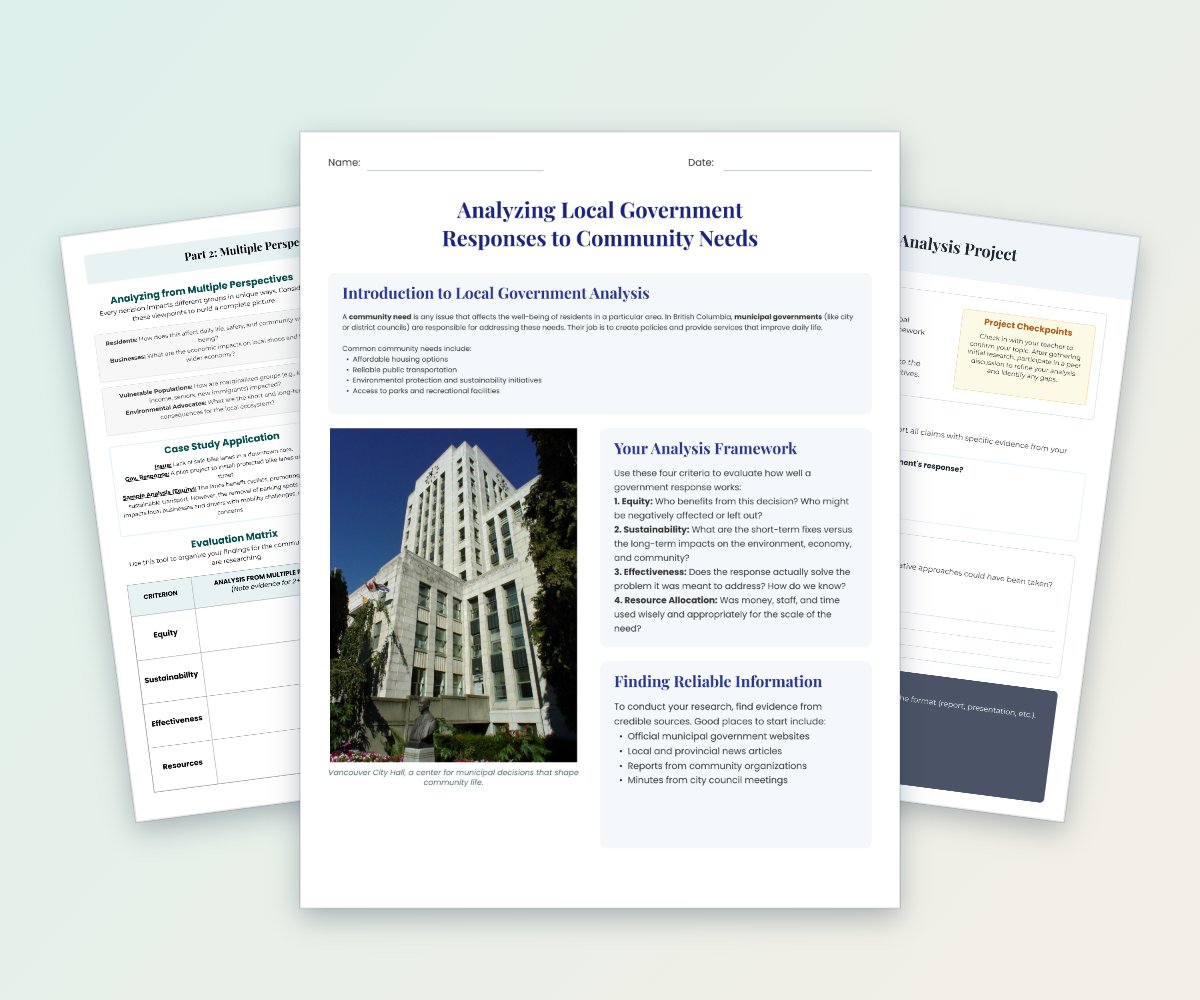
This three-page framework guides students in analyzing municipal responses to community needs using equity, sustainability, effectiveness, and resource allocation criteria.
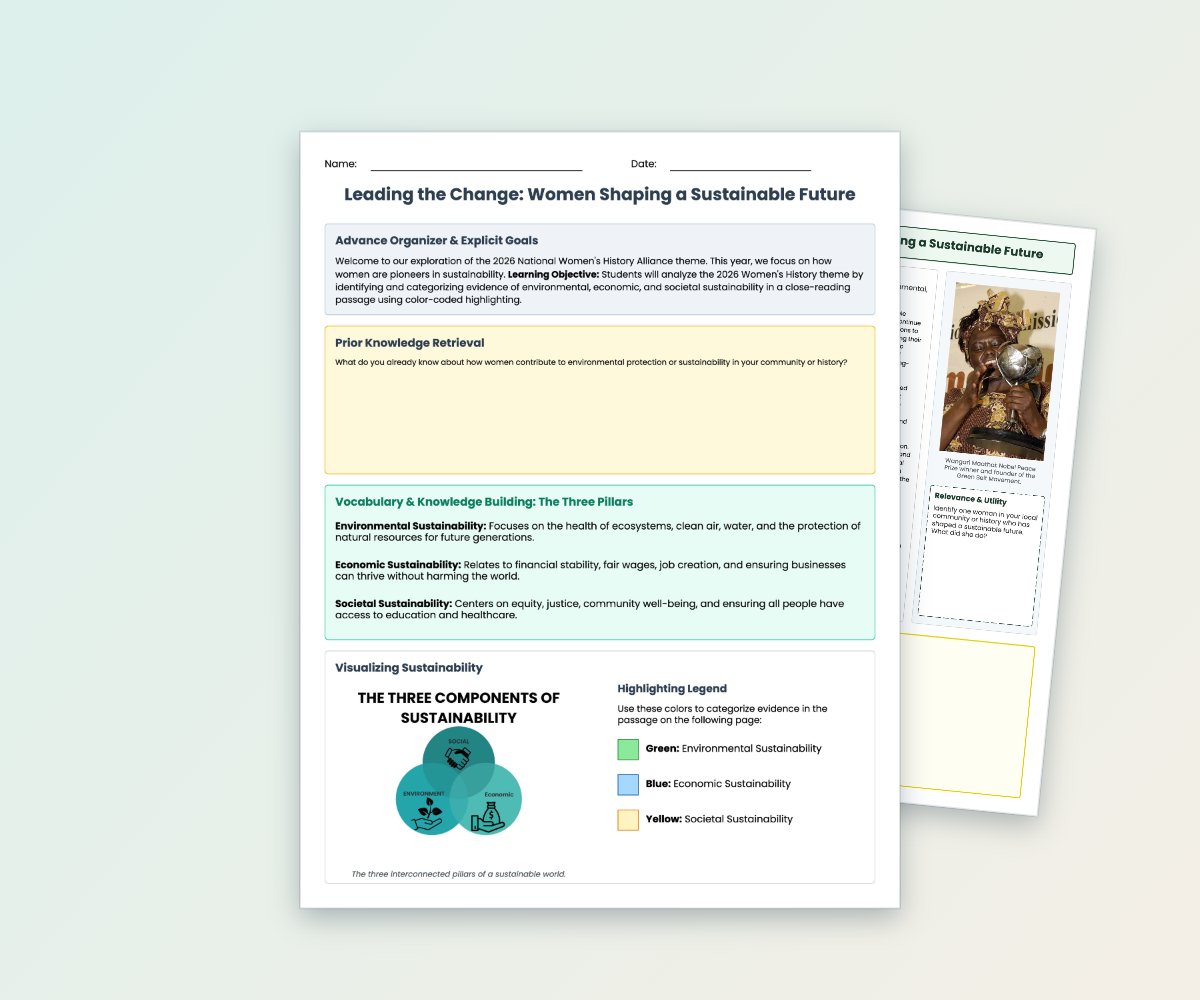
Students explore the 2026 National Women’s History Alliance theme and examine how women contribute to environmental, economic, and societal sustainability.
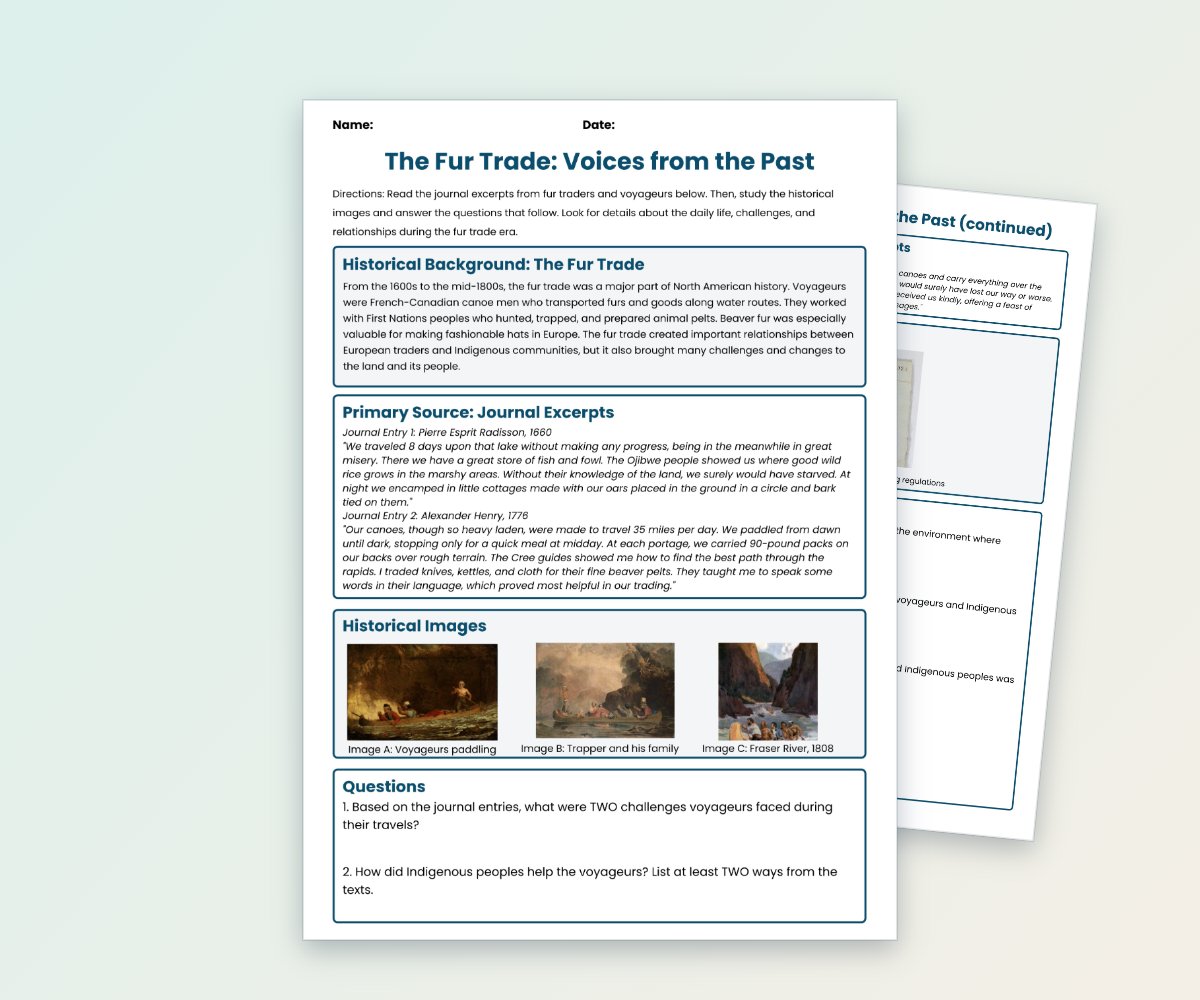
A graphic organizer for examining and interpreting excerpts from fur trade journals as historical primary sources.