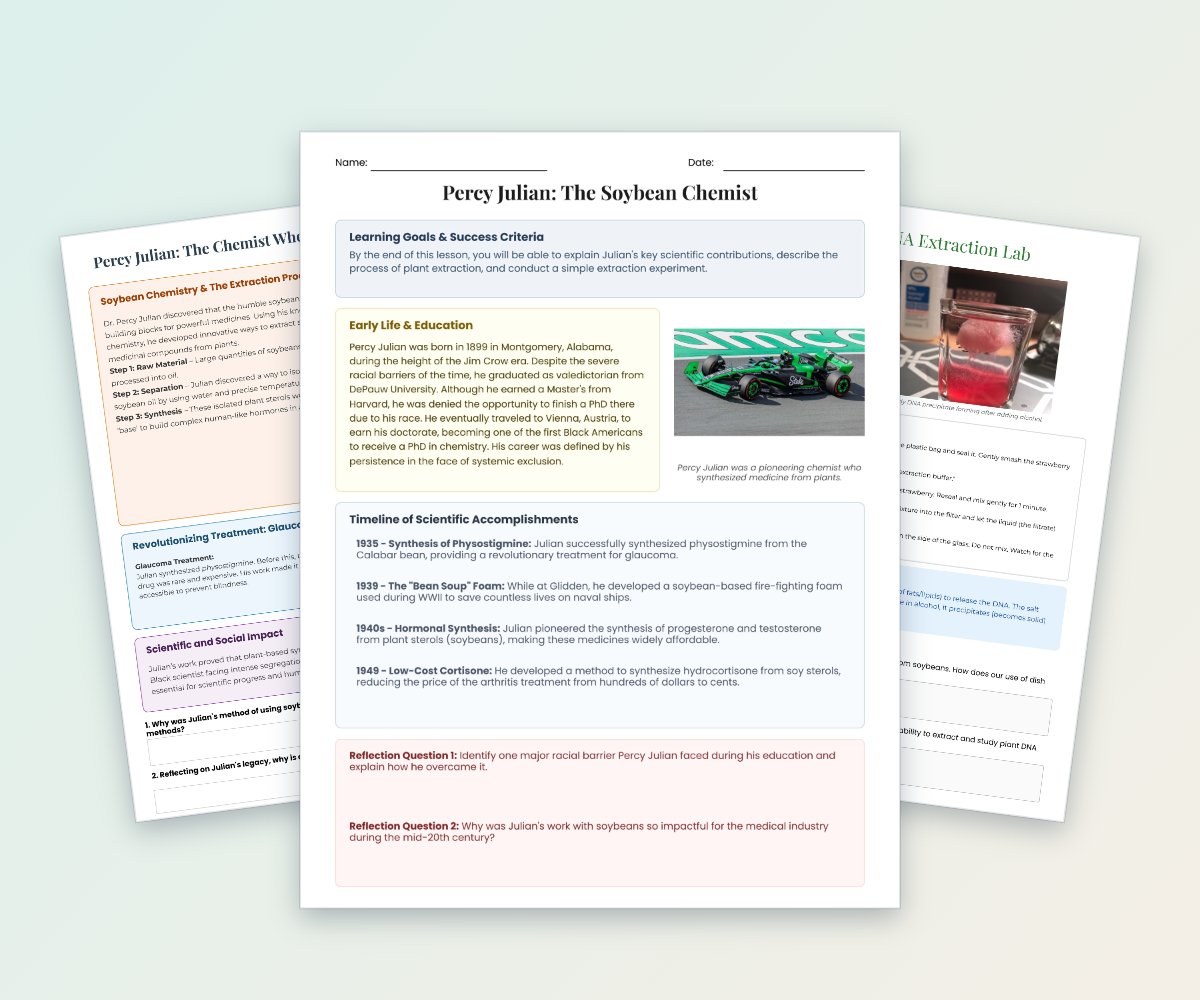
Percy Julian: Plant Chemistry Pioneer
This lesson explores Percy Julian’s scientific achievements, including plant-based synthesis of medicines and soybean chemistry.
$3.99
Classroom-ready resources written for grade 1: printable worksheets, slides, activities and planning tools you can download and use straight away. Browse by subject below.
This lesson explores Percy Julian’s scientific achievements, including plant-based synthesis of medicines and soybean chemistry.
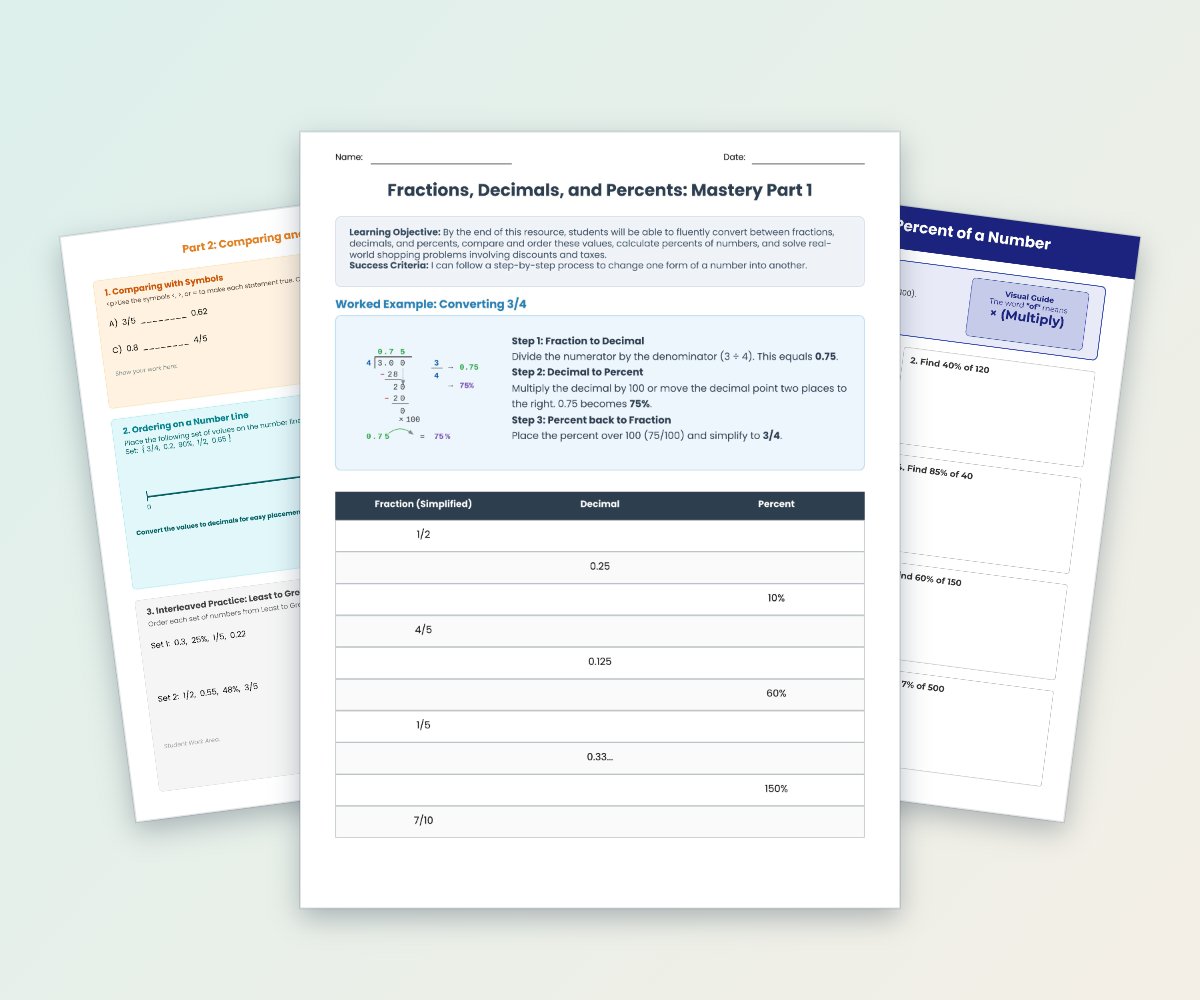
This six-page review pack teaches students to convert among fractions, decimals, and percents, compare and order values, calculate percentages, and solve shopping problems.
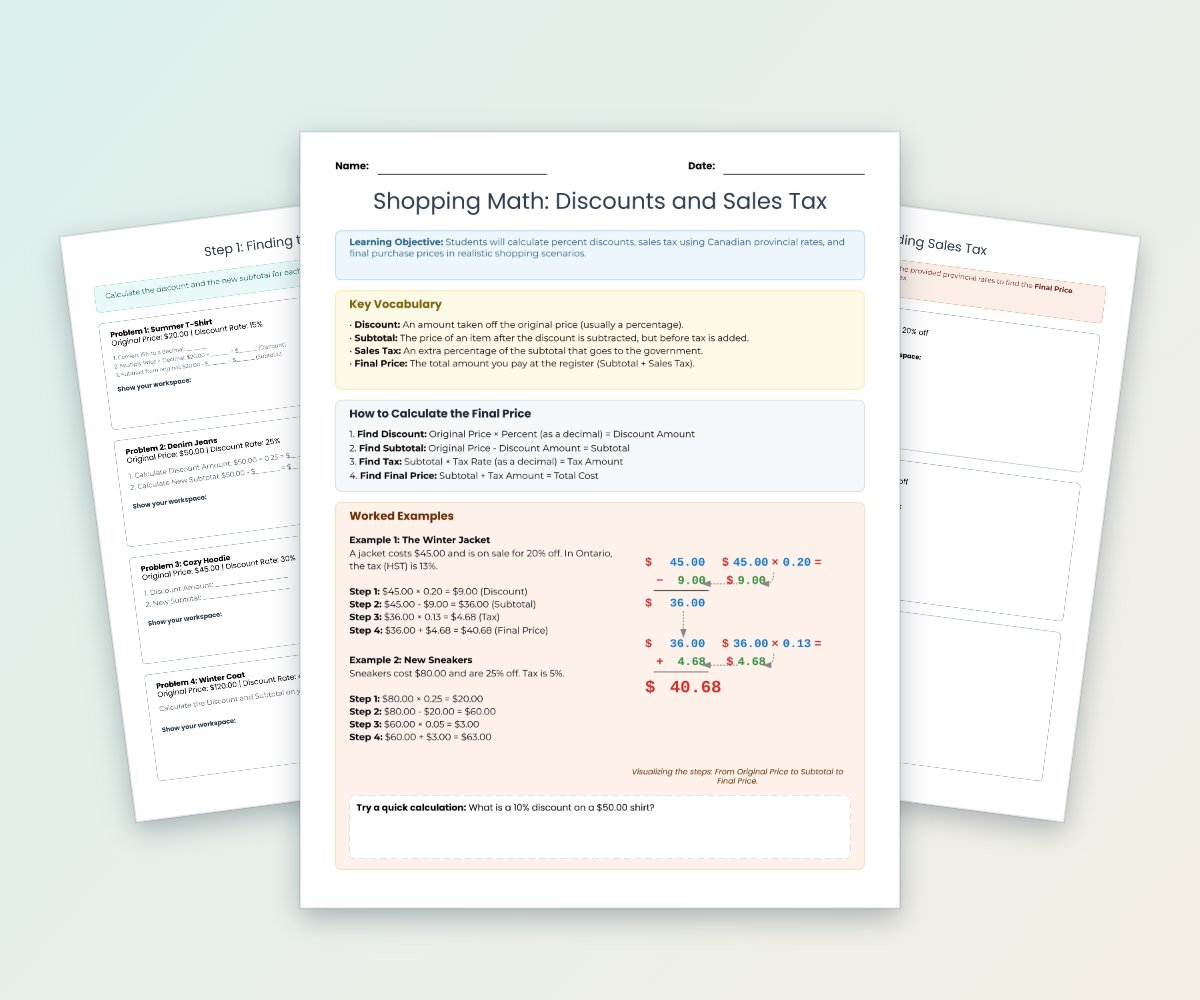
Students practice calculating percentage discounts, subtotals, sales tax, and final purchase prices using realistic shopping scenarios.
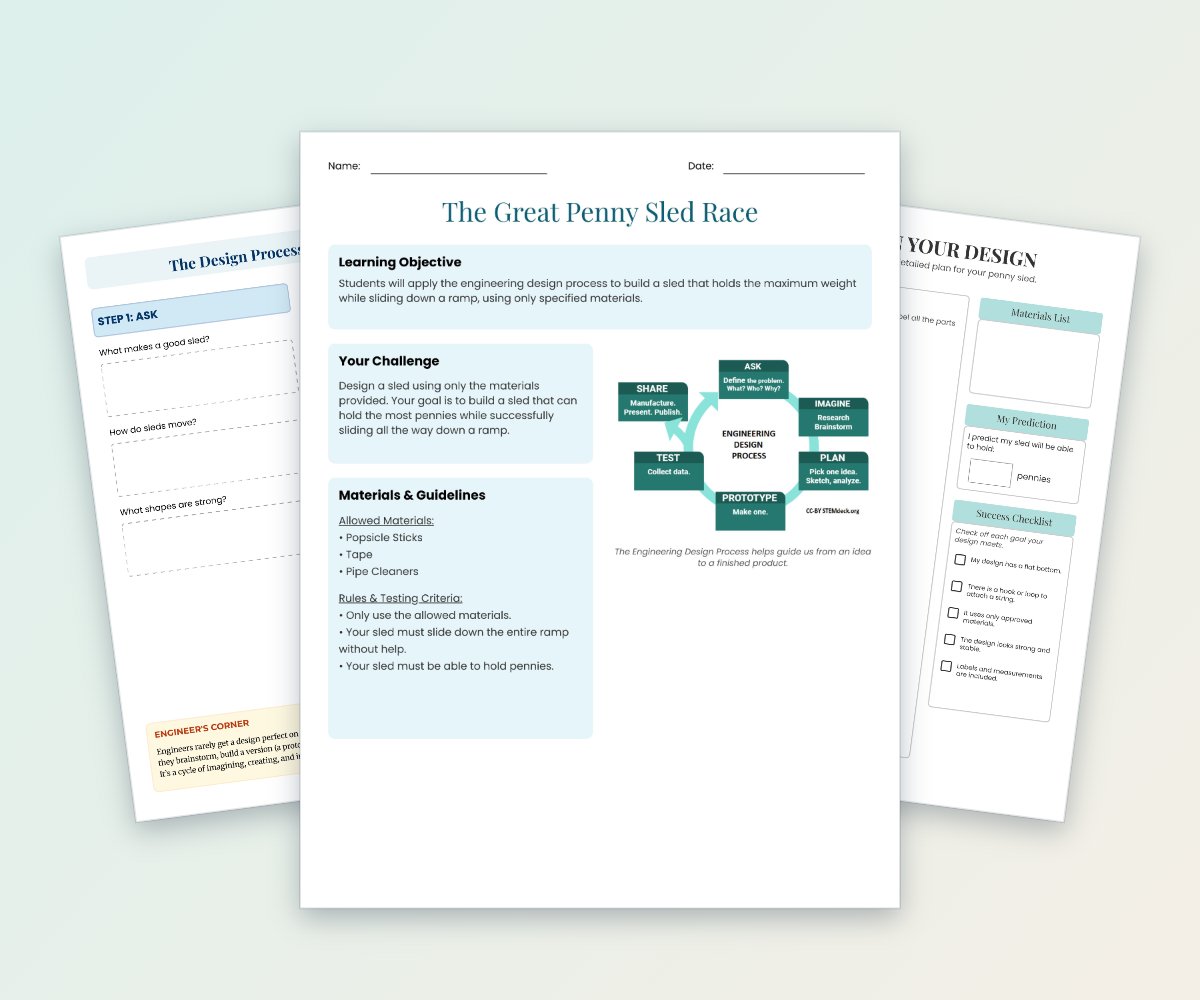
Students design, build, and test a sled made from limited materials to determine how many pennies it can carry down a ramp.
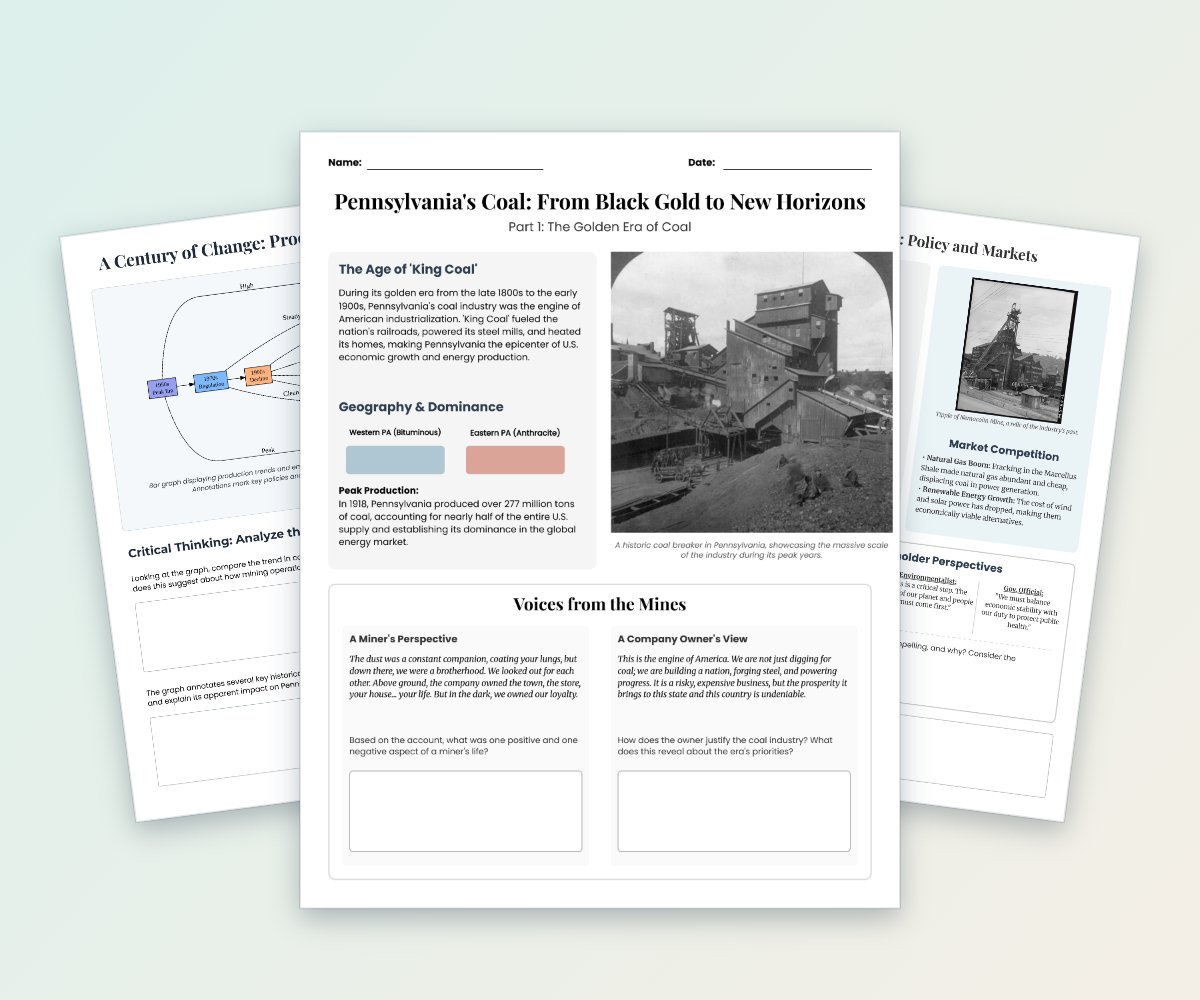
Students examine Pennsylvania’s coal industry from its industrial-era peak through modern transformation using historical context, worker and owner perspectives, production trends, and policy analysis
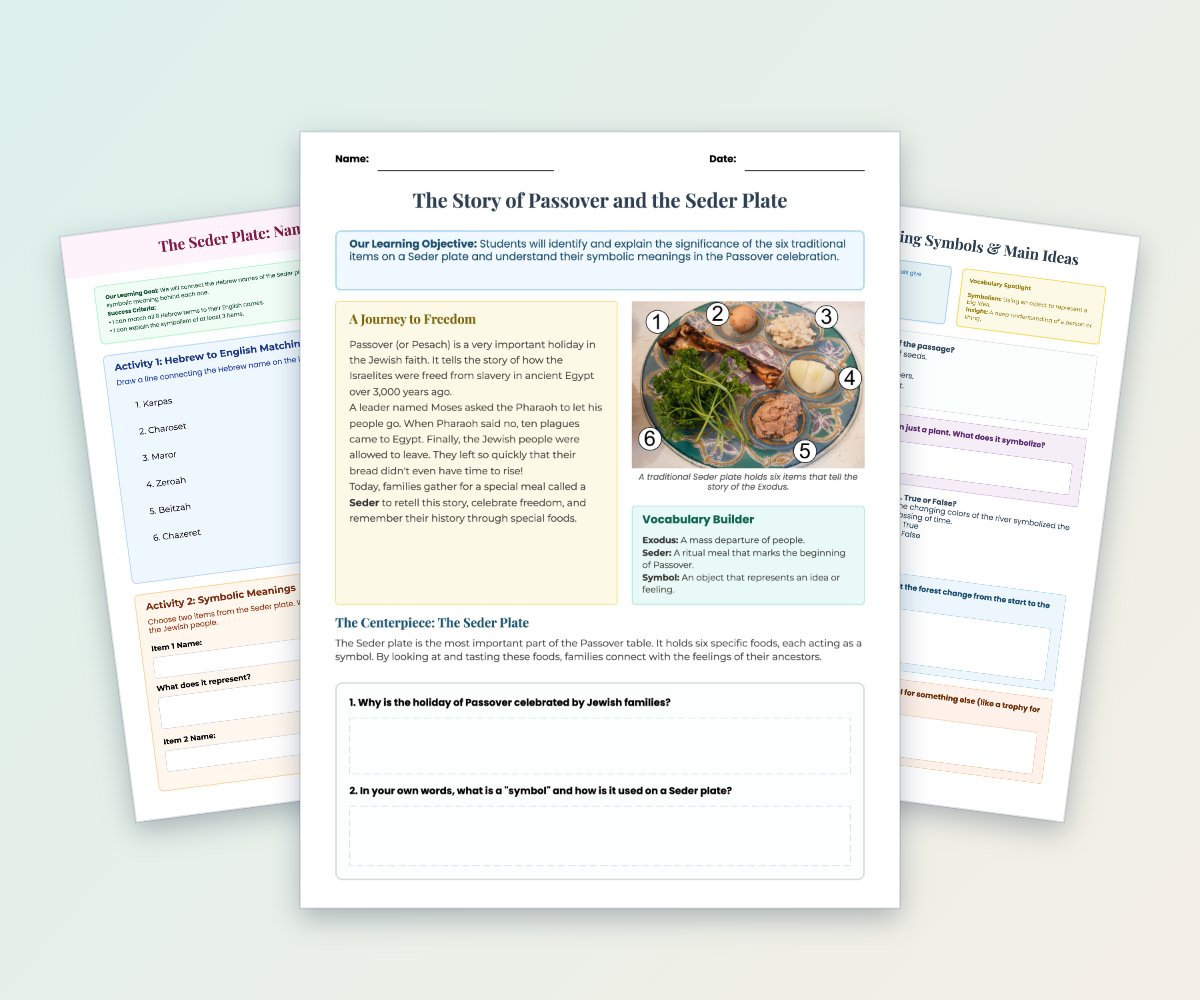
This four-page worksheet introduces the story of Passover and the significance of six traditional Seder plate items.
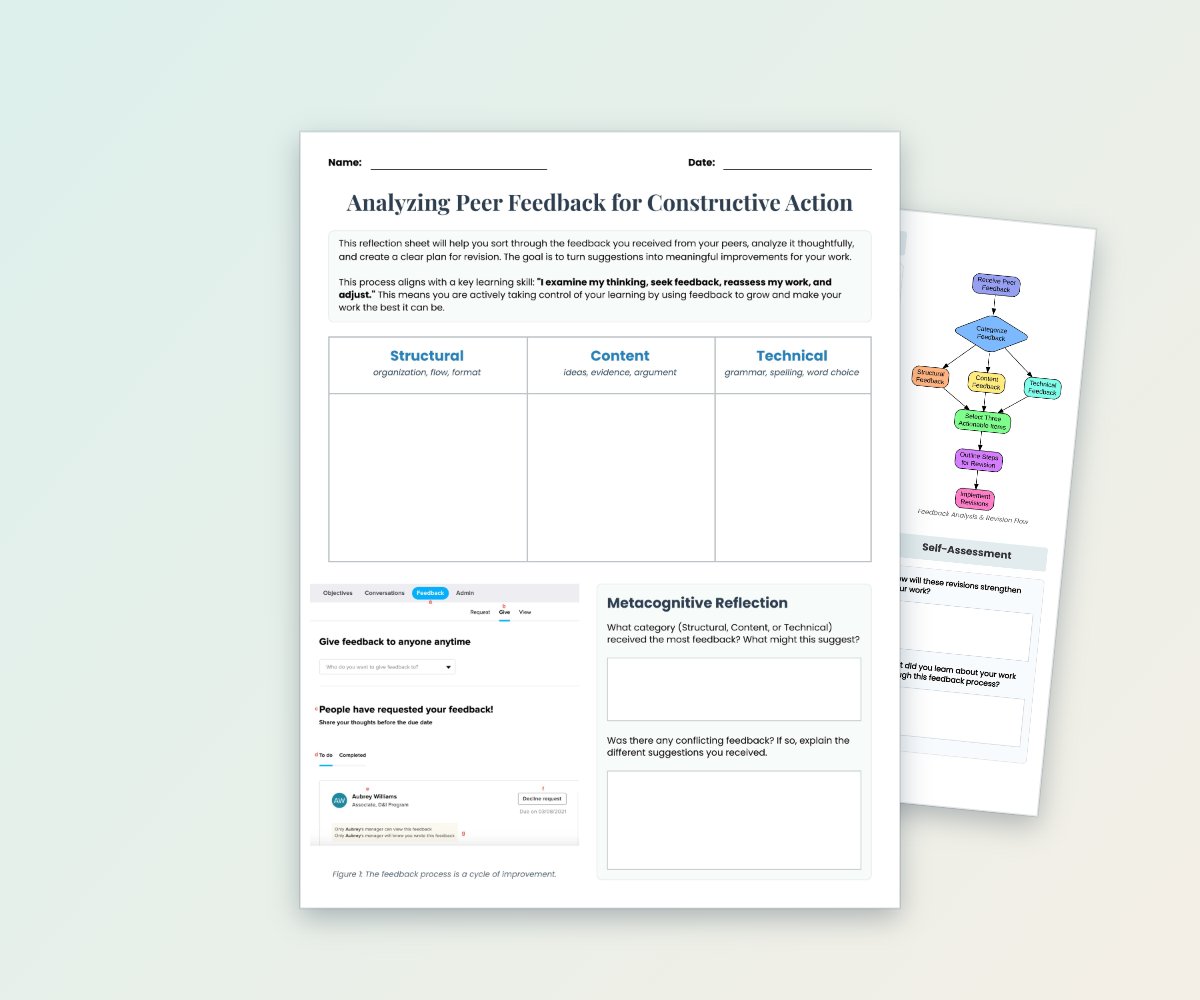
This two-page reflection guide helps students analyze peer feedback, identify actionable suggestions, and plan revisions.
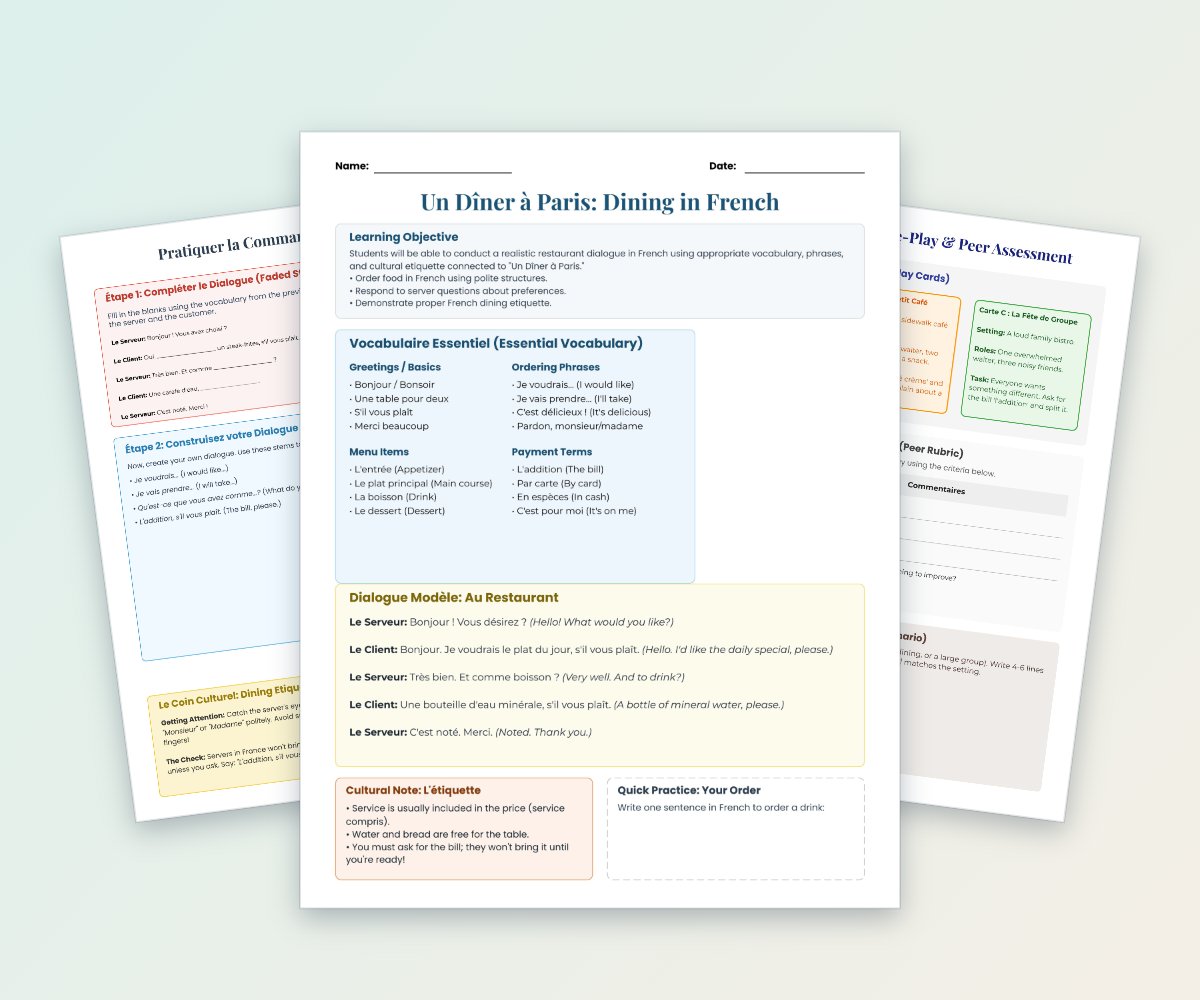
Students practice ordering food, responding to server questions, and requesting the bill in French through a modeled restaurant dialogue and guided activities.
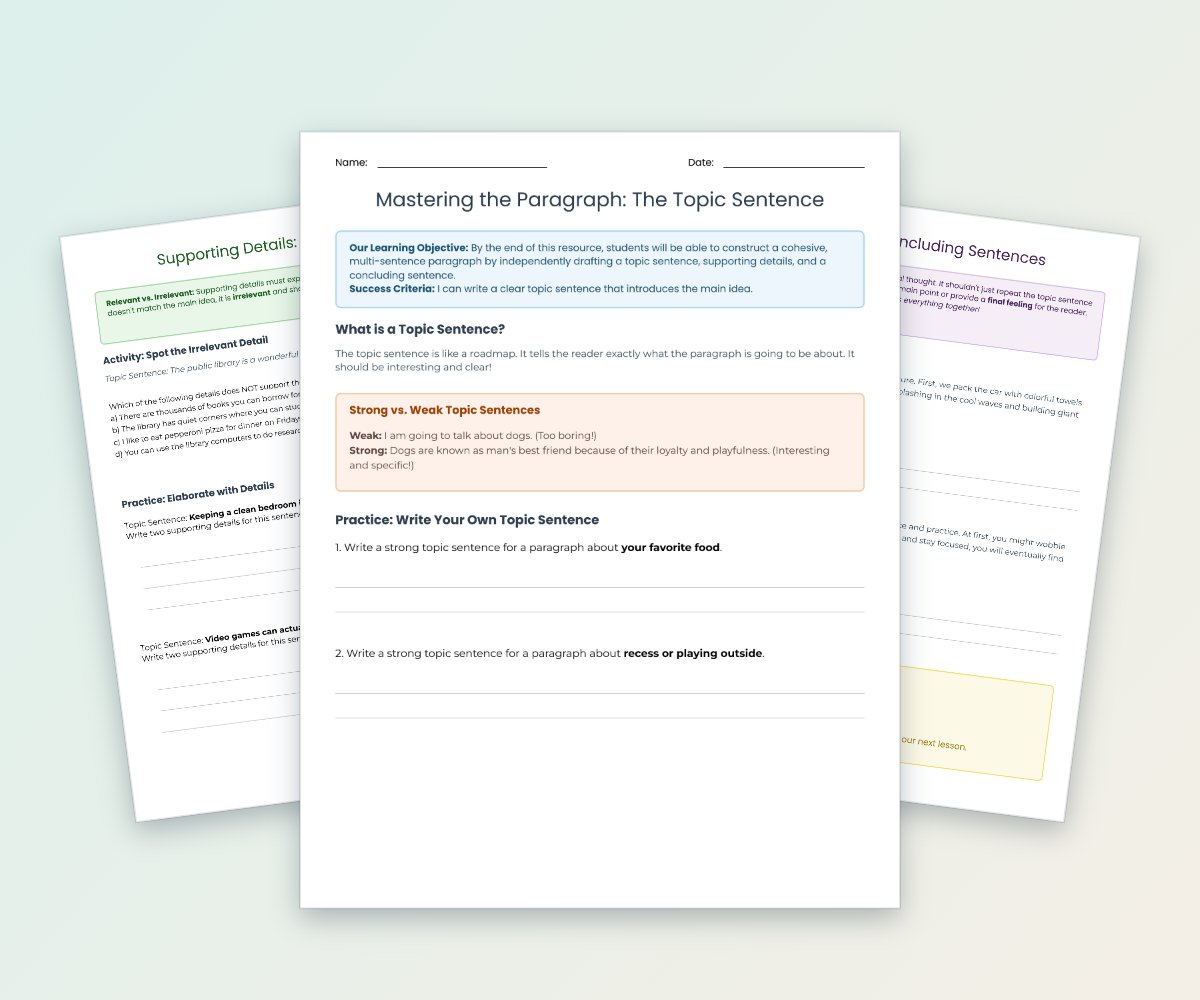
This six-page resource teaches students how to write cohesive paragraphs using clear topic sentences, relevant supporting details, and concluding sentences.
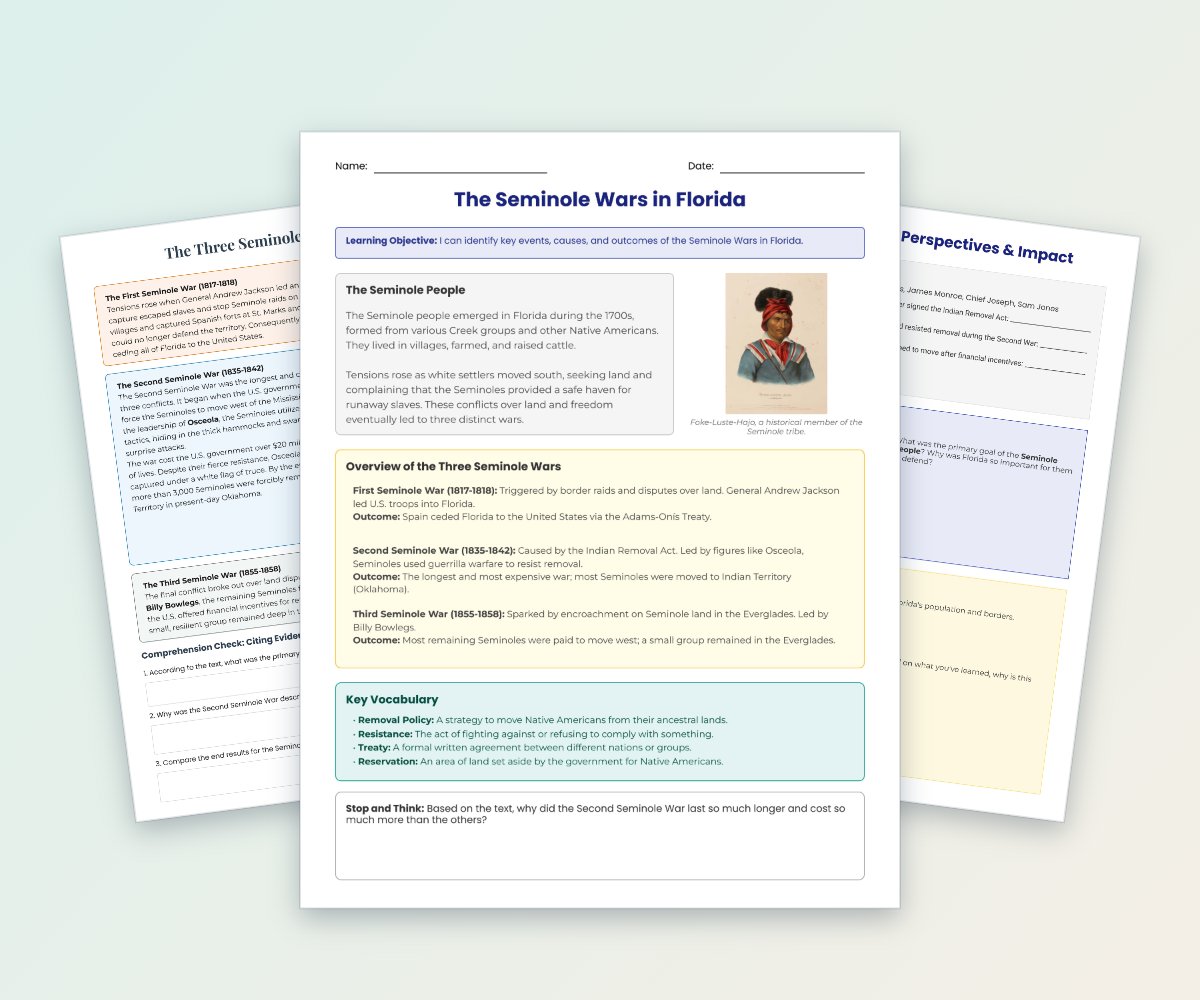
This three-page resource introduces the Seminole people and summarizes the causes, events, and outcomes of the three Seminole Wars.
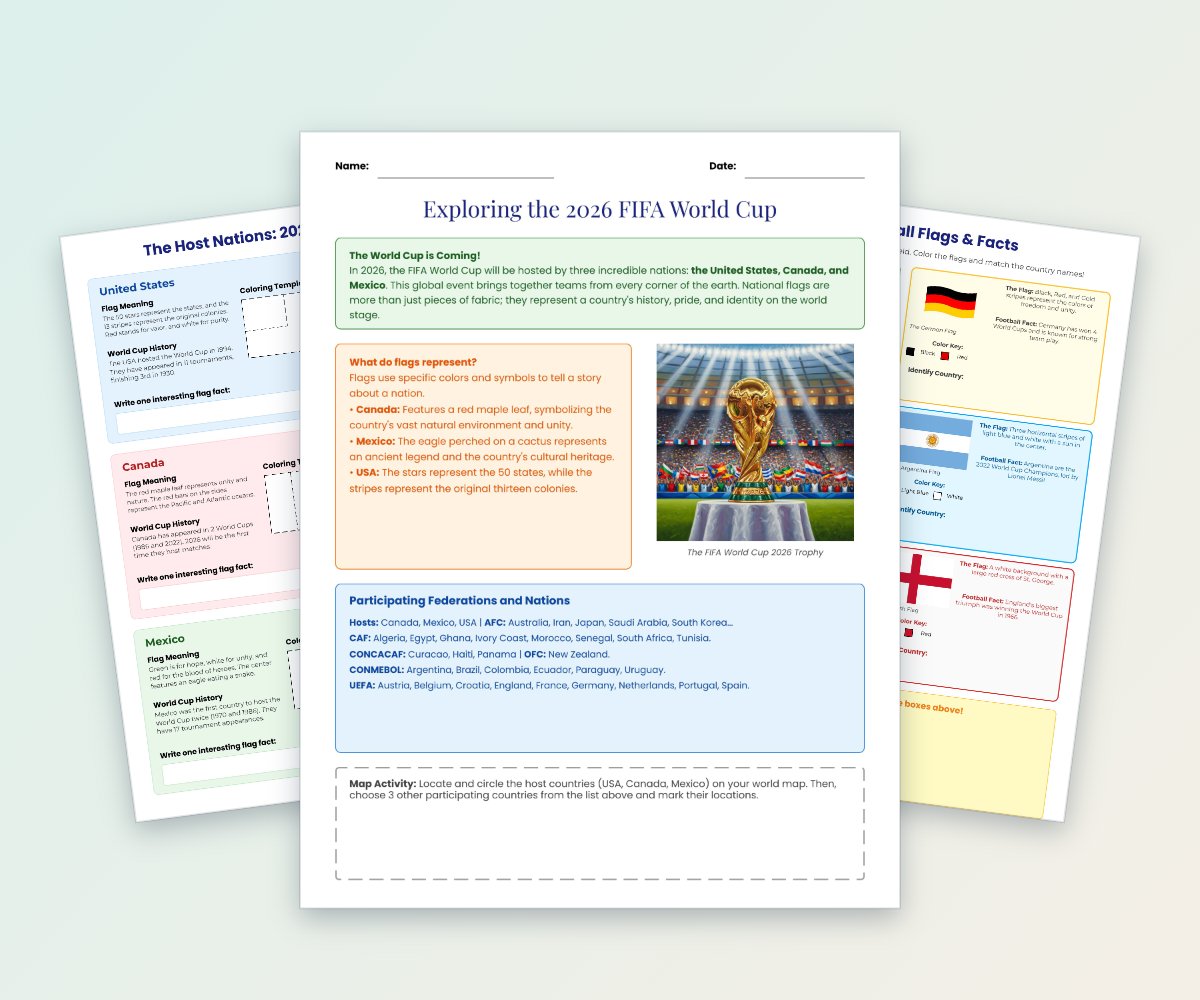
Introduce students to the 2026 FIFA World Cup host nations—Canada, Mexico, and the United States—through flag facts, tournament history, and geography.
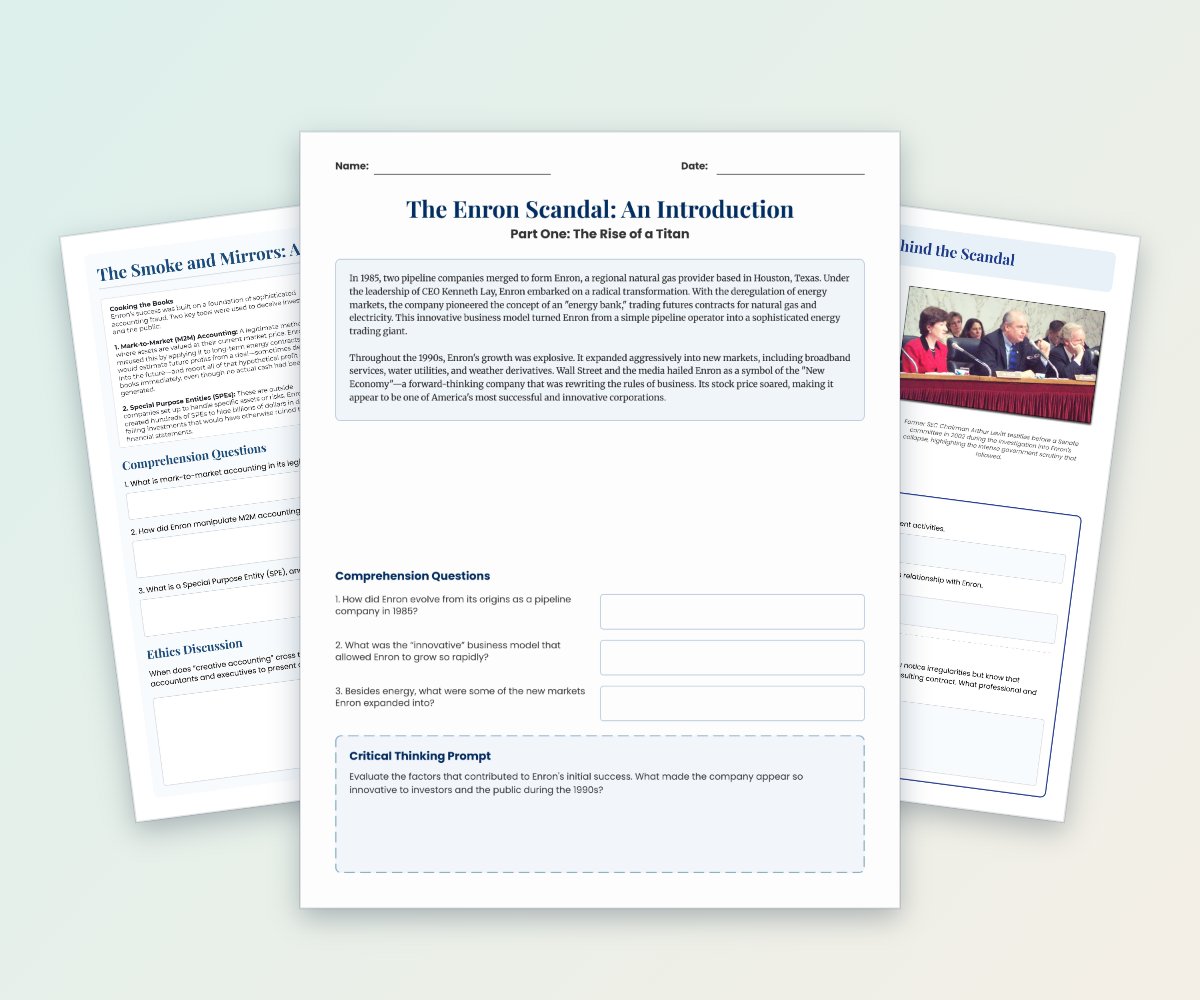
This five-page resource introduces Enron’s rise, energy trading model, mark-to-market accounting, and special purpose entities.
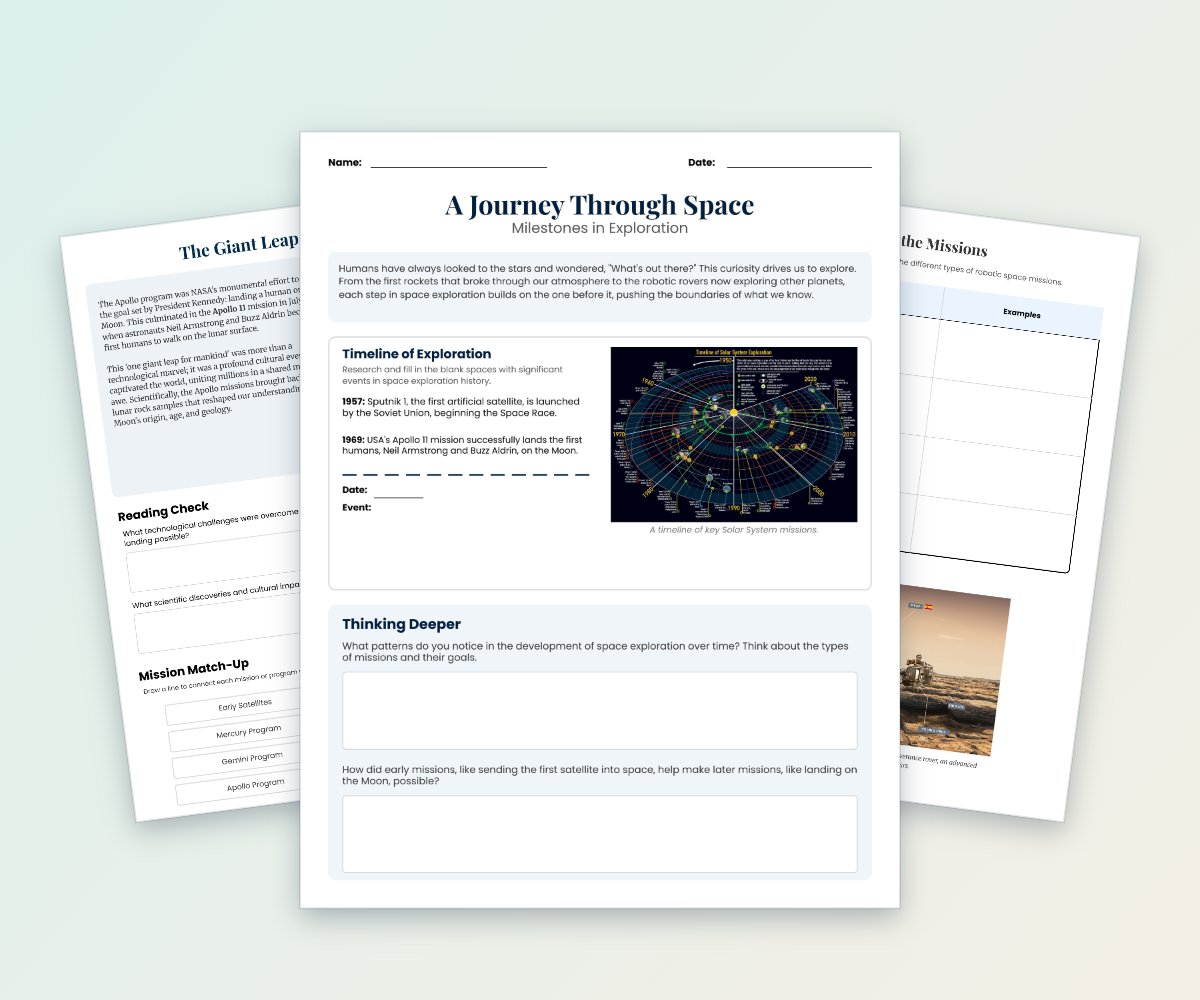
Students explore major milestones in space exploration, including Sputnik, Apollo 11, and robotic missions.
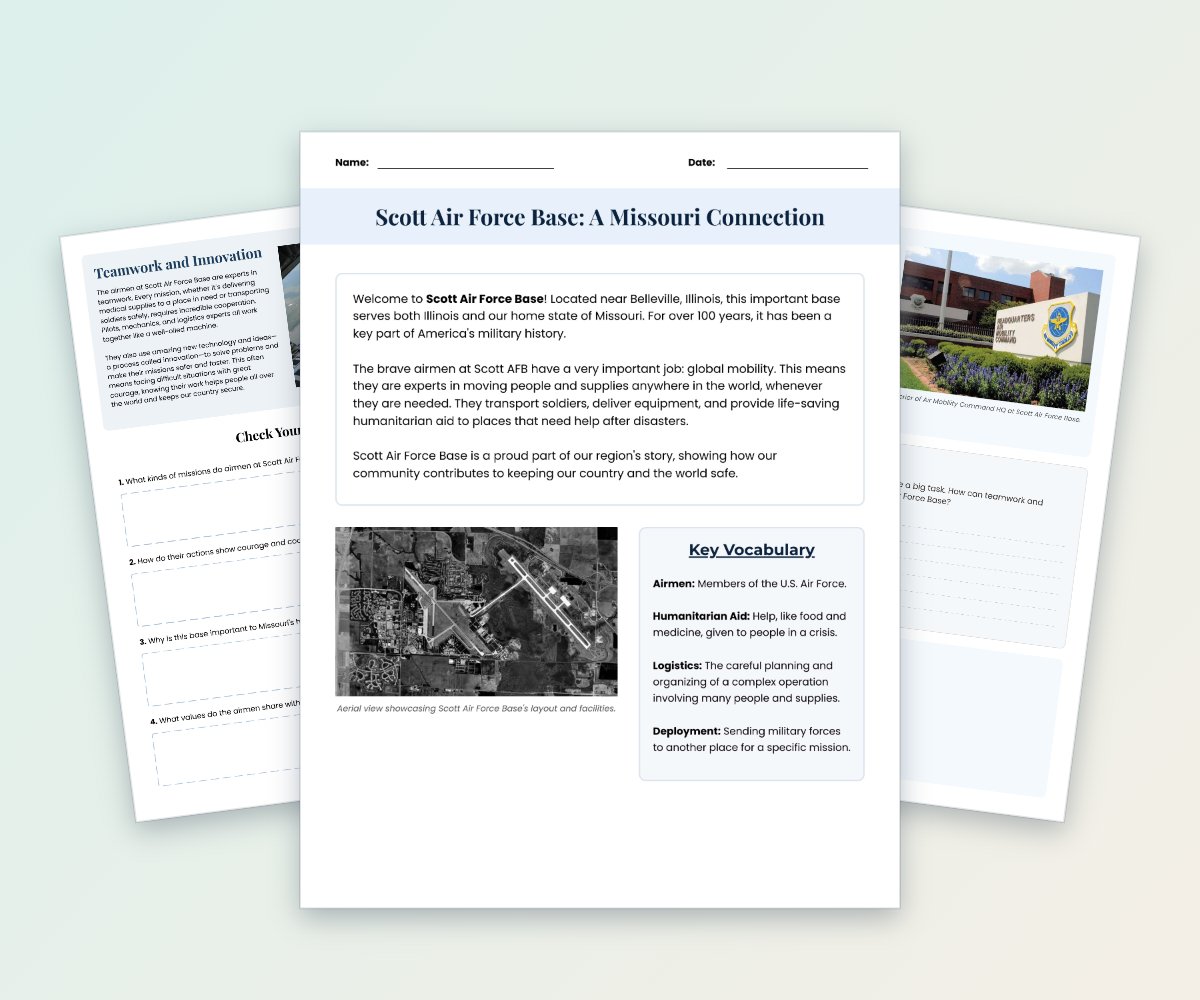
Students read an informational passage about Scott Air Force Base, global mobility, humanitarian aid, teamwork, and Missouri’s regional connection.
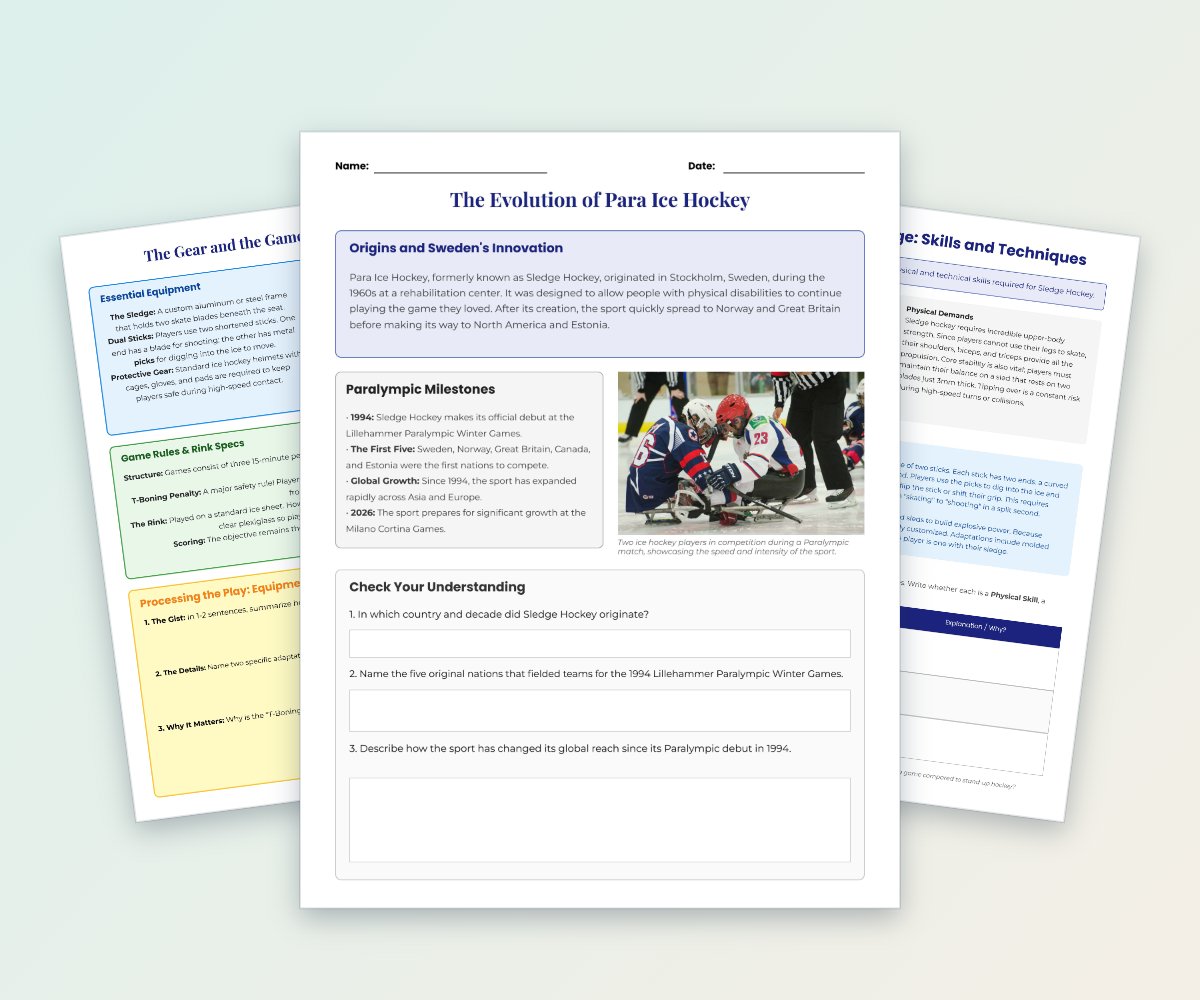
This four-page worksheet introduces the history, Paralympic milestones, equipment, adaptations, rink specifications, and rules of para ice hockey.
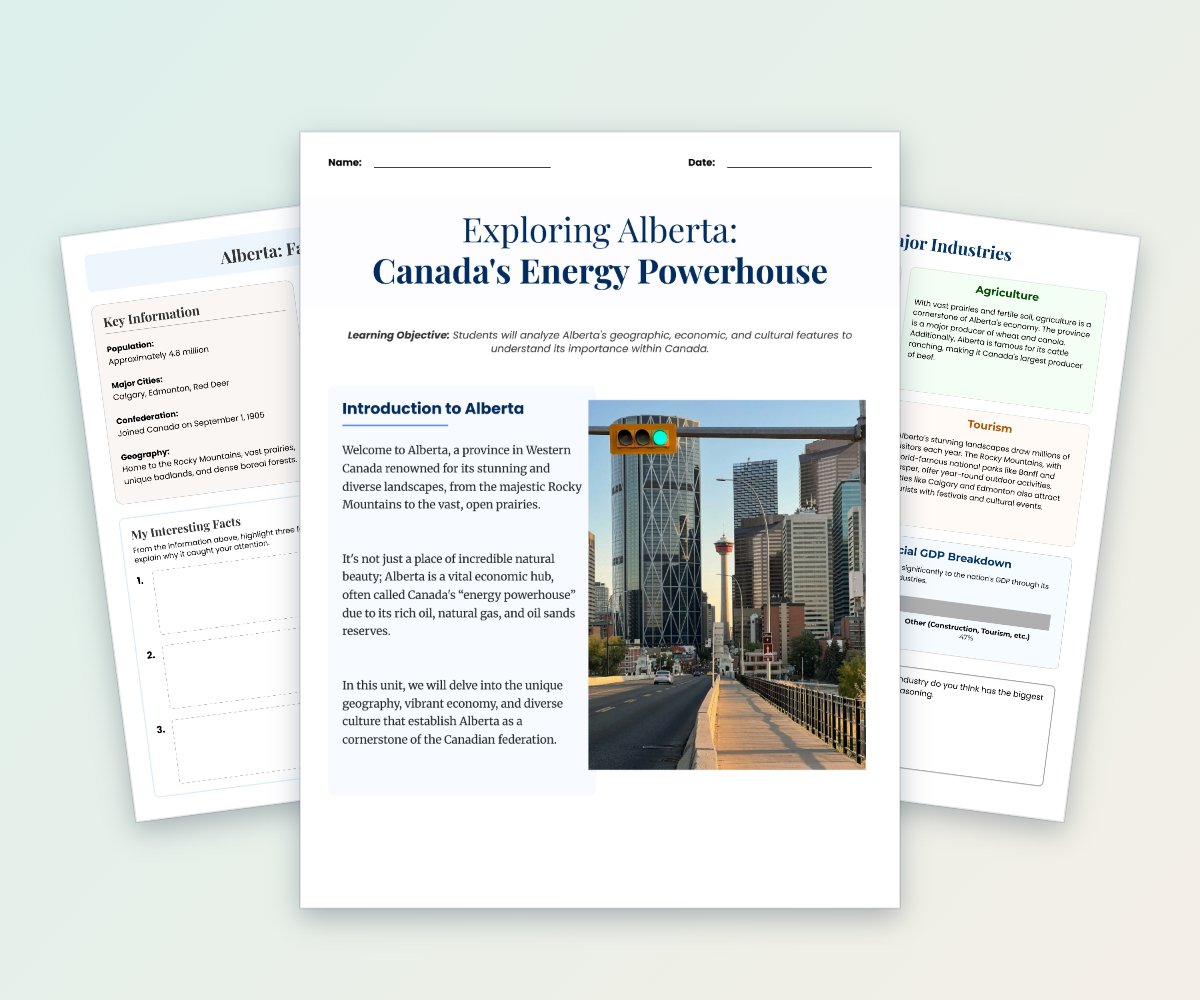
This eight-page social studies resource introduces Alberta’s geography, major industries, economy, population, cities, and cultural significance within Canada.
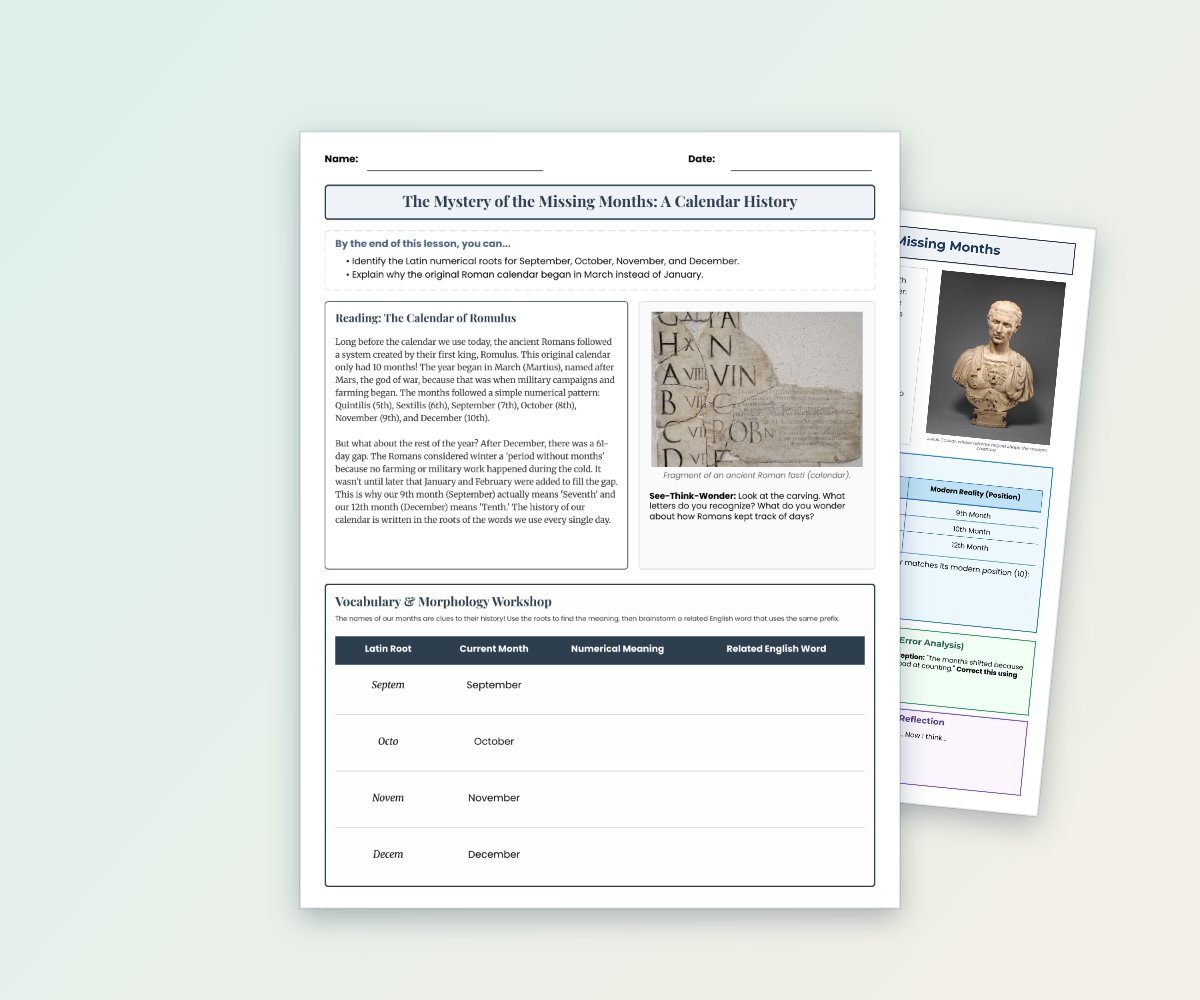
Students explore how the ancient Roman calendar developed from a ten-month system into the Julian and Gregorian calendars.
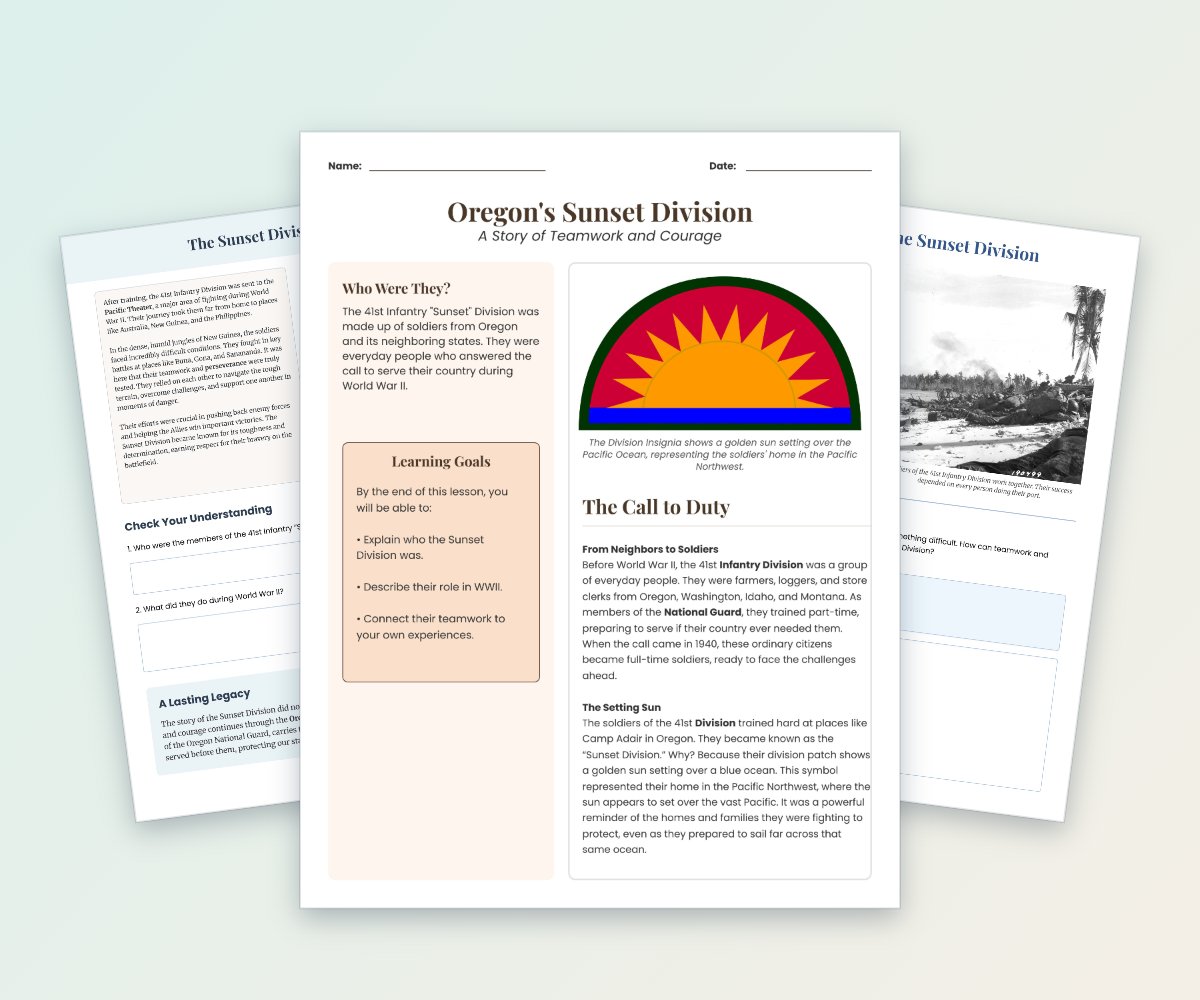
Students learn about the 41st Infantry “Sunset” Division, including its Oregon roots, insignia, training, and Pacific Theater service.
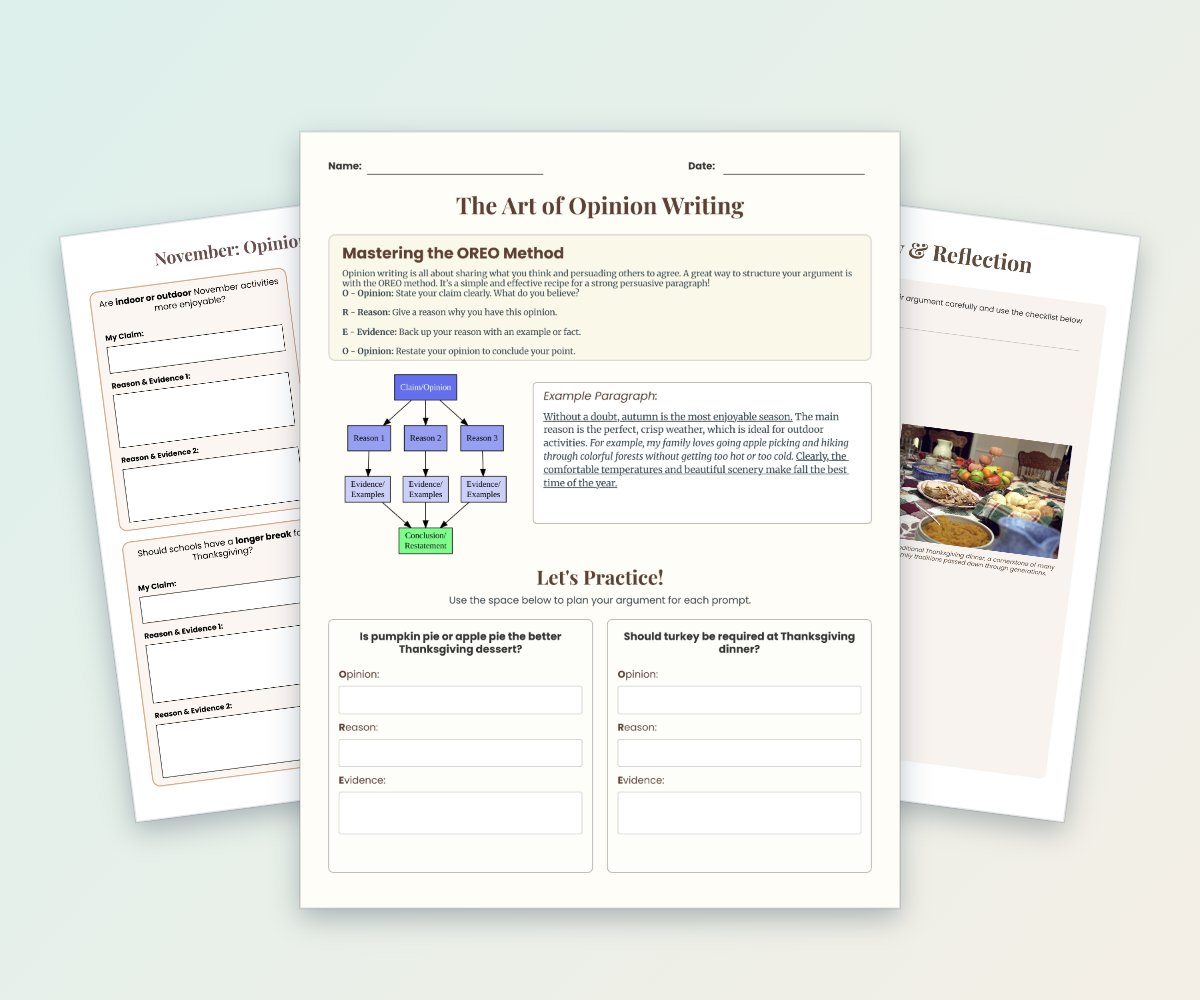
This four-page resource teaches students to structure opinion paragraphs using the OREO method: Opinion, Reason, Evidence, and Opinion restatement.
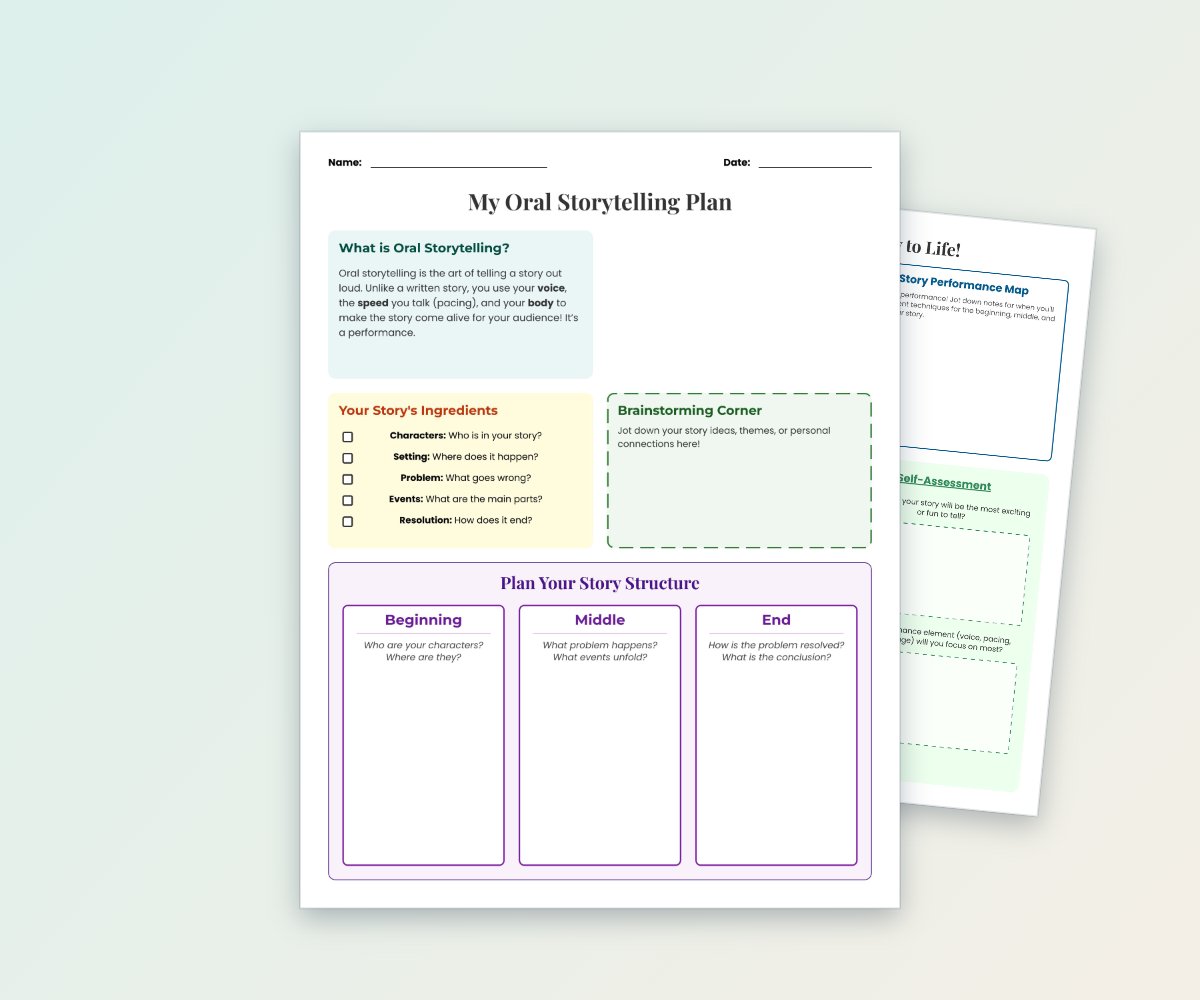
This student-friendly guide introduces oral storytelling and helps learners plan characters, setting, problem, events, and resolution.
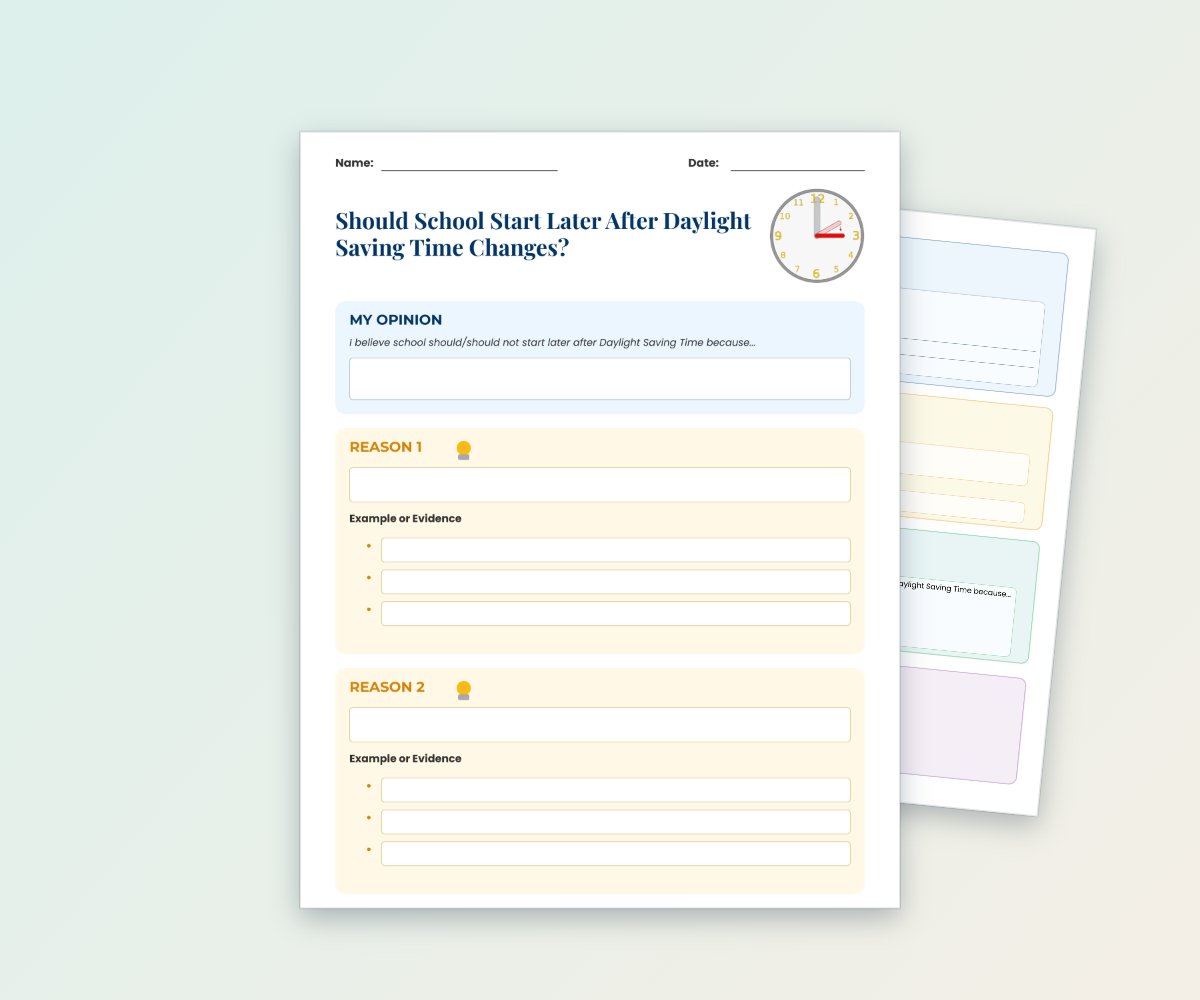
Students develop an opinion about whether school should start later after Daylight Saving Time changes.
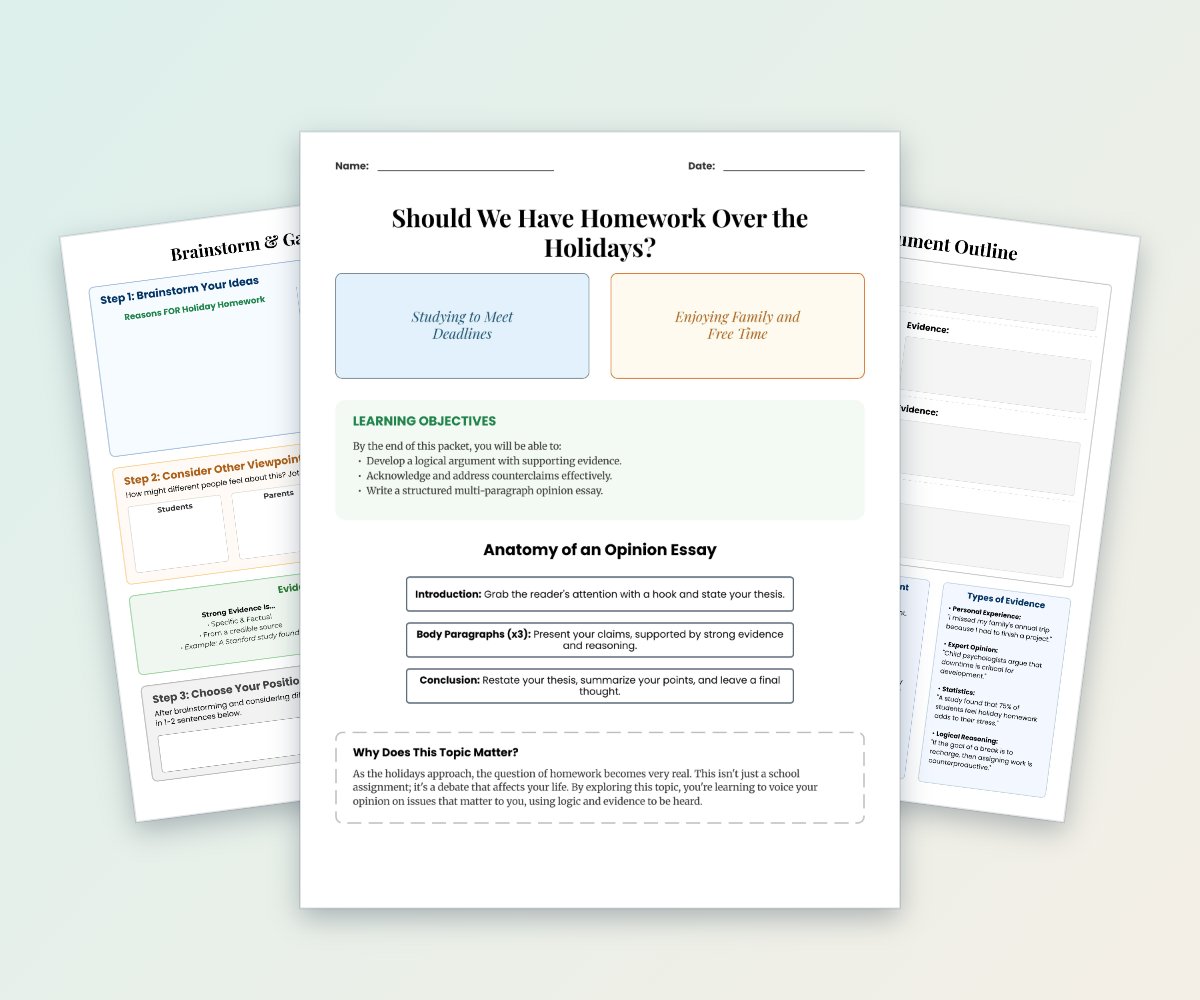
This seven-page guide helps students develop and organize an opinion essay about homework over the holidays.
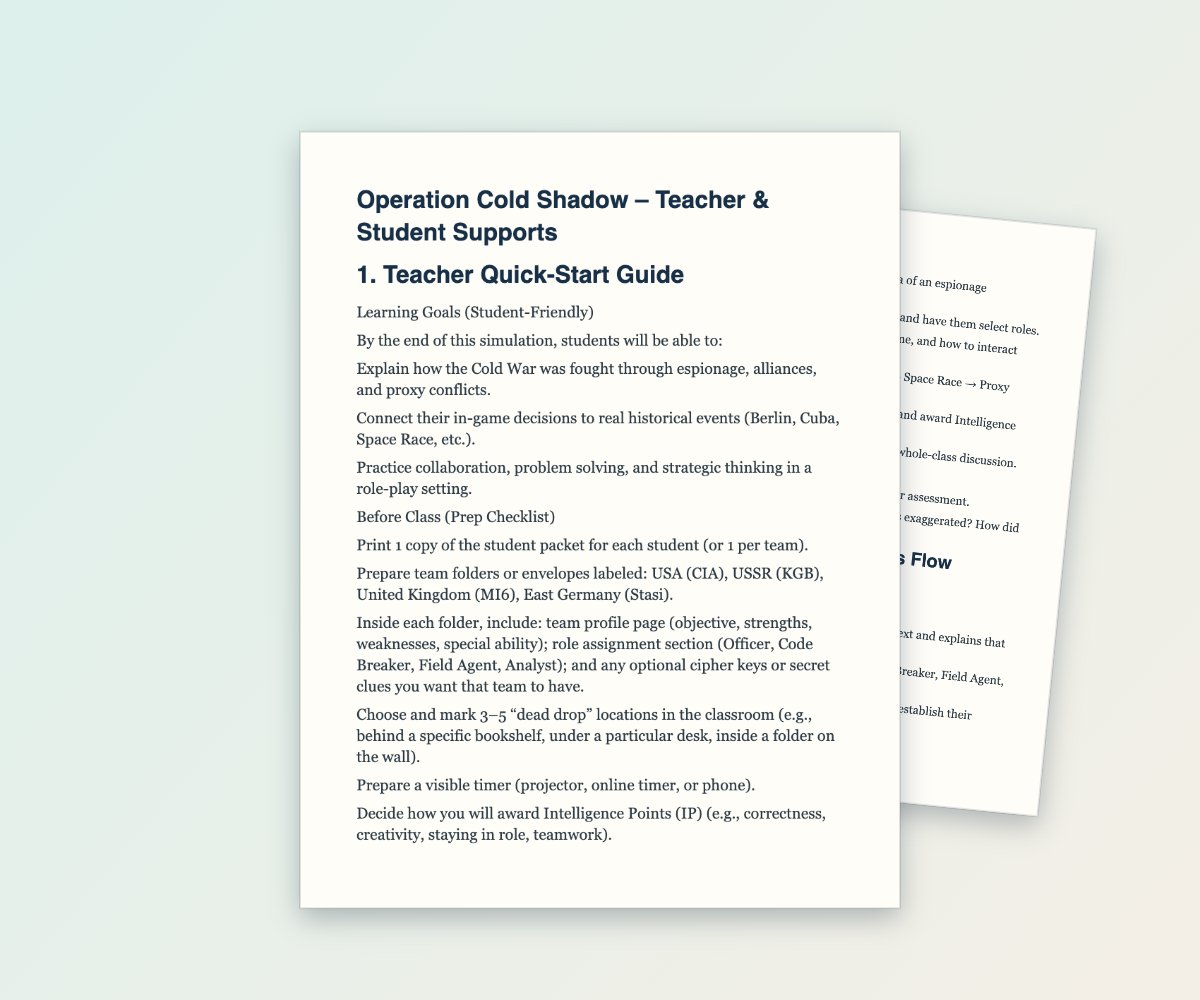
This teacher support guide helps instructors run an interactive Cold War espionage simulation featuring teams representing the USA, USSR, United Kingdom, and East Germany.
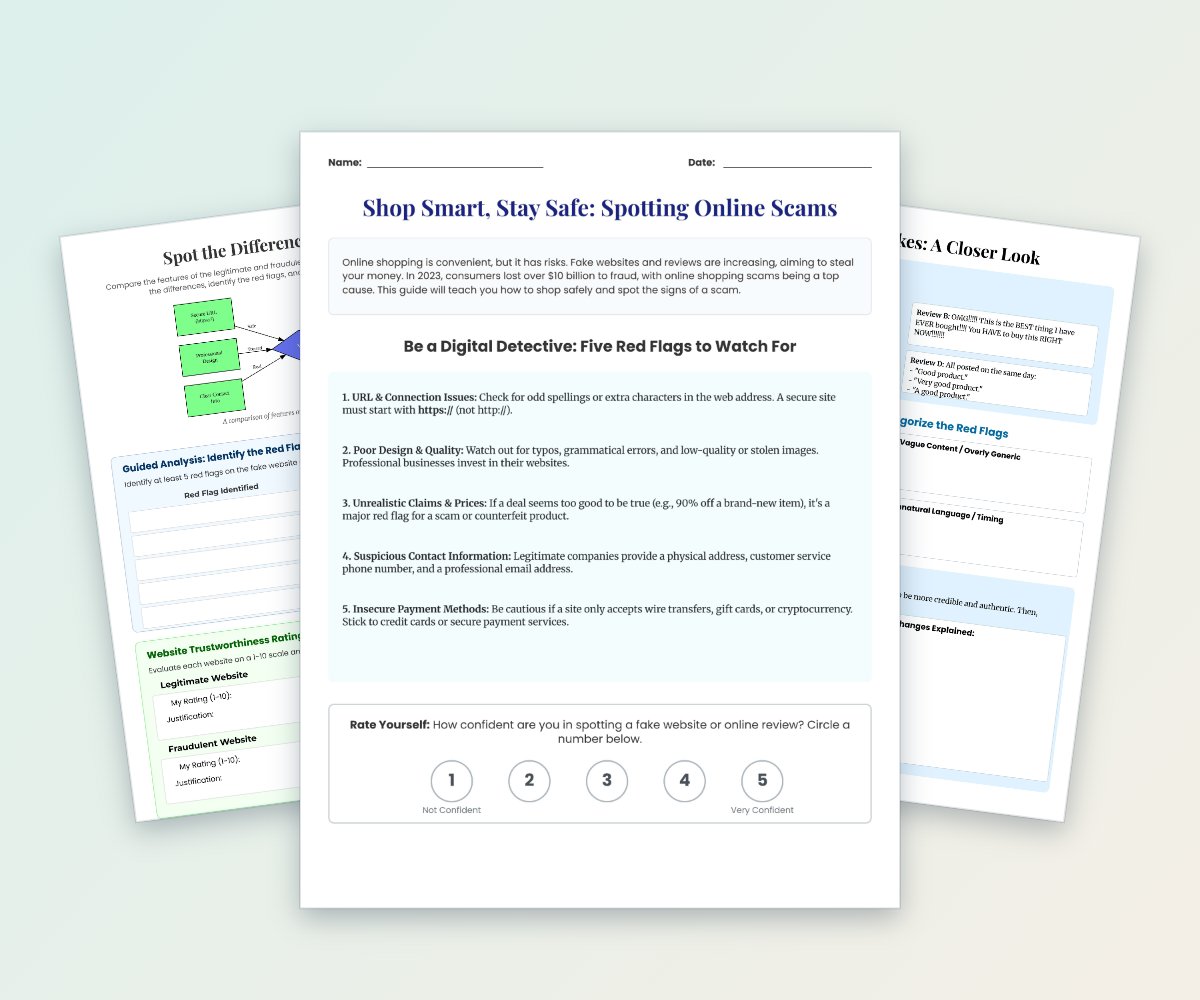
This four-page guide helps students identify online shopping scams by examining website security, design, pricing, contact information, payment methods, and suspicious reviews.
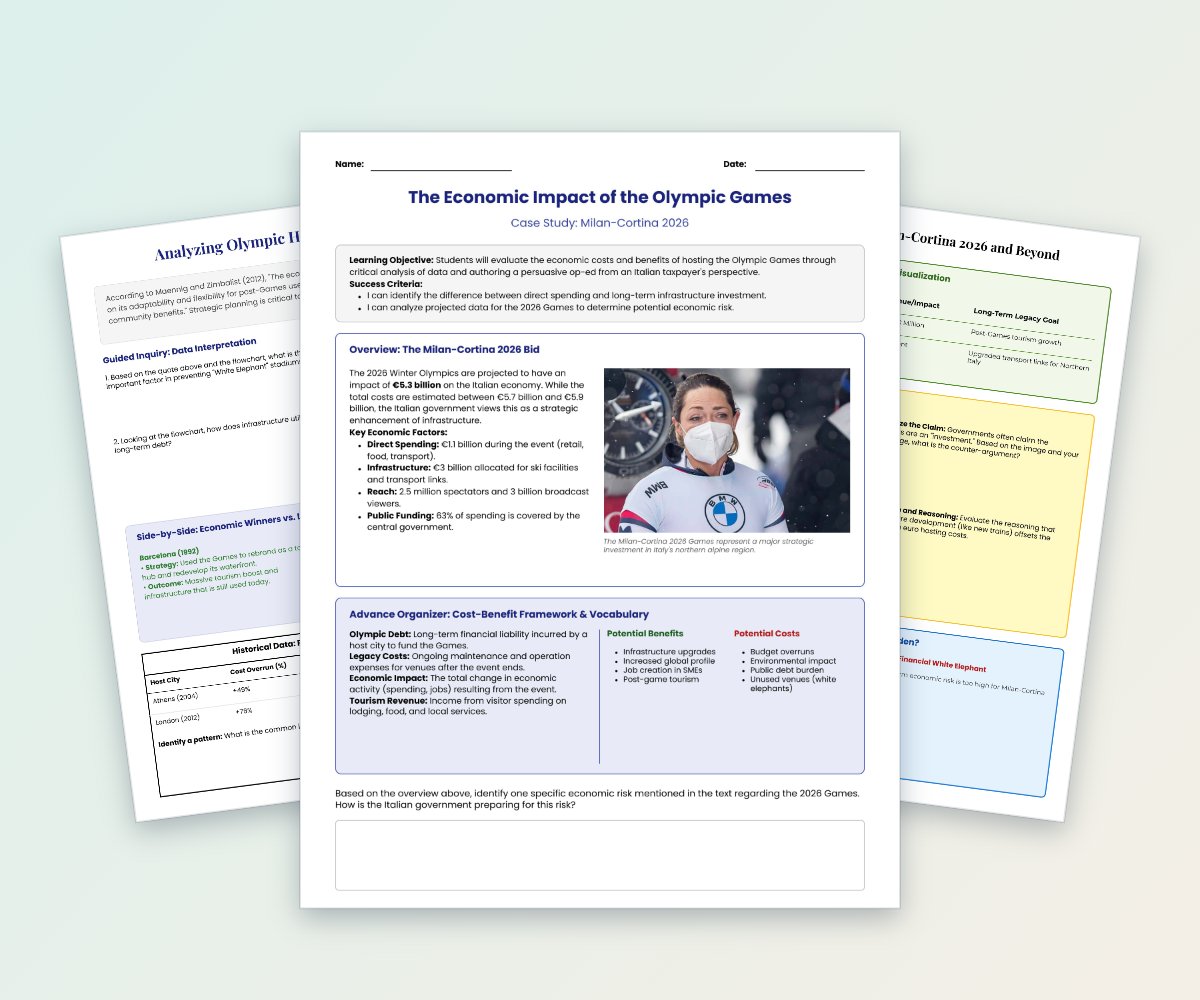
Students examine the projected costs, benefits, risks, and long-term infrastructure effects of hosting the Milan-Cortina 2026 Winter Olympics.
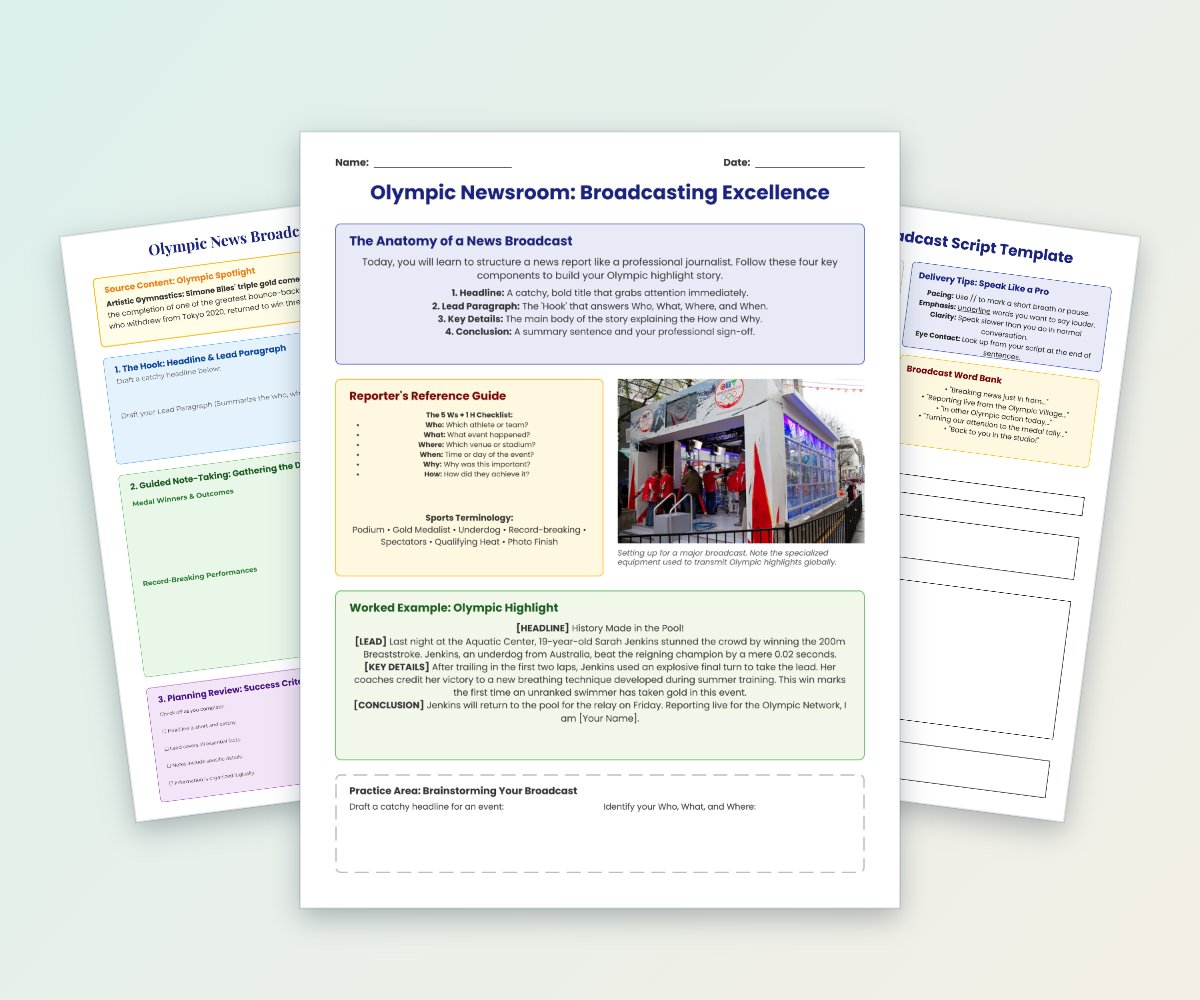
This four-page guide teaches students to structure an Olympic news broadcast using headlines, leads, key details, conclusions, and the 5 Ws plus 1 H.
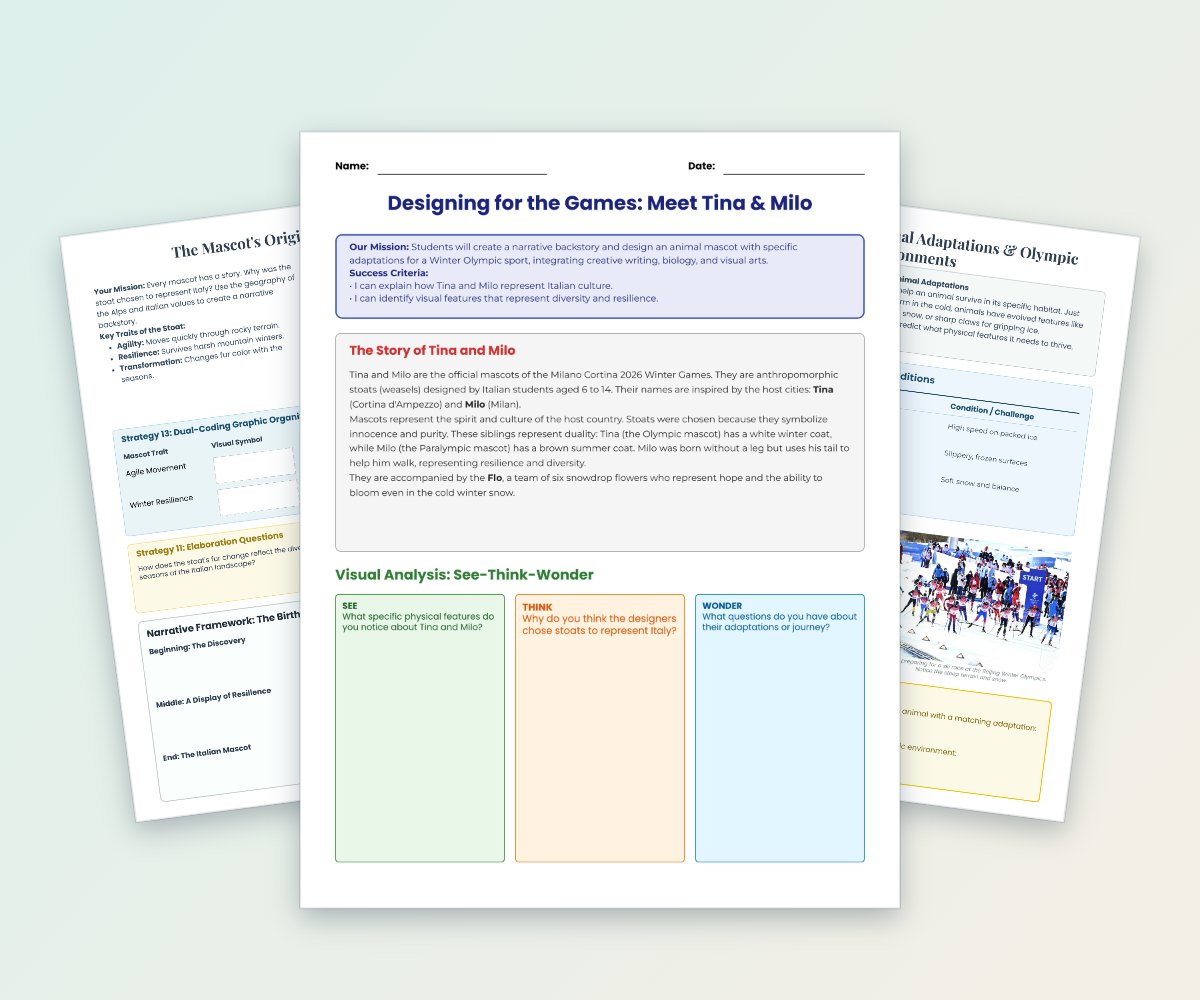
Students analyze the Milano Cortina 2026 mascots, explore stoat adaptations and Italian geography, and design an original Olympic winter-sport mascot.
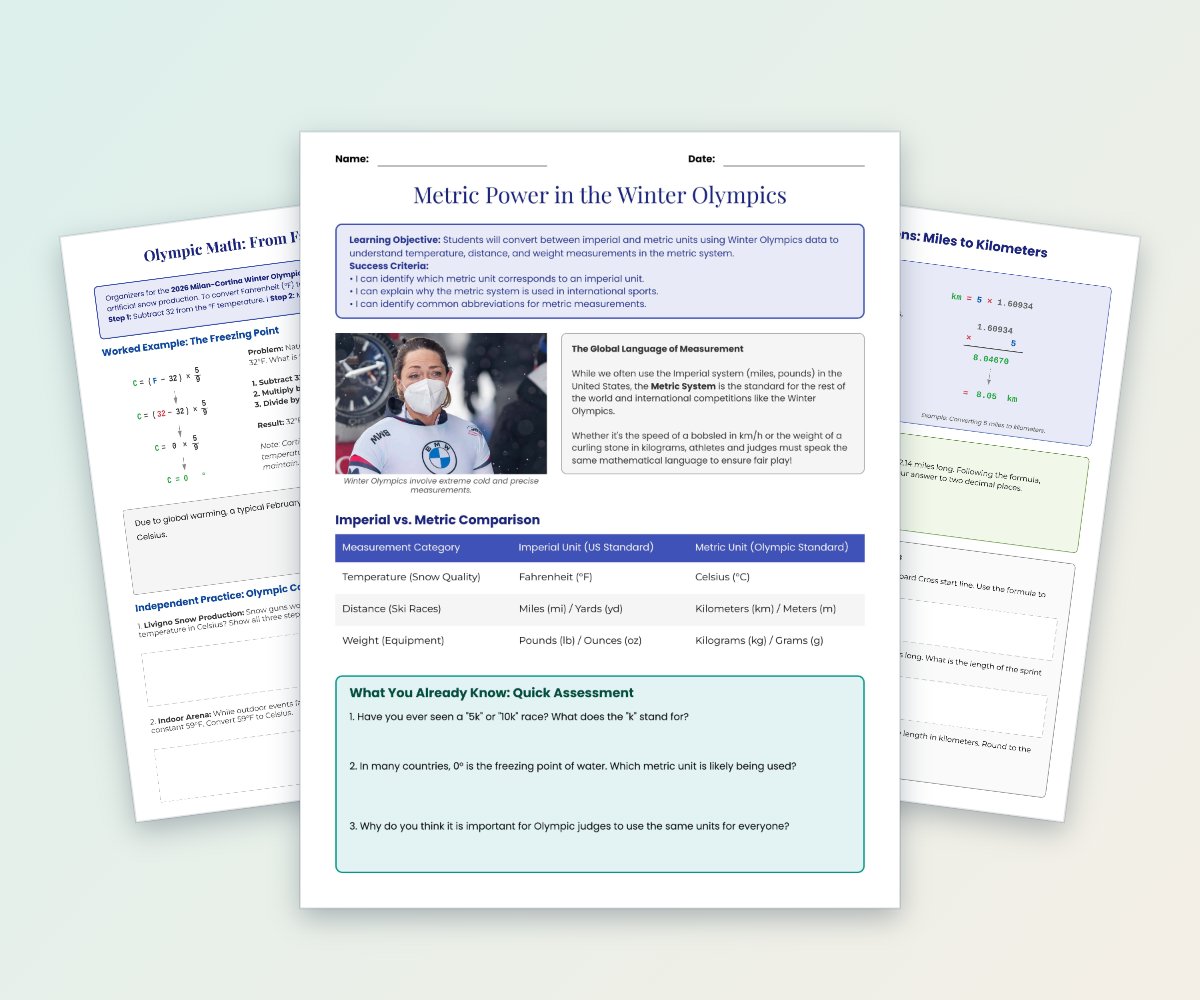
This four-page worksheet introduces metric and imperial measurement units using Winter Olympics contexts.
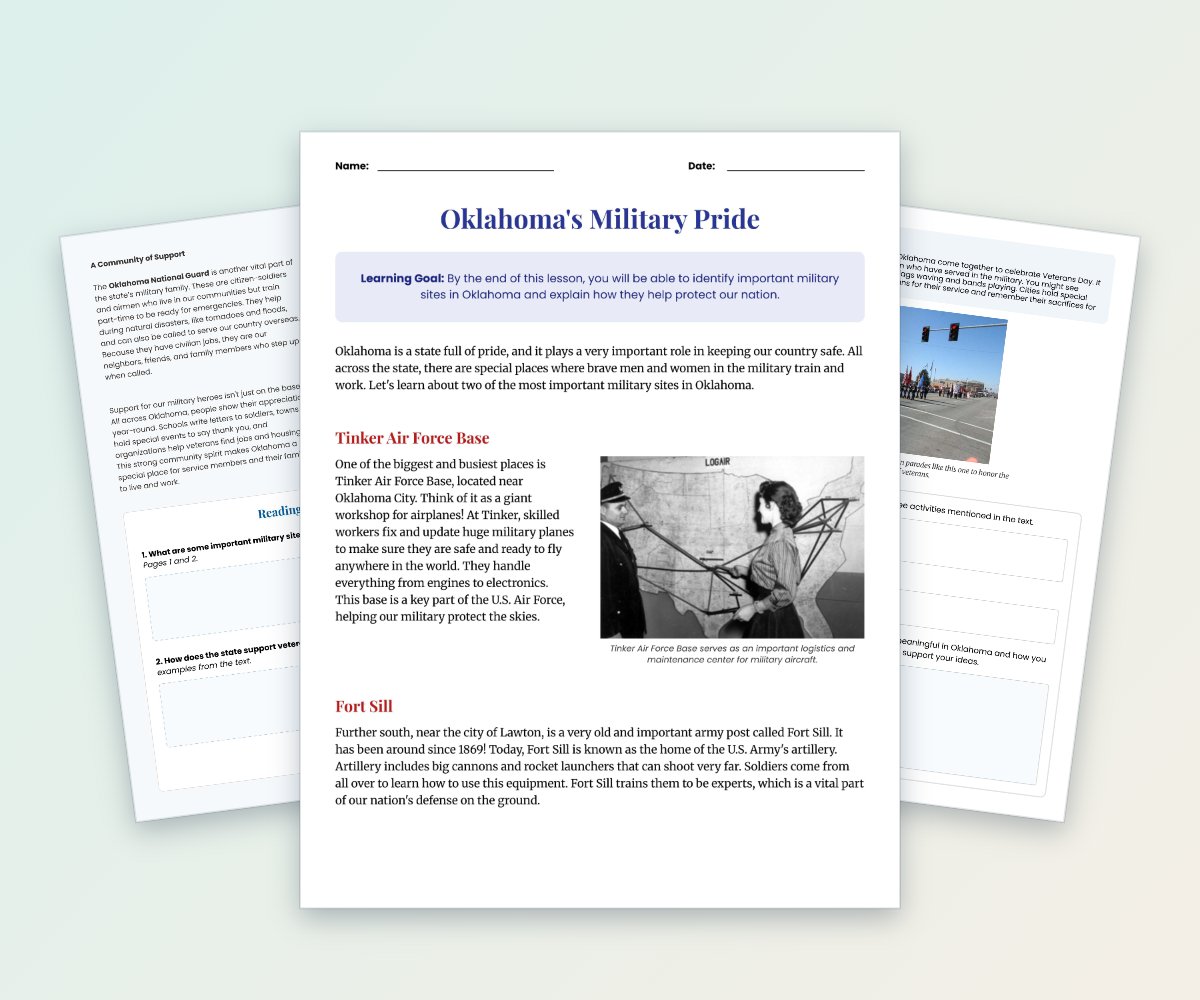
Students learn about Tinker Air Force Base, Fort Sill, the Oklahoma National Guard, and community support for military families.
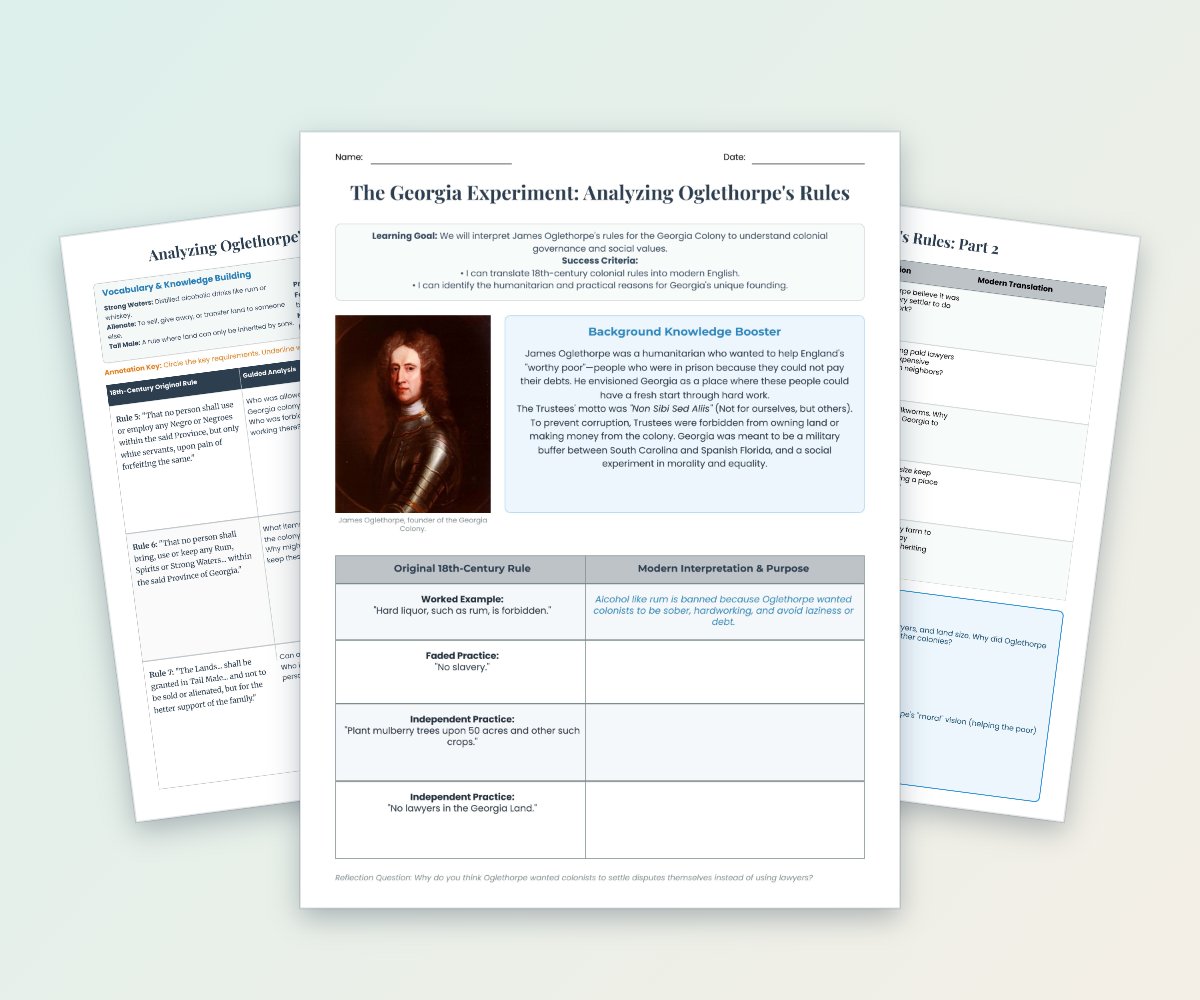
Students examine James Oglethorpe's rules for the Georgia Colony, translate historical language, and analyze the humanitarian, practical, and social purposes behind the rules.
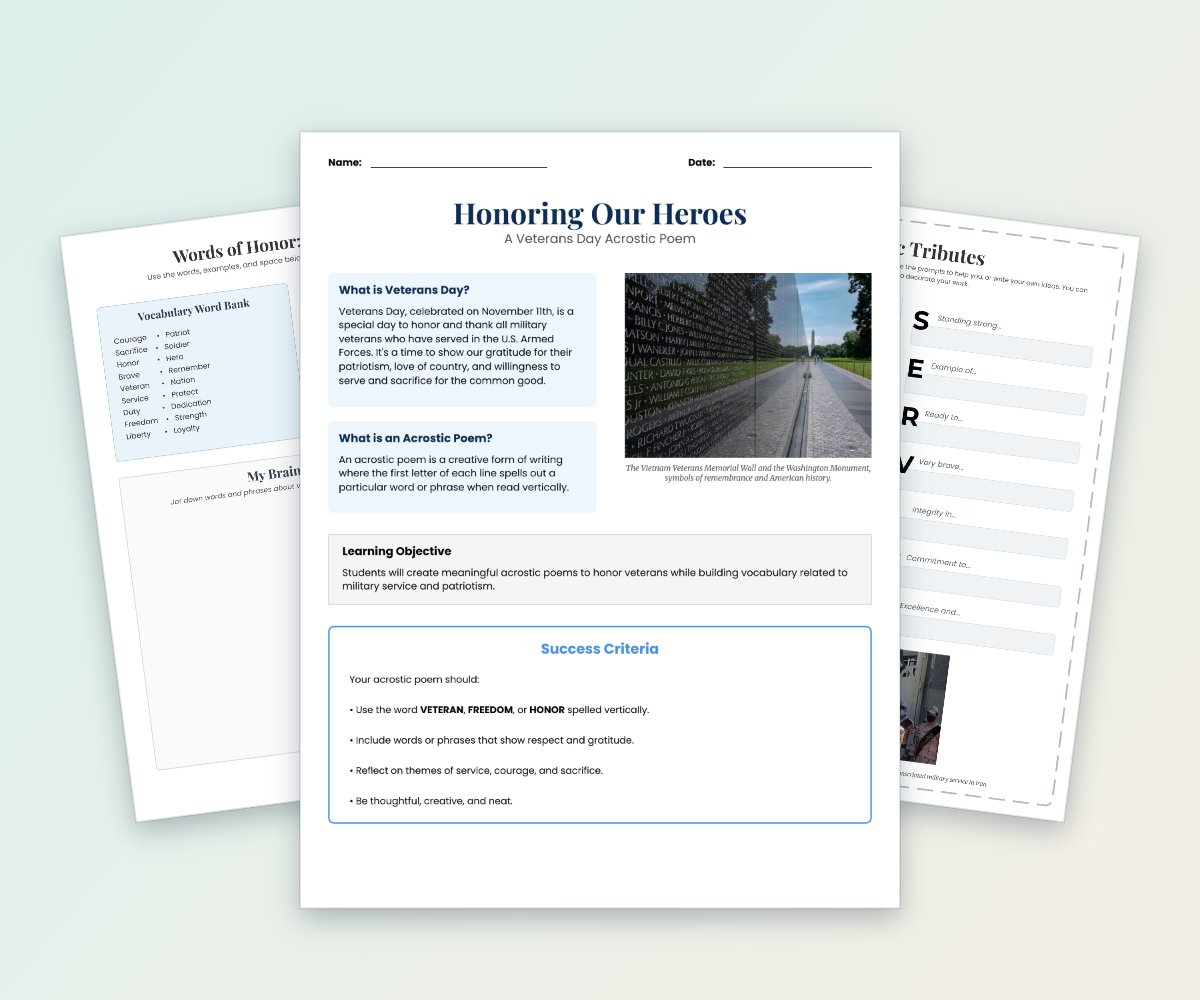
Students learn about Veterans Day and the structure of acrostic poems through vocabulary, examples, brainstorming, and guided writing prompts.
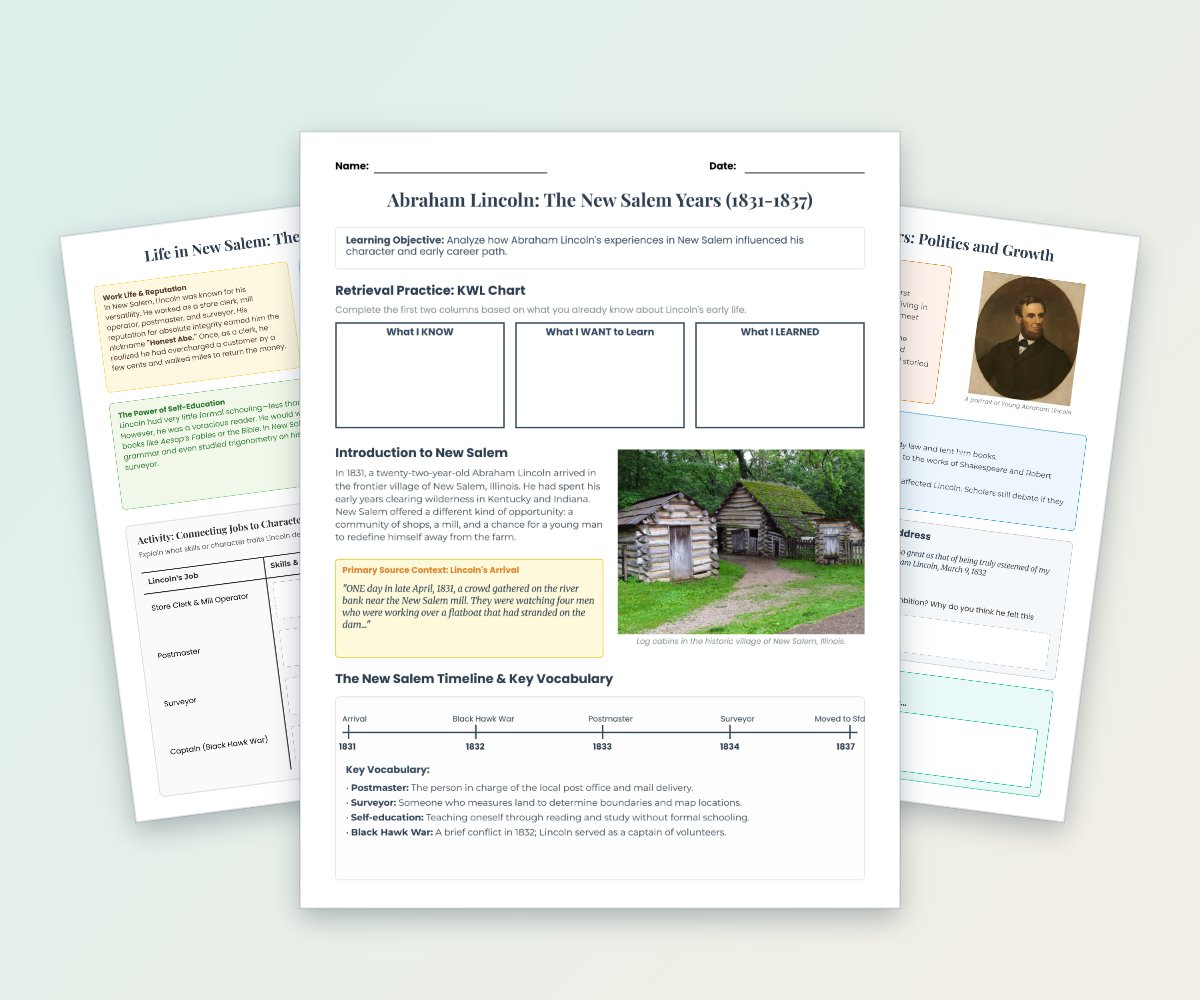
Explore Abraham Lincoln’s experiences in New Salem from 1831–1837 through historical context, a timeline, vocabulary, and primary-source analysis.
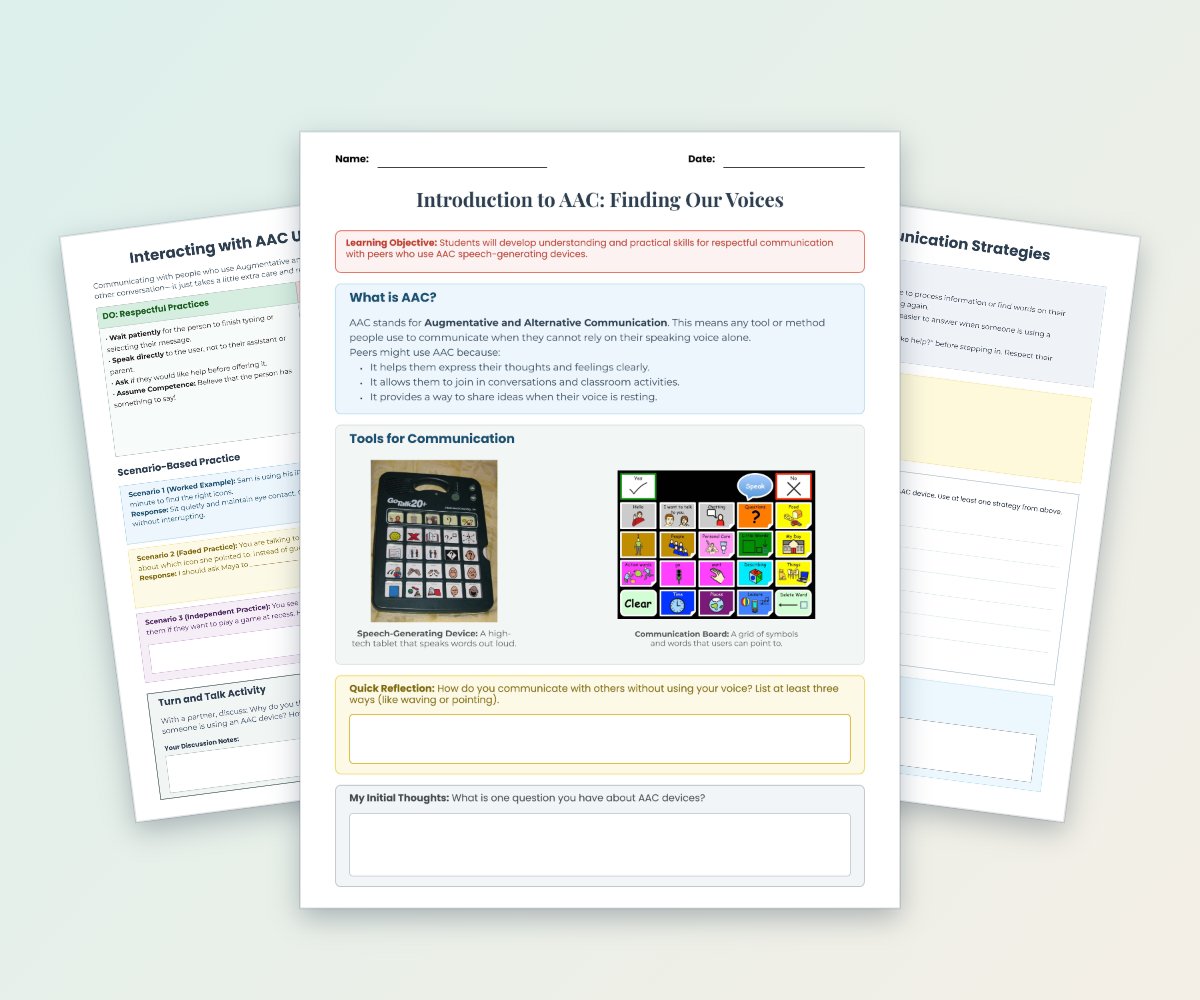
Introduce students to augmentative and alternative communication tools, including communication boards and speech-generating devices.
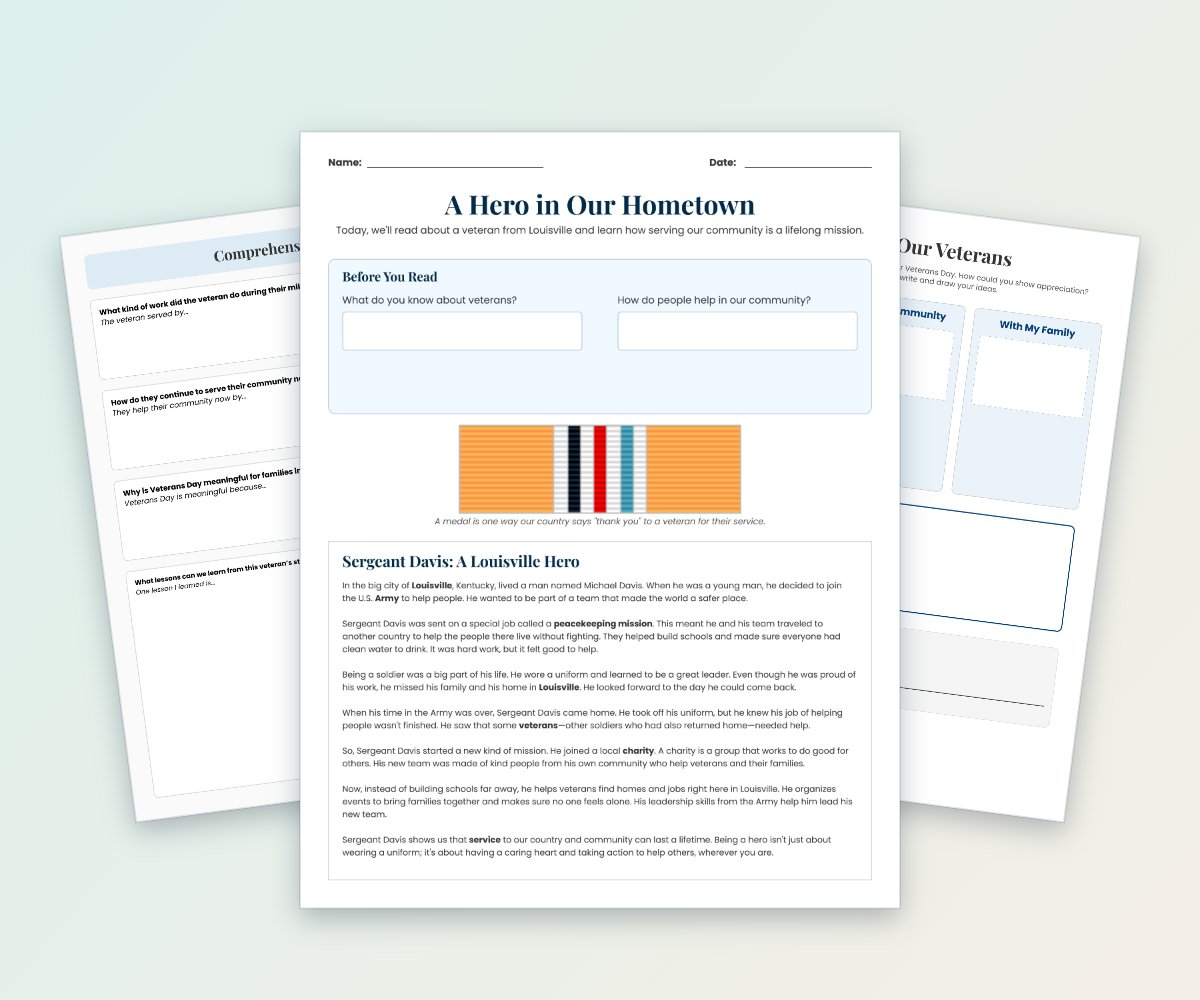
Students read about Sergeant Davis, a Louisville veteran who continues helping veterans and families after military service.
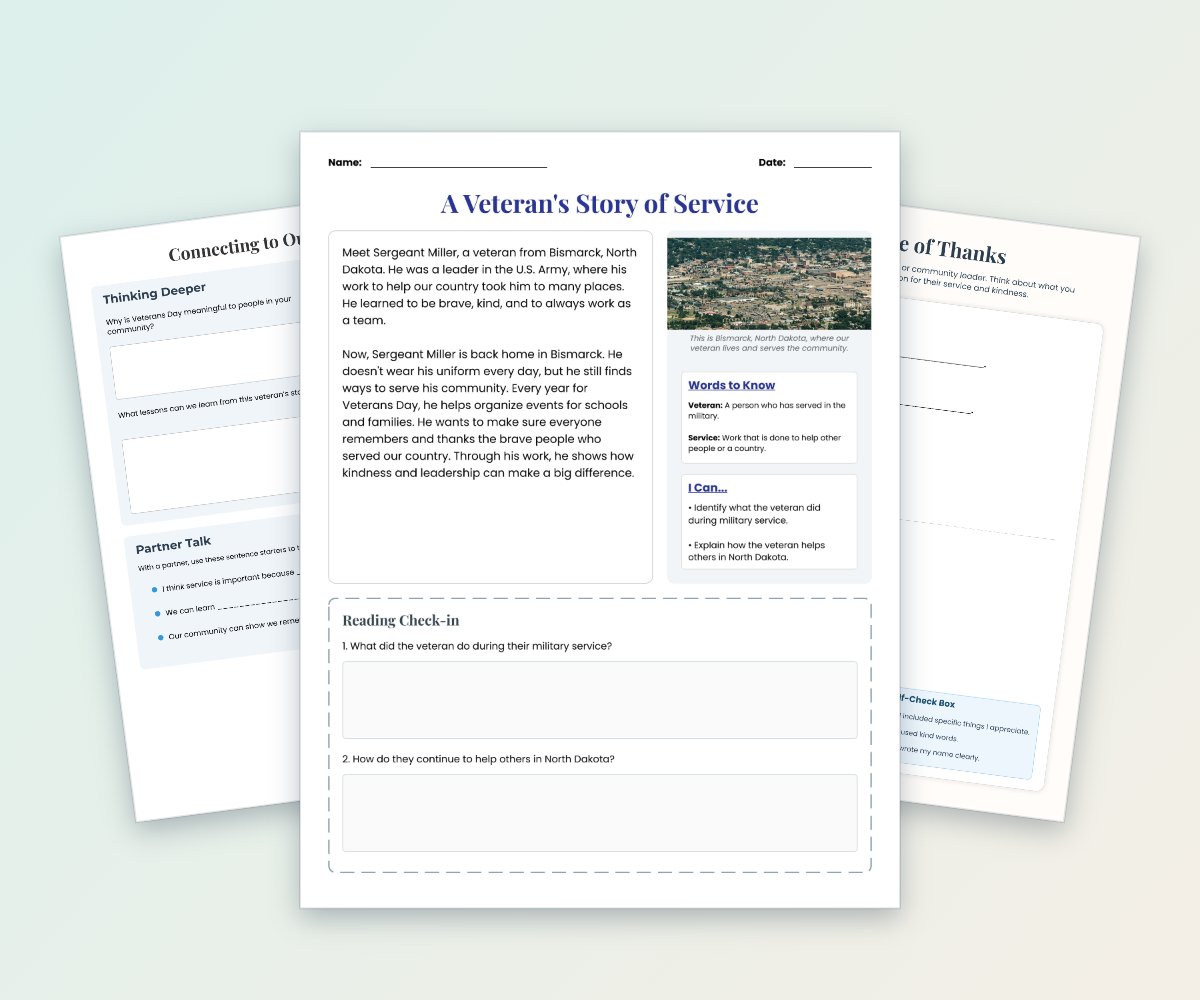
Students read about Sergeant Miller, a North Dakota veteran, and complete reading questions, vocabulary work, partner discussion, and text-marking activities.
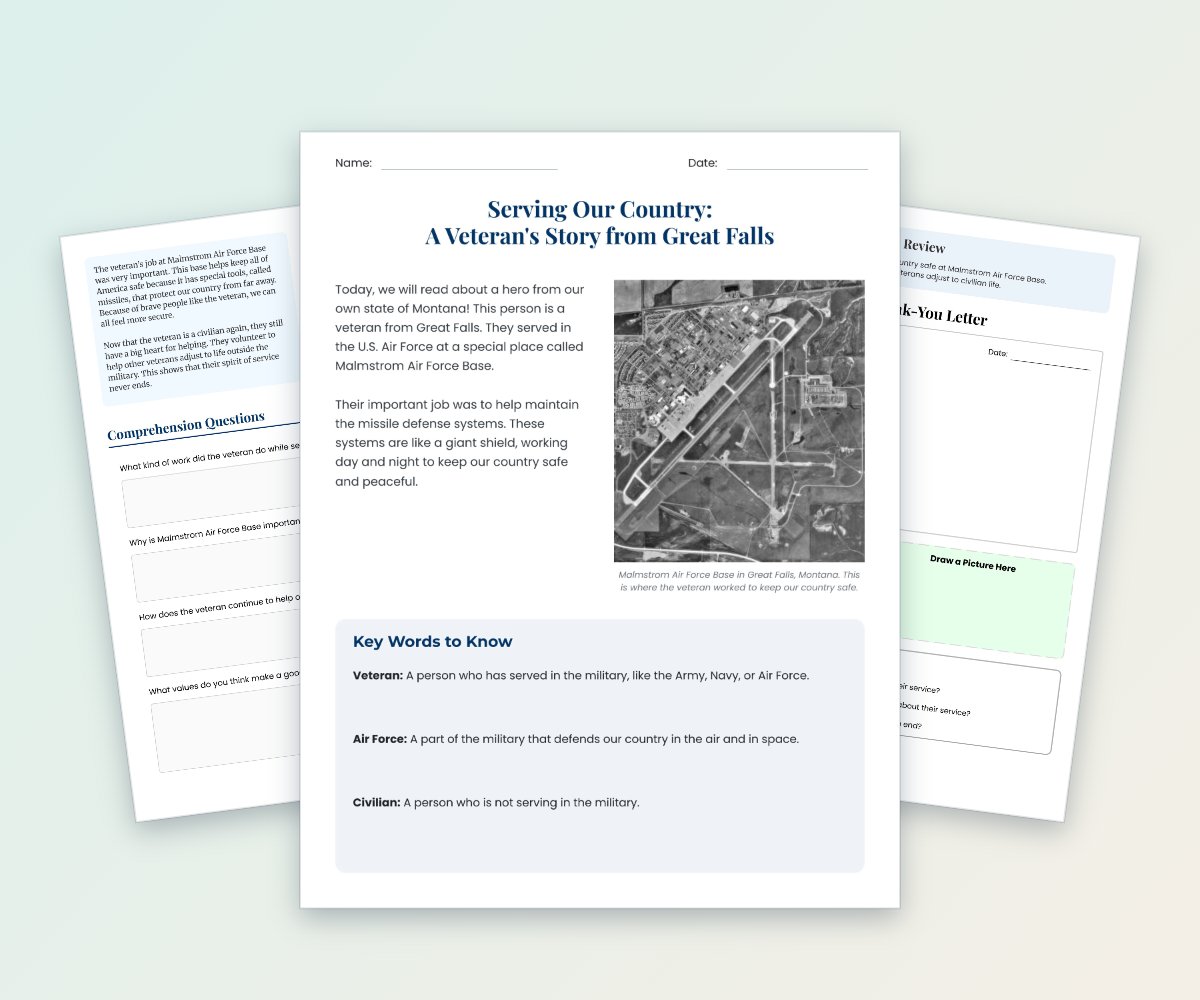
Students read about a Great Falls, Montana, veteran who served at Malmstrom Air Force Base and later volunteered to support veterans.
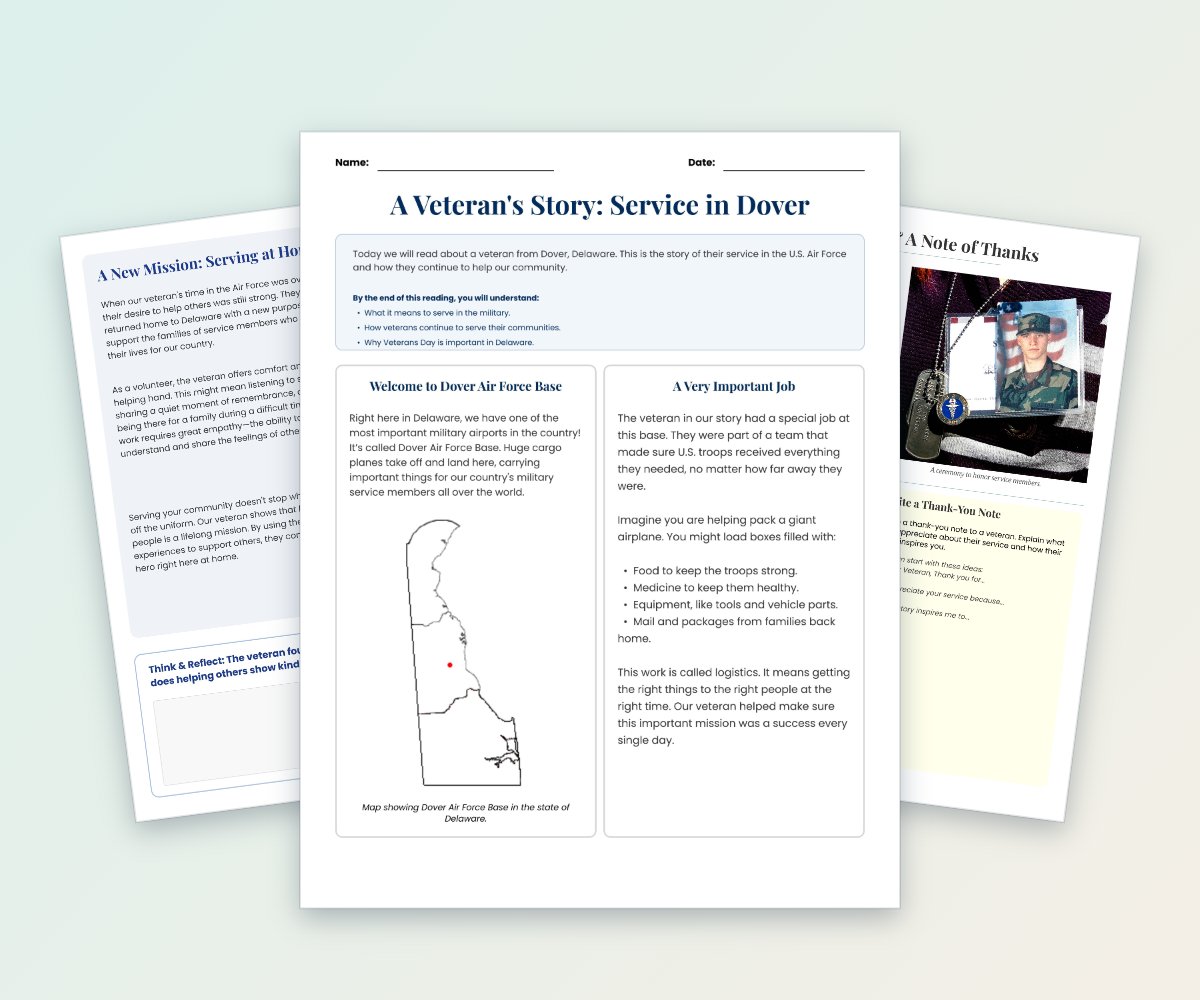
Students read about a Delaware veteran's service at Dover Air Force Base and continued community support after military service.
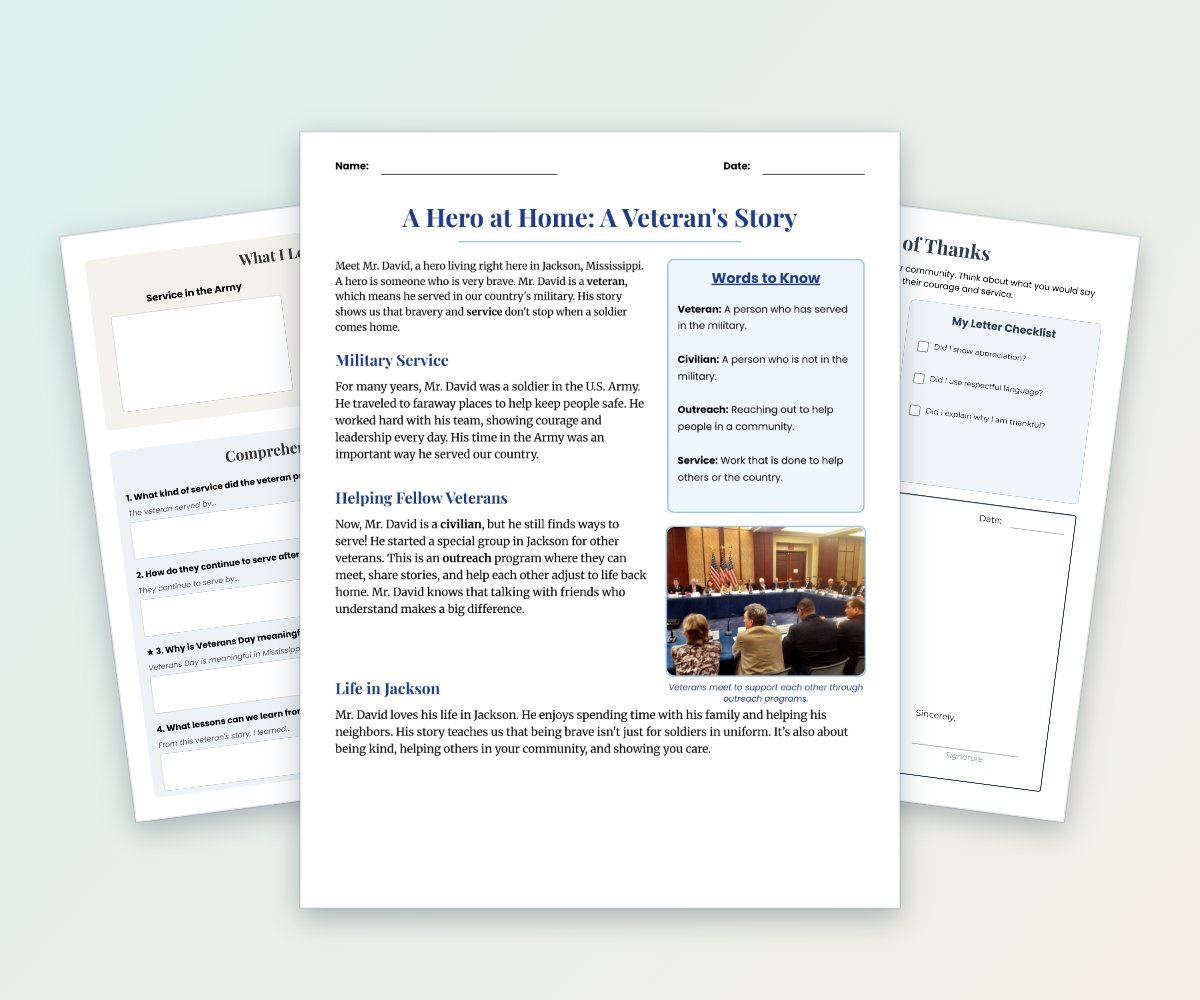
Students read about a Mississippi veteran’s military service, outreach work, and continued community involvement.
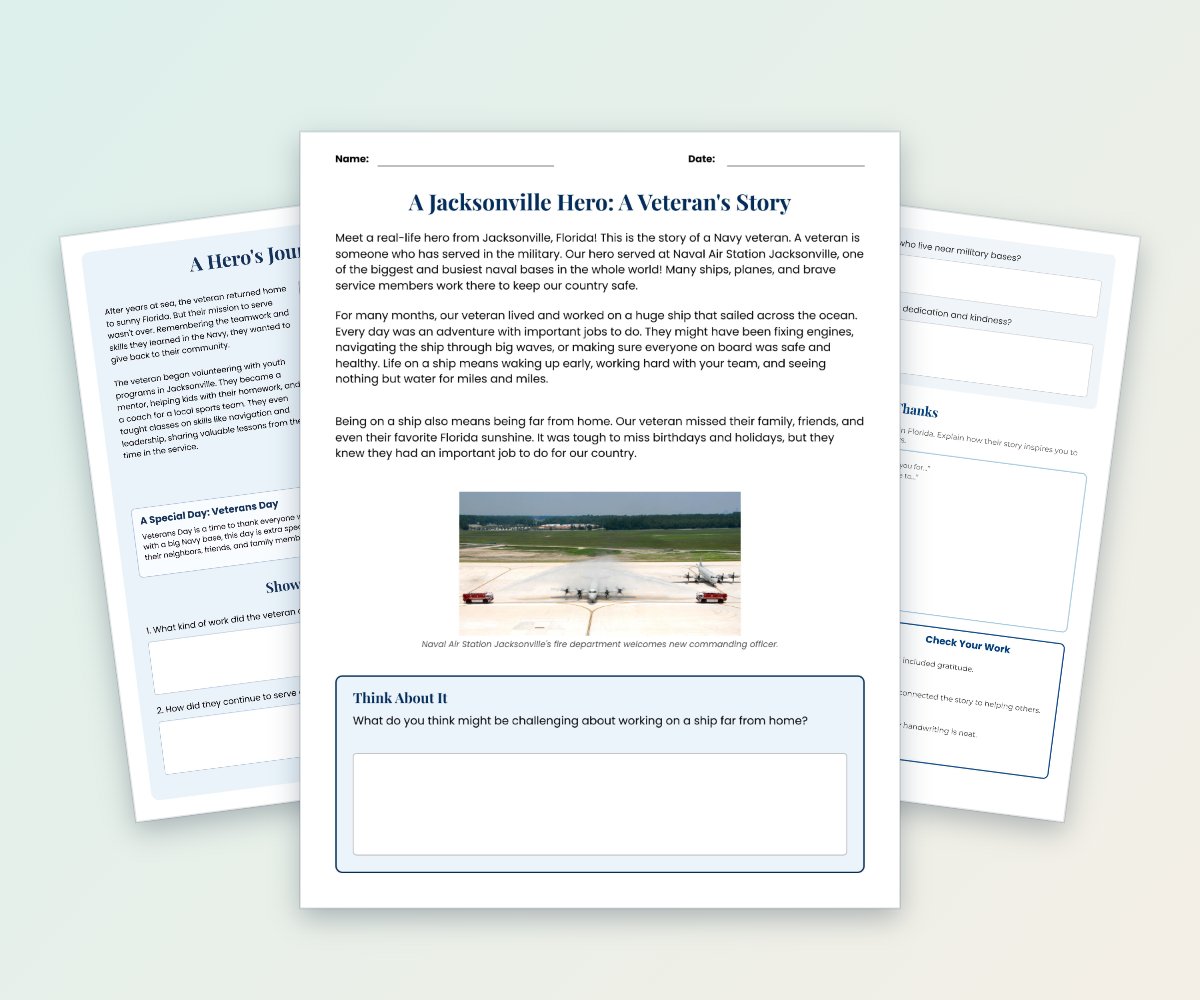
Students read an age-appropriate narrative about a Jacksonville Navy veteran’s service, return home, and community involvement.
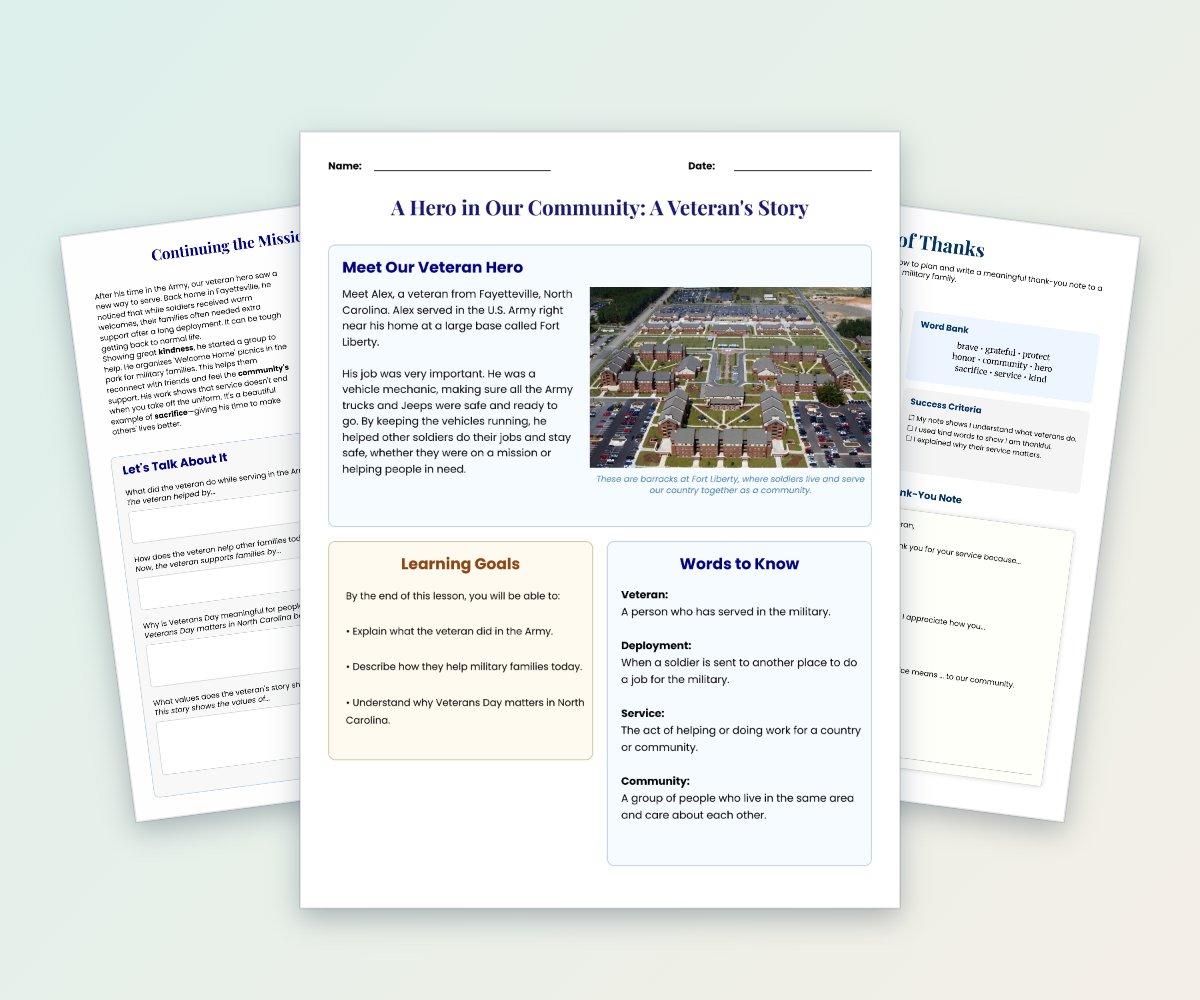
Students learn about a North Carolina veteran's military service, community contributions, and support for military families.
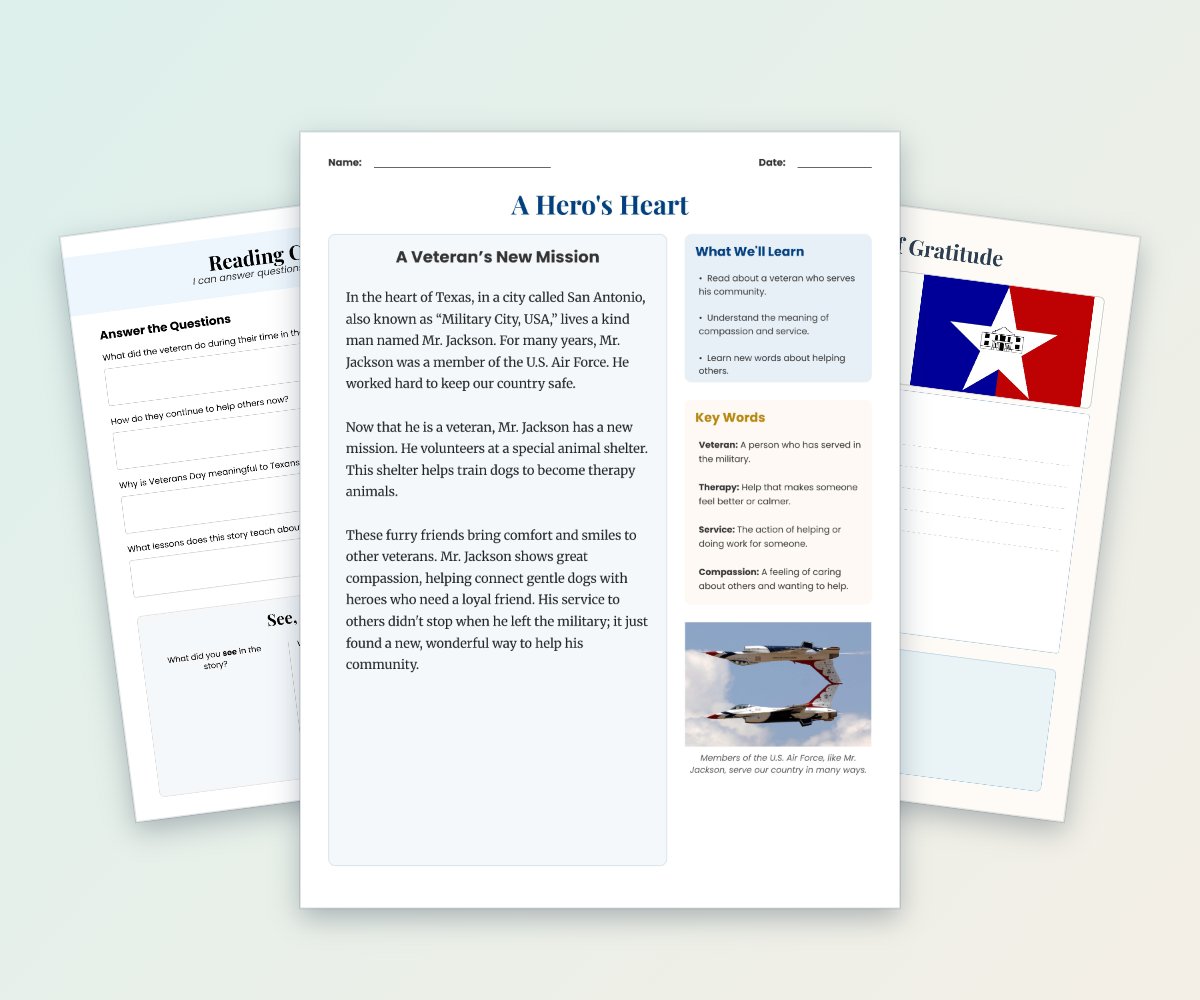
Students read about a veteran who volunteers with therapy dogs and answer comprehension questions about service, kindness, and resilience.
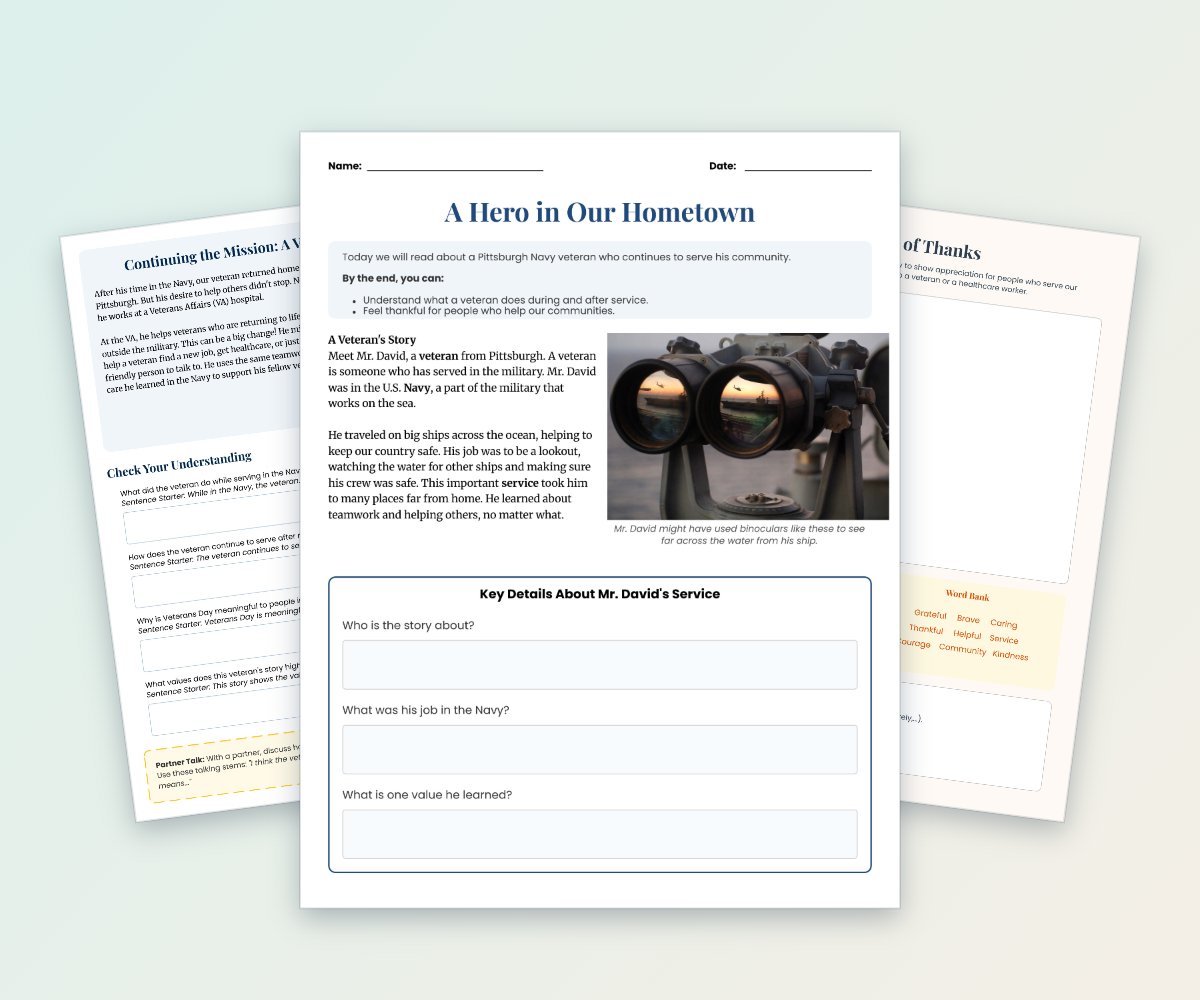
Students read about a Pittsburgh Navy veteran, answer comprehension questions, discuss community service, and write a letter of thanks.
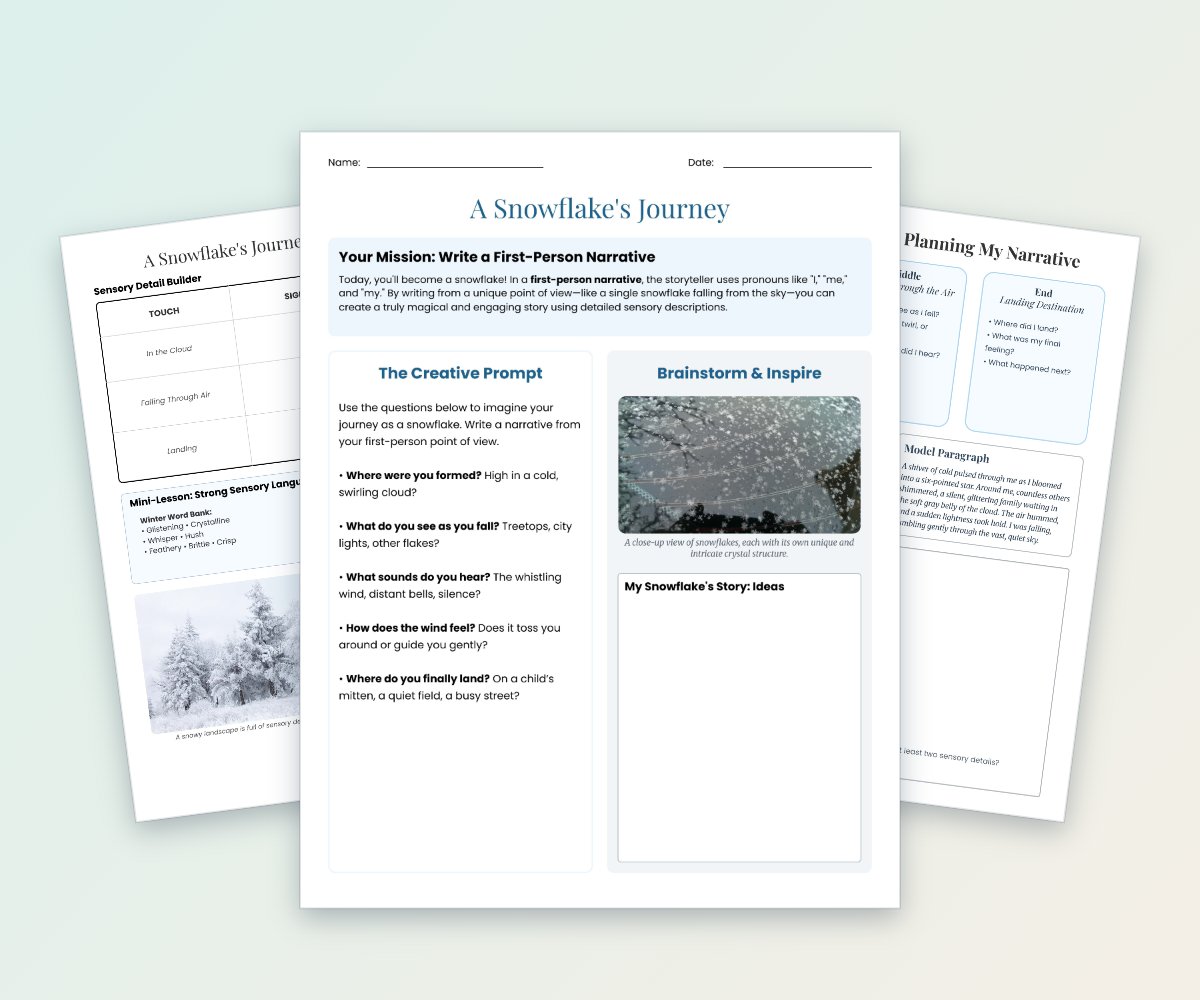
Students write a first-person narrative from the perspective of a snowflake.
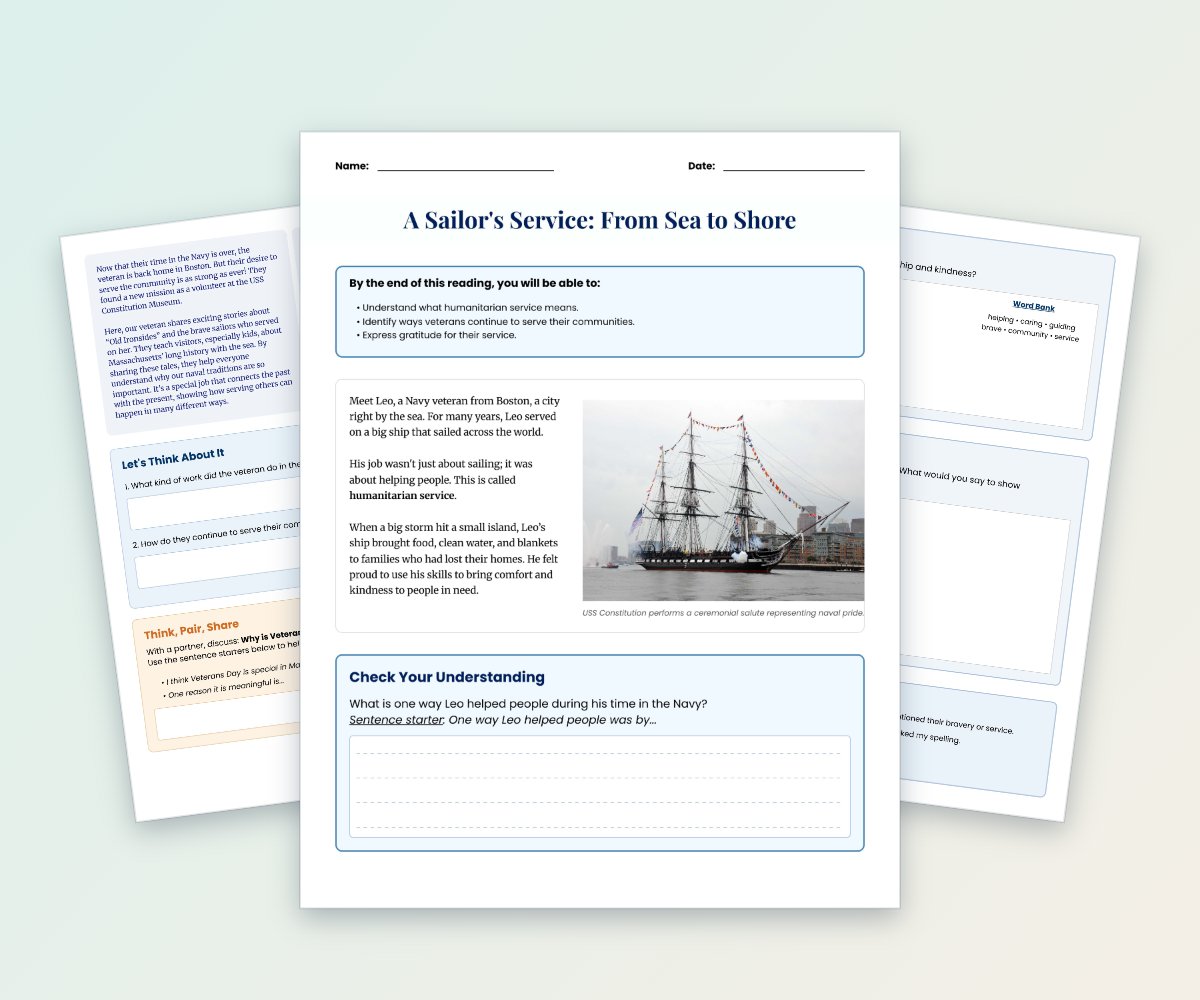
Students read about a Navy veteran's humanitarian service at sea and continued community service at the USS Constitution Museum.
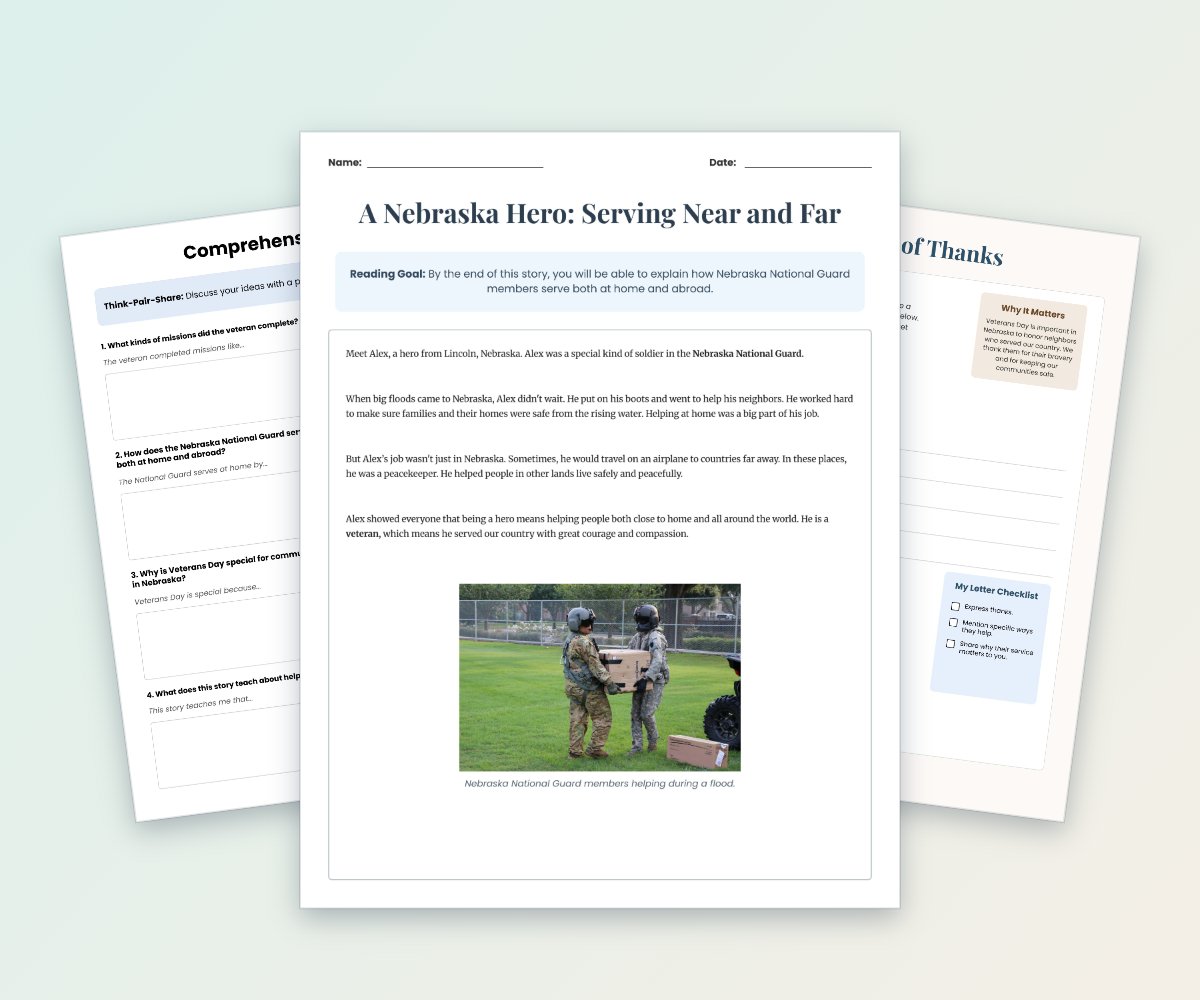
Students read about a Nebraska National Guard member serving during floods and abroad, then answer comprehension questions.
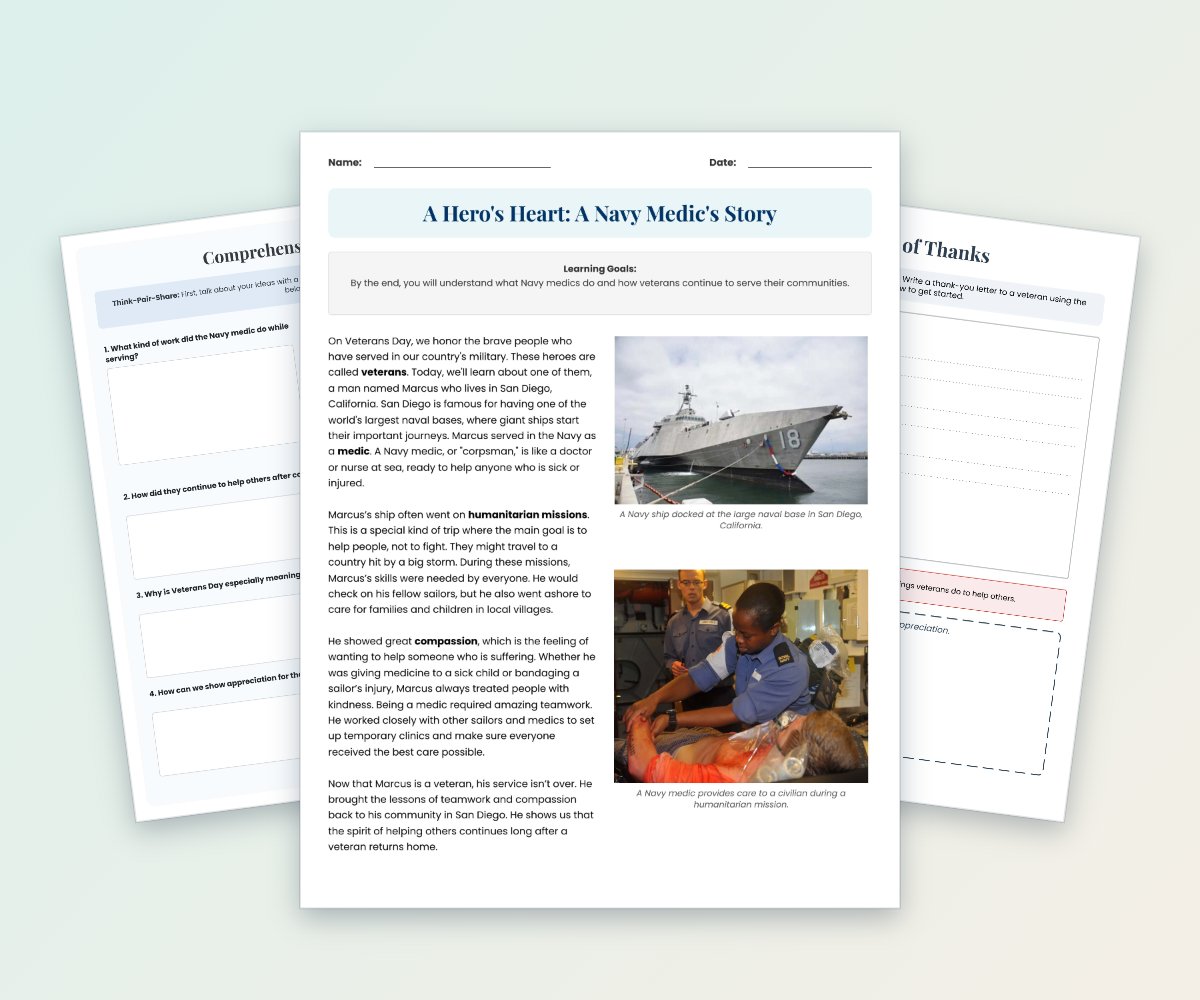
Students read about a Navy medic’s humanitarian service, teamwork, compassion, and continued community service as a veteran.
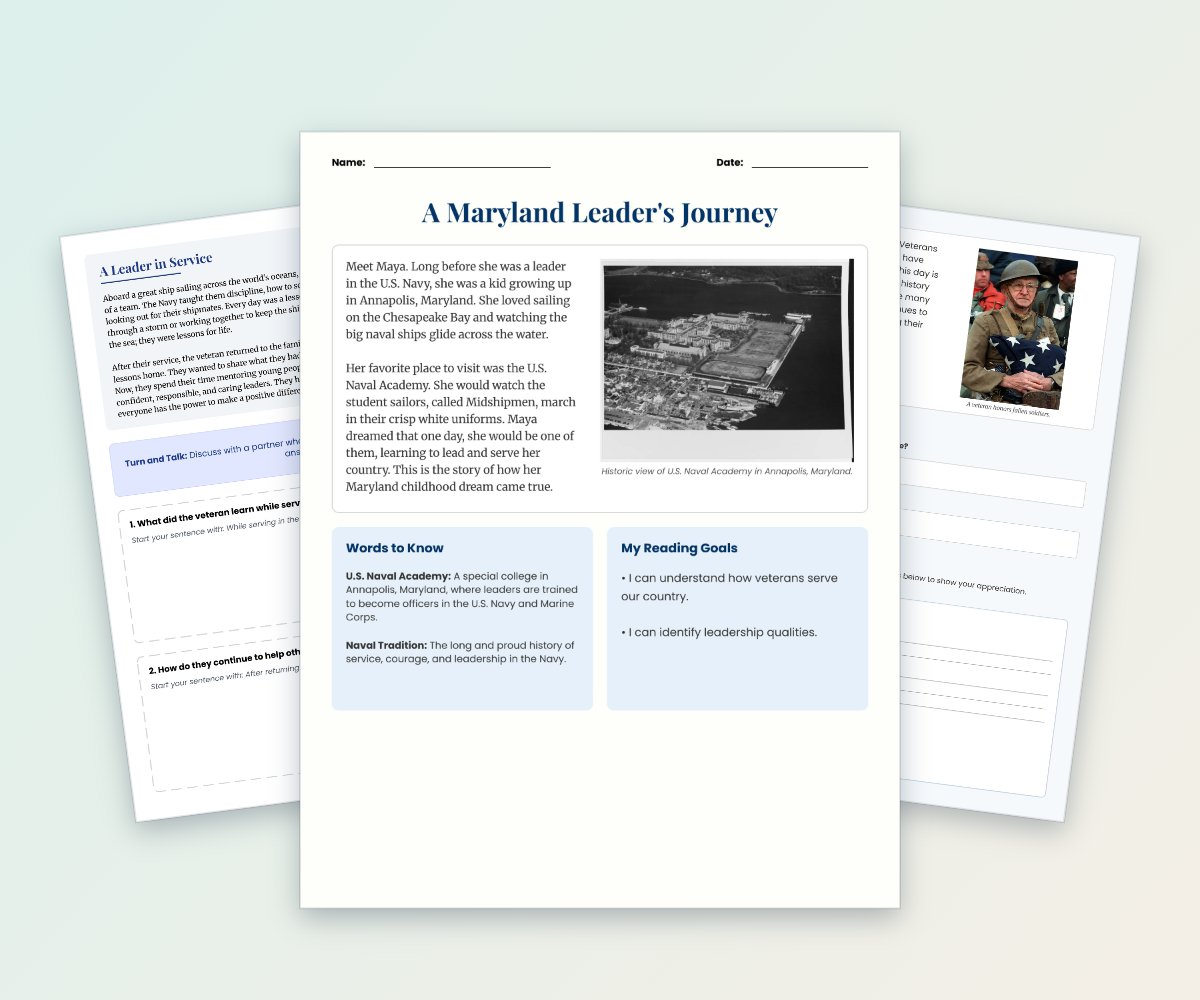
Students read about a Maryland veteran's Navy service, leadership qualities, and community mentoring.
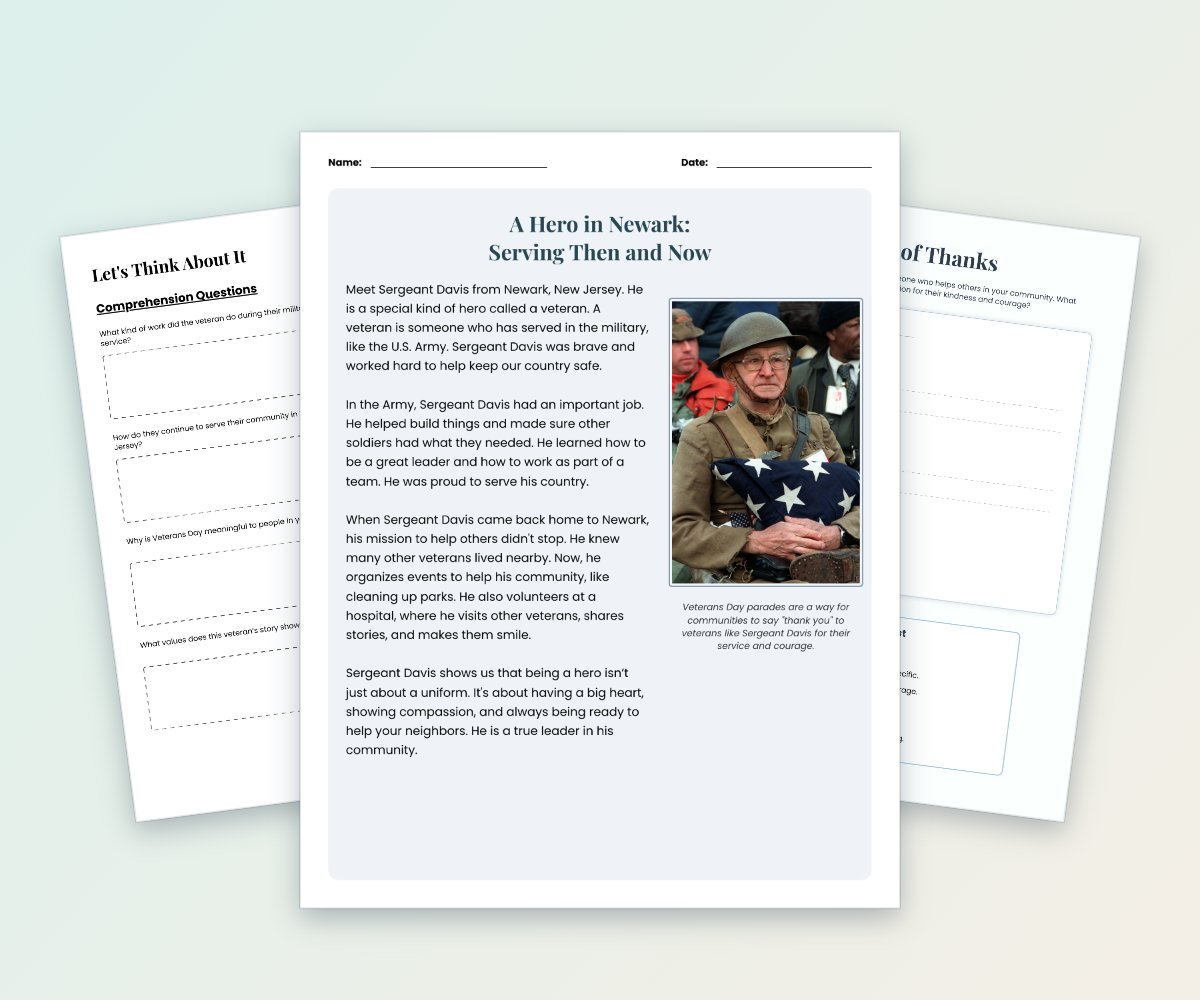
Students read about a Newark veteran’s military service and ongoing community involvement, then answer comprehension questions and explore related vocabulary.