Folktale Forensics: Irish Myth vs. AI Close Reading Activity
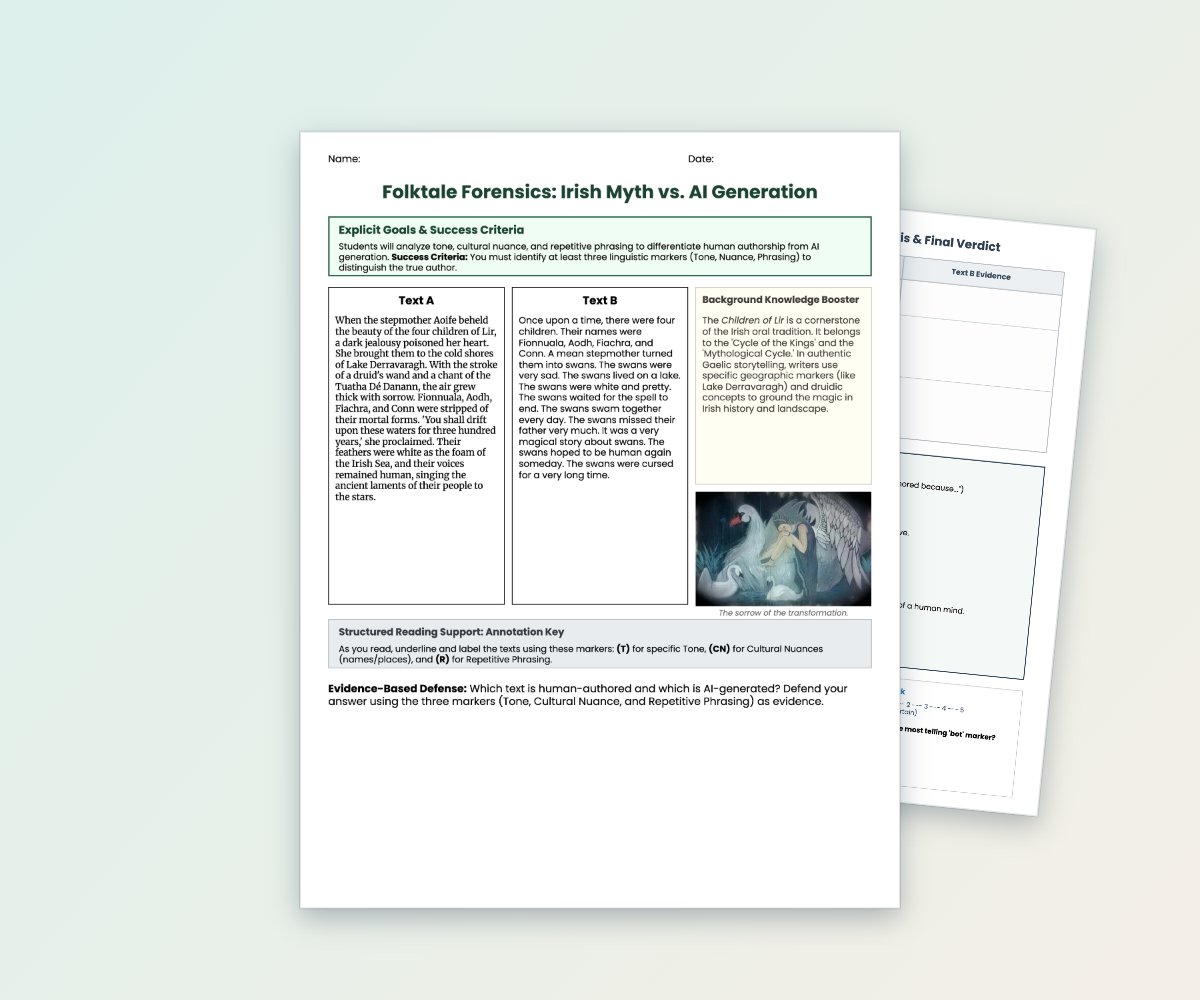
Students compare two versions of the Children of Lir folktale to evaluate tone, cultural nuance, and repetitive phrasing.
$3
Classroom-ready resources written for grade 8: printable worksheets, slides, activities and planning tools you can download and use straight away. Browse by subject below.
Students compare two versions of the Children of Lir folktale to evaluate tone, cultural nuance, and repetitive phrasing.
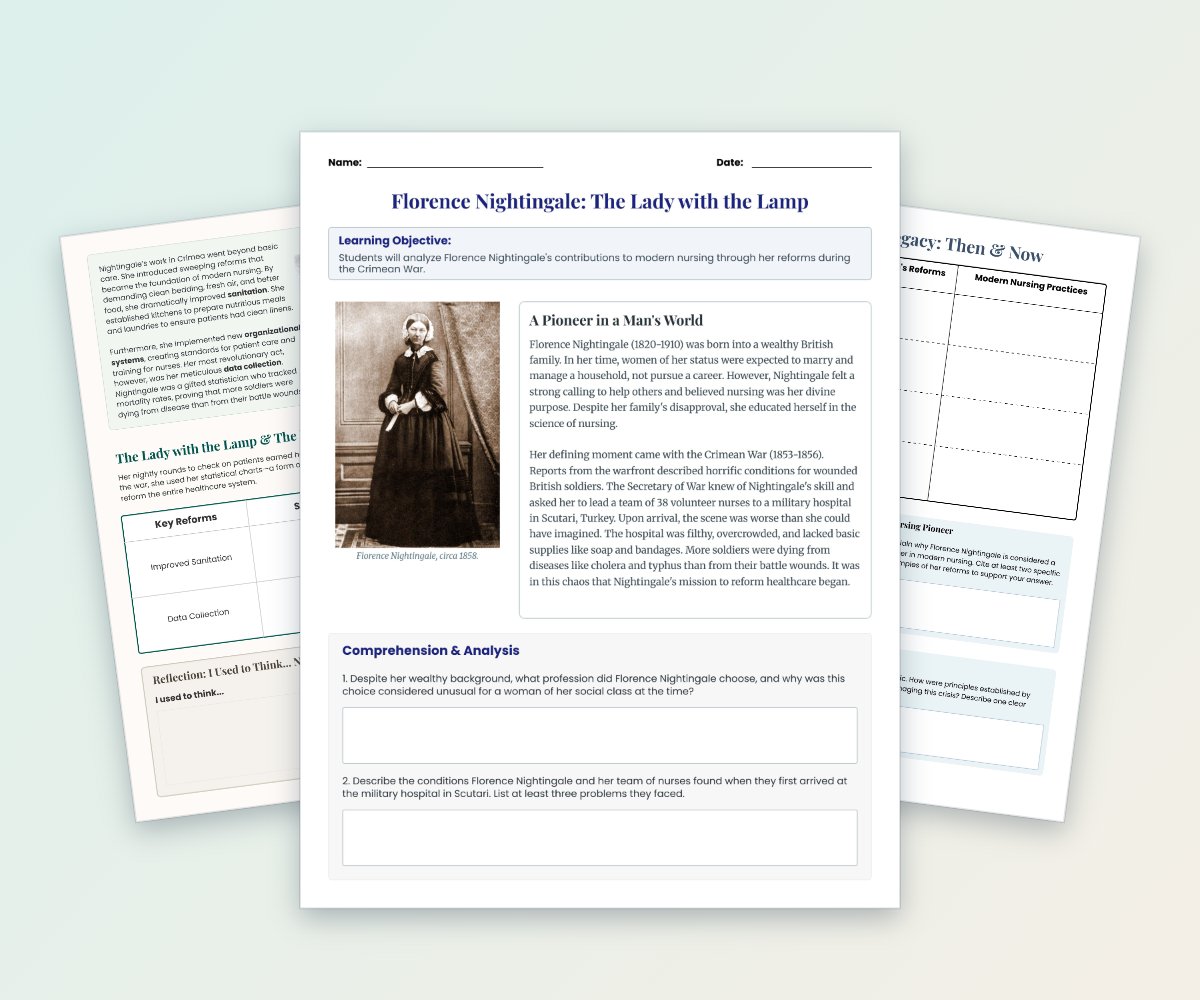
This three-page resource examines Florence Nightingale's role in reforming nursing during the Crimean War.
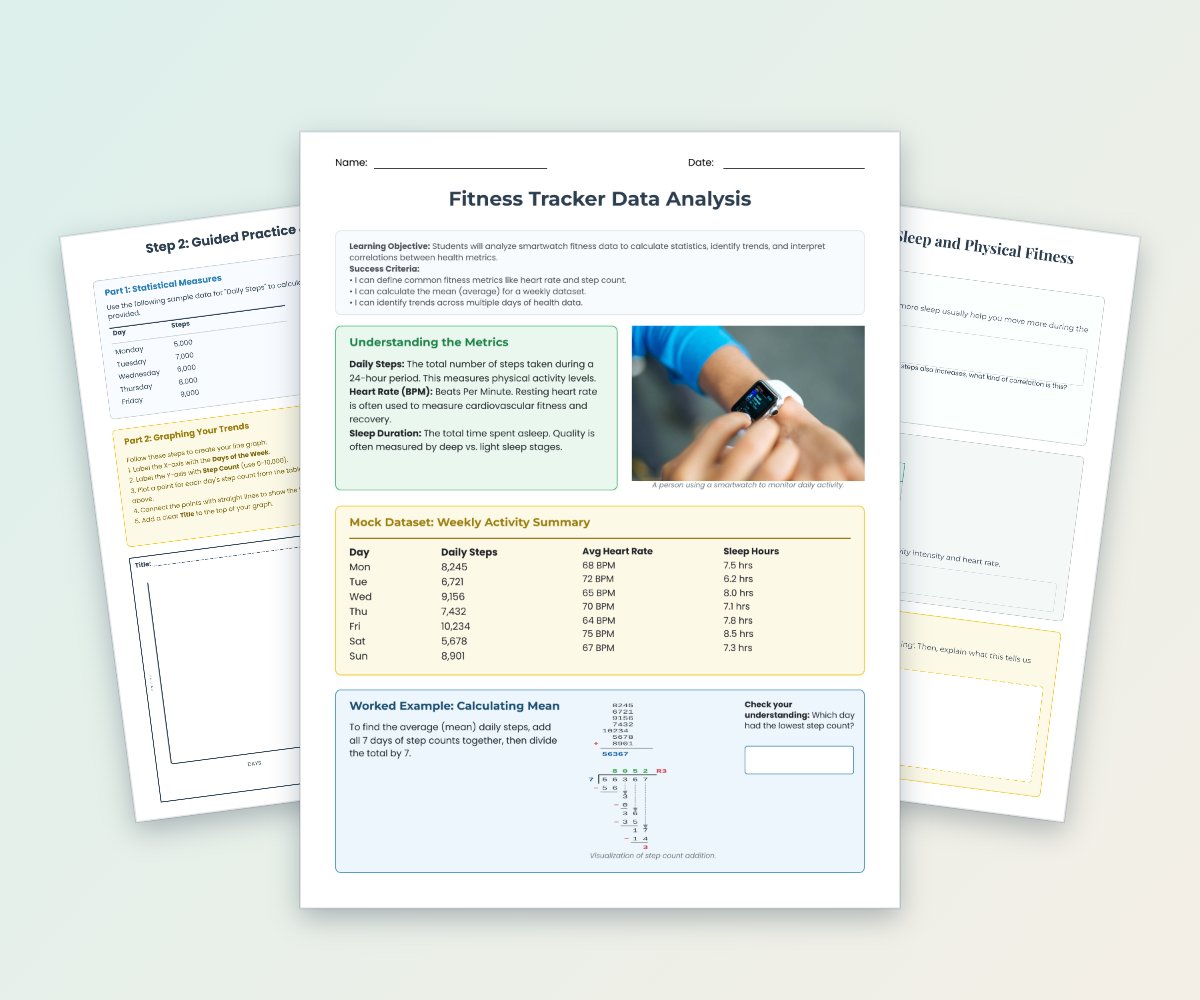
Students analyze mock smartwatch fitness data involving steps, heart rate, and sleep duration.
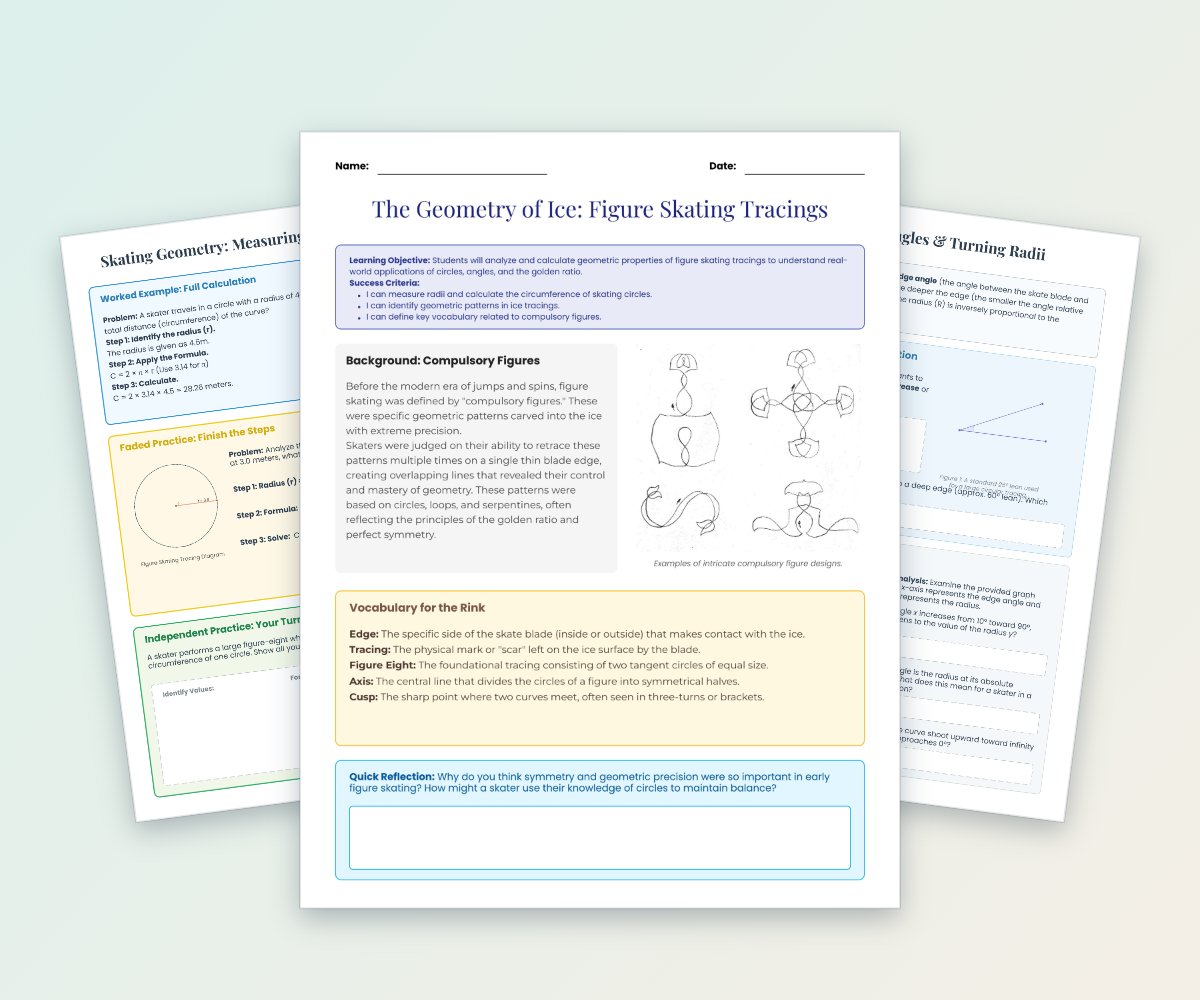
This four-page math worksheet connects figure skating tracings to geometric concepts including circles, circumference, angles, symmetry, and the golden ratio.
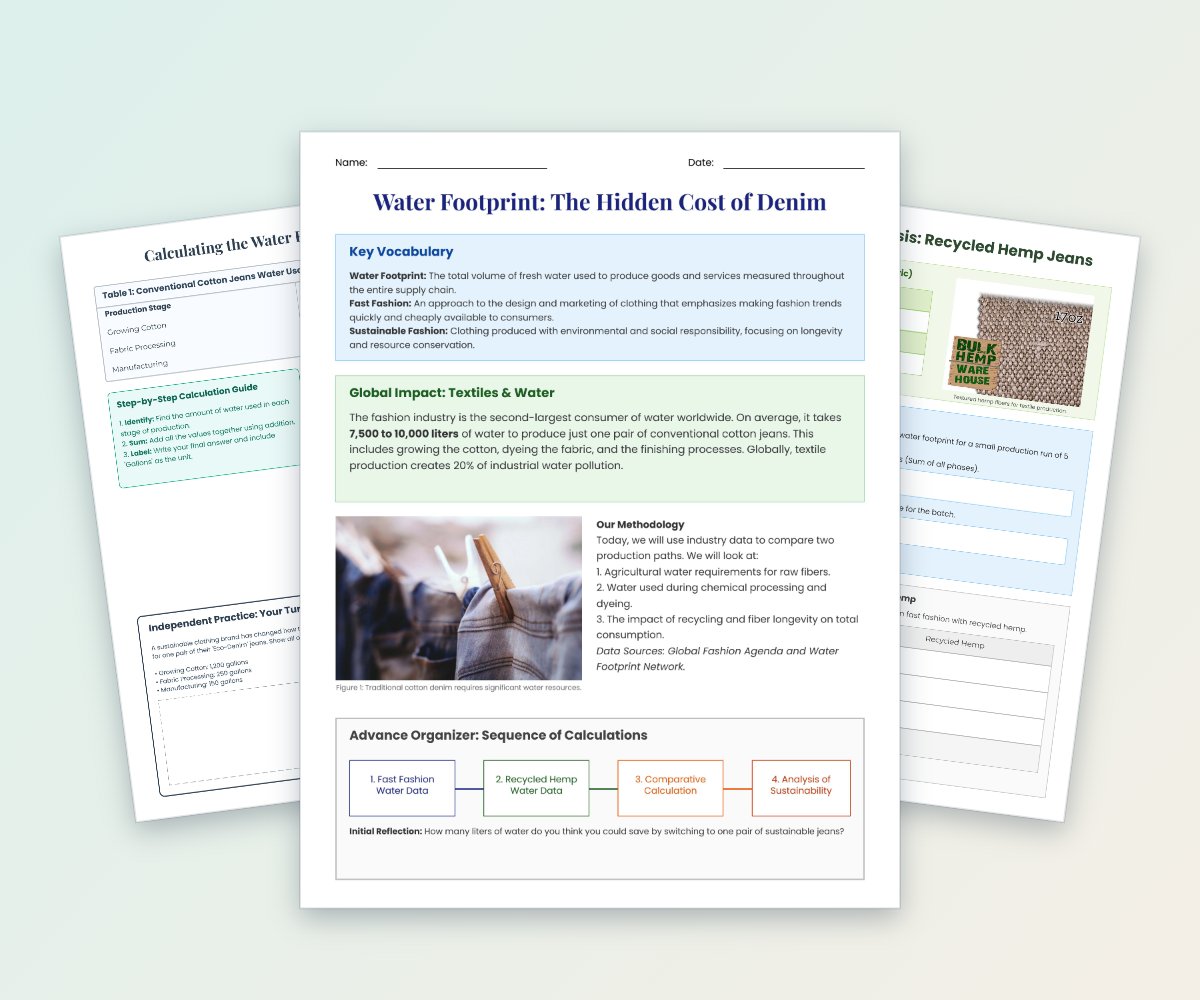
Students explore the environmental impact of denim production by learning key sustainability vocabulary and examining textile water-use data.
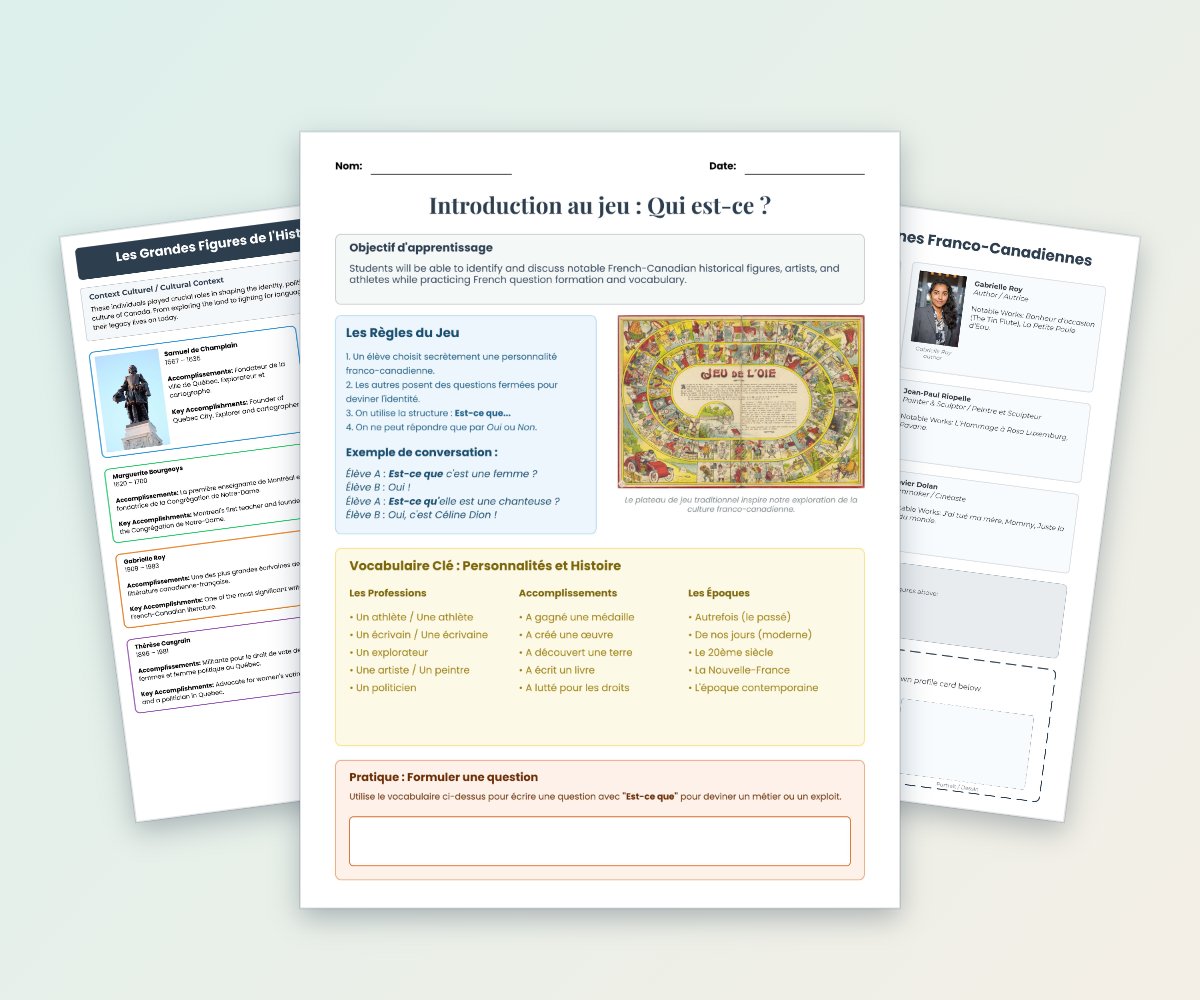
Students play a guessing game featuring notable French-Canadian historical figures, artists, athletes, and leaders.
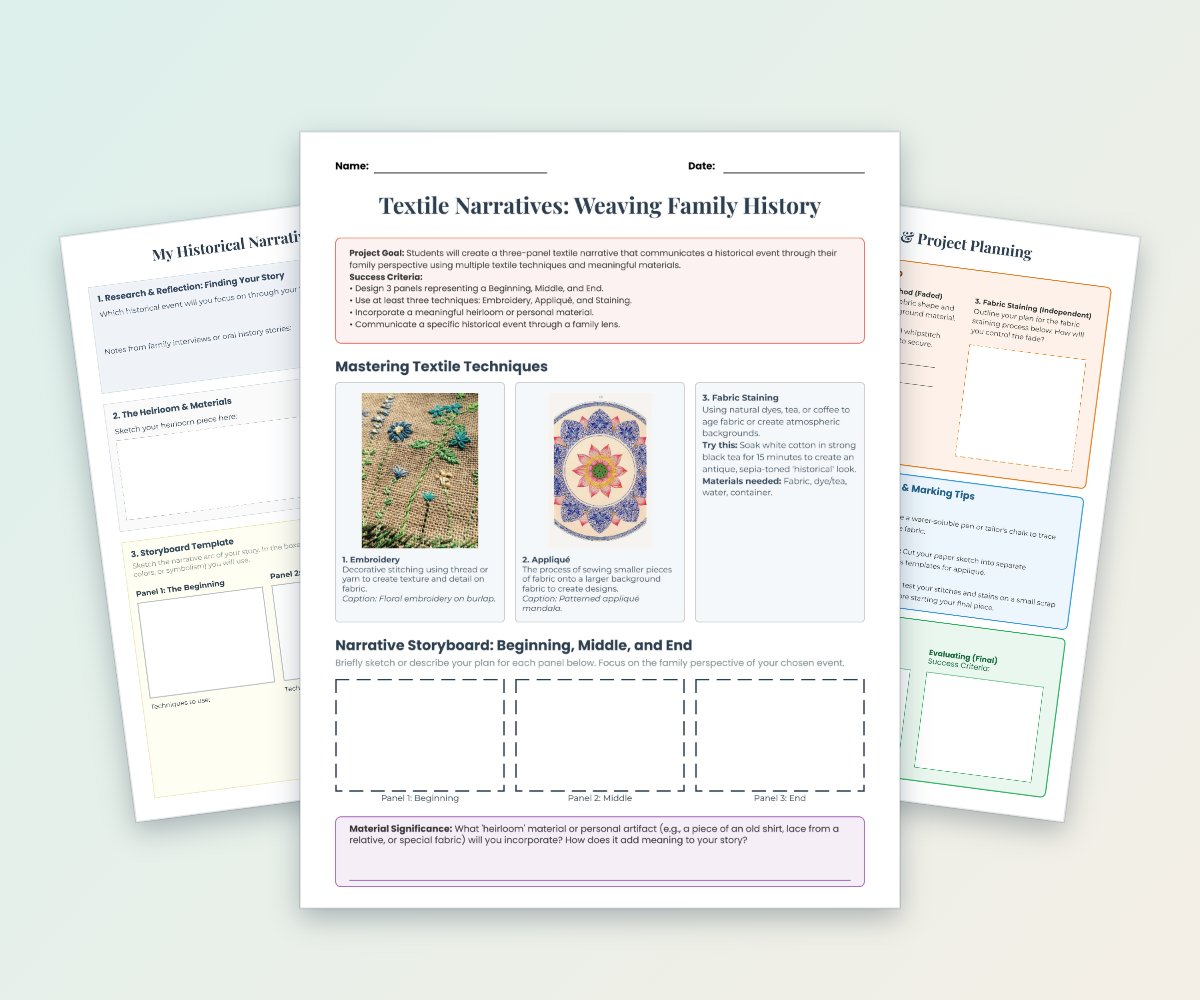
Students create a three-panel textile narrative depicting a historical event through their family’s perspective.
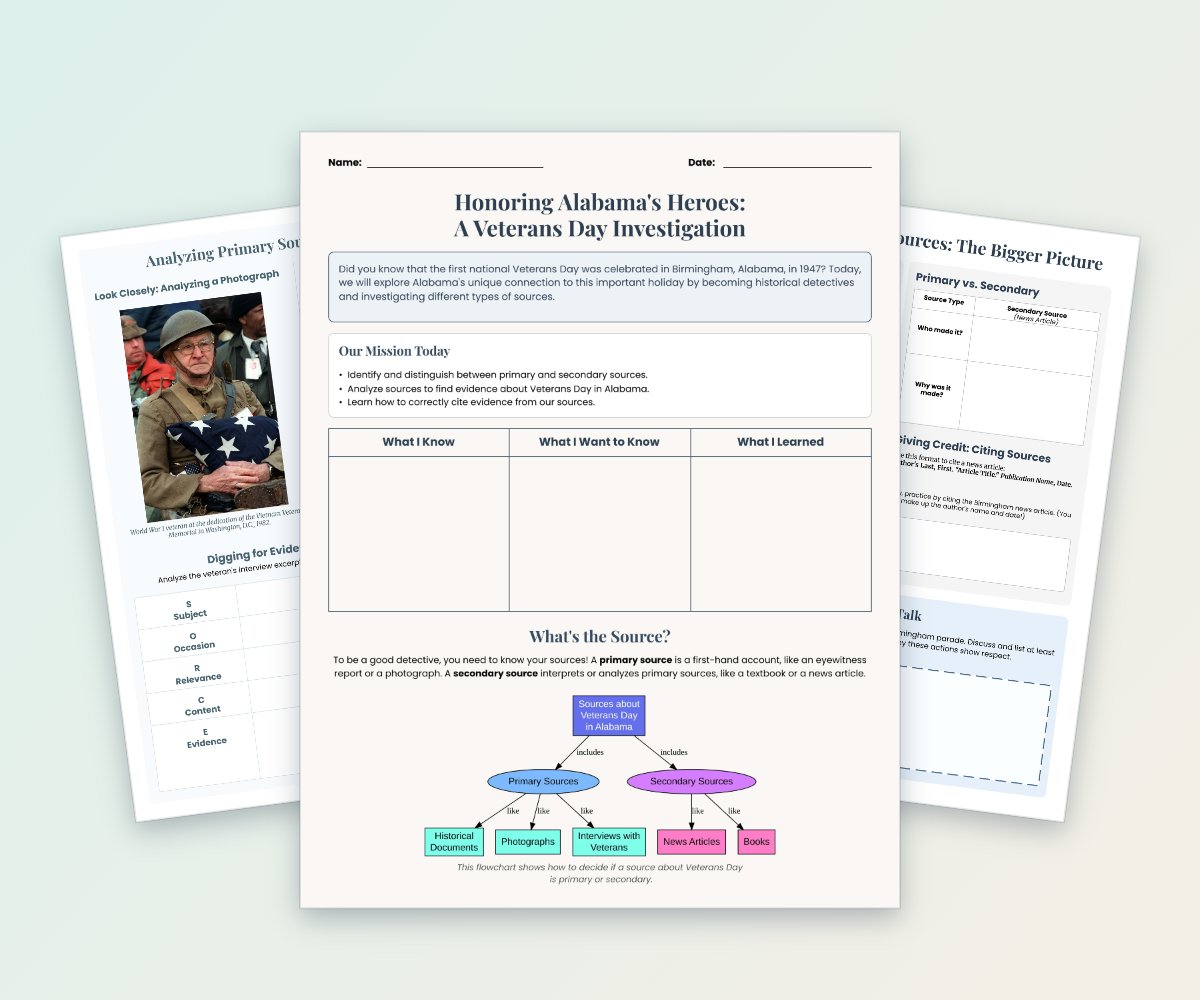
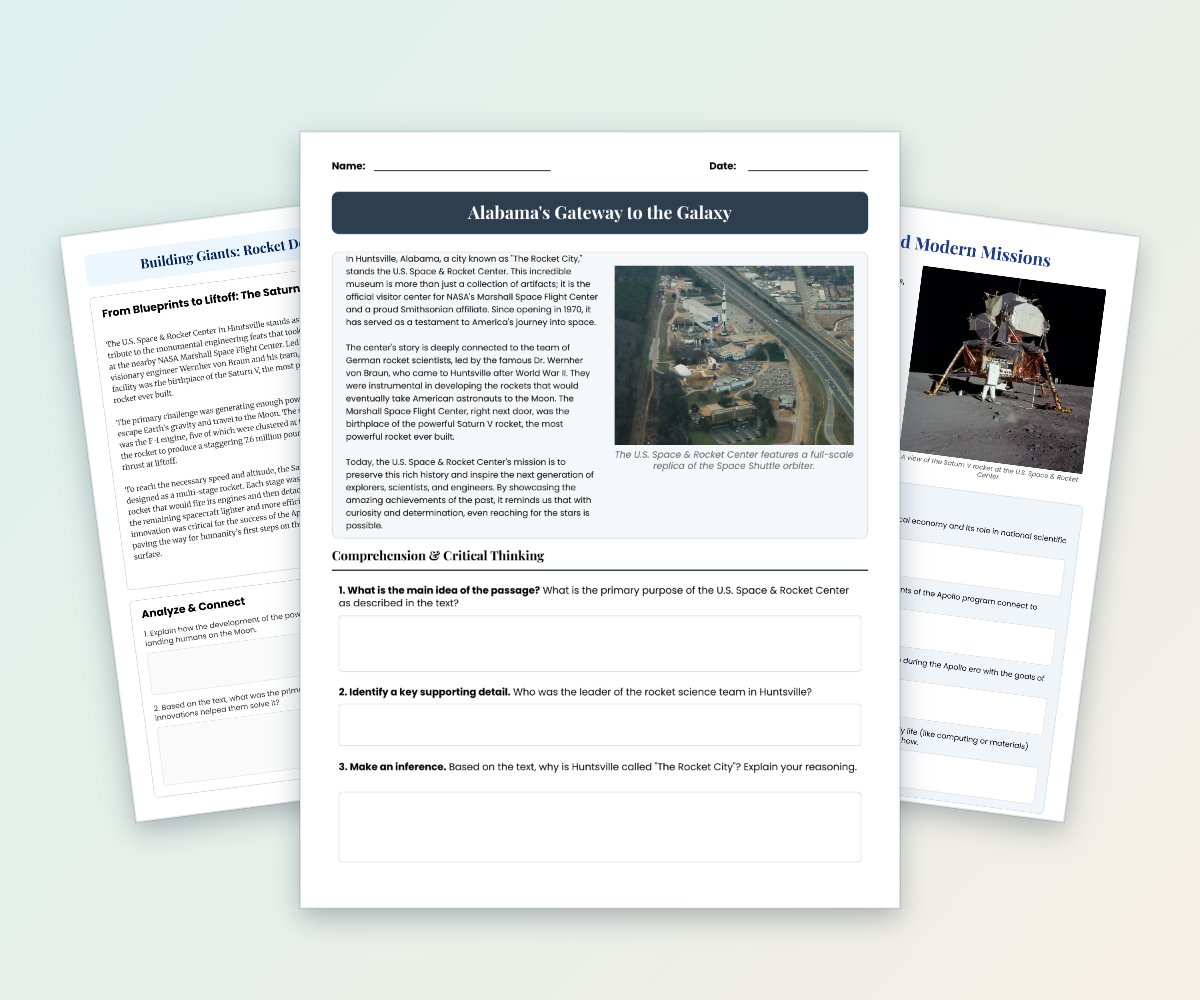
Students investigate Alabama’s connection to Veterans Day while distinguishing between primary and secondary sources.
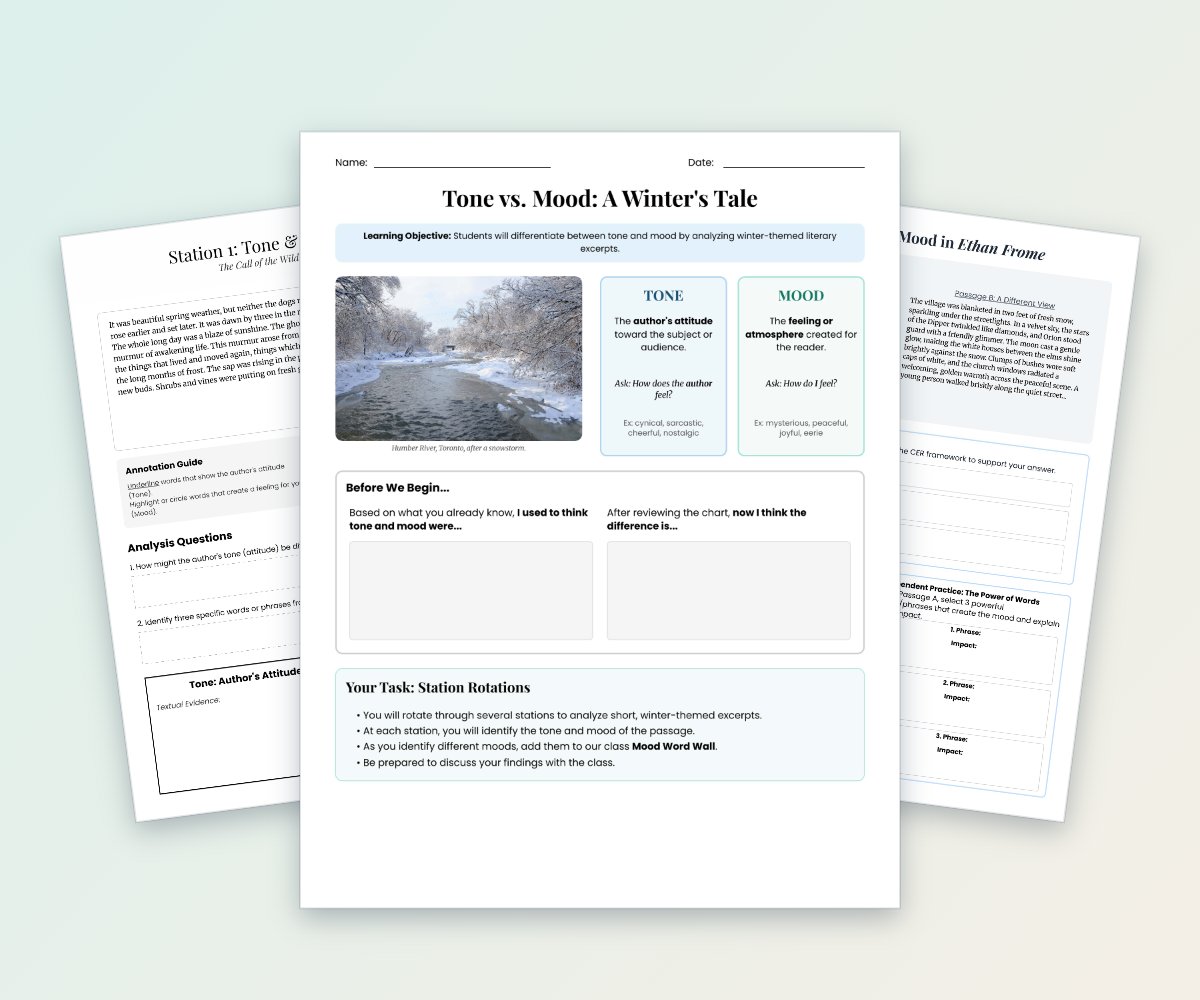
Students distinguish tone from mood through winter-themed literary excerpts and station-rotation analysis.
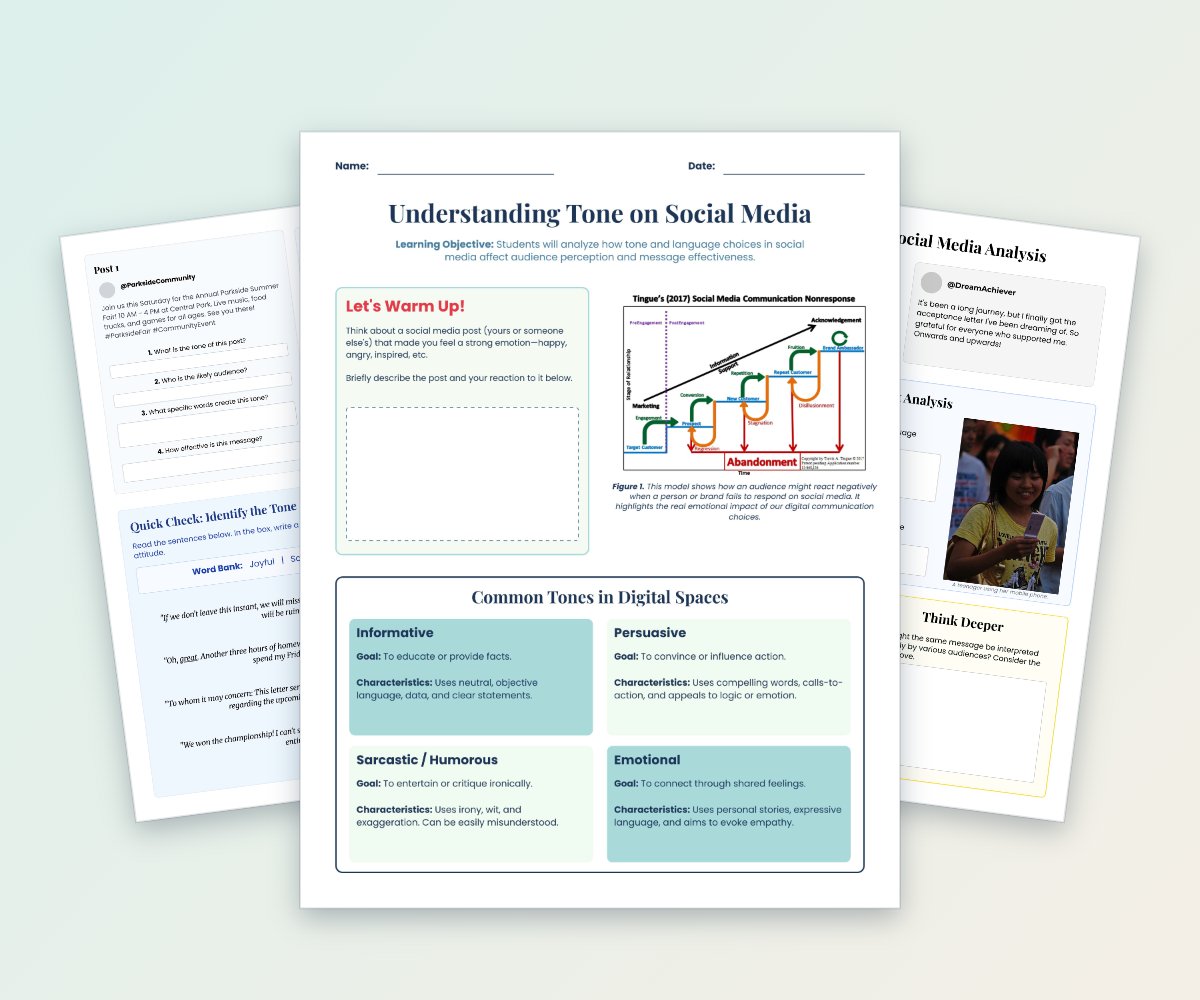
This four-page worksheet helps students identify and analyze tone in social media posts.
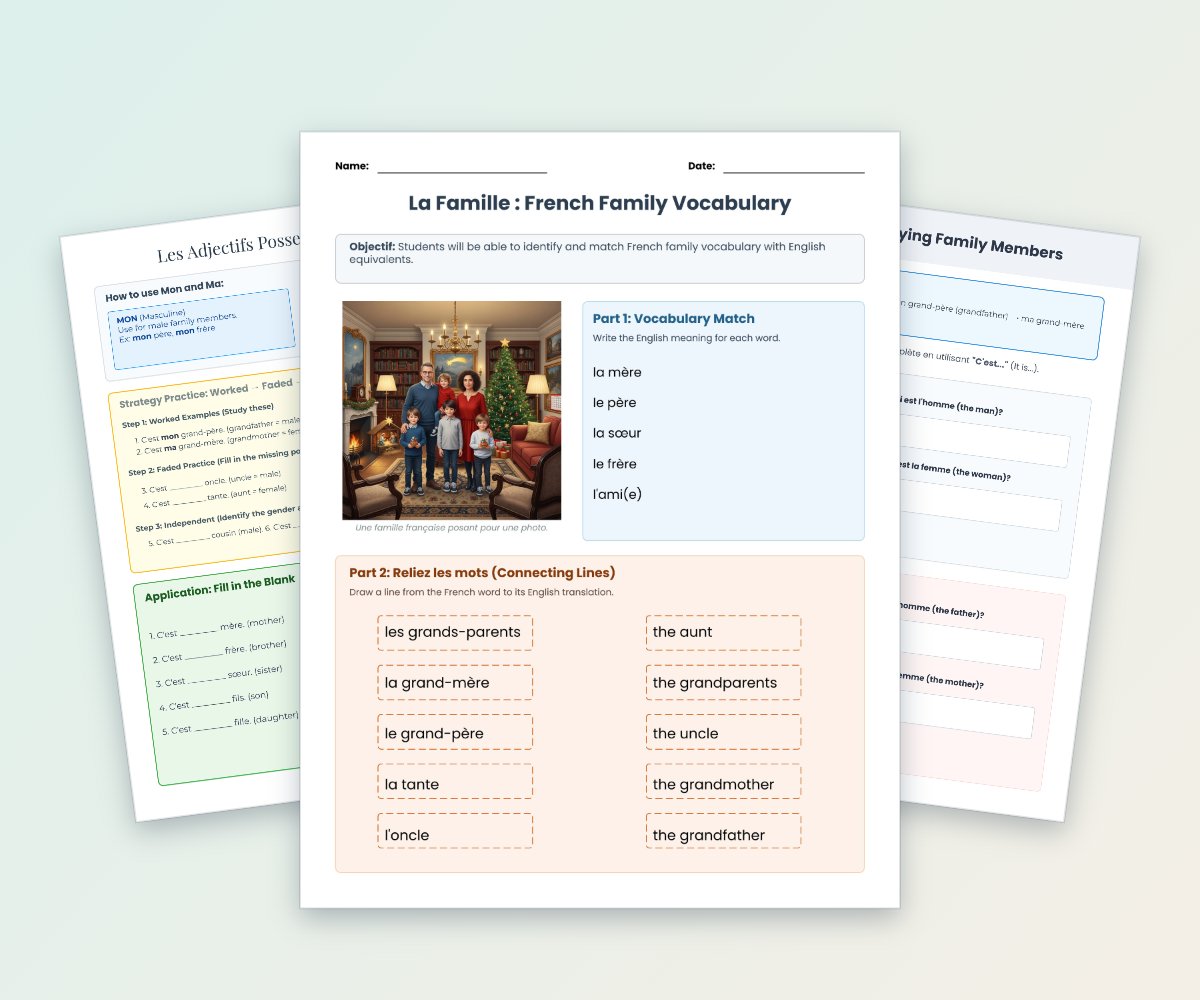
This four-page French activity pack teaches family-member vocabulary and the possessive adjectives mon and ma.
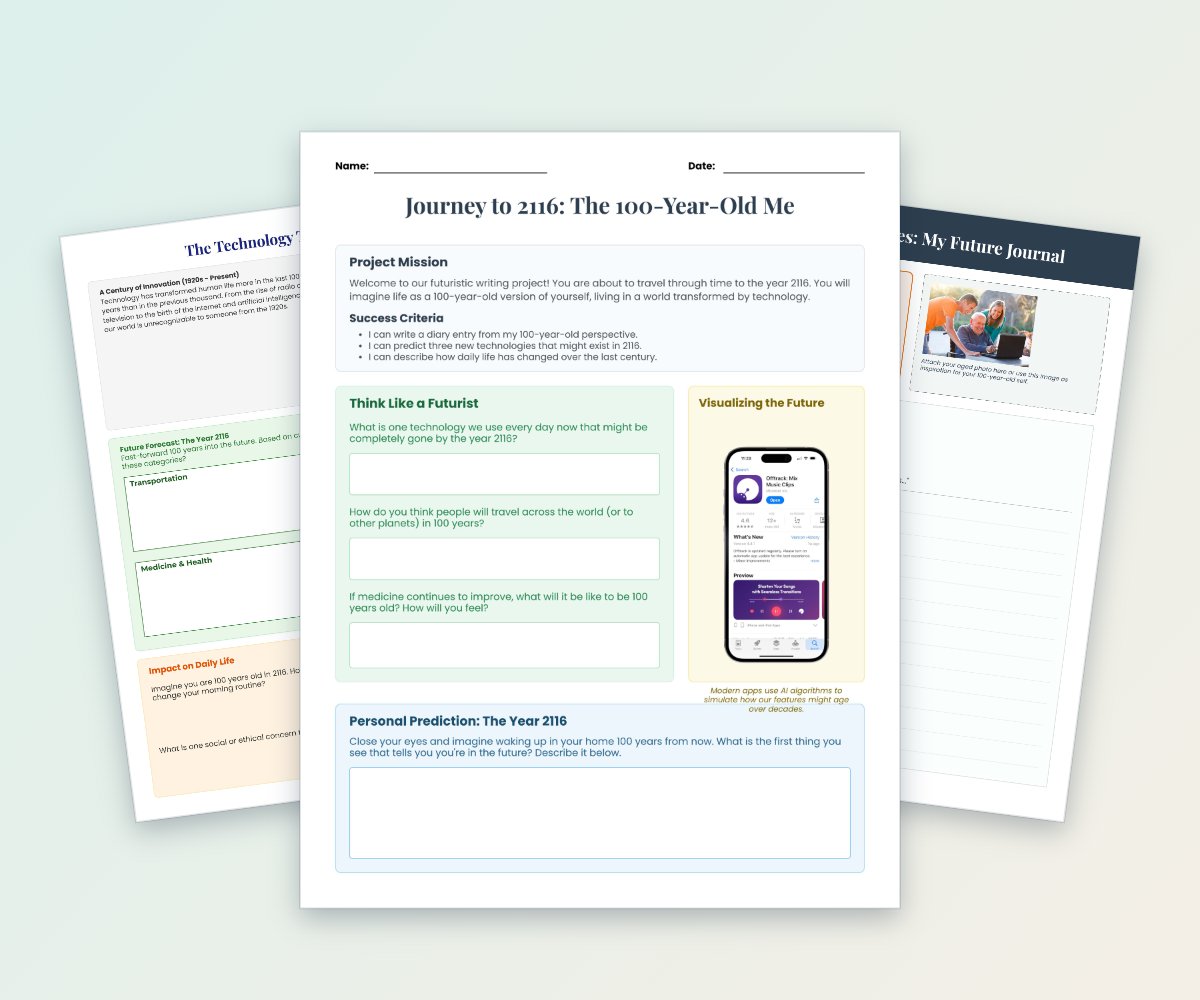
Students imagine themselves at age 100 in the year 2116 and write from a future perspective.
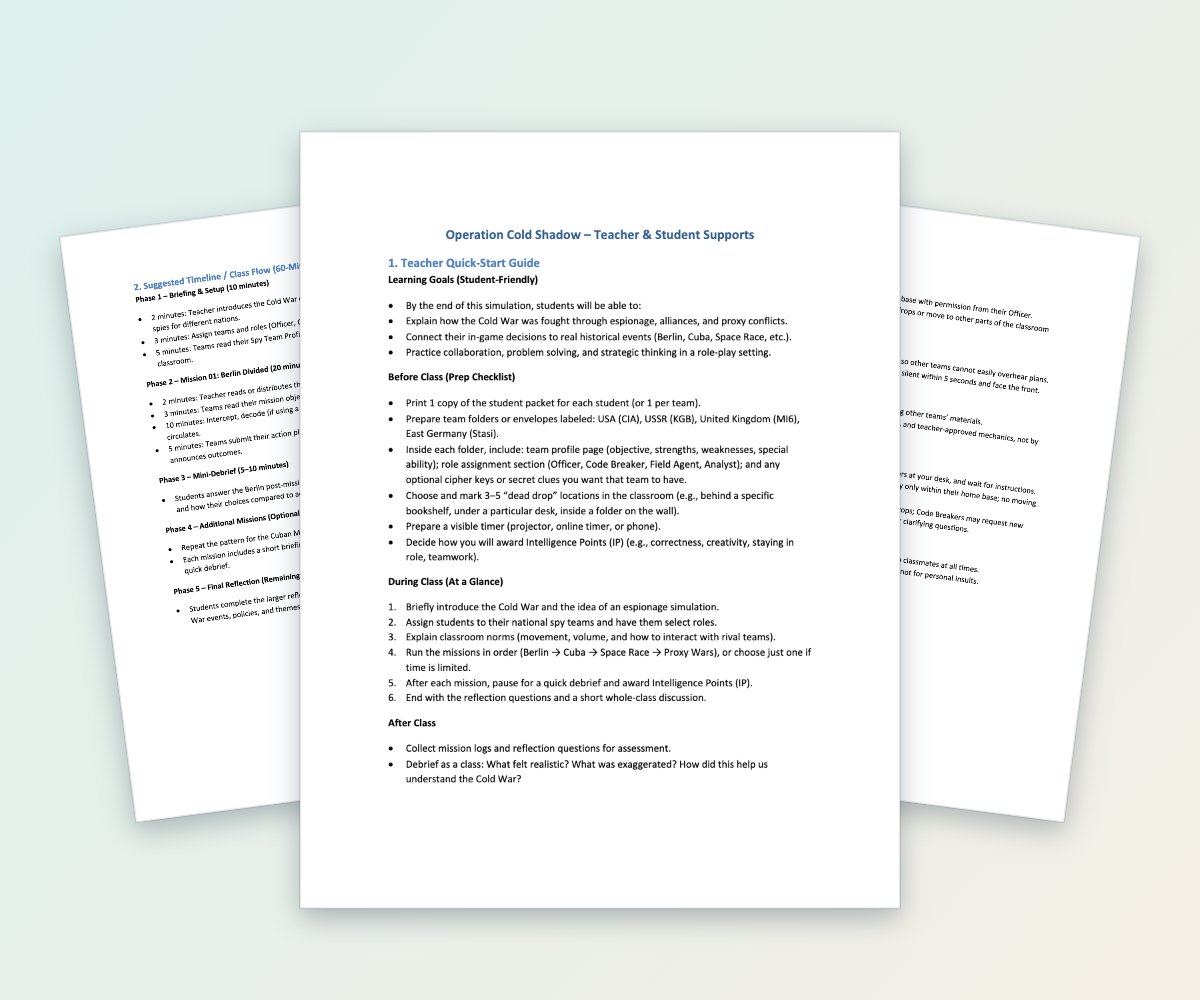
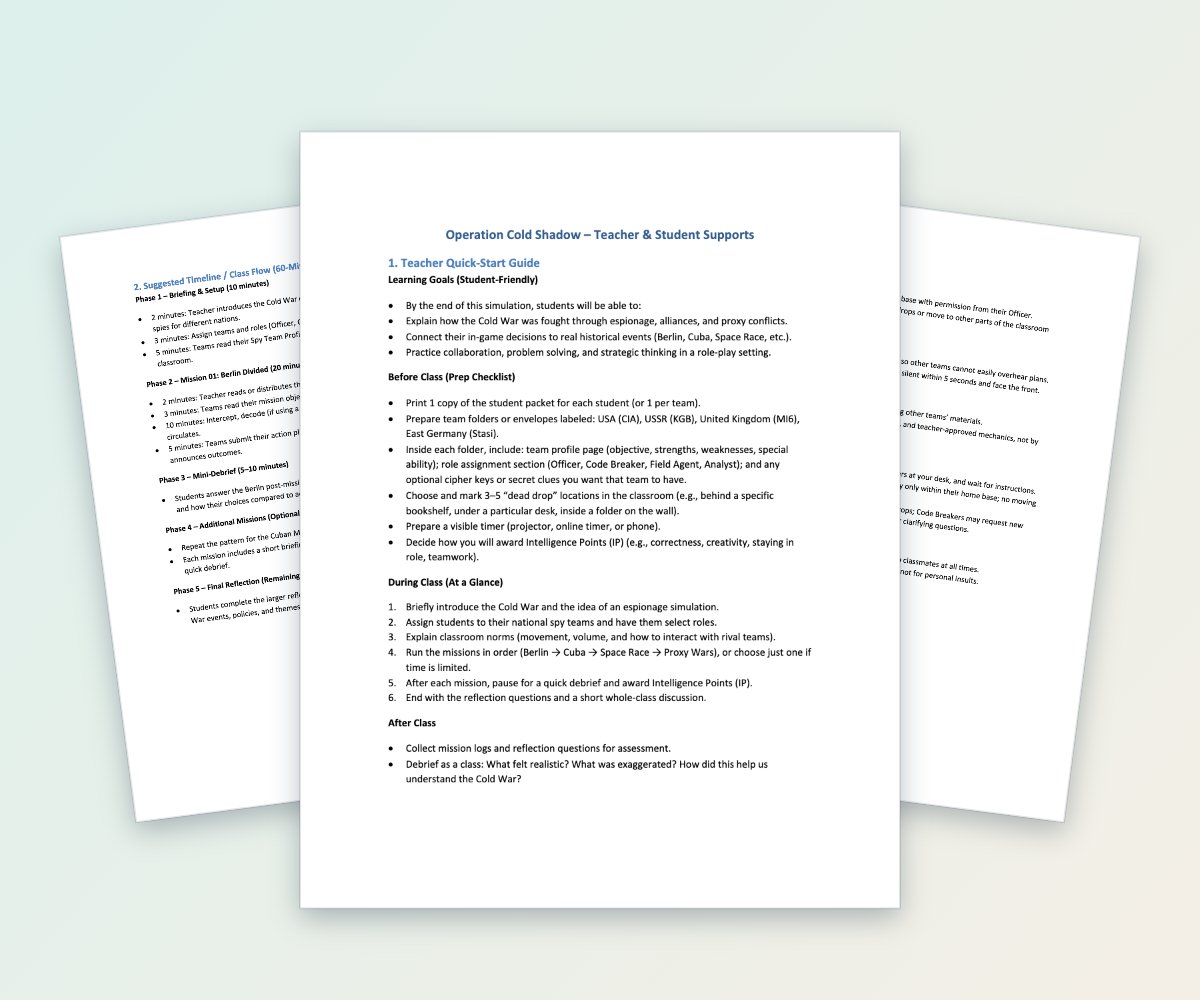
Students role-play spy teams representing Cold War nations as they complete missions involving Berlin, Cuba, the Space Race, and proxy conflicts.
Students role-play intelligence teams from the United States, Soviet Union, United Kingdom, and East Germany while completing missions connected to Berlin, Cuba, the Space Race, and proxy wars.
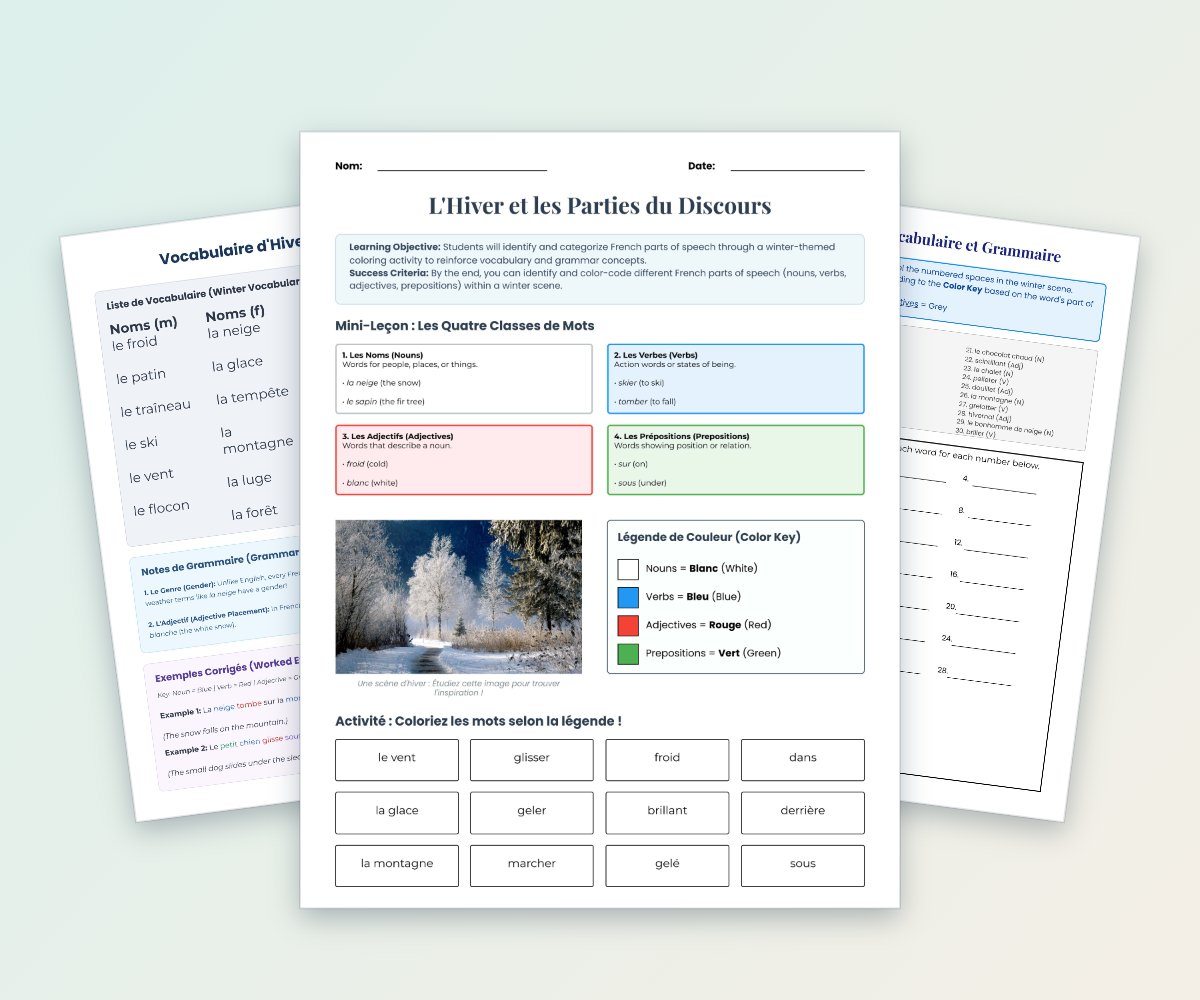
This three-page French worksheet teaches students to identify nouns, verbs, adjectives, and prepositions through winter-themed vocabulary and color-coding.
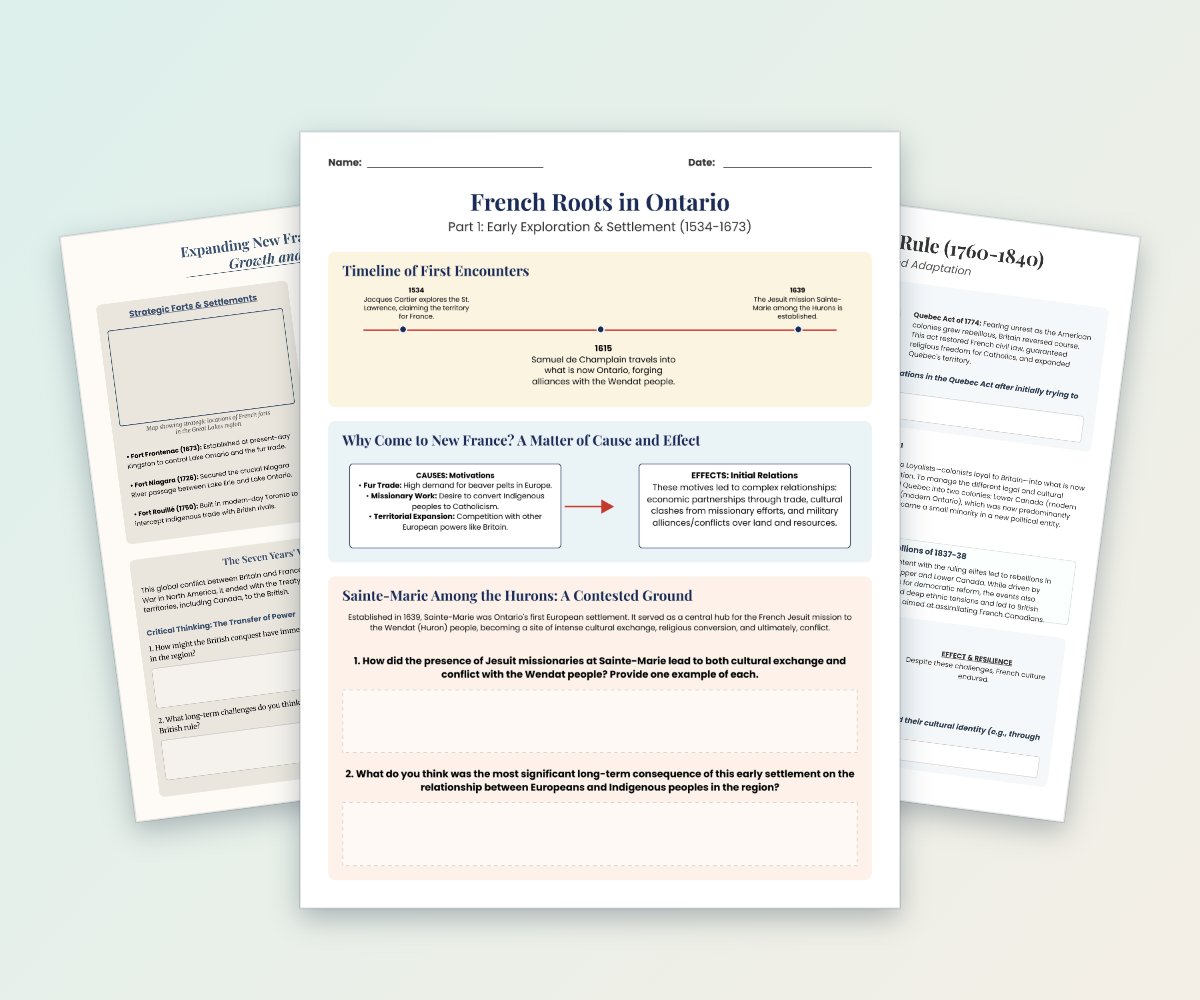
This four-page social studies worksheet explores French exploration, settlement, missionary work, fur trade motivations, Indigenous-European relations, and strategic forts in Ontario.
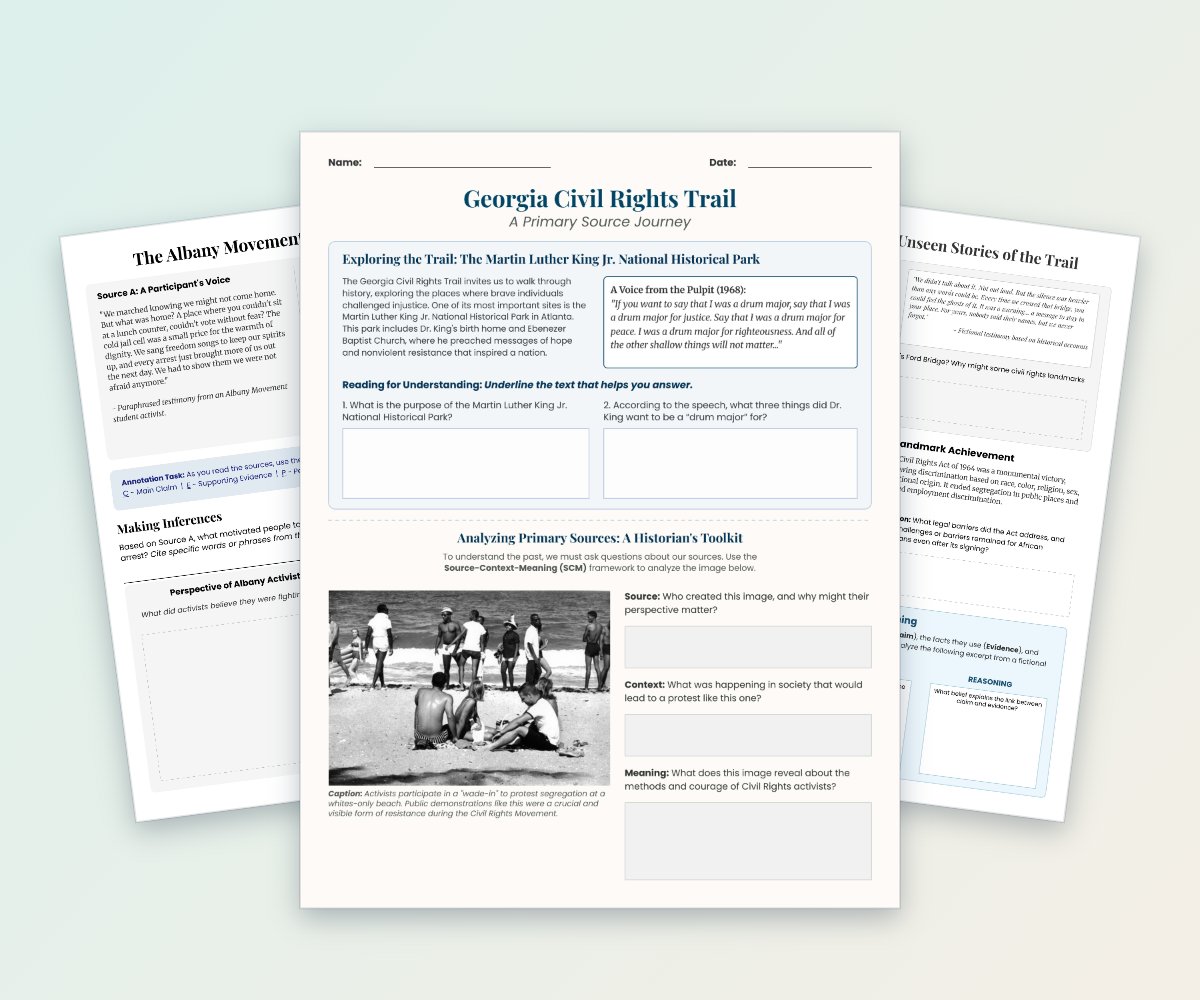
Students explore Georgia’s Civil Rights Trail, including the Martin Luther King Jr.
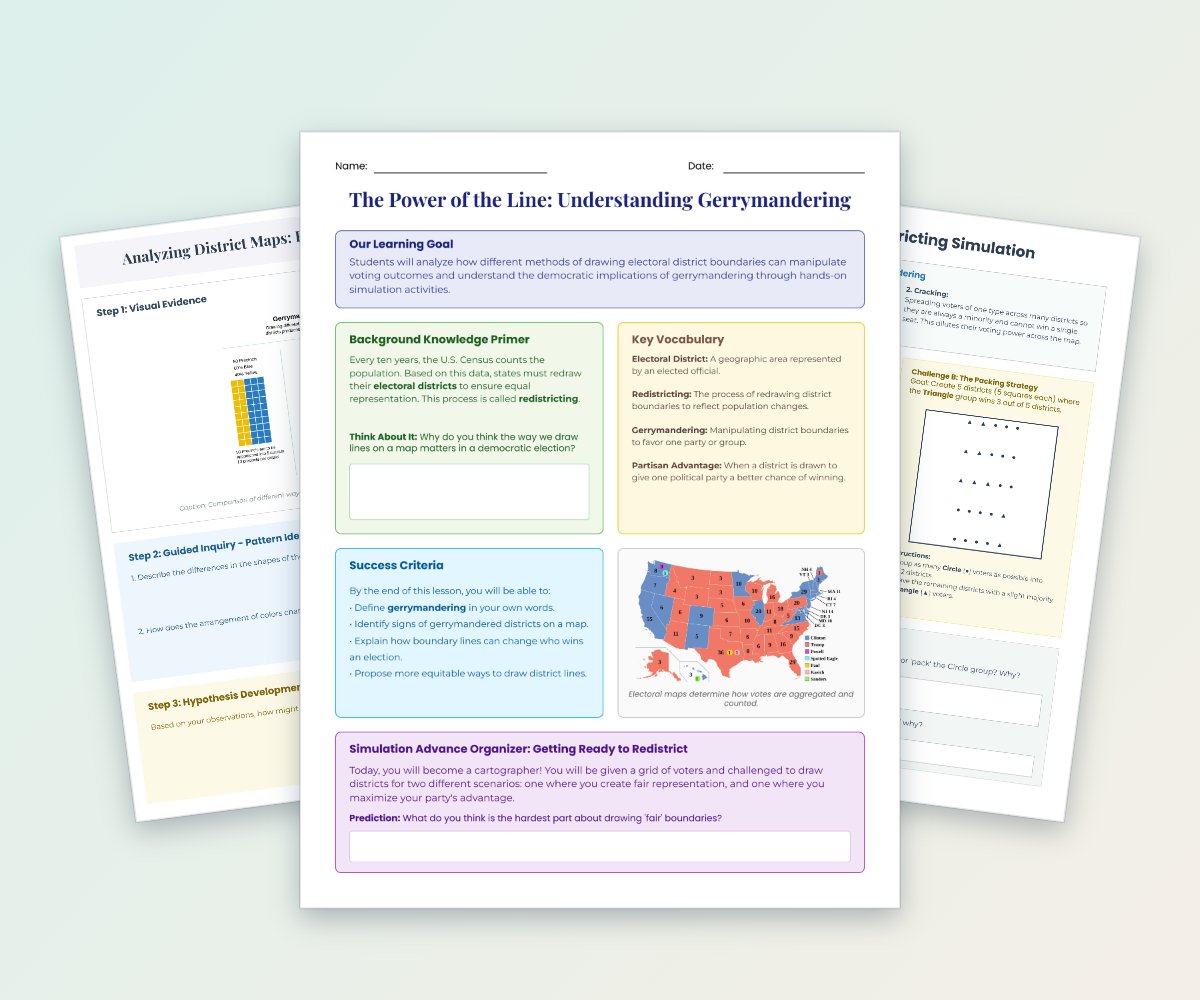
Students explore how electoral district boundaries affect representation through fair and partisan redistricting scenarios.
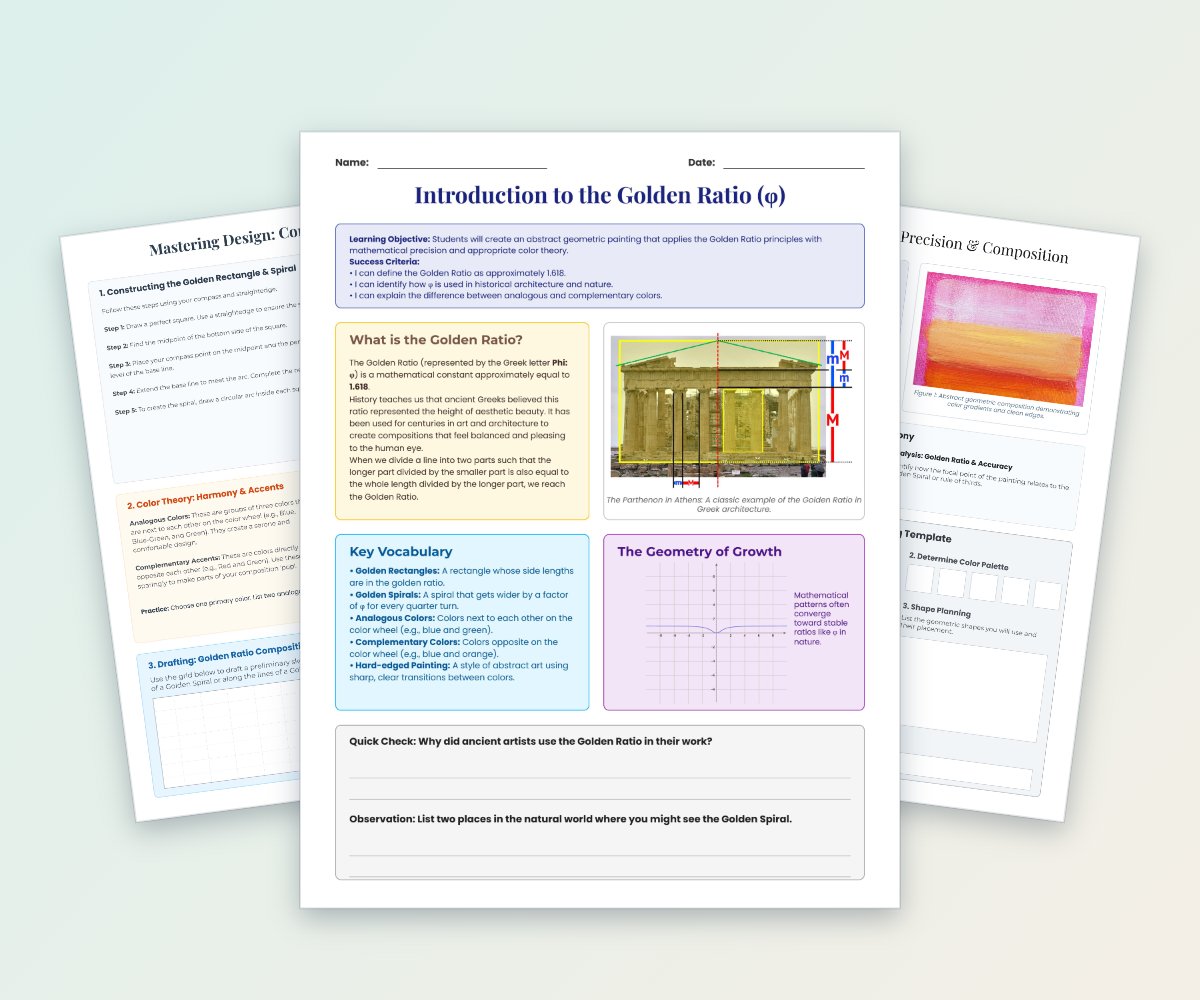
This four-page lesson introduces the Golden Ratio through art, architecture, nature, geometric construction, and abstract painting.
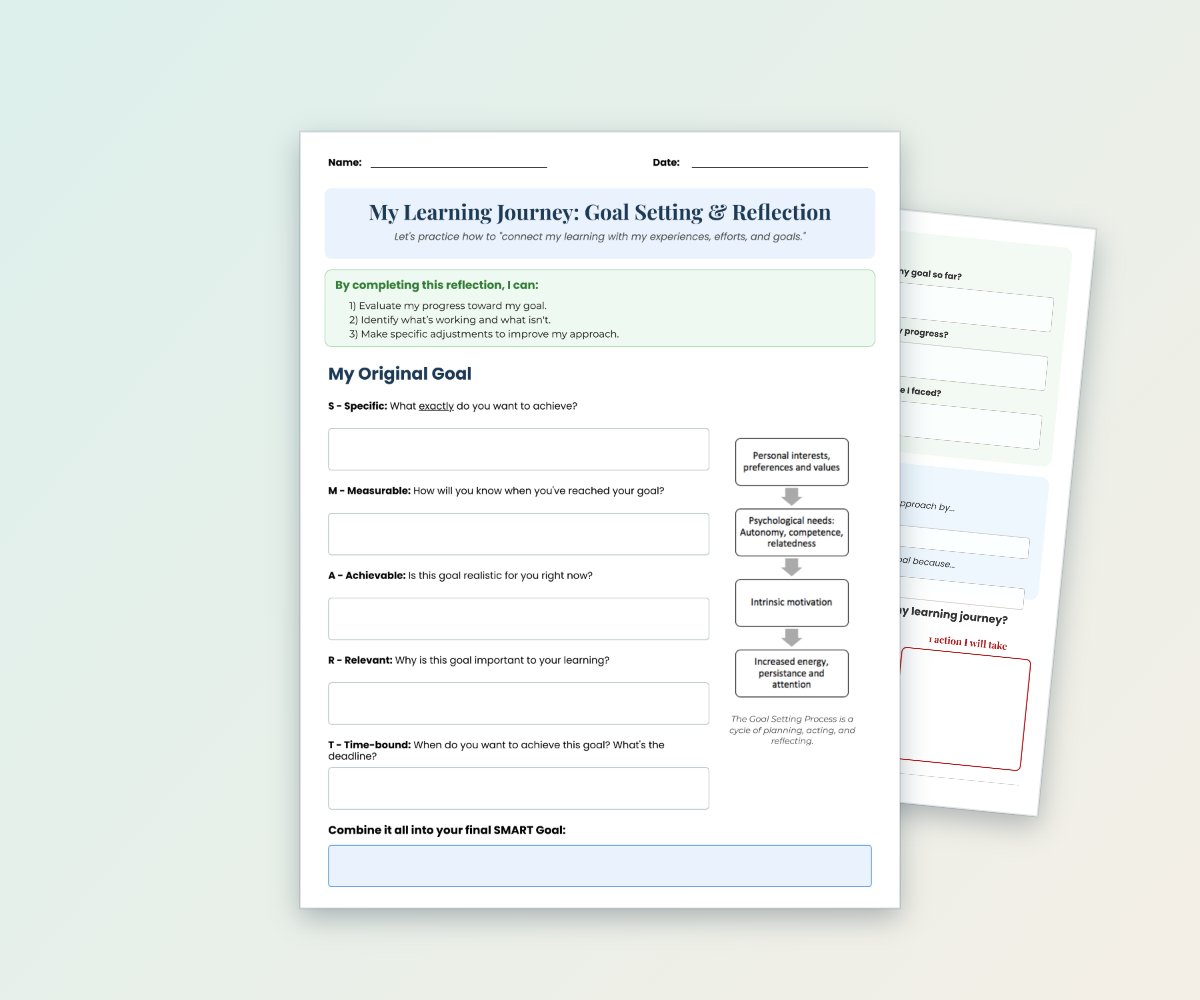
This two-page worksheet guides students through creating a SMART goal, evaluating current progress, identifying obstacles, and planning adjustments.
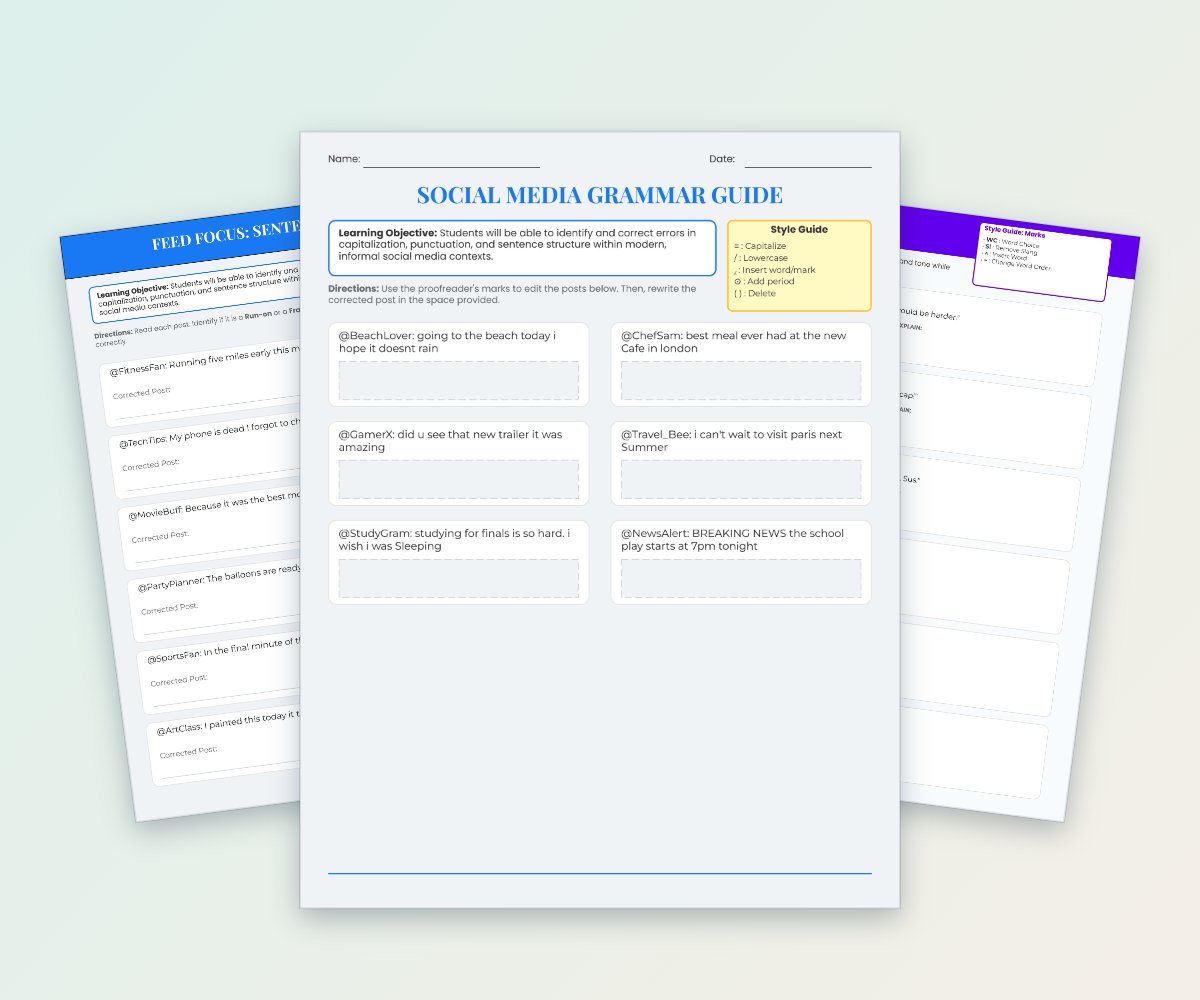
Students edit informal social media posts for capitalization, punctuation, fragments, run-ons, clarity, and tone.
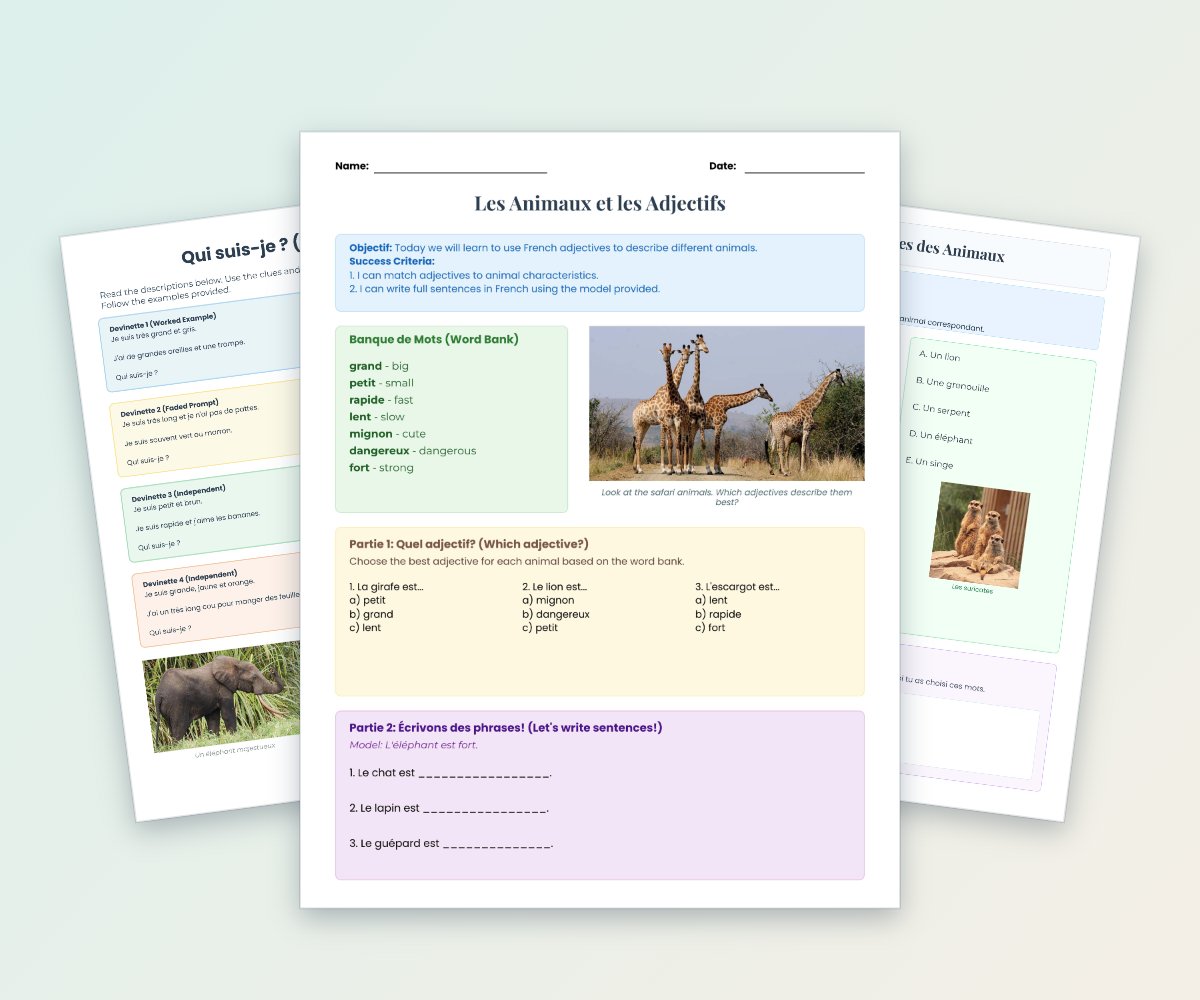
Students practice French animal vocabulary and descriptive adjectives through matching, sentence completion, animal riddles, translation, and creative writing.
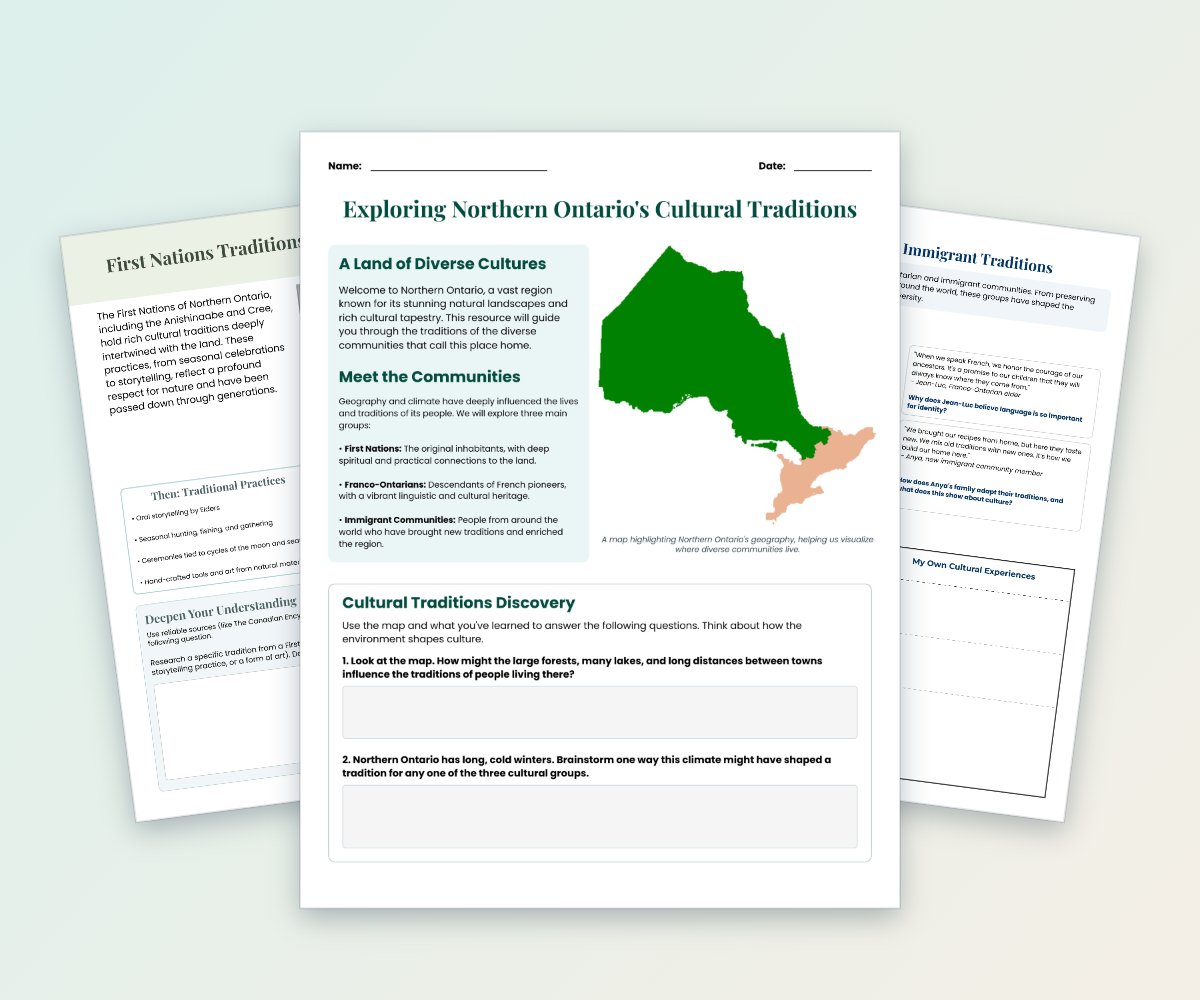
Students explore how geography and climate influence cultural traditions in Northern Ontario.
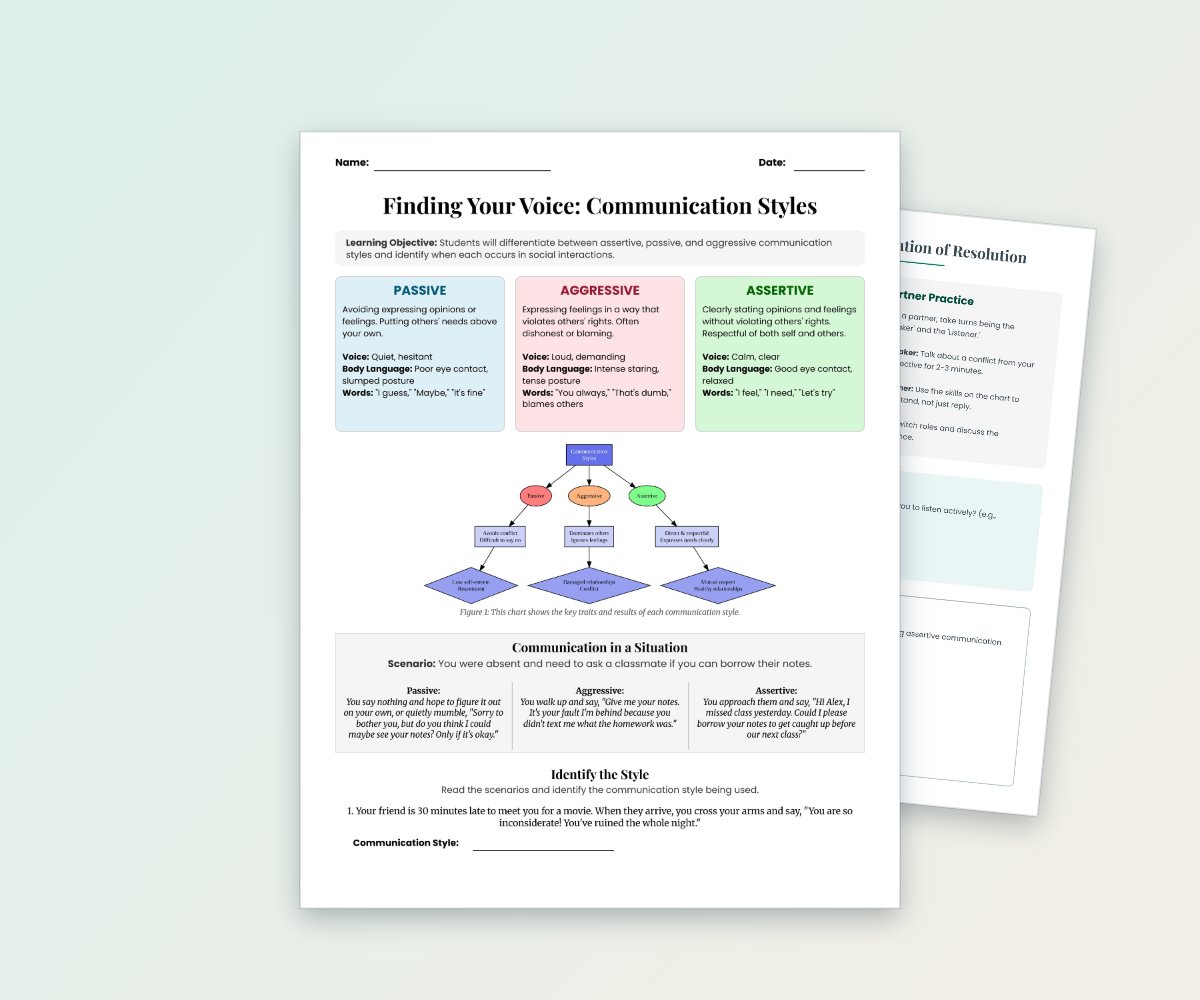
Students learn to distinguish passive, aggressive, and assertive communication through definitions, examples, and a school-based scenario.
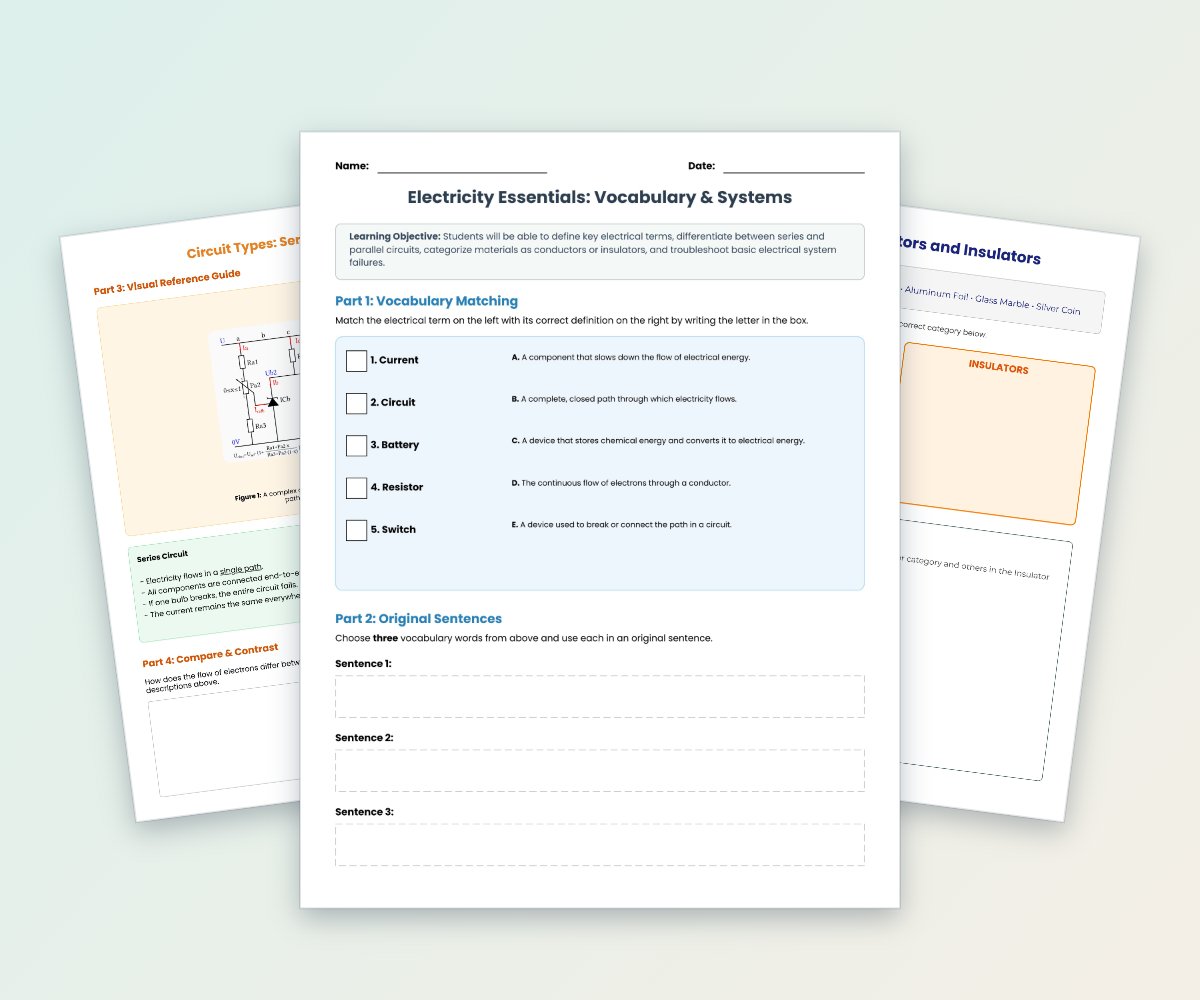
This six-page science workbook introduces essential electricity vocabulary, series and parallel circuits, conductors, and insulators.
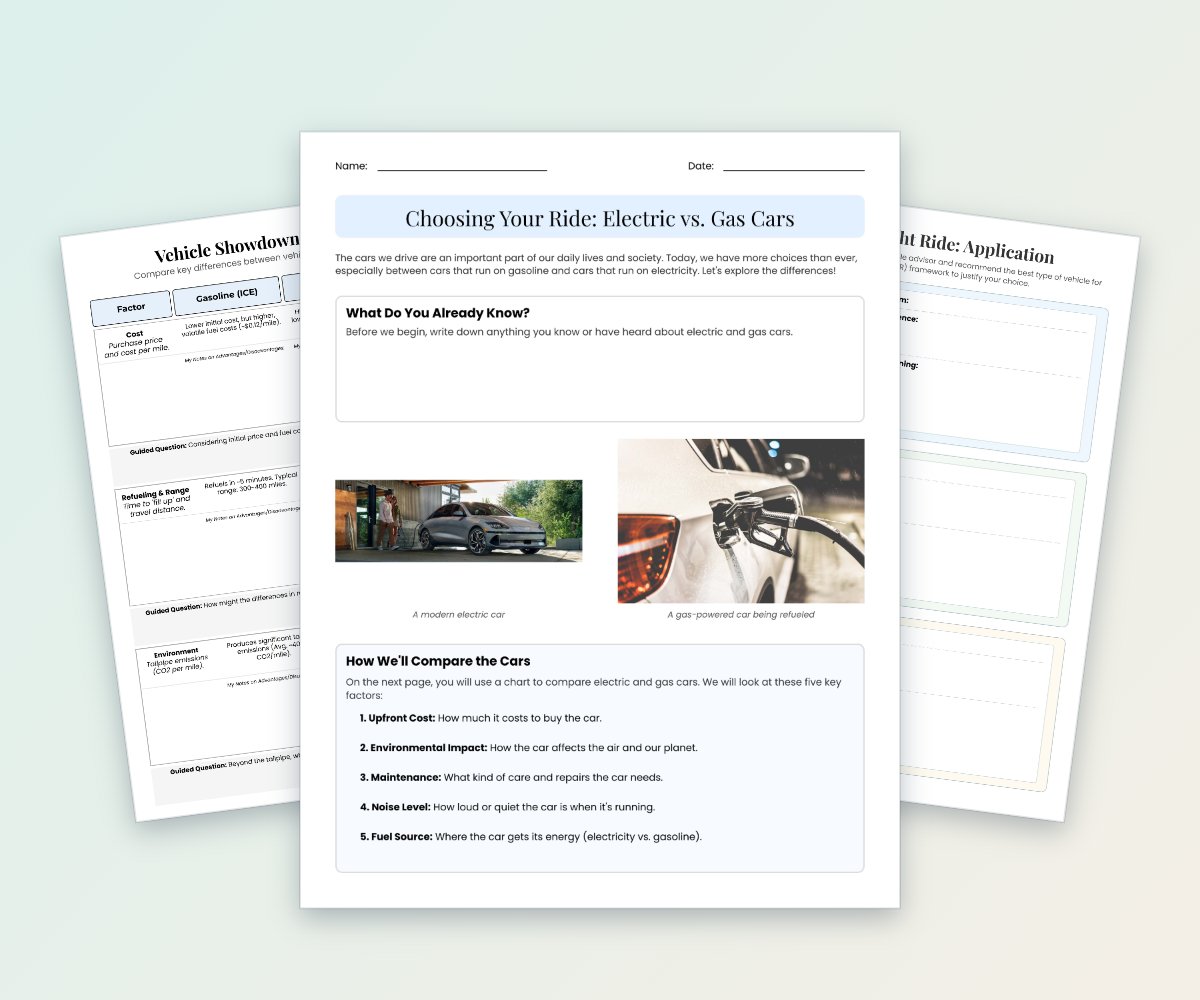
Students compare gasoline, electric, and hybrid vehicles using factors such as cost, range, maintenance, noise, fuel source, and environmental impact.
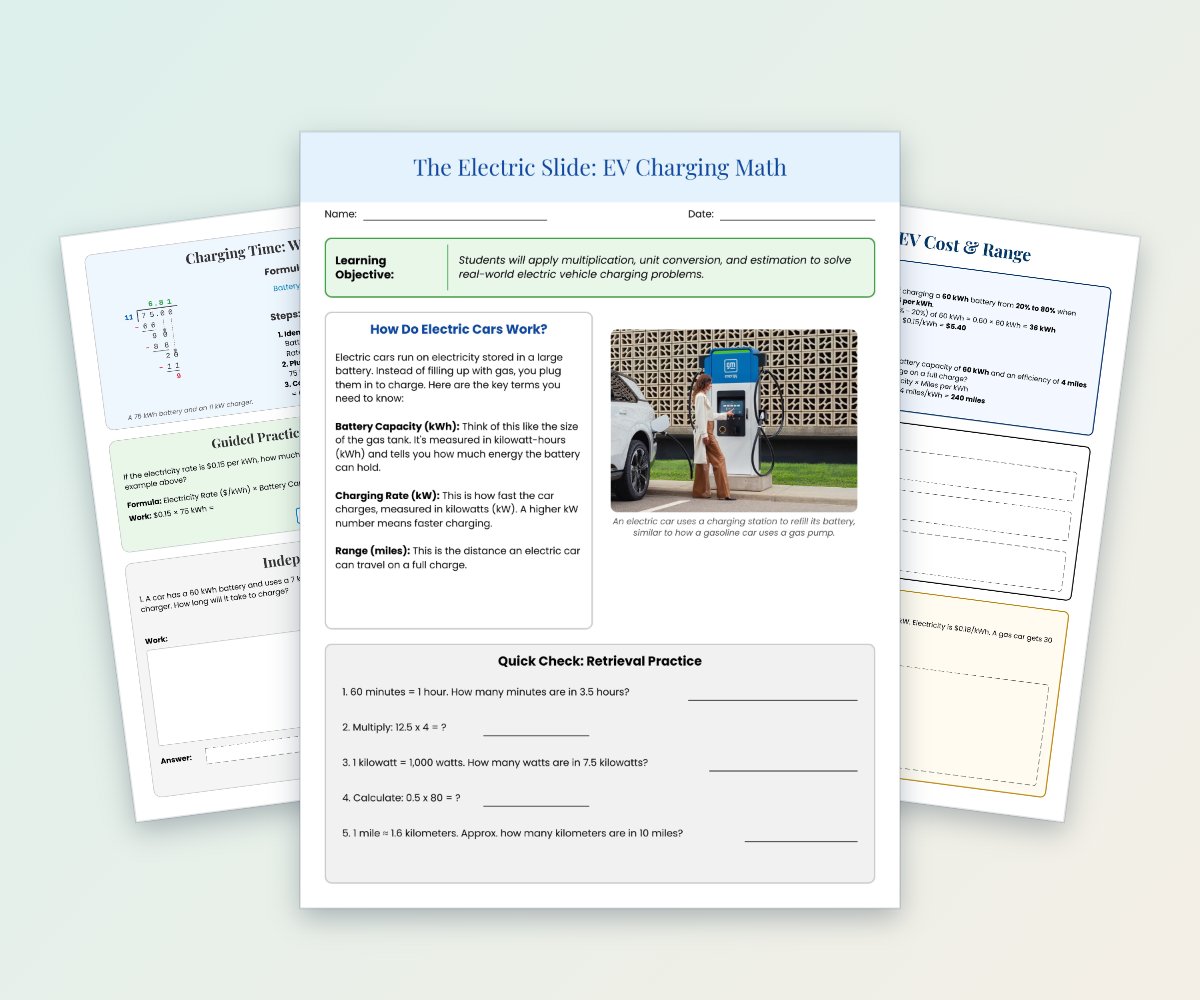
This four-page worksheet uses electric vehicle scenarios to practice multiplication, unit conversion, estimation, charging time, electricity costs, and driving range.
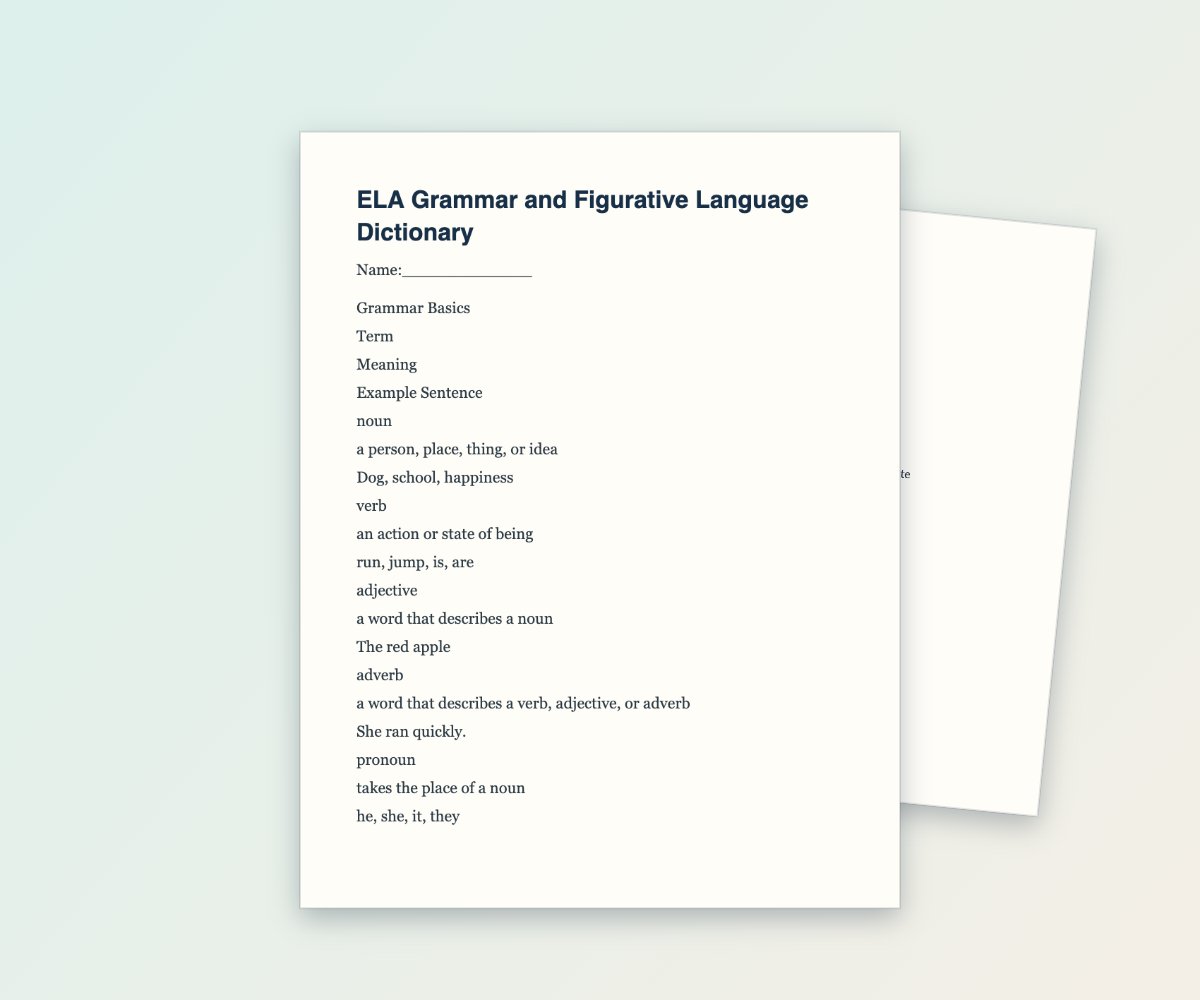
This two-page reference dictionary explains essential grammar, sentence structure, punctuation, writing terminology, and figurative language devices.
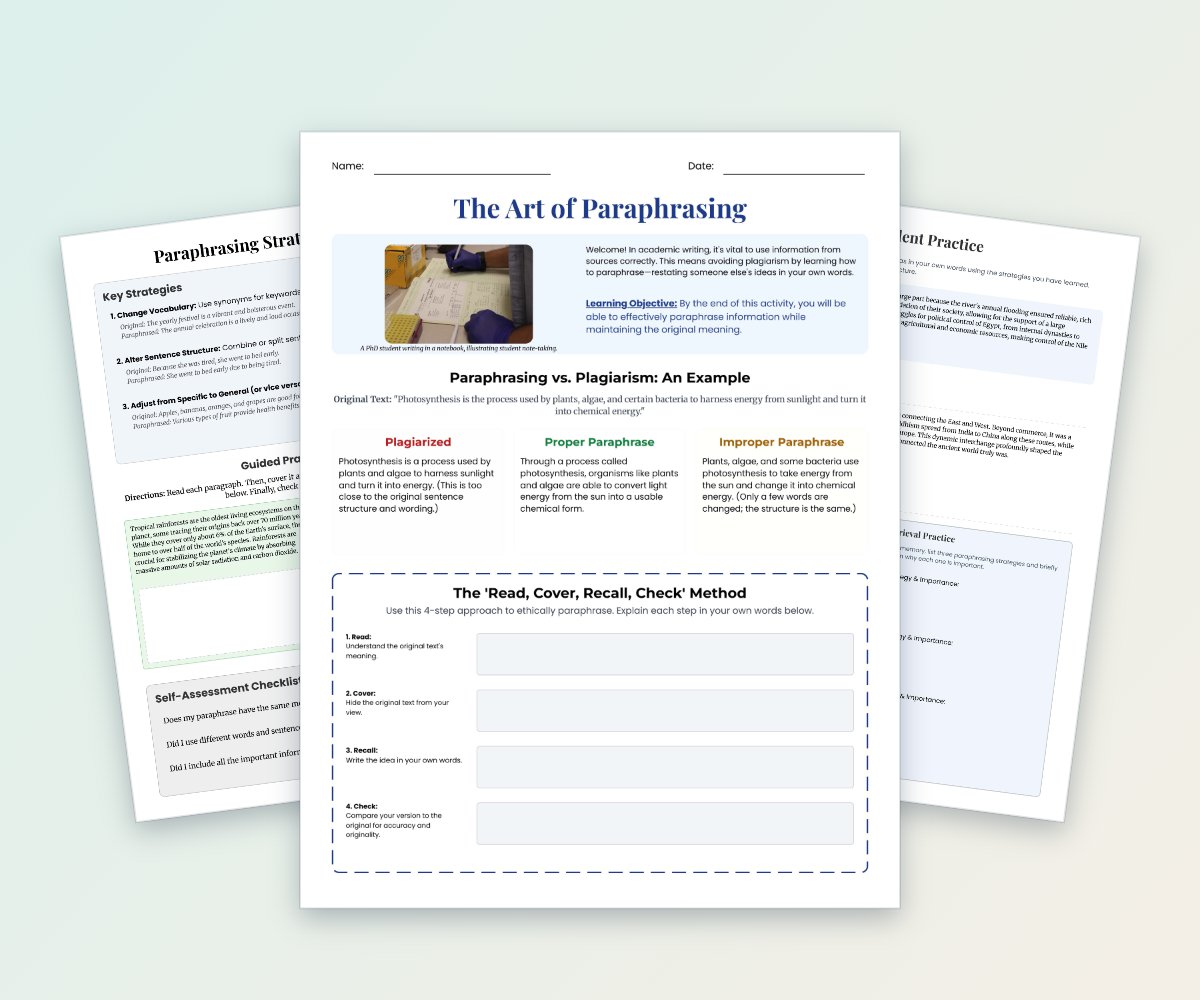
This four-page worksheet teaches students how to paraphrase source information while preserving meaning and avoiding plagiarism.
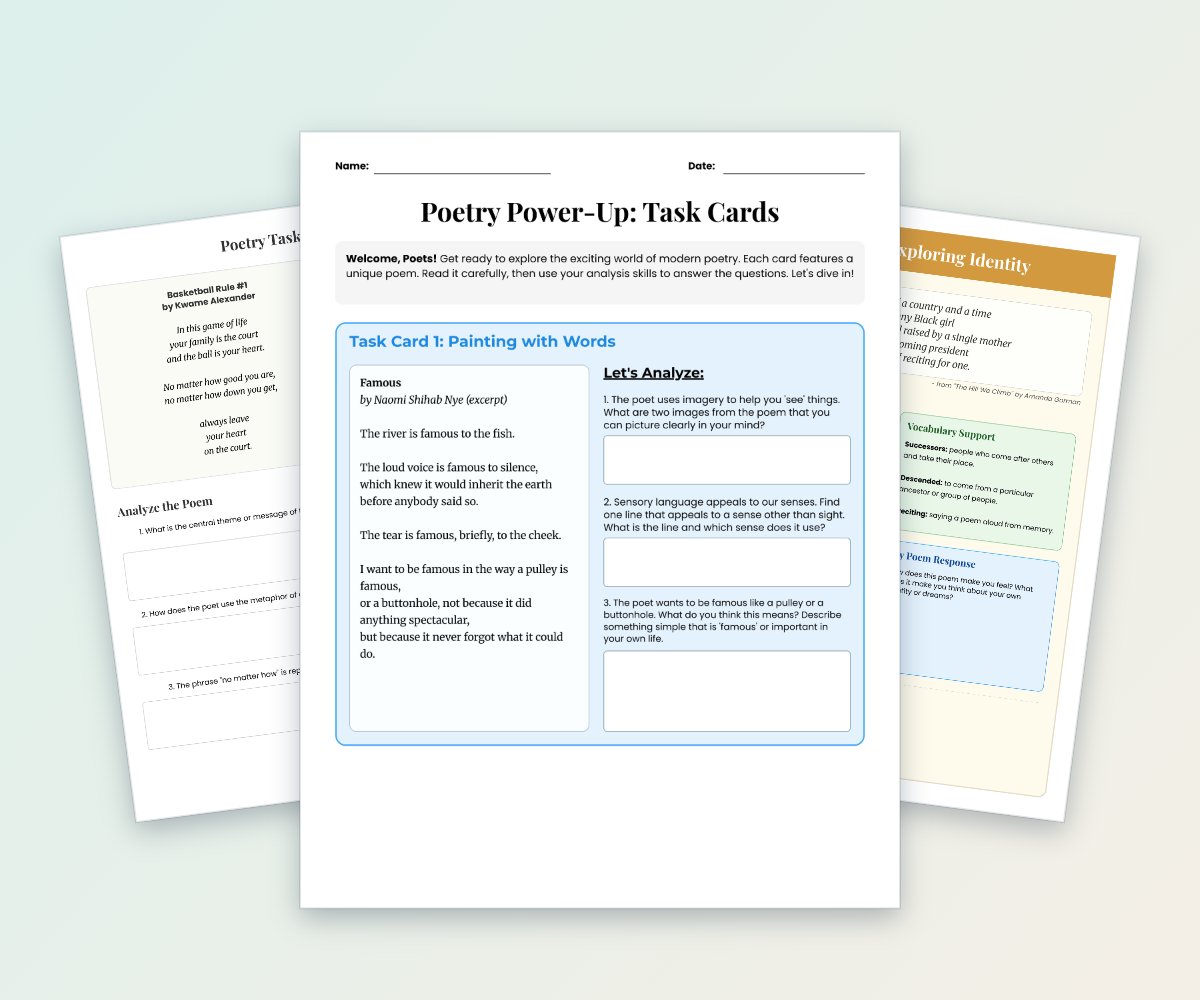
Students analyze contemporary poetry excerpts by examining imagery, sensory language, metaphor, repetition, tone, and theme.
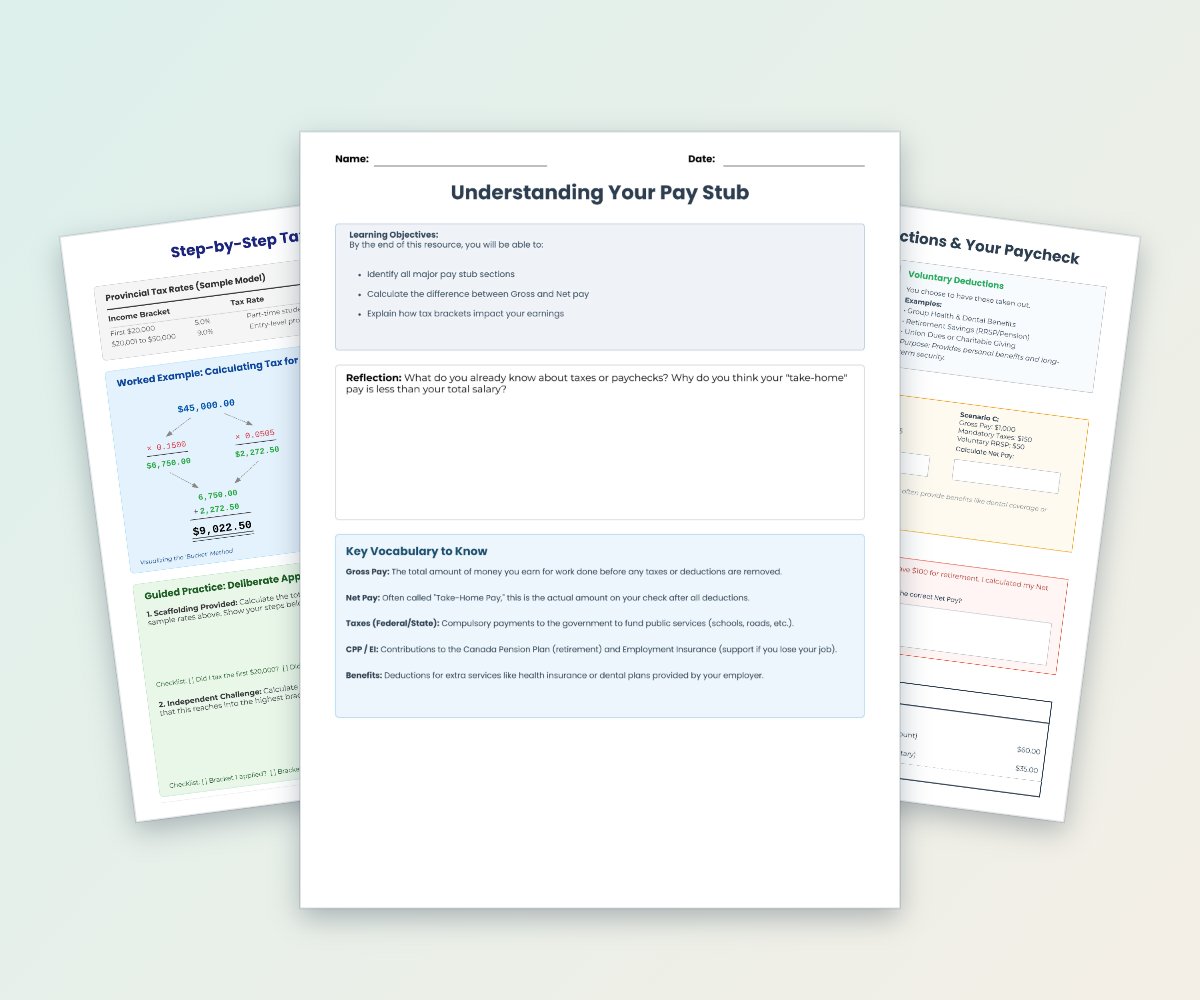
This worksheet introduces gross pay, net pay, tax brackets, CPP, Employment Insurance, and workplace benefits.
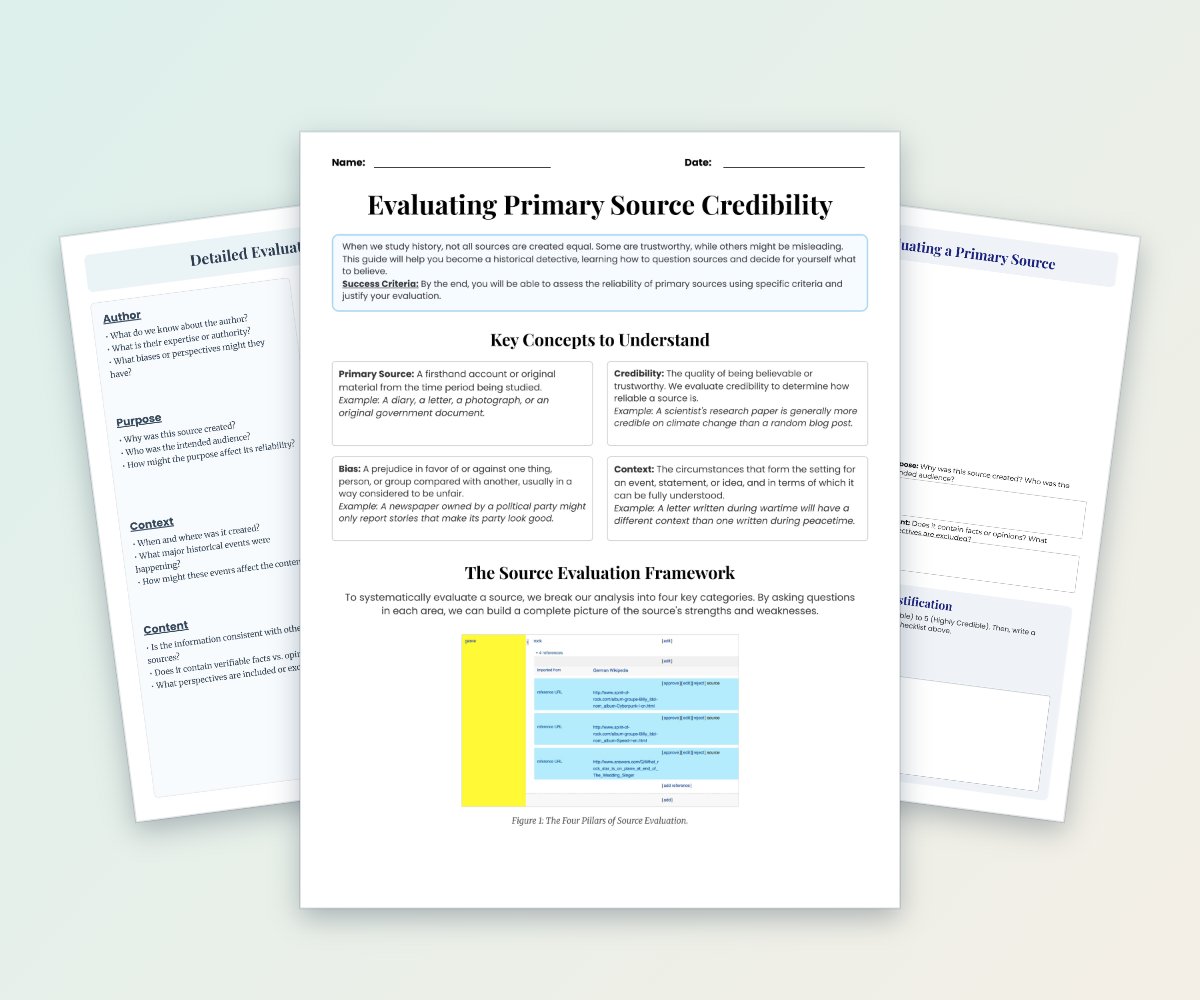
This three-page guide introduces primary sources, credibility, bias, purpose, and historical context.
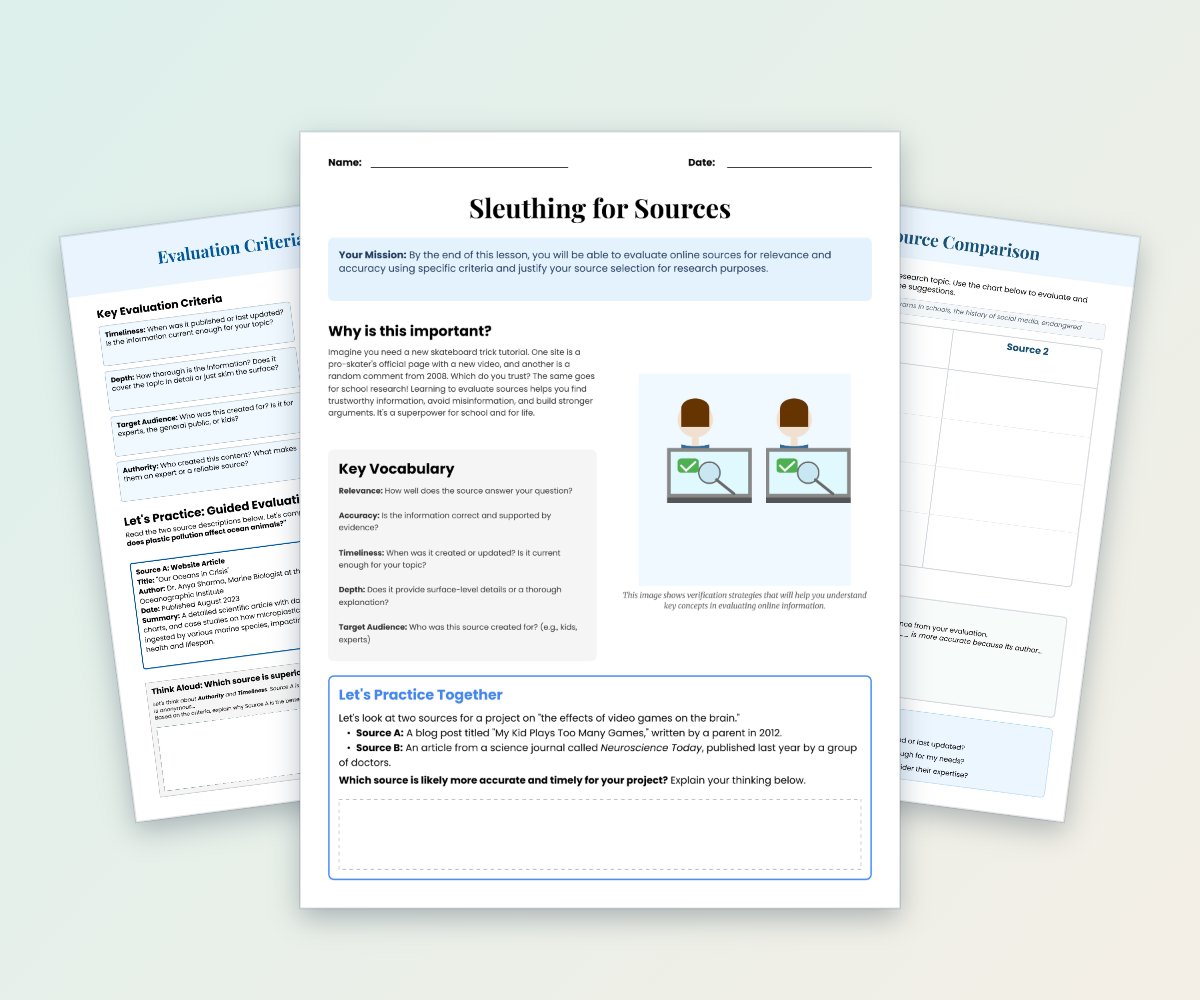
This three-page lesson helps students evaluate online sources for relevance, accuracy, timeliness, depth, audience, and authority.
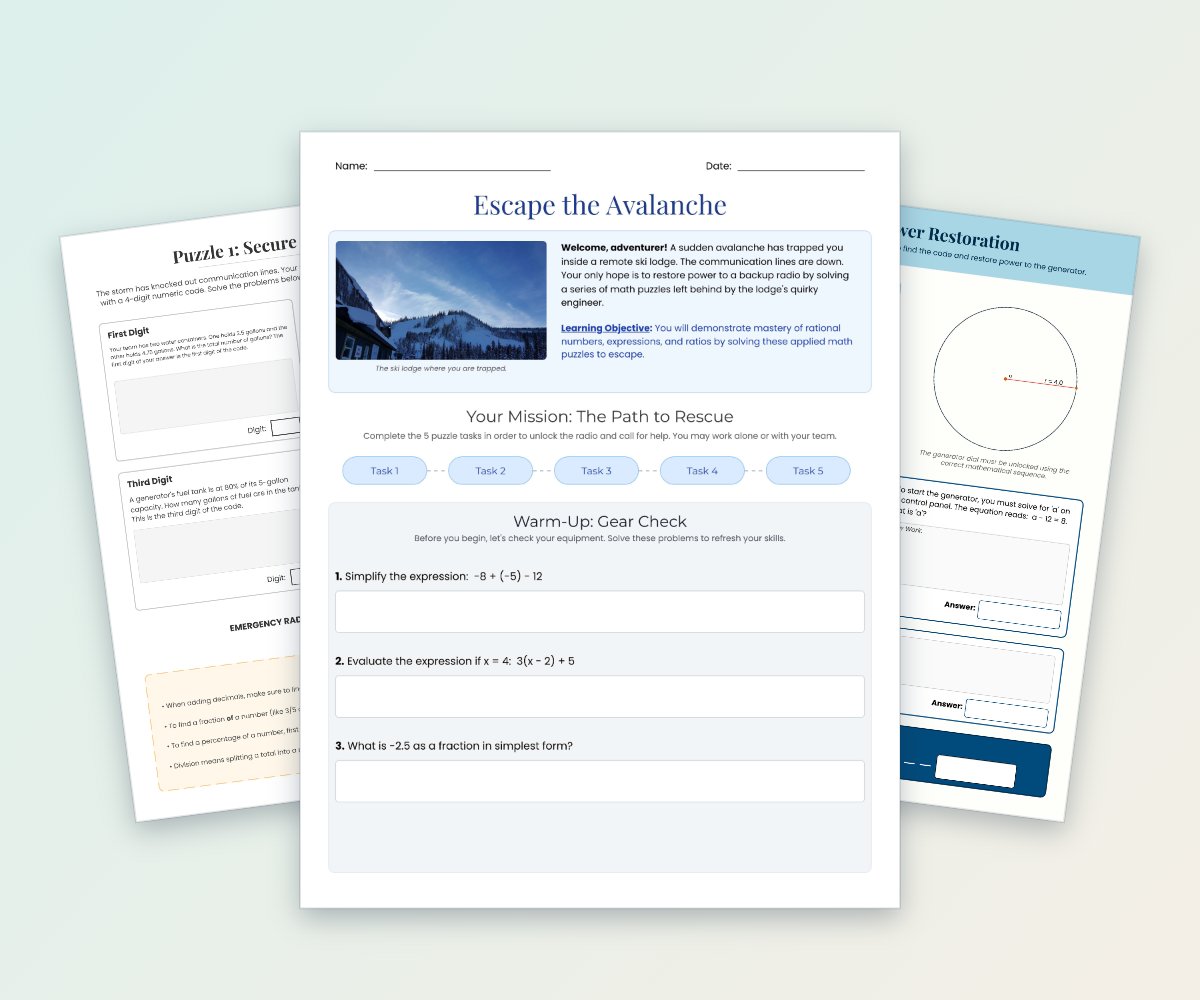
Students work individually or in teams to solve five avalanche-themed math puzzles and restore a backup radio.
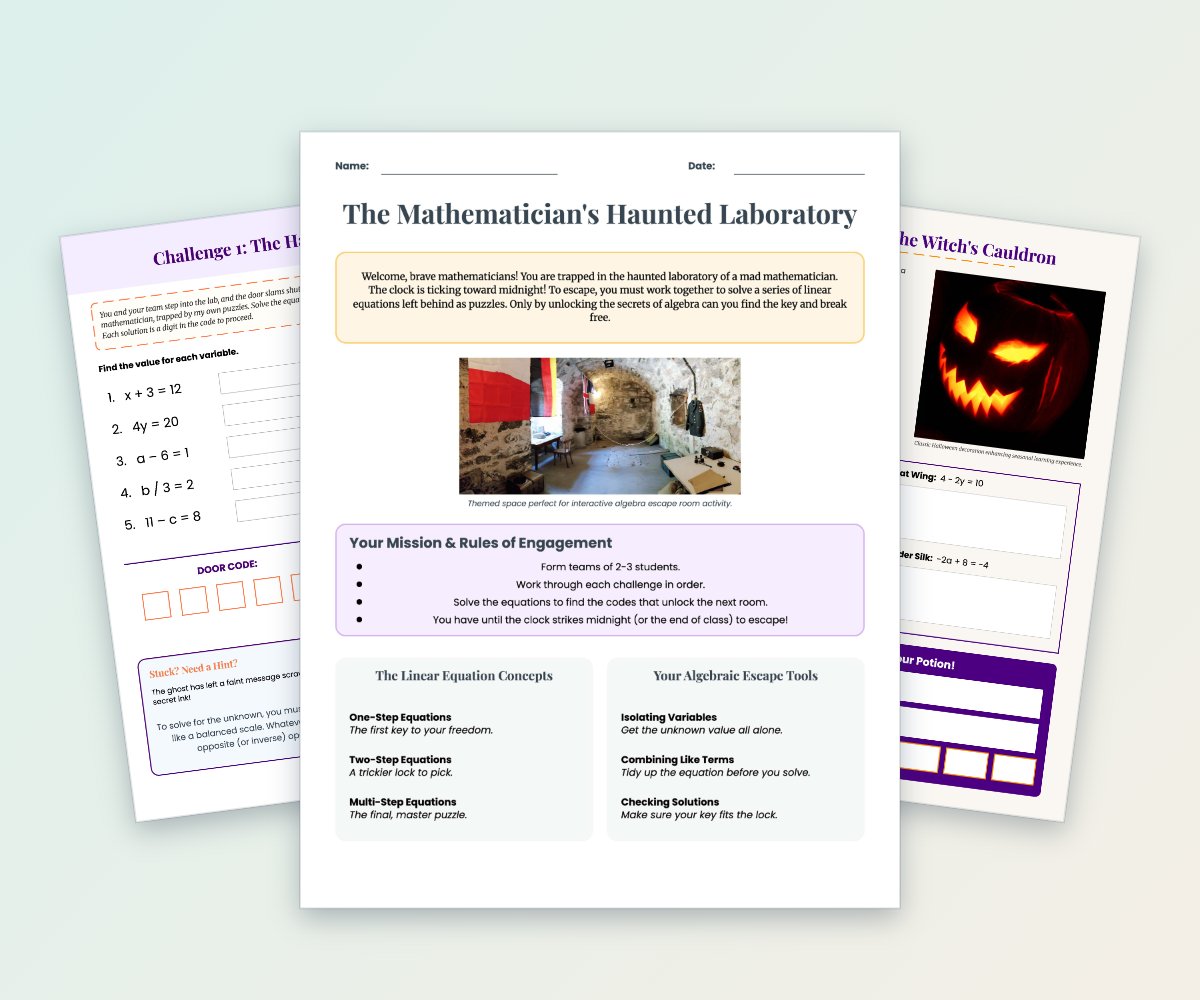
Students work in teams to escape a haunted laboratory by solving one-step, two-step, and multi-step linear equations.
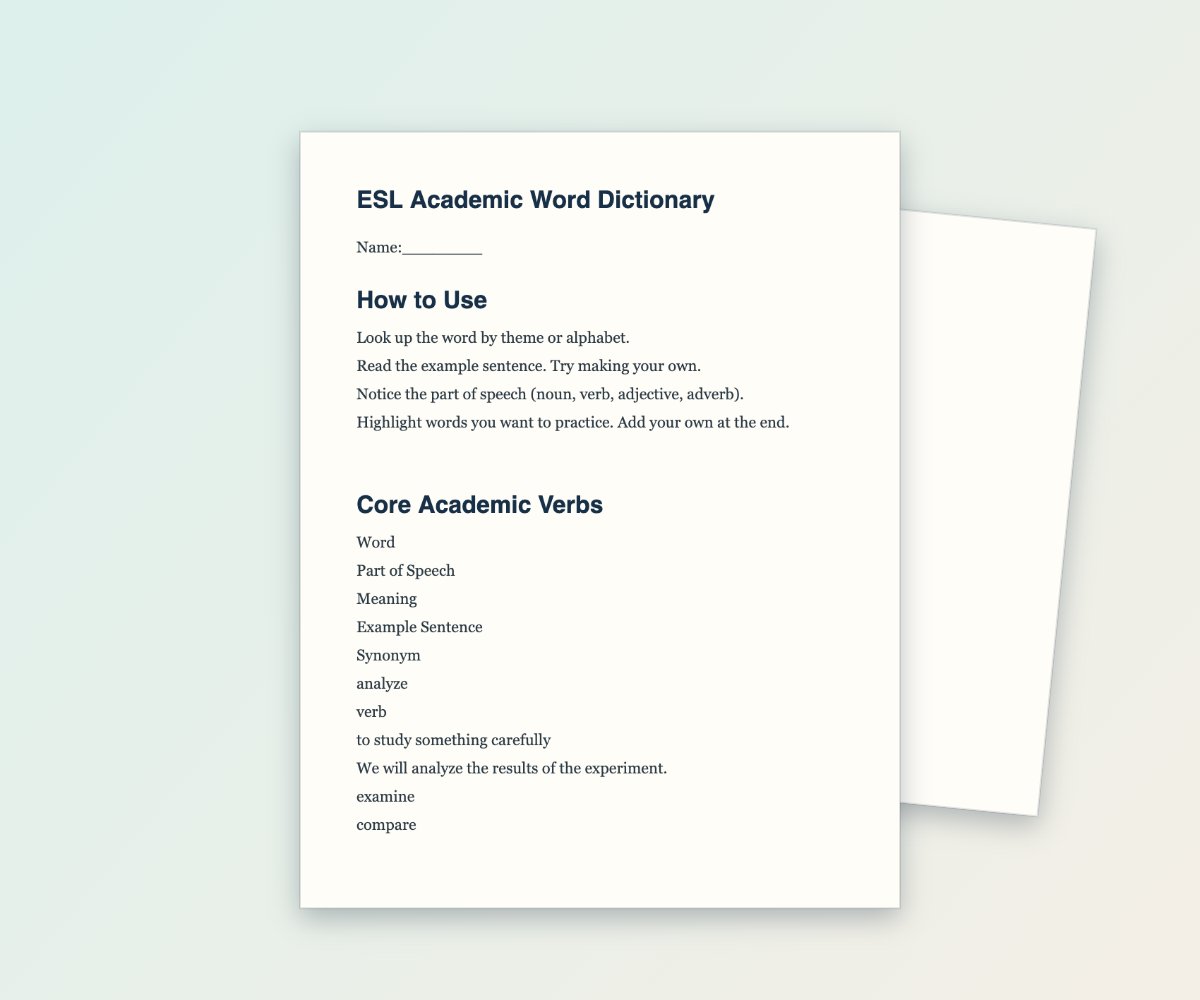
This two-page academic word dictionary introduces common verbs, nouns, and adjectives with definitions, synonyms, and example sentences.
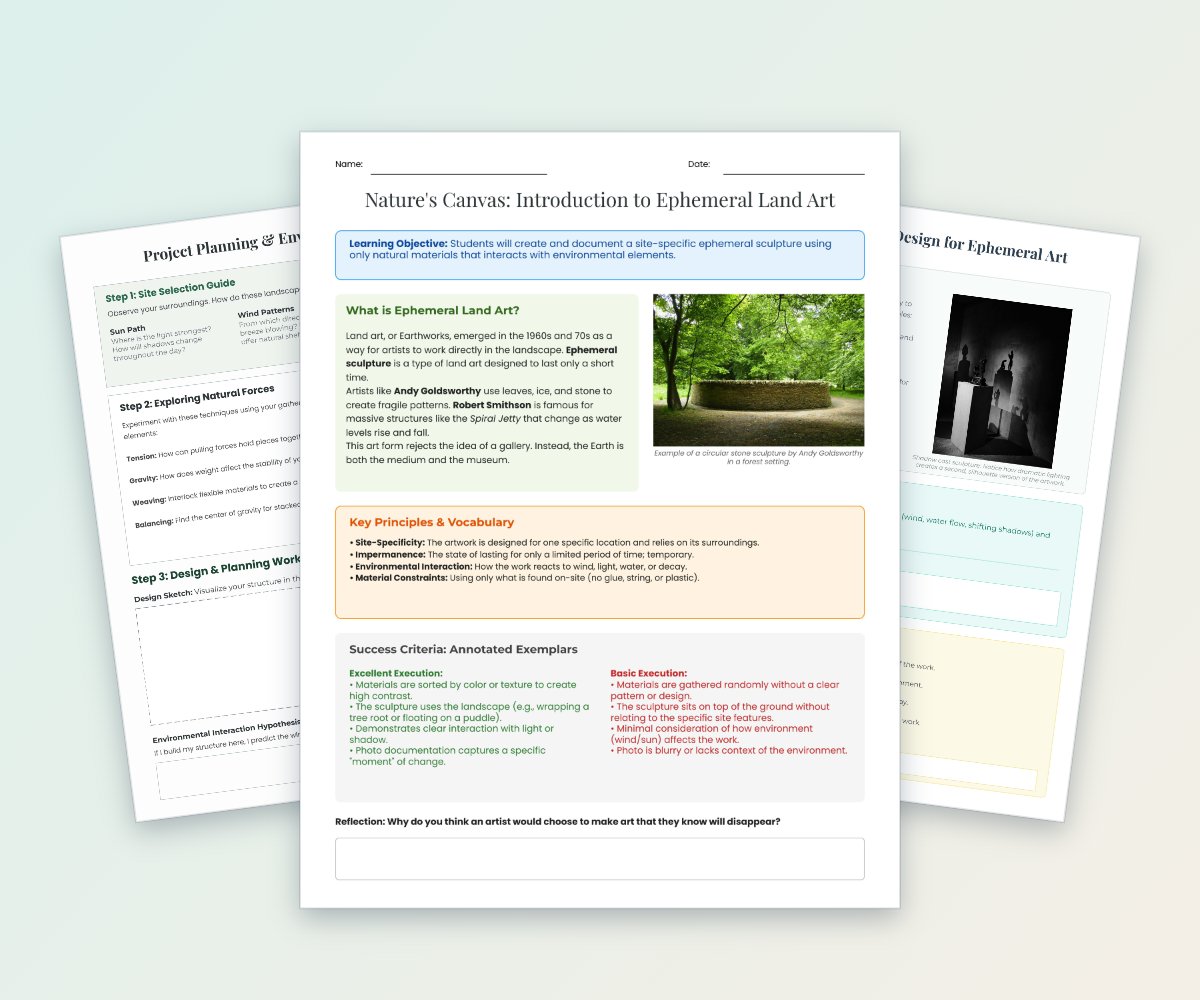
Students explore site-specific, temporary sculpture inspired by artists such as Andy Goldsworthy and Robert Smithson.
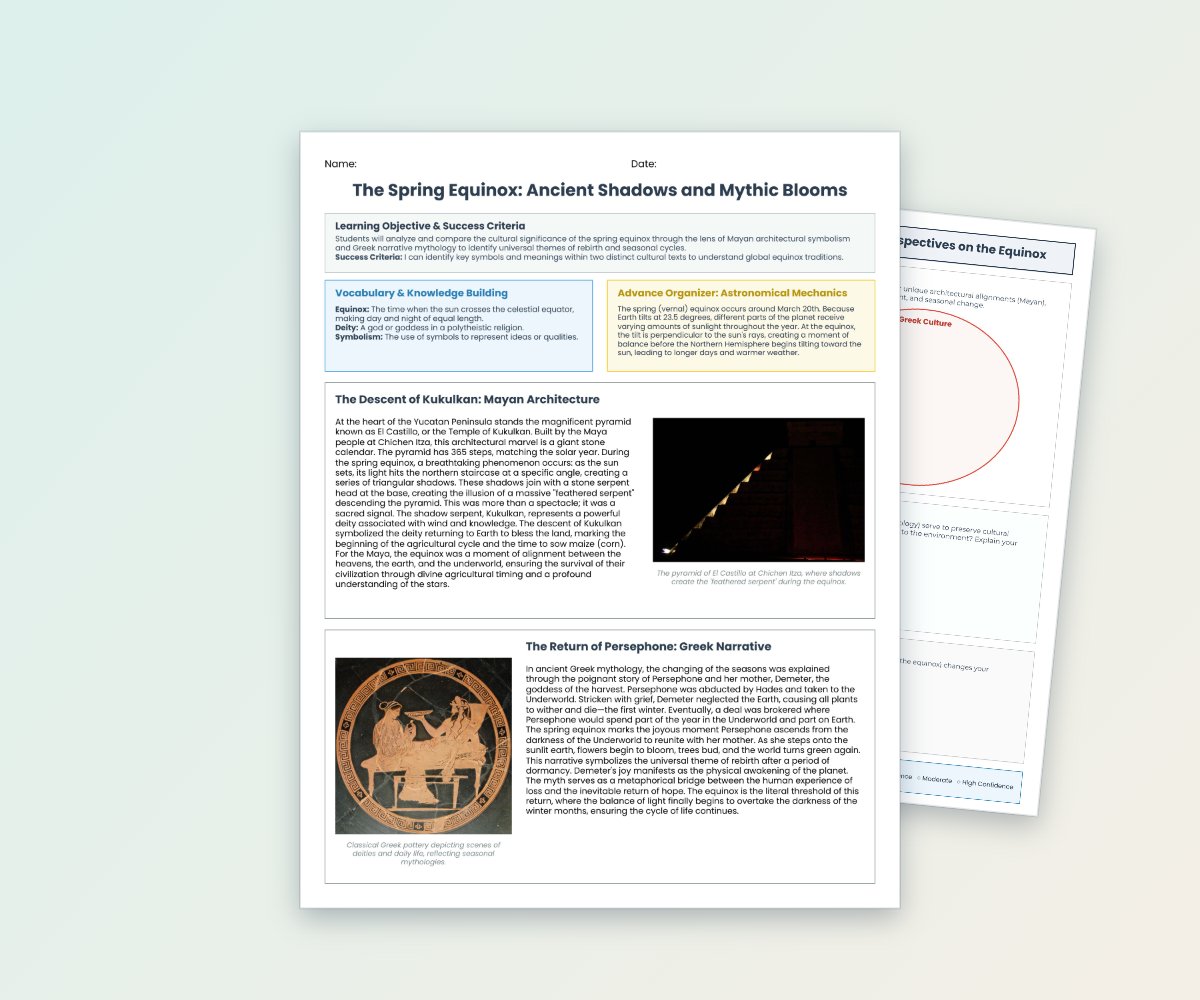
This two-page lesson explores the spring equinox through Maya architectural symbolism at Chichen Itza and the Greek myth of Persephone.
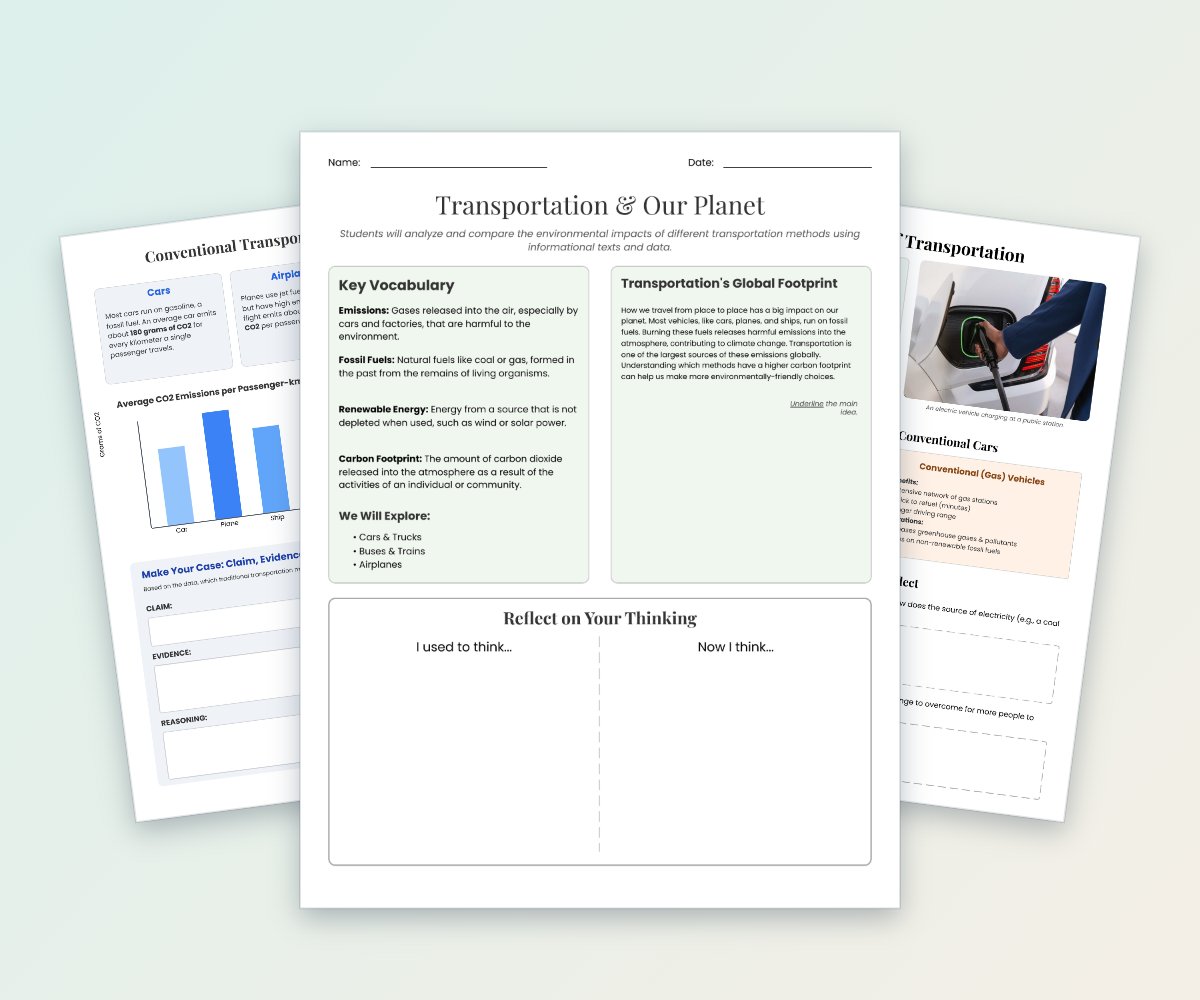
Students compare transportation methods using informational text, vocabulary, emissions data, and claim-evidence-reasoning prompts.
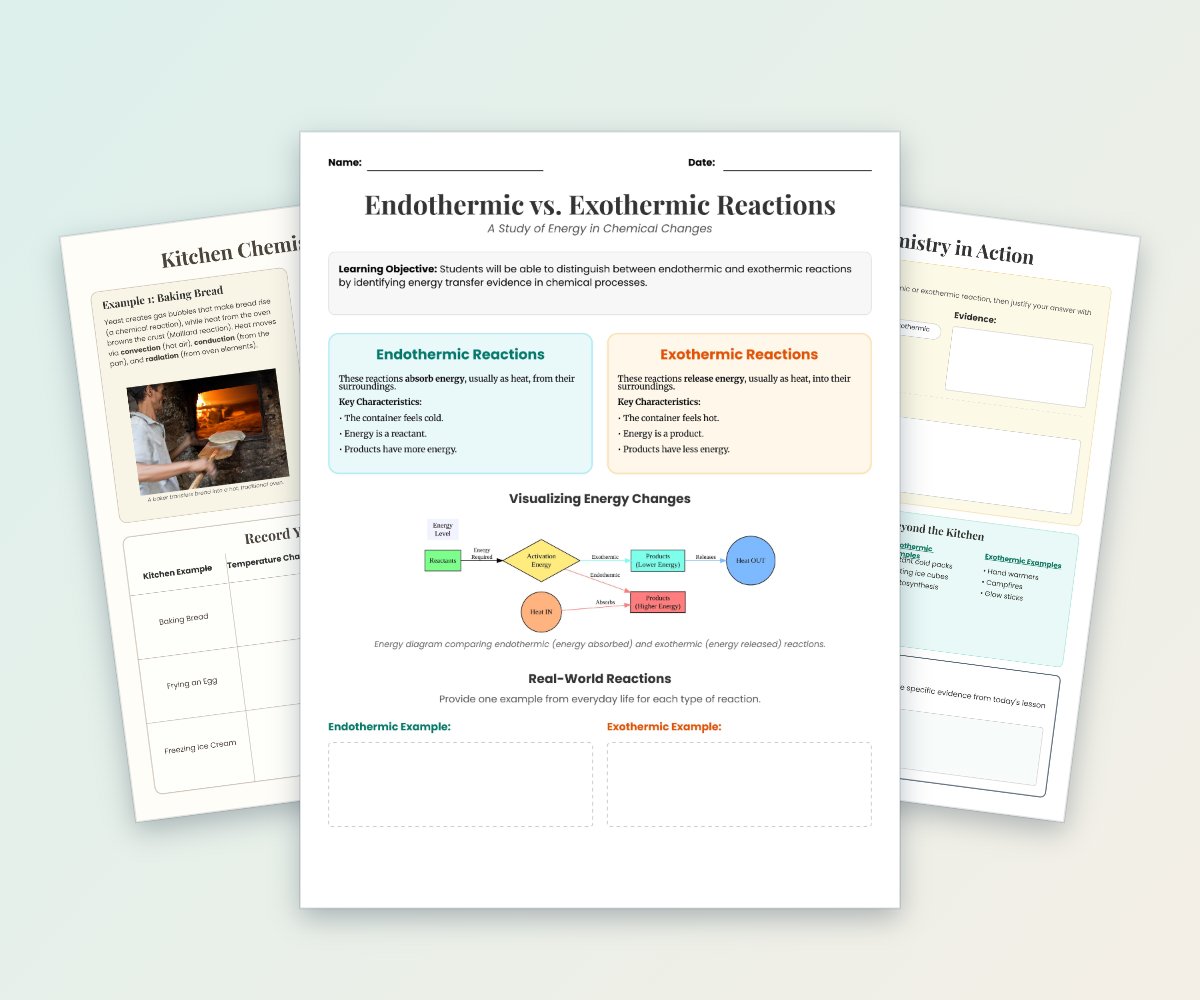
This three-page worksheet introduces energy absorption and release in chemical reactions through diagrams, real-world examples, and kitchen chemistry scenarios.
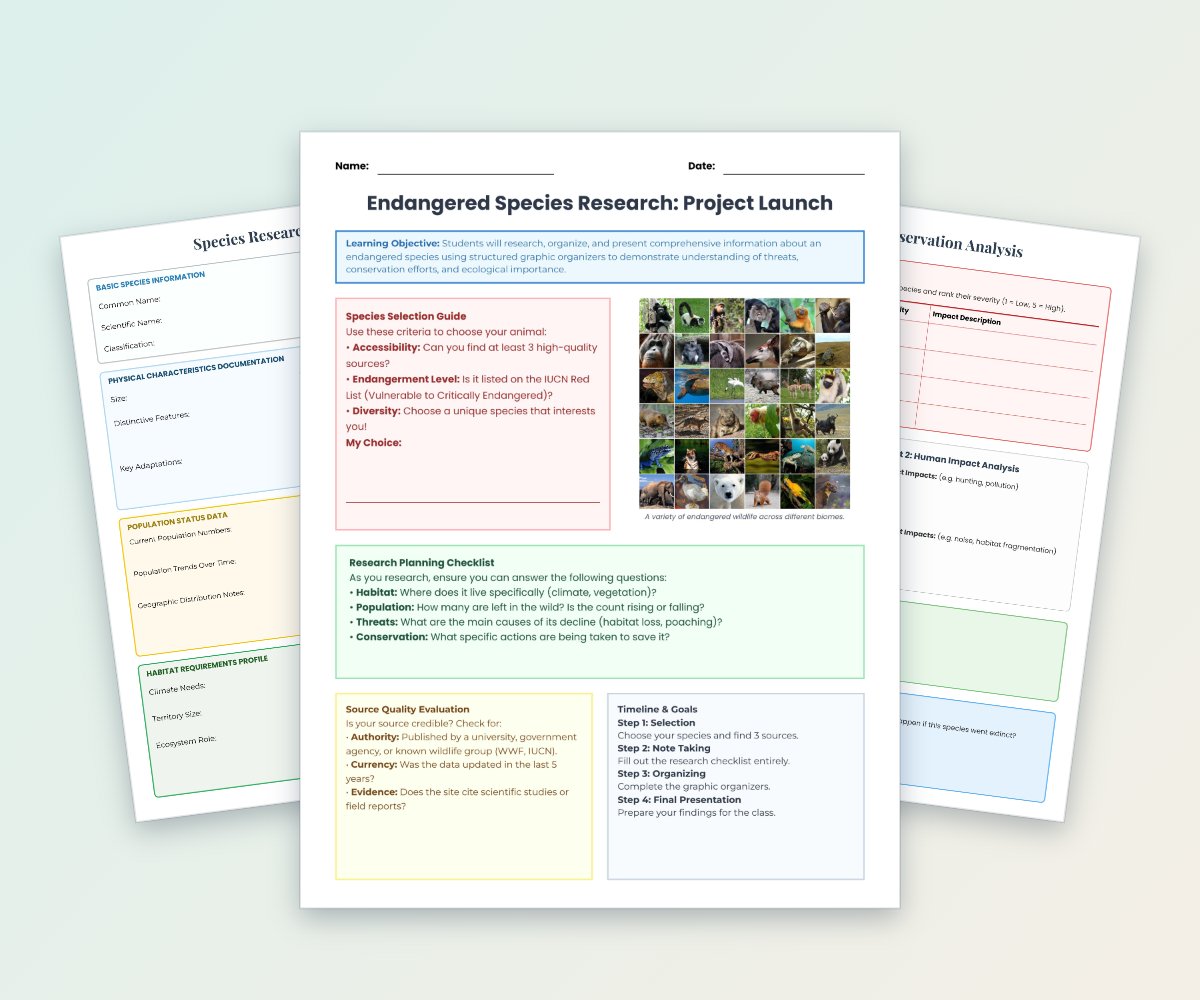
This five-page packet guides students through selecting an endangered species, evaluating credible sources, researching threats and conservation efforts, and organizing findings.
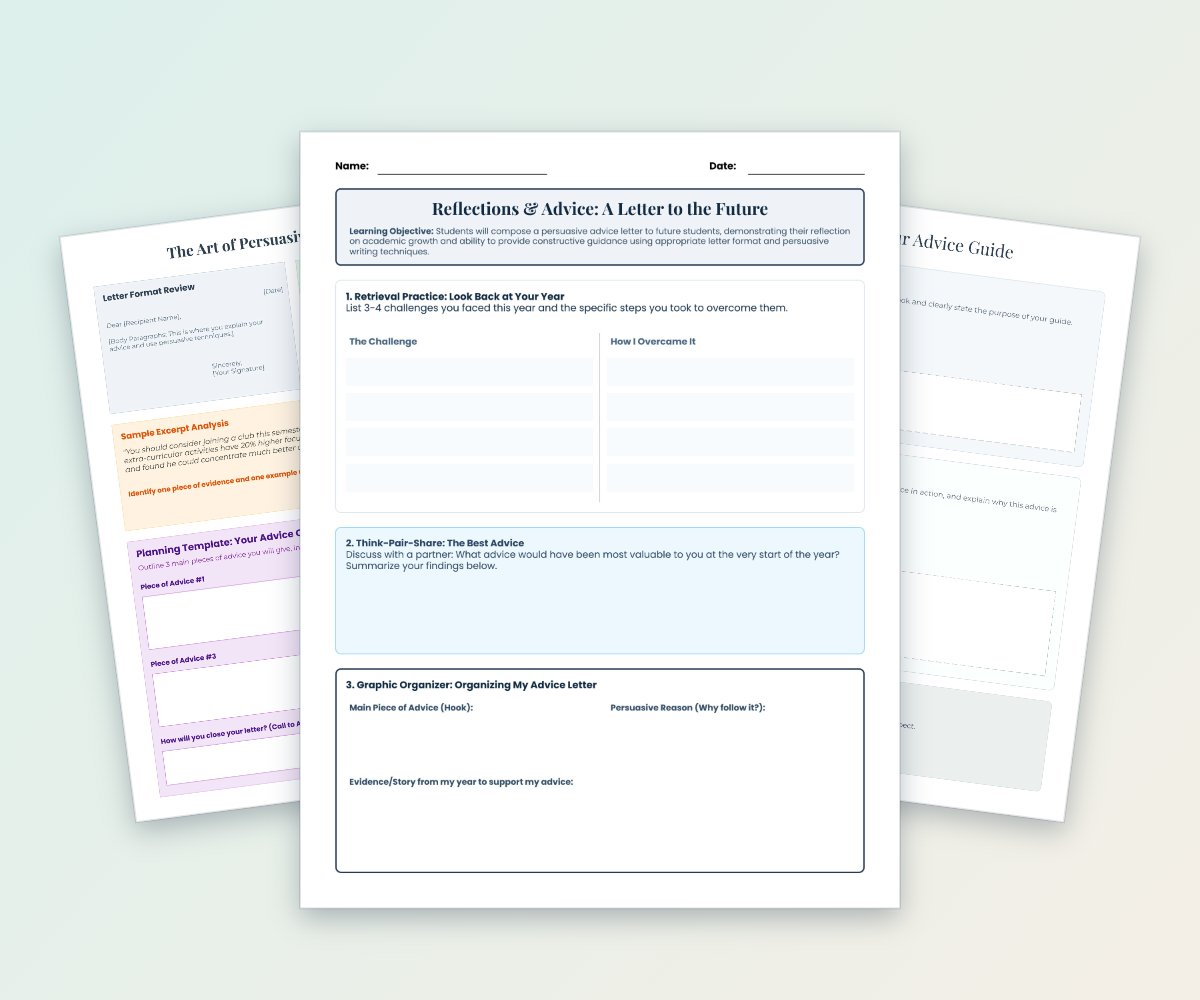
Guide students in reflecting on their academic year and composing persuasive advice letters for future students.
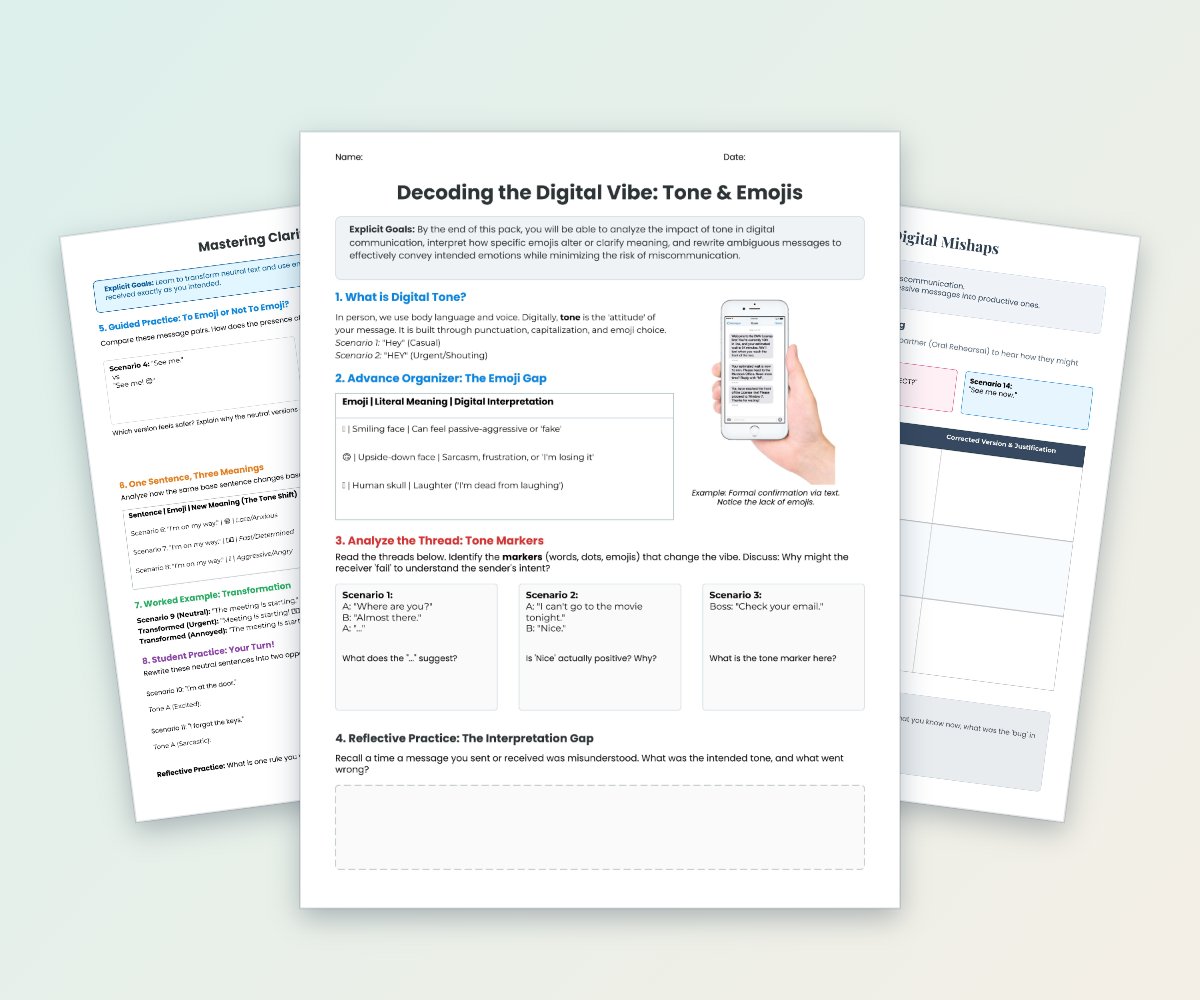
This activity pack helps students analyze how punctuation, capitalization, wording, and emojis affect tone in digital communication.
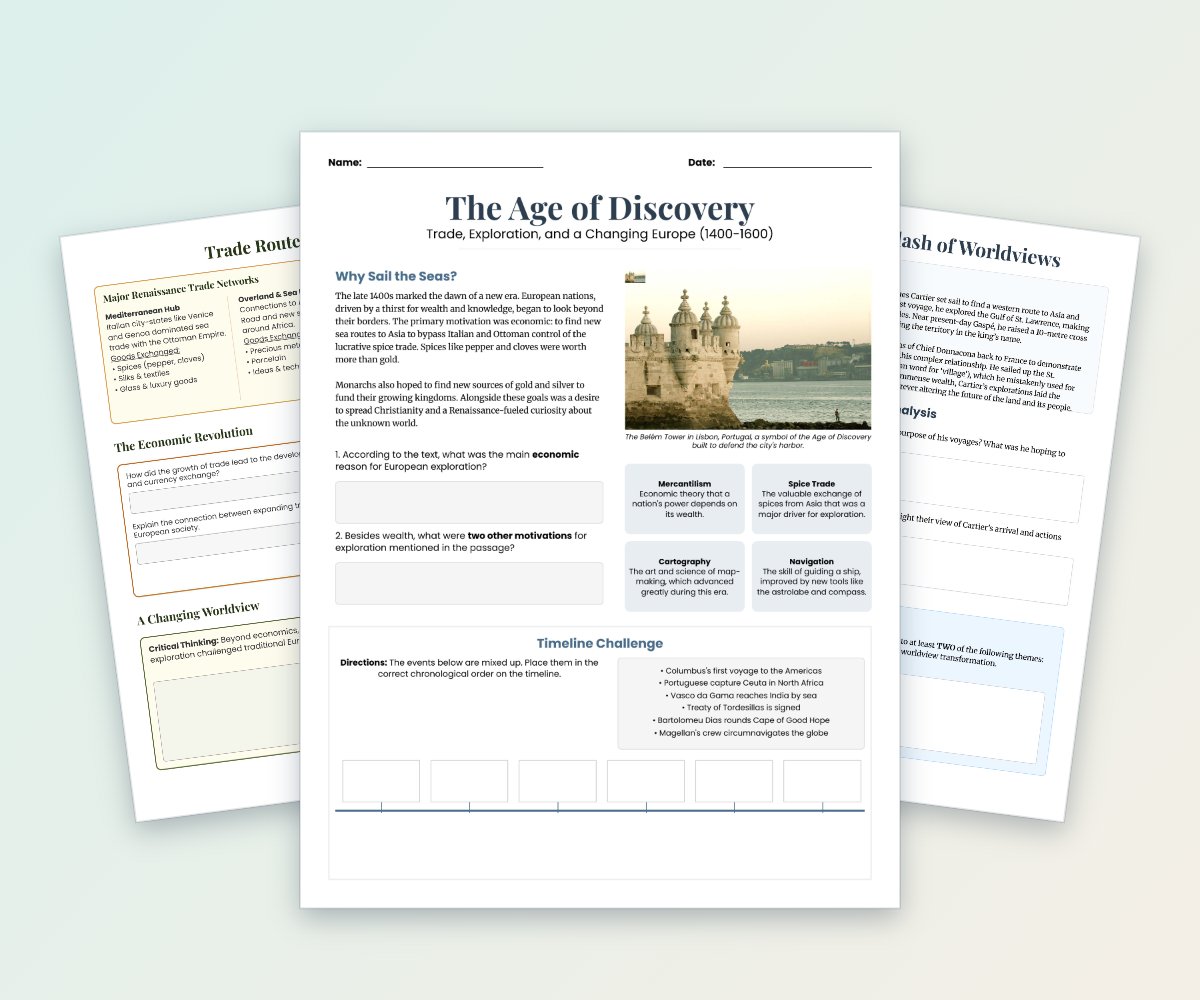
Students examine why European nations explored overseas, how trade networks developed, and how exploration changed European society between 1400 and 1600.
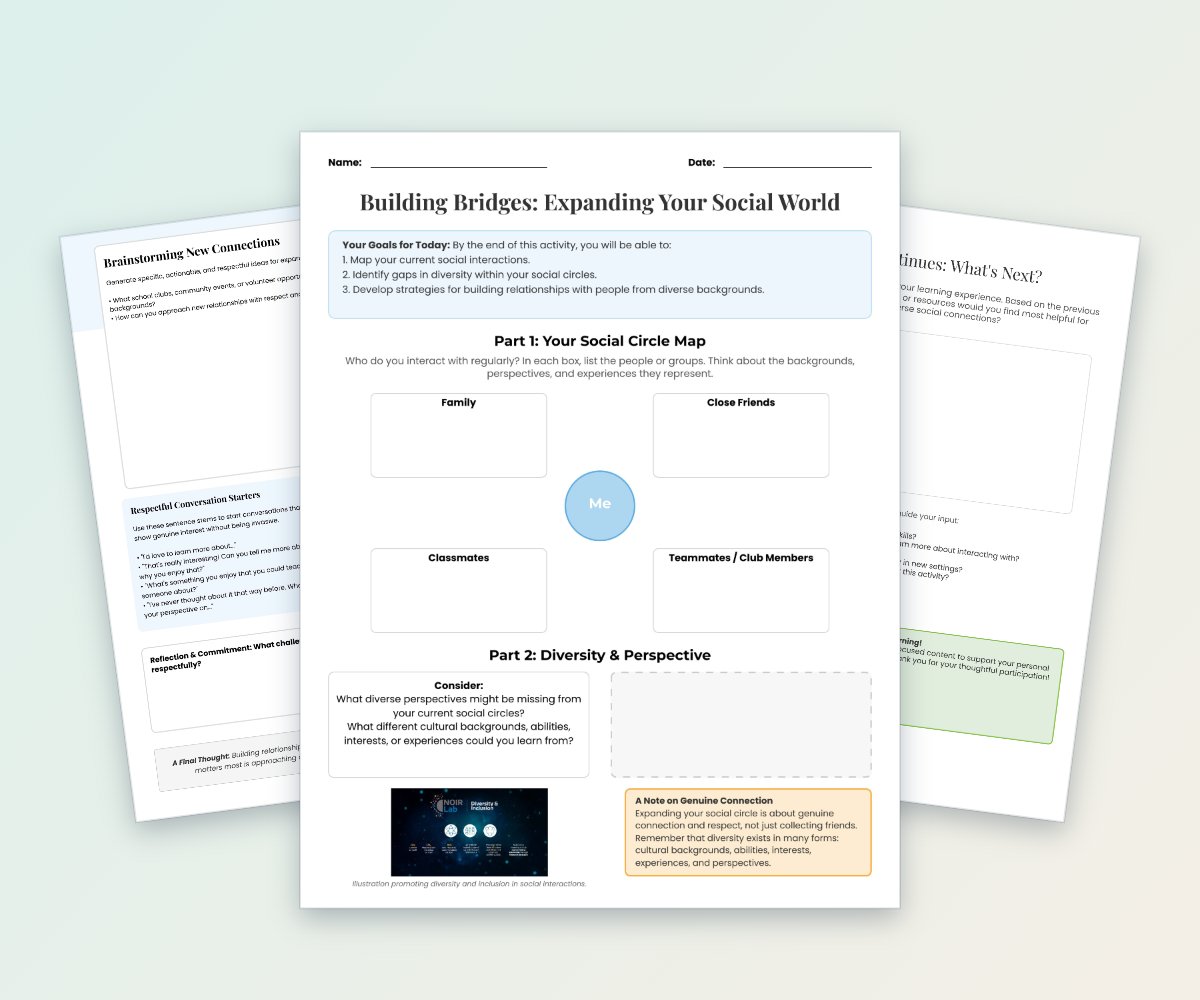
This three-page SEL activity helps students map their current social circles, recognize missing perspectives, and plan respectful ways to build diverse connections.
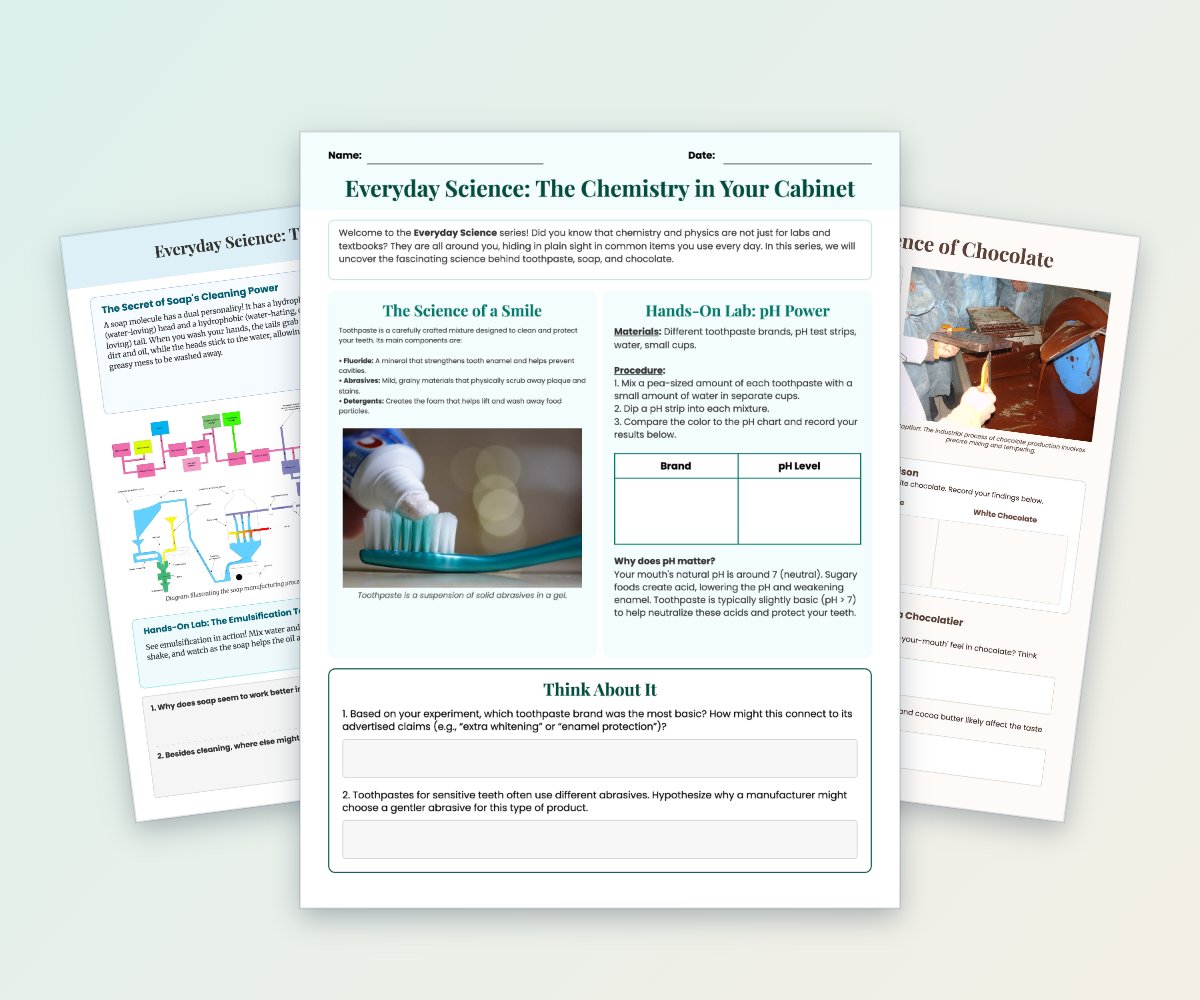
Explore the chemistry of toothpaste and soap through accessible explanations, diagrams, a pH investigation, and critical-thinking questions.
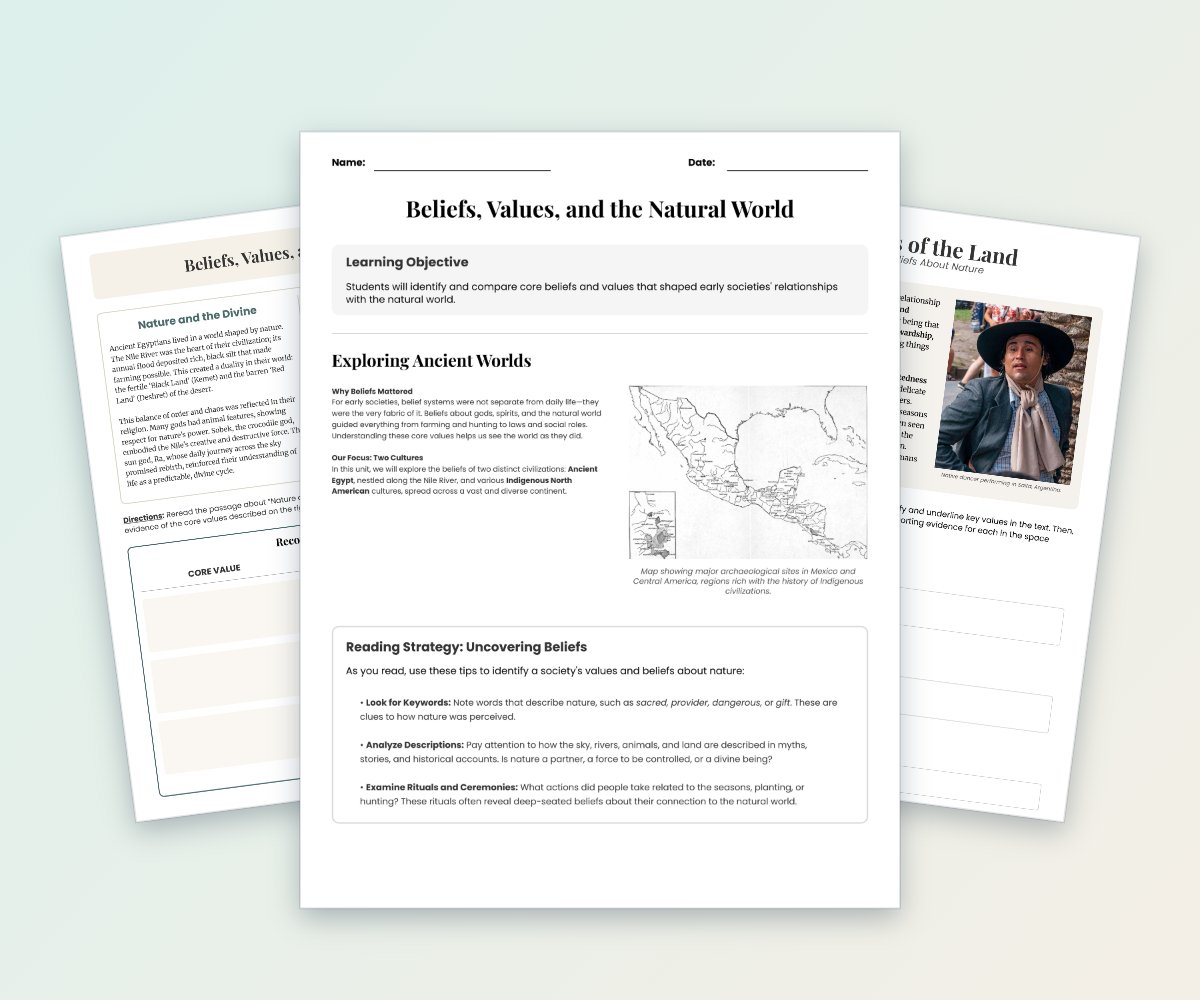
This four-page social studies resource examines how beliefs and values shaped relationships with the natural world in Ancient Egypt and Indigenous North American cultures.