First Peoples Voices in Media: Contemporary Media Analysis
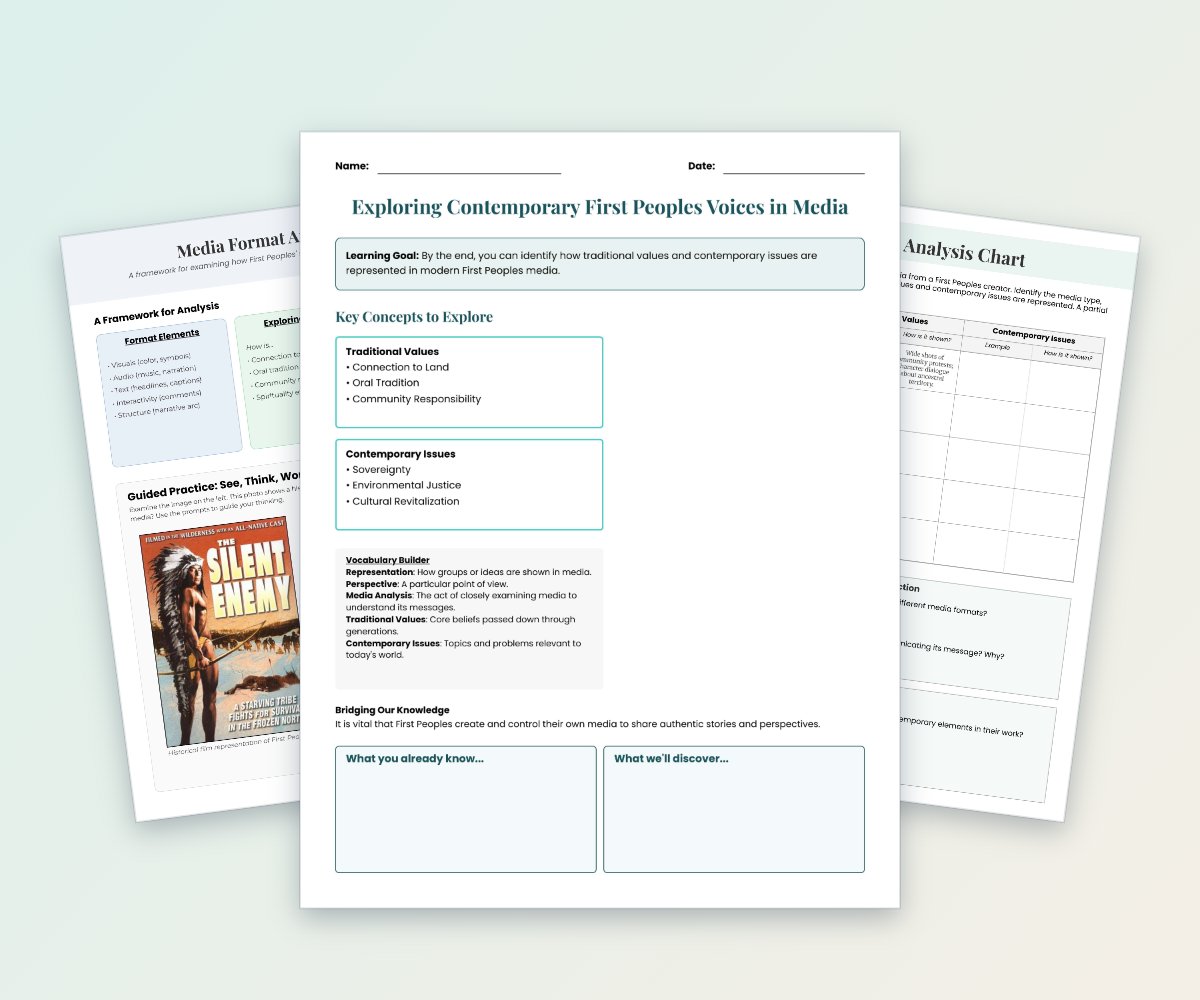
Students examine how traditional values and contemporary issues are represented in media created by First Peoples.
$3.50
Classroom-ready resources written for grade 12: printable worksheets, slides, activities and planning tools you can download and use straight away. Browse by subject below.
Students examine how traditional values and contemporary issues are represented in media created by First Peoples.
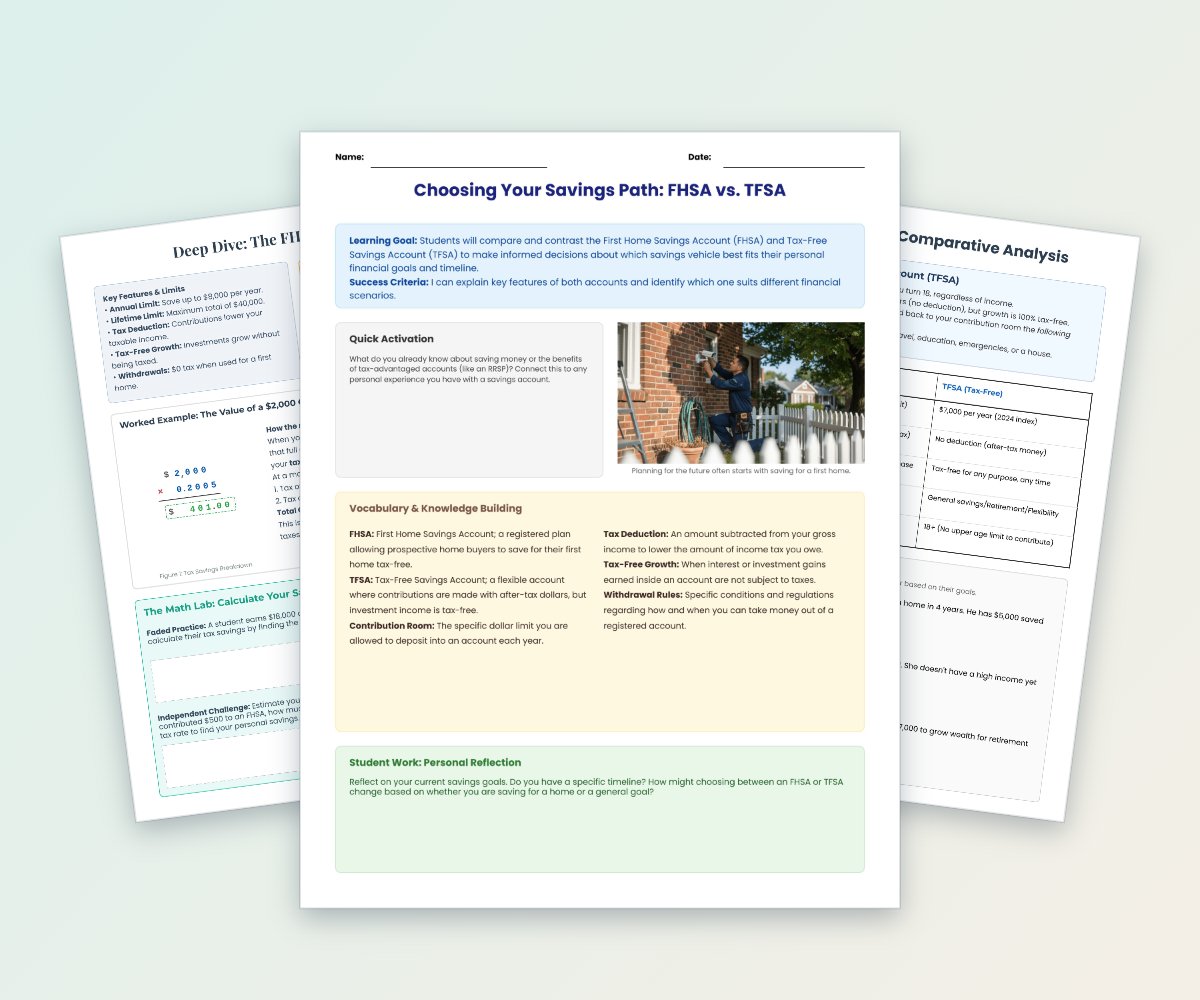
This five-page financial literacy lesson helps students compare First Home Savings Accounts and Tax-Free Savings Accounts.
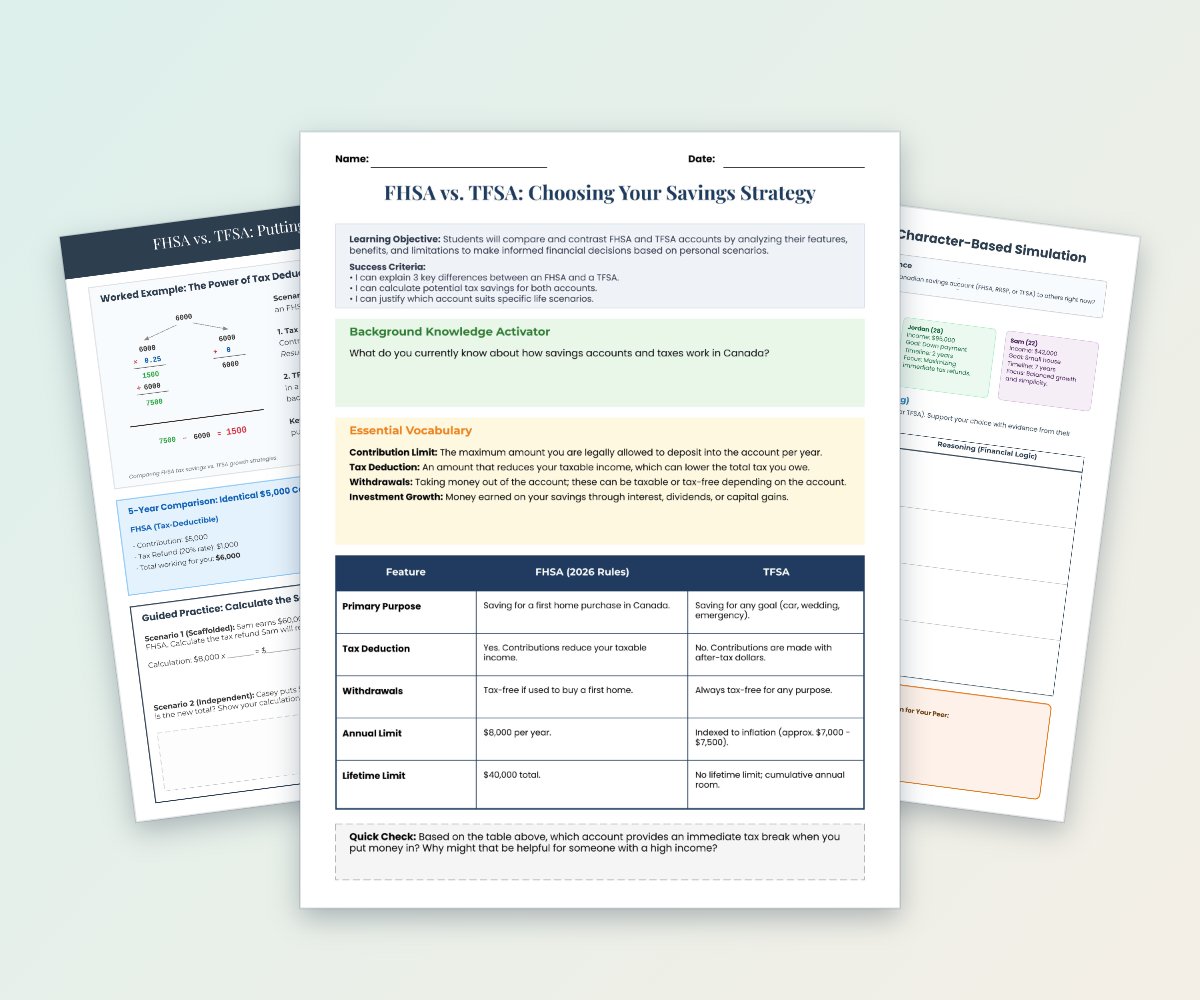
This four-page Canadian financial-literacy activity helps students compare FHSA and TFSA features, tax benefits, contribution limits, and withdrawal rules.
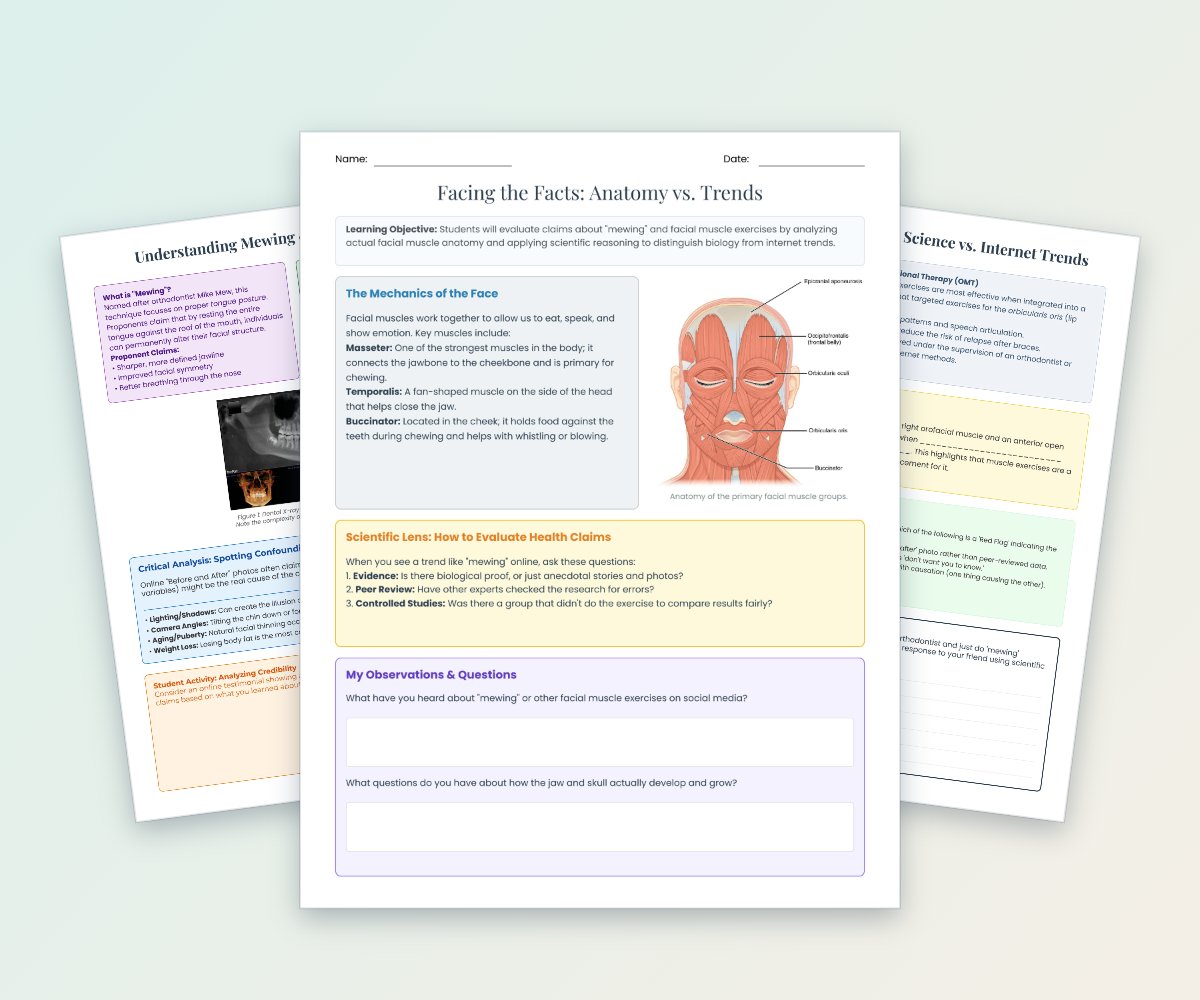
Students examine key facial muscles, bone development, and claims surrounding mewing and facial exercises.
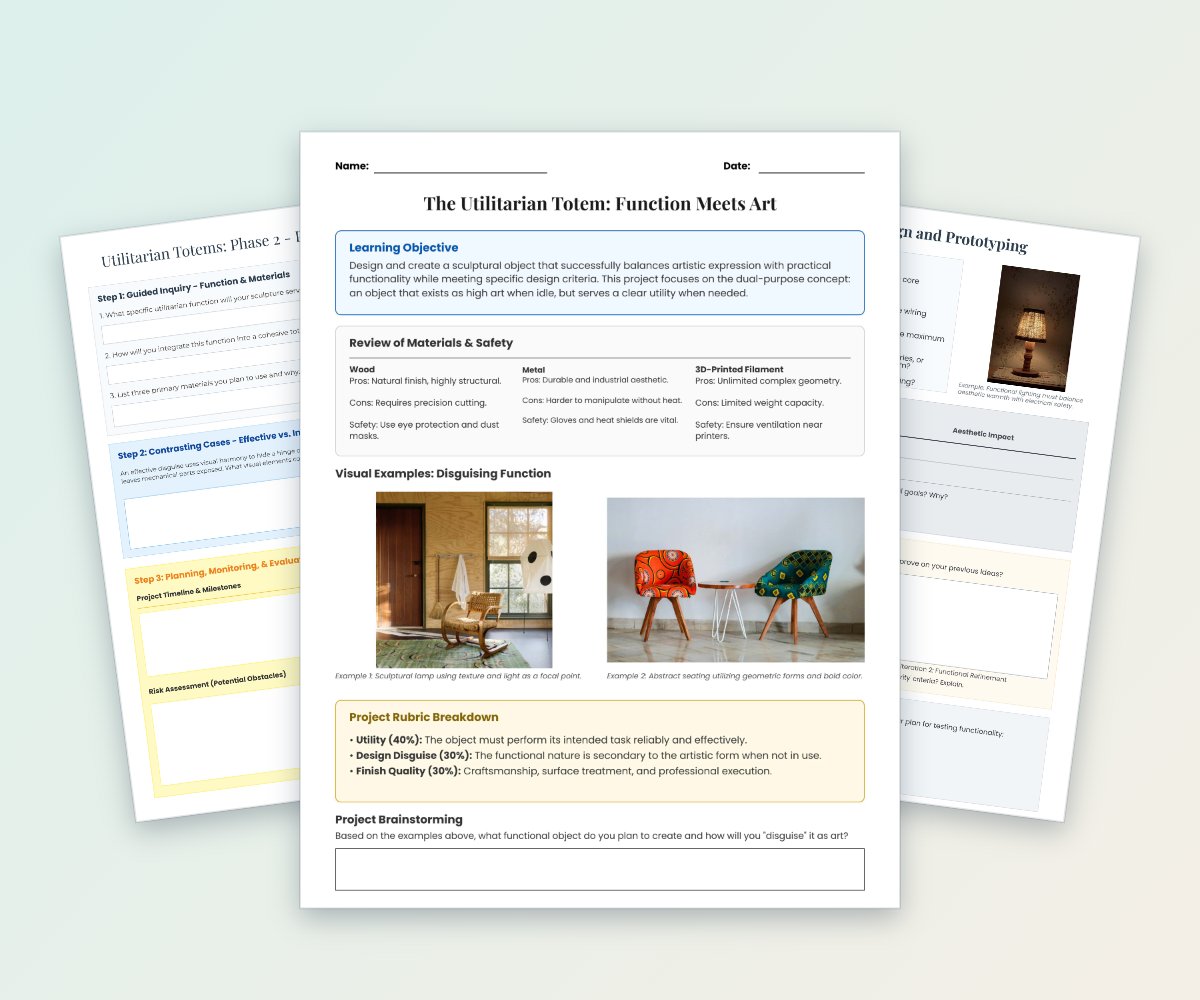
Students design and create a sculptural object that combines artistic expression with practical functionality.
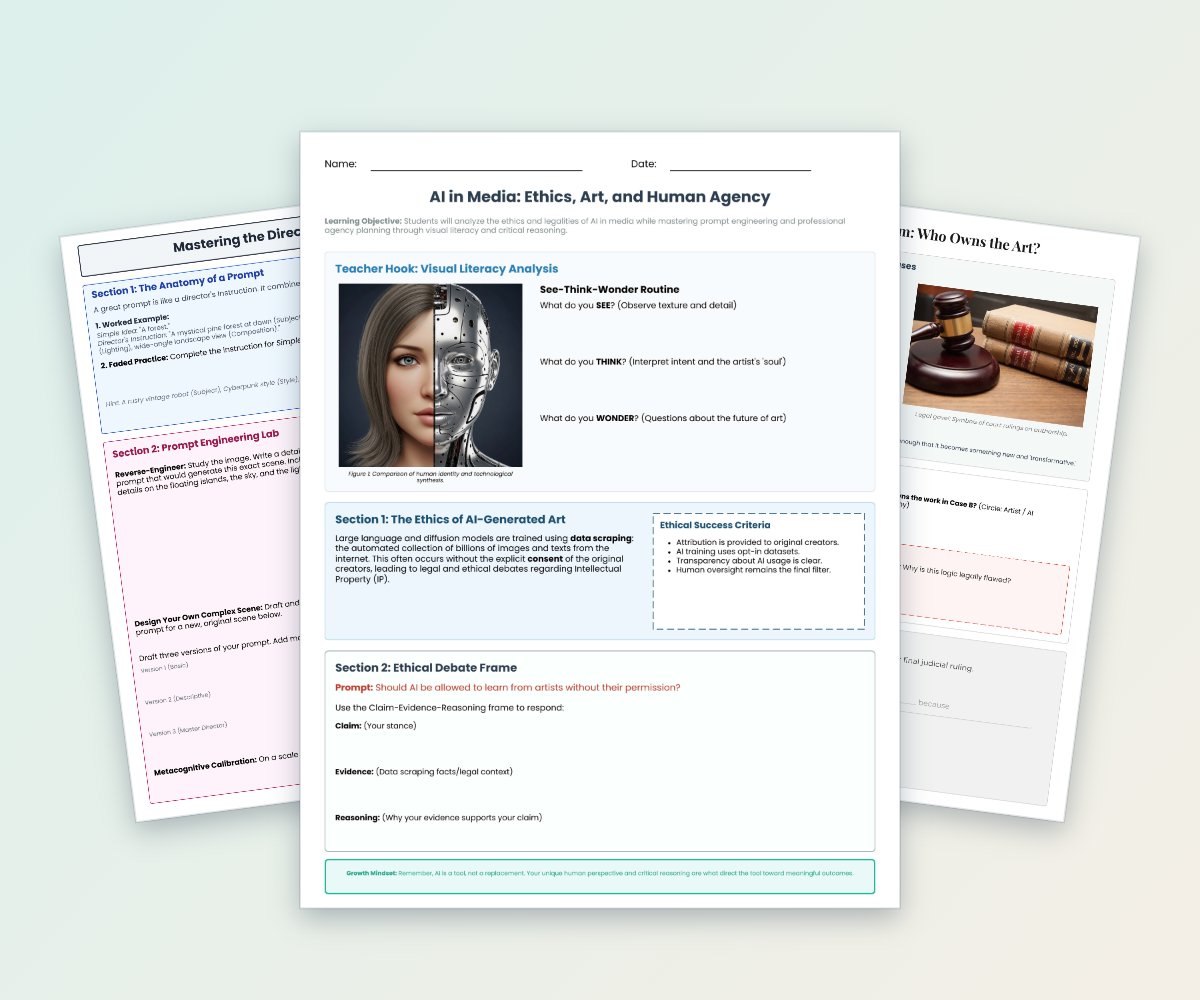
This four-page activity pack guides students through ethical debates about AI-generated art, visual literacy, and intellectual property.
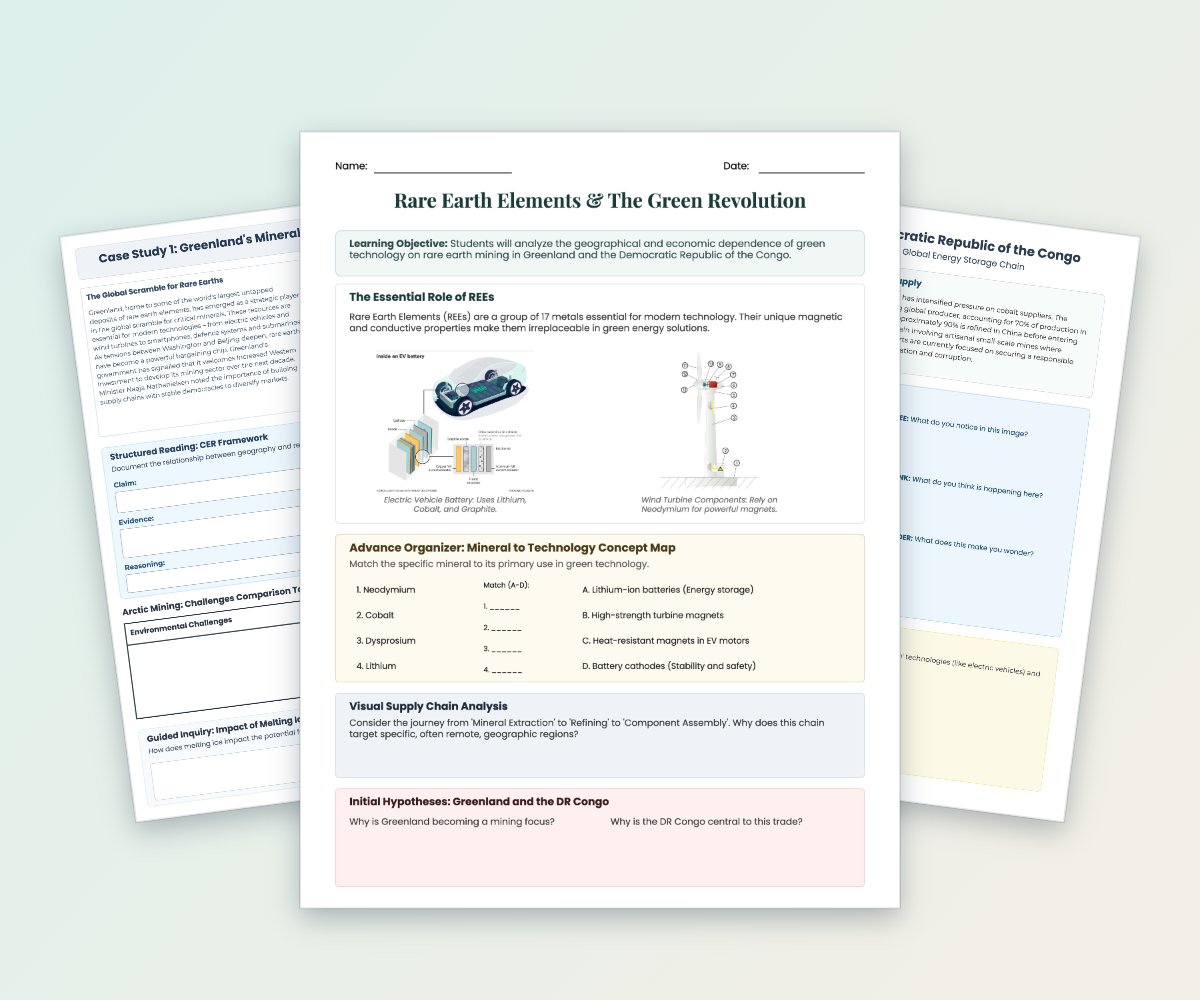
This short lesson examines how rare earth minerals support green technologies and why Greenland and the Democratic Republic of the Congo are important to global supply chains.
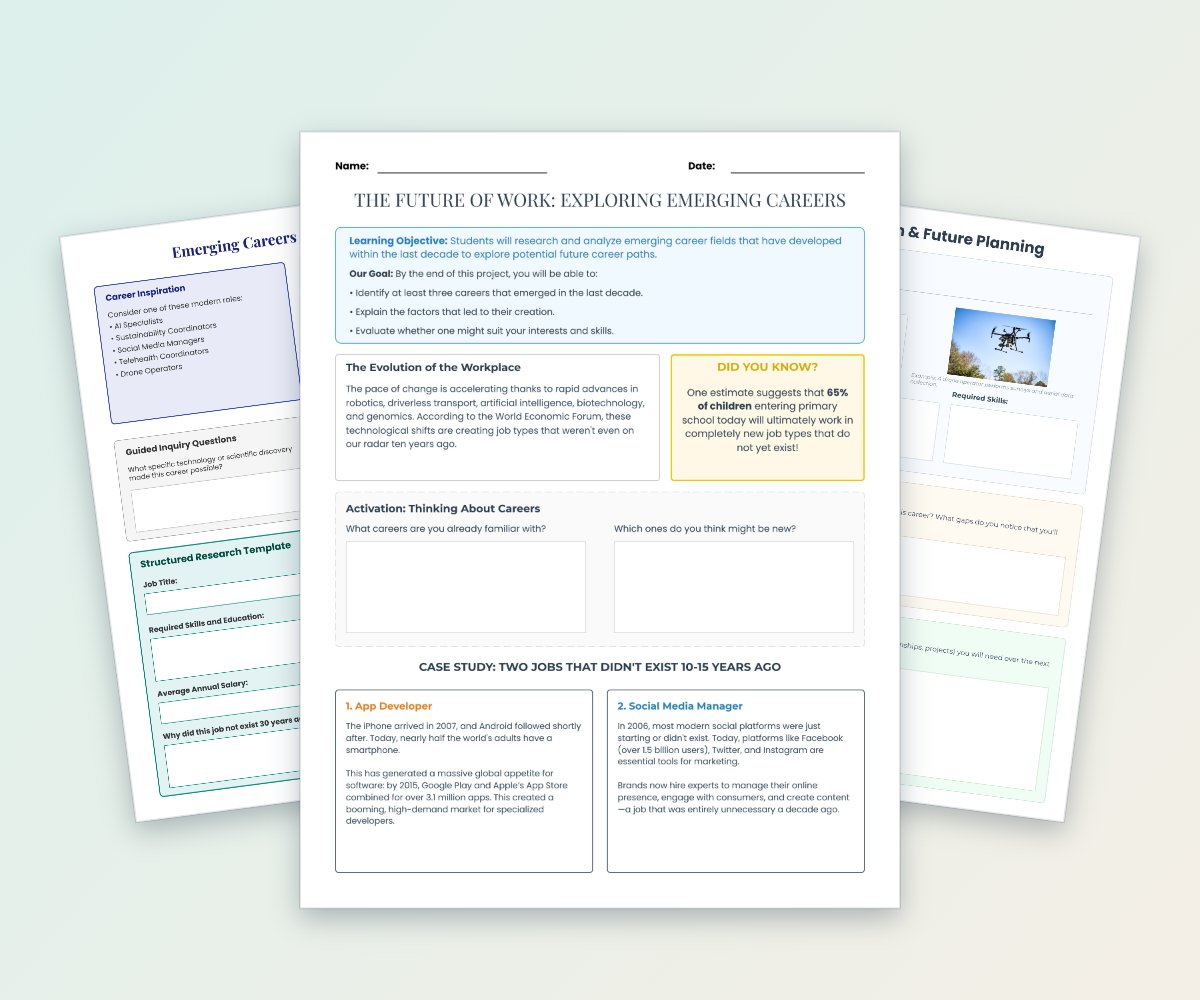
Students investigate careers created or transformed by recent advances in technology and science.
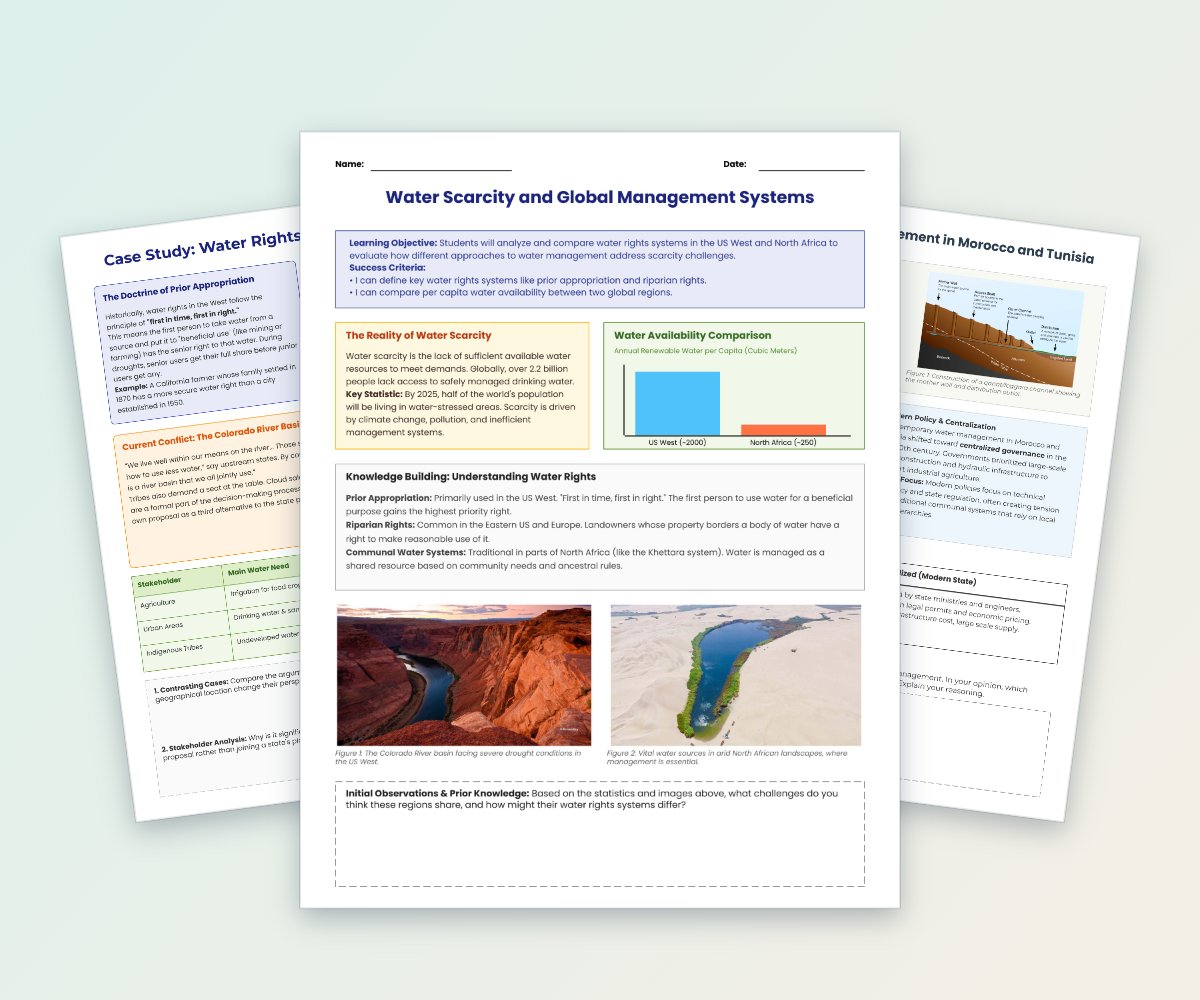
This four-page worksheet guides students in comparing water availability and management systems in the American West and North Africa.
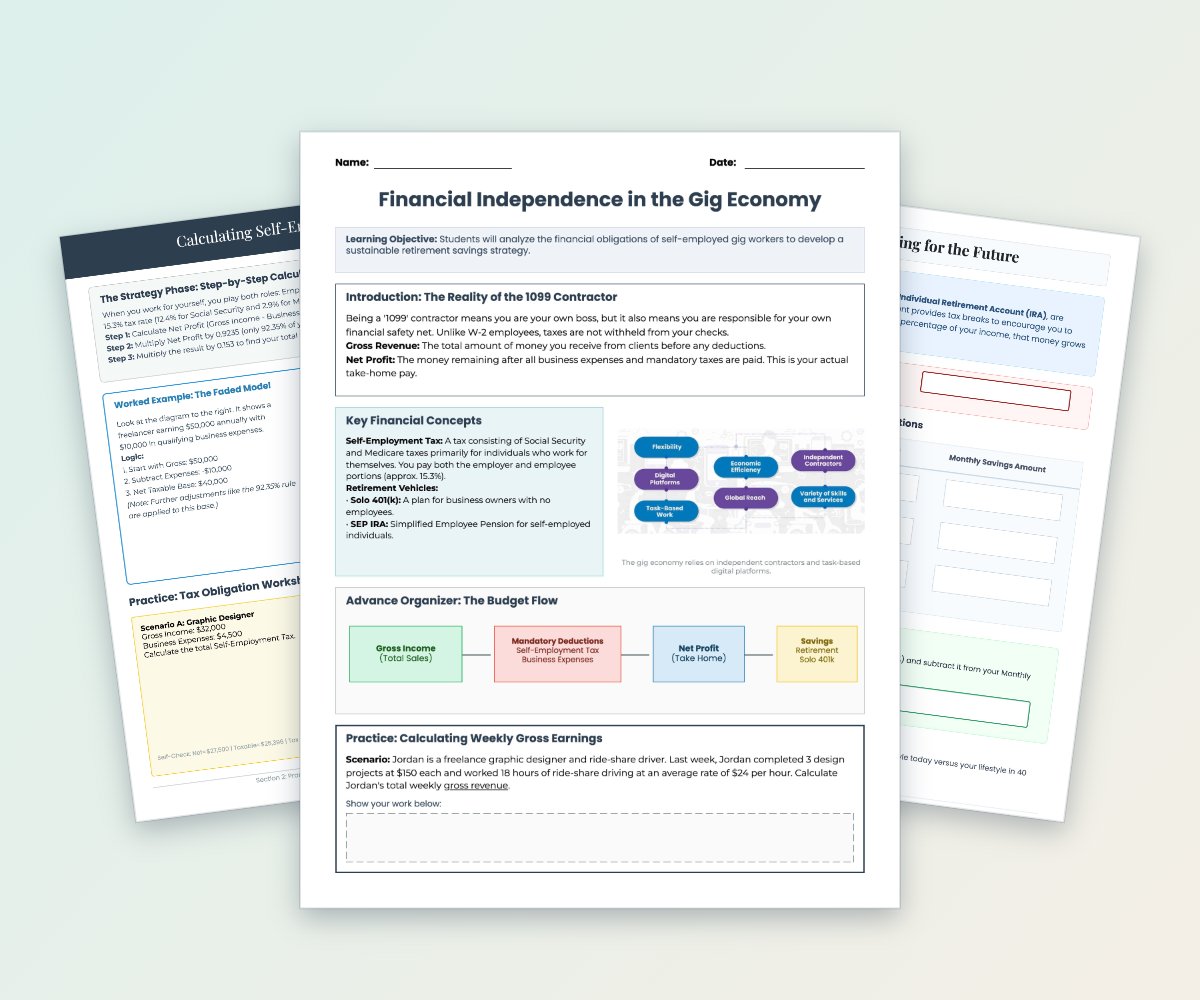
Students examine the financial responsibilities of 1099 contractors and develop a sustainable retirement savings strategy.
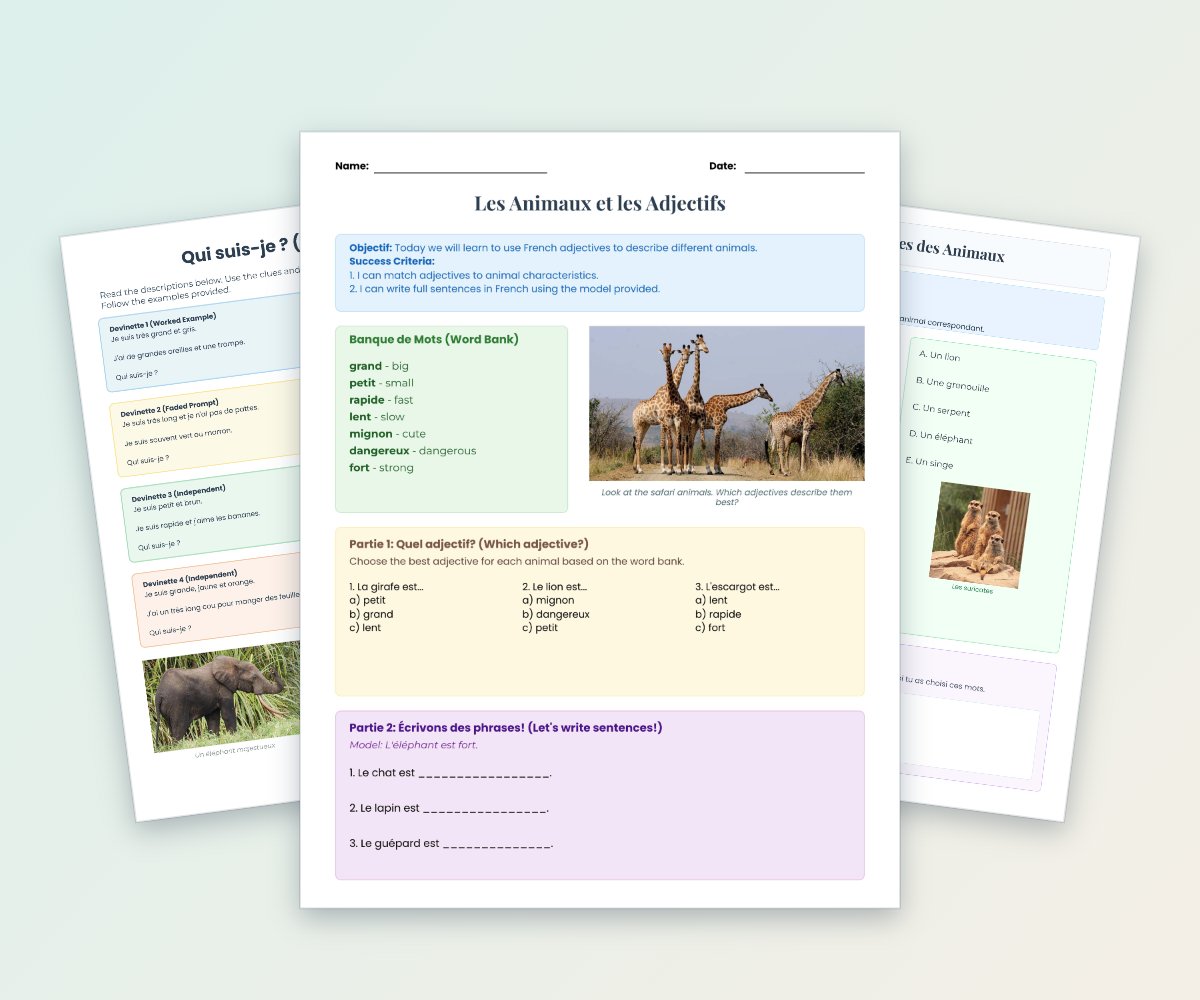
Students practice French animal vocabulary and descriptive adjectives through matching, sentence completion, animal riddles, translation, and creative writing.
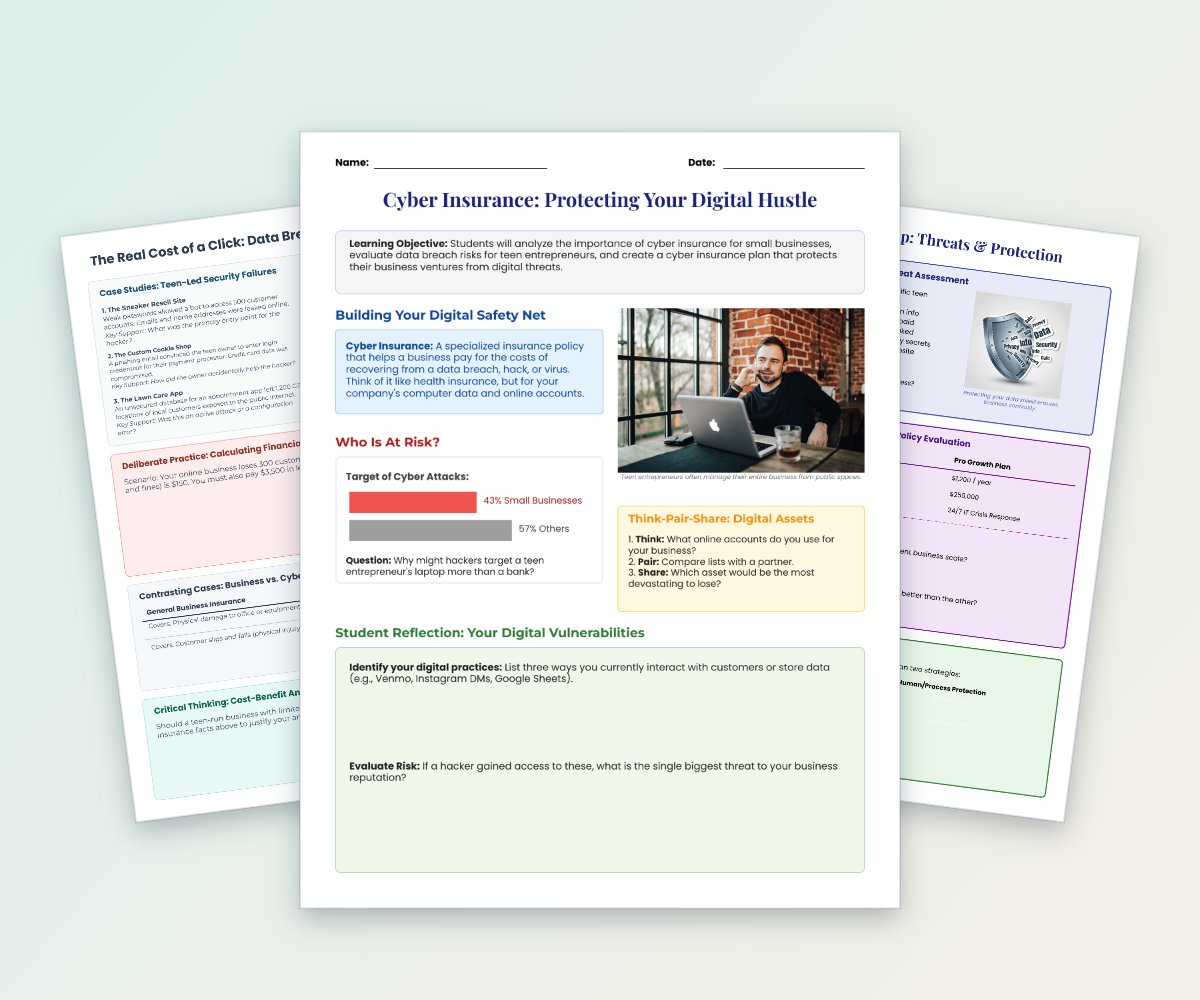
Students explore cyber insurance, digital vulnerabilities, data breaches, and cybersecurity risks affecting teen-led businesses.
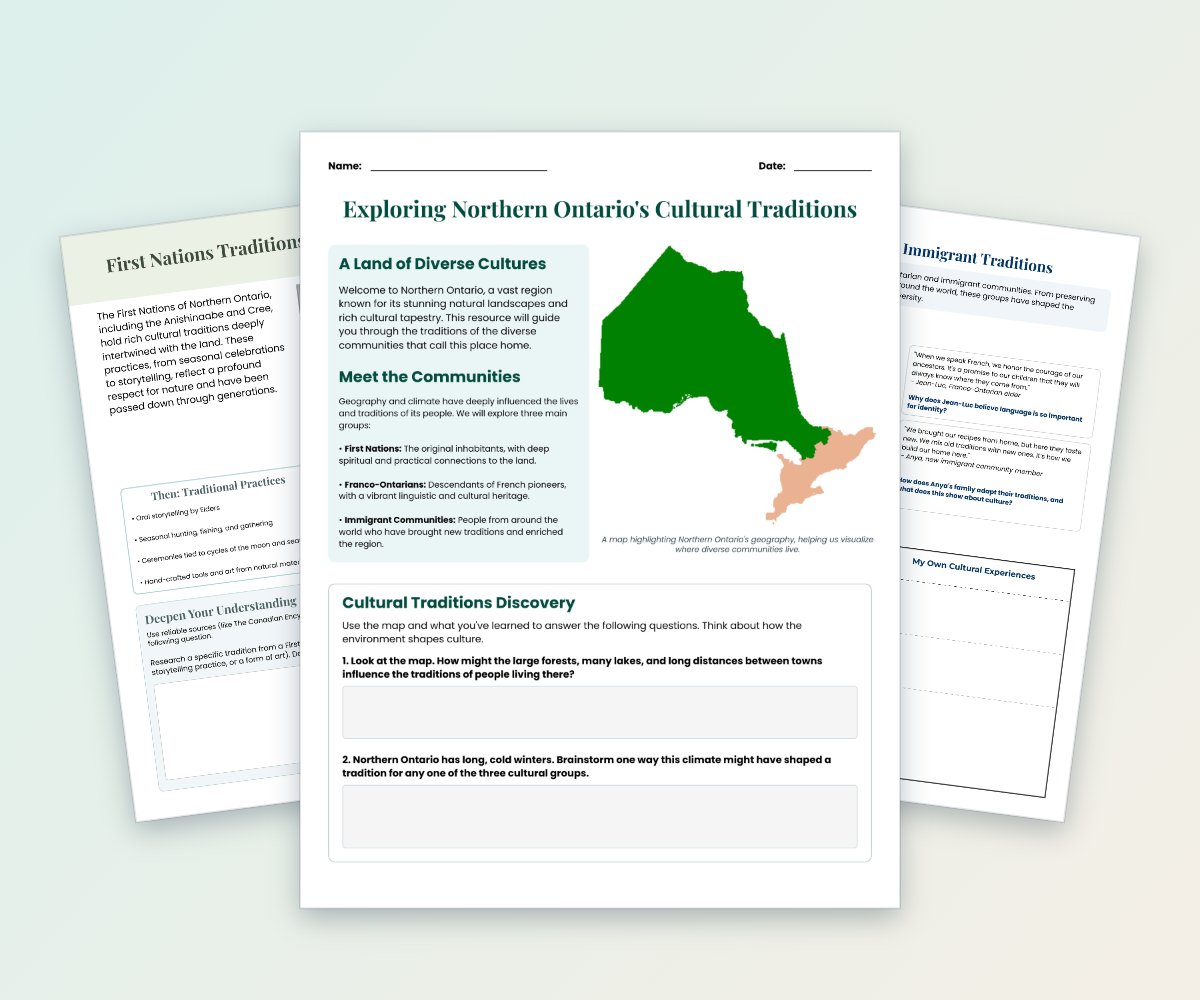
Students explore how geography and climate influence cultural traditions in Northern Ontario.
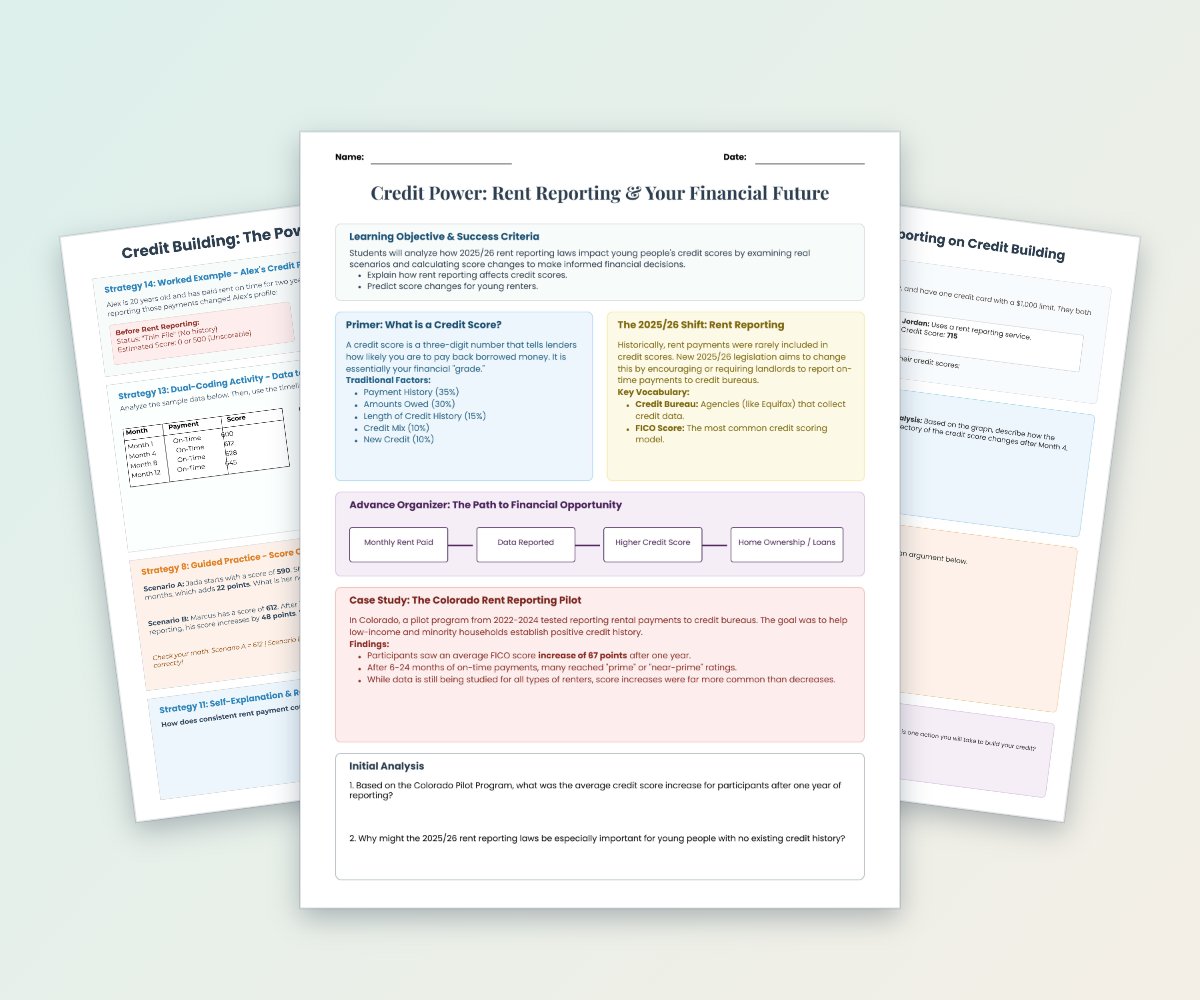
This four-page financial literacy activity introduces credit scores, rent reporting, credit-building strategies, and the potential effects on young renters.
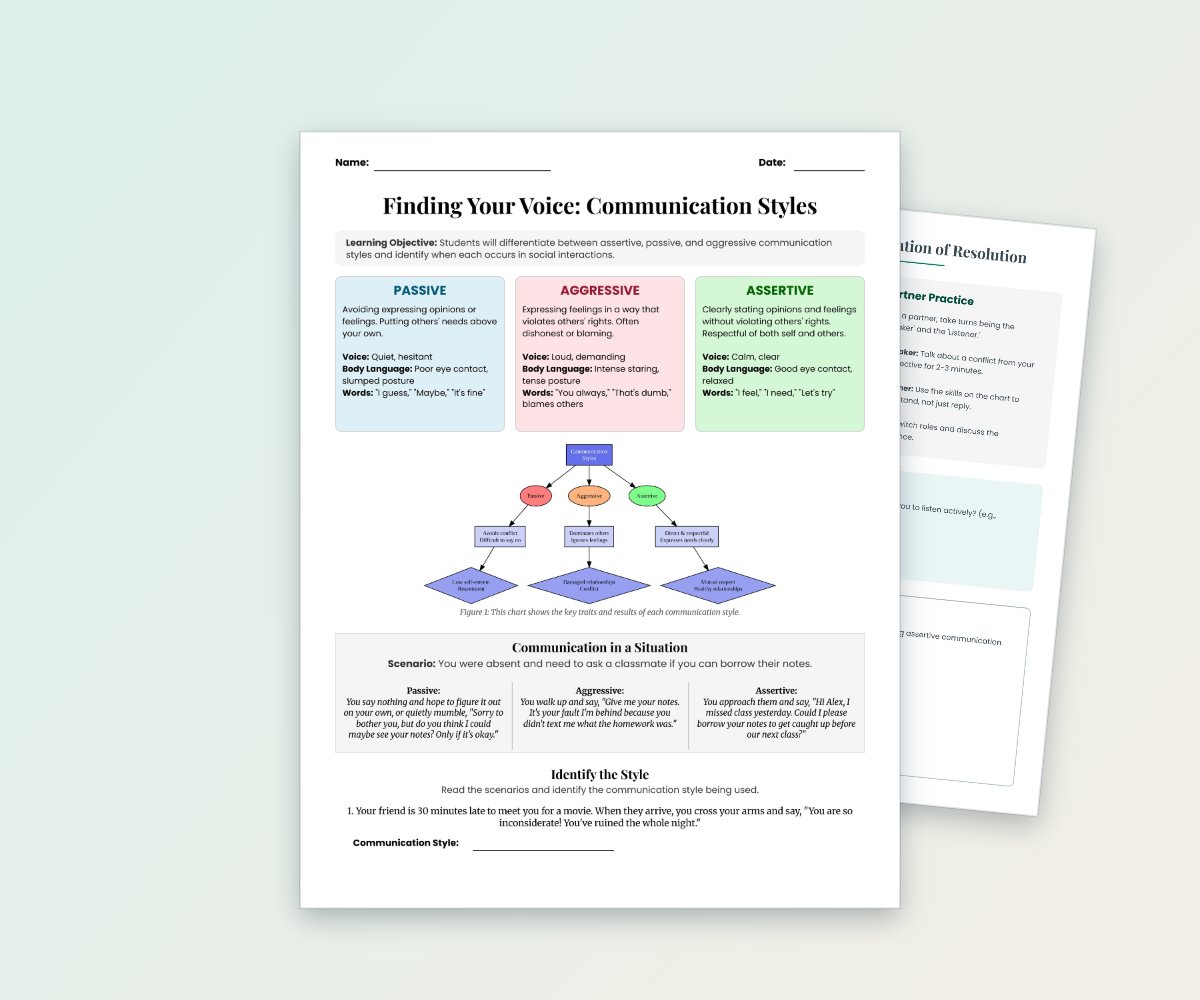
Students learn to distinguish passive, aggressive, and assertive communication through definitions, examples, and a school-based scenario.
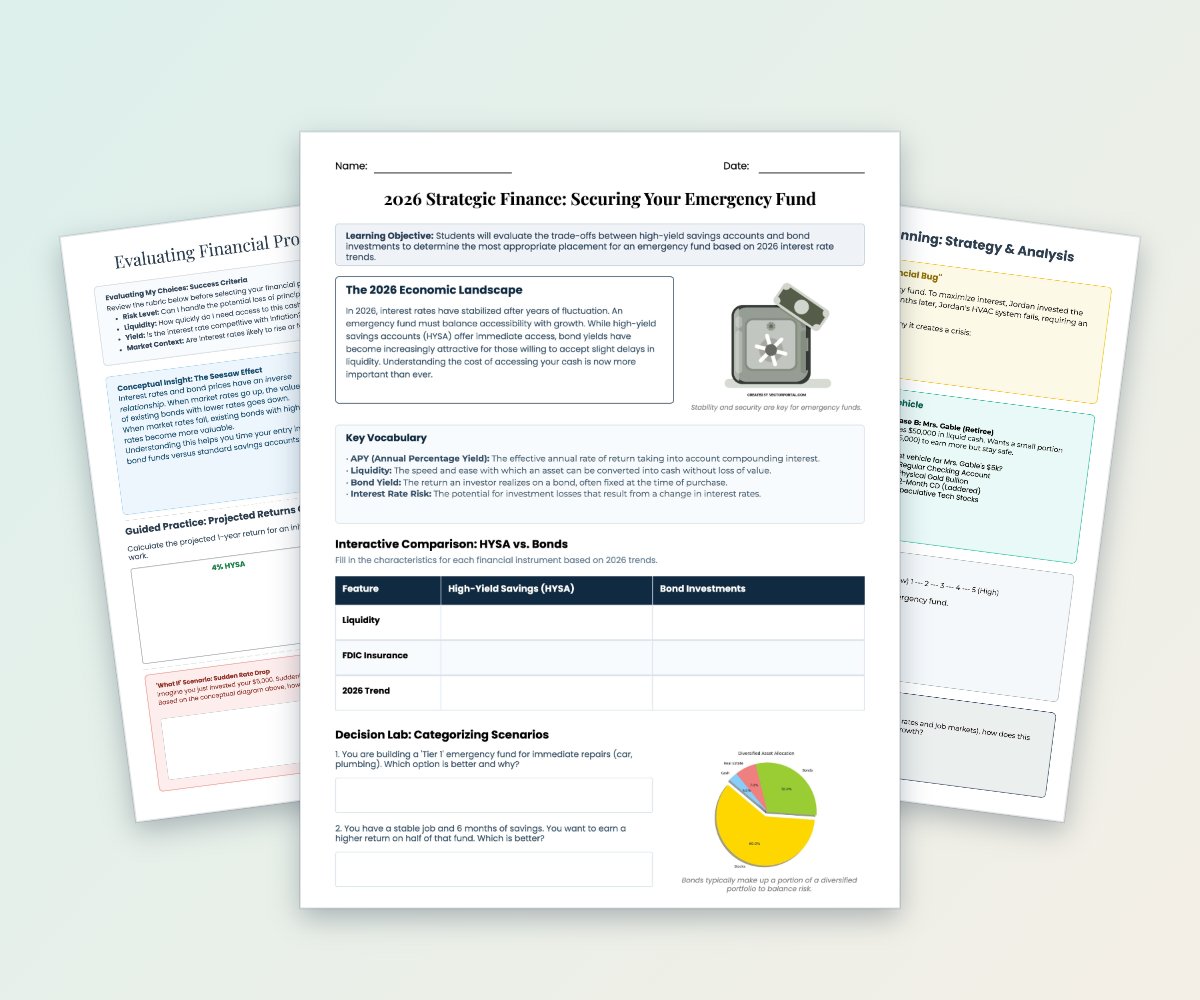
Students compare high-yield savings accounts and bonds as emergency-fund options using liquidity, risk, yield, insurance, and market context.
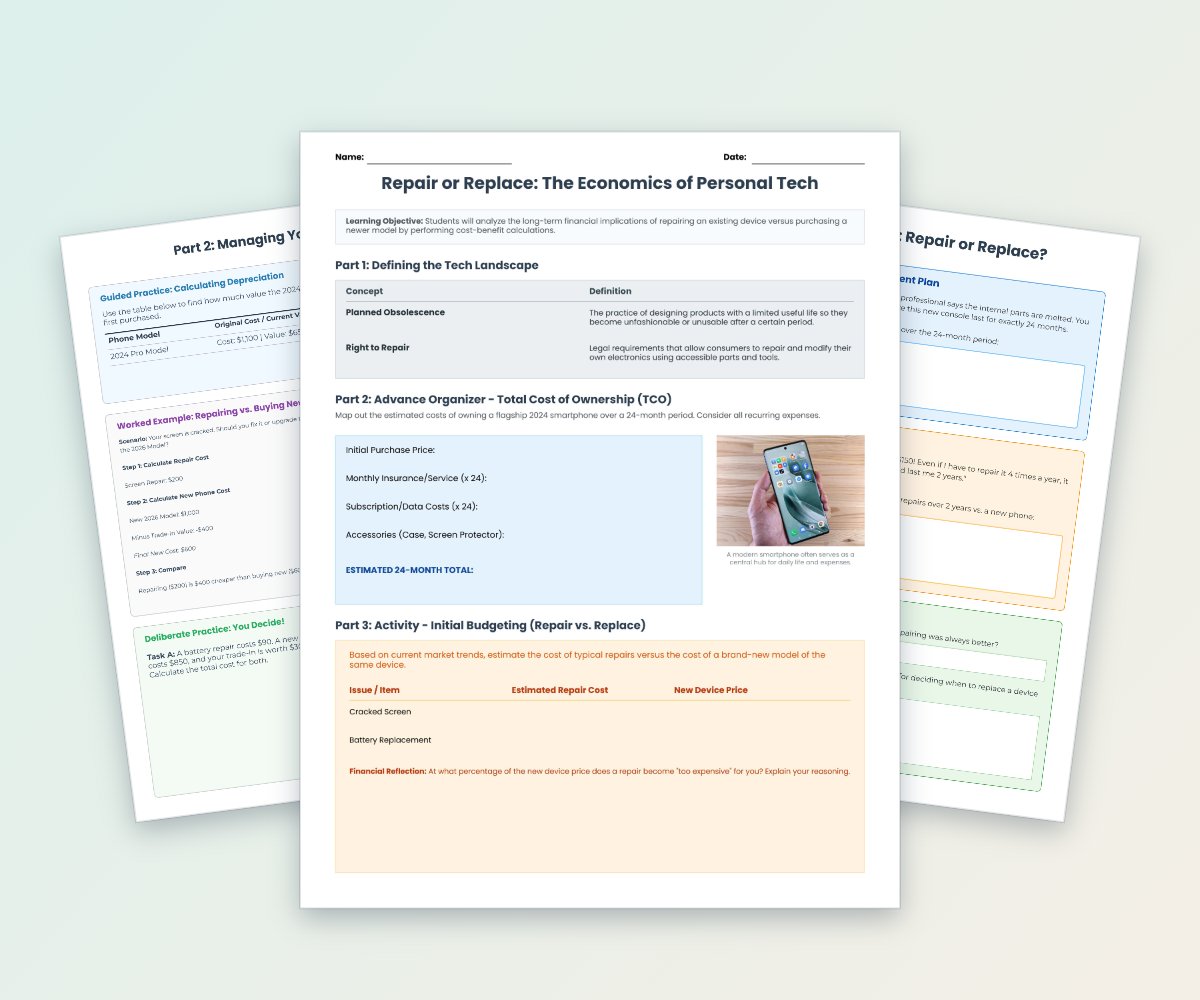
Students compare the costs of repairing personal technology with buying replacement devices.
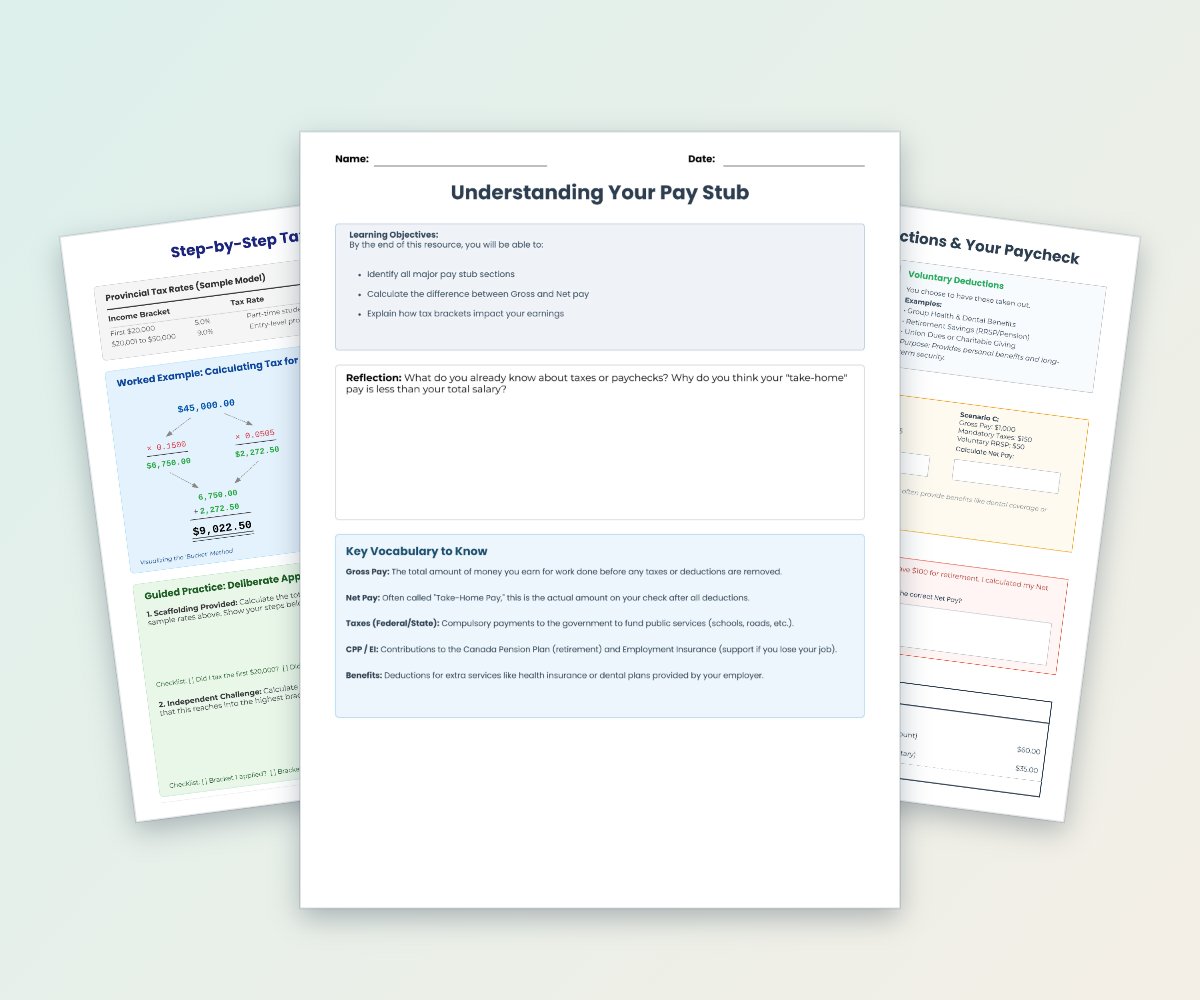
This worksheet introduces gross pay, net pay, tax brackets, CPP, Employment Insurance, and workplace benefits.
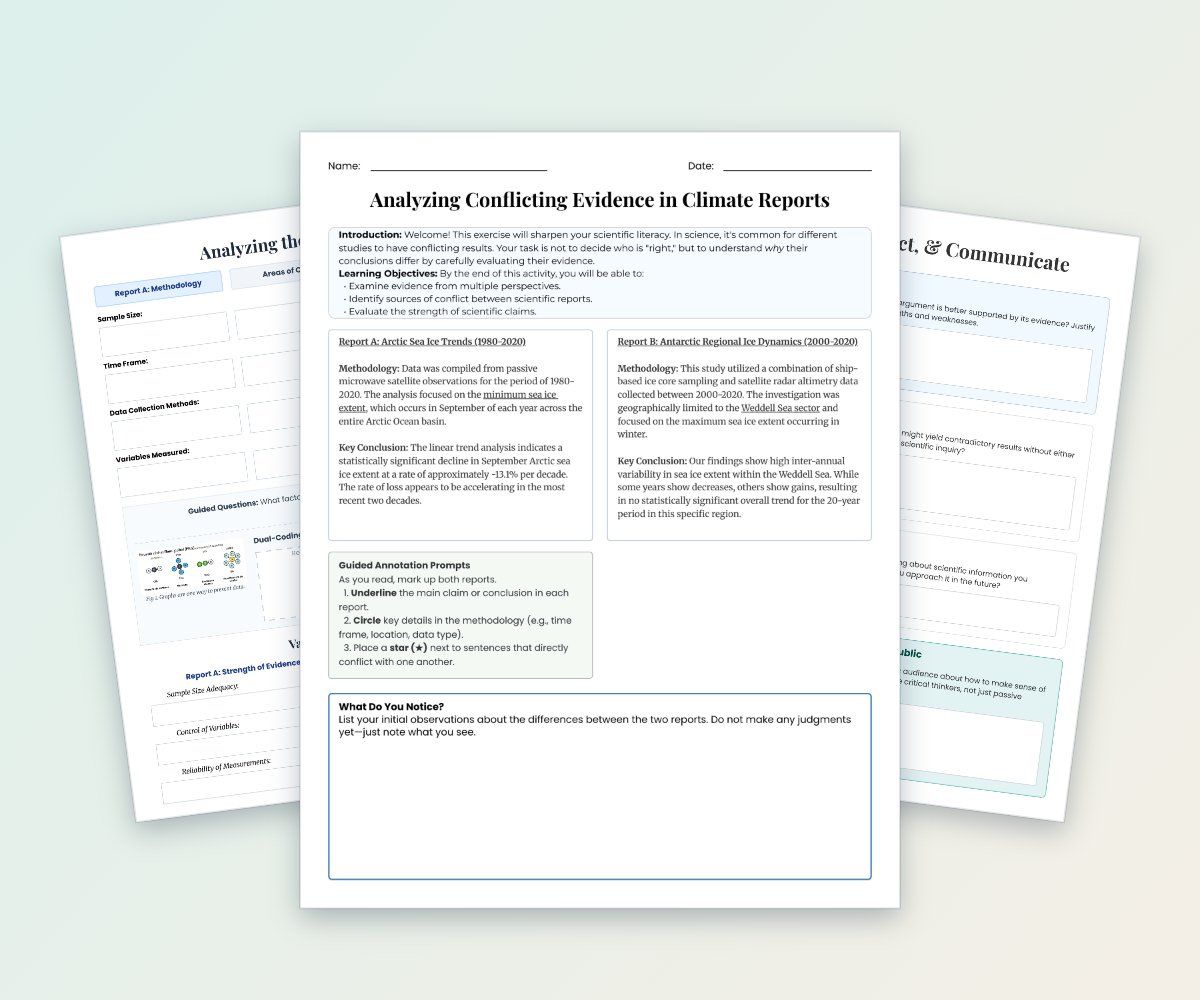
Students compare two climate reports, examine their methodologies, and identify why their conclusions differ.
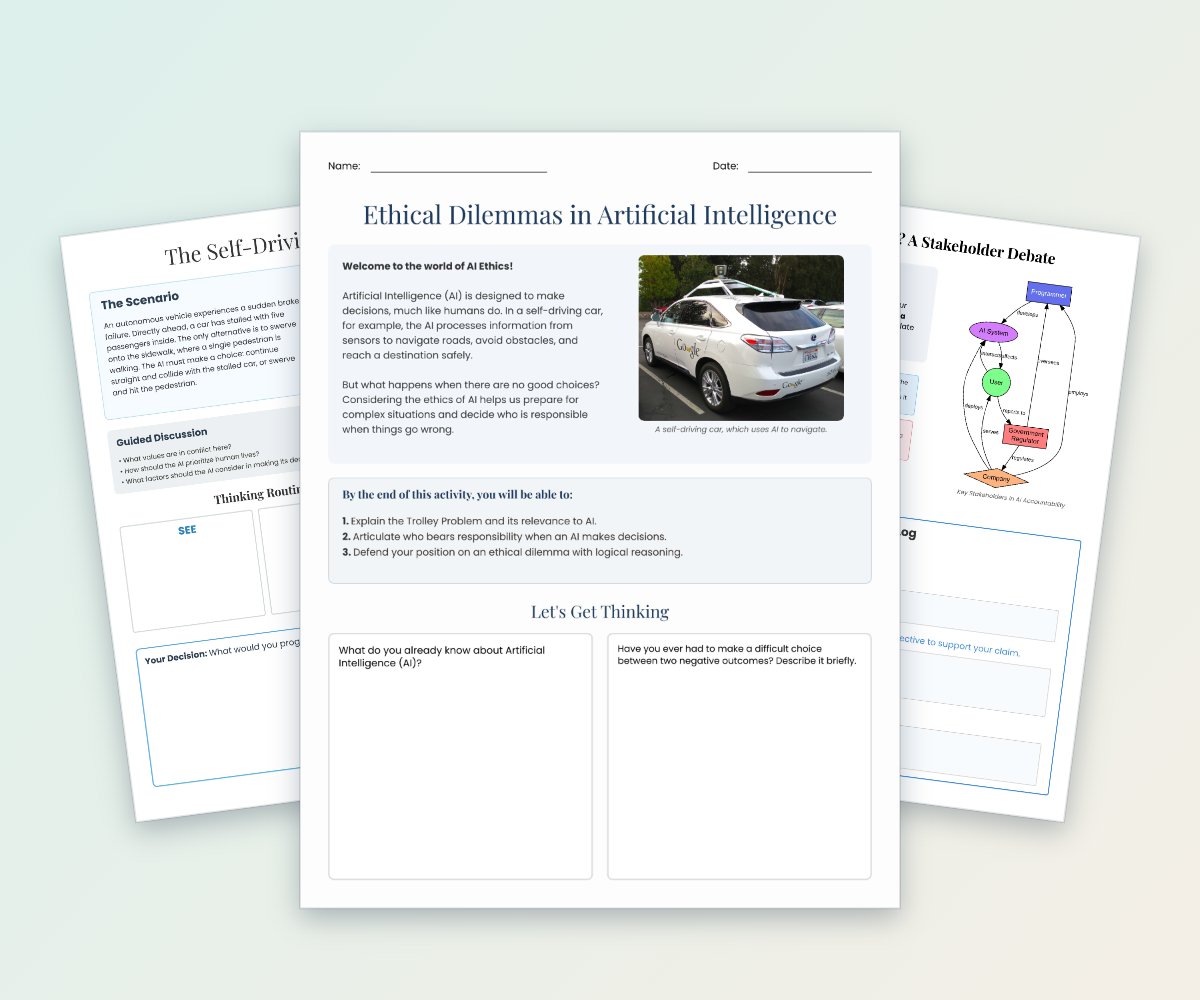
This four-page activity introduces students to AI ethics through the Trolley Problem and a self-driving car dilemma.
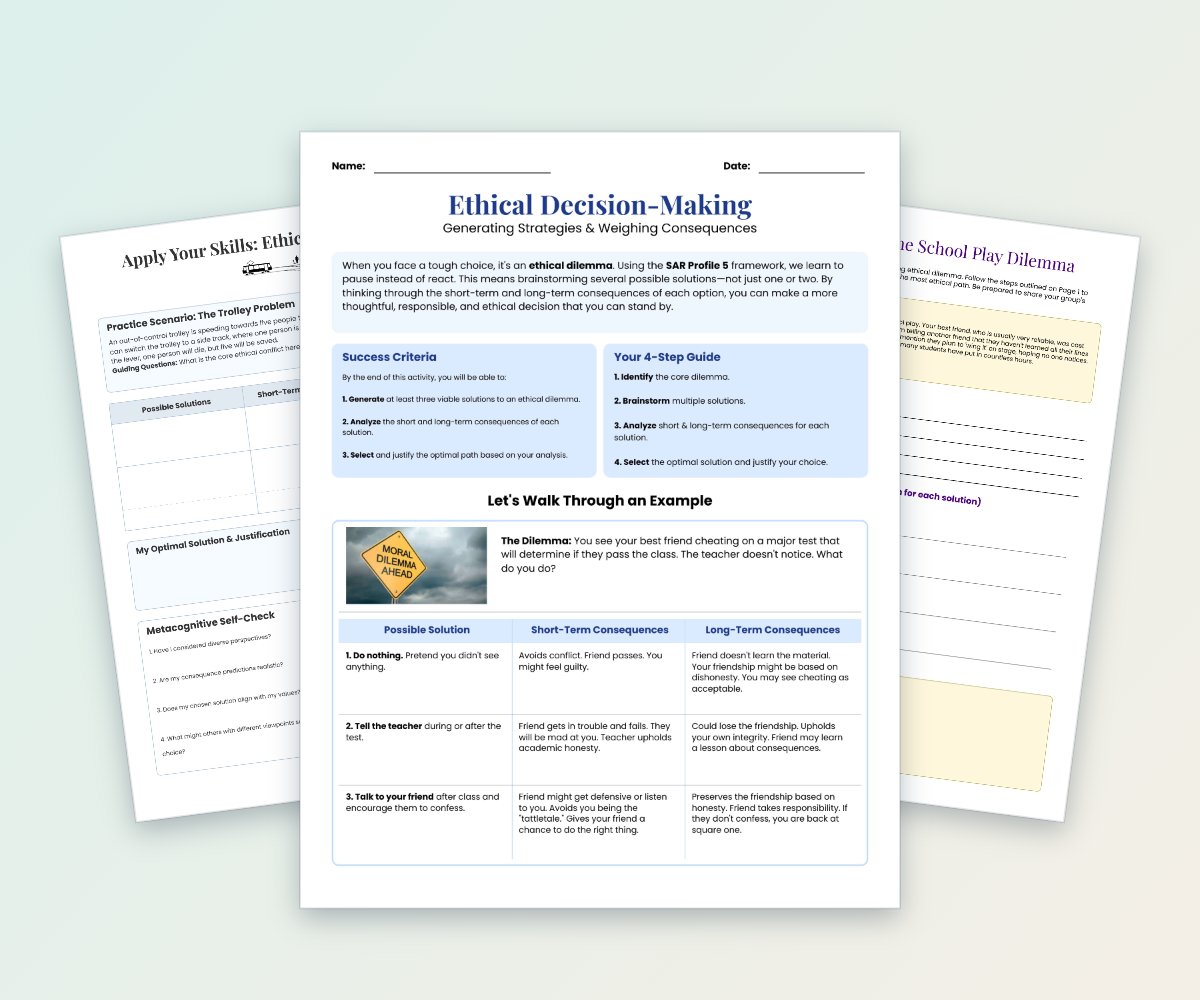
This three-page activity guides students through a four-step framework for analyzing ethical dilemmas.
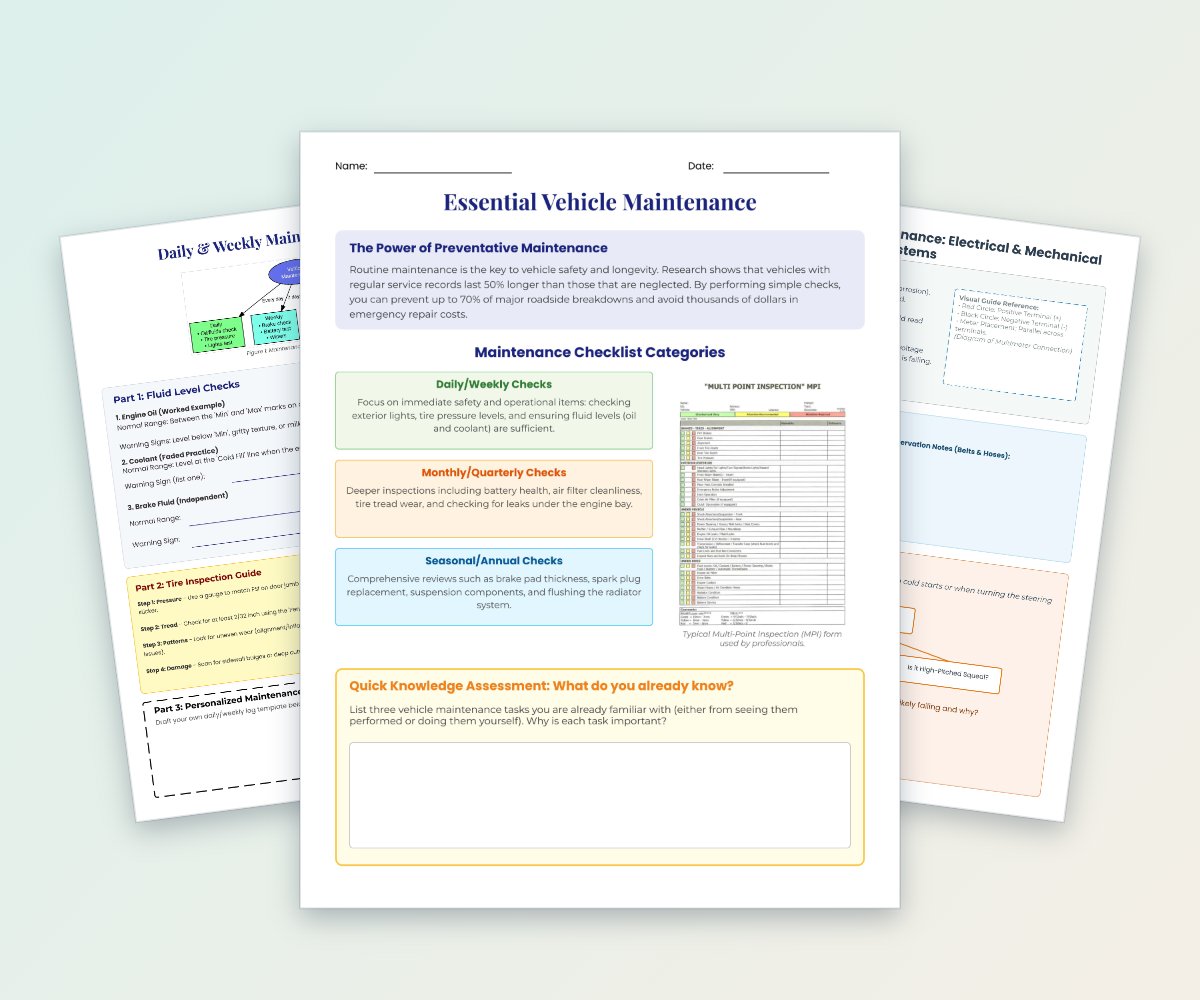
Introduce students to preventative vehicle maintenance with safety-focused checklists, maintenance schedules, inspection categories, and fluid-level guidance.
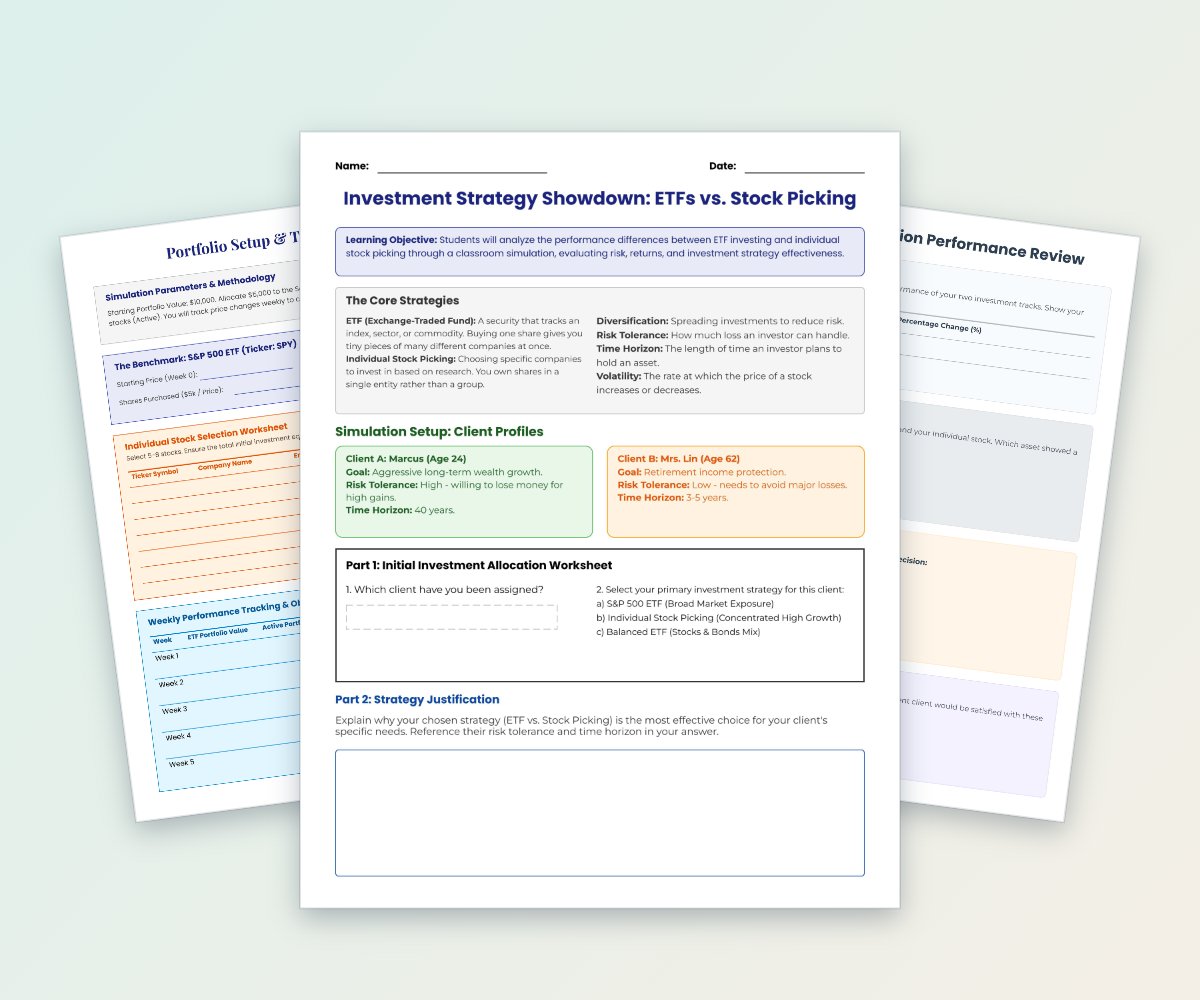
Students compare ETF investing with individual stock picking through a realistic portfolio simulation.
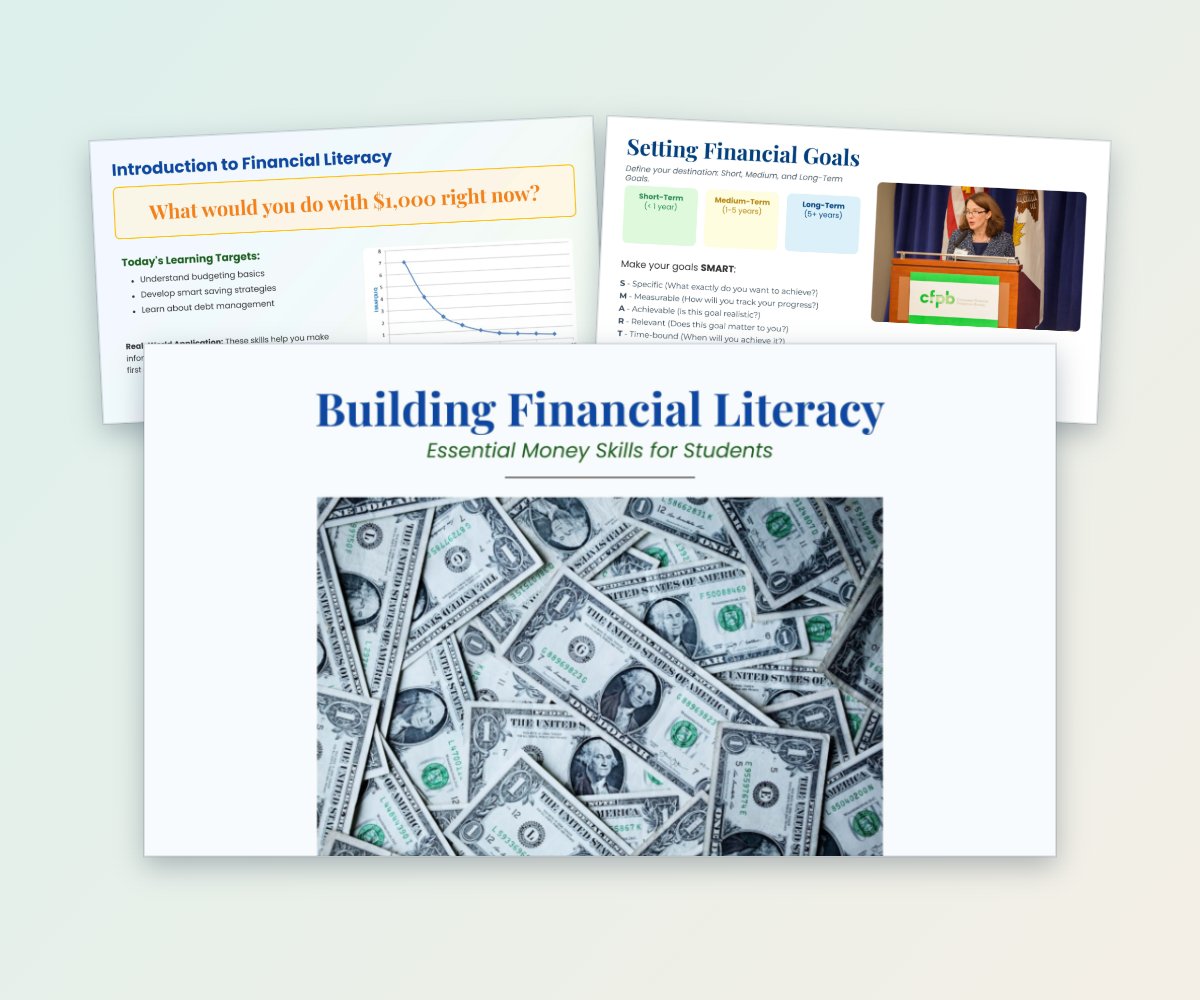
This 10-page student workbook introduces budgeting, financial goals, saving strategies, debt management, and needs versus wants.
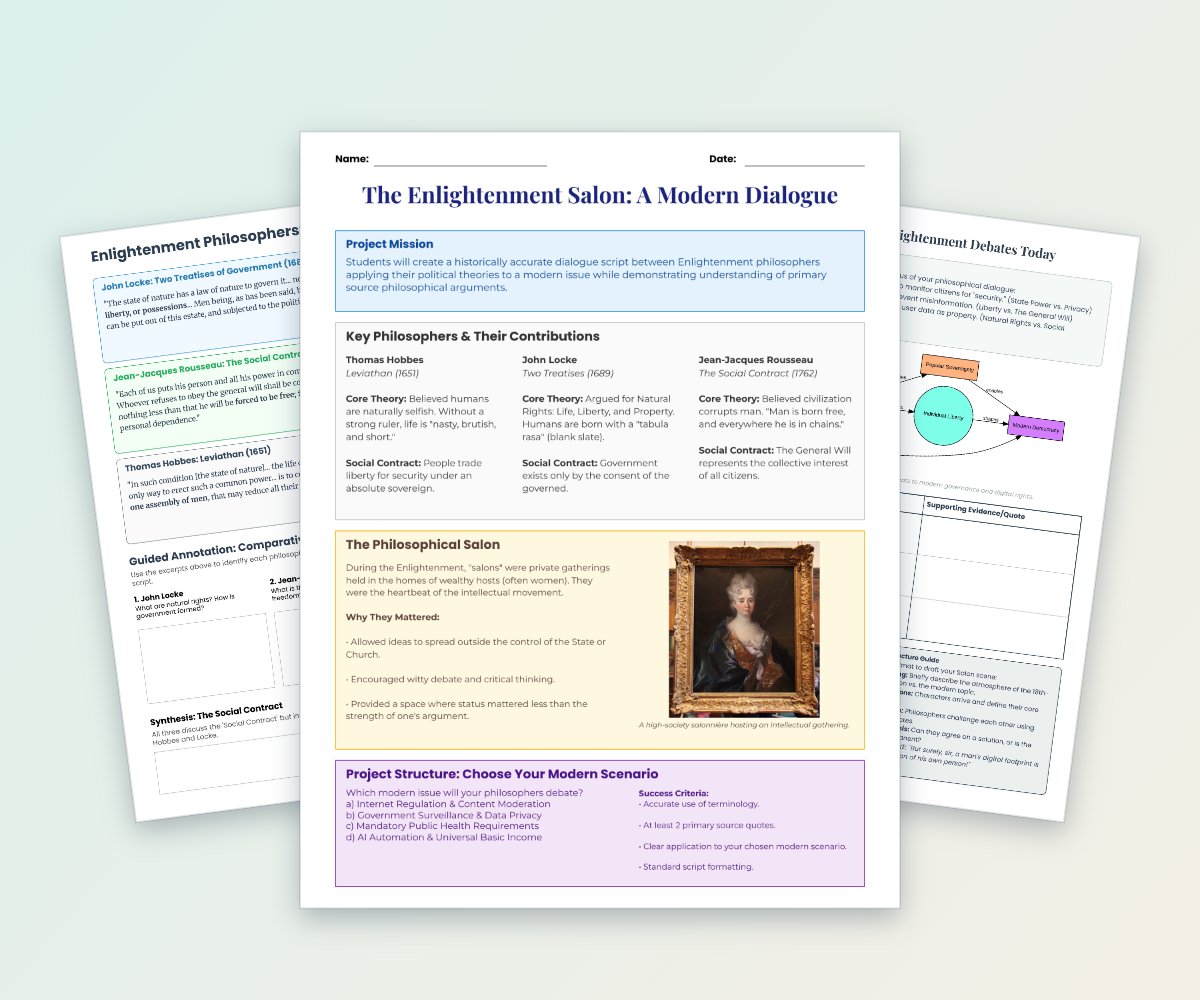
Students create a historically accurate dialogue between Enlightenment philosophers debating a modern issue.
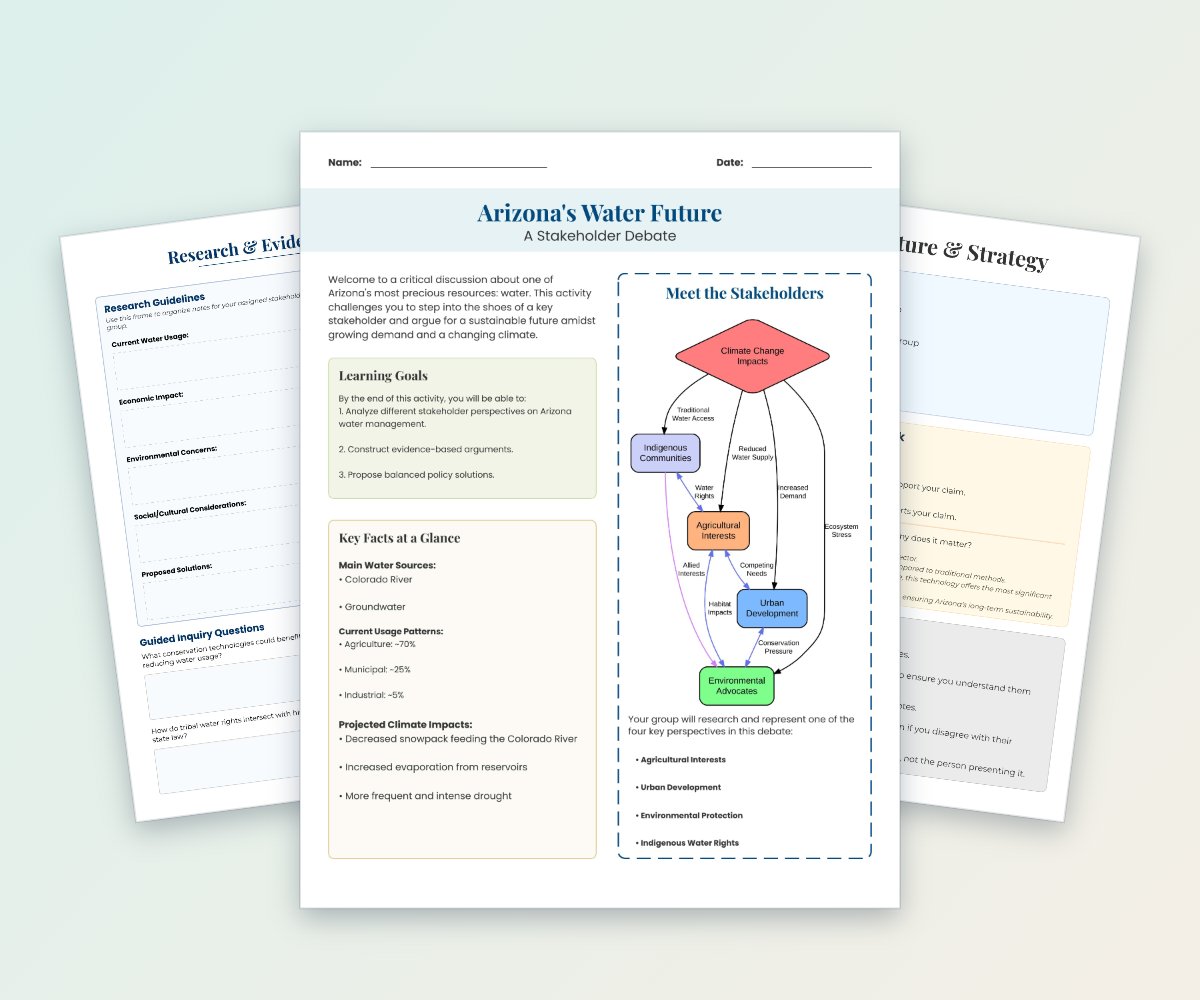
Students examine Arizona’s water challenges by researching and representing agricultural, urban, environmental, or Indigenous stakeholder perspectives.
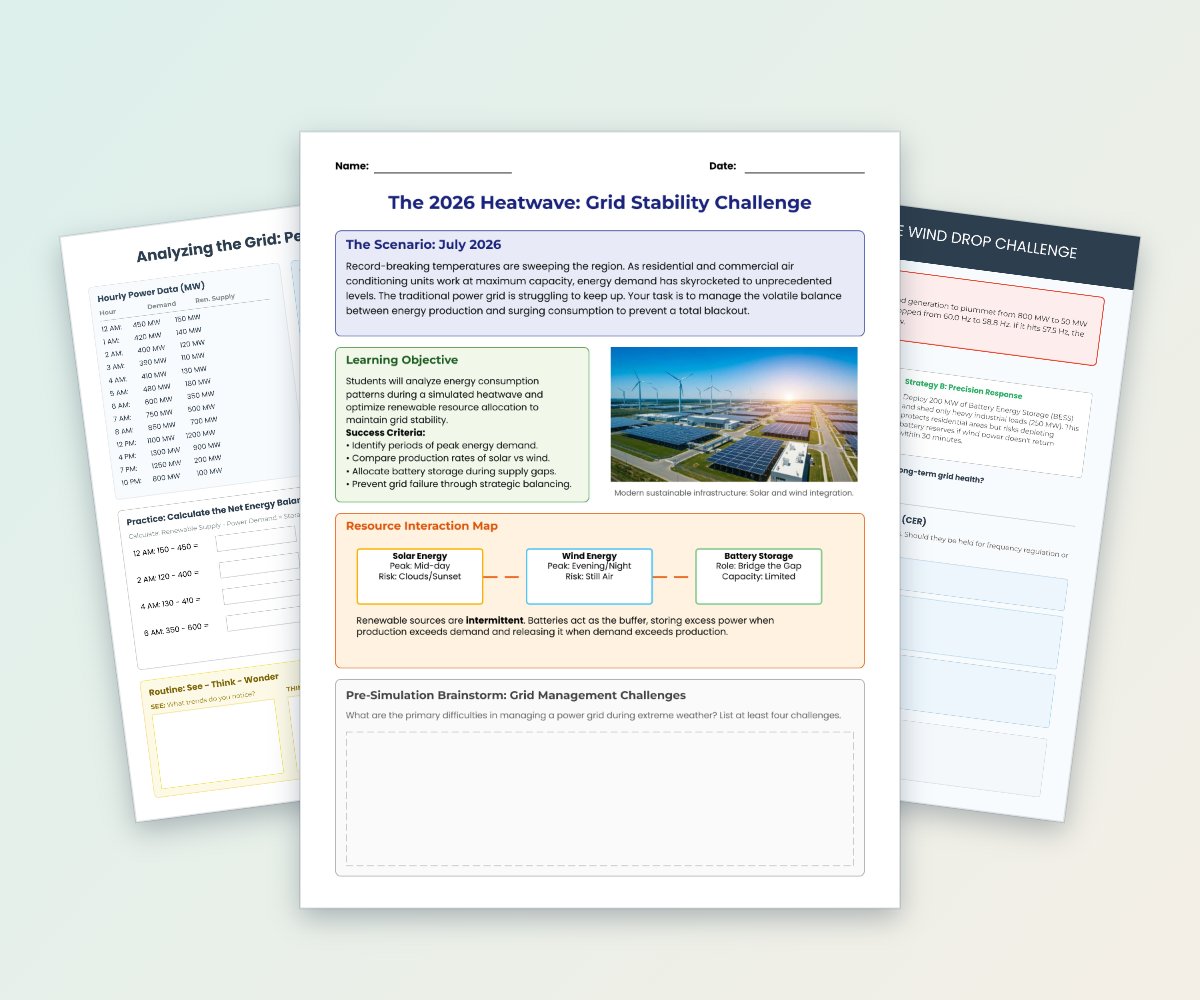
Students simulate managing a power grid during a record heatwave by analyzing demand, renewable production, and battery storage.
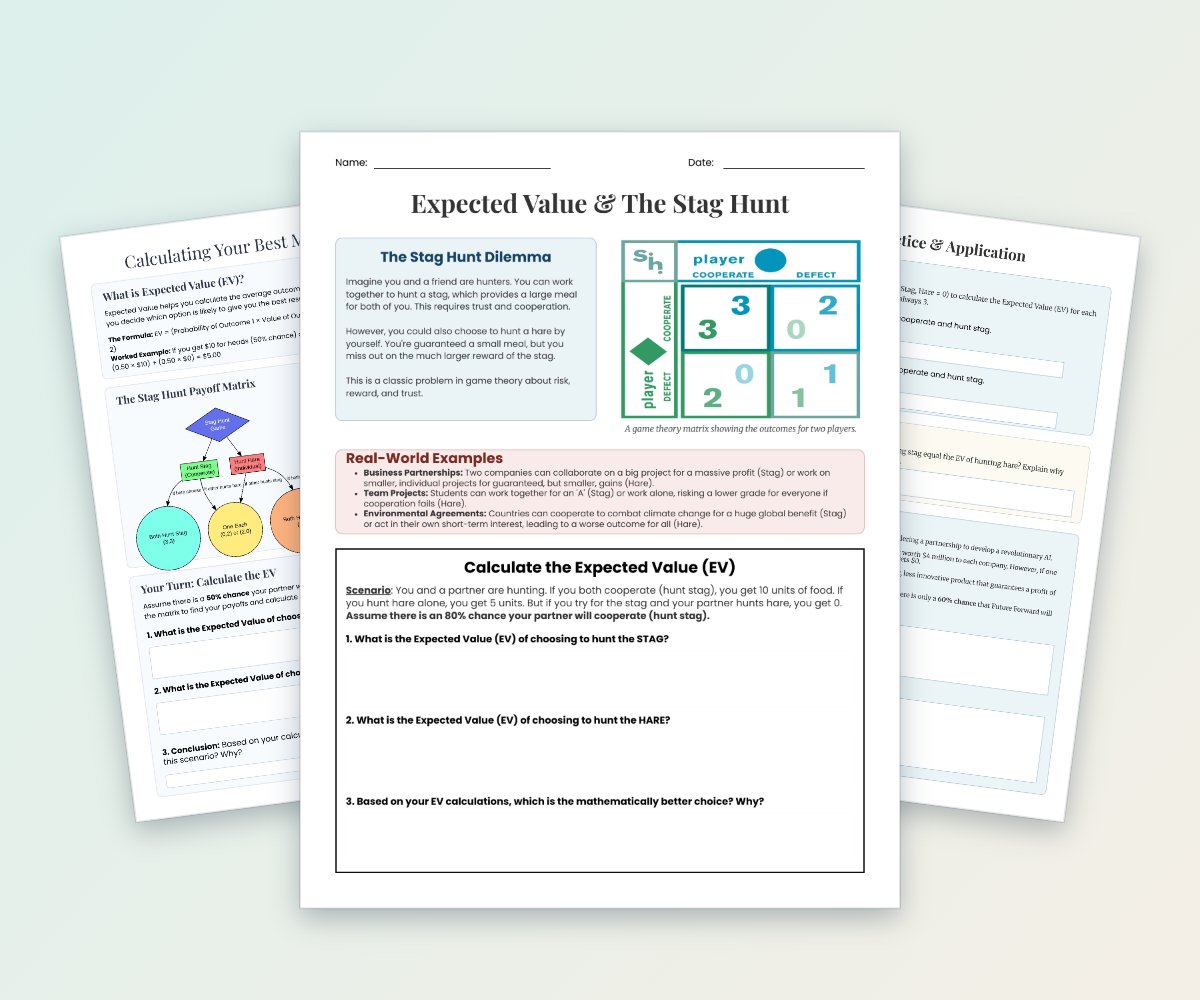
This student activity introduces expected value and the Stag Hunt dilemma using real-world examples, payoff matrices, formulas, and worked examples.
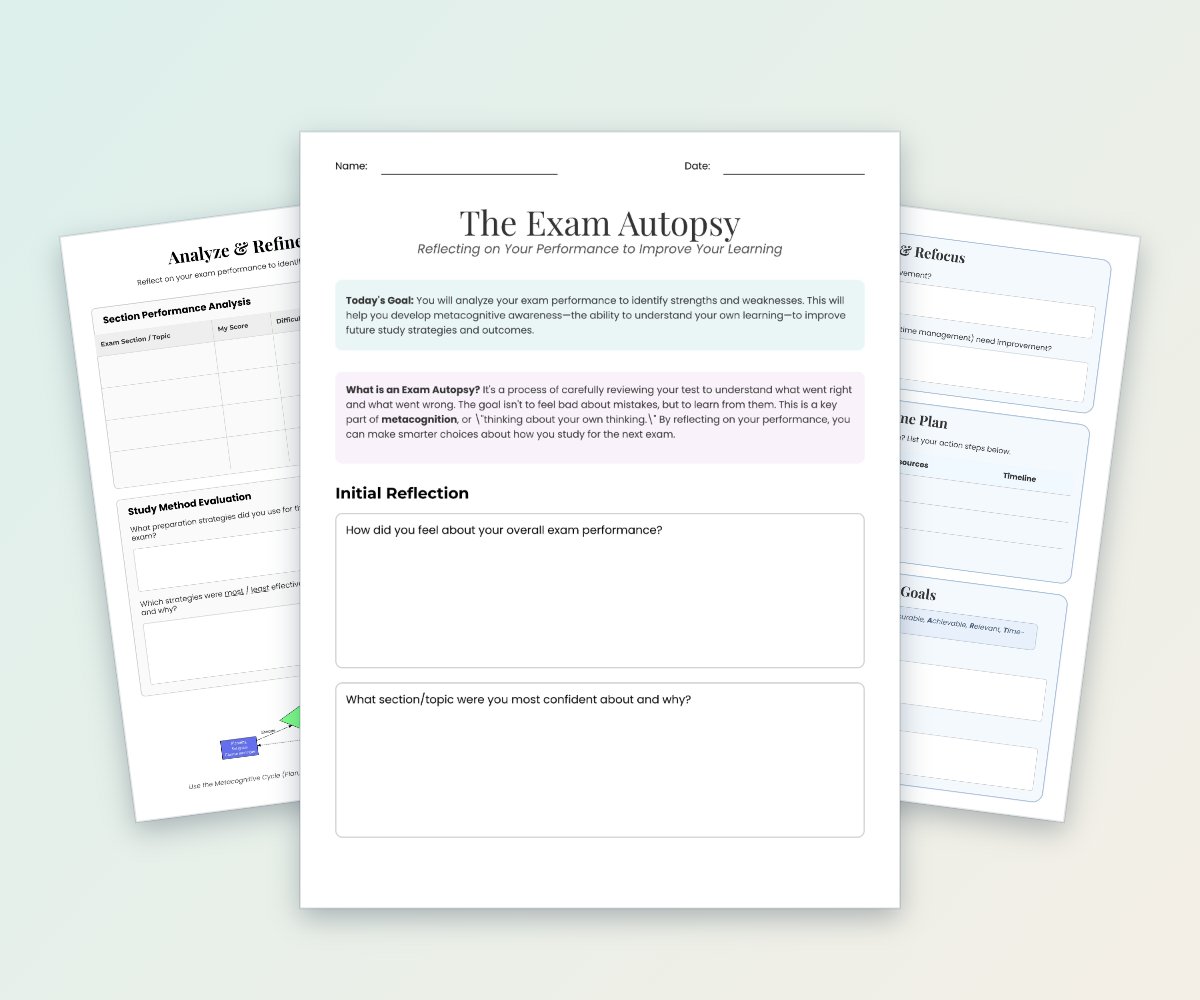
This four-page guide helps students conduct an exam autopsy, identify strengths and challenges, evaluate study strategies, and recognize learning patterns.
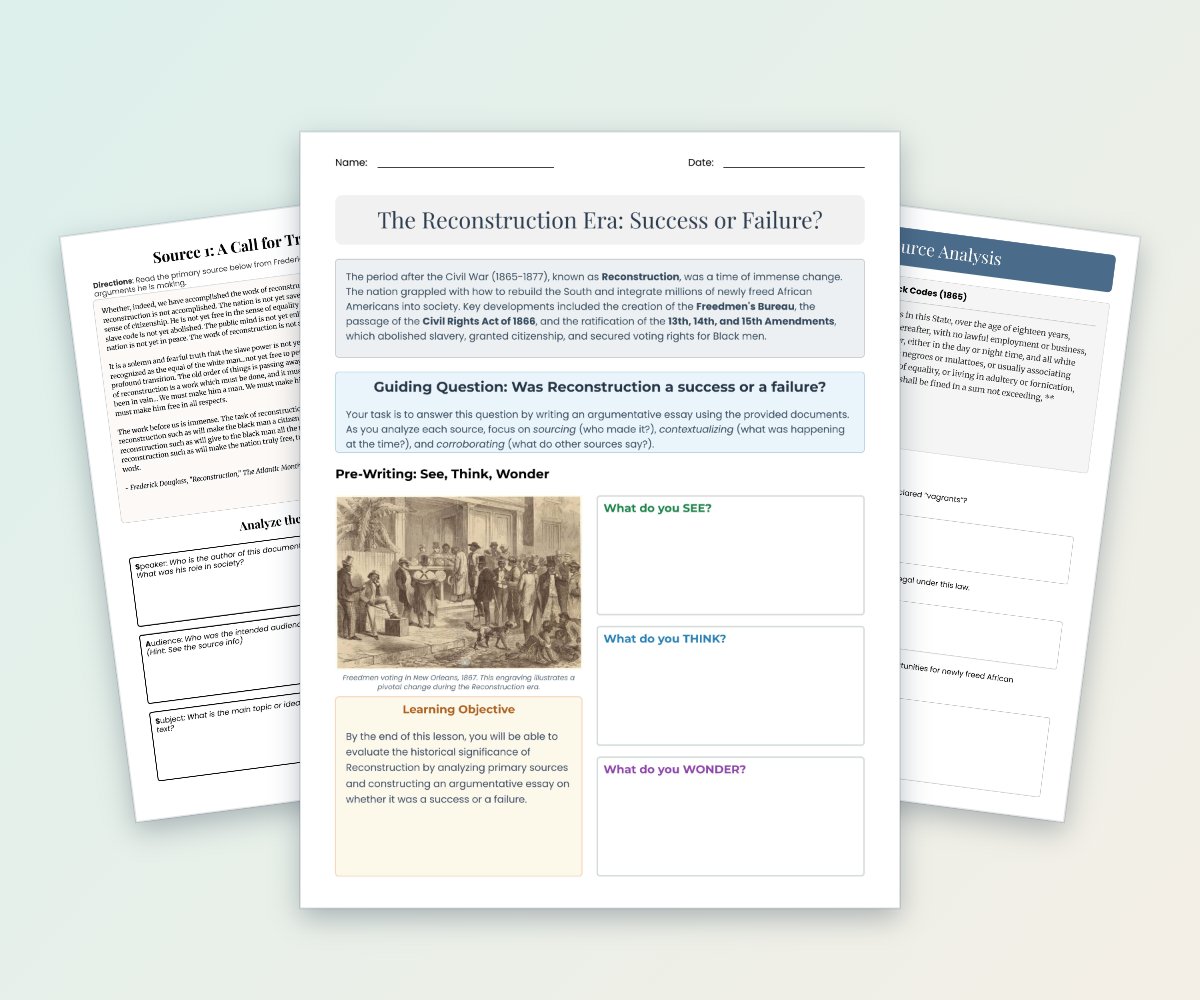
Students analyze primary sources about Reconstruction, including Frederick Douglass’s arguments, and evaluate whether the era was a success or failure.
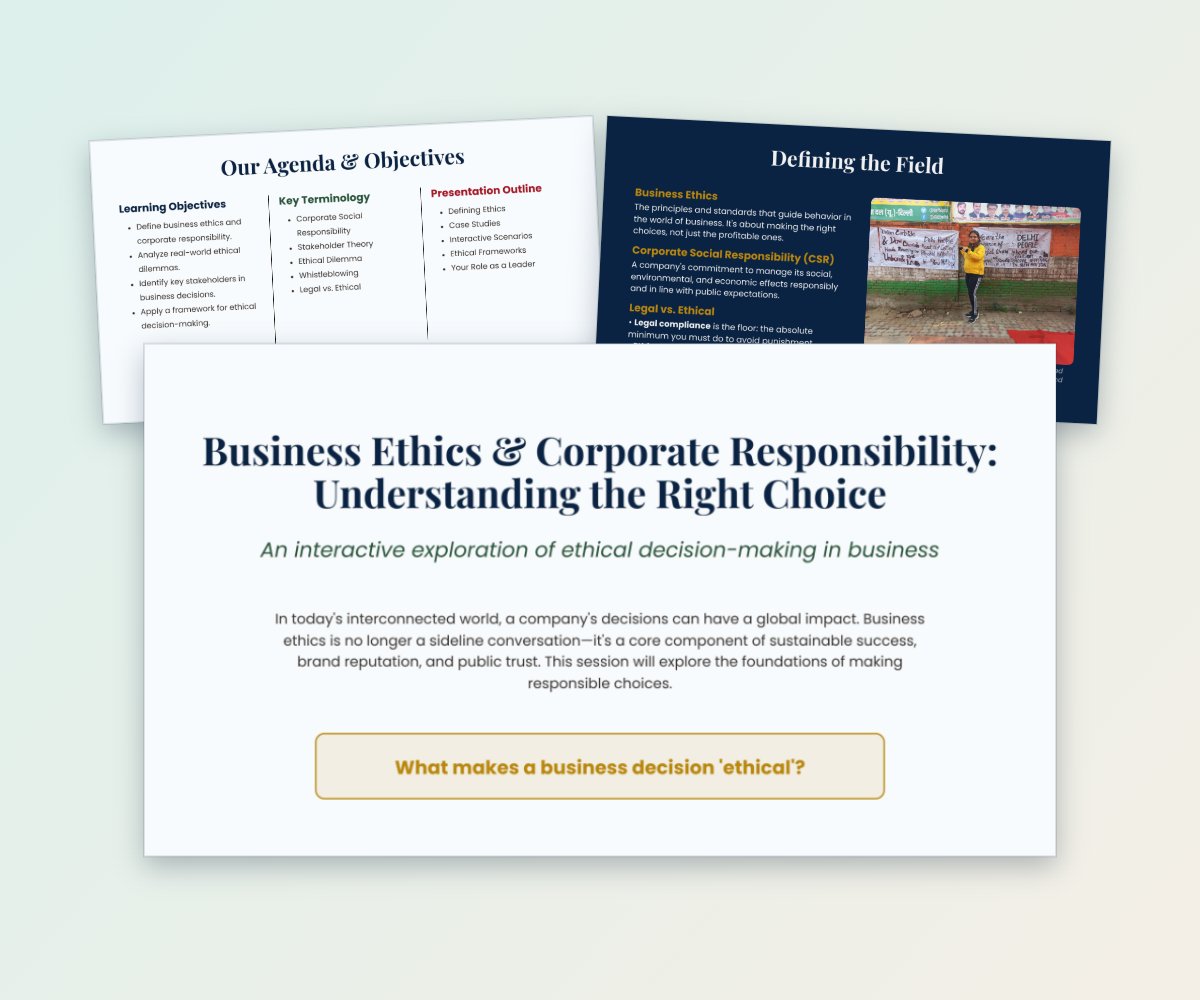
This interactive presentation introduces business ethics, corporate social responsibility, stakeholder theory, whistleblowing, and ethical decision-making.
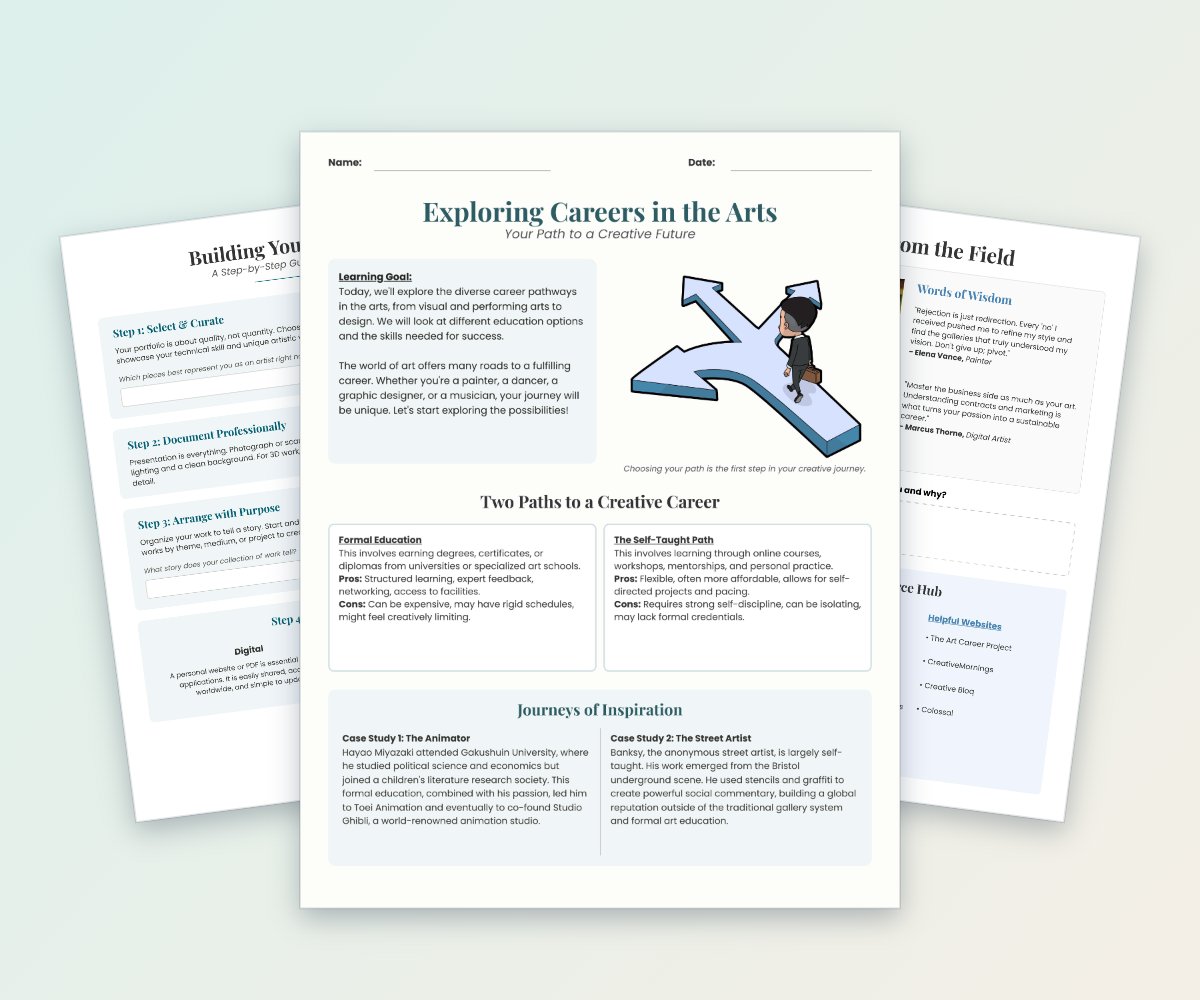
This resource guides students through arts career pathways, comparing formal education with self-taught routes and examining artist case studies.
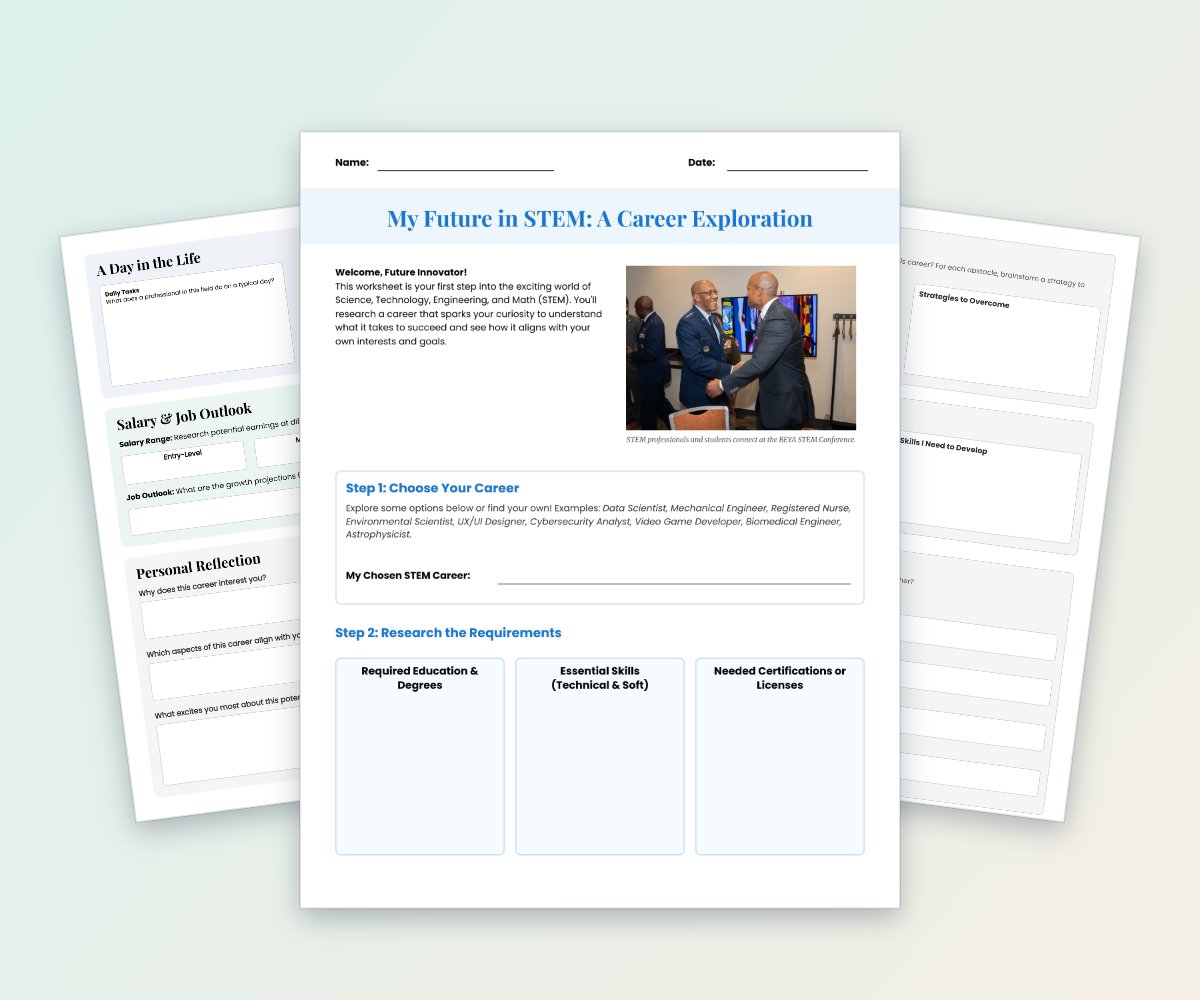
Students research a STEM career, examining education requirements, skills, certifications, daily responsibilities, work environments, salary, and job outlook.
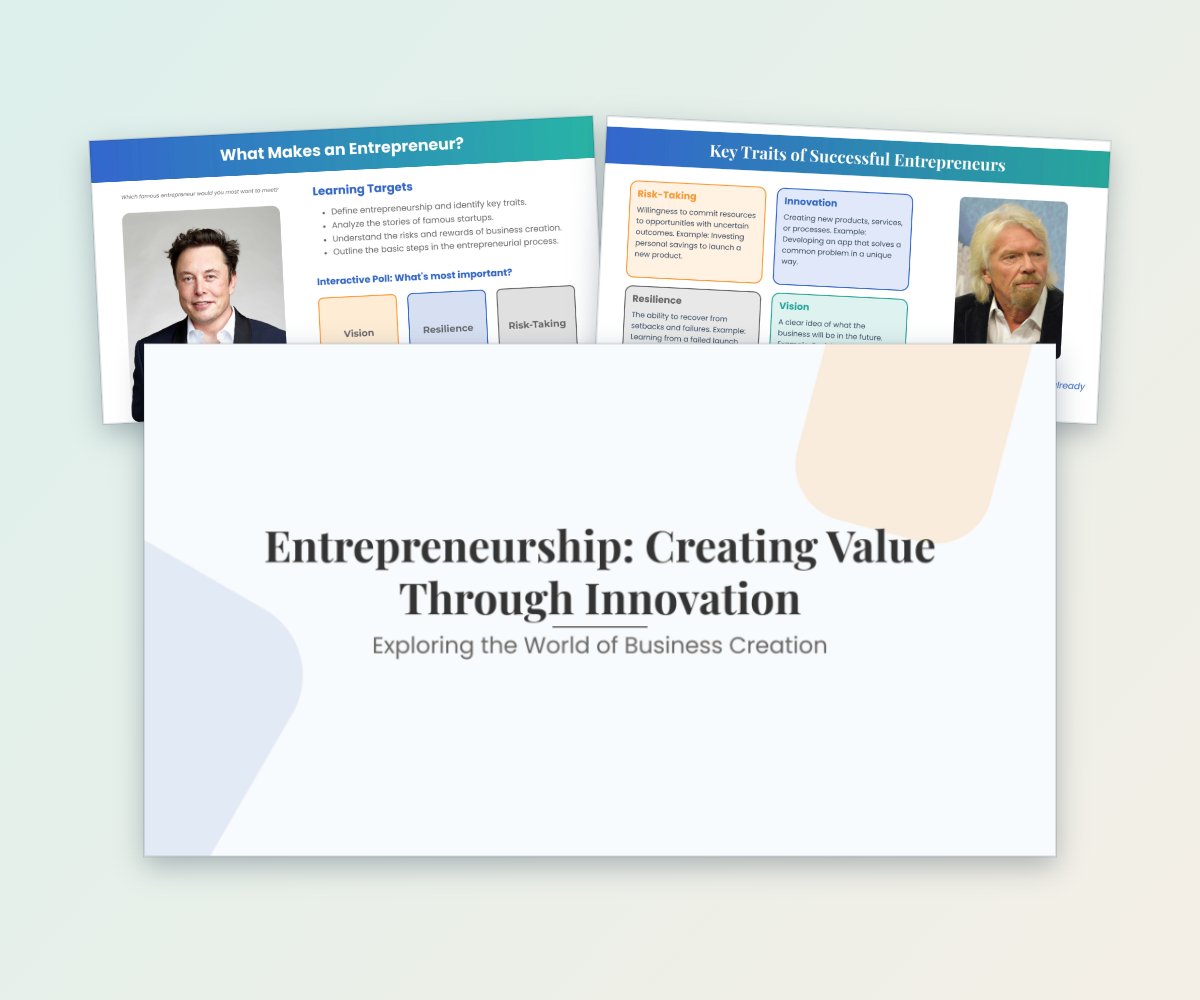
Introduce students to entrepreneurship through business examples, key entrepreneurial traits, risks and rewards, and the entrepreneurial decision-making process.
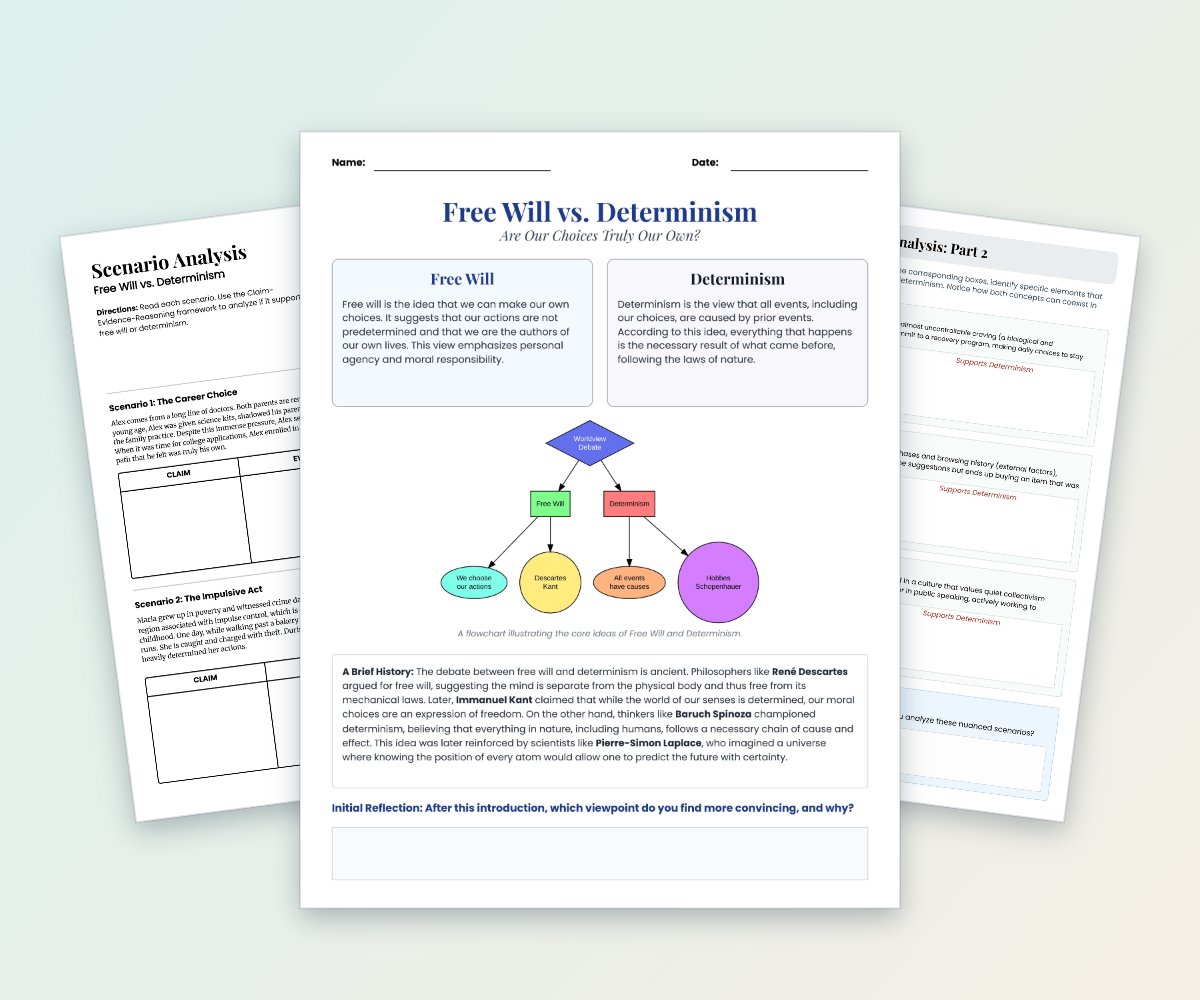
This four-page resource introduces free will and determinism through key philosophical thinkers, historical context, and contrasting viewpoints.
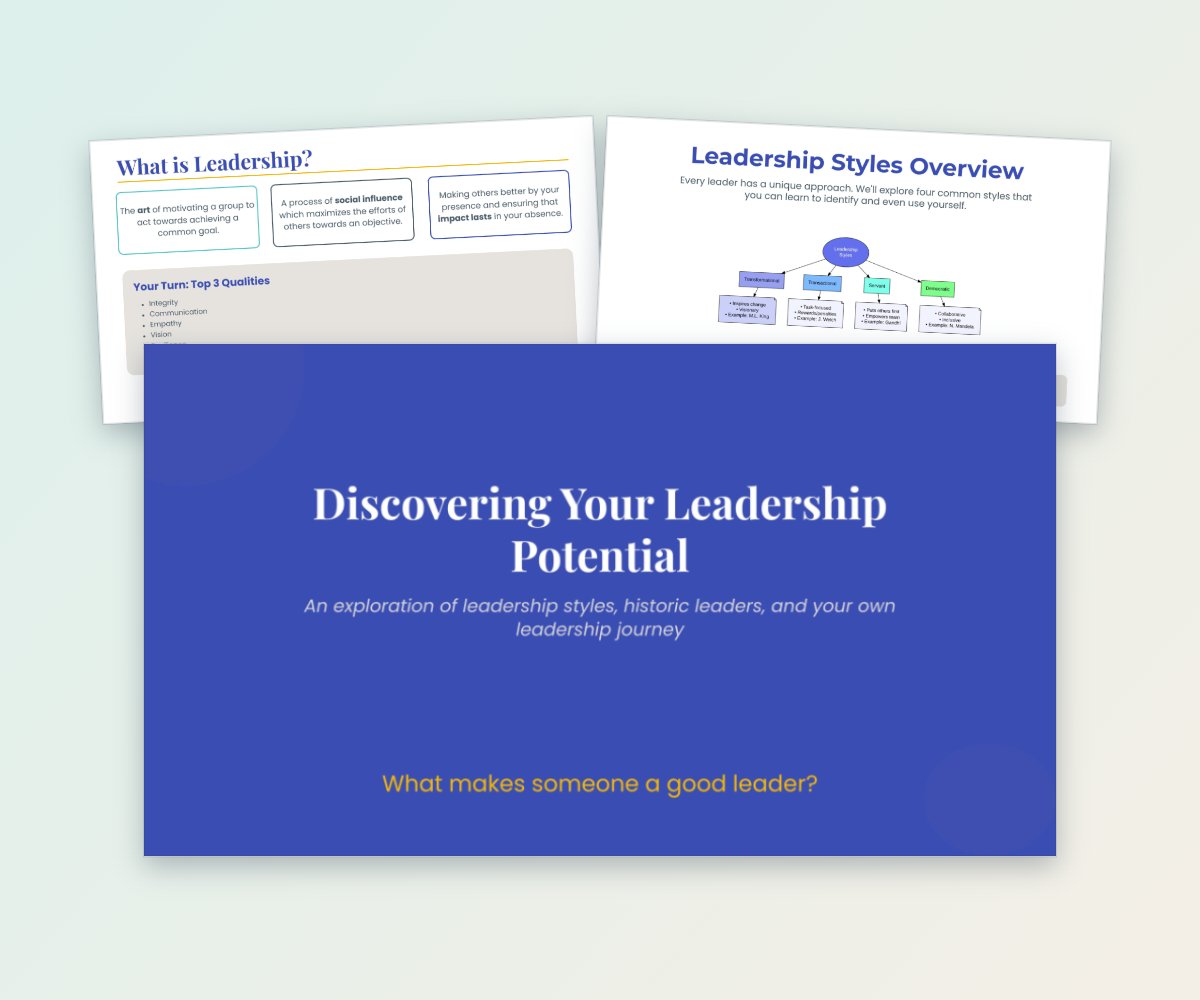
This 14-page resource introduces transformational, transactional, servant, and democratic leadership styles through definitions, characteristics, historical examples, and case studies.
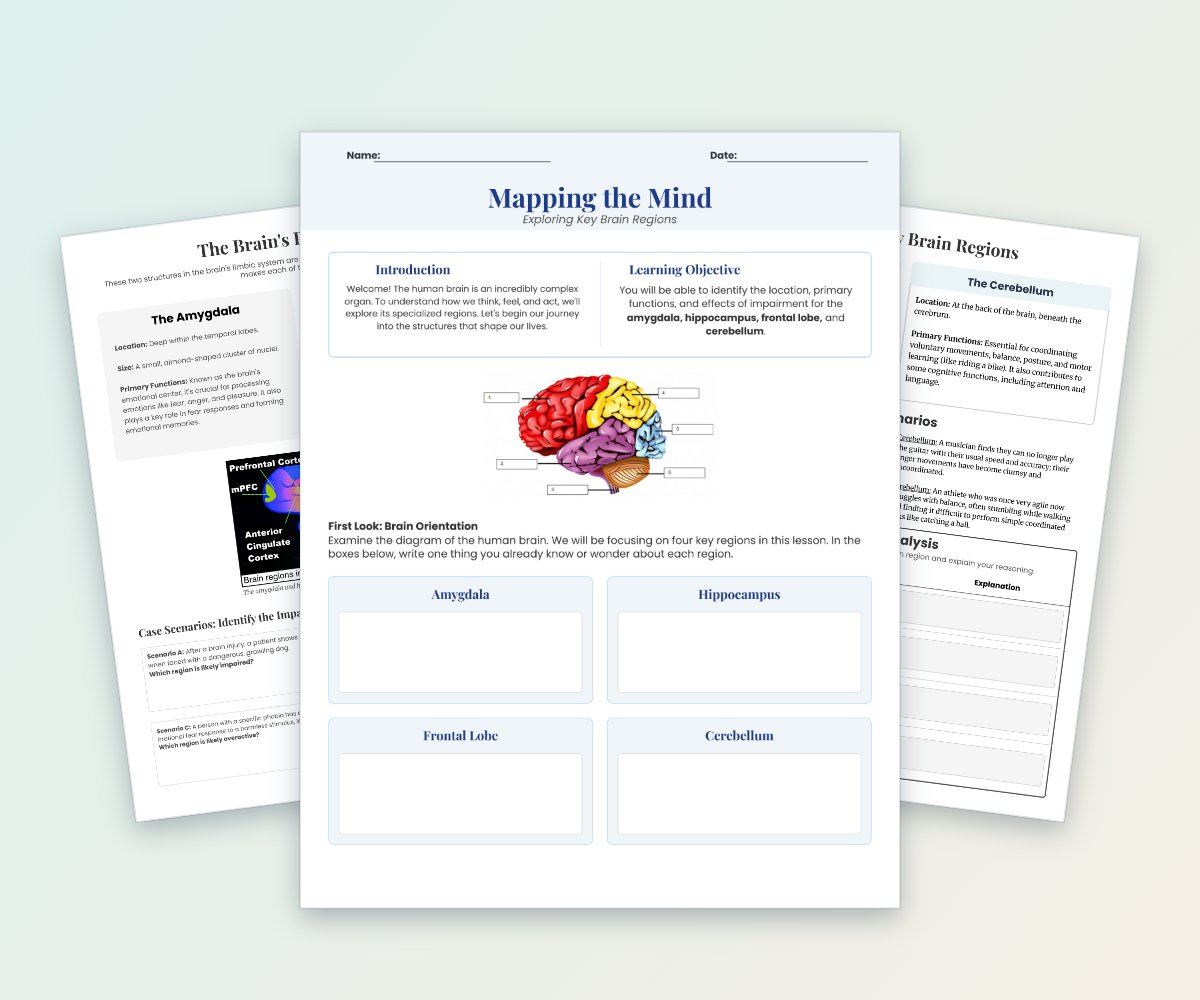
This four-page neuroscience worksheet introduces the amygdala, hippocampus, frontal lobe, and cerebellum.
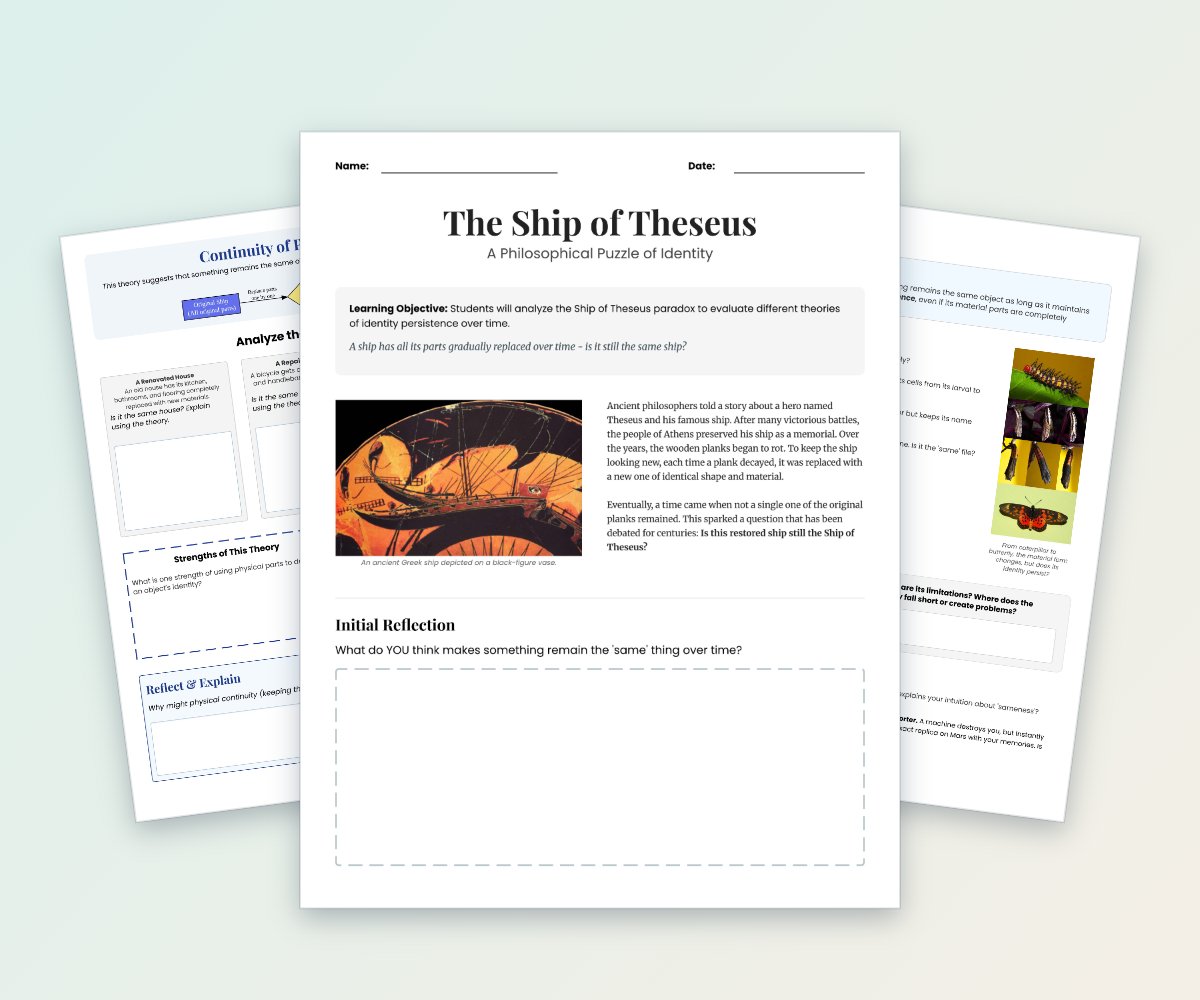
This four-page philosophy worksheet introduces the Ship of Theseus paradox and asks students to examine how identity persists over time.
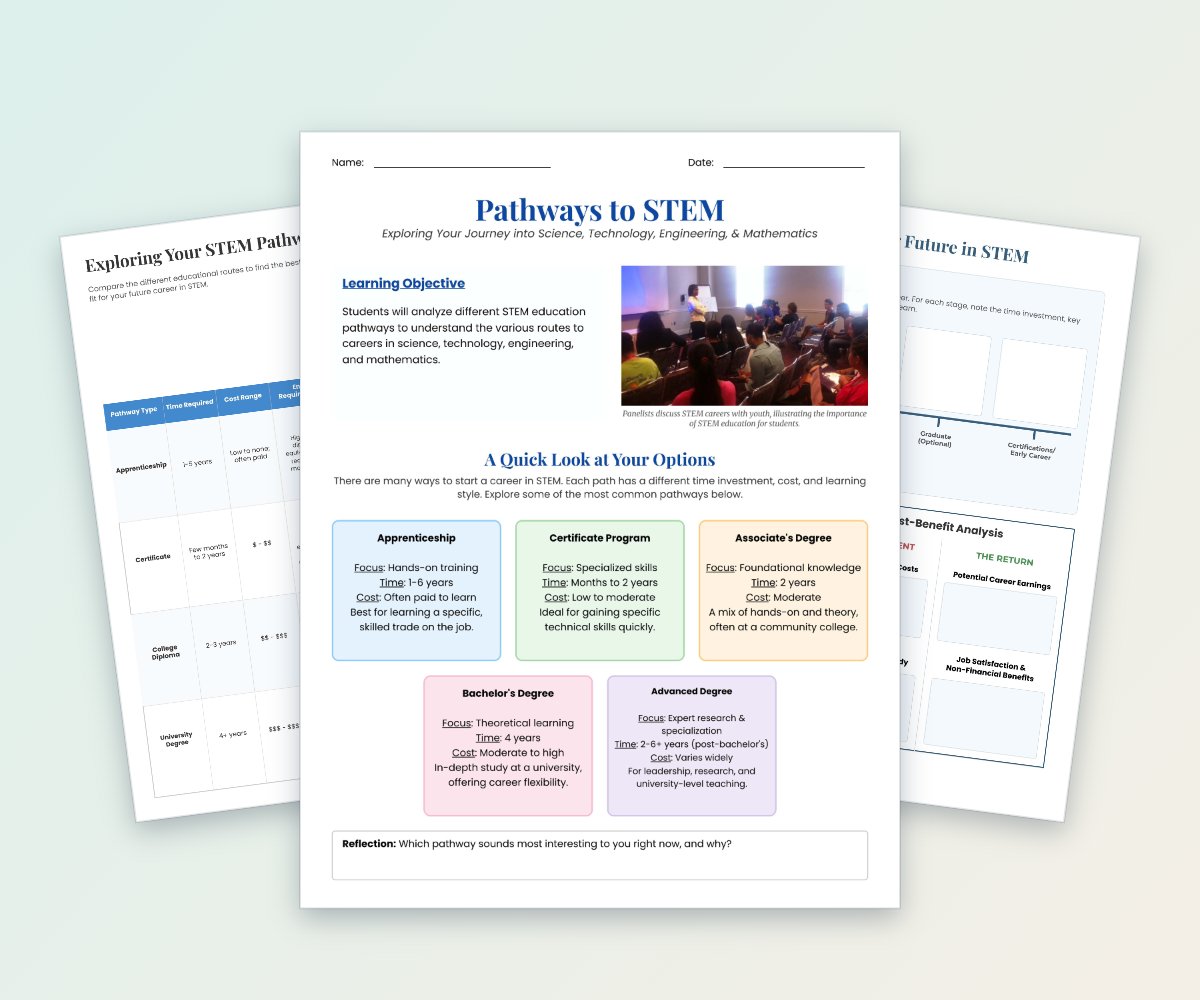
This four-page worksheet guides students in exploring STEM education and career pathways, including apprenticeships, certificates, college diplomas, and university degrees.
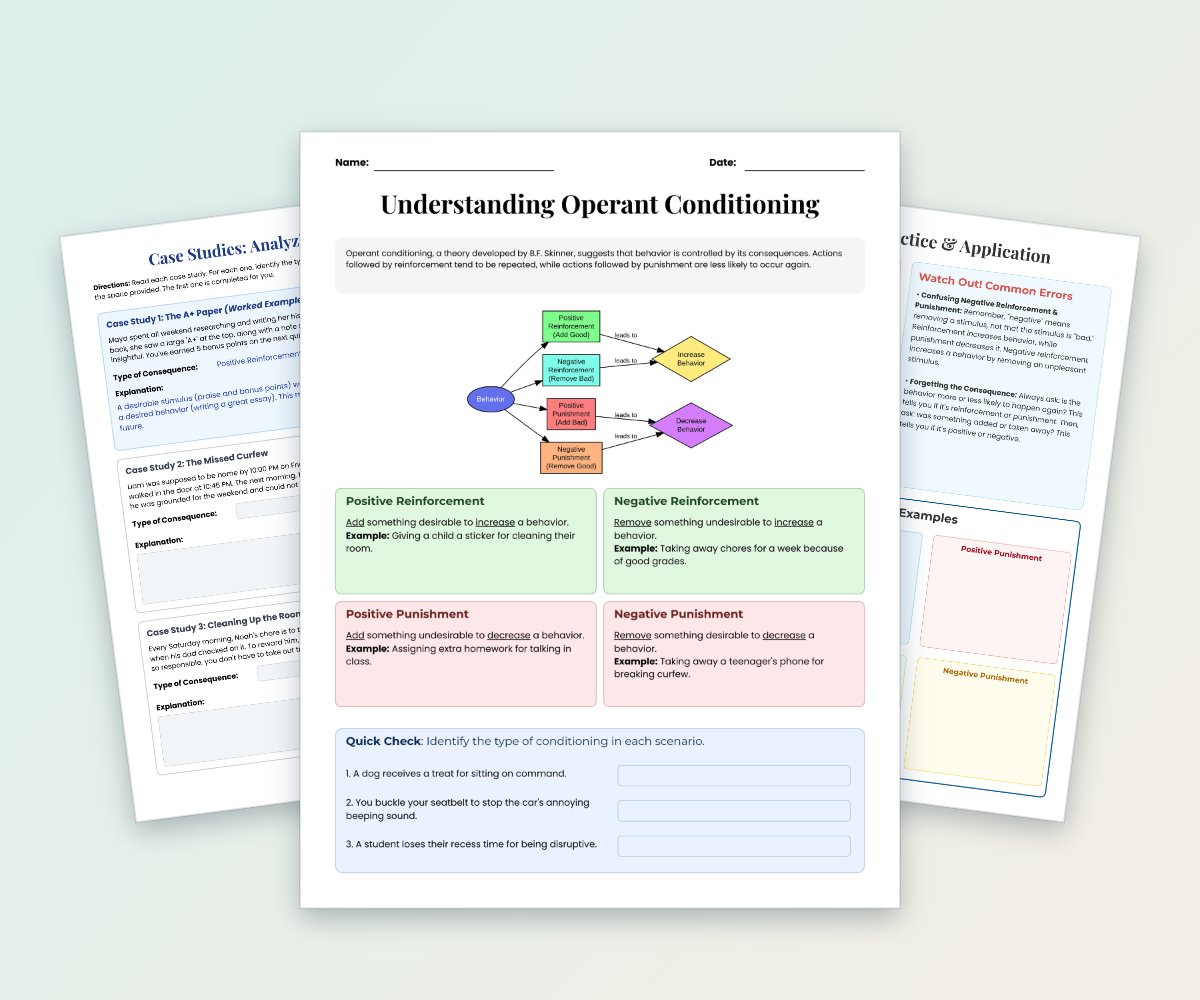
This psychology worksheet introduces positive and negative reinforcement and punishment using clear definitions and classroom-friendly examples.
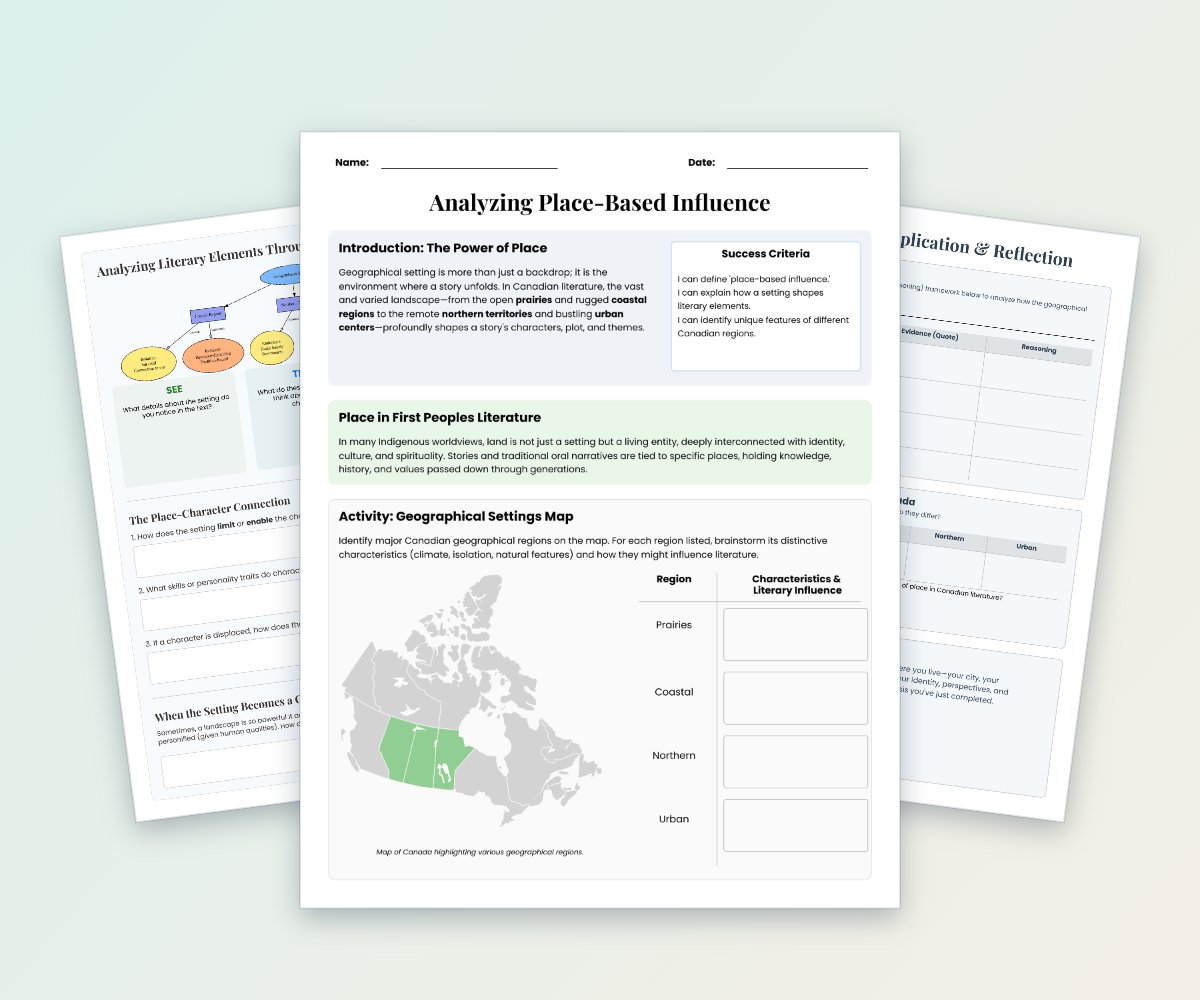
Students explore how Canadian geographical regions and Indigenous perspectives on place shape characters, plots, themes, and identity.
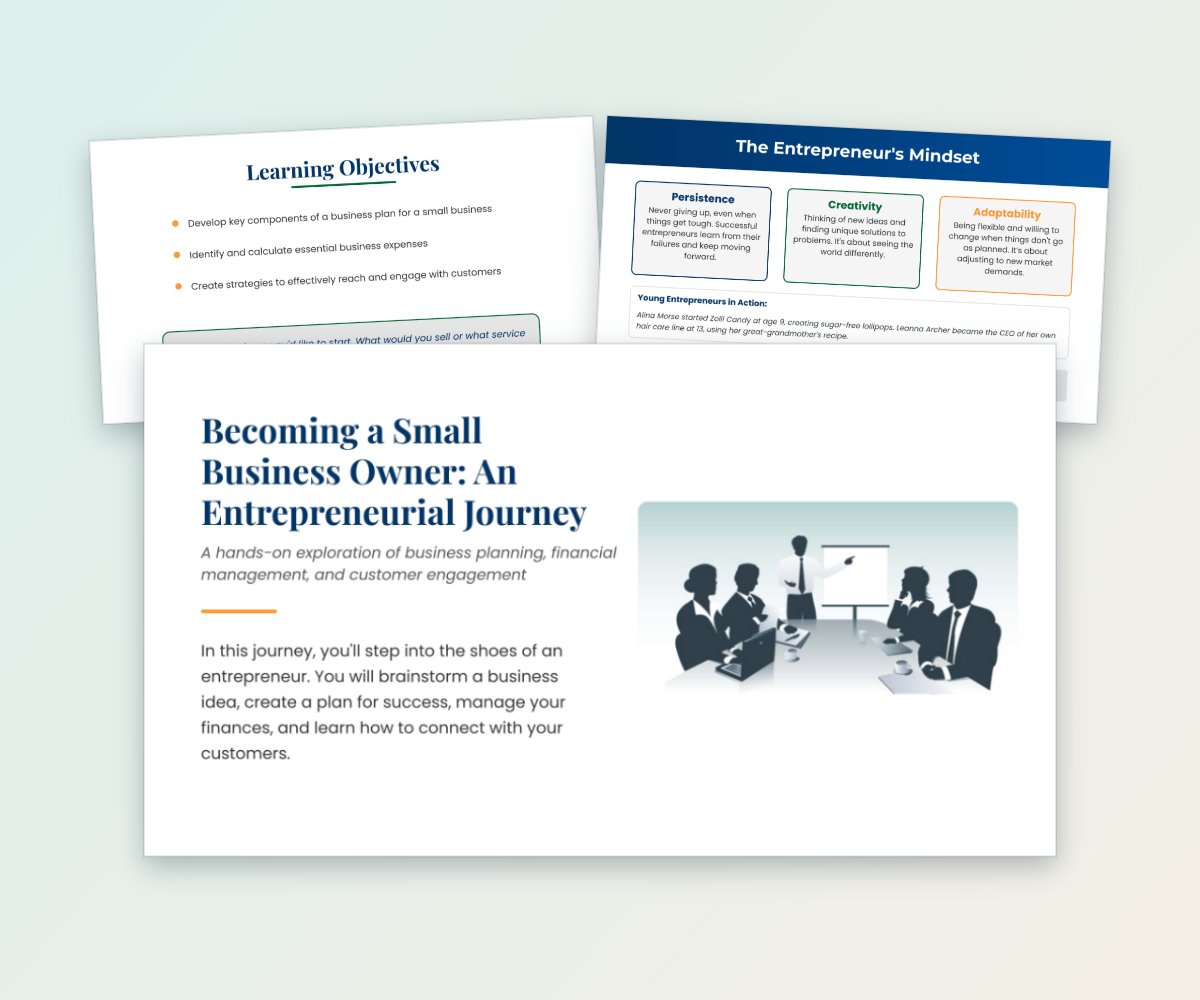
Students explore entrepreneurship by developing a business concept, writing a business plan, identifying startup costs, and considering marketing and customer engagement.
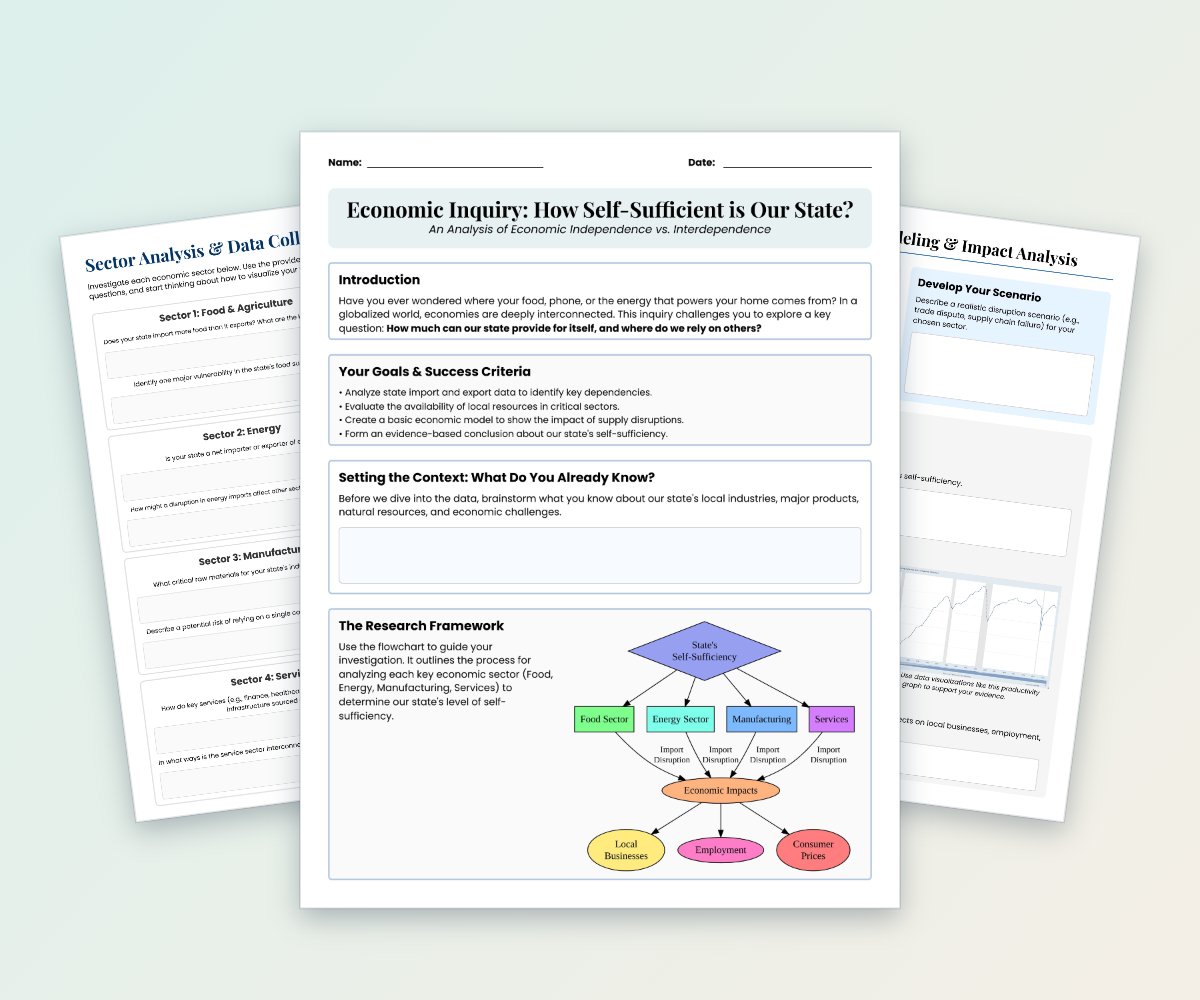
Students investigate how self-sufficient their state is across food, energy, manufacturing, and services.
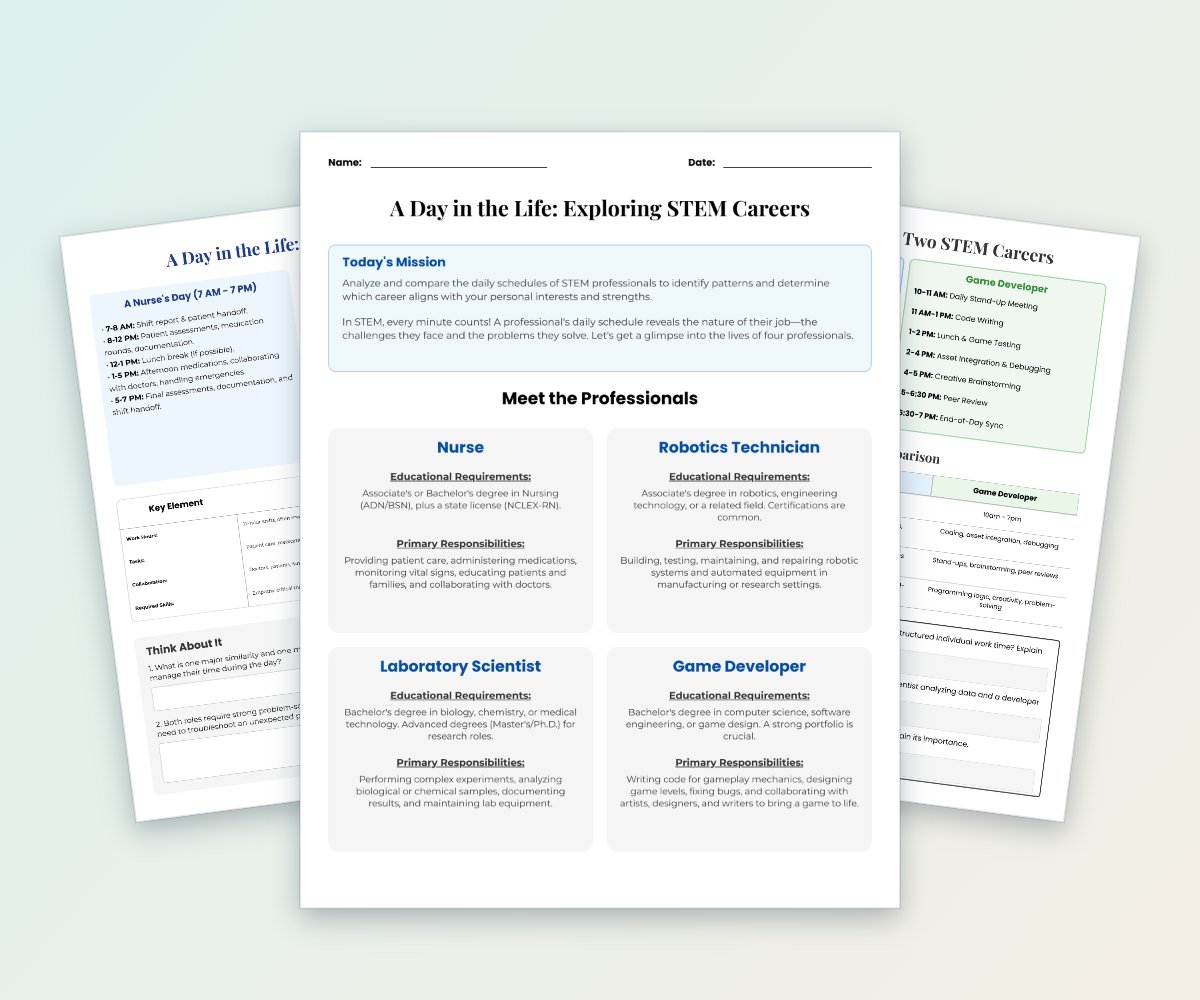
Students analyze and compare the daily schedules, responsibilities, education requirements, and skills associated with nursing, laboratory science, robotics technology, and game development.
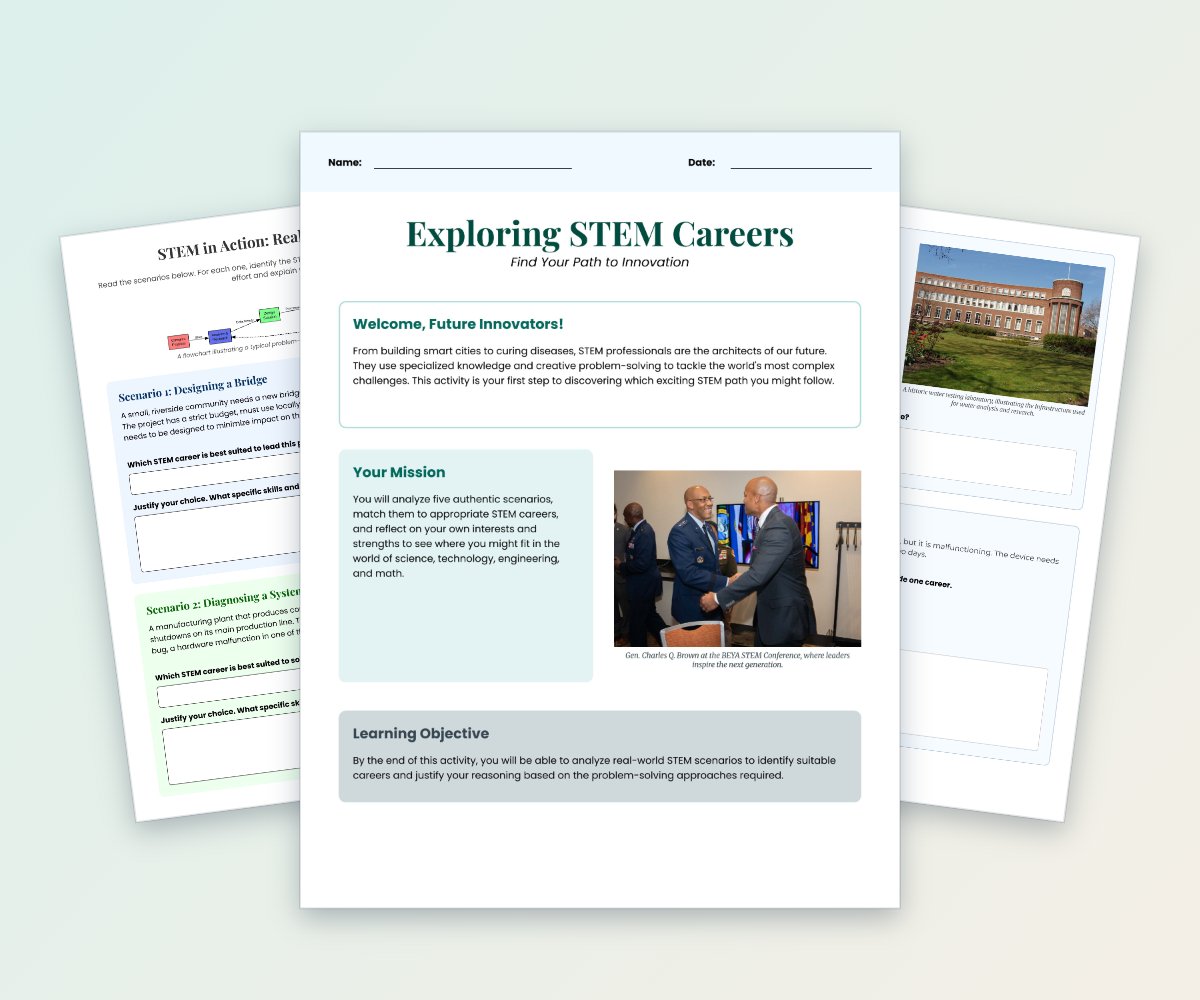
Students analyze five real-world STEM scenarios, match each challenge to an appropriate career, and justify their reasoning.
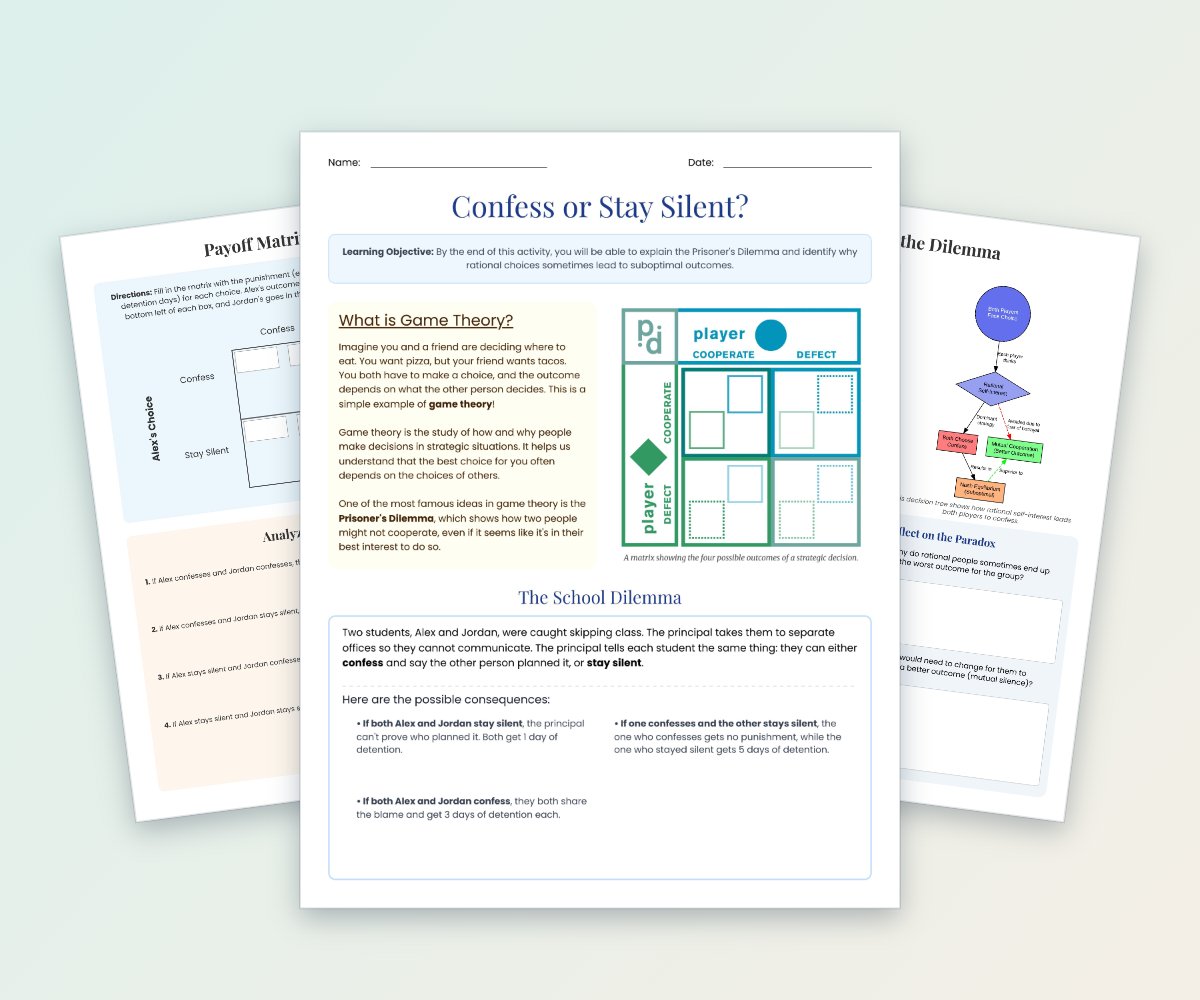
Students learn the basic concept of the Prisoner’s Dilemma and examine how individual choices can produce suboptimal group outcomes.
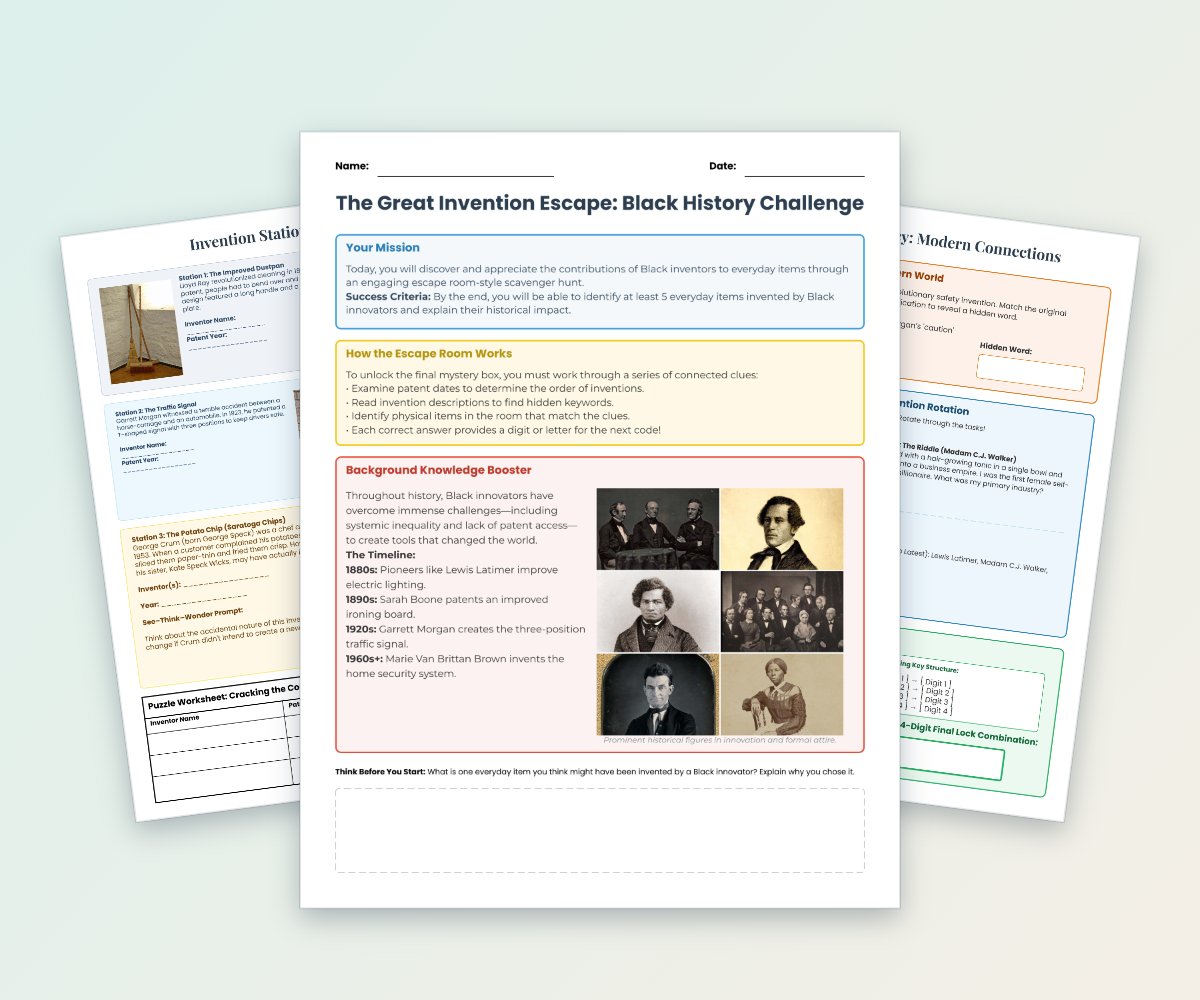
Students explore inventions and innovations by Black inventors through clues, patent dates, invention descriptions, and puzzle challenges.
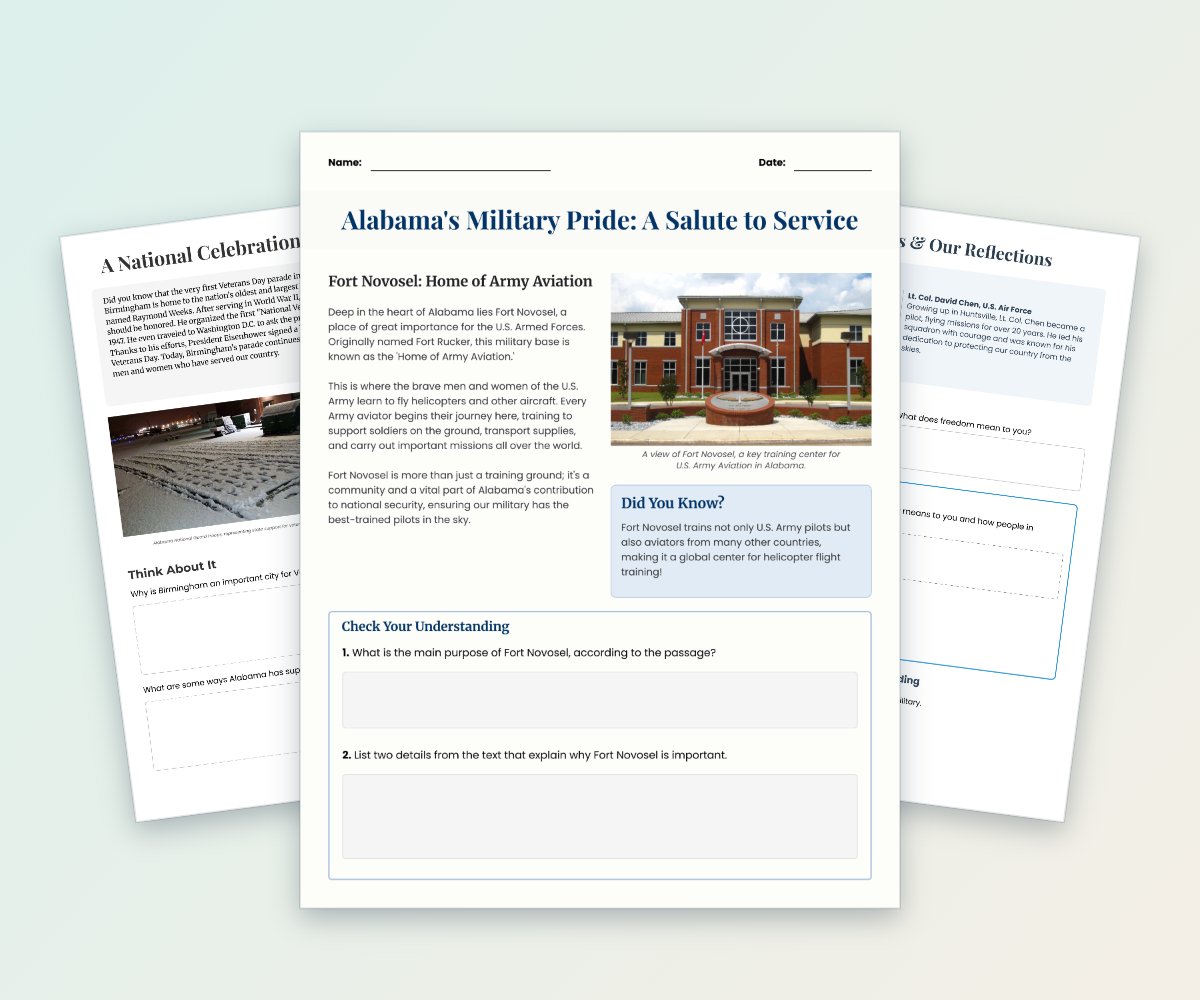
Students read about Fort Novosel, Army Aviation, Alabama's military contributions, and Birmingham's Veterans Day tradition.