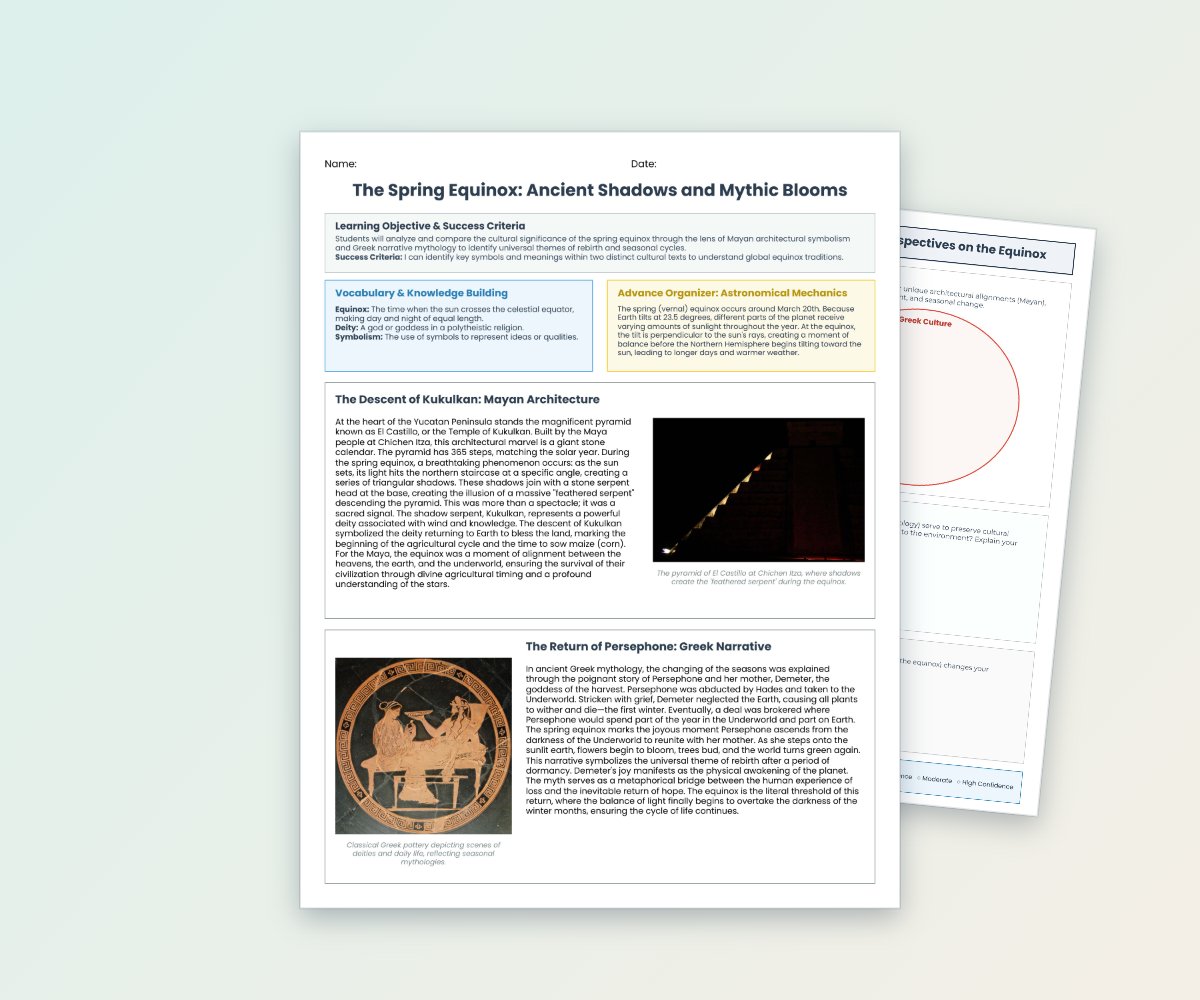
Spring Equinox Mythology: Global Perspectives
This two-page lesson explores the spring equinox through Maya architectural symbolism at Chichen Itza and the Greek myth of Persephone.
$3
Classroom-ready resources written for grade 7: printable worksheets, slides, activities and planning tools you can download and use straight away. Browse by subject below.
This two-page lesson explores the spring equinox through Maya architectural symbolism at Chichen Itza and the Greek myth of Persephone.
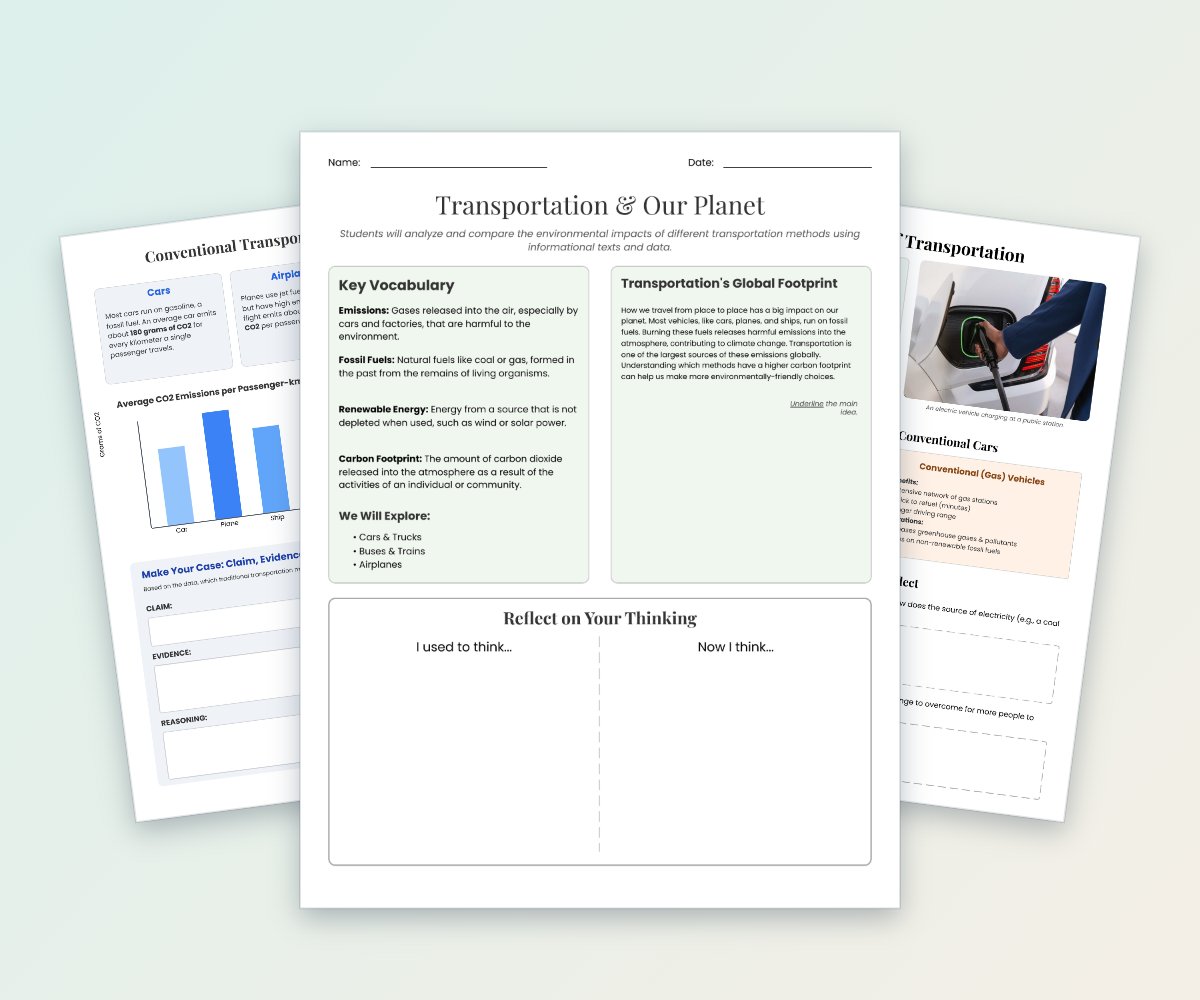
Students compare transportation methods using informational text, vocabulary, emissions data, and claim-evidence-reasoning prompts.
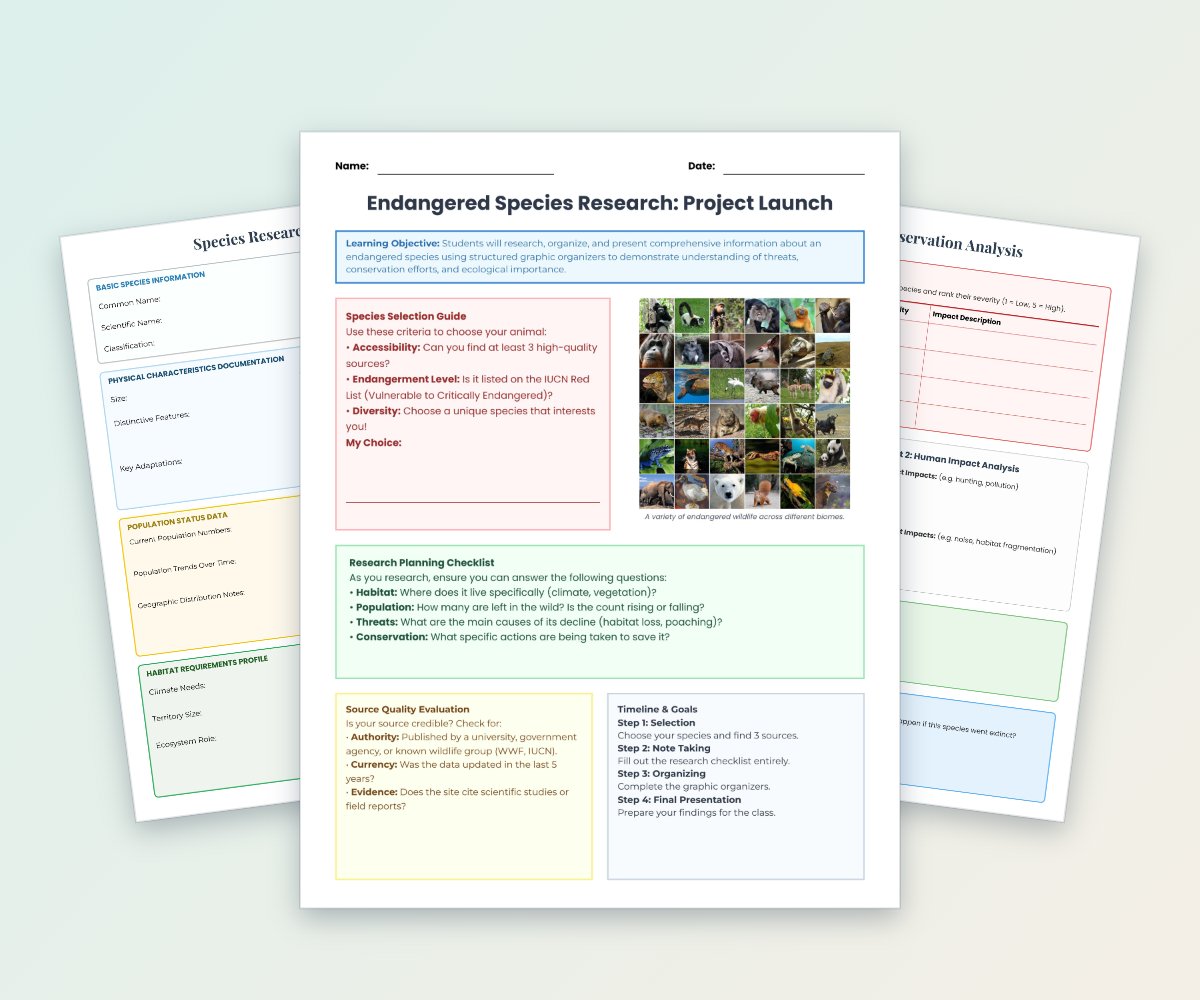
This five-page packet guides students through selecting an endangered species, evaluating credible sources, researching threats and conservation efforts, and organizing findings.
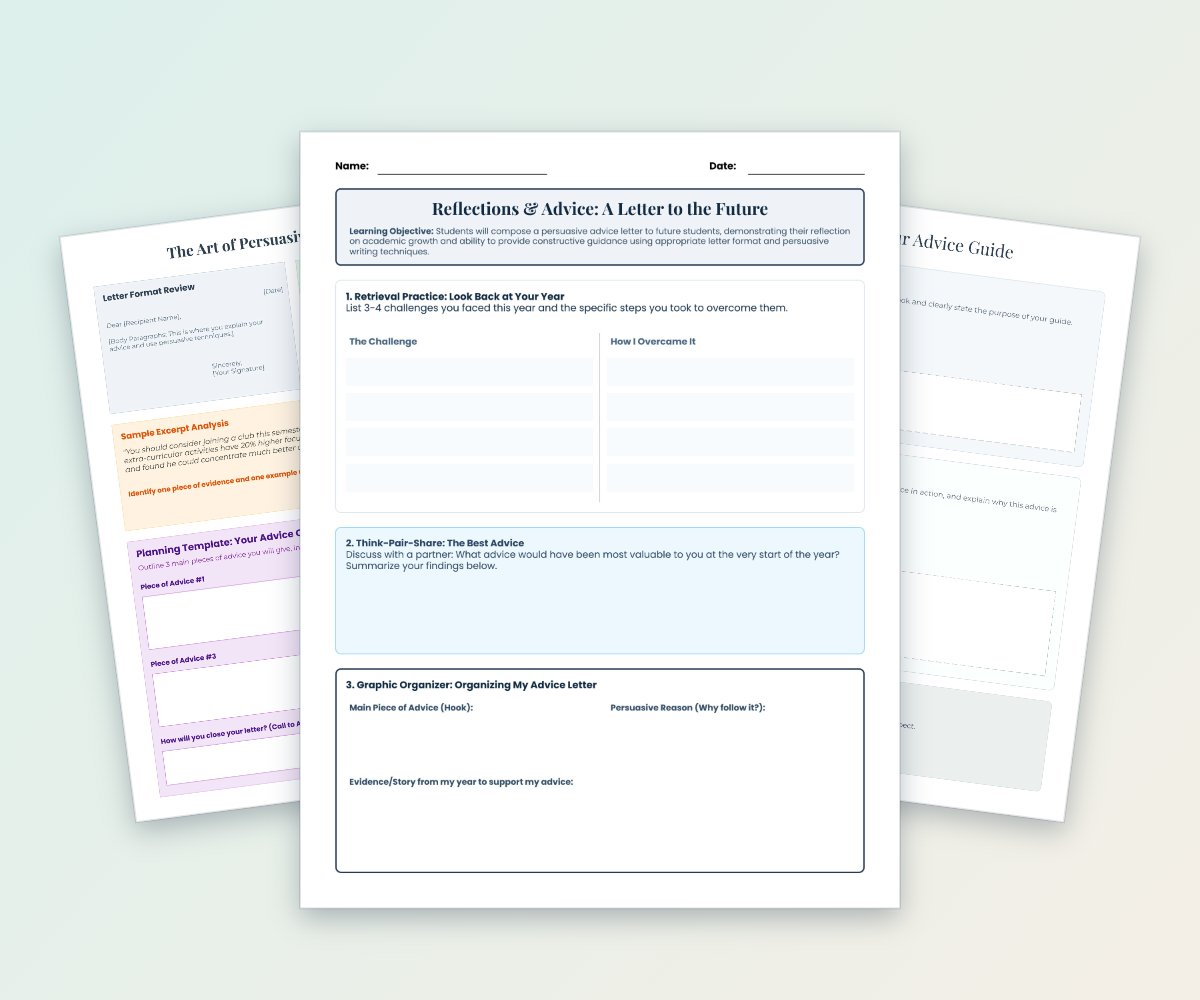
Guide students in reflecting on their academic year and composing persuasive advice letters for future students.
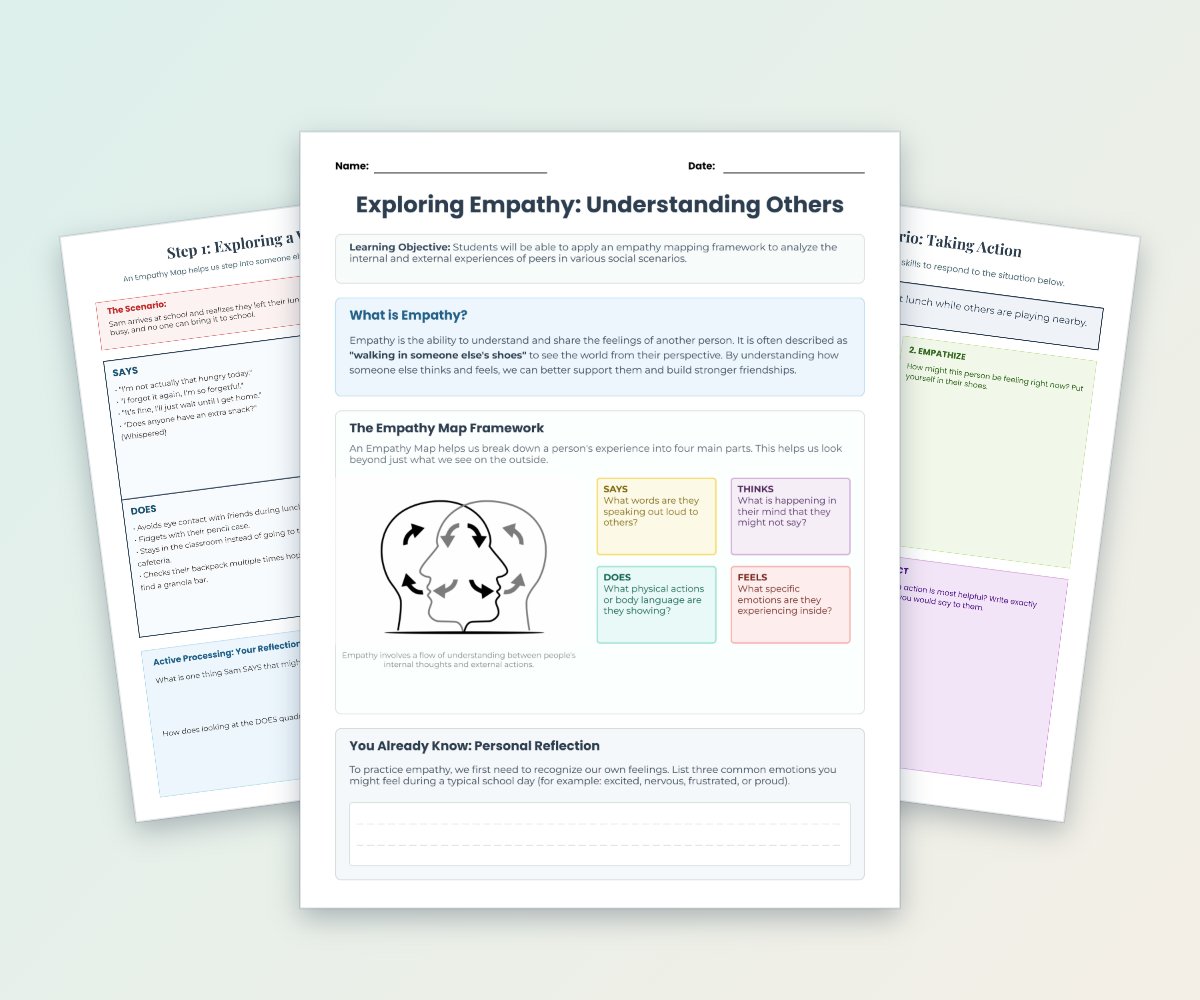
This five-page SEL resource introduces the Says, Does, Thinks, and Feels empathy map framework.
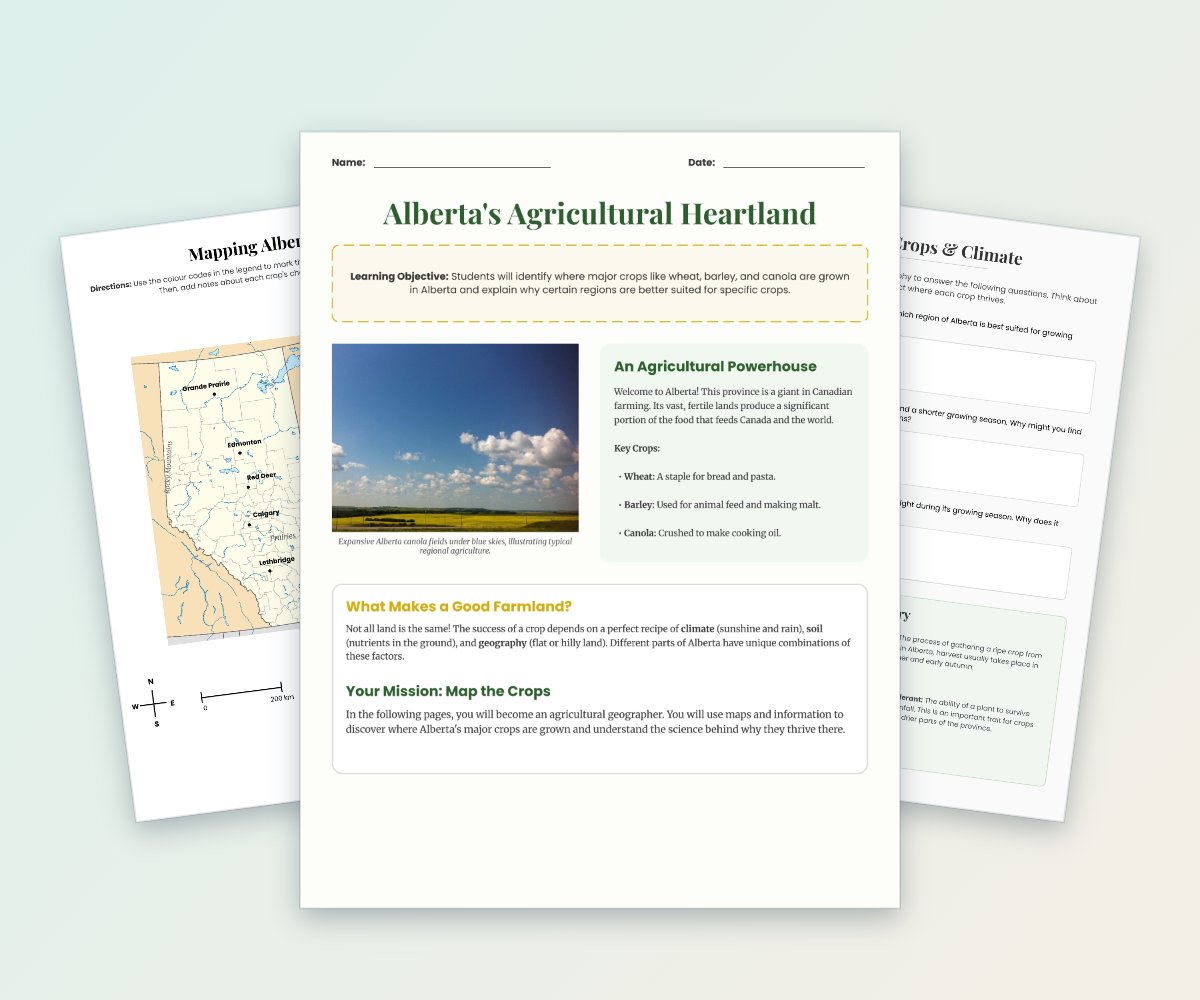
Students explore Alberta's agricultural regions and map where wheat, barley, and canola are primarily grown.
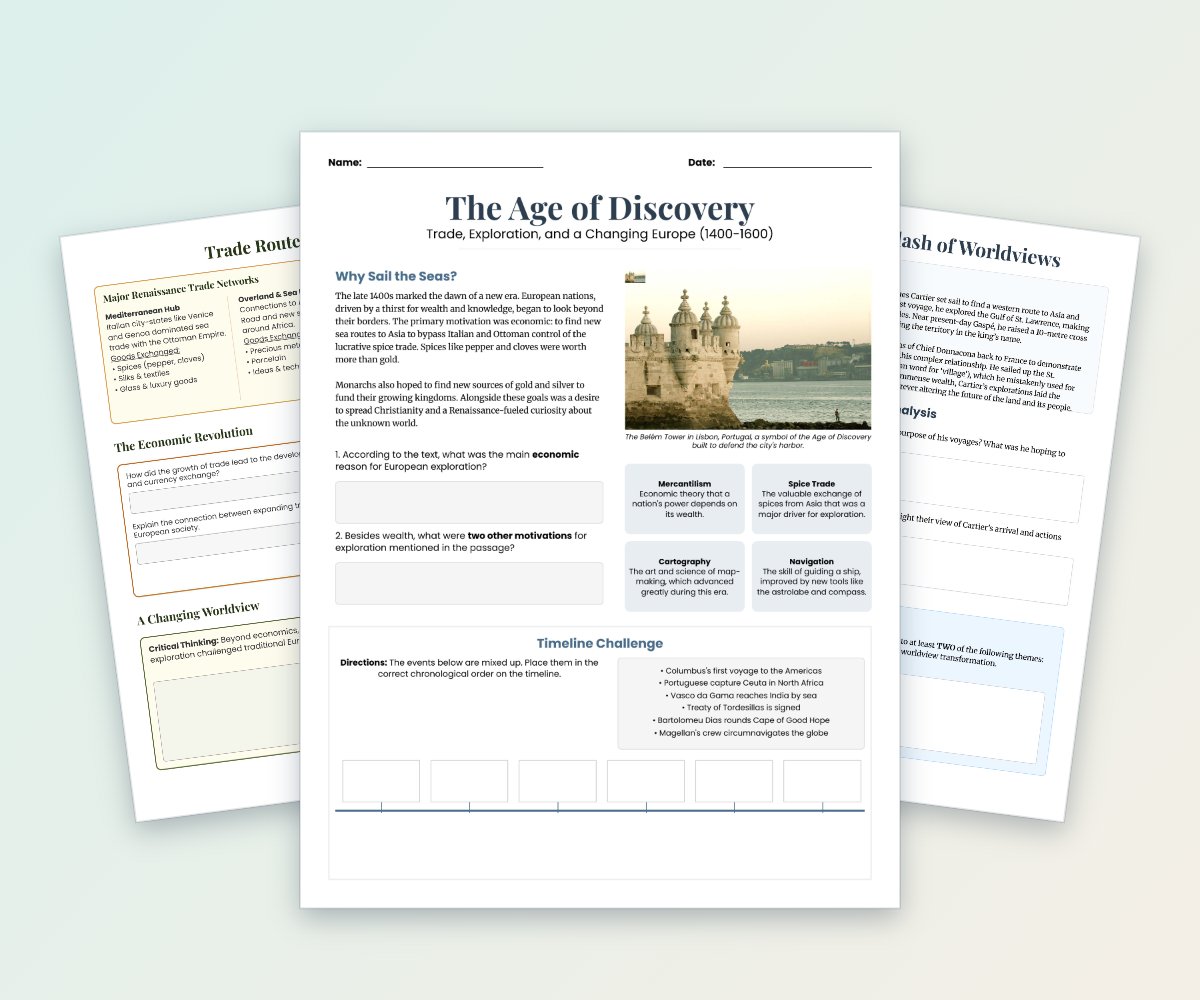
Students examine why European nations explored overseas, how trade networks developed, and how exploration changed European society between 1400 and 1600.
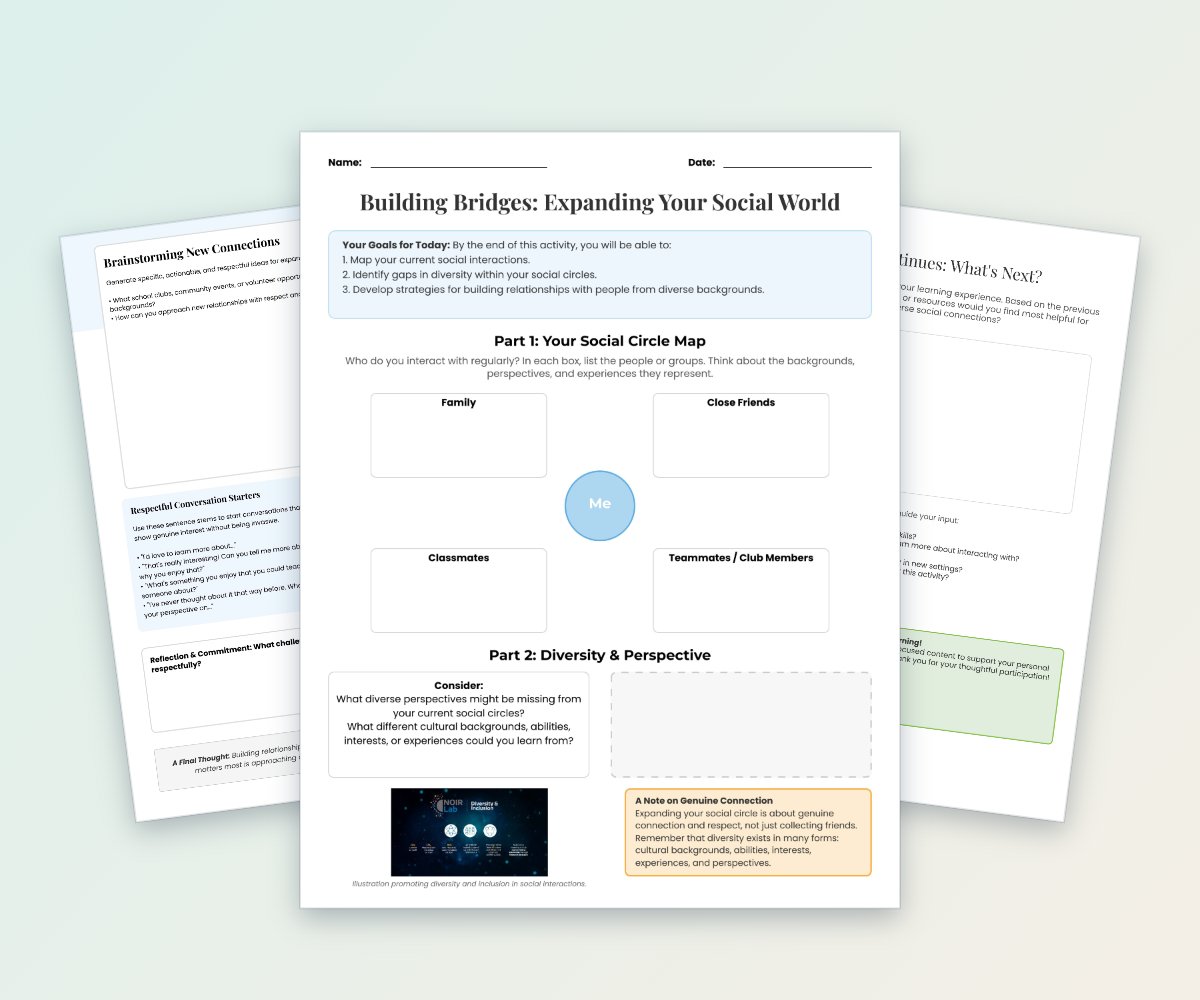
This three-page SEL activity helps students map their current social circles, recognize missing perspectives, and plan respectful ways to build diverse connections.
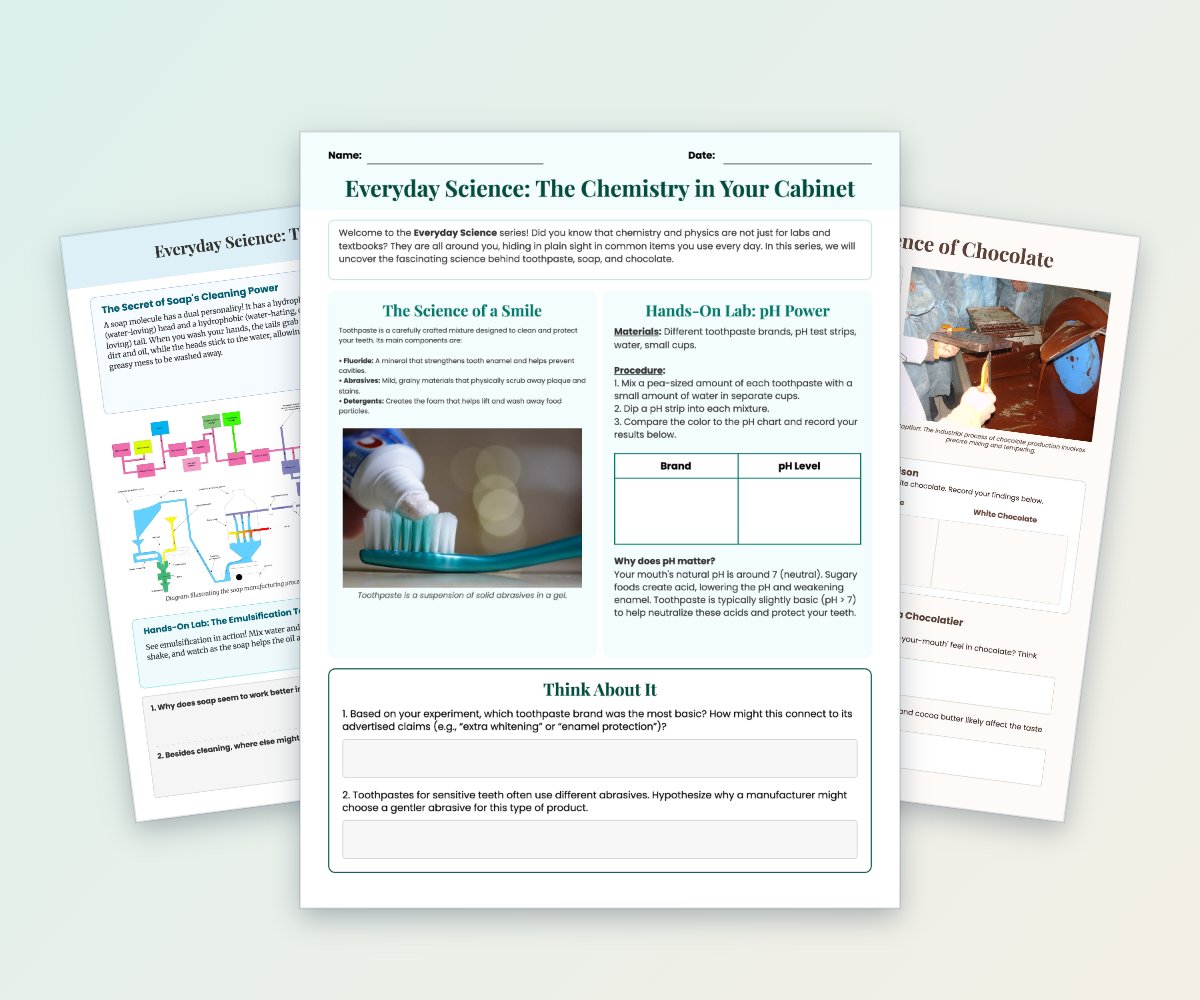
Explore the chemistry of toothpaste and soap through accessible explanations, diagrams, a pH investigation, and critical-thinking questions.
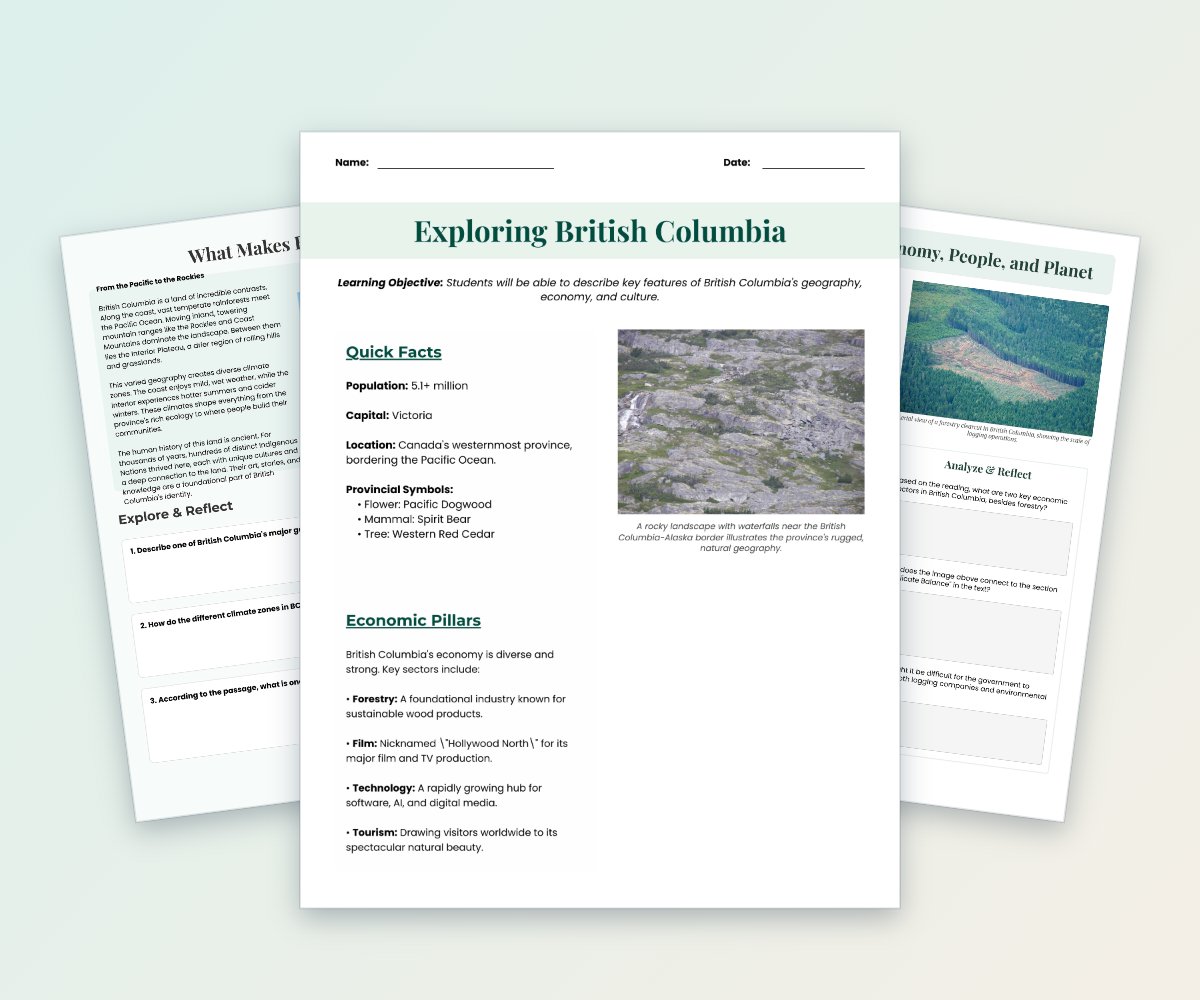
This seven-page student workbook explores British Columbia’s geography, climate, economy, provincial symbols, Indigenous Nations, and cultural identity.
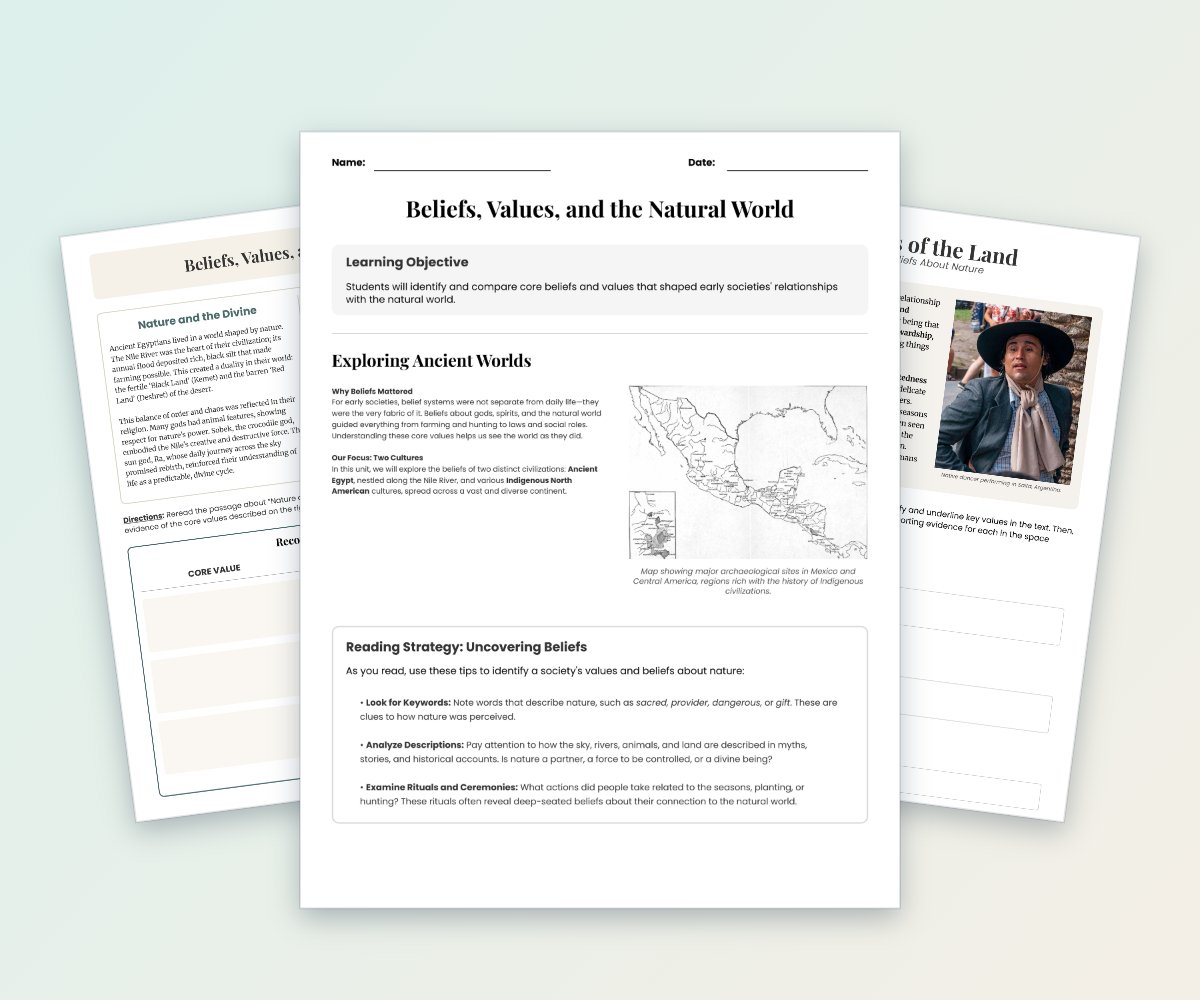
This four-page social studies resource examines how beliefs and values shaped relationships with the natural world in Ancient Egypt and Indigenous North American cultures.
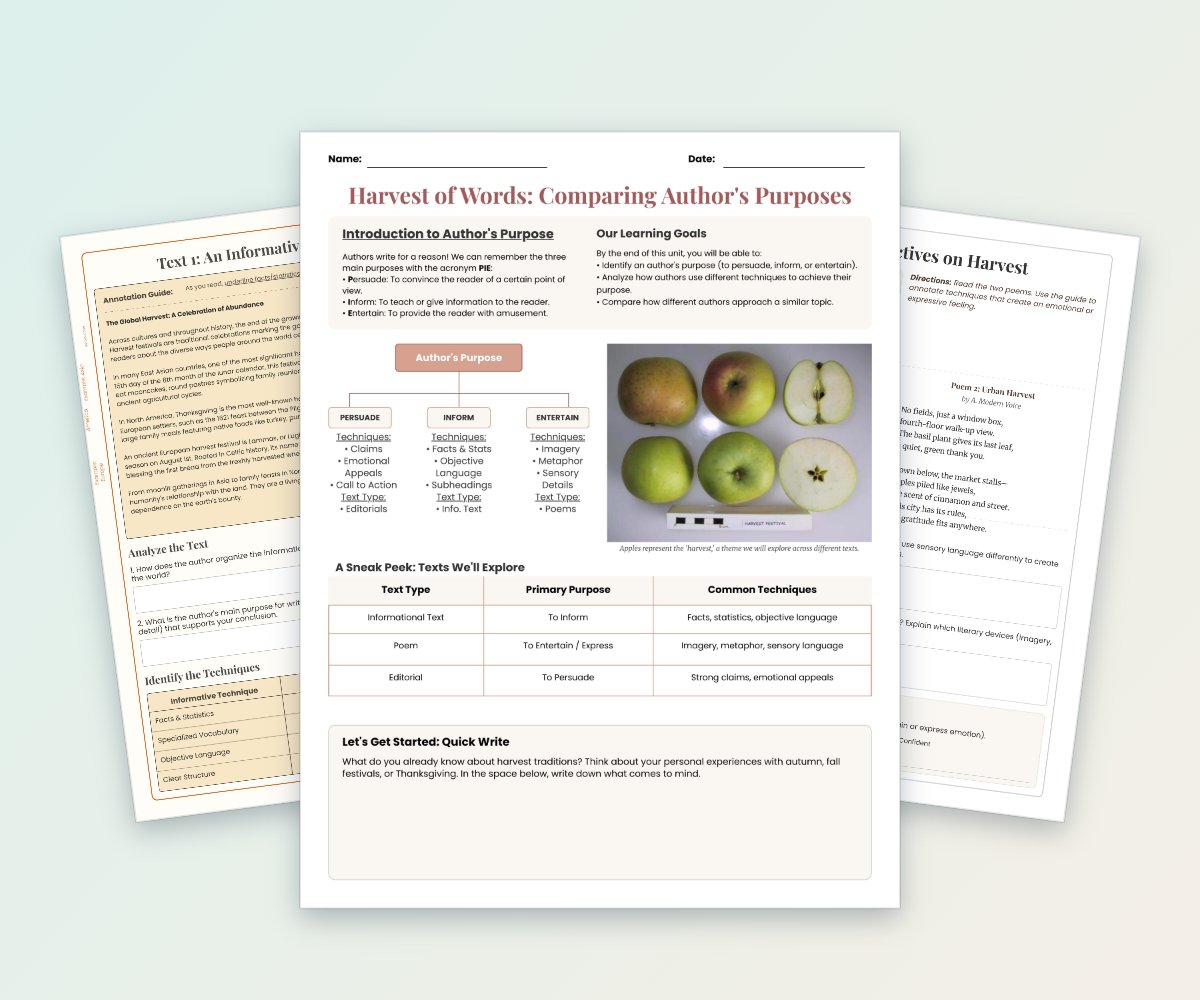
This six-page activity pack introduces the PIE framework—persuade, inform, and entertain—through harvest-themed informational texts, poems, and editorials.
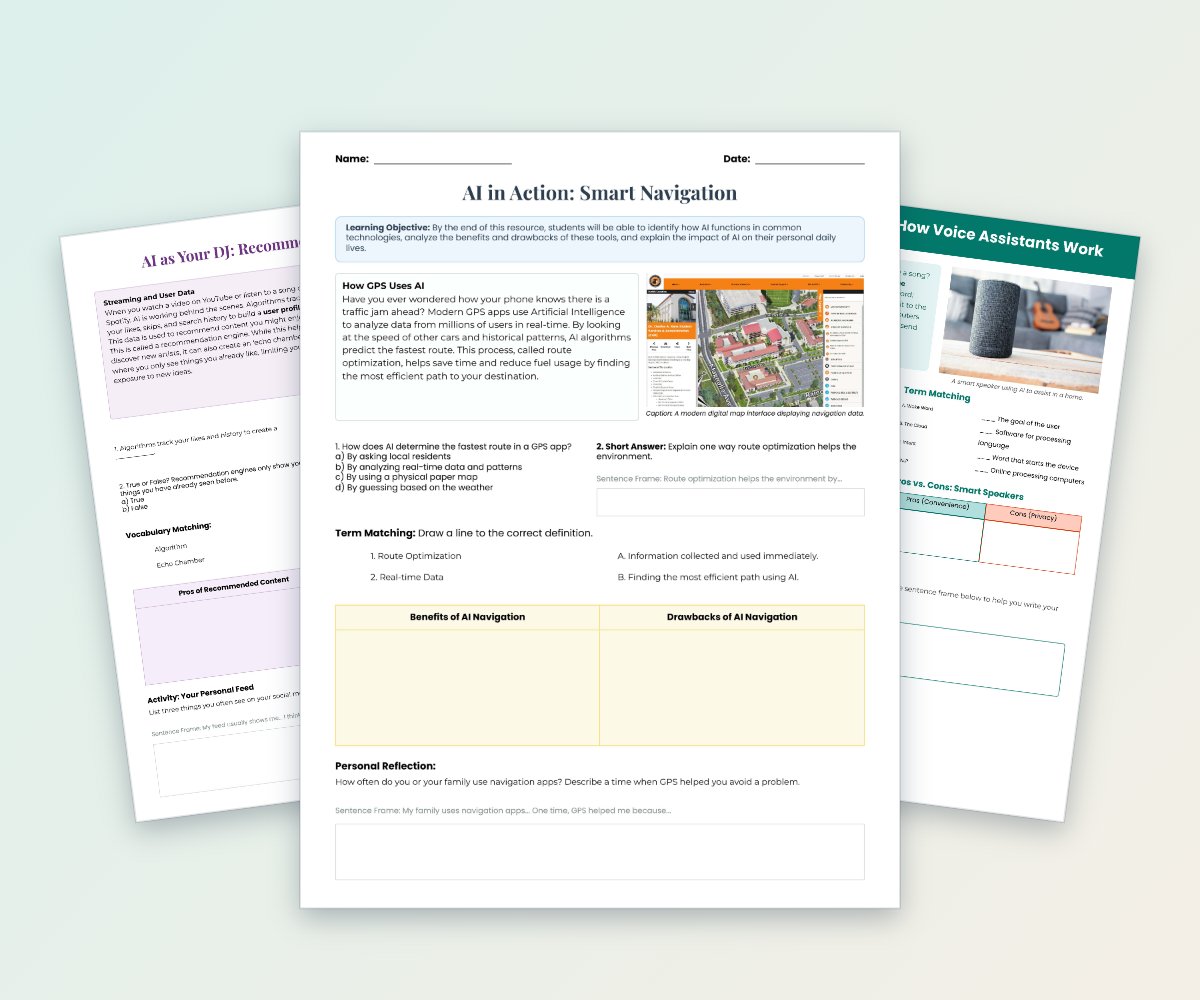
This six-page activity pack introduces students to how artificial intelligence supports GPS navigation and streaming recommendations.
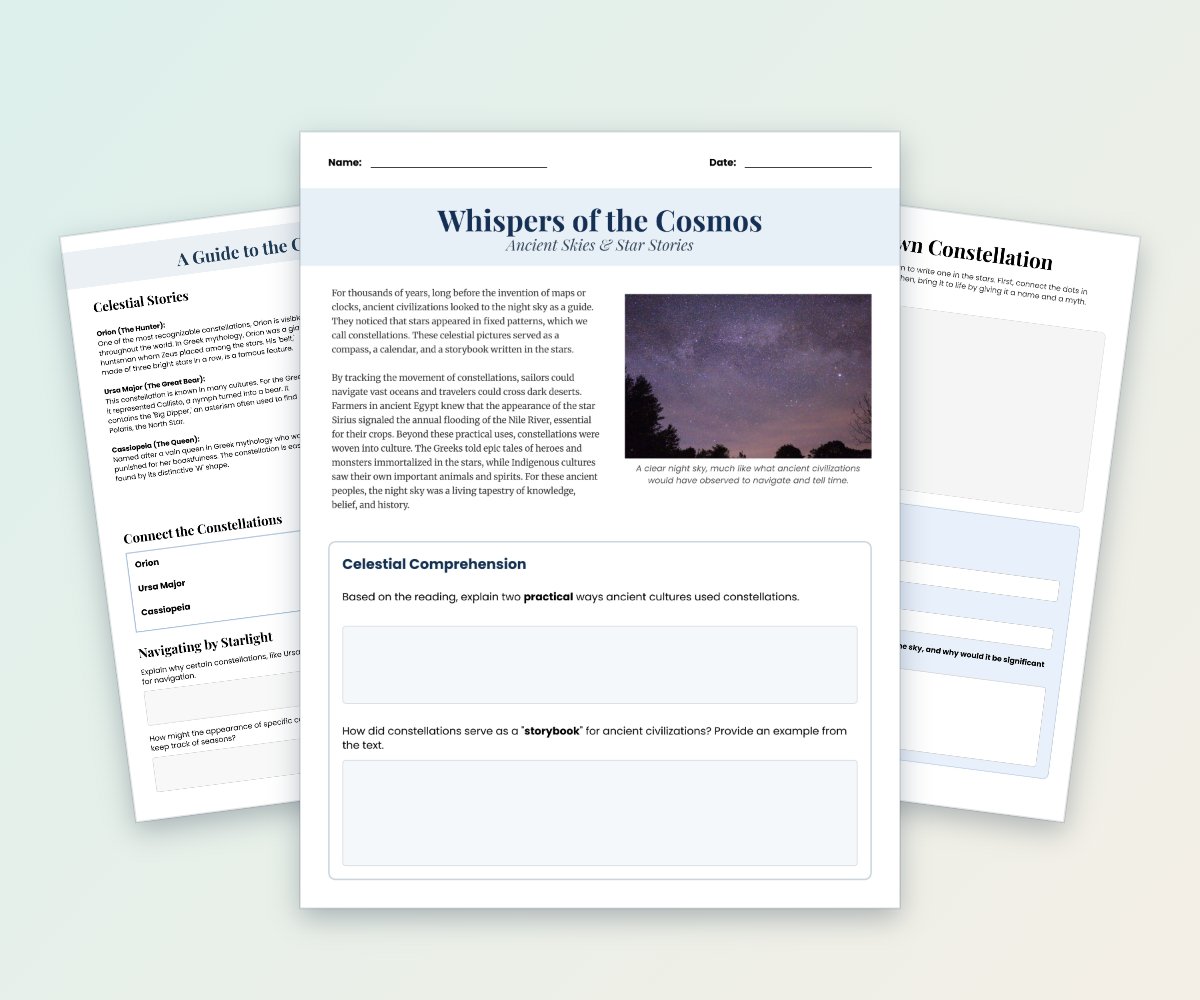
Students explore how ancient civilizations used constellations for navigation, calendars, agriculture, and storytelling.
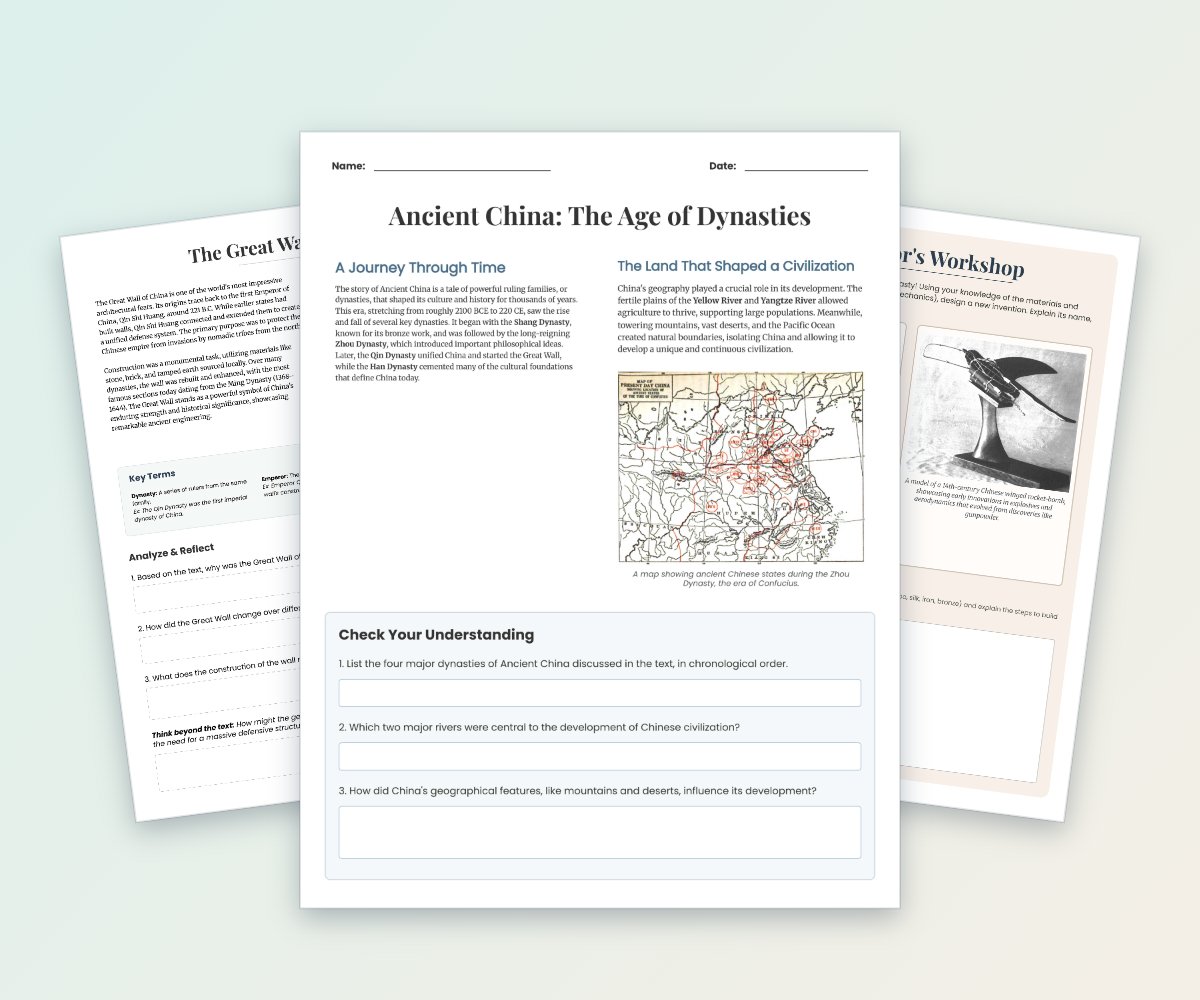
This six-page student workbook introduces the Shang, Zhou, Qin, and Han dynasties and examines how geography shaped Ancient Chinese civilization.
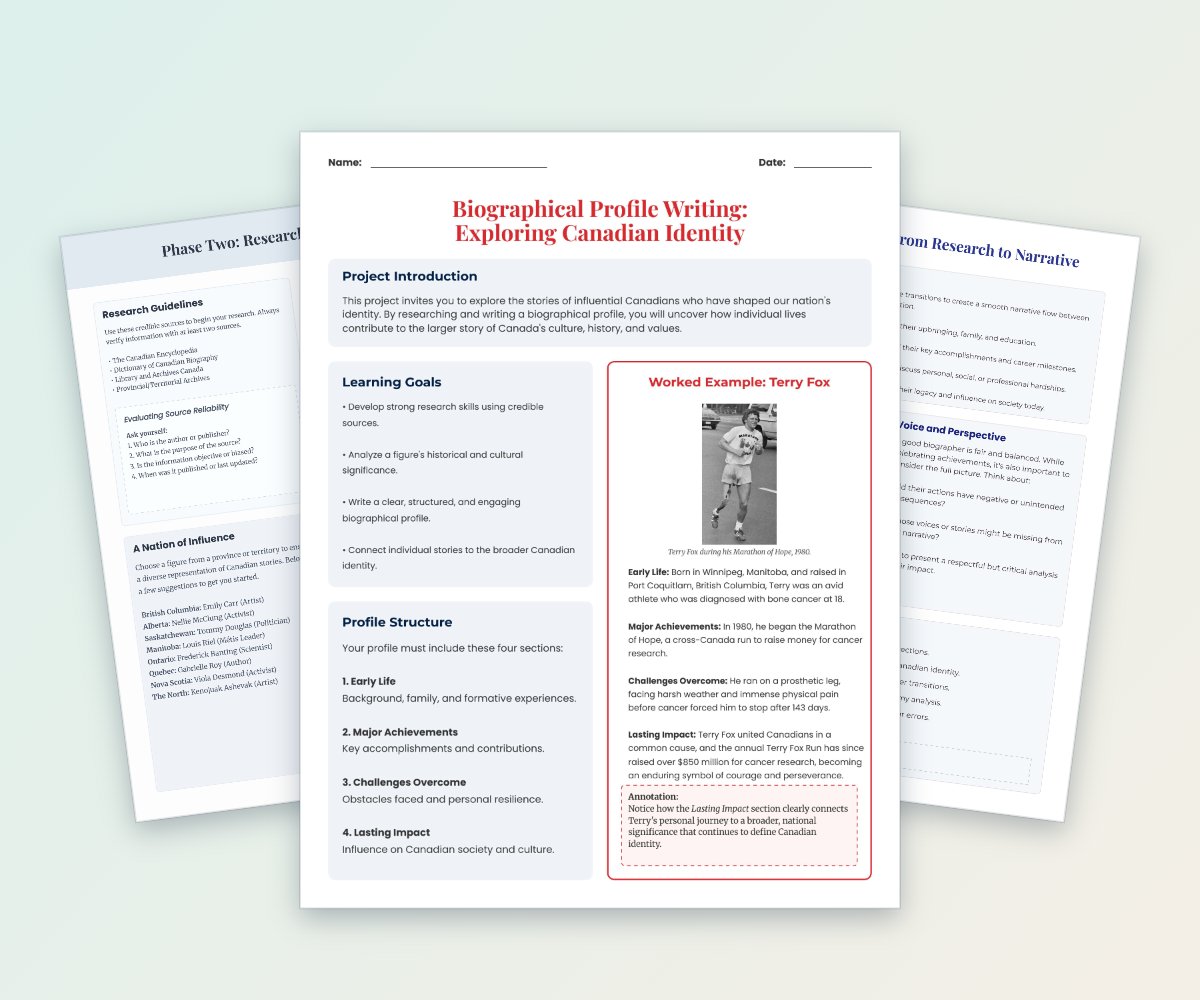
Students research an influential Canadian and write a structured biographical profile examining early life, achievements, challenges, and lasting impact.
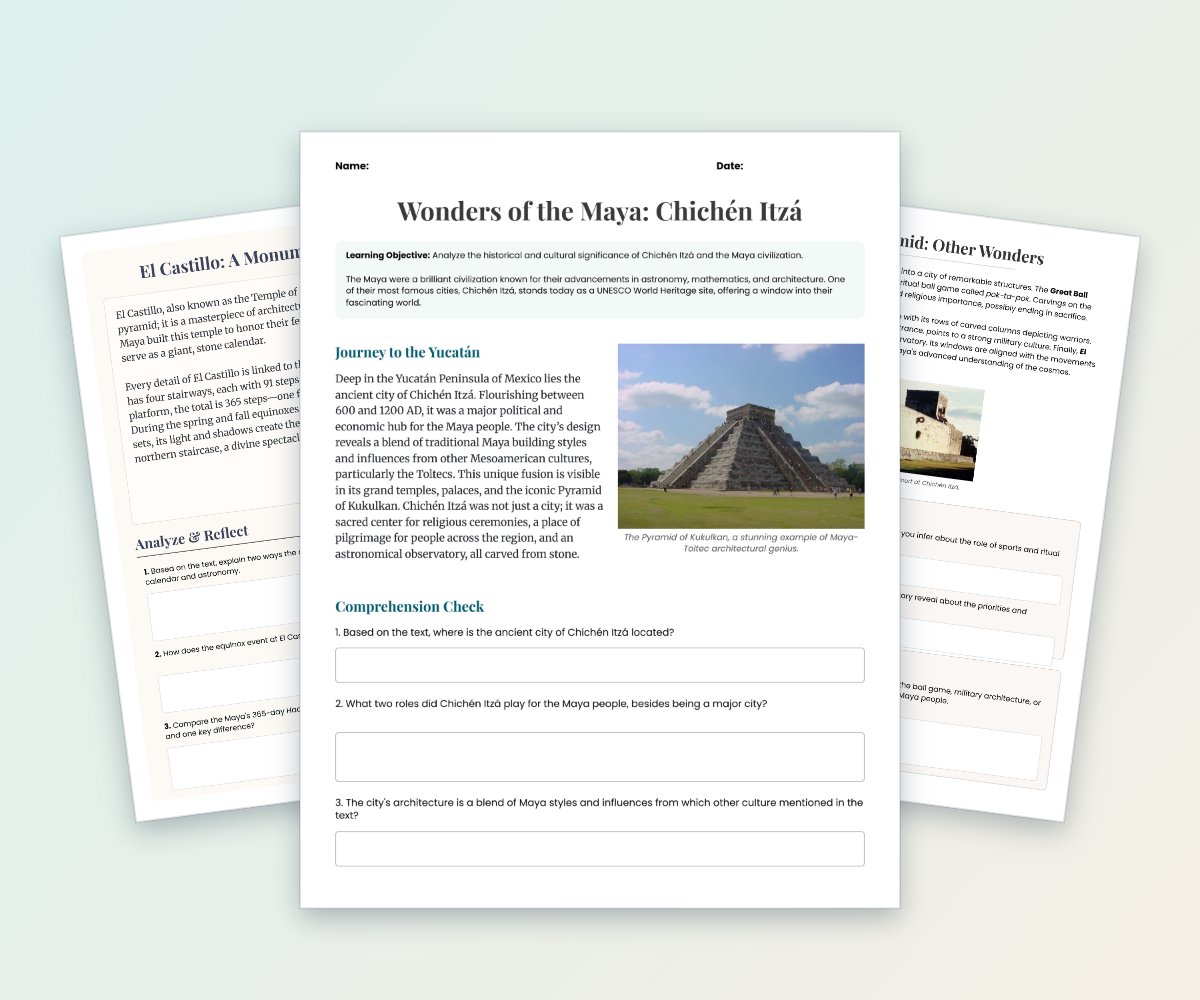
This three-page reading resource explores Chichén Itzá, Maya culture, architecture, astronomy, and the significance of El Castillo.
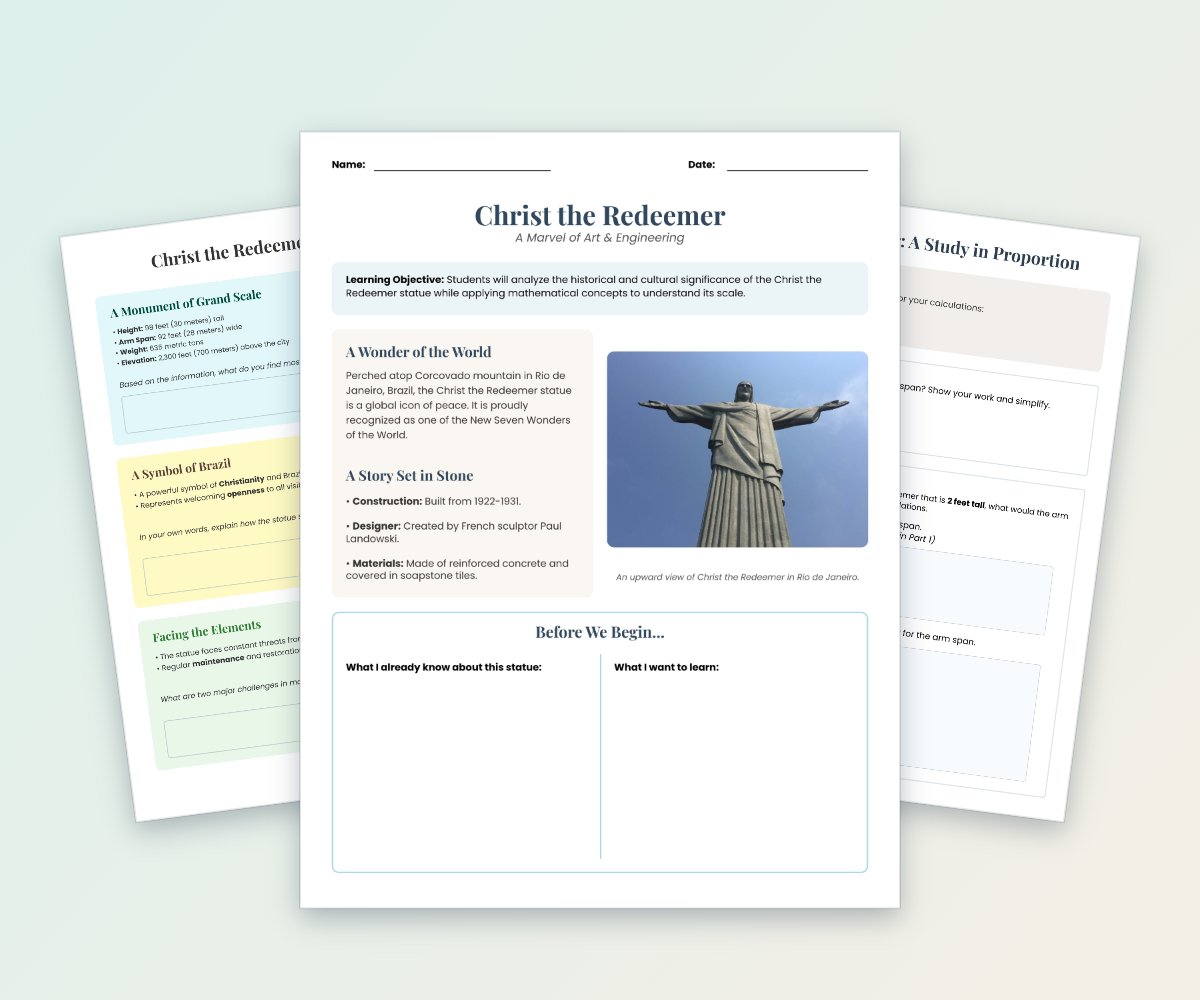
Students explore the history, materials, symbolism, and preservation challenges of Christ the Redeemer in Brazil.
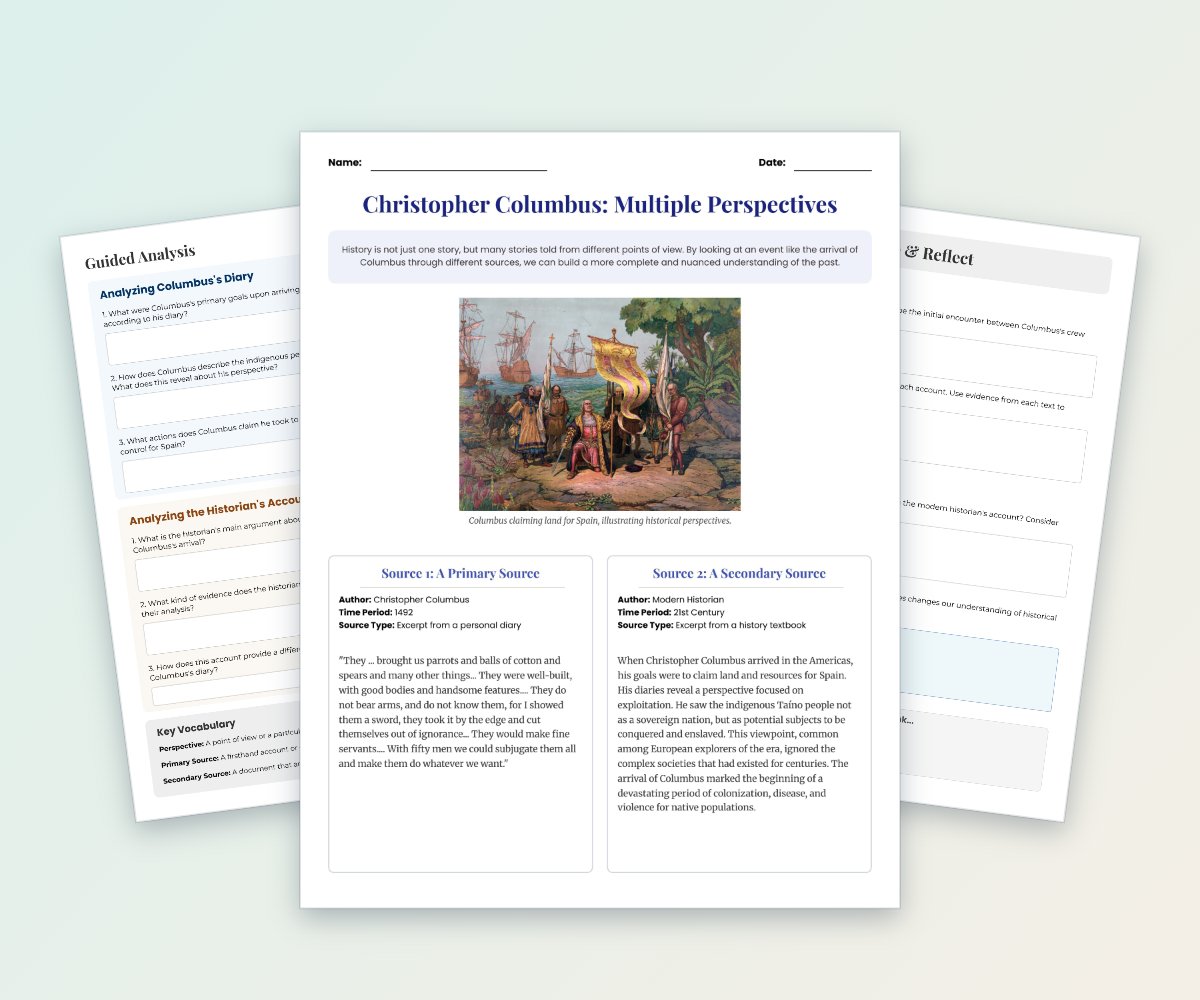
Students examine excerpts from Columbus’s diary and a modern historian’s account of his arrival in the Americas.
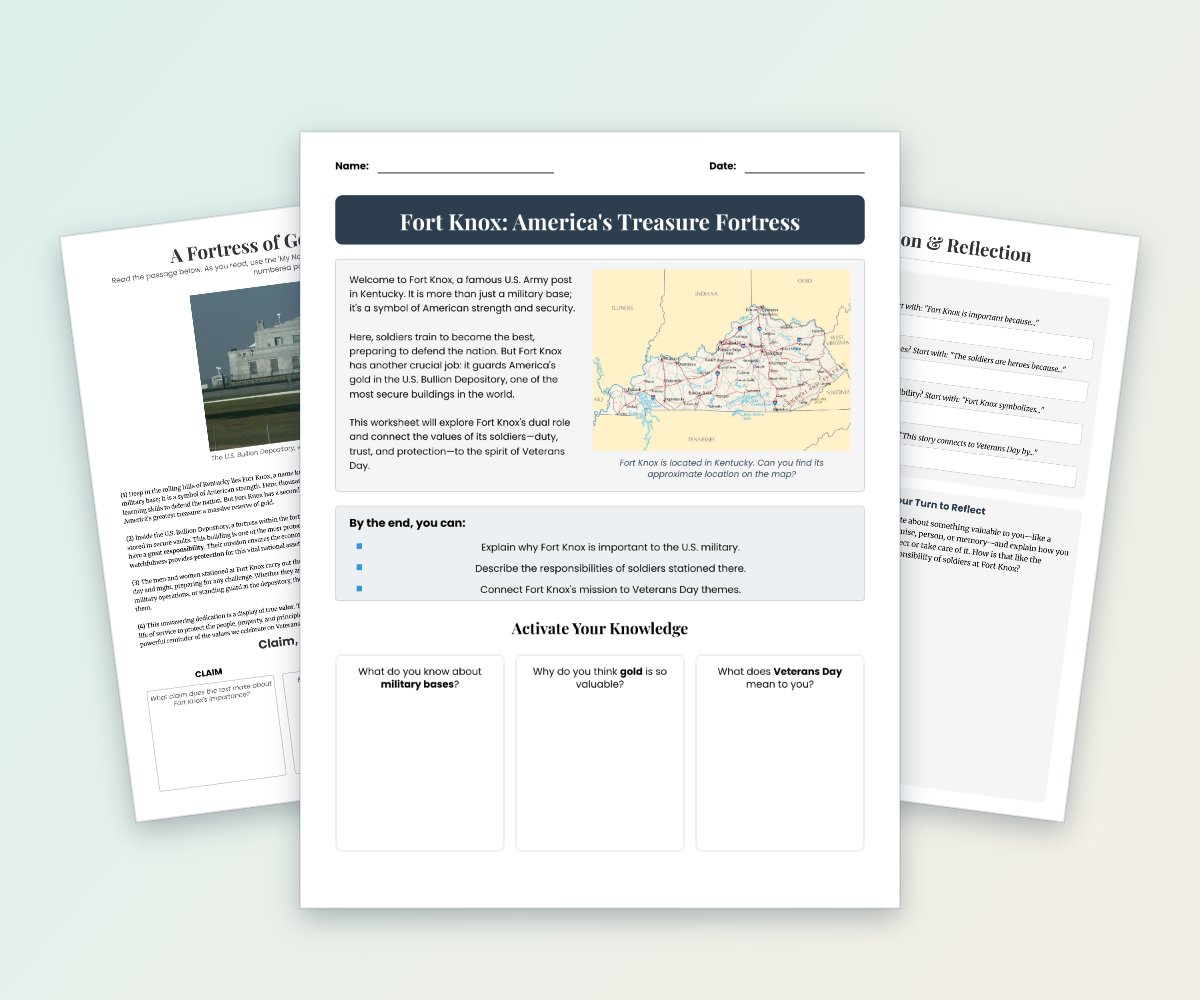
This three-page worksheet explores Fort Knox’s military role, the U.S.
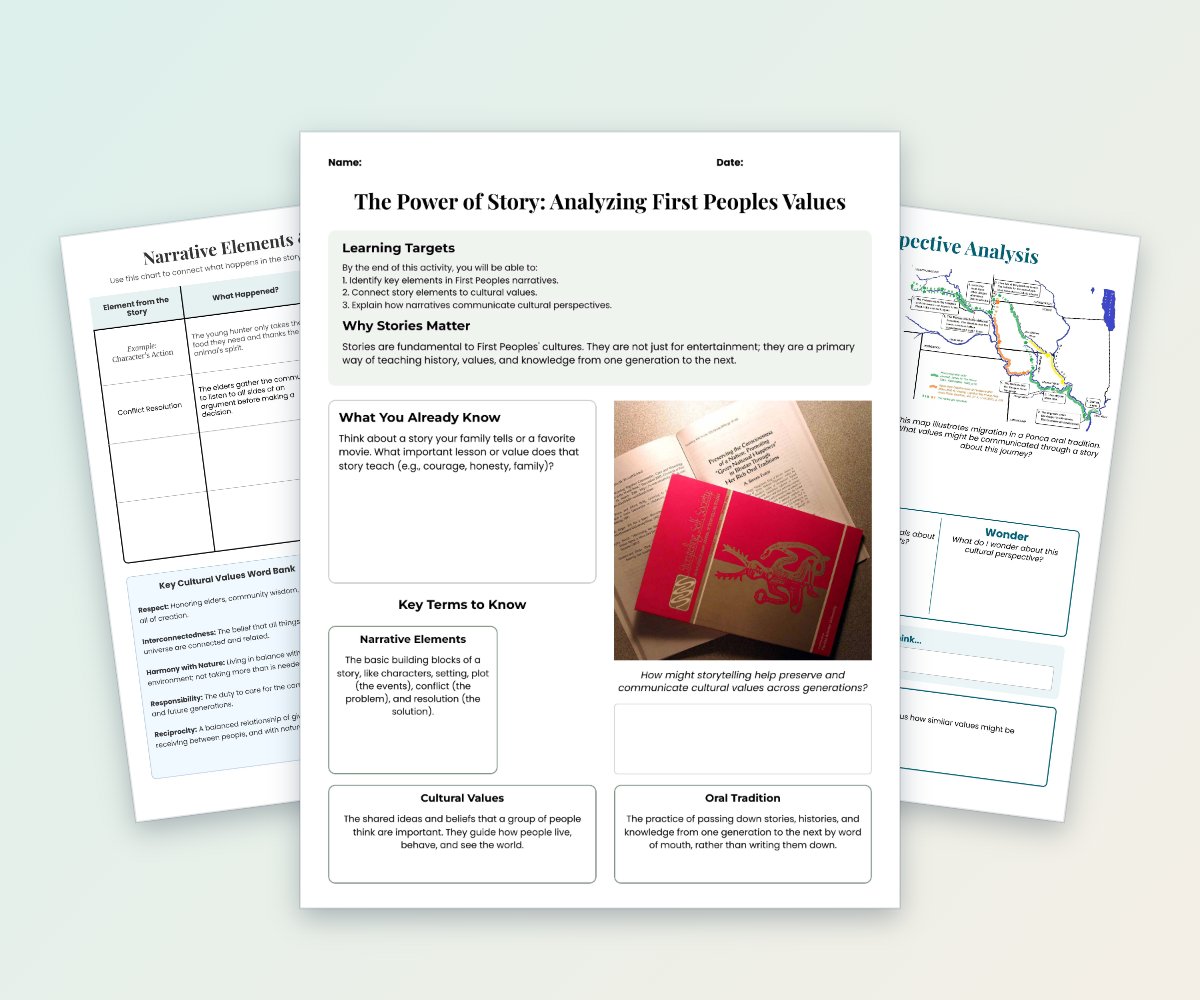
Students examine narrative elements, oral tradition, and cultural values in First Peoples stories.
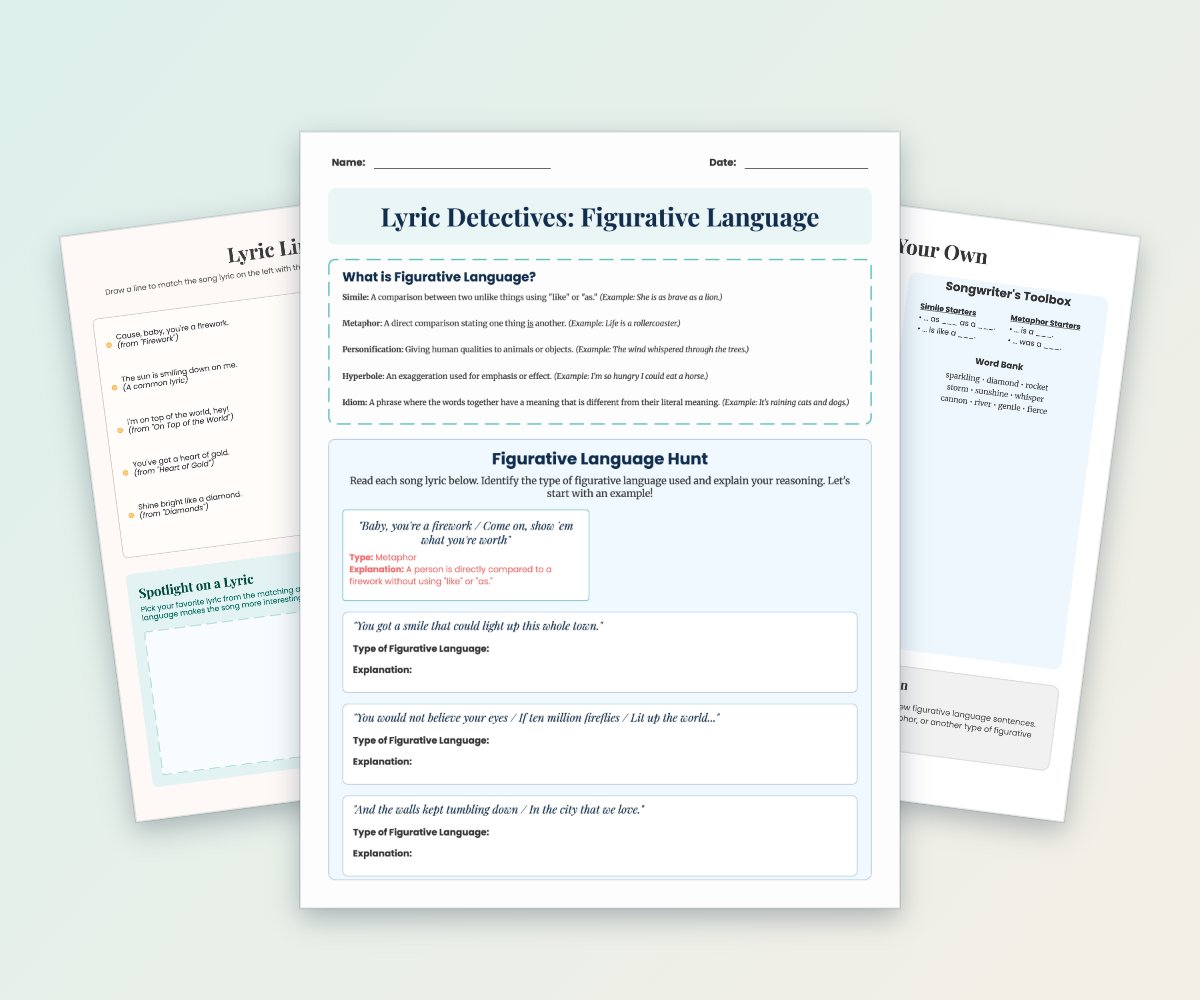
Students identify similes, metaphors, personification, hyperbole, and idioms in familiar song lyrics.
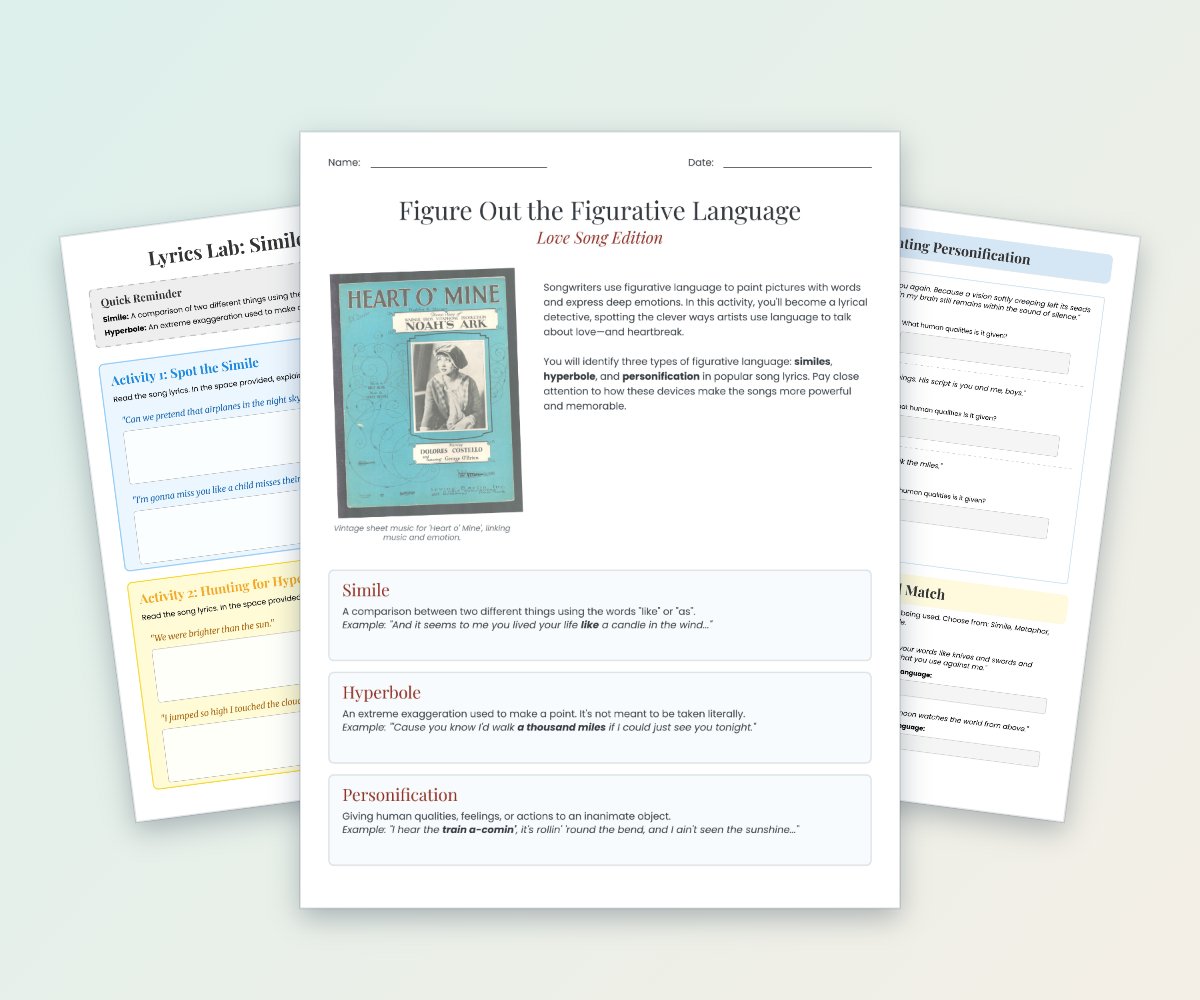
Students explore similes, hyperbole, and personification through familiar song lyrics.
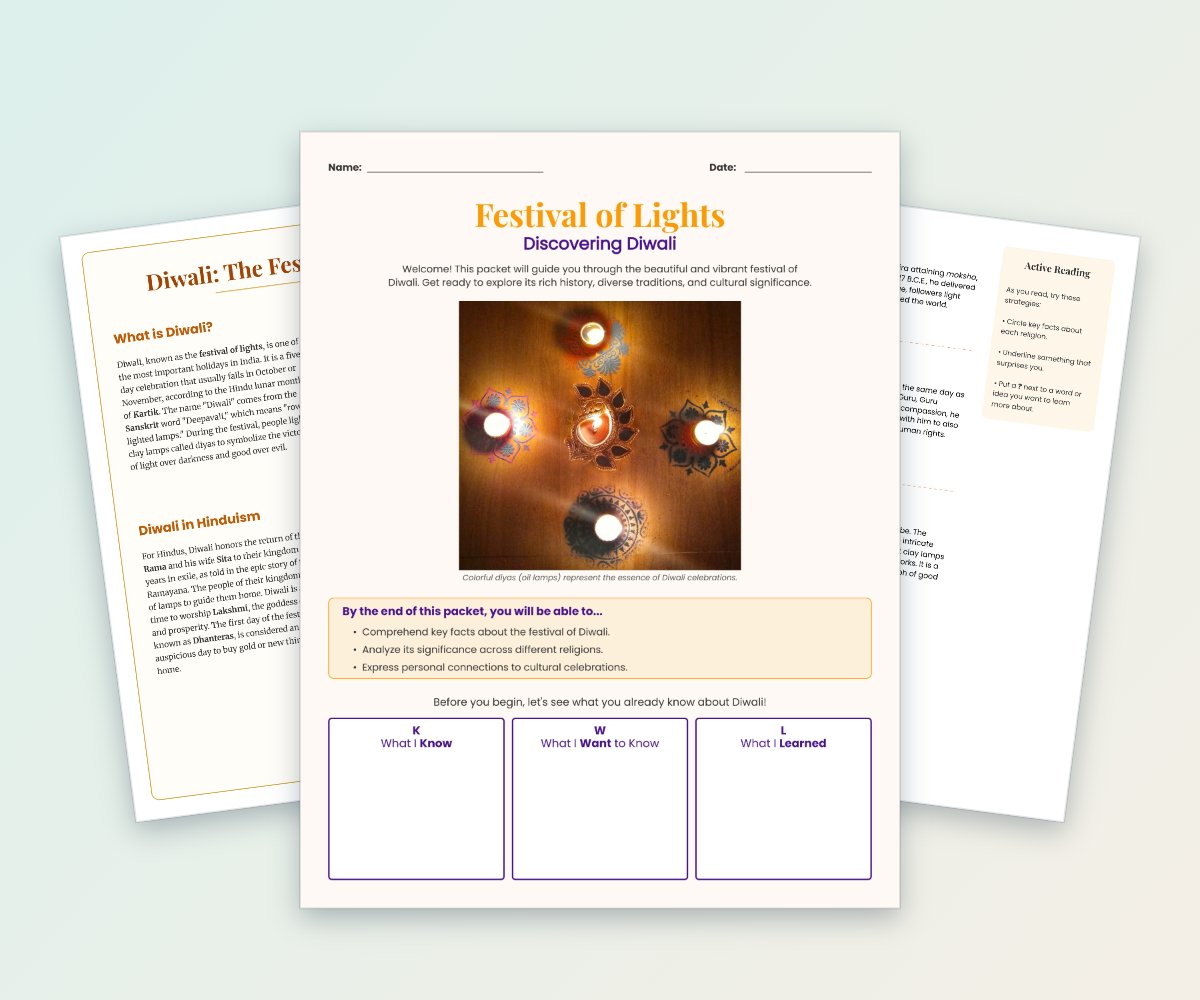
This student-friendly packet explores Diwali’s history, traditions, symbols, and significance in Hinduism, Jainism, and Sikhism.
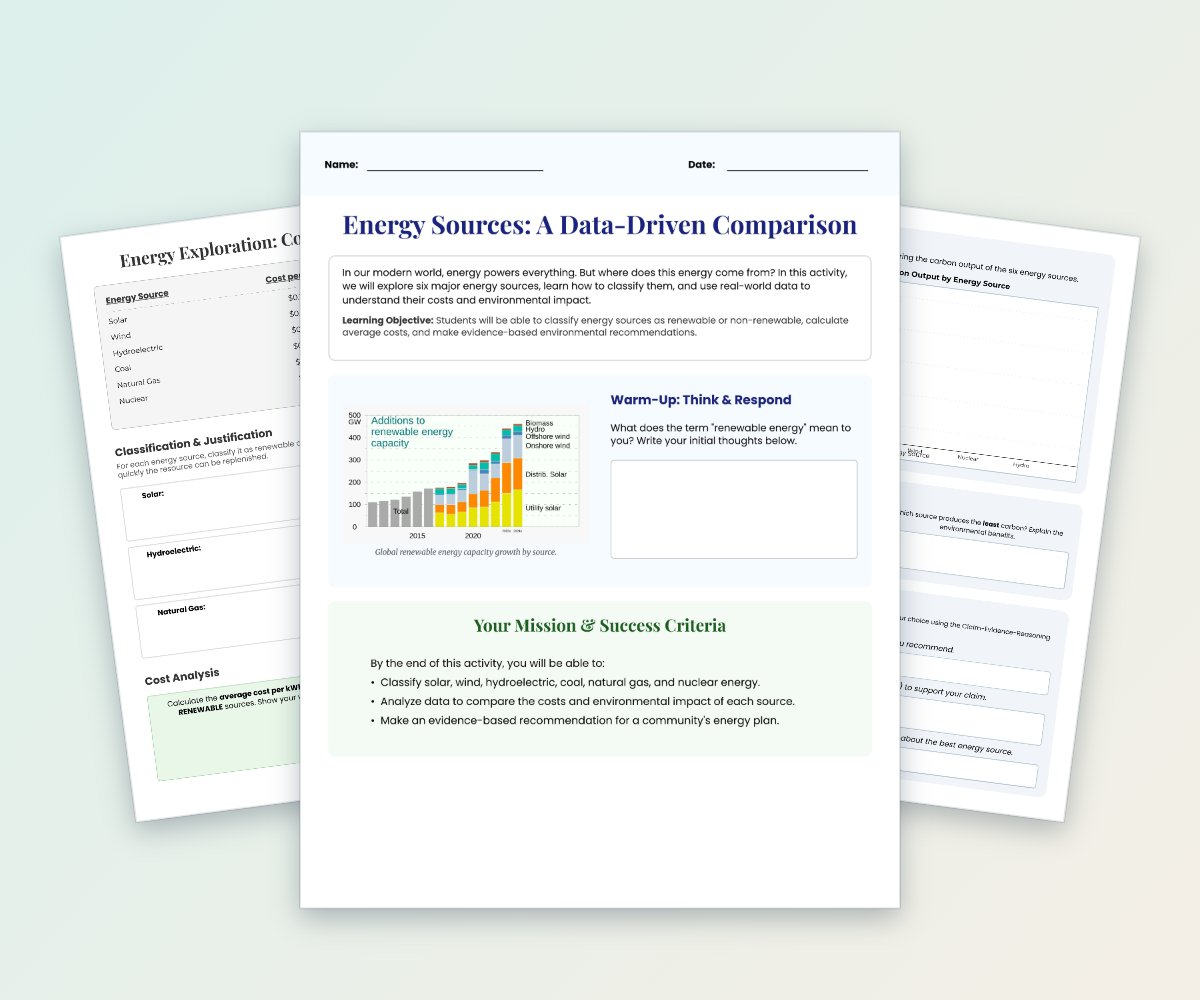
Students compare six energy sources, classify them as renewable or non-renewable, and analyze cost and carbon-output data.
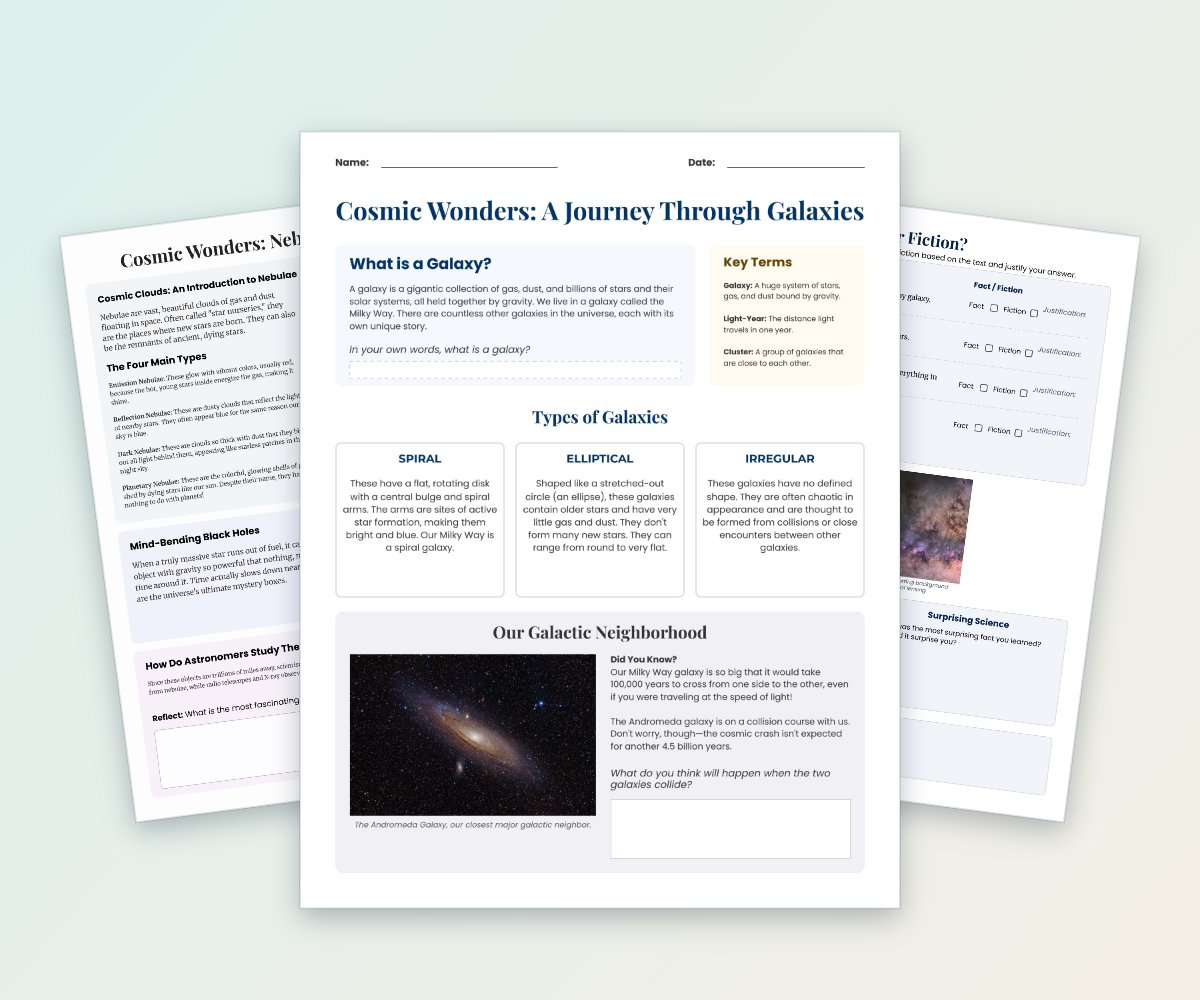
Introduce students to galaxies, galaxy classification, nebulae, and black holes through concise explanations, key terms, and reflection questions.
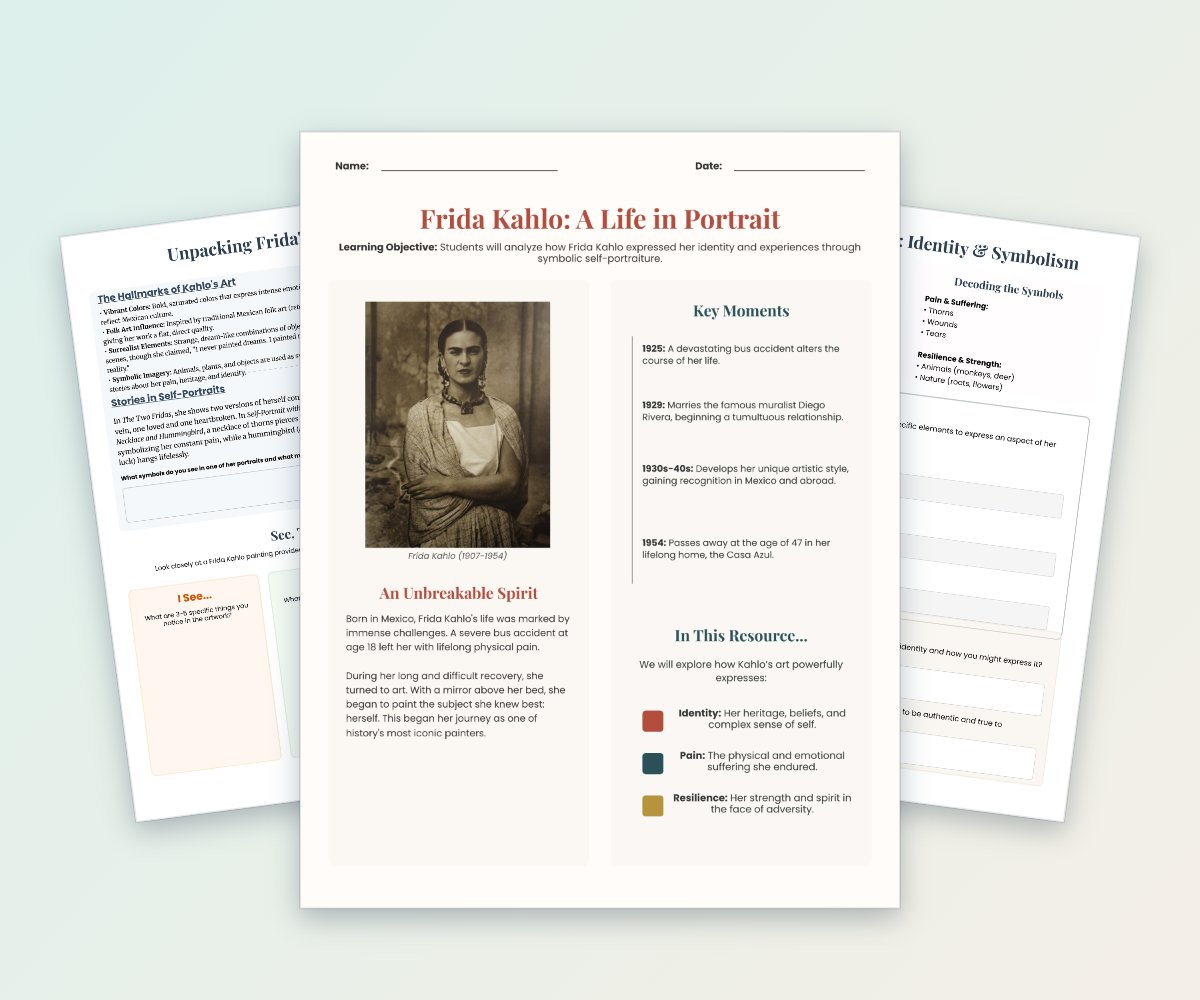
This four-page art lesson explores Frida Kahlo’s life, artistic style, and use of symbolic imagery in self-portraiture.
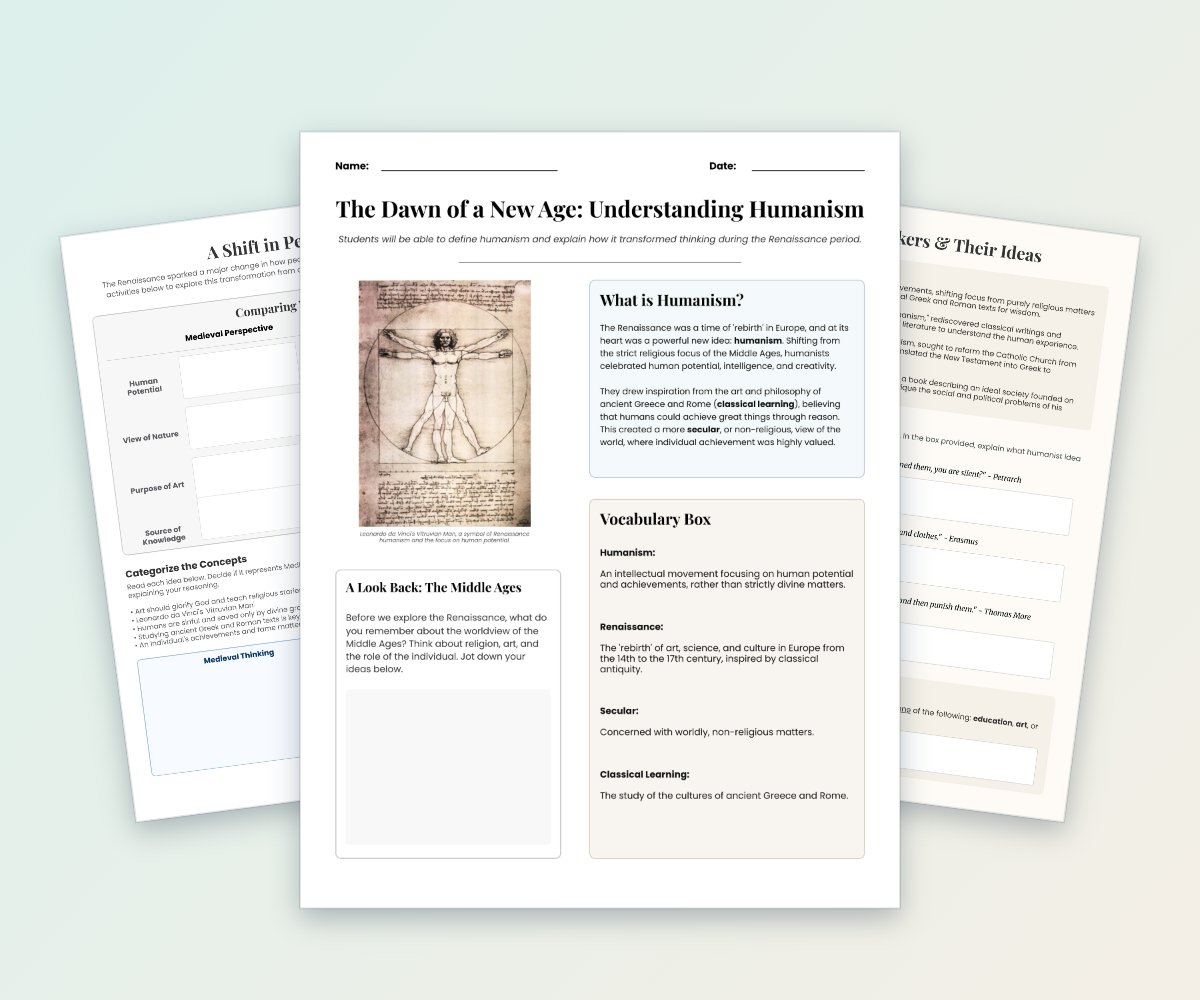
Students explore how humanism transformed Renaissance thinking by comparing medieval and Renaissance worldviews.
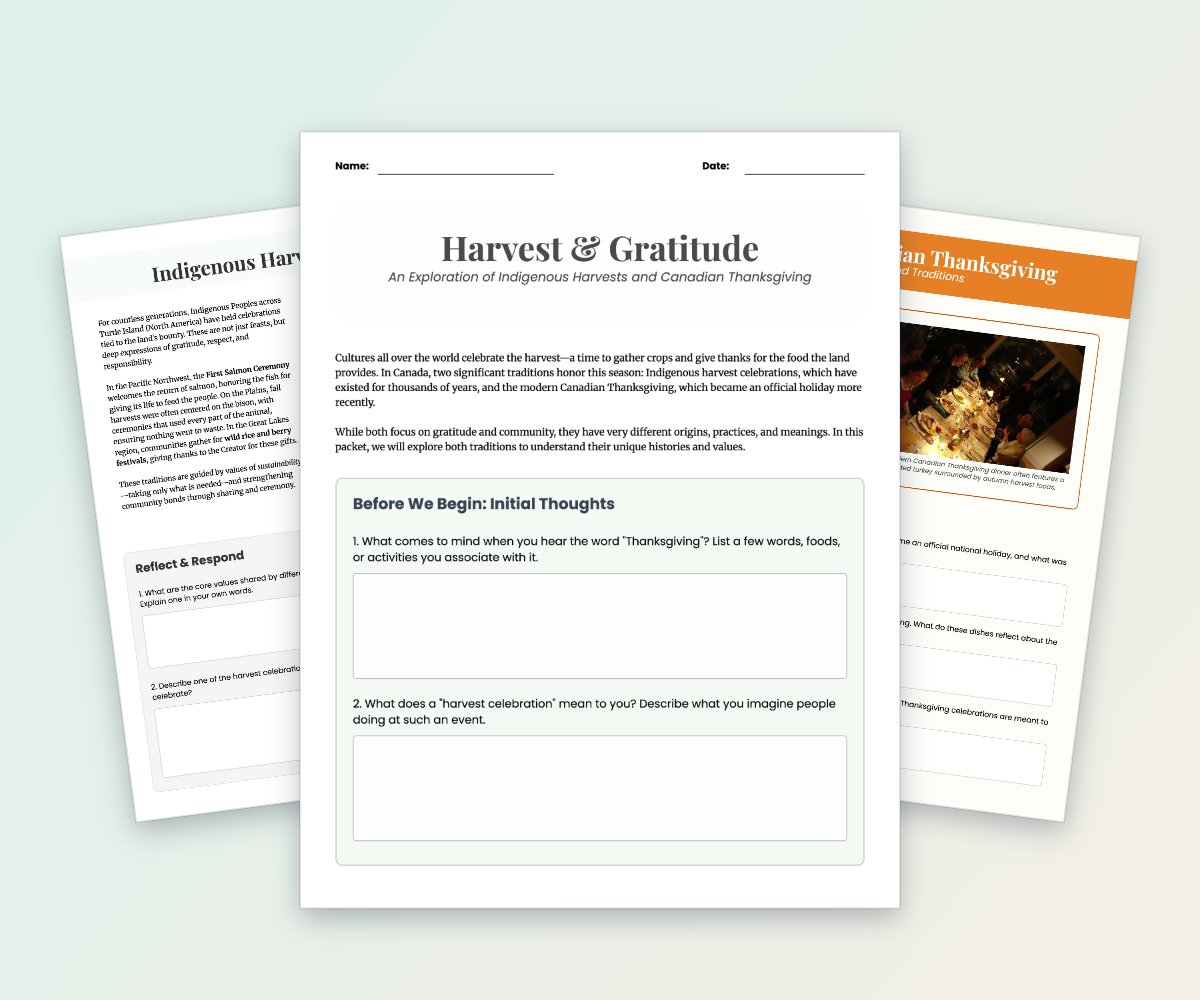
This activity packet explores Indigenous harvest celebrations across Canada and the origins and values associated with Canadian Thanksgiving.
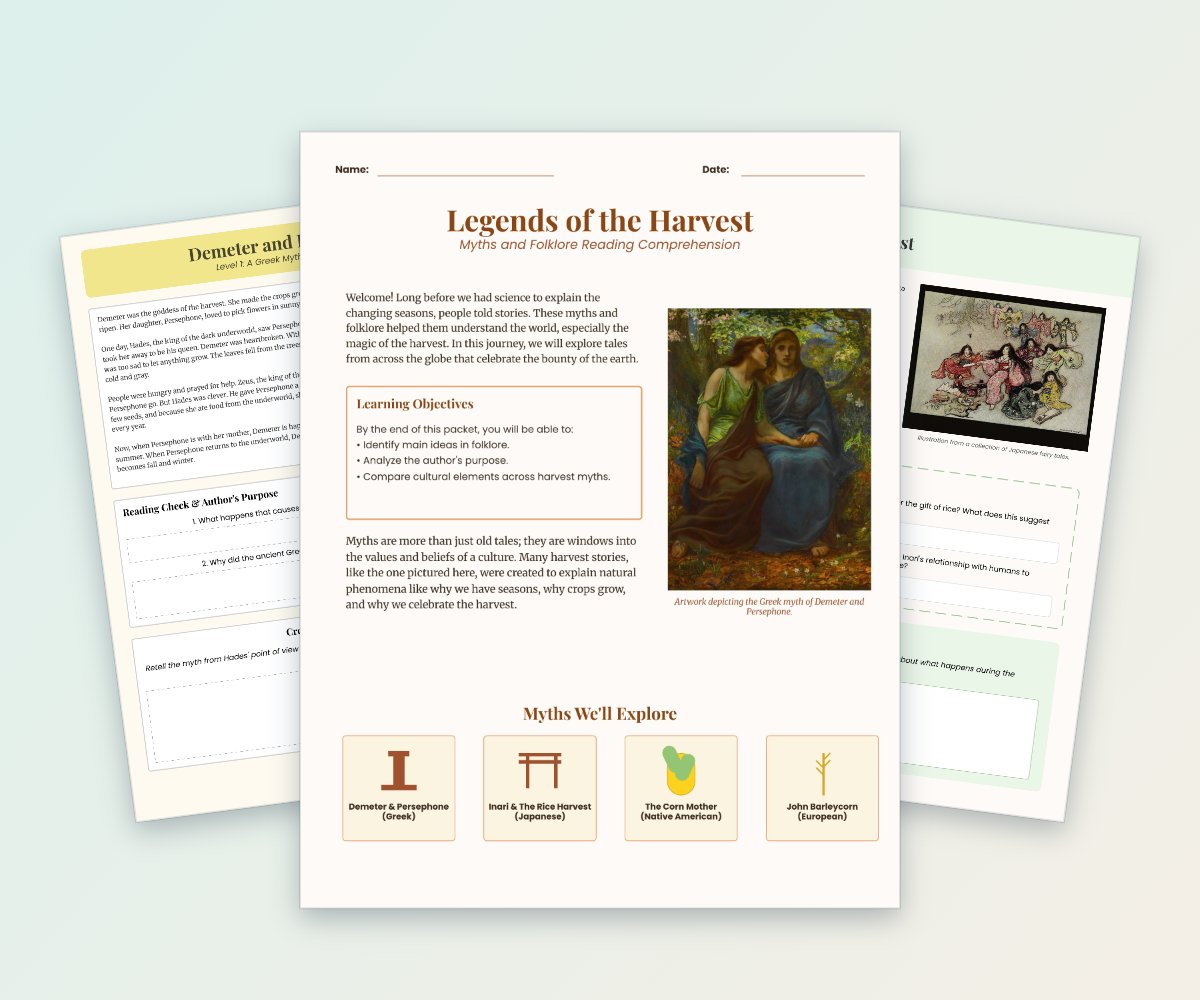
This seven-page reading comprehension packet explores harvest myths and folklore from Greece, Japan, Native America, and Europe.
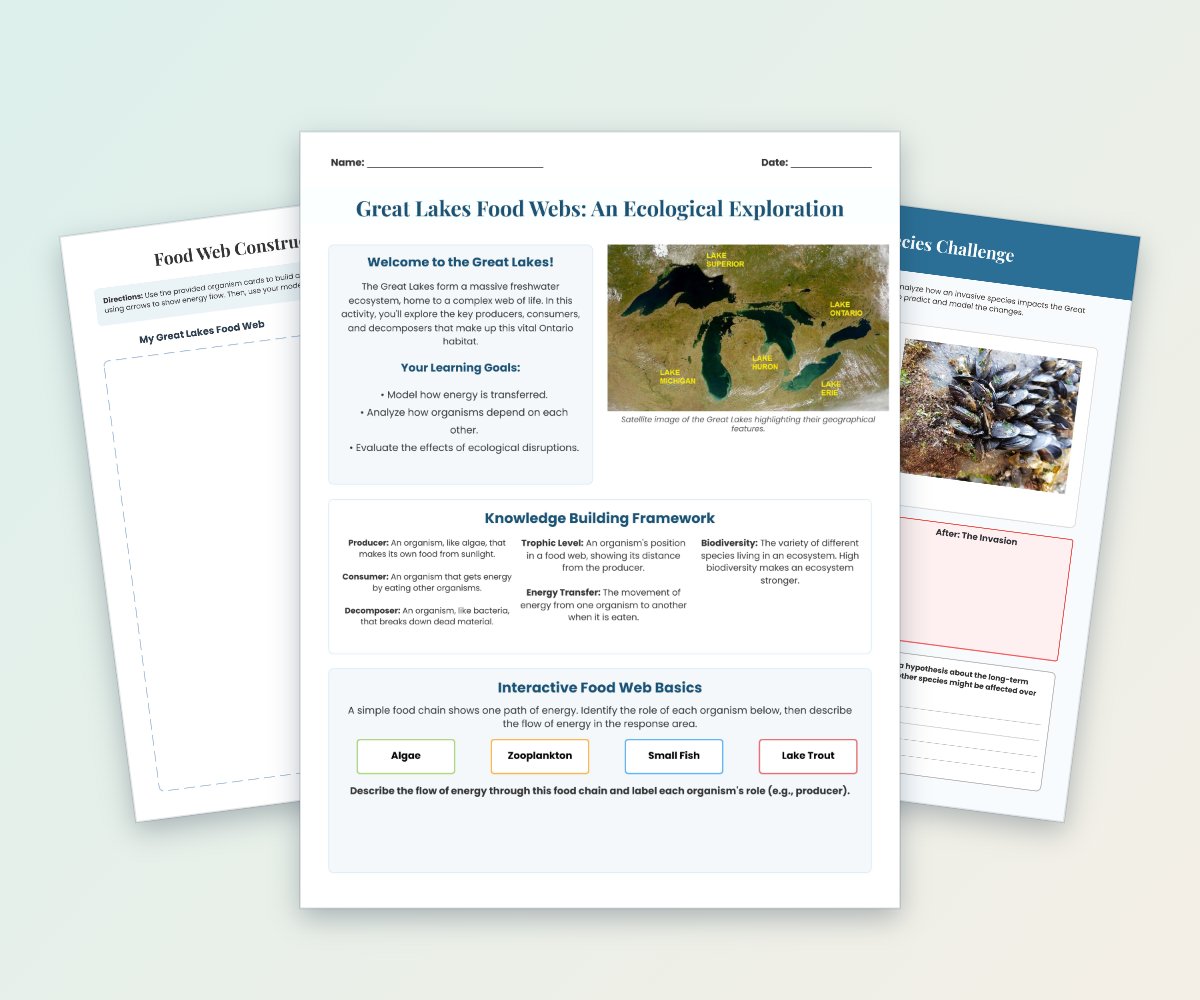
Students explore producers, consumers, decomposers, trophic levels, and energy transfer within a Great Lakes ecosystem.
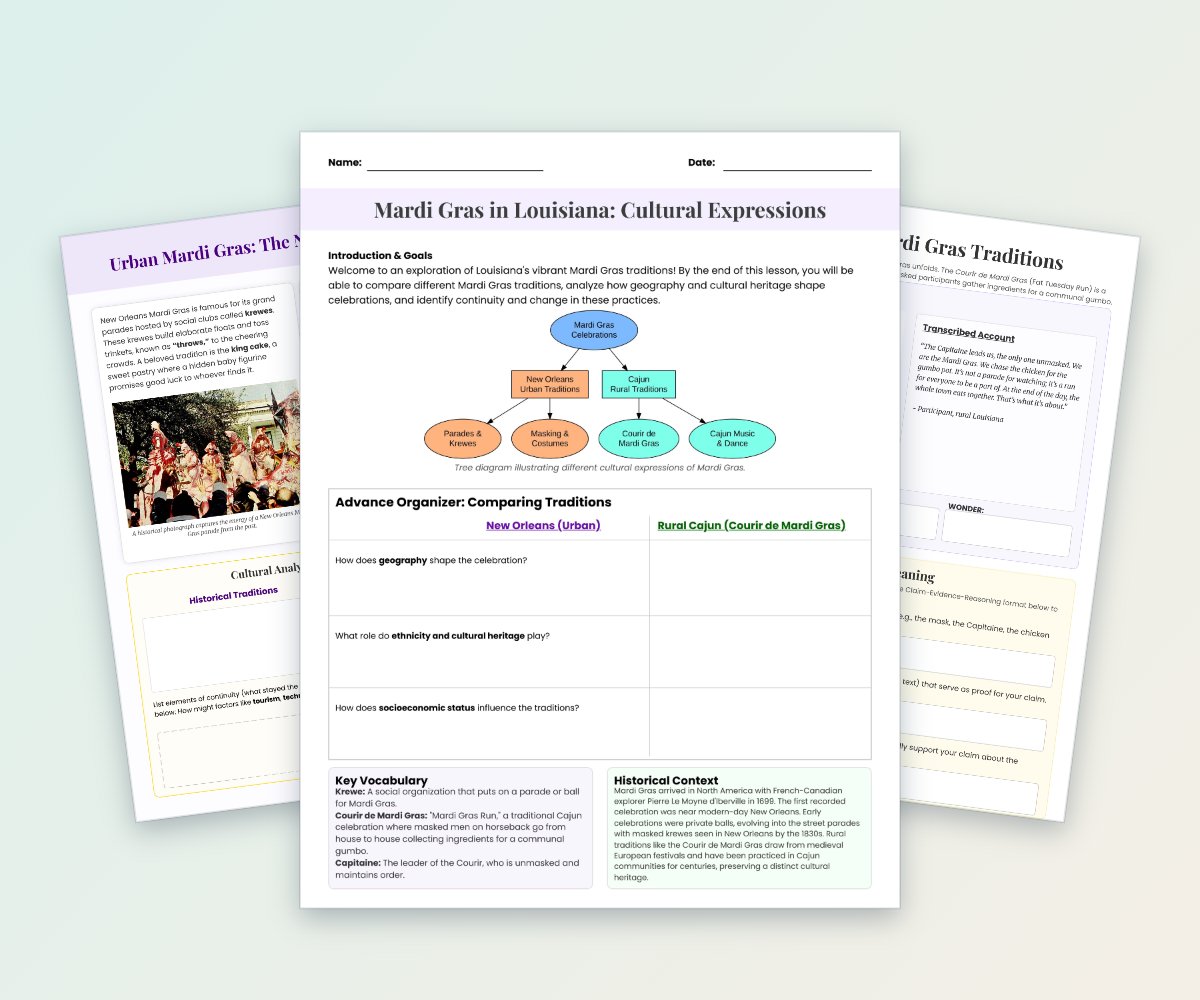
This five-page lesson explores urban New Orleans Mardi Gras and rural Cajun Courir de Mardi Gras traditions.
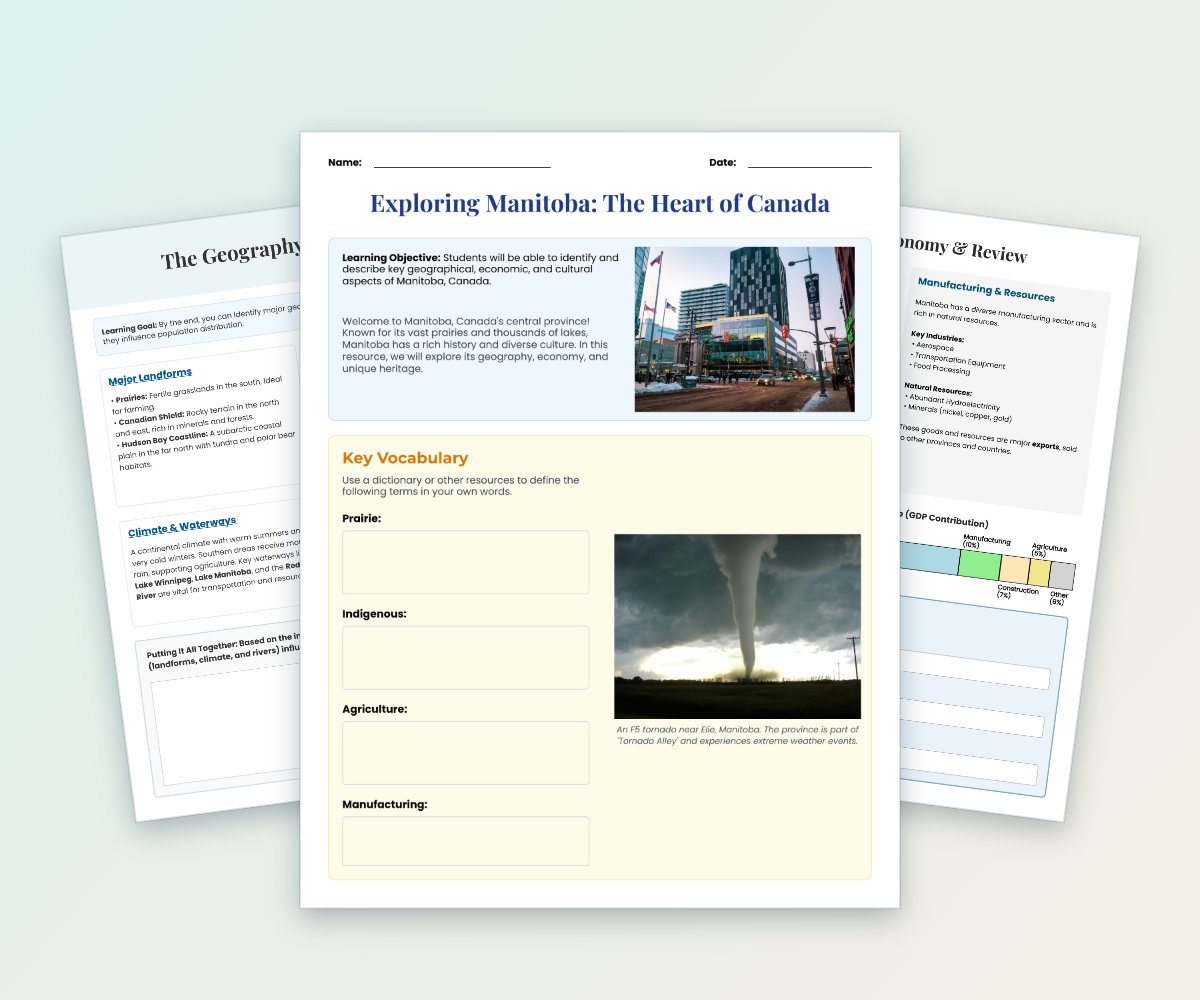
This student workbook explores Manitoba’s landforms, climate, waterways, population distribution, economy, natural resources, and cultural heritage.
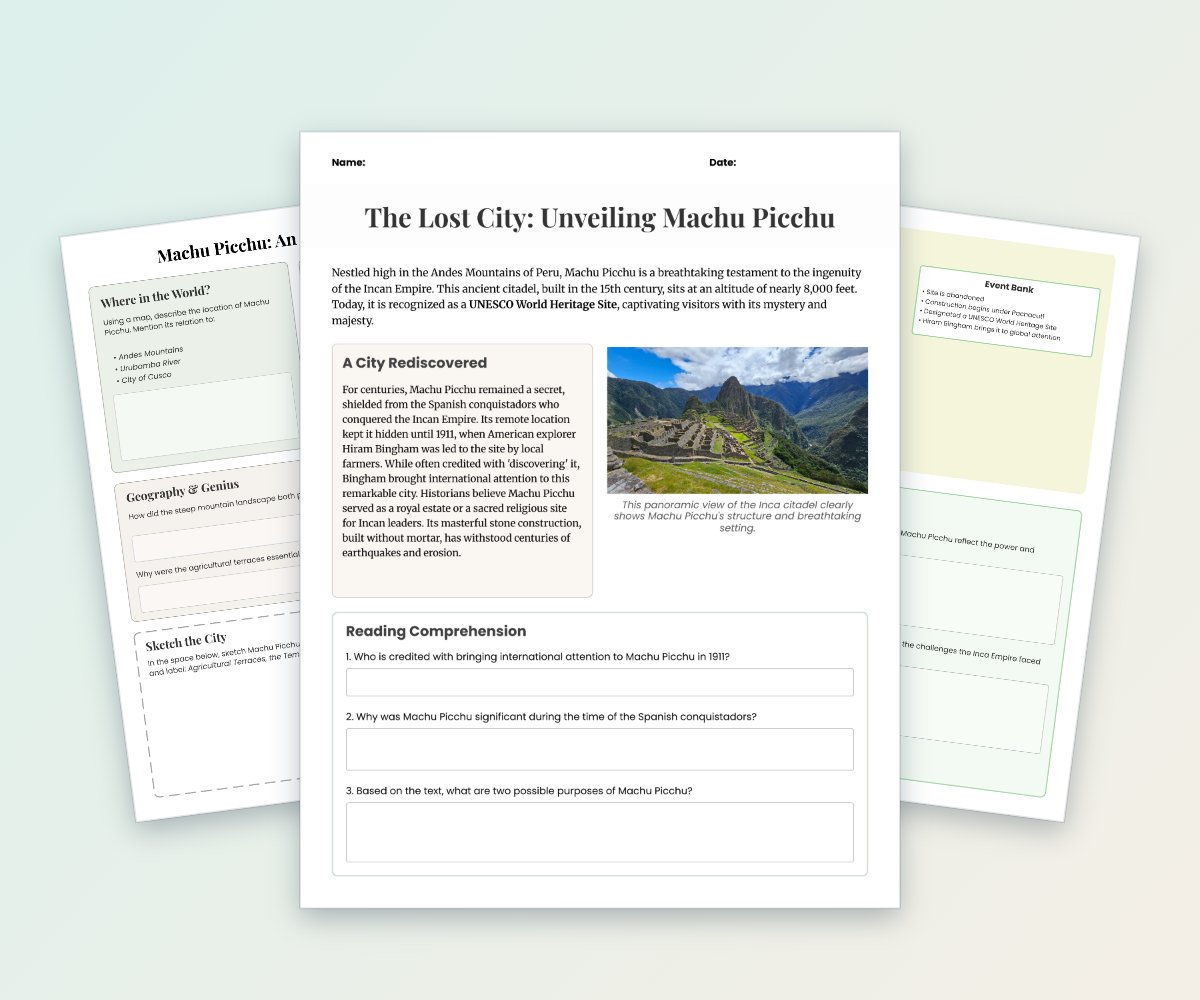
Students read an informative passage about Machu Picchu’s history, geography, architecture, and significance before completing comprehension and map-based questions.
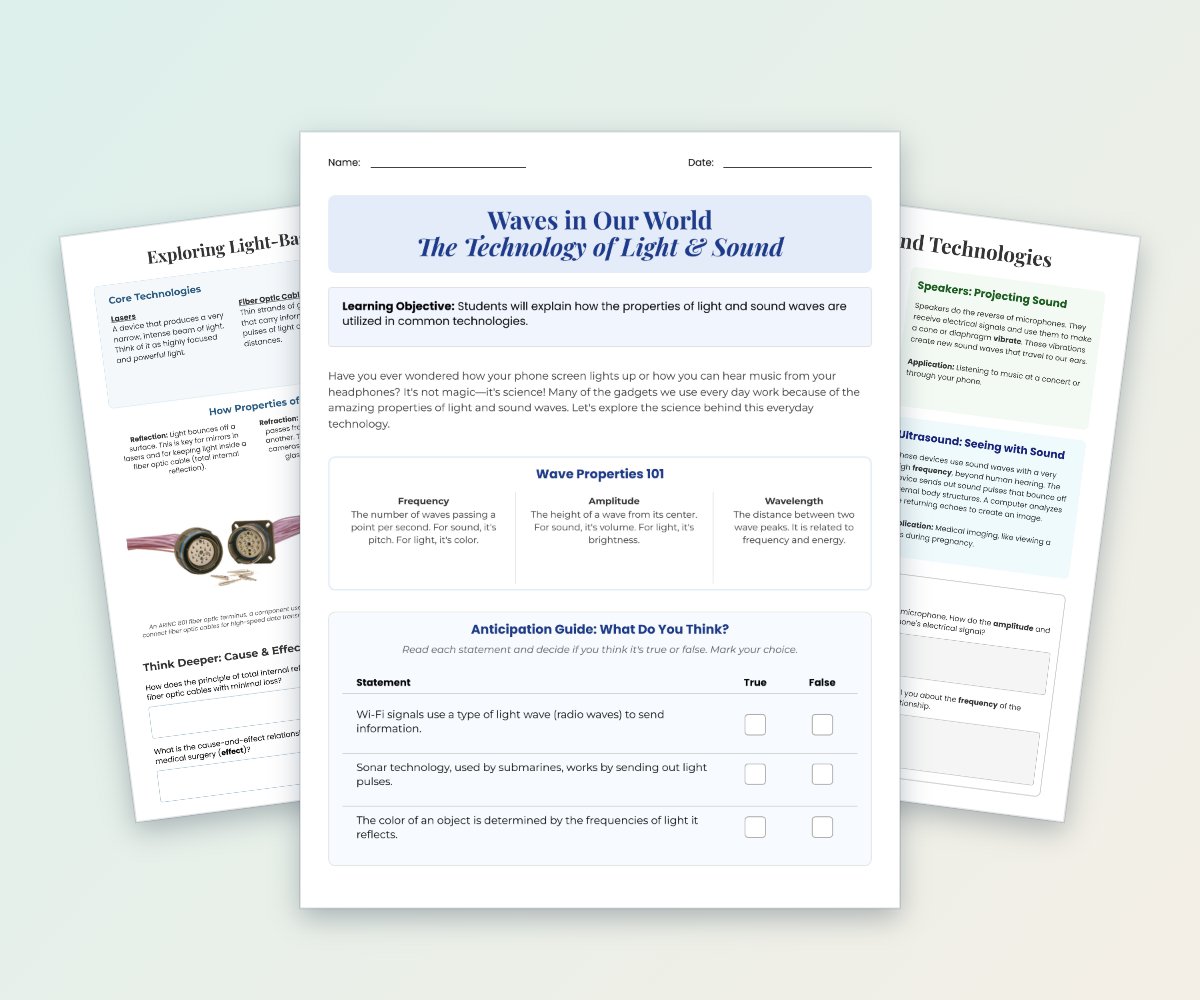
Students explore how frequency, amplitude, wavelength, reflection, refraction, and transmission explain everyday light- and sound-based technologies.
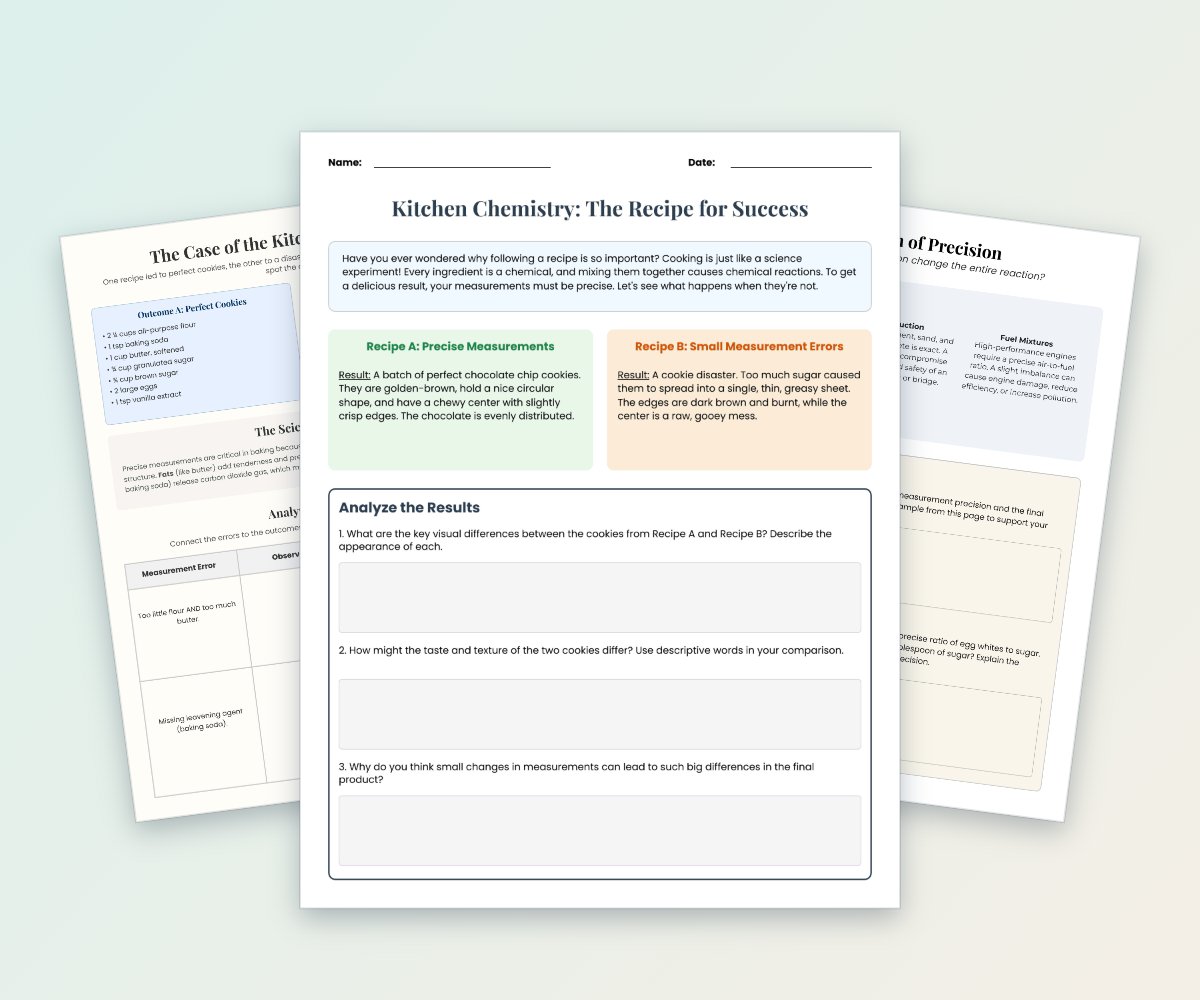
Students analyze two cookie recipes to compare the effects of measurement errors and missing ingredients.
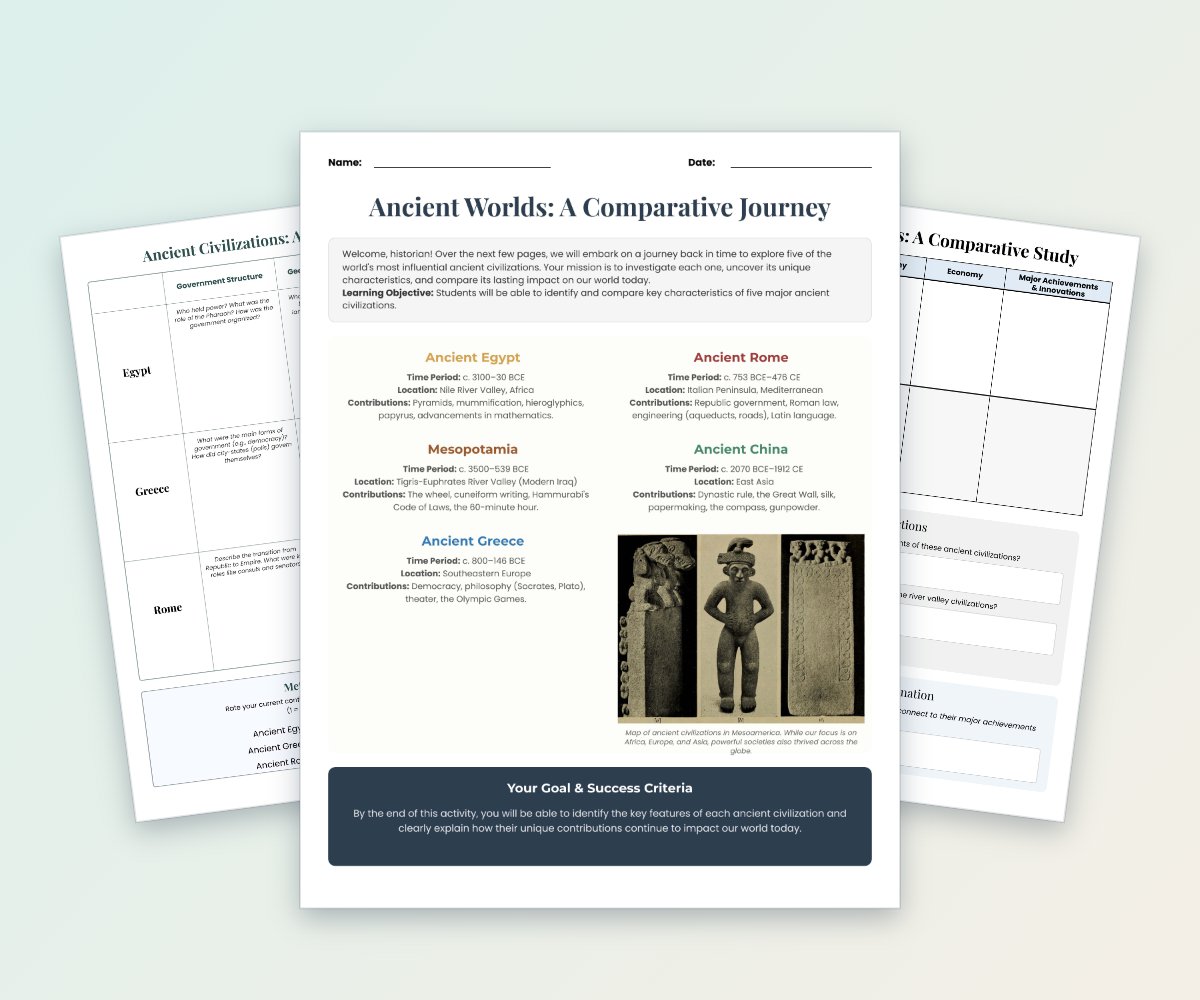
Students investigate and compare Ancient Egypt, Mesopotamia, Greece, Rome, and China through geography, government, economics, and cultural contributions.
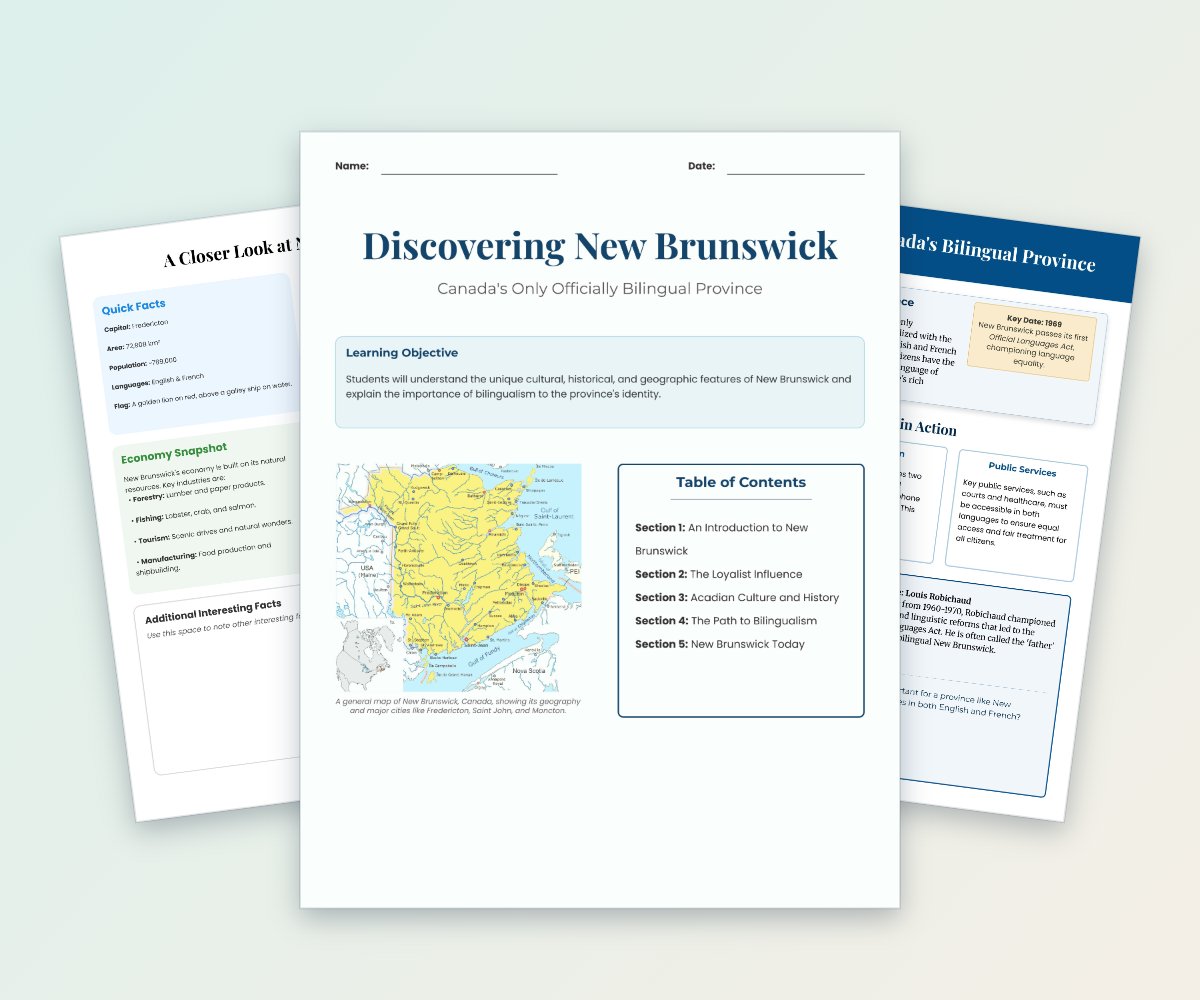
This seven-page activity pack introduces New Brunswick’s geography, Loyalist and Acadian history, official bilingual status, economy, and landmarks.
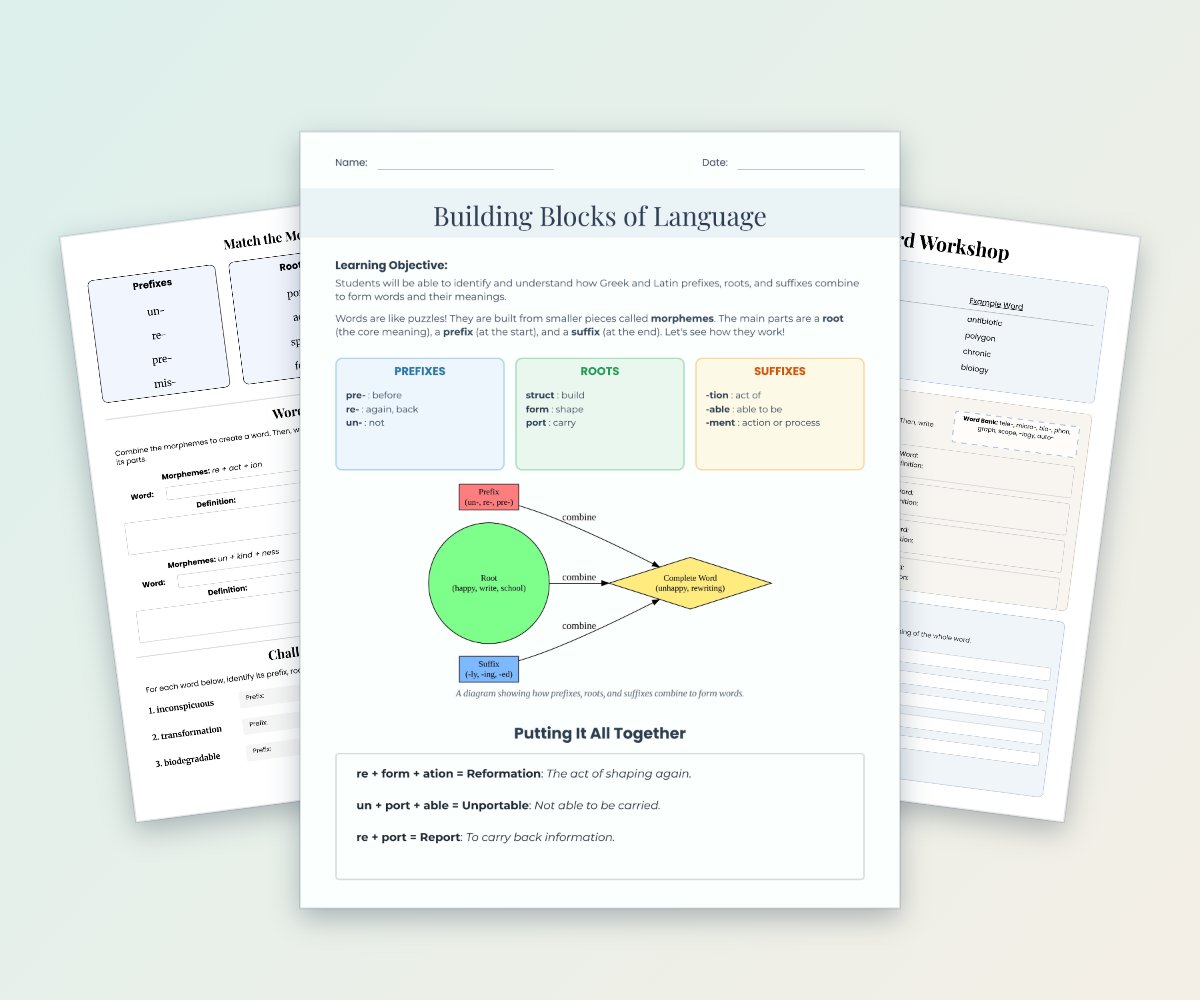
This four-page worksheet introduces prefixes, roots, and suffixes, with a focus on Greek and Latin morphemes.
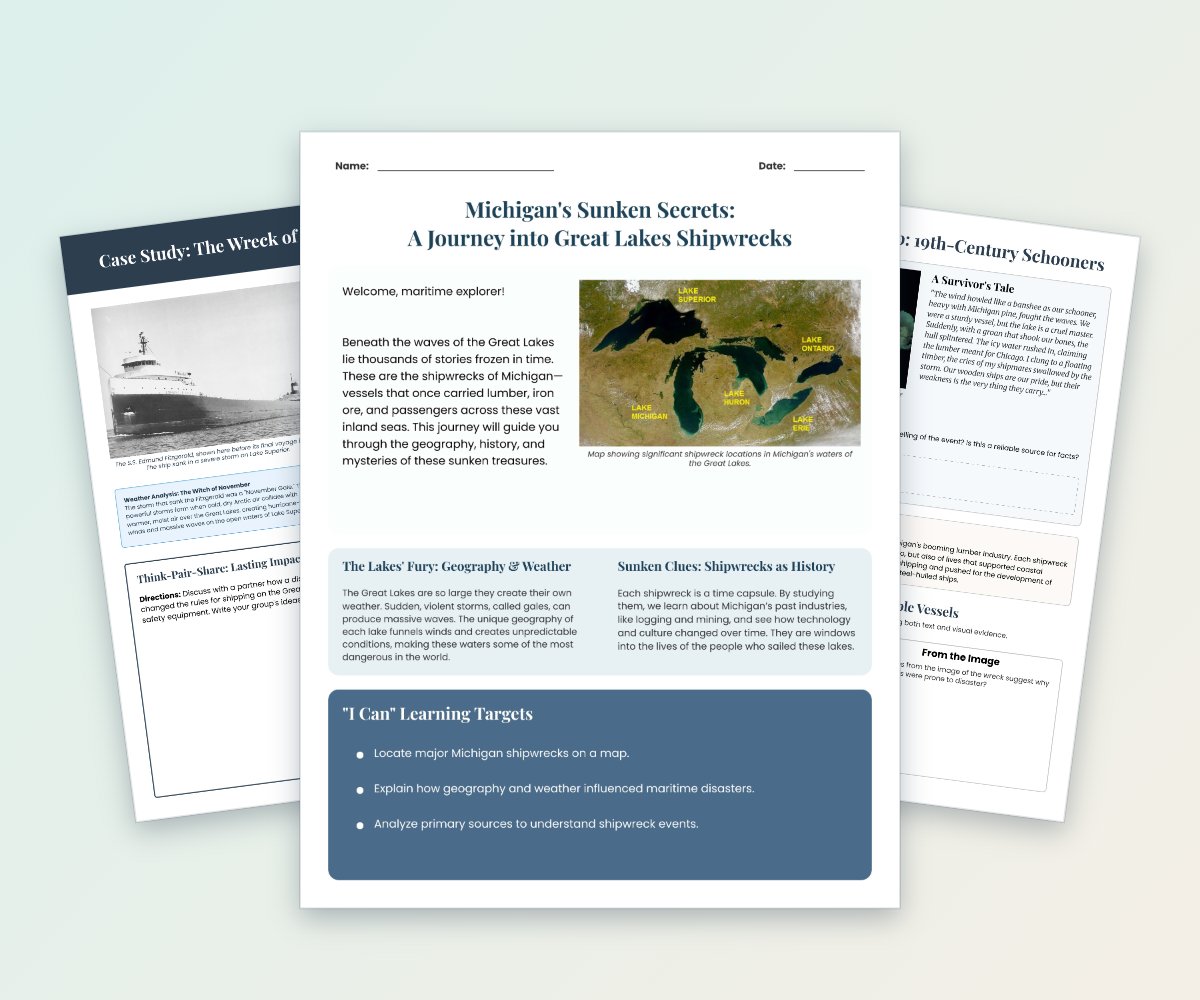
Students explore the geography and weather of the Great Lakes while investigating Michigan shipwrecks, including the Edmund Fitzgerald.
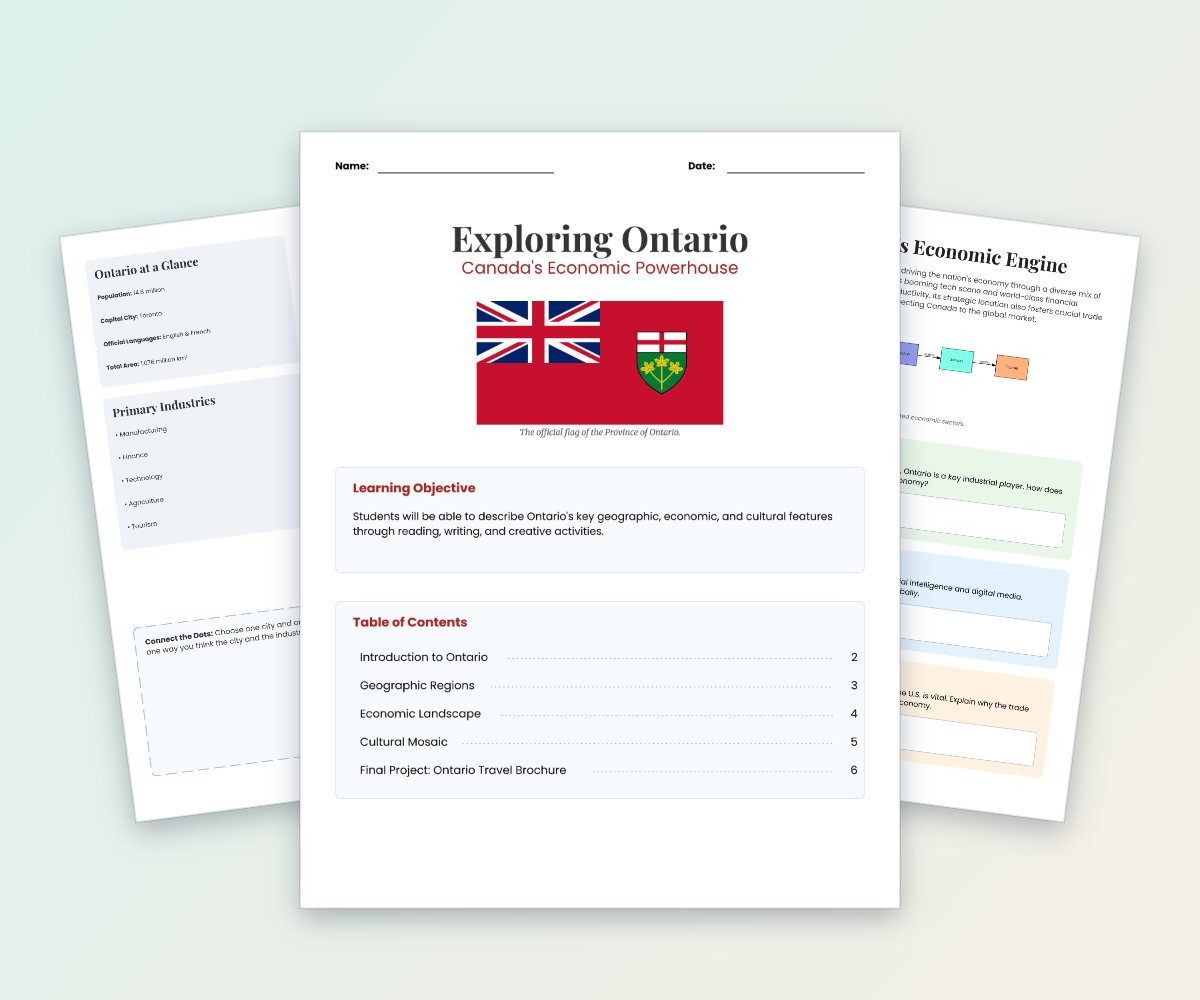
This eight-page activity pack introduces Ontario’s geographic regions, major cities, industries, economic connections, and cultural diversity.
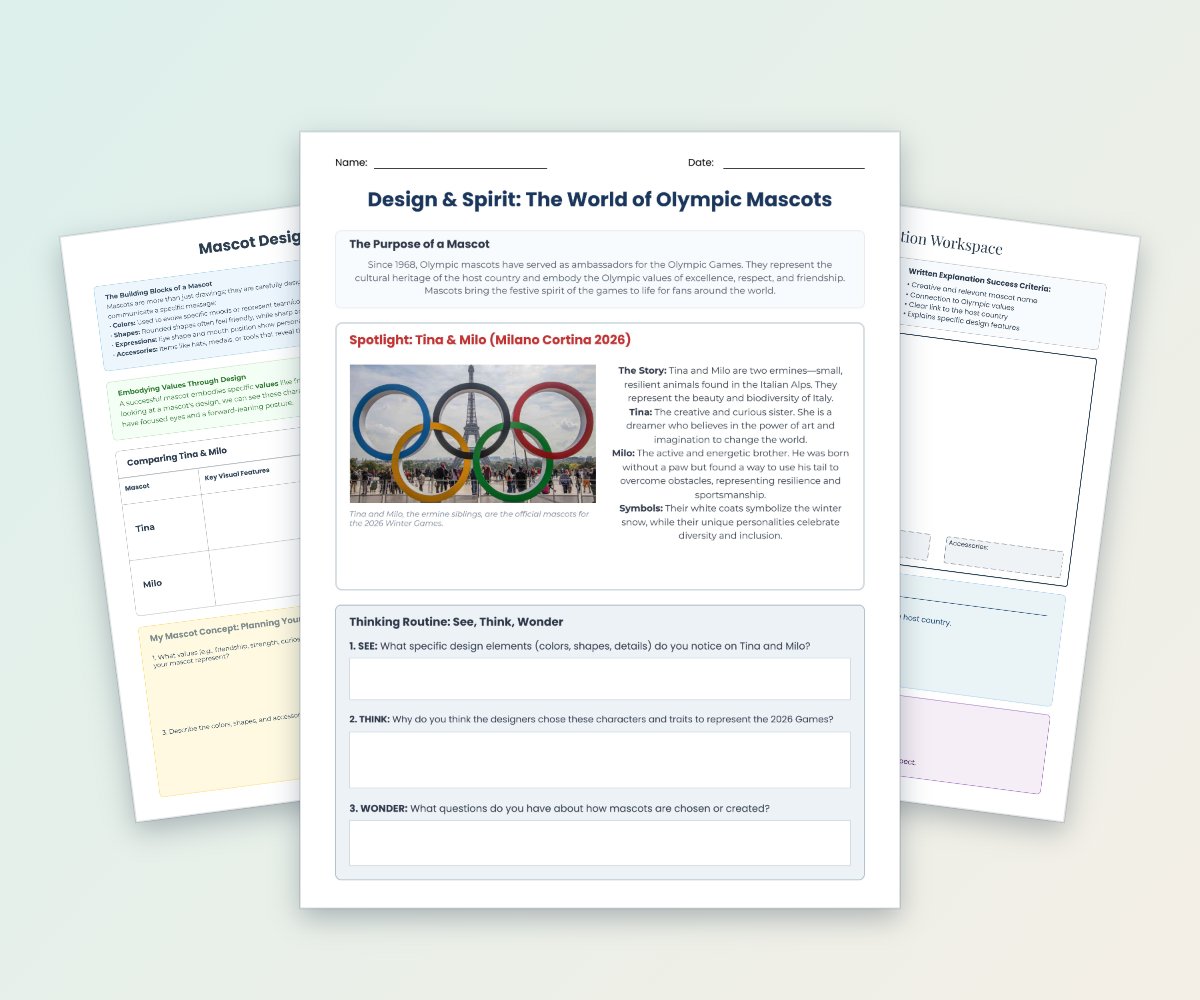
Students examine the design and symbolism of Olympic mascots, including Tina and Milo from the Milano Cortina 2026 Winter Games.
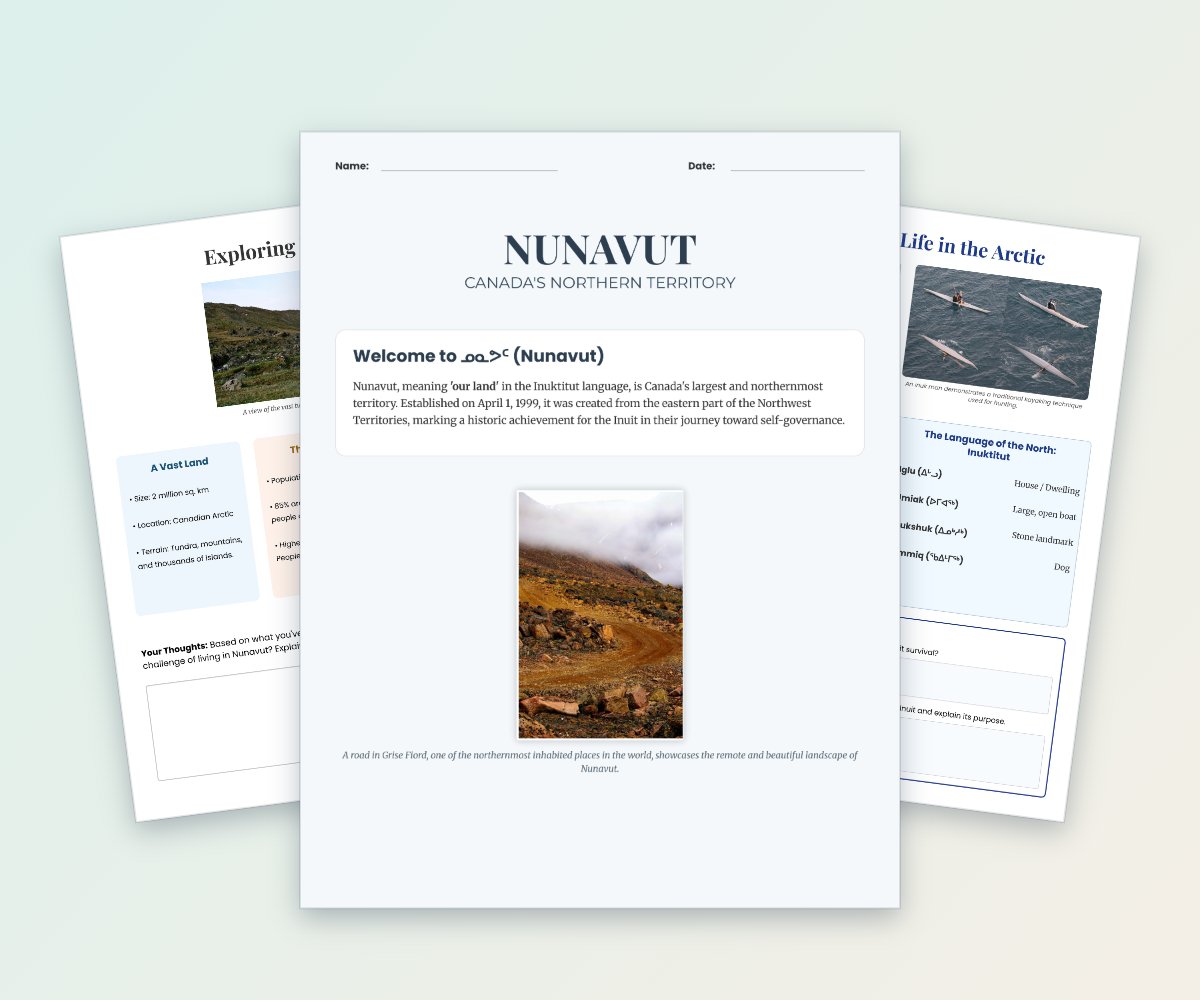
This eight-page student workbook introduces Nunavut’s geography, climate, history, Inuit culture, traditional tools, clothing, and community life.
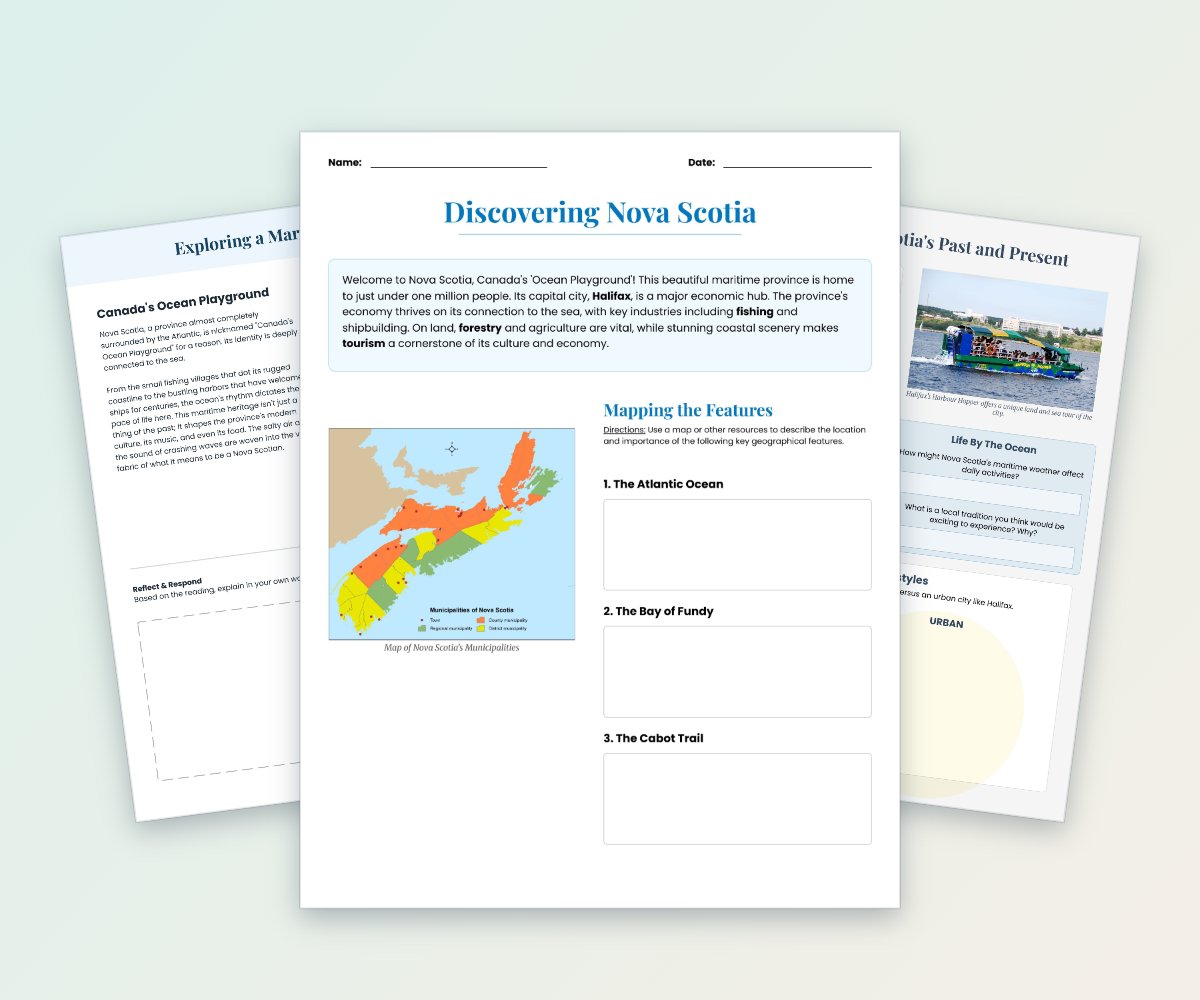
This six-page activity pack introduces students to Nova Scotia’s geography, municipalities, history, Mi’kmaq heritage, economy, and maritime identity.
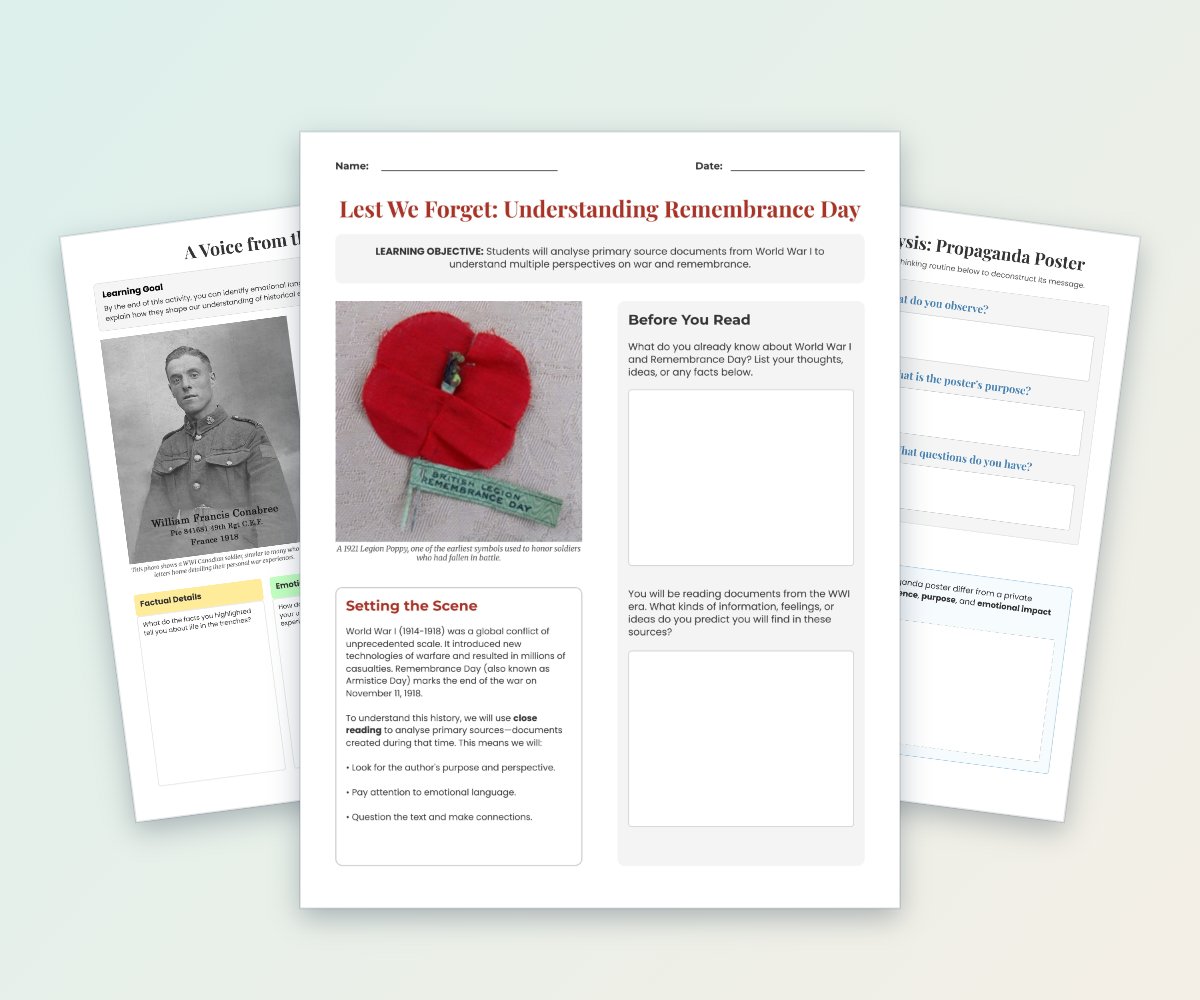
Students examine a World War I letter and related historical context to explore life in the trenches, emotional language, and remembrance.
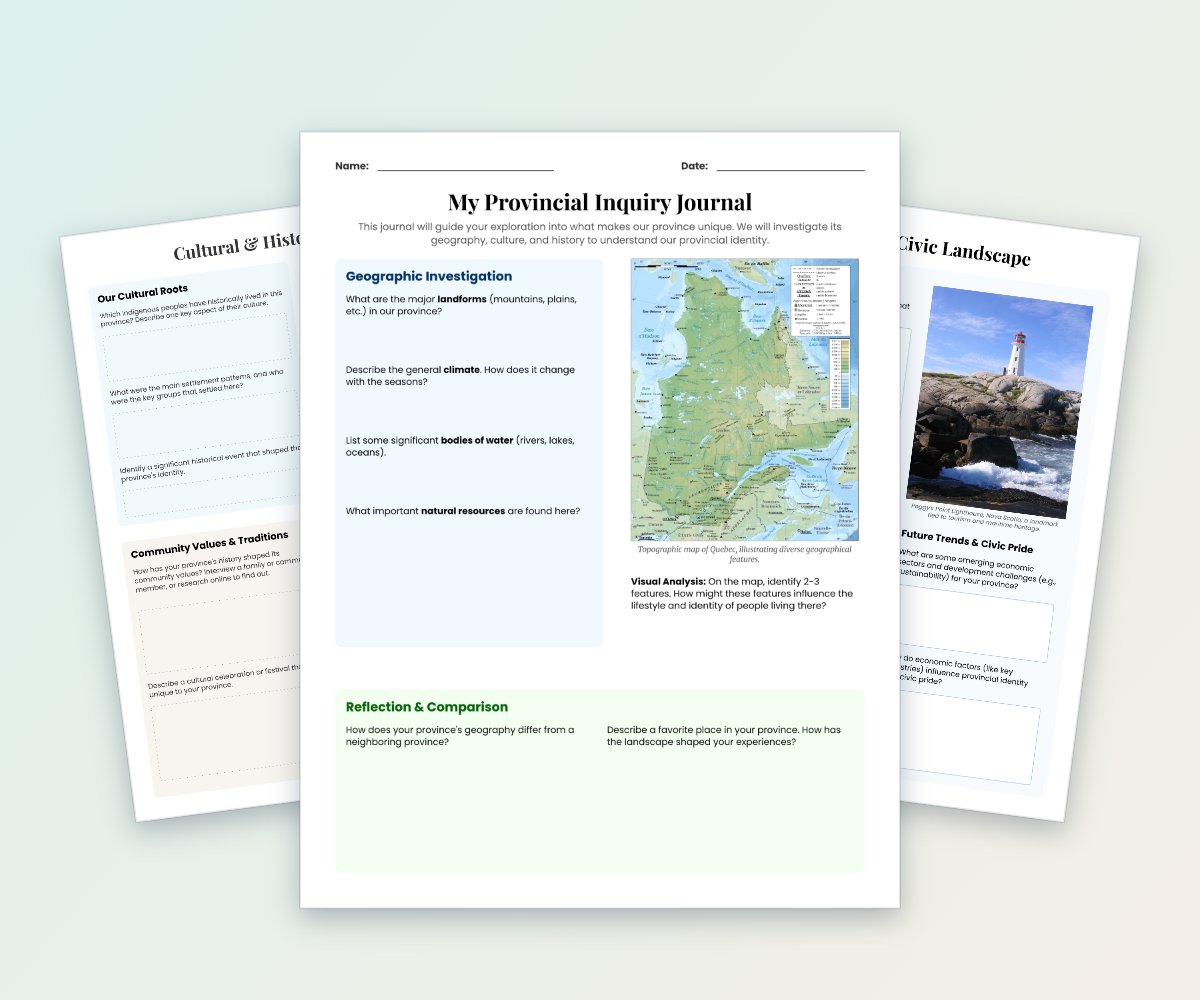
This inquiry journal guides students in exploring a province’s geography, Indigenous and settlement history, cultural traditions, community values, economy, and civic landscape.
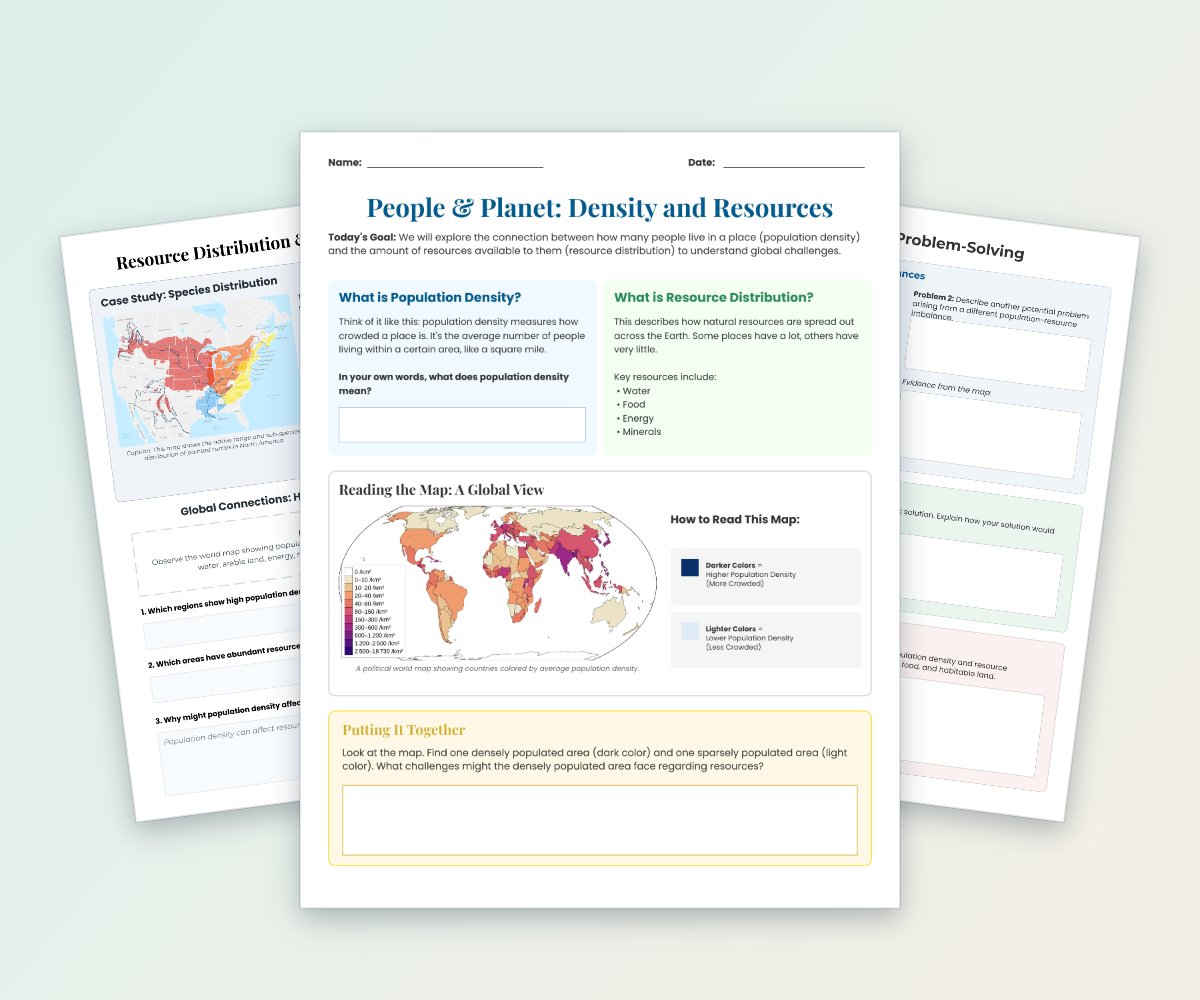
Students examine population-density and resource-distribution maps, connect resource availability to human and animal populations, and analyze global challenges.
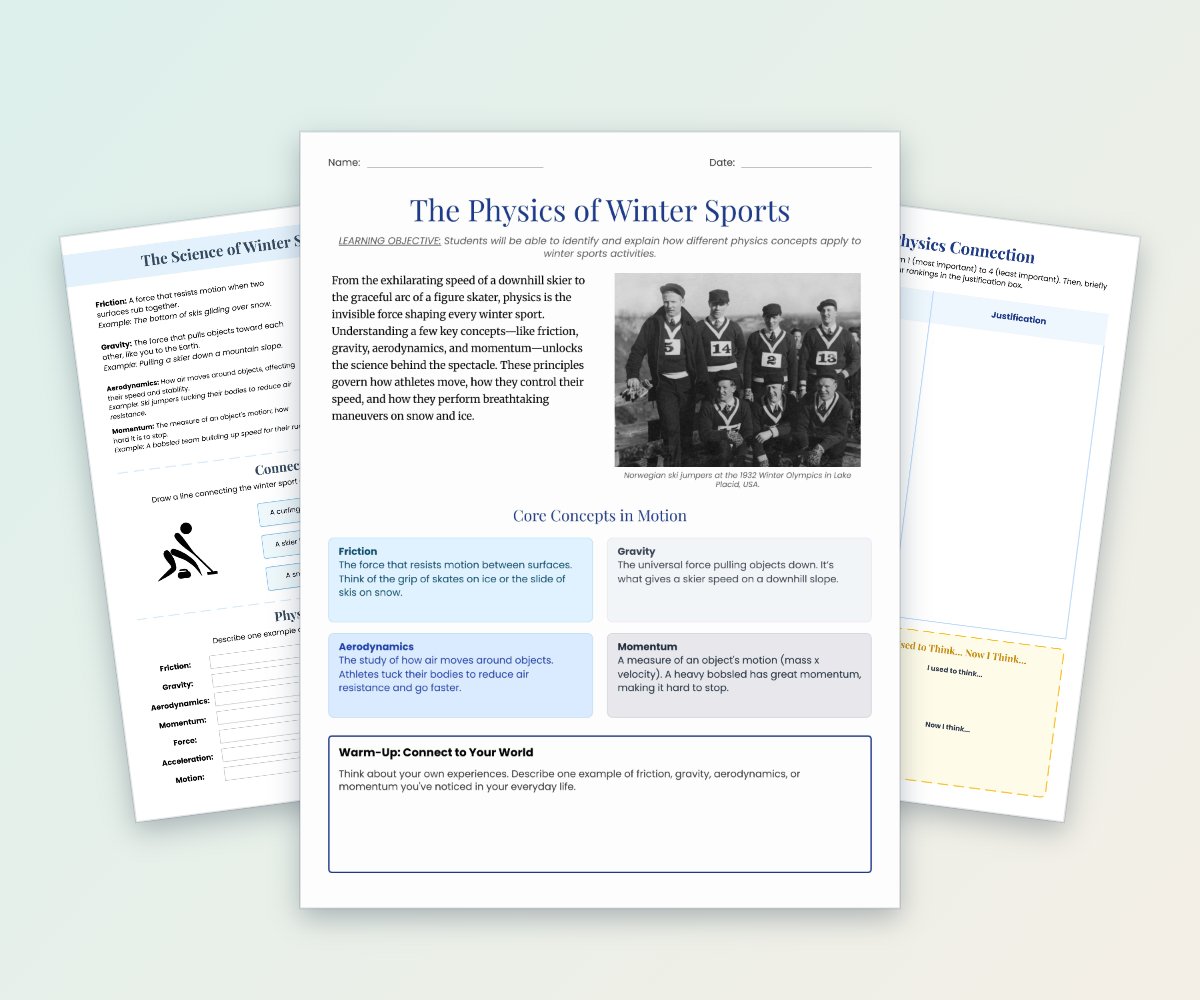
This four-page worksheet introduces friction, gravity, aerodynamics, momentum, force, acceleration, and motion through engaging winter sports examples.