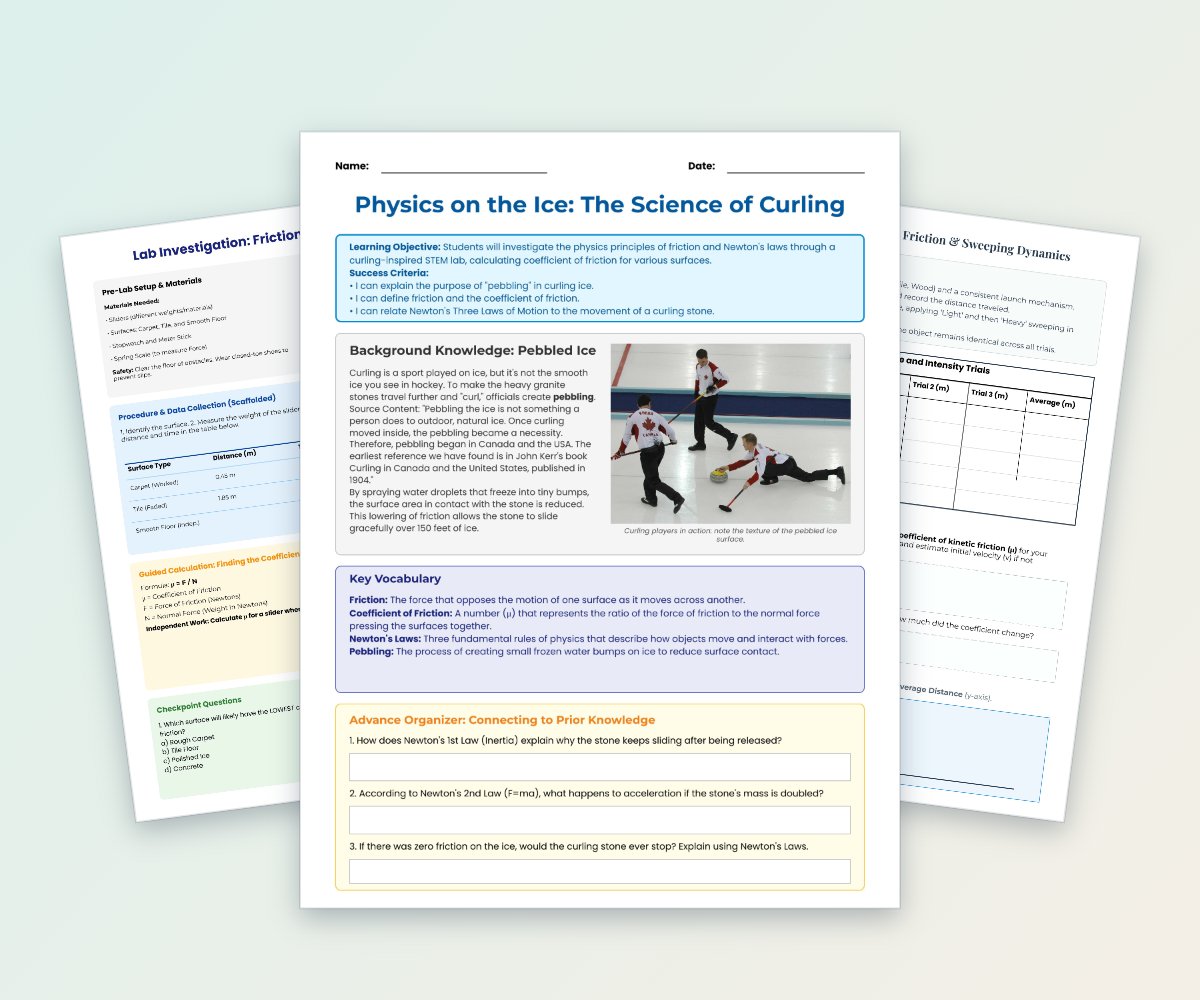
Curling Physics Lab: Friction and Newton's Laws
Students investigate friction and motion using a curling-inspired STEM lab.
$5
Classroom-ready resources written for grade 9: printable worksheets, slides, activities and planning tools you can download and use straight away. Browse by subject below.
Students investigate friction and motion using a curling-inspired STEM lab.
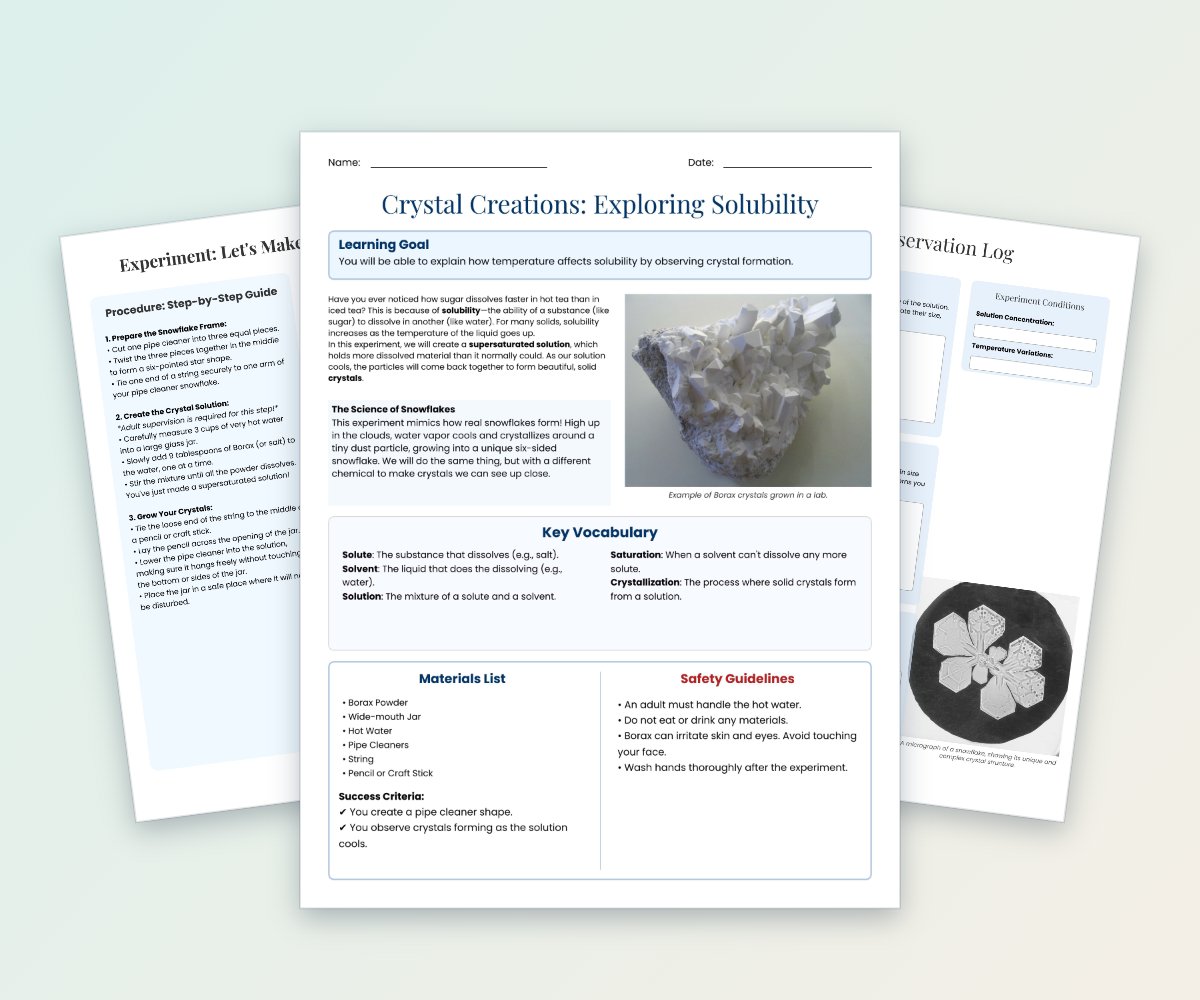
Students investigate how temperature affects solubility by creating crystal snowflakes from a supersaturated solution.
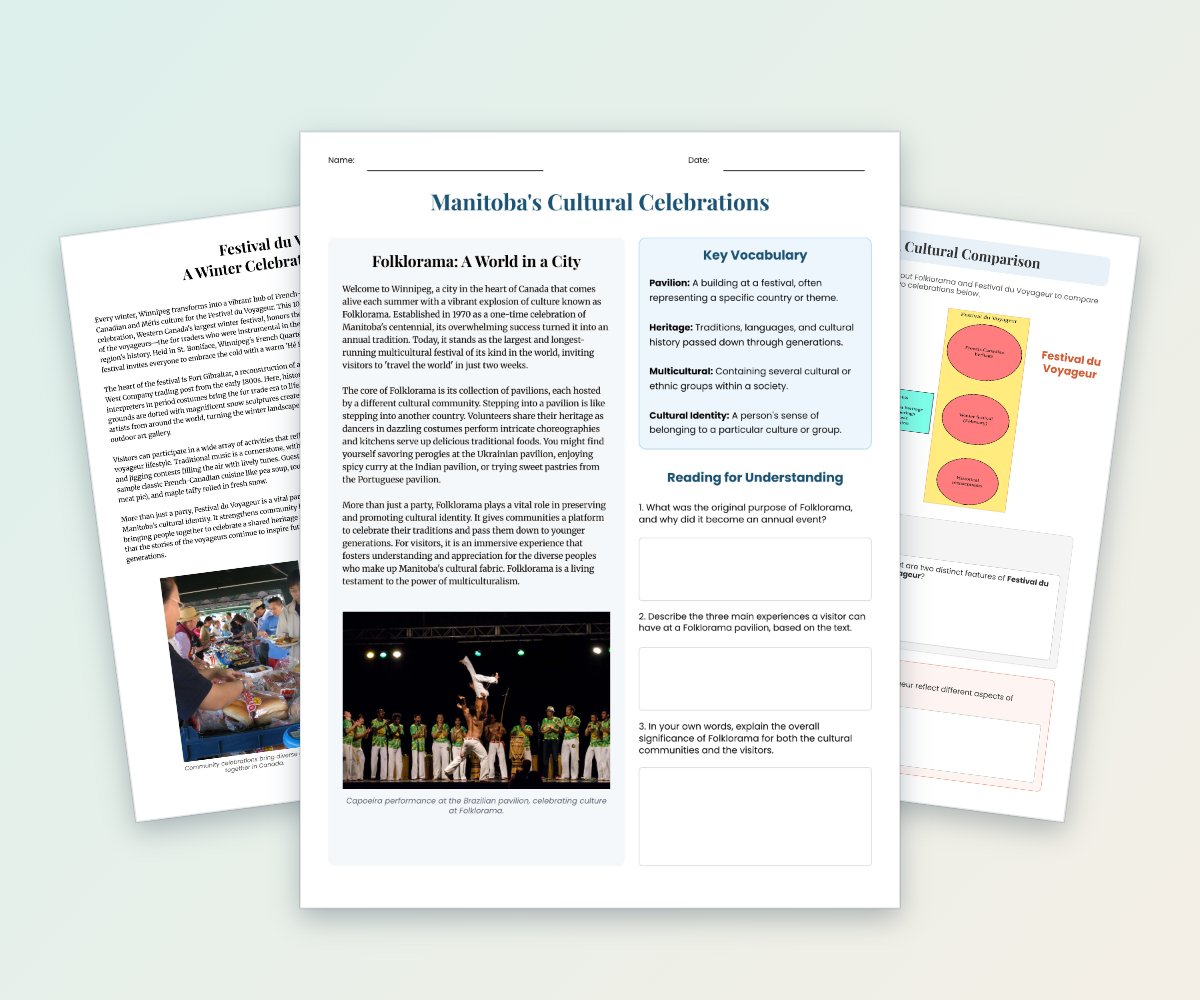
Students read about Manitoba celebrations including Folklorama and Festival du Voyageur.
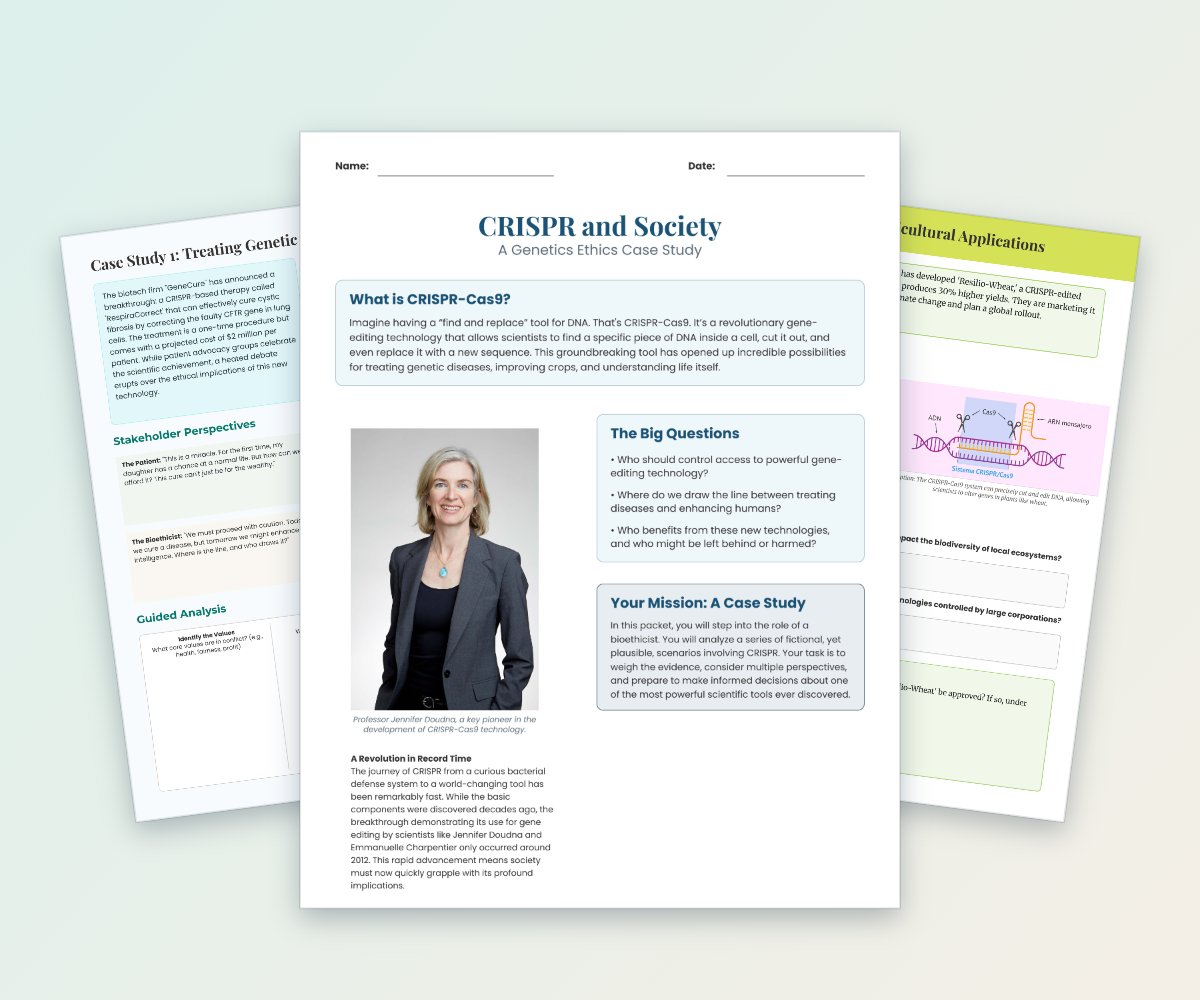
Students explore CRISPR-Cas9 gene editing through background information and fictional ethical case studies.
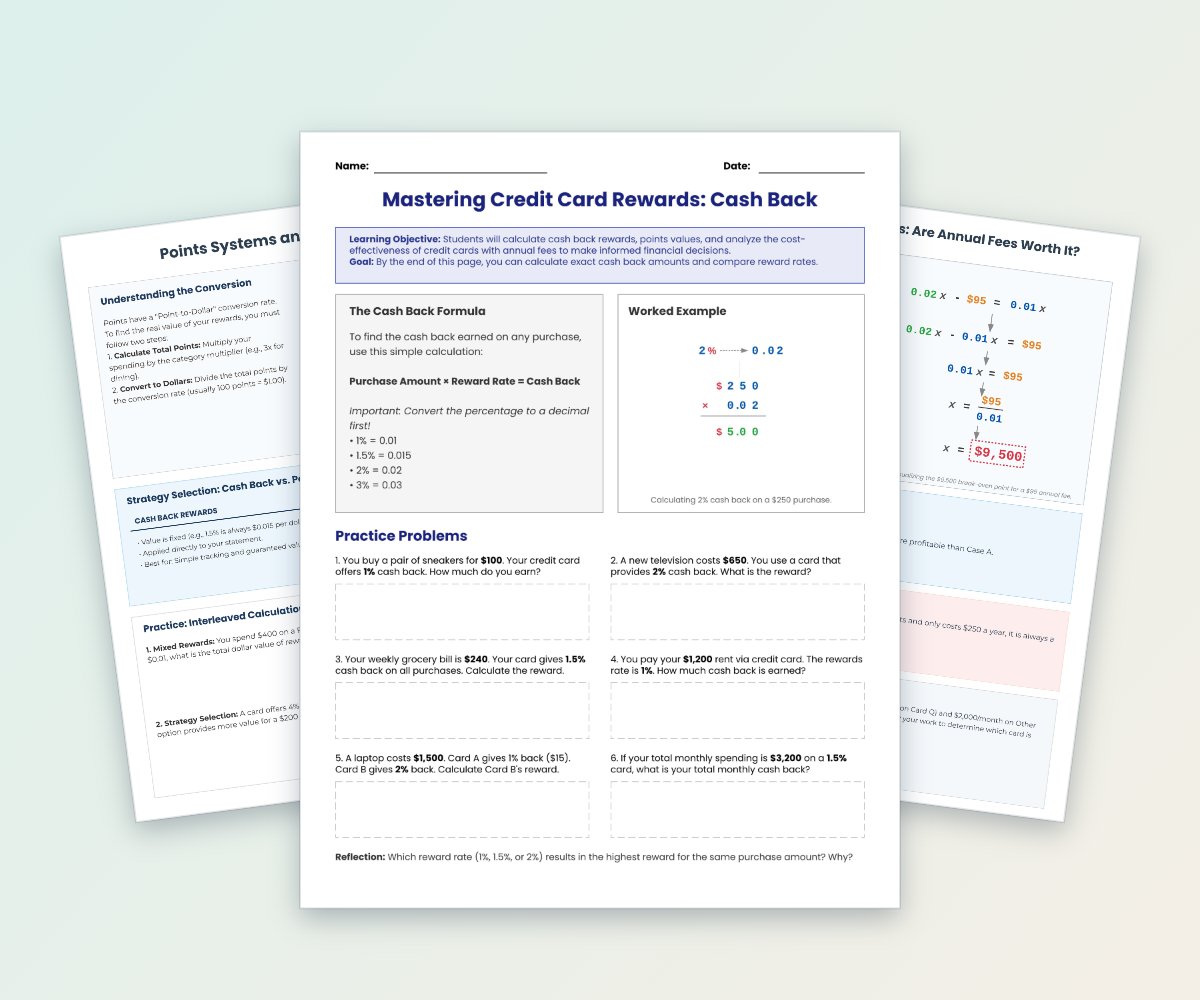
This four-page worksheet teaches students to calculate credit card cash-back rewards, convert percentages to decimals, and compare reward rates.
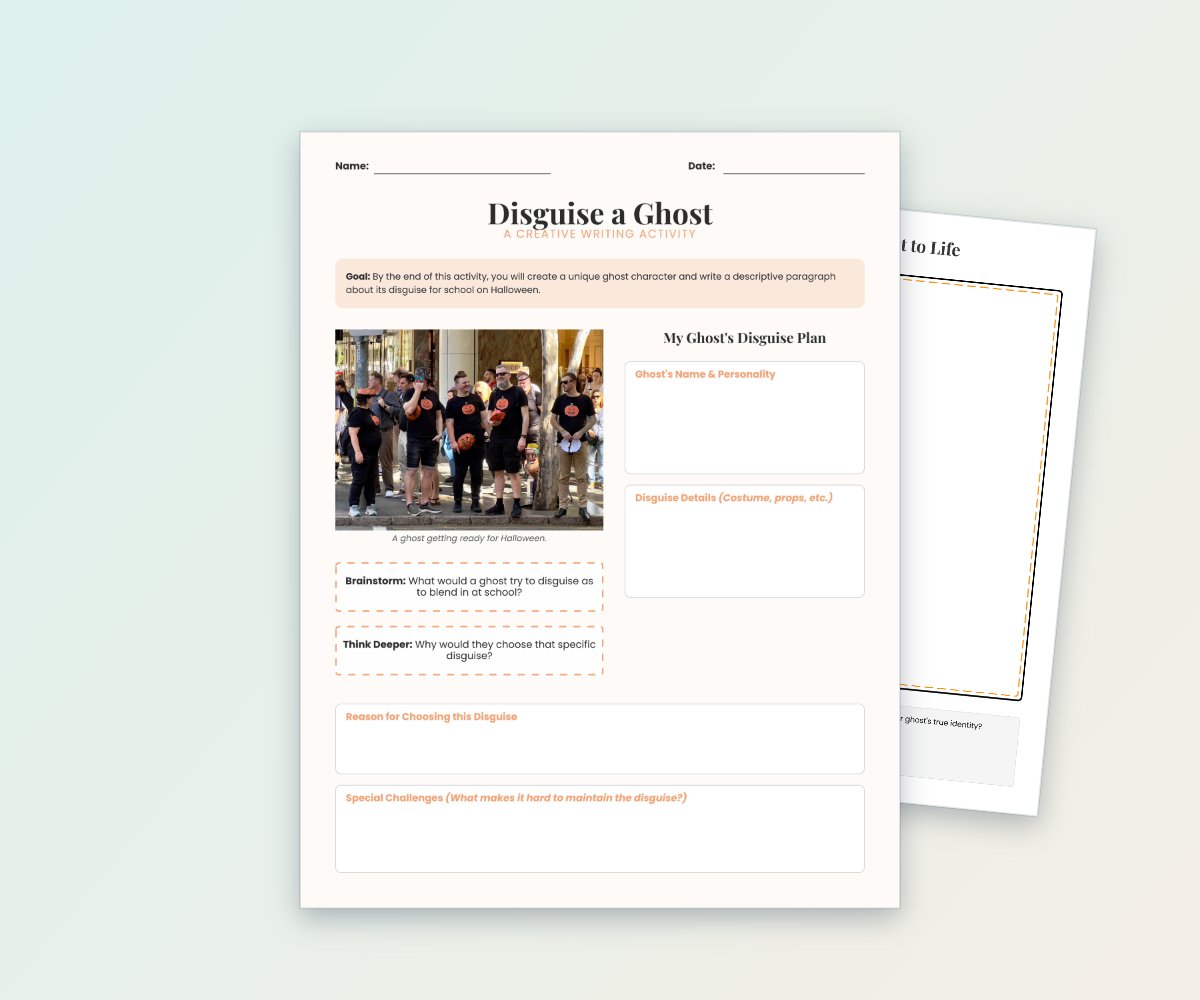
Students design a unique ghost character and plan a descriptive paragraph about its Halloween disguise.
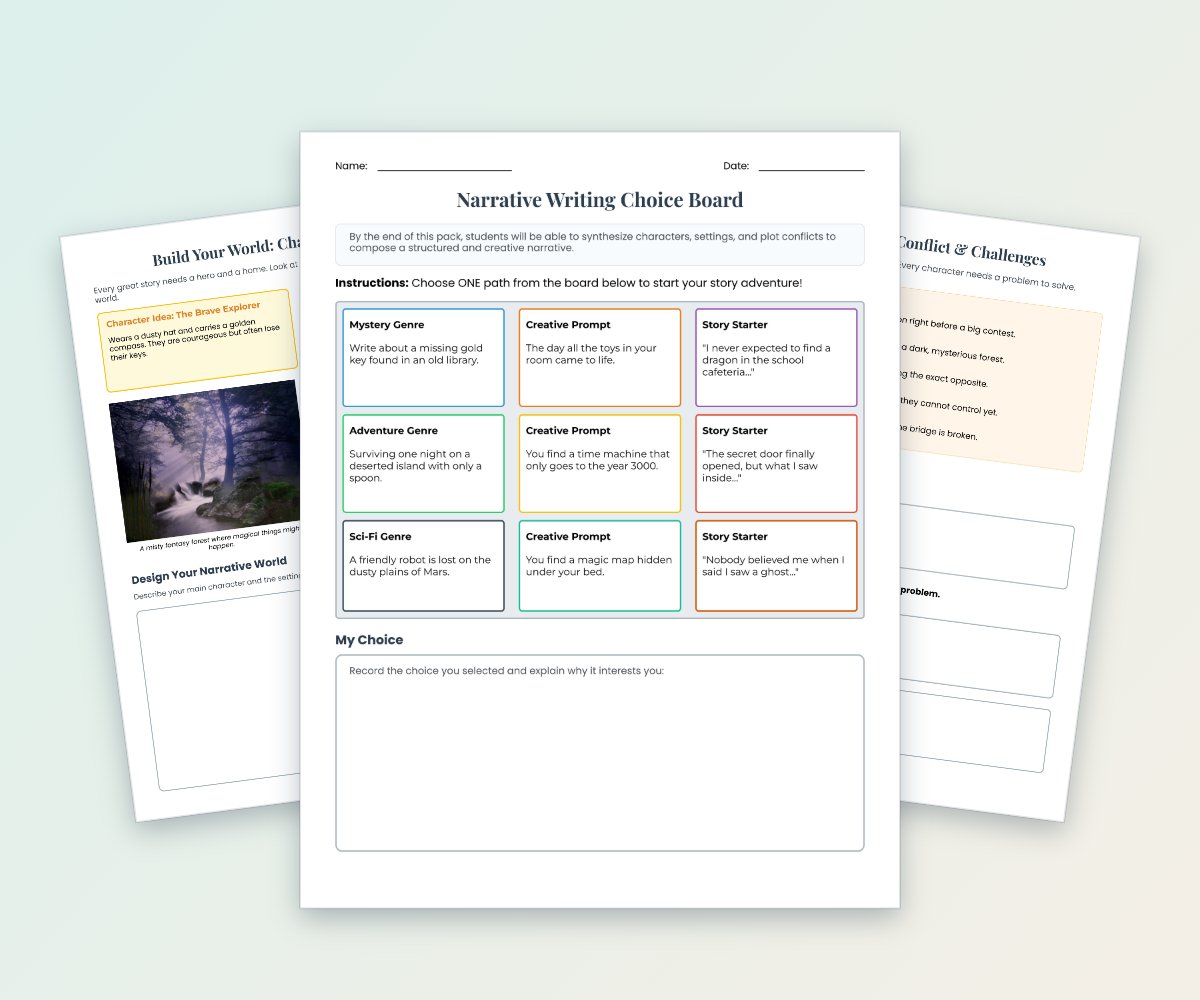
Guide students through planning creative narratives using genre-based choice boards, story starters, character and setting prompts, conflict development, and plot mapping.
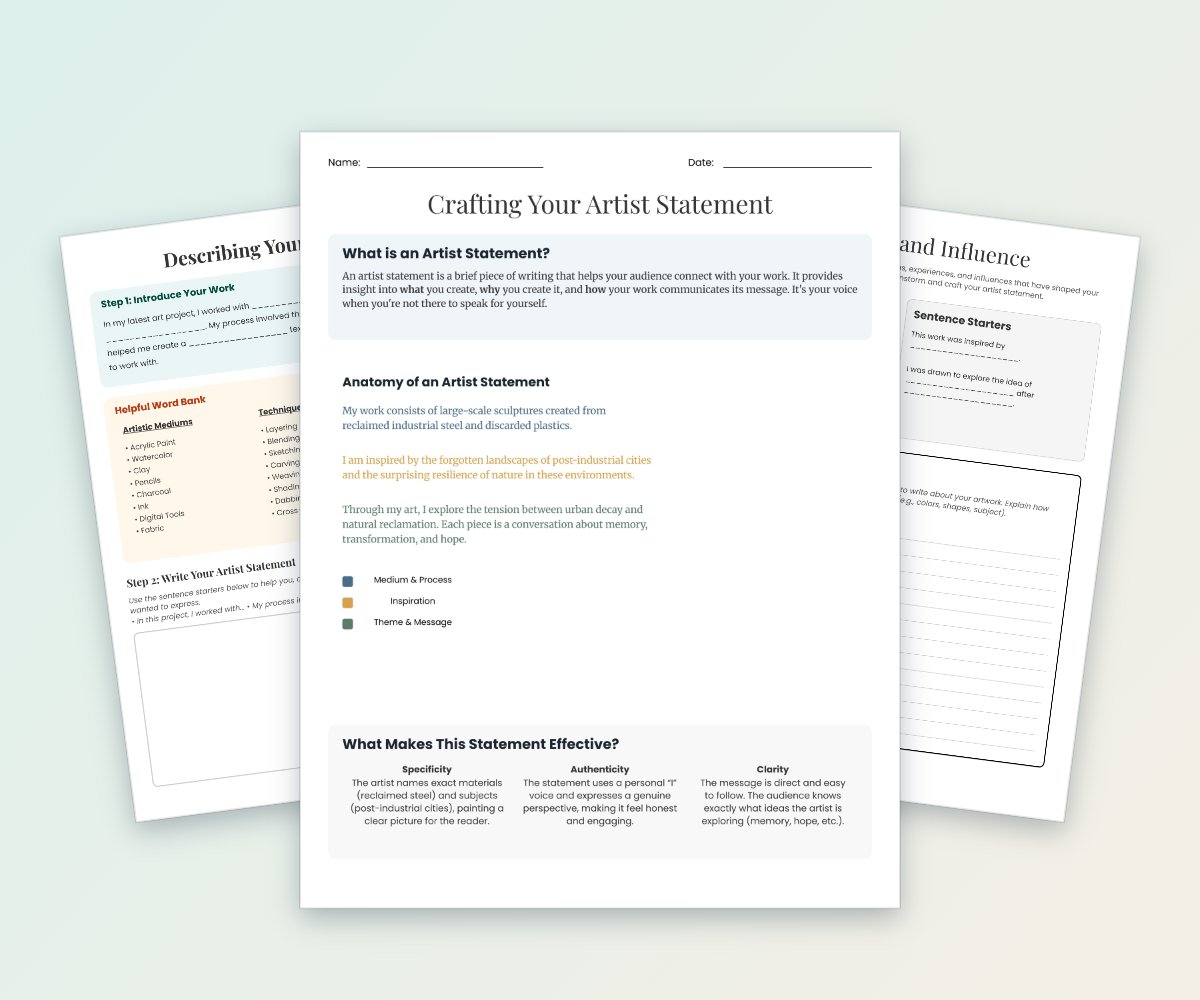
This four-page worksheet guides students through understanding and writing an artist statement.
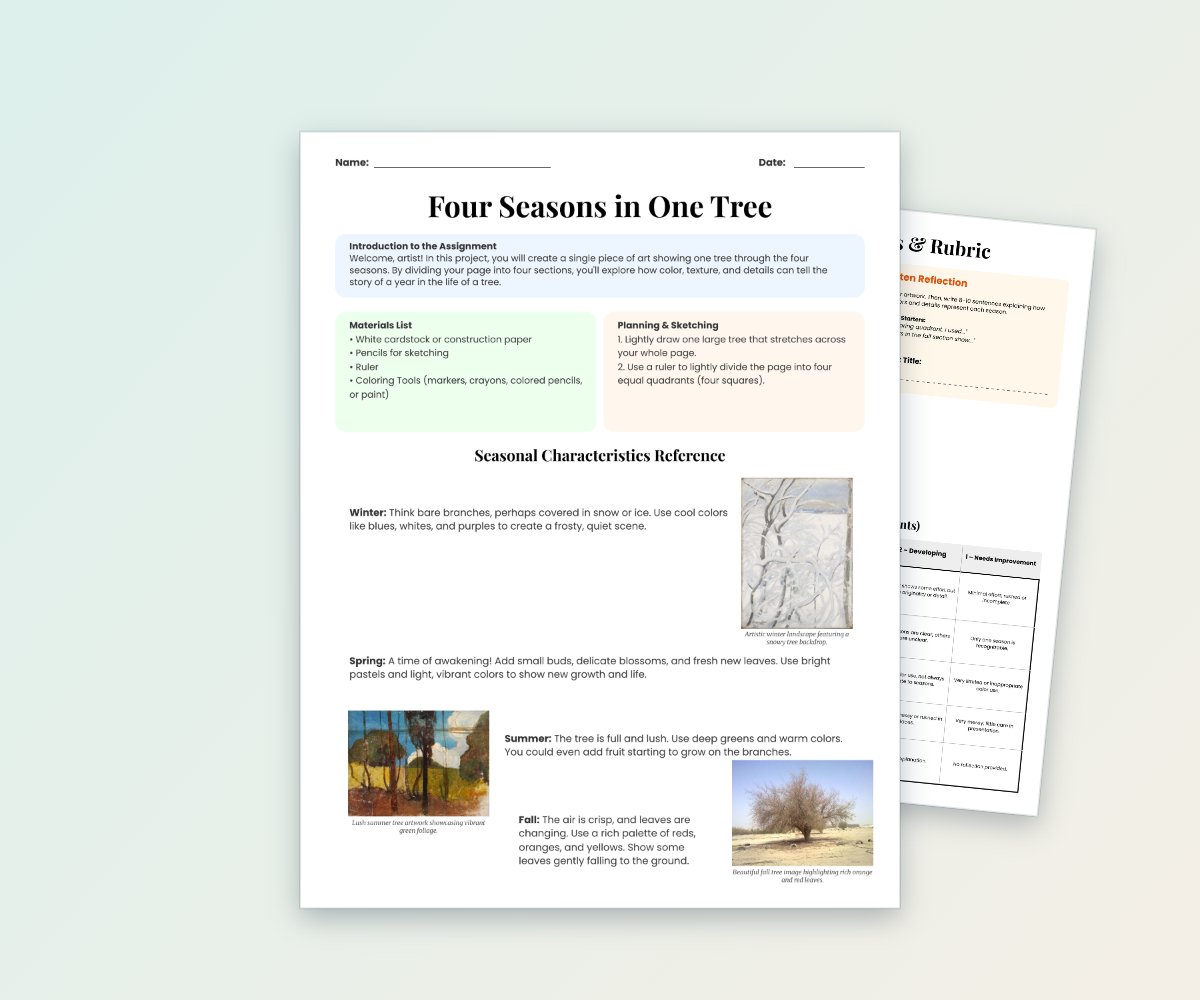
Students create one tree divided into four sections to represent winter, spring, summer, and fall.
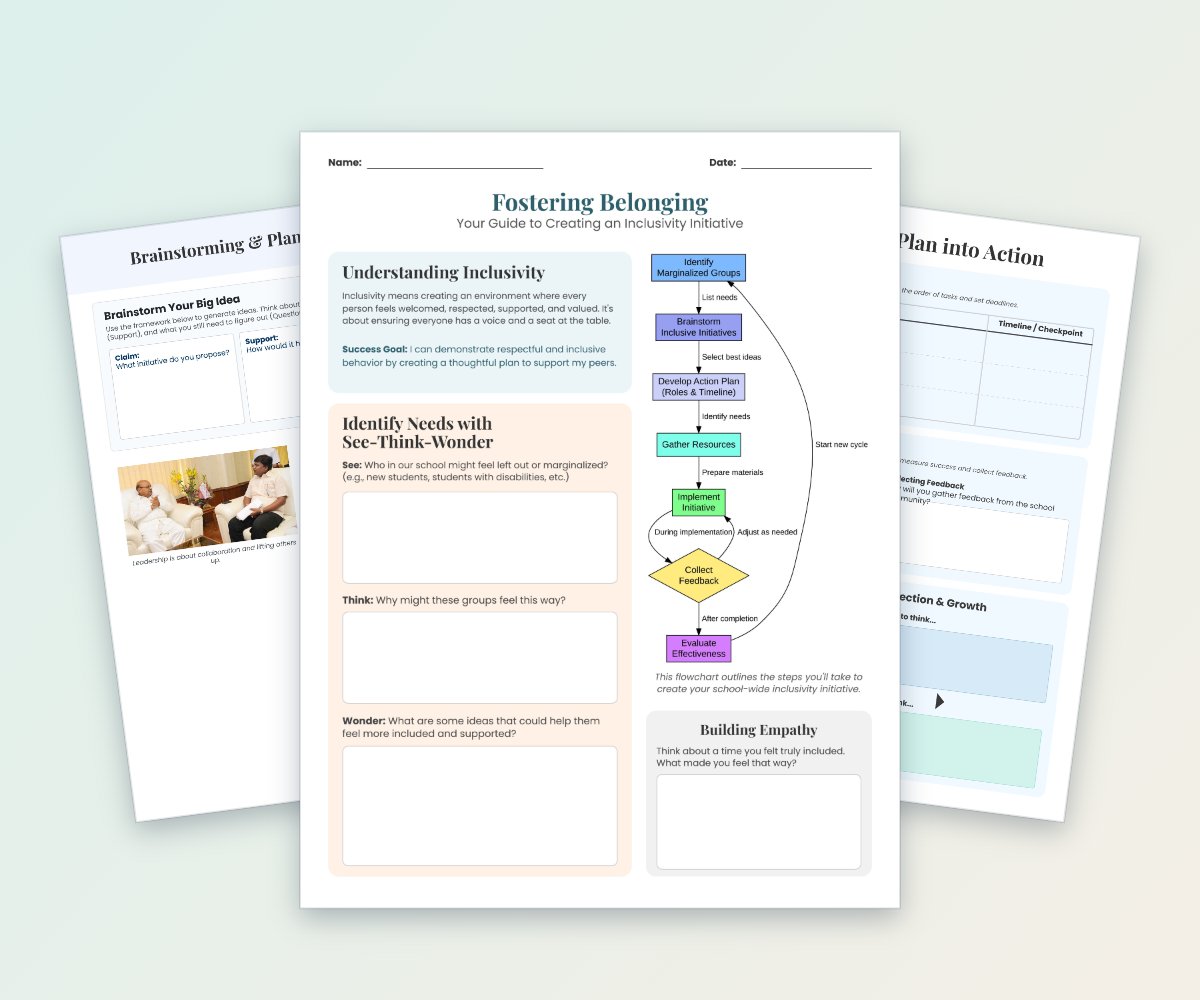
This three-page guide helps students identify exclusion and marginalization, brainstorm inclusive initiatives, and create an action plan.
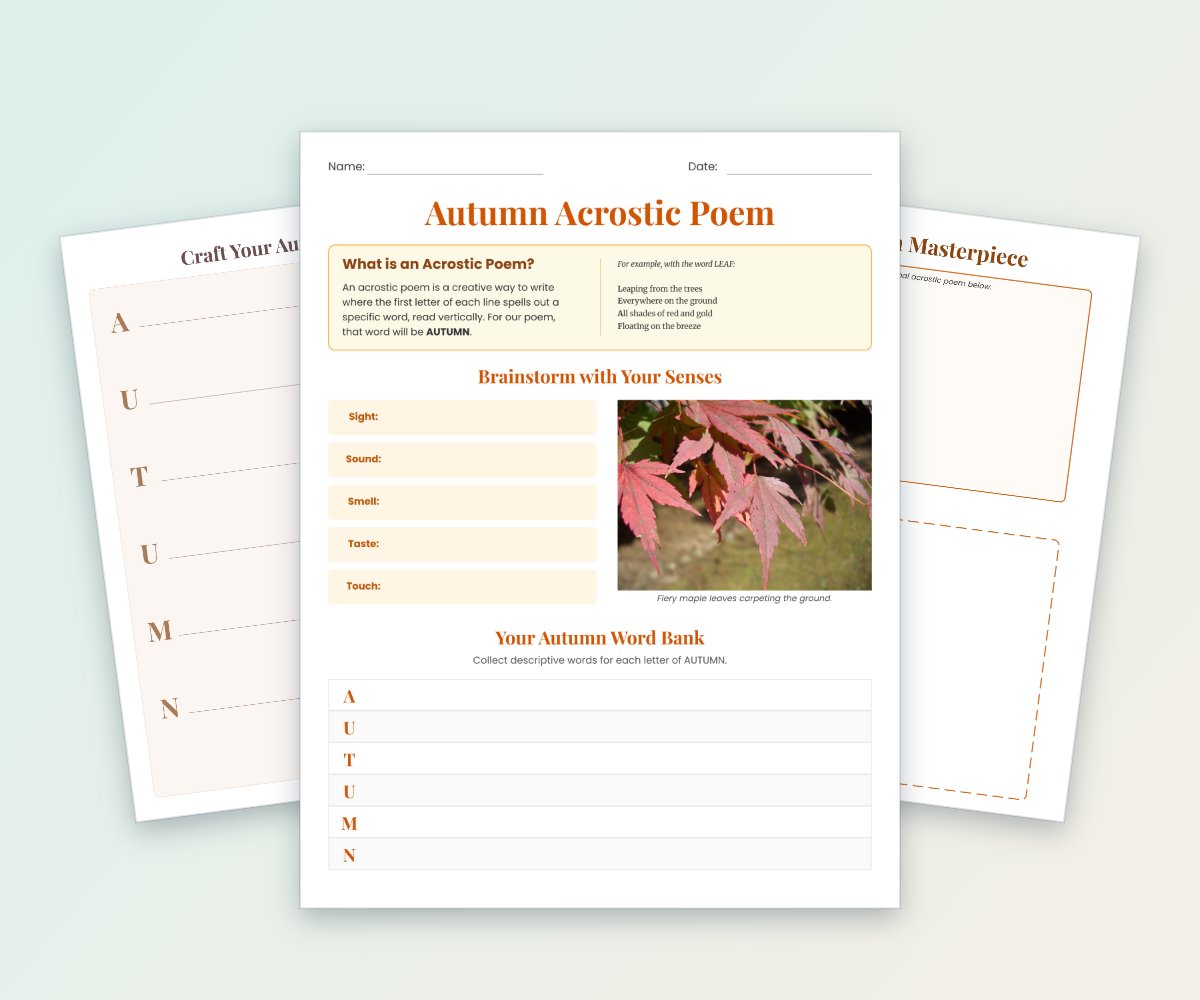
Students brainstorm autumn vocabulary using their senses, explore poetic devices, and collect descriptive words.
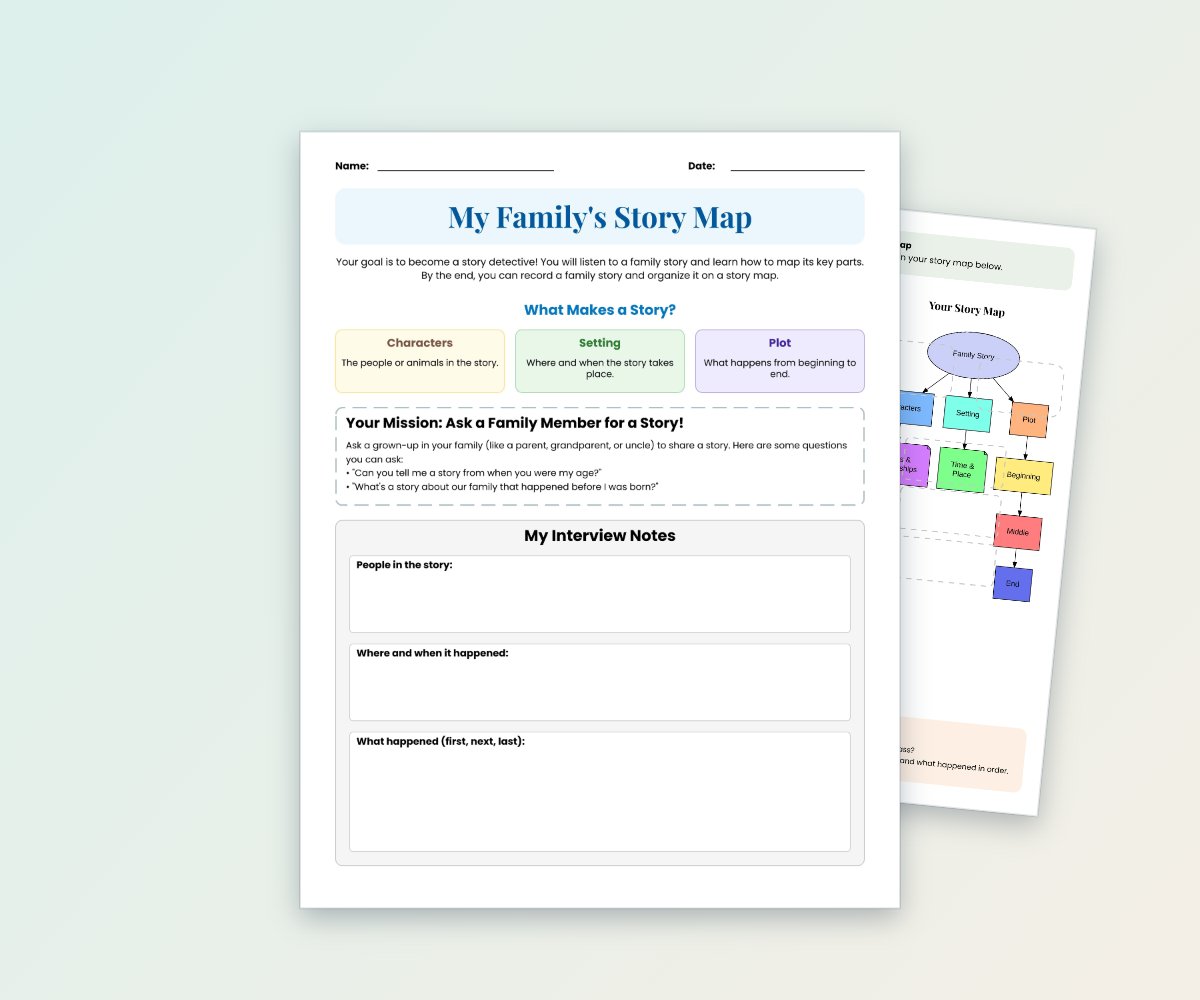
Students interview a family member, take notes, and organize the story’s characters, setting, and plot.
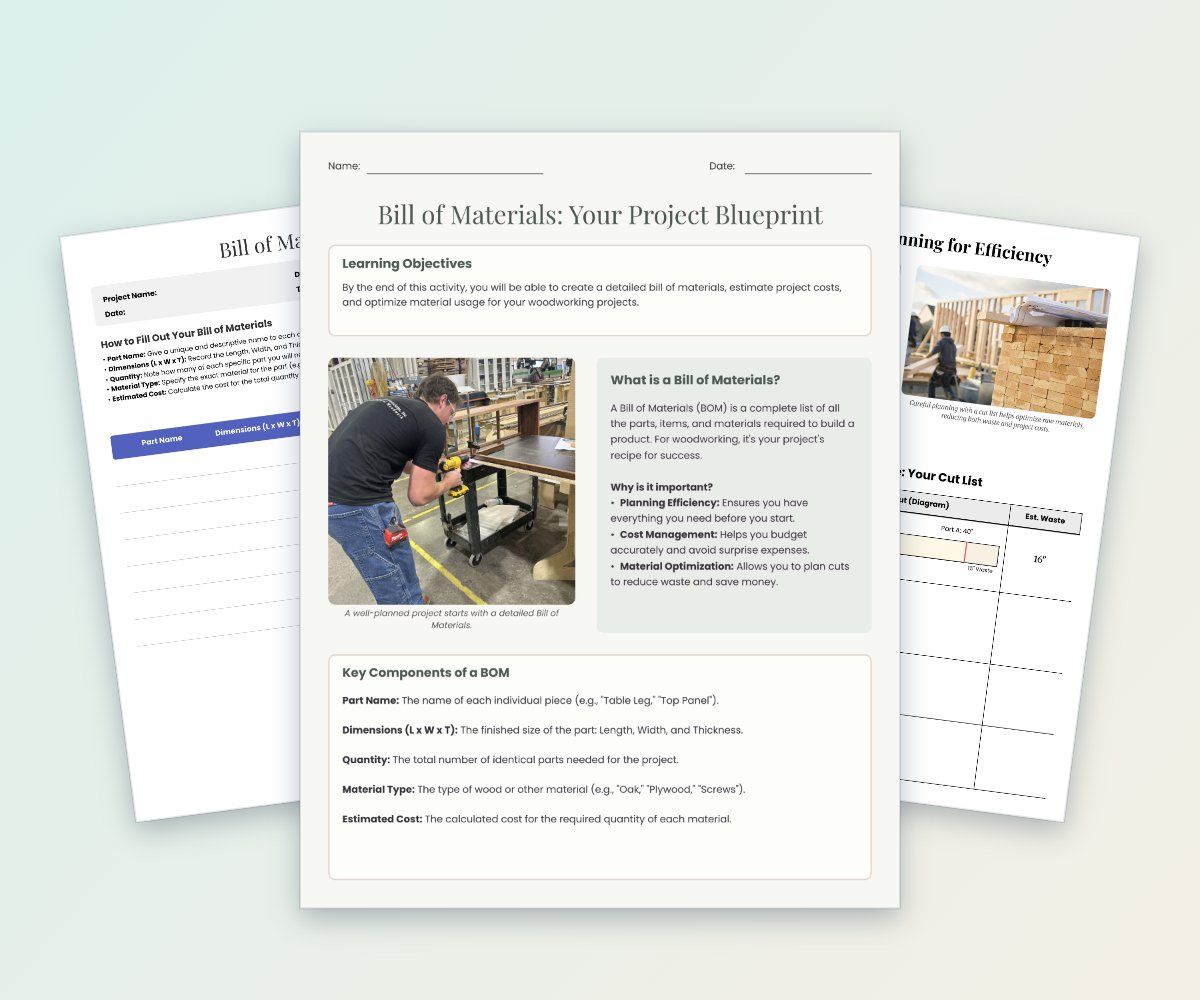
Students learn how to create a woodworking bill of materials by identifying parts, dimensions, quantities, materials, and estimated costs.
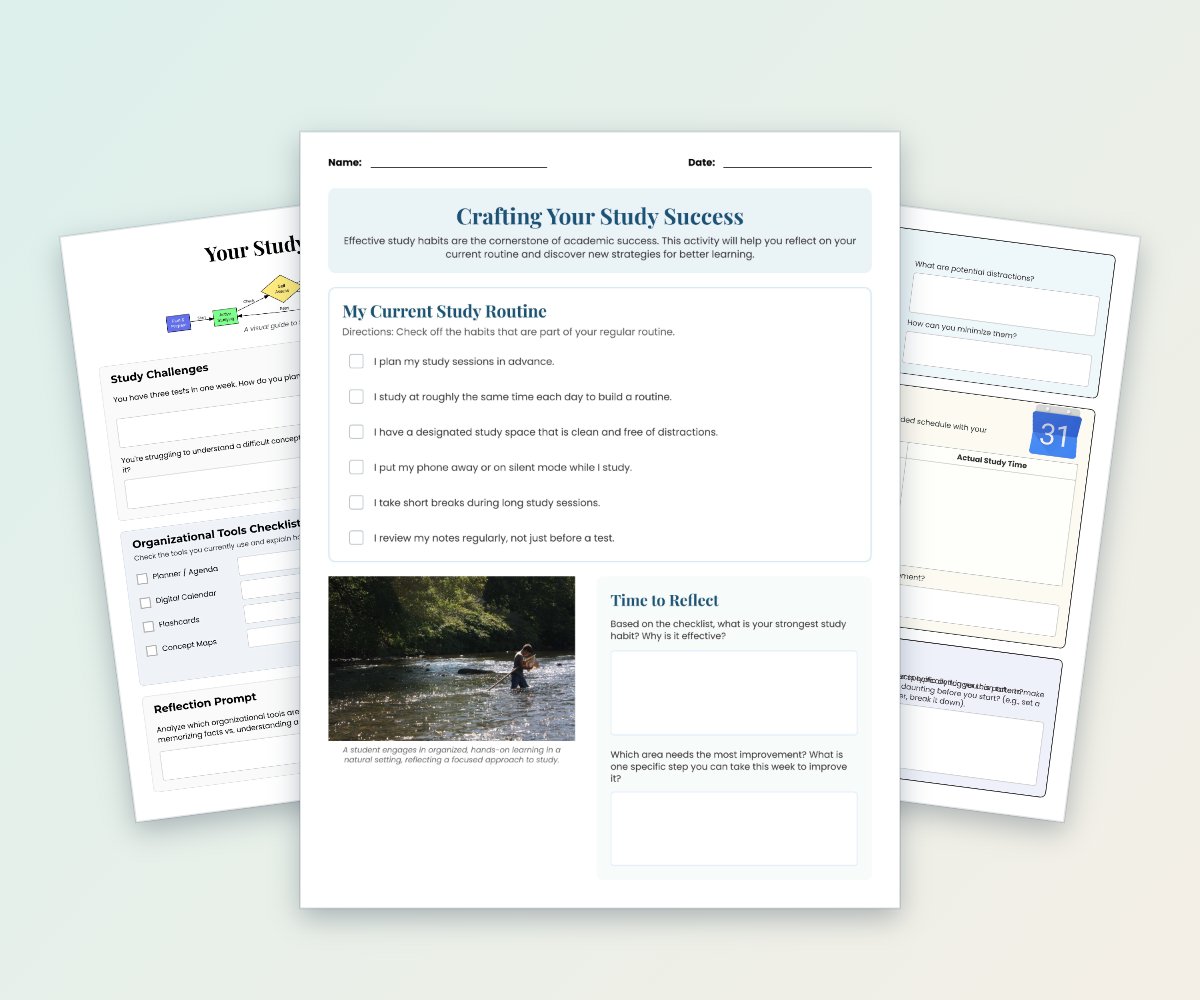
This four-page worksheet helps students reflect on their study routines, organization, time management, study environment, and procrastination habits.
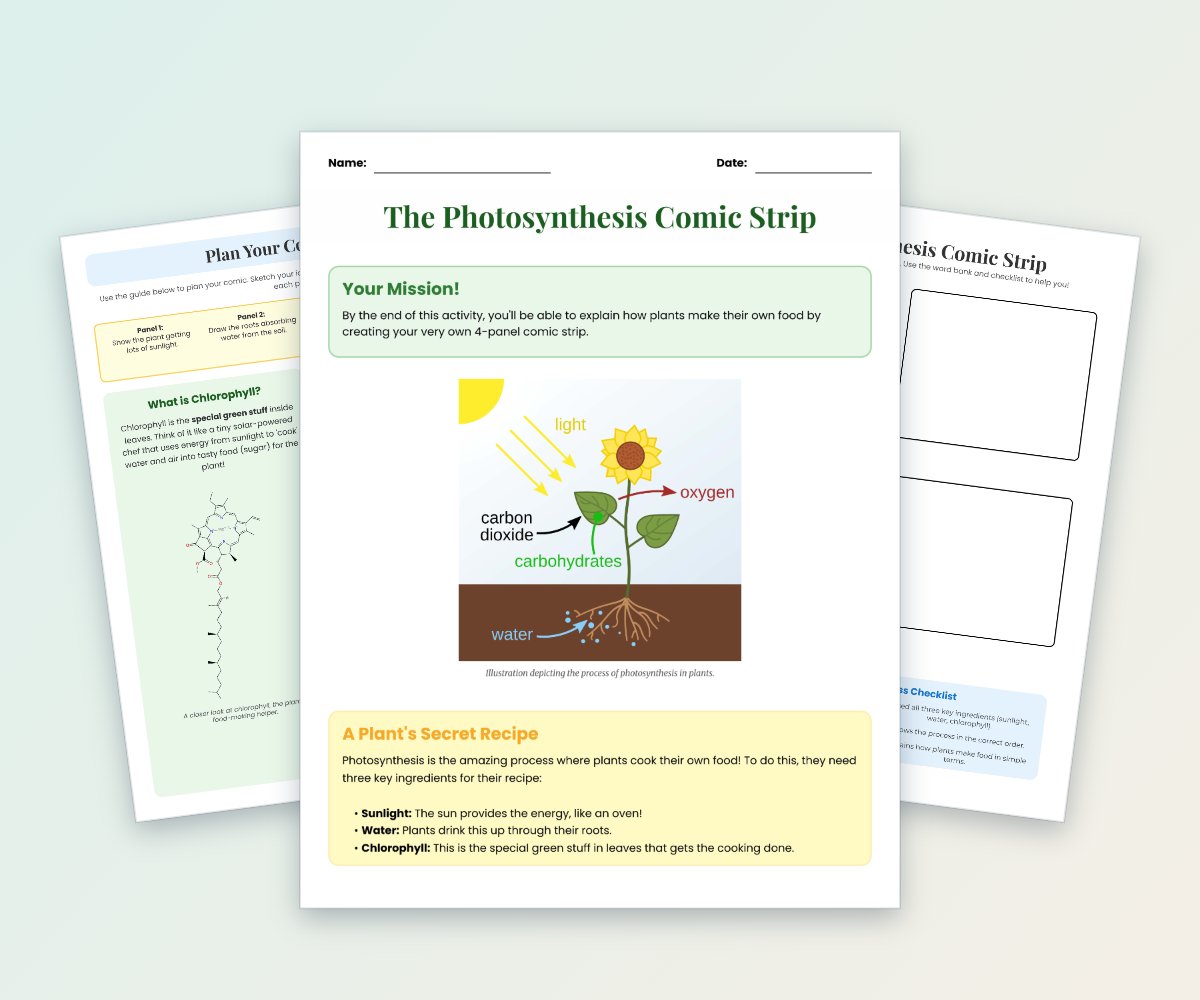
Students learn how plants use sunlight, water, and chlorophyll to make food through a guided comic-strip activity.
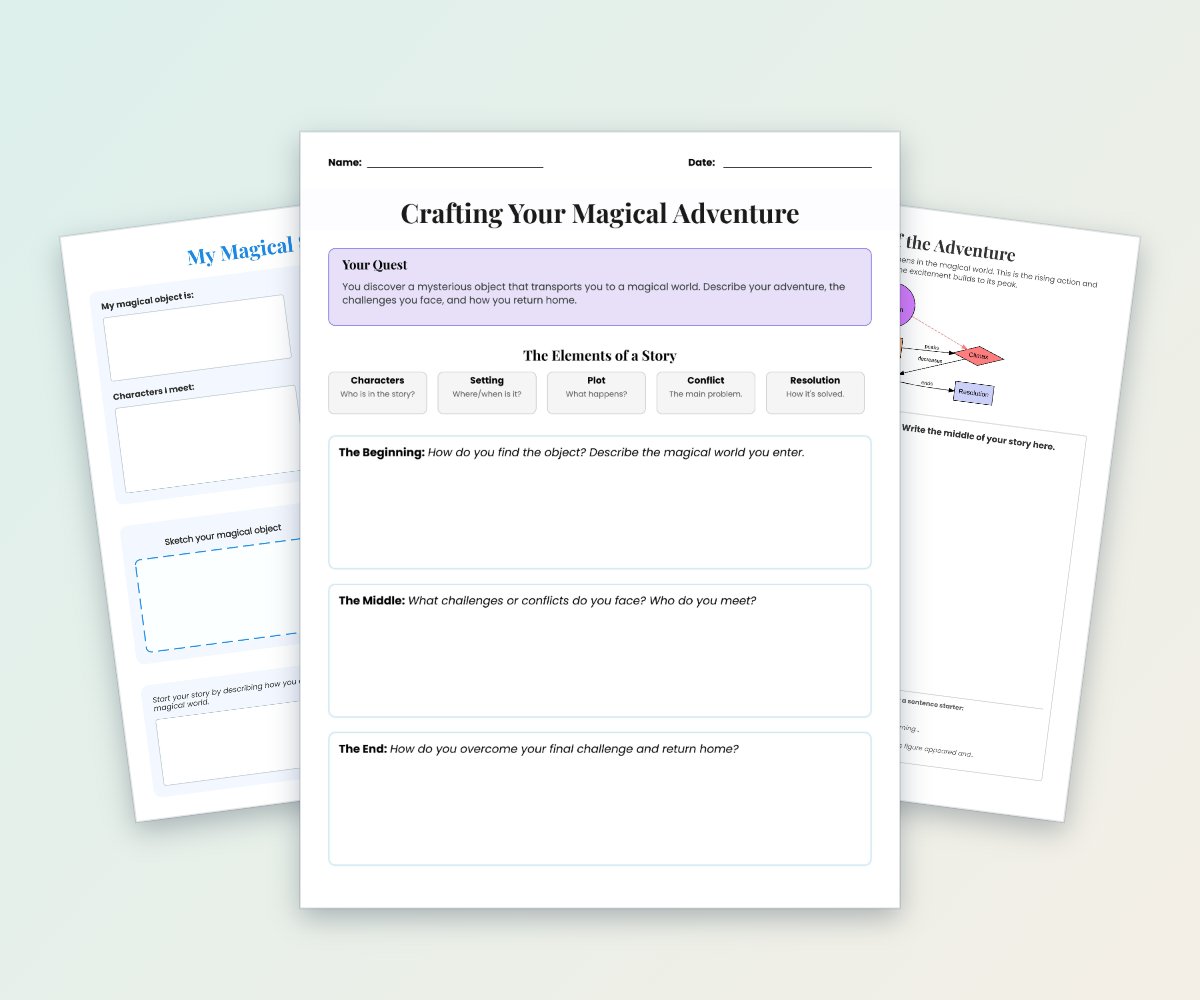
Students plan and write a magical adventure using story elements including characters, setting, conflict, rising action, climax, and resolution.
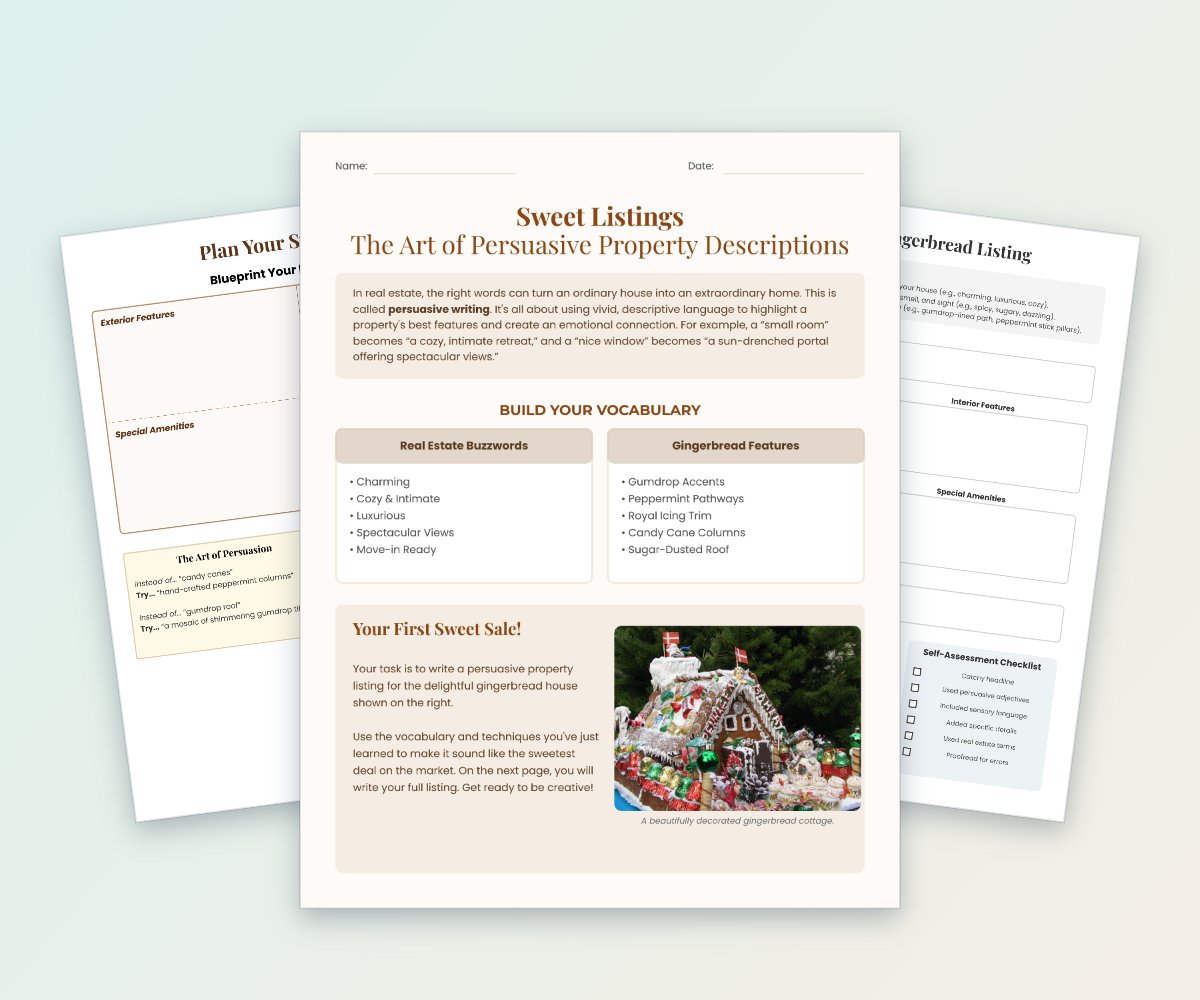
Students learn persuasive vocabulary and sensory language by creating an engaging real estate listing for a gingerbread house.
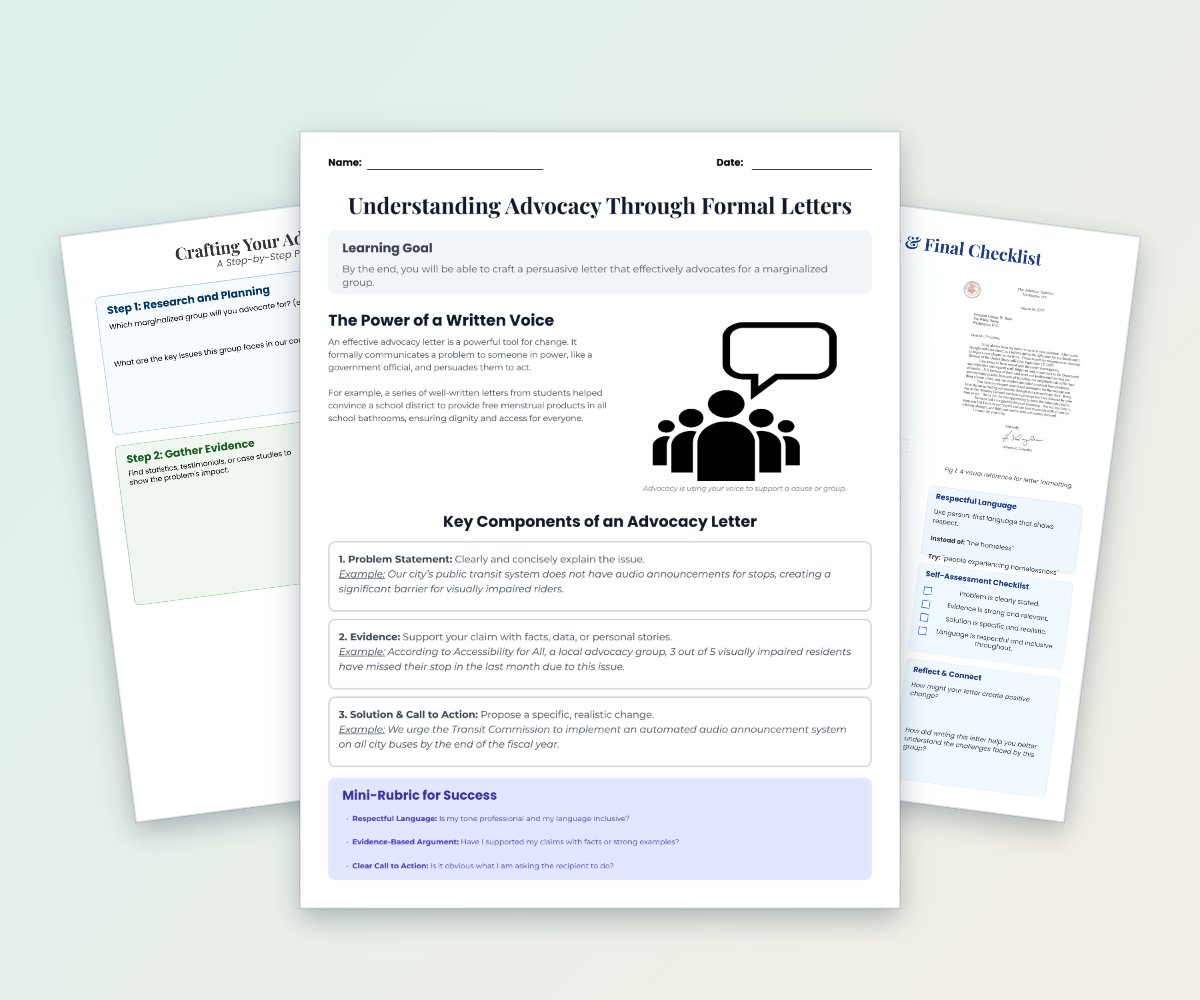
This concise writing resource guides students through crafting persuasive advocacy letters about issues affecting marginalized groups.
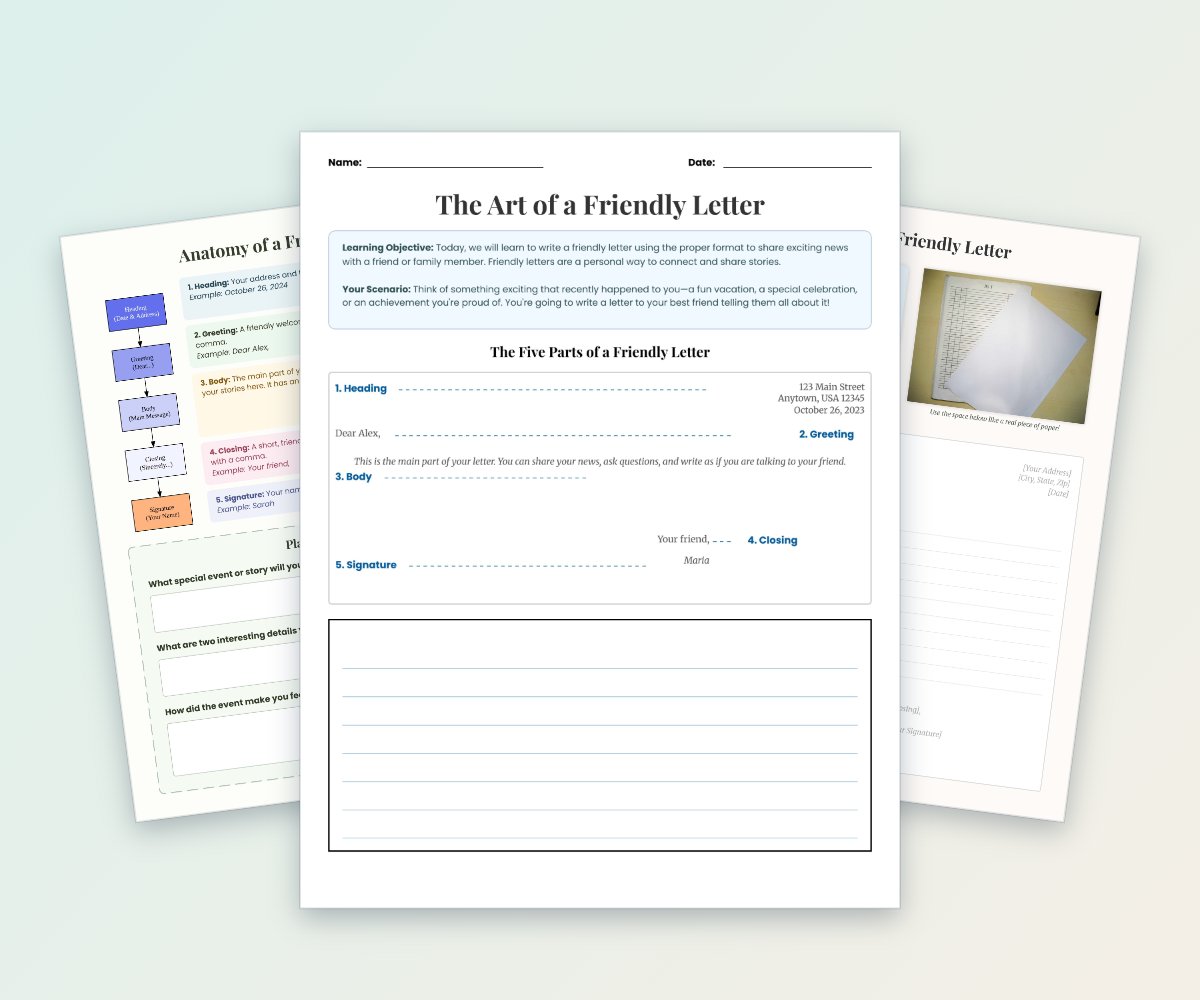
This three-page resource teaches students the five parts of a friendly letter: heading, greeting, body, closing, and signature.
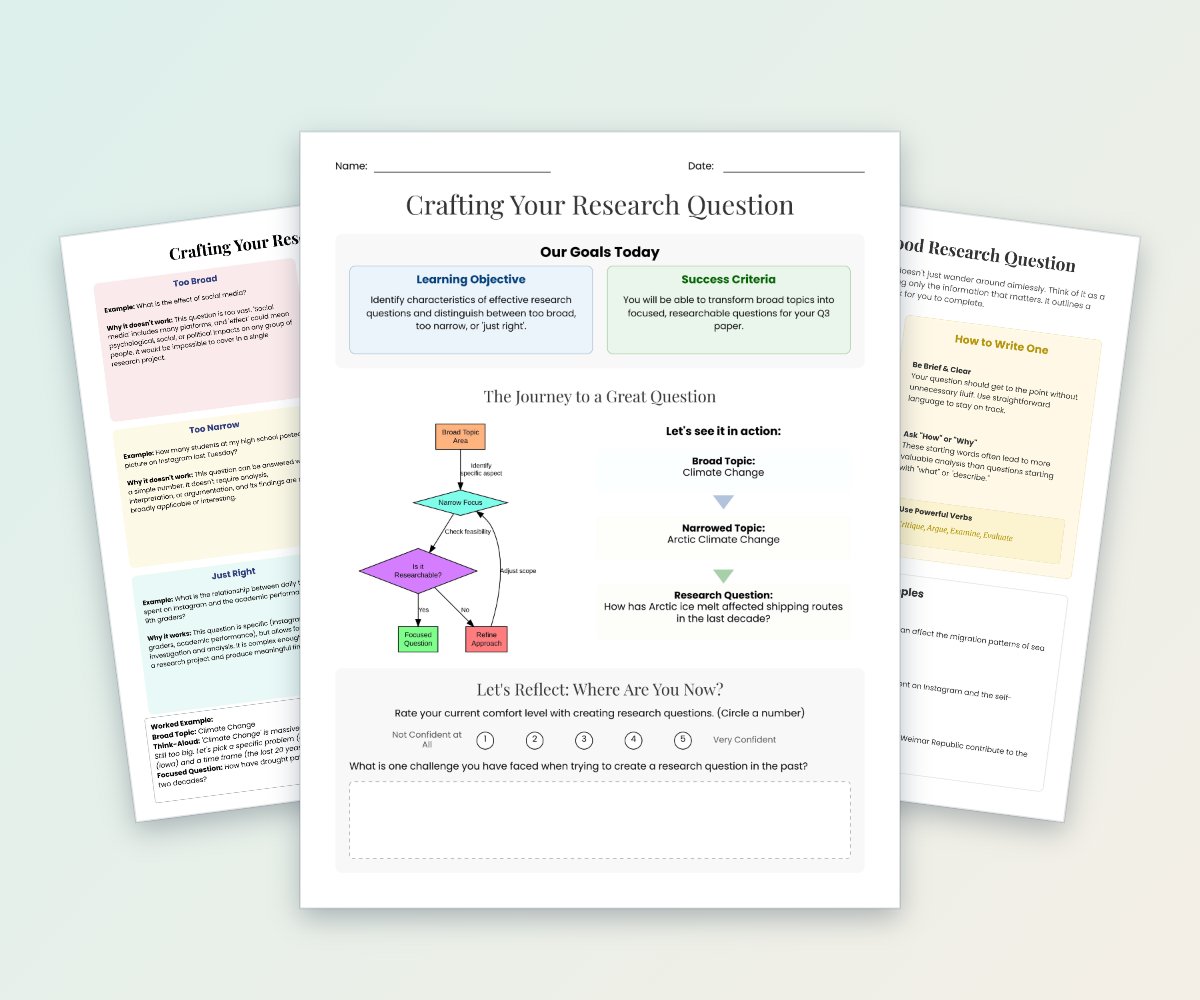
This four-page worksheet guides students in transforming broad topics into focused, researchable questions.
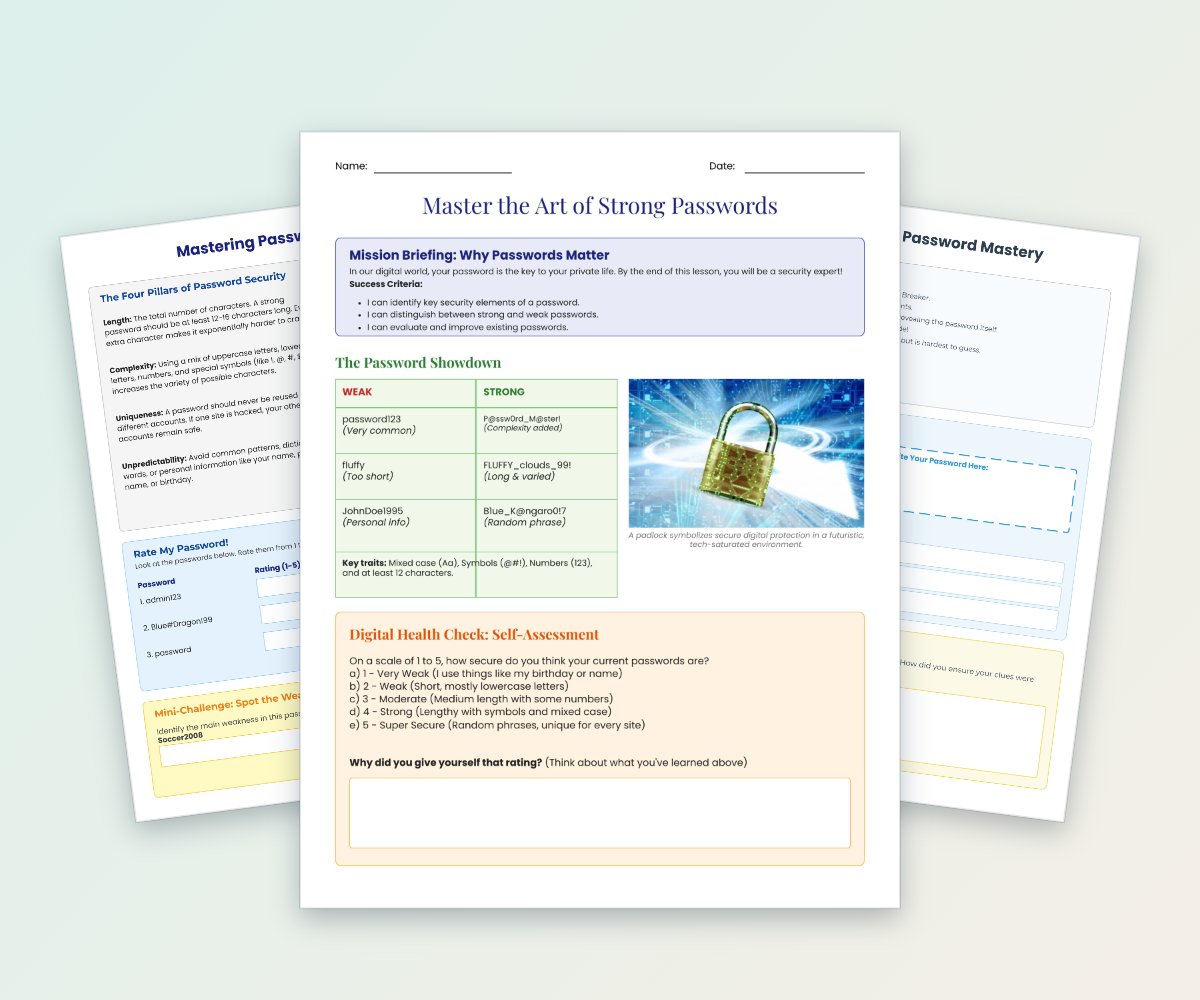
Students learn how to recognize strong and weak passwords through examples, self-assessment, rating activities, and a password-security game.
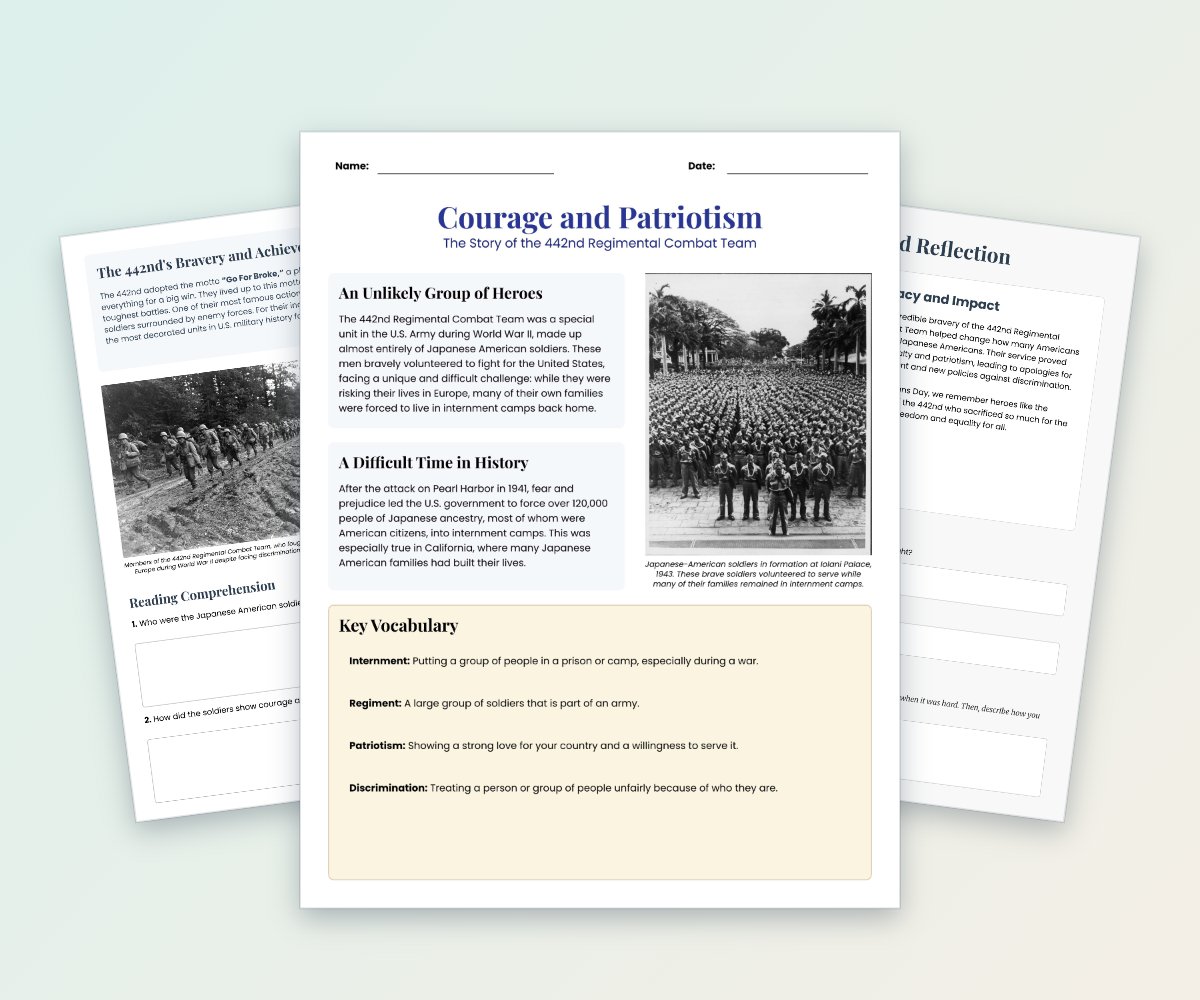
This three-page worksheet explores the courage, patriotism, and achievements of the Japanese American 442nd Regimental Combat Team during World War II.
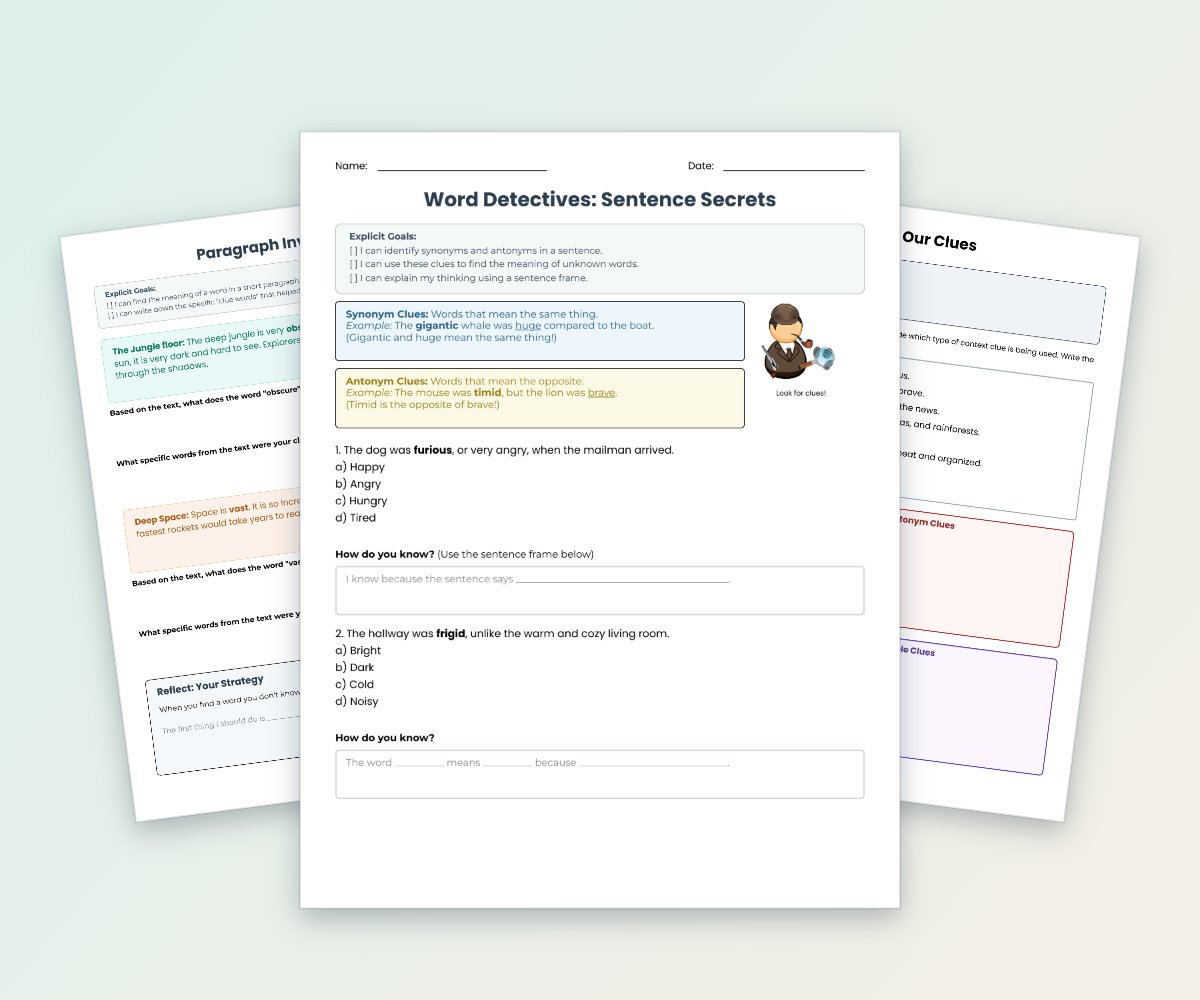
This six-page reading practice pack helps students use synonyms, antonyms, definitions, examples, and paragraph clues to determine unfamiliar word meanings.
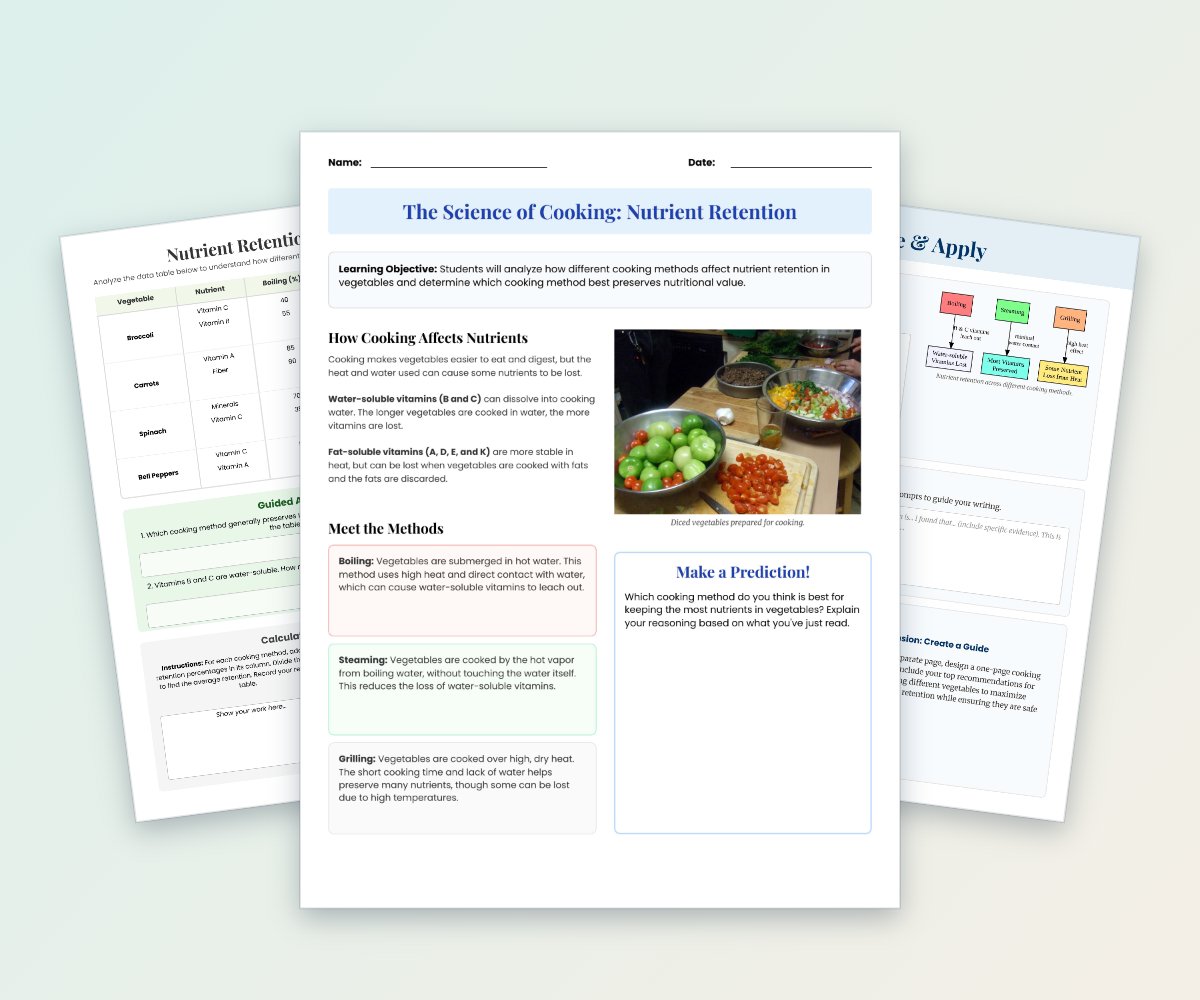
This three-page worksheet explores how boiling, steaming, and grilling affect nutrient retention in vegetables.
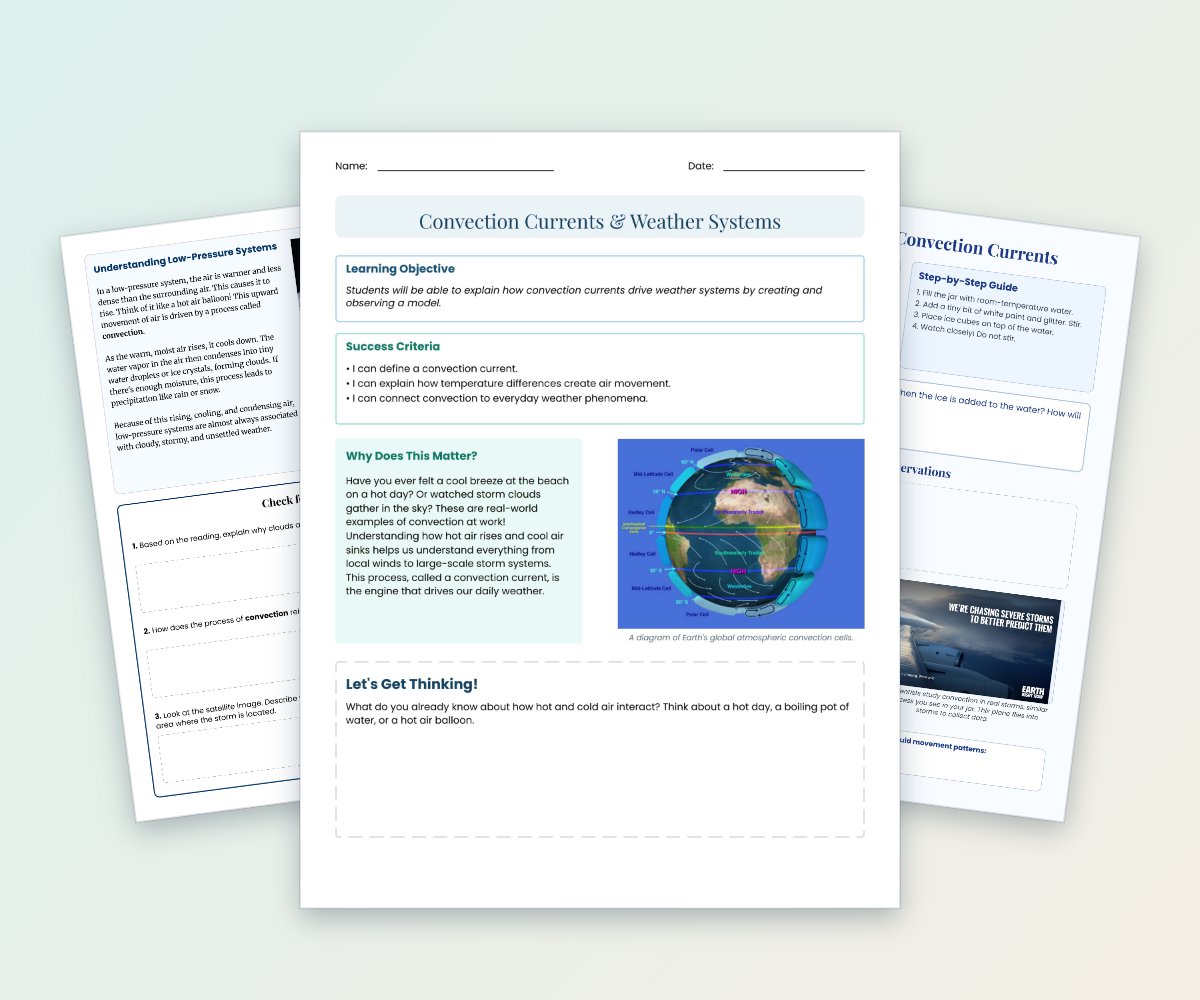
This four-page science resource introduces convection currents and explains how rising, cooling air contributes to low-pressure systems, clouds, and precipitation.
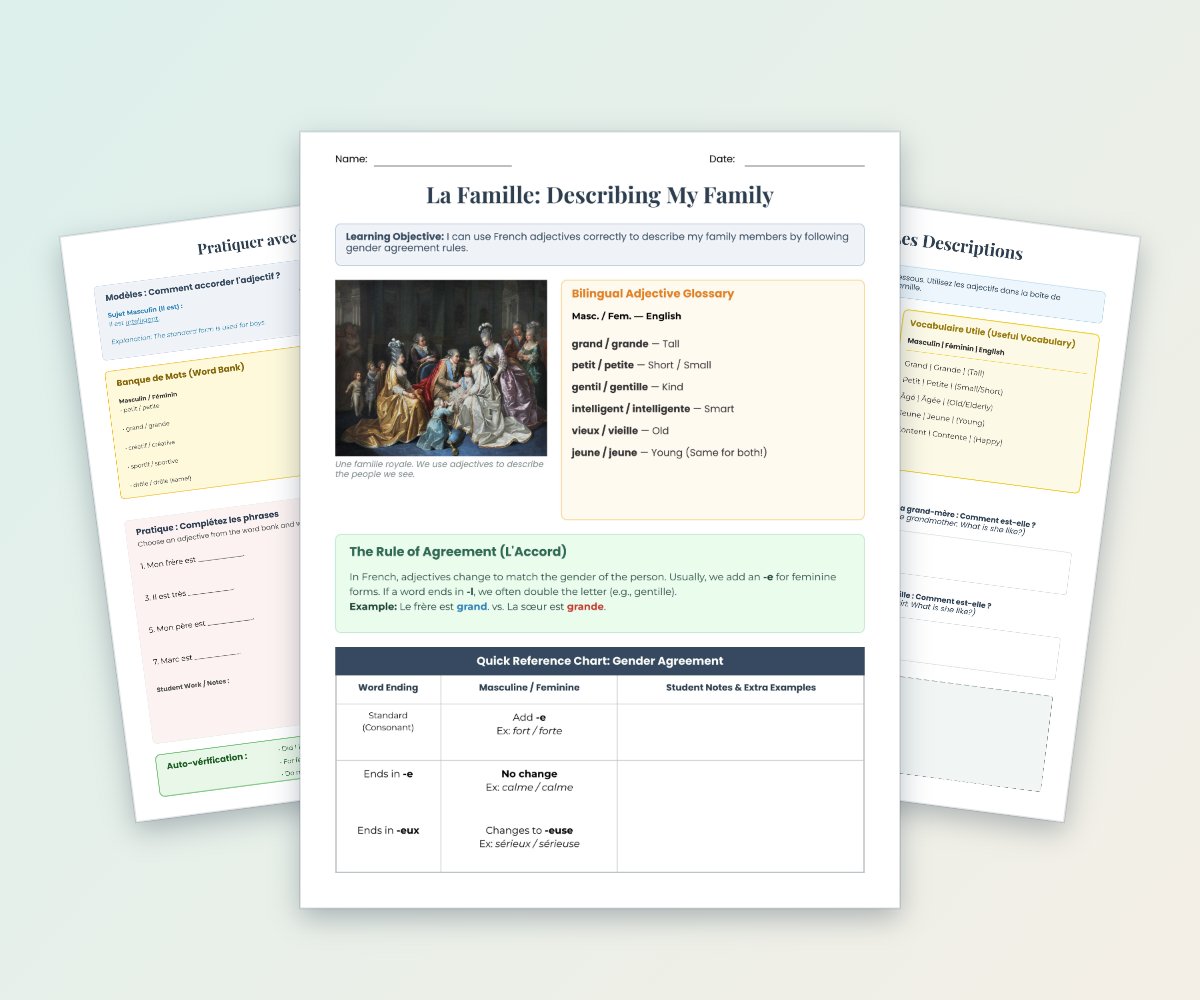
This four-page French worksheet teaches students to describe family members using vocabulary and gender-agreement rules for adjectives.
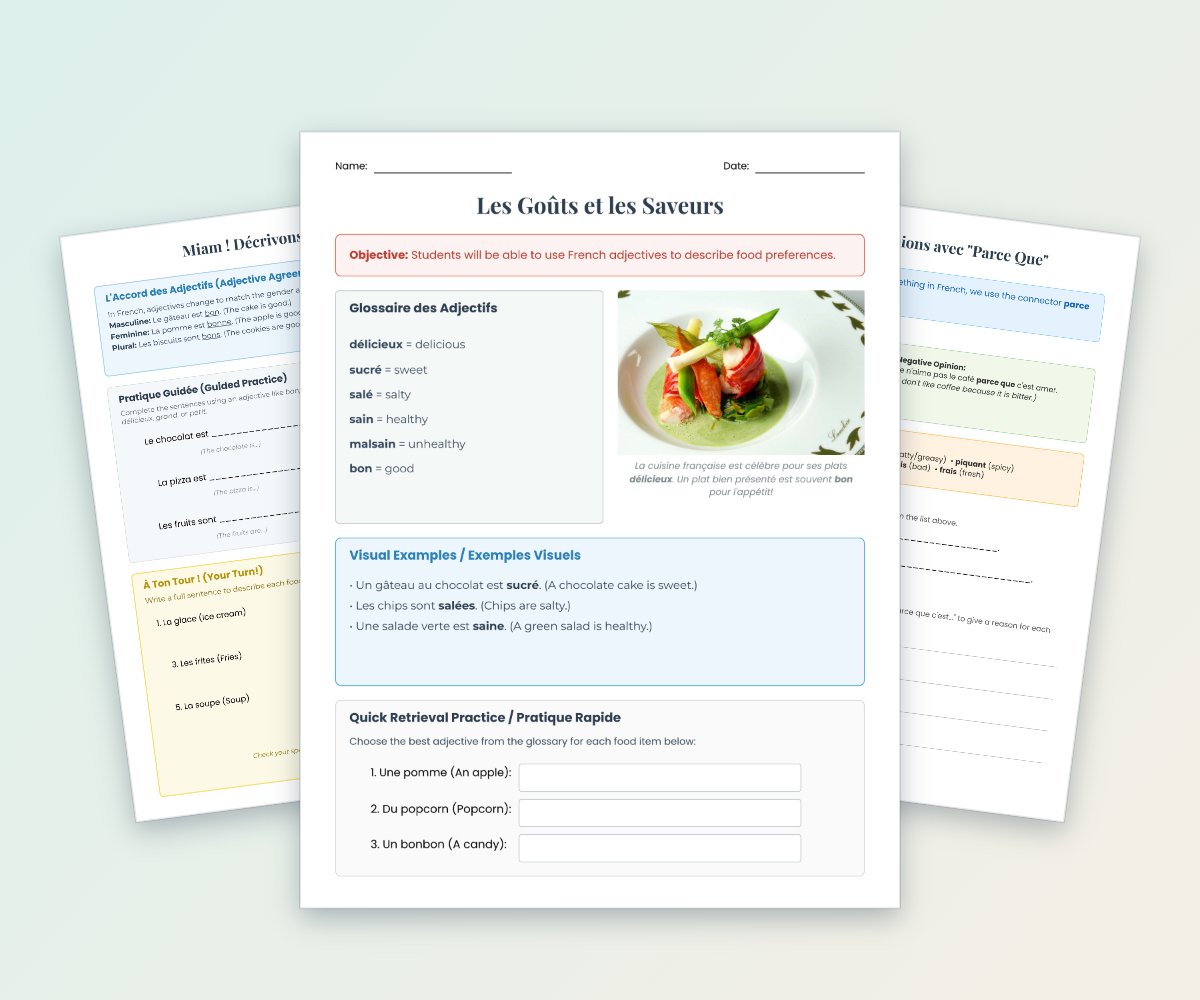
Students learn French adjectives for describing food, including sweet, salty, healthy, and delicious.
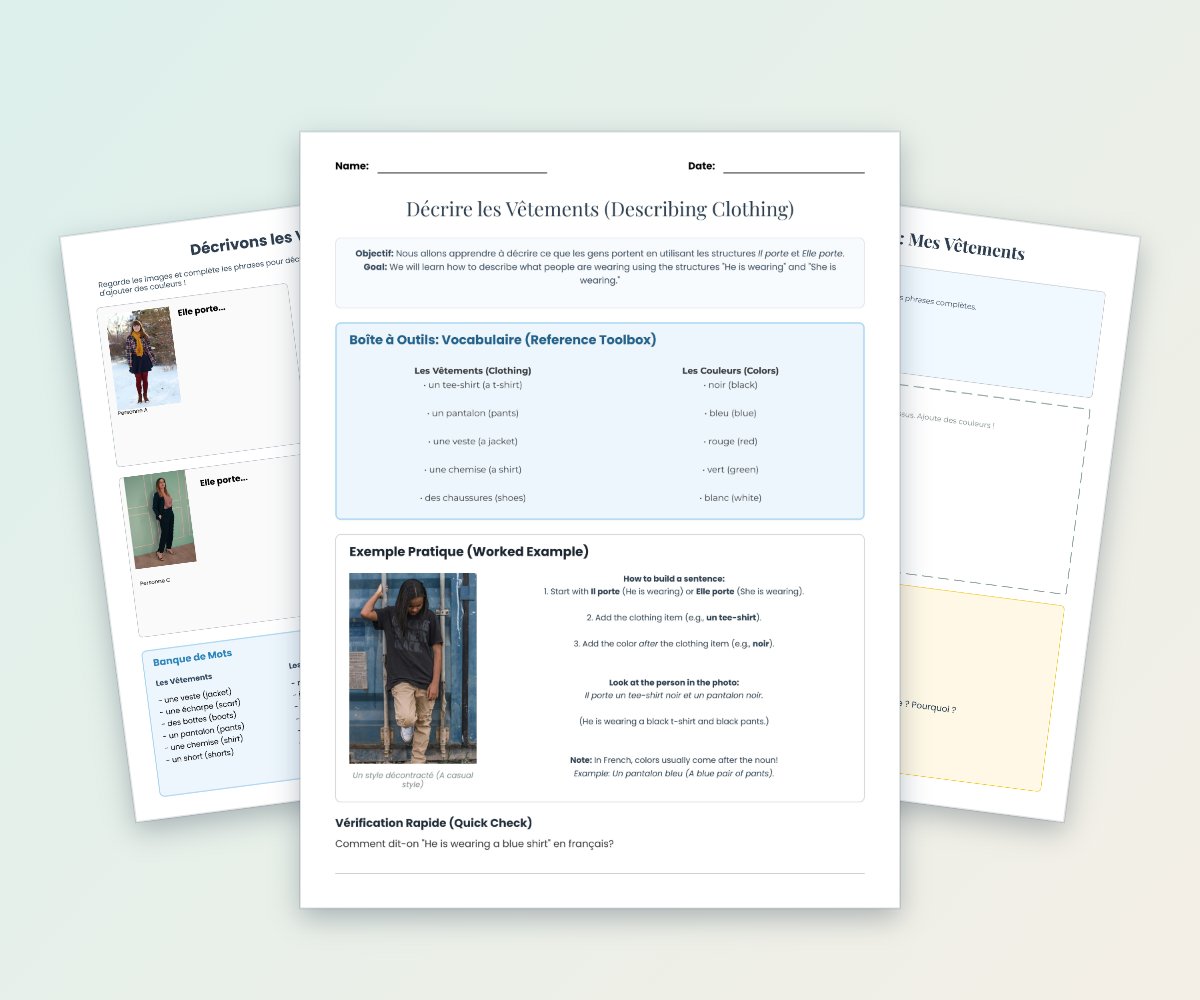
Students learn French clothing and color vocabulary while practicing sentences with “Il porte,” “Elle porte,” and “Je porte.” Activities include picture descriptions, personal writing, a fashion drawi
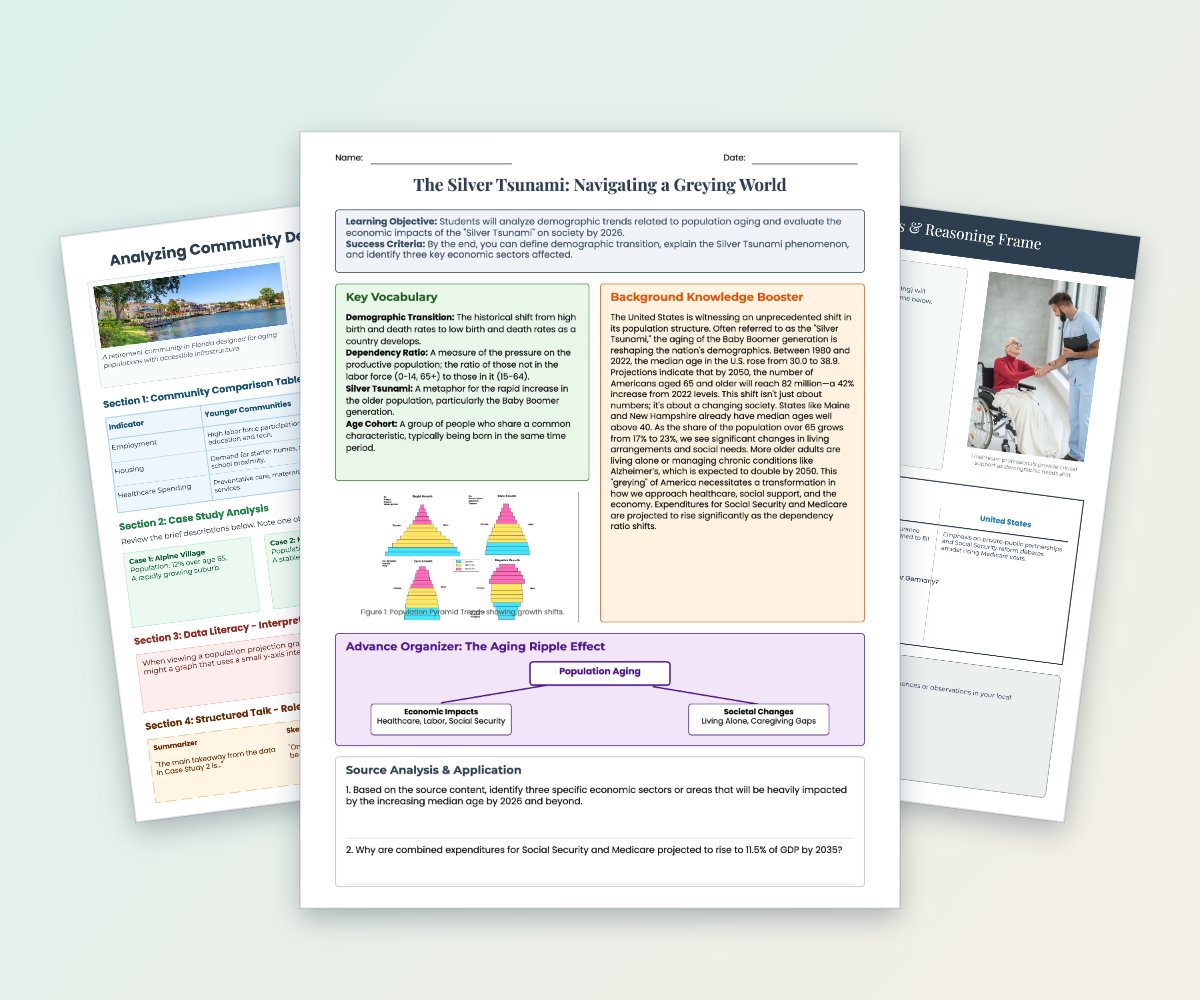
Students examine population aging, demographic transition, dependency ratios, and the economic effects of an increasingly older population.
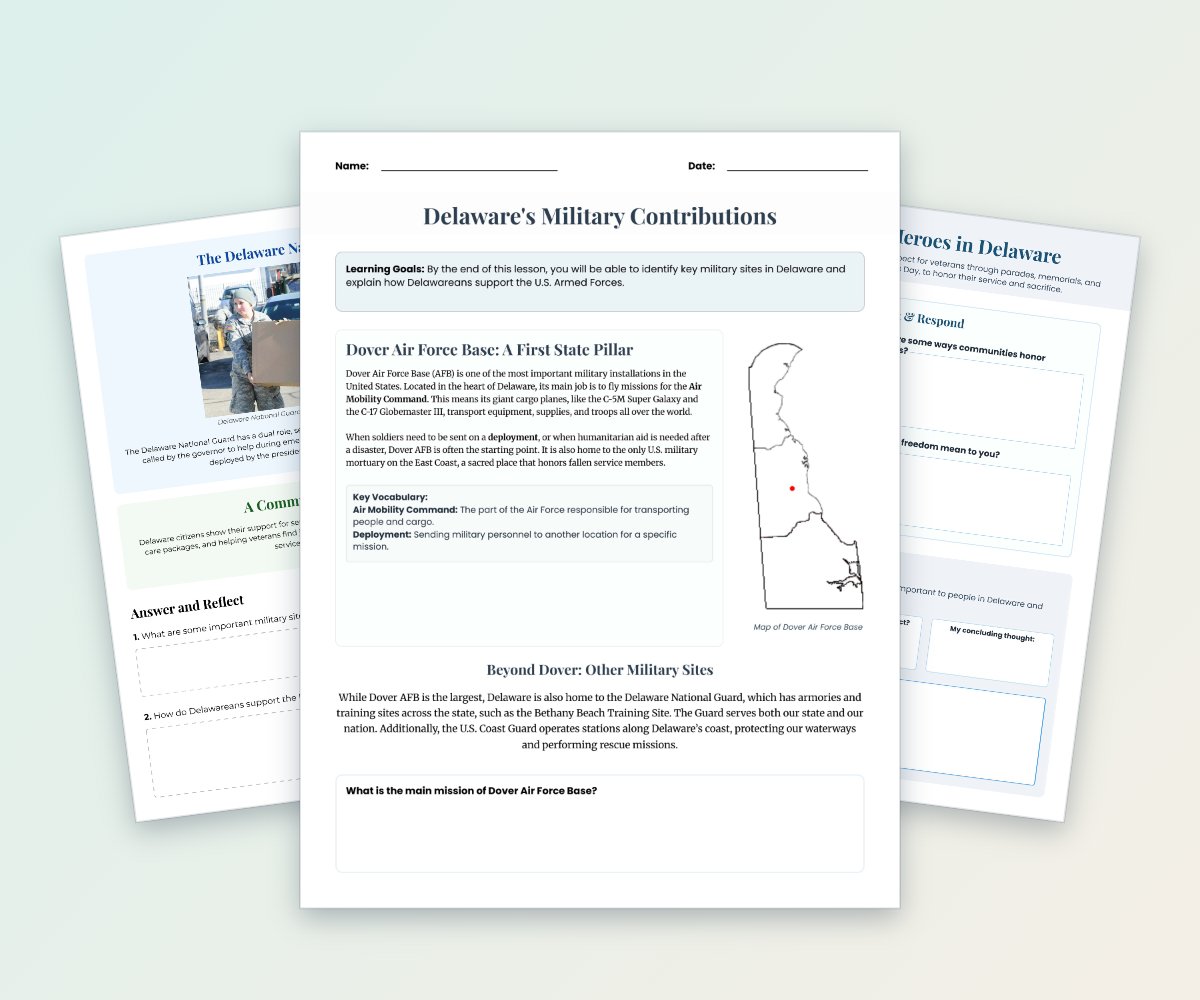
Students learn about Dover Air Force Base, the Delaware National Guard, the U.S.
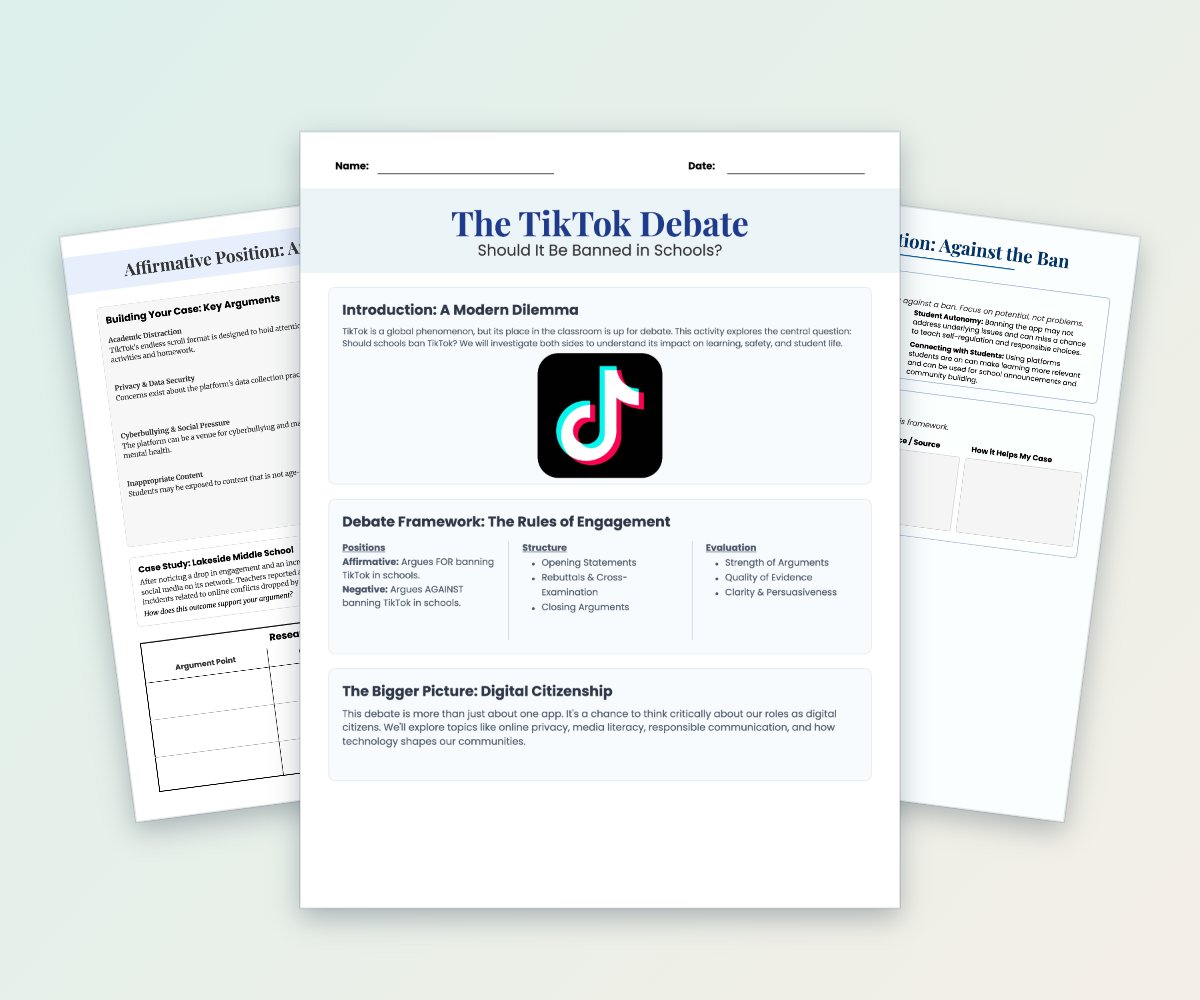
This five-page debate activity guides students through arguments for and against banning TikTok in schools.
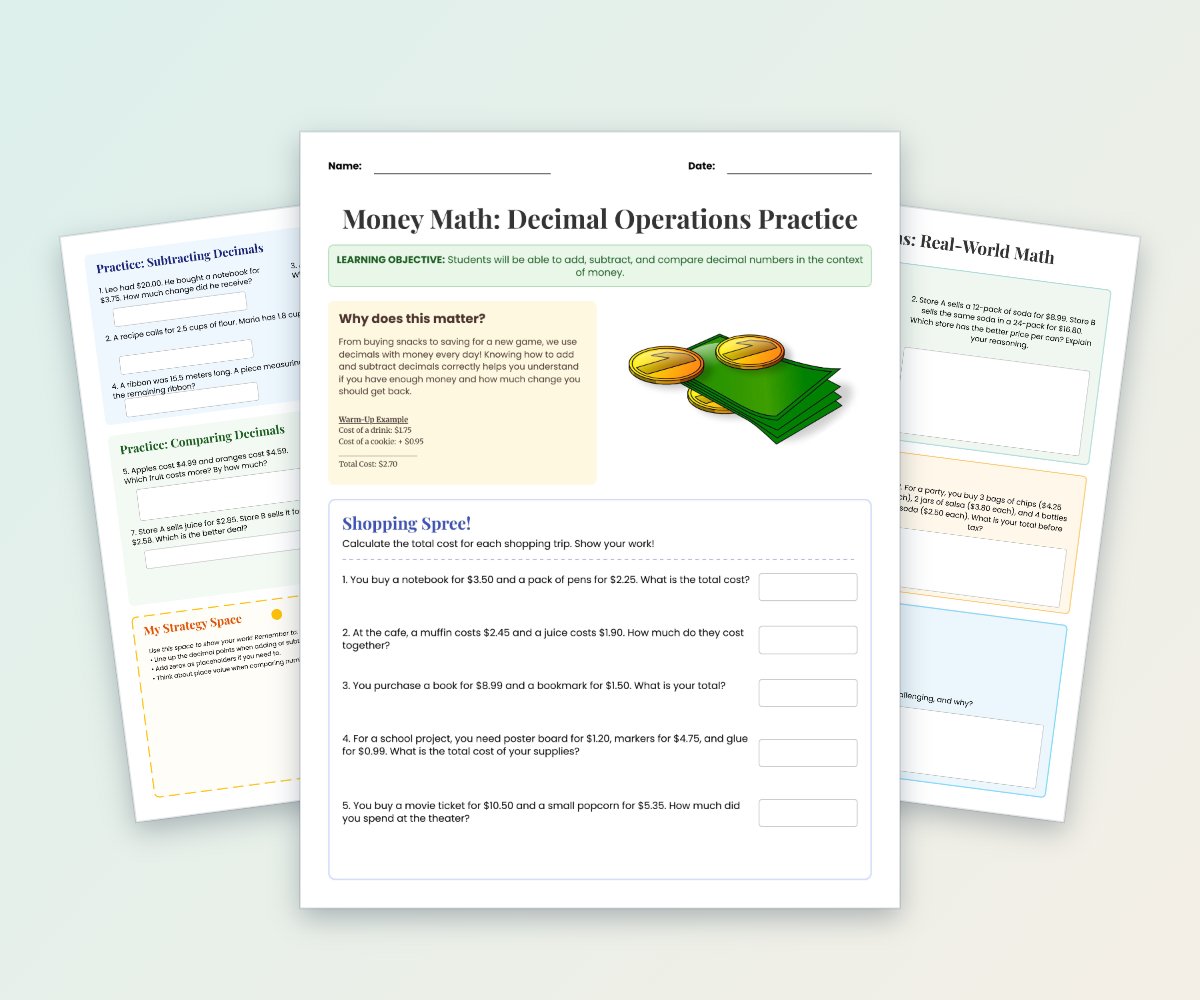
Students practice adding, subtracting, and comparing decimals using realistic shopping, budgeting, and measurement scenarios.
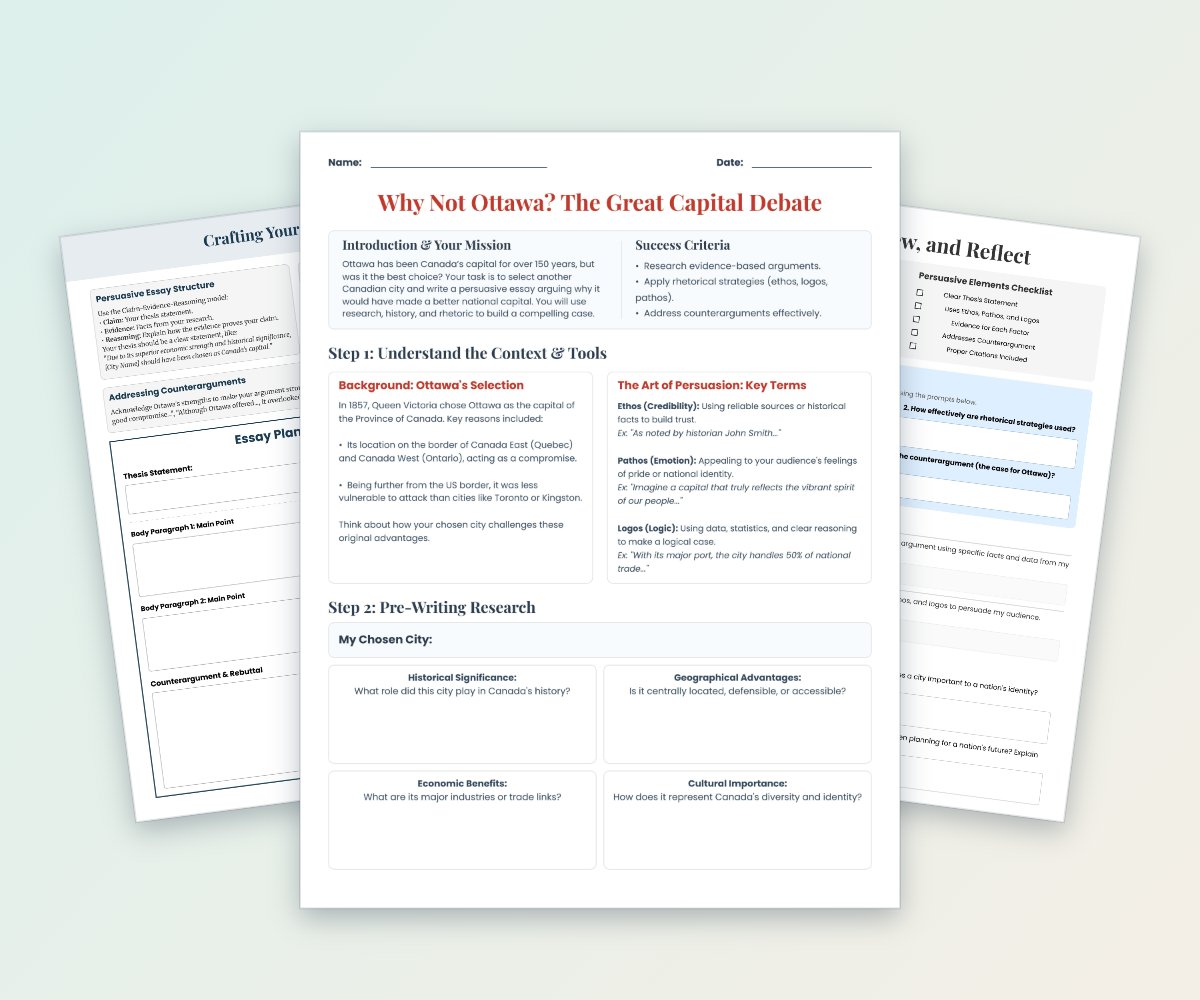
Students research a Canadian city and argue why it would have been a better national capital than Ottawa.
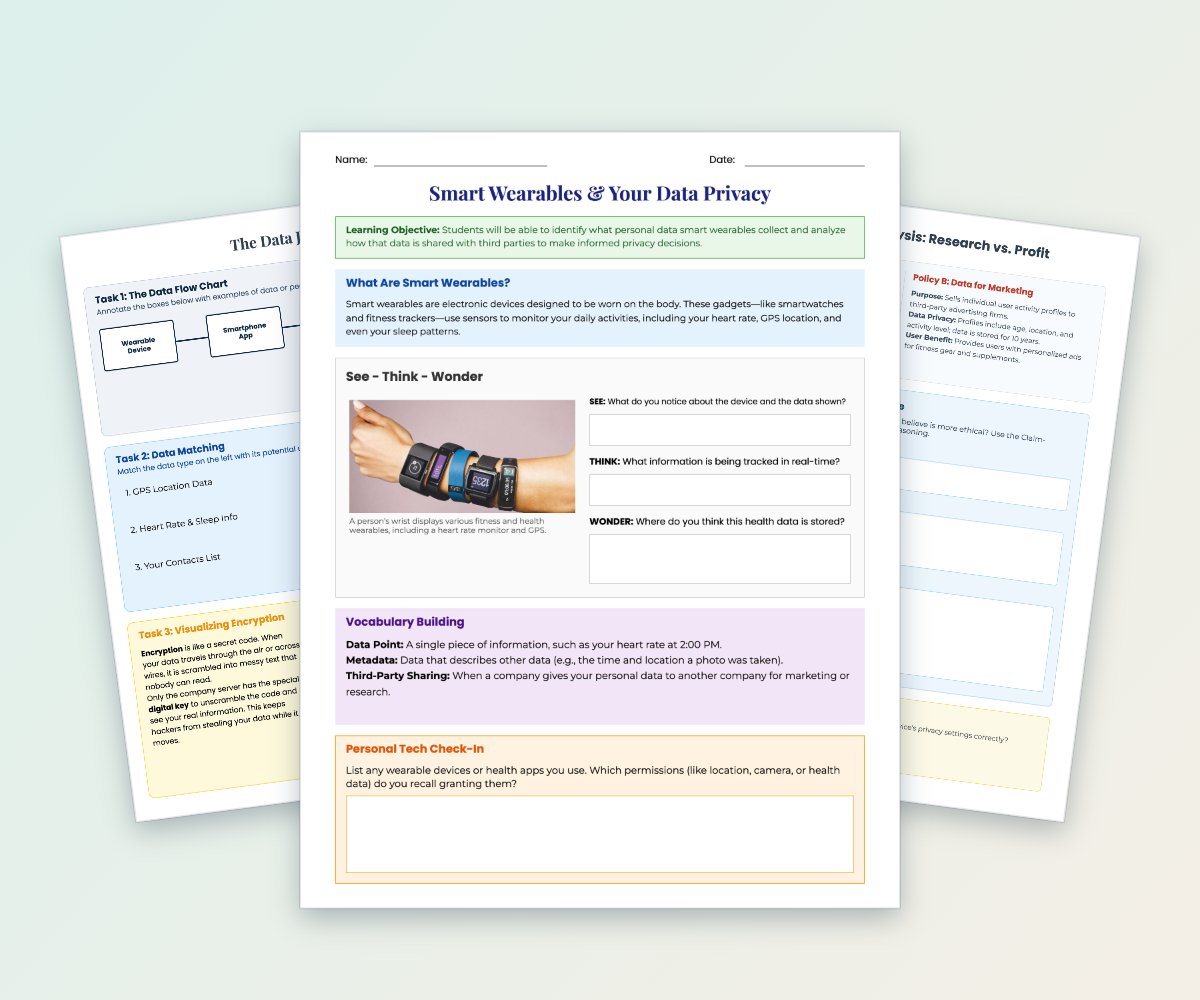
This four-page worksheet introduces students to the personal data collected by smartwatches, fitness trackers, and health apps.
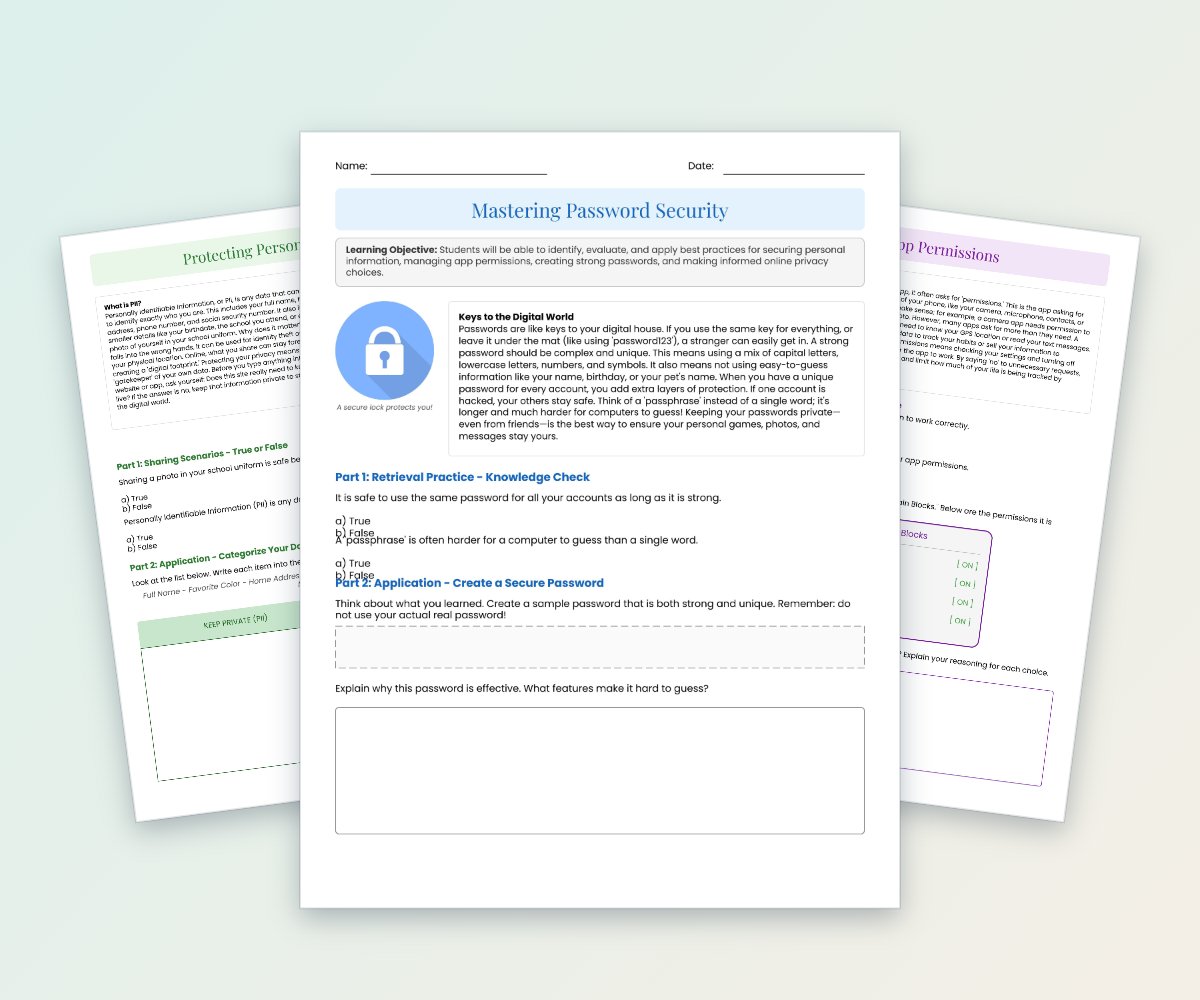
This six-page worksheet introduces password security, personally identifiable information, digital footprints, and safer online privacy choices.
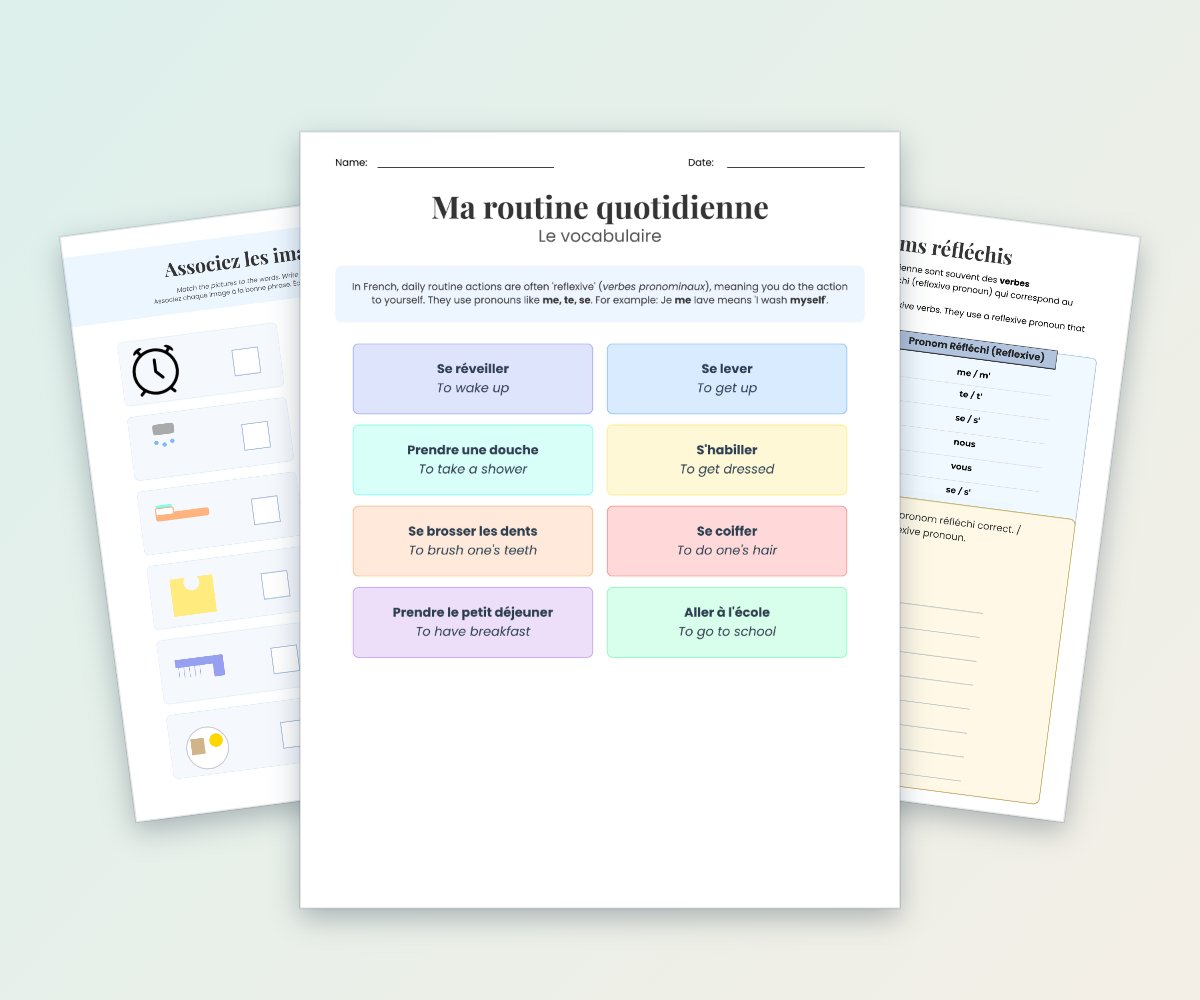
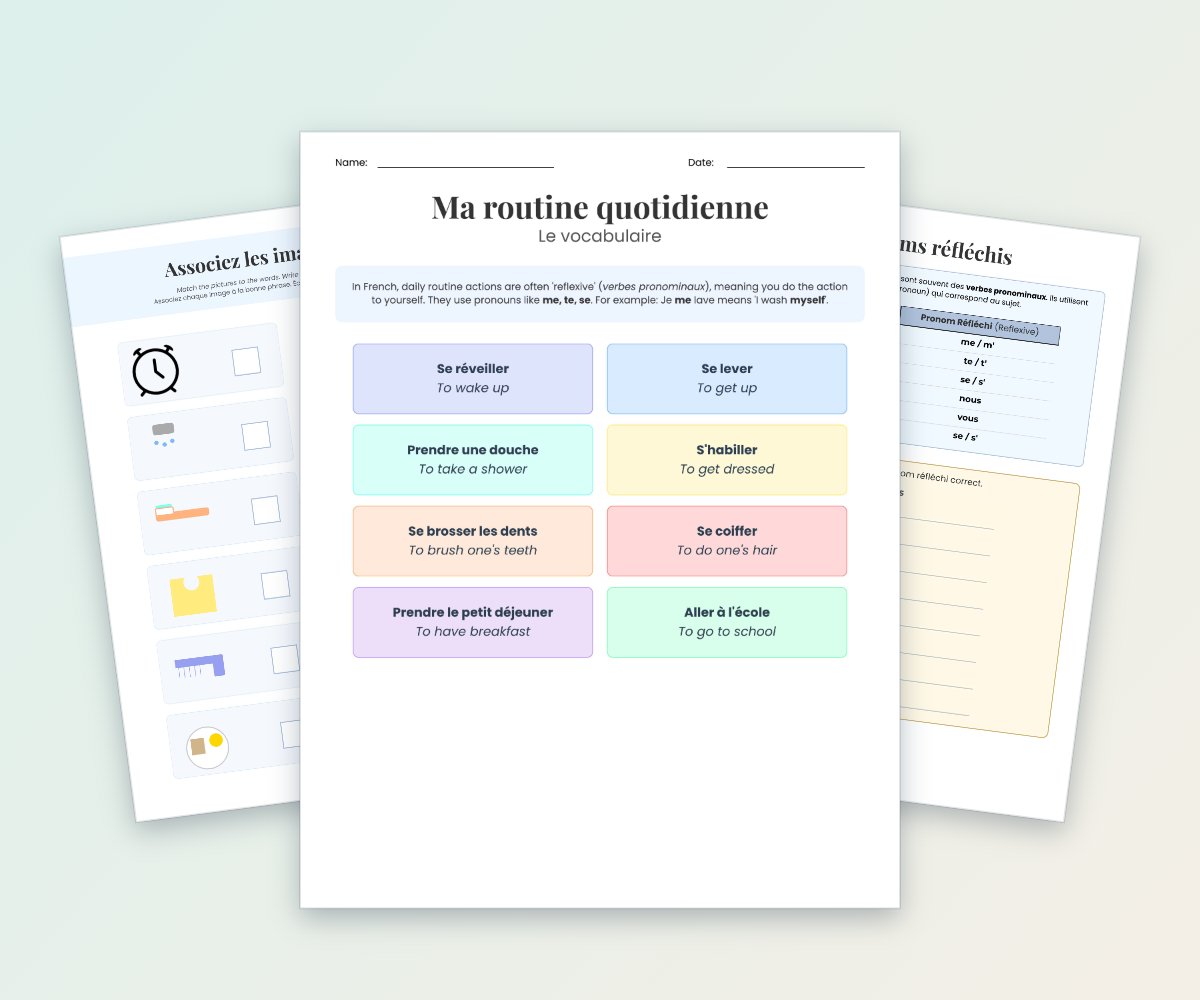
This five-page French activity pack introduces vocabulary for daily routines and practice with reflexive pronouns.
This five-page French resource introduces daily routine vocabulary and reflexive pronouns through picture matching, sentence completion, sequencing, and guided writing.
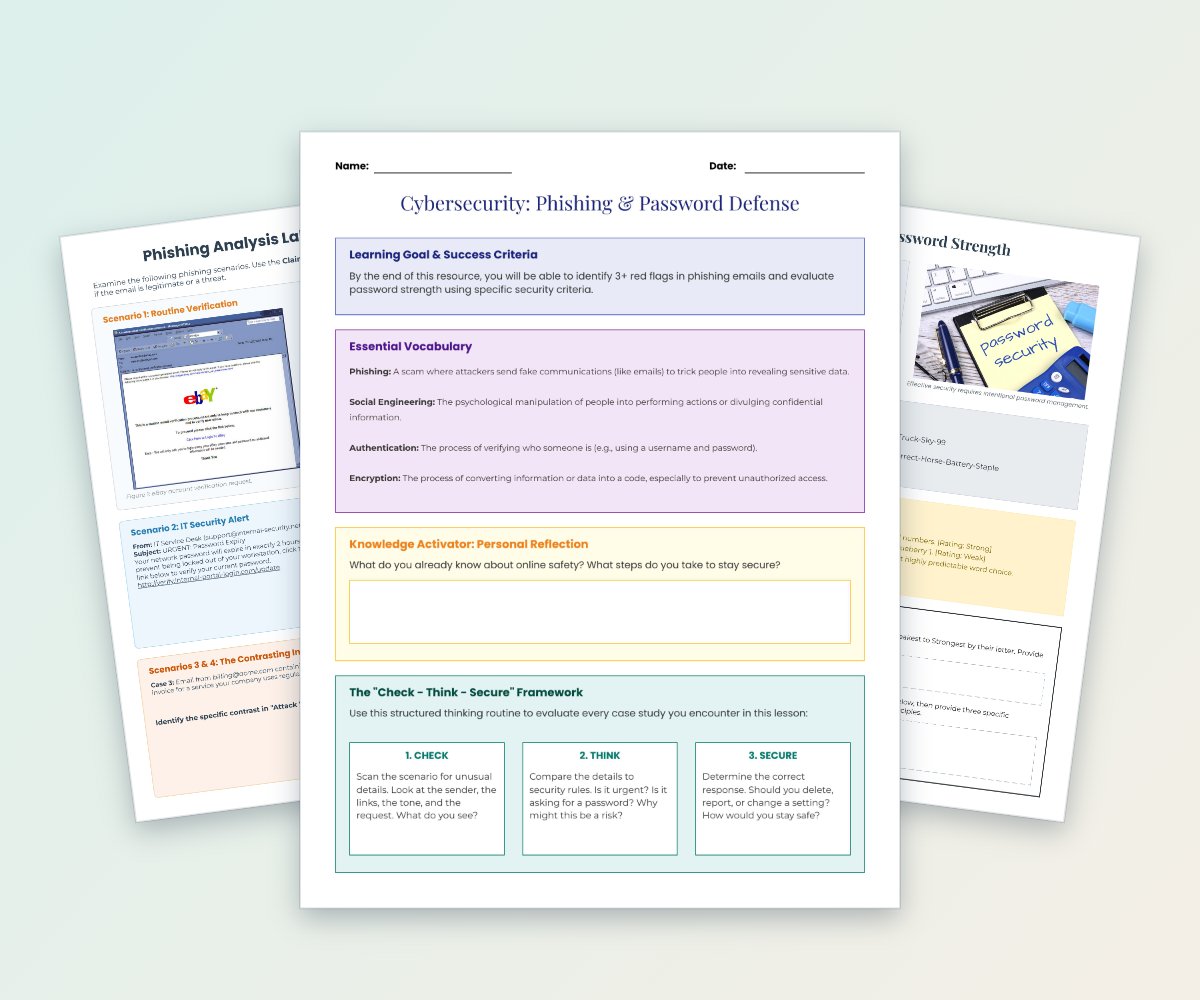
Students examine phishing scenarios, identify warning signs, and evaluate password security using the Check–Think–Secure framework.
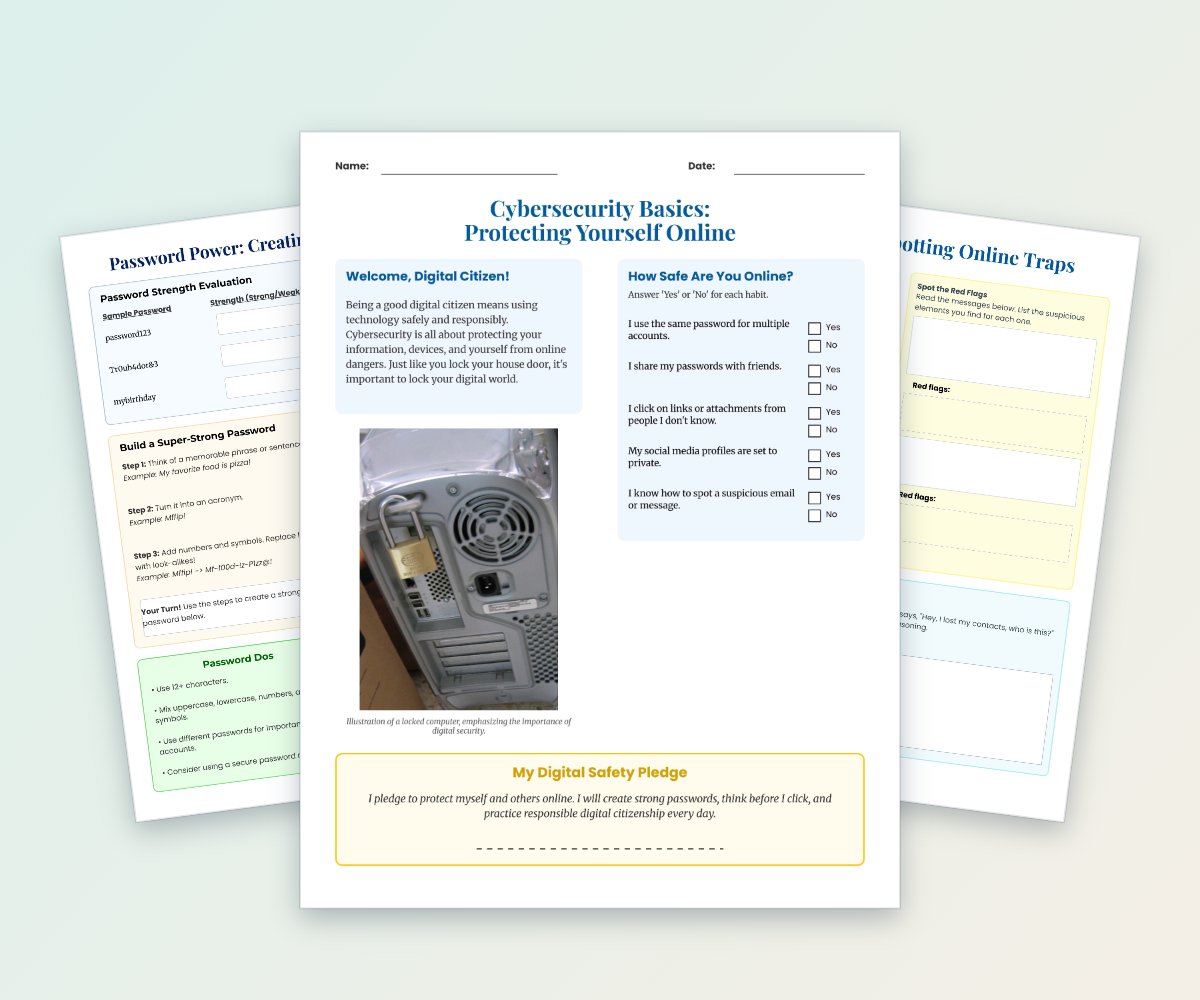
This student-friendly guide introduces cybersecurity, strong passwords, responsible digital citizenship, and phishing awareness.
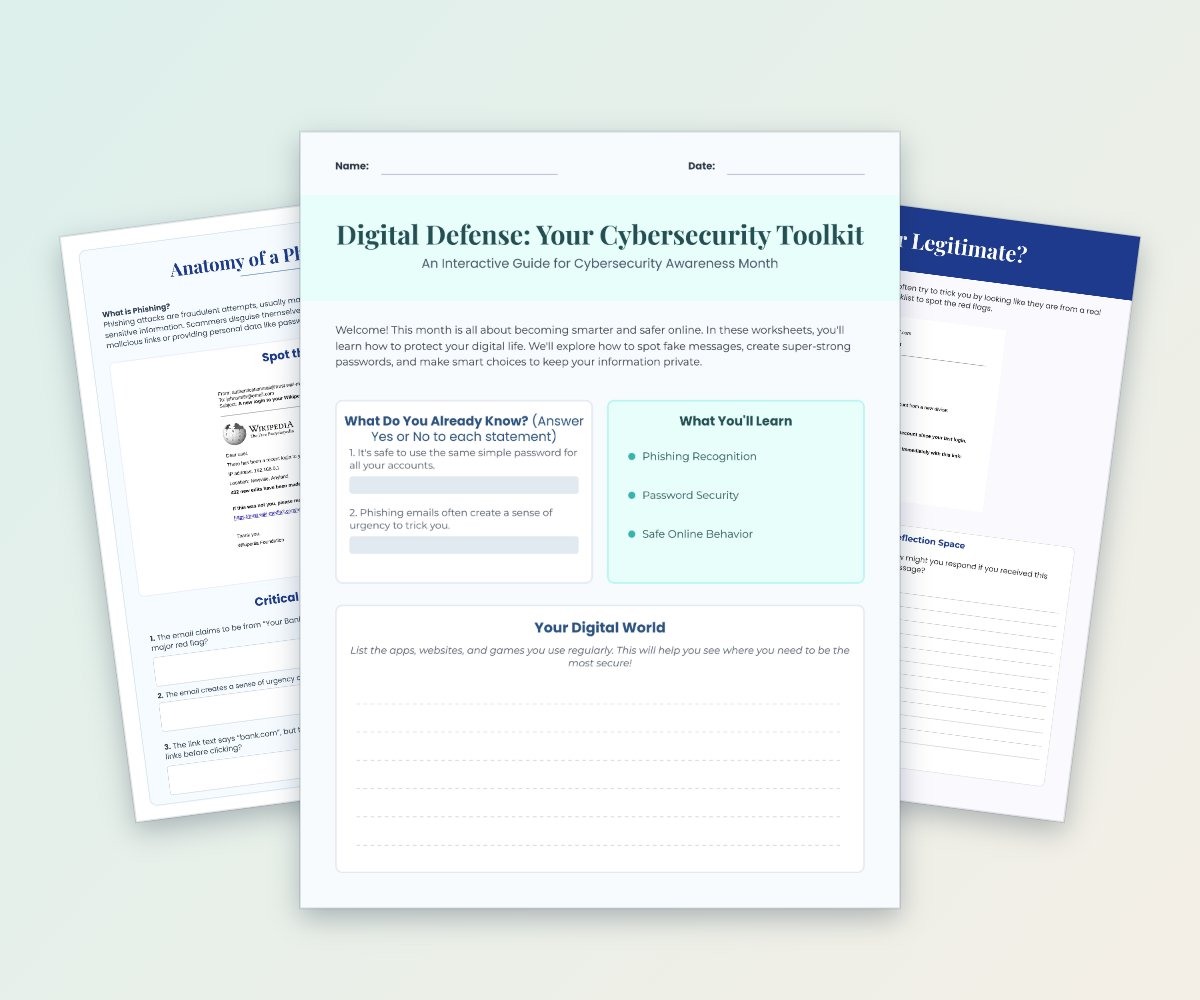
This 10-page interactive toolkit helps students recognize phishing attempts, create secure passwords, and make safer choices online.
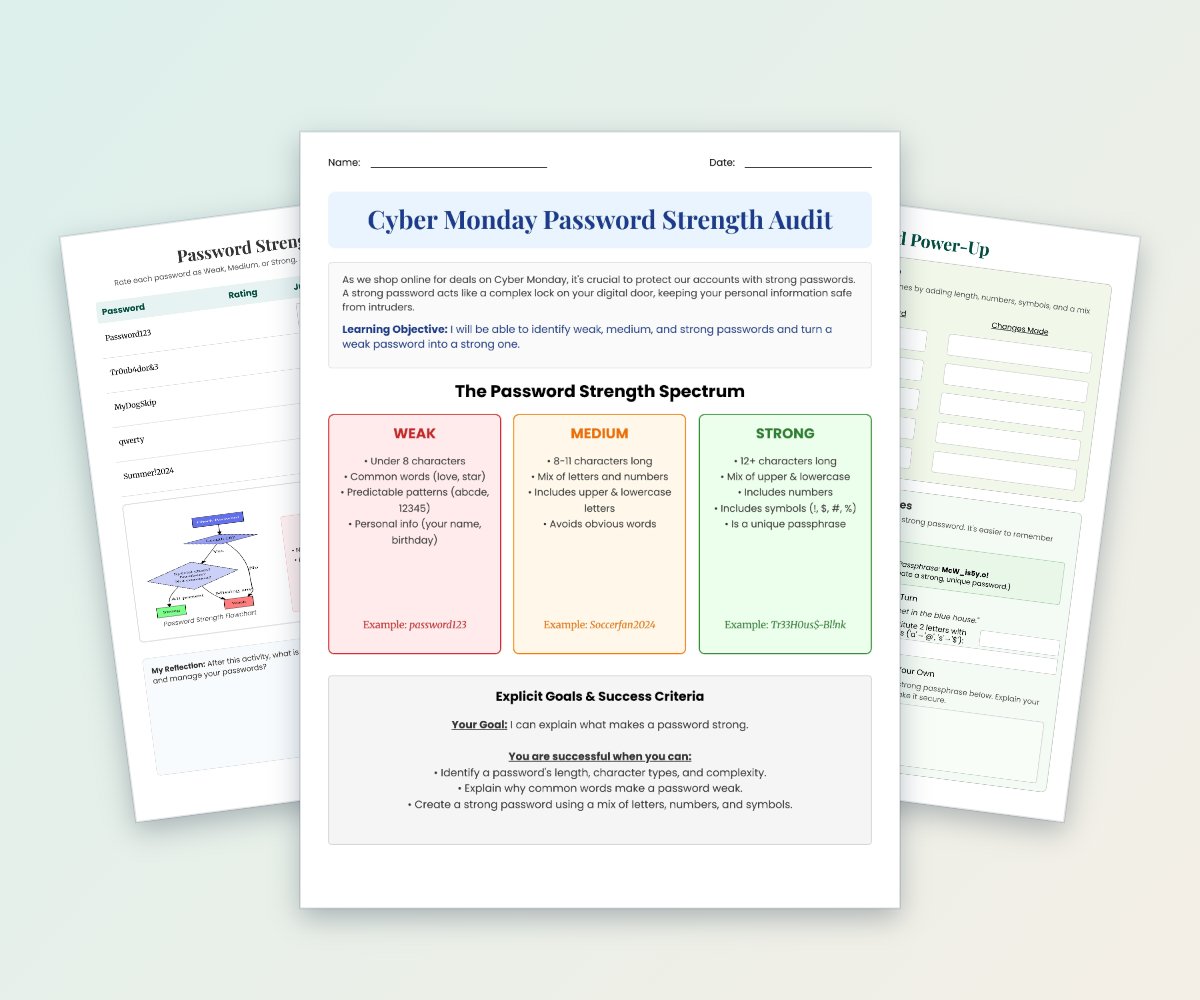
This four-page activity teaches students how to identify weak, medium, and strong passwords using length, character variety, predictability, and personal information criteria.
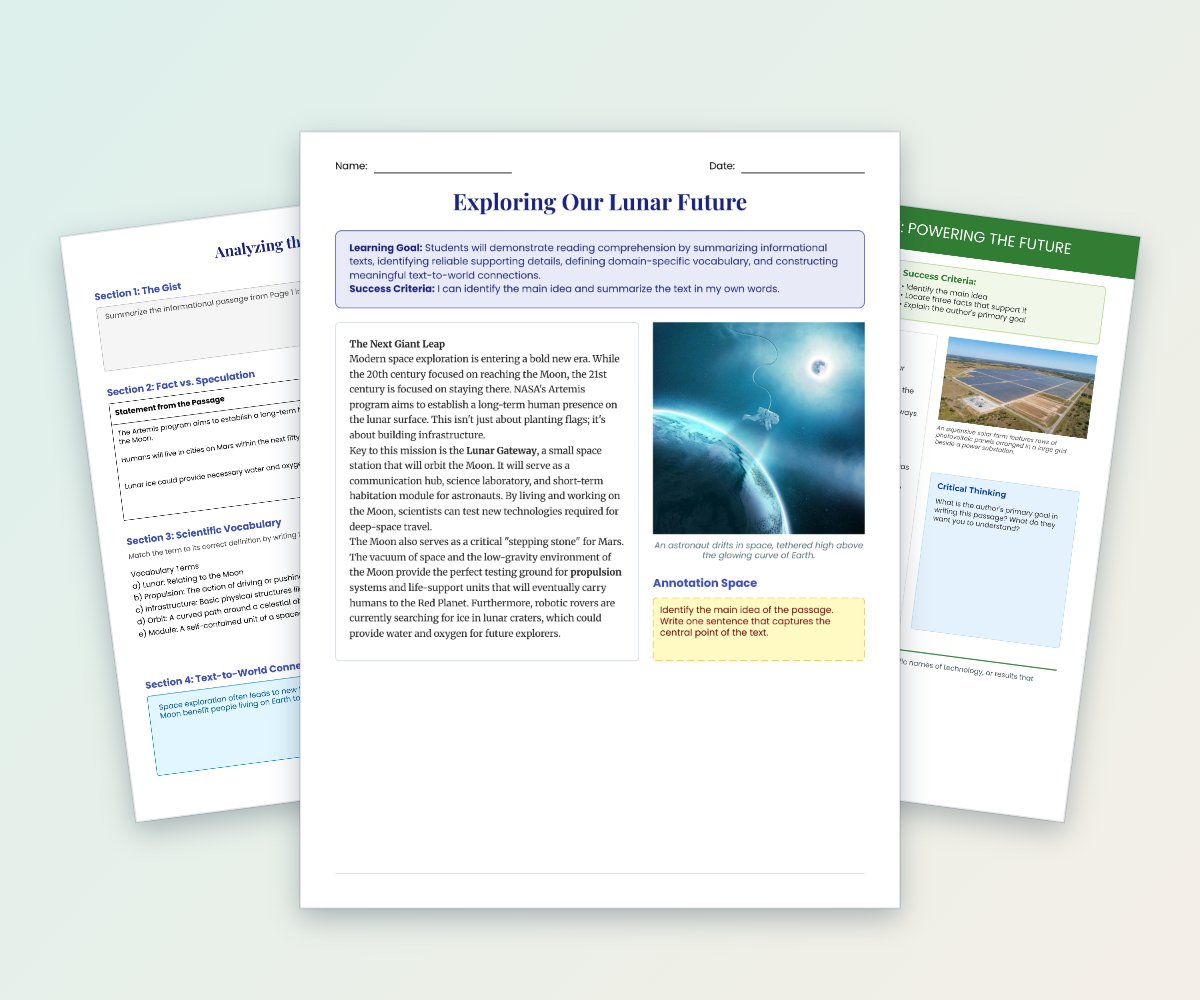
This six-page reading skills pack uses a passage about NASA’s Artemis program, the Lunar Gateway, lunar resources, and future Mars exploration.
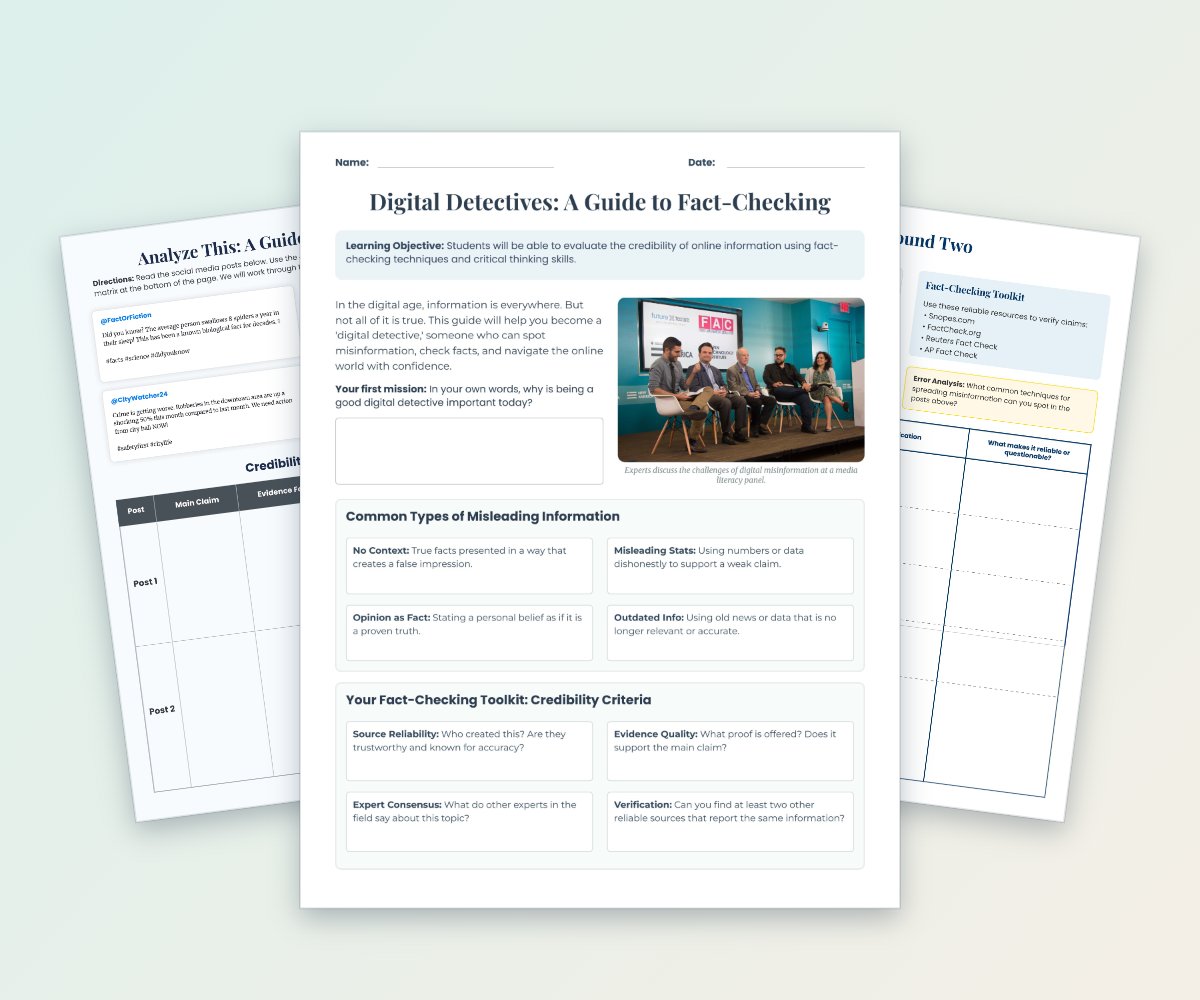
Students learn to identify misleading information, assess source reliability, cross-reference claims, and evaluate evidence.
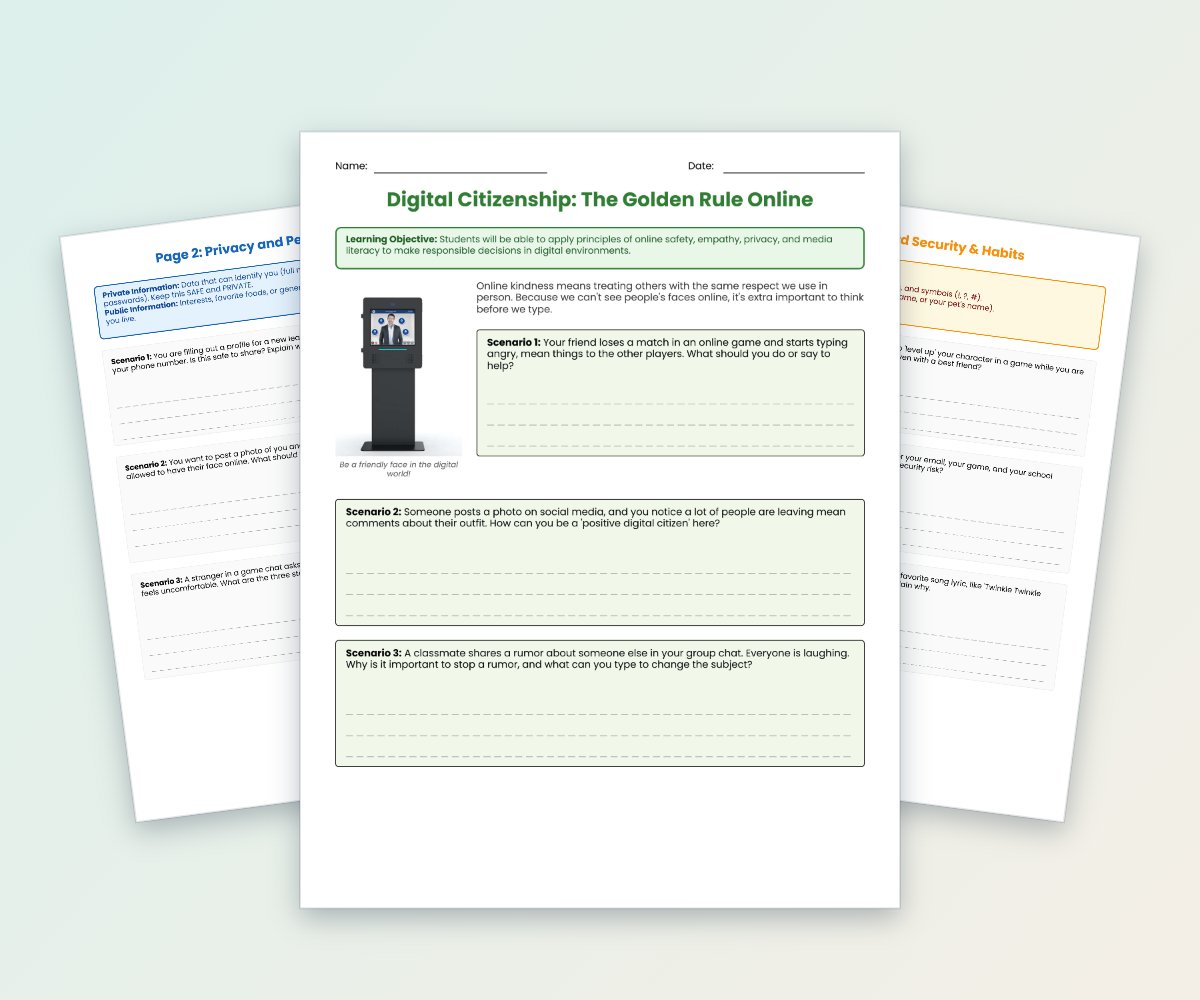
A six-page student guide teaching digital kindness, privacy protection, password security, and responsible online decision-making.
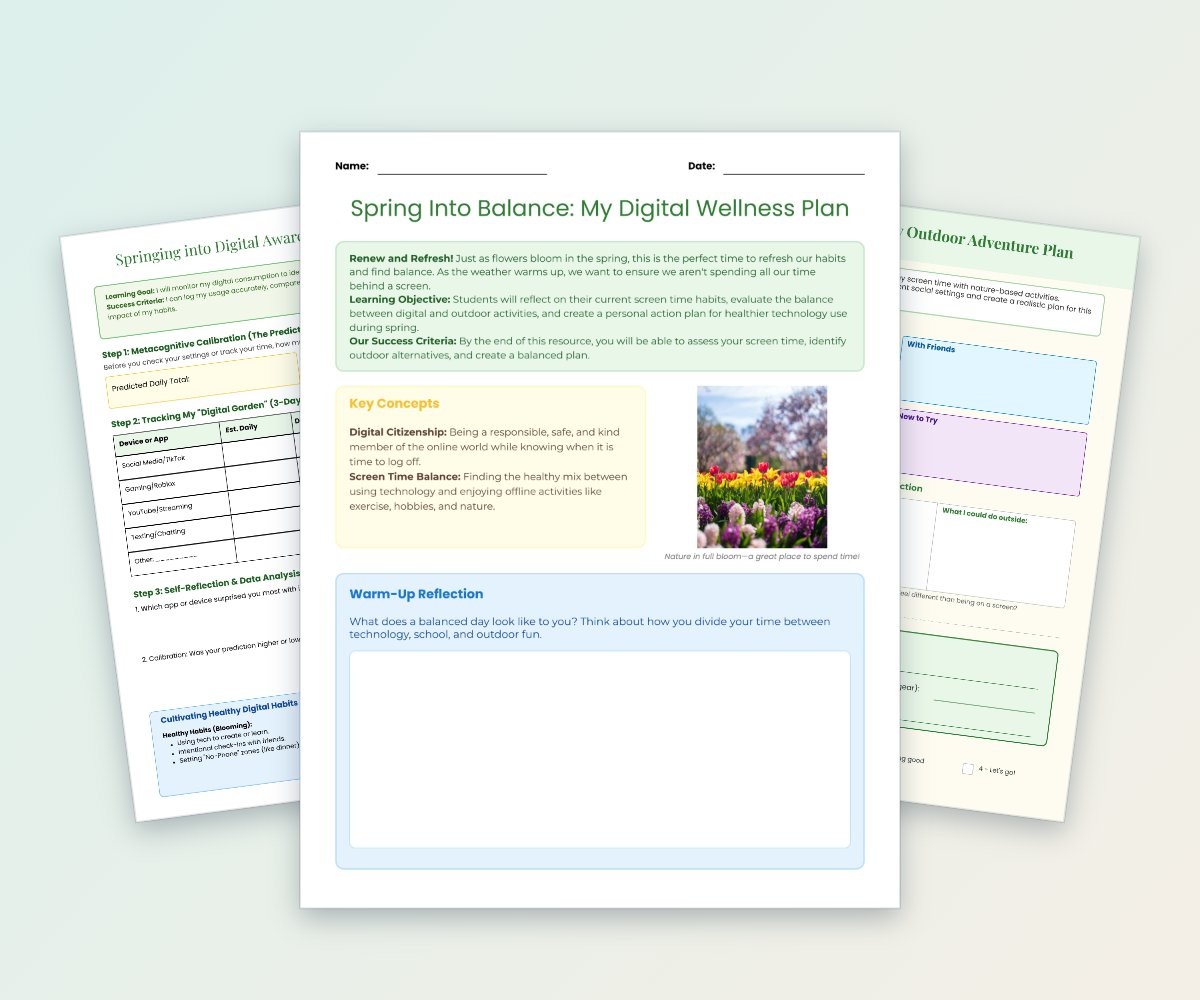
Students audit their three-day screen use, compare predictions with actual usage, and reflect on digital habits.
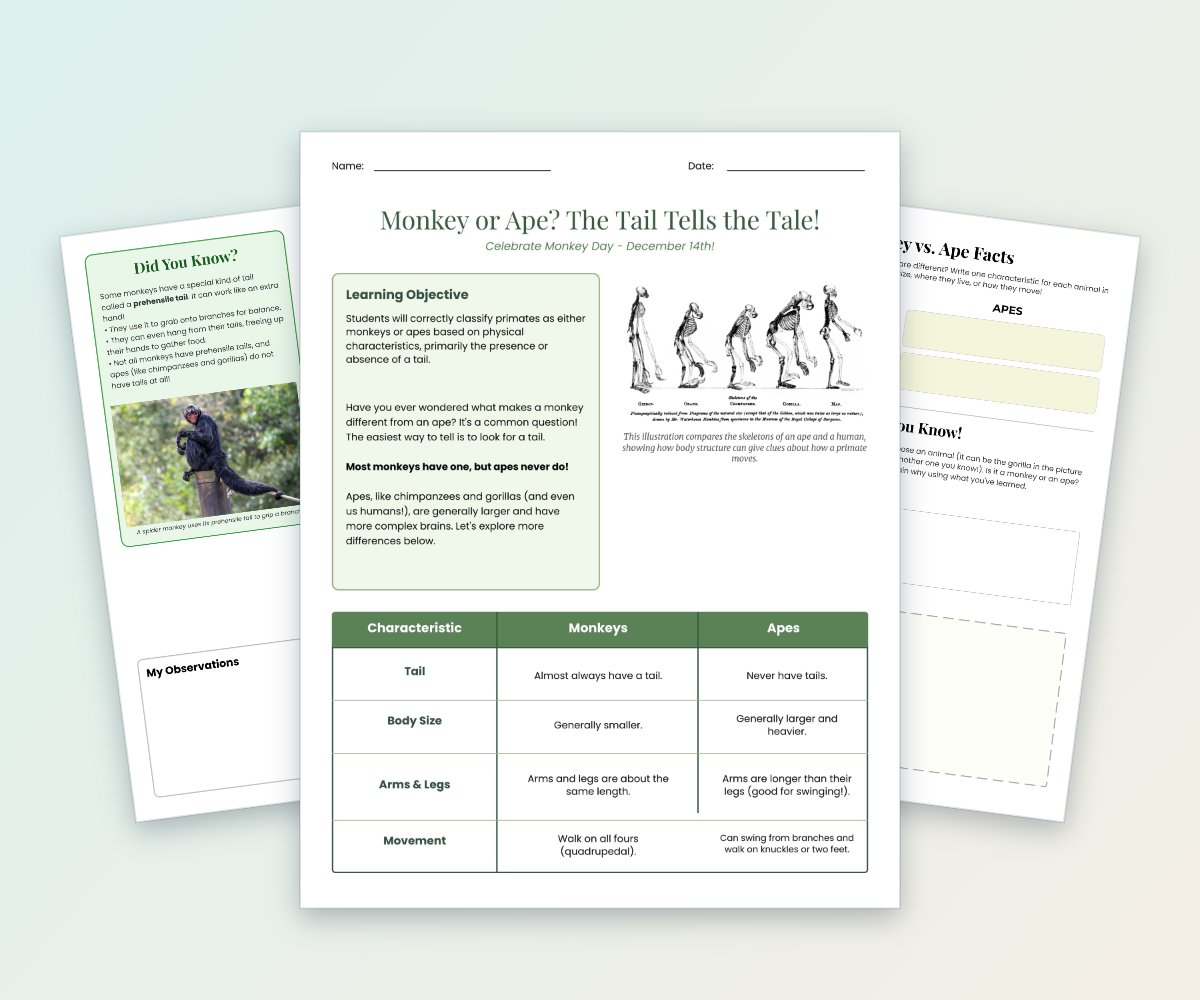
Students learn how to distinguish monkeys from apes by comparing tails, body size, limb proportions, and movement.
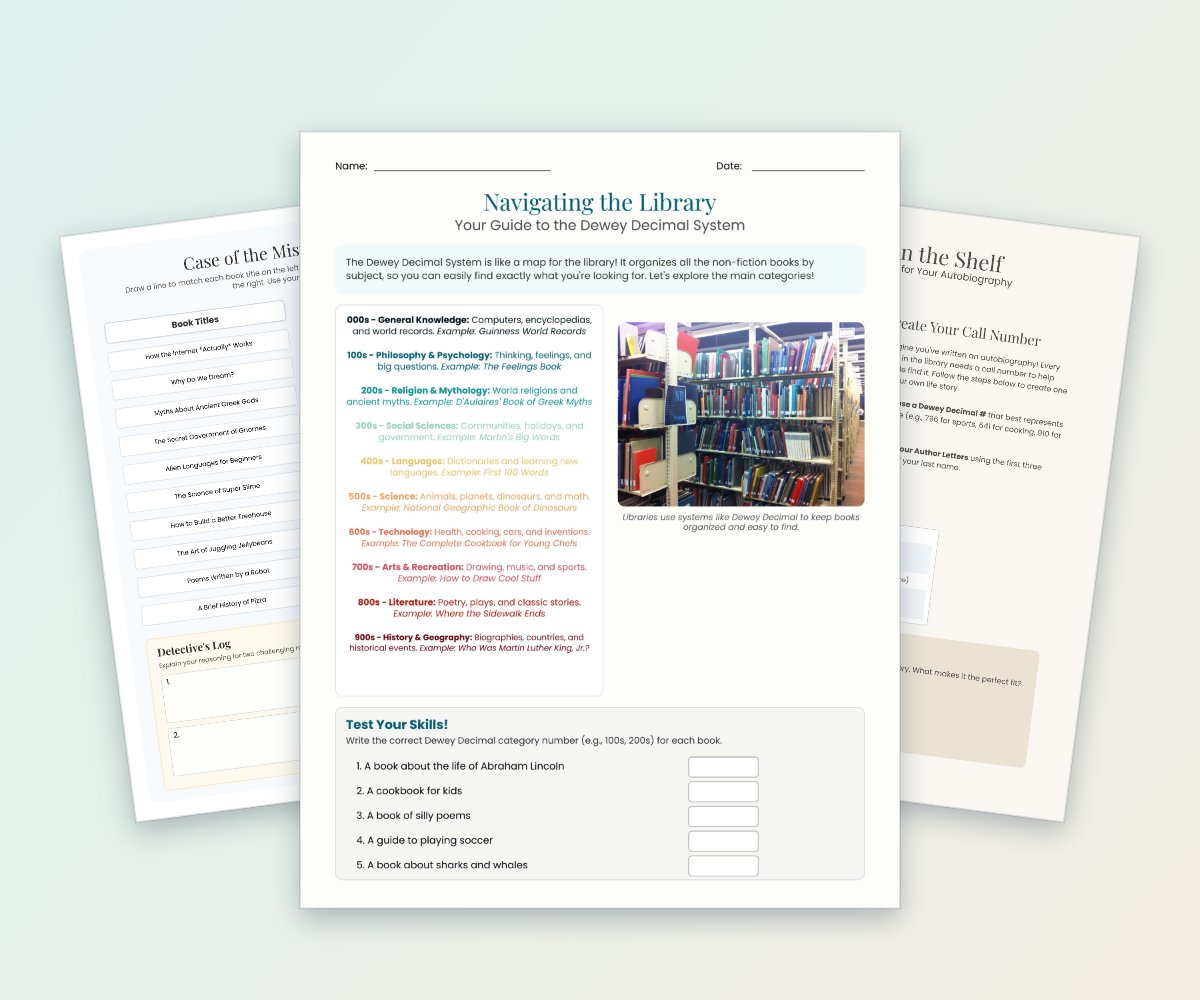
Introduce students to the ten main Dewey Decimal System categories through examples and accessible library-navigation explanations.
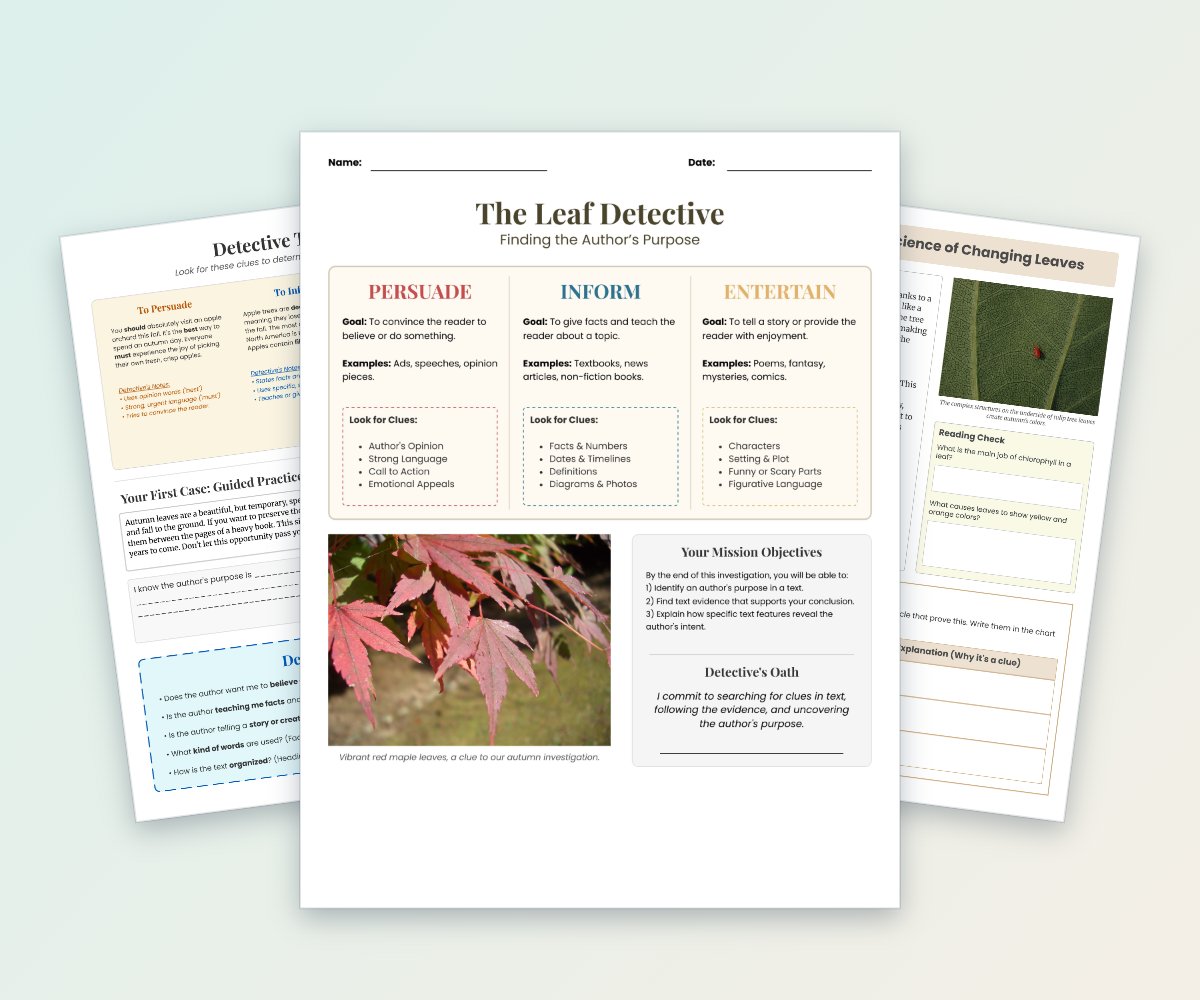
Students investigate whether texts are written to persuade, inform, or entertain using detective-themed examples and text clues.