Grade 6 Visual Art Long-Range Plan
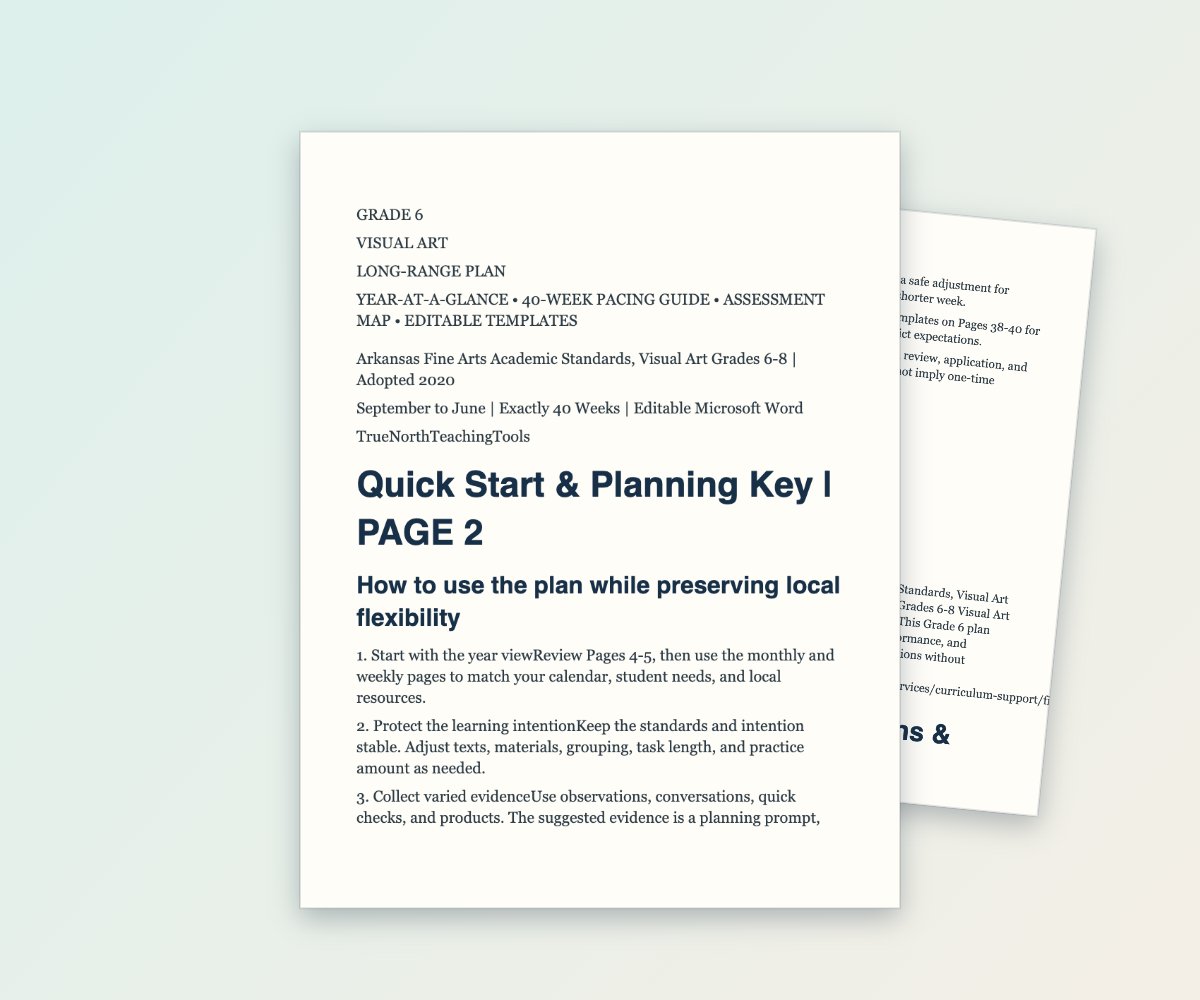
This editable 40-week visual arts long-range plan provides a September-to-June pacing guide, year-at-a-glance overview, assessment map, weekly intentions, evidence suggestions, and flexibility notes.
$5
Classroom-ready resources written for grade 6: printable worksheets, slides, activities and planning tools you can download and use straight away. Browse by subject below.
This editable 40-week visual arts long-range plan provides a September-to-June pacing guide, year-at-a-glance overview, assessment map, weekly intentions, evidence suggestions, and flexibility notes.
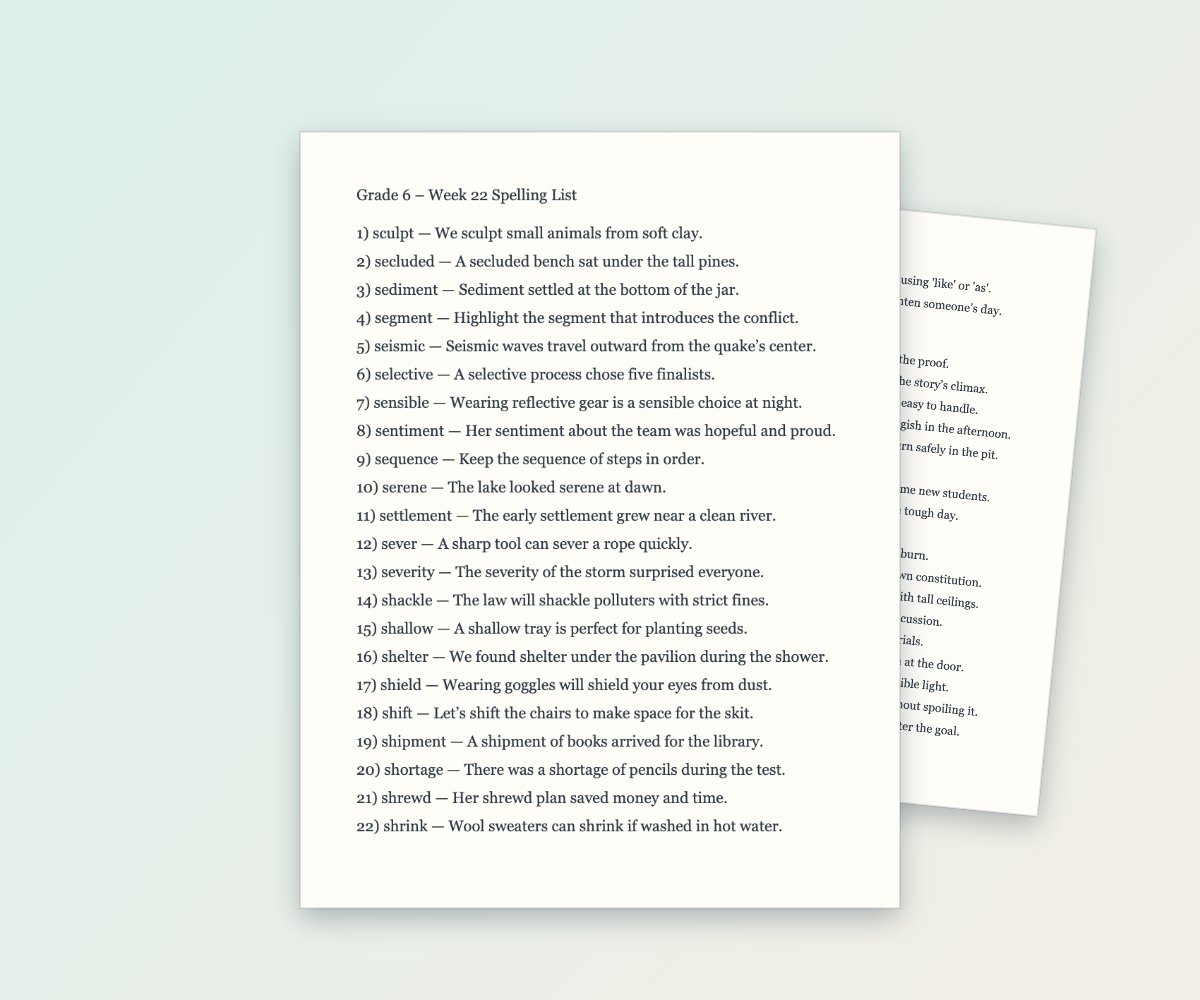
This nine-page resource provides Grade 6 spelling lists for Weeks 22–30, with 25 vocabulary words per week and contextual sentences.
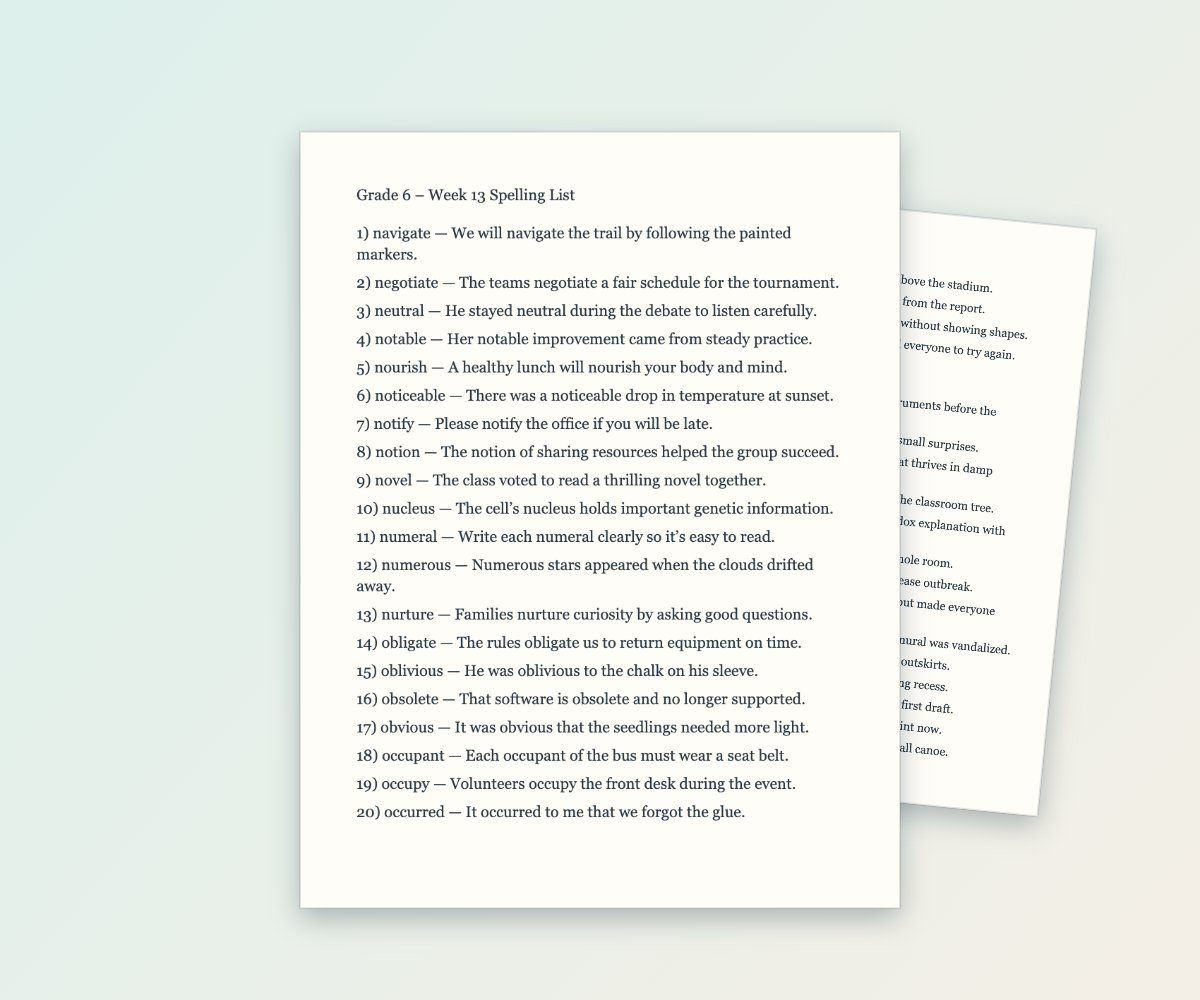
This nine-week Grade 6 spelling resource provides weekly word lists with contextual sentences for Weeks 13–21.
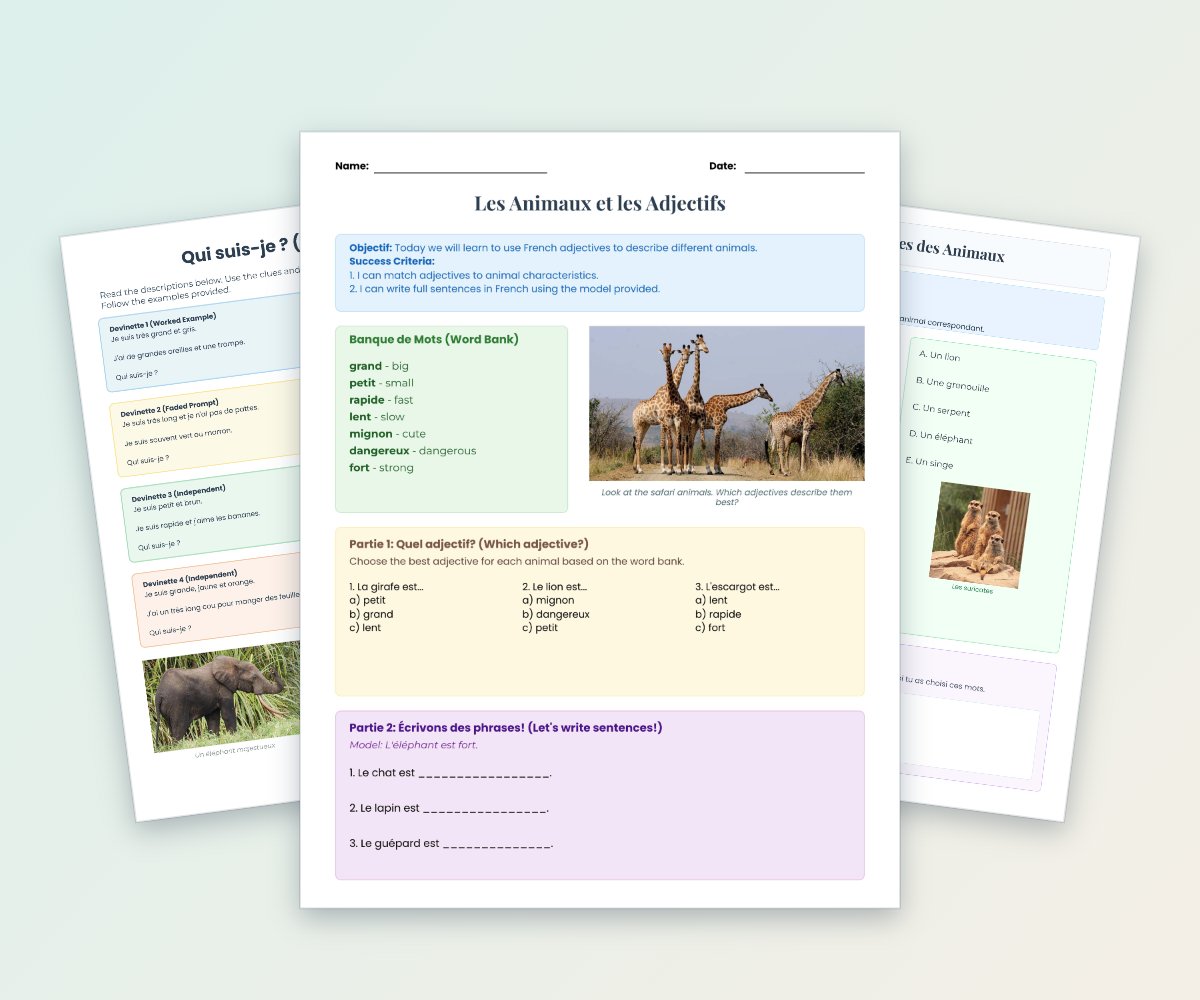
Students practice French animal vocabulary and descriptive adjectives through matching, sentence completion, animal riddles, translation, and creative writing.
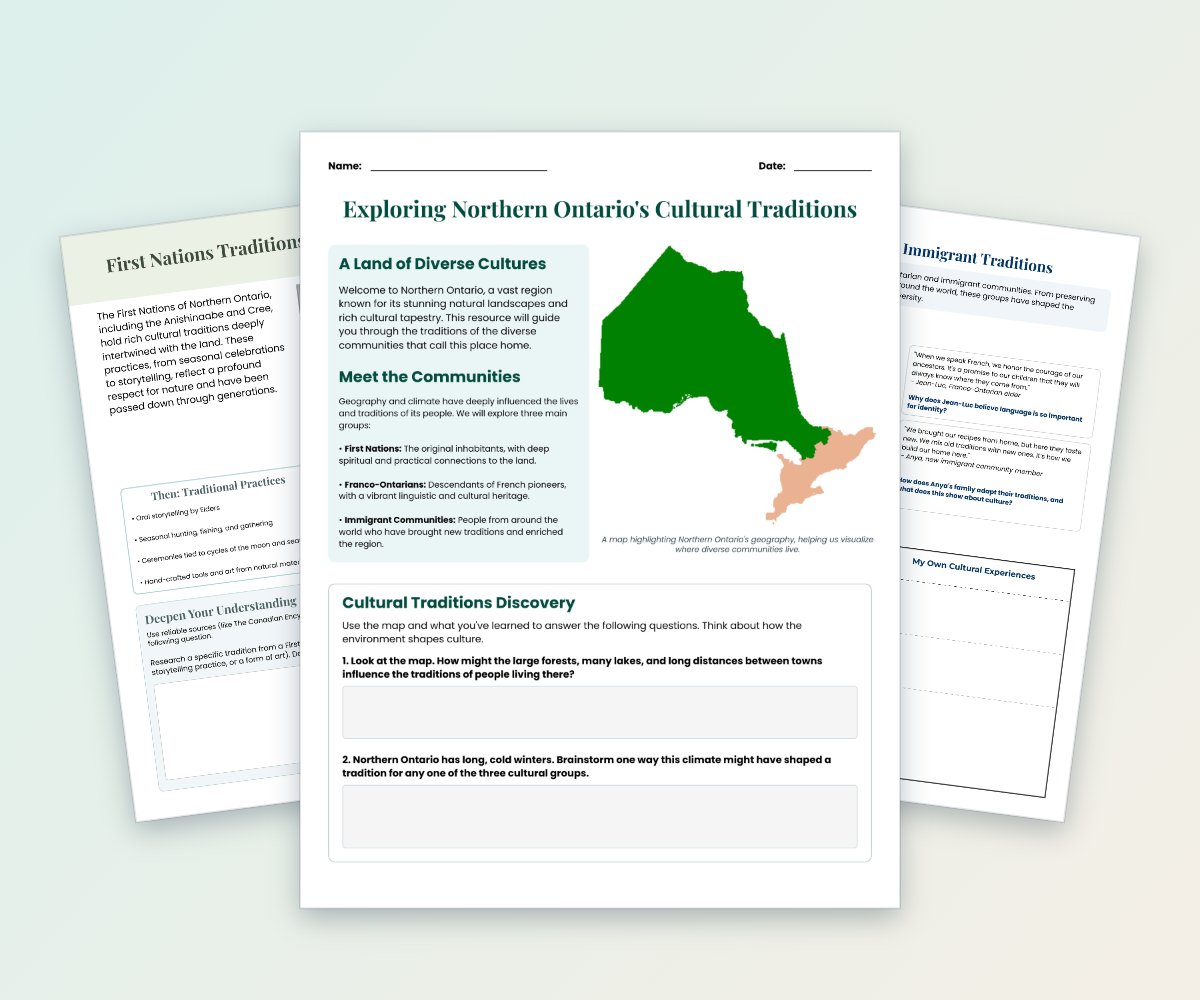
Students explore how geography and climate influence cultural traditions in Northern Ontario.
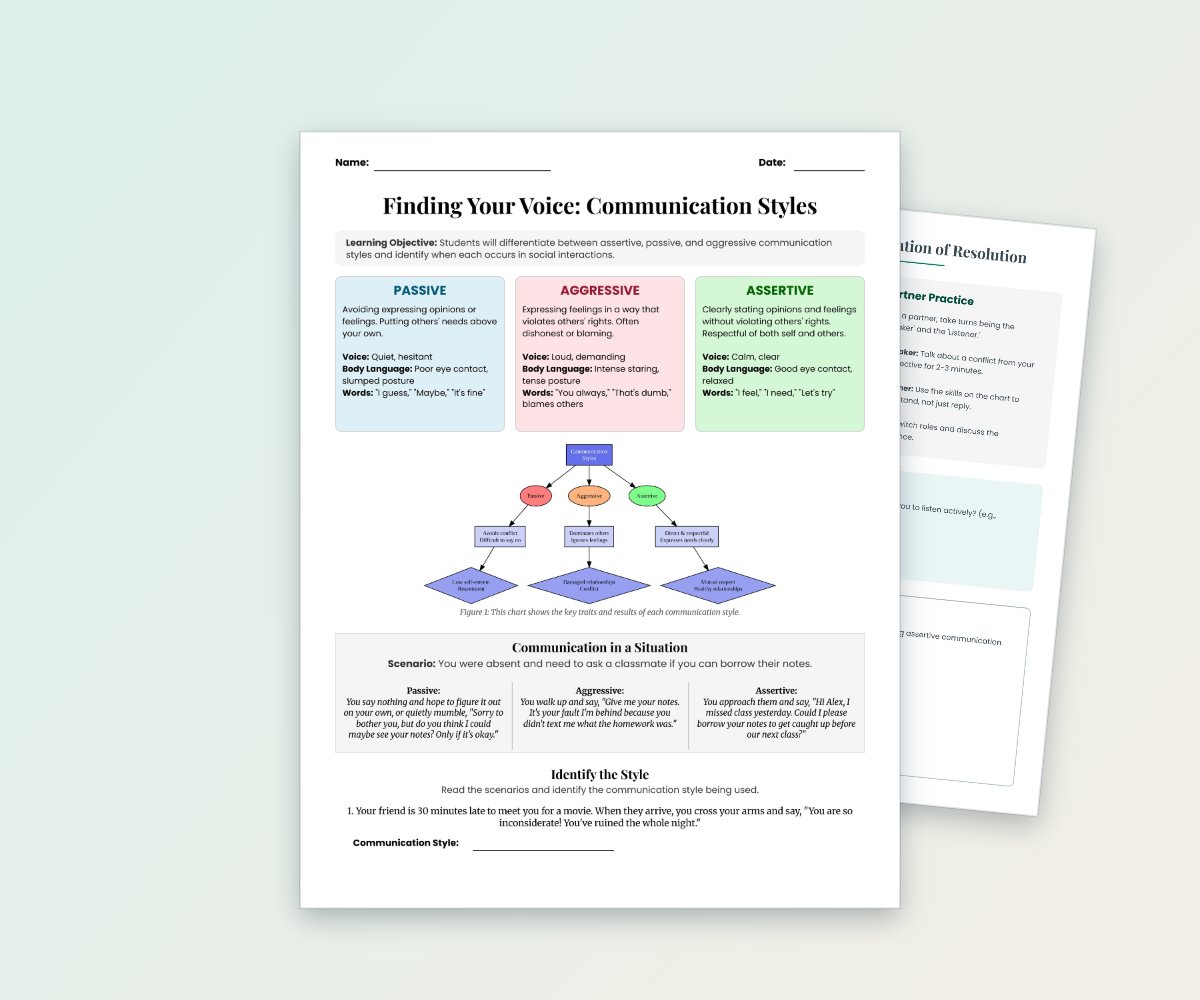
Students learn to distinguish passive, aggressive, and assertive communication through definitions, examples, and a school-based scenario.
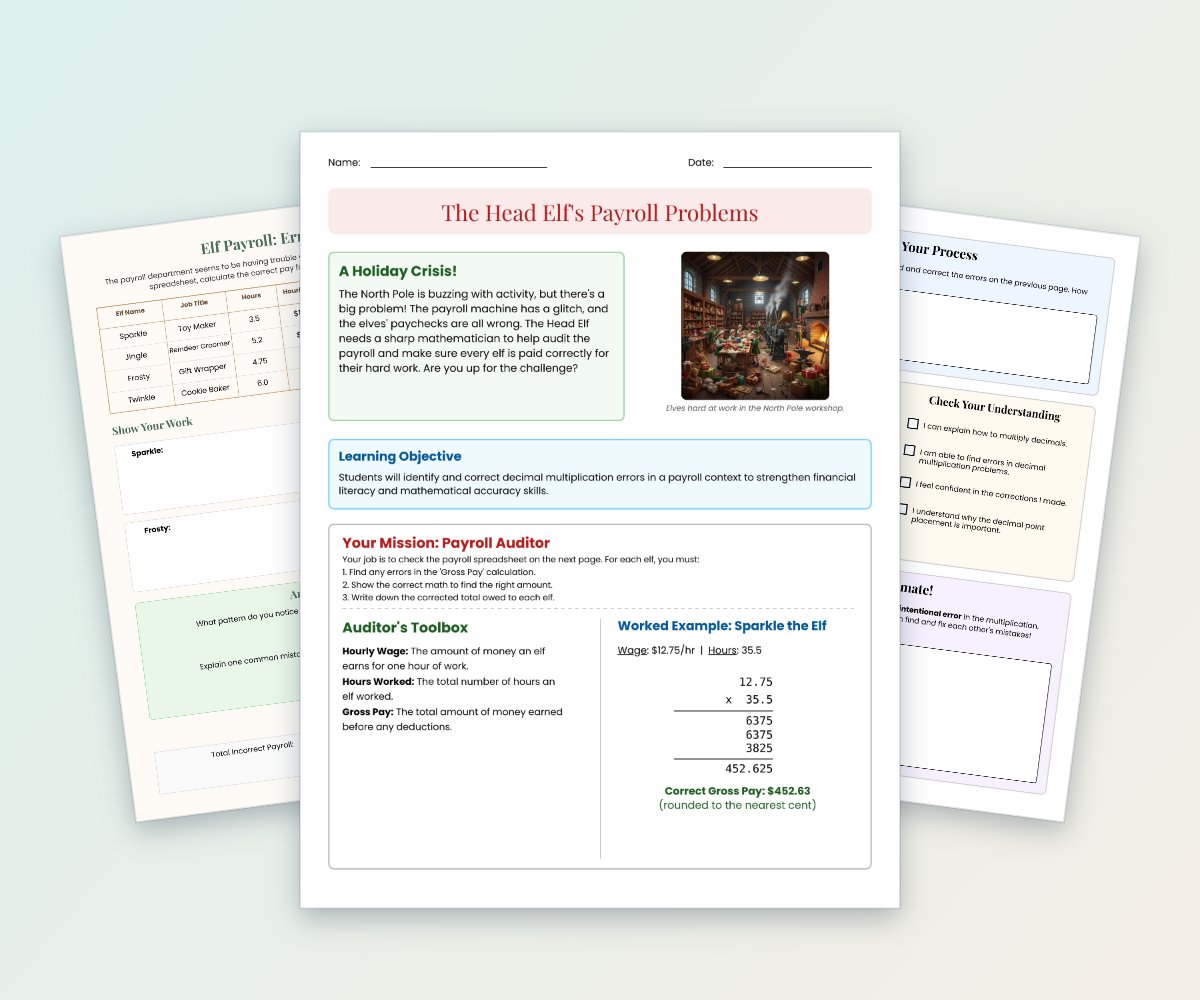
Students audit a fictional elf payroll spreadsheet by identifying multiplication errors, calculating corrected gross pay, and explaining their methods.
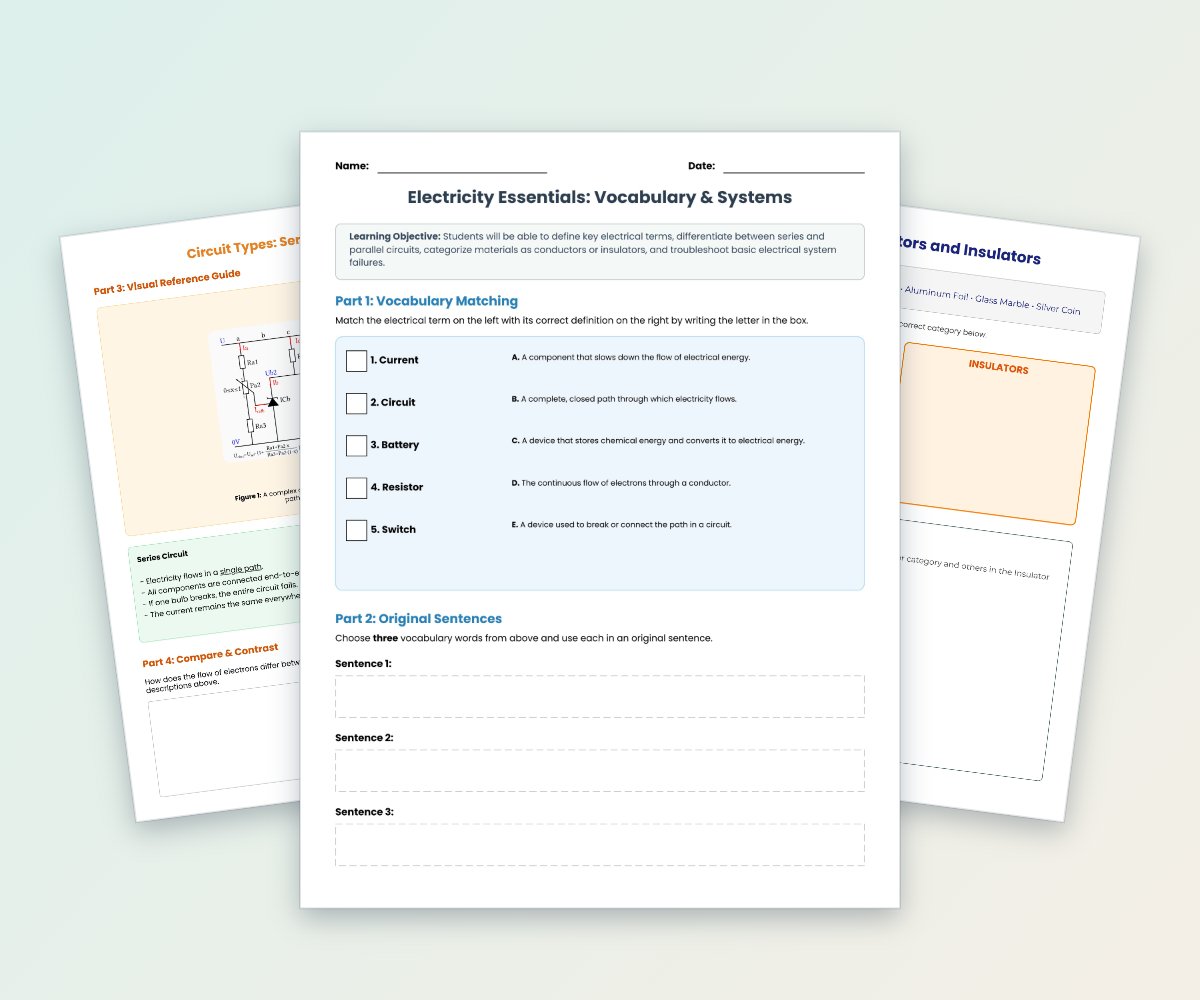
This six-page science workbook introduces essential electricity vocabulary, series and parallel circuits, conductors, and insulators.
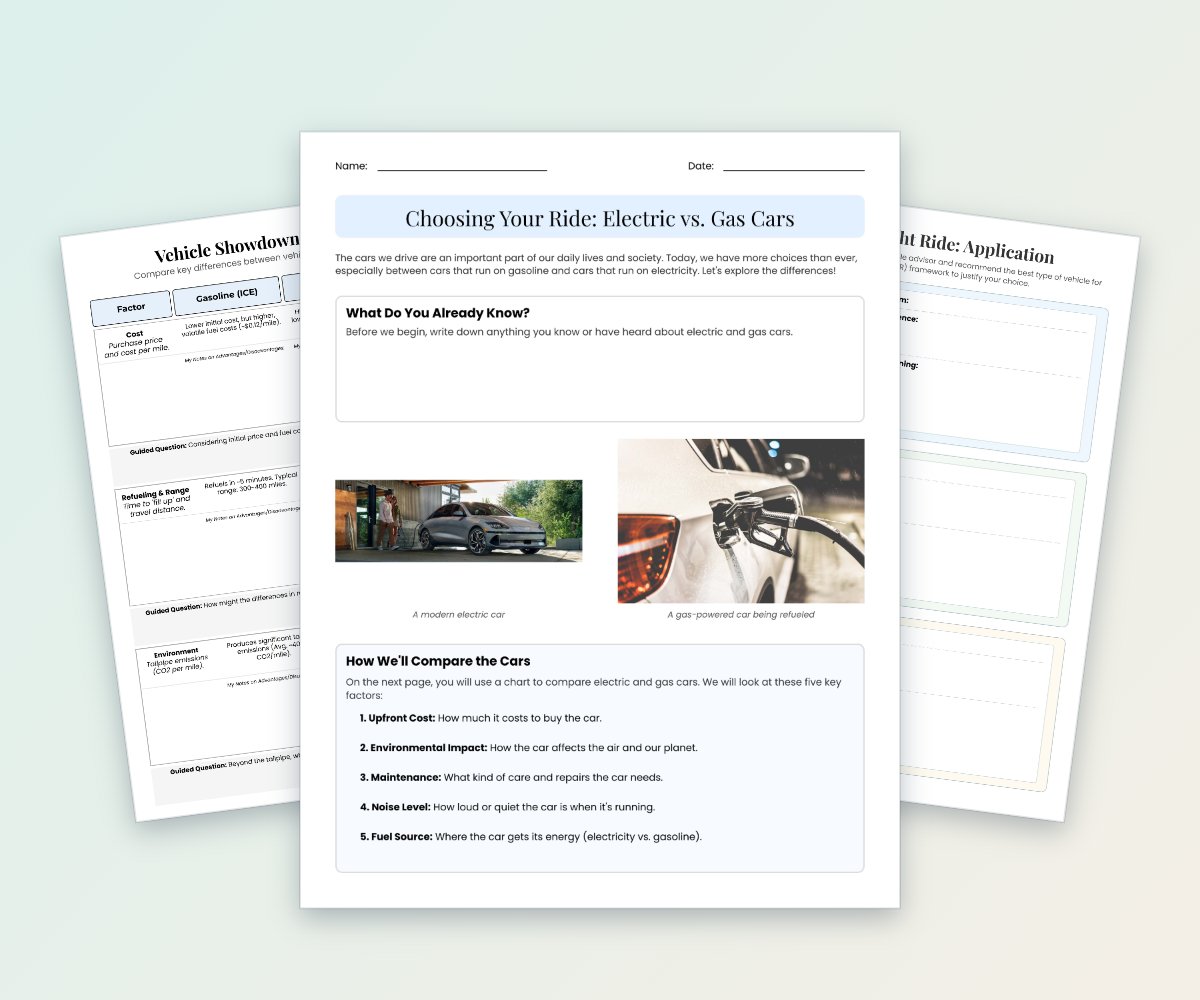
Students compare gasoline, electric, and hybrid vehicles using factors such as cost, range, maintenance, noise, fuel source, and environmental impact.
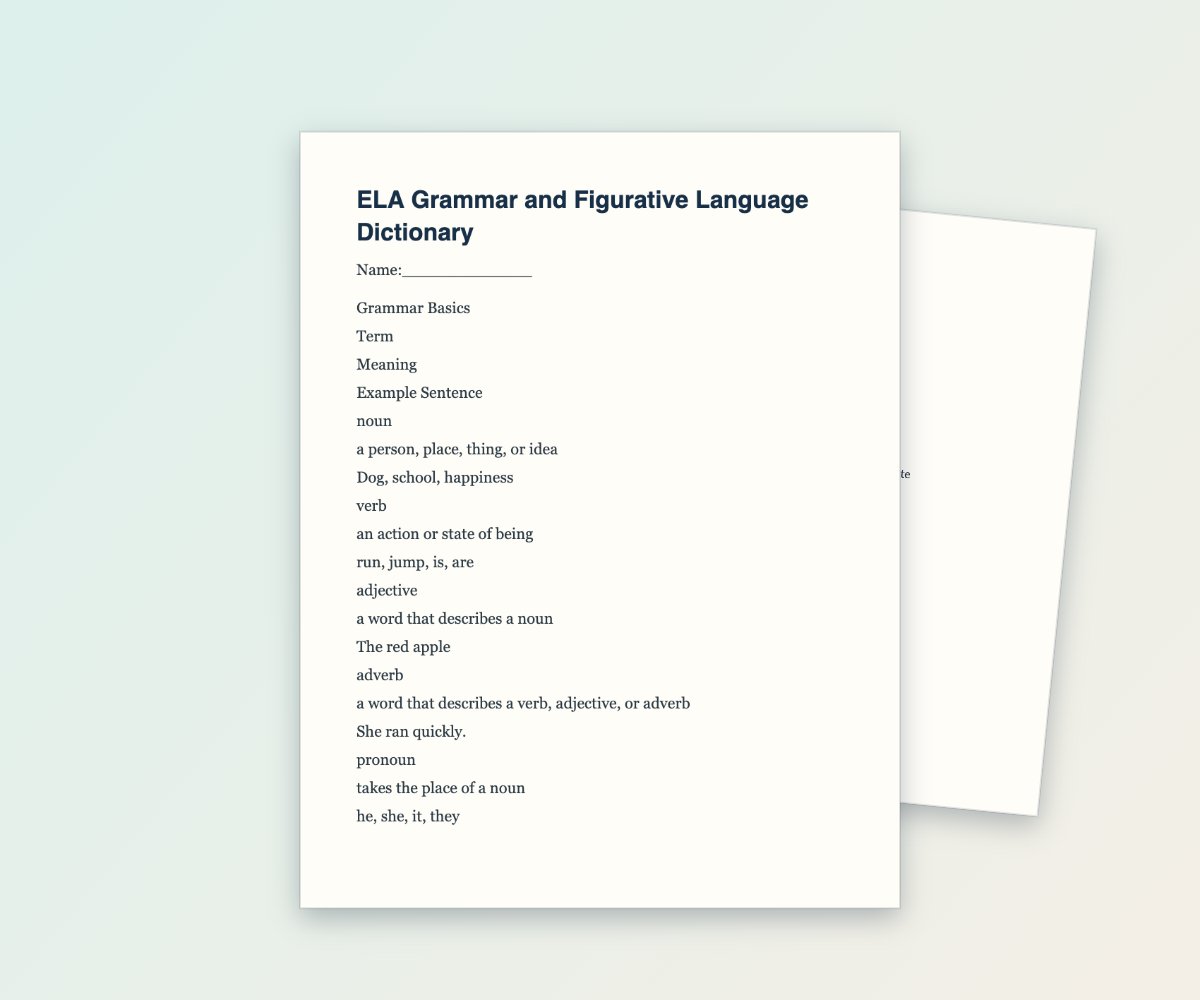
This two-page reference dictionary explains essential grammar, sentence structure, punctuation, writing terminology, and figurative language devices.
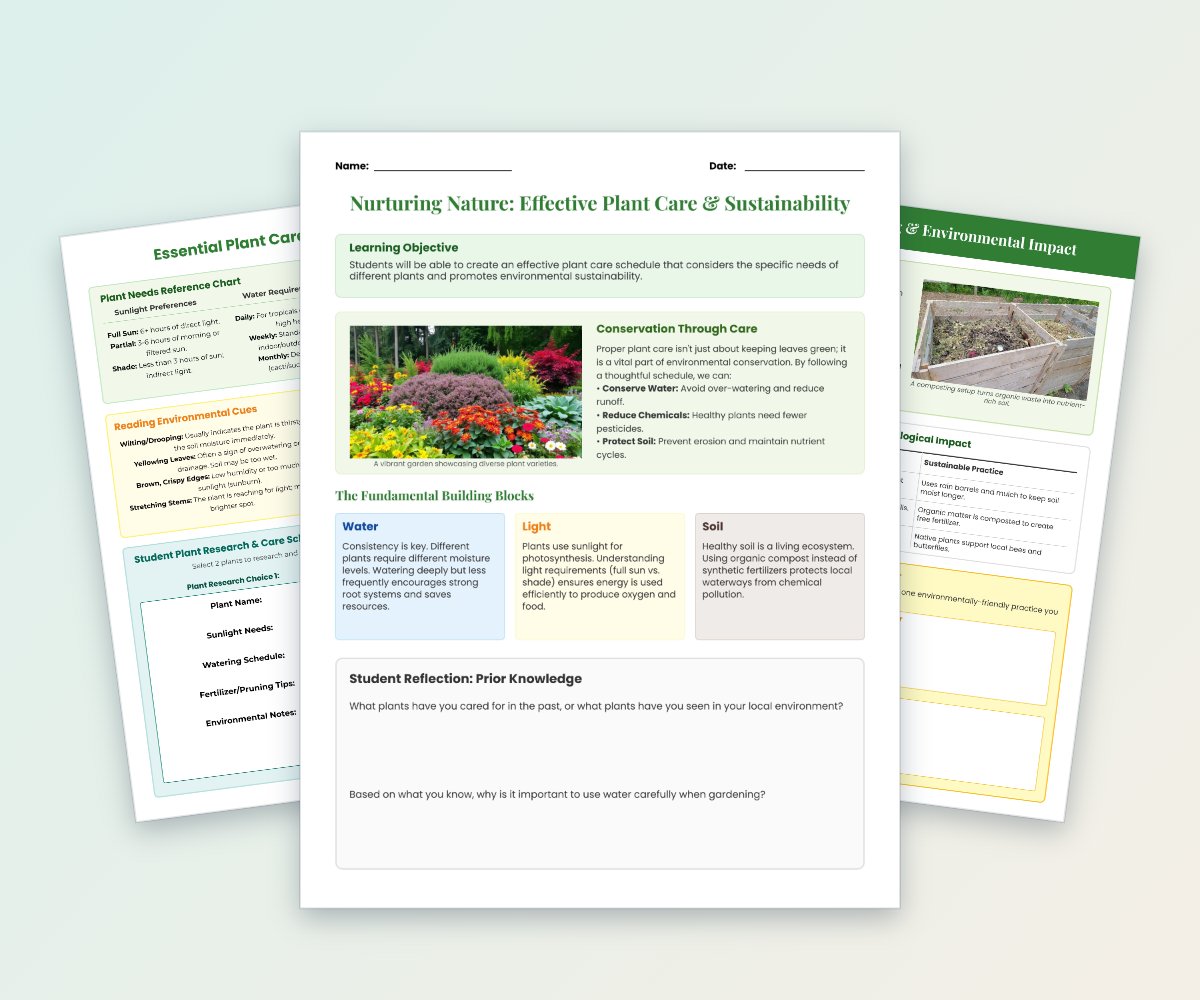
Students learn how water, light, soil, and seasonal conditions affect plant health while connecting care practices to environmental conservation.
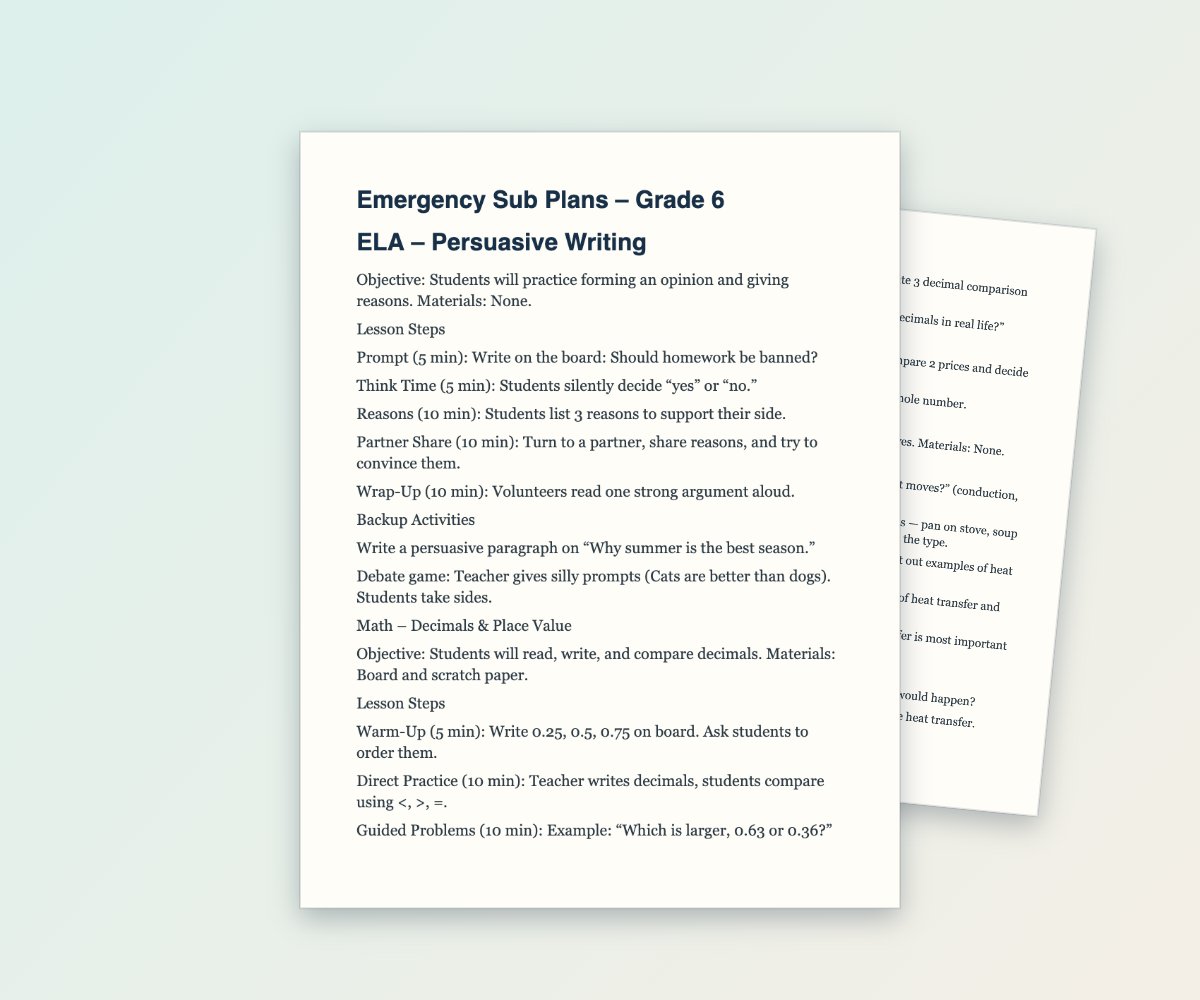
This two-page emergency substitute plan includes ready-to-use lessons and backup activities in persuasive writing, decimals, heat transfer, and Canadian rights and responsibilities.
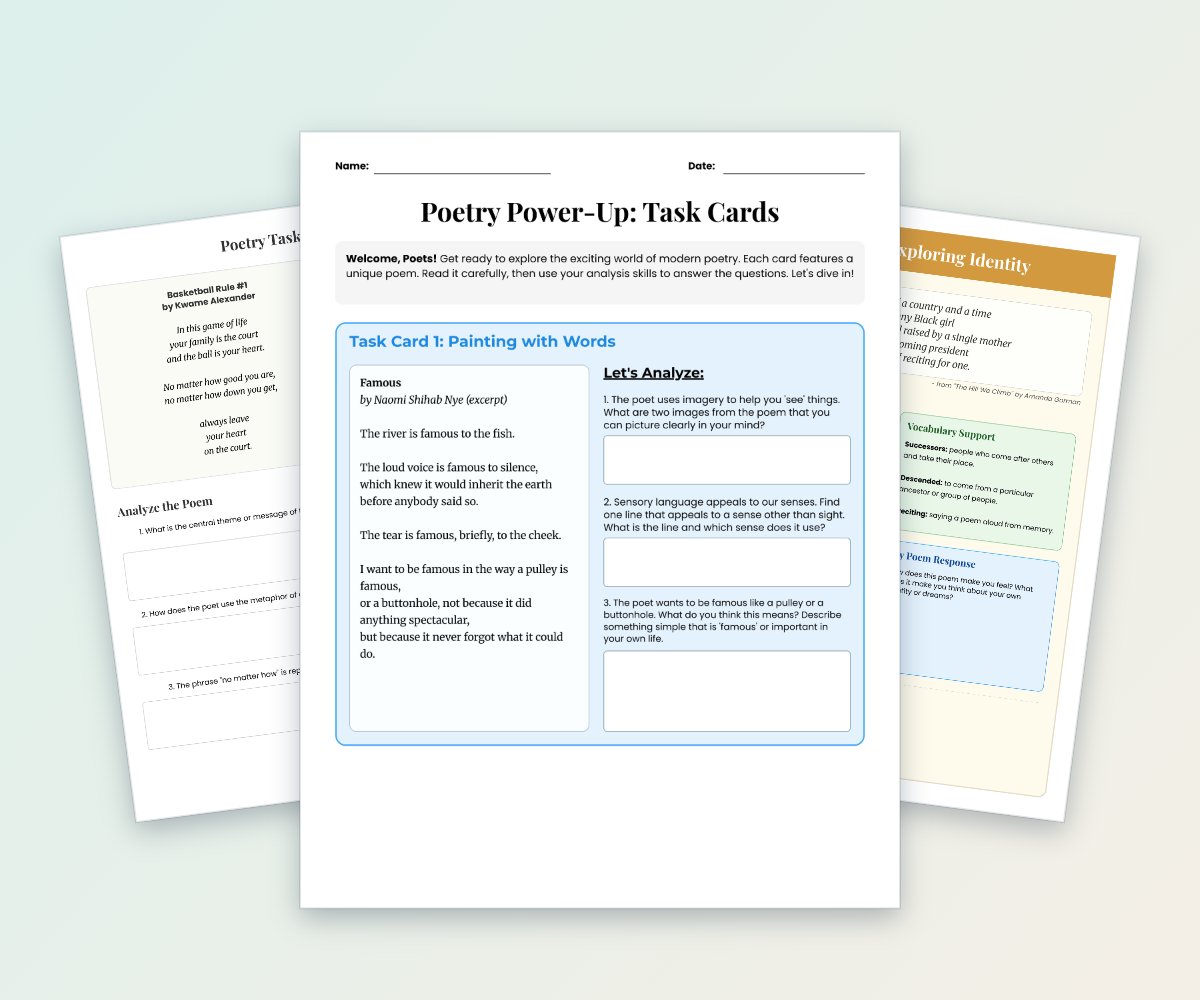
Students analyze contemporary poetry excerpts by examining imagery, sensory language, metaphor, repetition, tone, and theme.
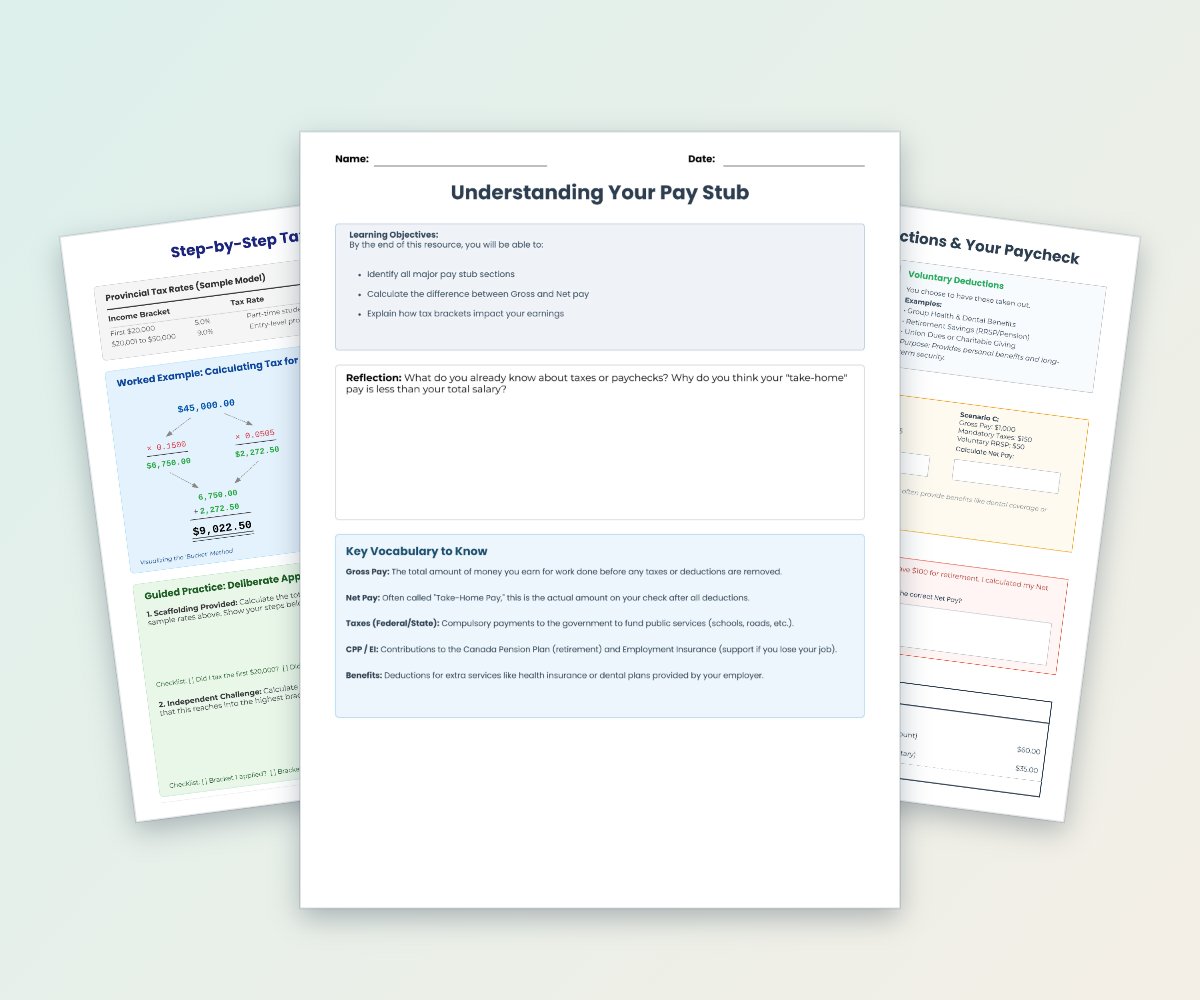
This worksheet introduces gross pay, net pay, tax brackets, CPP, Employment Insurance, and workplace benefits.
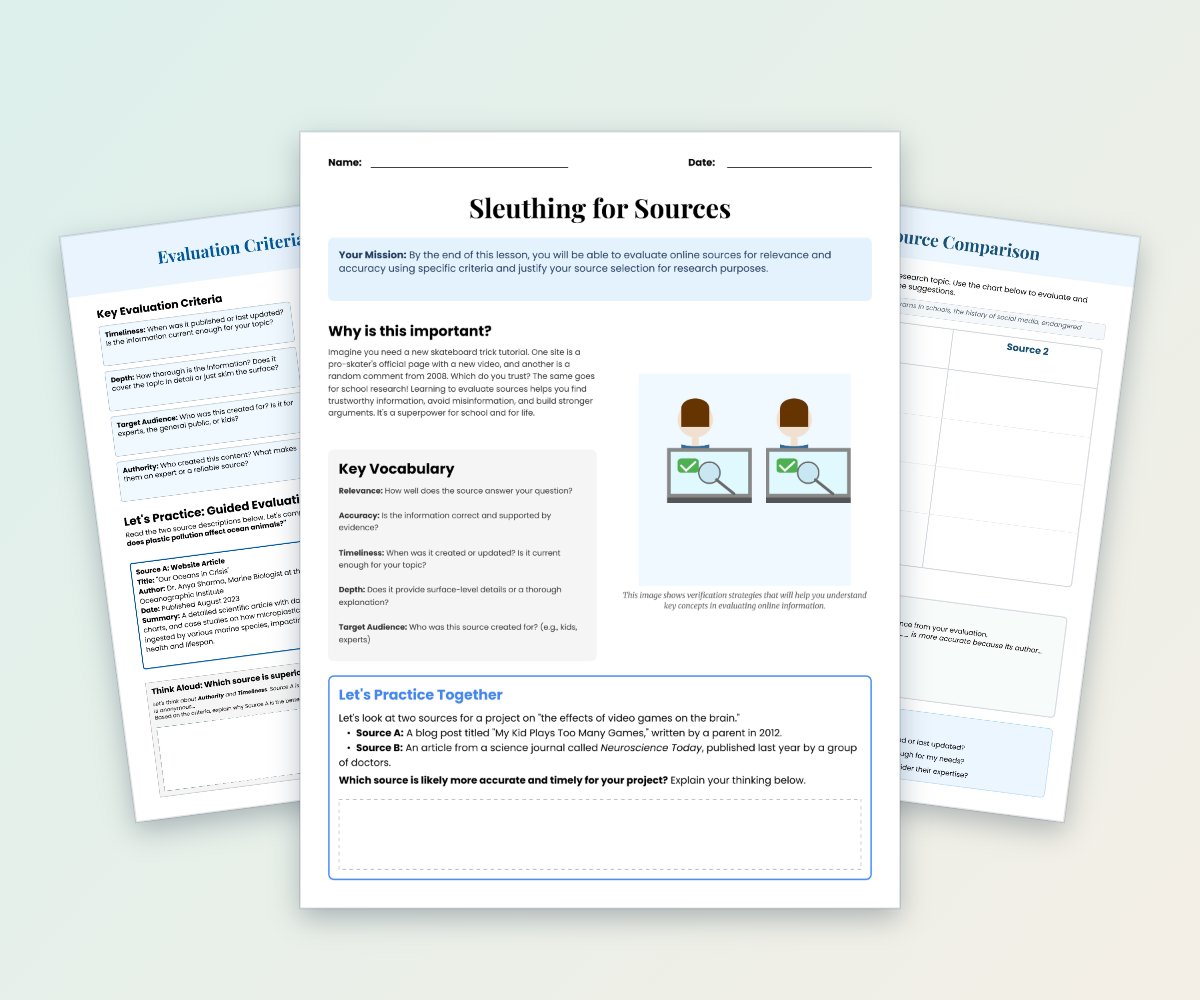
This three-page lesson helps students evaluate online sources for relevance, accuracy, timeliness, depth, audience, and authority.
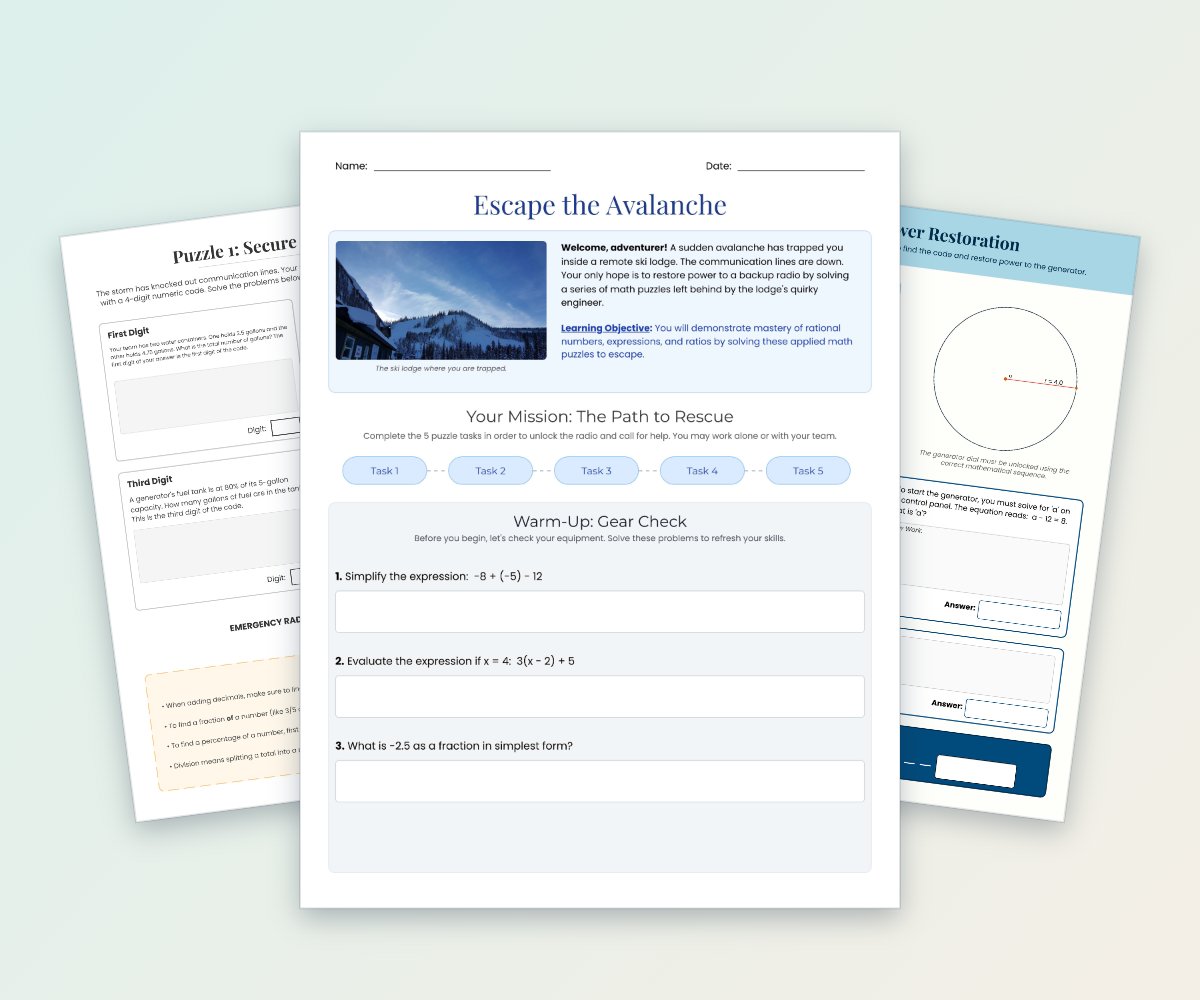
Students work individually or in teams to solve five avalanche-themed math puzzles and restore a backup radio.
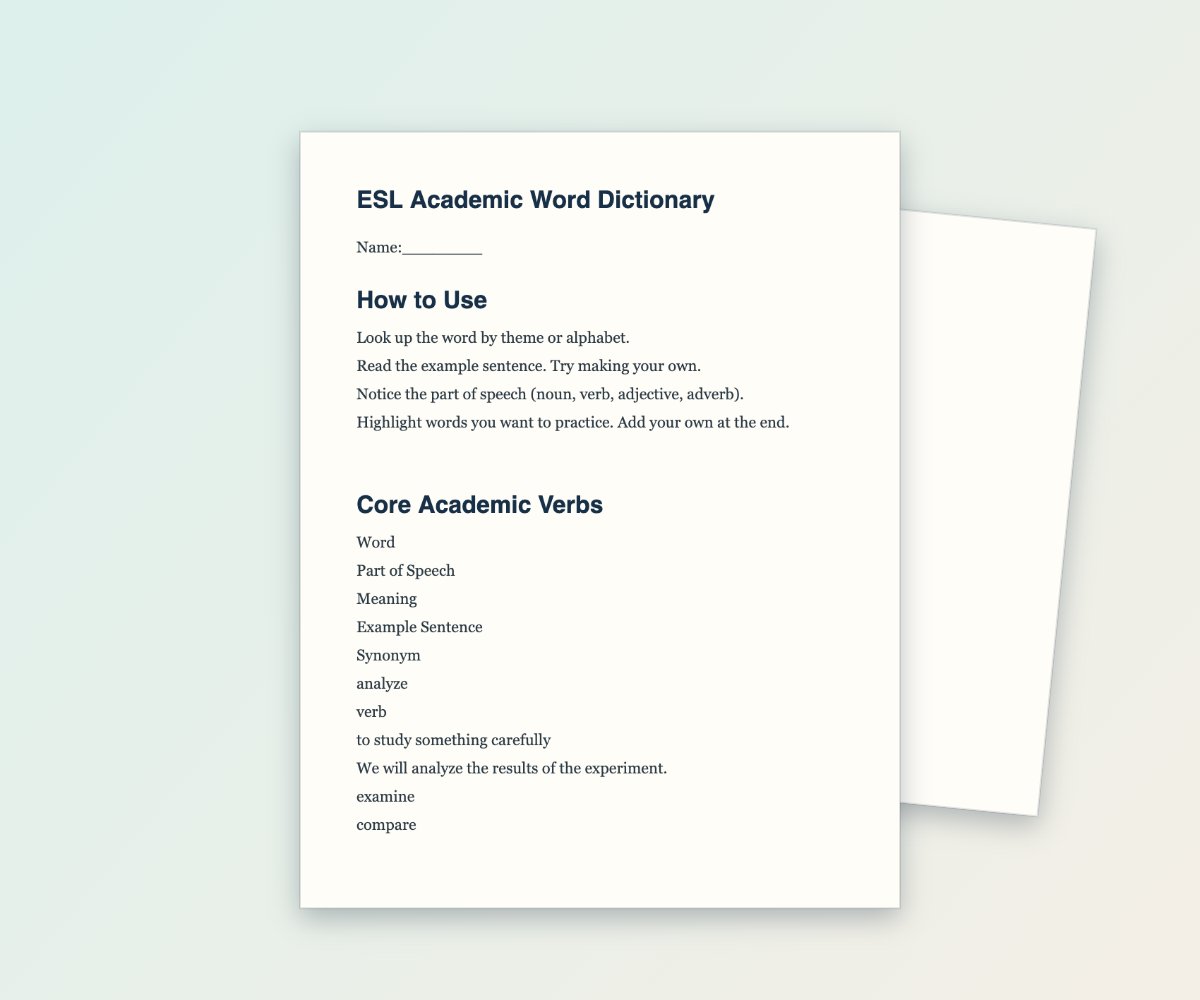
This two-page academic word dictionary introduces common verbs, nouns, and adjectives with definitions, synonyms, and example sentences.
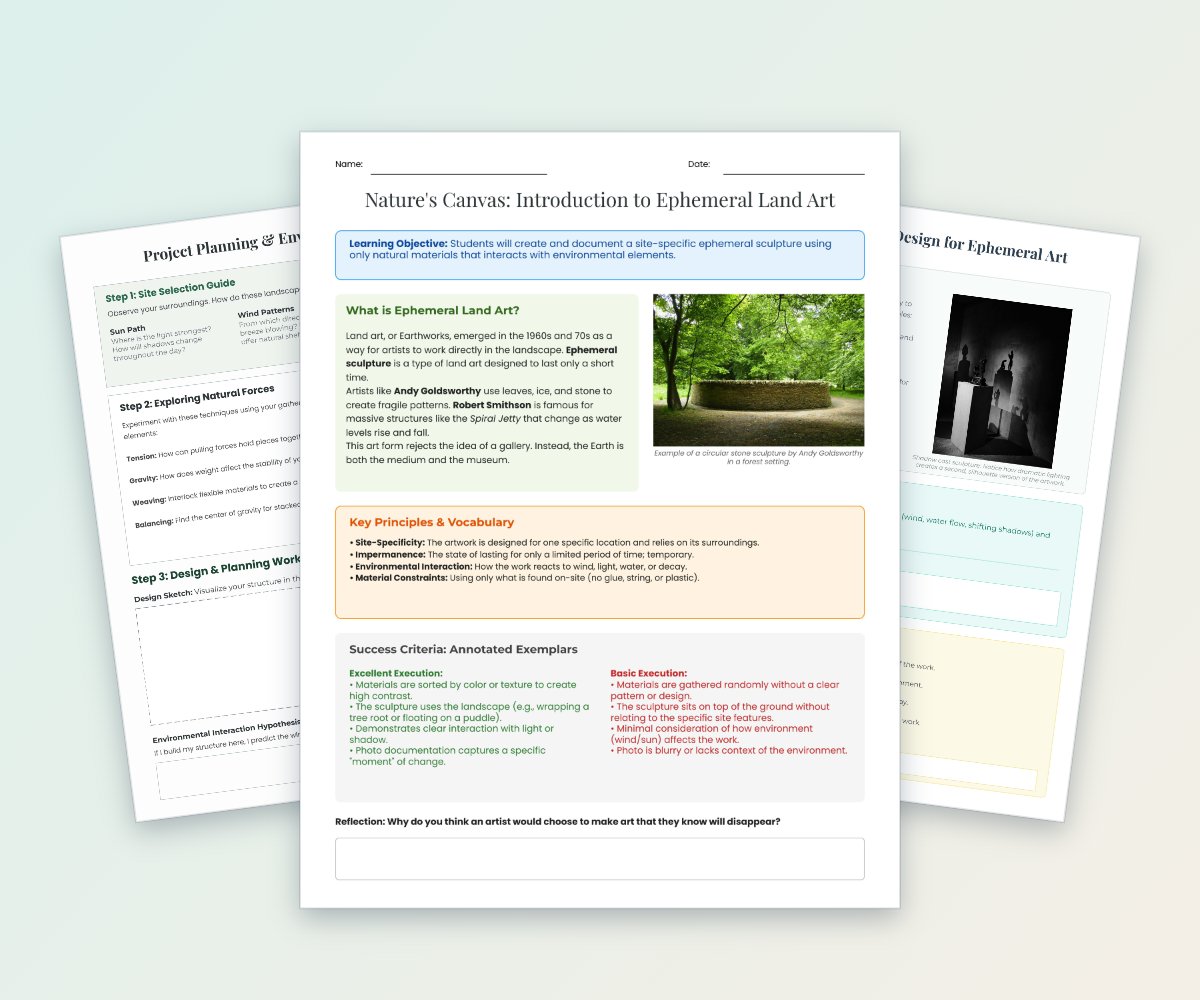
Students explore site-specific, temporary sculpture inspired by artists such as Andy Goldsworthy and Robert Smithson.
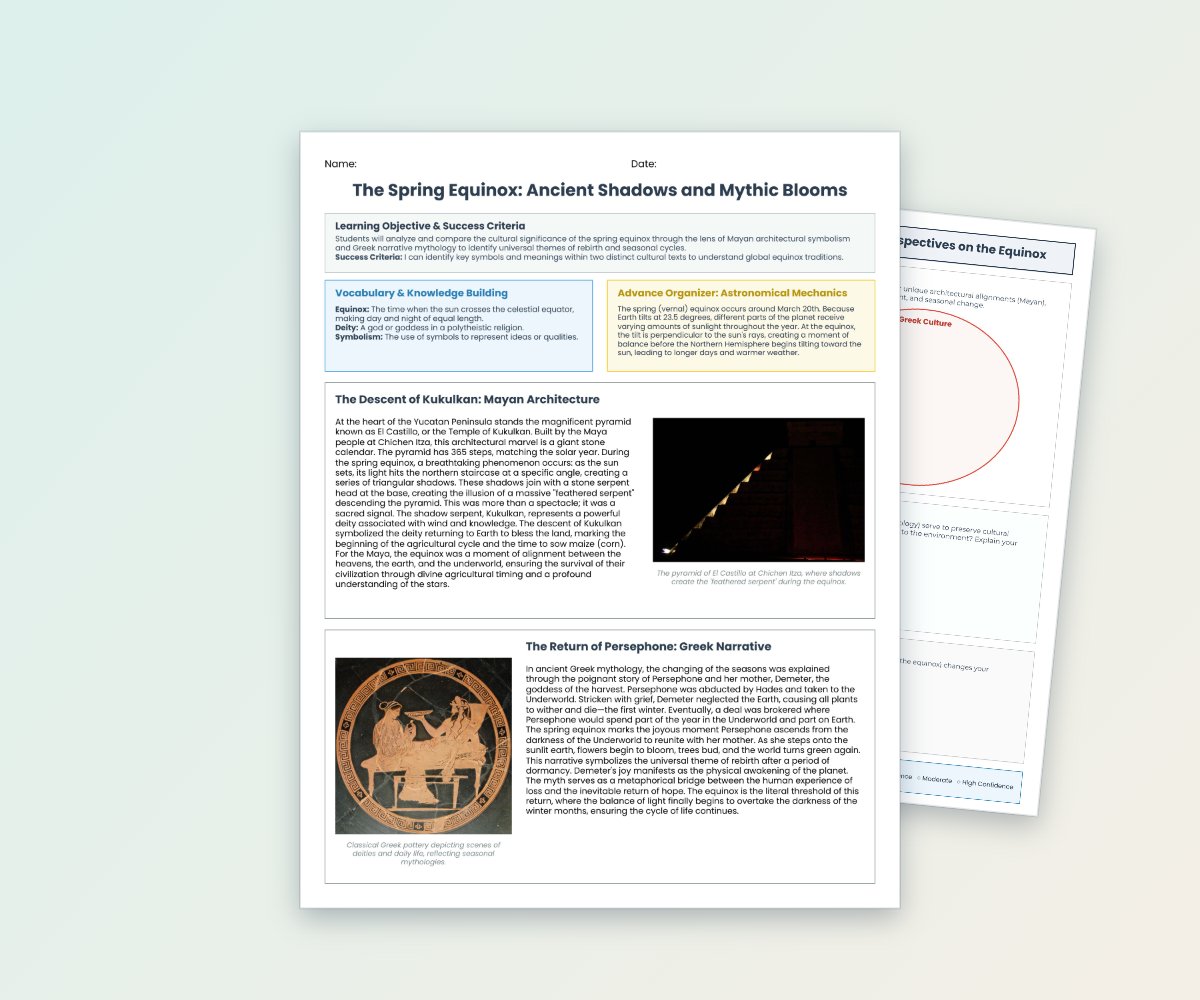
This two-page lesson explores the spring equinox through Maya architectural symbolism at Chichen Itza and the Greek myth of Persephone.
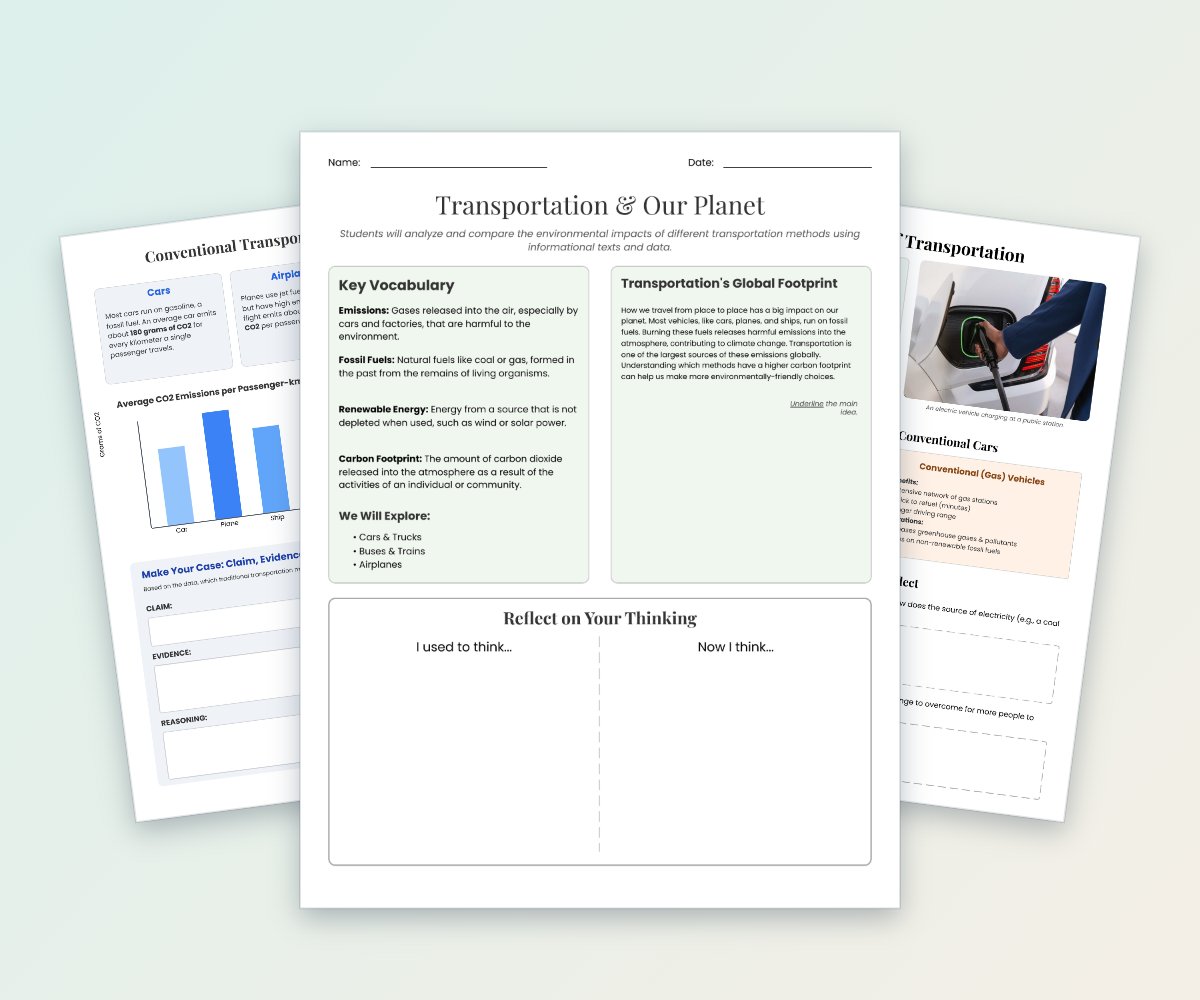
Students compare transportation methods using informational text, vocabulary, emissions data, and claim-evidence-reasoning prompts.
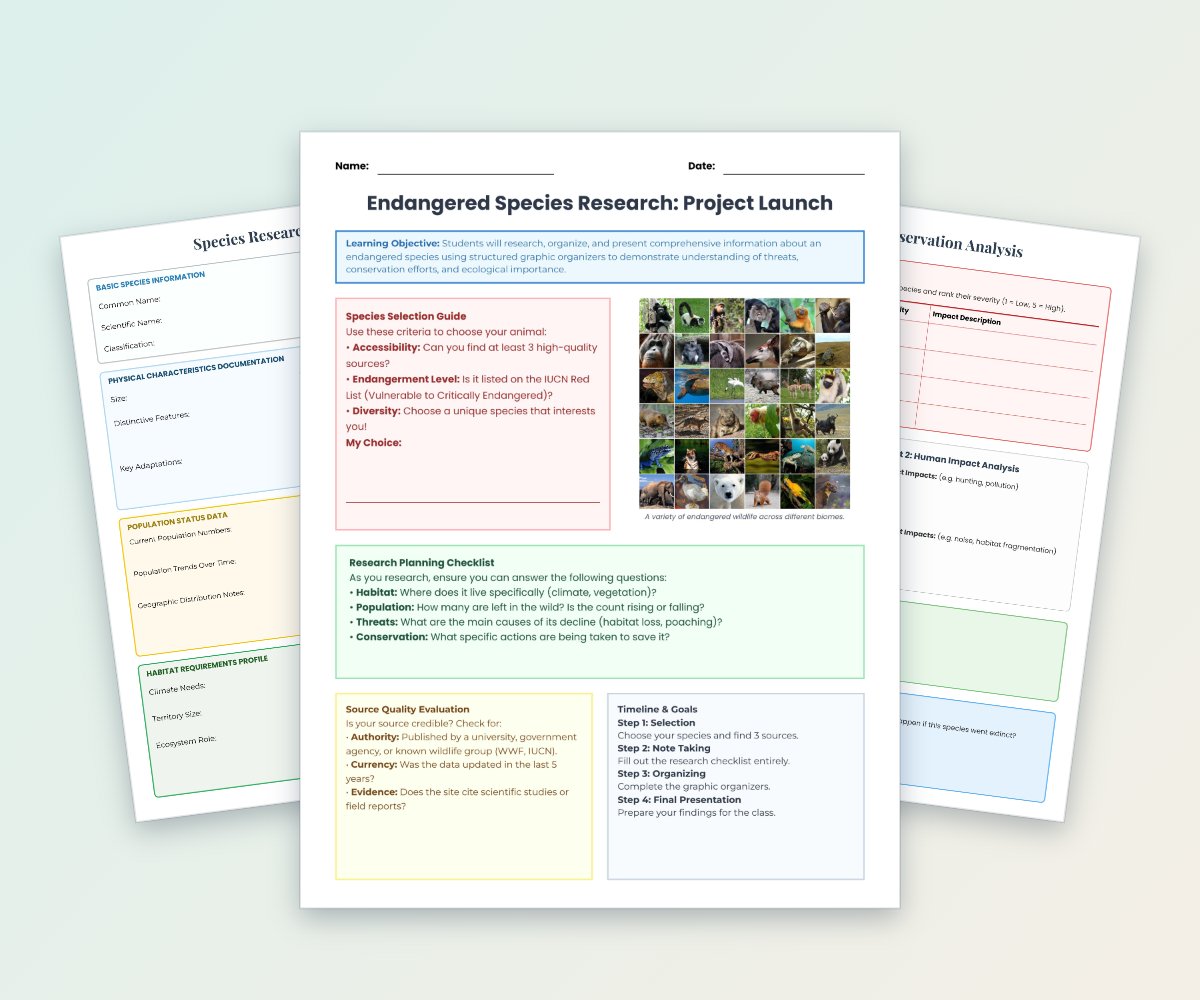
This five-page packet guides students through selecting an endangered species, evaluating credible sources, researching threats and conservation efforts, and organizing findings.
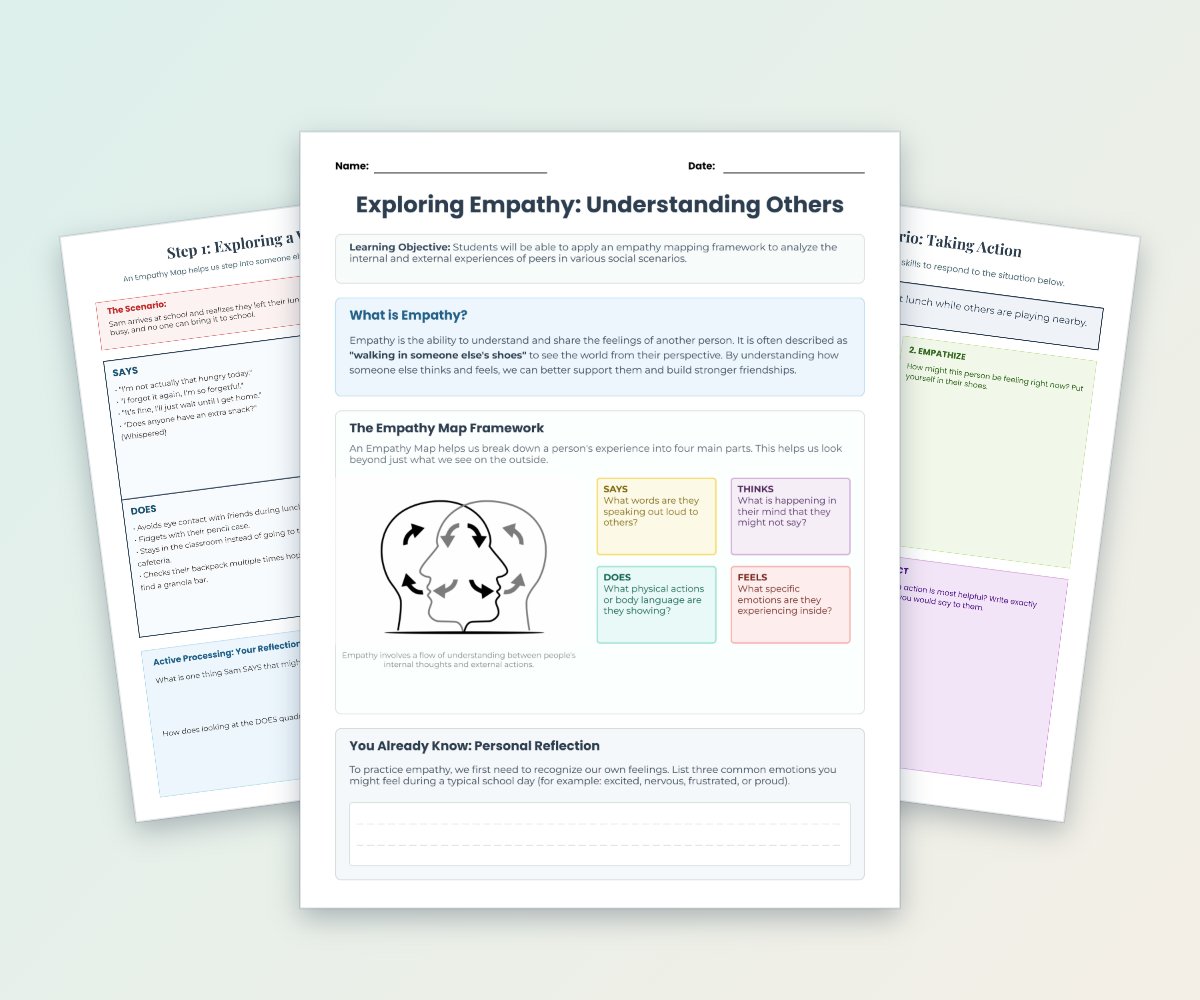
This five-page SEL resource introduces the Says, Does, Thinks, and Feels empathy map framework.
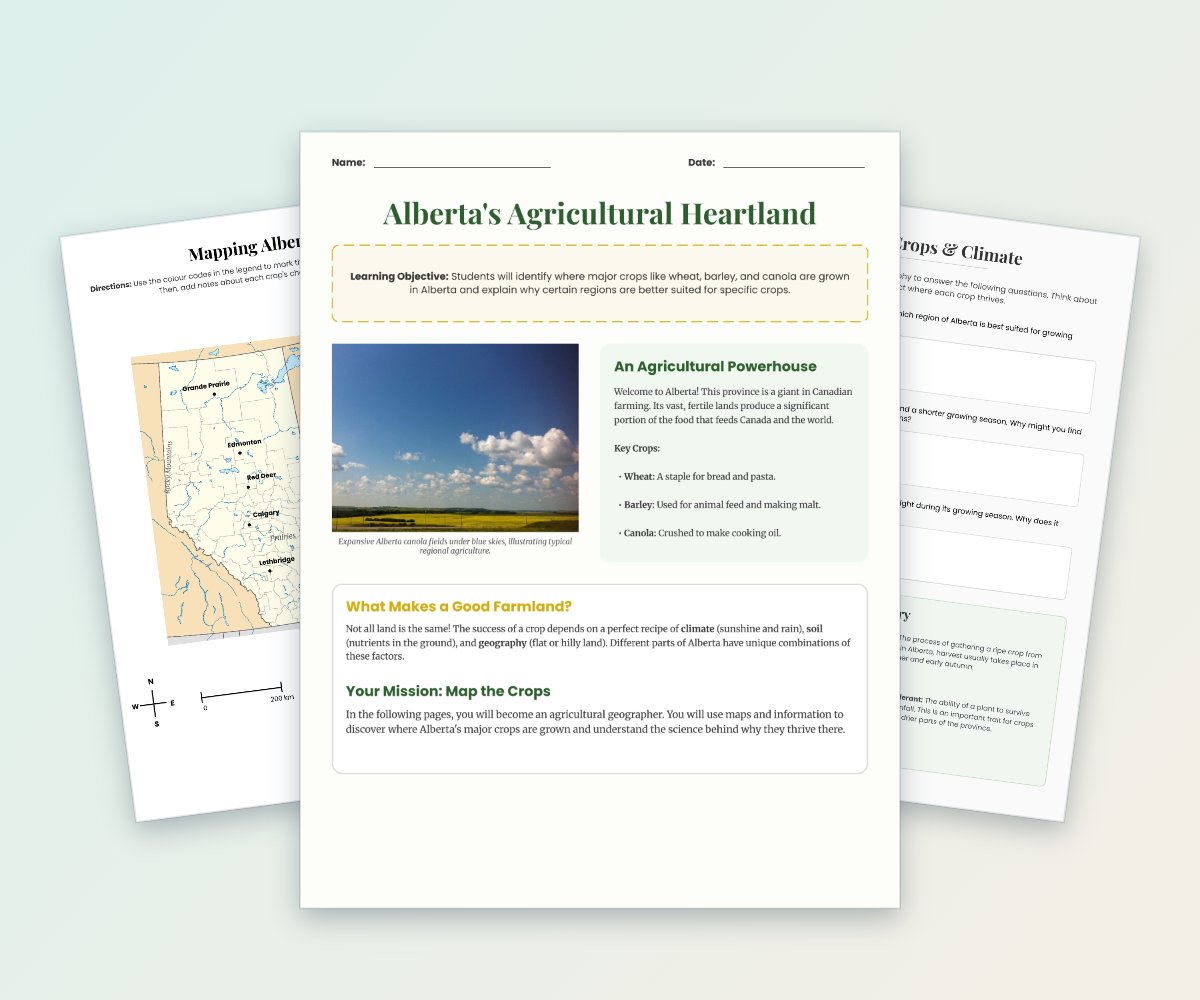
Students explore Alberta's agricultural regions and map where wheat, barley, and canola are primarily grown.
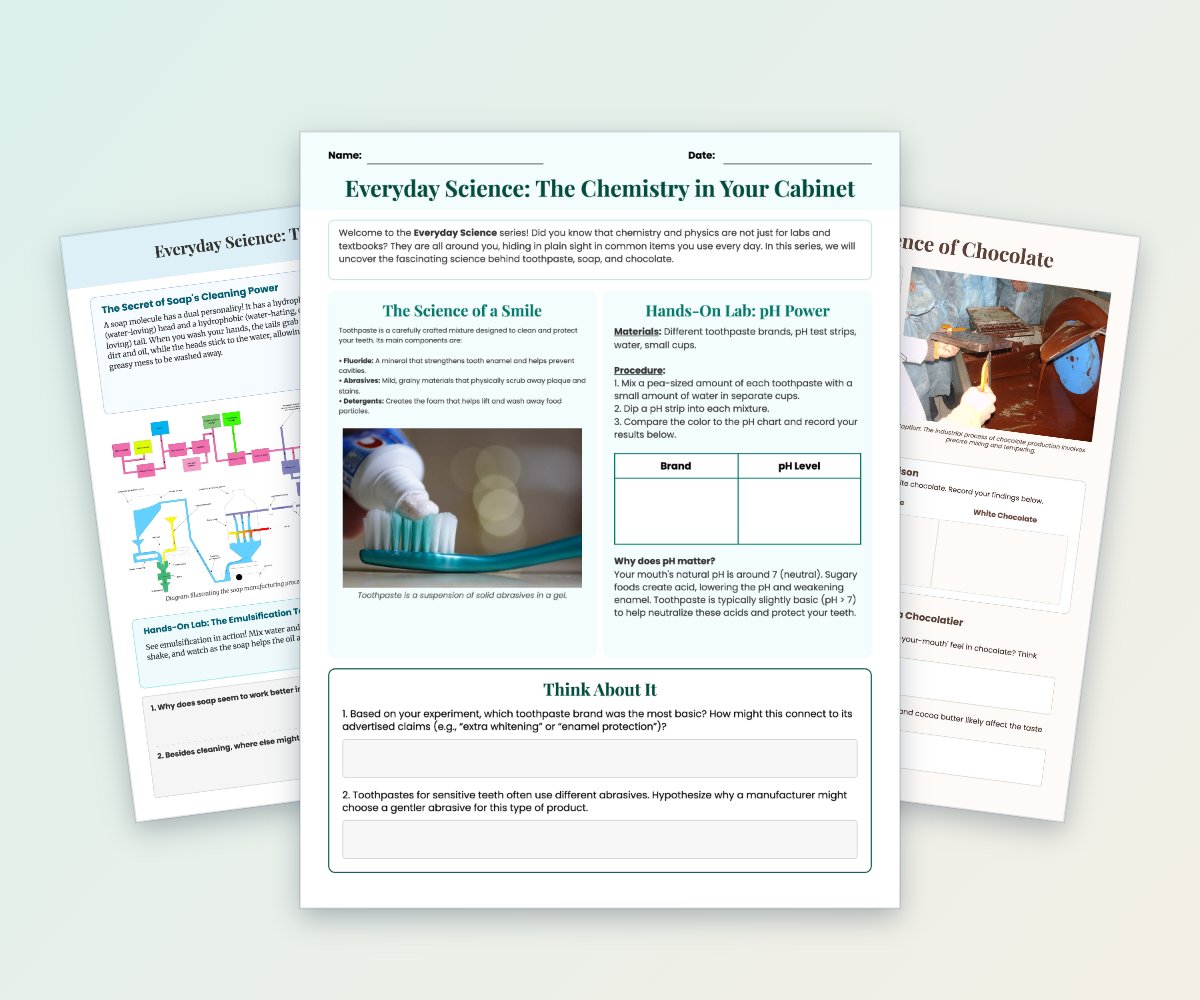
Explore the chemistry of toothpaste and soap through accessible explanations, diagrams, a pH investigation, and critical-thinking questions.
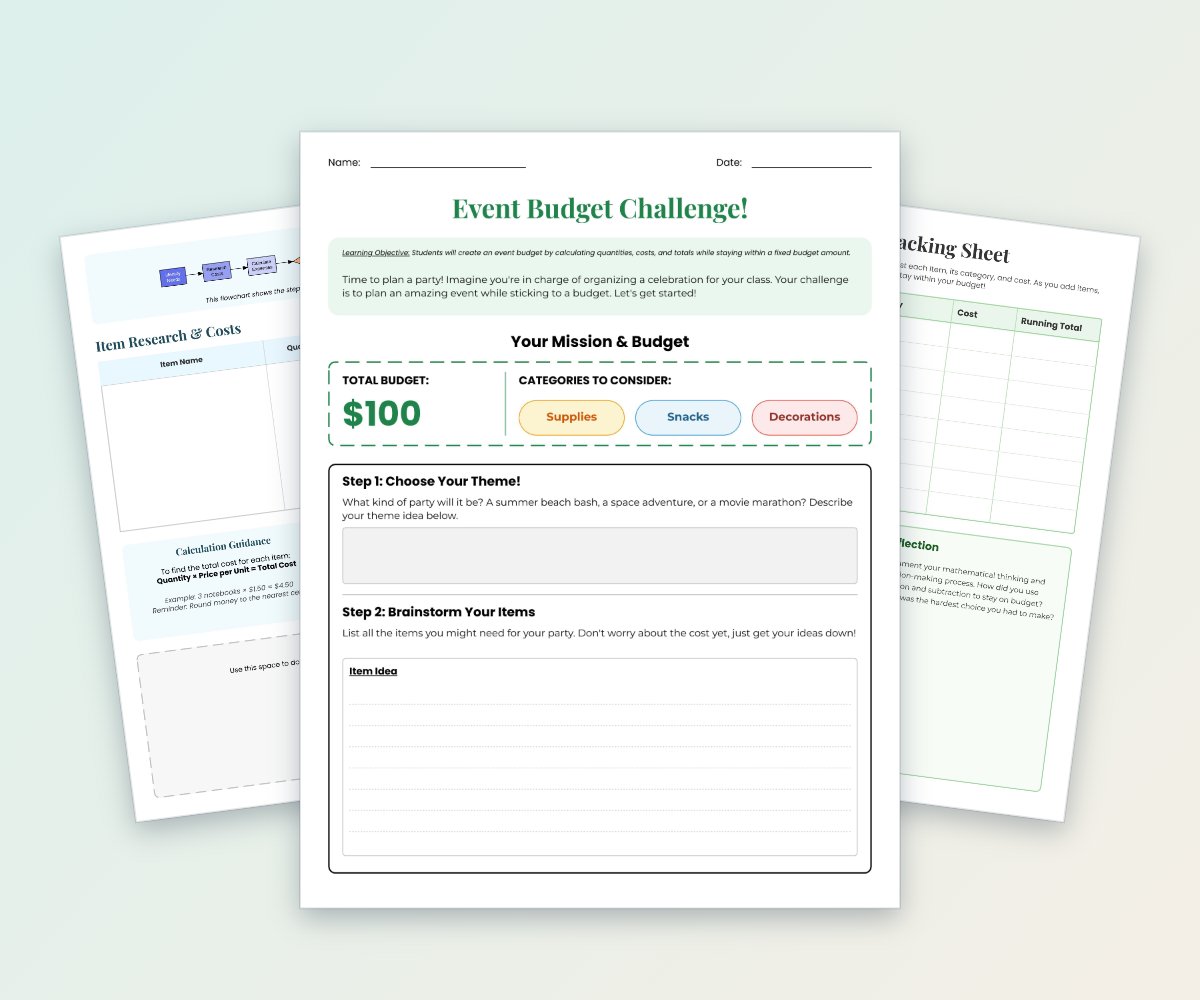
Students plan a class celebration within a $100 budget by researching items, calculating quantities and unit costs, tracking running totals, and making cost-saving decisions.
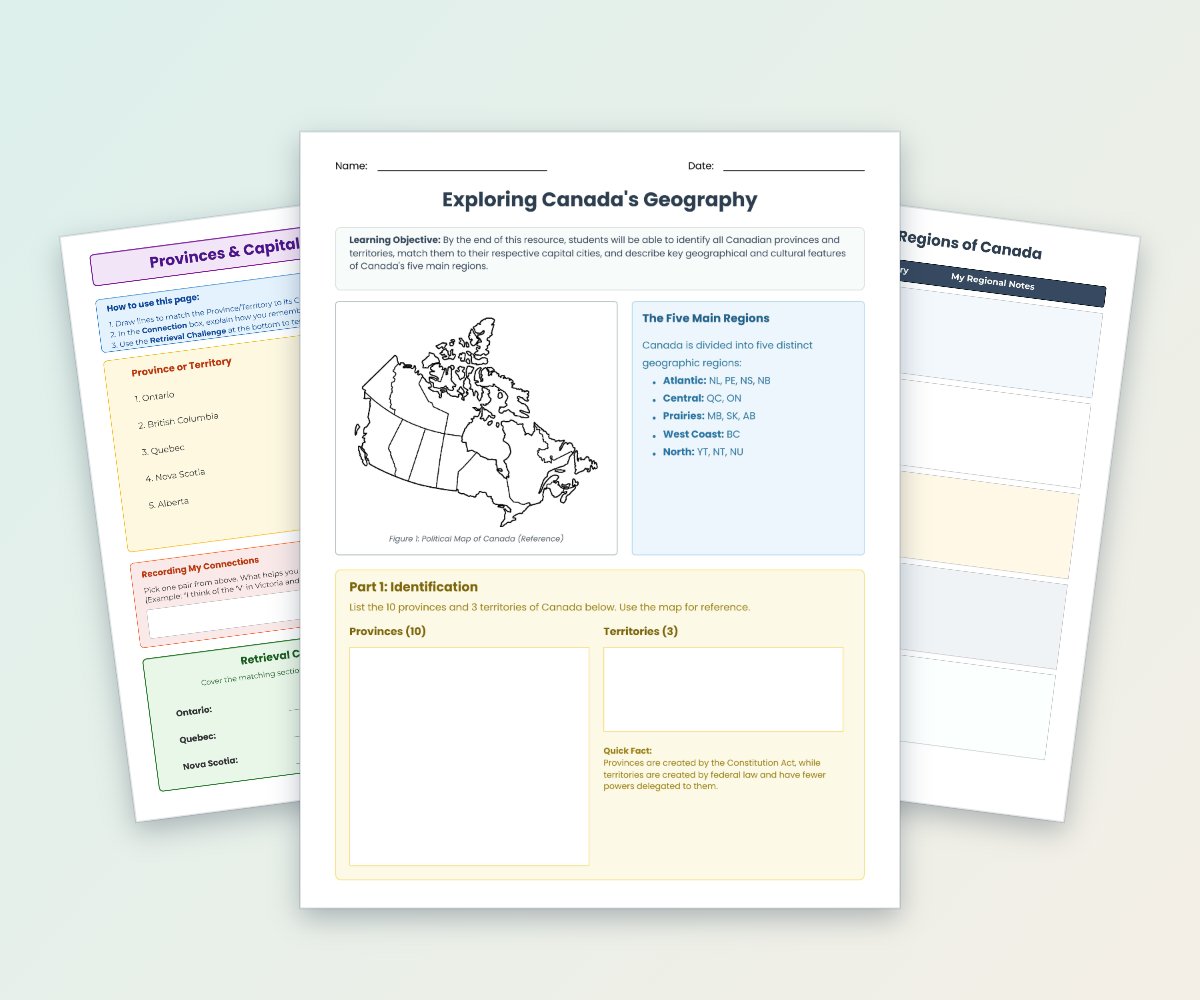
This six-page activity pack introduces Canada's five geographic regions, 10 provinces, three territories, and capital cities.
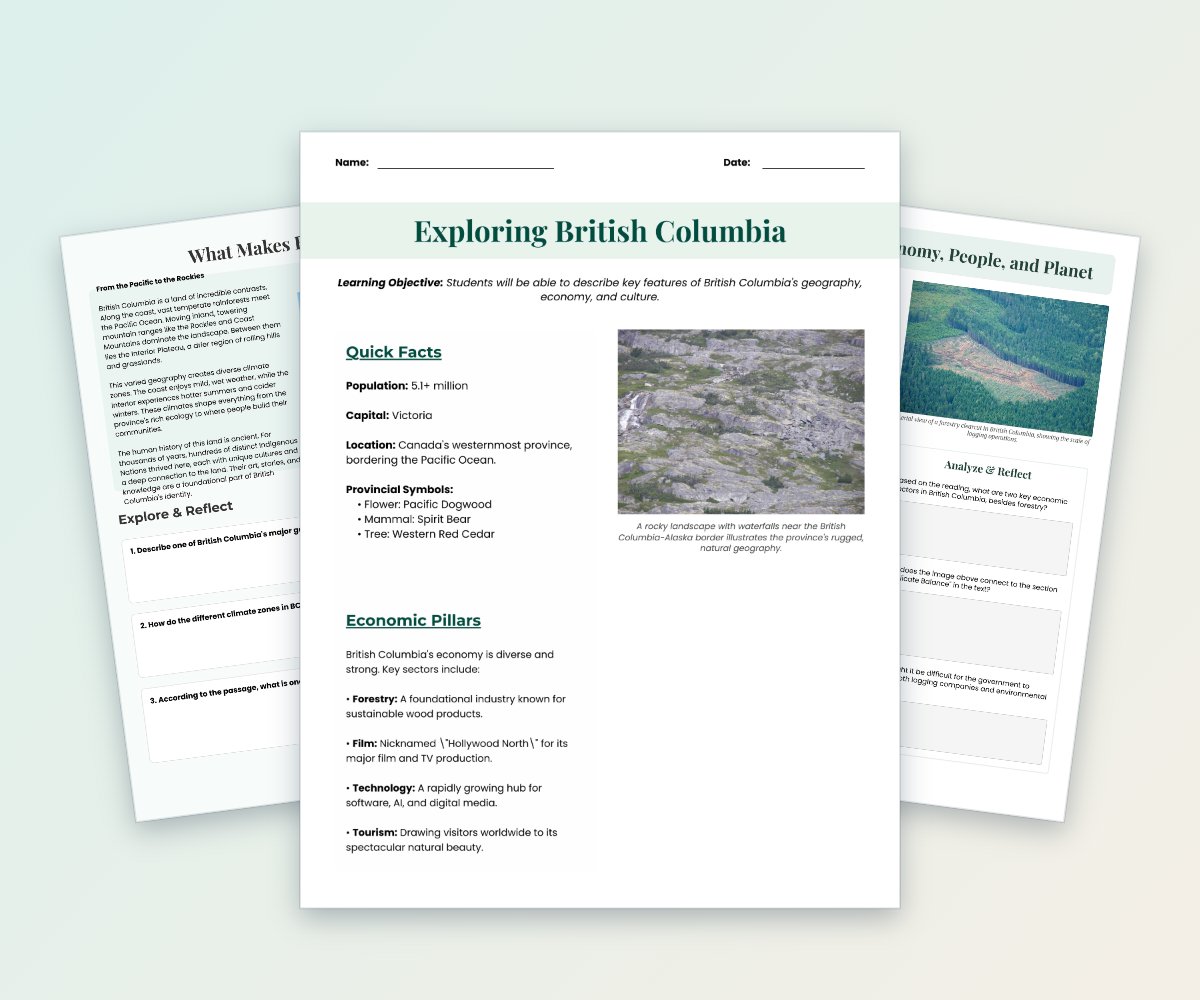
This seven-page student workbook explores British Columbia’s geography, climate, economy, provincial symbols, Indigenous Nations, and cultural identity.
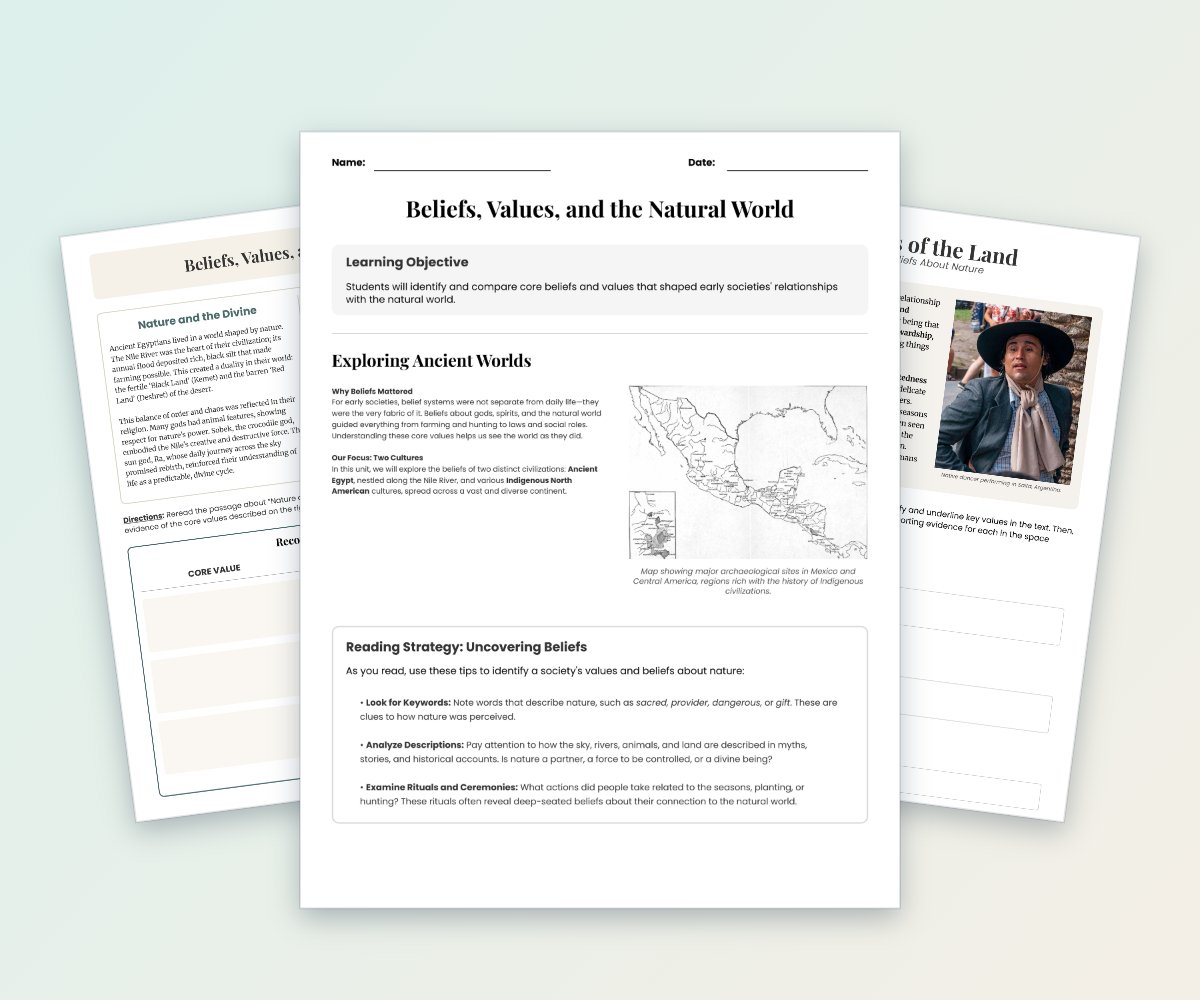
This four-page social studies resource examines how beliefs and values shaped relationships with the natural world in Ancient Egypt and Indigenous North American cultures.
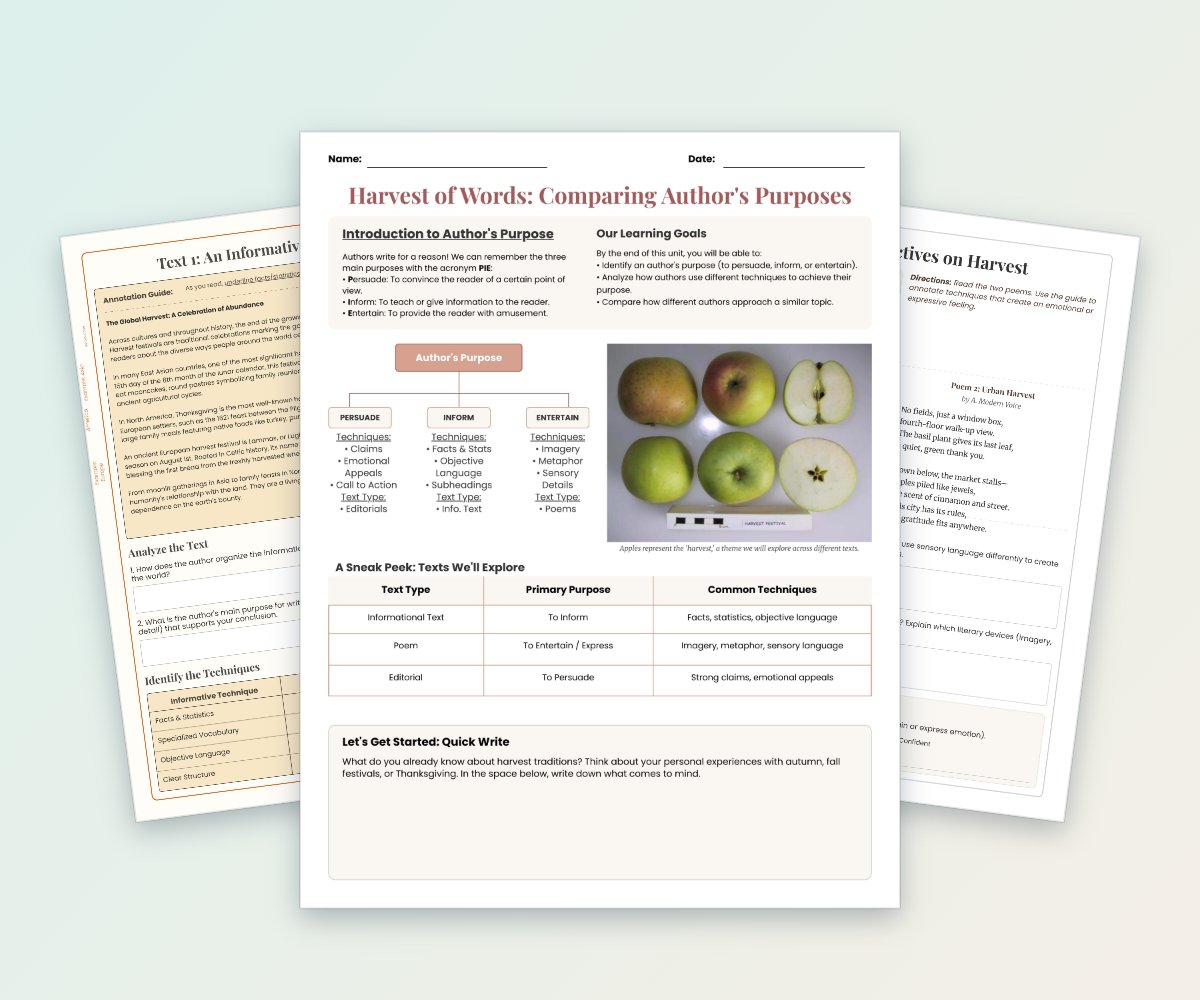
This six-page activity pack introduces the PIE framework—persuade, inform, and entertain—through harvest-themed informational texts, poems, and editorials.
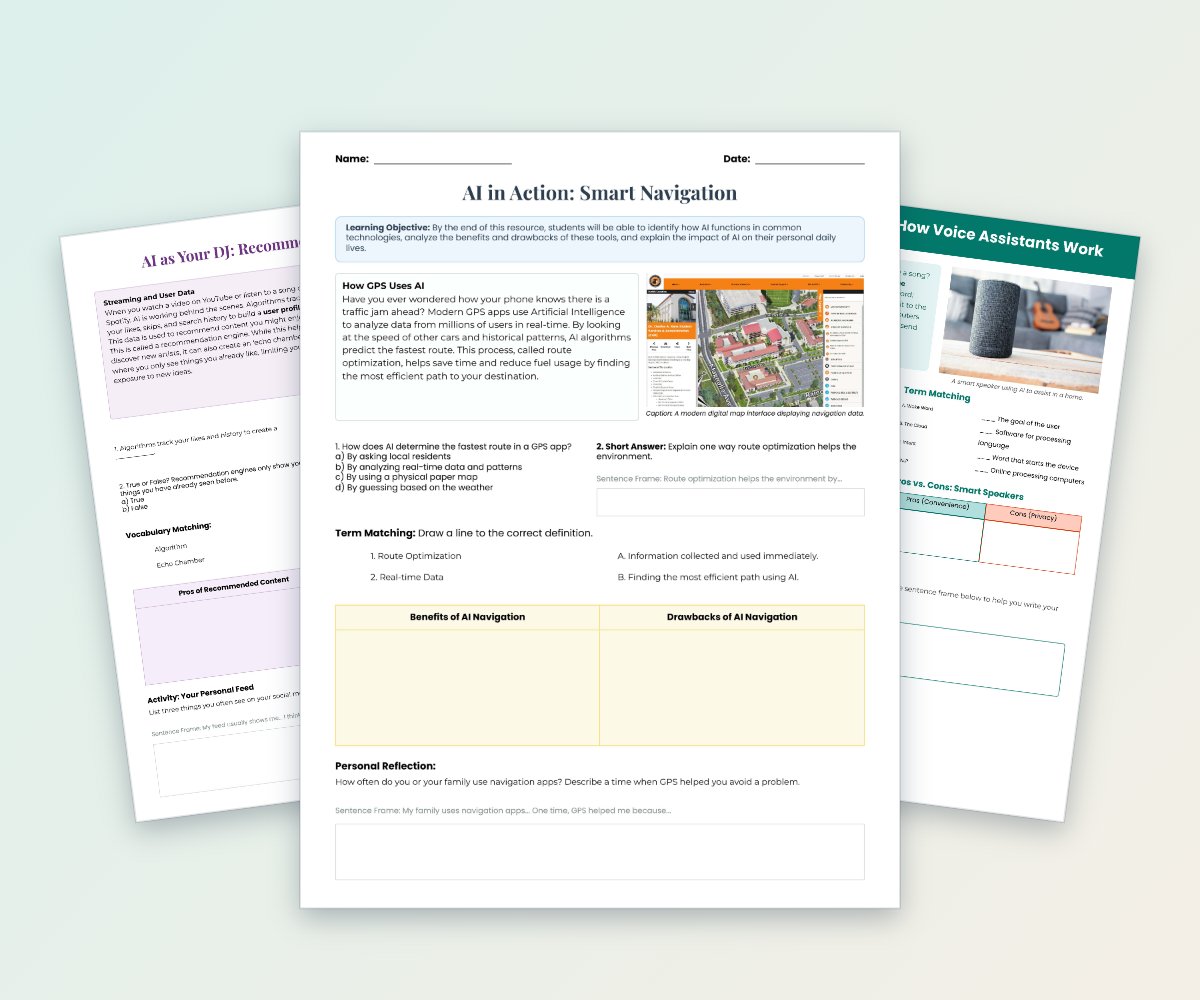
This six-page activity pack introduces students to how artificial intelligence supports GPS navigation and streaming recommendations.
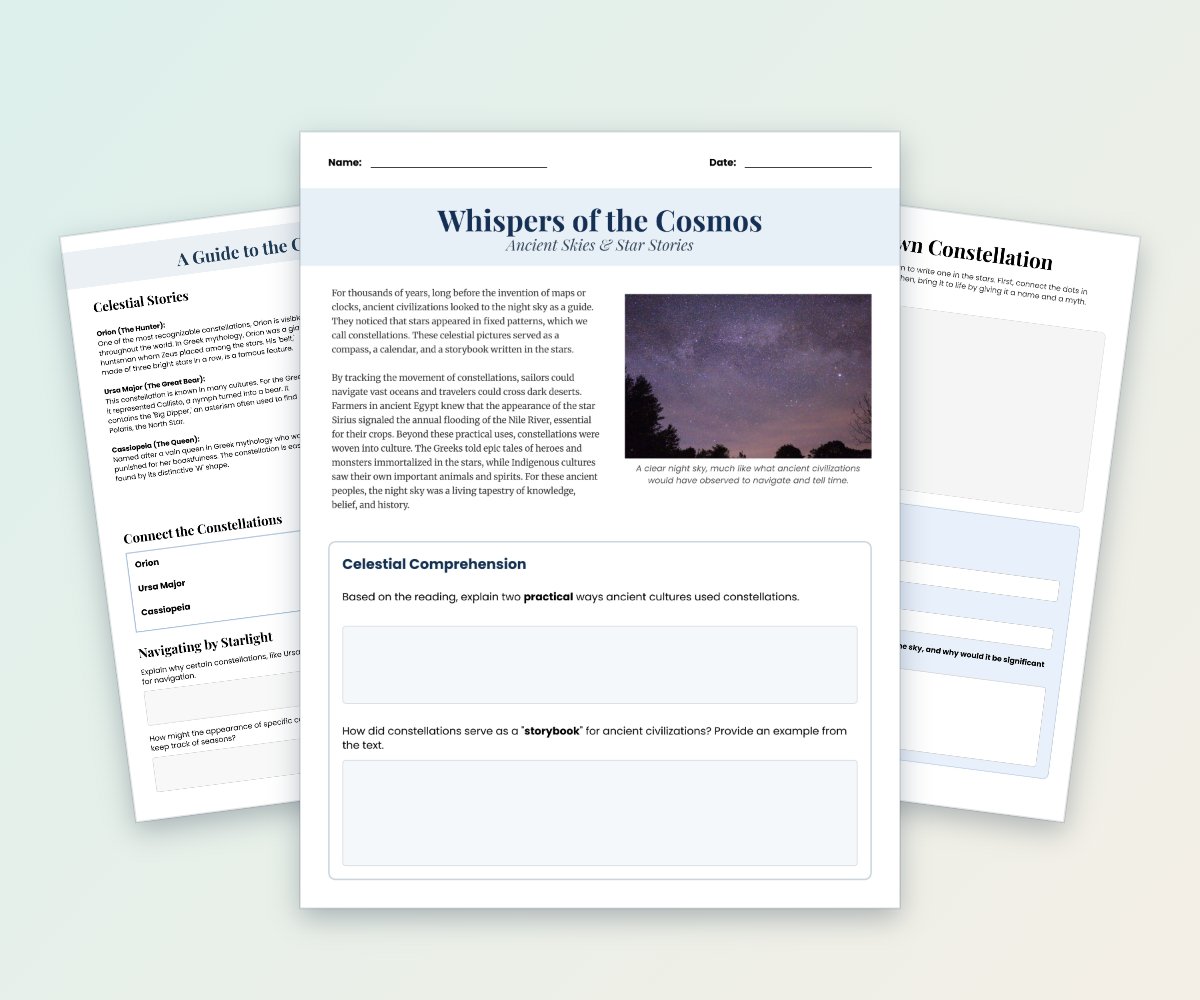
Students explore how ancient civilizations used constellations for navigation, calendars, agriculture, and storytelling.
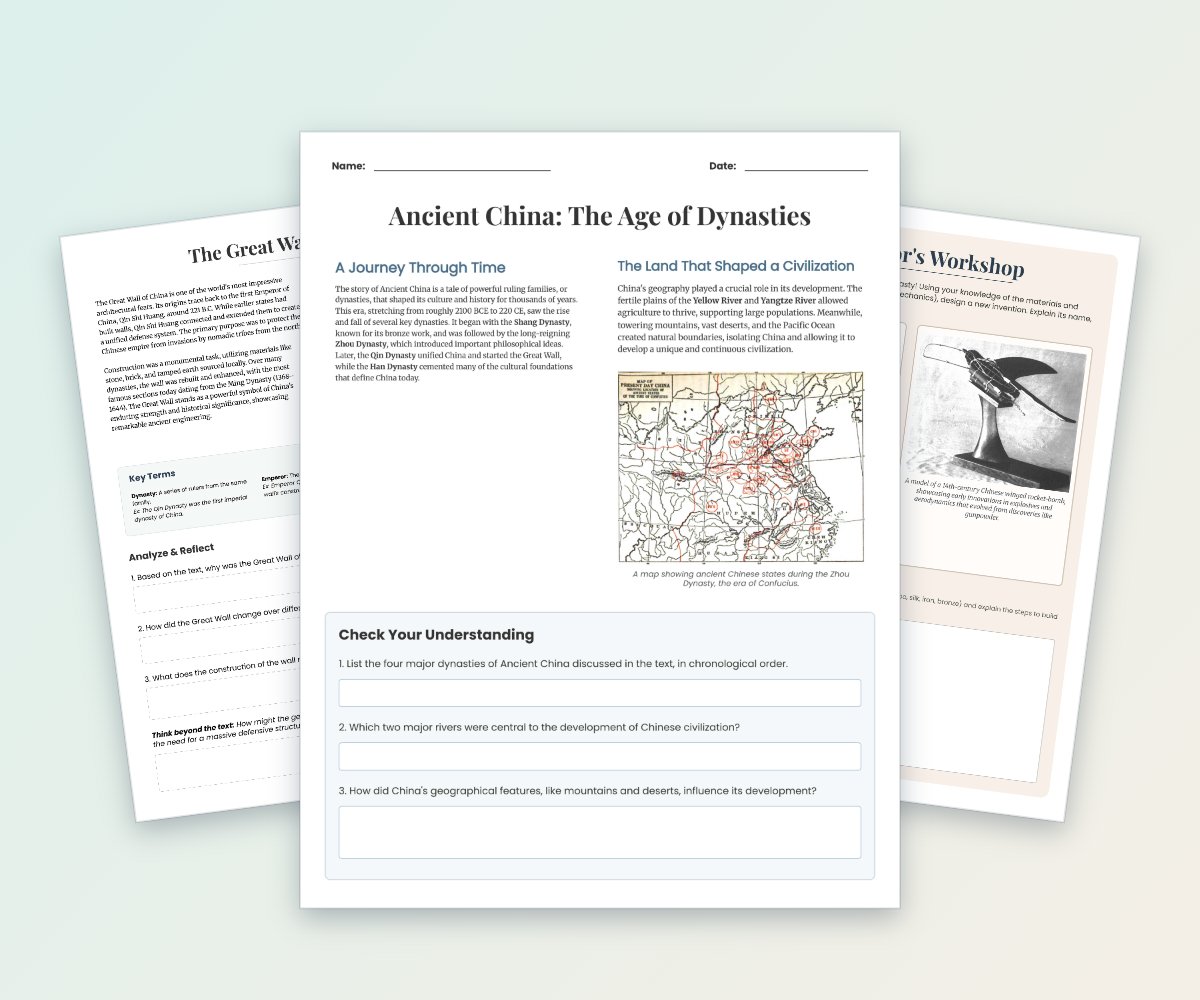
This six-page student workbook introduces the Shang, Zhou, Qin, and Han dynasties and examines how geography shaped Ancient Chinese civilization.
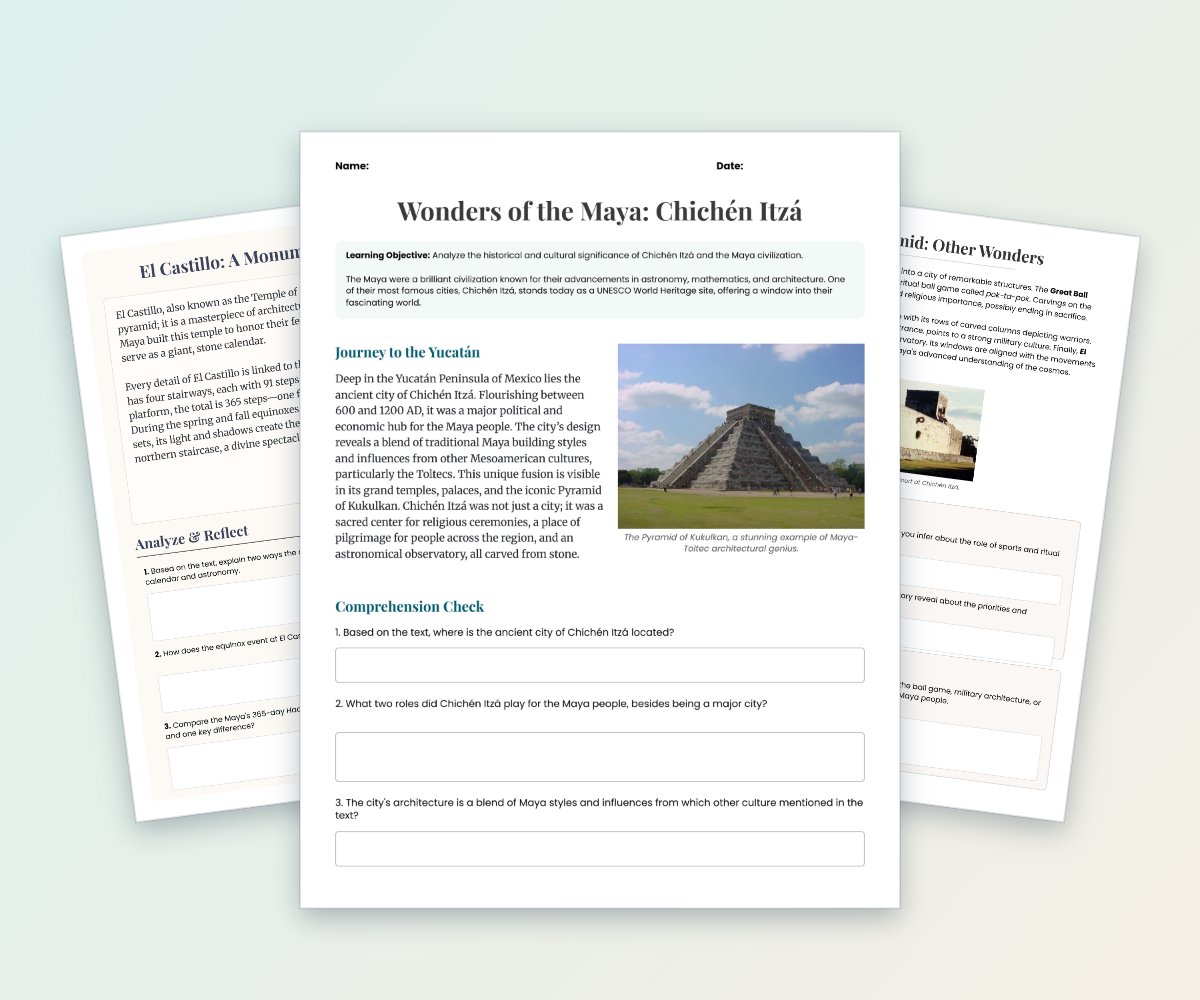
This three-page reading resource explores Chichén Itzá, Maya culture, architecture, astronomy, and the significance of El Castillo.
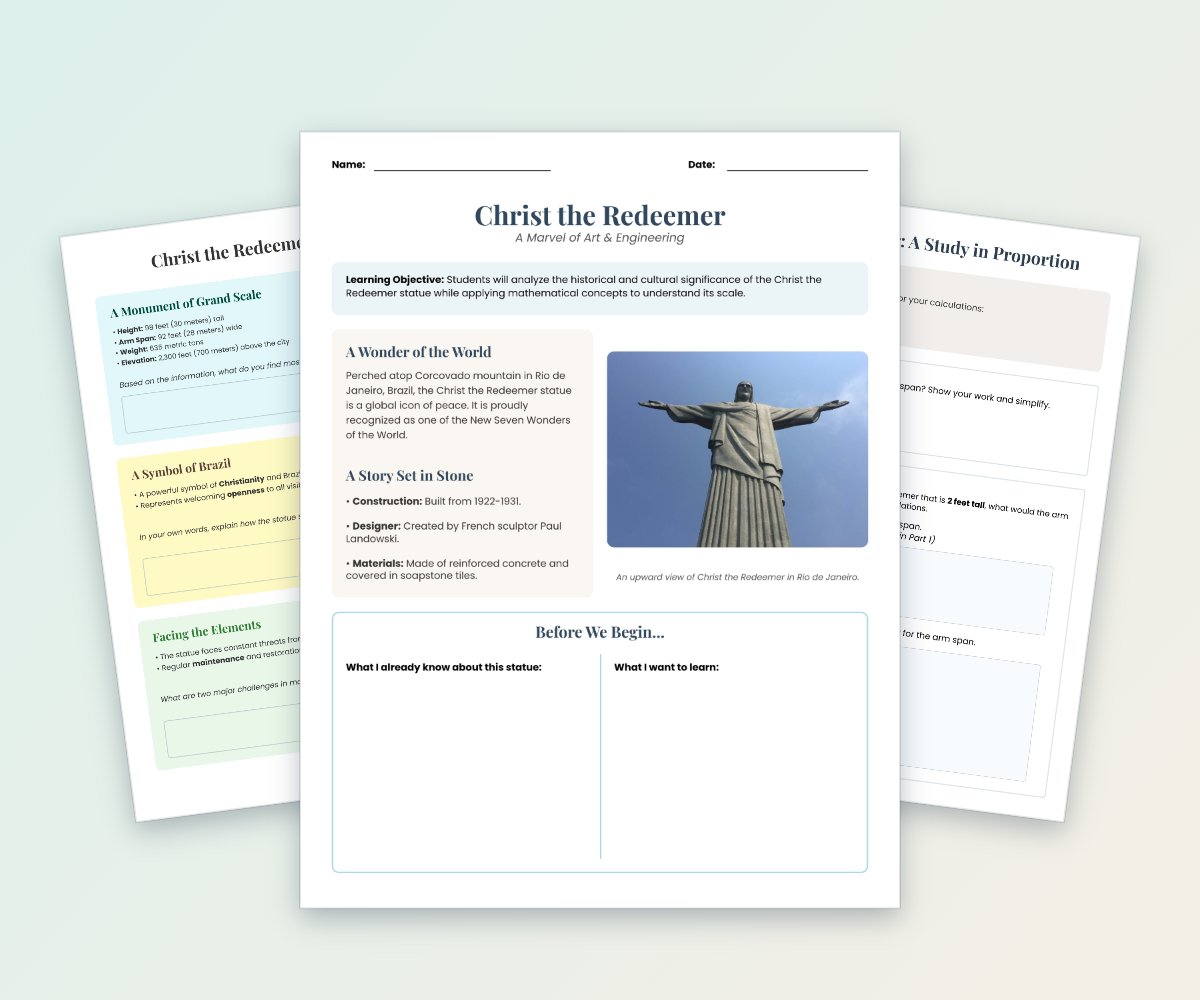
Students explore the history, materials, symbolism, and preservation challenges of Christ the Redeemer in Brazil.
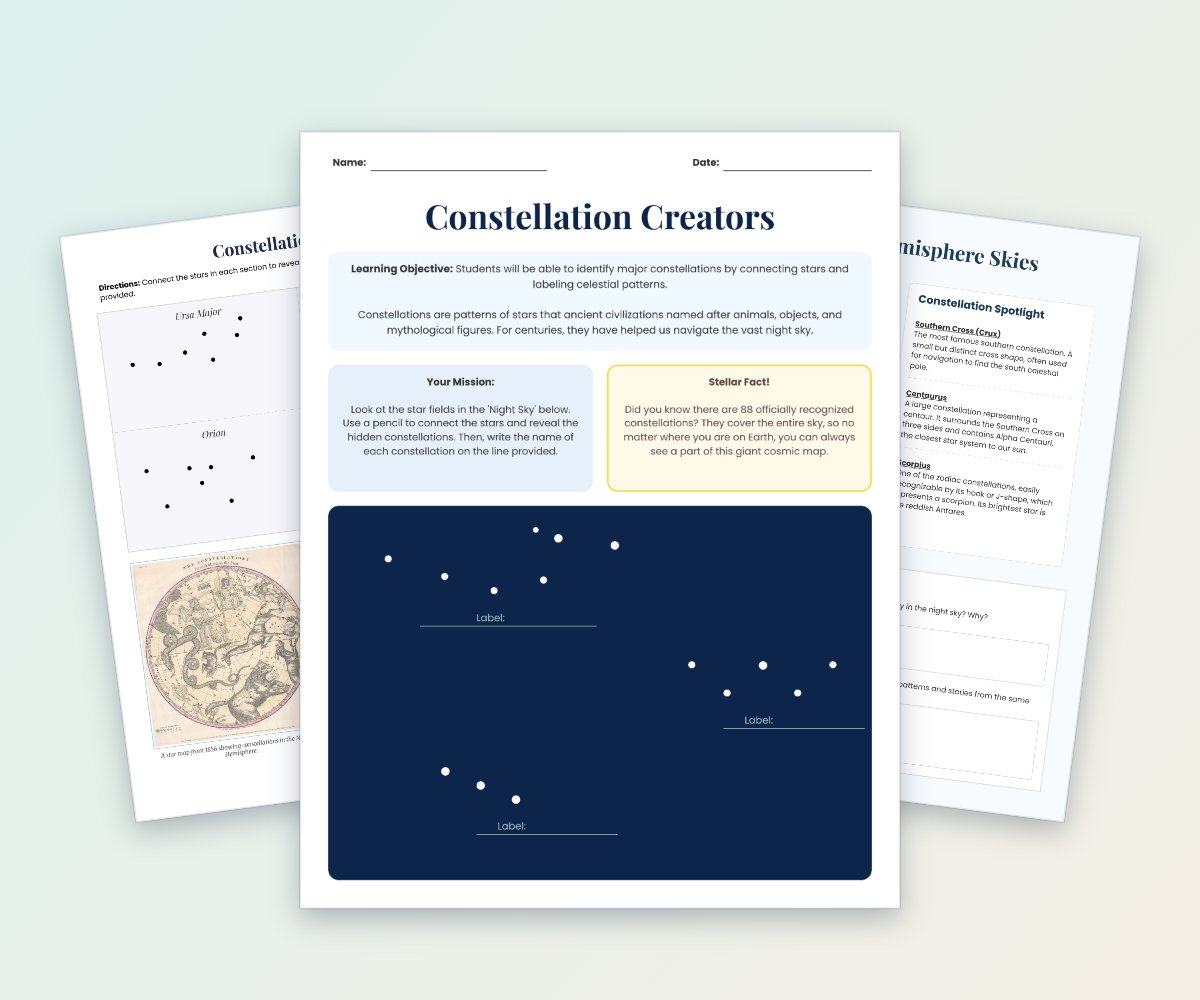
Students connect stars to identify major constellations, label celestial patterns, and learn about star brightness and hemispheres.
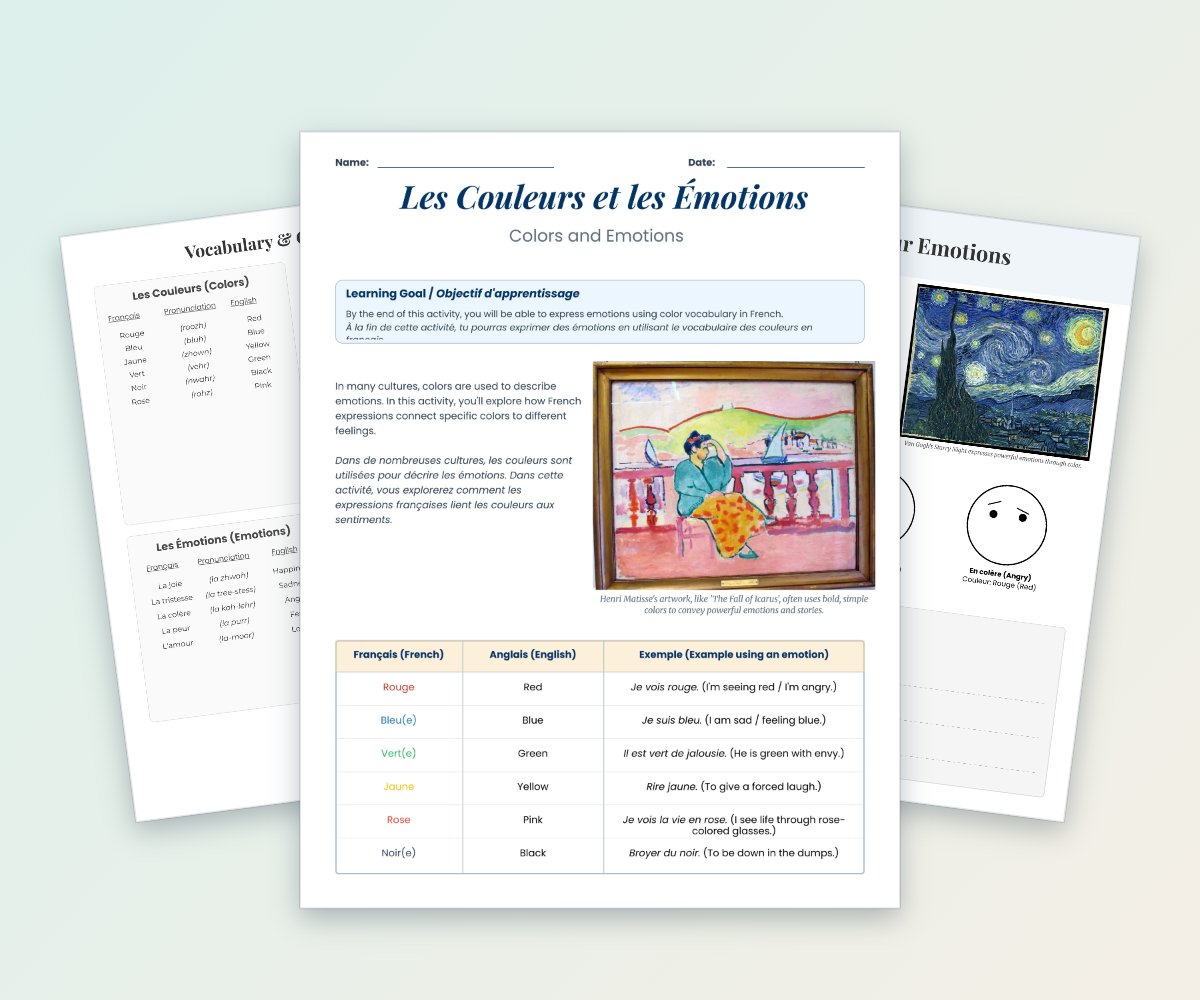
This bilingual French activity introduces color and emotion vocabulary, pronunciation, cultural expressions, and connections between colors and feelings.
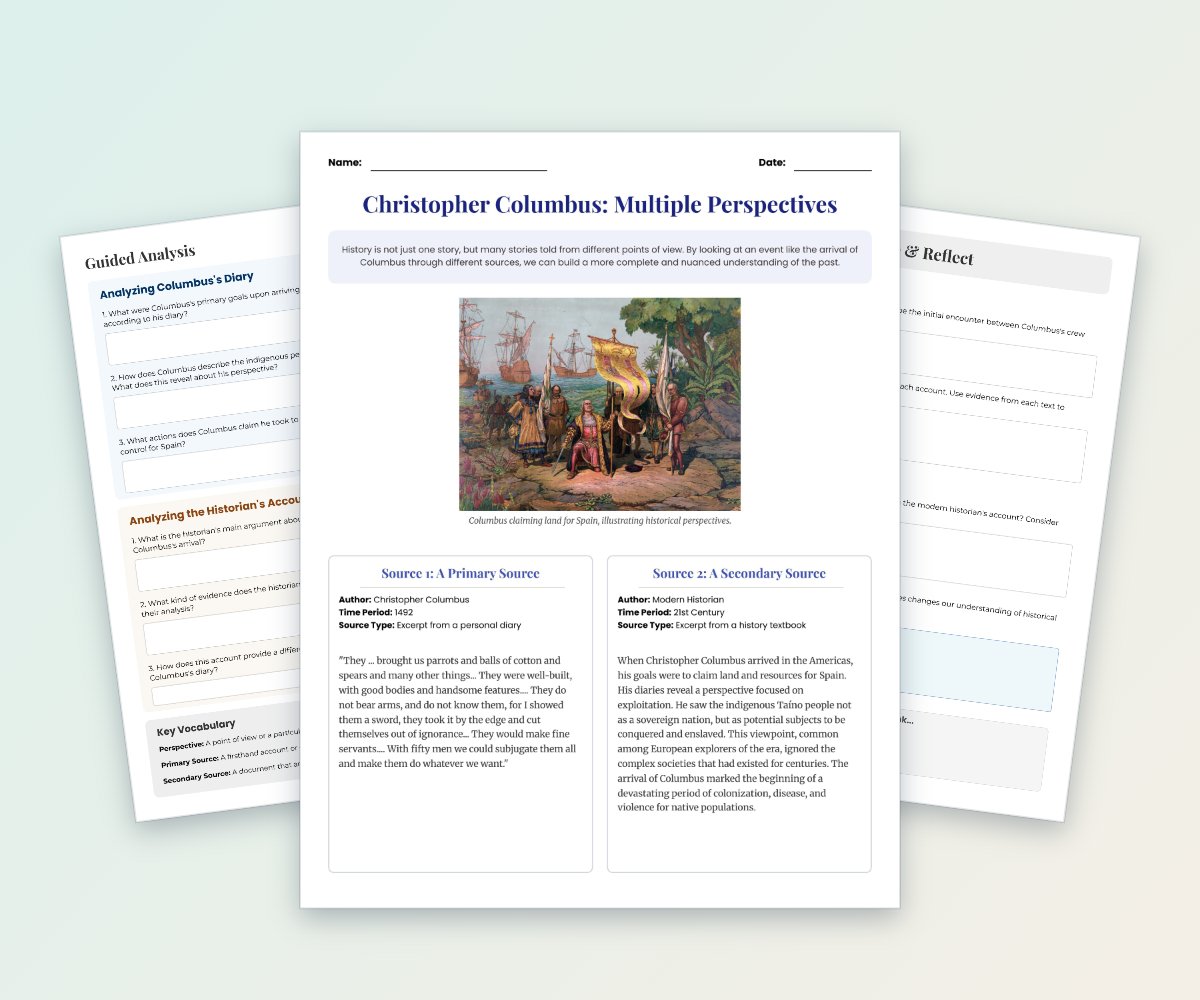
Students examine excerpts from Columbus’s diary and a modern historian’s account of his arrival in the Americas.
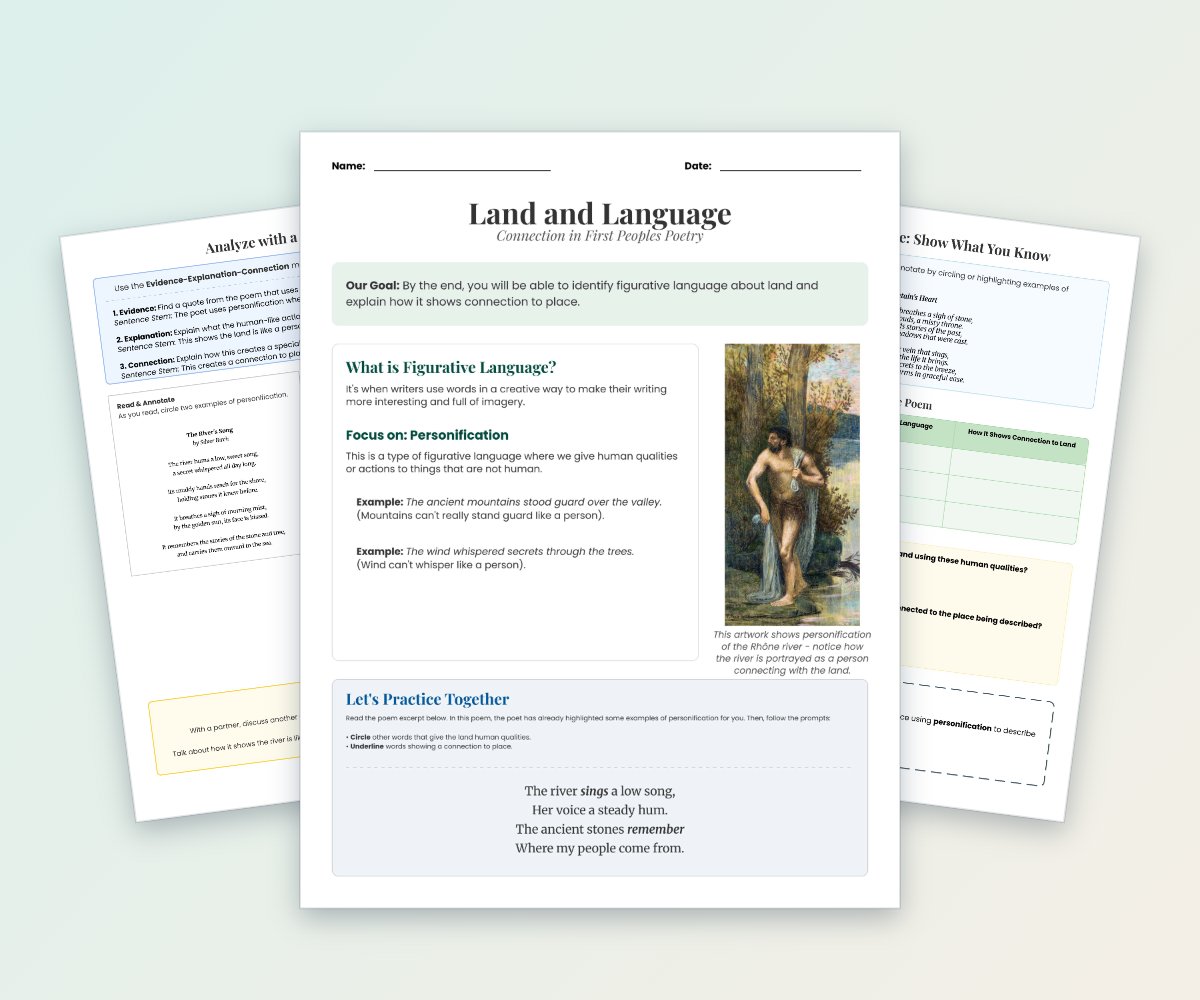
This guided worksheet helps students identify personification in poetry and explain how figurative language communicates a connection to land and place.
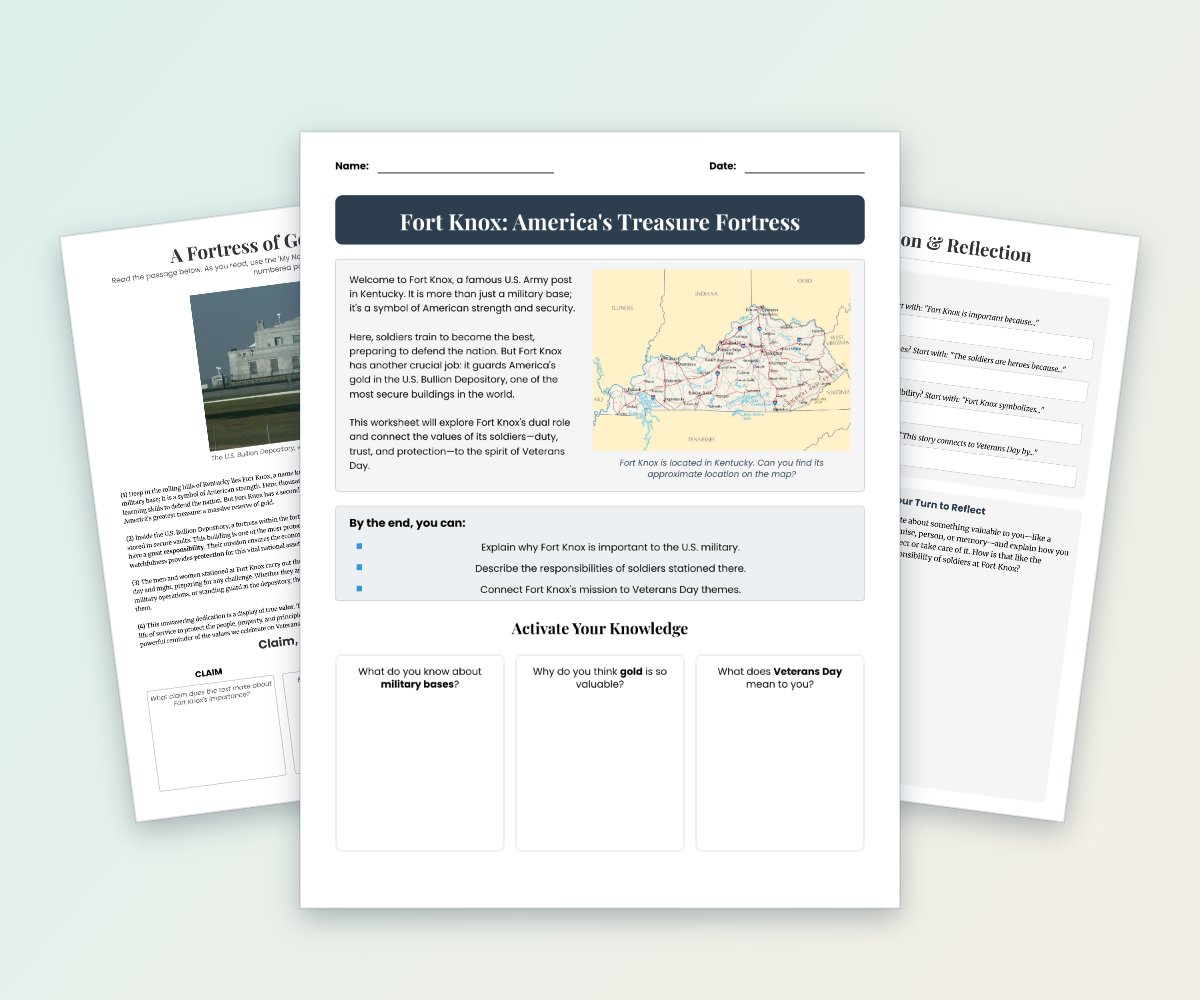
This three-page worksheet explores Fort Knox’s military role, the U.S.
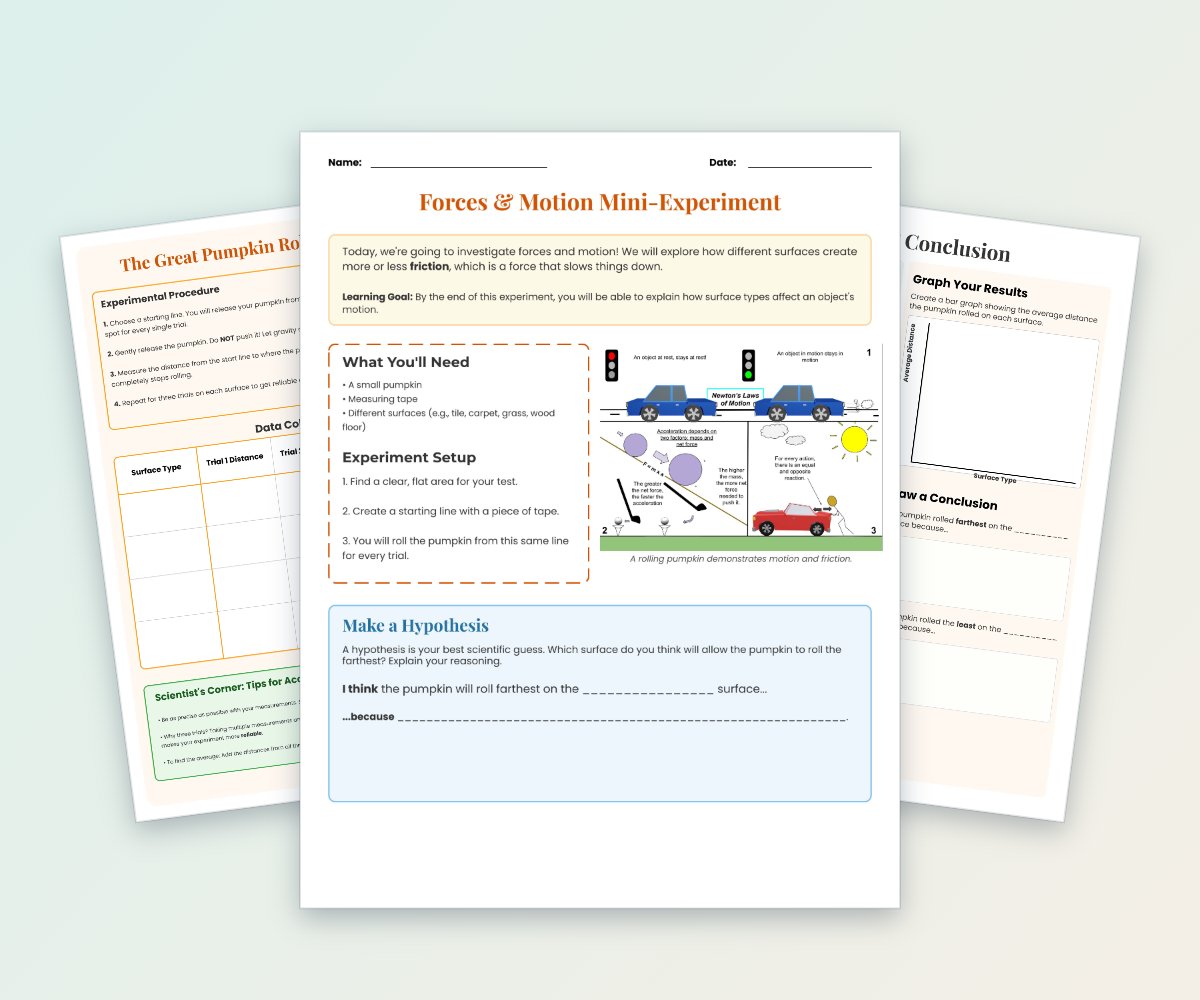
Students investigate how different surfaces affect a rolling pumpkin’s motion and distance.
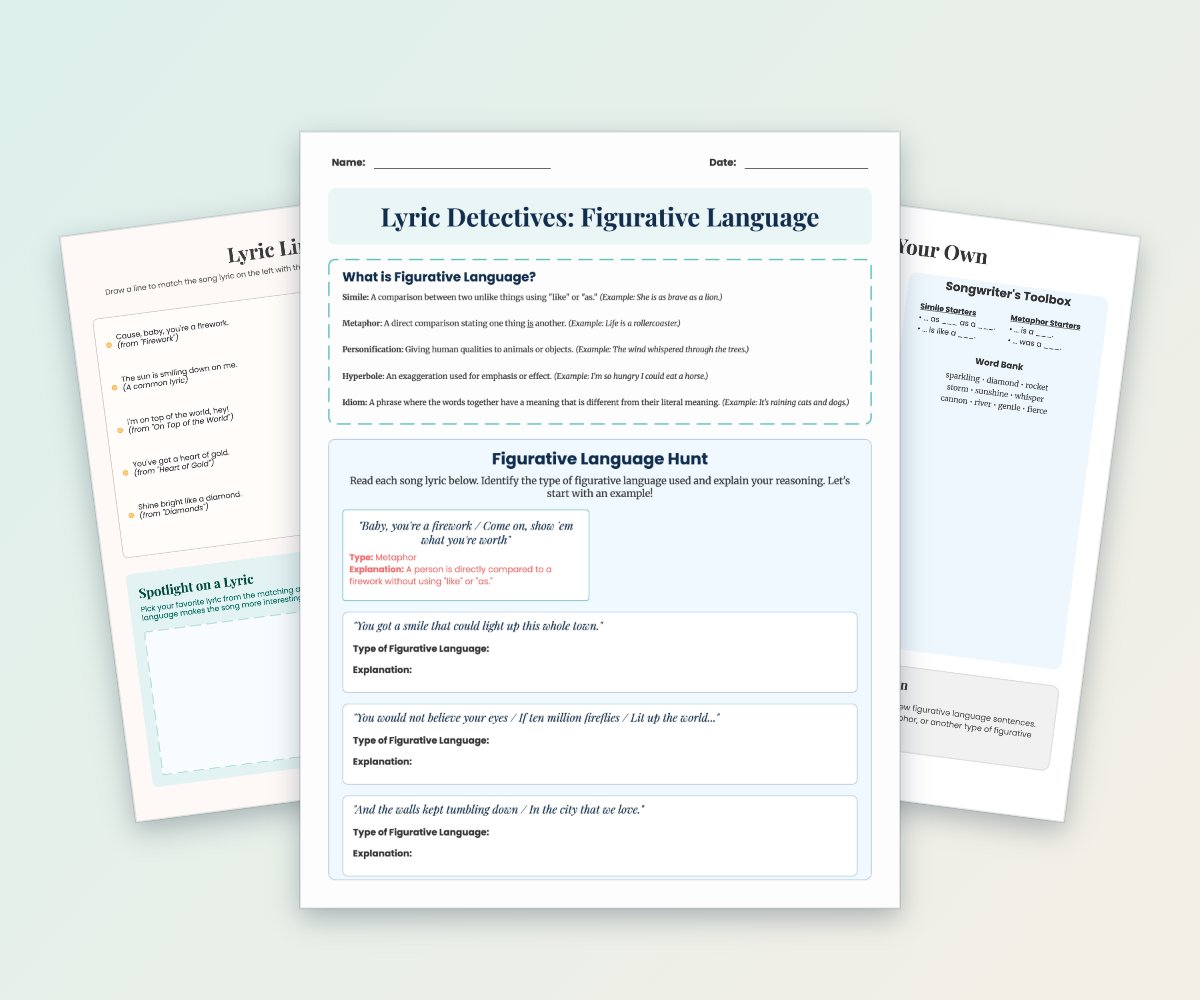
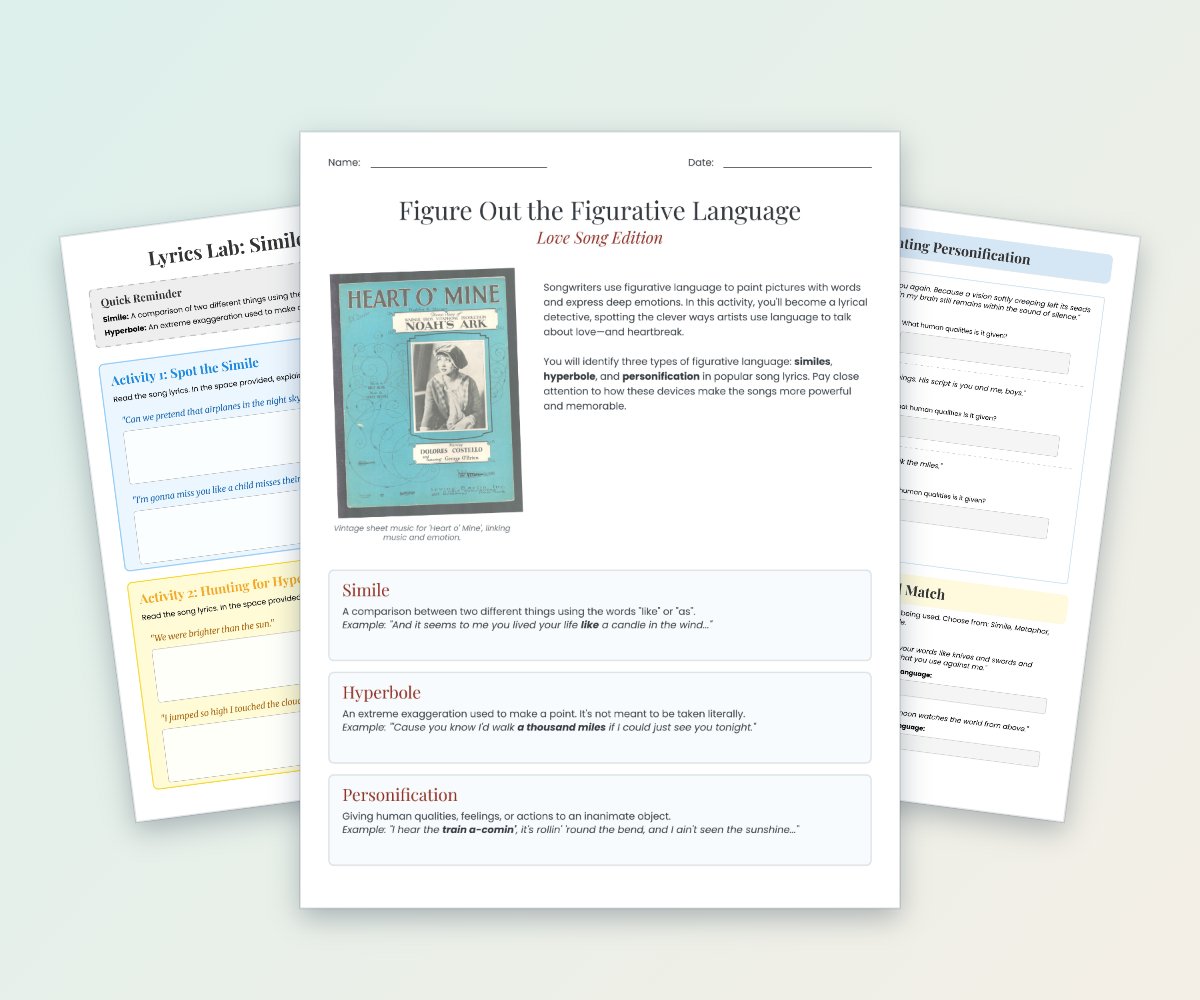
Students identify similes, metaphors, personification, hyperbole, and idioms in familiar song lyrics.
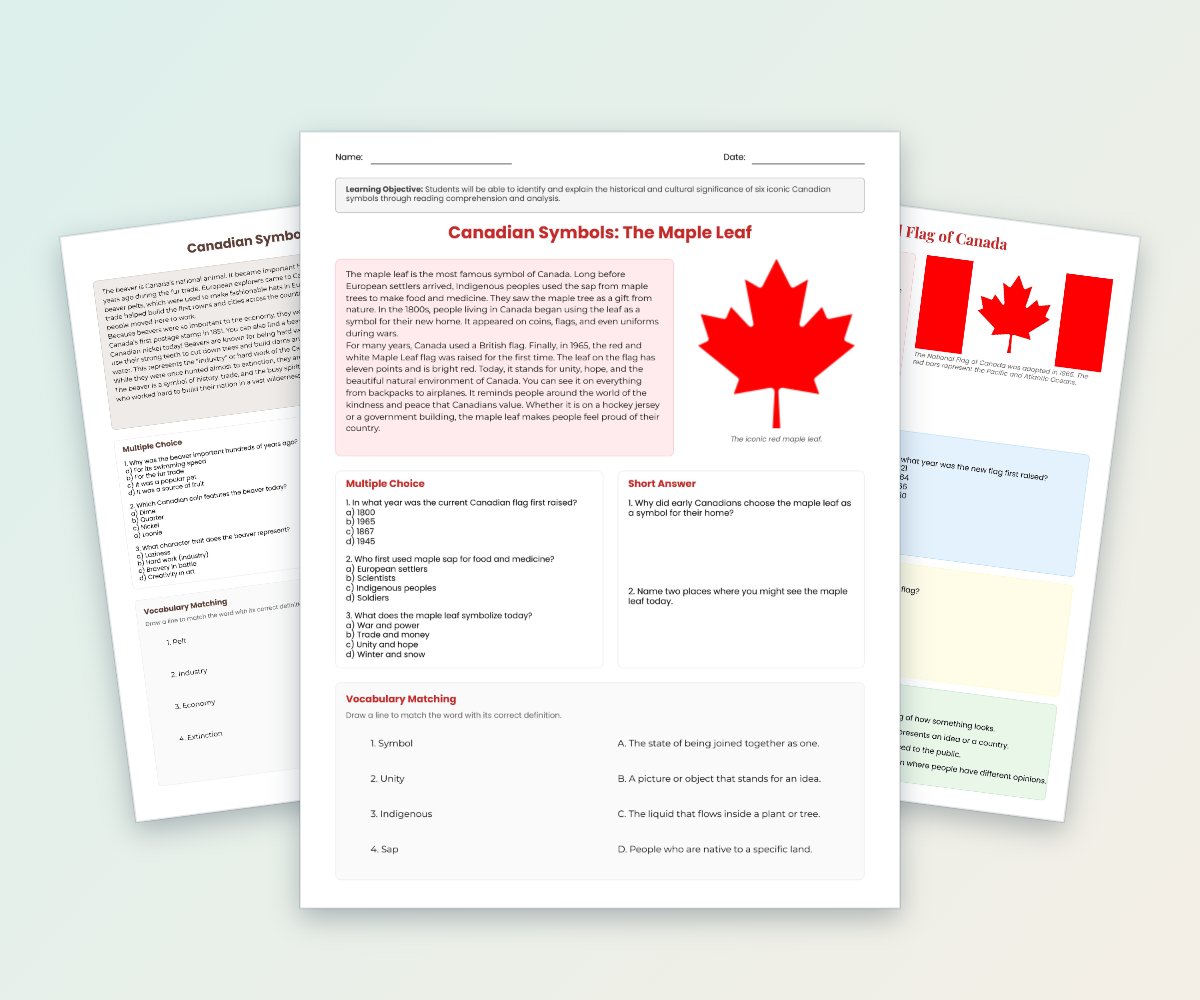
Students explore the historical and cultural significance of six iconic Canadian symbols, including the maple leaf and beaver.
Students explore similes, hyperbole, and personification through familiar song lyrics.
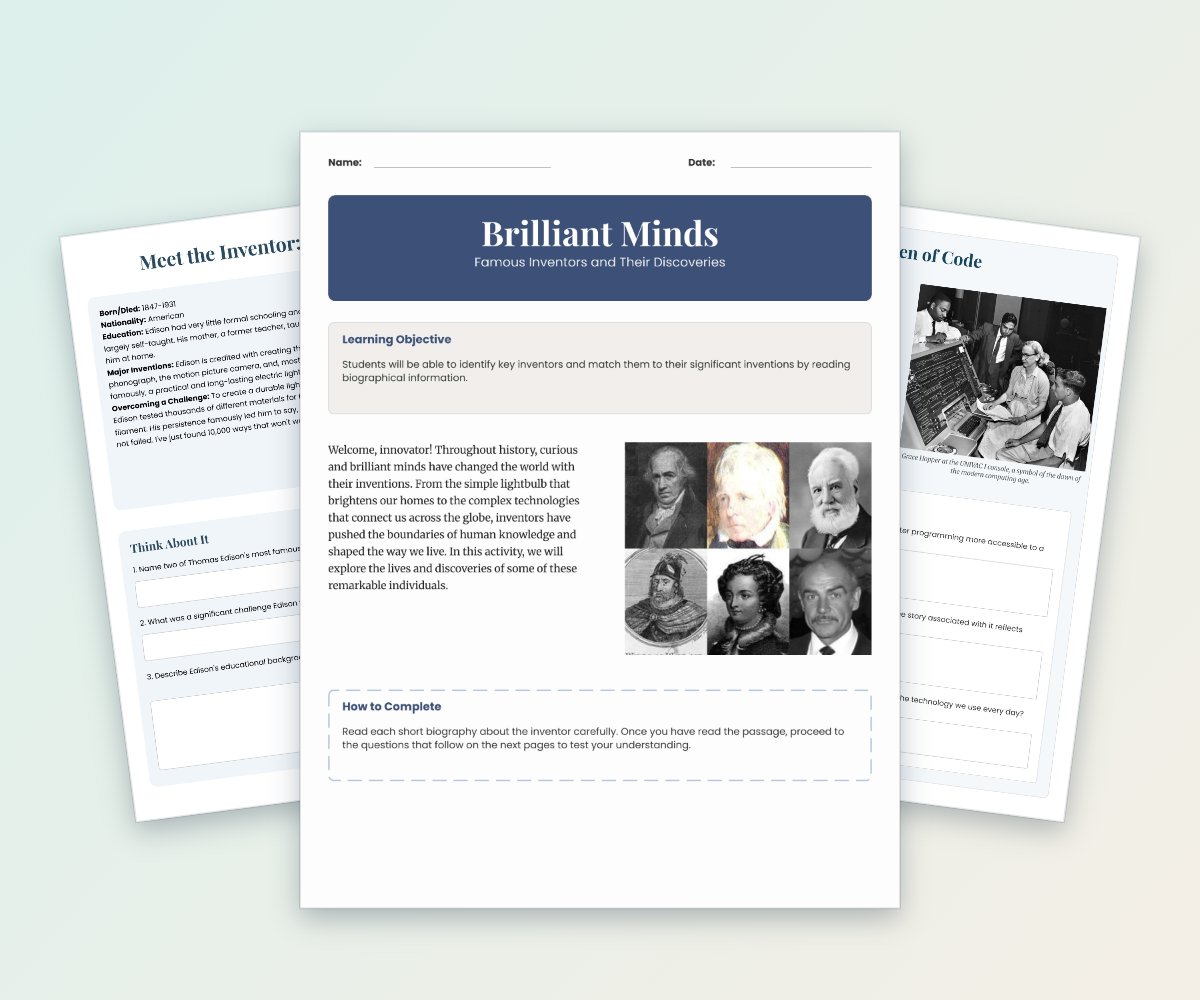
Students read brief biographies of notable inventors, including Thomas Edison and Grace Hopper, and answer comprehension and reflection questions.
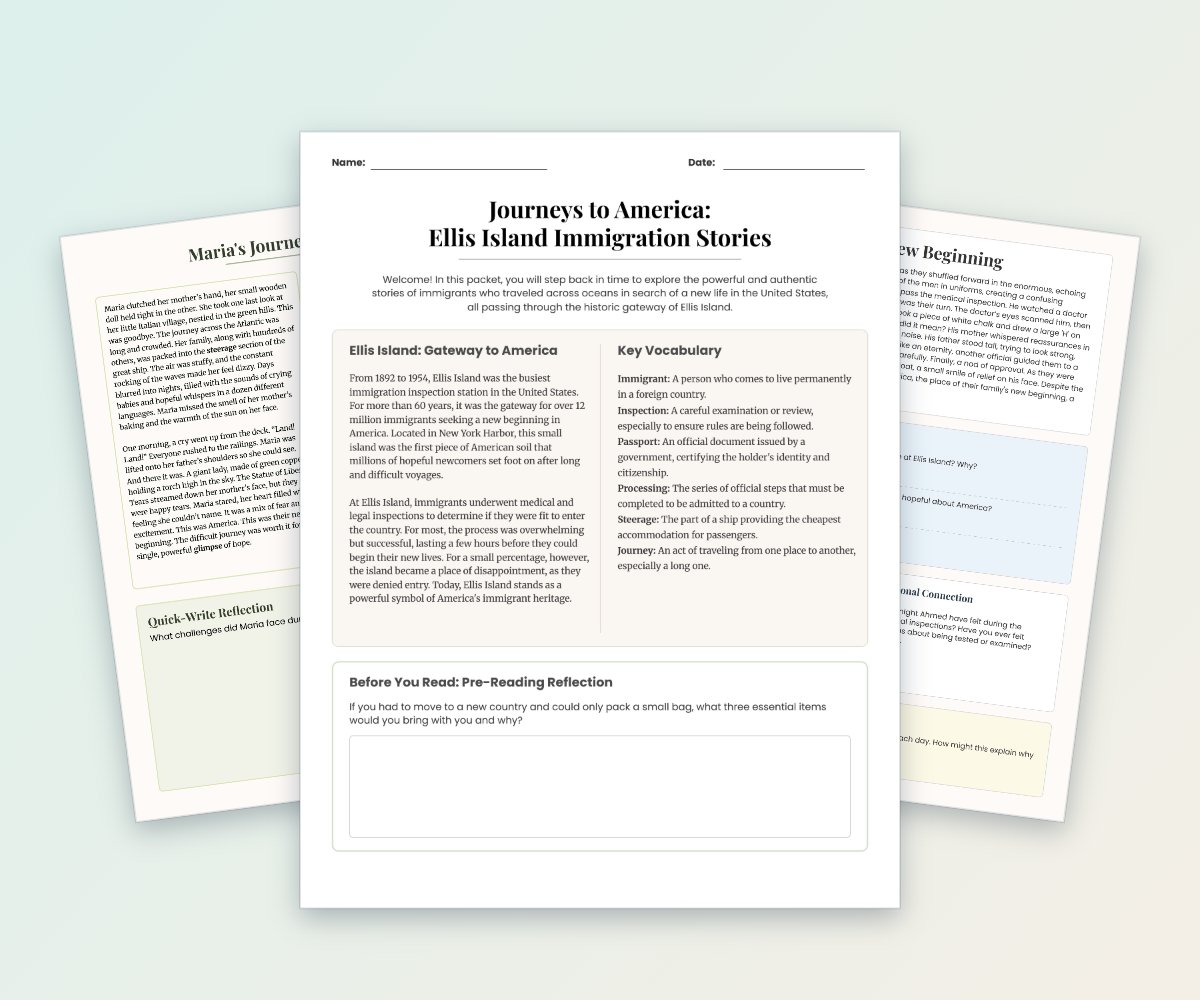
This five-page social studies packet introduces Ellis Island and the immigrant experience through historical background, key vocabulary, a pre-reading reflection, and narrative stories.
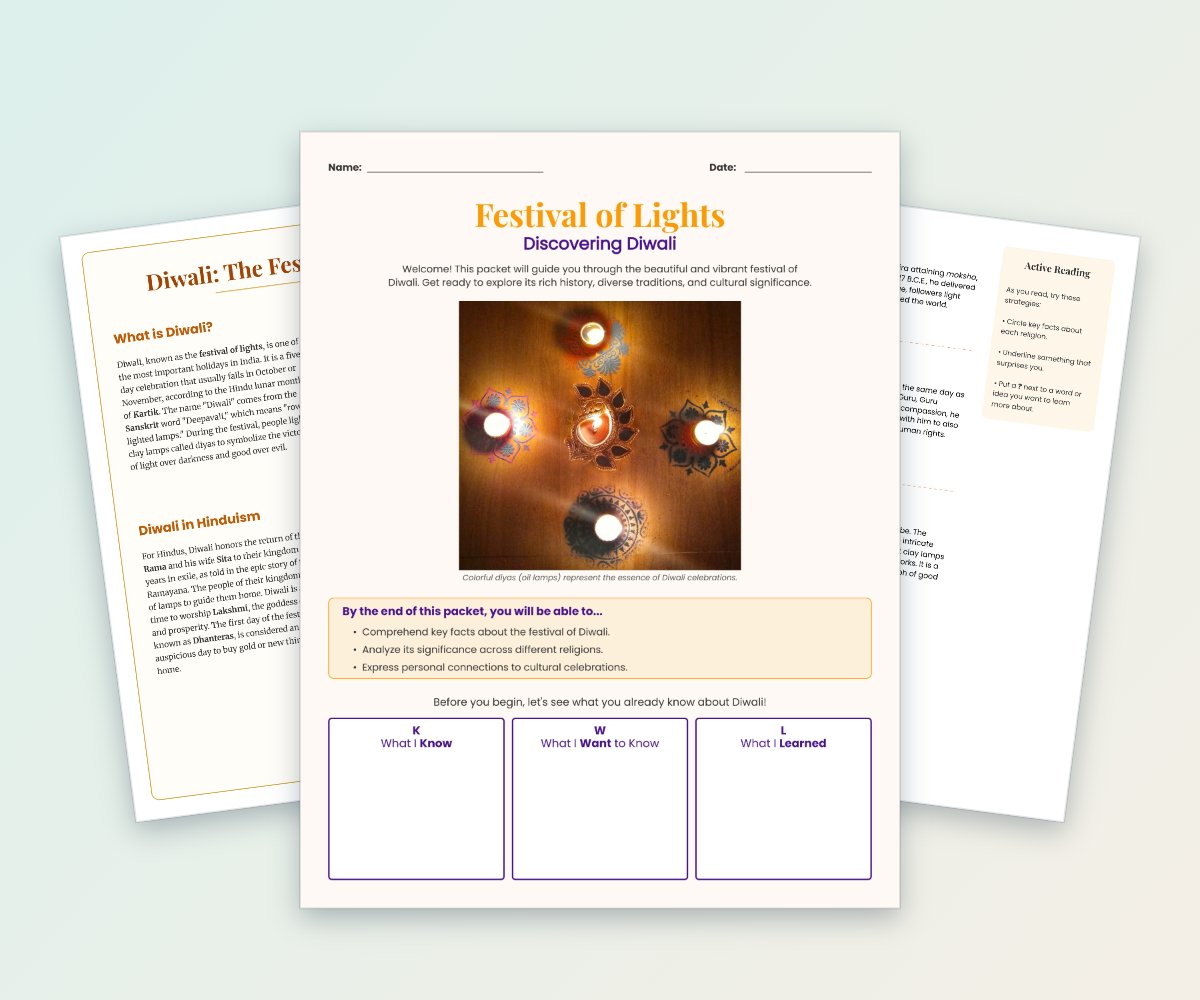
This student-friendly packet explores Diwali’s history, traditions, symbols, and significance in Hinduism, Jainism, and Sikhism.
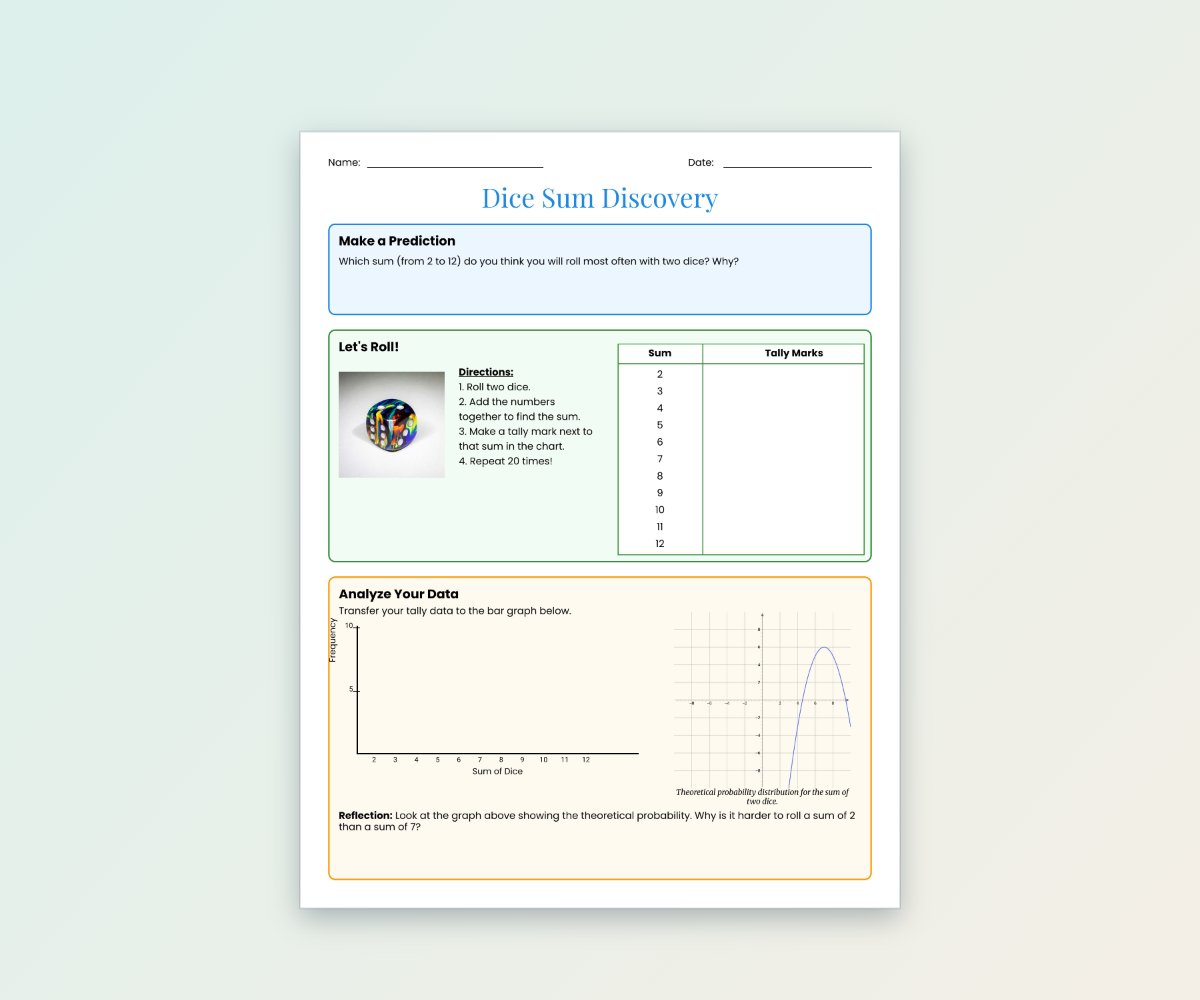
Students roll two dice 20 times, record and graph the sums, and compare their experimental results with theoretical probability.
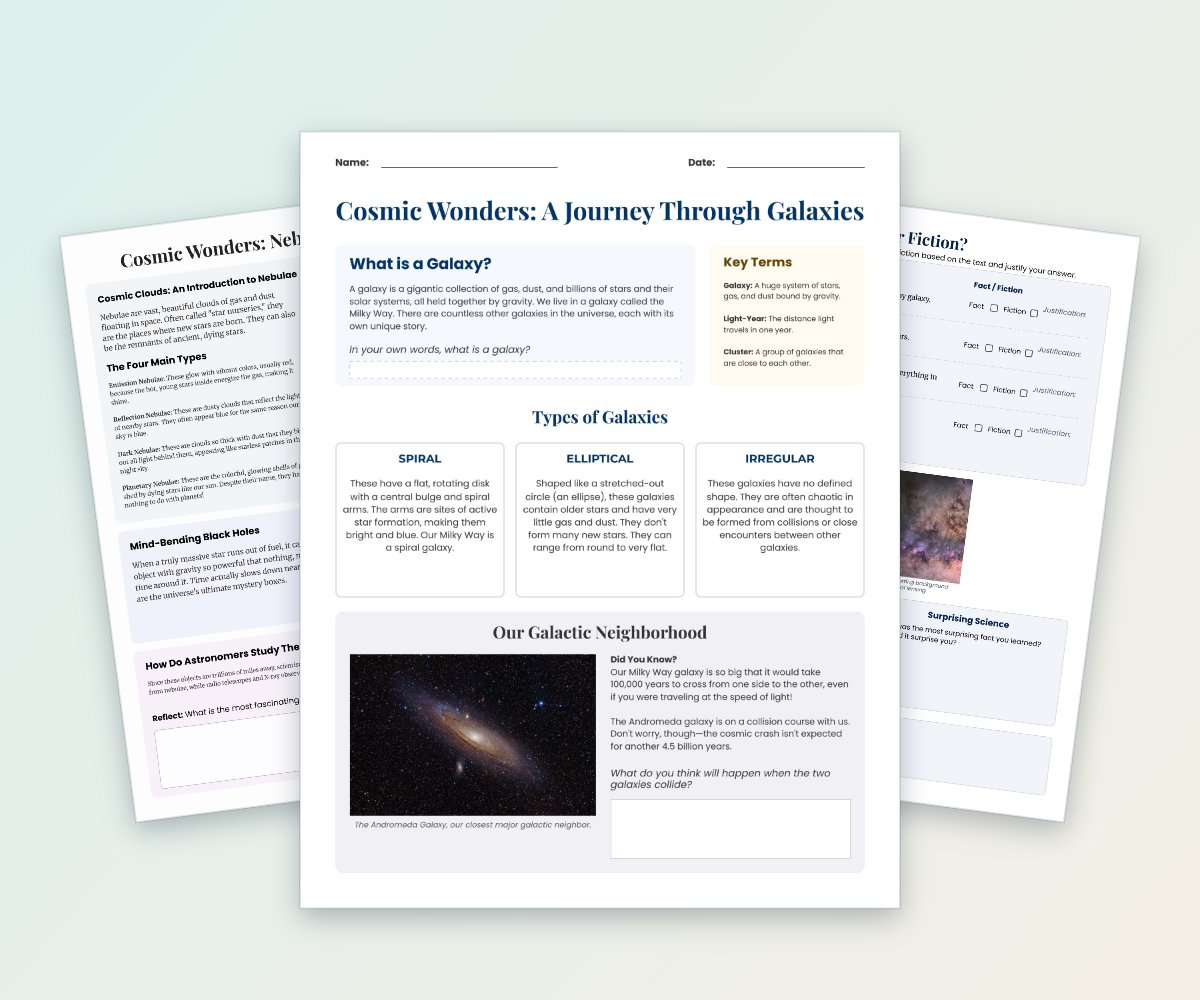
Introduce students to galaxies, galaxy classification, nebulae, and black holes through concise explanations, key terms, and reflection questions.