Understanding and Managing Emotions
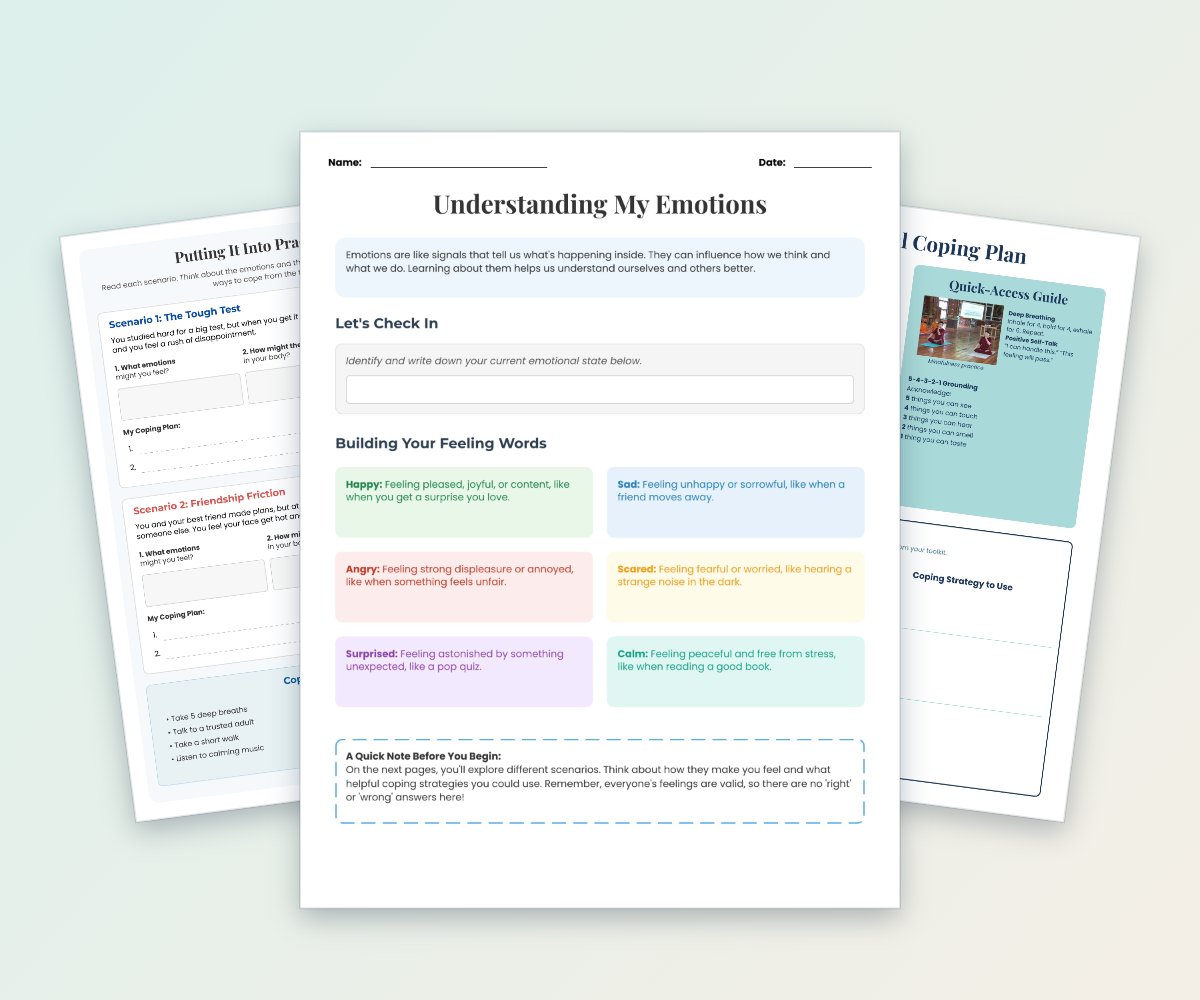
Students identify emotions, explore how feelings appear in their bodies and thoughts, and respond to realistic scenarios.
$3
Classroom-ready resources written for grade 12: printable worksheets, slides, activities and planning tools you can download and use straight away. Browse by subject below.
Students identify emotions, explore how feelings appear in their bodies and thoughts, and respond to realistic scenarios.
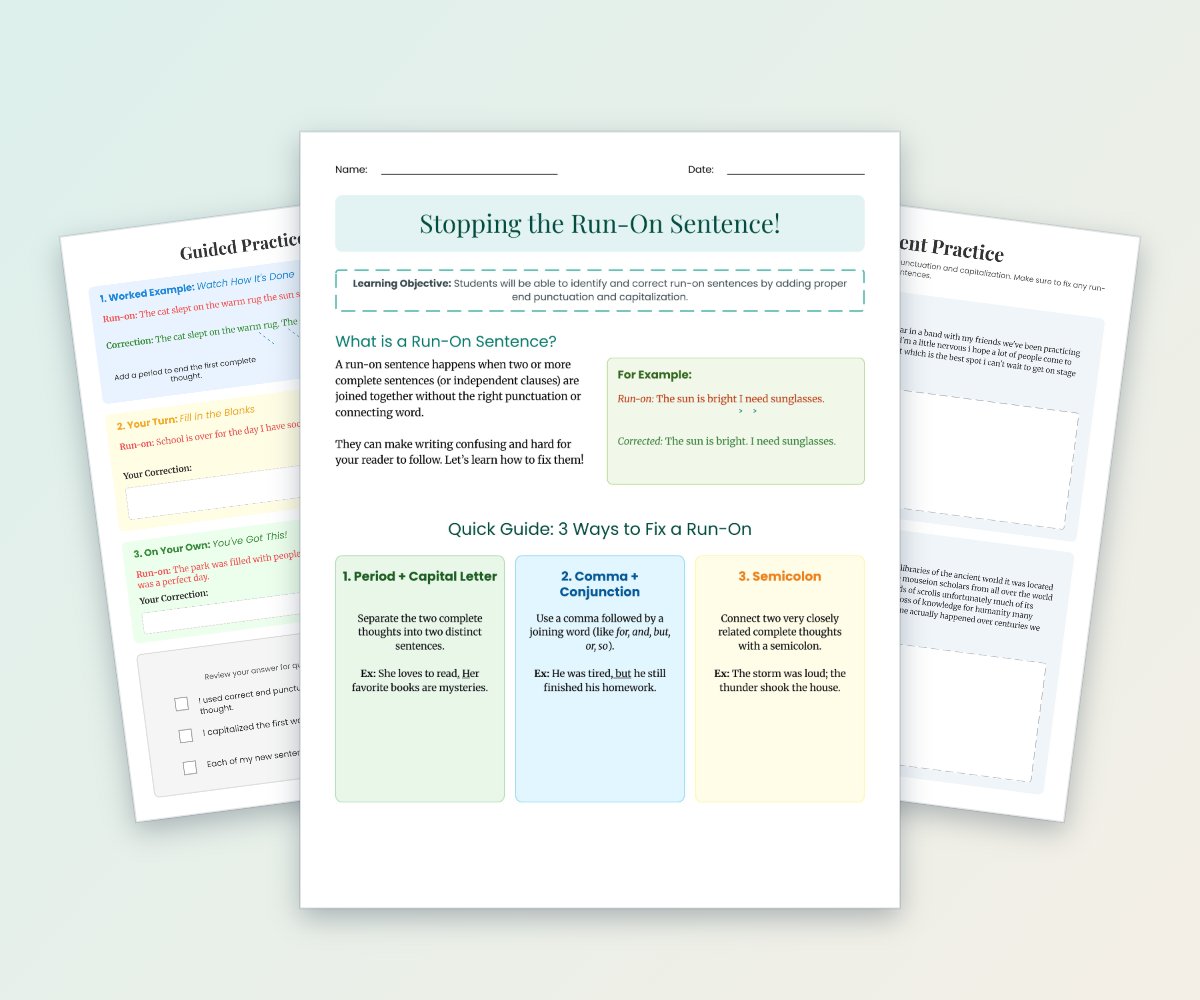
This four-page worksheet teaches students to identify and correct run-on sentences using periods, capitalization, commas with conjunctions, and semicolons.
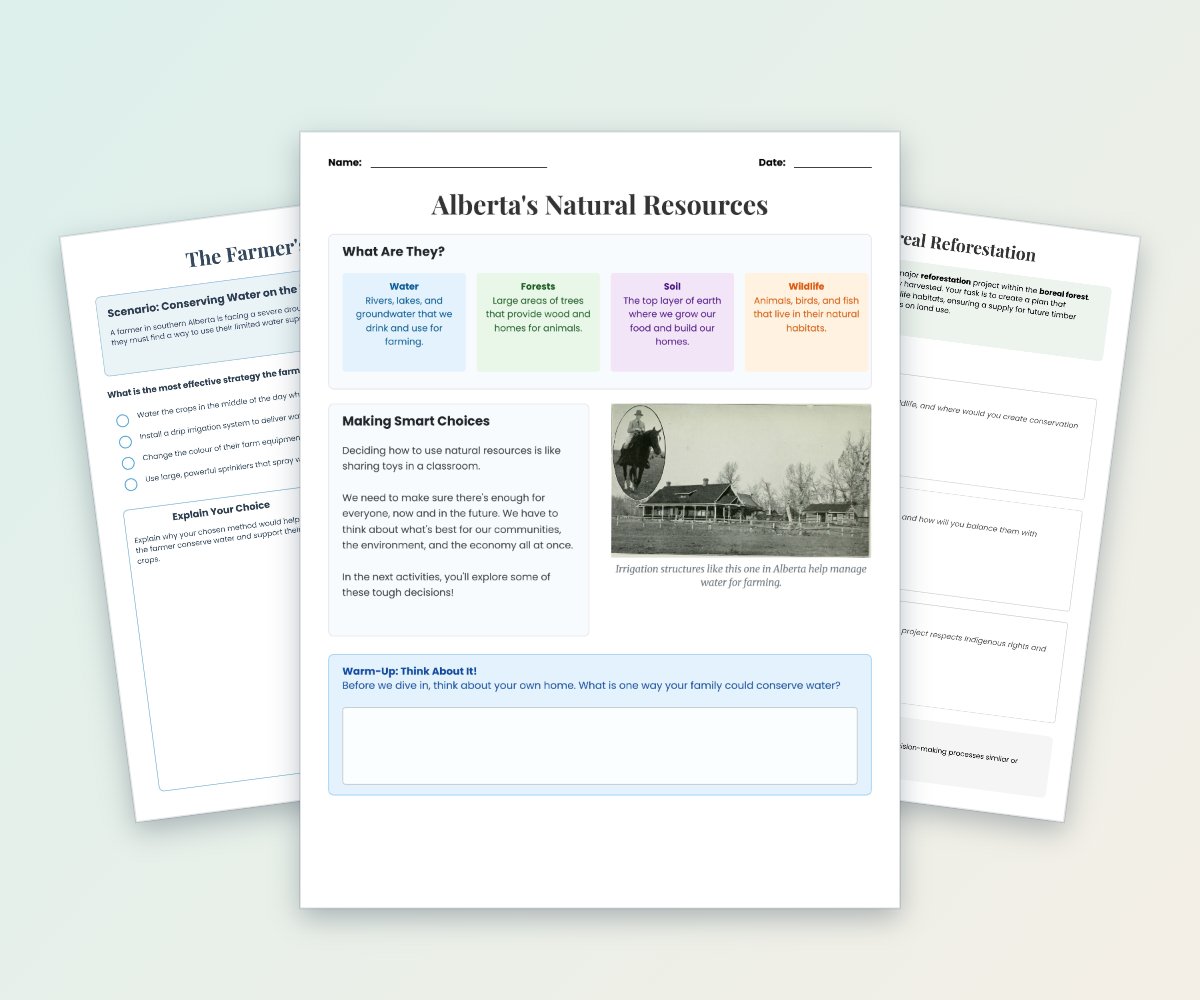
Students explore Alberta’s water, forests, soil, and wildlife through practical conservation scenarios.
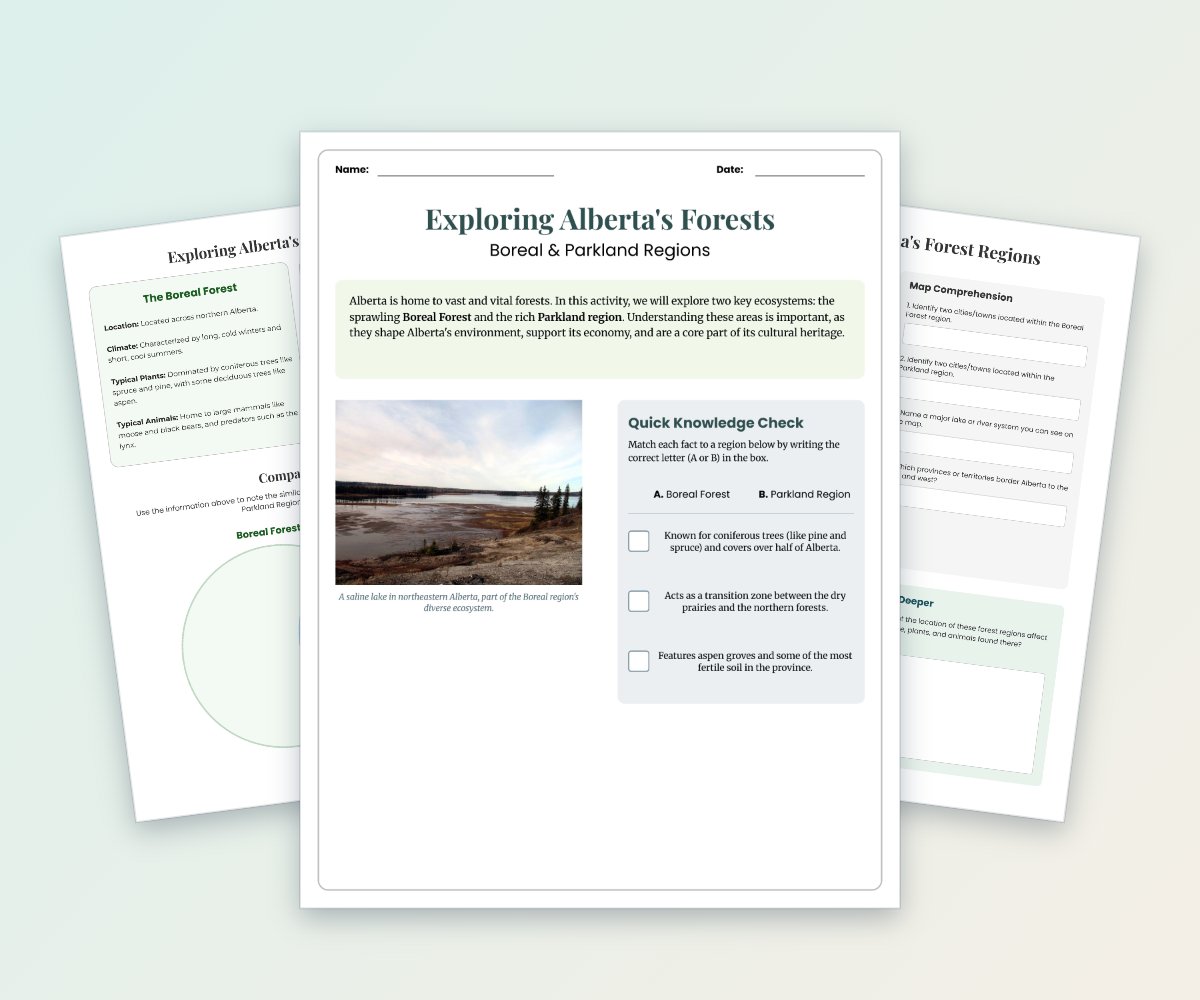
Students explore Alberta's Boreal Forest and Parkland regions through knowledge checks, comparisons, map activities, and questions about forest importance.
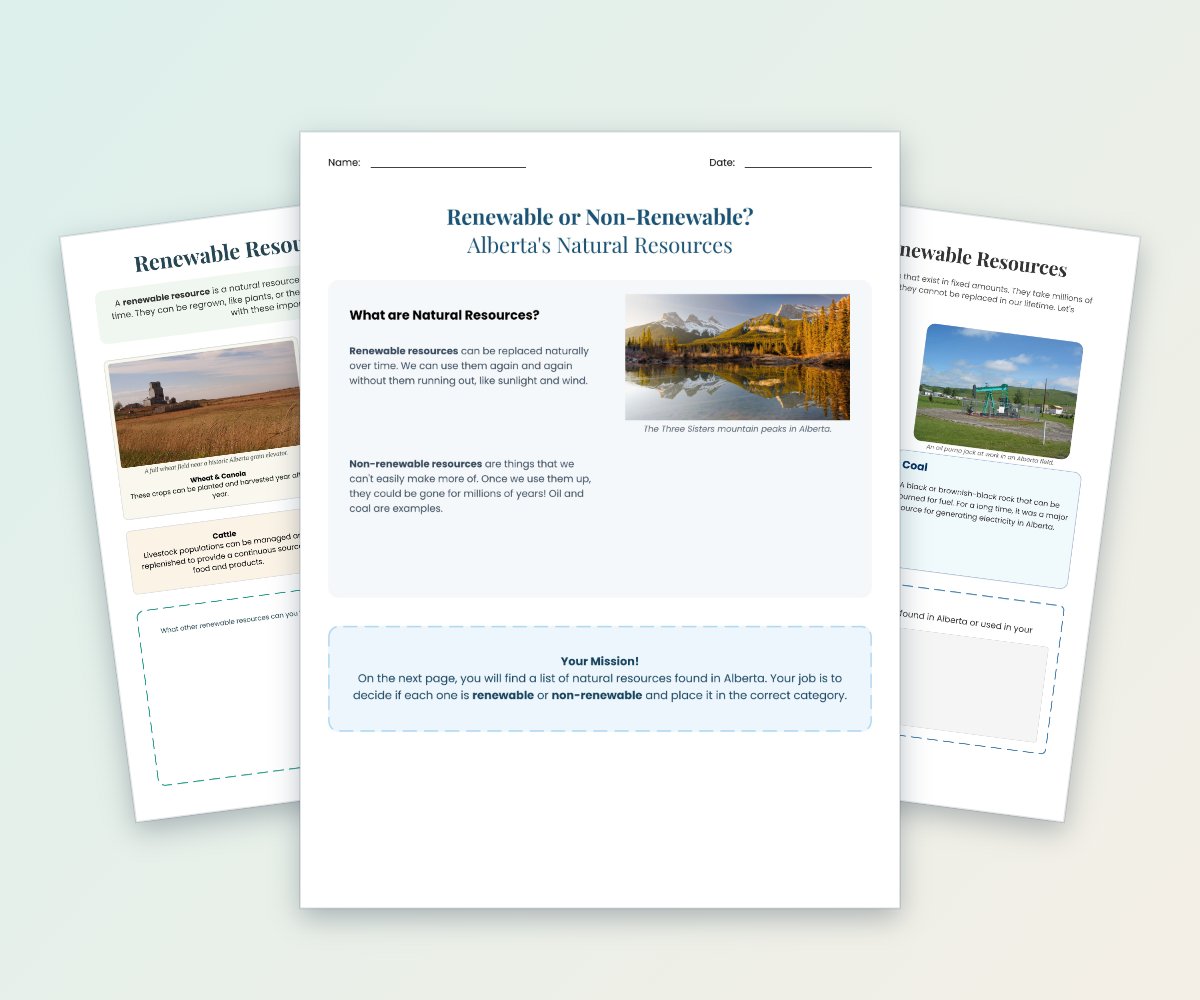
This four-page resource introduces renewable and non-renewable natural resources found in Alberta, including wheat, cattle, wind, timber, natural gas, oil, and coal.
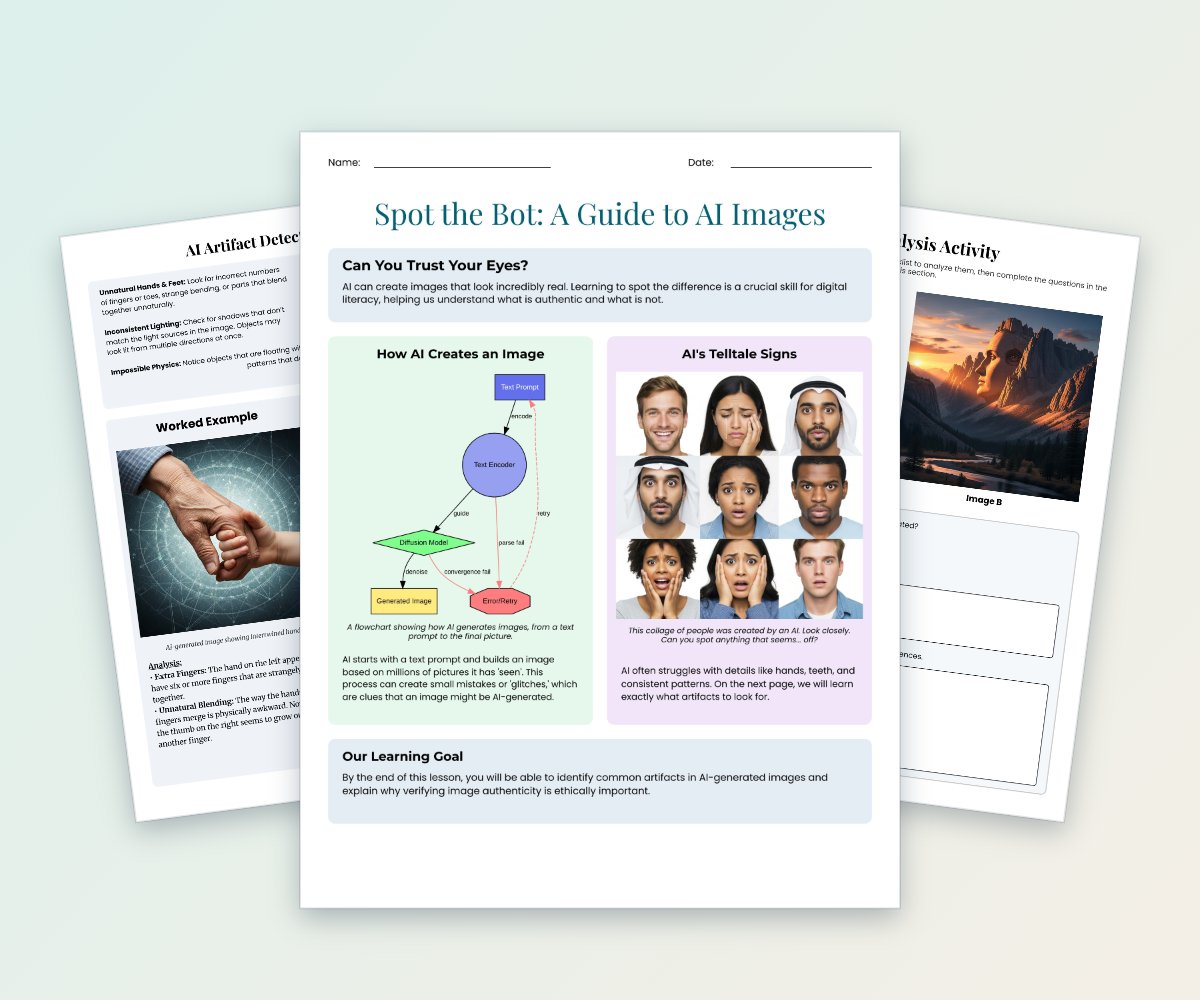
This four-page lesson introduces how AI-generated images are created and teaches students to identify common visual artifacts.
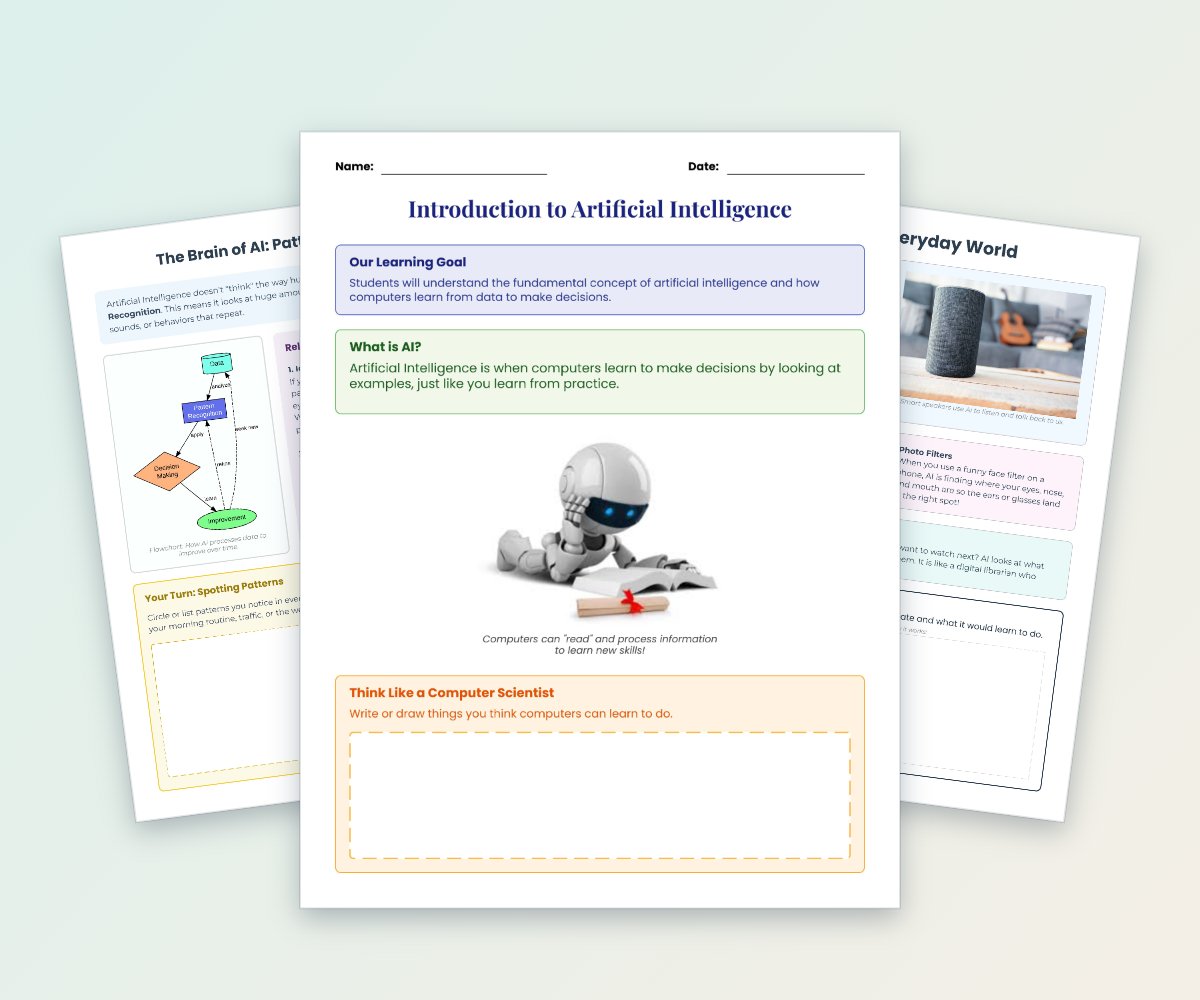
Introduce students to artificial intelligence, machine learning from data, and pattern recognition through accessible explanations and everyday examples.
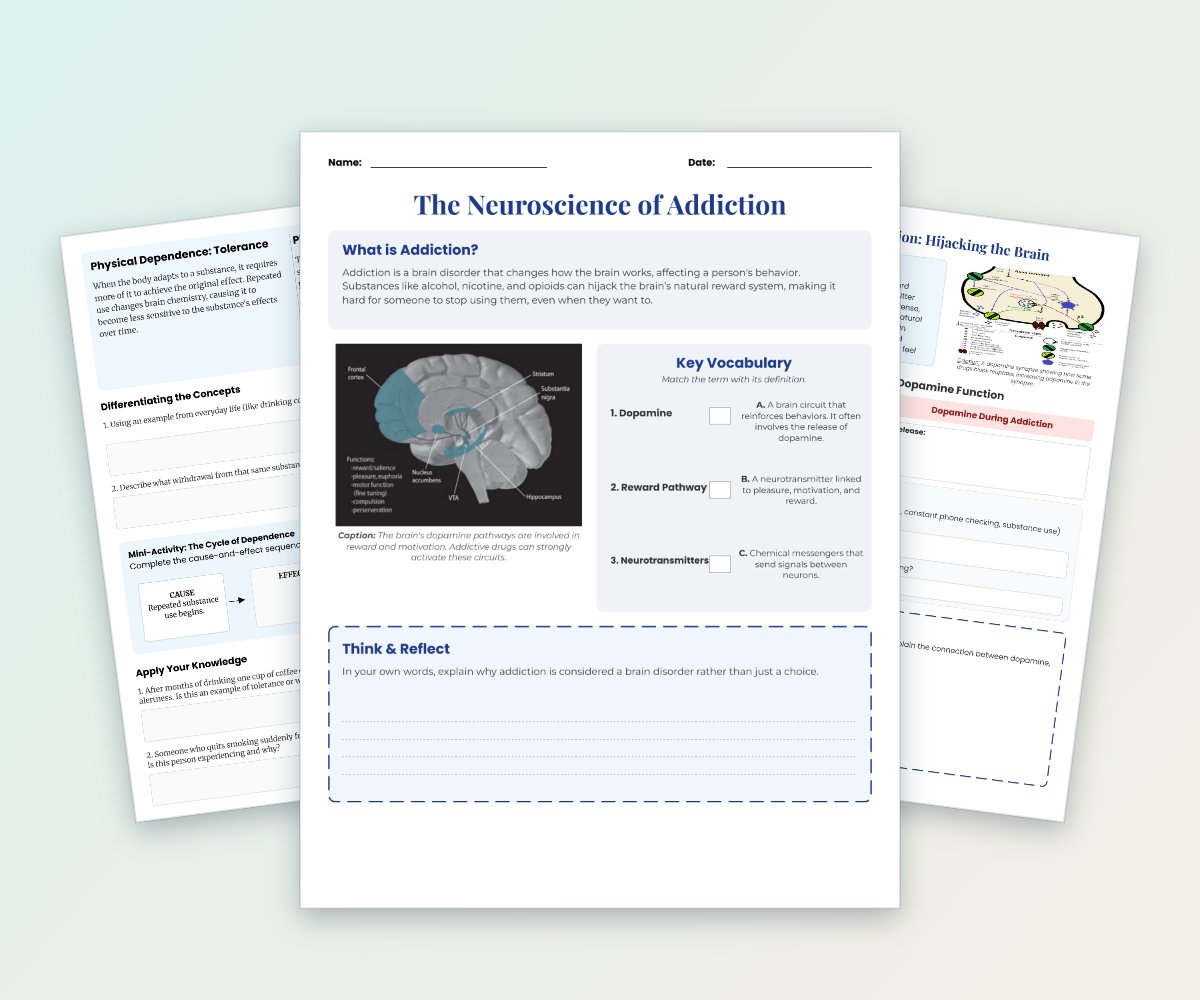
This four-page student worksheet introduces addiction as a brain disorder and explains dopamine, reward pathways, tolerance, and withdrawal.
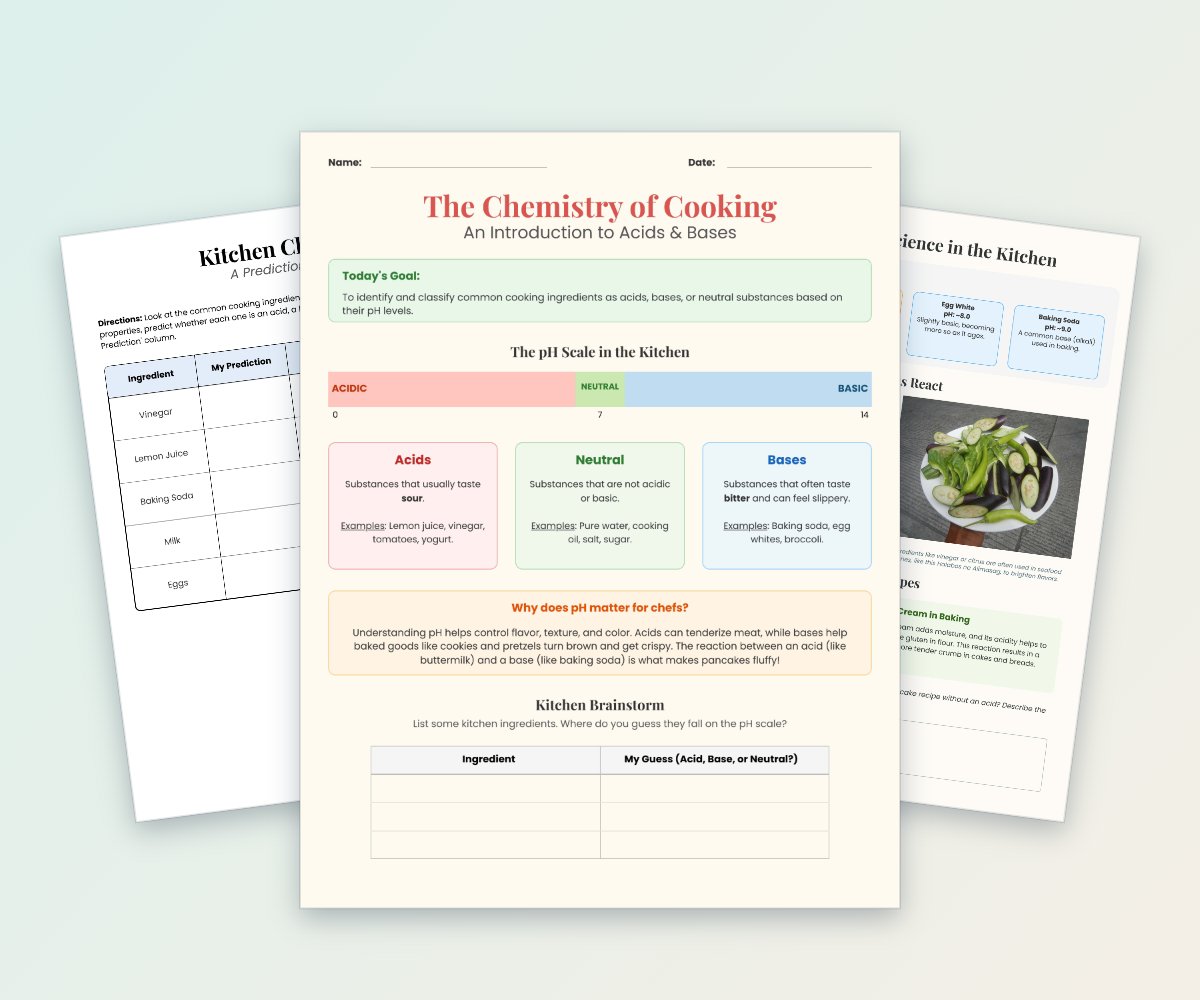
Introduce students to acids, bases, neutral substances, and the pH scale using familiar cooking ingredients.
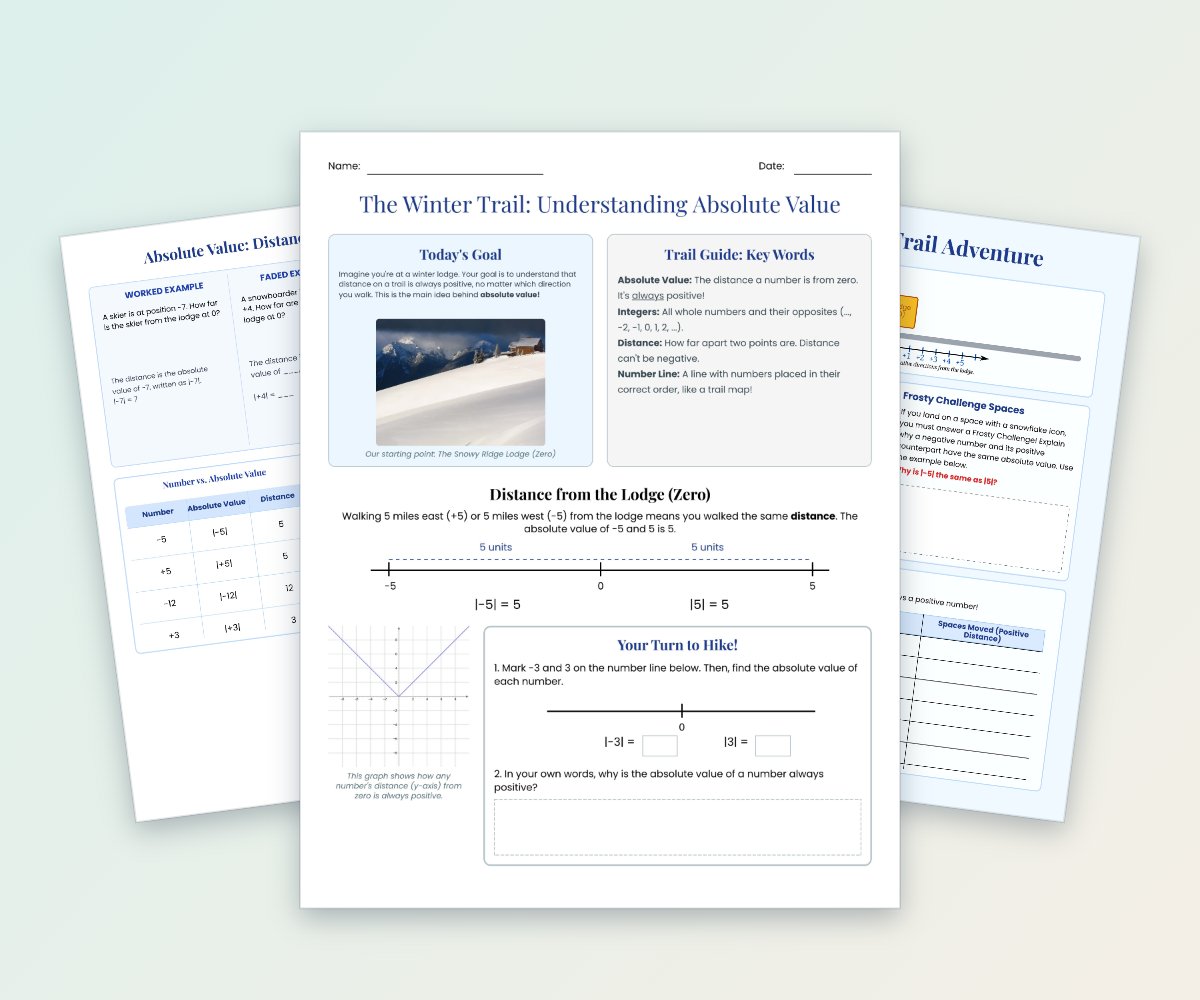
Students explore absolute value as distance from zero through winter-themed explanations, number lines, worked examples, and independent practice.
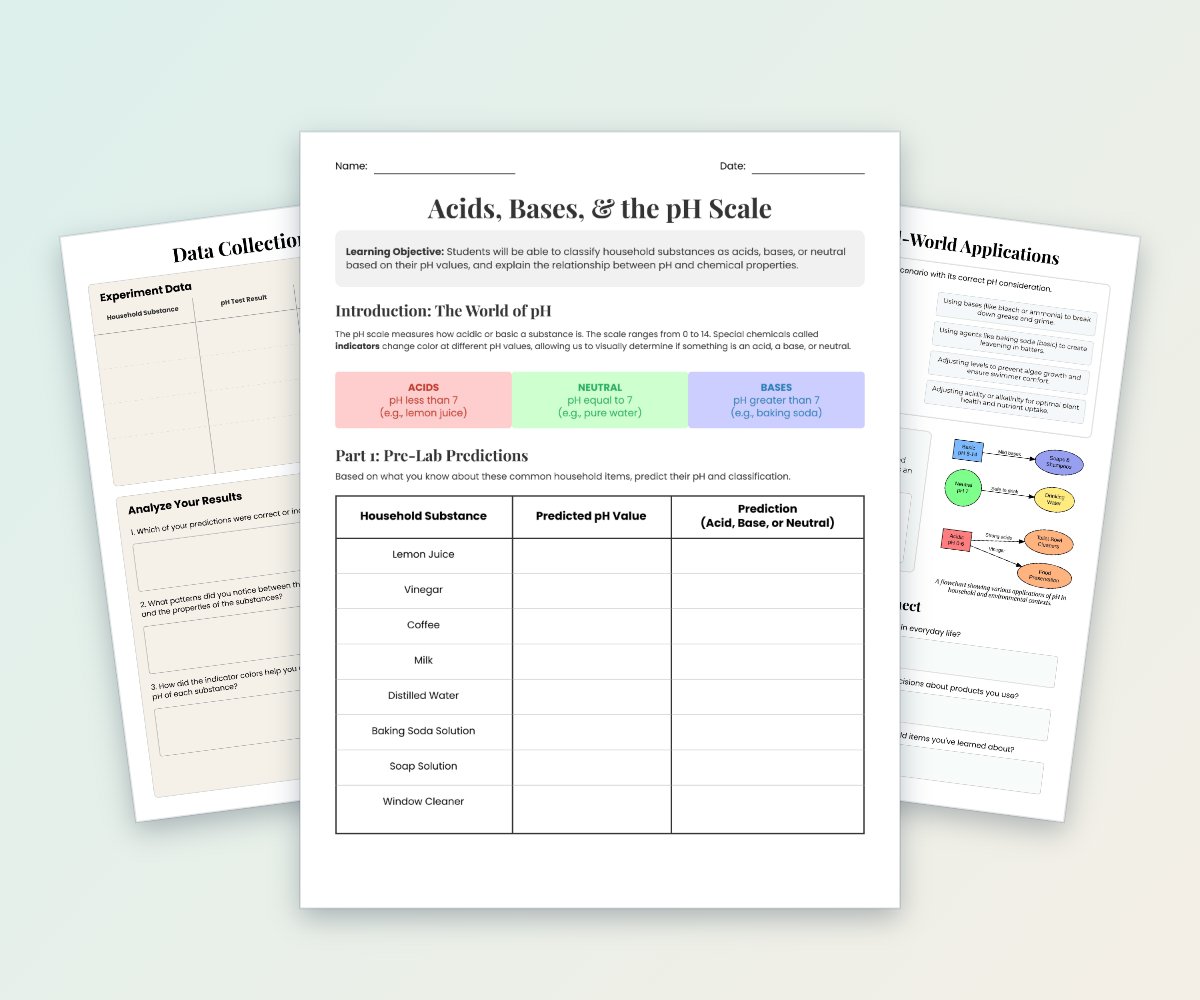
This three-page science worksheet introduces the pH scale and helps students classify household substances as acidic, basic, or neutral.
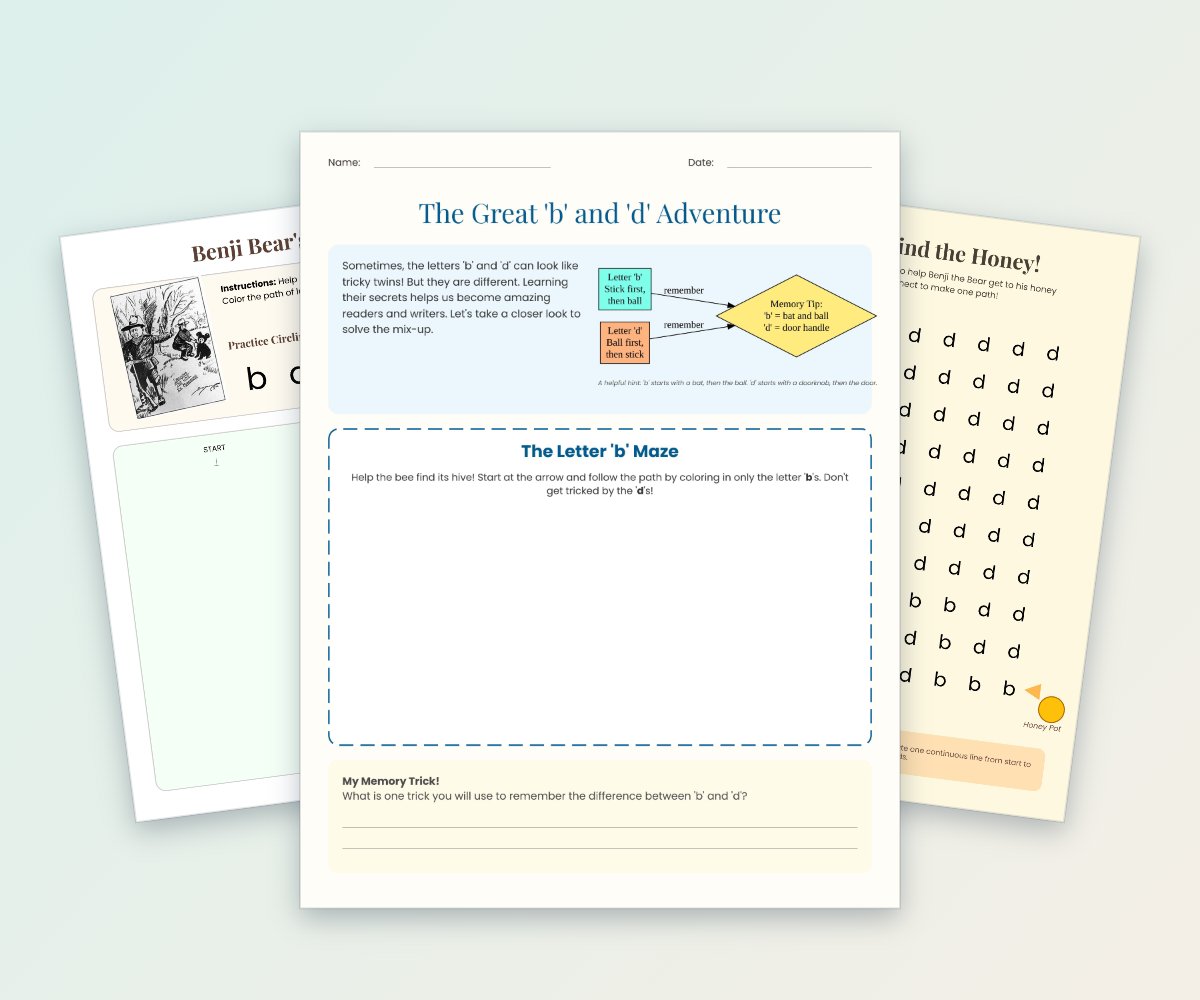
Help students distinguish lowercase b and d using memorable formation cues, visual explanations, and engaging letter mazes.
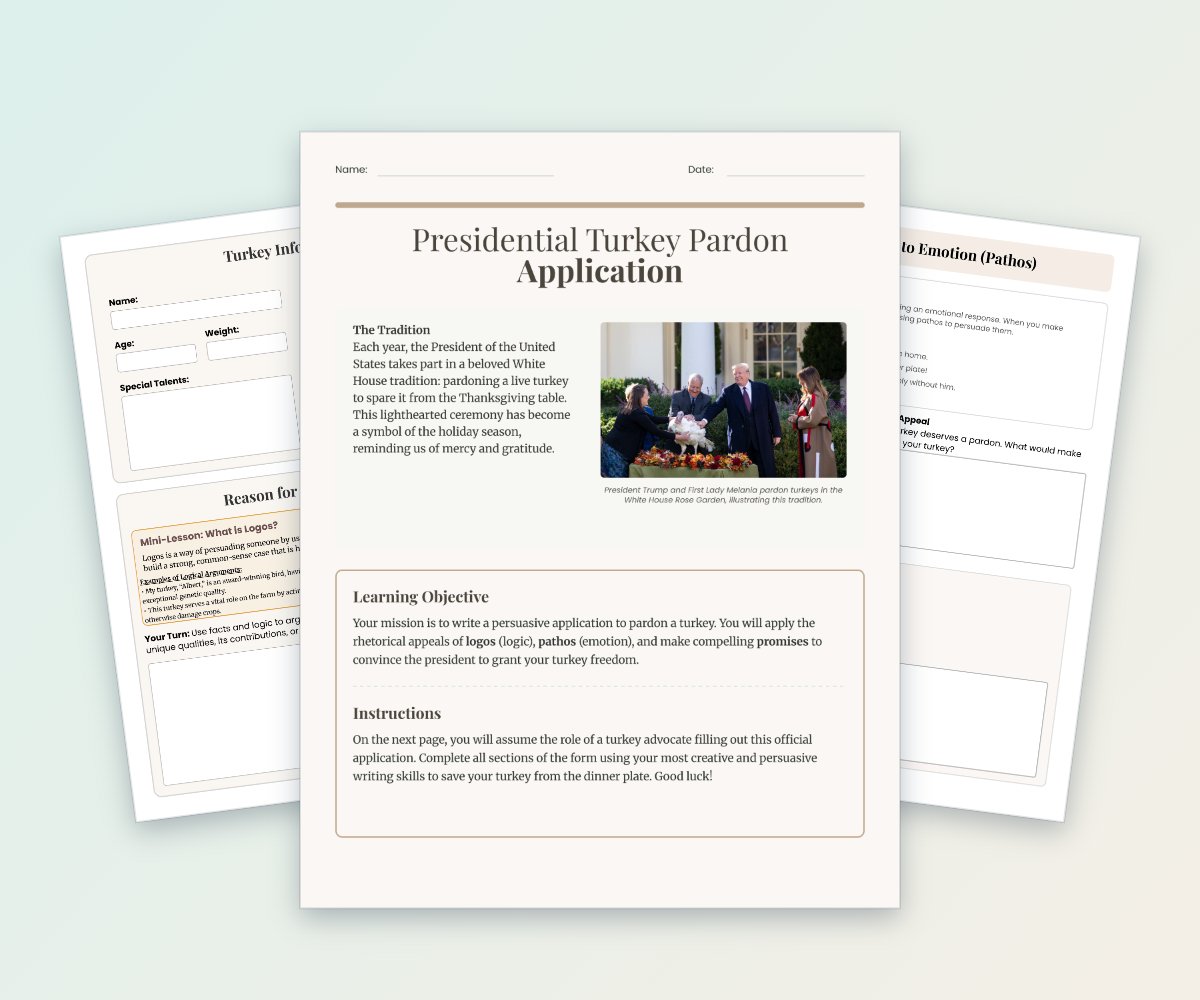
Students role-play as turkey advocates and complete an application using logical and emotional appeals to persuade the president.
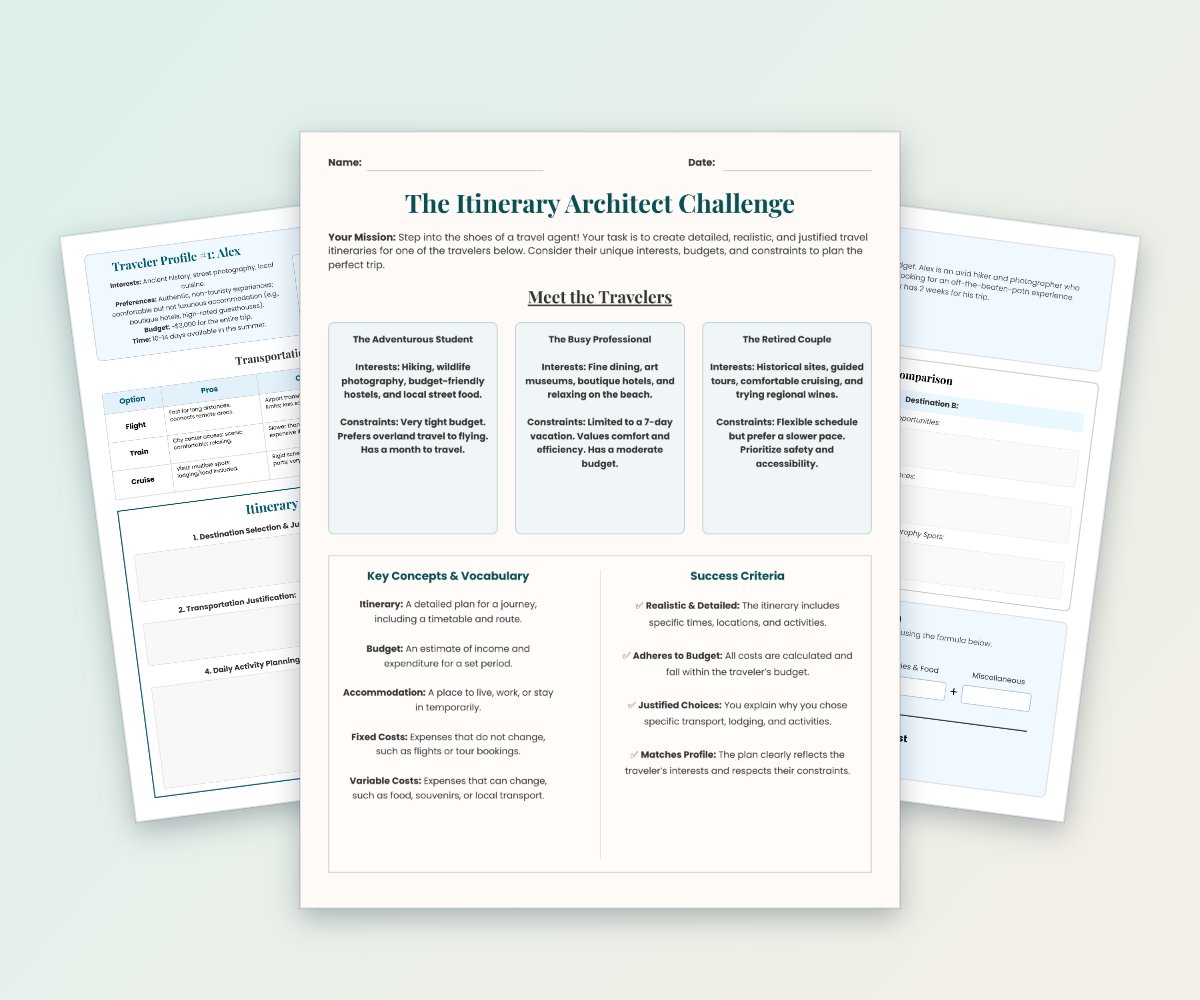
Students act as travel agents to design realistic itineraries based on traveler interests, budgets, schedules, and constraints.
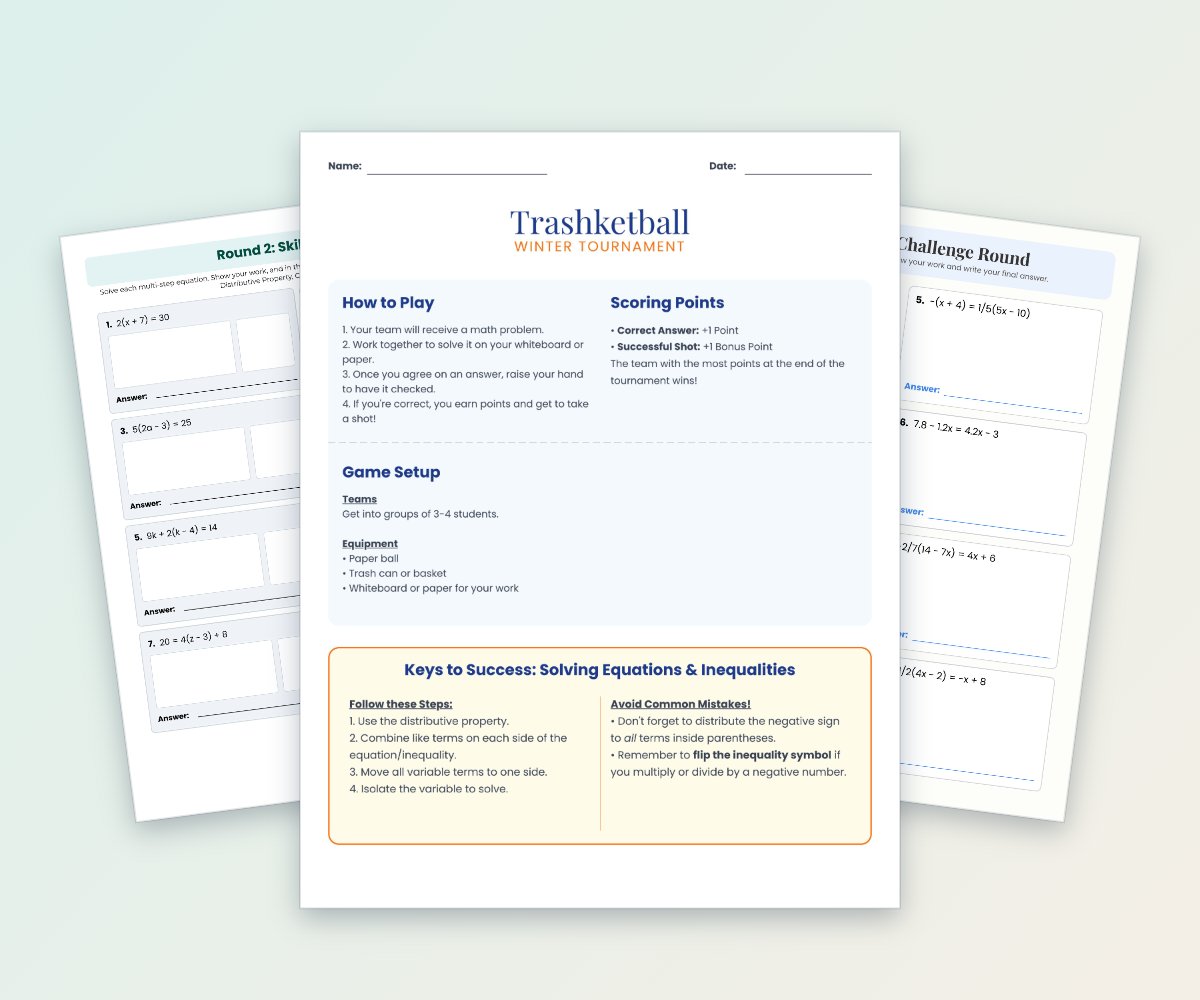
Engage students in a competitive Trashketball tournament featuring collaborative practice with multi-step equations and inequalities.
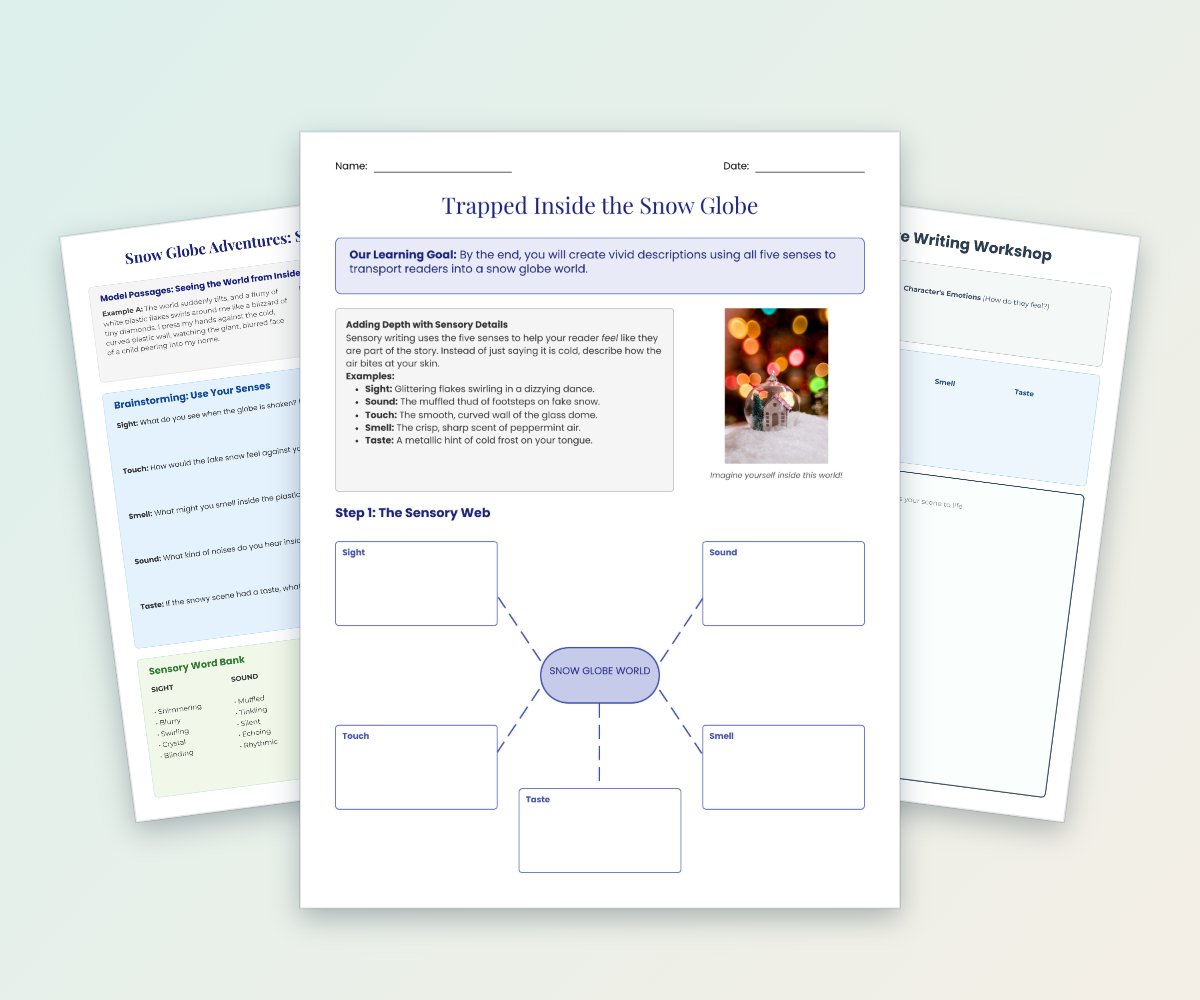
Students imagine being trapped inside a snow globe and use all five senses to develop vivid descriptive language.
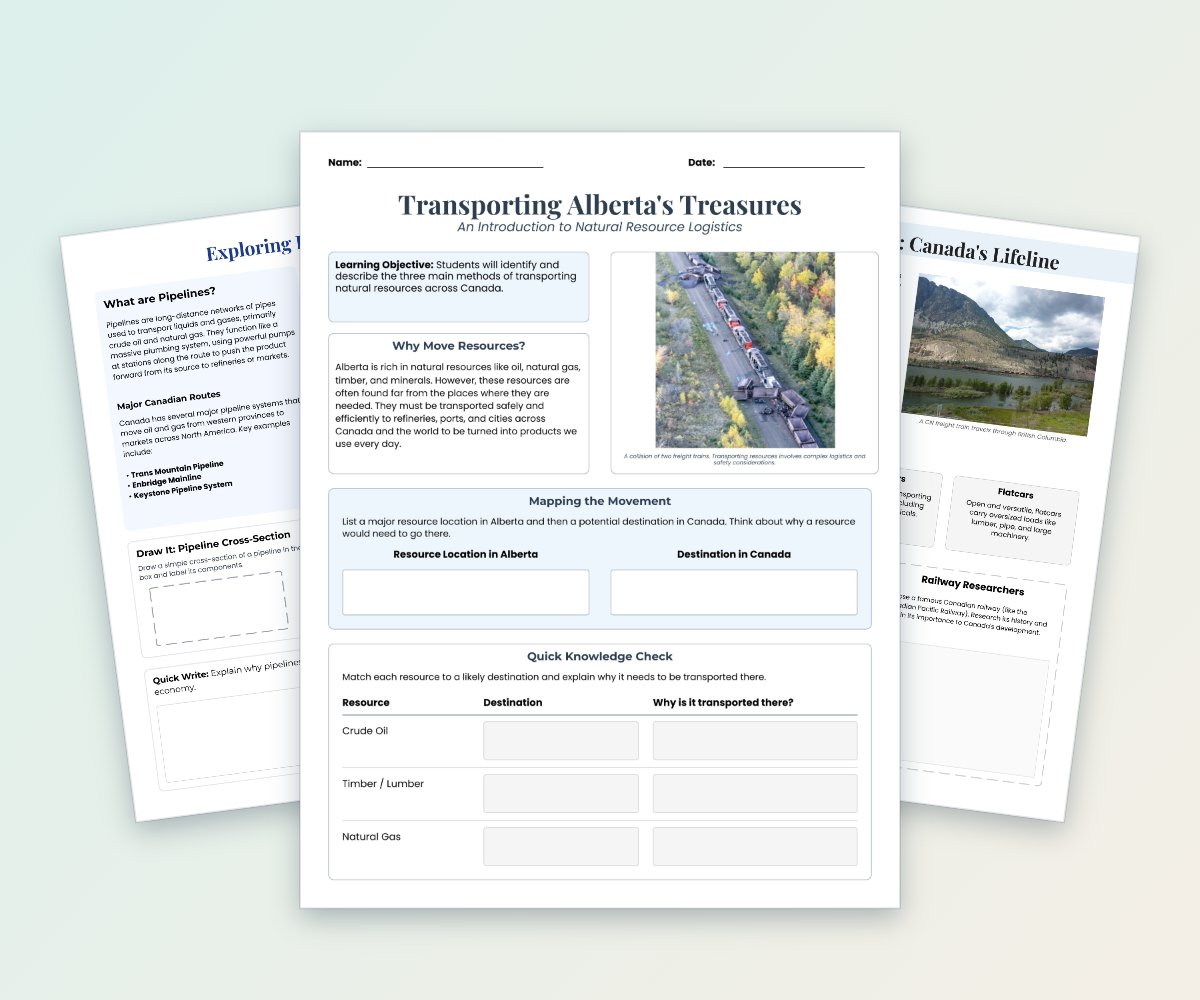
Students explore why Alberta’s natural resources must be transported and compare pipelines with other transportation methods.
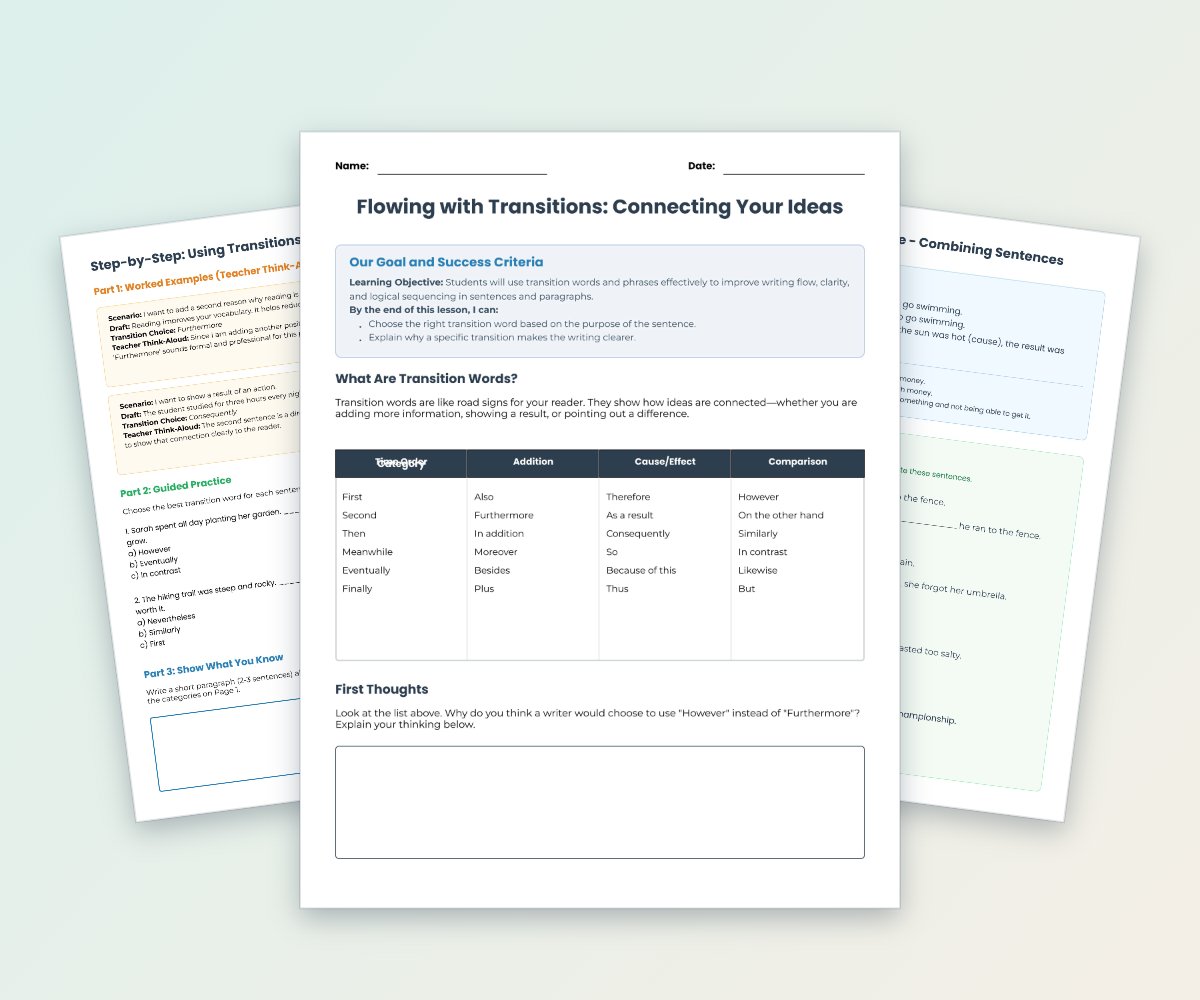
Teach students how transition words connect ideas and improve writing flow, clarity, and logical sequencing.
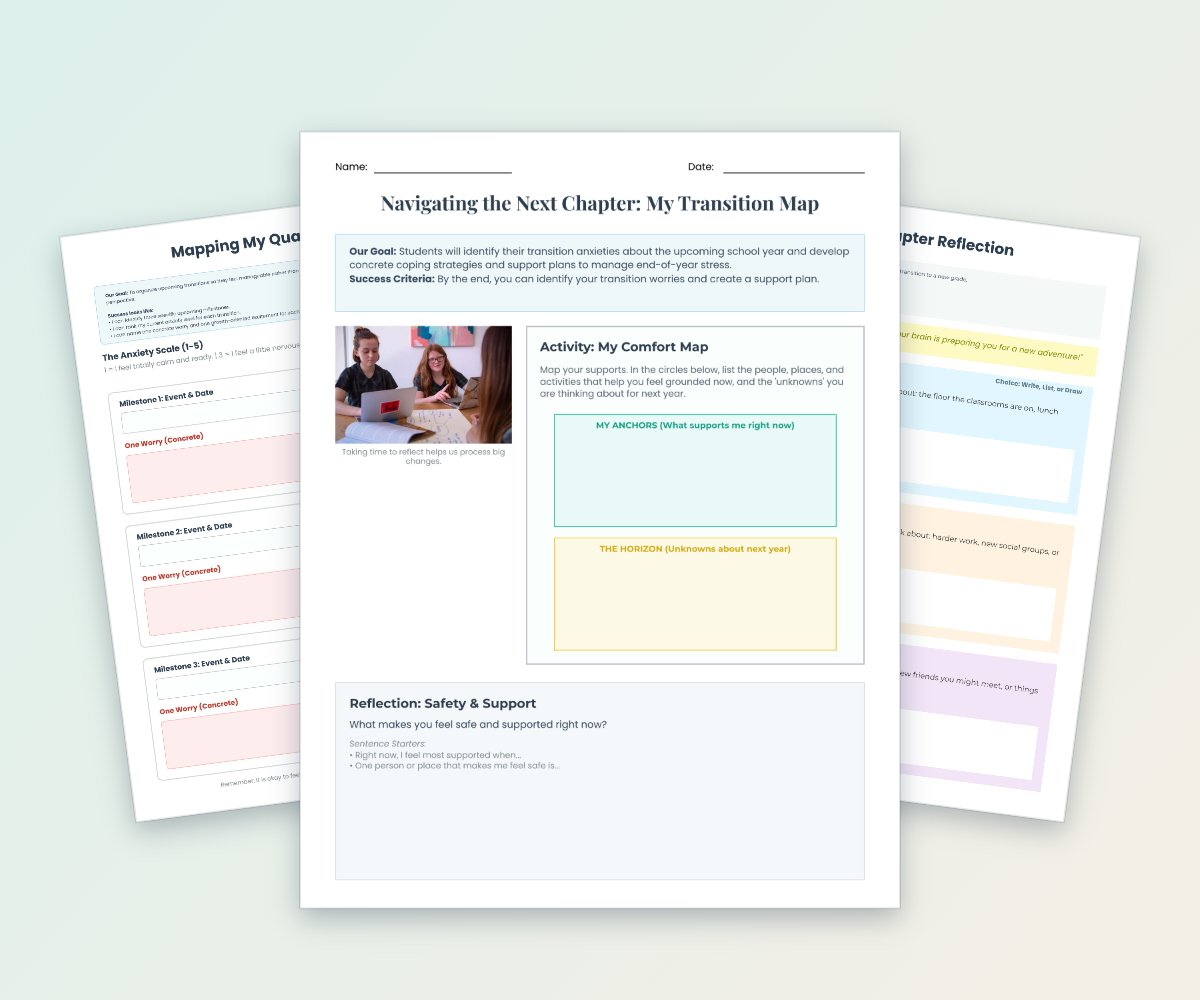
This five-page activity pack helps students reflect on upcoming school-year transitions, identify worries and excitement, and map supportive people and activities.
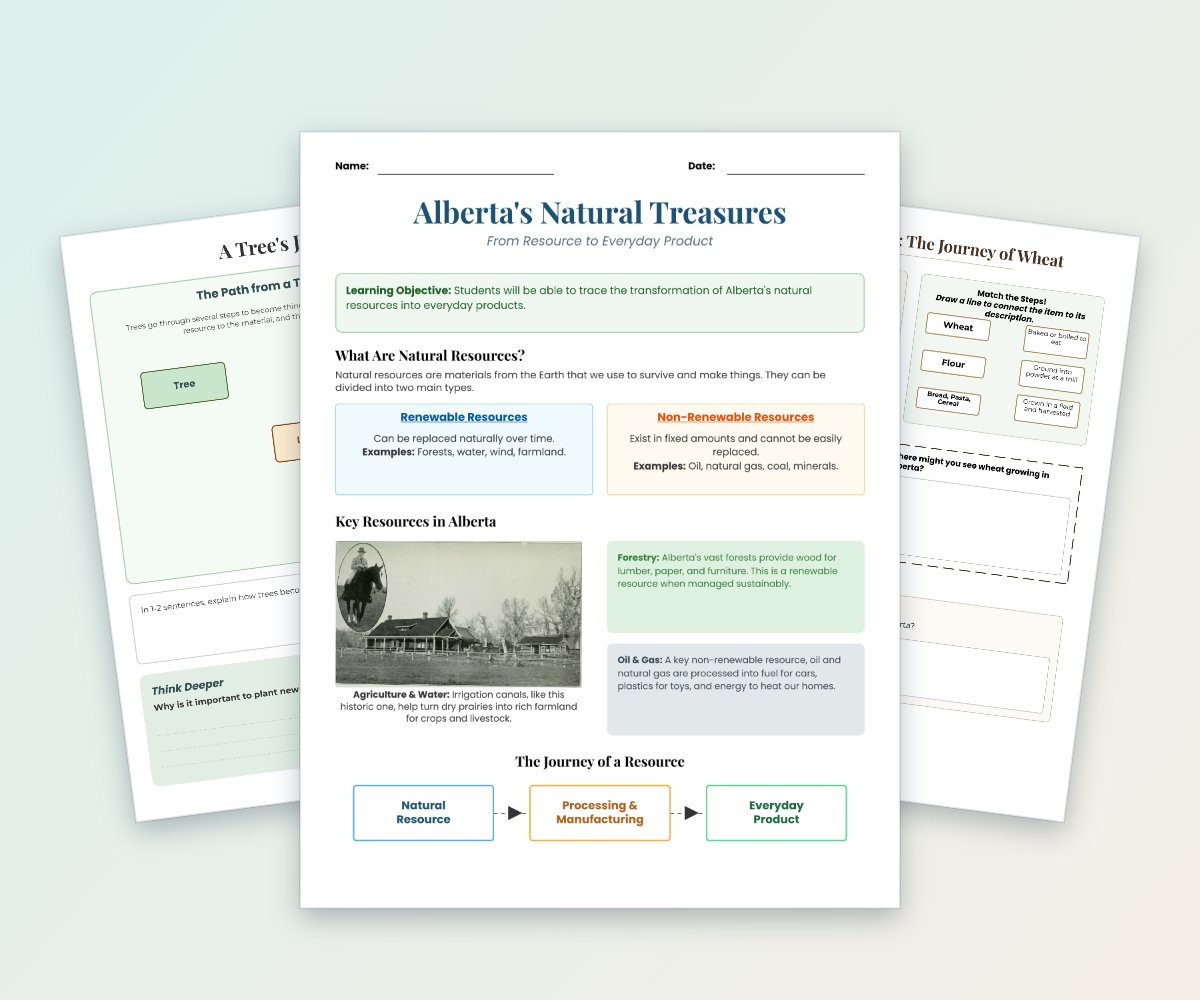
This four-page activity pack teaches students how Alberta’s natural resources become everyday products.
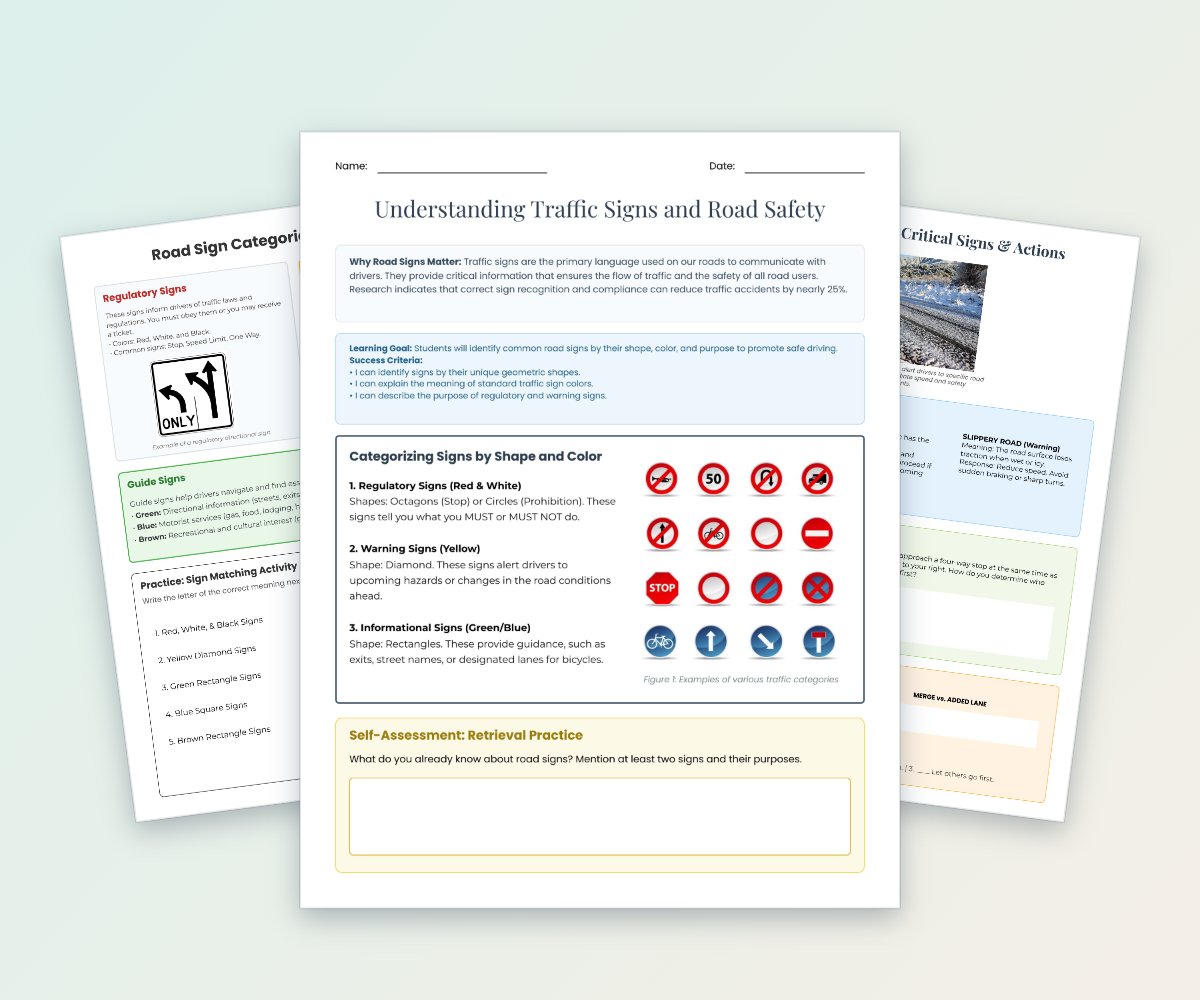
This four-page resource introduces regulatory, warning, and informational traffic signs through explanations, examples, self-assessment, and a sign-matching activity.
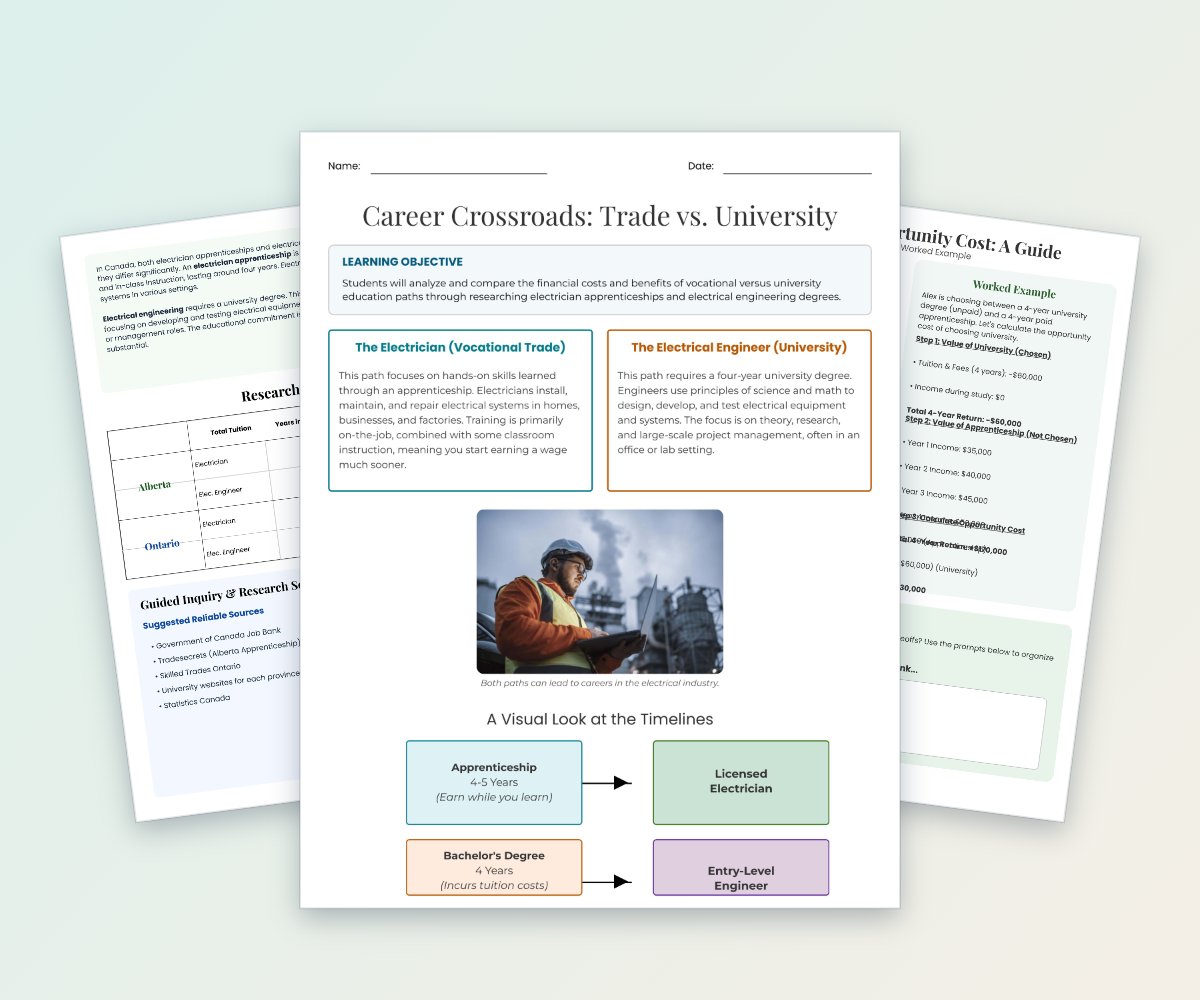
This four-page career exploration activity compares electrician apprenticeships with university electrical engineering programs.
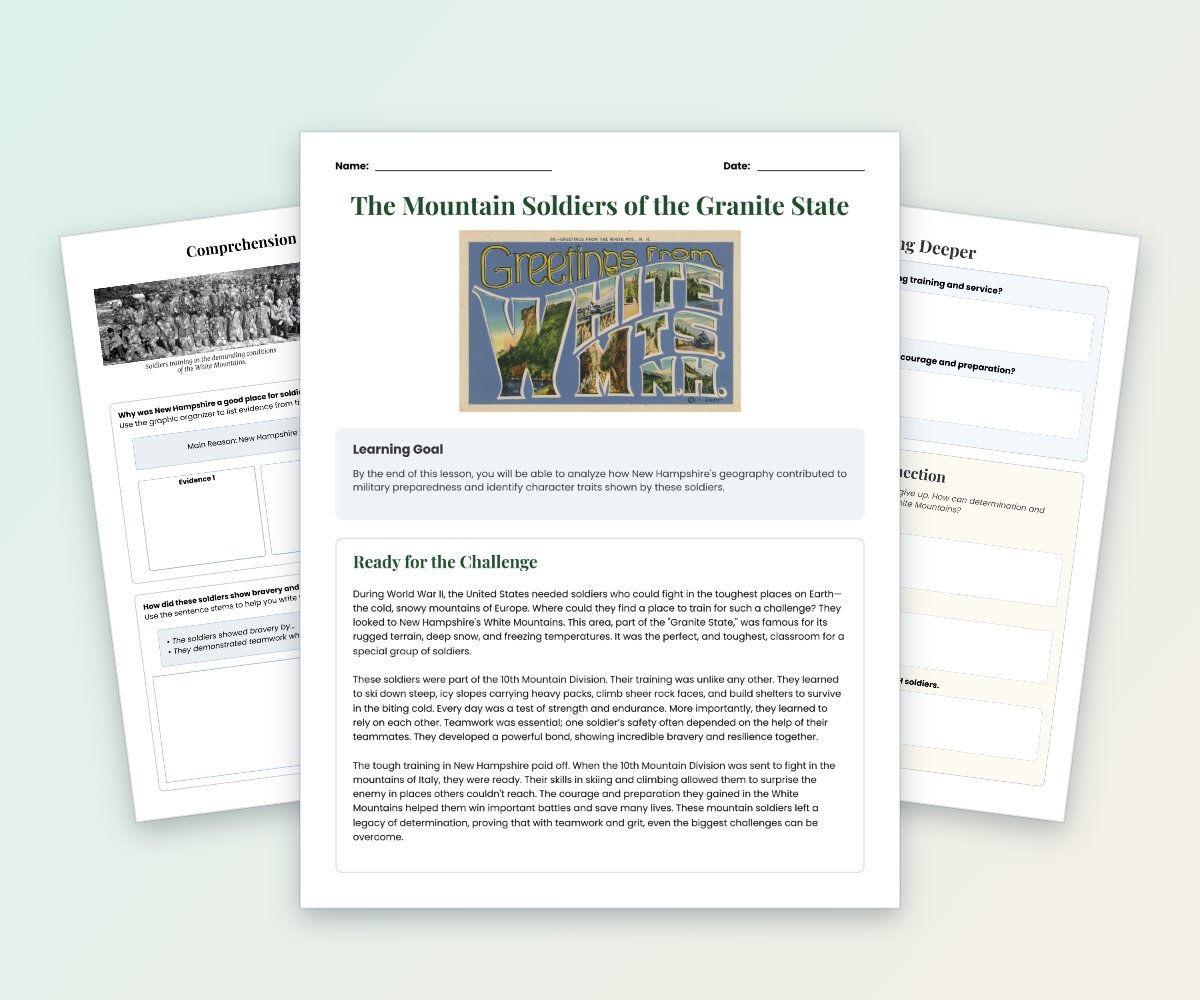
Students read about the 10th Mountain Division’s training in New Hampshire’s White Mountains during World War II.
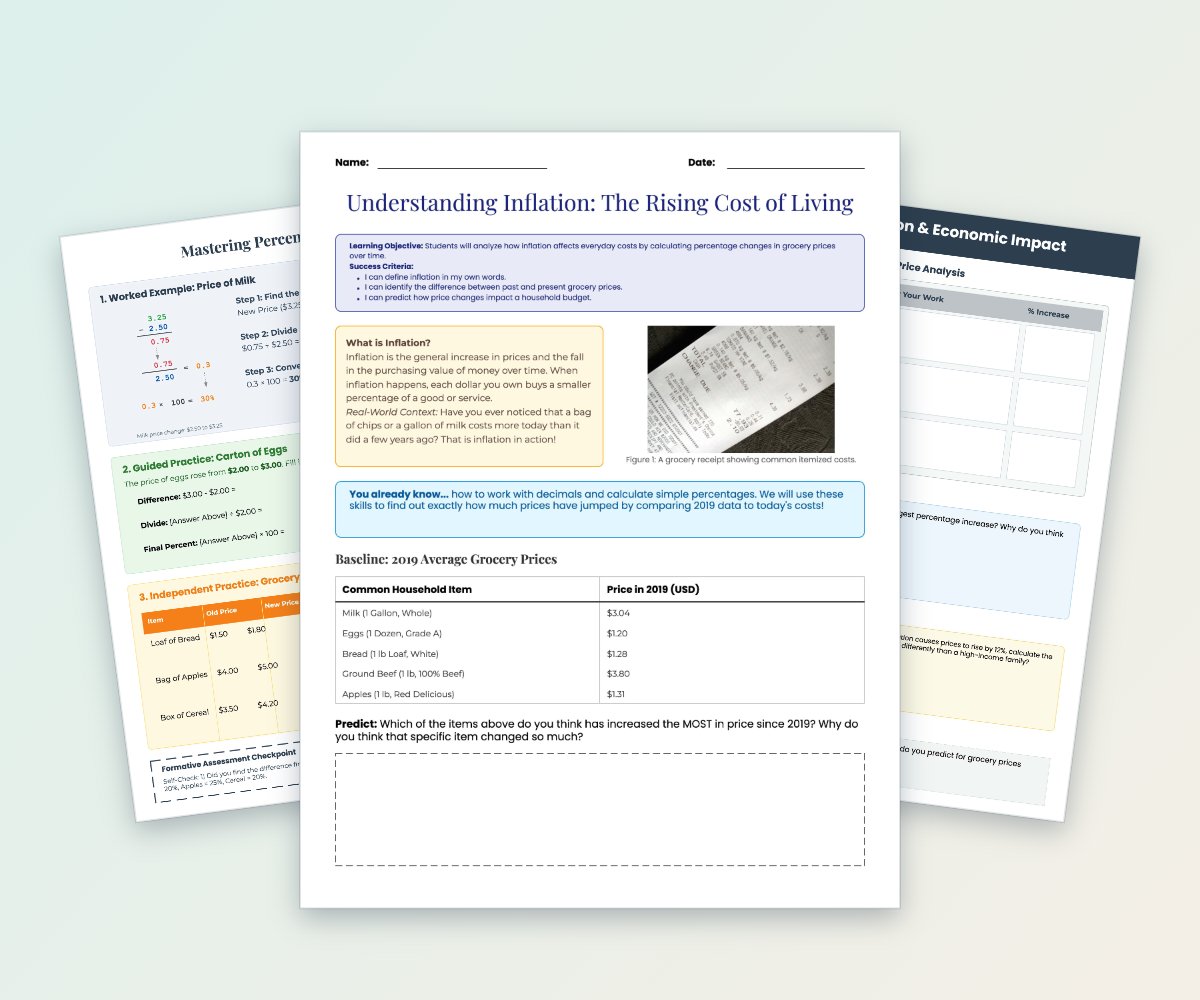
Students learn to define inflation and calculate percentage increases using historical and current grocery prices.
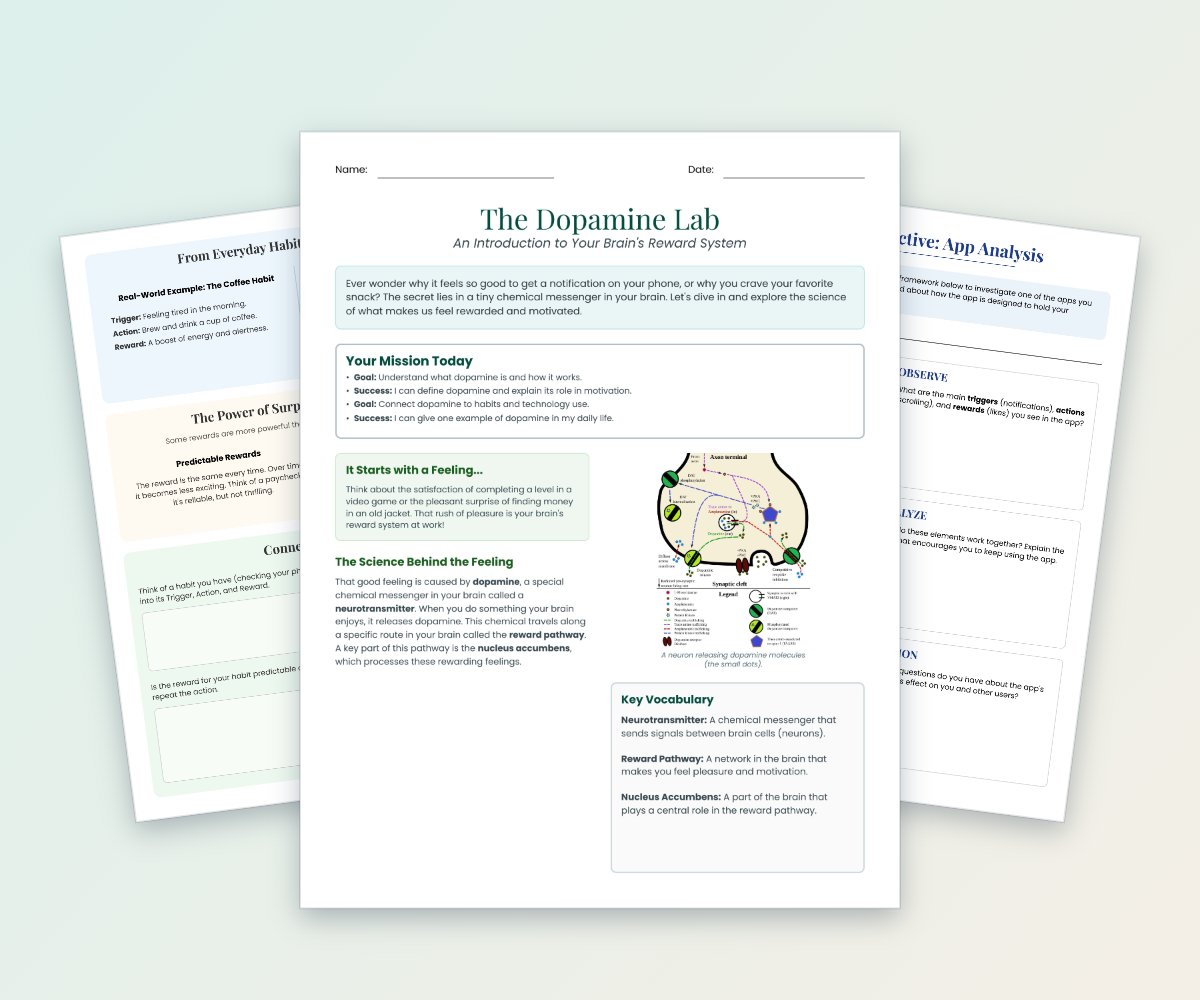
This four-page student resource introduces dopamine, neurotransmitters, the brain’s reward pathway, and the connection between rewards and everyday or digital habits.
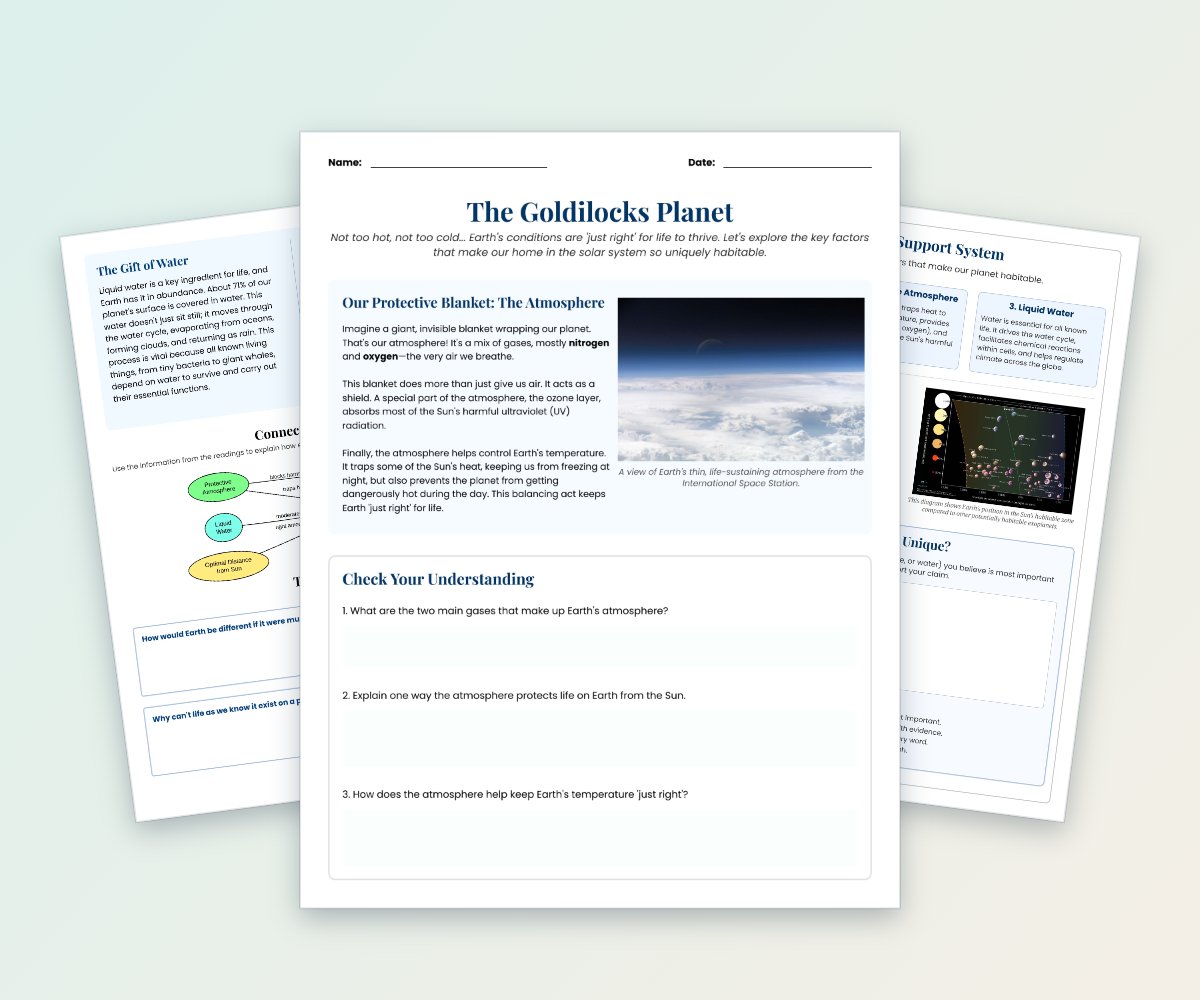
Students explore why Earth can support life, focusing on the atmosphere, liquid water, and its distance from the Sun.
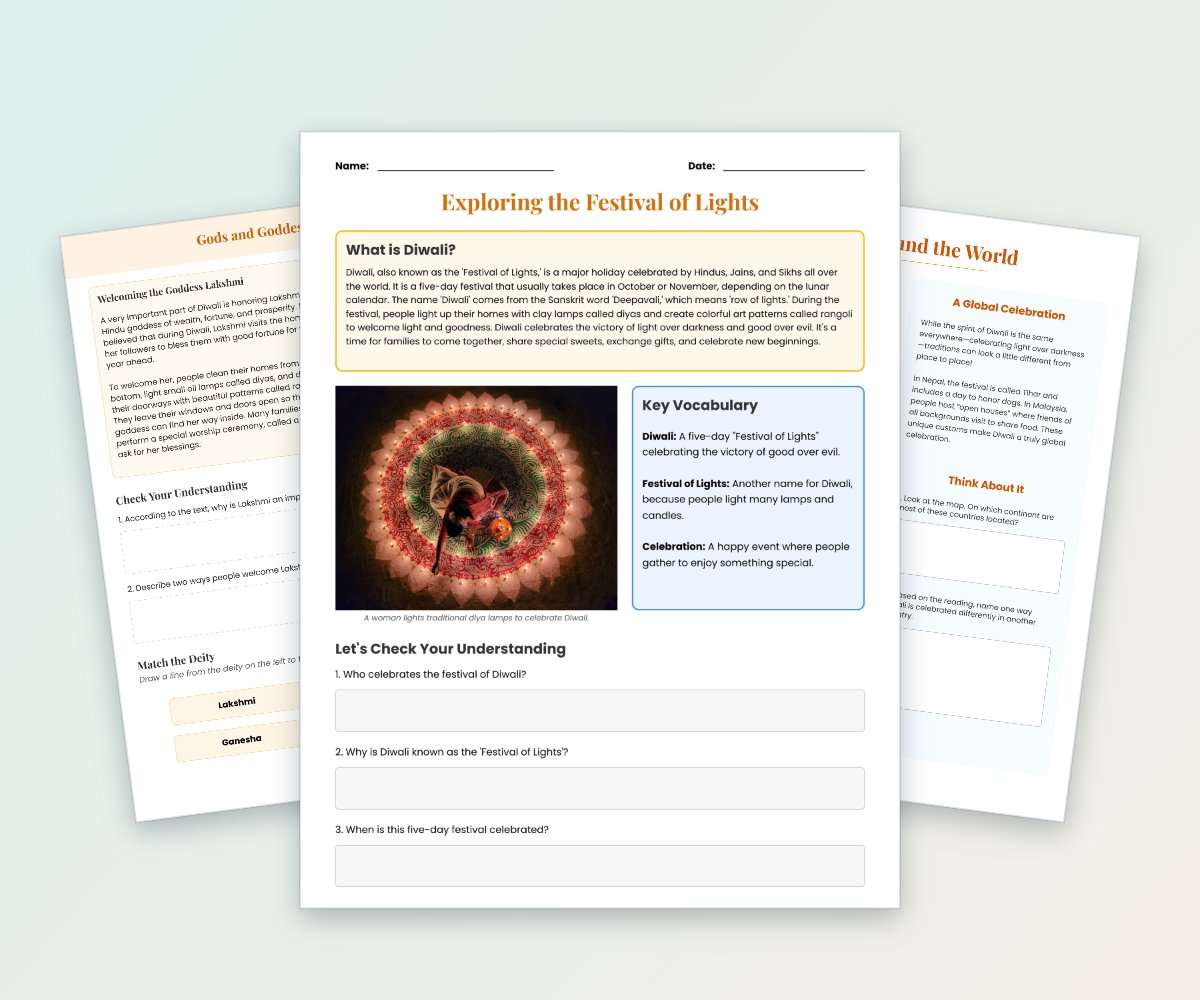
This six-page activity pack introduces students to Diwali, including its history, traditions, symbols, deities, and celebration practices.
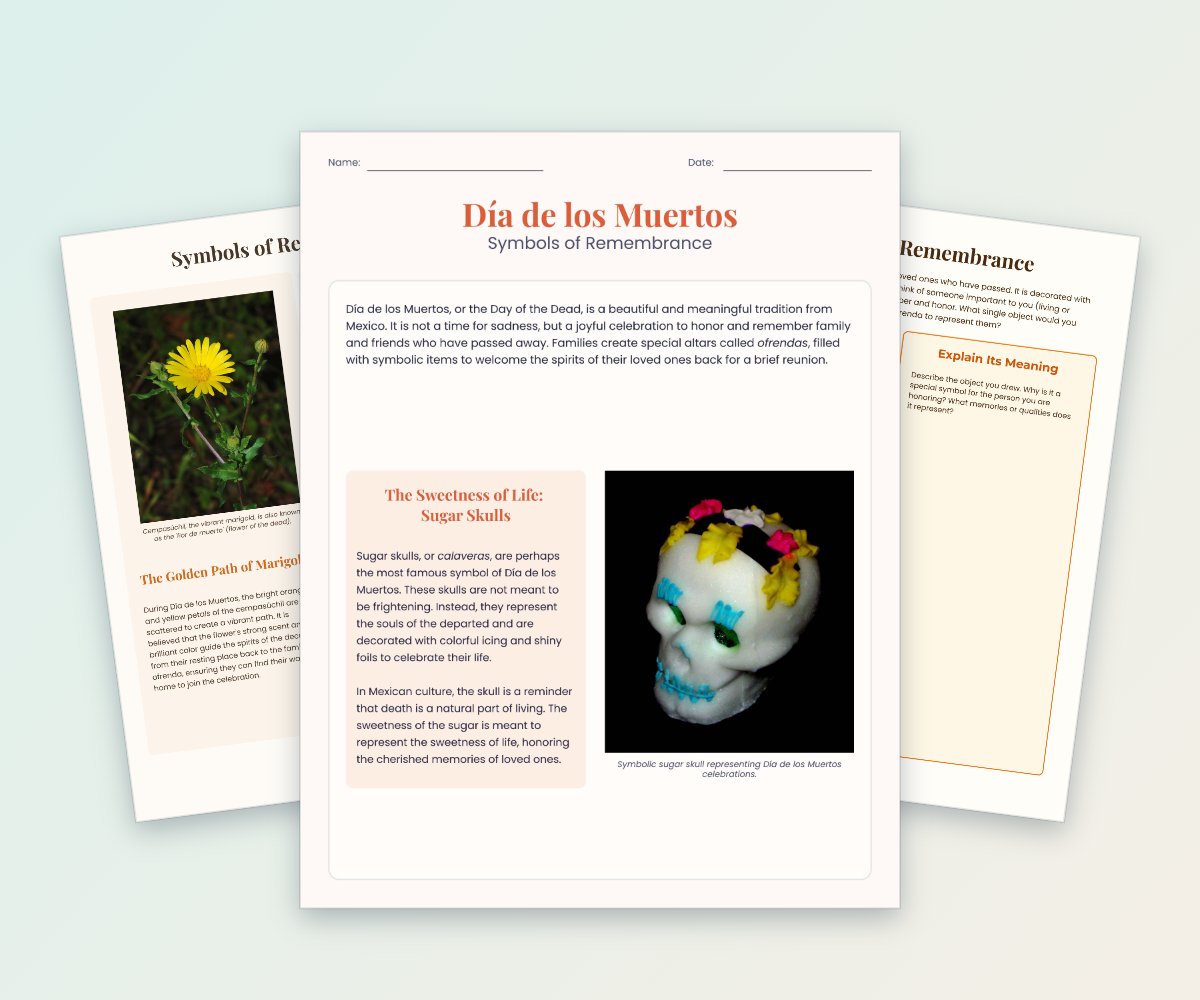
This three-page resource introduces students to Día de los Muertos, explaining sugar skulls, marigolds, ofrendas, candles, photographs, and favorite foods.
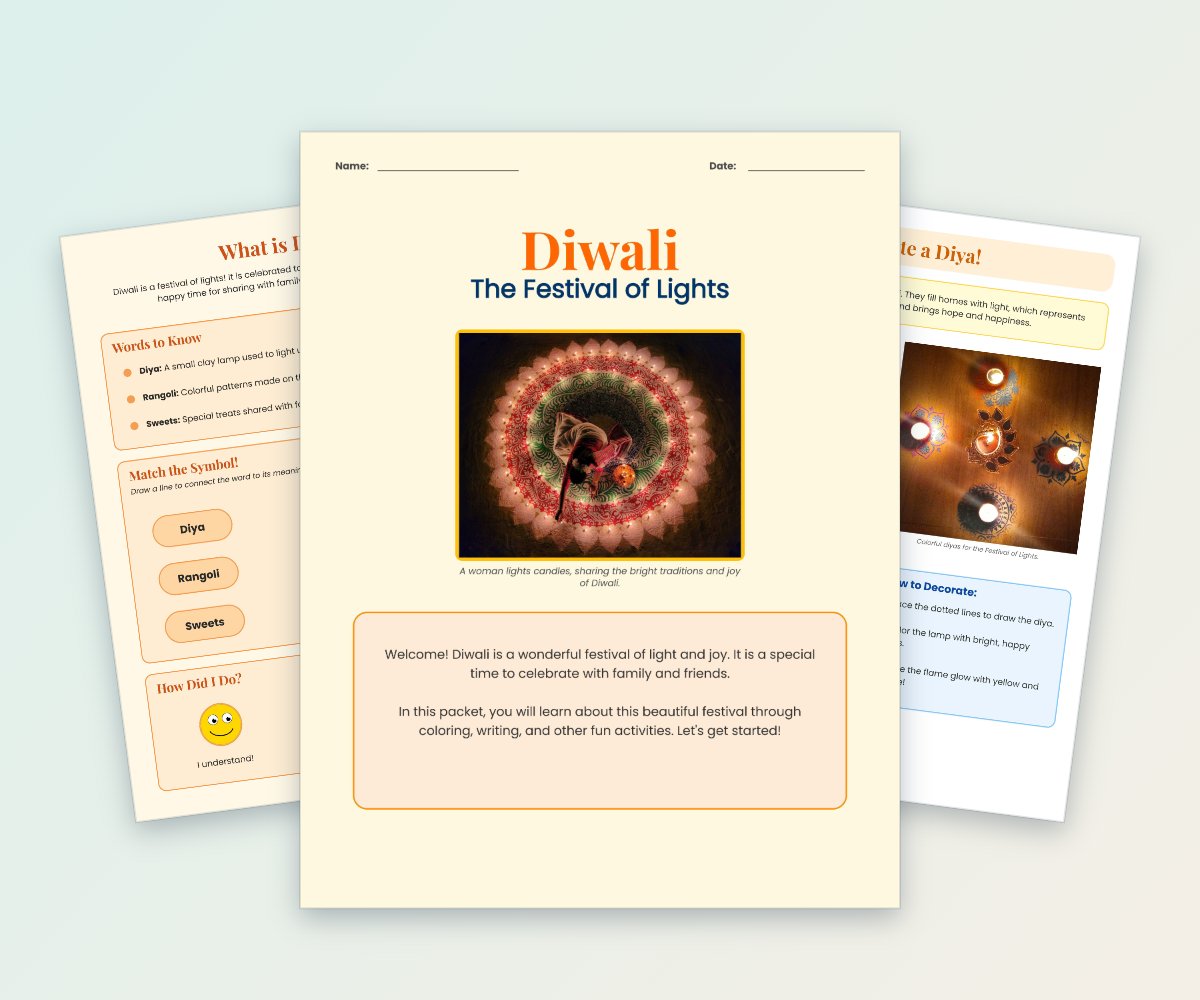
This six-page activity pack introduces students to Diwali, including diyas, rangoli, sweets, and the meaning of light.
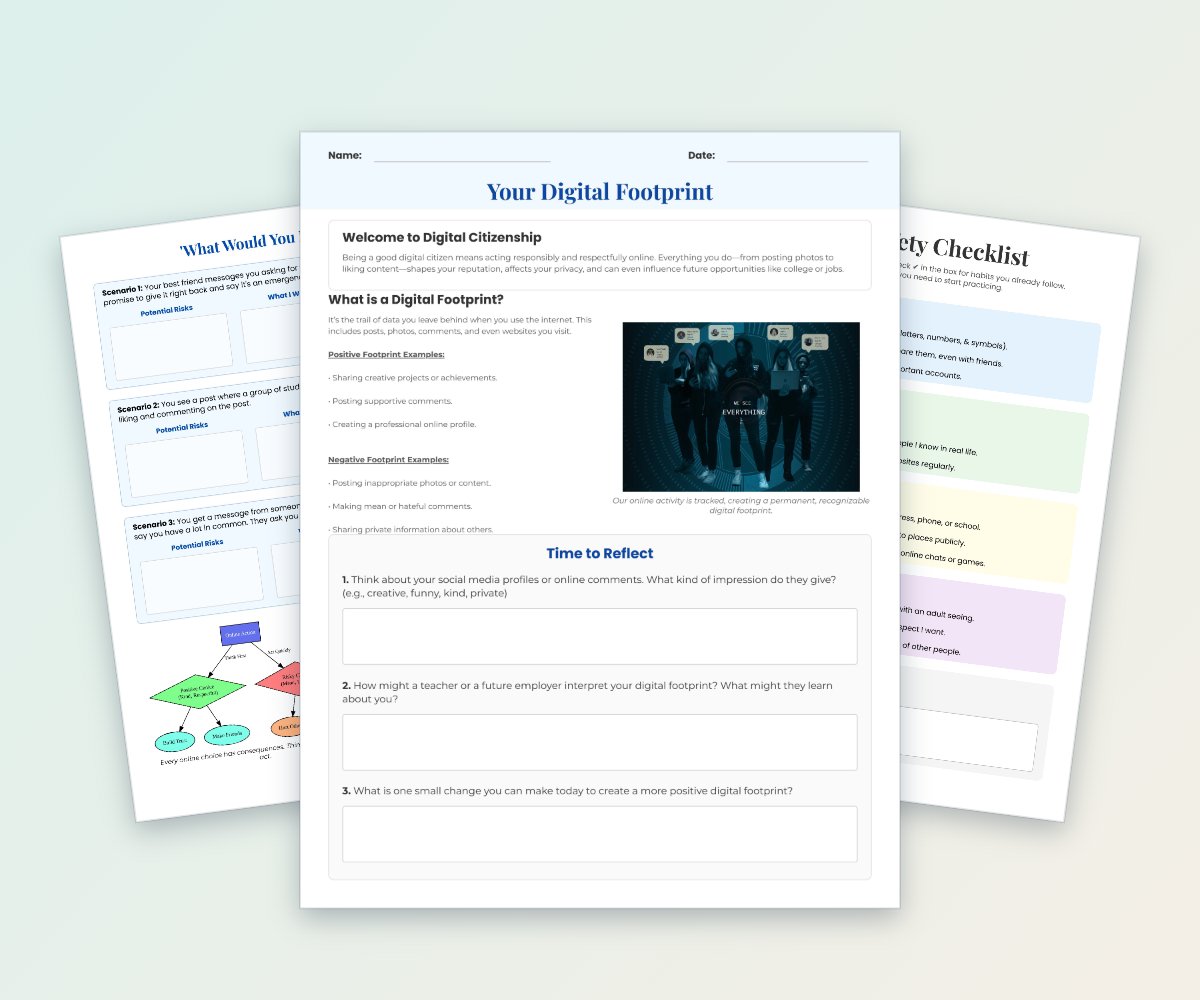
This four-page worksheet helps students understand digital footprints, online reputation, privacy, password safety, and responsible digital behavior.
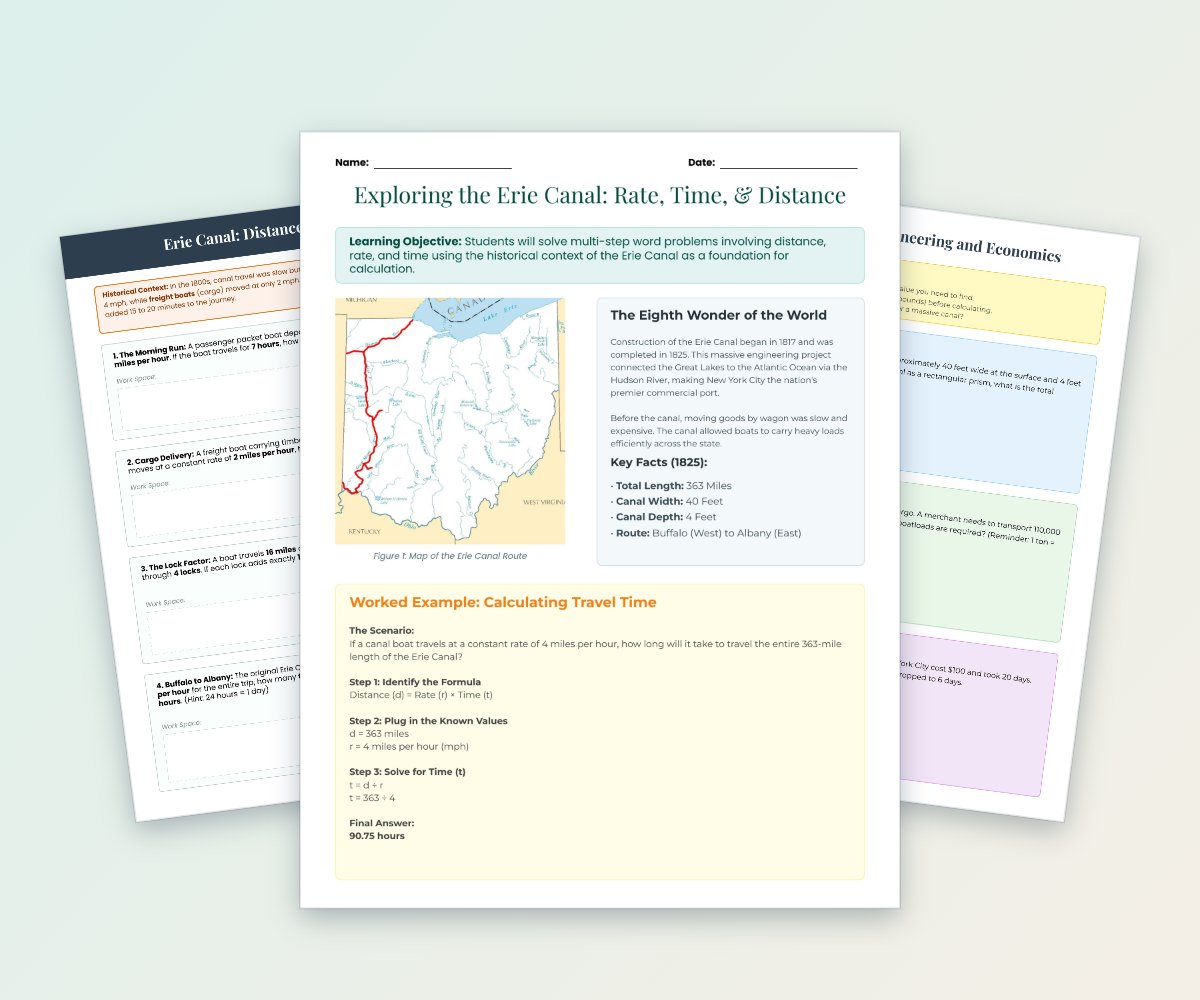
Students use Erie Canal history to explore the relationship between distance, rate, and time.
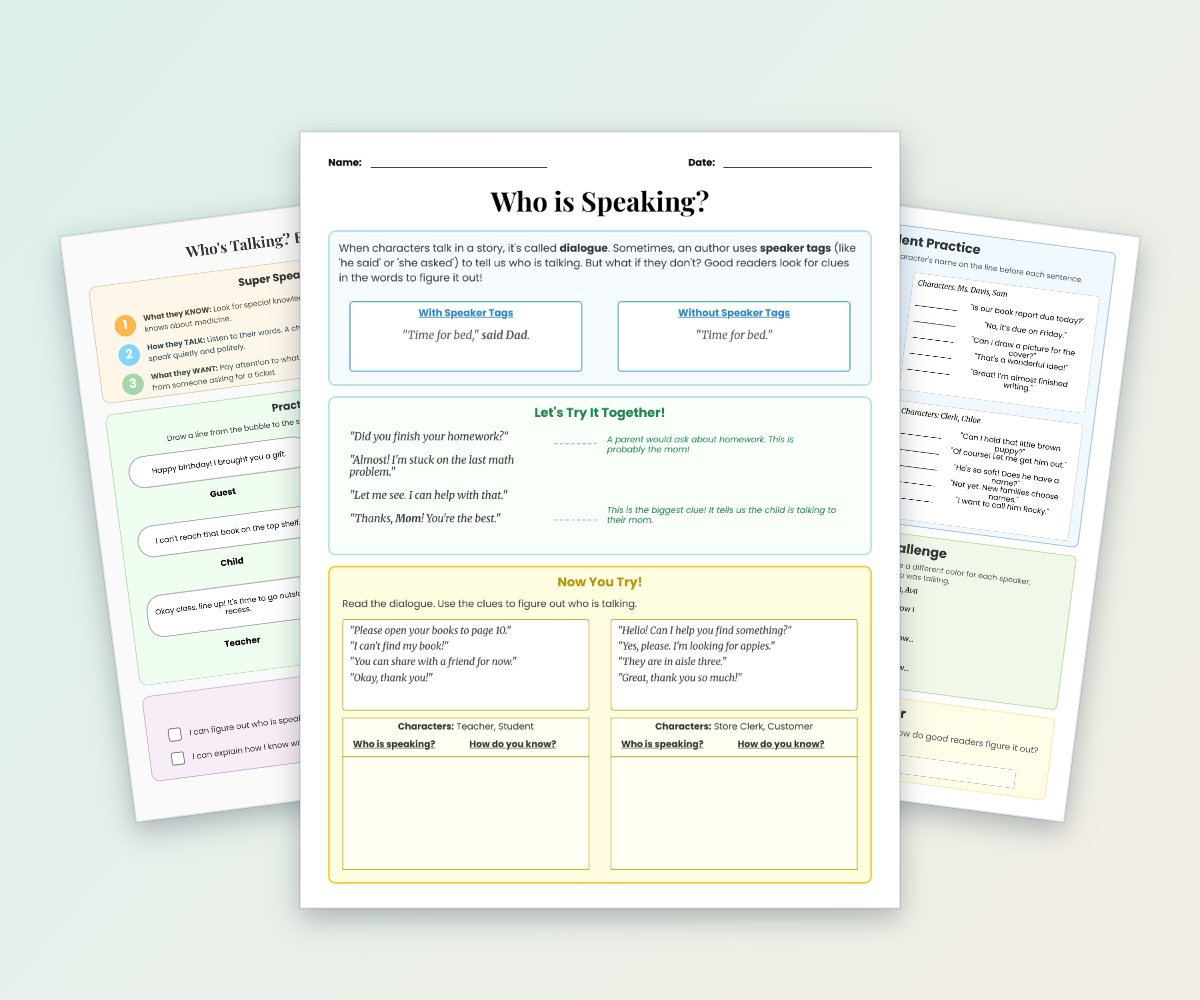
This three-page worksheet helps students identify who is speaking in dialogue by using speaker tags, character knowledge, word choice, and context clues.
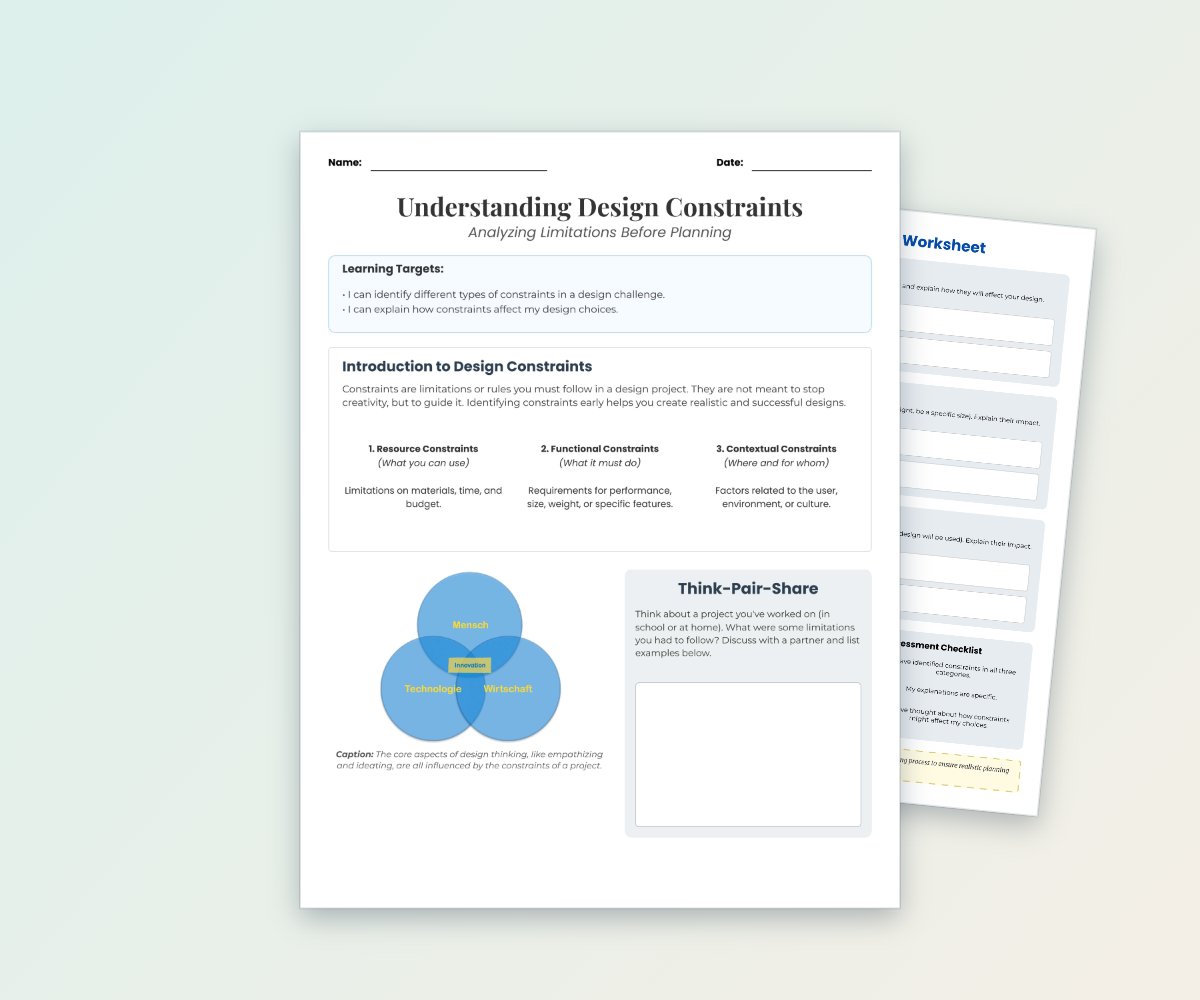
This two-page worksheet introduces resource, functional, and contextual design constraints before students begin planning a project.
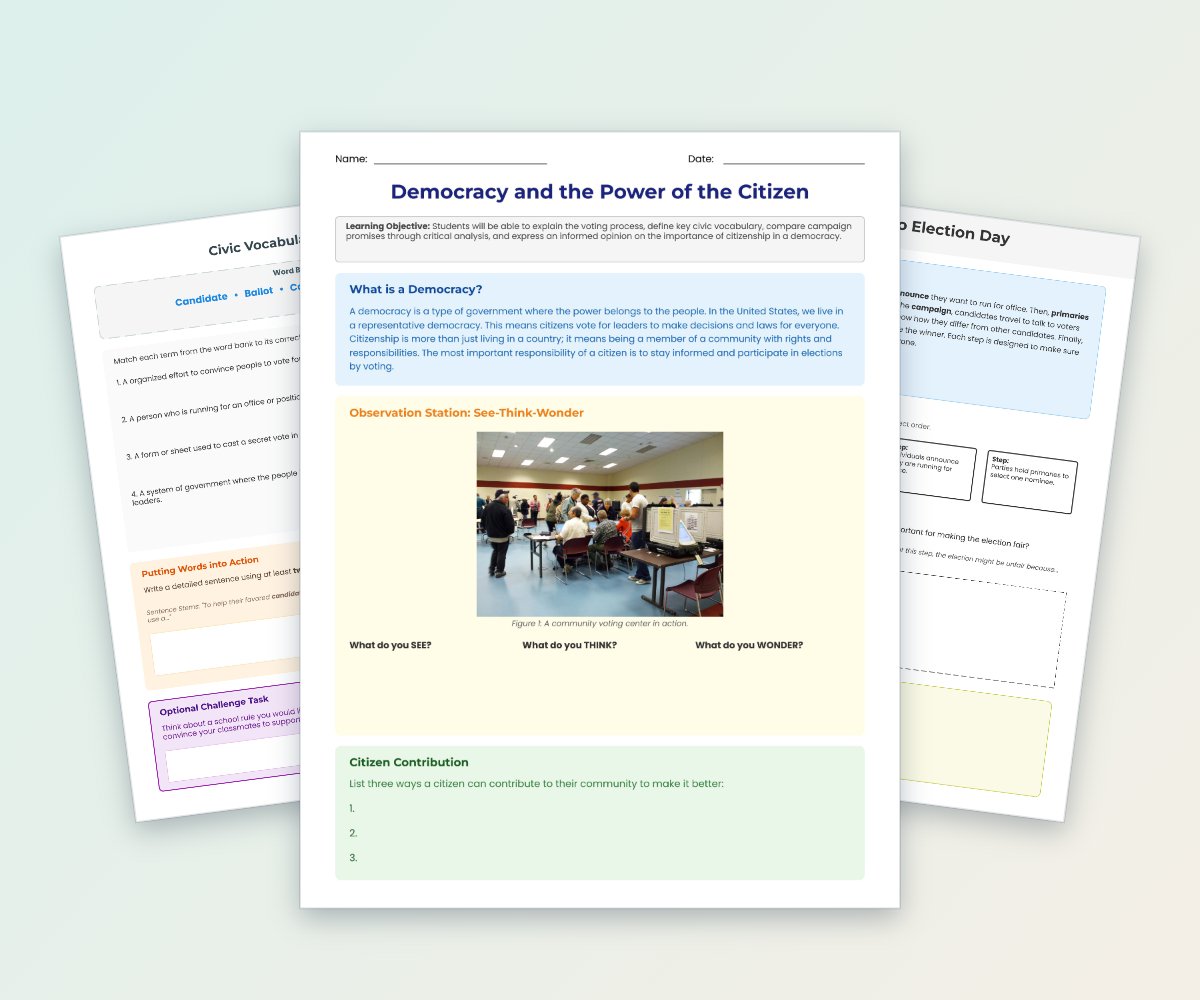
This six-page civics activity pack introduces democracy, citizenship, voting, elections, campaigns, candidates, and ballots.
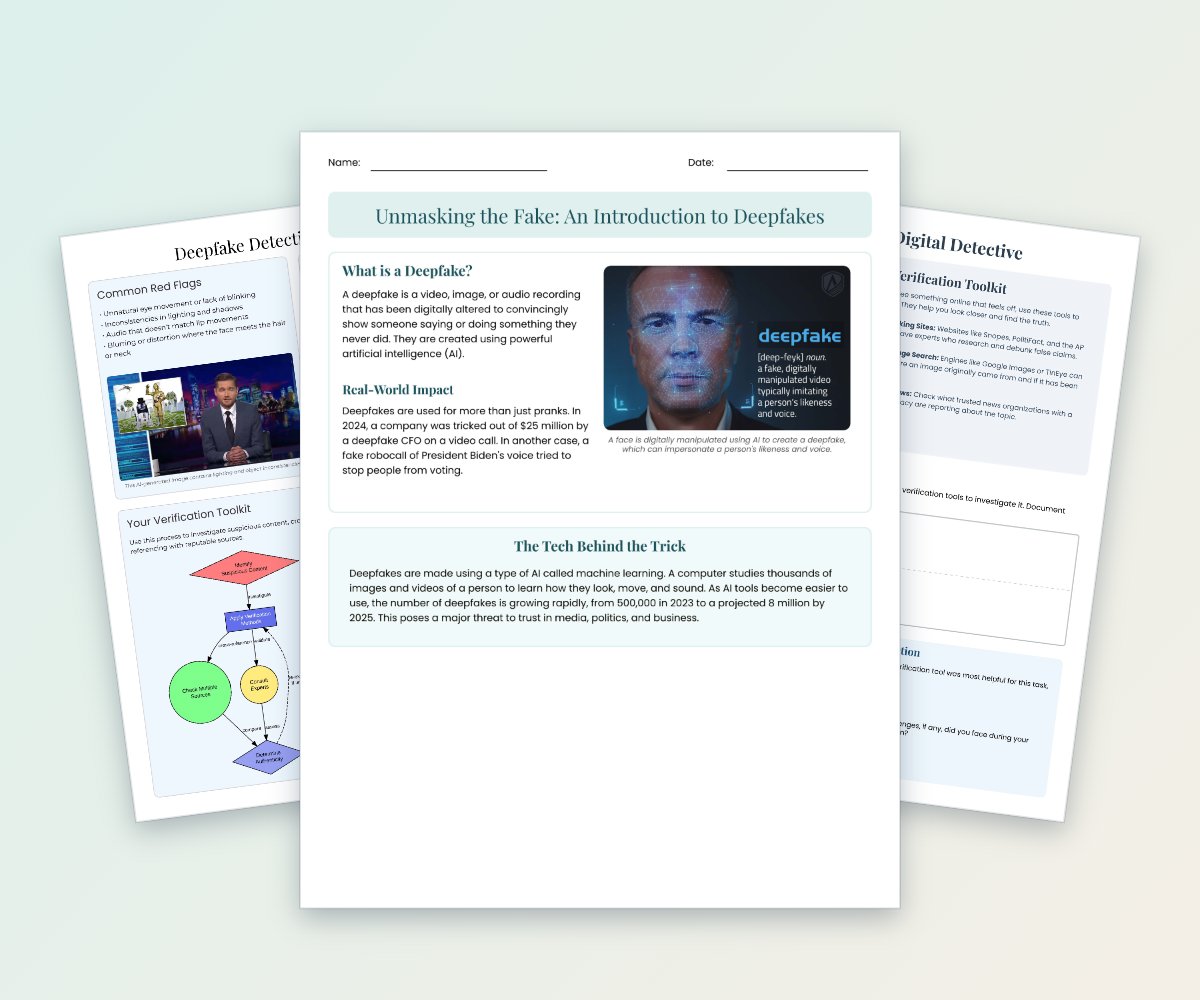
This four-page activity introduces deepfakes, explains how they are created, and identifies common signs of manipulated media.
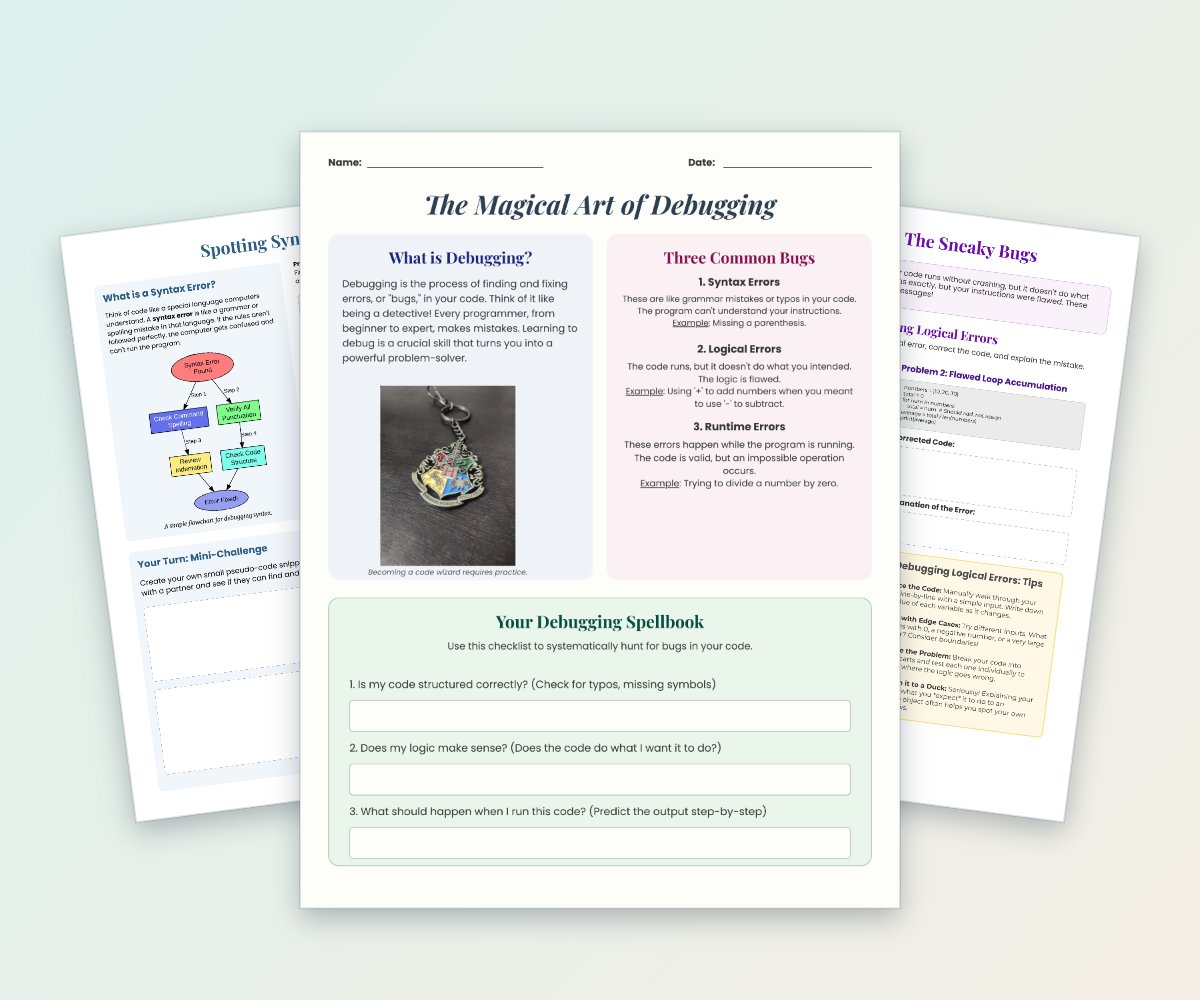
This four-page computer science worksheet introduces syntax, logical, and runtime errors through clear explanations and examples.
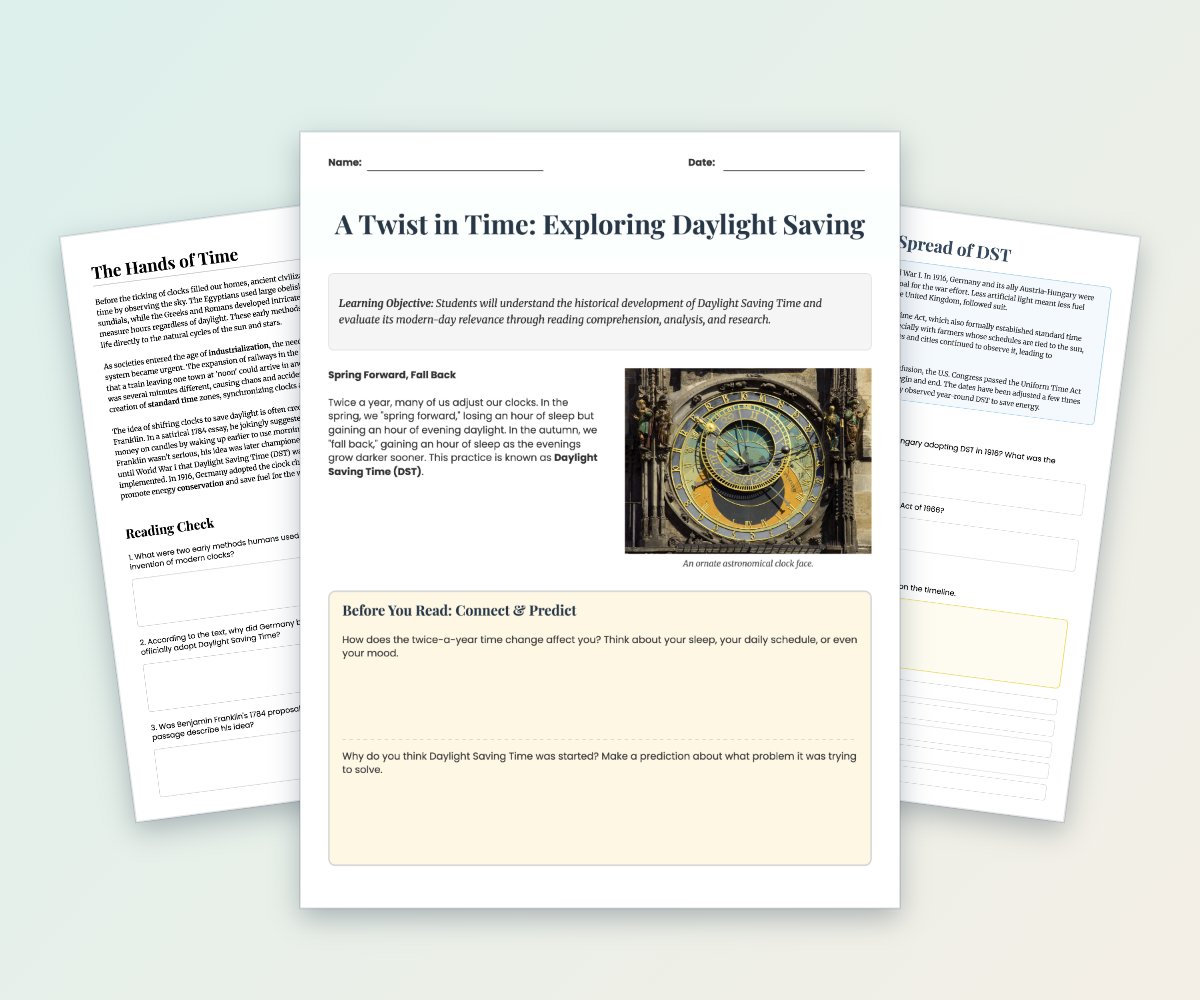
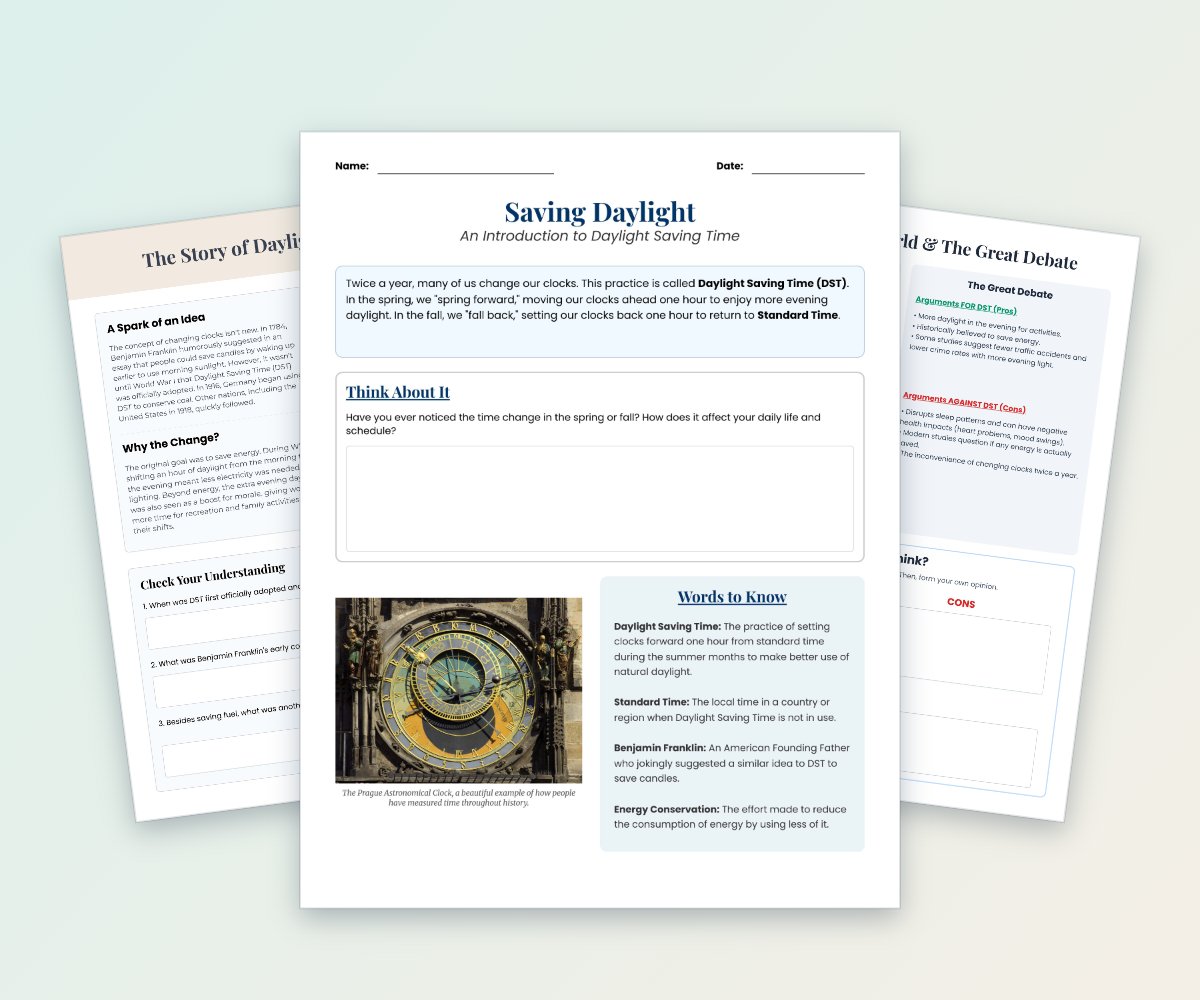
Students explore how humans measured time, the development of standard time zones, and the origins of Daylight Saving Time.
This four-page worksheet introduces Daylight Saving Time, Standard Time, Benjamin Franklin, energy conservation, and the history of clock changes.
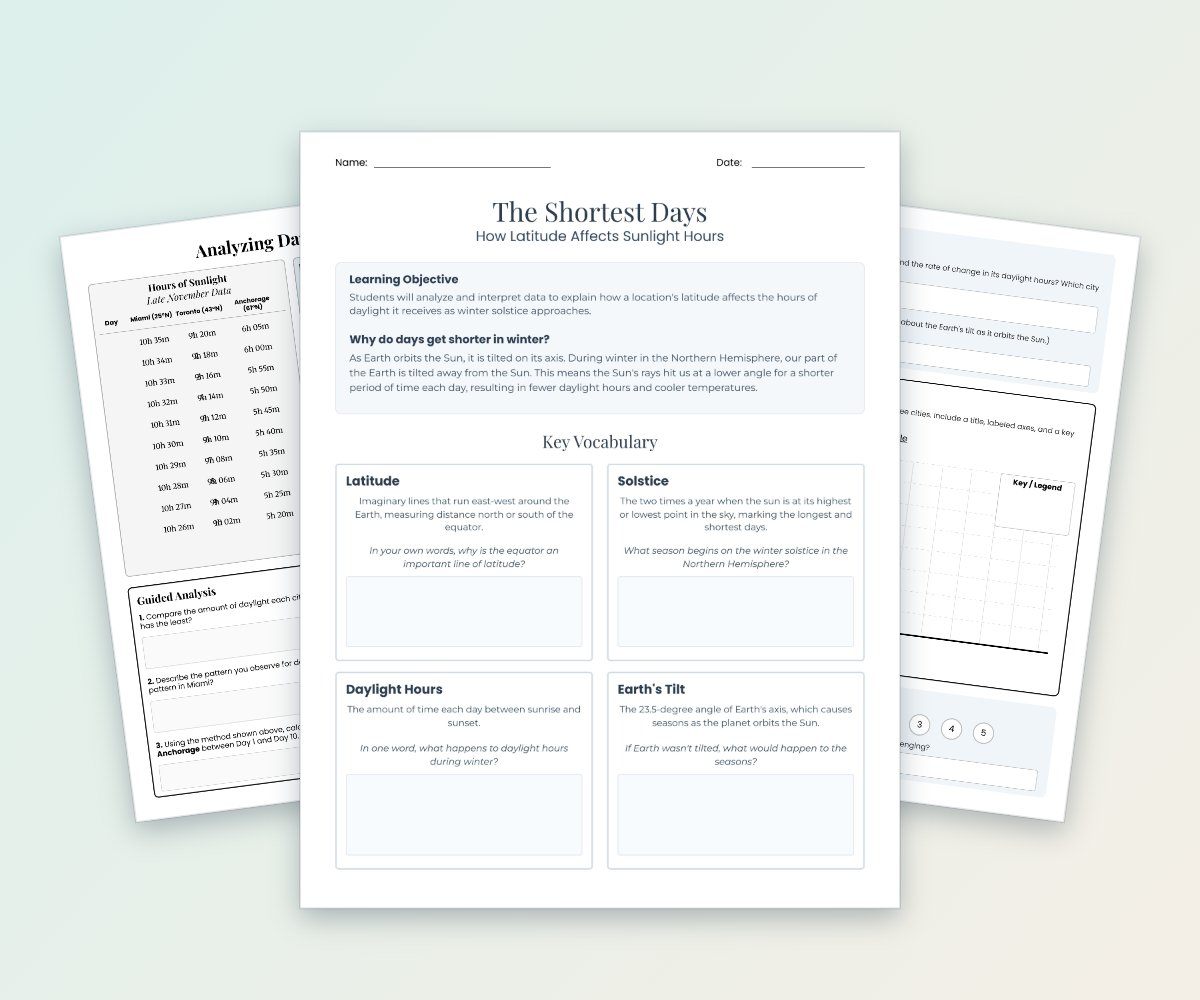
Students explore how latitude affects daylight hours as the winter solstice approaches.
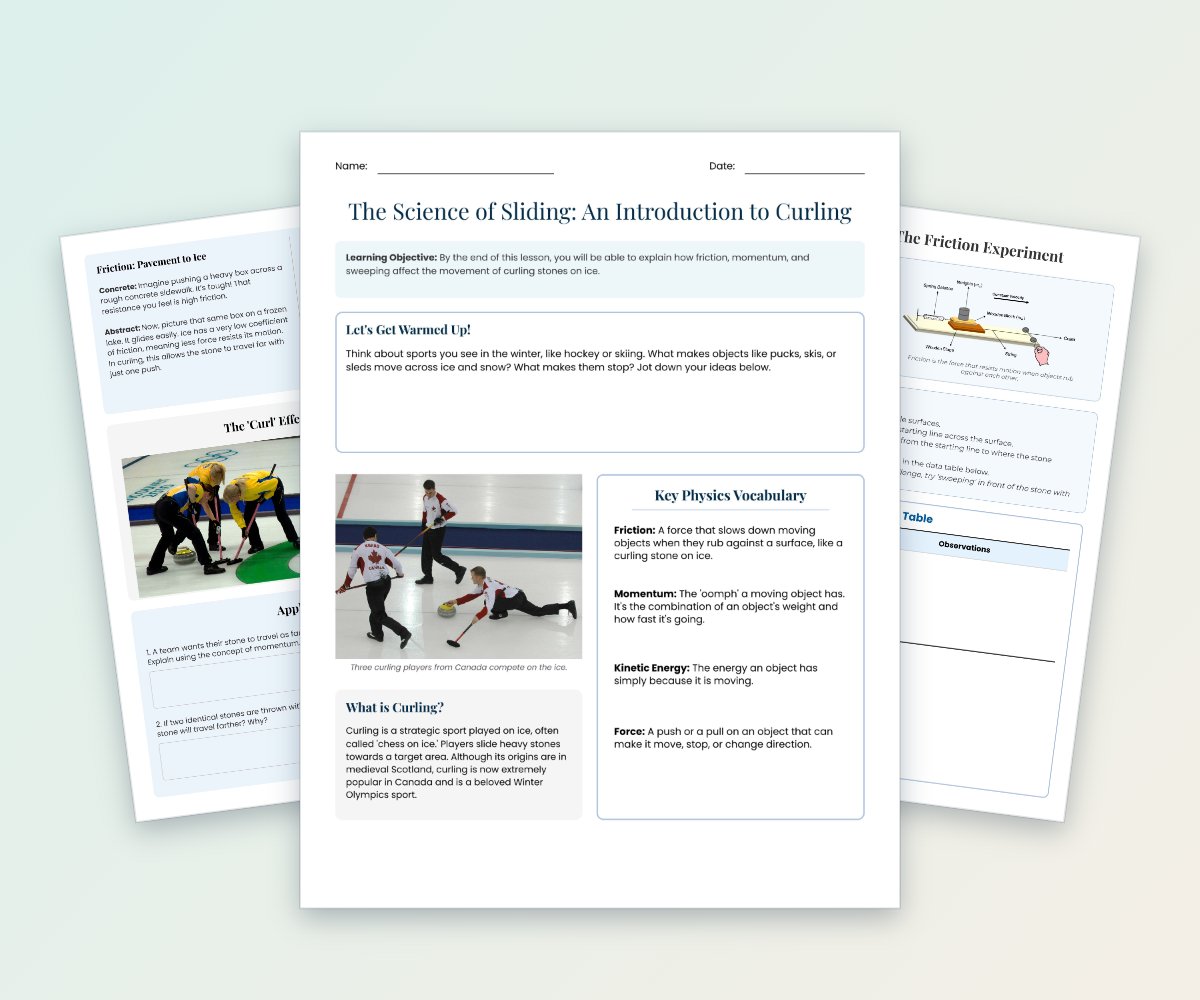
This lesson uses curling to introduce friction, momentum, kinetic energy, and force.
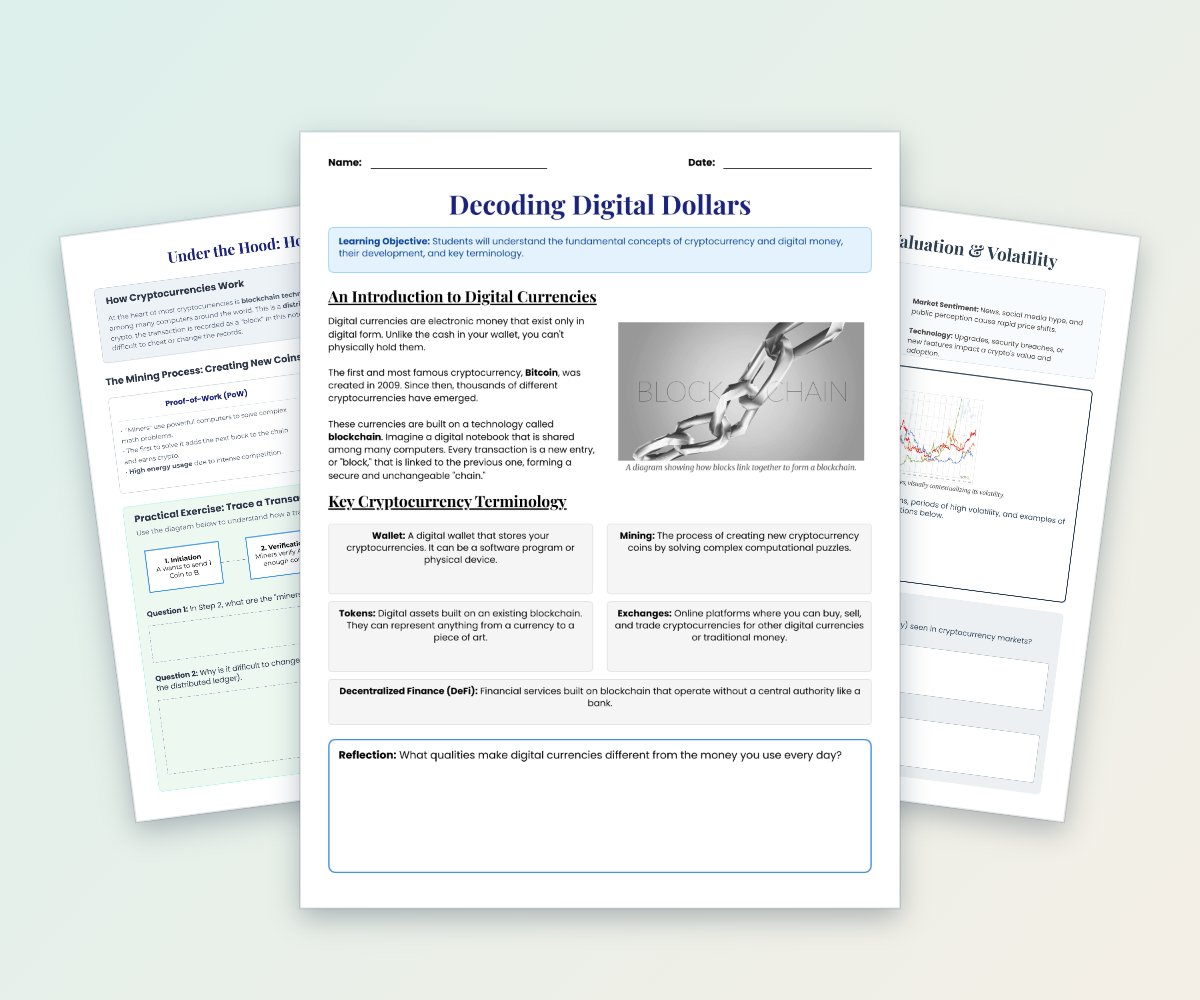
This six-page instructional resource introduces digital currencies, cryptocurrency terminology, blockchain technology, mining, proof-of-work, and proof-of-stake.
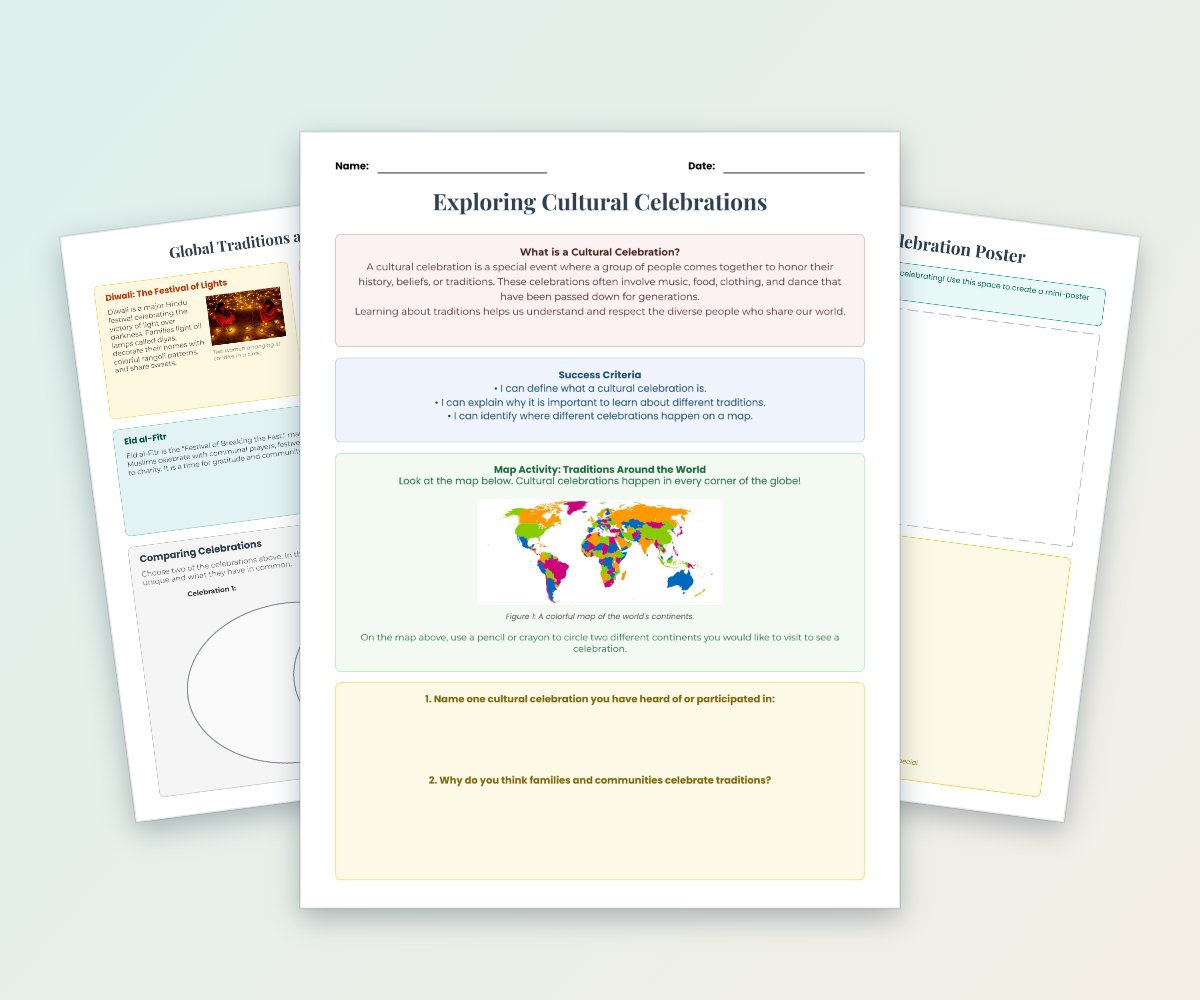
Students learn what cultural celebrations are and explore Diwali, Eid al-Fitr, and Lunar New Year.
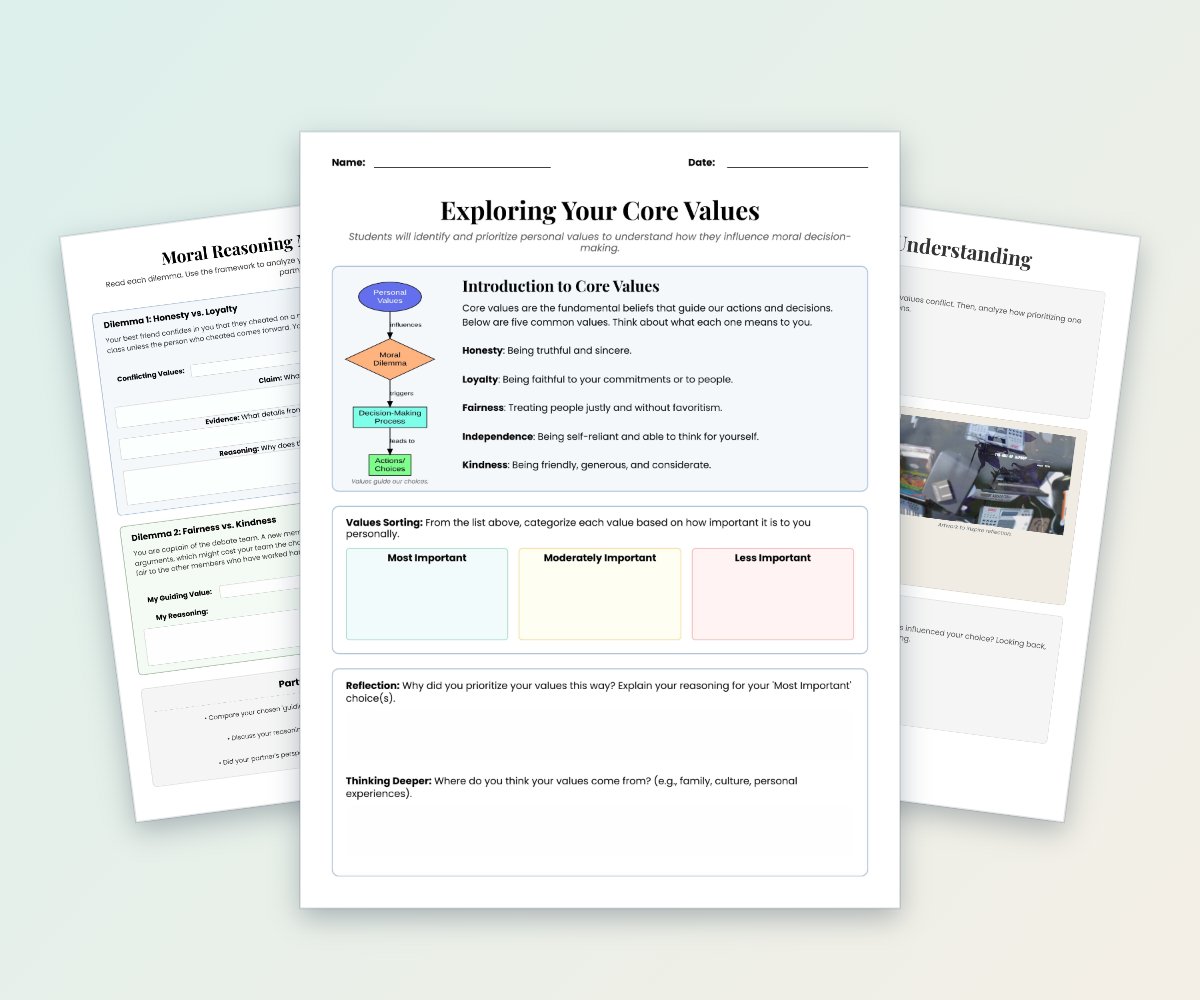
Students define and prioritize core values, then apply them to moral dilemmas involving honesty, loyalty, fairness, and kindness.
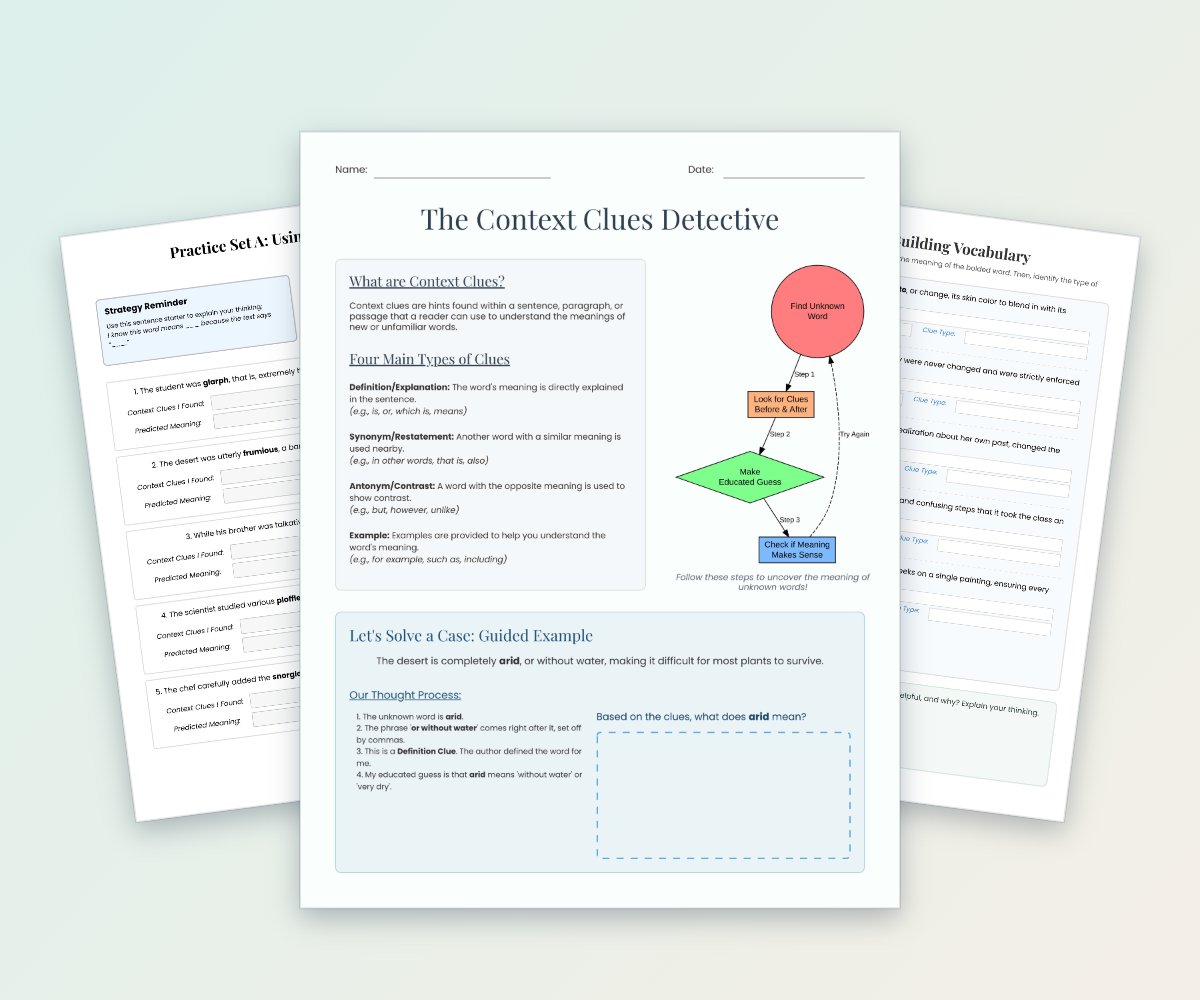
This four-page worksheet teaches students to identify definition, synonym, antonym, and example context clues.
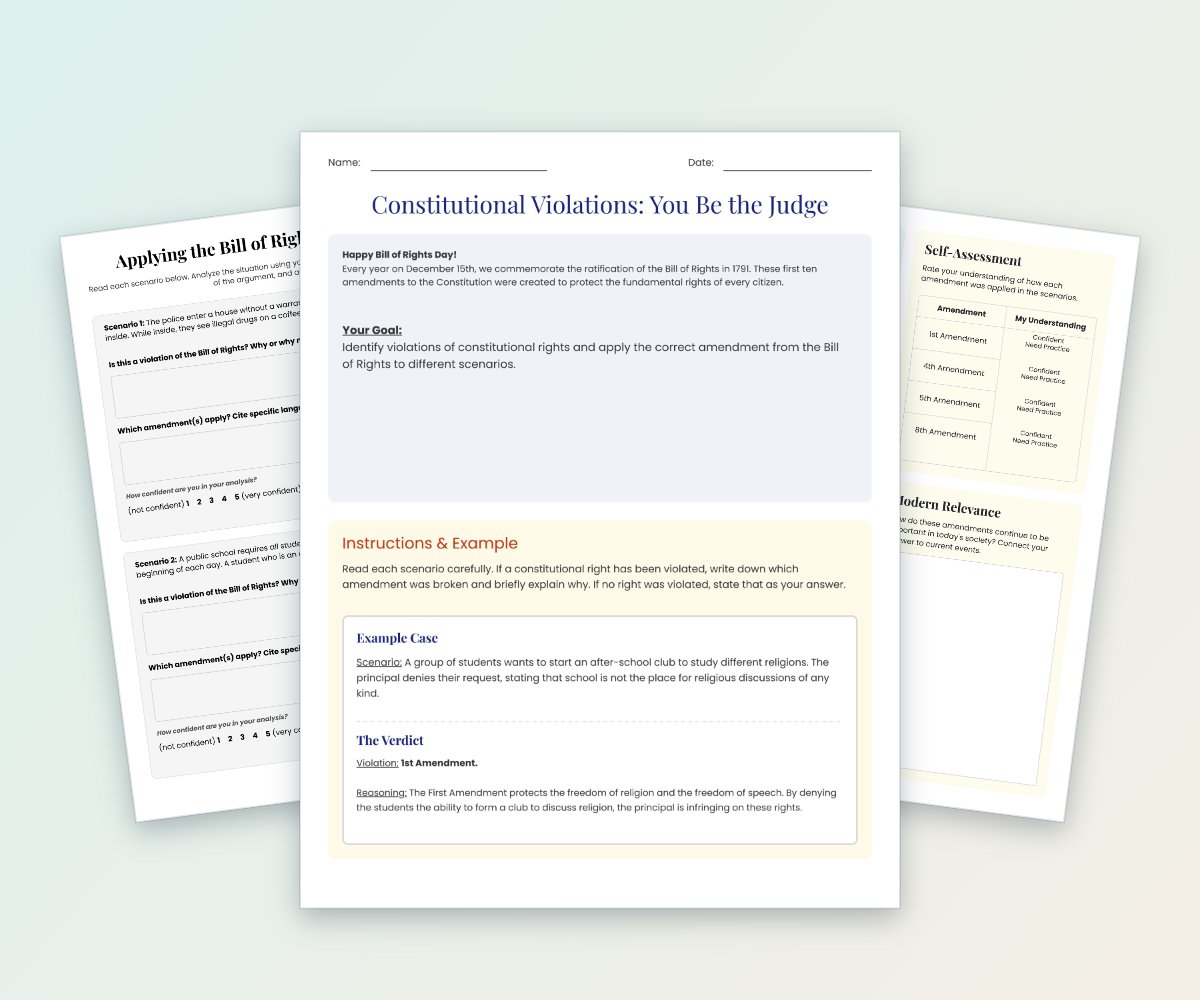
Students examine realistic scenarios involving the First, Fourth, and Fifth Amendments and determine whether constitutional rights were violated.
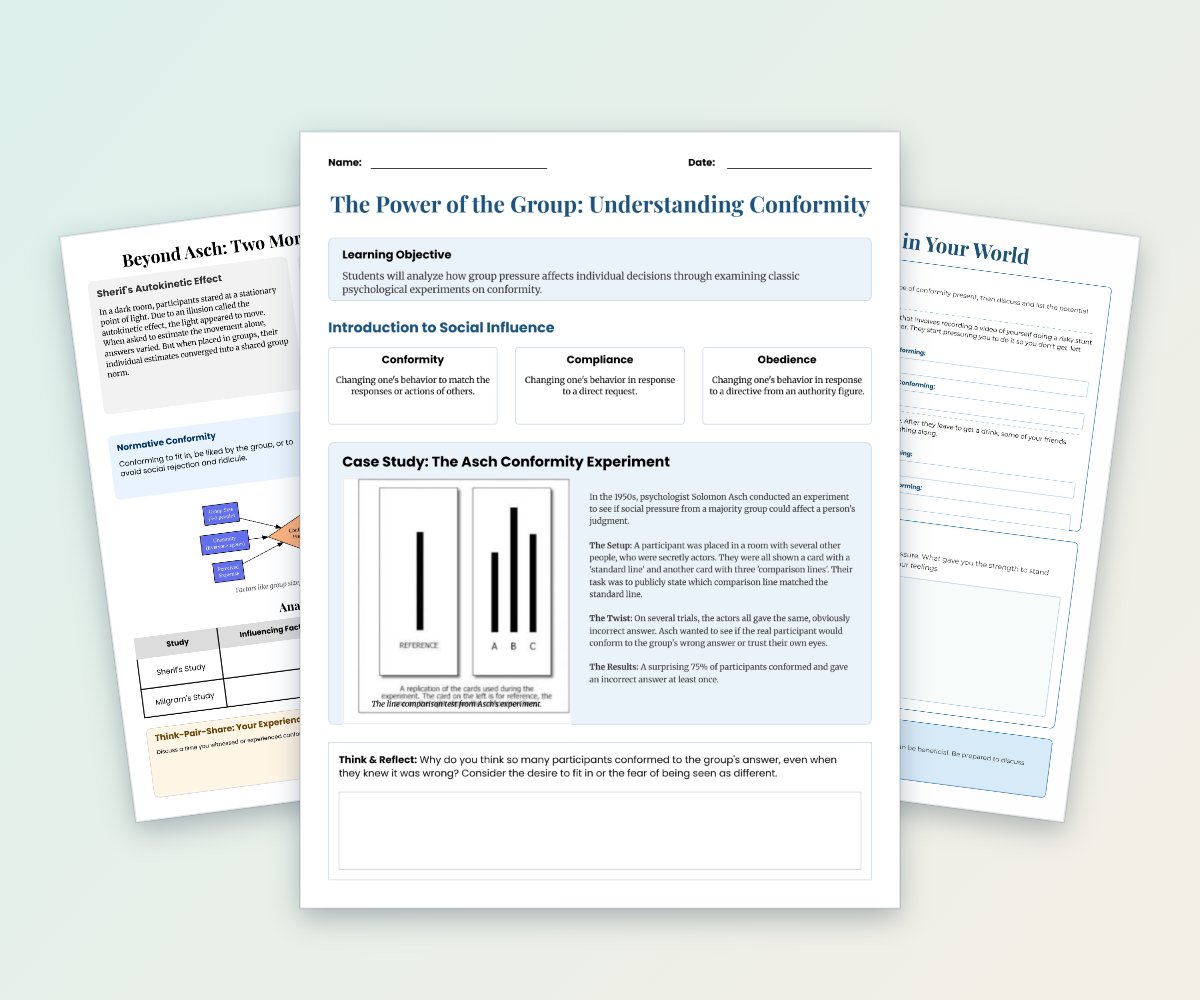
Students examine conformity, compliance, and obedience through the Asch, Sherif, and Milgram experiments.
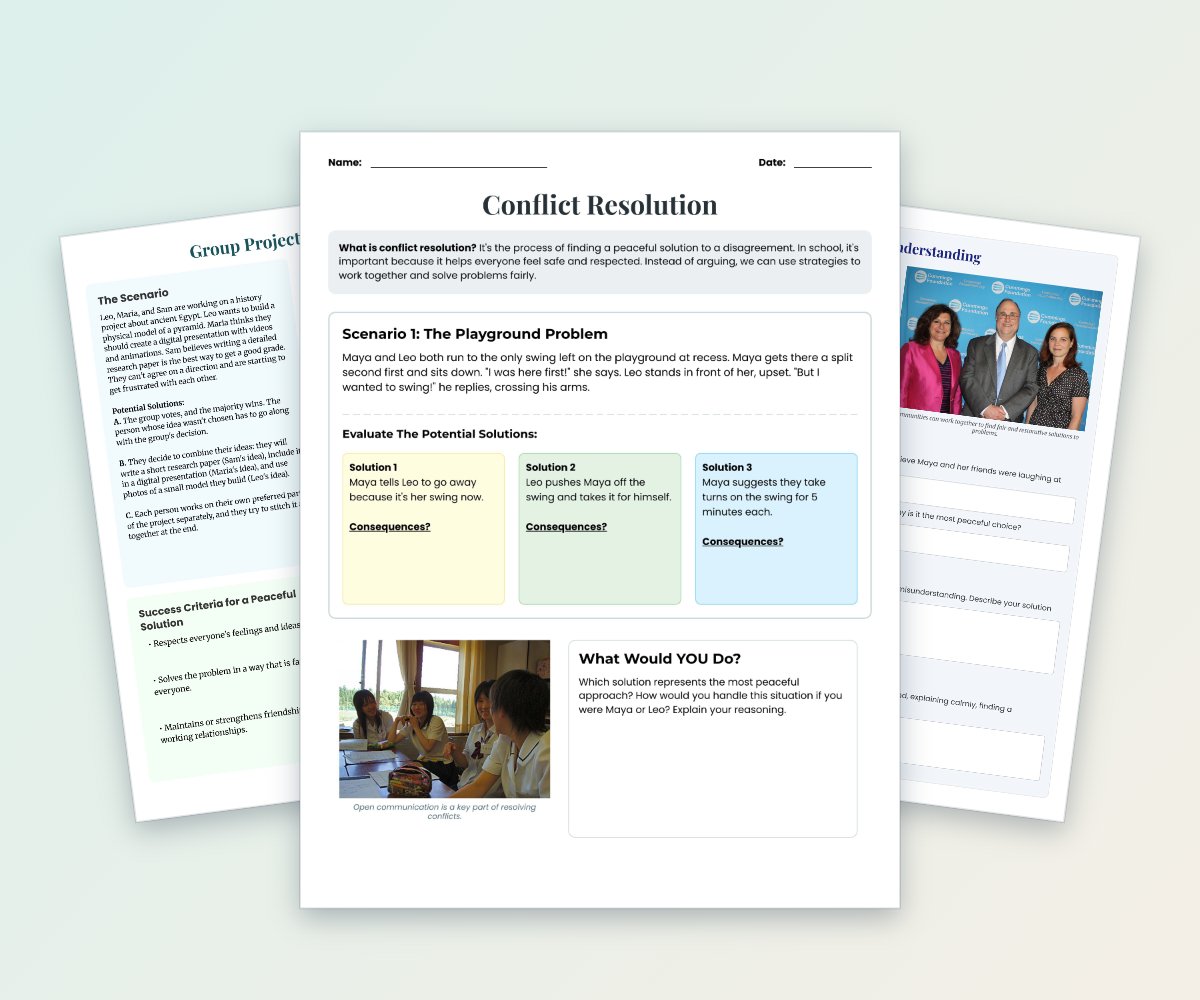
Students examine playground, group project, and lunchroom conflicts while evaluating possible solutions and their consequences.
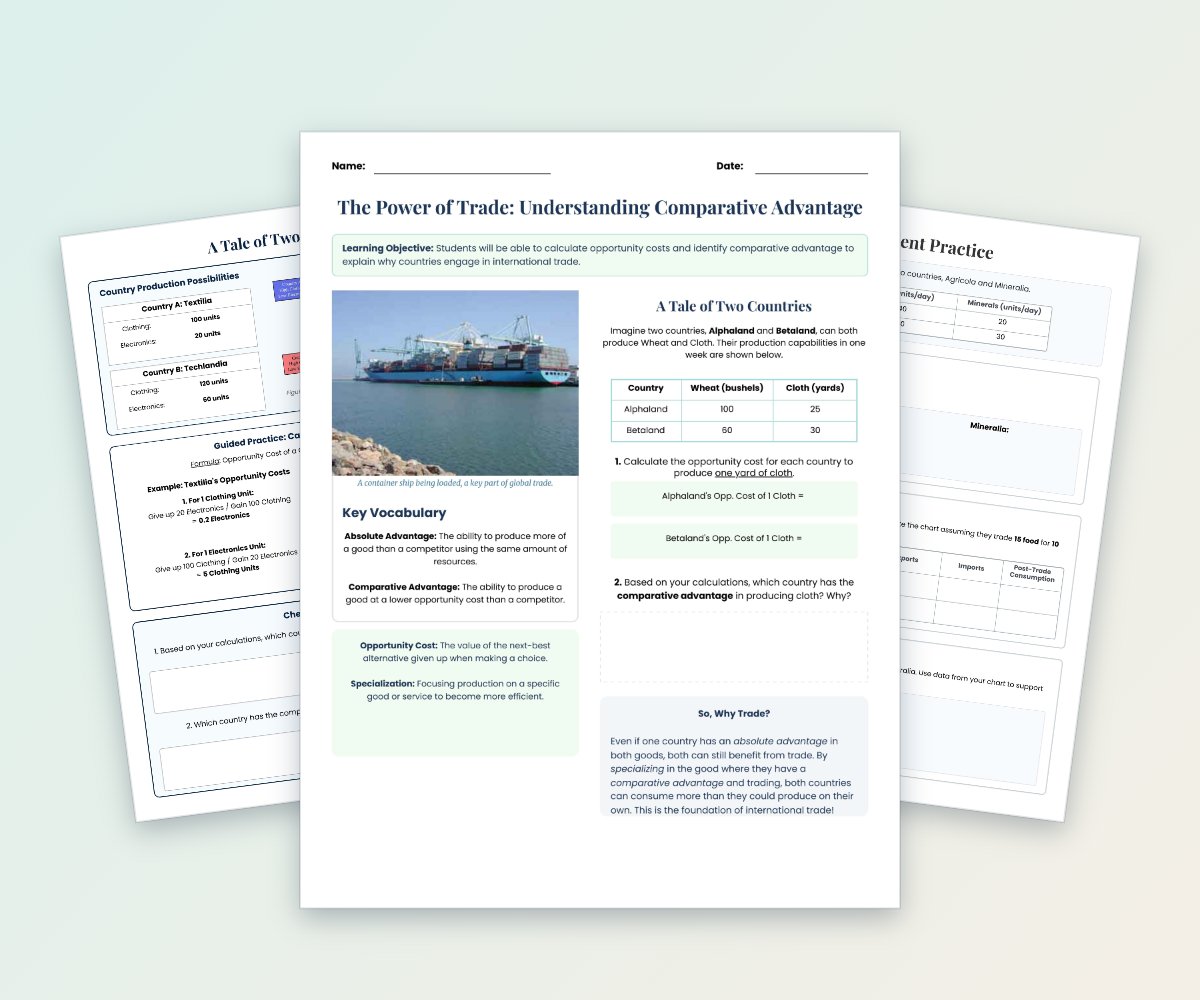
Students calculate opportunity costs and identify comparative advantage using country production scenarios.