Back-to-School Classroom Procedures Quiz and Check-In
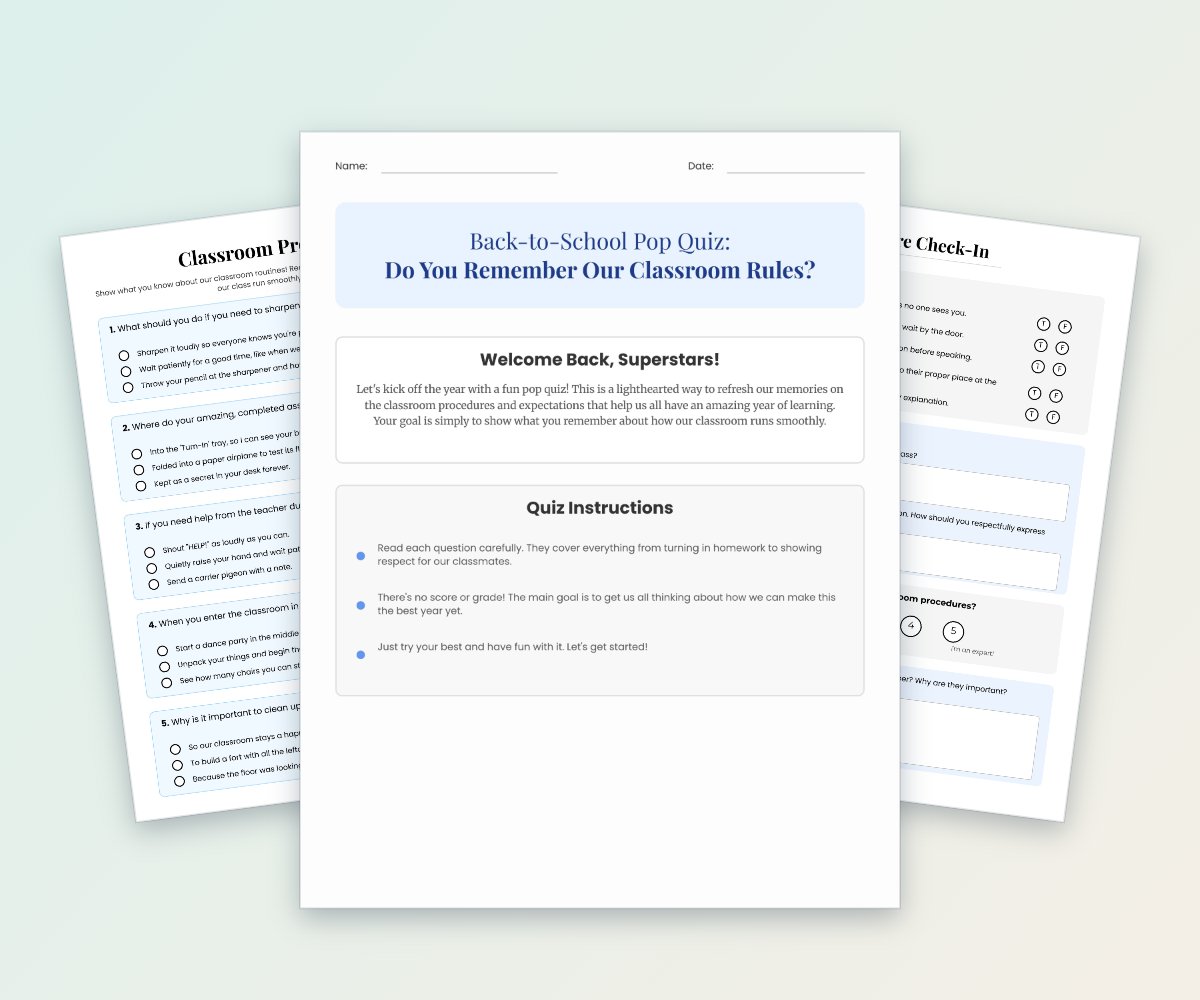
Help students review classroom routines and expectations with a lighthearted back-to-school pop quiz.
$4
Classroom-ready resources written for grade 2: printable worksheets, slides, activities and planning tools you can download and use straight away. Browse by subject below.
Help students review classroom routines and expectations with a lighthearted back-to-school pop quiz.
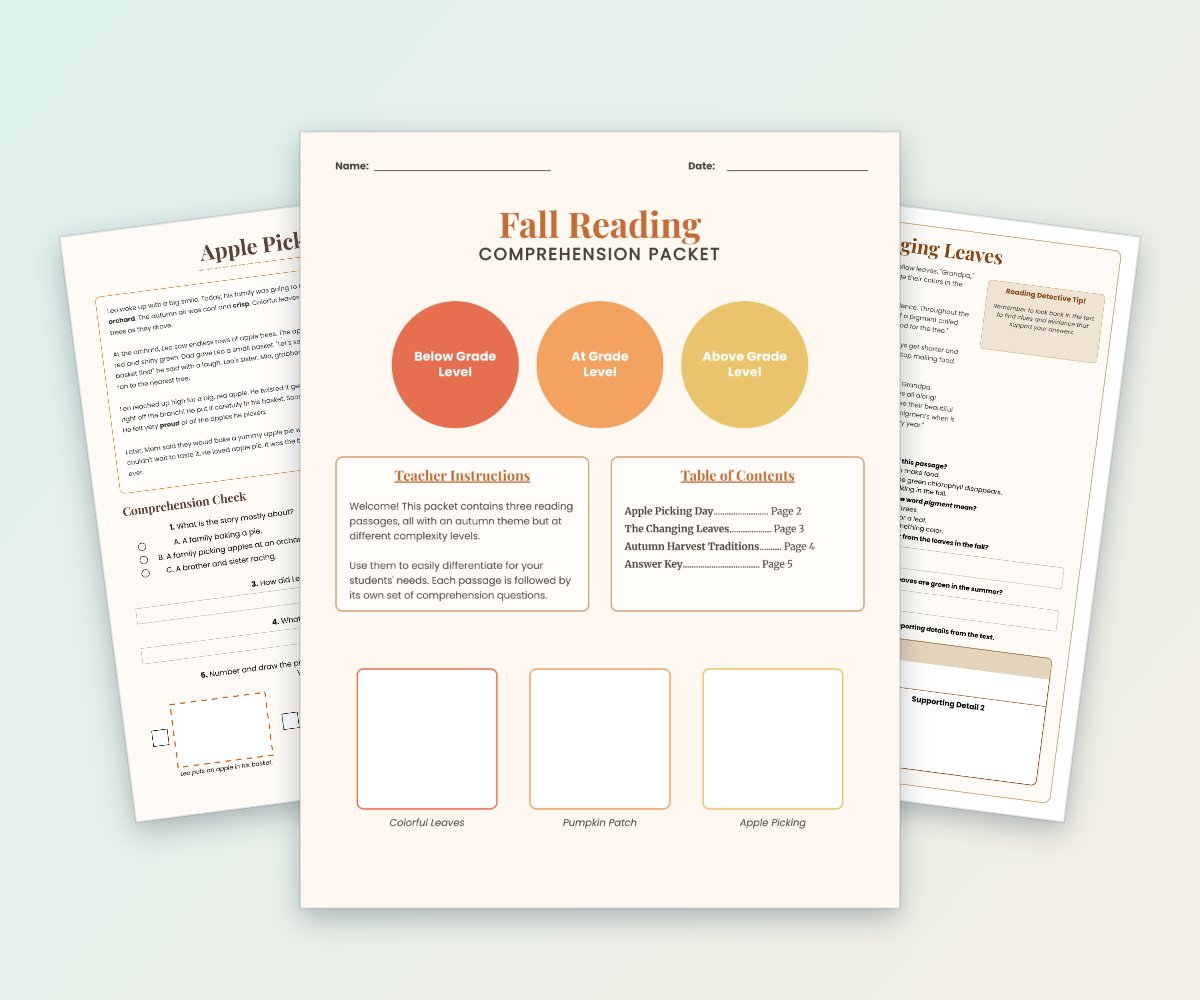
This autumn-themed packet includes three reading passages at different complexity levels, each followed by comprehension questions and vocabulary support.
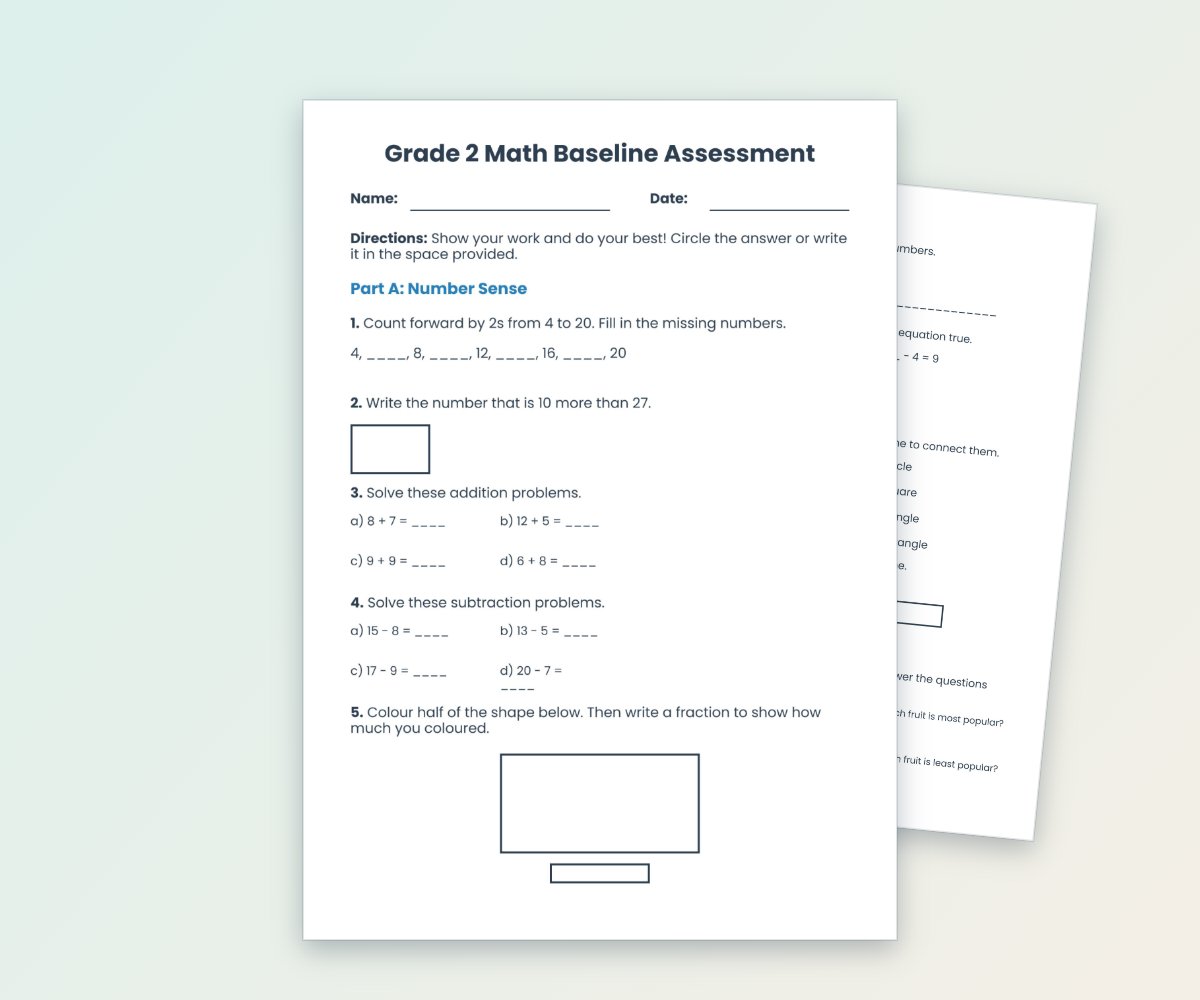
This two-page baseline assessment checks Grade 2 students’ understanding of number sense, operations, patterns, algebra, geometry, measurement, data, and probability.
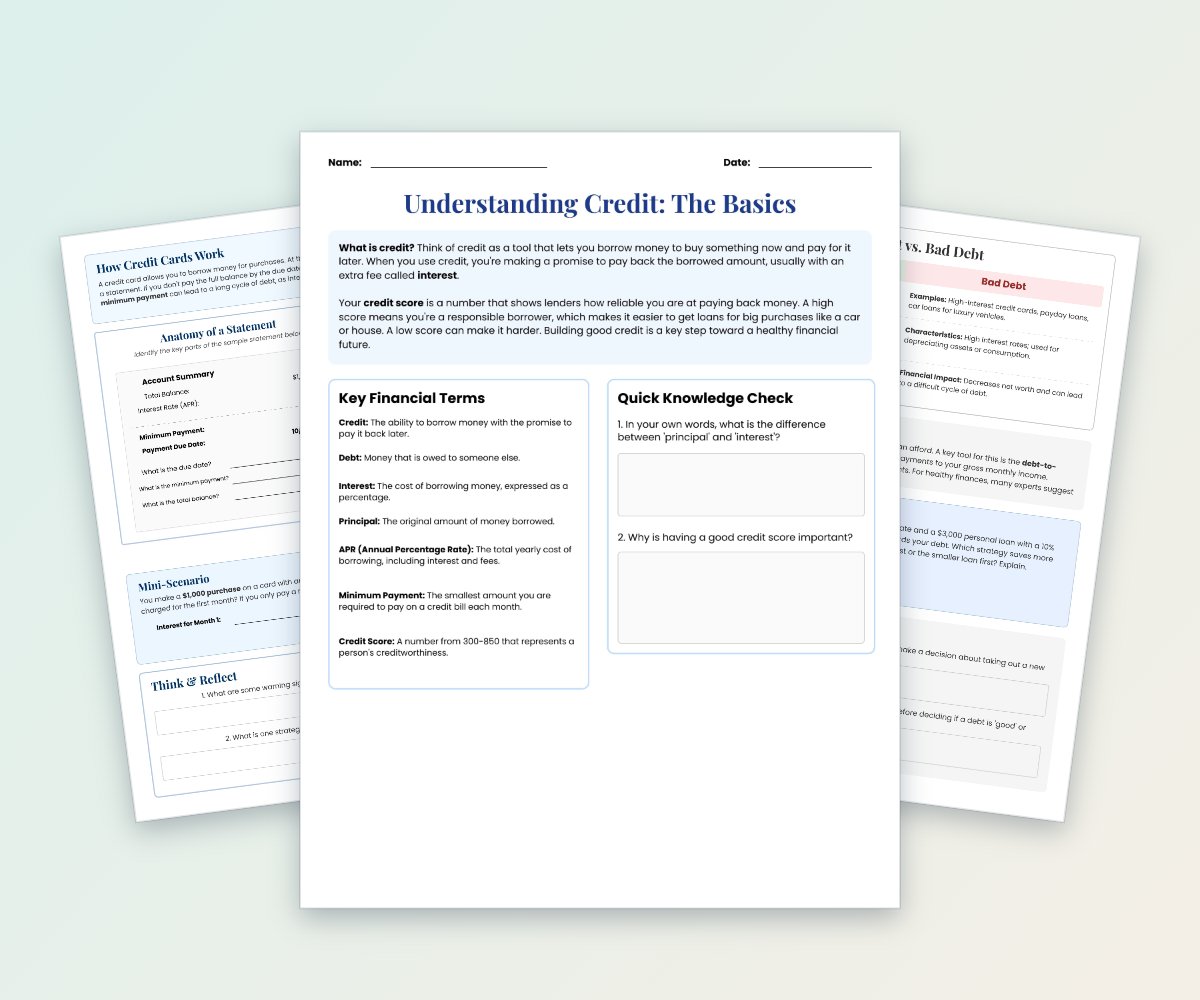
This four-page financial literacy worksheet introduces credit, debt, interest, APR, principal, minimum payments, and credit scores.
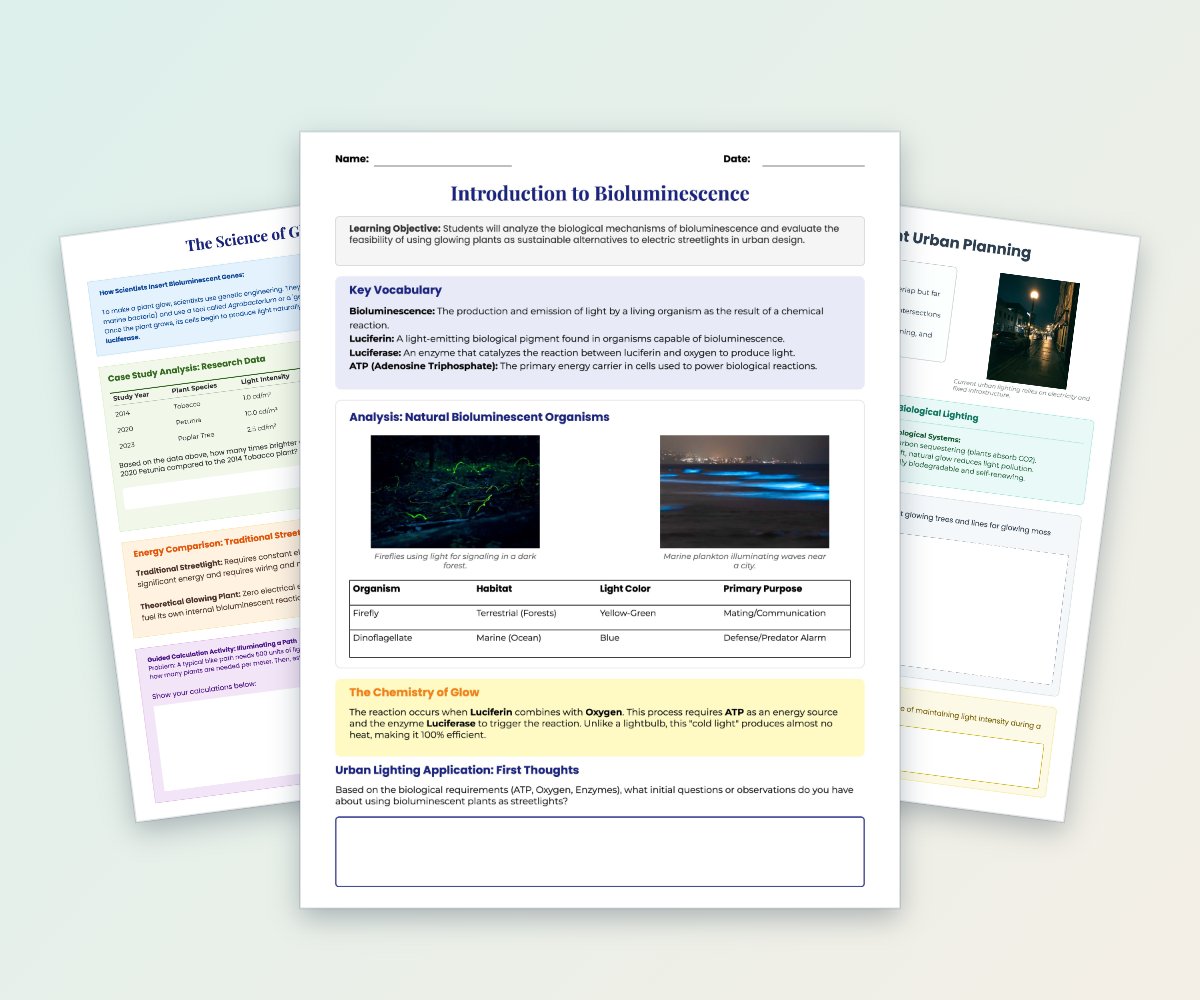
Students investigate how bioluminescent organisms produce light and examine the potential use of glowing plants as sustainable streetlights.
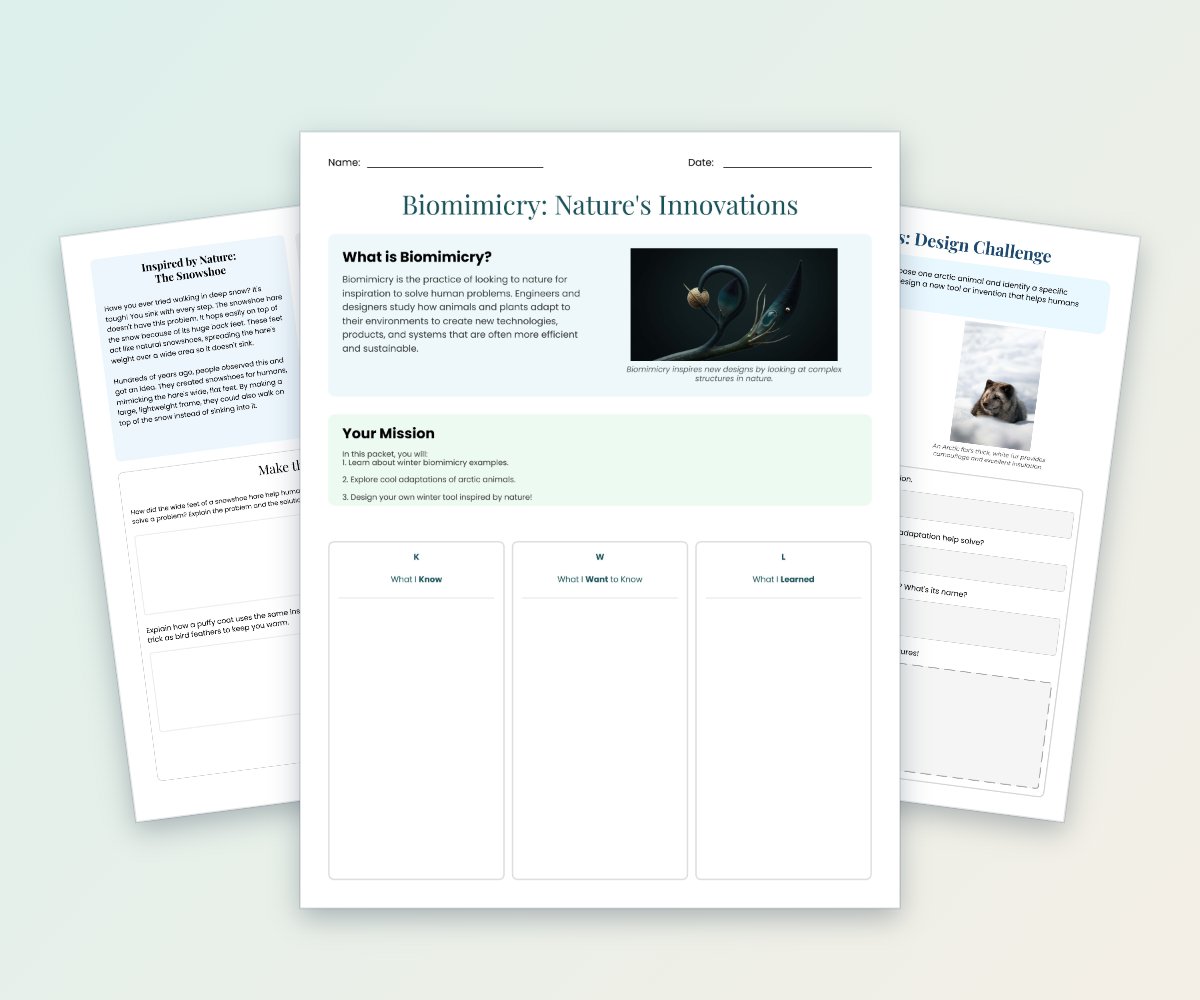
Students explore how snowshoe hare feet and bird feathers inspire snowshoes and puffy coats.
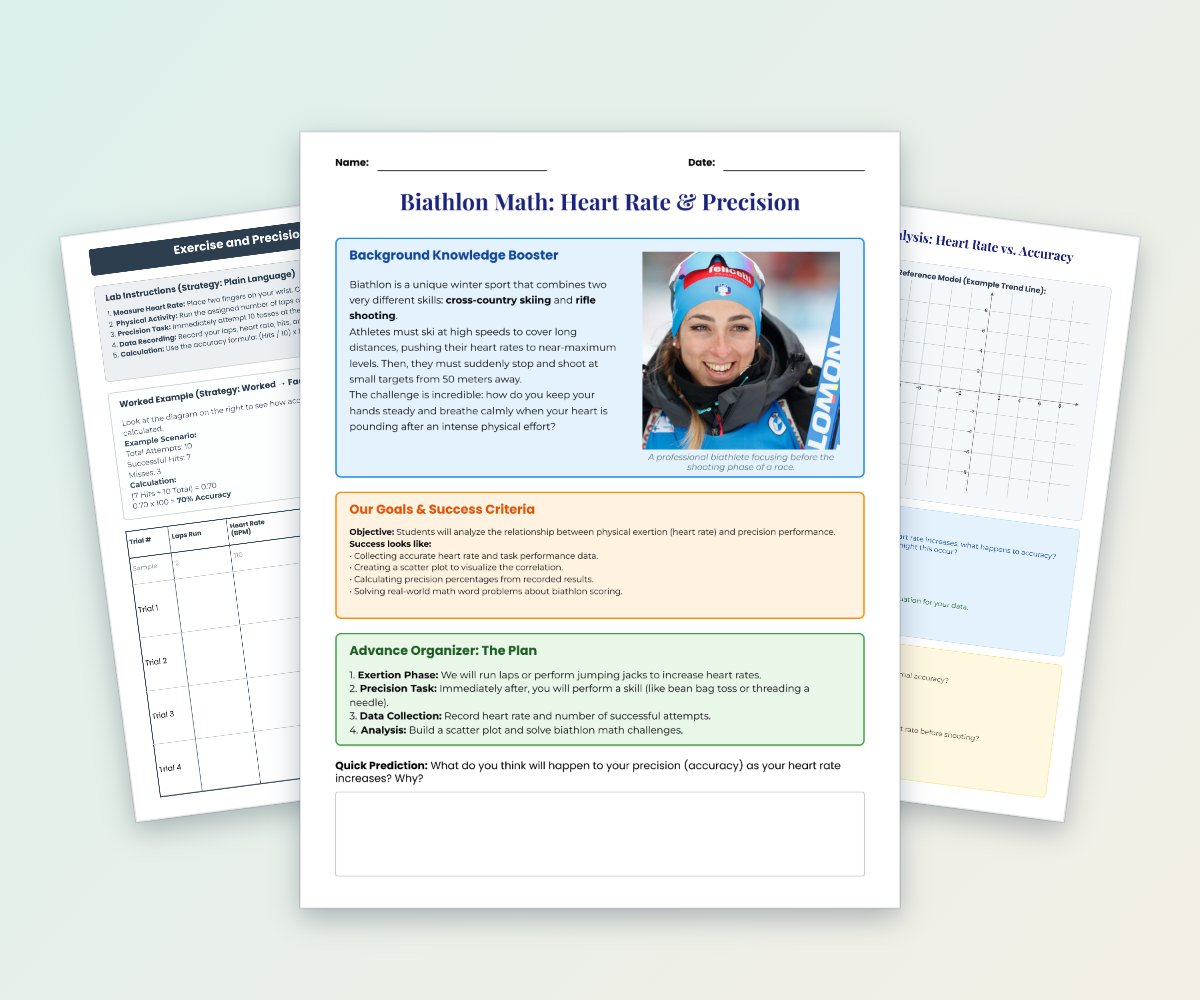
Students explore the relationship between physical exertion and precision by collecting heart-rate and task-performance data.
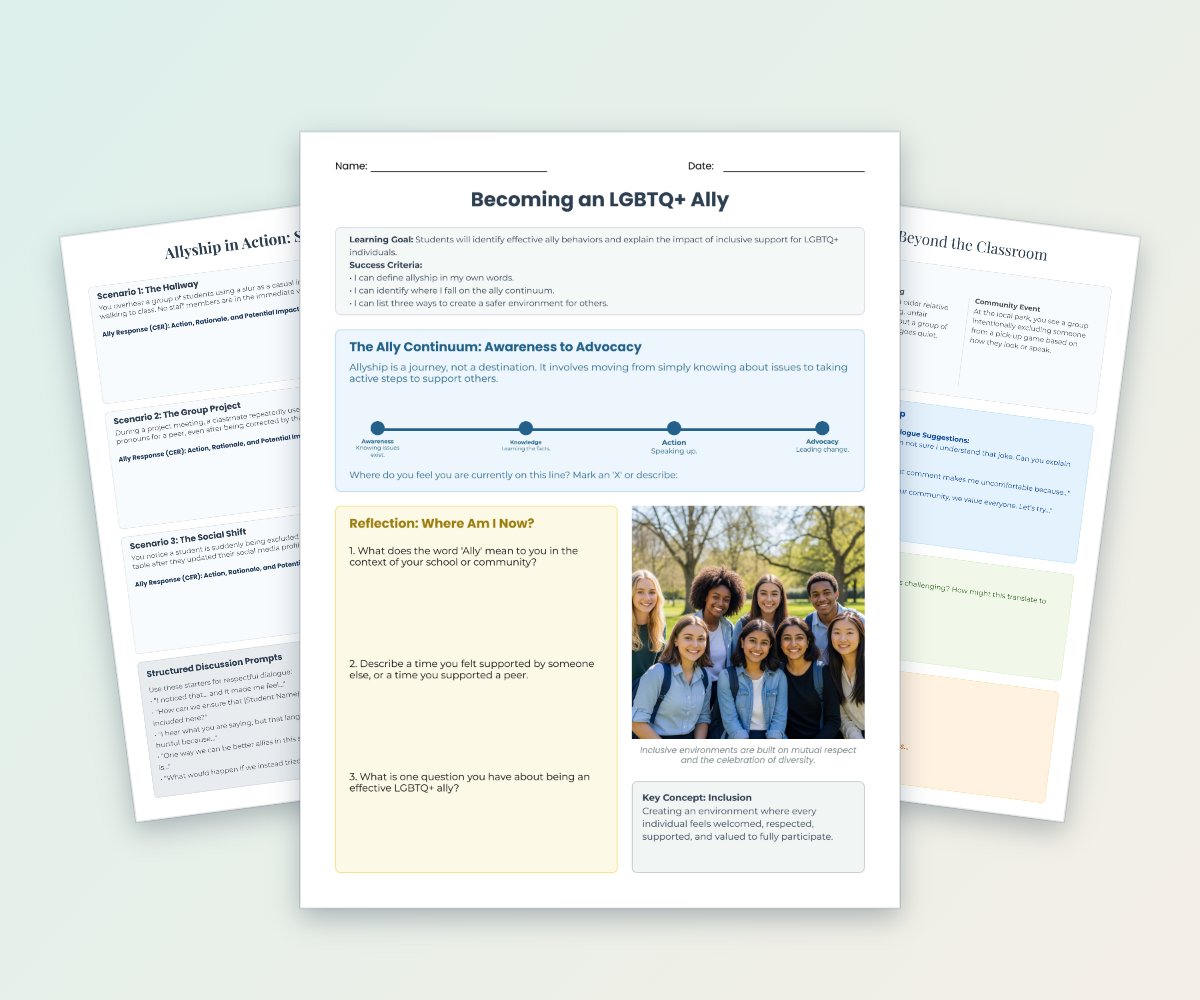
This four-page classroom resource helps students explore allyship, inclusion, and ways to create safer environments for LGBTQ+ peers.
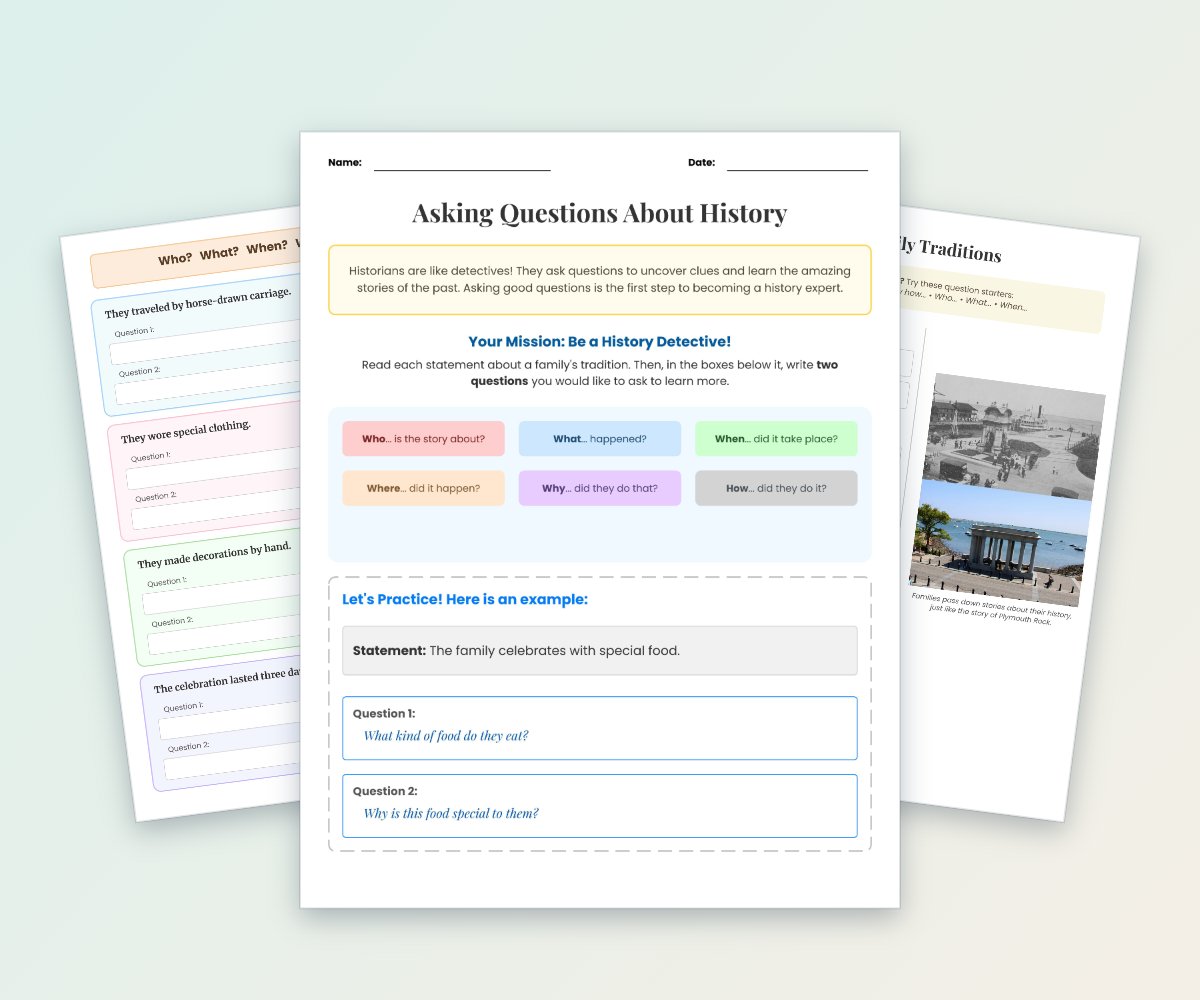
Students practice asking who, what, when, where, why, and how questions about family traditions, community celebrations, and historical statements.
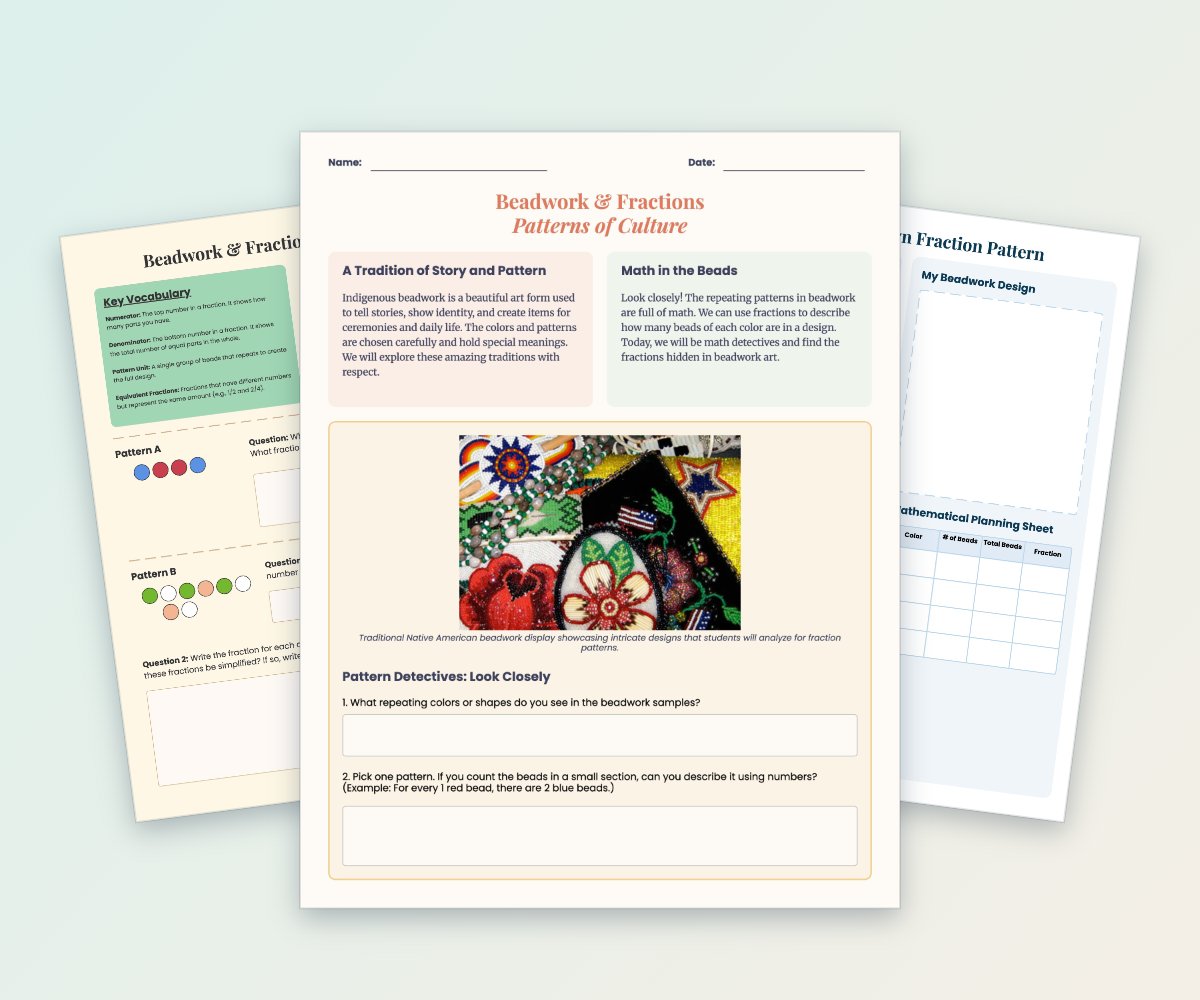
Students analyze beadwork-inspired patterns to identify fractions, equivalent fractions, and repeating pattern units.
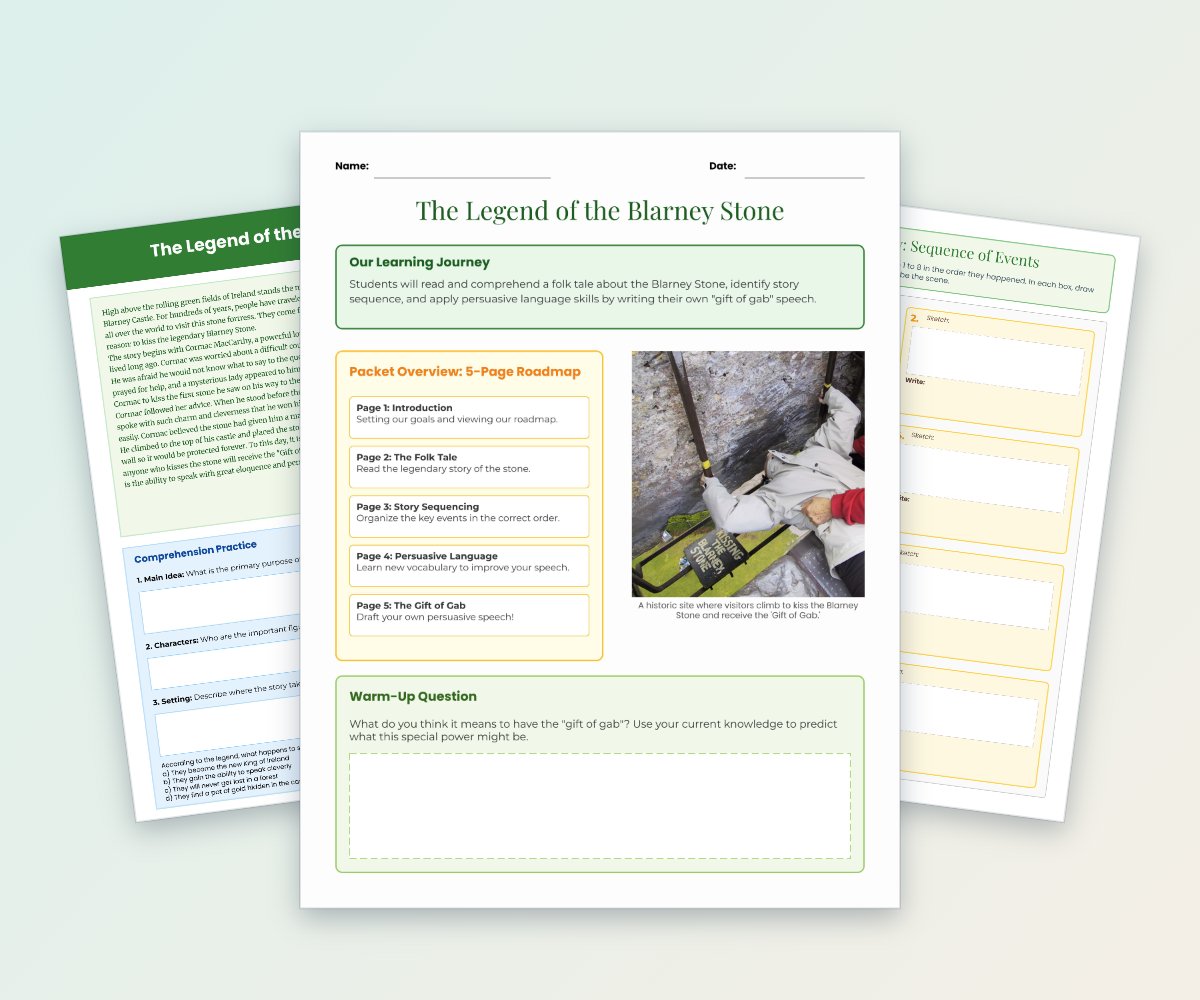
This literacy packet uses the legend of the Blarney Stone to build reading comprehension, story sequencing, vocabulary, and persuasive language skills.
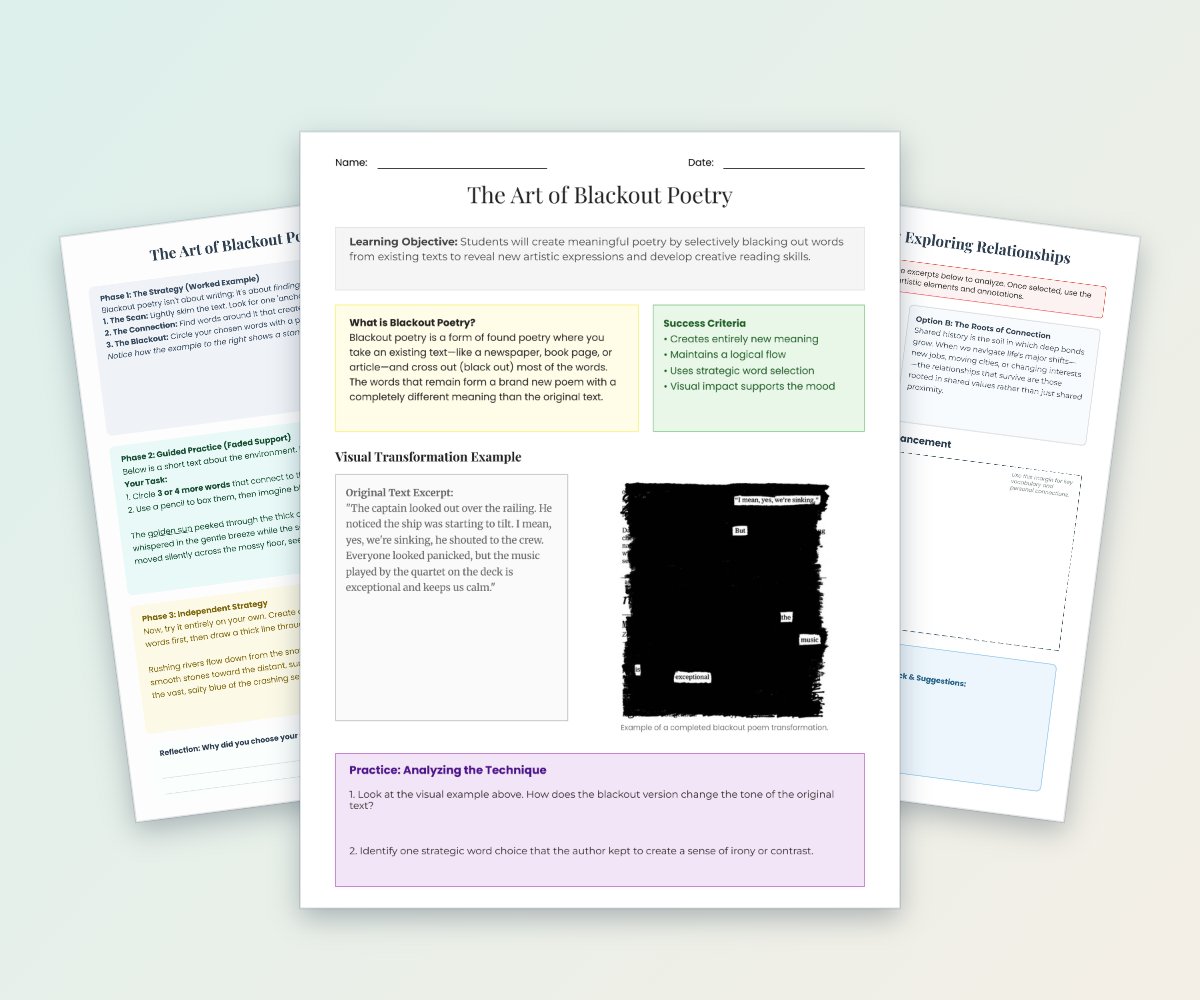
This four-page resource introduces blackout poetry through definitions, a visual transformation example, success criteria, and a step-by-step process.
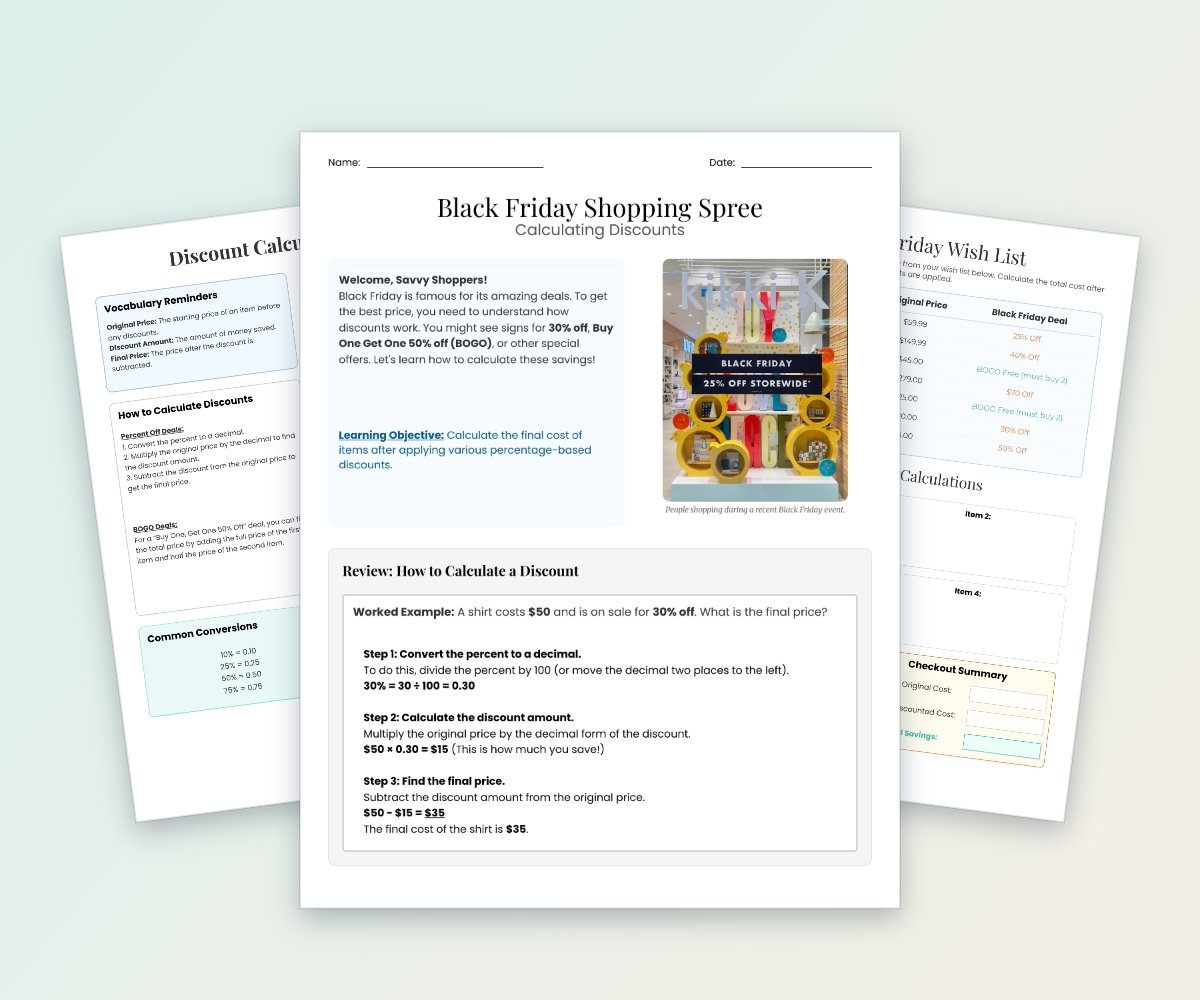
Students learn to calculate discount amounts and final prices using realistic Black Friday shopping scenarios.
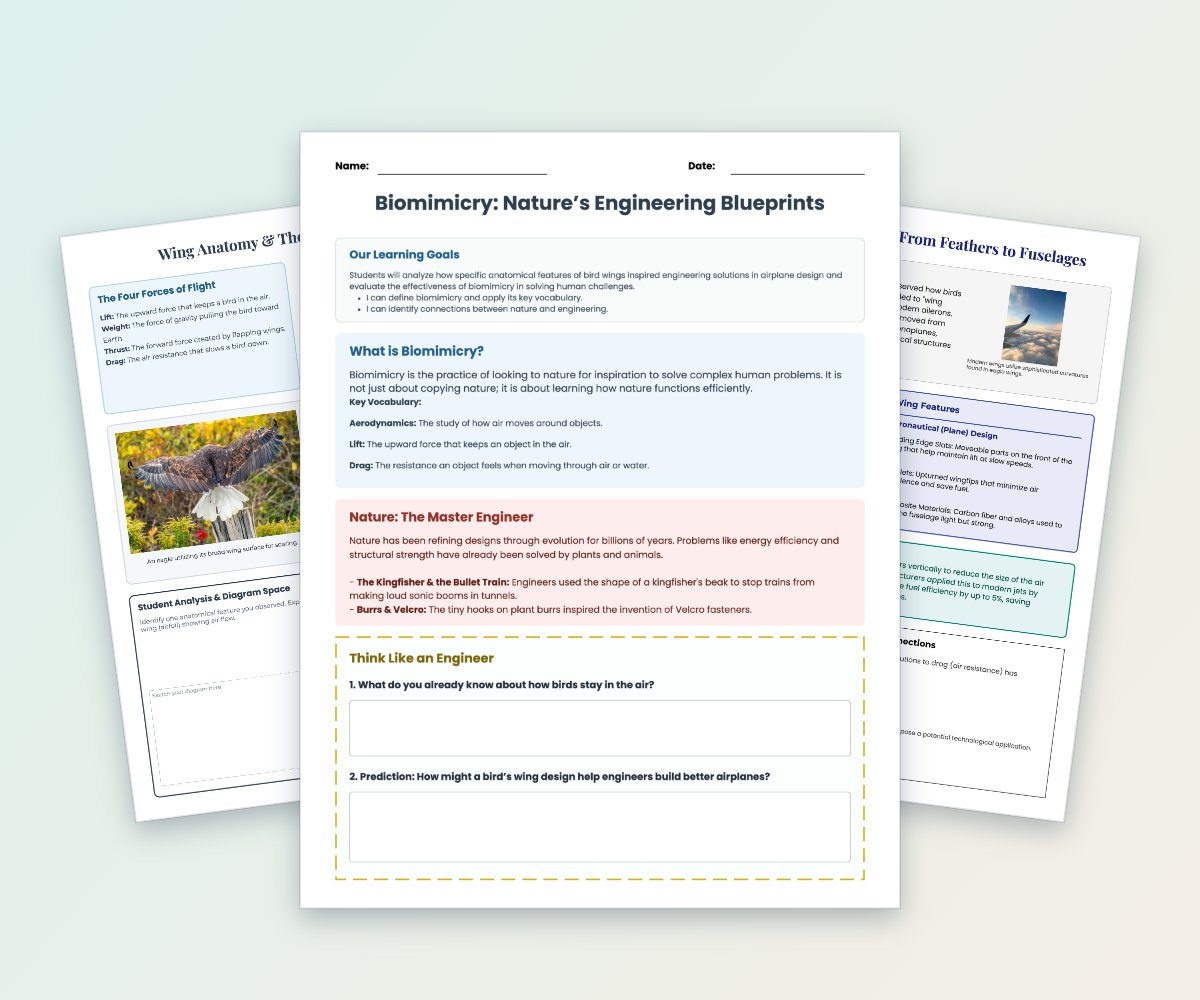
This four-page science lesson introduces biomimicry through examples such as bird wings, kingfishers, burrs, and airplane design.
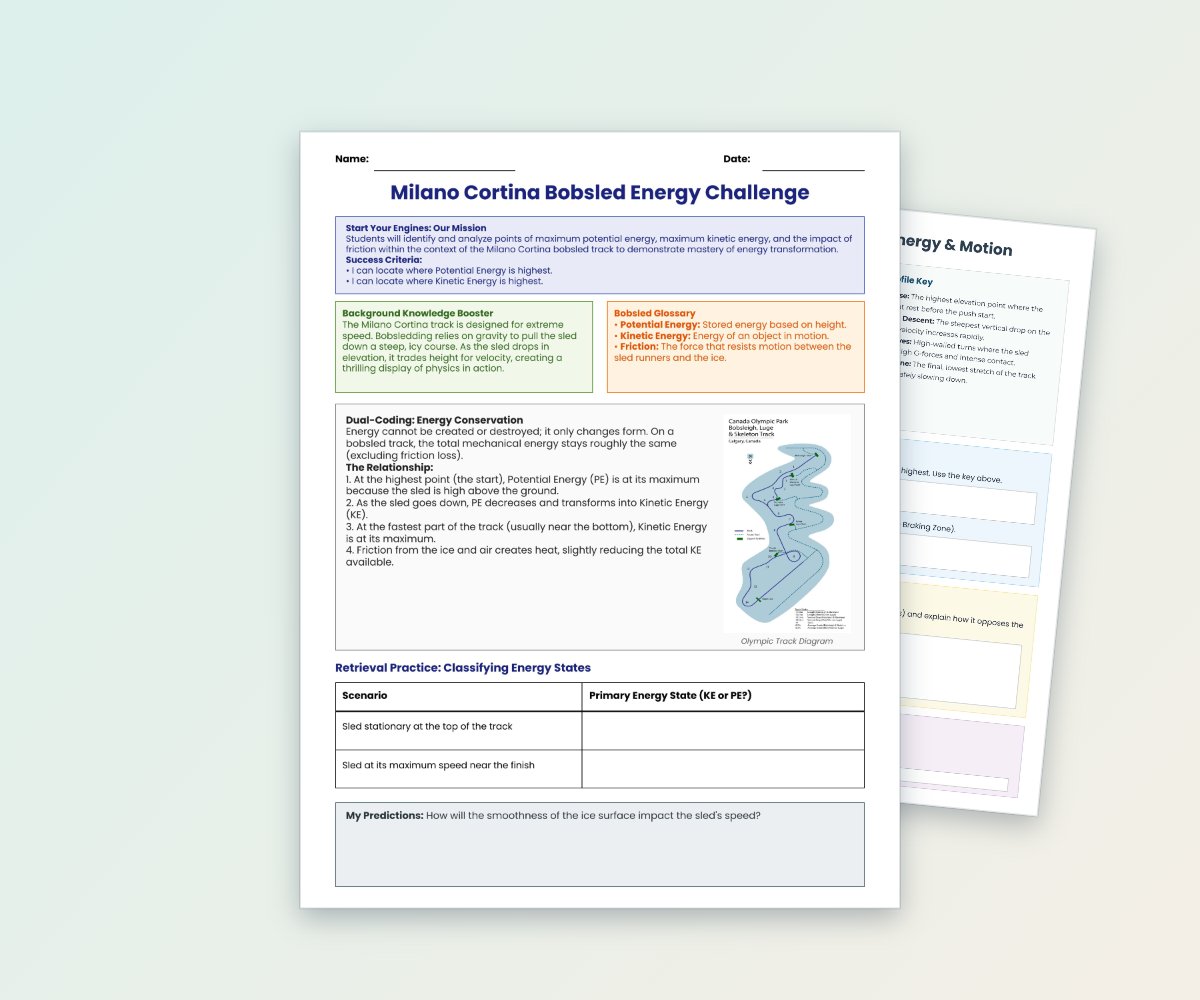
Students analyze a bobsled track to identify locations of maximum potential and kinetic energy.
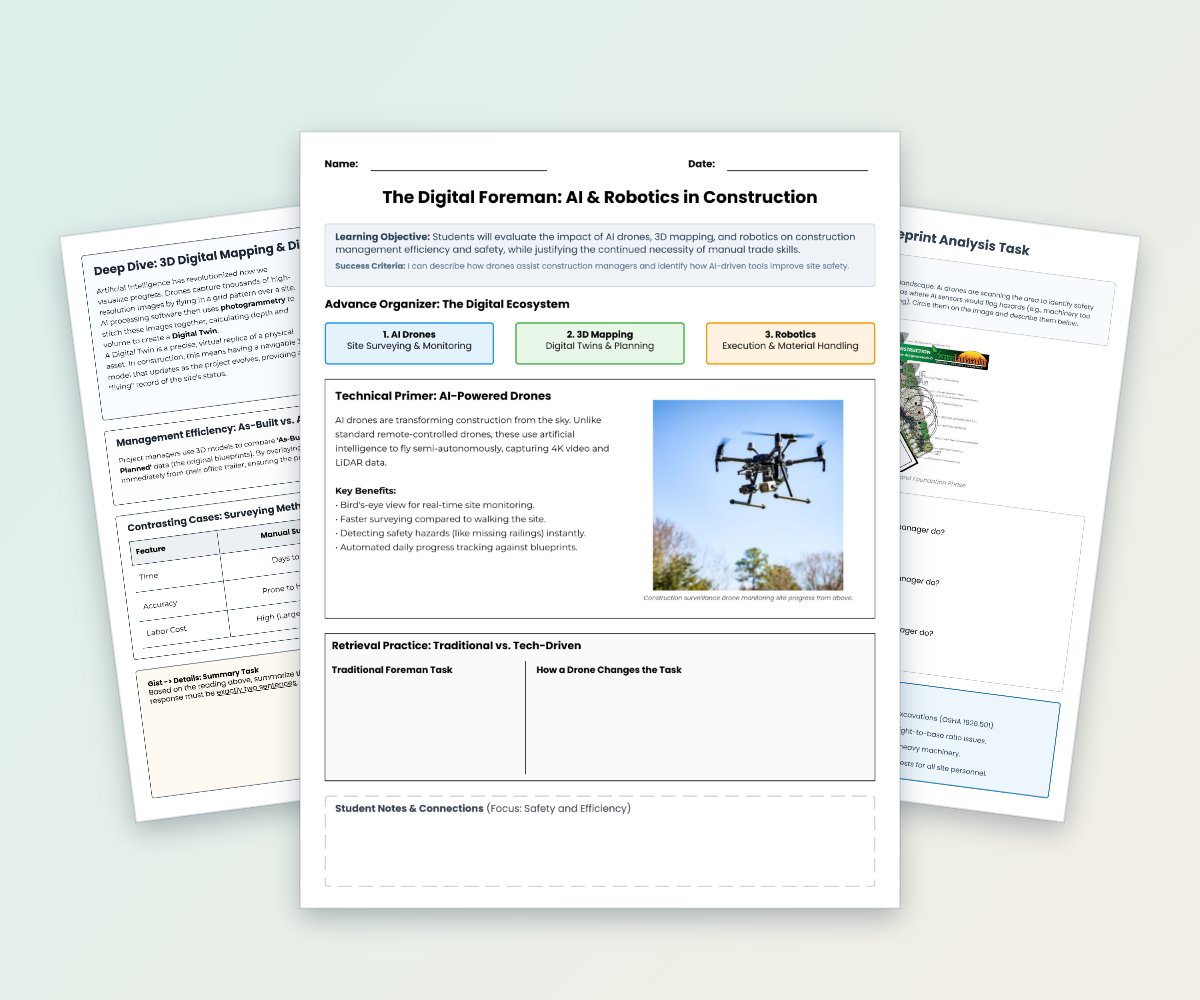
This five-page lesson introduces students to AI-powered drones, 3D mapping, digital twins, and robotics in construction management.
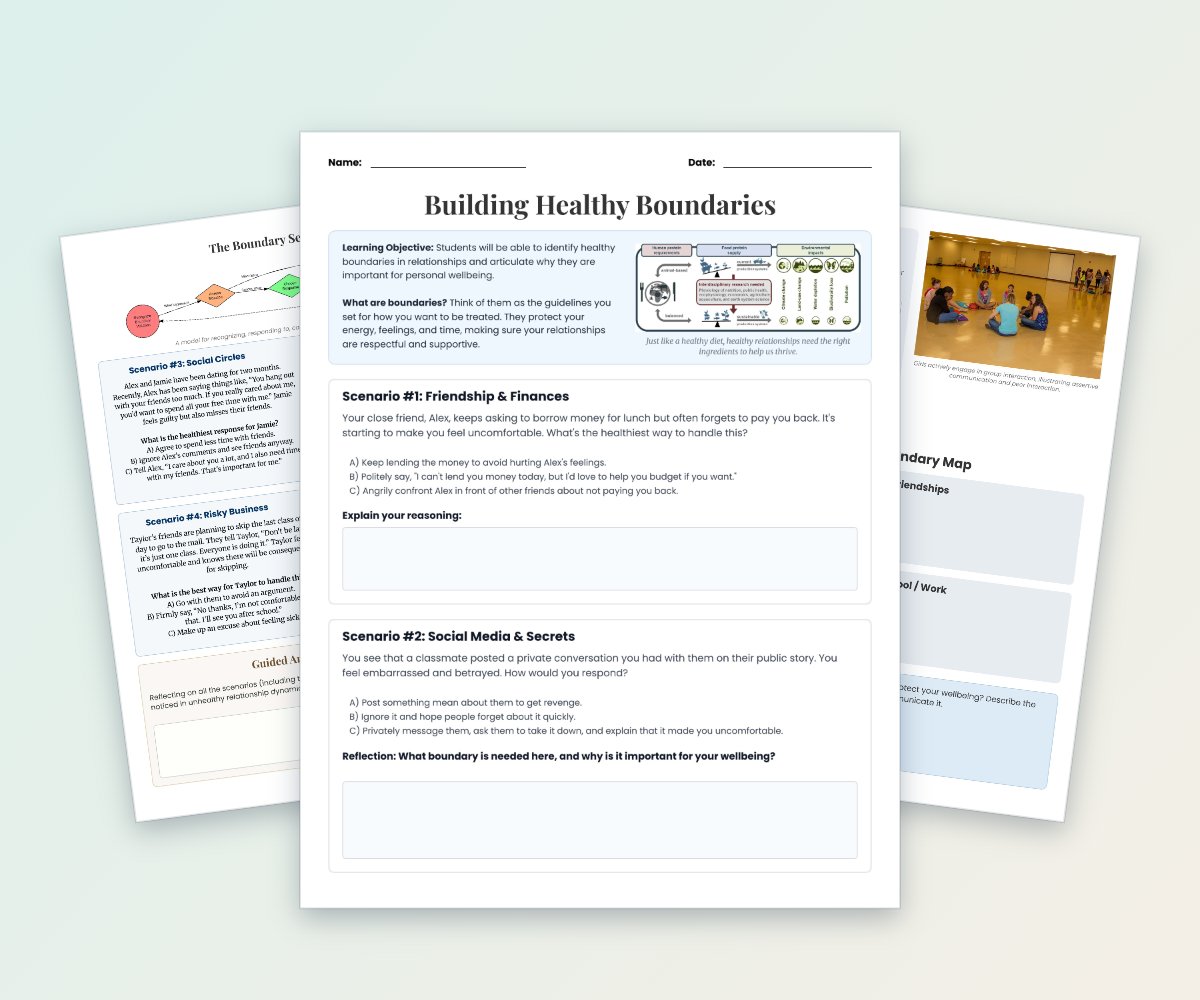
This three-page activity helps students understand healthy boundaries and why they support personal wellbeing.
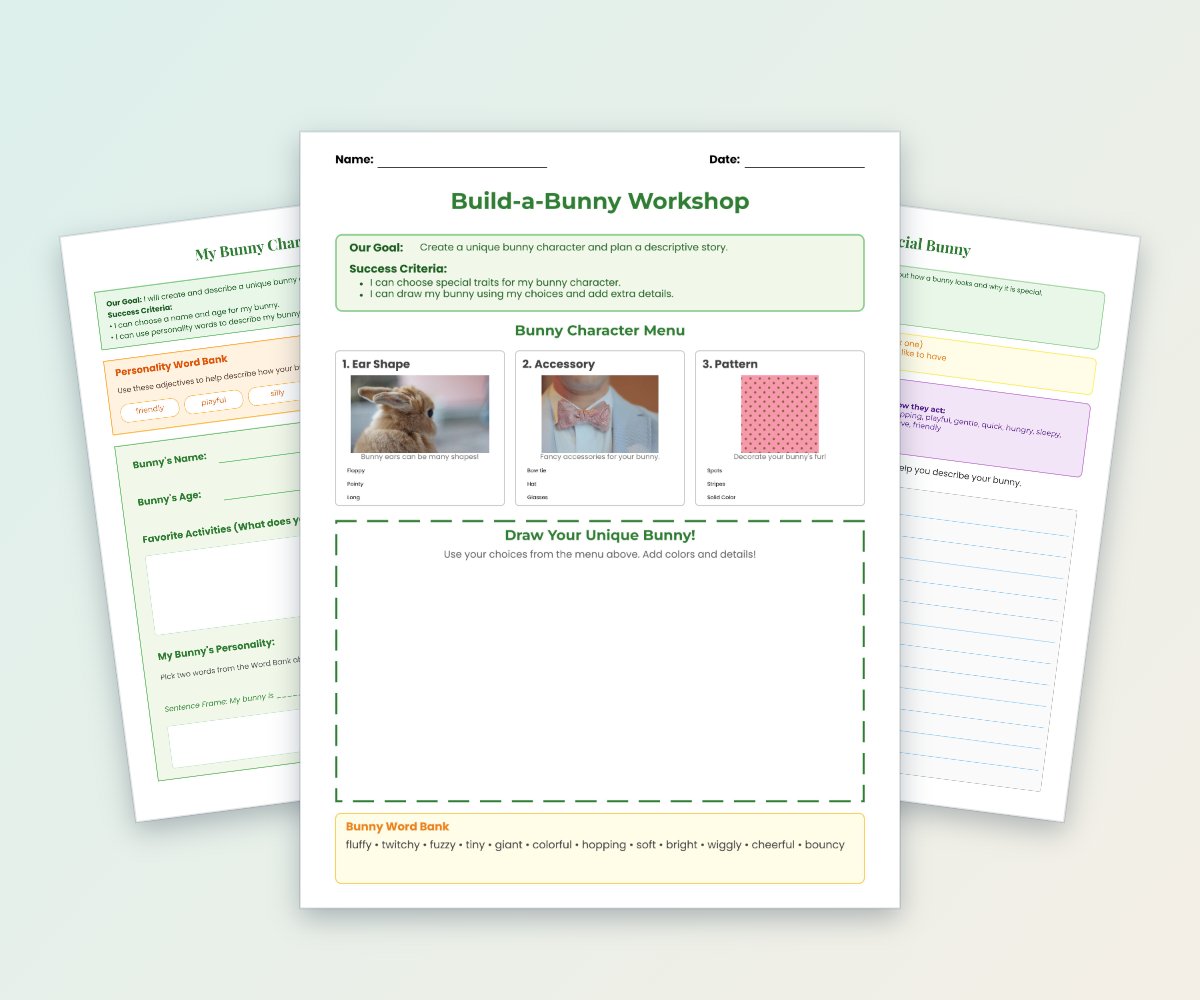
Students create a unique bunny character, develop its traits and personality, and write descriptive sentences.
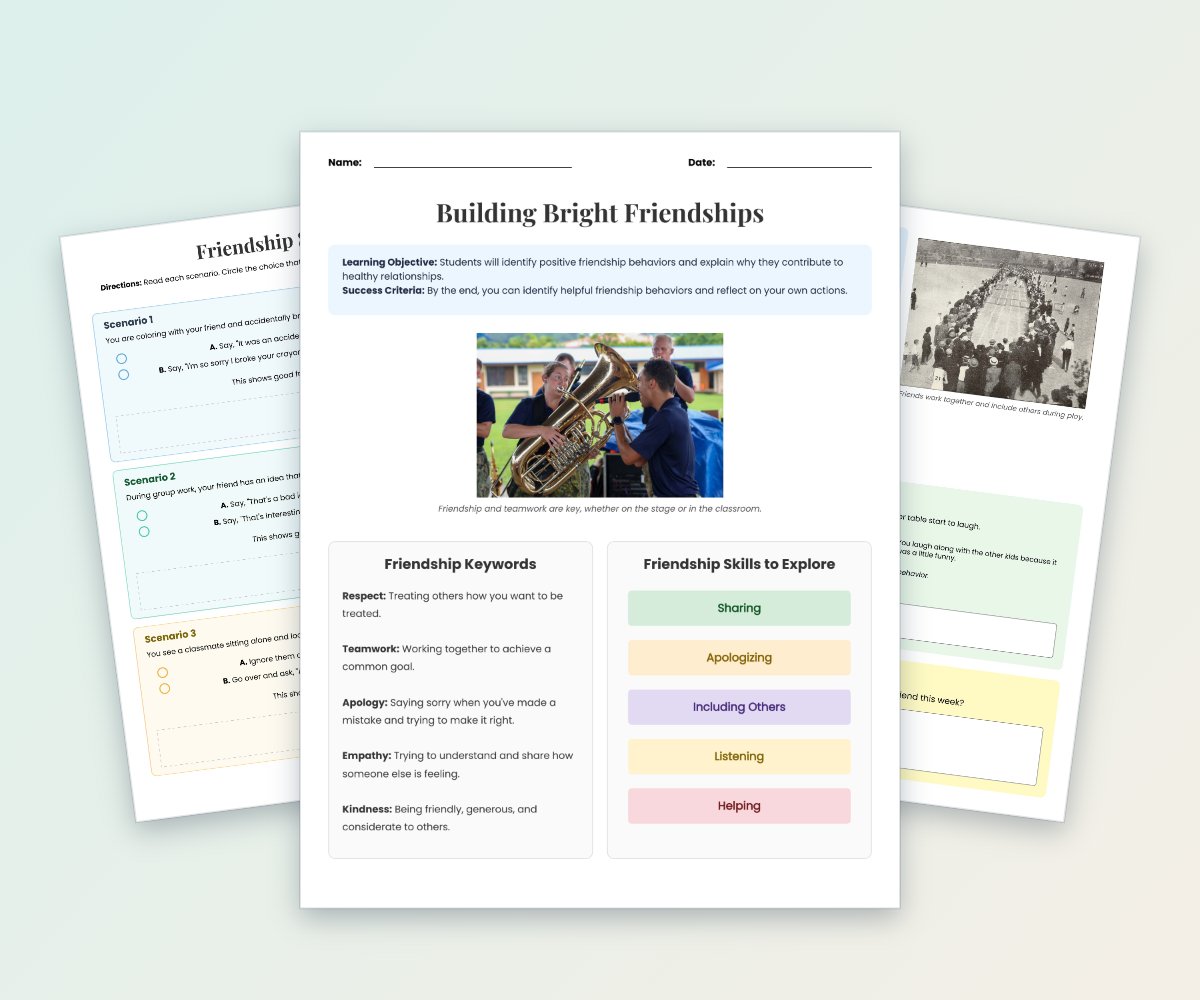
Students learn key friendship skills including respect, teamwork, empathy, kindness, sharing, apologizing, inclusion, listening, and helping.
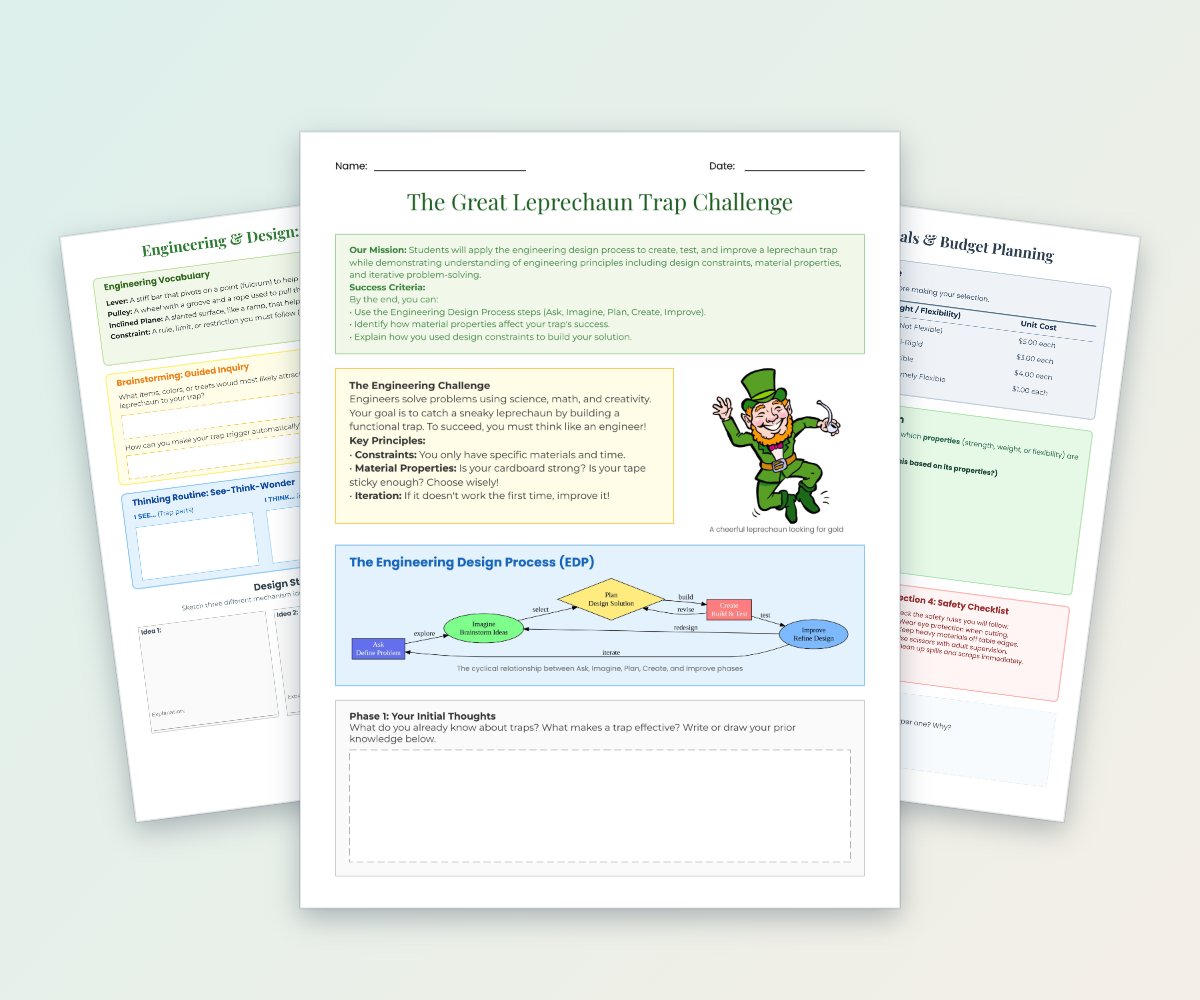
Students apply the engineering design process to design, build, test, and improve a leprechaun trap using constraints and material properties.
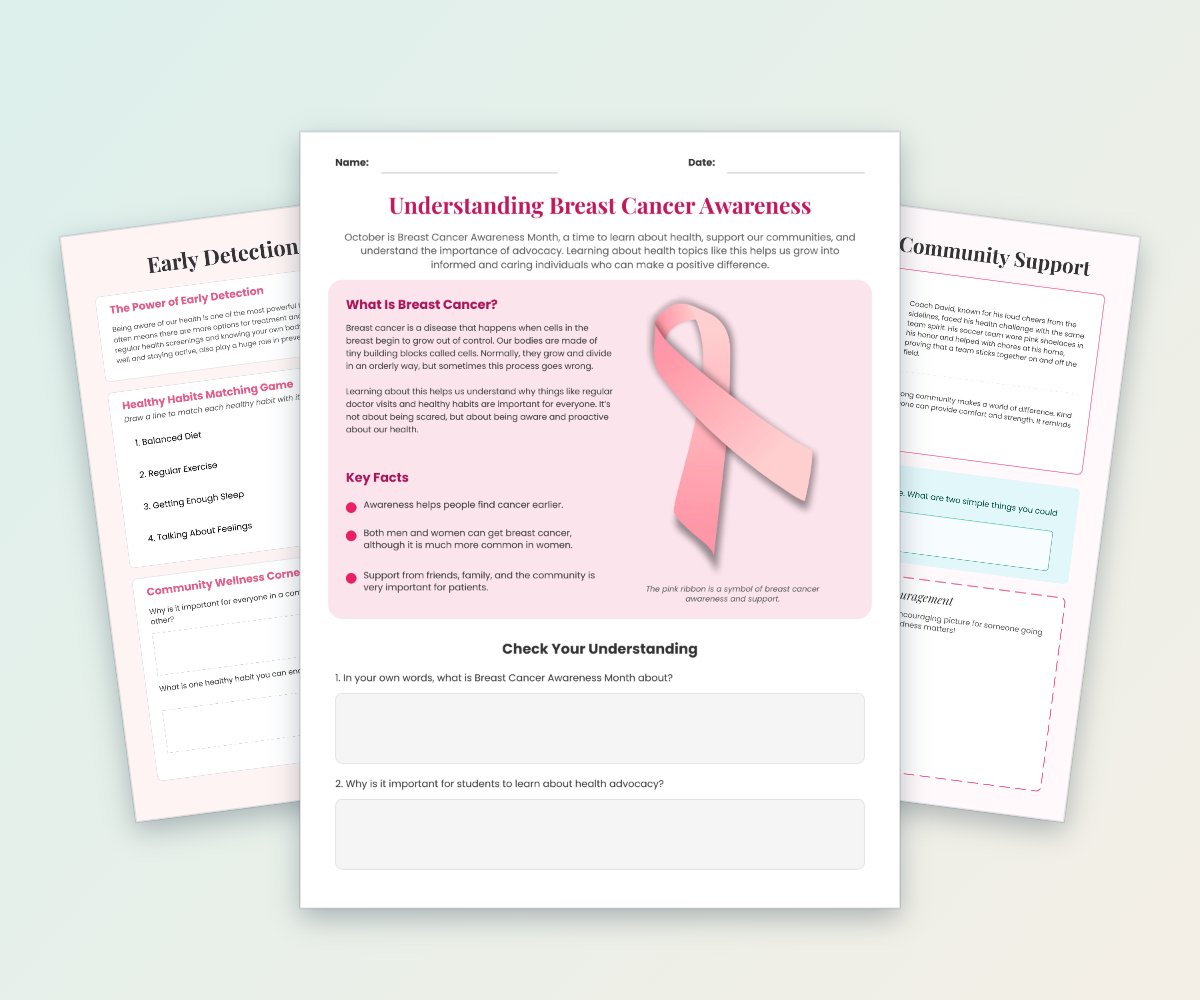
This five-page worksheet introduces breast cancer awareness, early detection, advocacy, community support, and healthy habits.
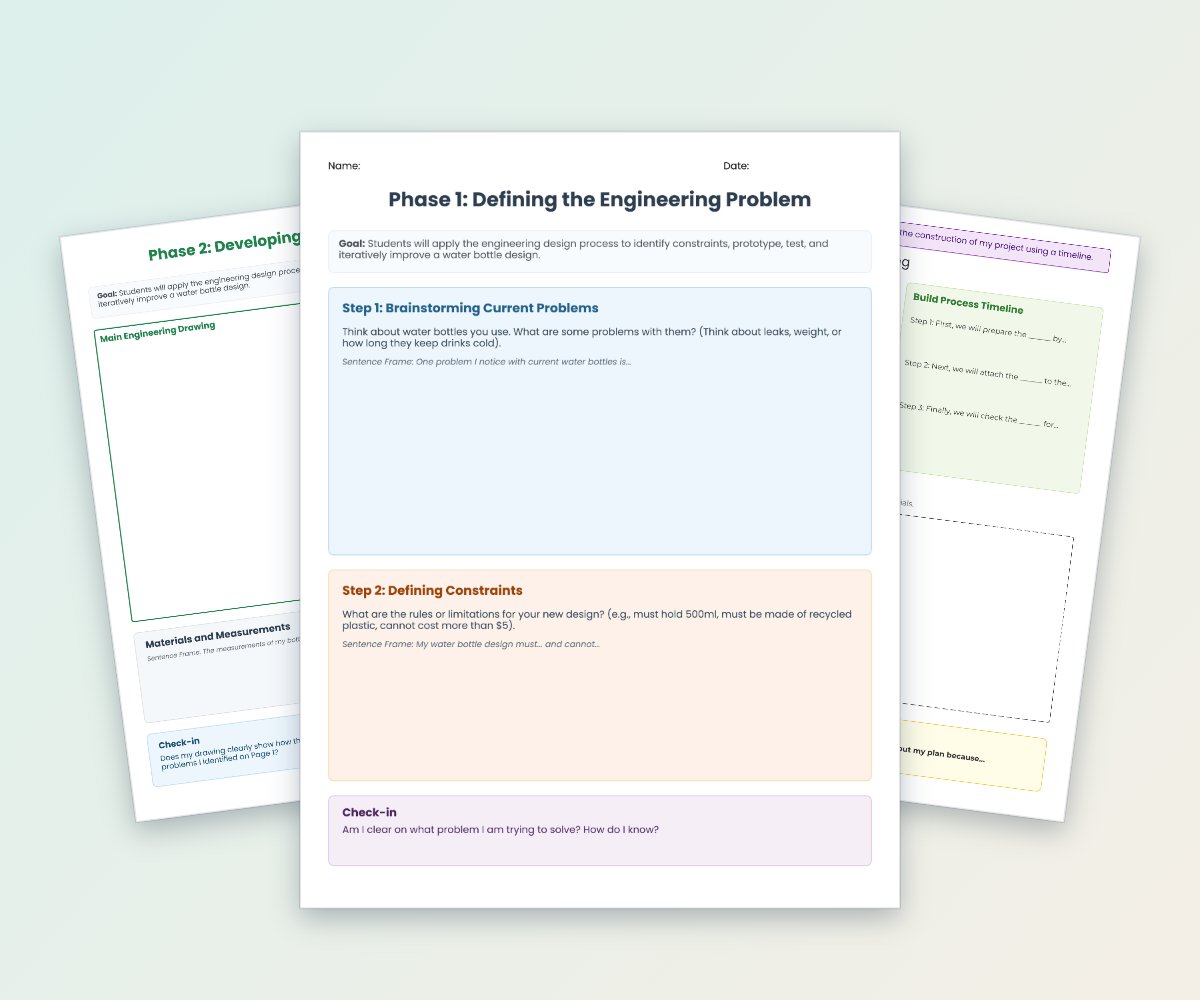
Students identify water bottle problems, define design constraints, sketch a prototype, plan construction, and collect testing data.
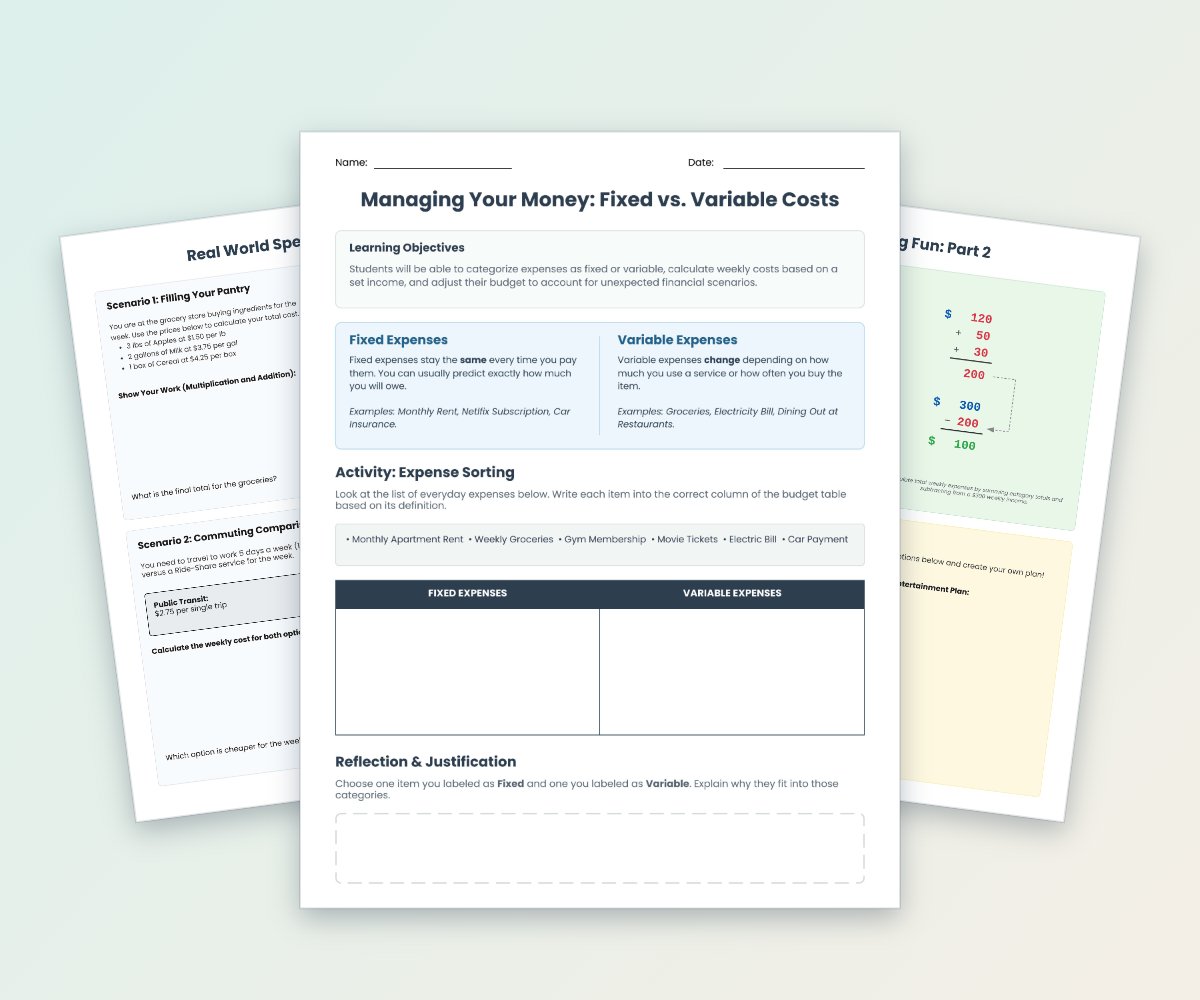
Students learn to distinguish fixed and variable expenses, calculate grocery and transportation costs, and track a weekly budget.
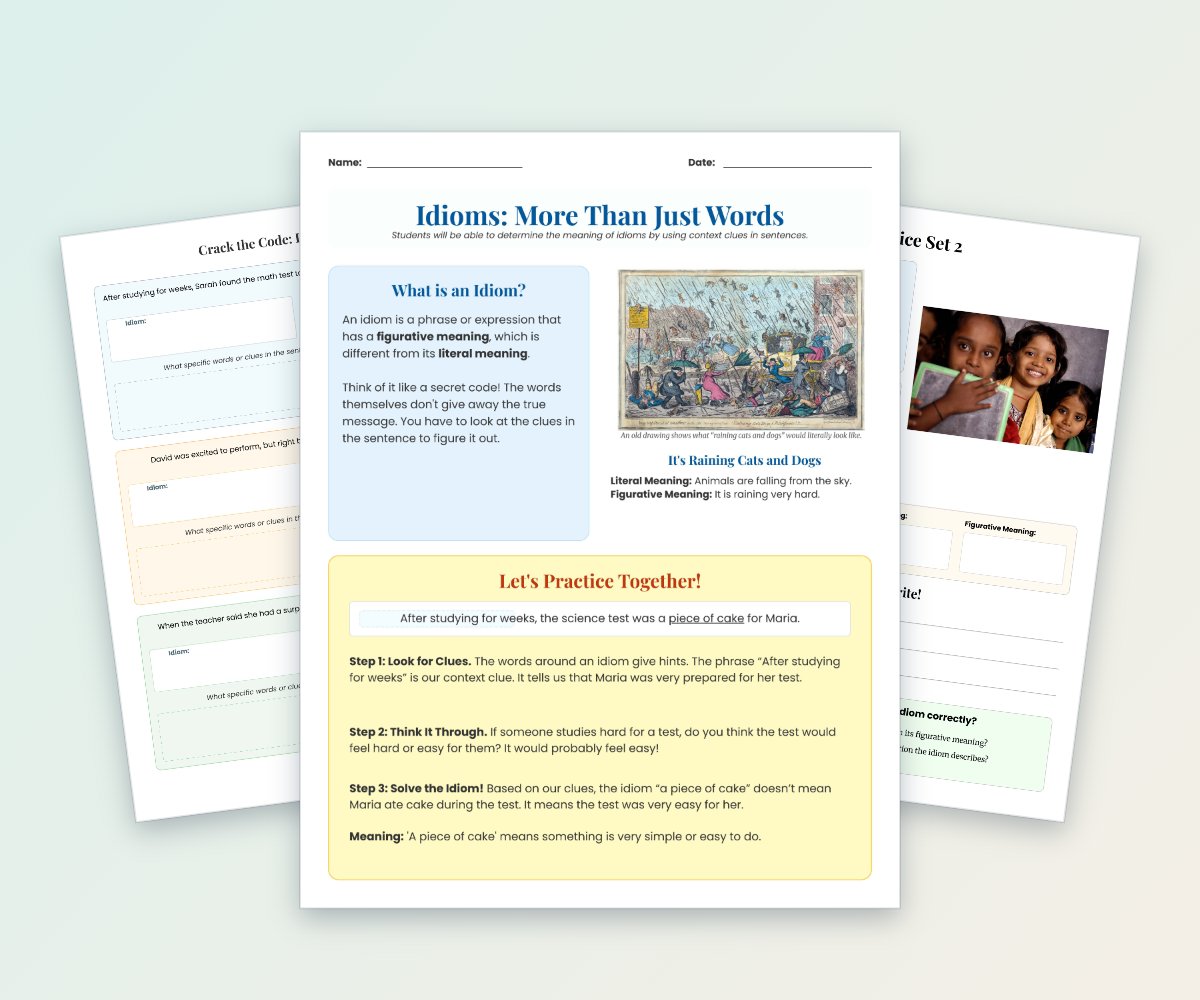
This four-page worksheet introduces figurative language and guides students through determining idiom meanings using context clues.
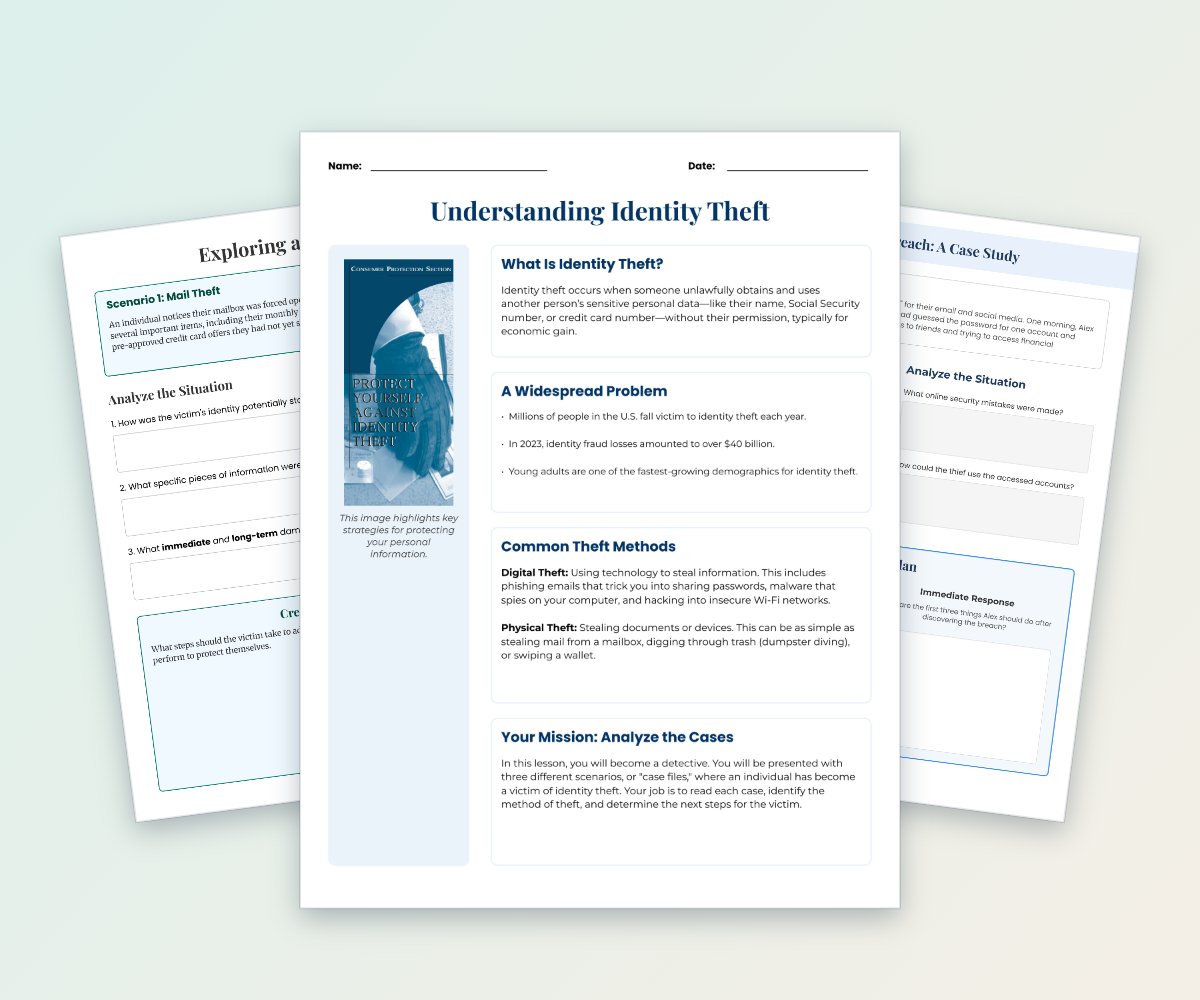
Students investigate identity theft through realistic mail theft and online security case studies.
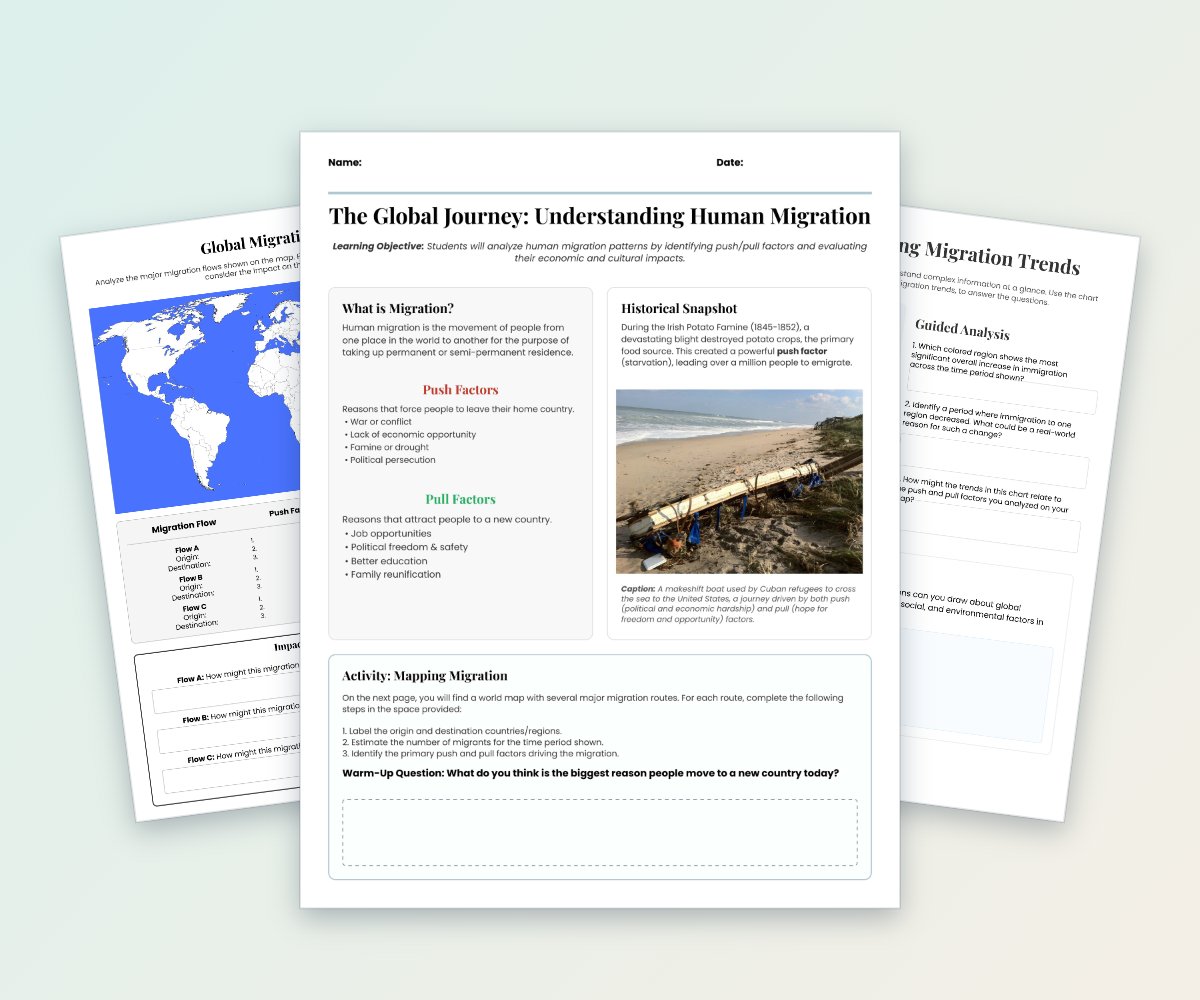
Students examine why people migrate by distinguishing push and pull factors and exploring historical migration examples.
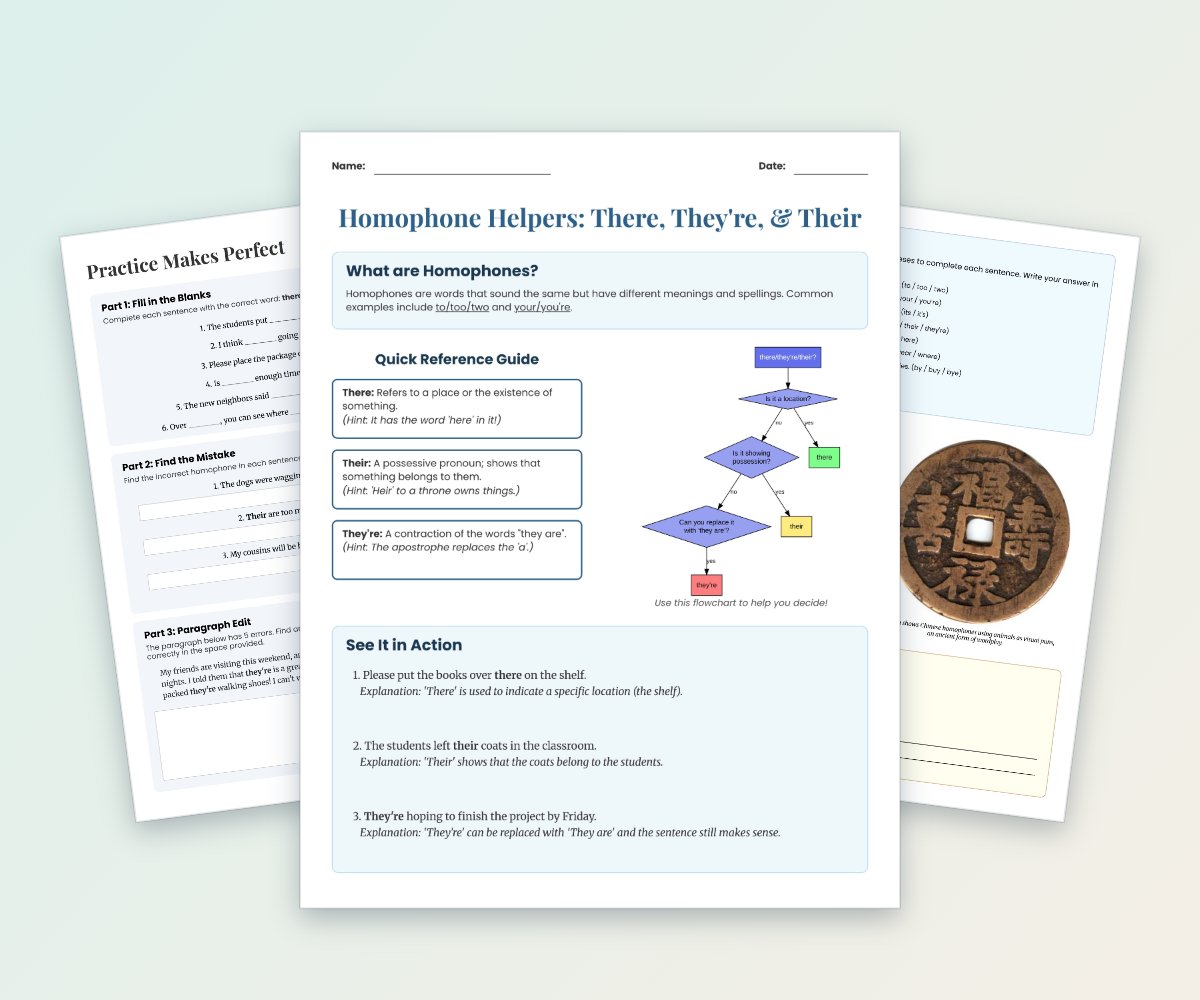
This four-page worksheet teaches students to distinguish between there, their, and they're using definitions, memory hints, examples, and a flowchart.
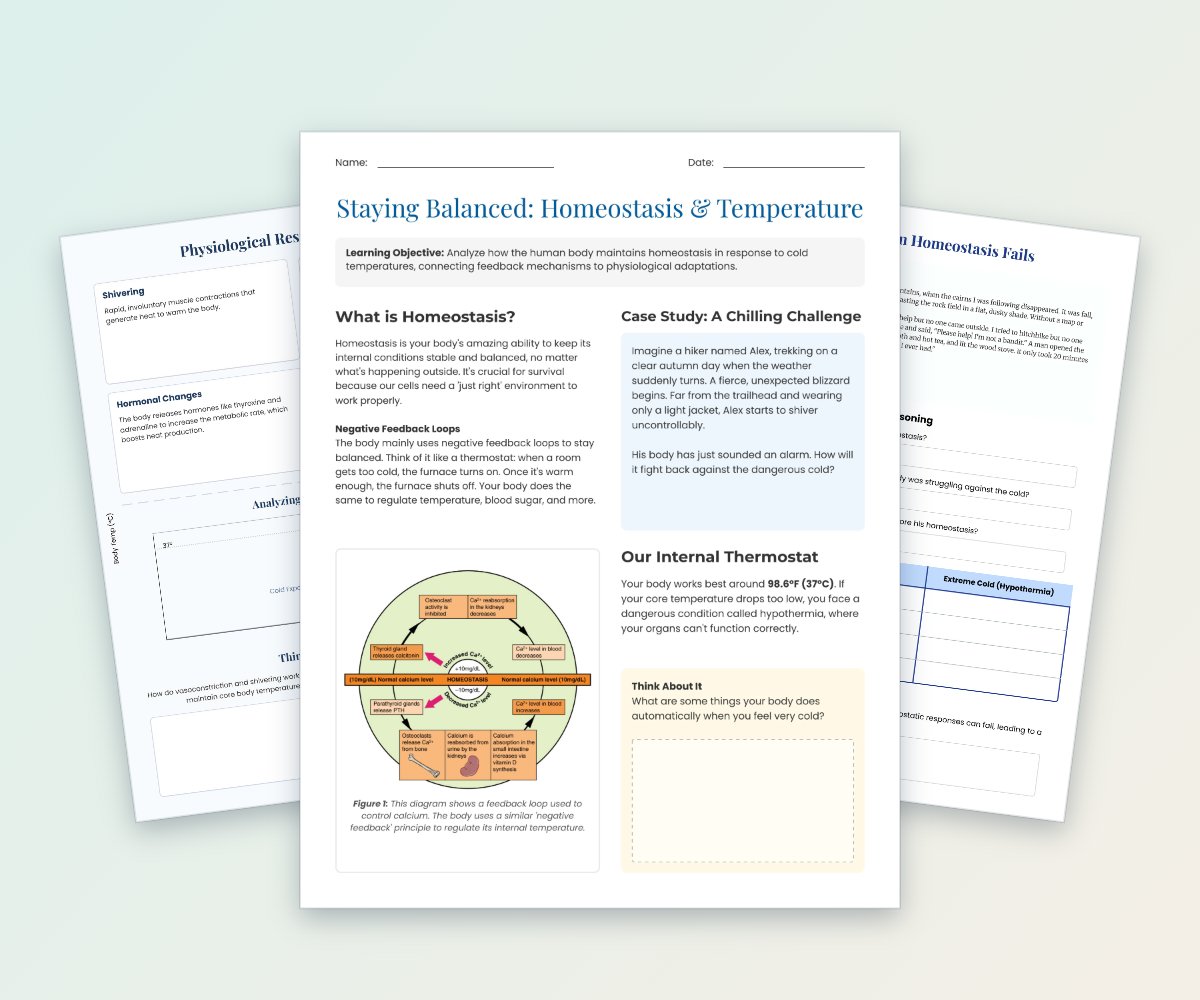
This four-page worksheet explores how the human body maintains homeostasis during exposure to cold temperatures.
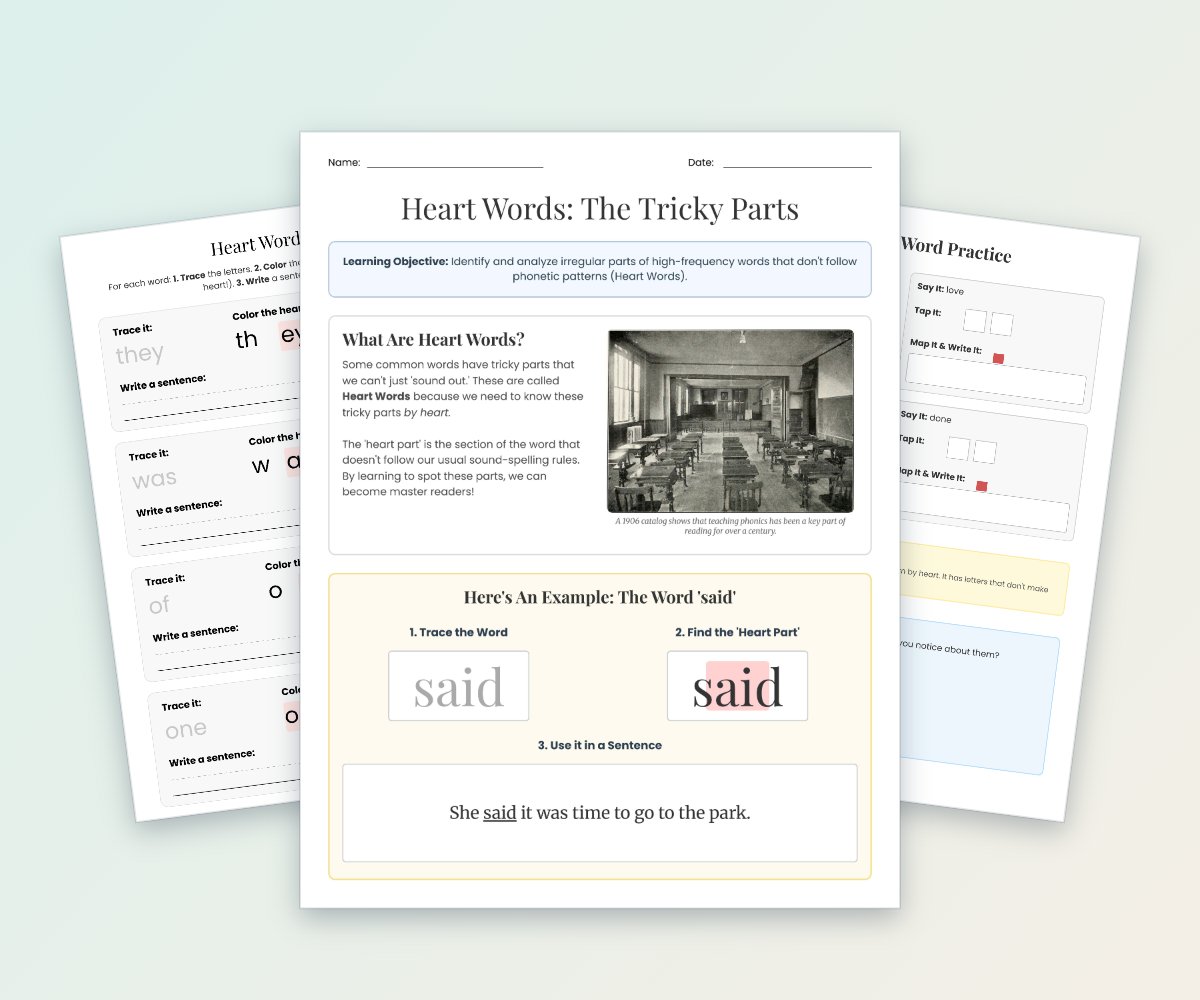
This four-page printable introduces Heart Words, focusing on the parts of high-frequency words that do not follow regular phonics patterns.
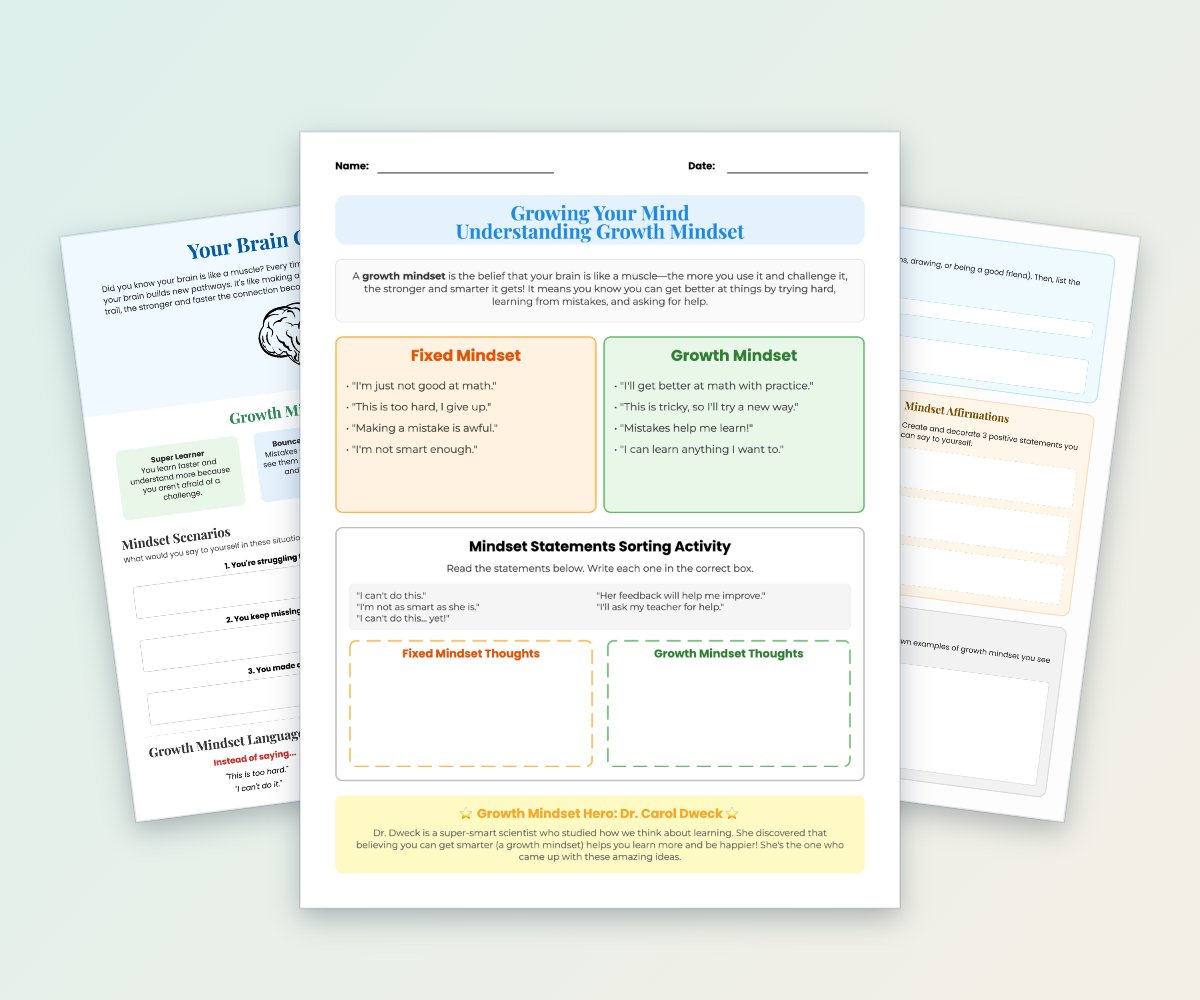
This three-page printable introduces growth mindset through explanations, fixed-versus-growth mindset sorting, scenarios, reflection, and a personal growth plan.
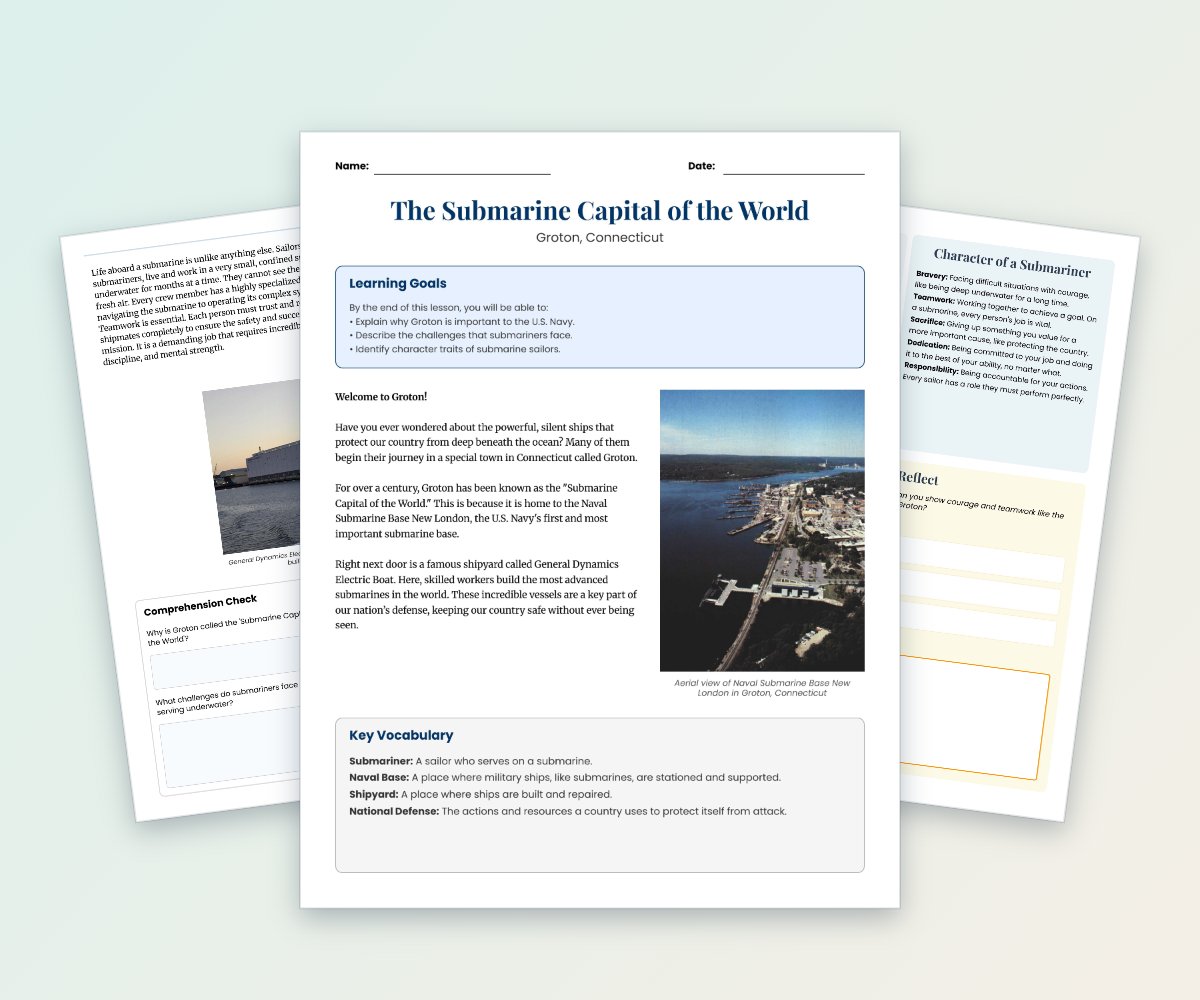
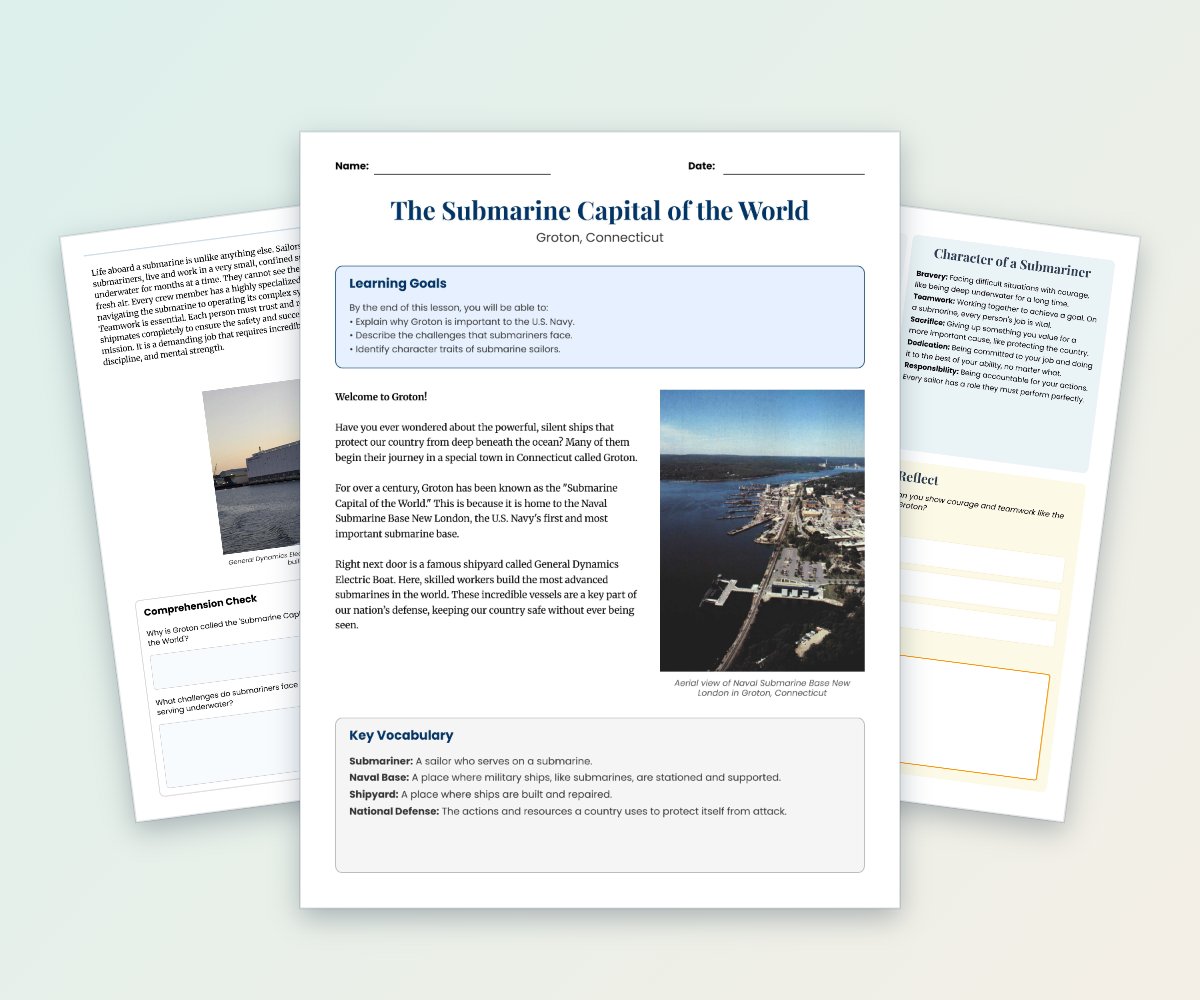
Students learn why Groton is known as the Submarine Capital of the World and explore submariners’ responsibilities and challenges.
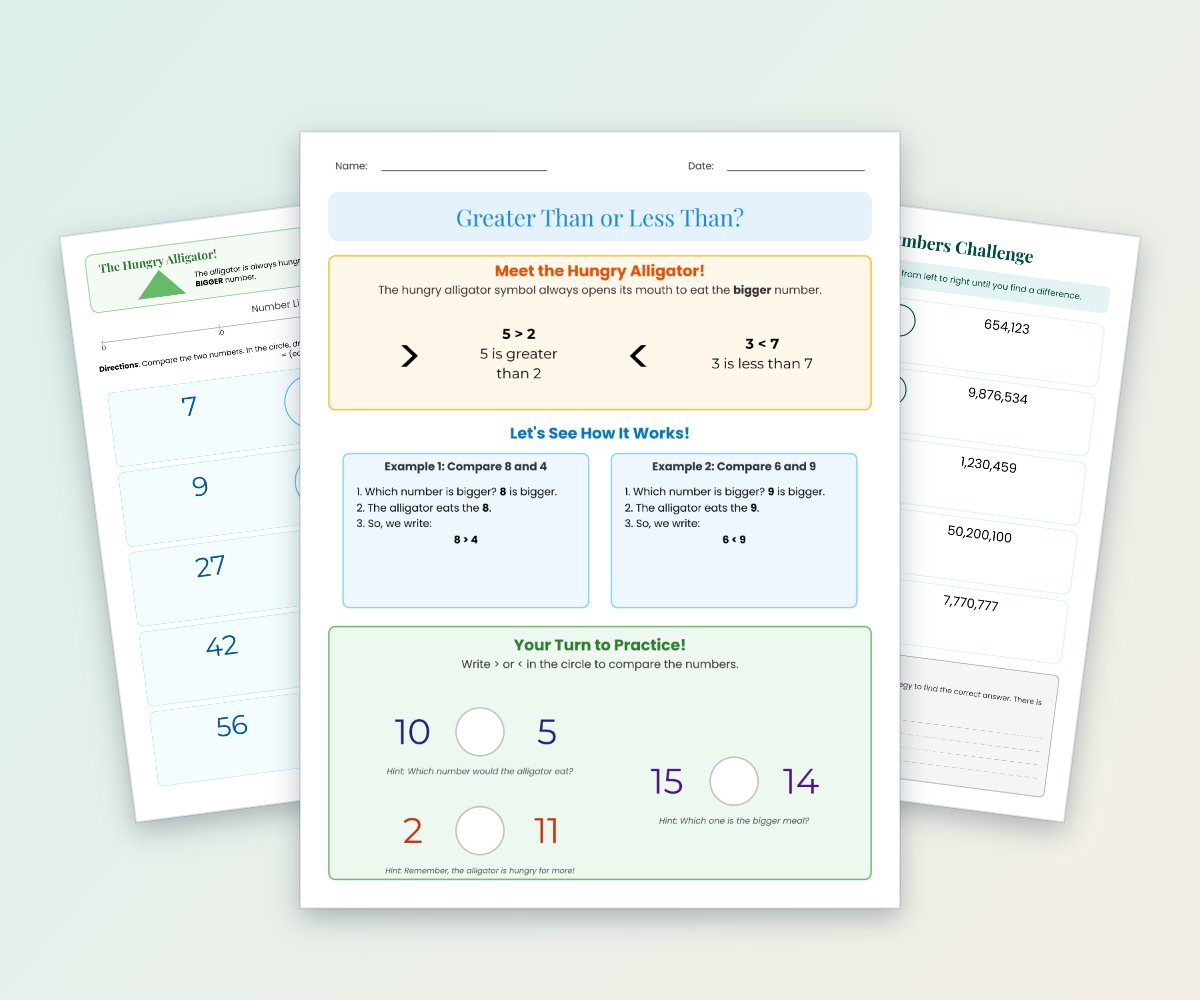
This three-page worksheet helps students compare numbers using greater-than, less-than, and equal-to symbols.
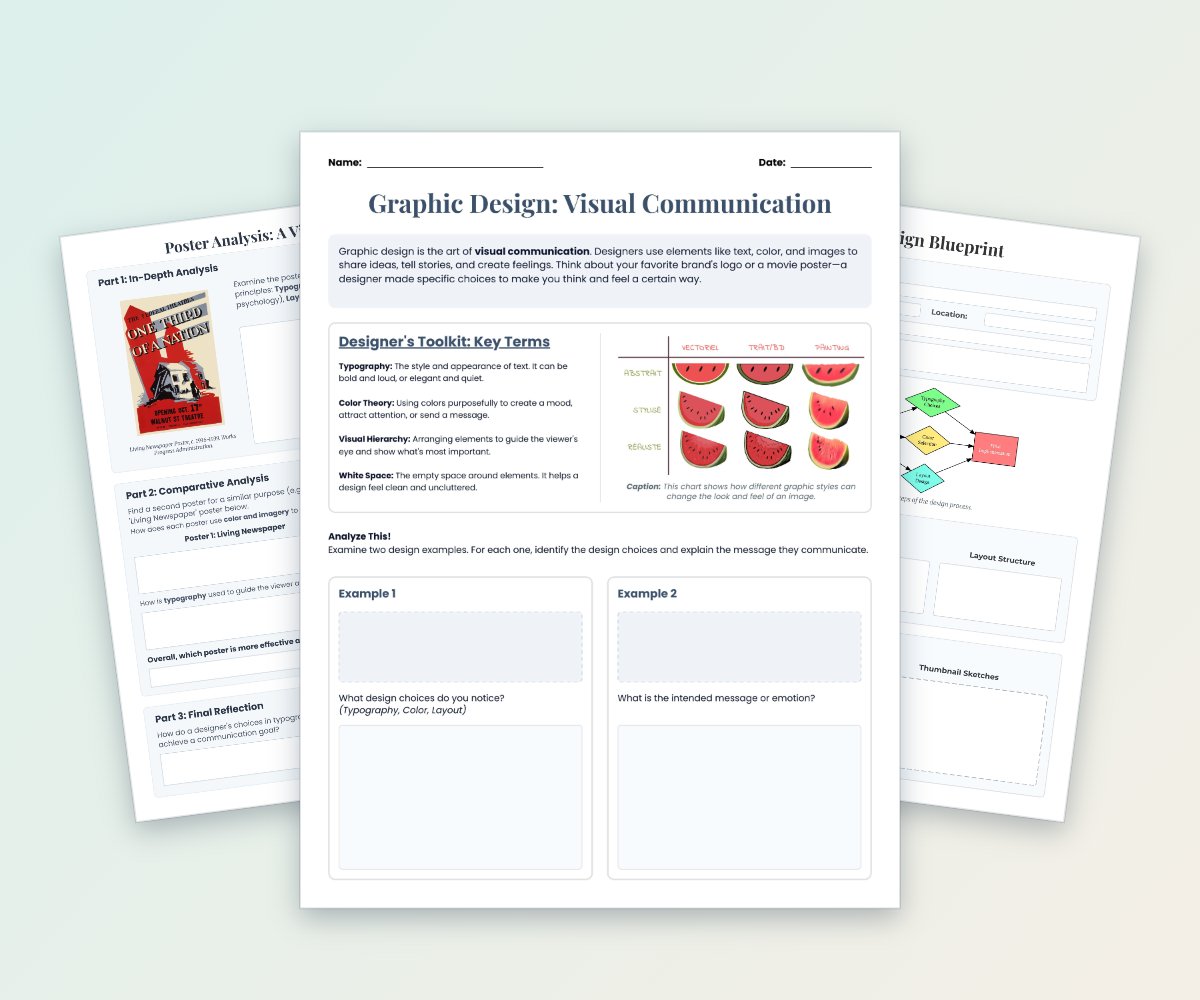
Students explore typography, color theory, visual hierarchy, white space, and visual communication through guided poster analysis.
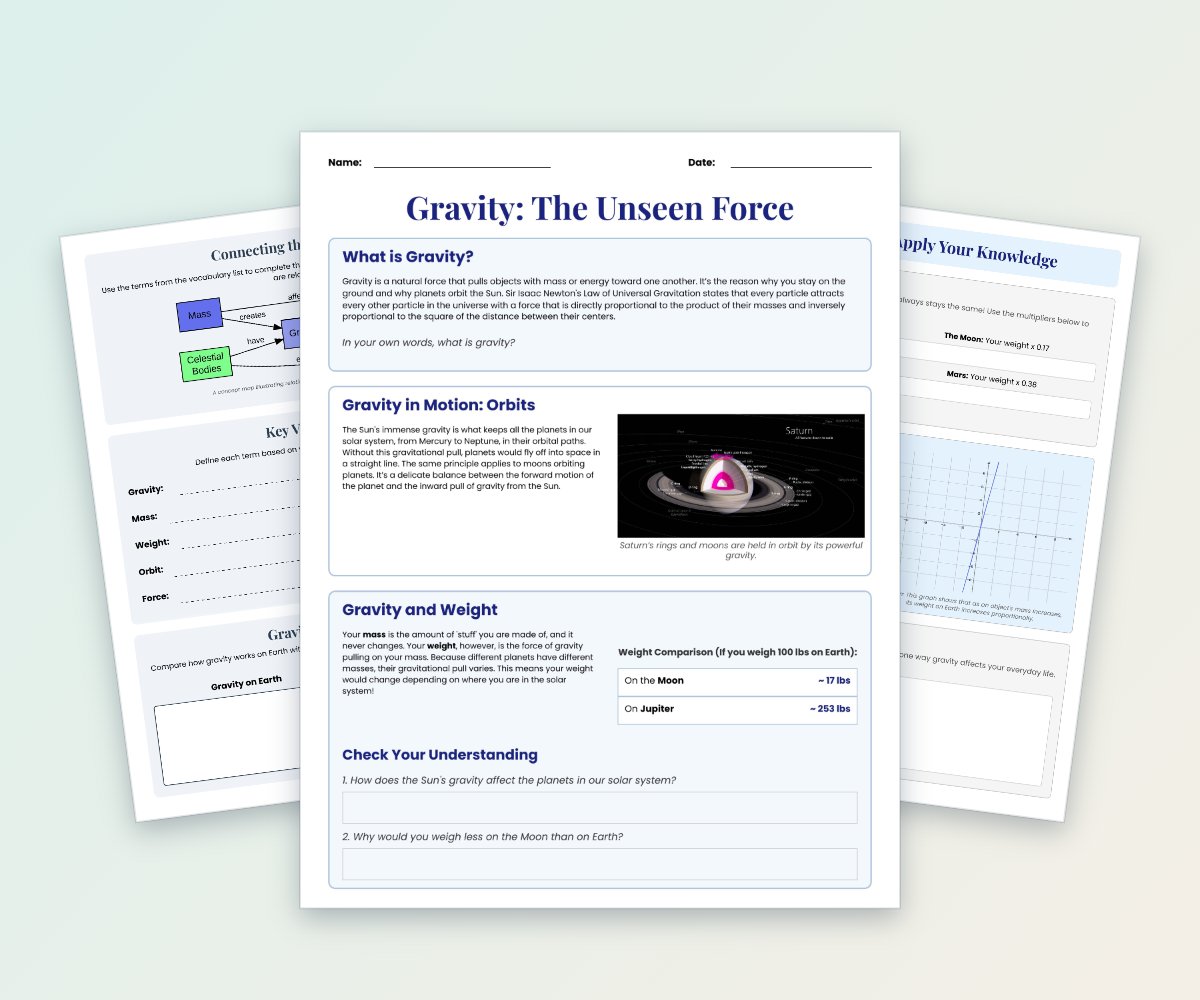
This three-page worksheet introduces gravity, orbits, mass, and weight through explanatory reading, comprehension questions, a concept map, vocabulary practice, and comparison activities.
Students learn why Groton is known as the Submarine Capital of the World and explore Connecticut's role in supporting the U.S.
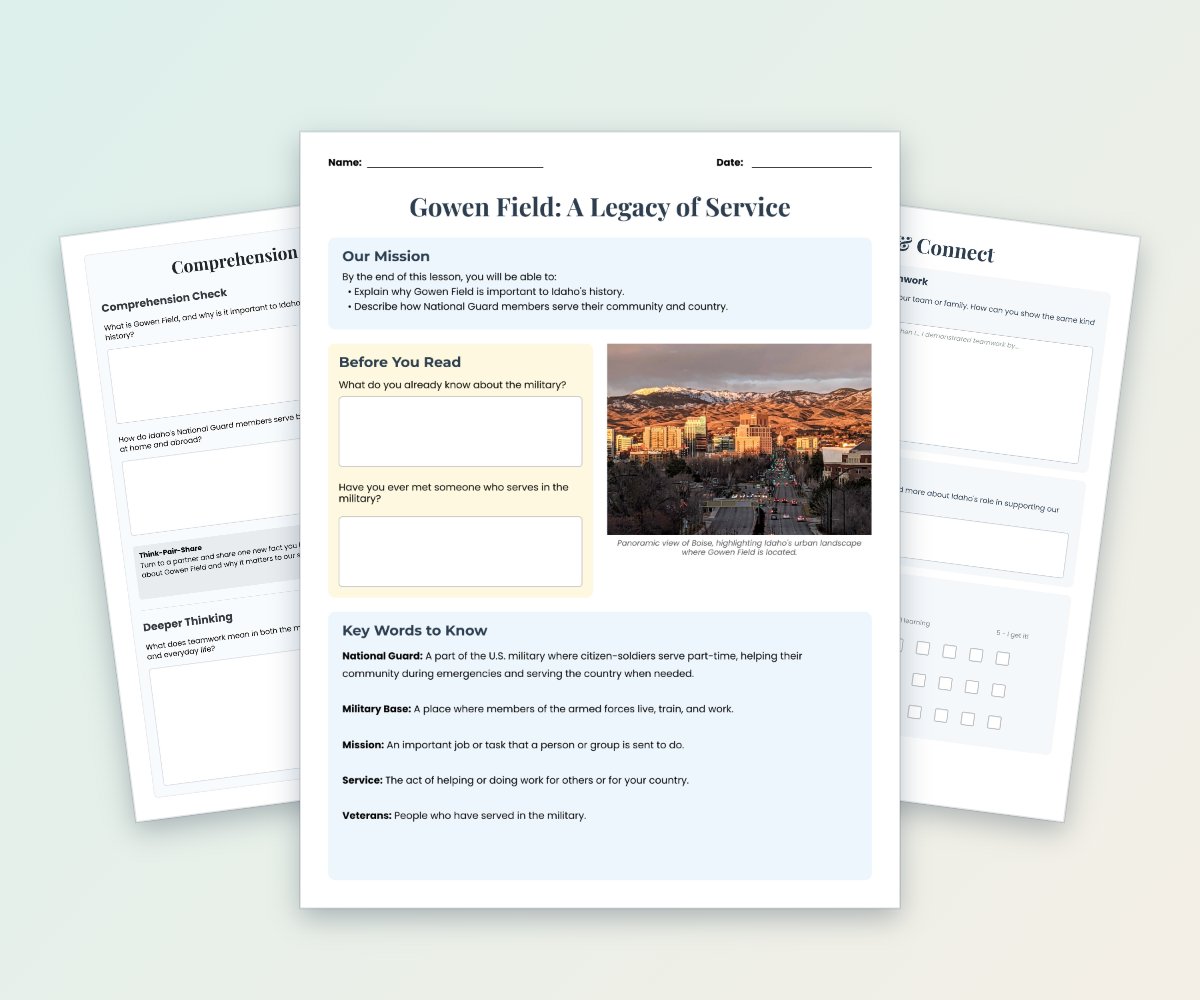
Students learn about Gowen Field’s importance to Idaho history and explore how National Guard members serve their communities and country.
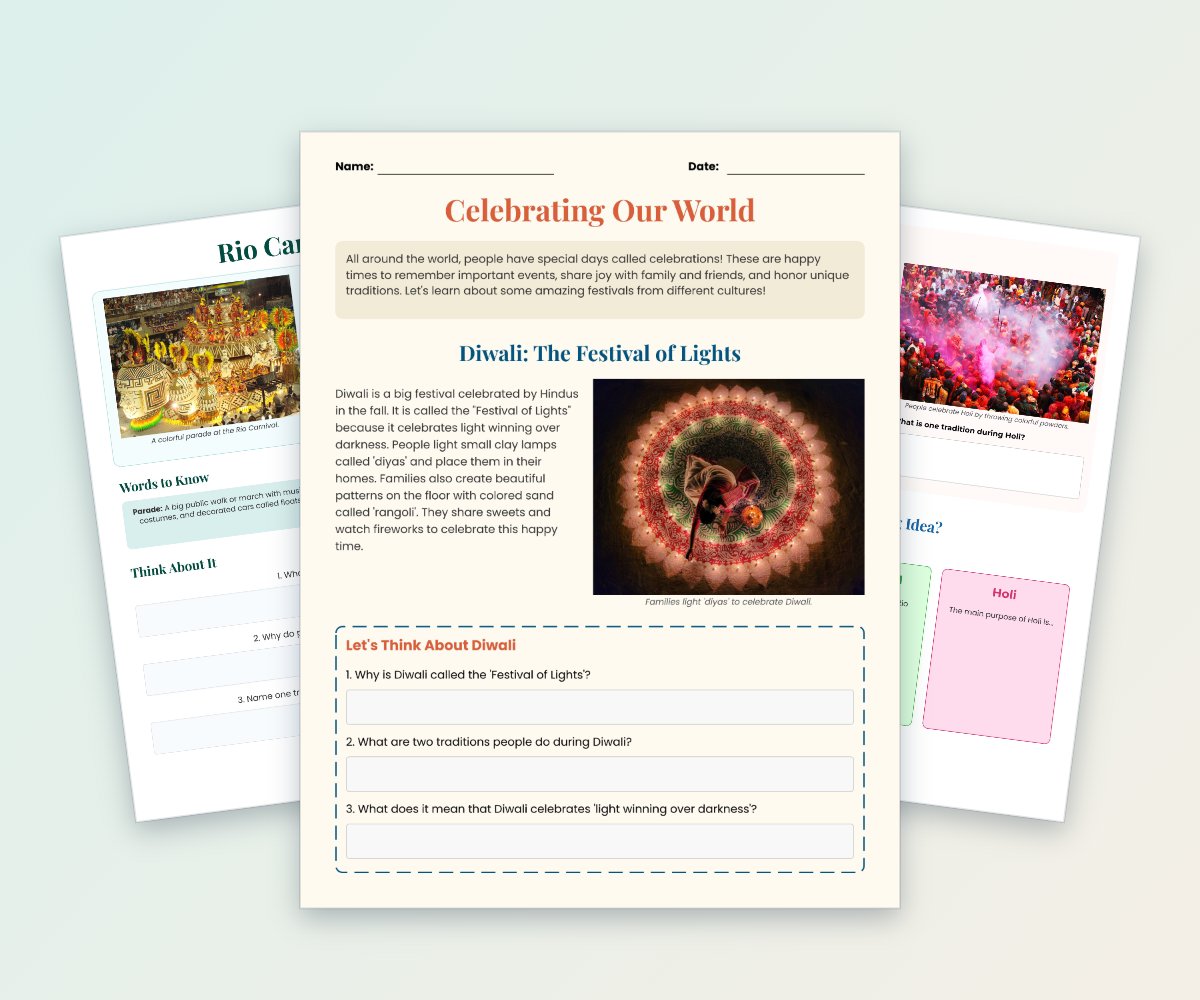
Students learn about Diwali, Rio Carnival, and Holi through short informational passages, vocabulary, illustrations, and comprehension questions.
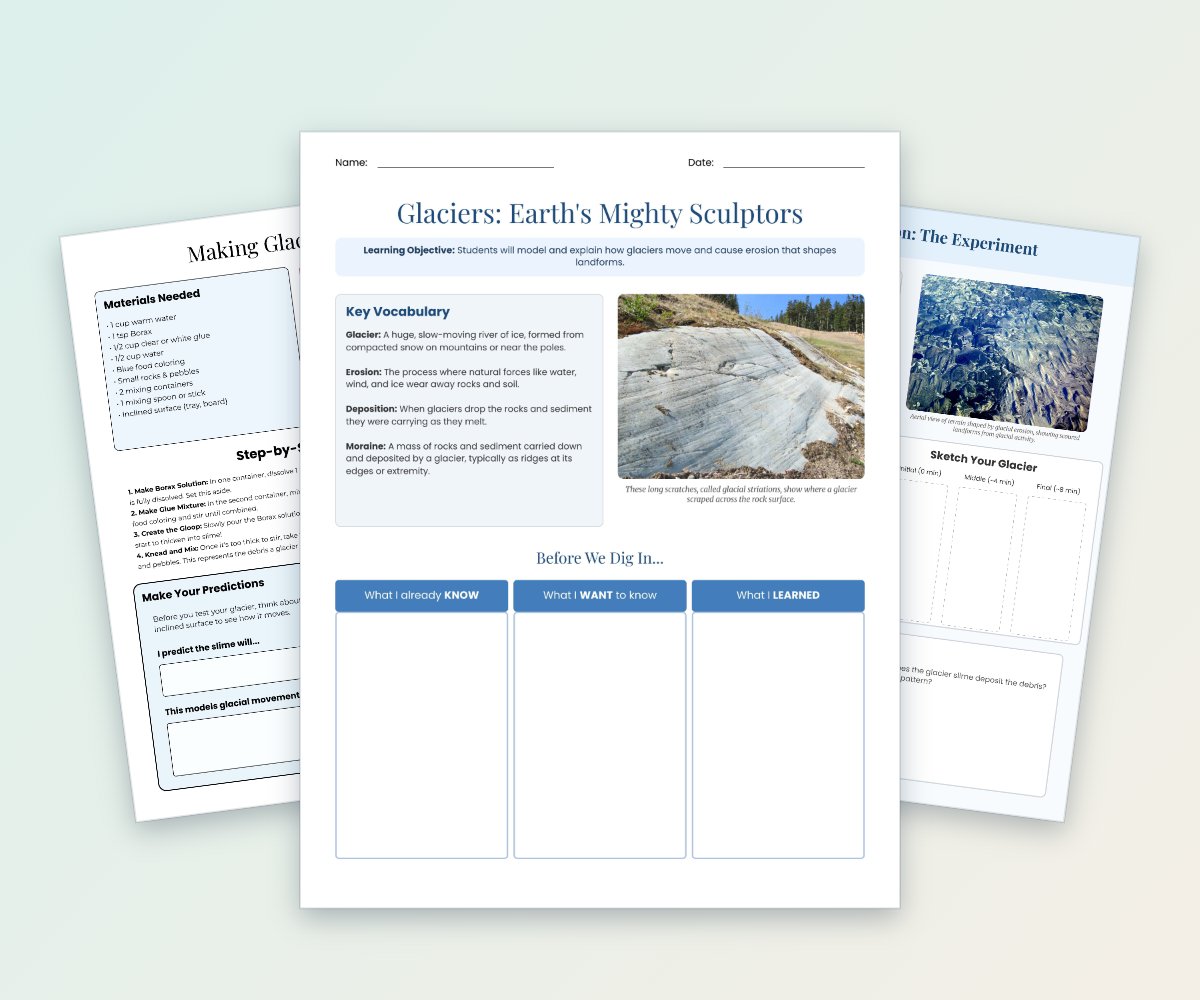
Students explore how glaciers move, erode land, and deposit sediment through vocabulary work, a KWL organizer, and a hands-on glacier slime experiment.
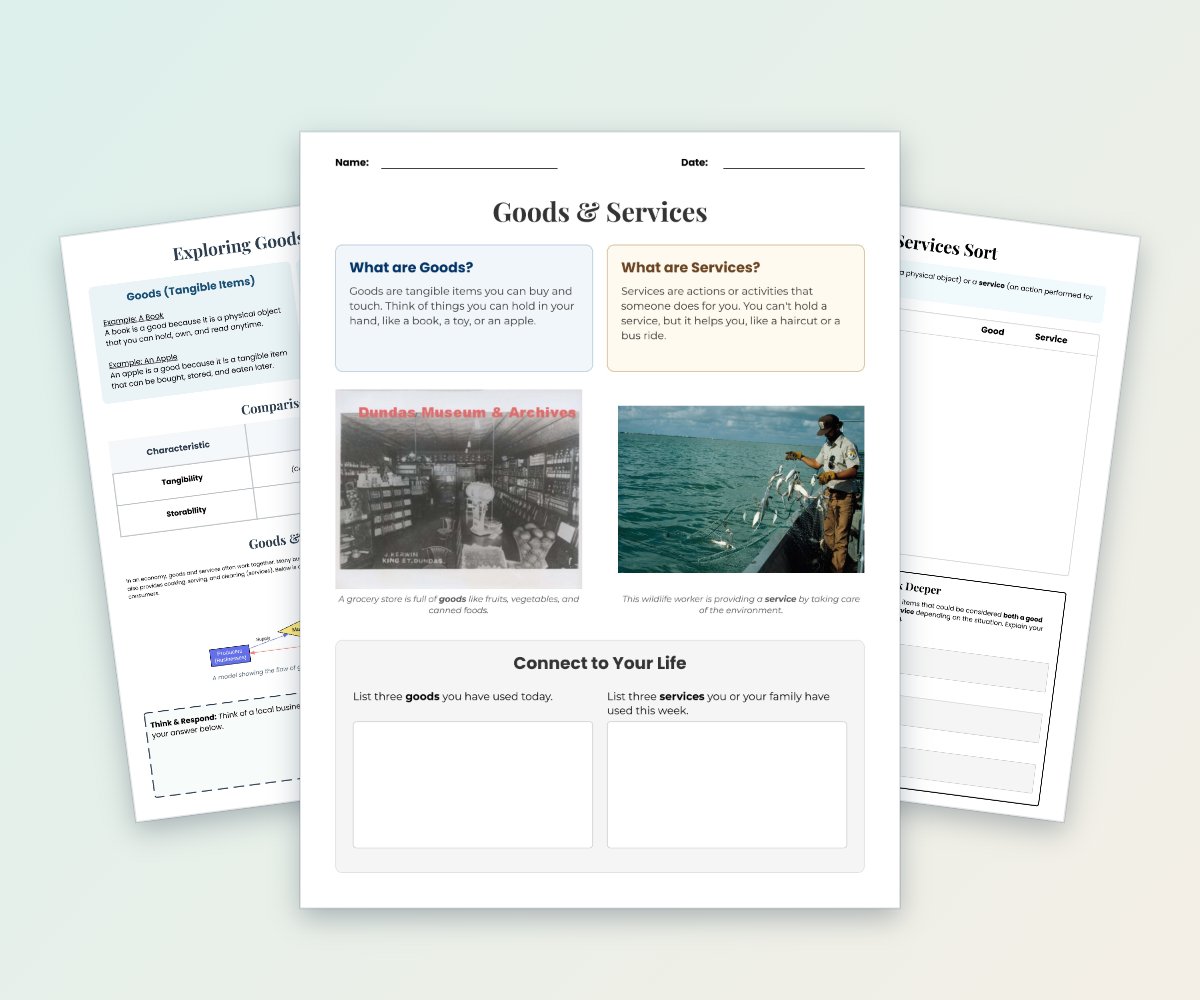
This four-page social studies worksheet introduces goods and services, explains their differences, and shows how they work together in an economy.
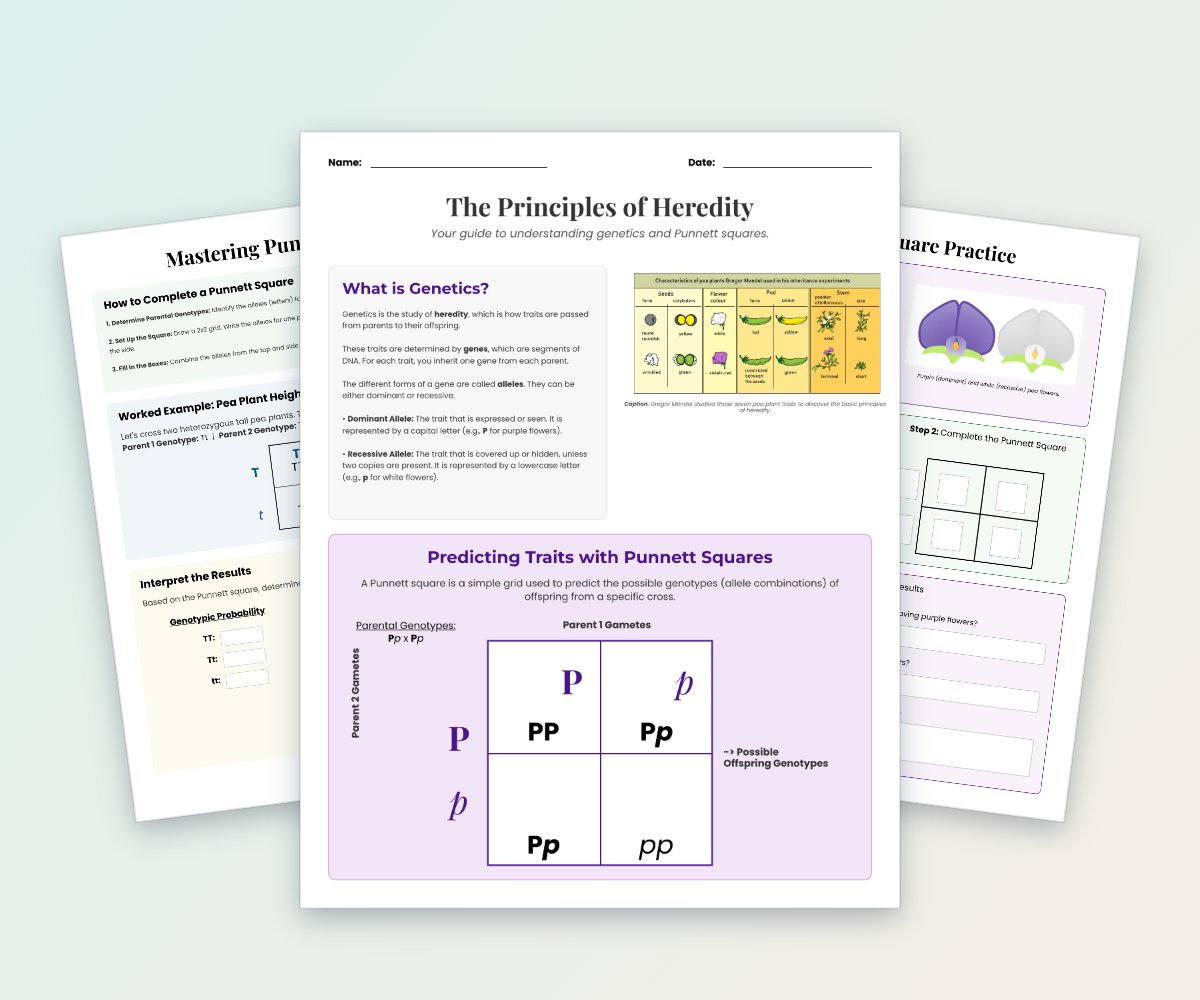
This four-page resource introduces genetics, heredity, genes, alleles, dominant and recessive traits, and Gregor Mendel’s pea plant experiments.
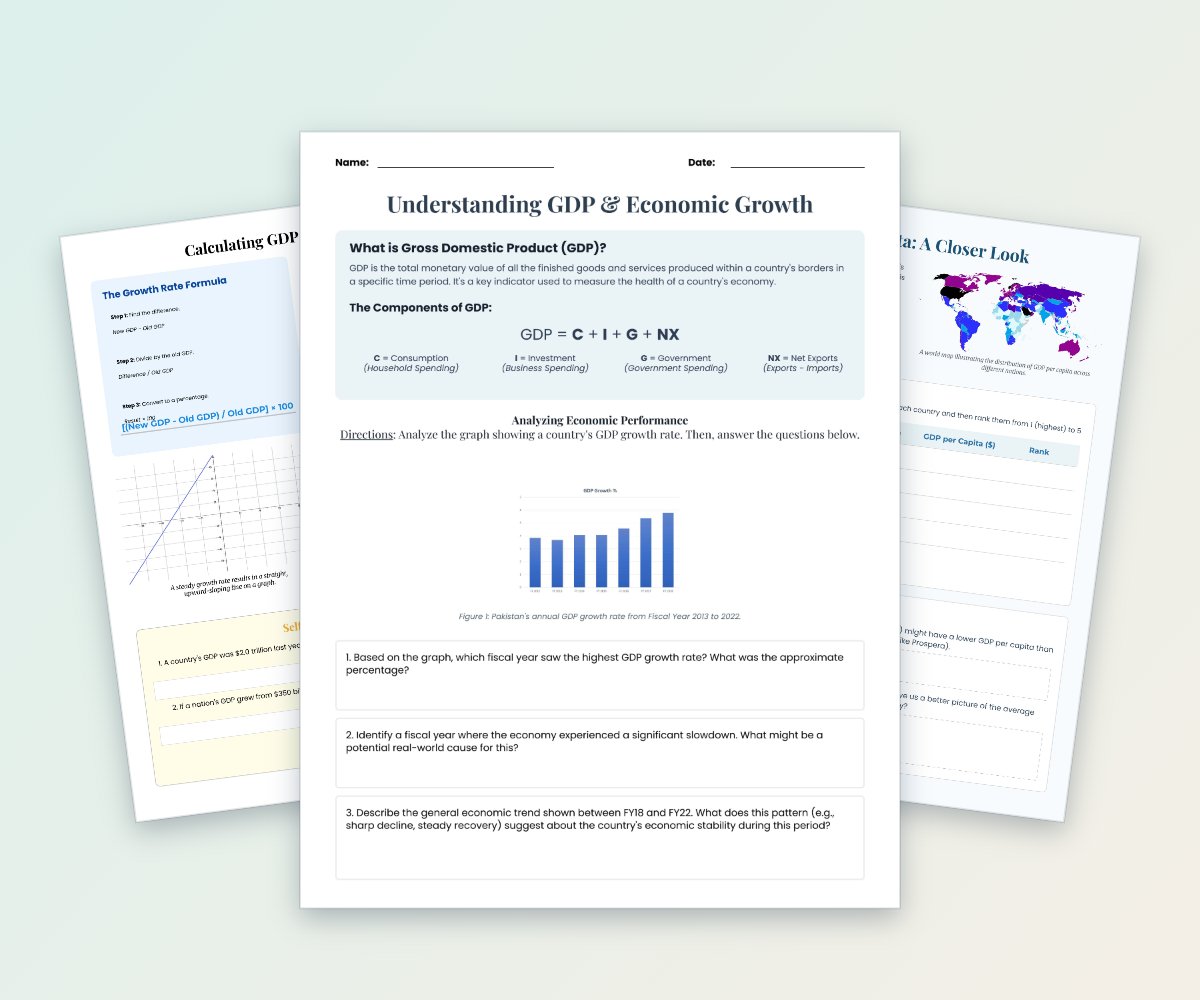
Students learn the components of GDP, analyze economic growth trends, calculate annual growth rates, and explore GDP per capita.
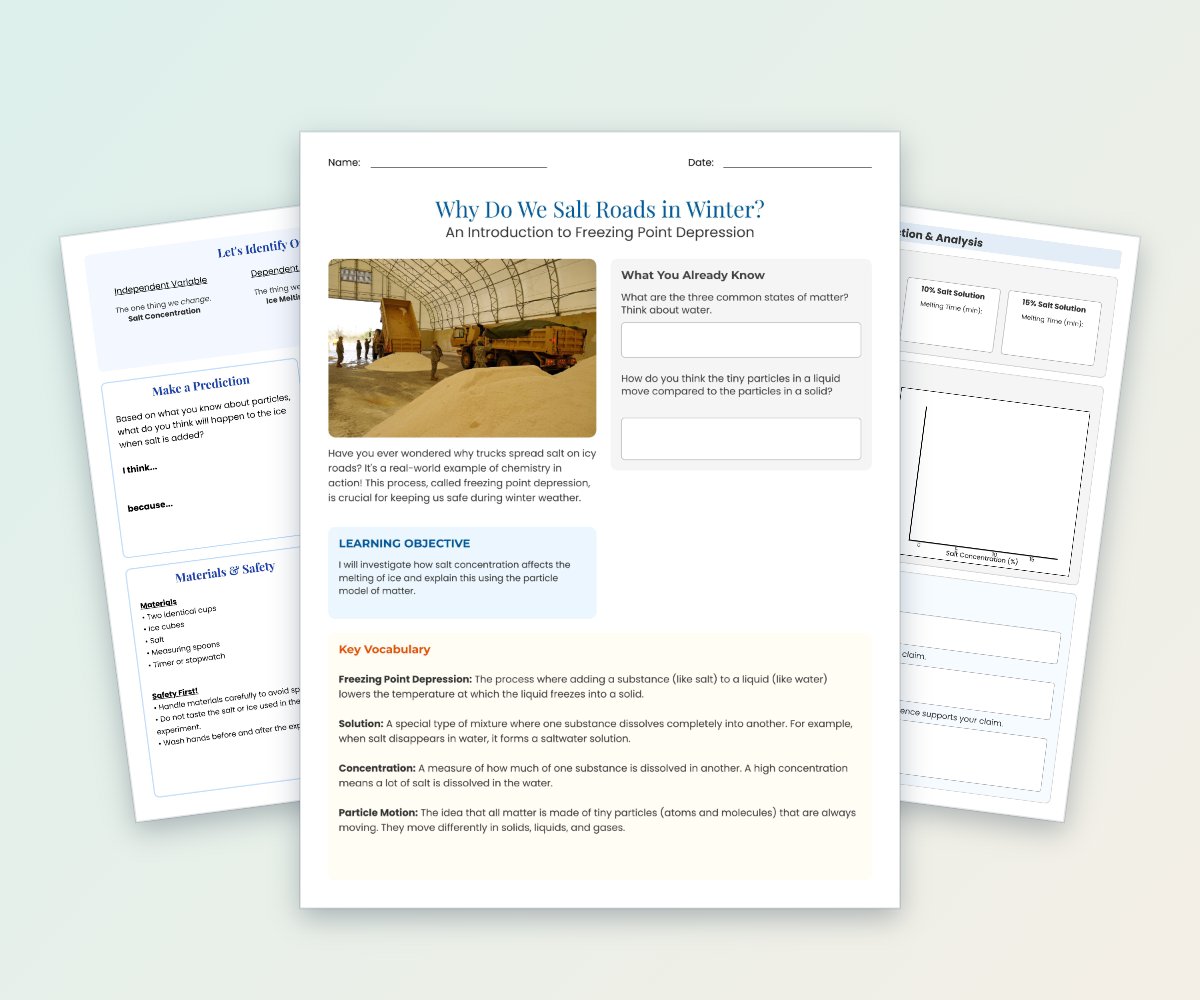
Students investigate how salt concentration affects ice melting and explain the results using the particle model of matter.
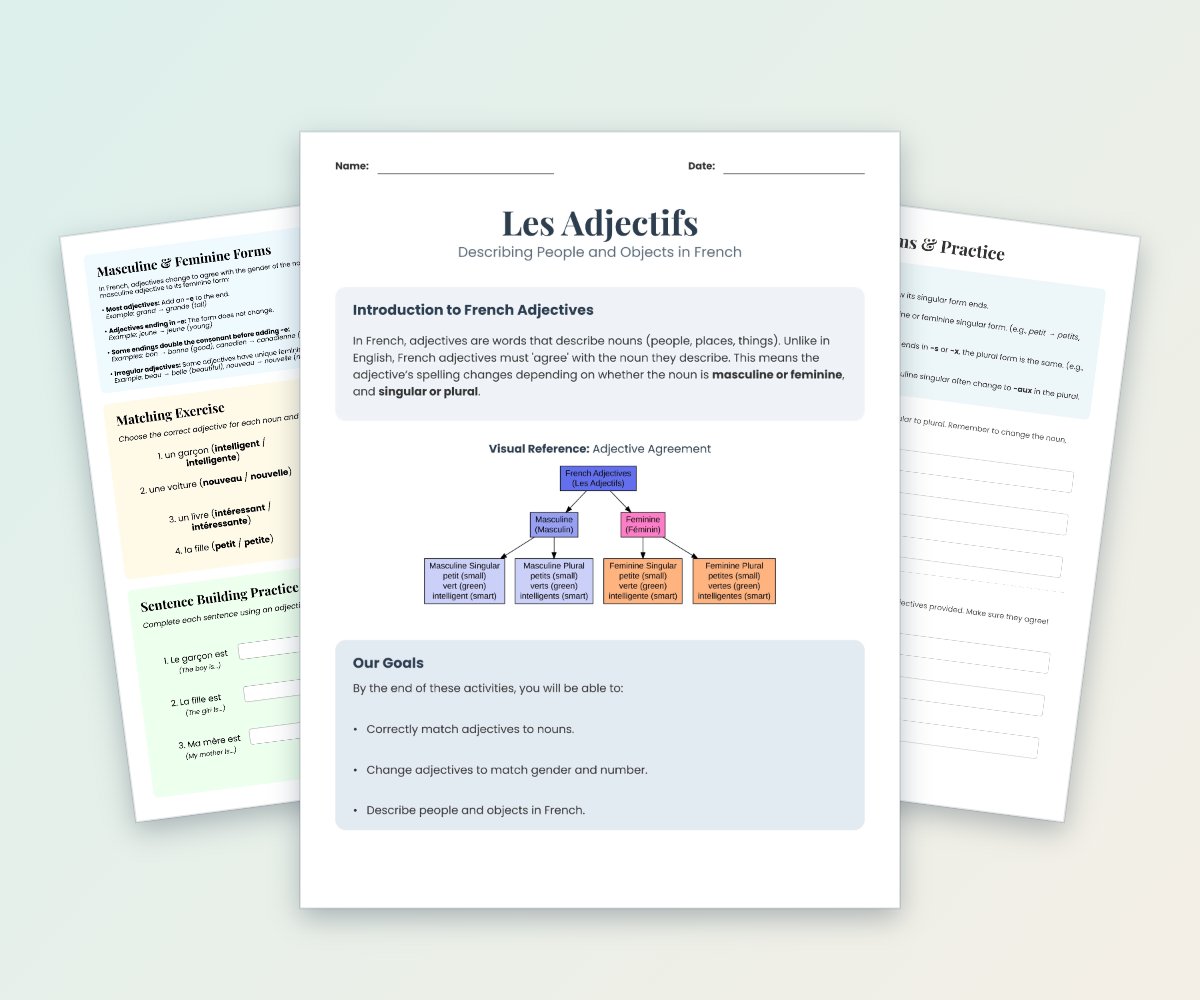
This five-page French language resource introduces adjective agreement for gender and number, including masculine, feminine, singular, and plural forms.
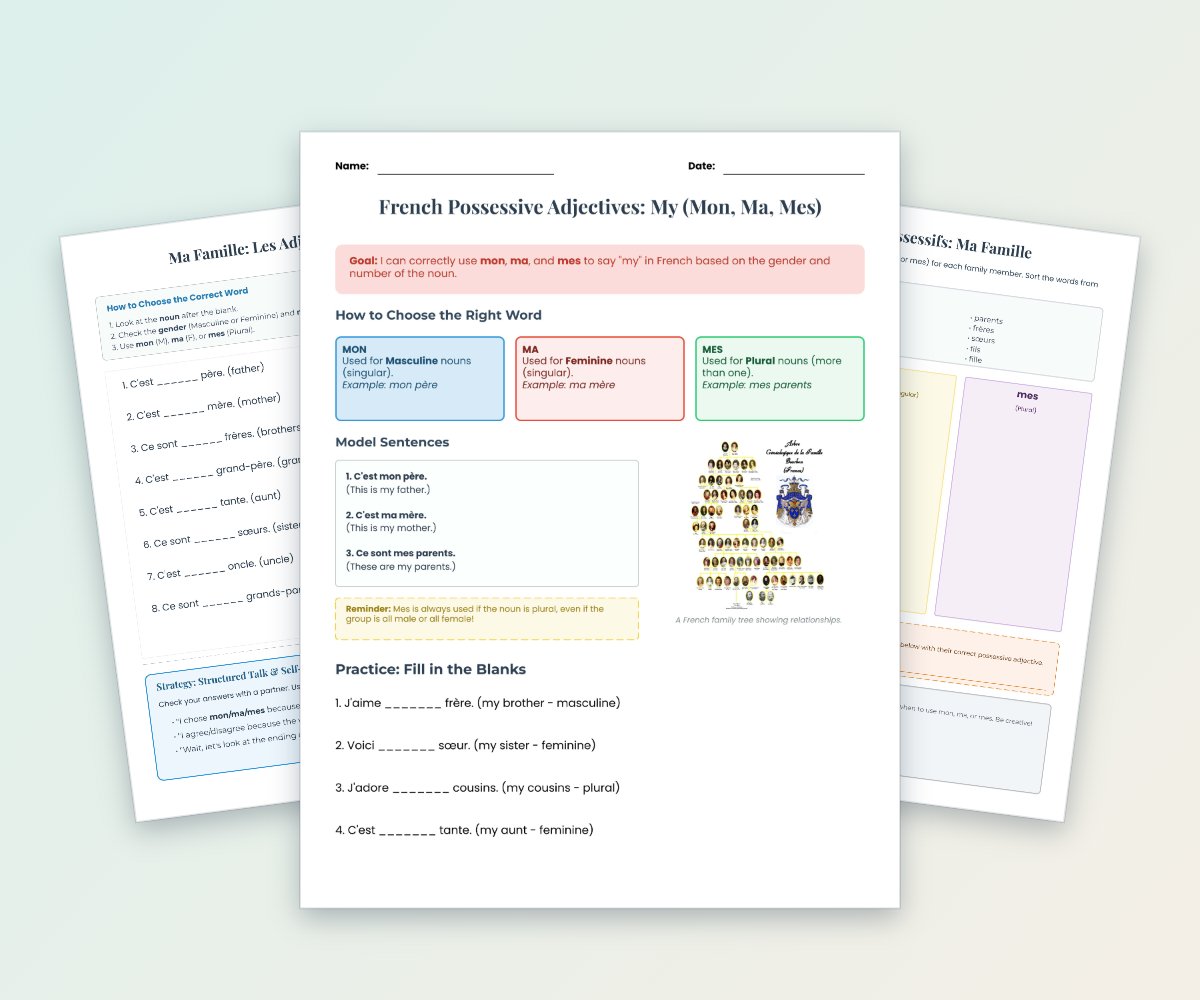
Teach students to choose mon, ma, or mes based on the gender and number of French nouns.
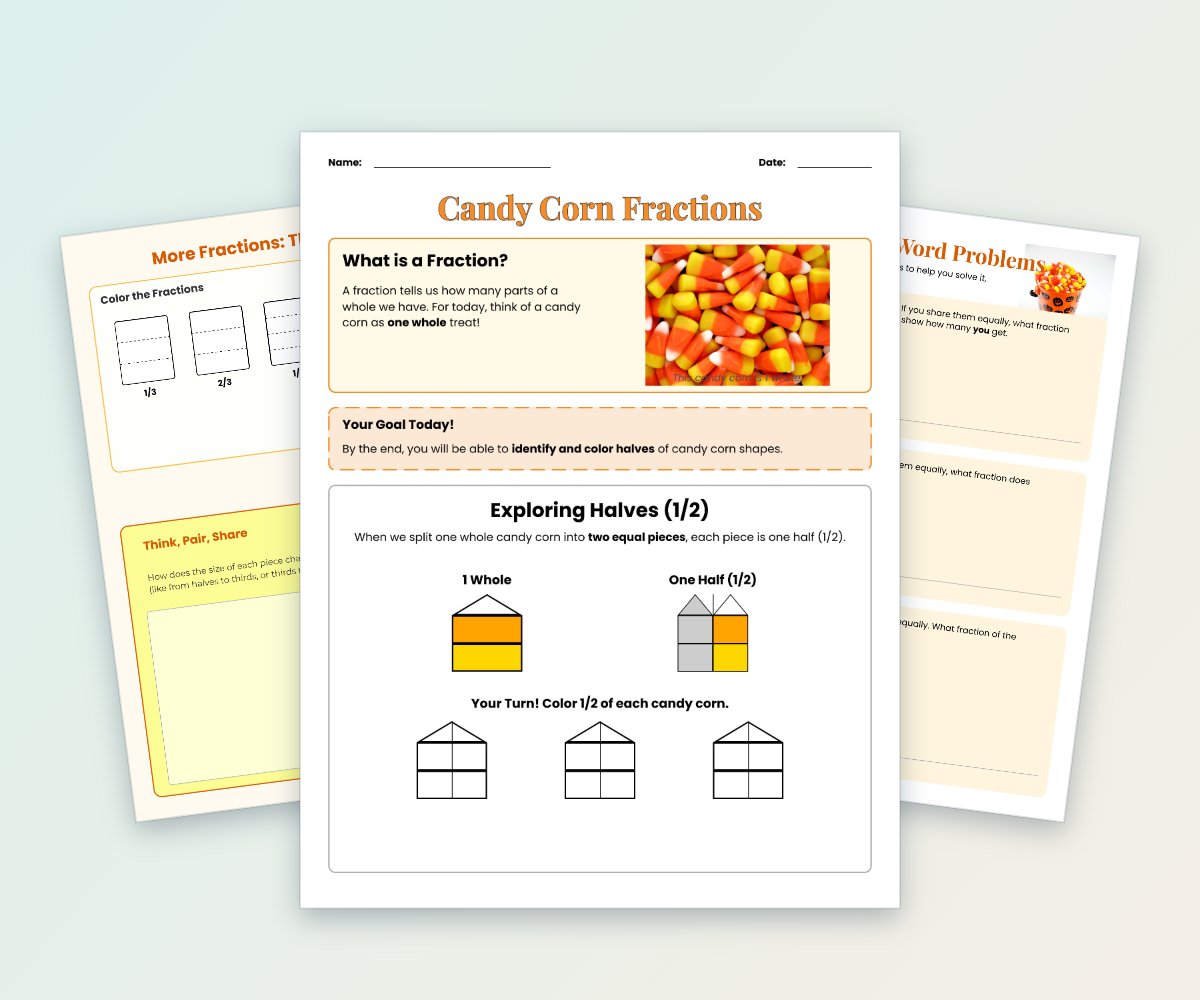
This engaging worksheet introduces fractions as equal parts of a whole through candy-corn visuals.
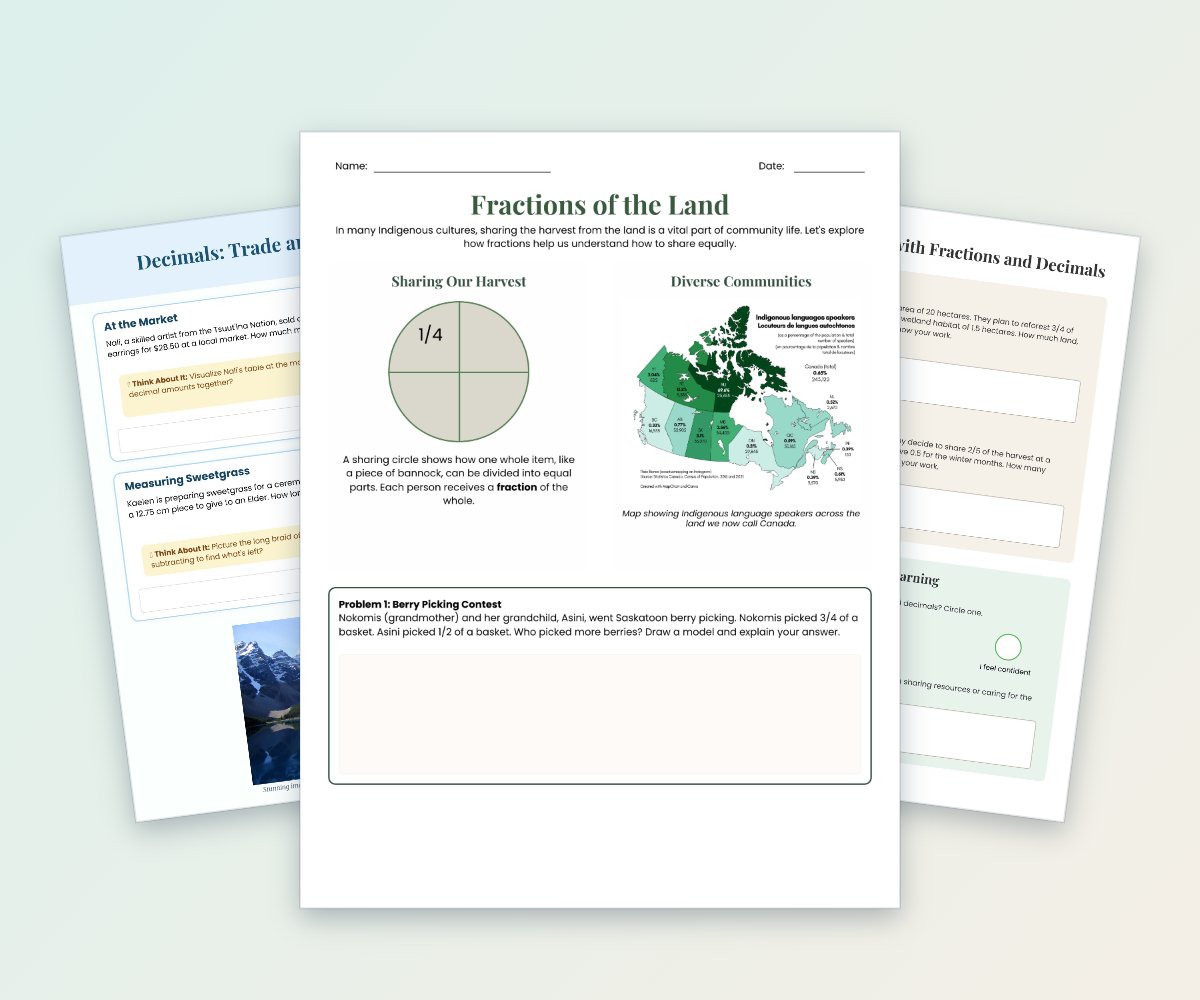
Students compare fractions, add and subtract decimals, and solve multi-step problems involving sharing, measurement, harvests, and land use.
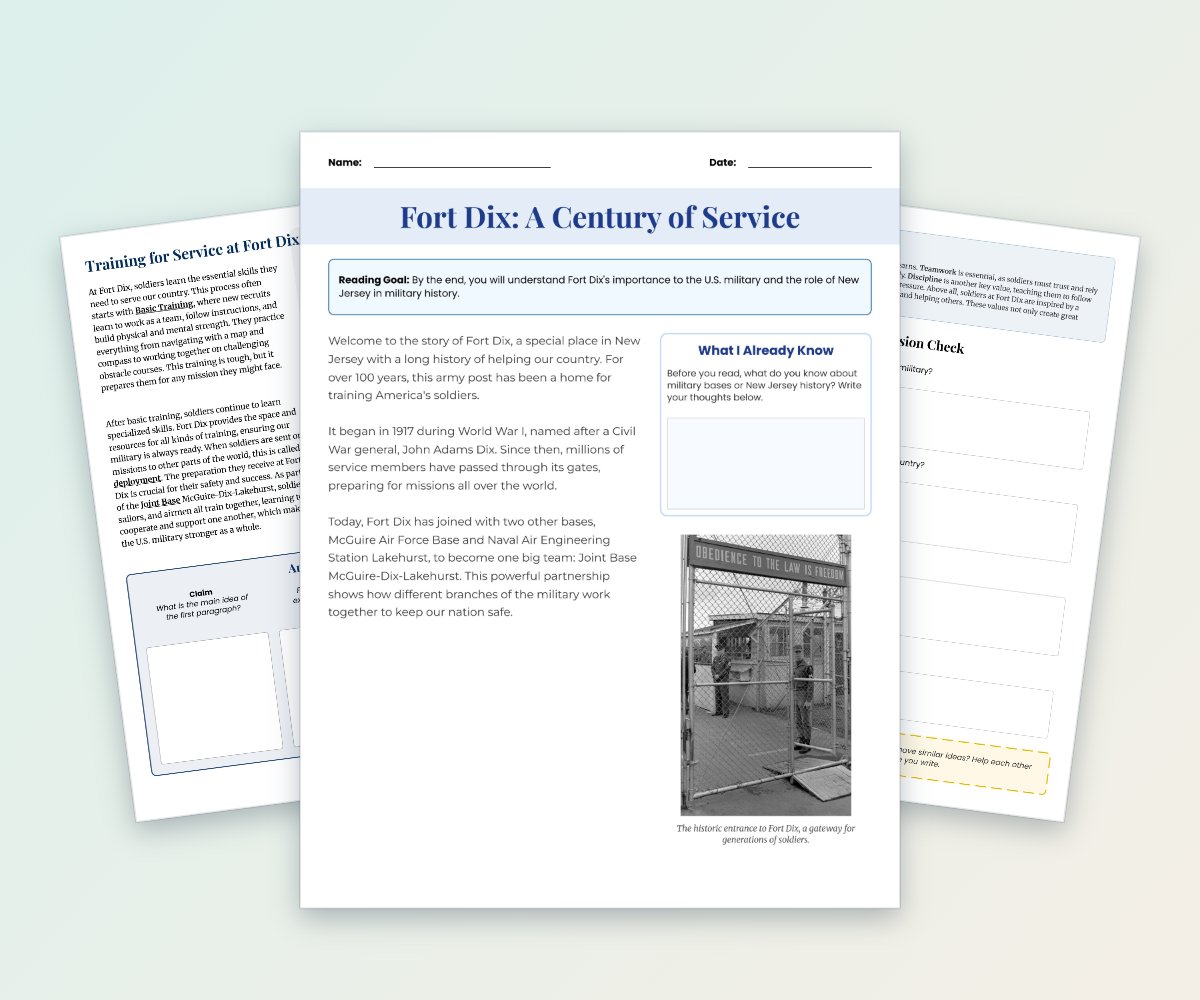
Students read about Fort Dix, its history since World War I, military training, and role within Joint Base McGuire-Dix-Lakehurst.
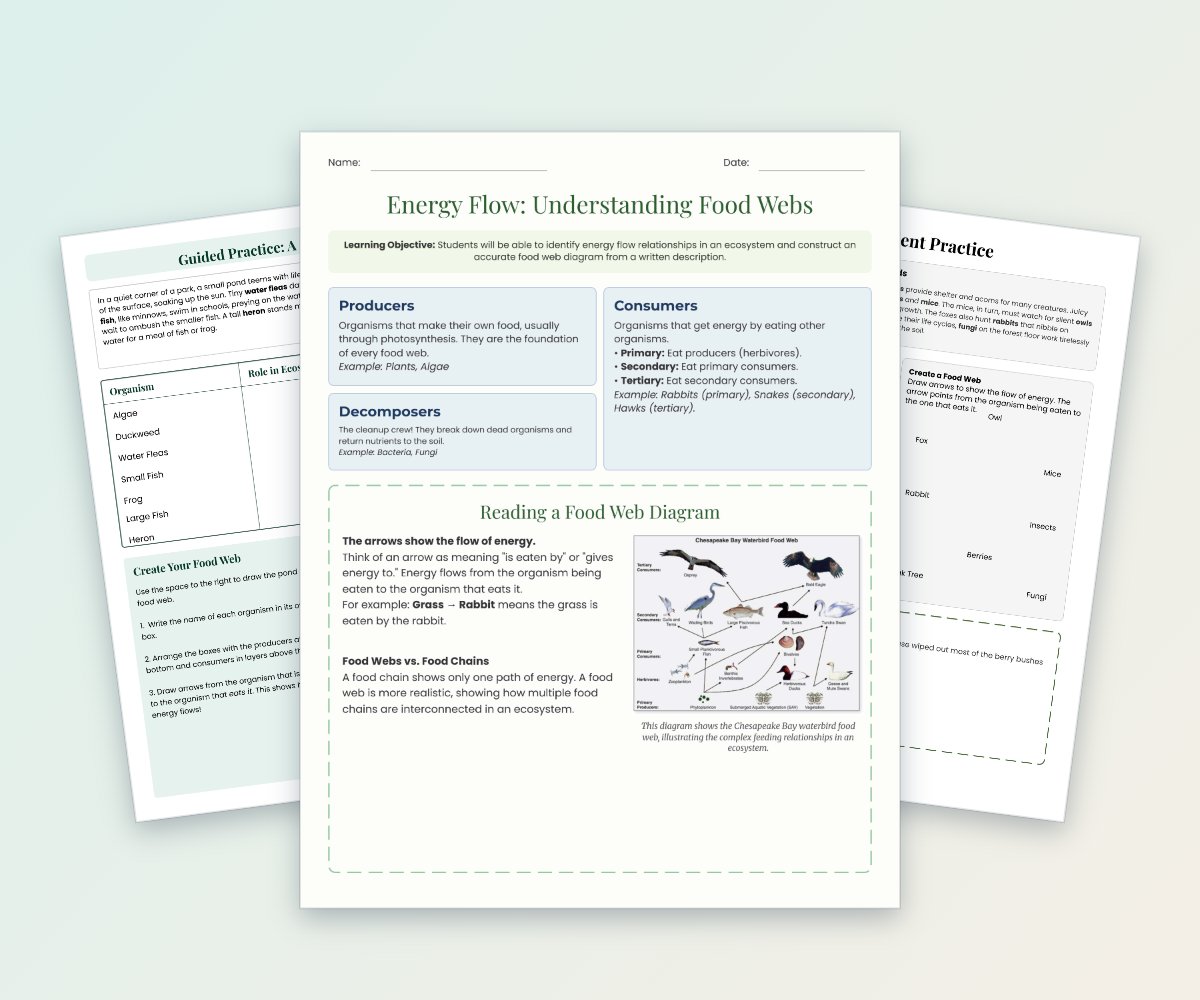
This four-page science resource introduces producers, consumers, decomposers, food chains, and energy flow in ecosystems.