School Vocabulary in French: At School
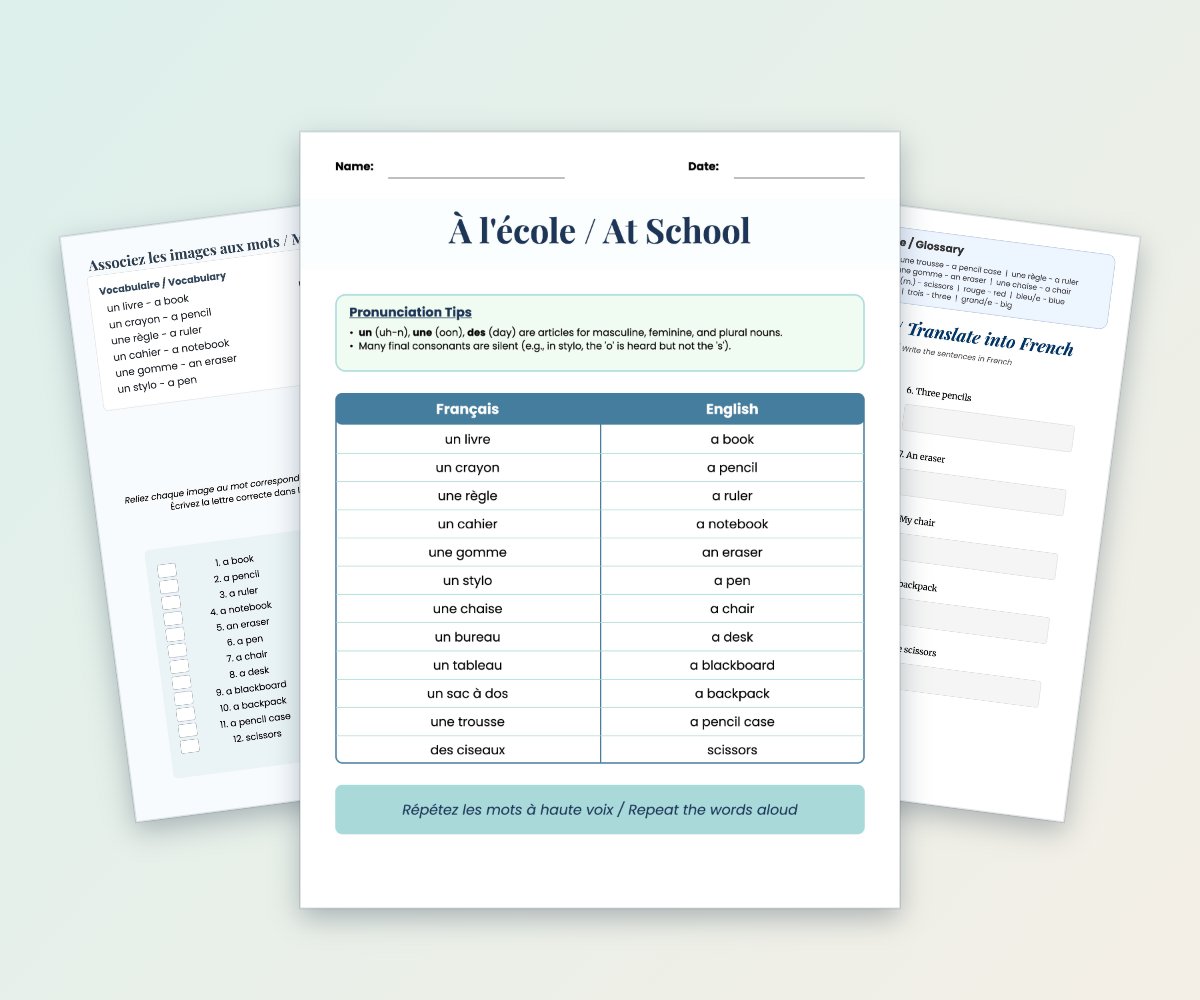
This bilingual French worksheet teaches common school-related vocabulary, including classroom objects, articles, colors, numbers, and possessive words.
$4
Classroom-ready resources written for grade 7: printable worksheets, slides, activities and planning tools you can download and use straight away. Browse by subject below.
This bilingual French worksheet teaches common school-related vocabulary, including classroom objects, articles, colors, numbers, and possessive words.
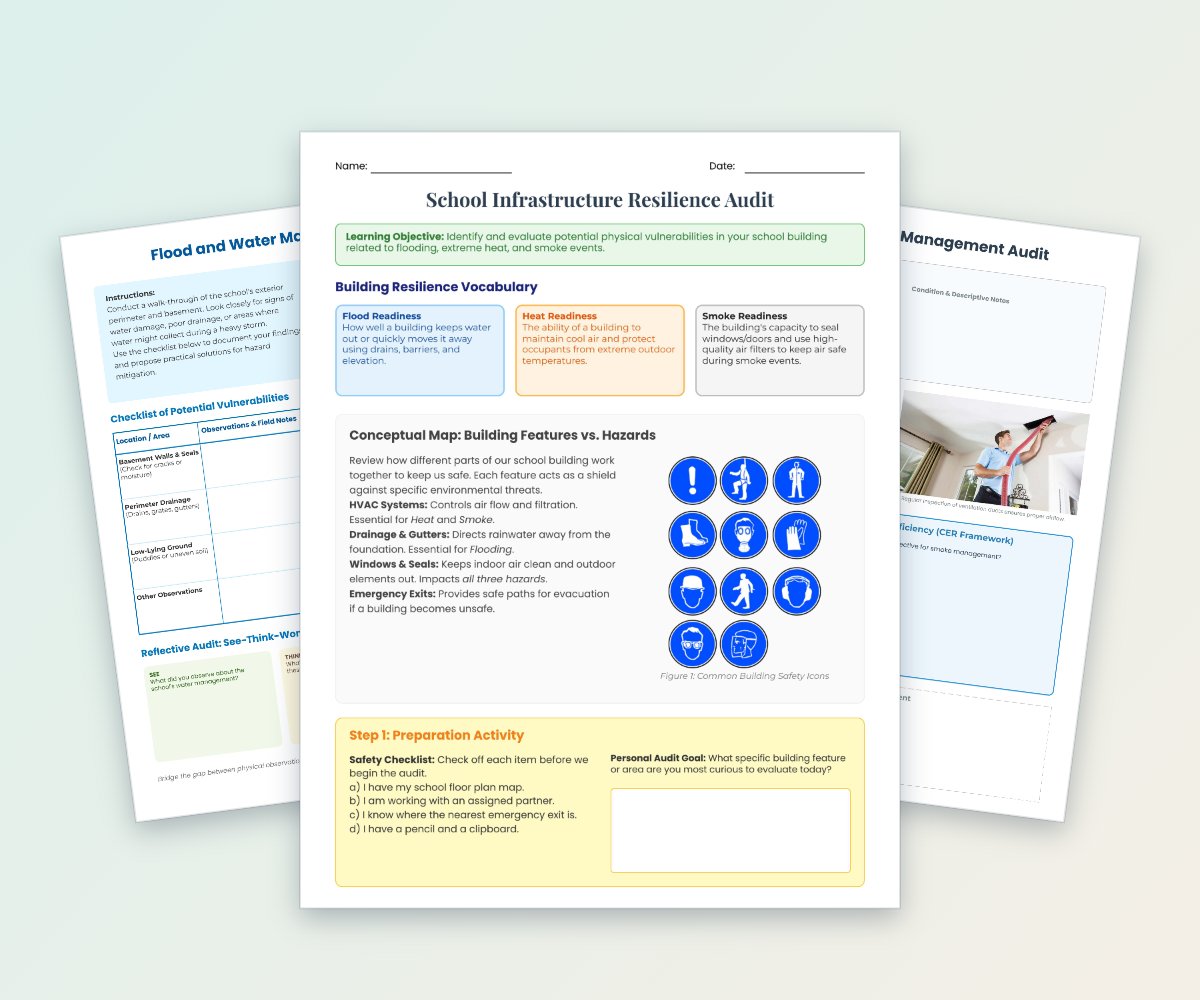
Students investigate how school building features respond to flooding, extreme heat, and smoke events.
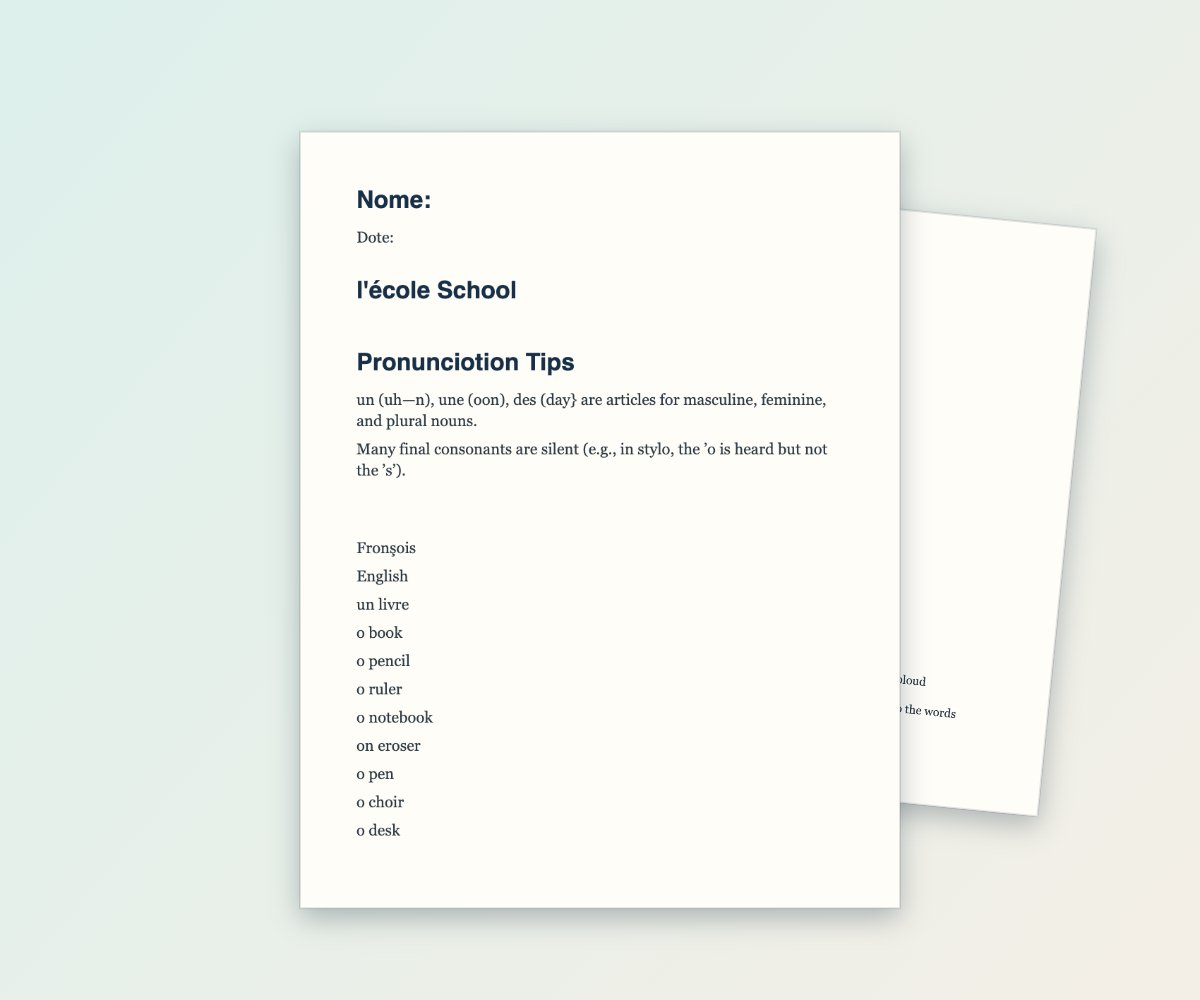
This three-page French worksheet introduces common classroom and school-supply vocabulary with English translations and pronunciation tips.
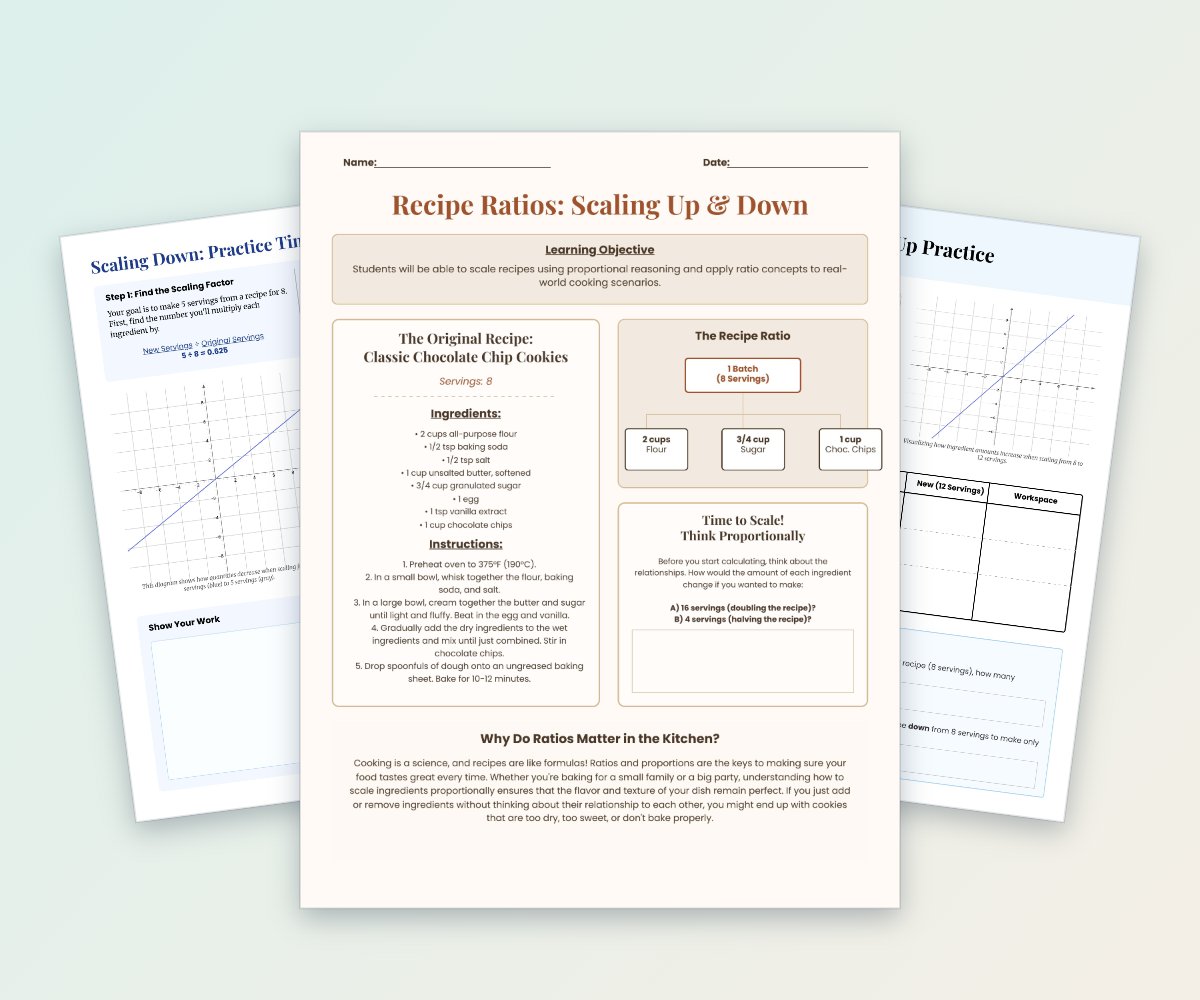
Students use a chocolate chip cookie recipe to practice doubling, halving, and scaling ingredient quantities for different serving sizes.
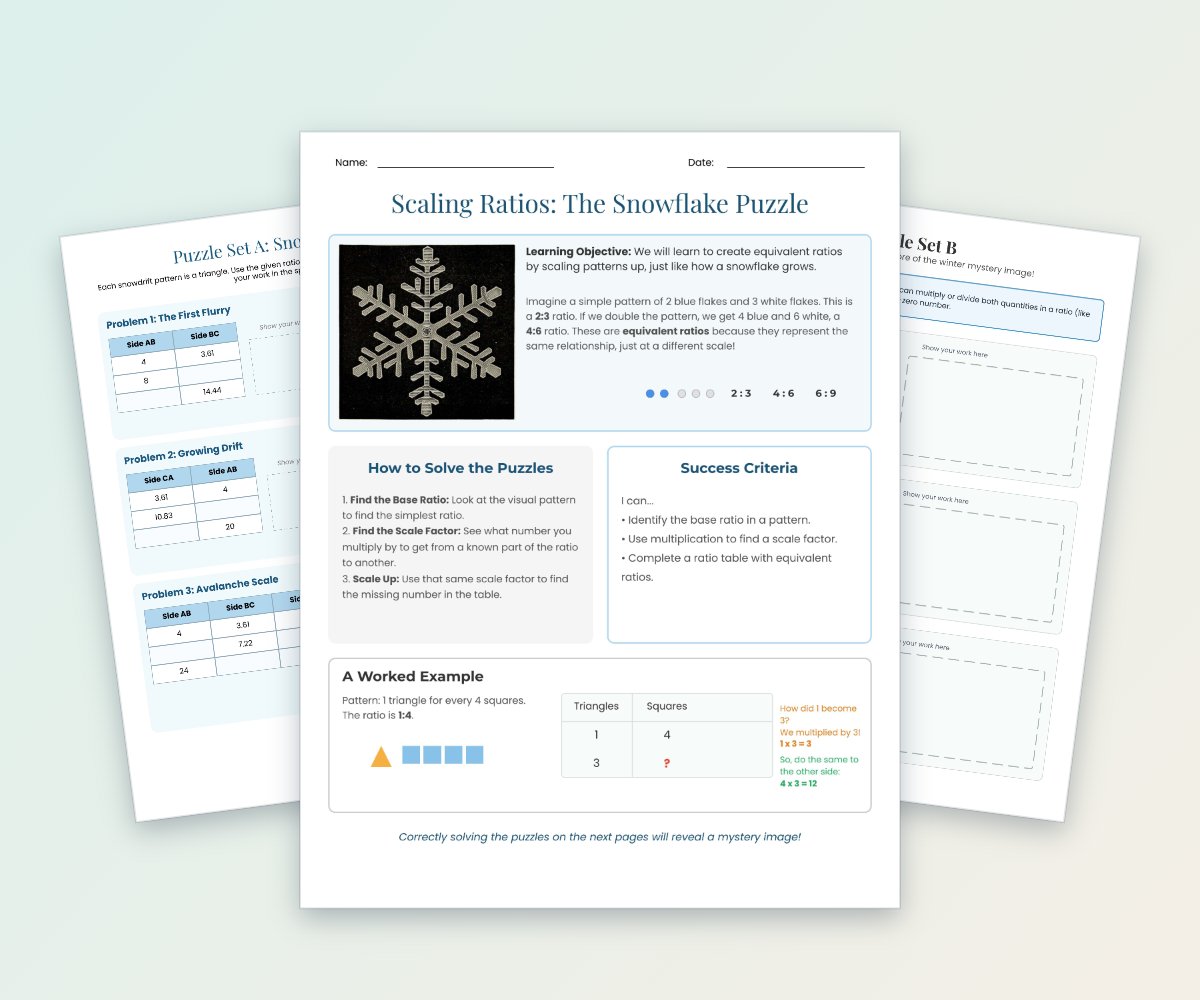
Students use snowflake and winter-themed patterns to identify base ratios, determine scale factors, and complete equivalent-ratio tables.
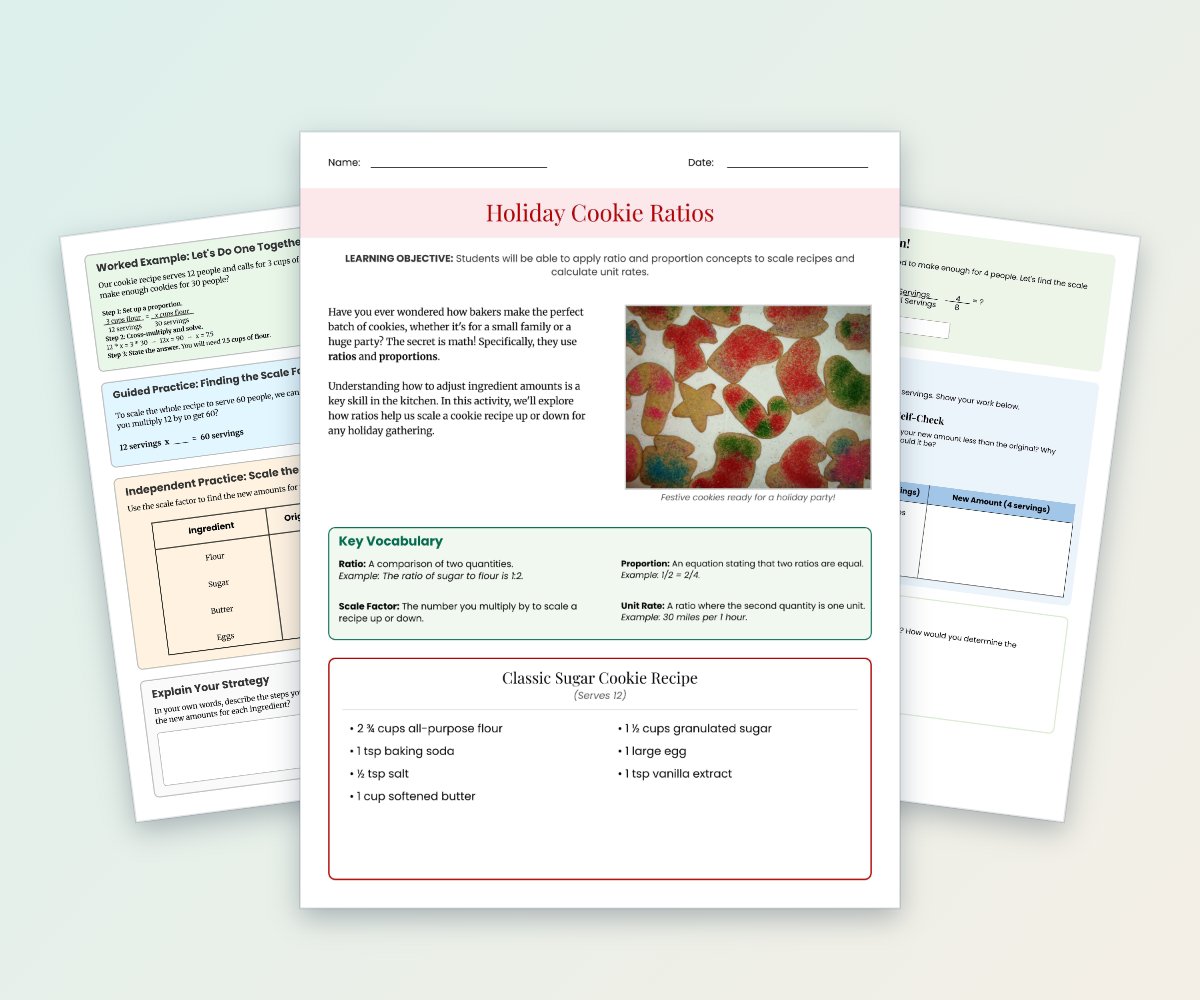
Students apply ratios, proportions, scale factors, and unit rates to adjust holiday cookie recipes for different serving sizes.
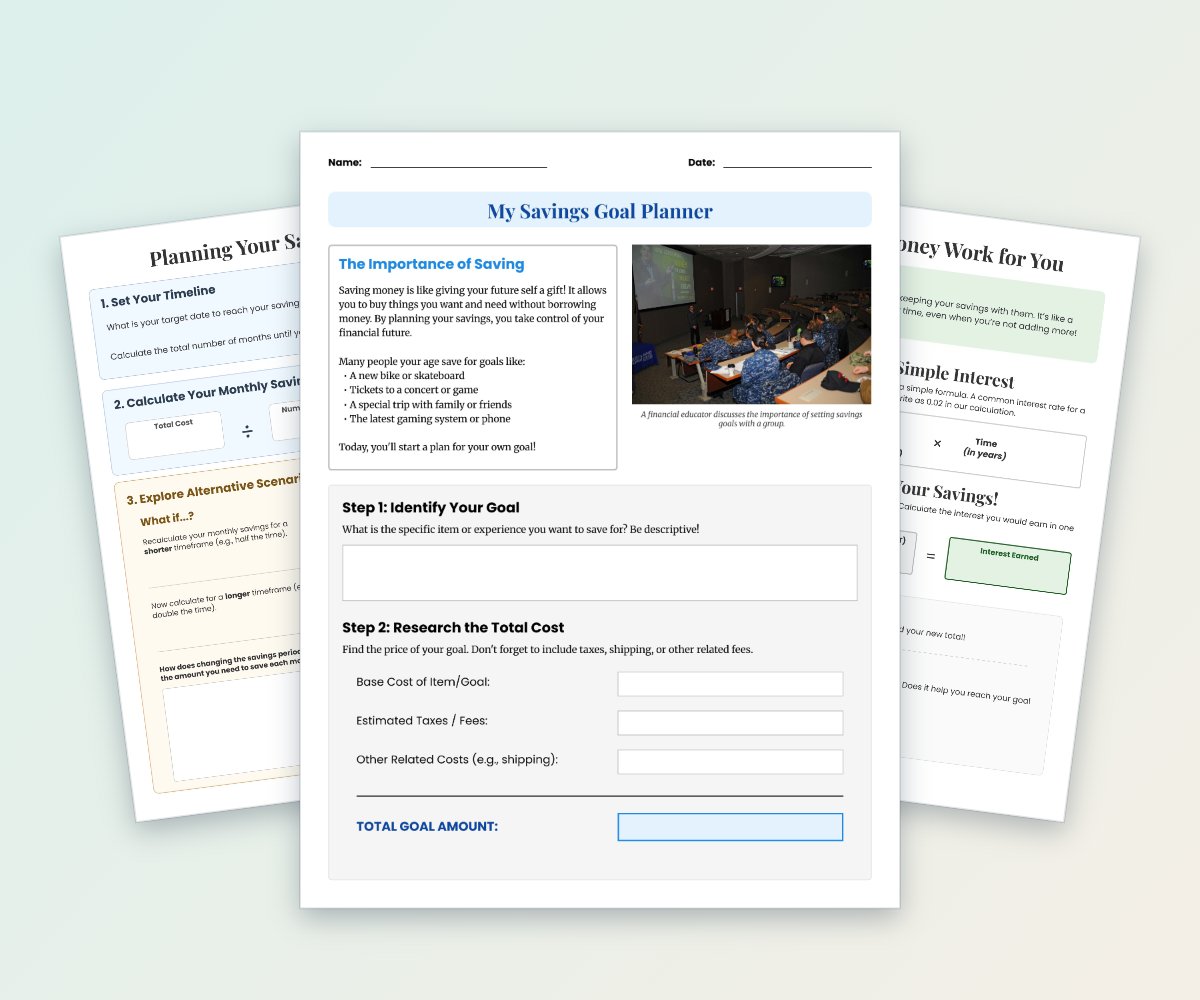
Students set a personal savings goal, research its total cost, create a savings timeline, and calculate required monthly savings.
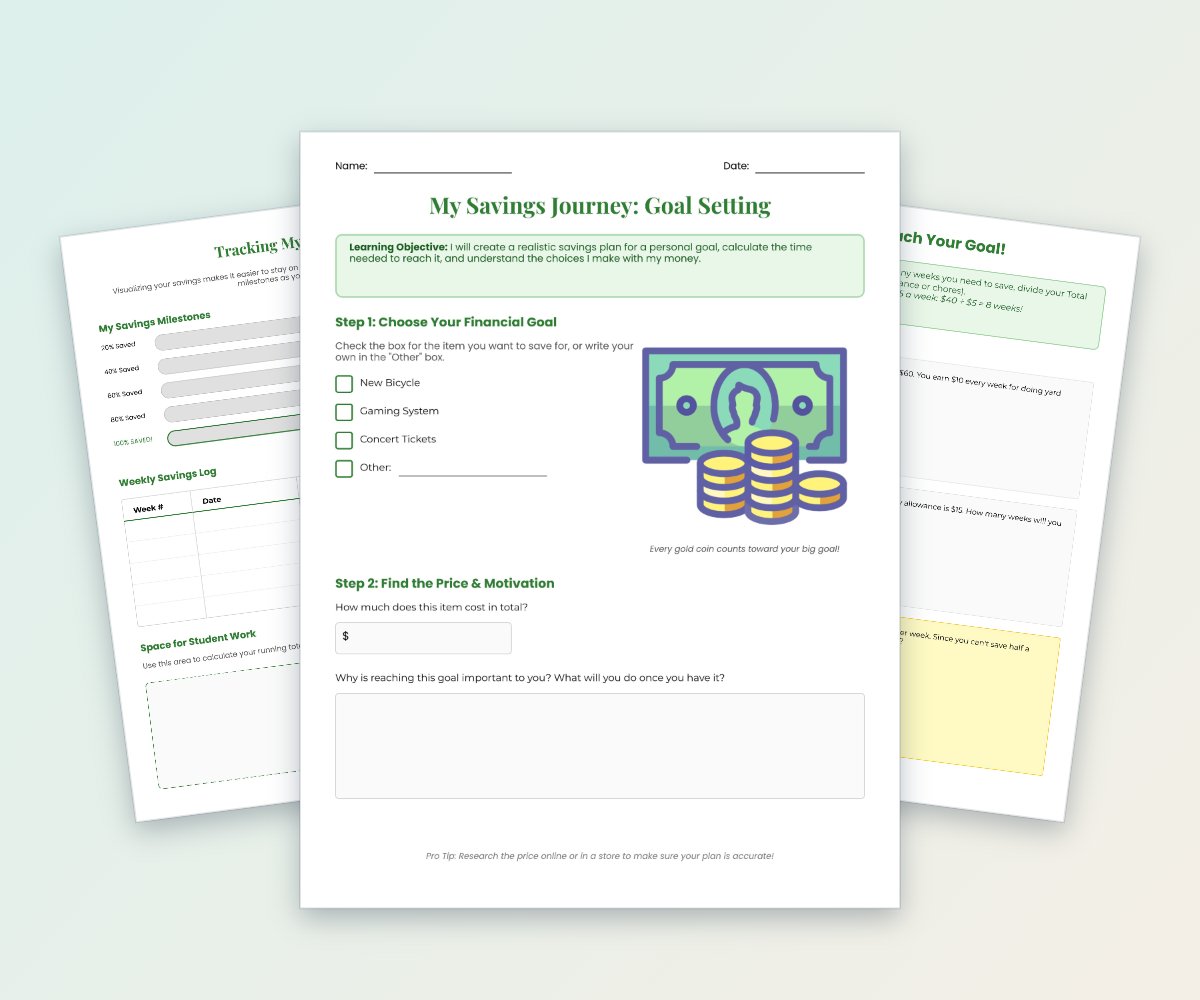
Students create a savings goal, calculate the time needed to reach it, track deposits, and reflect on spending tradeoffs.
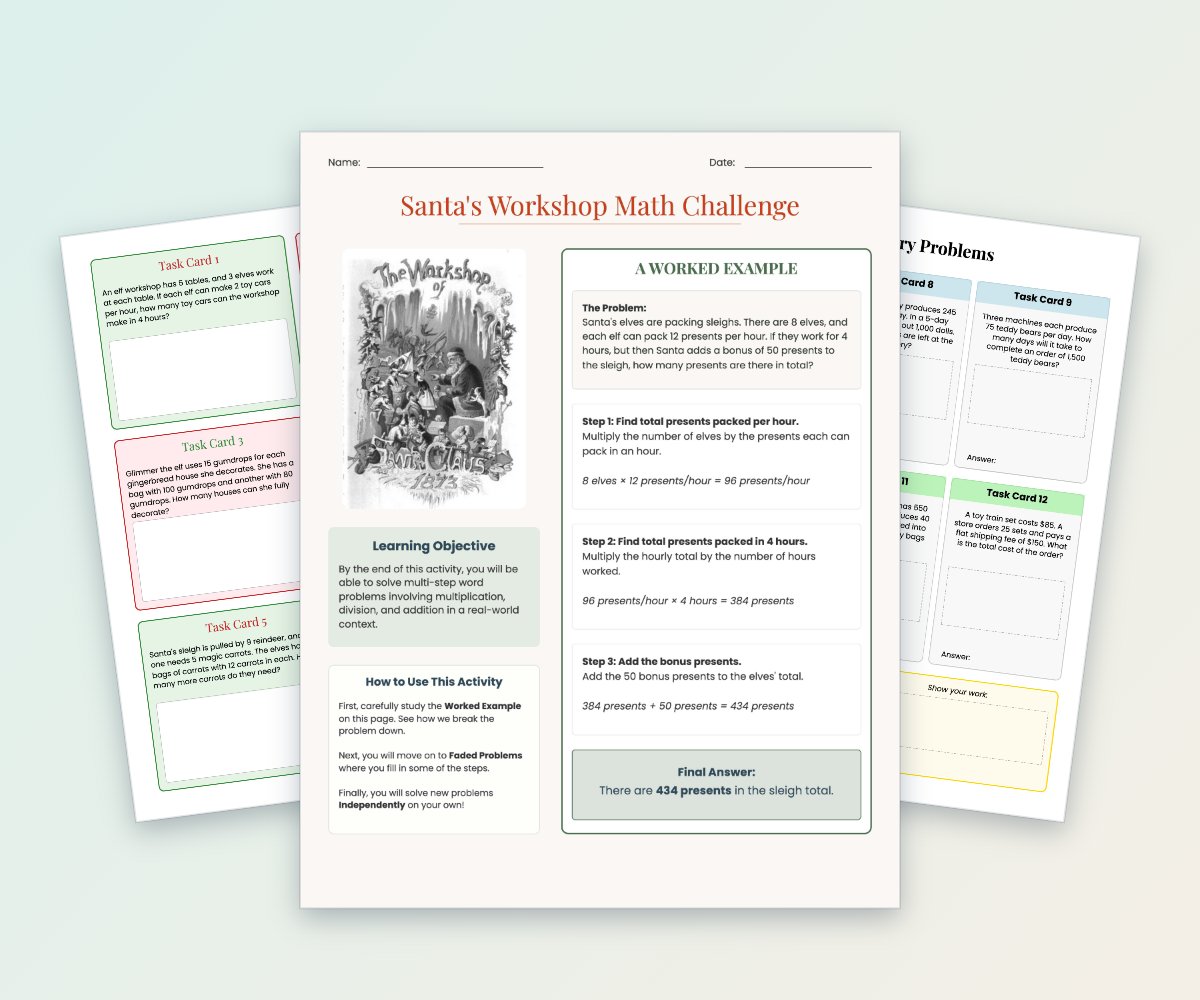
Students solve festive, real-world word problems involving multiplication, division, addition, and multi-step reasoning.
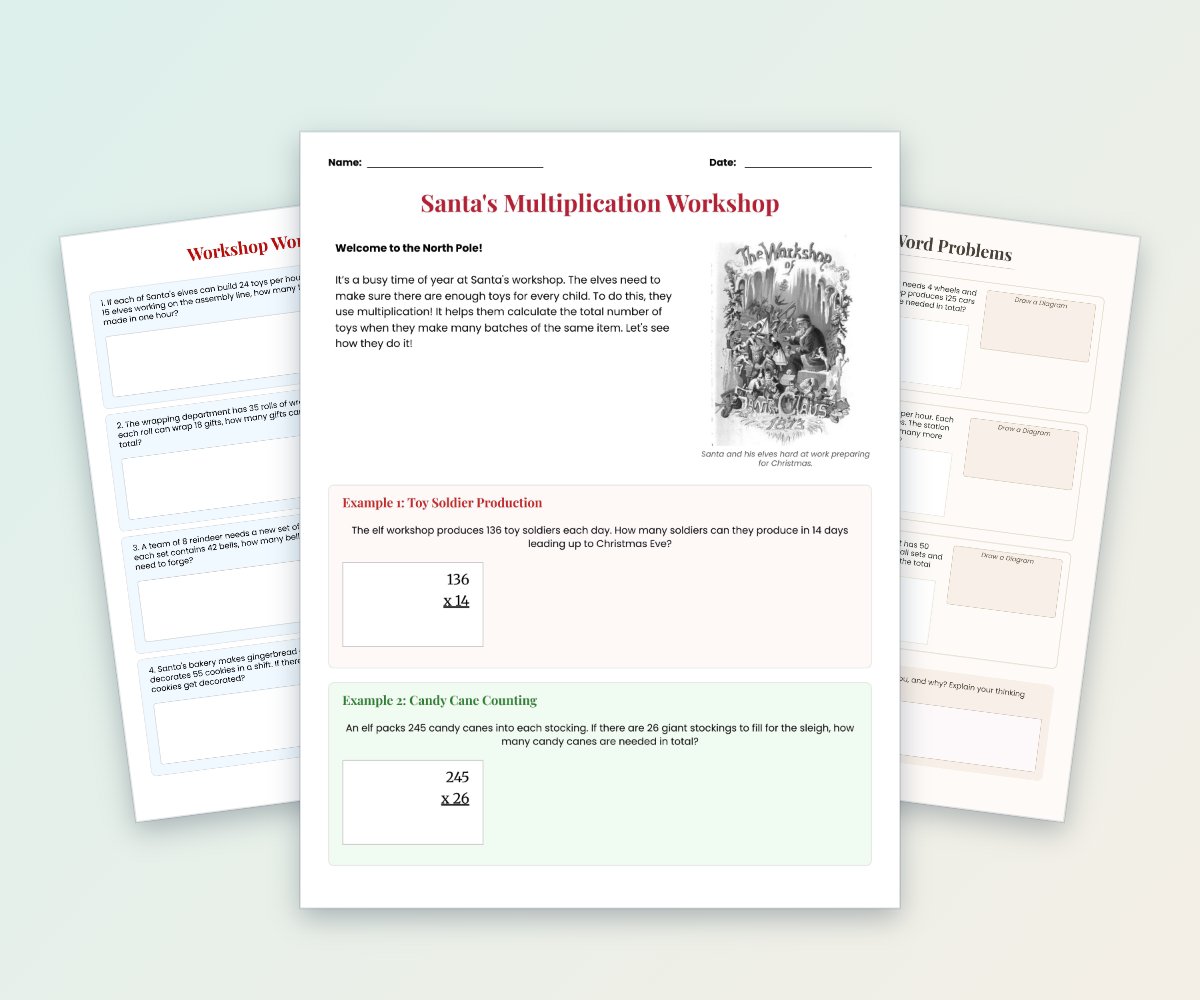
Students practice multi-digit multiplication through festive North Pole scenarios involving toys, candy canes, gifts, and workshop production.
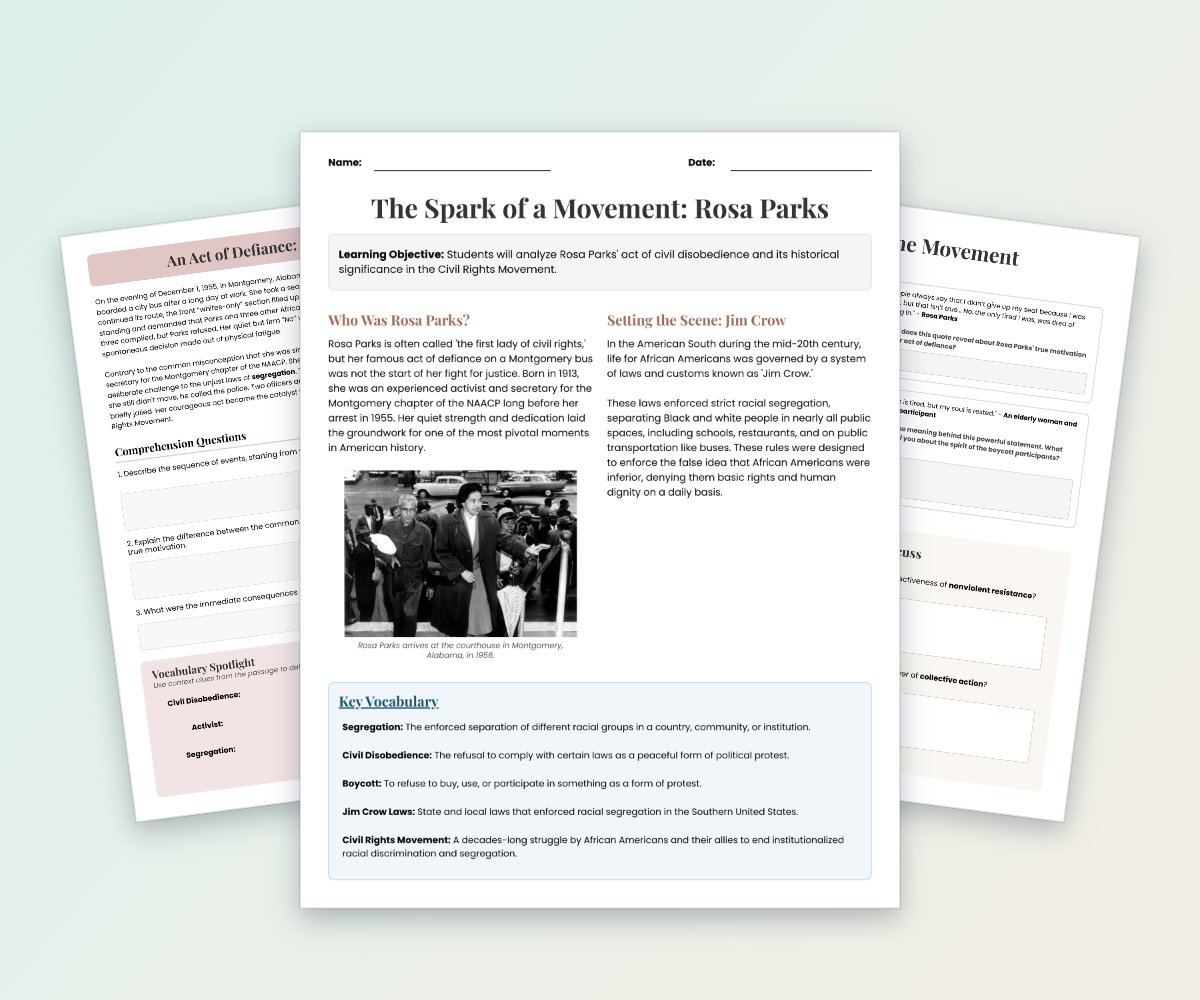
This four-page resource introduces Rosa Parks, Jim Crow laws, civil disobedience, and the Montgomery Bus Boycott.
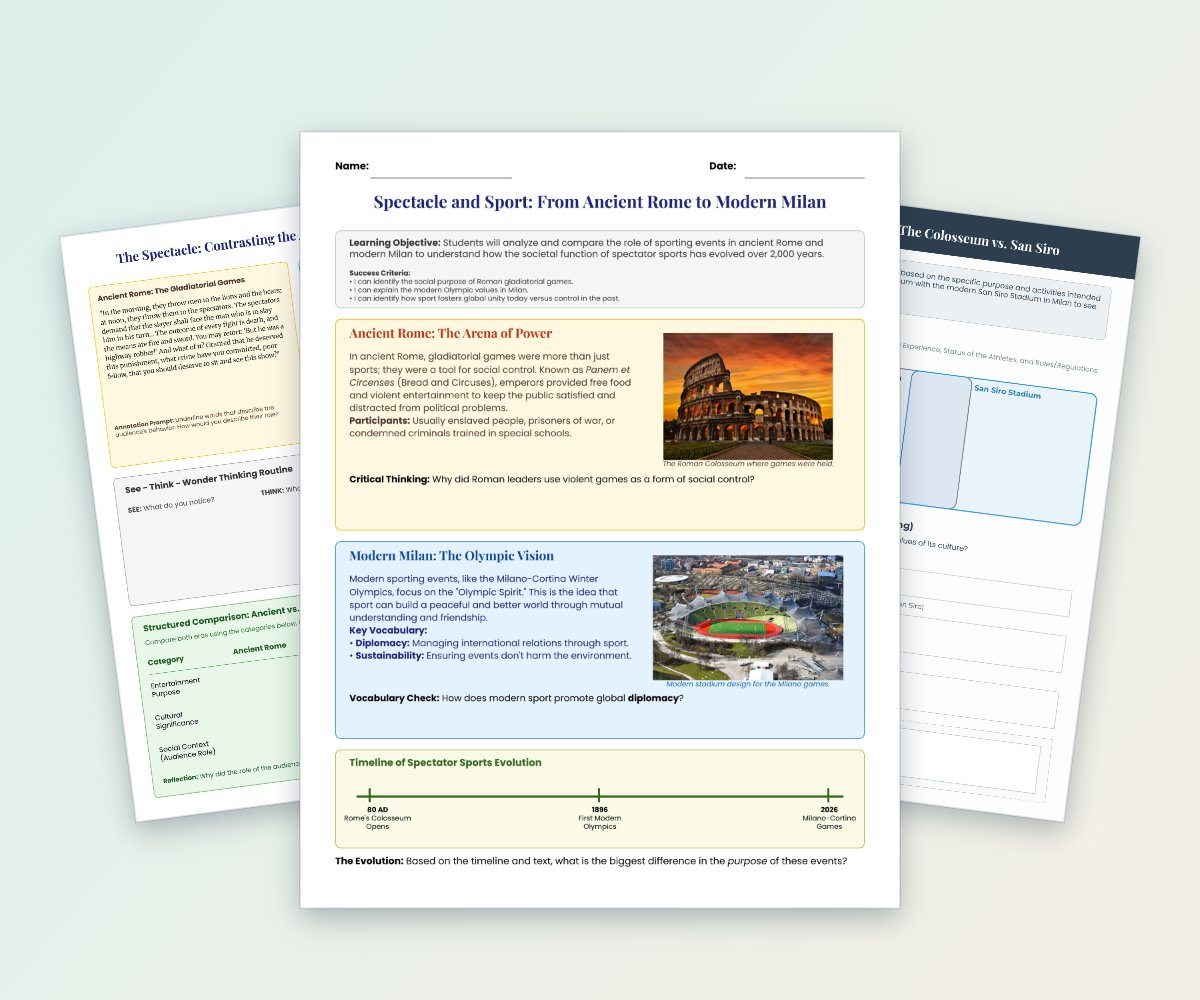
Students compare Roman gladiatorial games with the Milano-Cortina 2026 Winter Olympics through informational text, vocabulary, a timeline, and critical-thinking prompts.
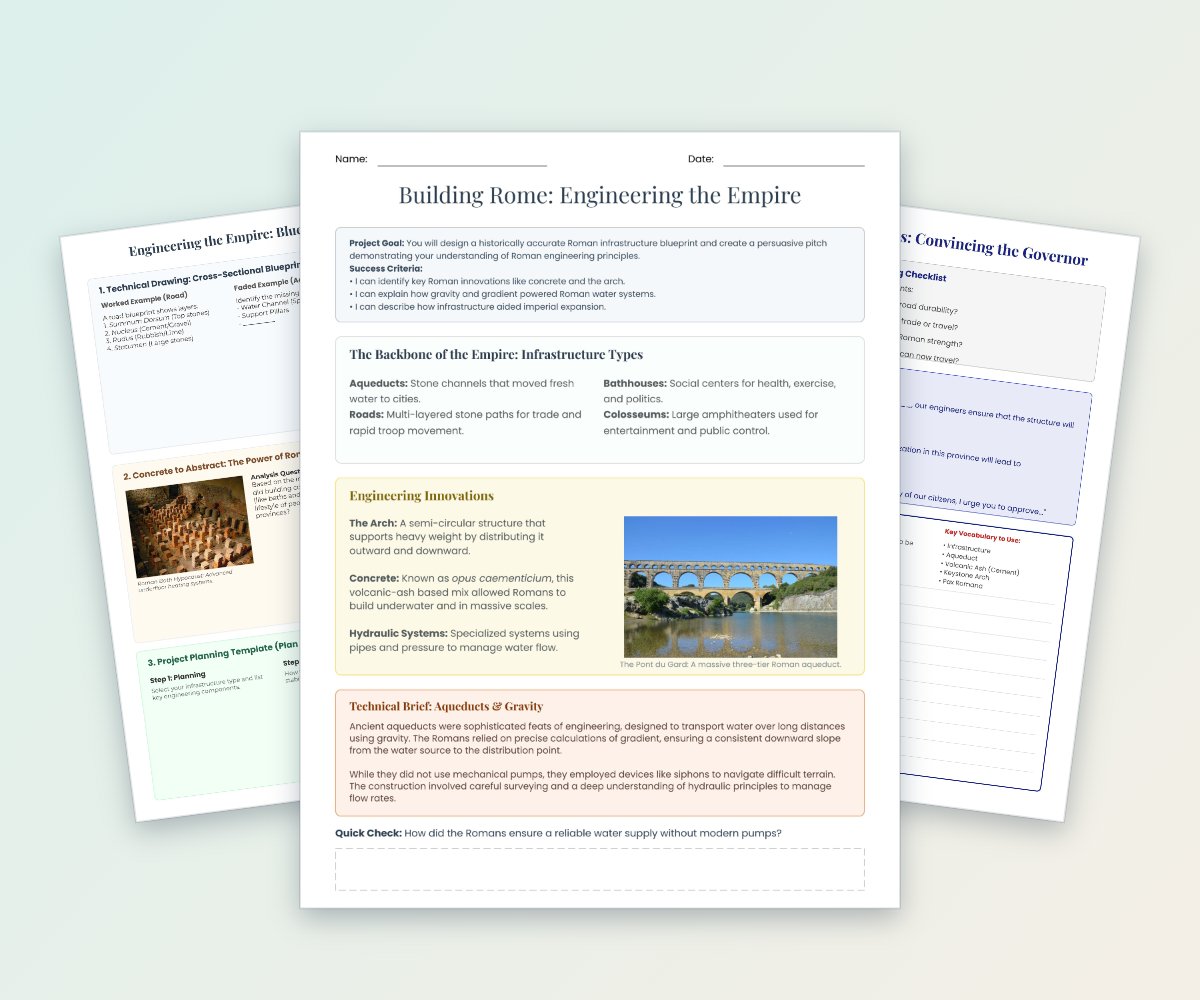
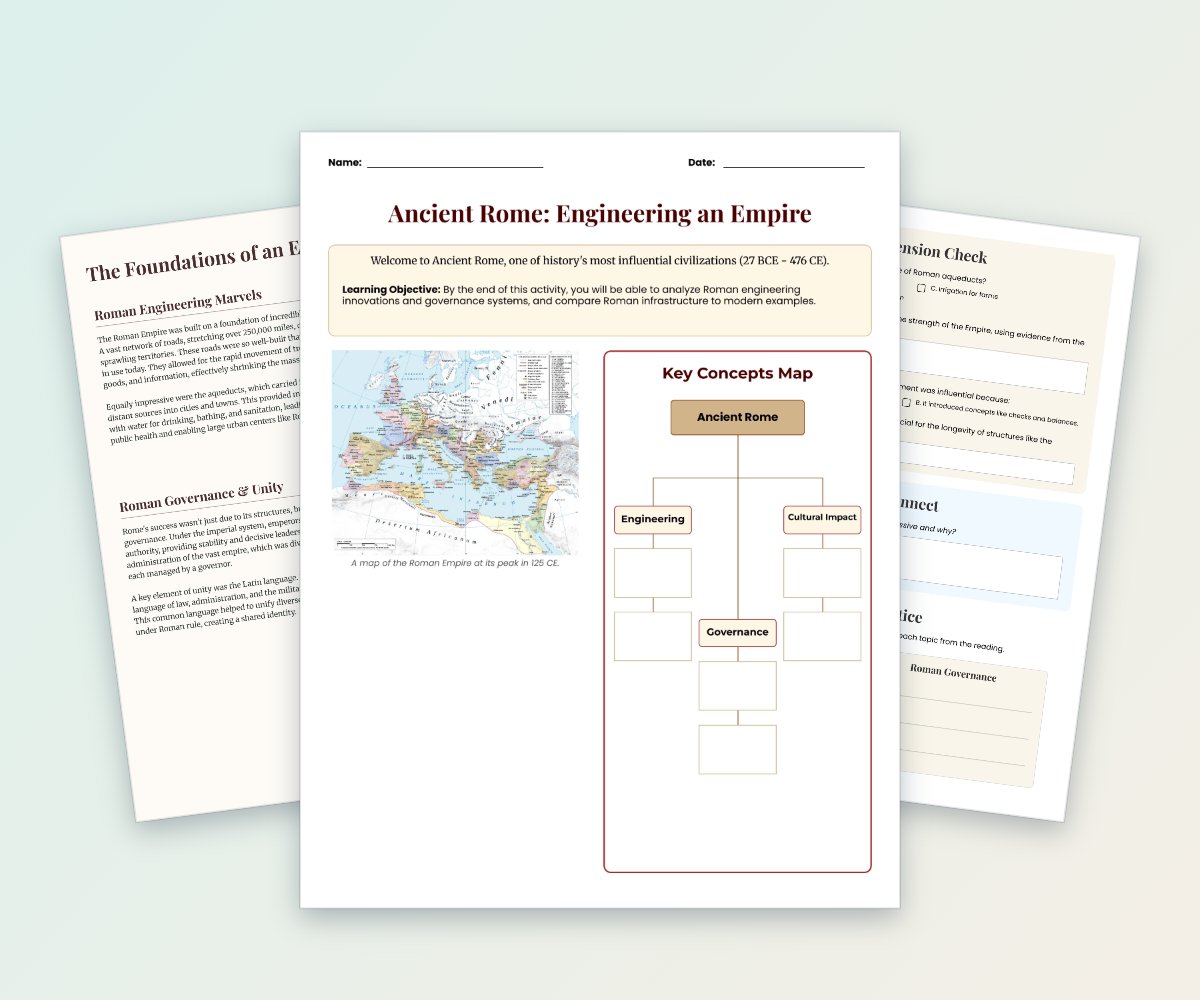
Students investigate Roman engineering innovations, including arches, concrete, aqueducts, roads, and hydraulic systems.
This six-page activity explores Roman roads, aqueducts, infrastructure, imperial governance, provinces, and the unifying role of Latin.
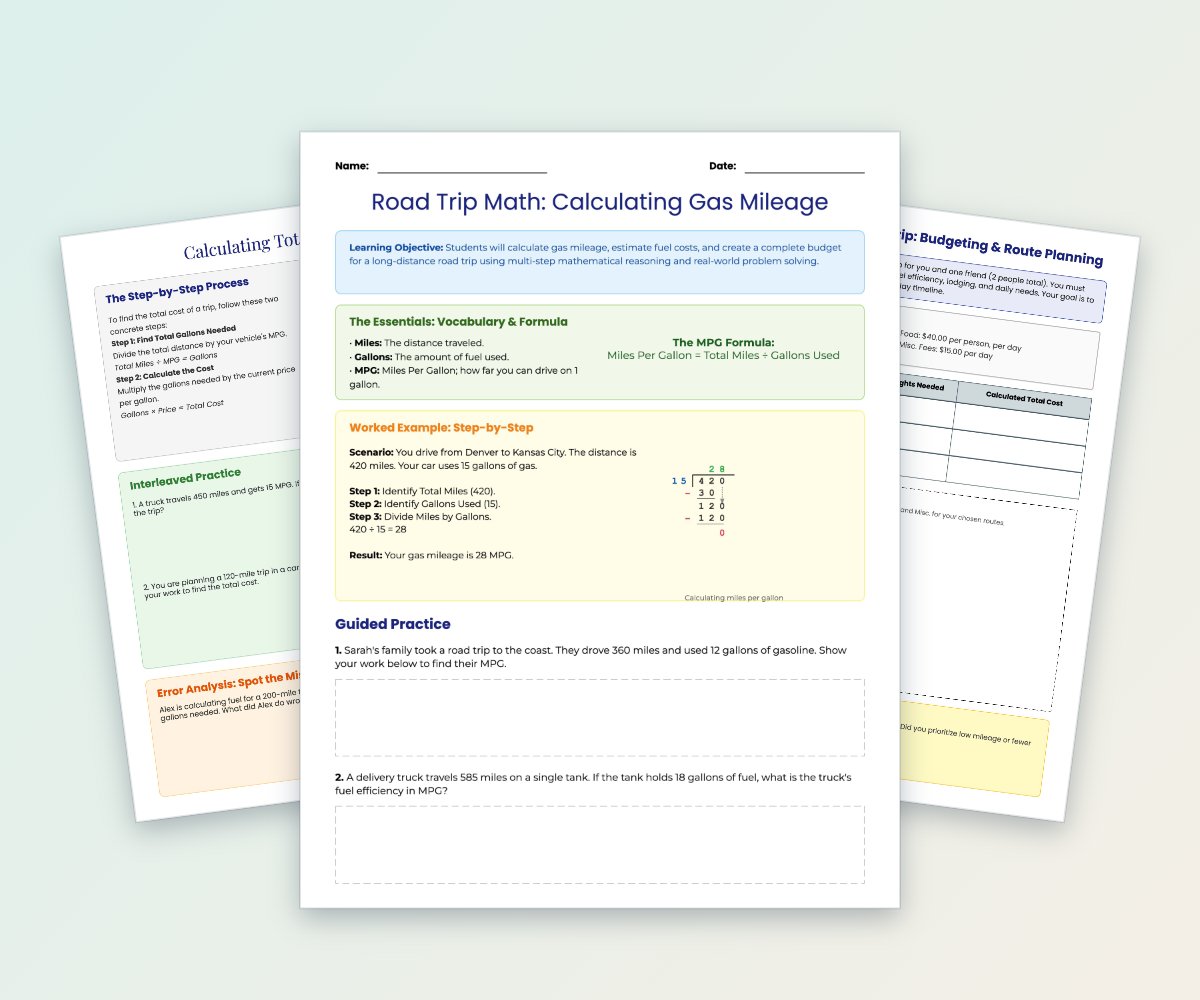
Students calculate miles per gallon, estimate fuel costs, analyze errors, and create a budget for a long-distance road trip.
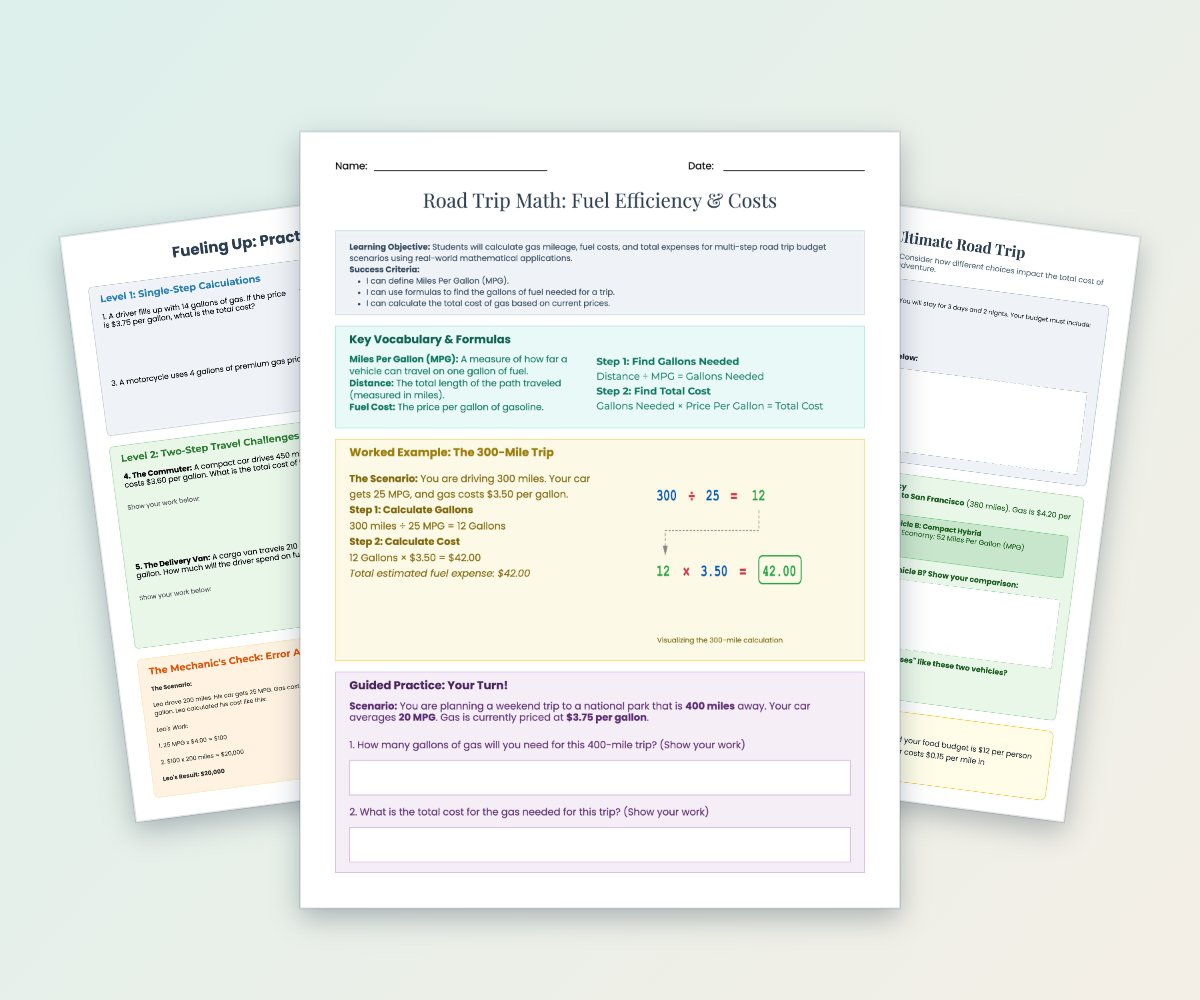
Students calculate miles per gallon, fuel needed, and trip costs using realistic road-trip scenarios.
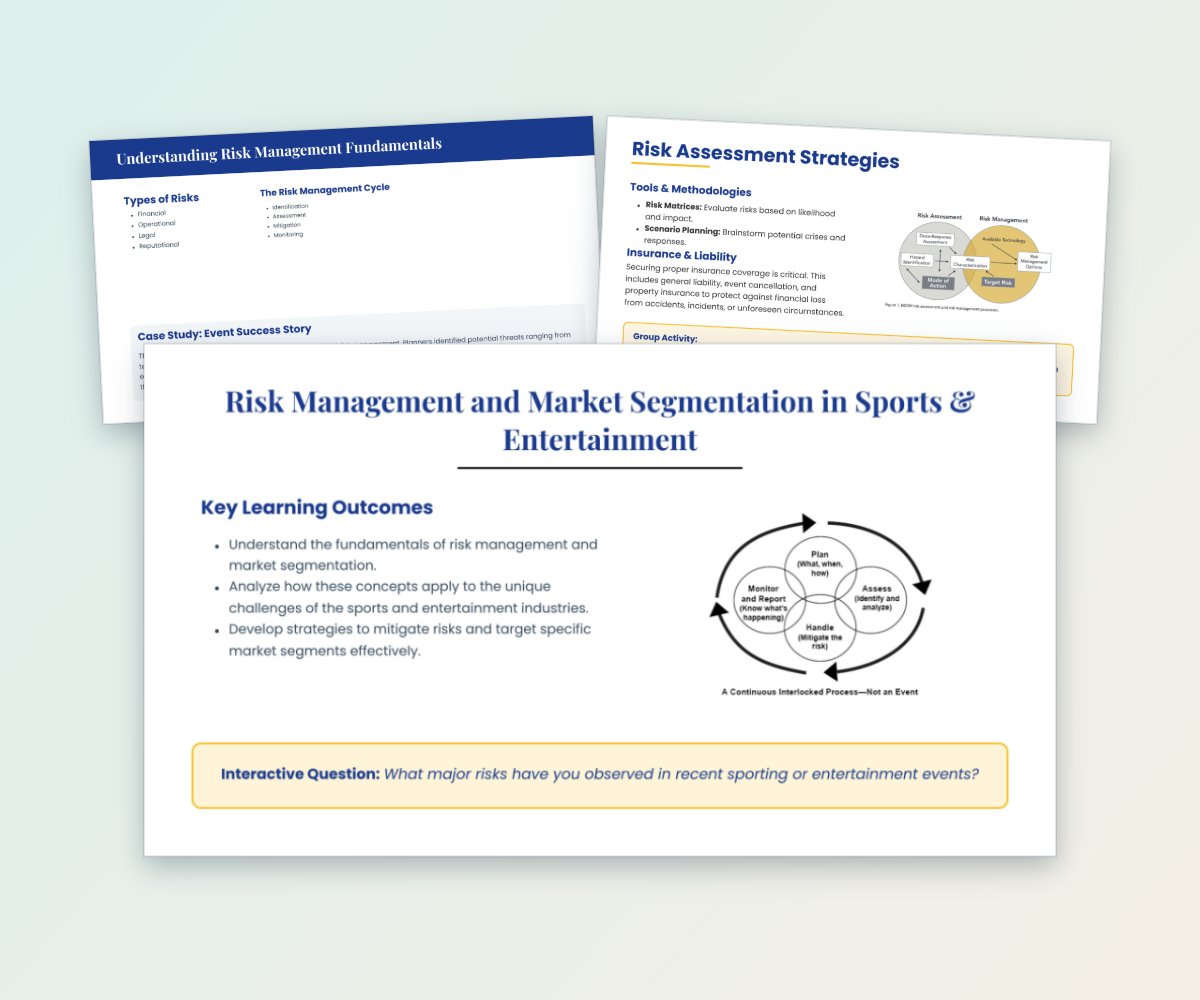
Teach foundational risk management and market segmentation concepts in sports and entertainment contexts.
This 10-slide presentation introduces risk management and market segmentation in the sports and entertainment industries.
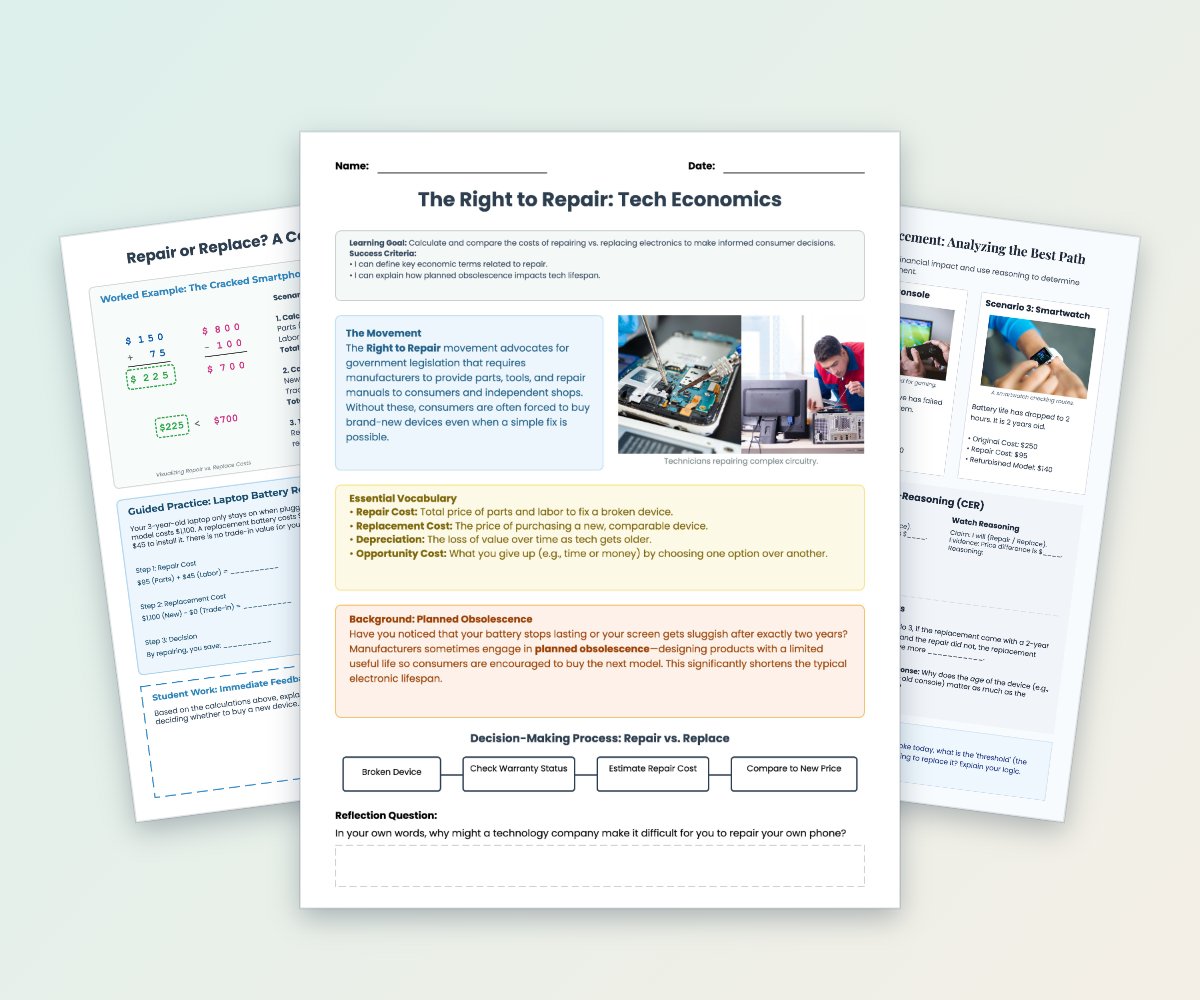
Students explore right-to-repair policies, planned obsolescence, depreciation, opportunity cost, and technology lifespan.
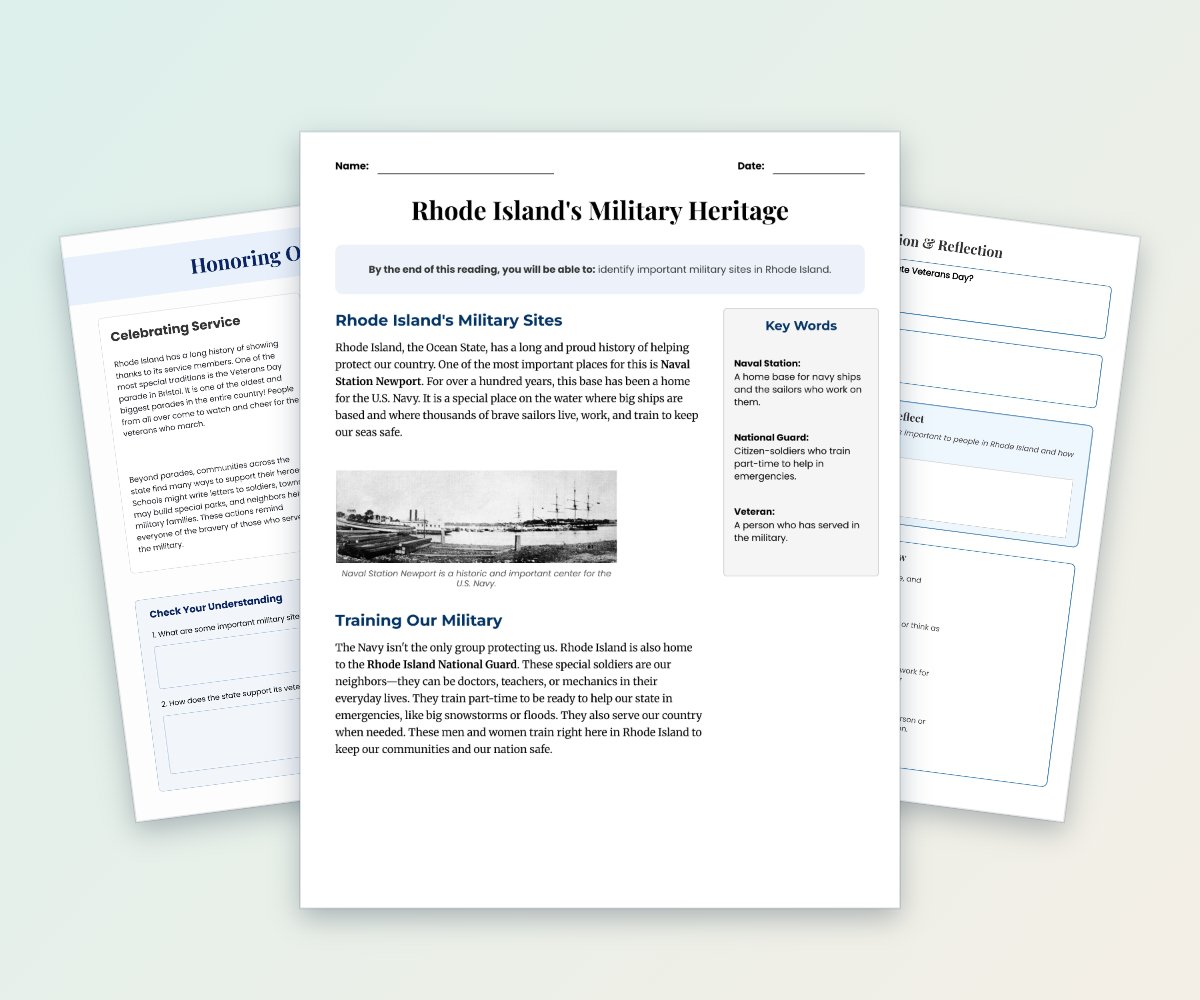
This three-page reading resource introduces students to Naval Station Newport, the Rhode Island National Guard, veterans, and local Veterans Day traditions.
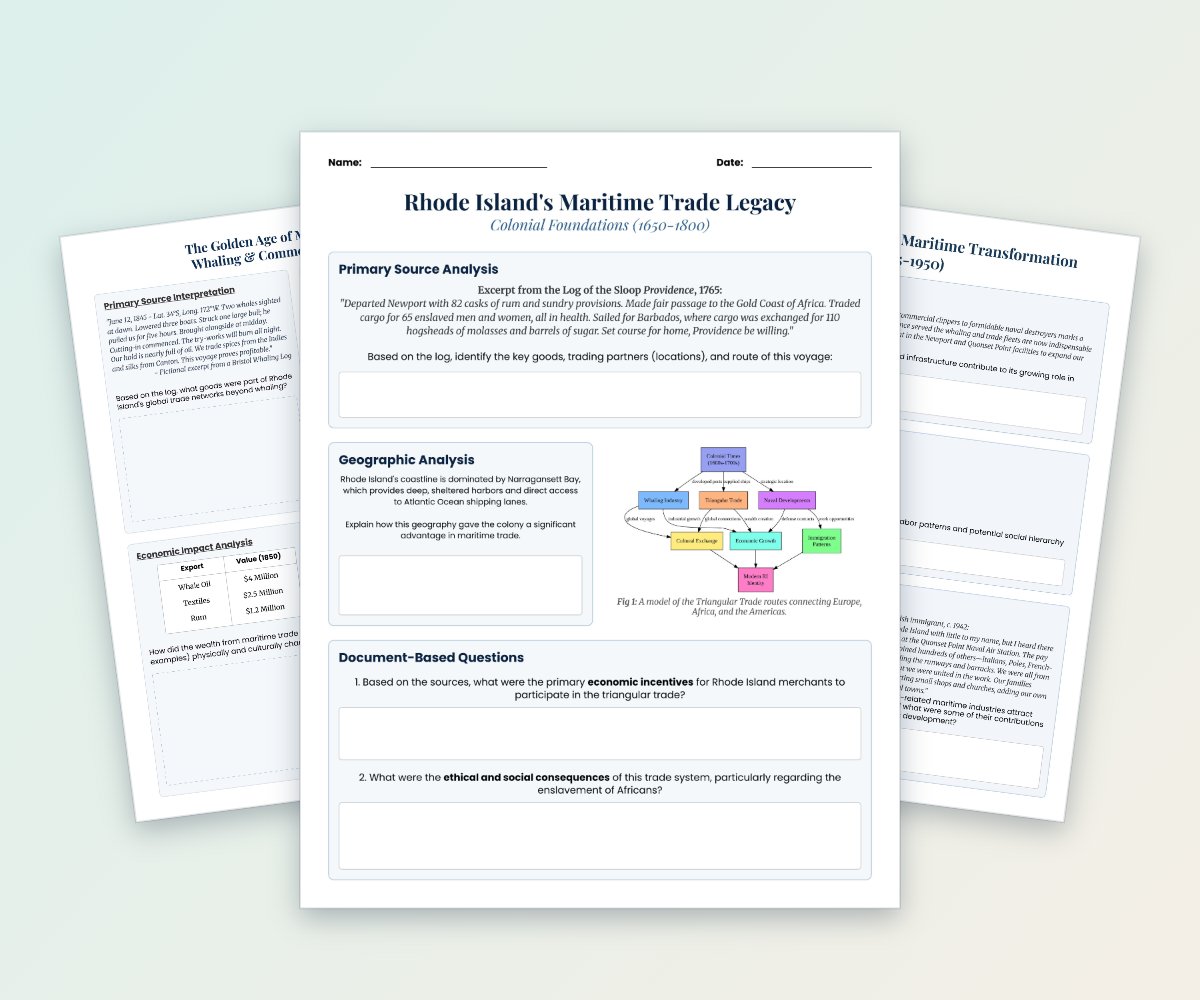
Students examine fictional and historical-style primary sources about colonial trade, triangular trade, whaling, geography, and Rhode Island’s global commerce.
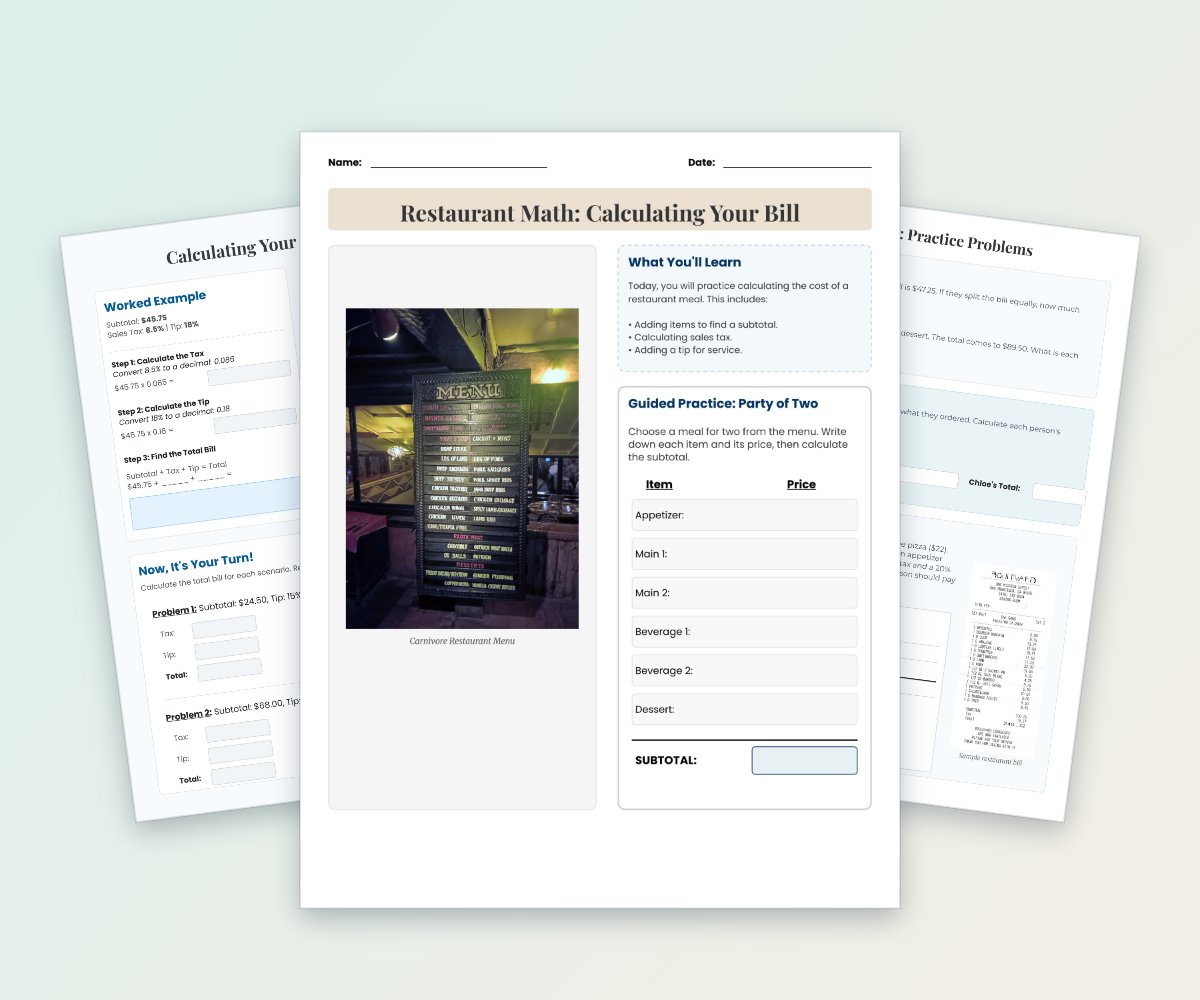
This four-page worksheet helps students calculate restaurant meal subtotals, sales tax, tips, total bills, and shared costs.
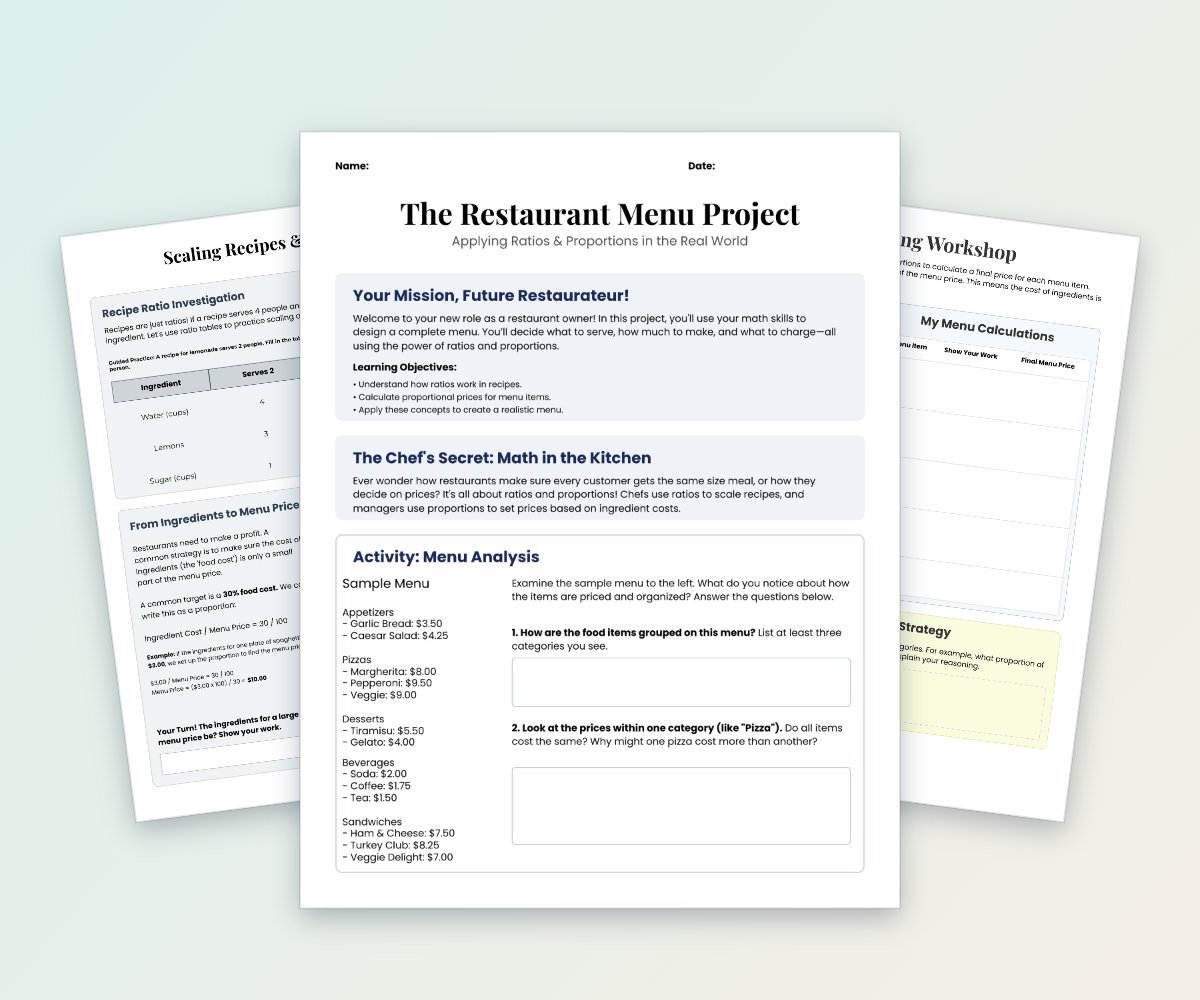
Students take on the role of restaurant owners and design a menu using ratios, proportions, recipe scaling, and realistic pricing.
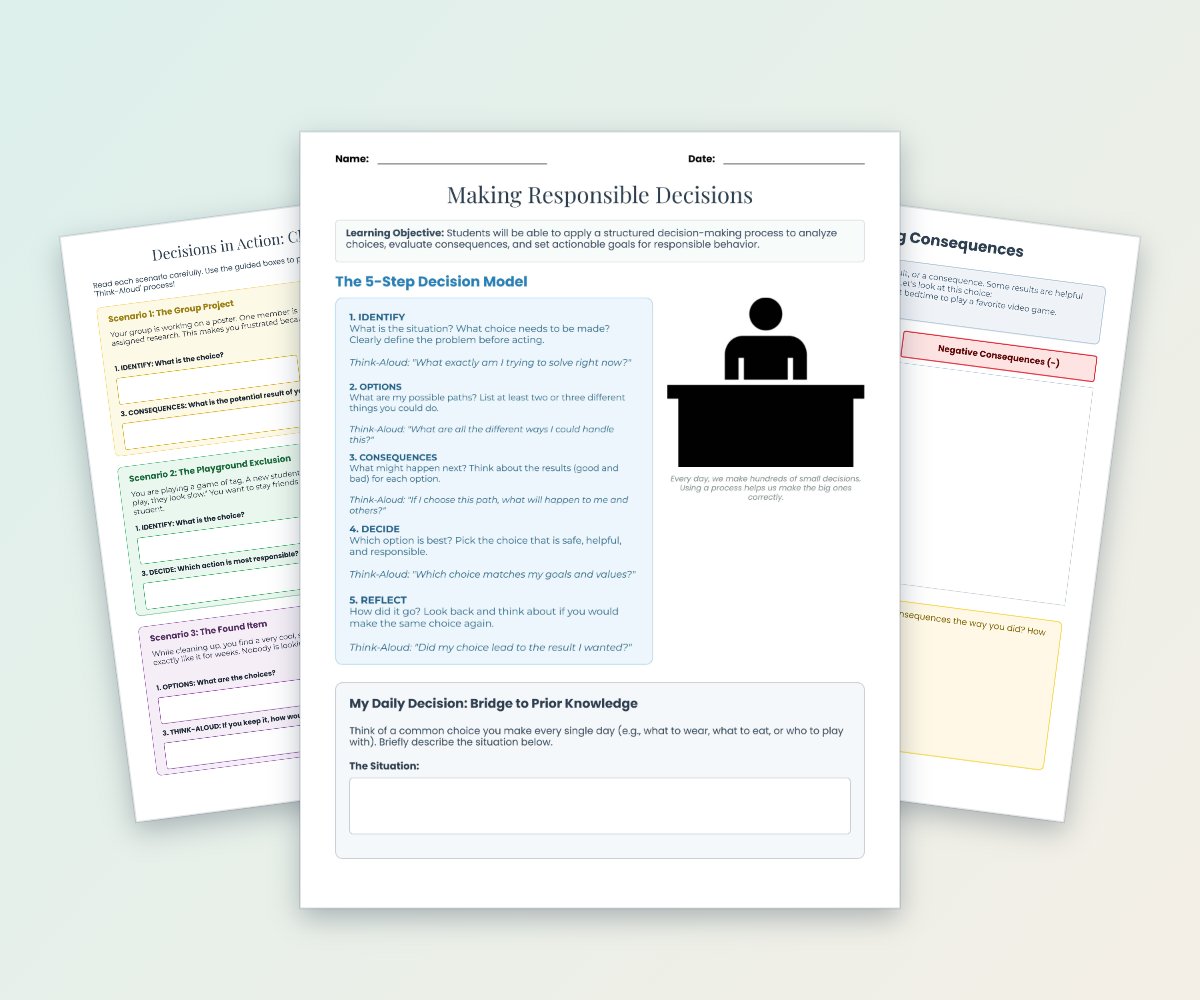
This six-page student toolkit teaches a five-step decision-making model: identify, consider options, evaluate consequences, decide, and reflect.
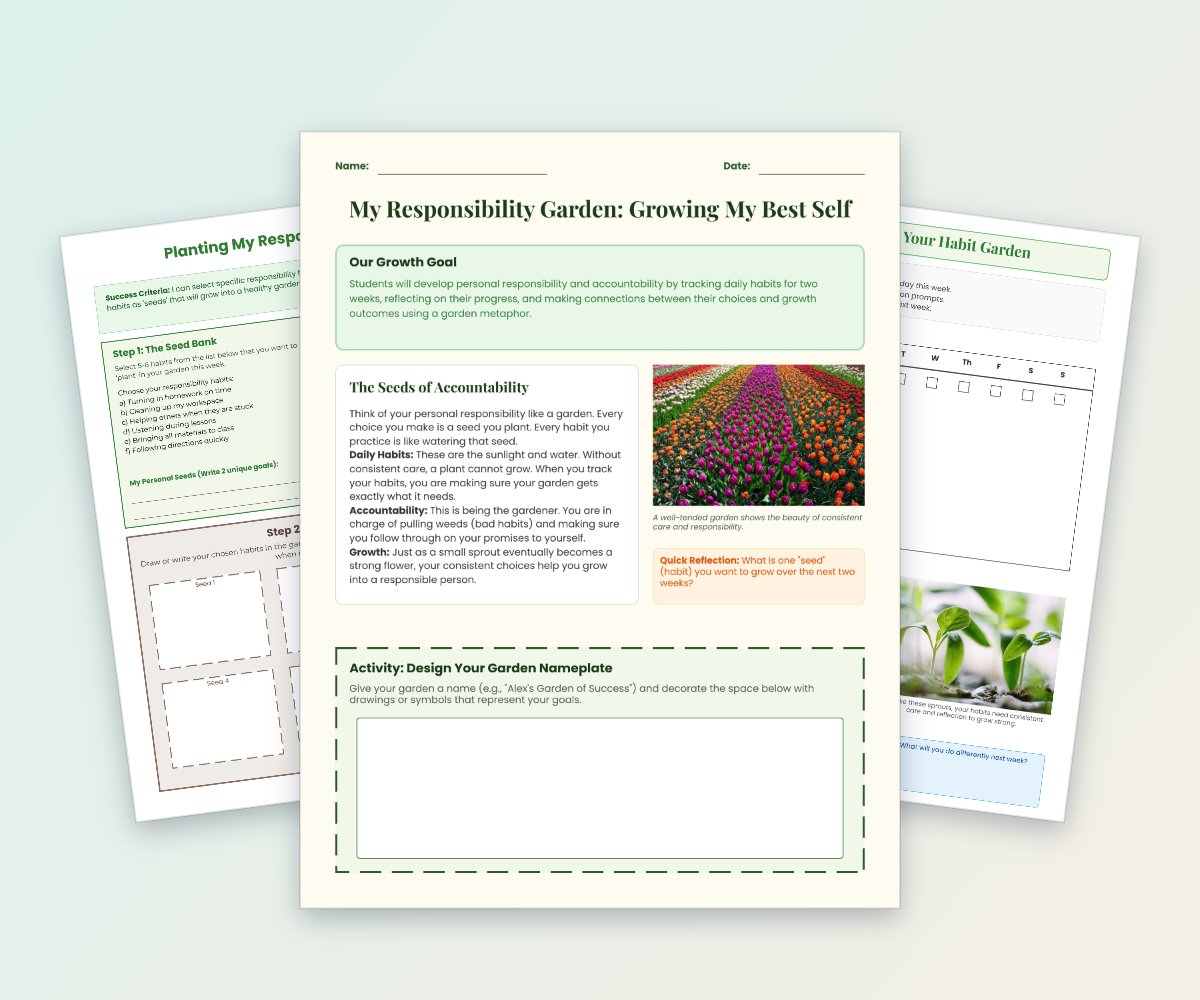
This five-page activity pack uses a garden metaphor to help students select responsibility habits, track progress for two weeks, and reflect on personal growth.
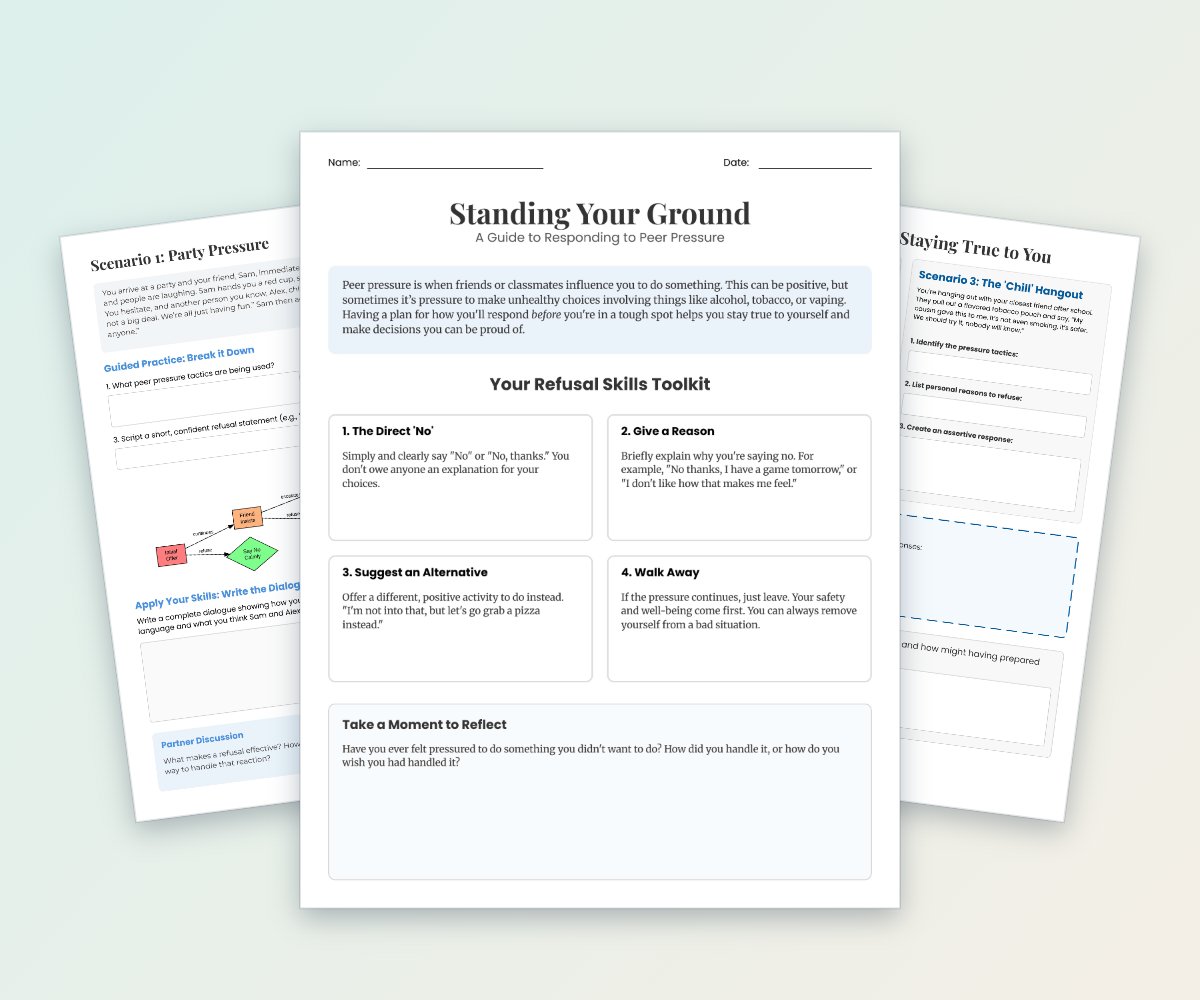
This four-page worksheet helps students recognize peer-pressure tactics and practice confident refusal strategies.
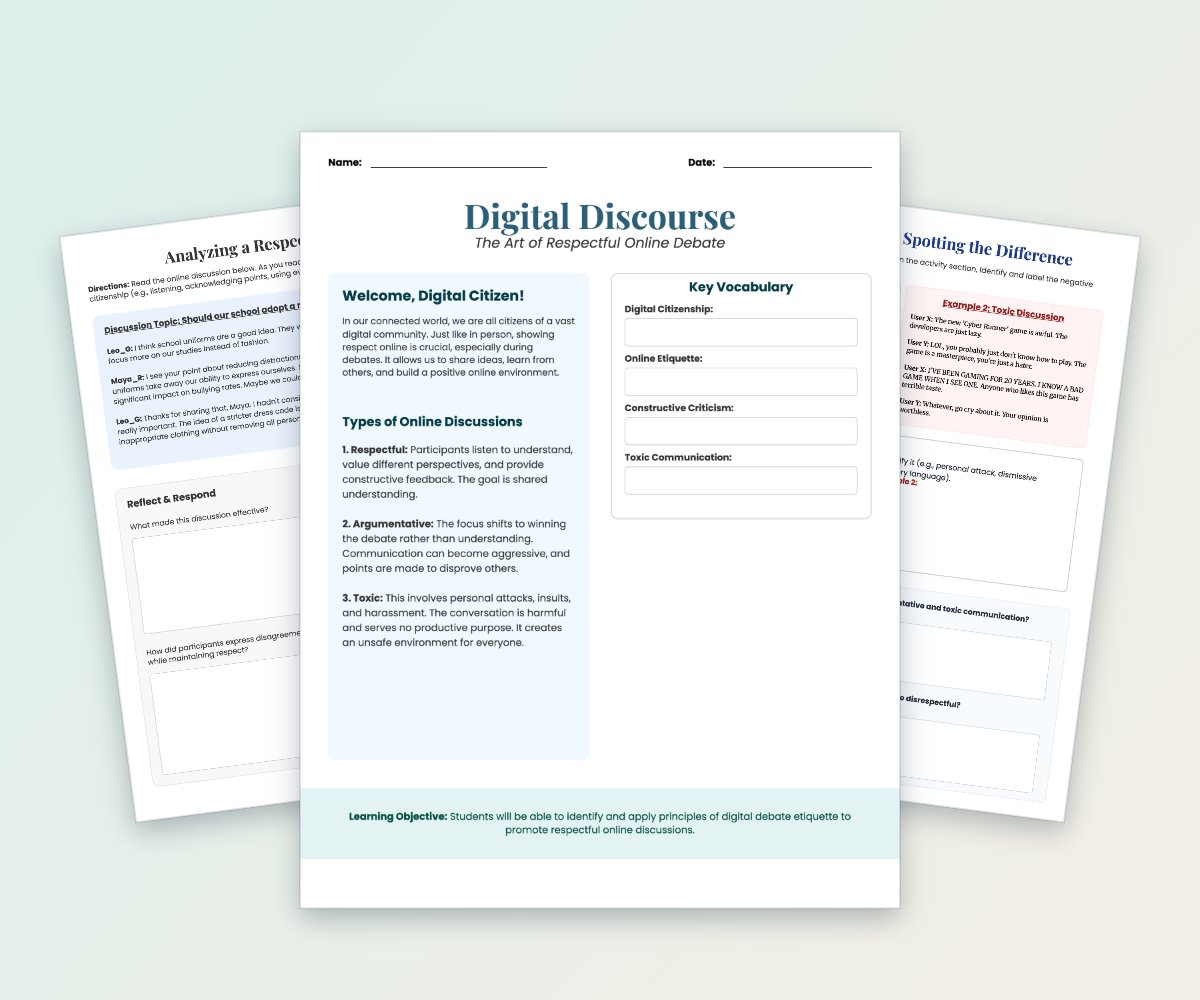
This four-page resource introduces respectful, argumentative, and toxic online discussions through definitions, vocabulary, and a modeled school-uniform debate.
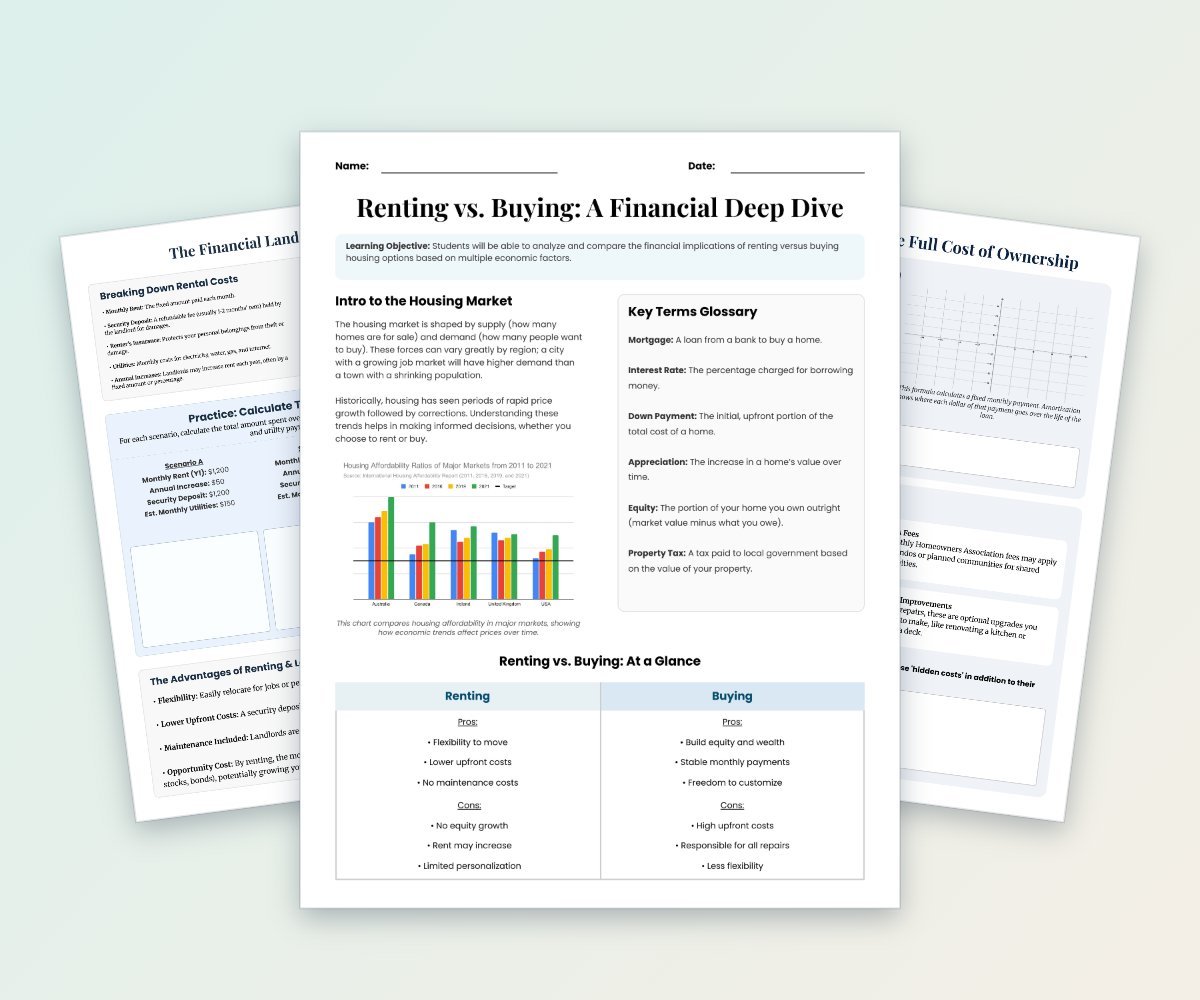
Students explore housing markets, compare the advantages and disadvantages of renting and buying, and learn essential housing-finance vocabulary.
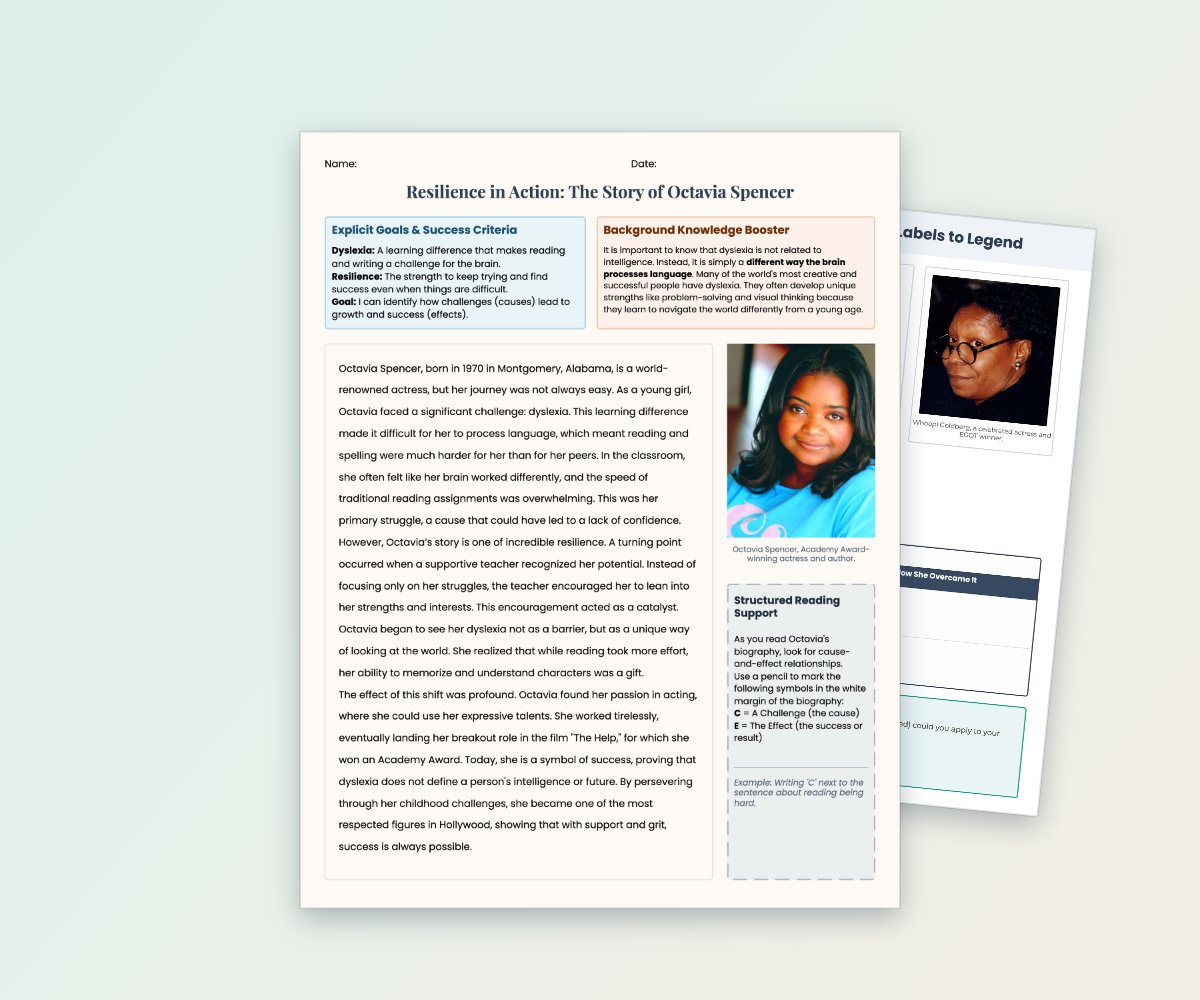
Students read a short biography of actress Octavia Spencer and examine how challenges, support, and perseverance contributed to her success.
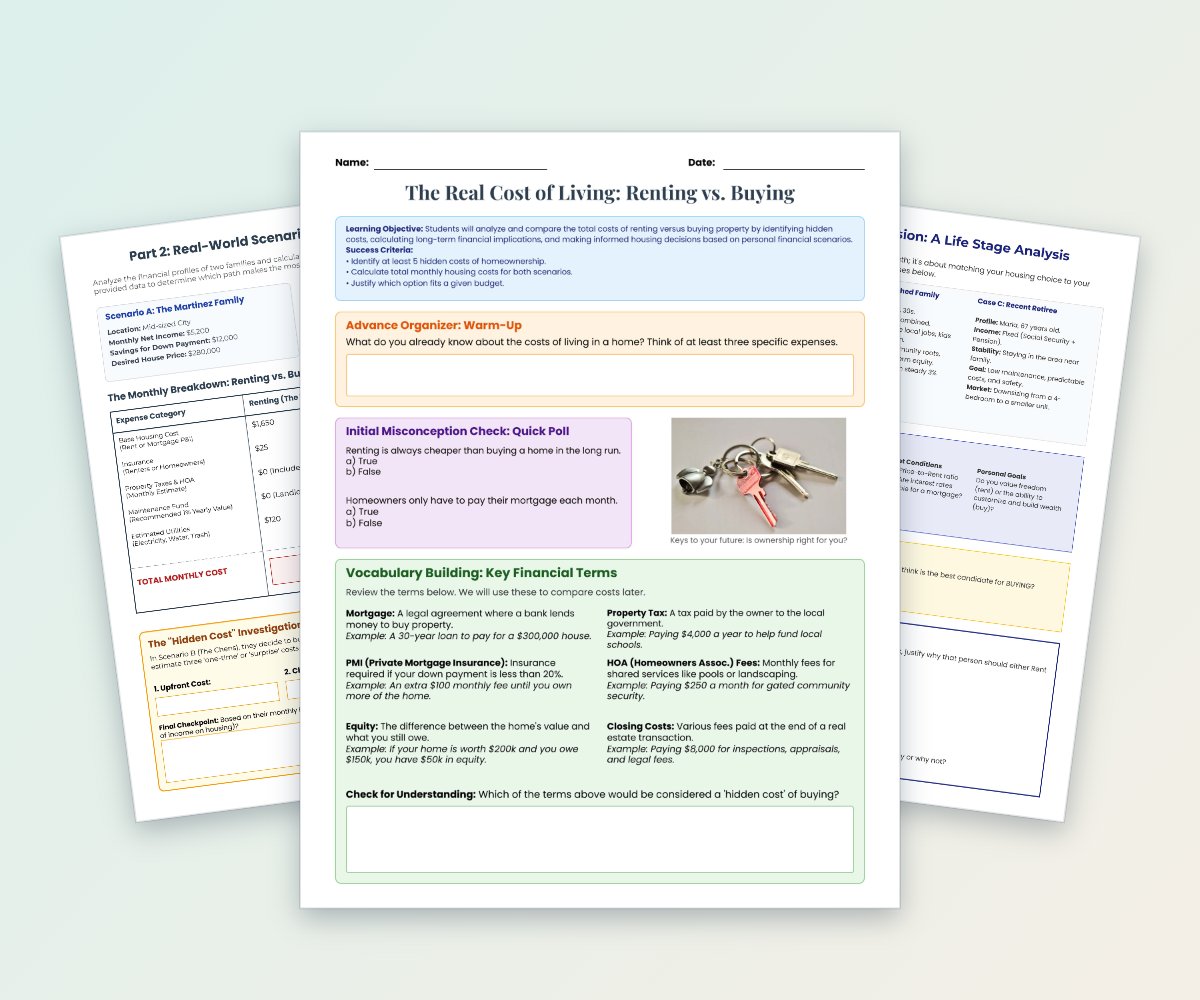
Students compare renting and buying by identifying hidden costs, reviewing key housing terms, and calculating monthly expenses.
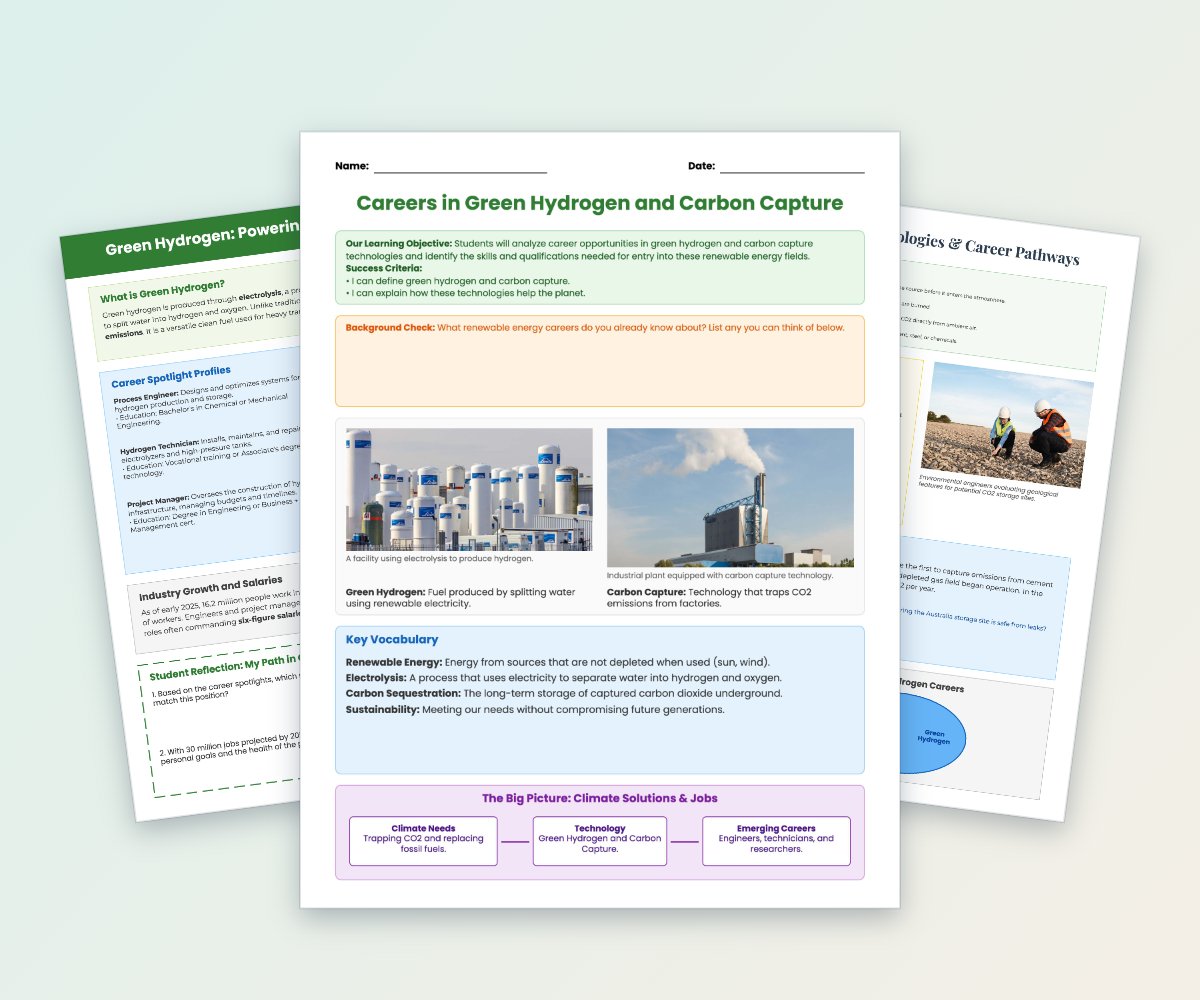
This career-focused lesson introduces green hydrogen and carbon capture technologies while connecting climate solutions to emerging employment opportunities.
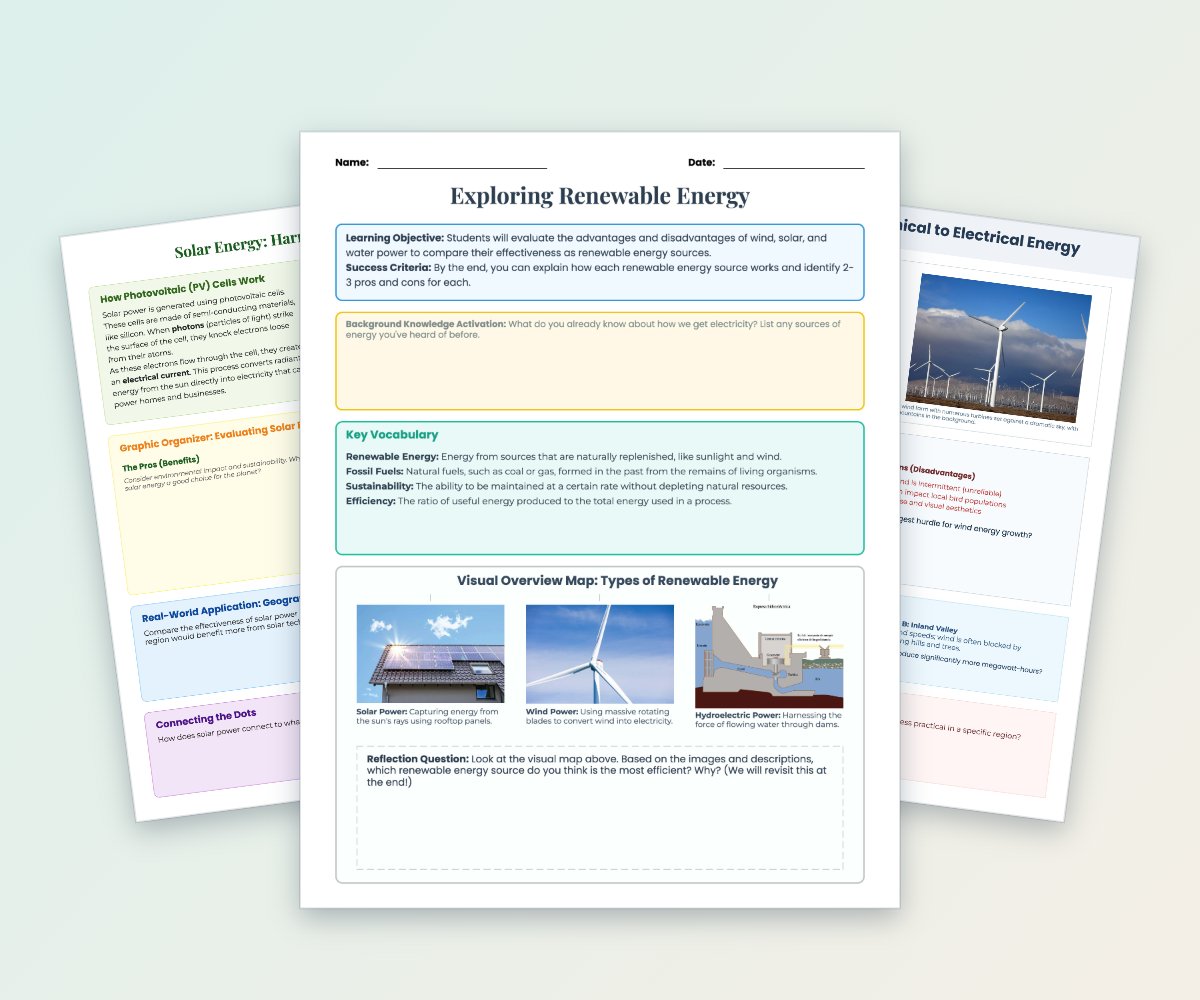
Introduce students to solar, wind, and hydroelectric power through background information, key vocabulary, visual mapping, and guided reflection.
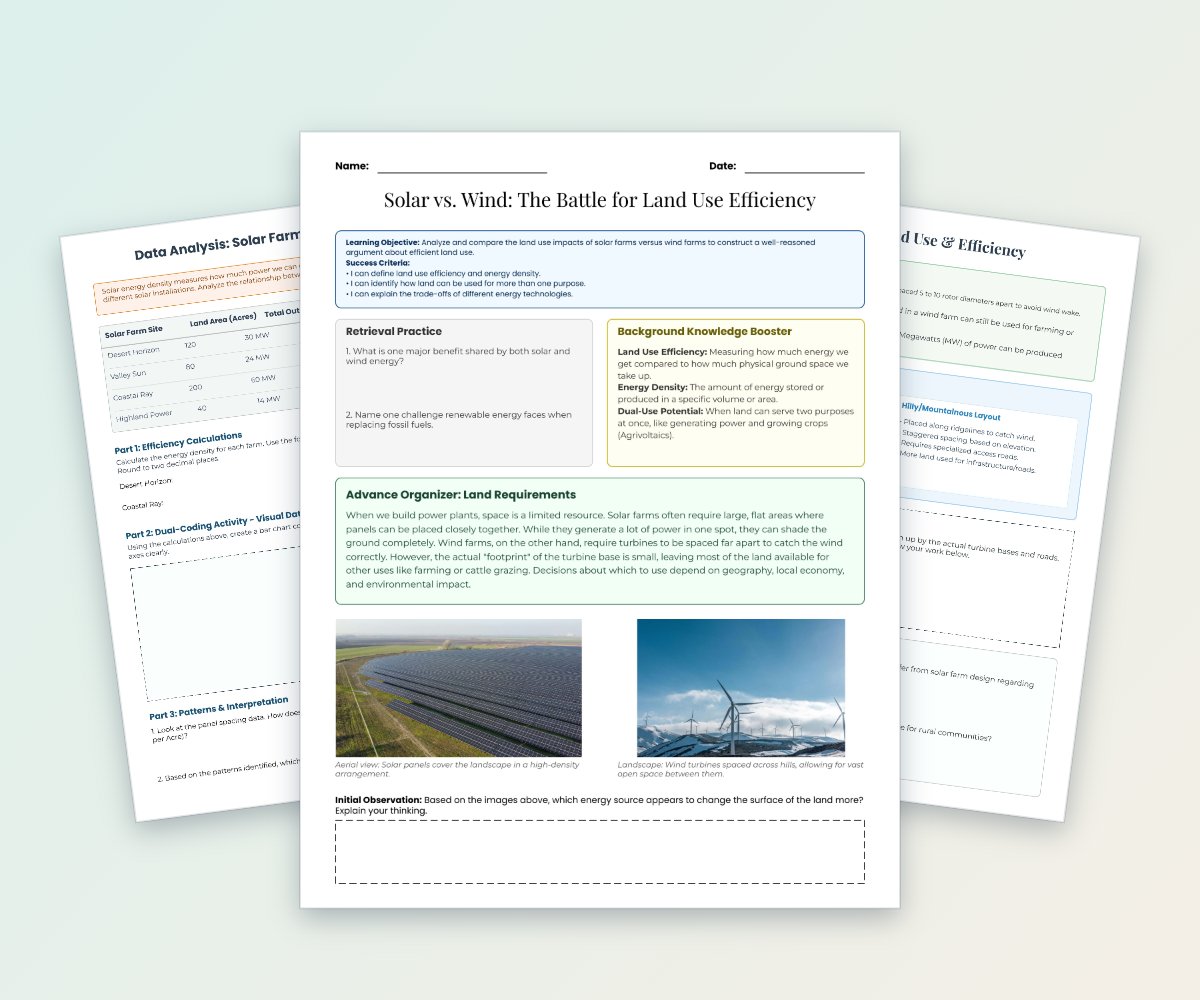
Students compare solar and wind energy through background reading, land-use analysis, energy-density calculations, and evidence-based argument writing.
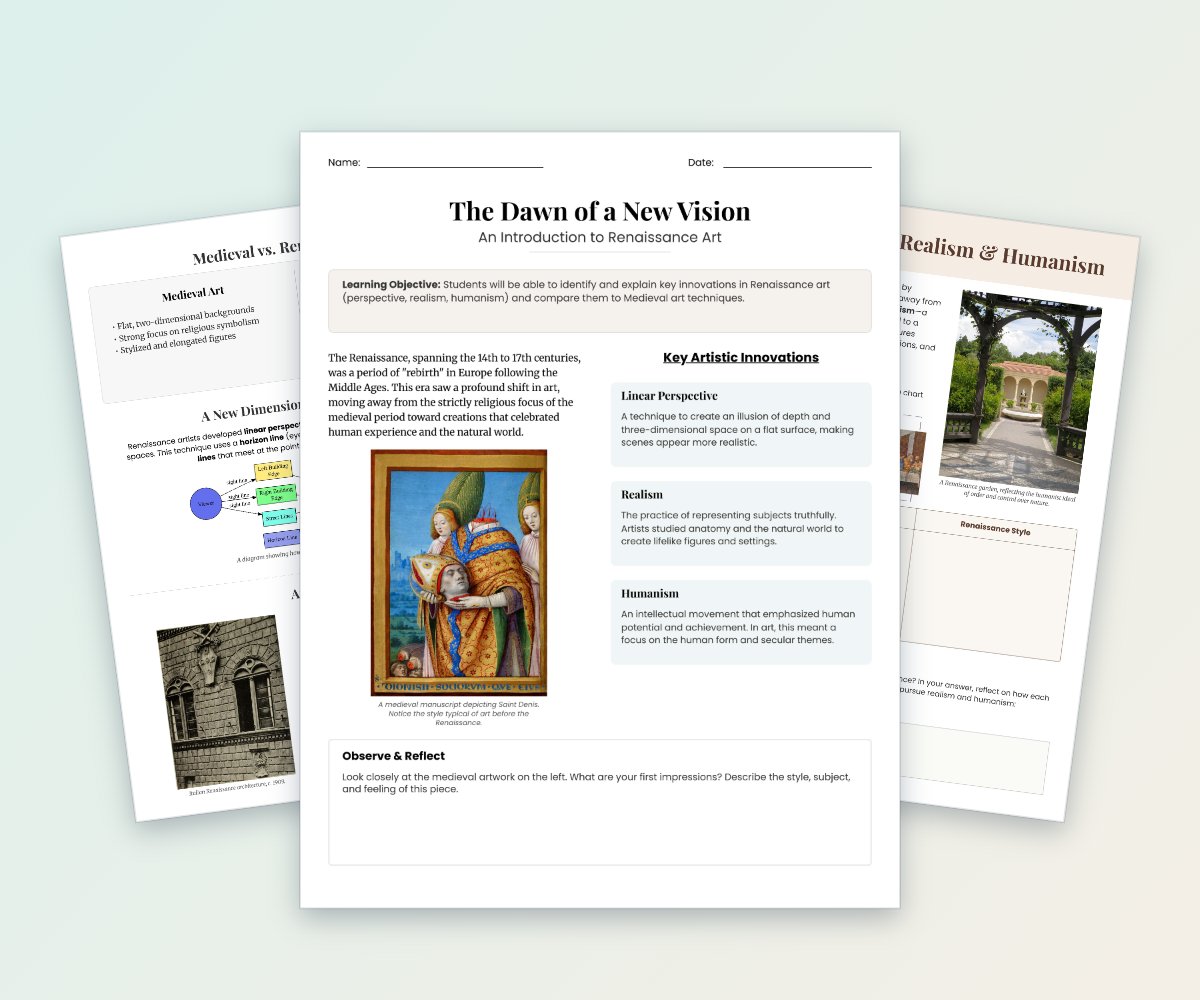
Introduce students to Renaissance art innovations, including linear perspective, realism, and humanism.
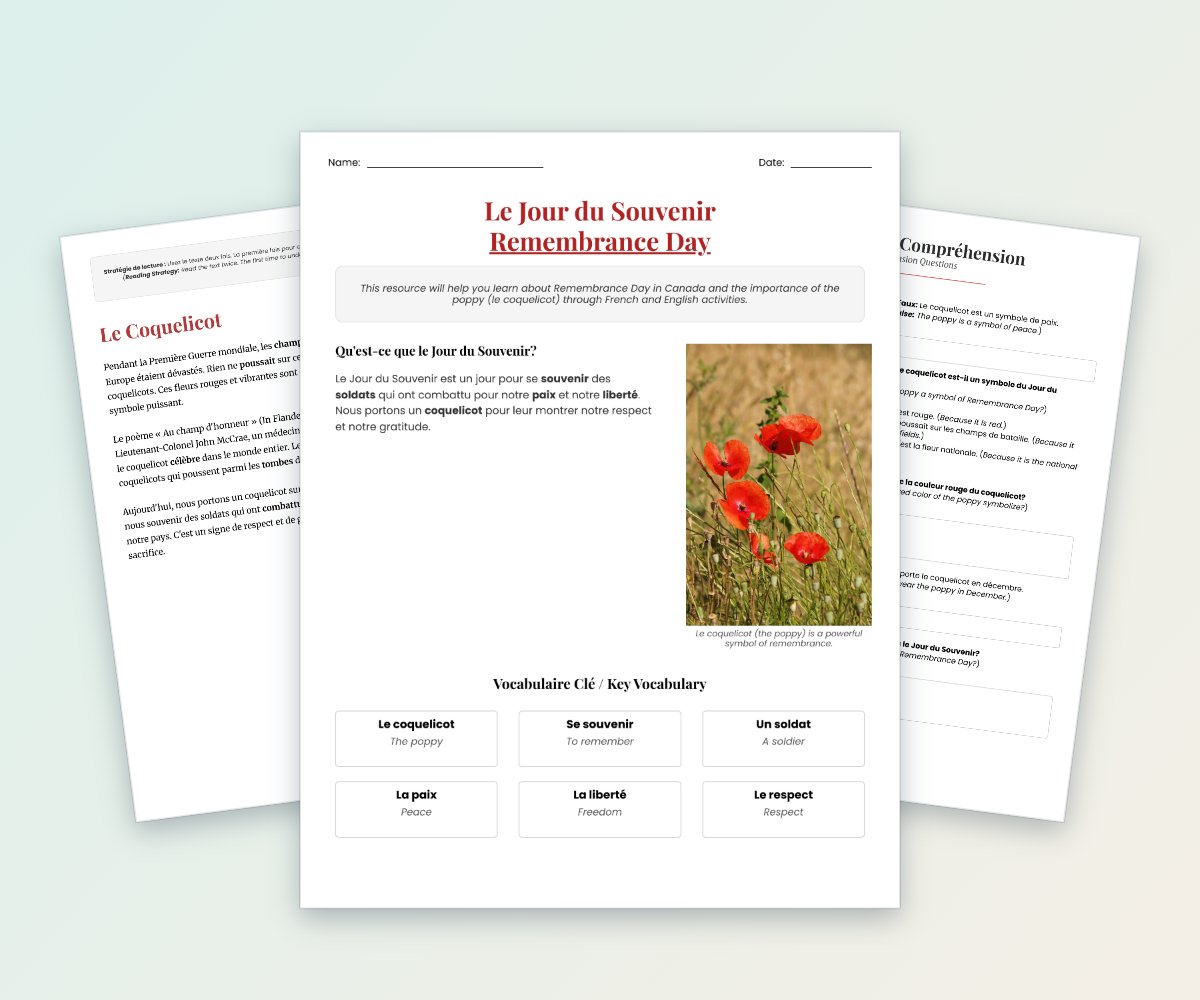
Teach students about Remembrance Day in Canada, the significance of the poppy, and the sacrifice of soldiers through French-English activities.
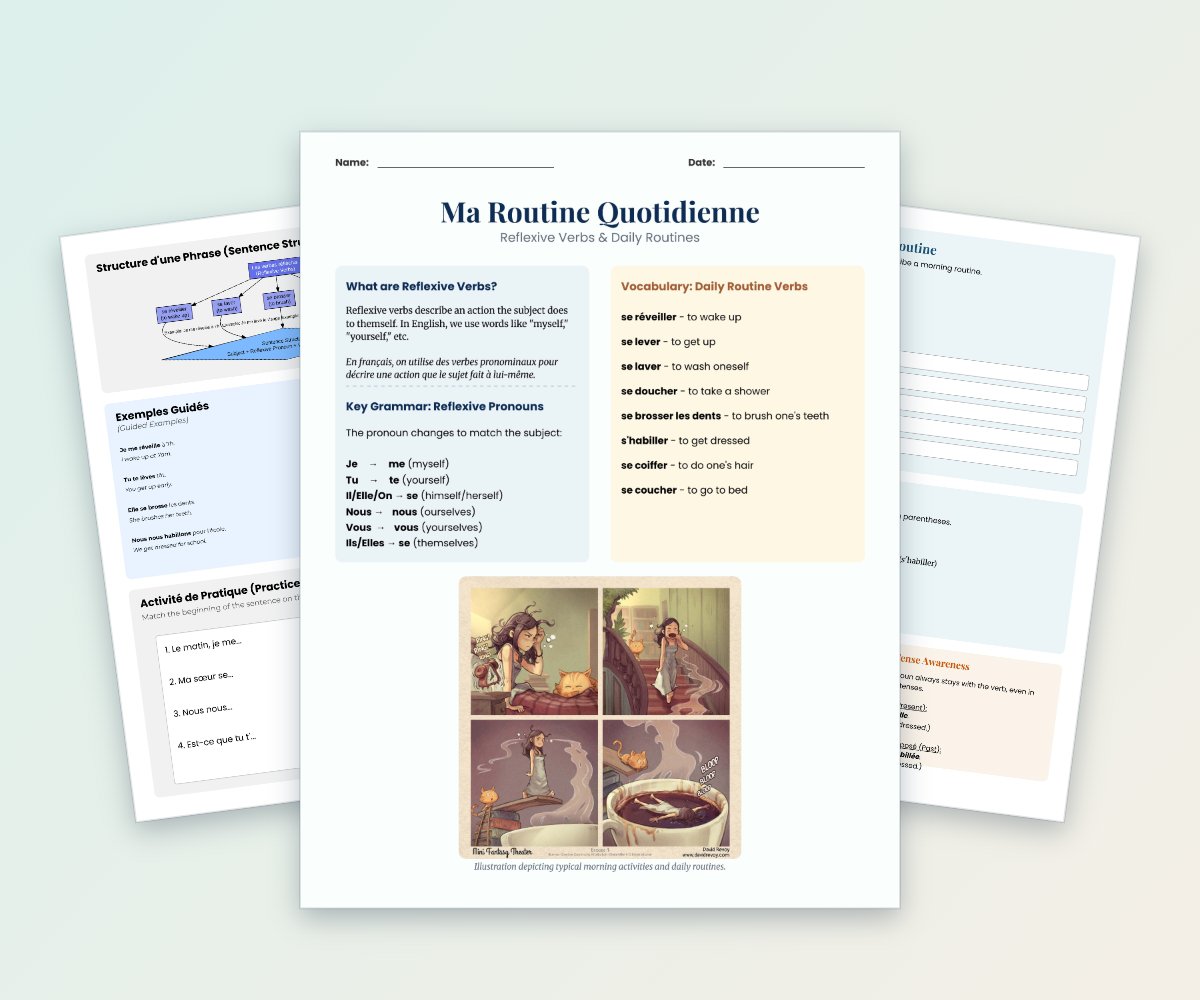
Teach French reflexive verbs, pronouns, sentence structure, and daily-routine vocabulary with bilingual explanations and guided examples.
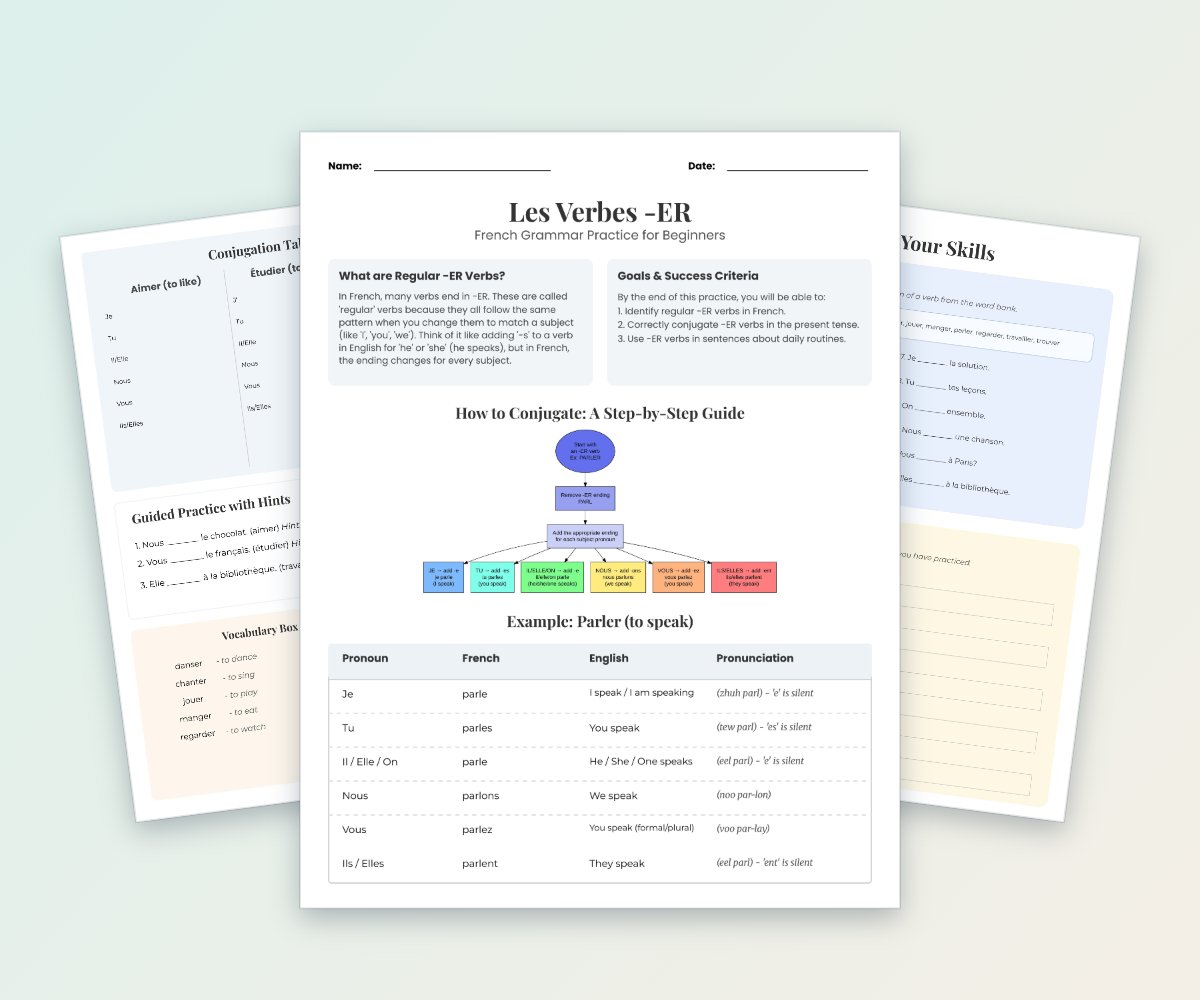
This five-page French grammar practice resource introduces regular -ER verbs in the present tense.
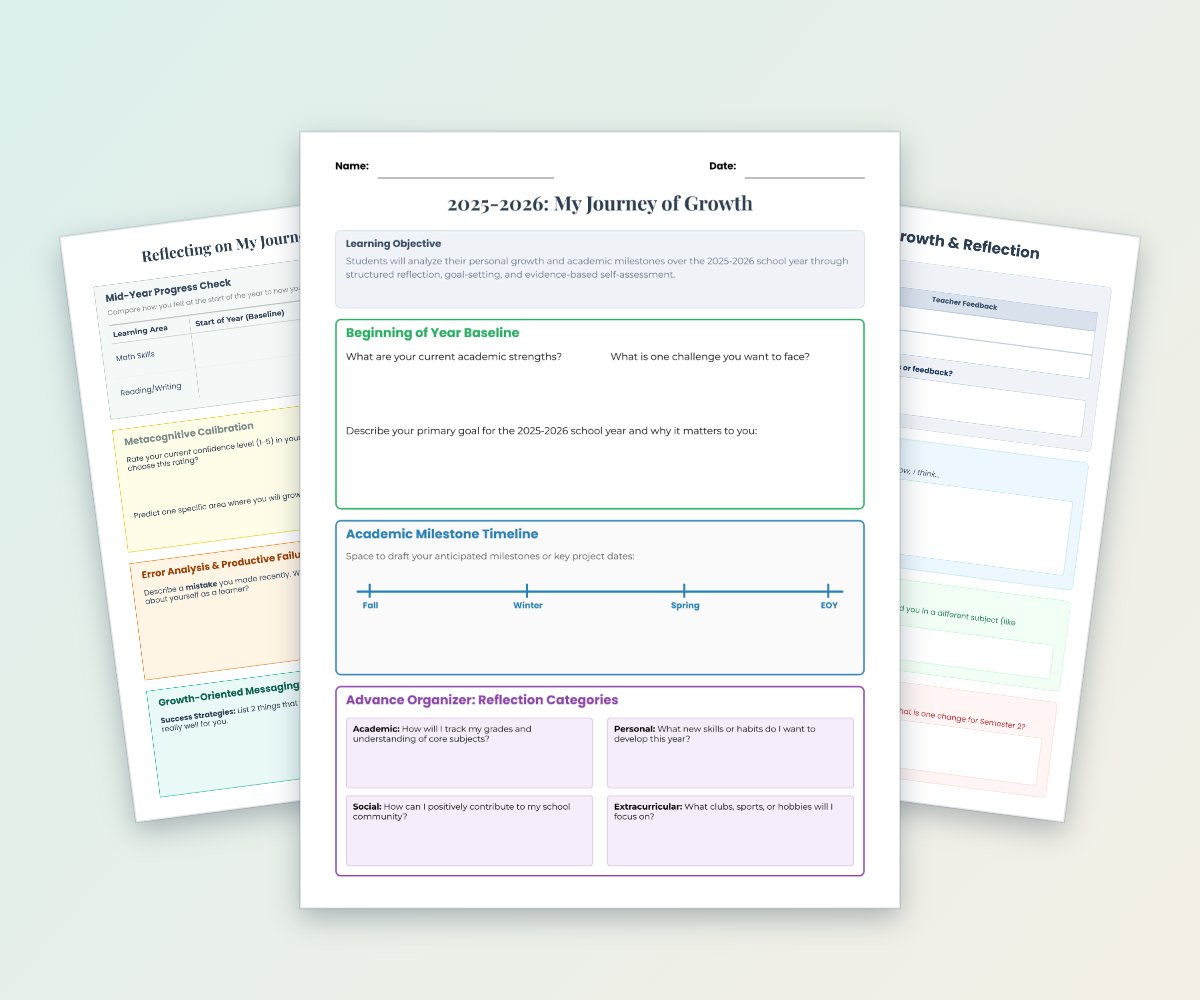
This four-page student journal guides learners through baseline reflection, milestone planning, progress checks, error analysis, academic evidence review, and end-of-year goal setting.
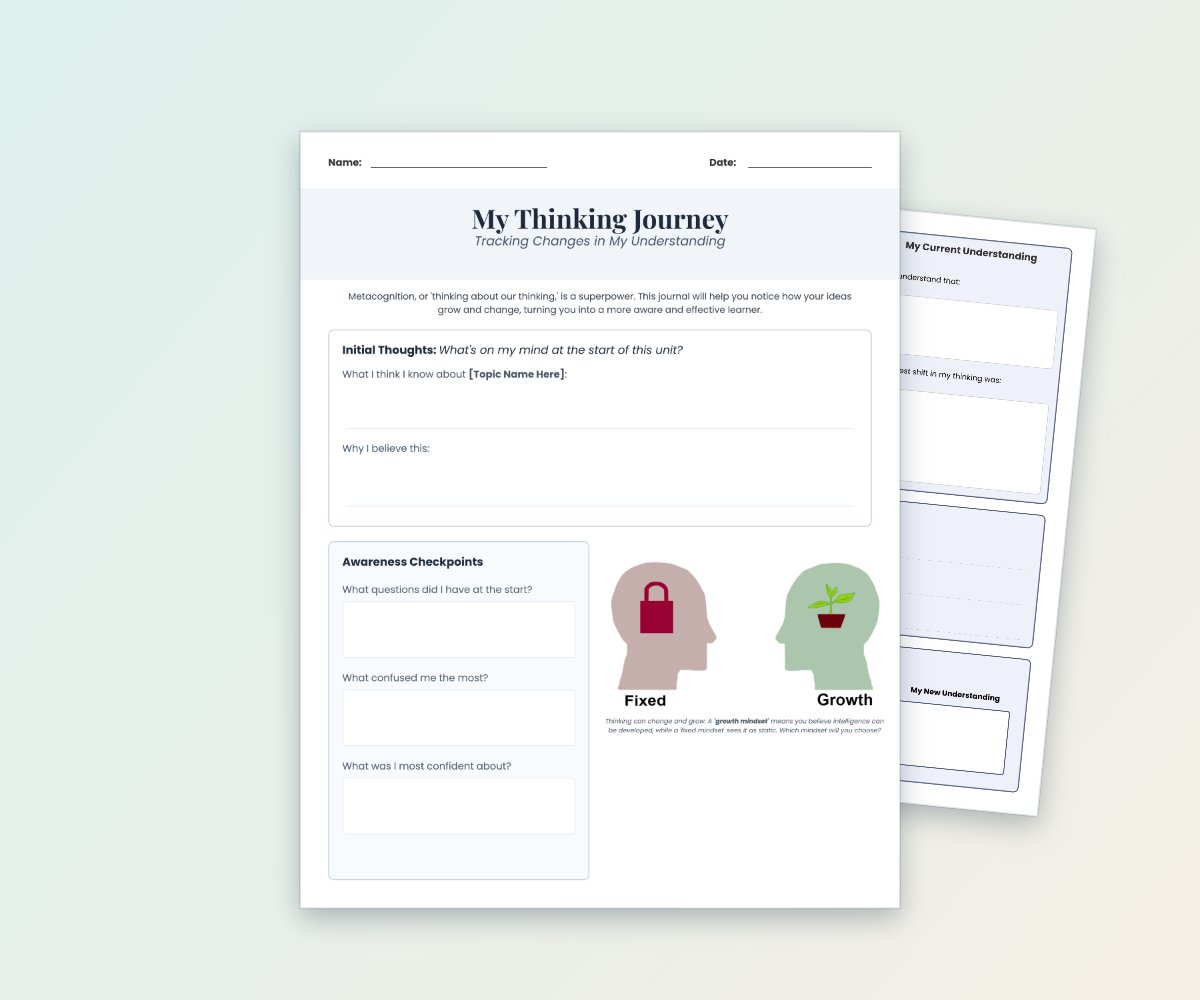
This two-page printable journal guides students in tracking how their understanding changes during a unit.
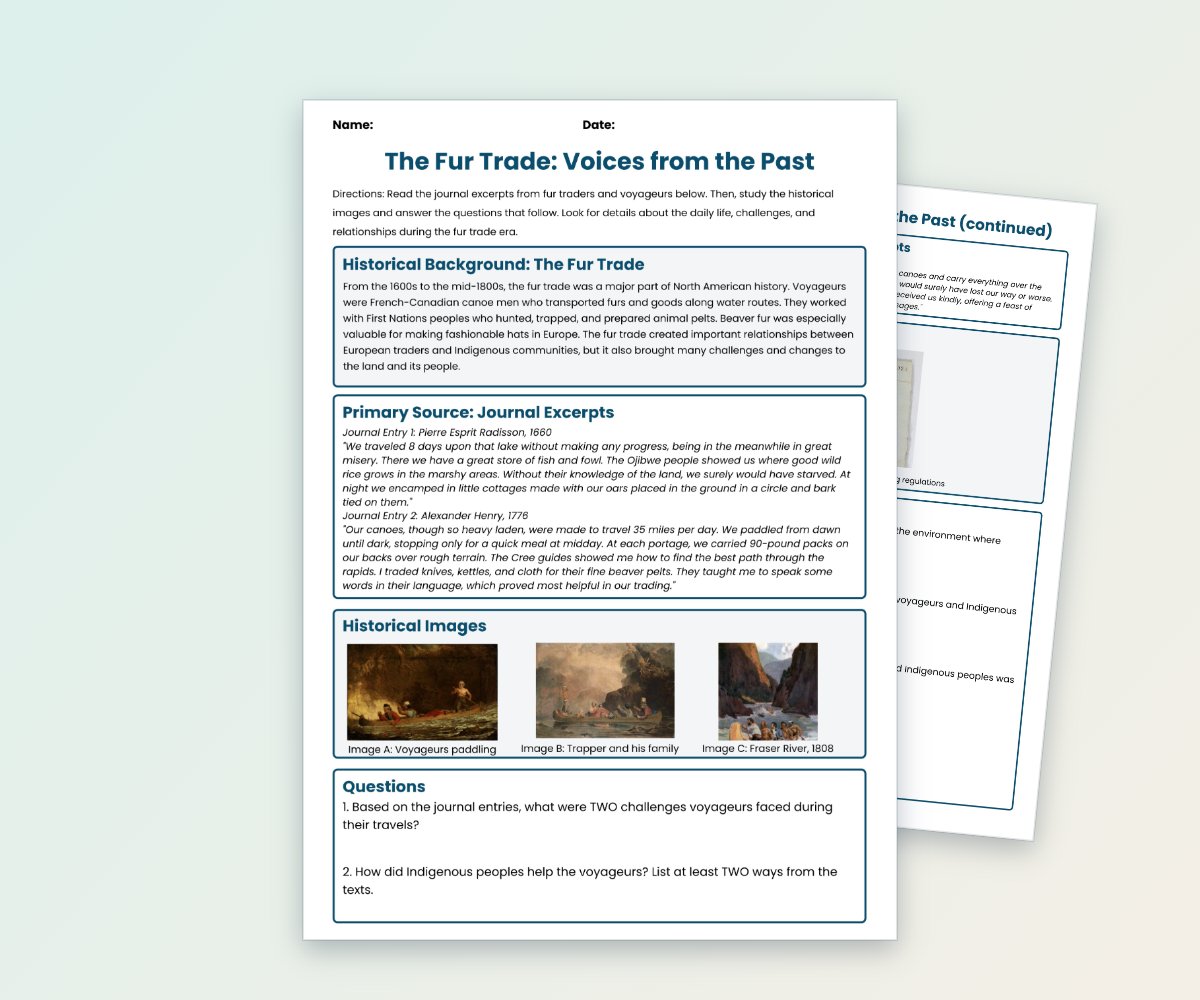
A graphic organizer for examining and interpreting excerpts from fur trade journals as historical primary sources.
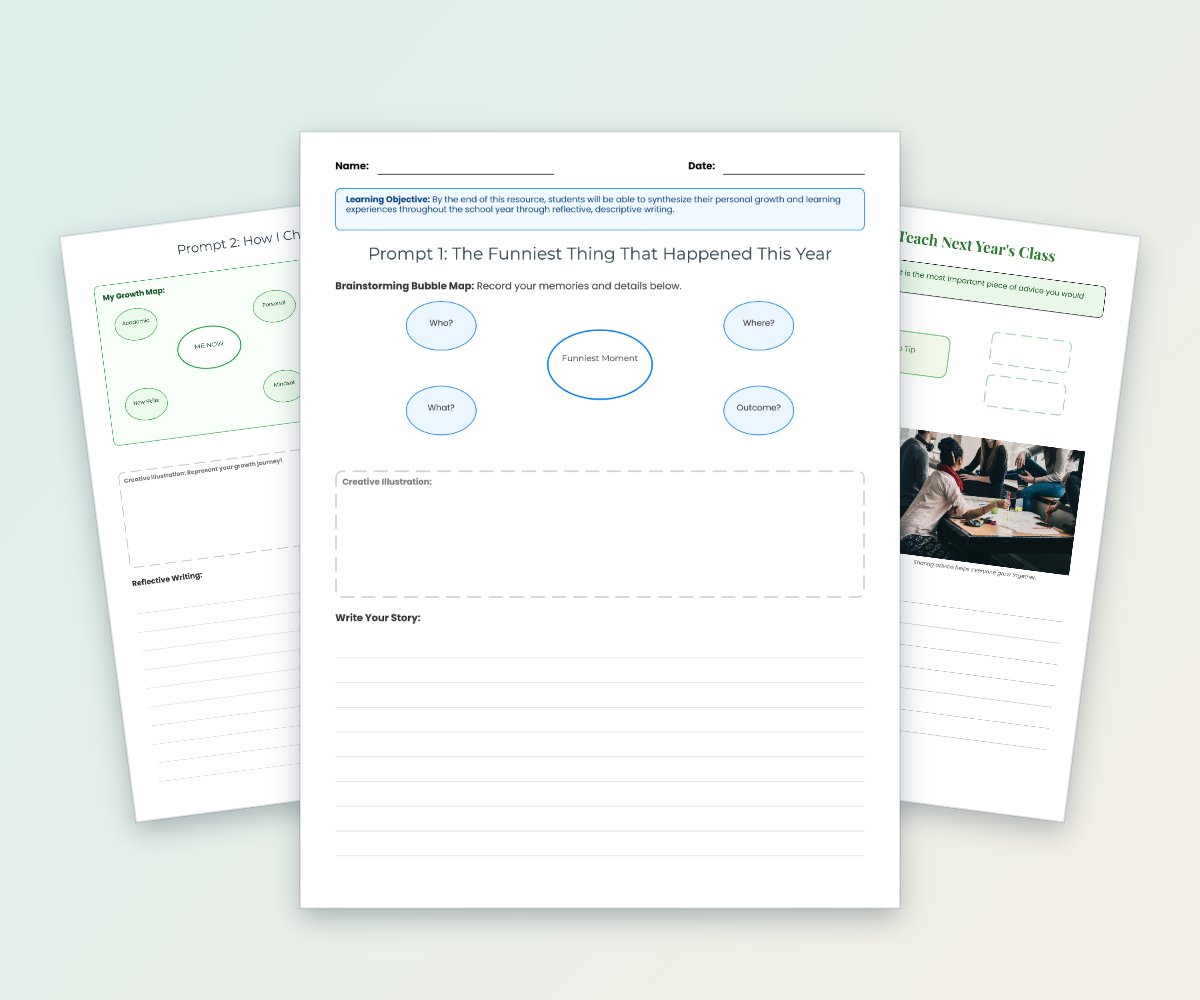
Guide students through reflective end-of-year writing with prompts about growth, challenges, memories, advice, and summer goals.
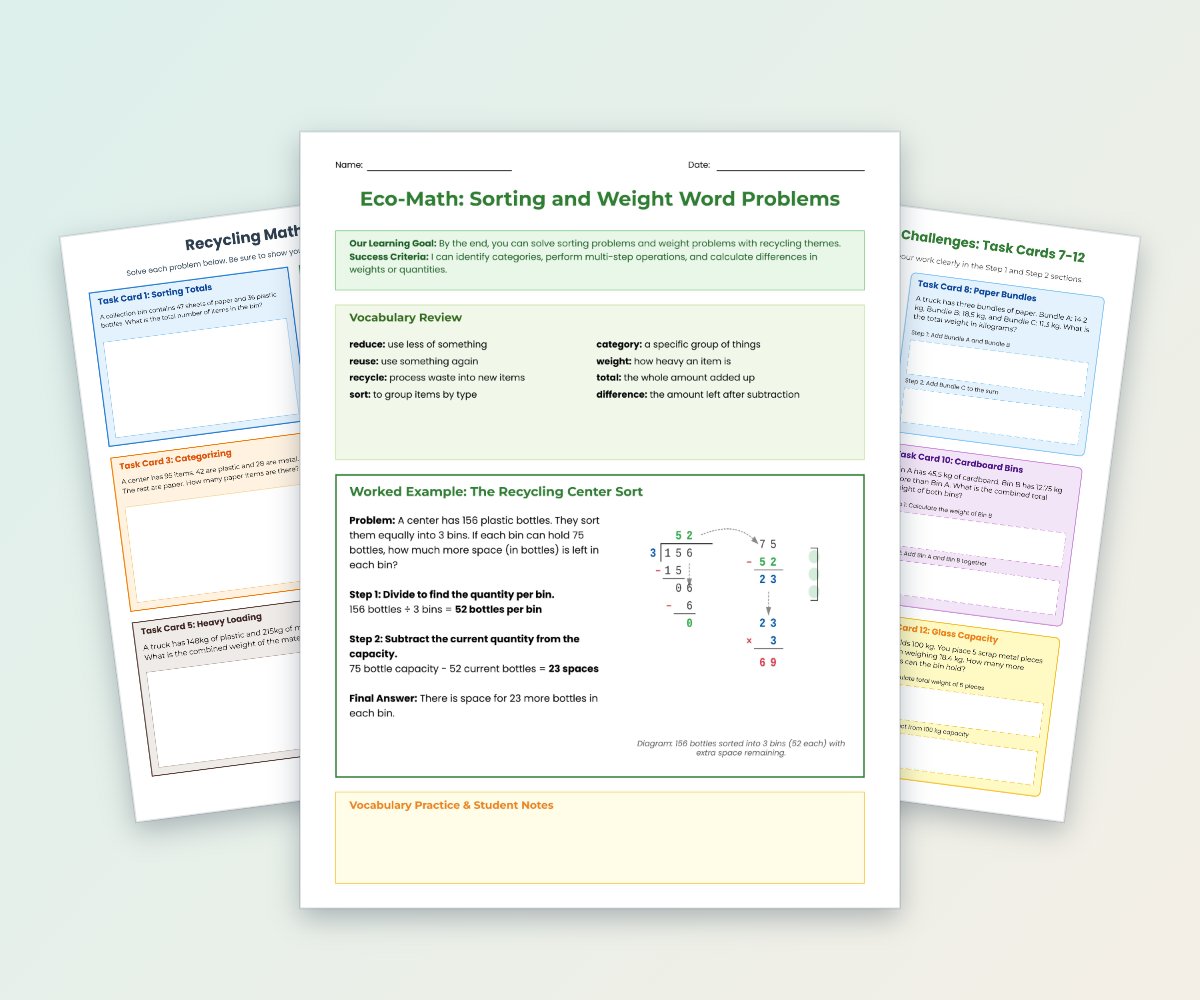
Students solve recycling-themed addition, subtraction, division, categorization, and weight word problems.
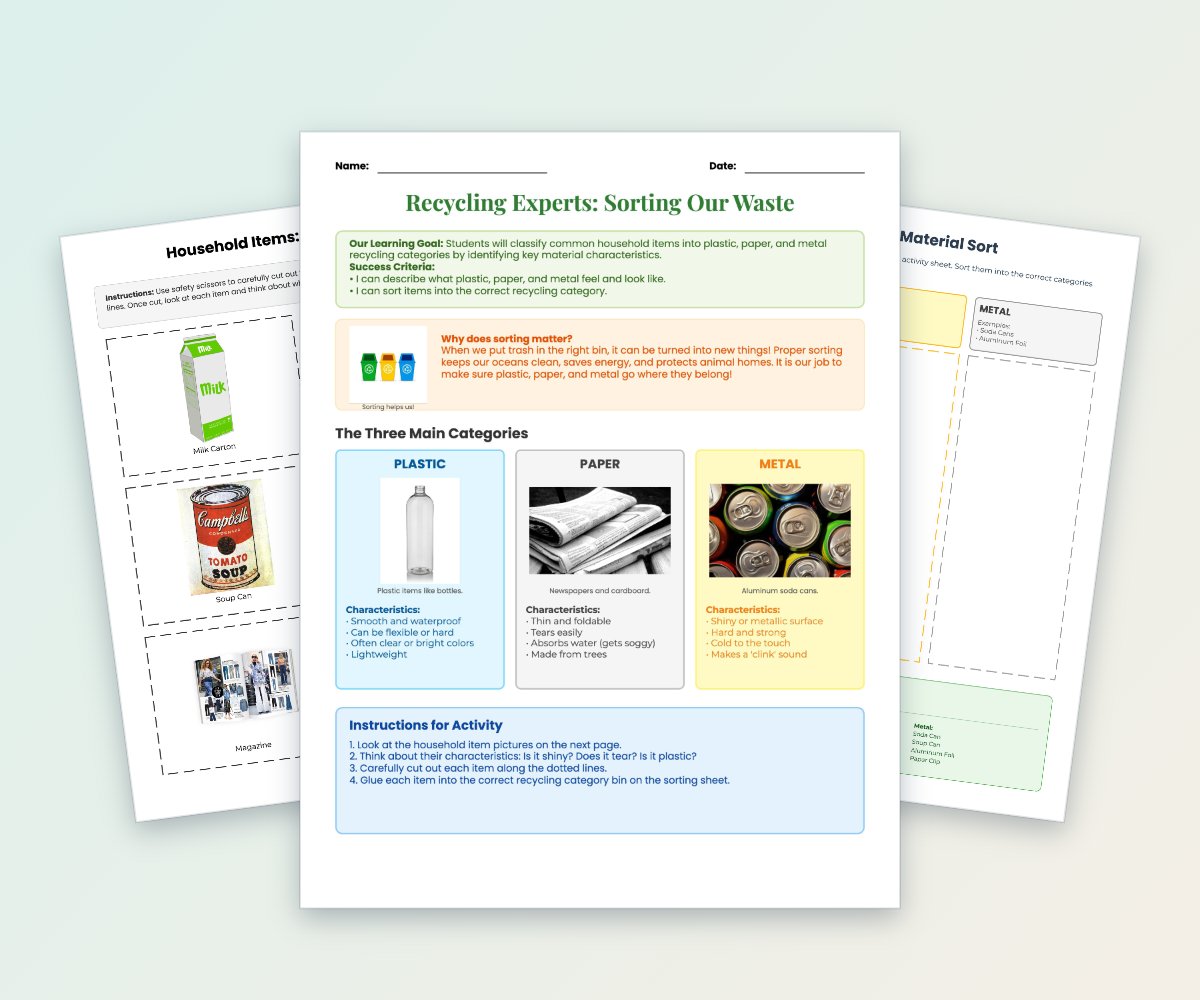
Students learn to identify plastic, paper, and metal by their observable characteristics, then sort household items into recycling categories.
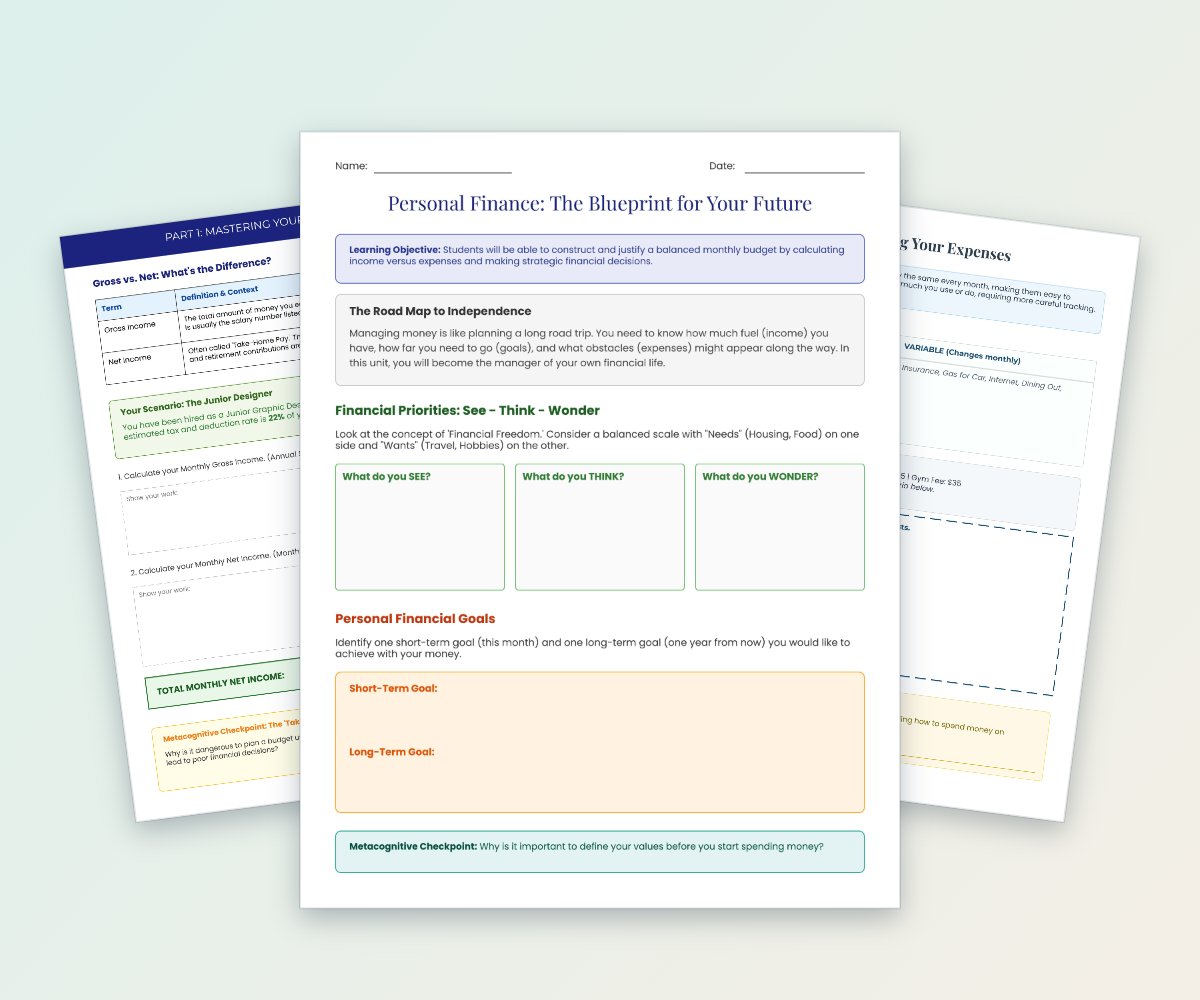
Students build and justify a balanced monthly budget using a realistic Junior Graphic Designer income scenario.
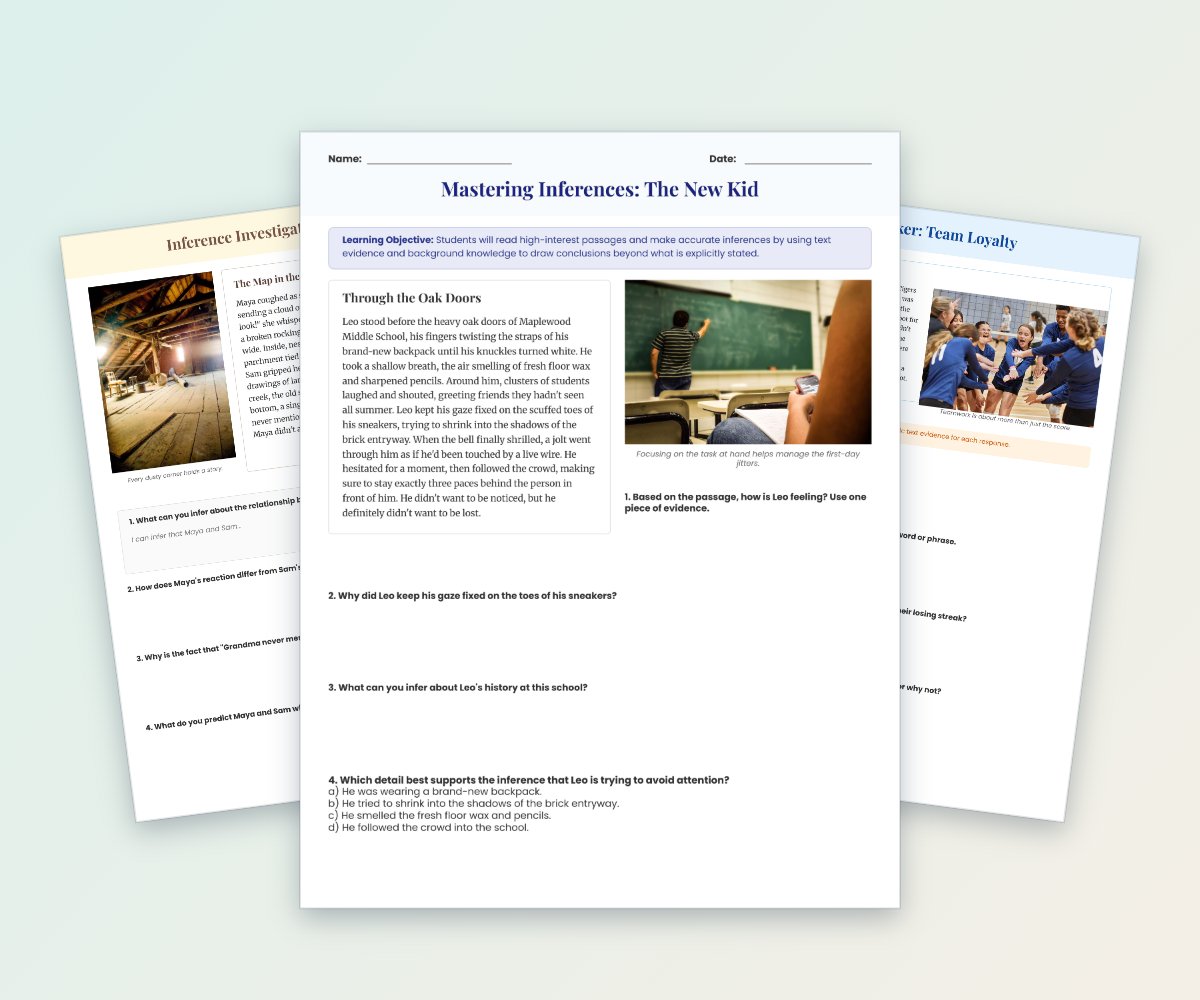
Students read engaging narrative passages and answer questions that require them to infer characters’ feelings, motivations, and backgrounds.
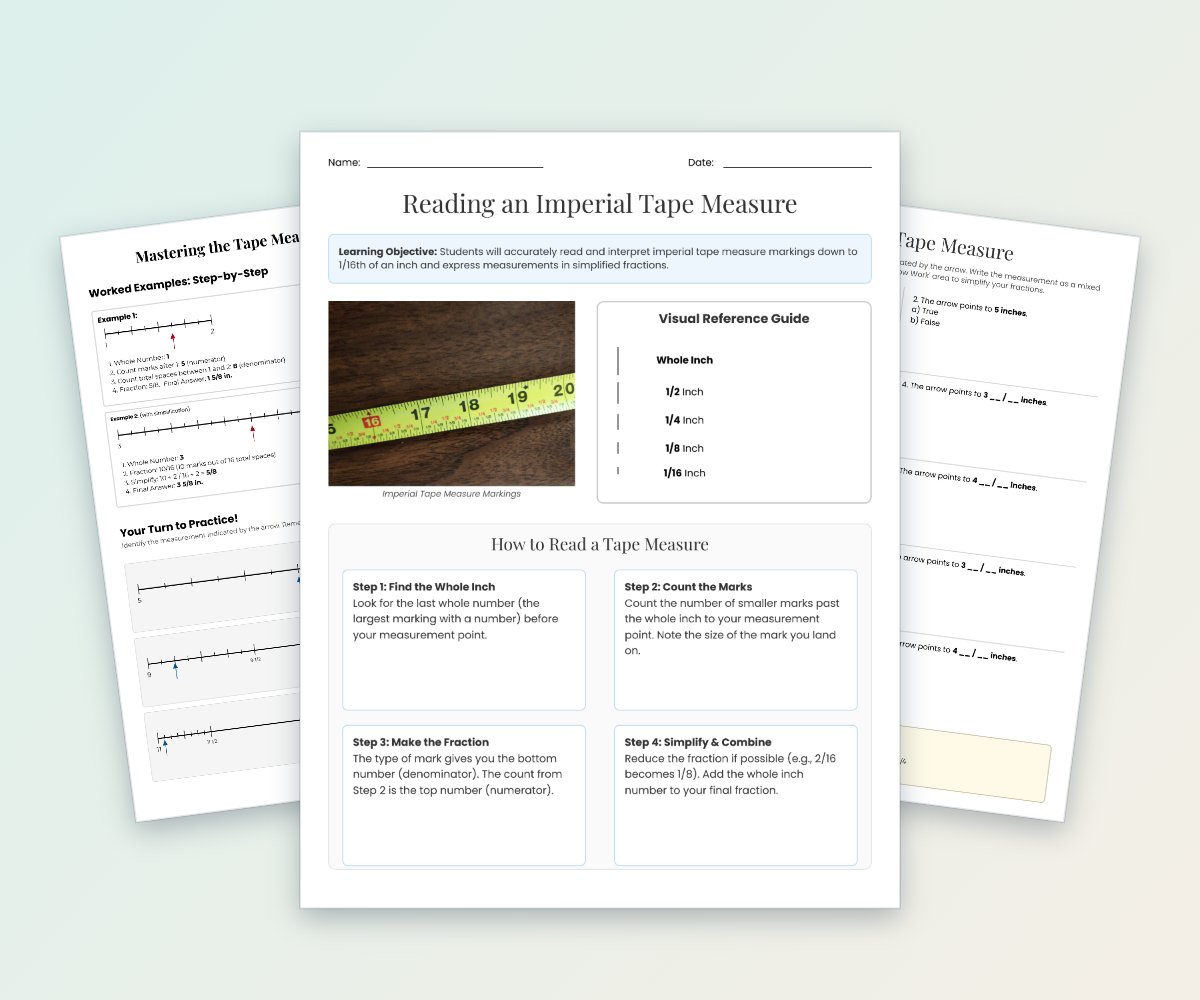
Teach students to read imperial tape measure markings to the nearest 1/16 inch and express measurements as simplified mixed numbers.
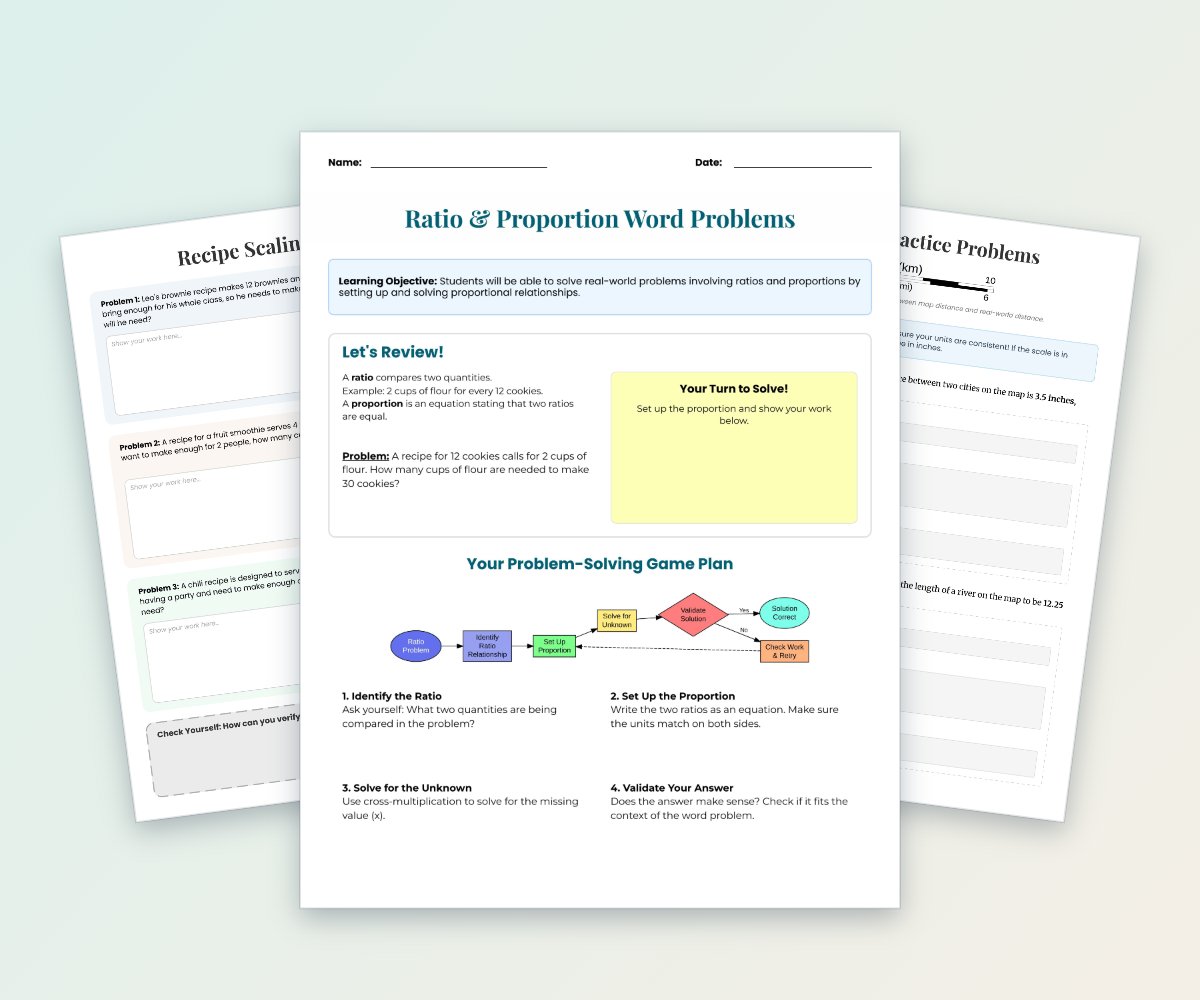
Students review ratios and proportions, then solve real-world problems involving recipe scaling and map scales.