Analyzing the Impacts of Policy Changes
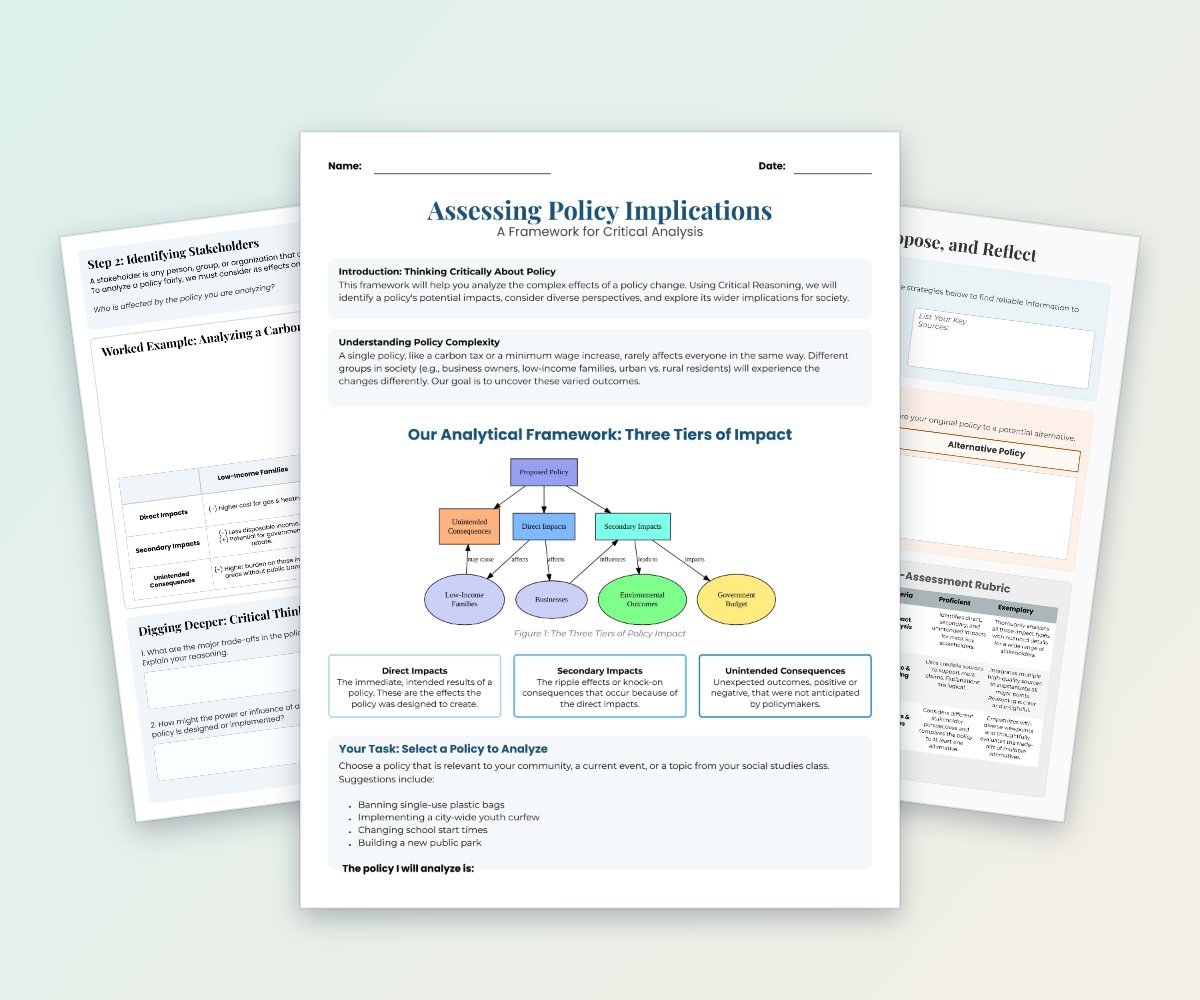
This three-page framework guides students through analyzing the direct impacts, secondary effects, and unintended consequences of a proposed policy.
$4
Classroom-ready resources written for grade 10: printable worksheets, slides, activities and planning tools you can download and use straight away. Browse by subject below.
This three-page framework guides students through analyzing the direct impacts, secondary effects, and unintended consequences of a proposed policy.
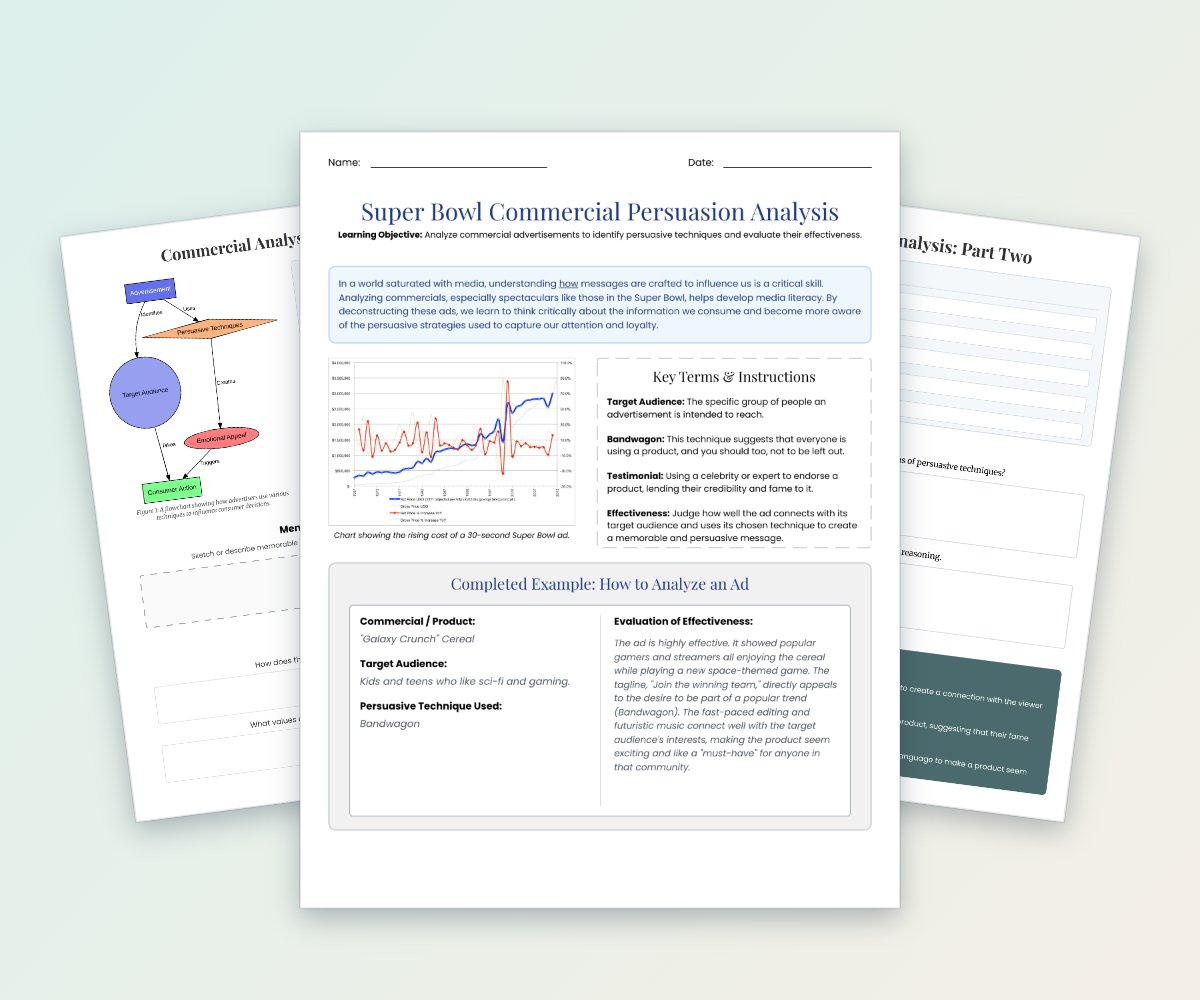
Students analyze Super Bowl commercials by identifying target audiences, persuasive techniques, memorable visuals, and consumer actions.
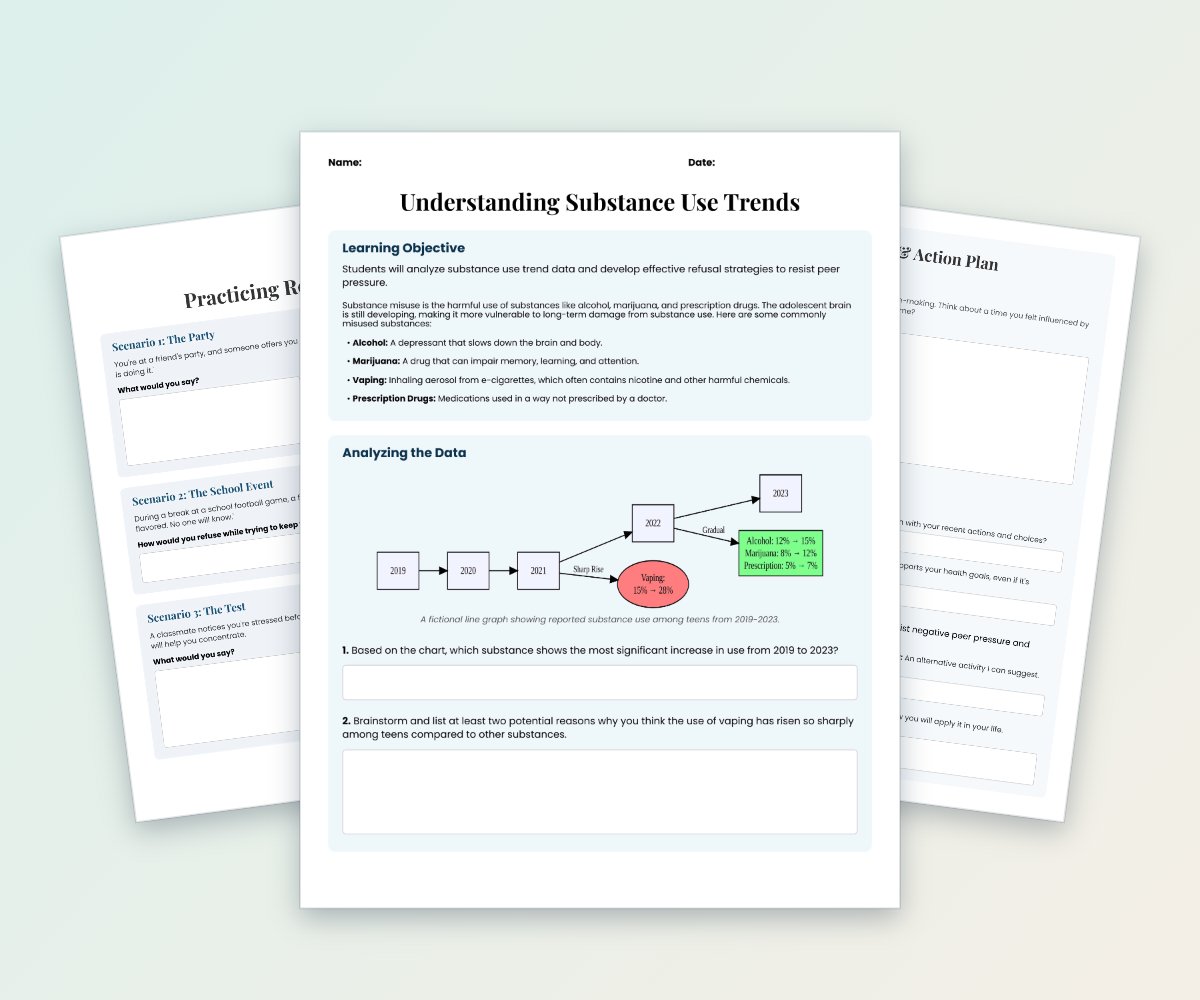
Students analyze fictional teen substance-use trends and discuss possible reasons for changes.
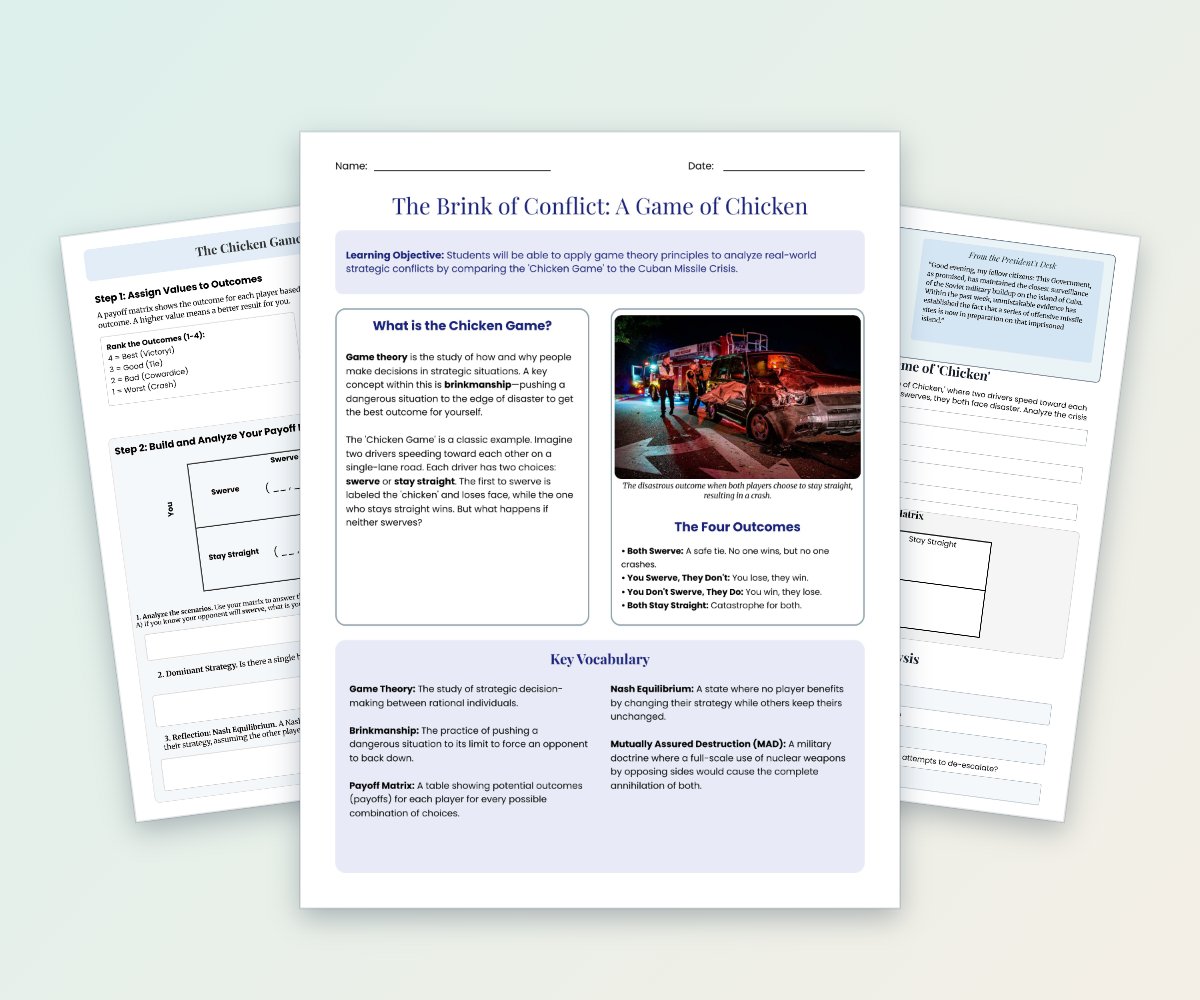
Students learn game theory, brinkmanship, Nash equilibrium, and mutually assured destruction through the Chicken Game.
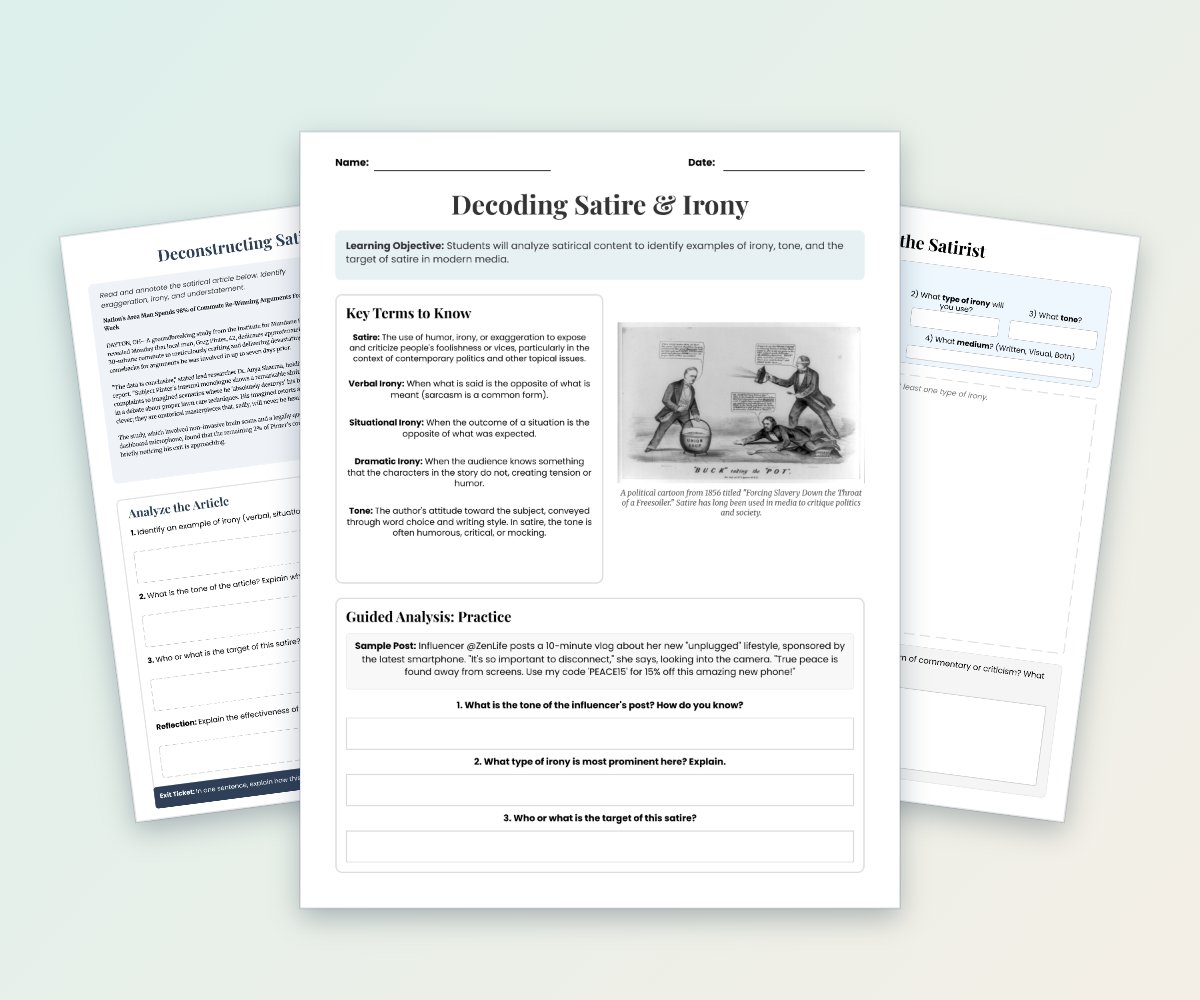
This three-page worksheet introduces key satire and irony terms before guiding students through media analysis.
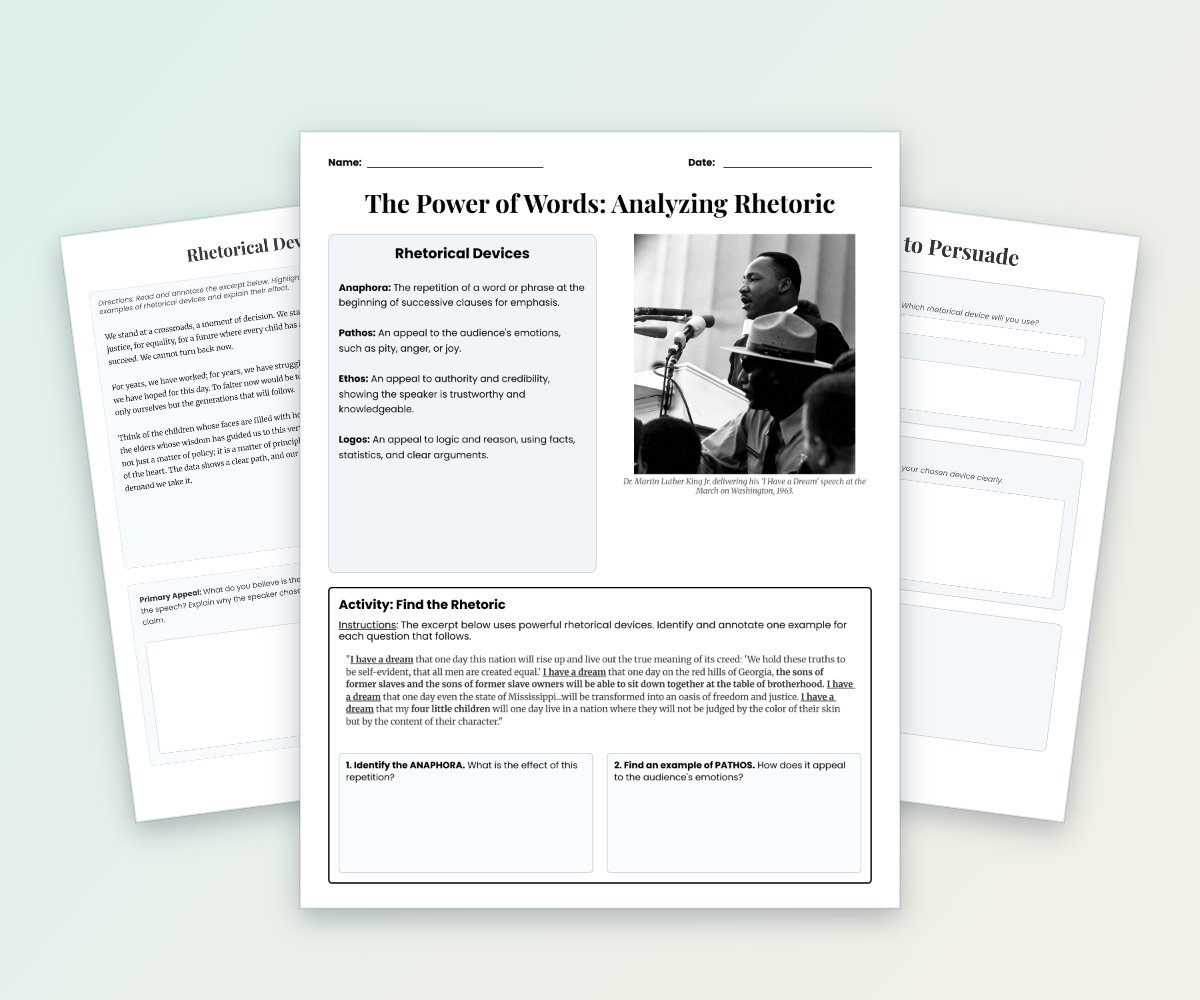
Students learn to identify anaphora, pathos, ethos, and logos through Martin Luther King Jr.'s “I Have a Dream” speech and an original persuasive passage.
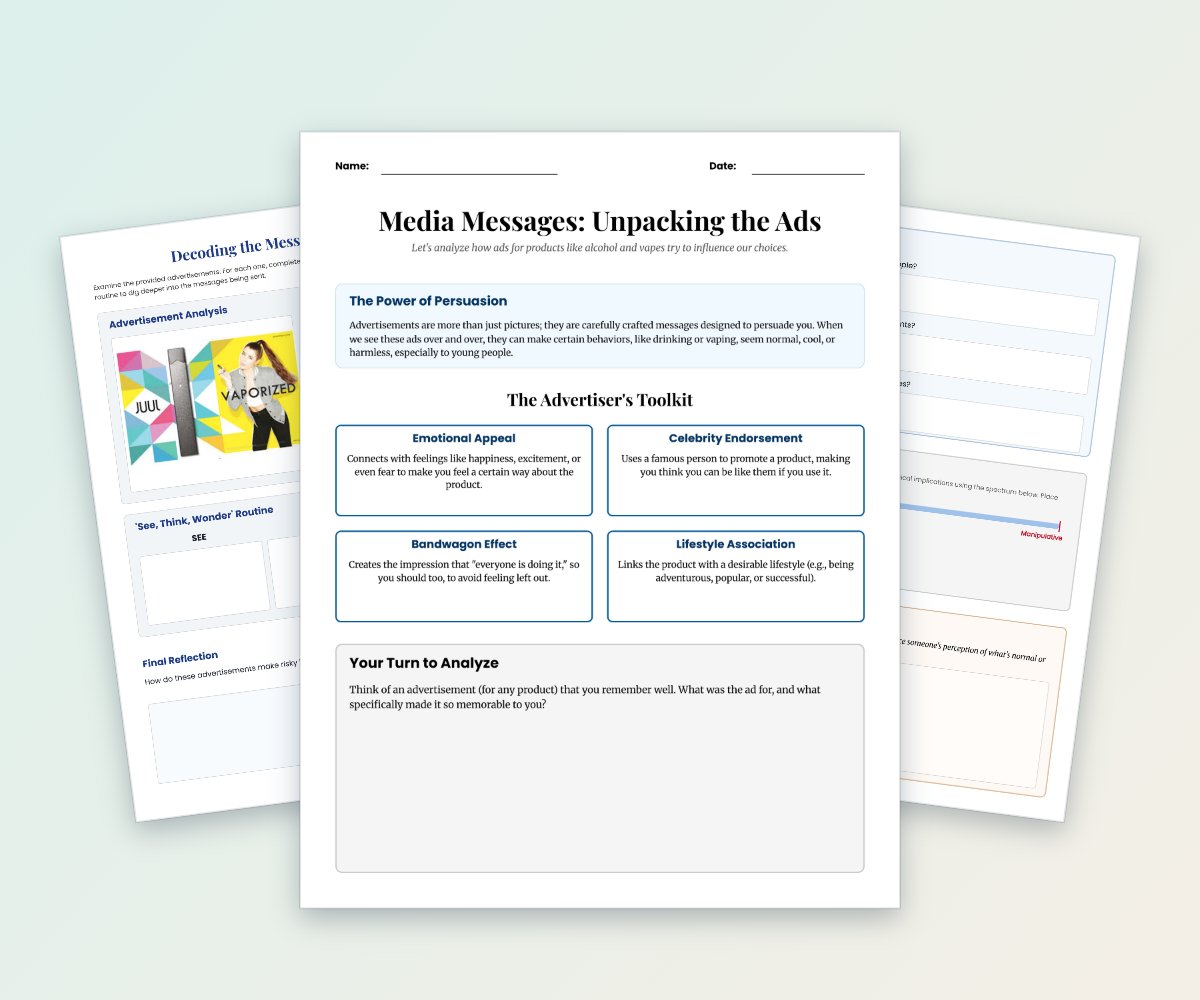
Students analyze advertisements for emotional appeals, bandwagon effects, celebrity endorsements, lifestyle associations, and implicit messages.
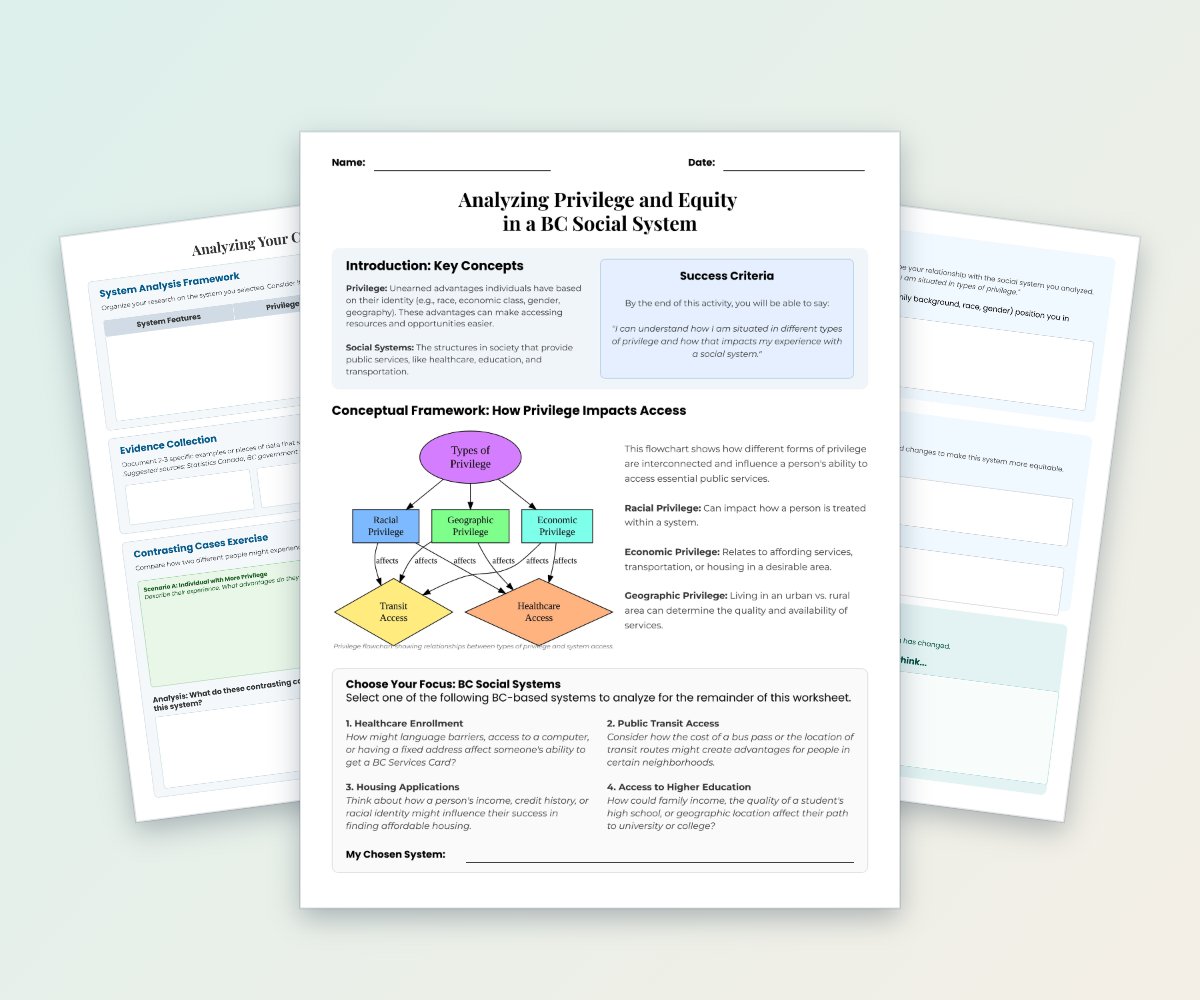
Students examine how racial, economic, and geographic privilege can influence access to healthcare, housing, transportation, and higher education in British Columbia.
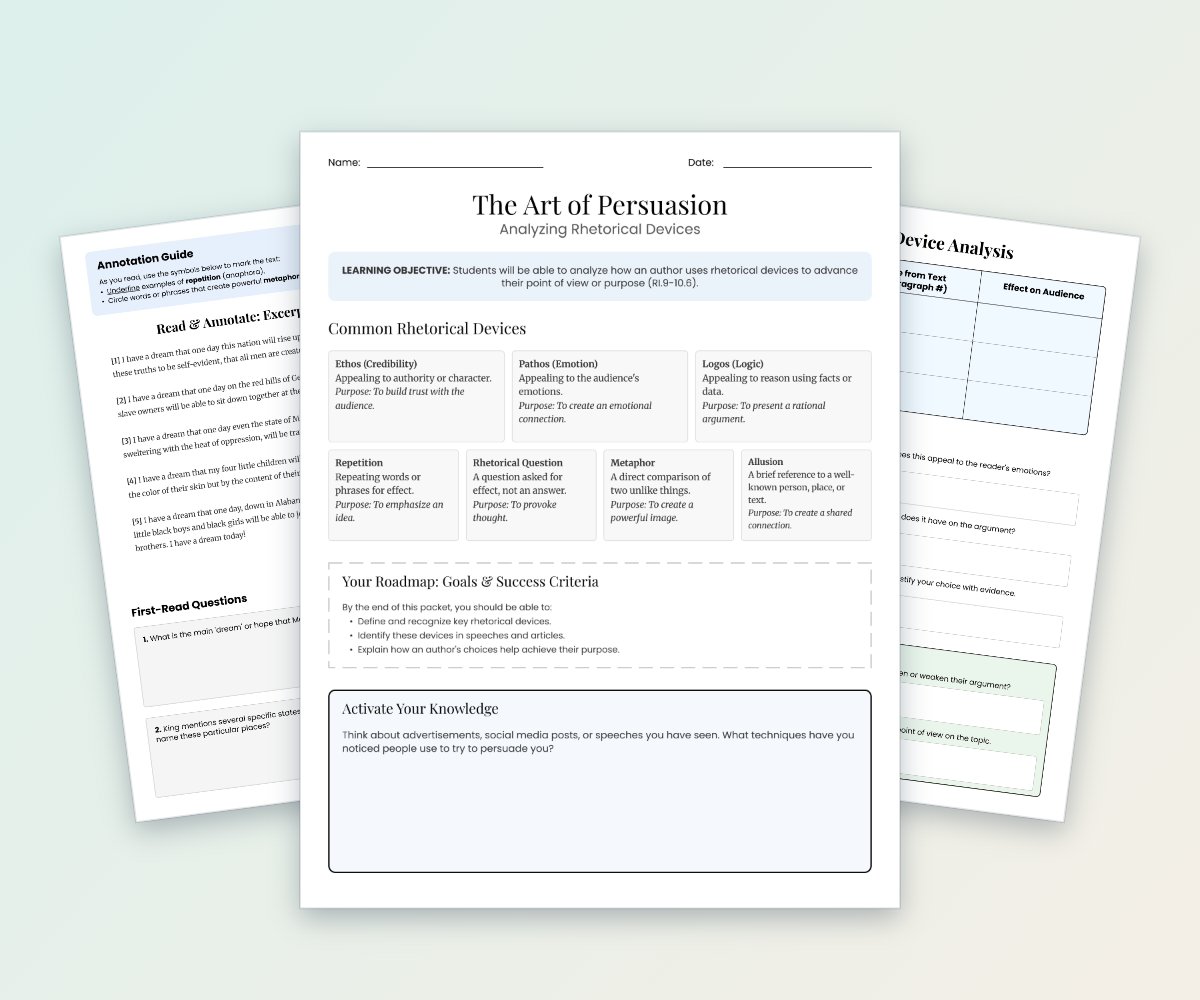
This ready-to-use packet introduces ethos, pathos, logos, repetition, rhetorical questions, metaphors, and allusions.
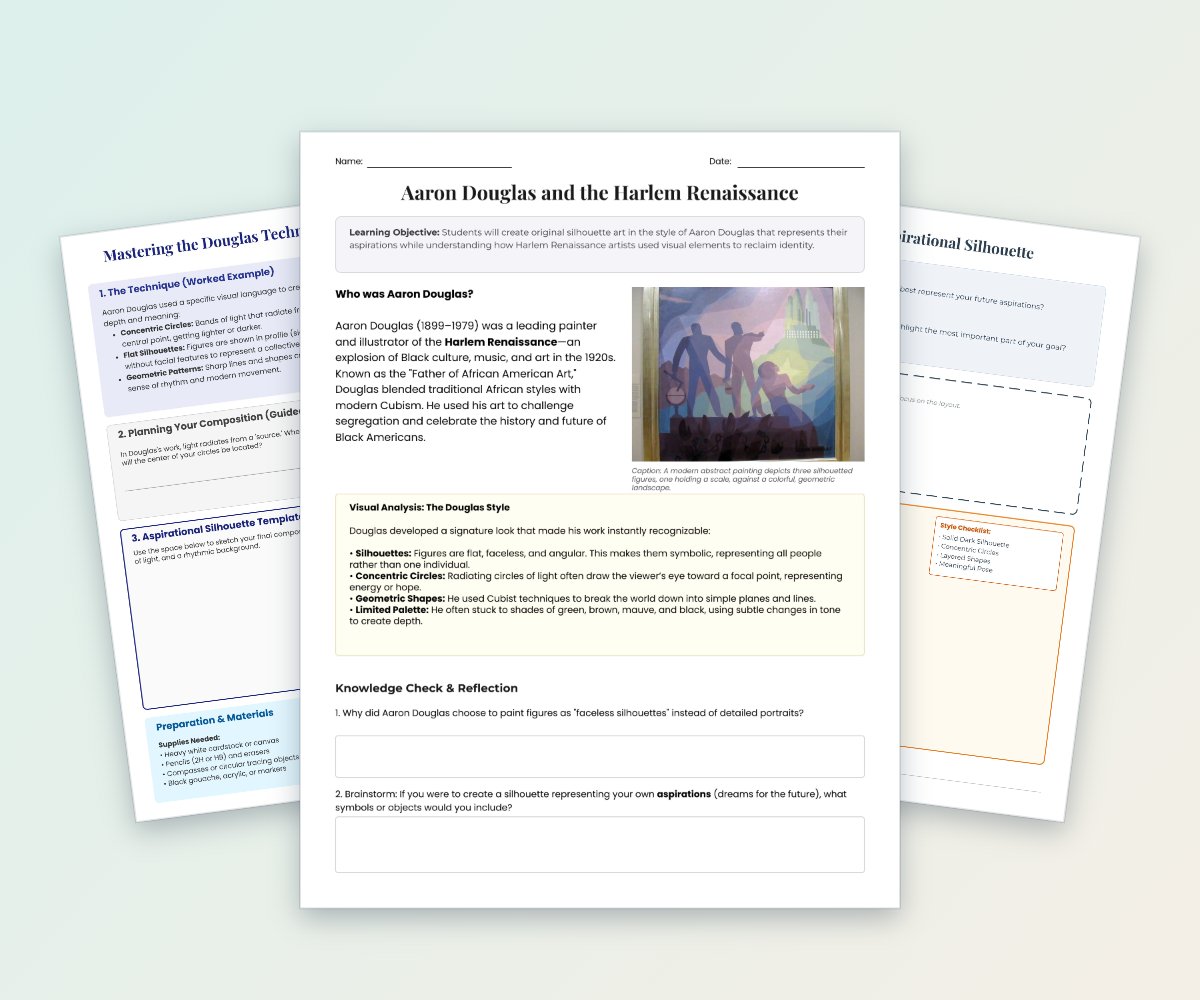
Students learn about Aaron Douglas and analyze his use of silhouettes, concentric circles, geometric shapes, and limited color palettes.
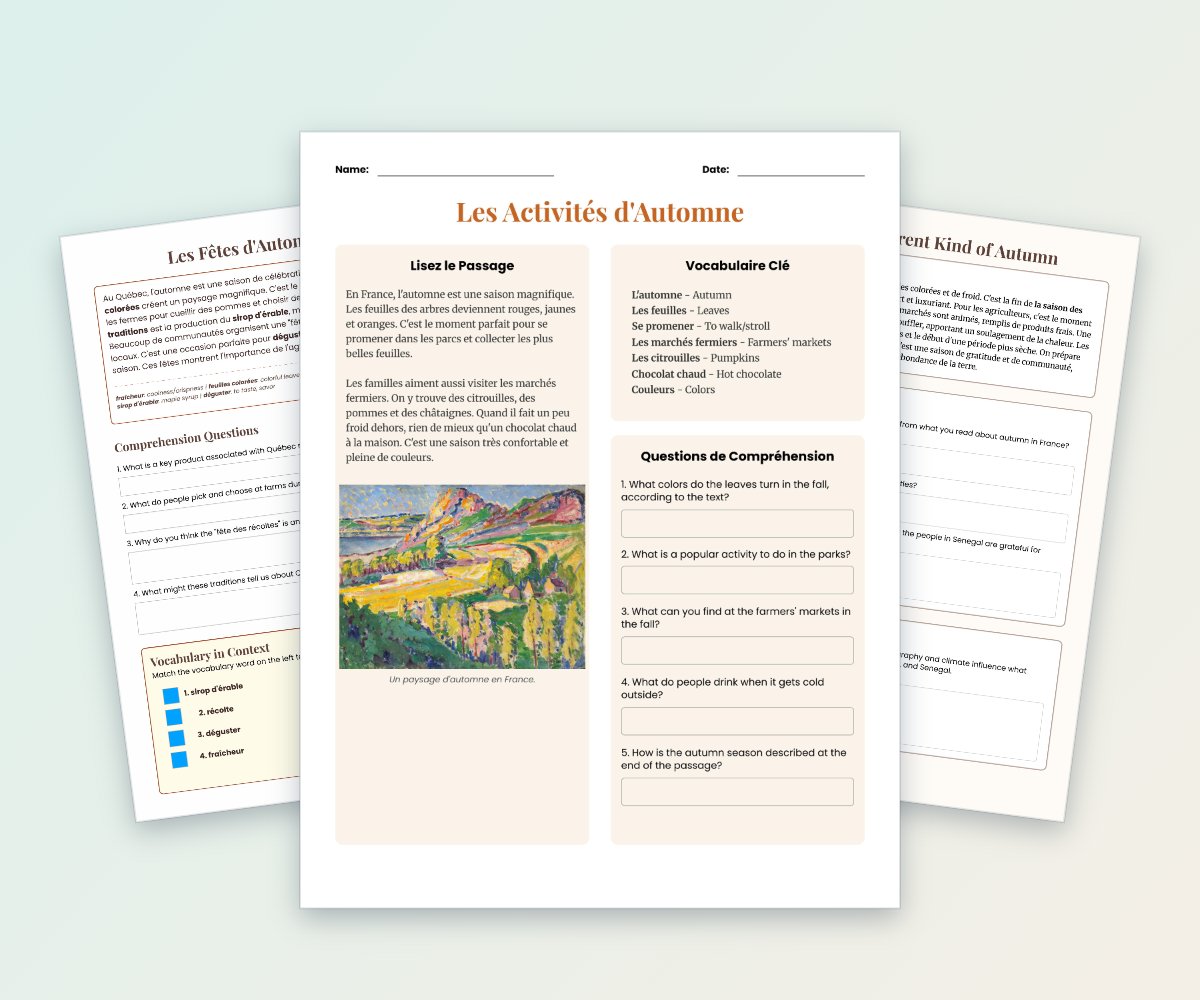
This four-page French activity pack features reading passages about autumn traditions in France and Quebec.
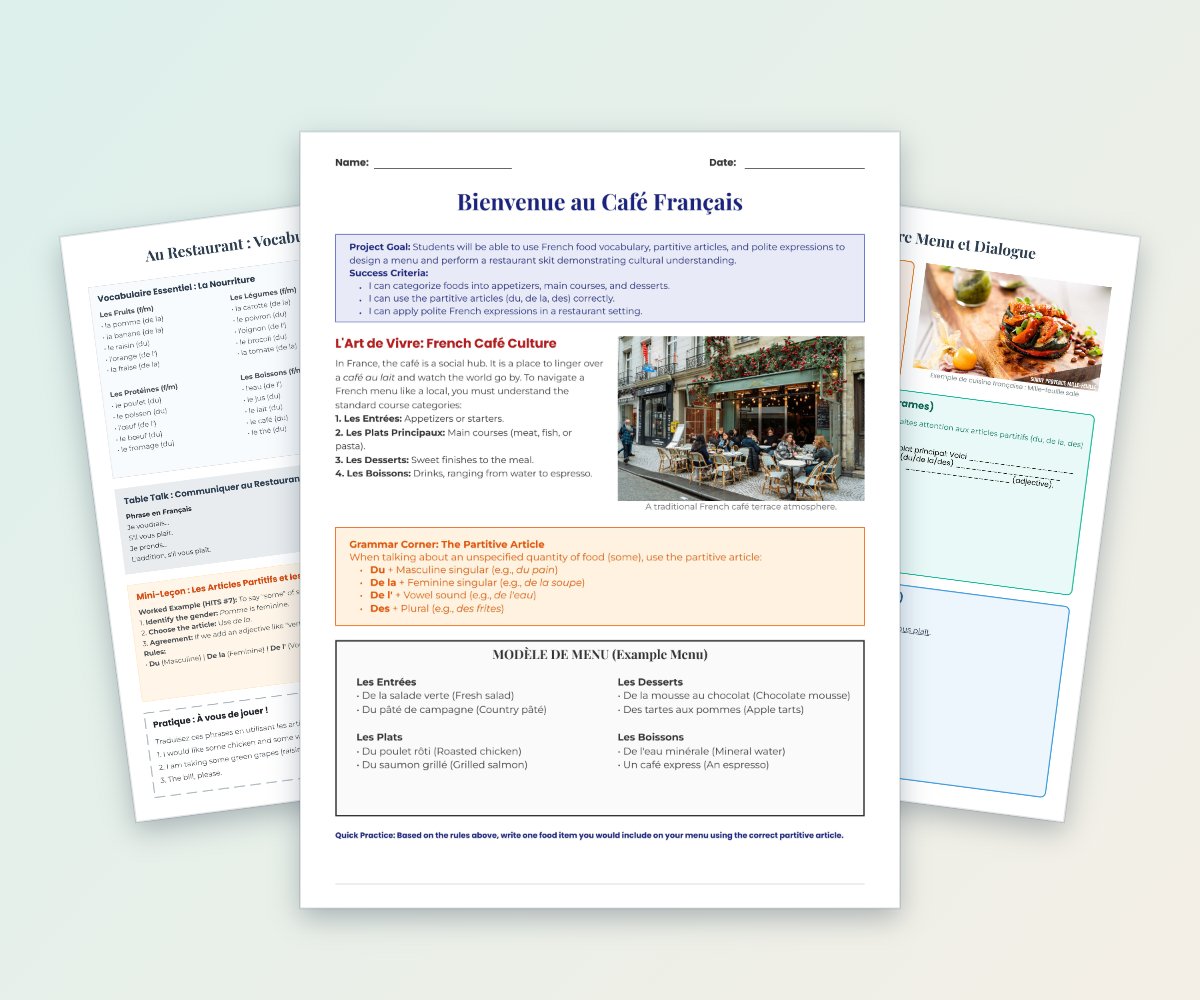
Students design a French café menu and perform a restaurant skit using food vocabulary, partitive articles, and polite expressions.
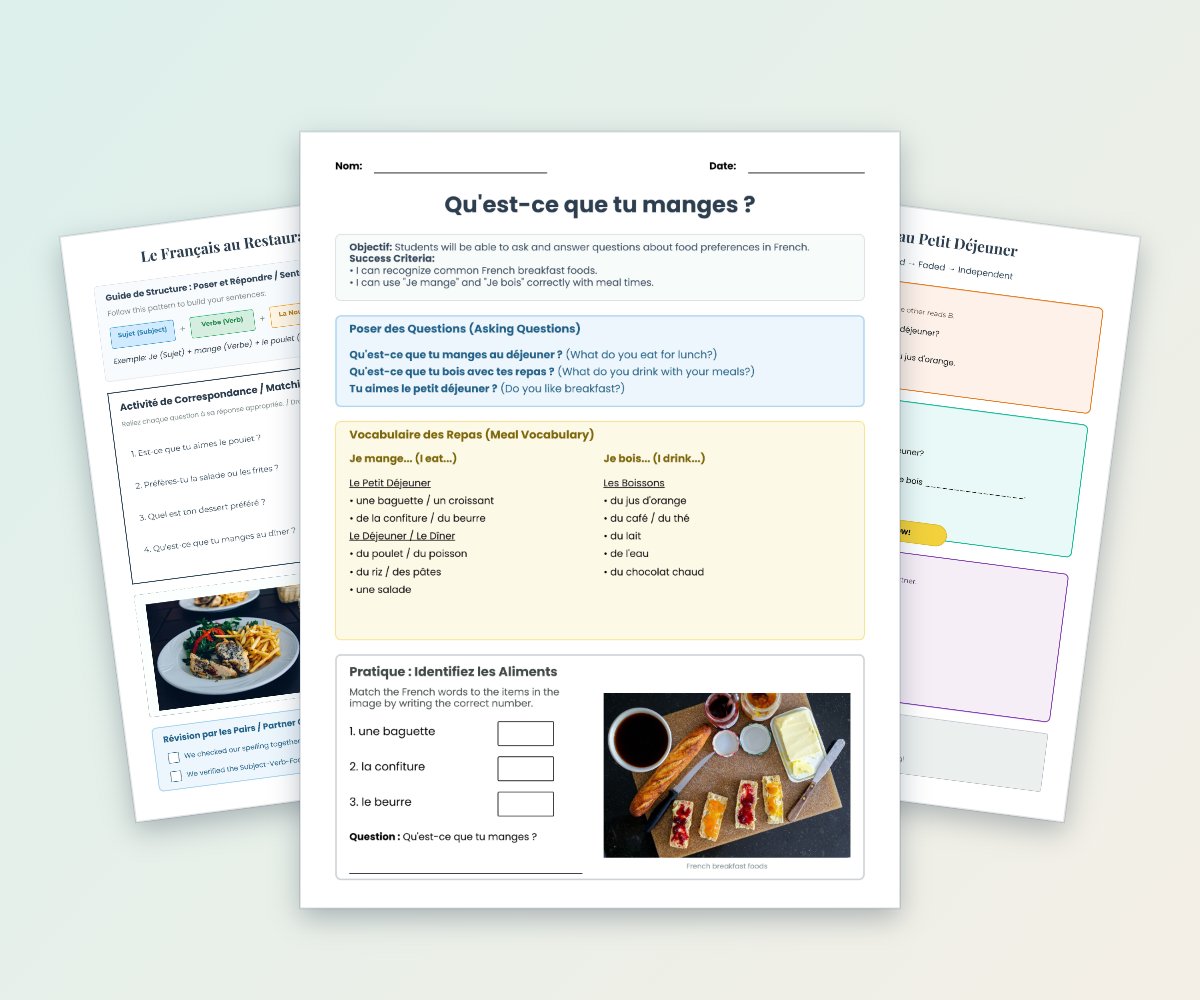
This four-page French activity pack helps students ask and answer questions about meals, food preferences, and beverages.
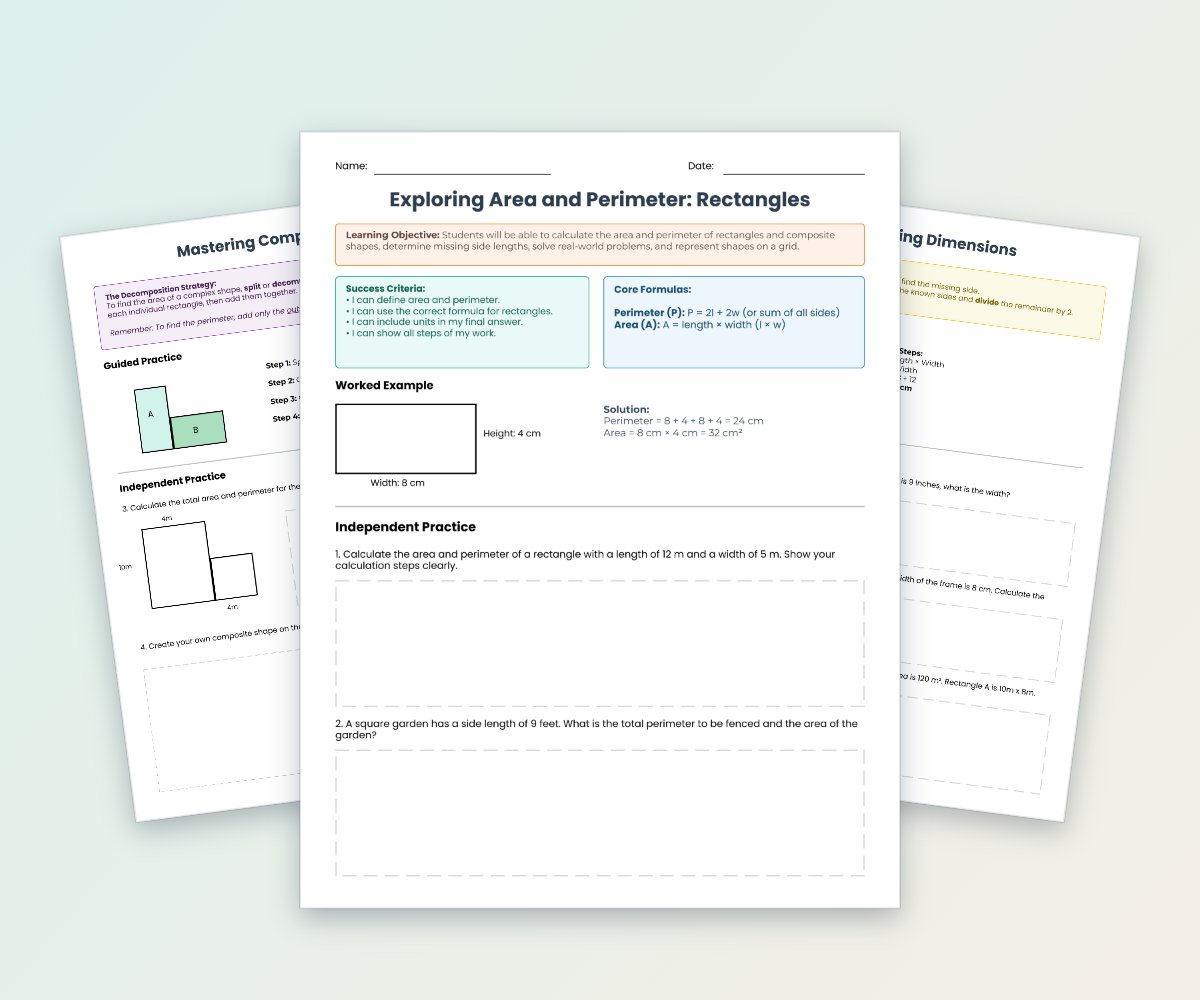
This six-page practice pack covers rectangle and square area and perimeter, composite shapes, missing dimensions, and grid-based shape construction.
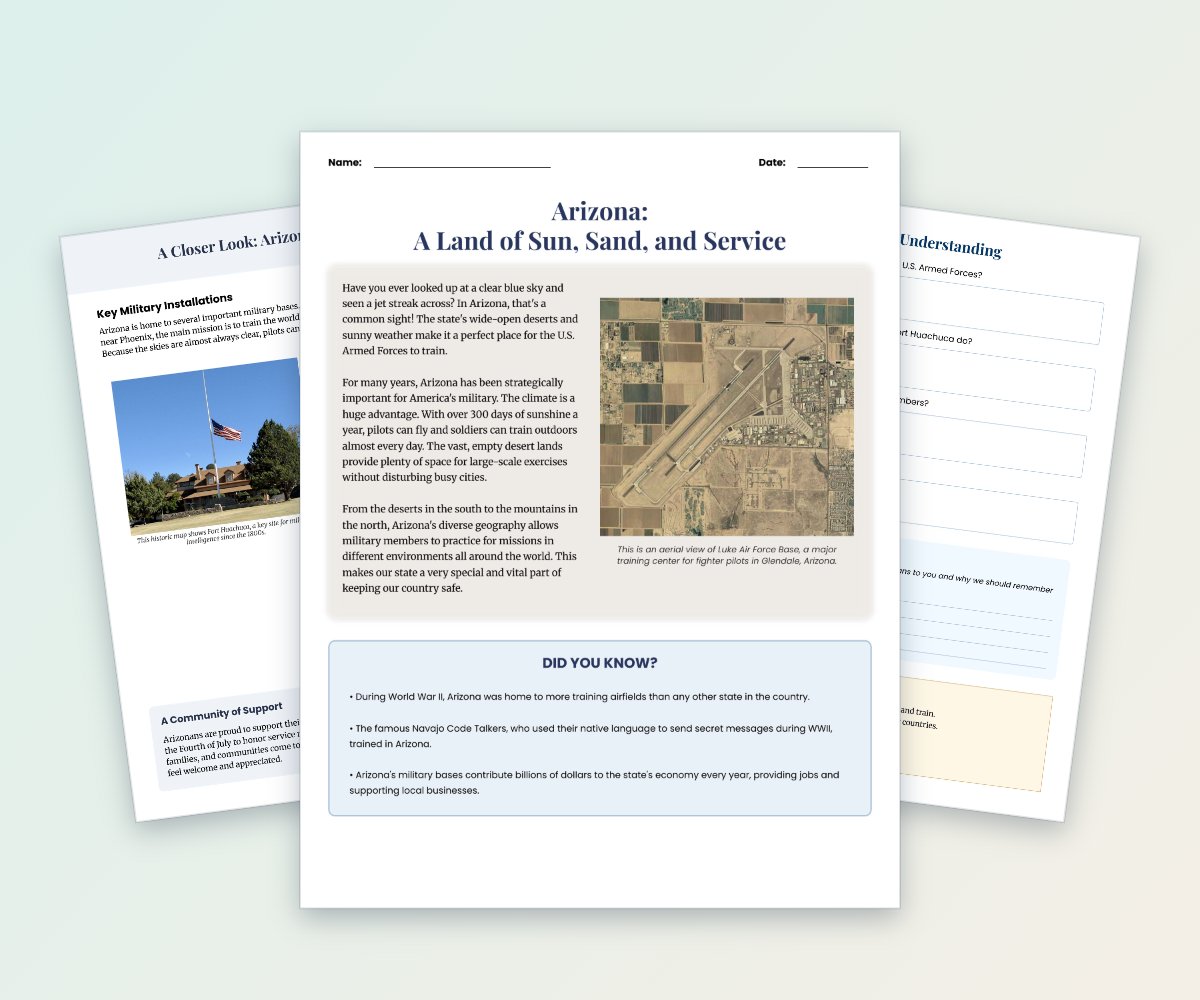
This three-page informational resource explains how Arizona’s climate, geography, military installations, and National Guard support military training.
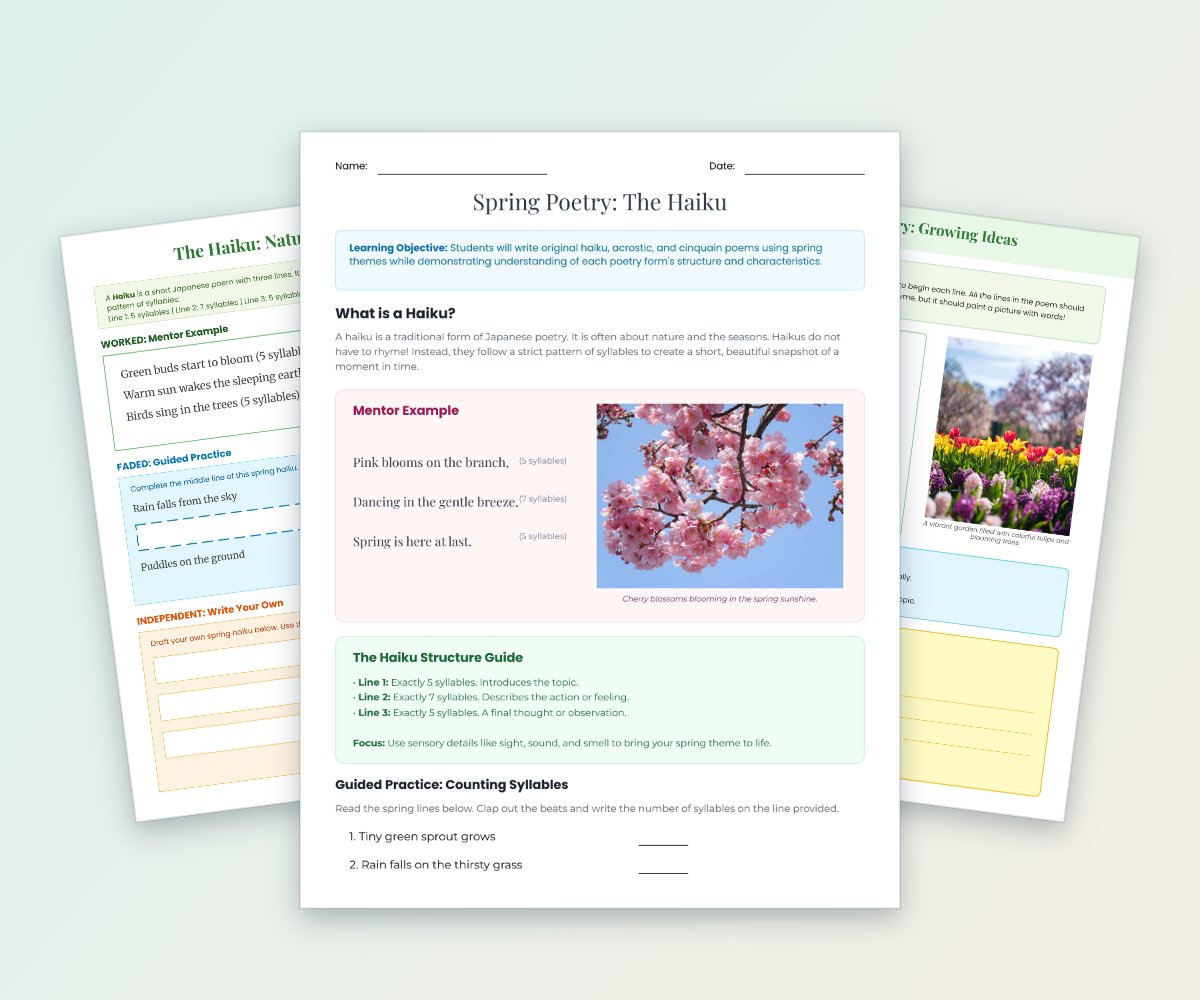
This spring-themed poetry collection teaches students to write haiku, acrostic, and cinquain poems.
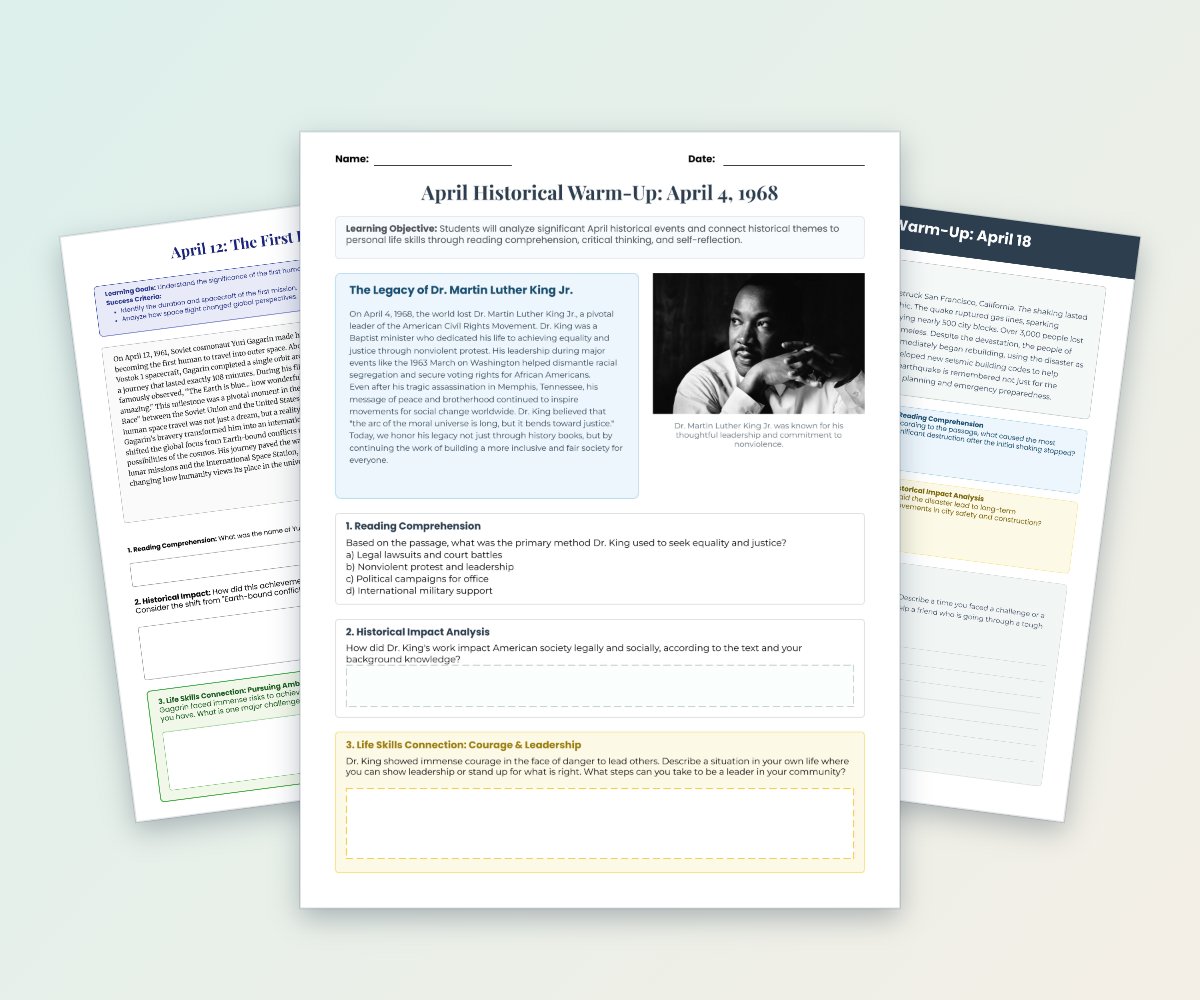
This seven-page April historical warm-up packet features significant events, including Dr.
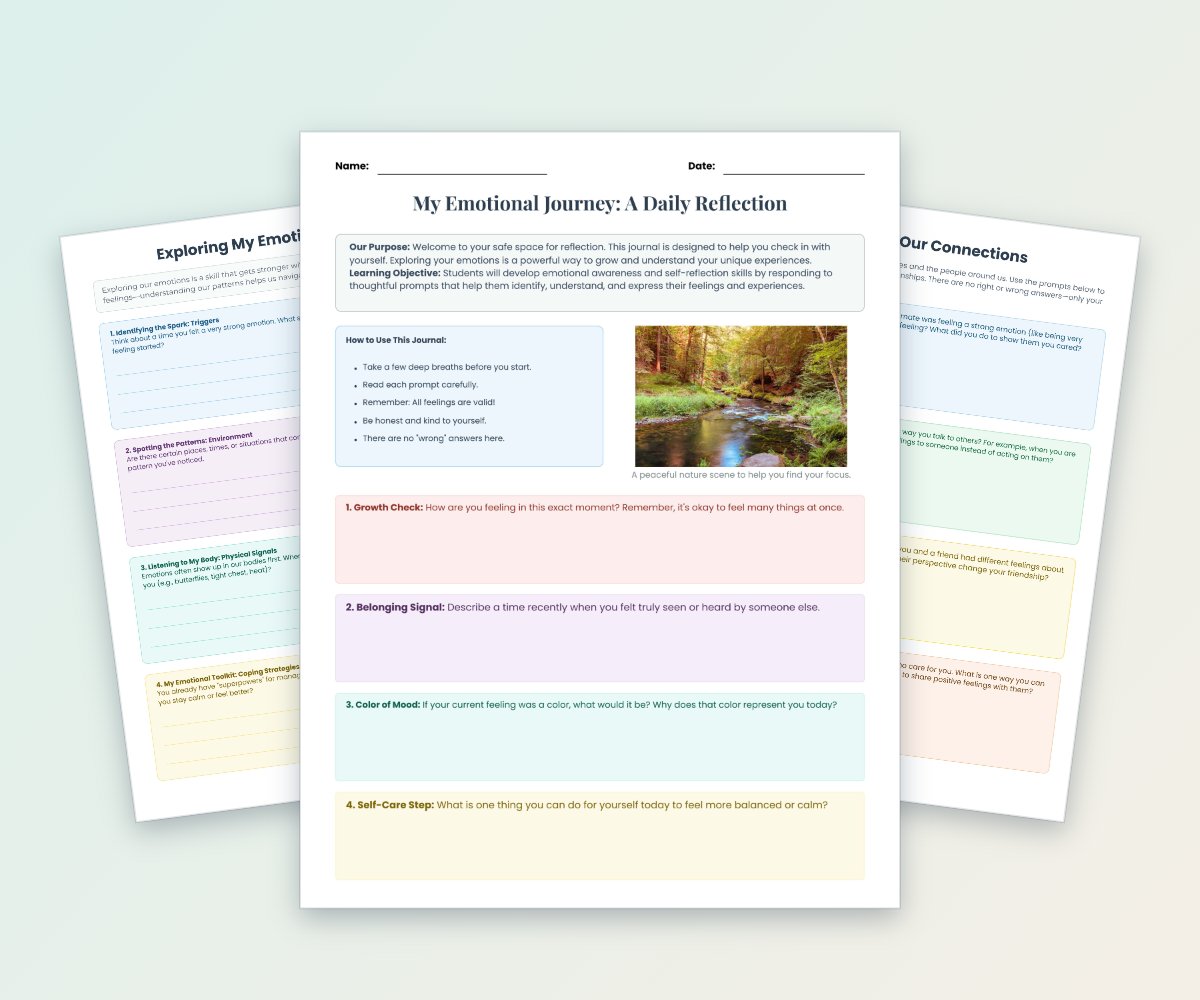
This five-page journal guides students through daily emotional check-ins and reflective prompts about feelings, triggers, body signals, coping strategies, empathy, and relationships.
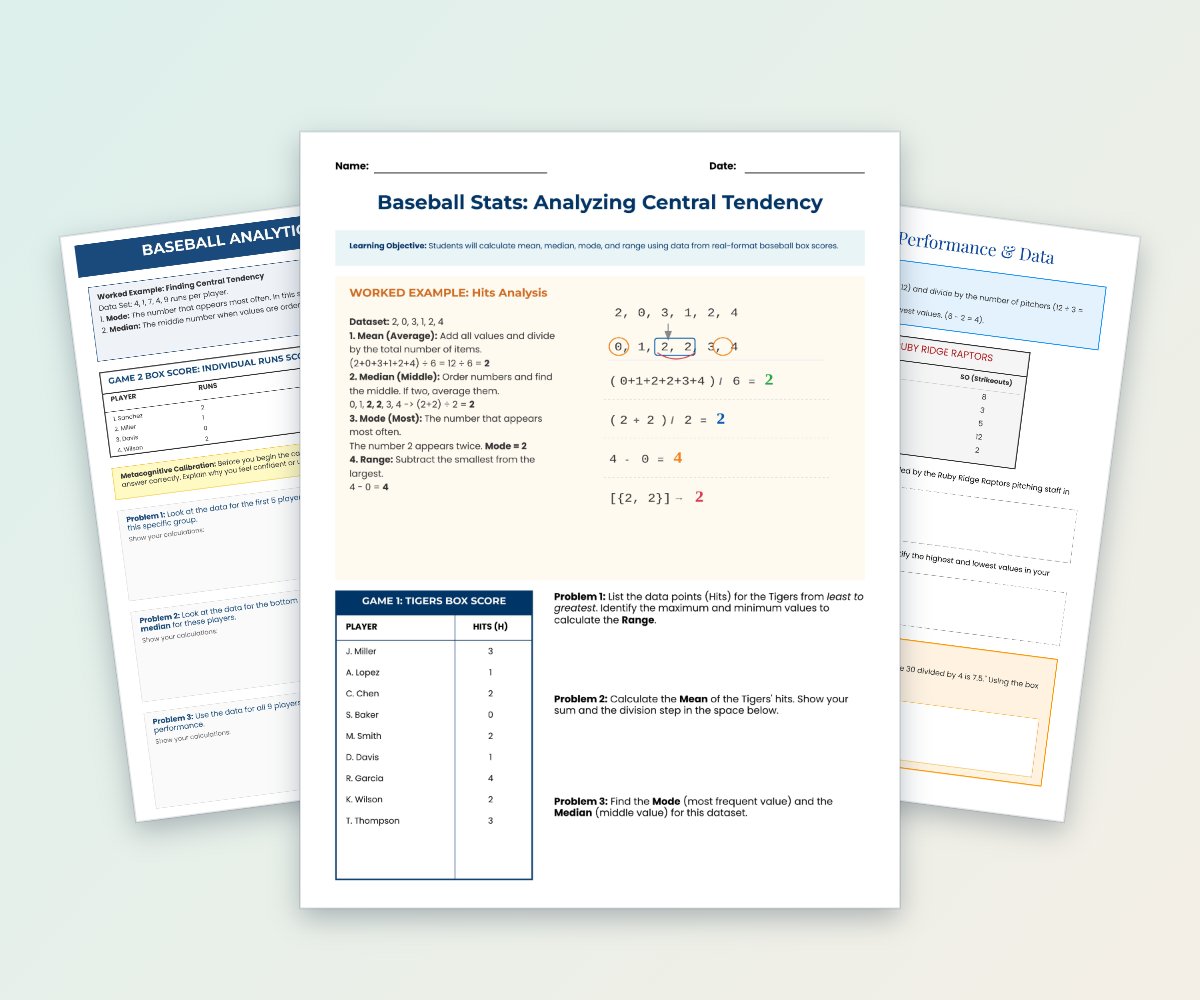
Students analyze baseball box scores and calculate mean, median, mode, and range using realistic player statistics.
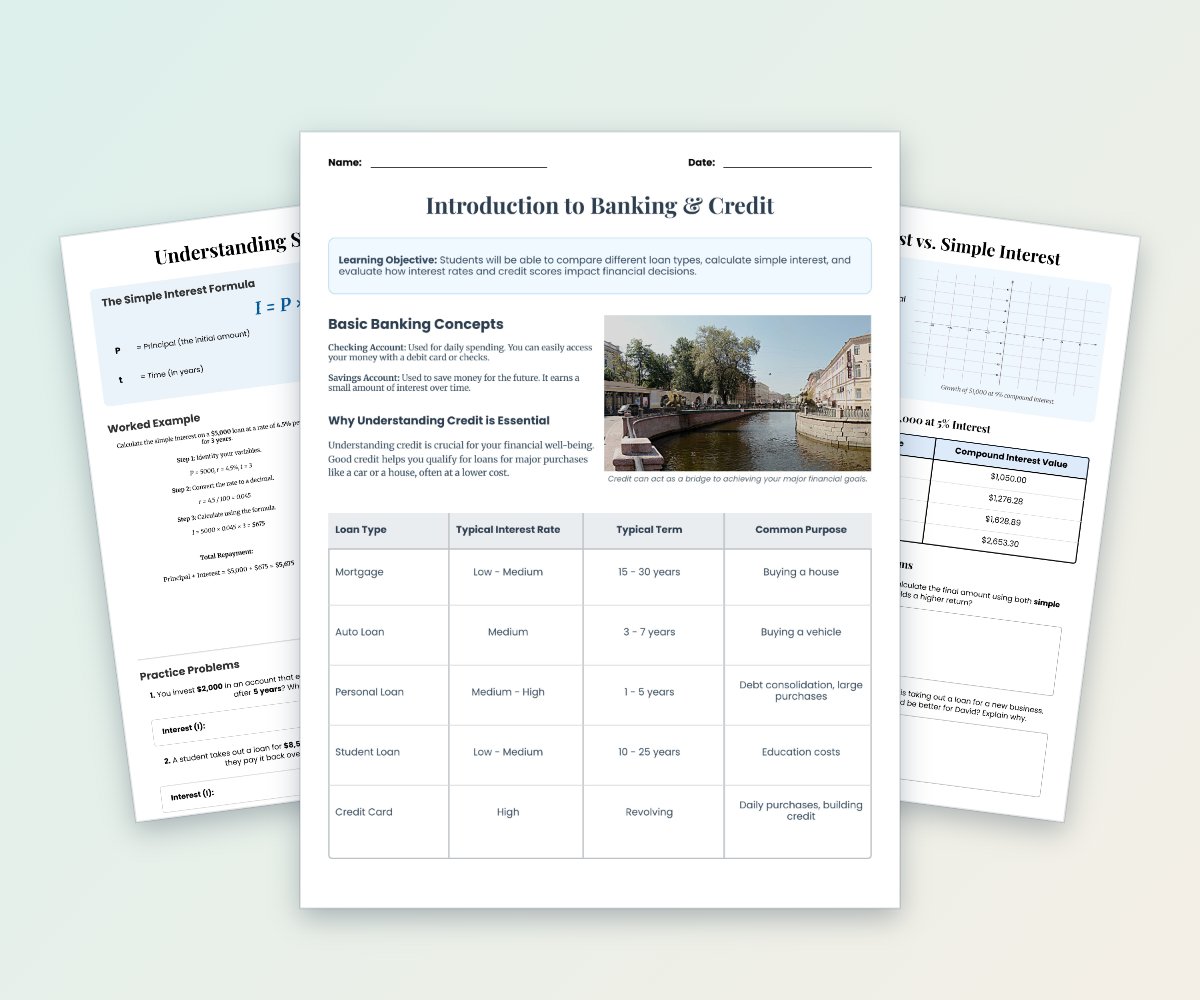
This six-page resource introduces checking and savings accounts, credit scores, loan types, simple interest, and compound interest.
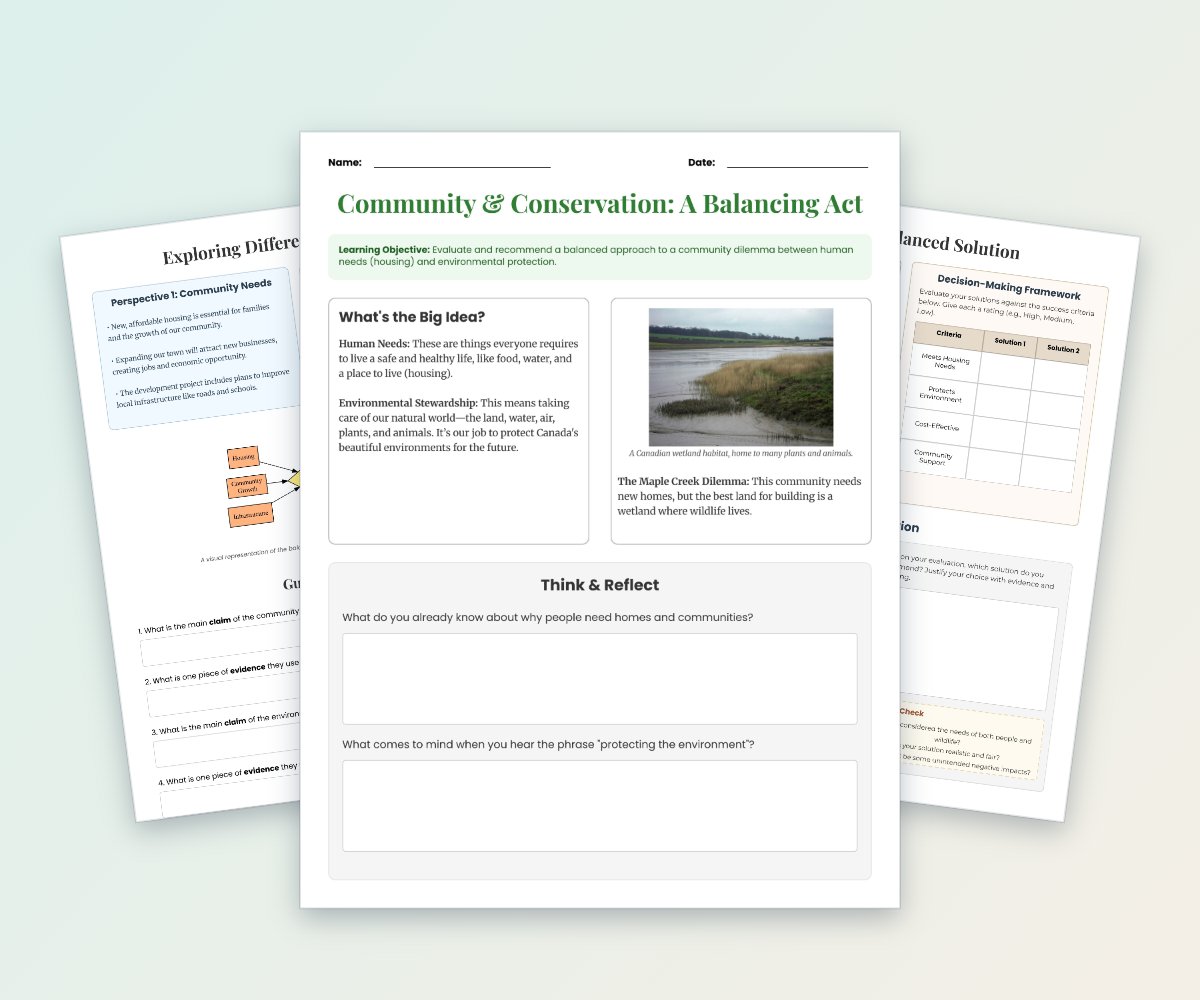
Students explore the Maple Creek dilemma, weighing the need for affordable housing against wetland conservation.
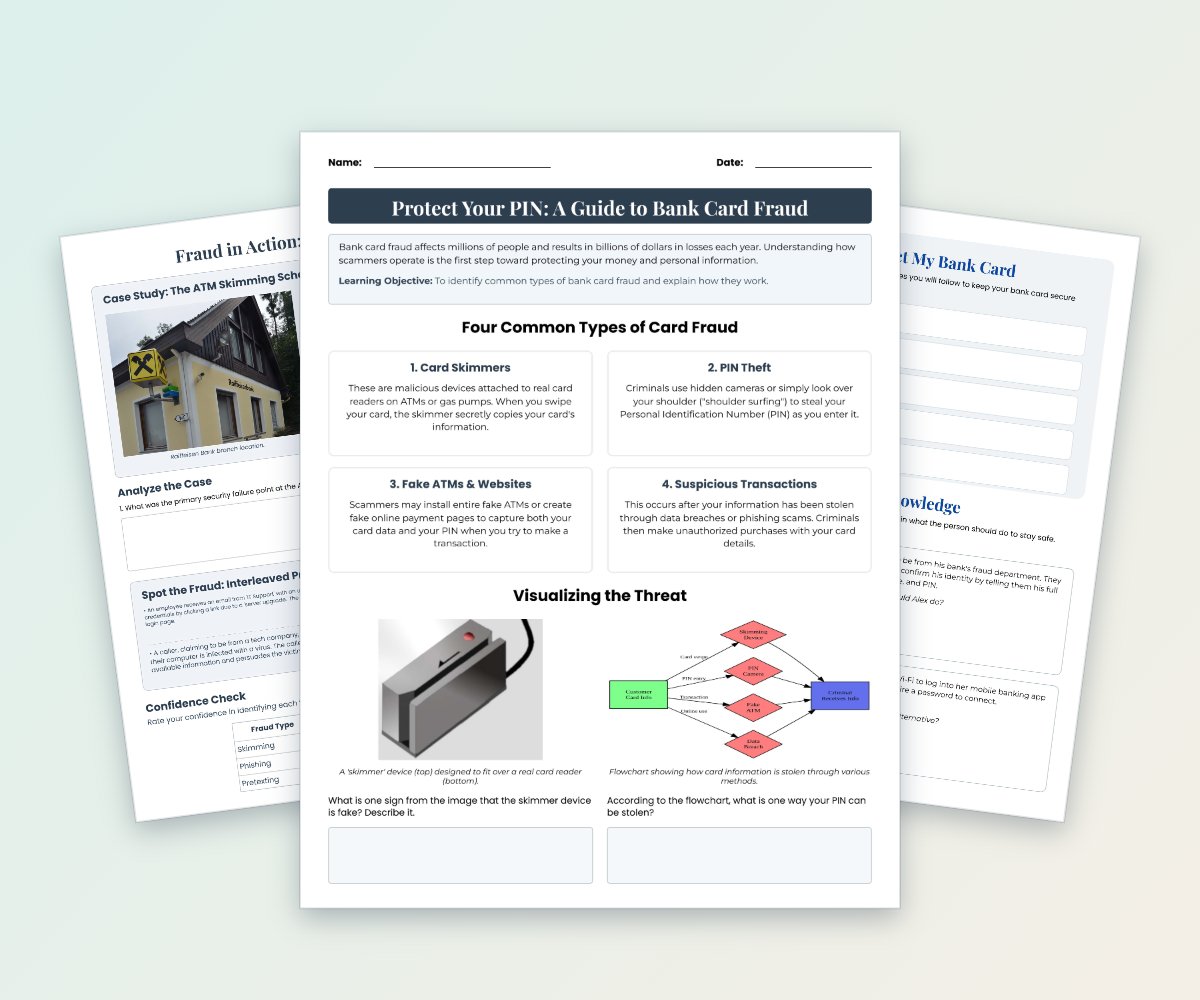
This four-page guide introduces common bank card fraud methods, including skimming, PIN theft, fake ATMs, and suspicious transactions.
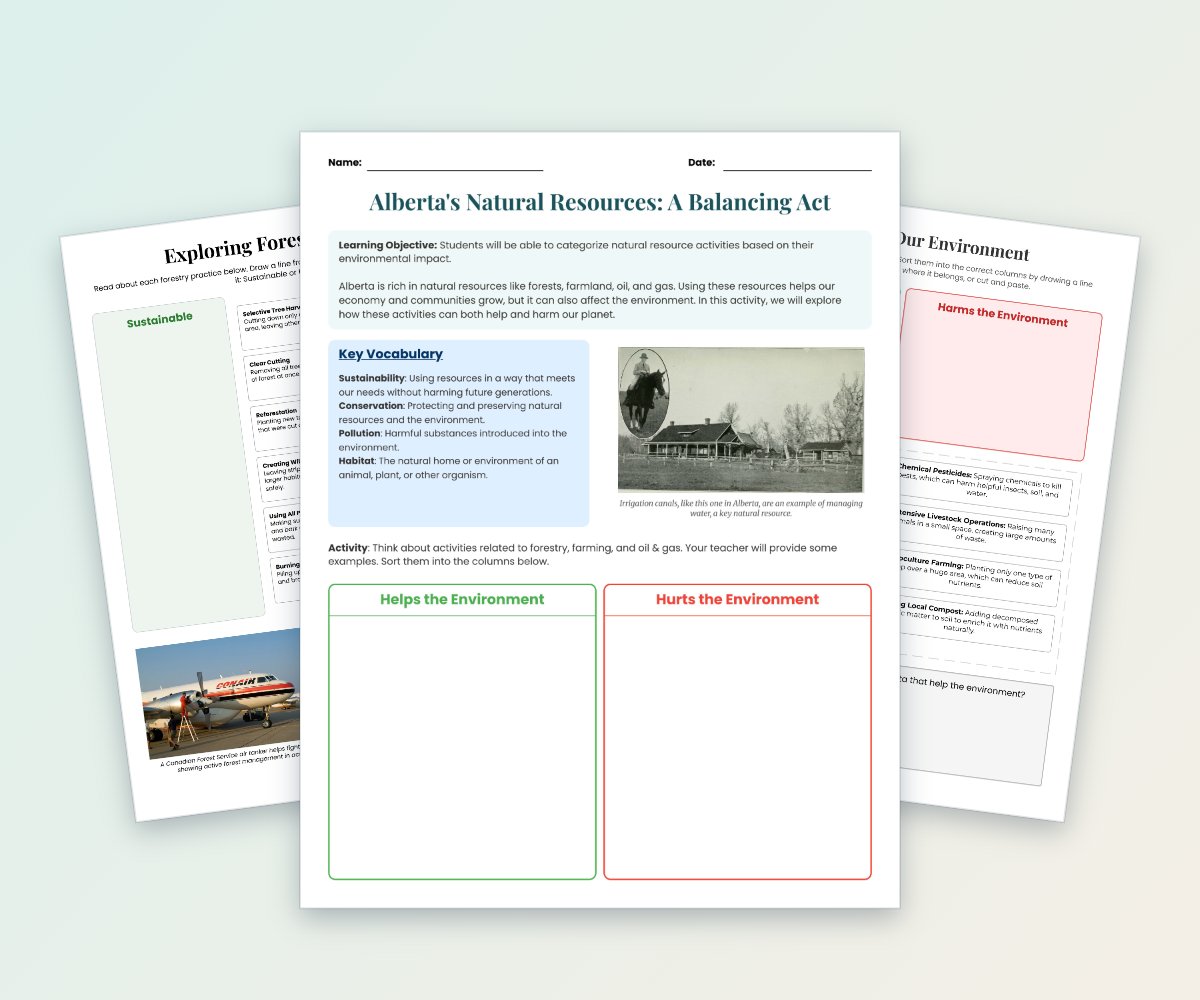
Students categorize forestry, farming, and oil and gas practices according to their environmental effects.
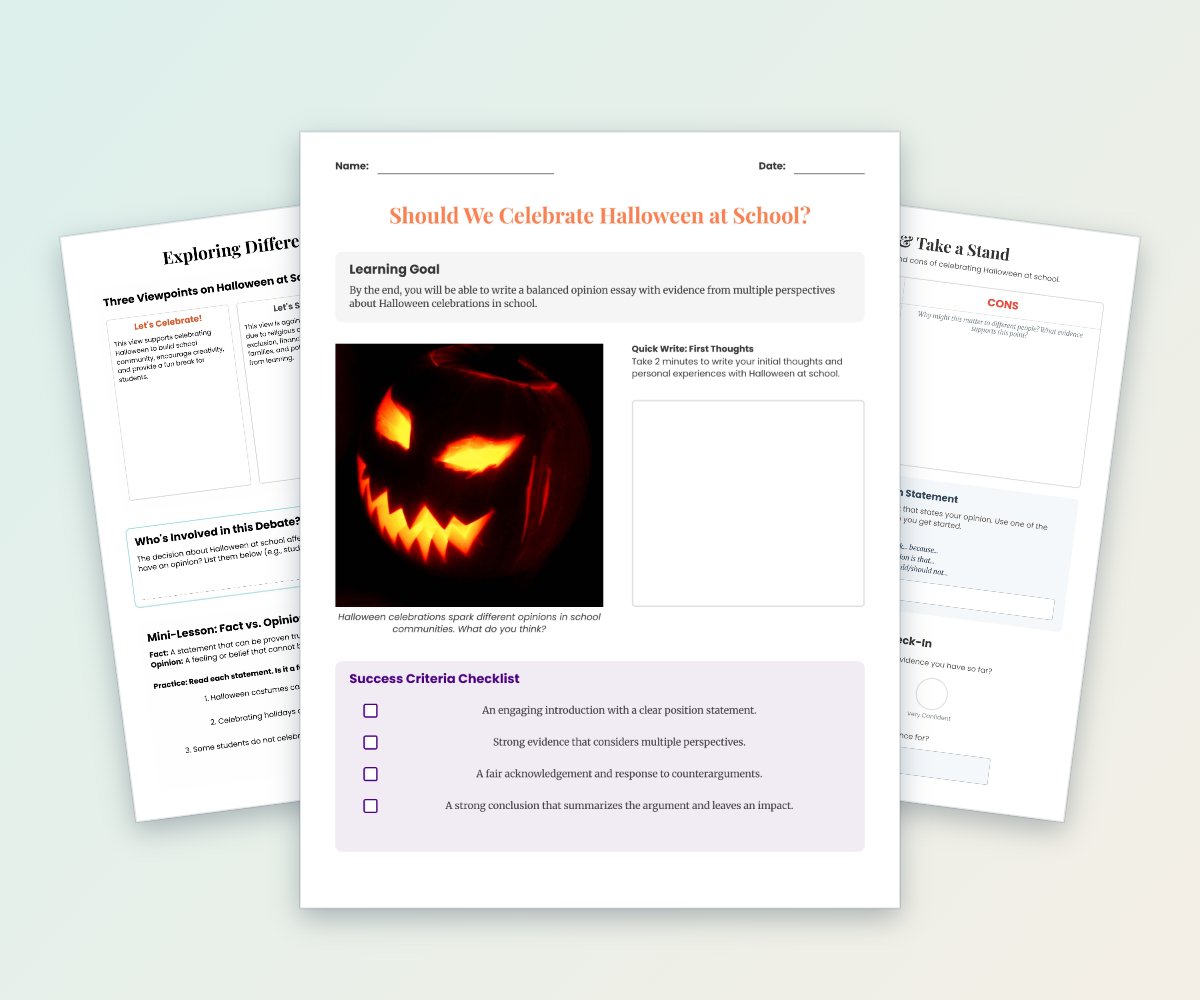
This eight-page writing resource guides students through developing a balanced opinion essay about Halloween celebrations at school.
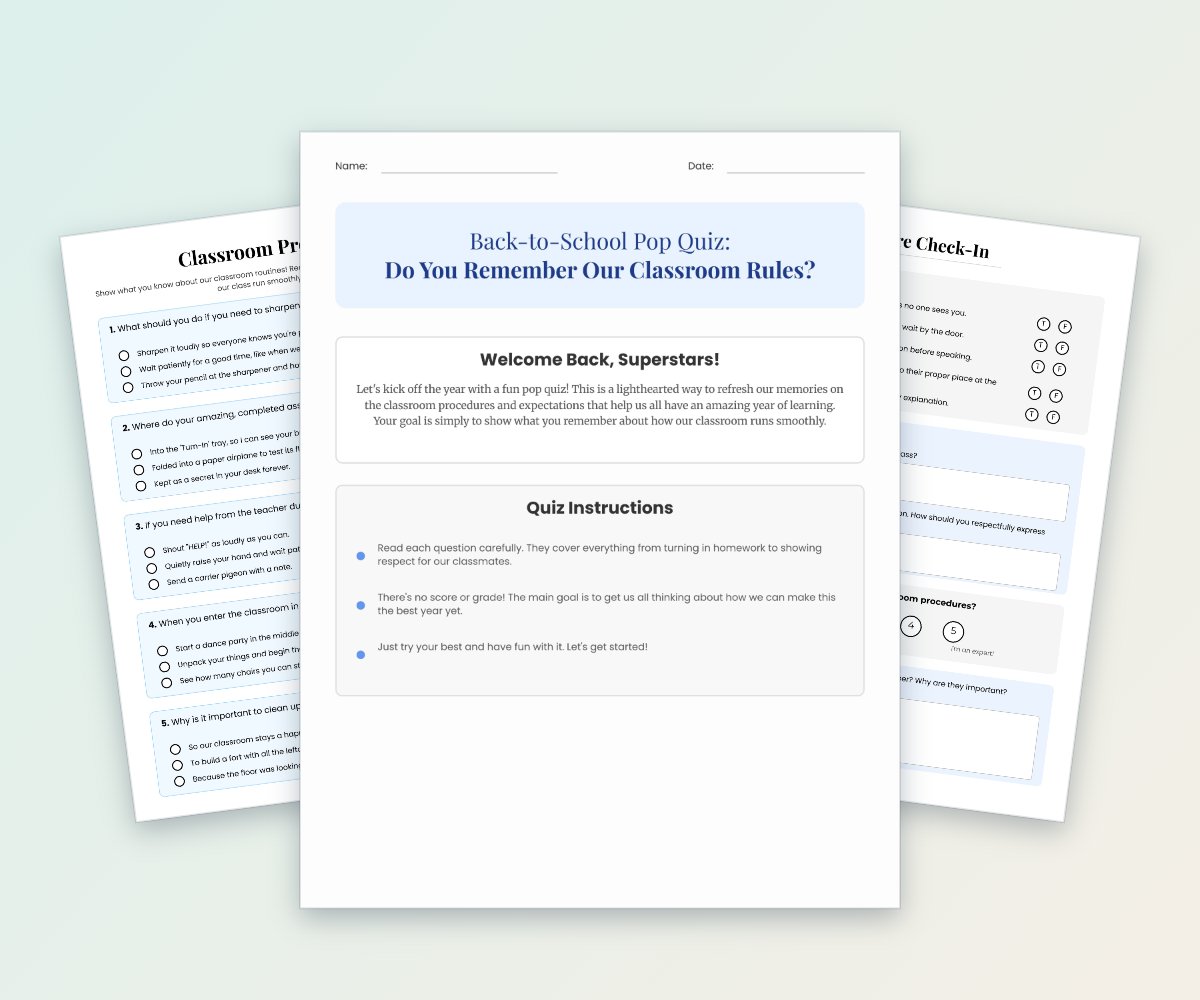
Help students review classroom routines and expectations with a lighthearted back-to-school pop quiz.
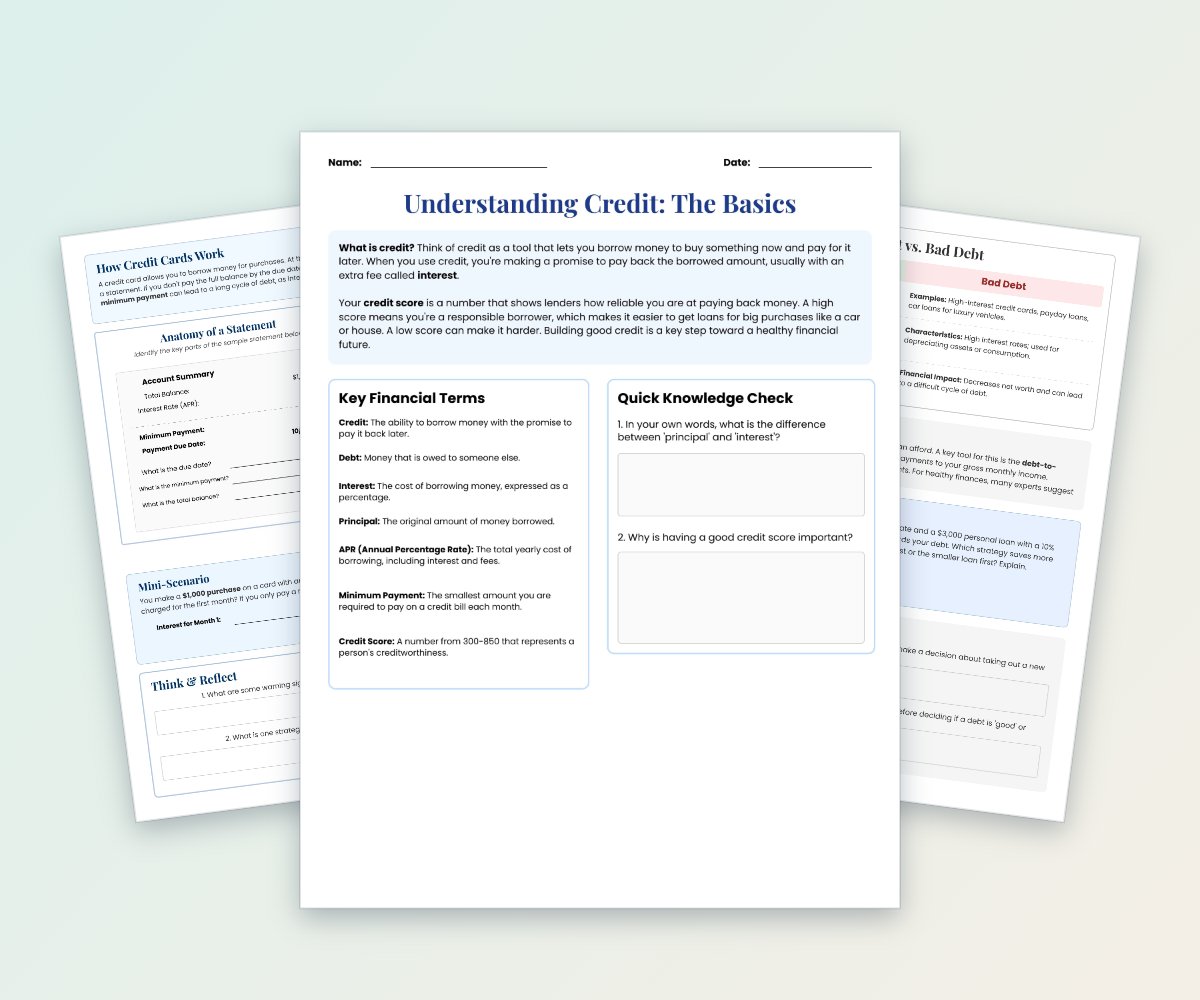
This four-page financial literacy worksheet introduces credit, debt, interest, APR, principal, minimum payments, and credit scores.
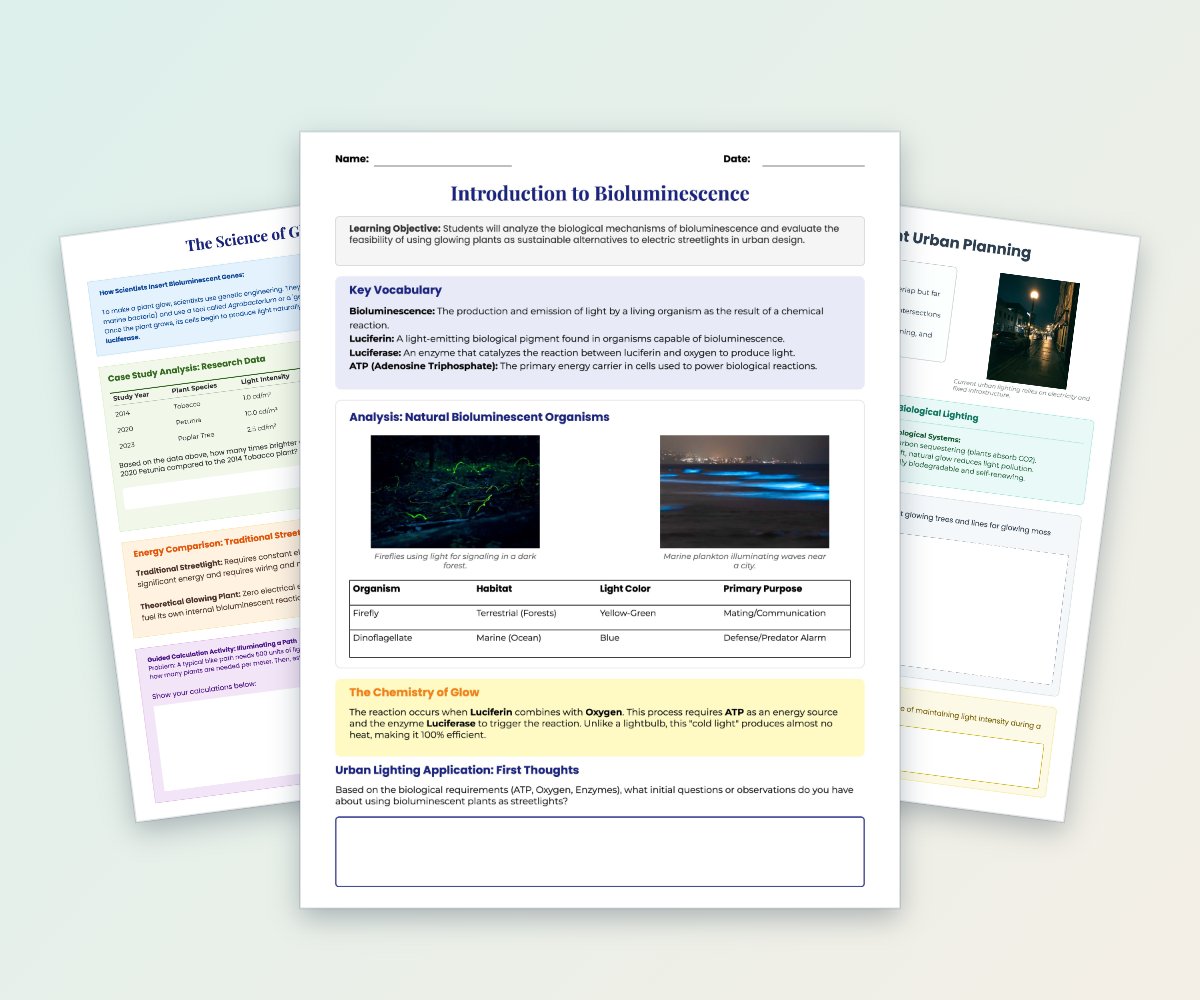
Students investigate how bioluminescent organisms produce light and examine the potential use of glowing plants as sustainable streetlights.
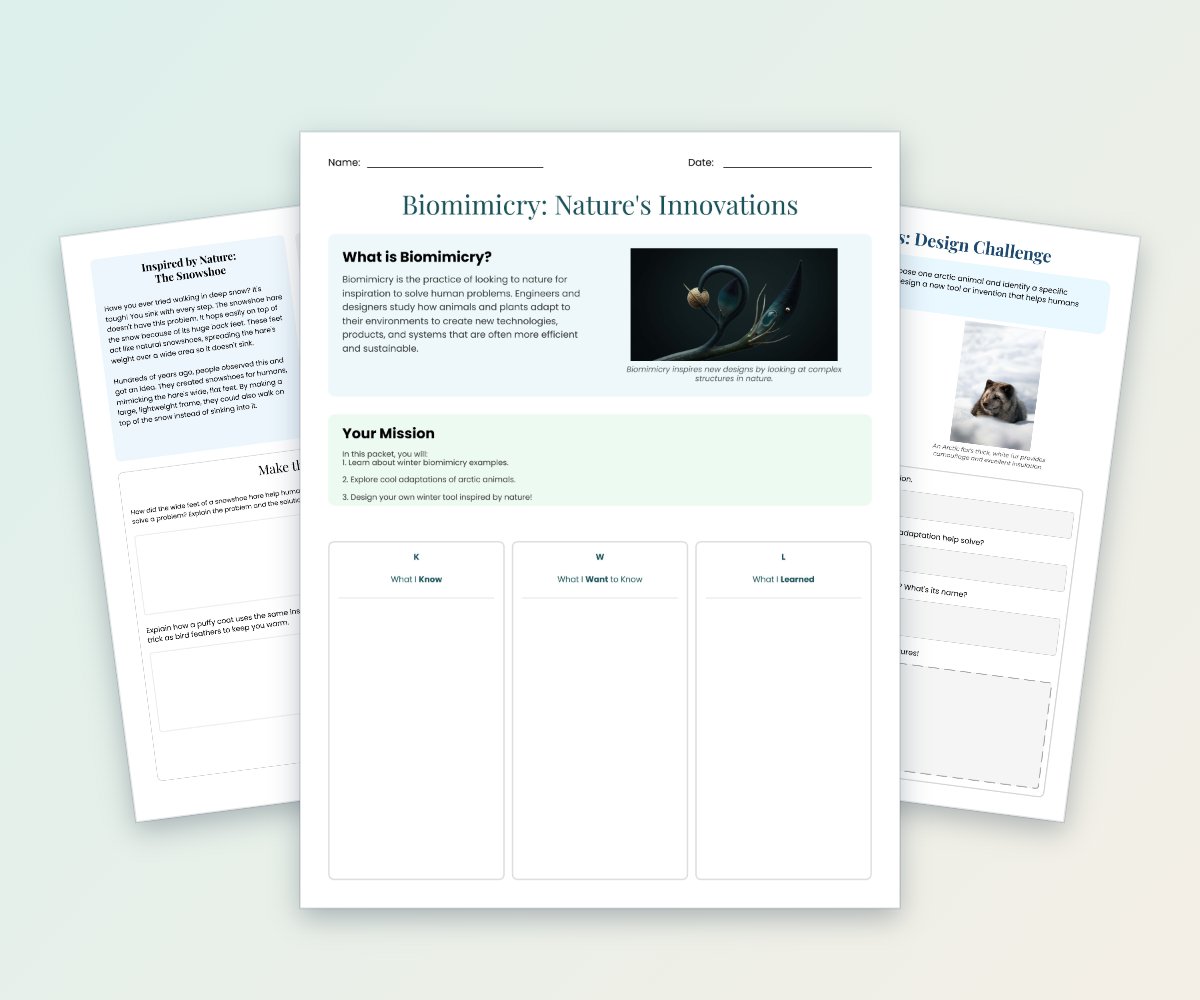
Students explore how snowshoe hare feet and bird feathers inspire snowshoes and puffy coats.
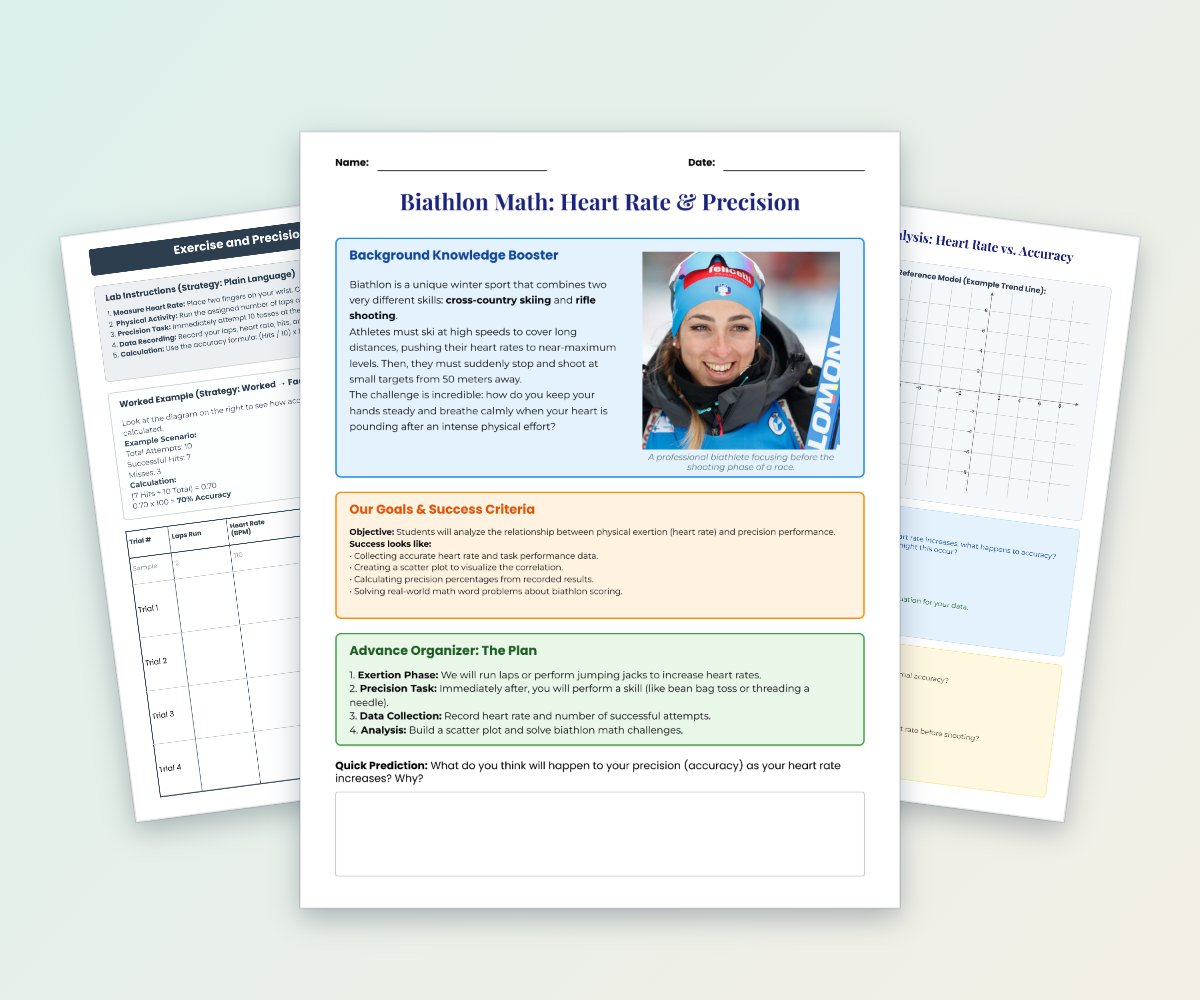
Students explore the relationship between physical exertion and precision by collecting heart-rate and task-performance data.
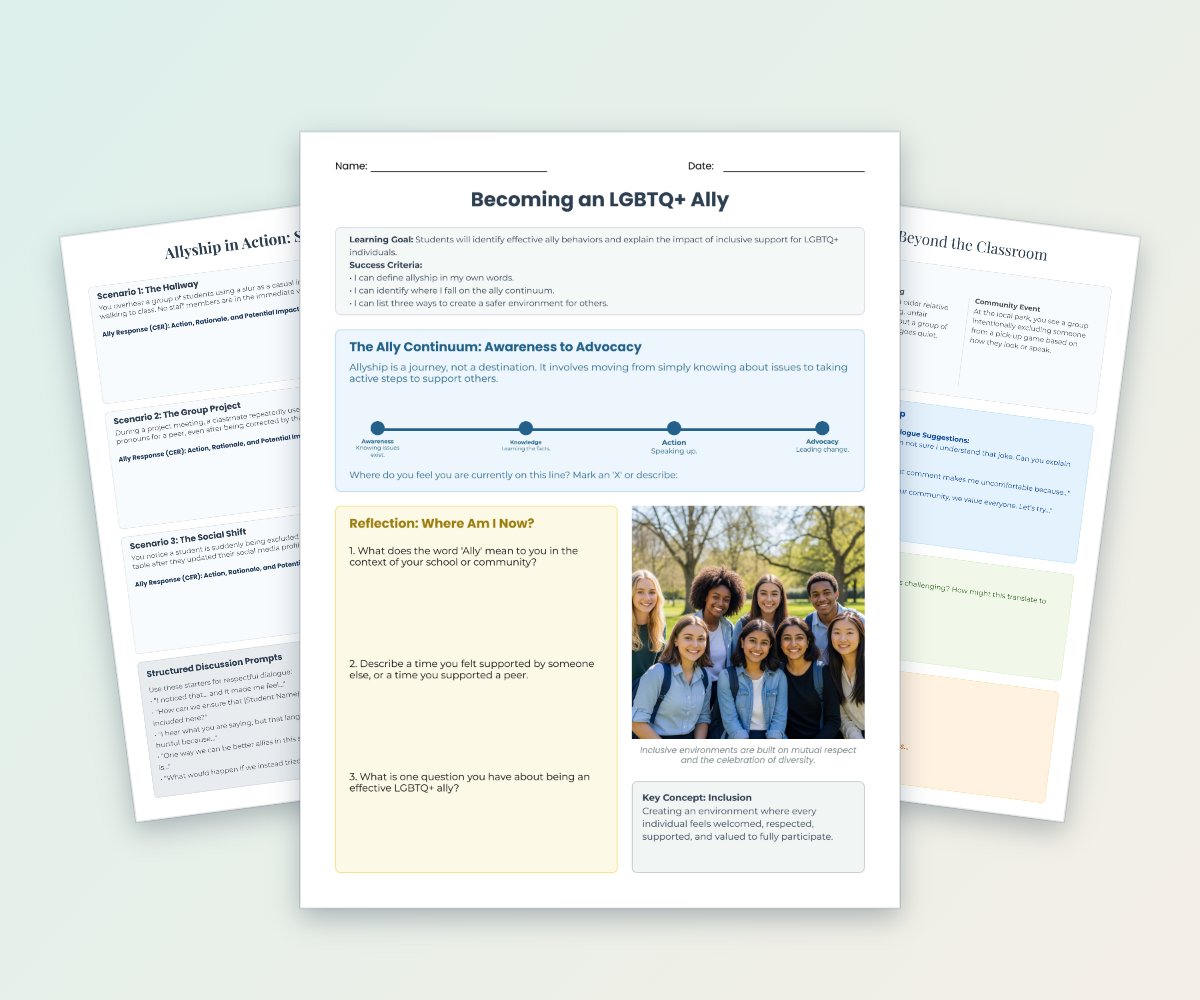
This four-page classroom resource helps students explore allyship, inclusion, and ways to create safer environments for LGBTQ+ peers.
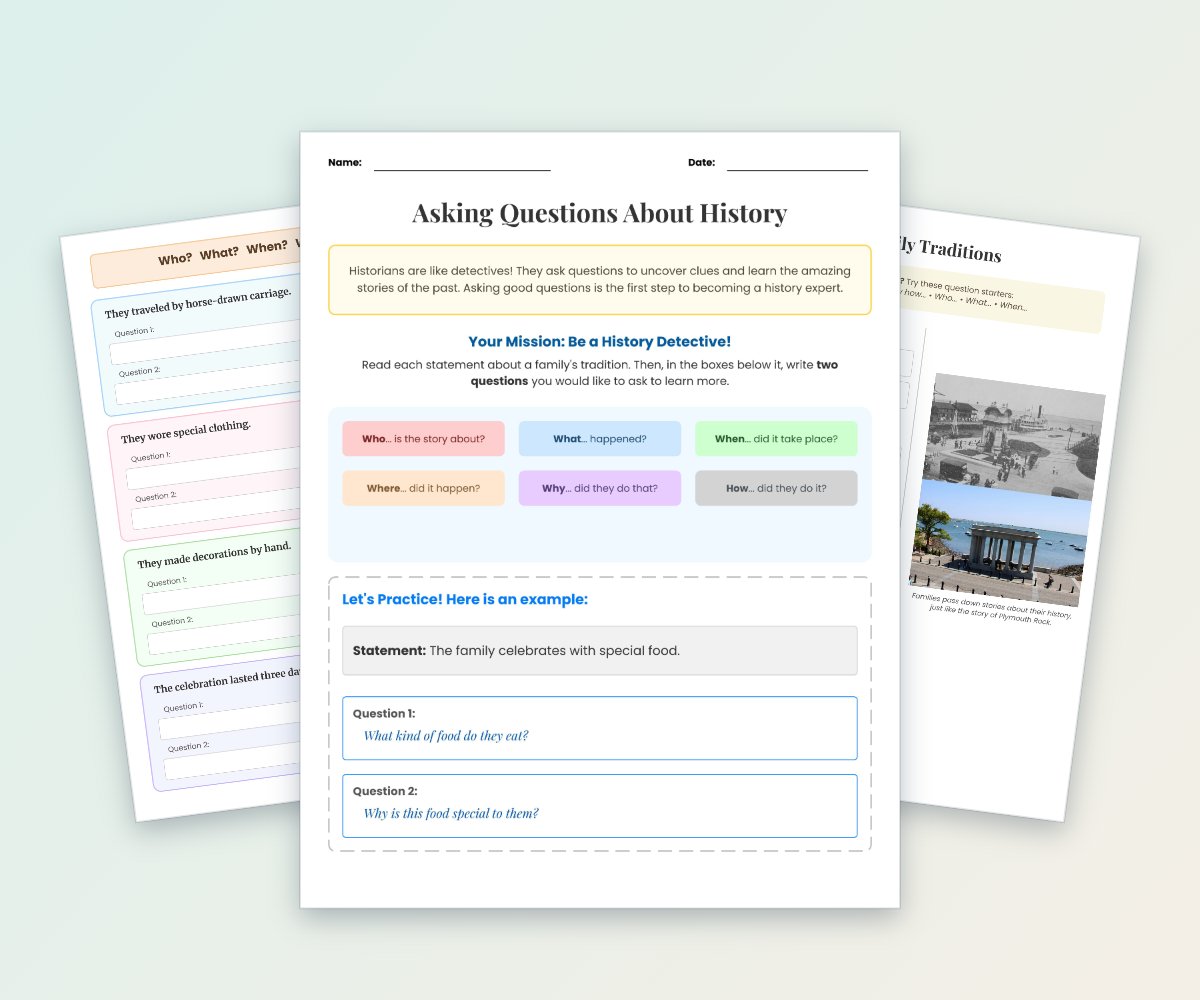
Students practice asking who, what, when, where, why, and how questions about family traditions, community celebrations, and historical statements.
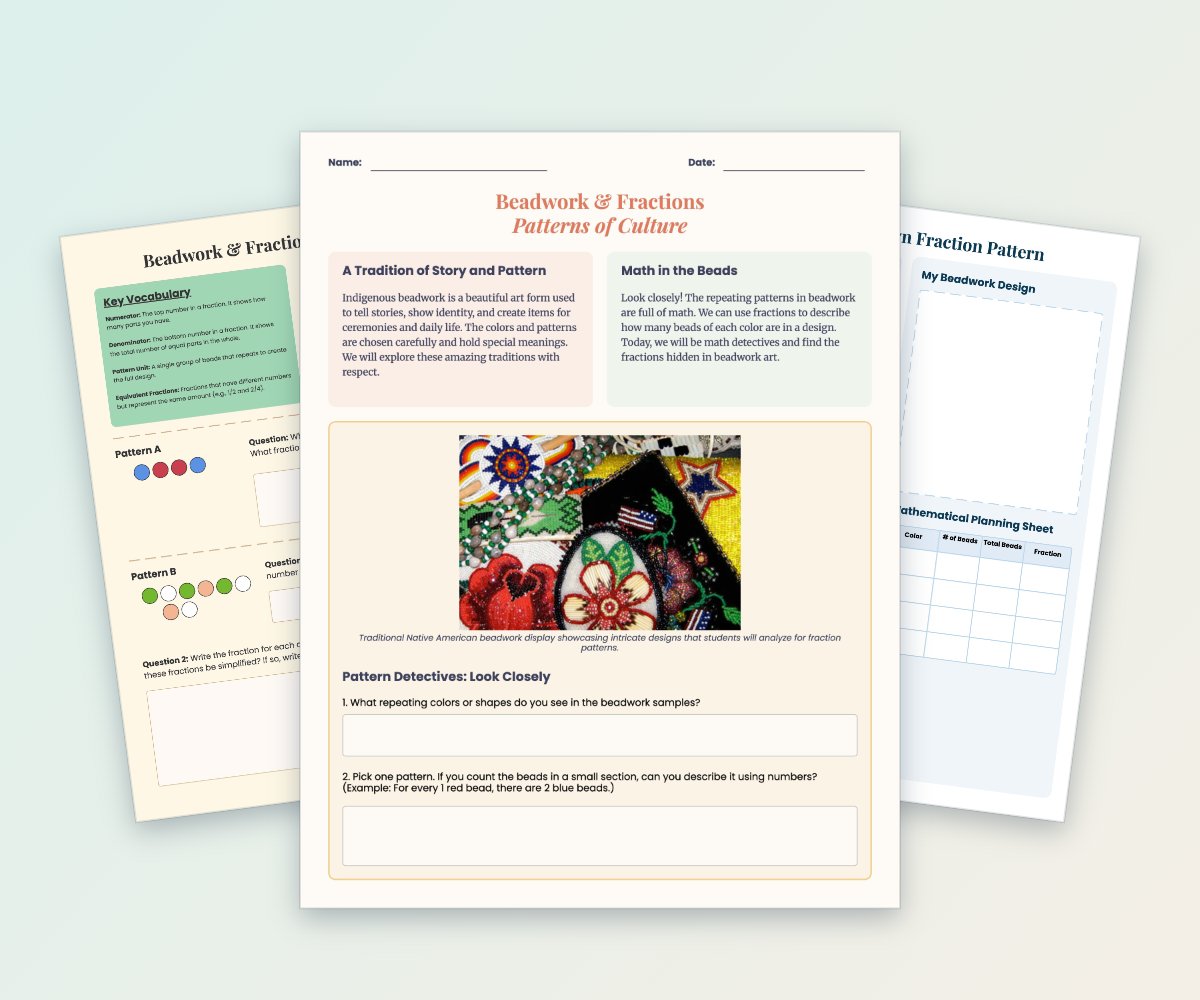
Students analyze beadwork-inspired patterns to identify fractions, equivalent fractions, and repeating pattern units.
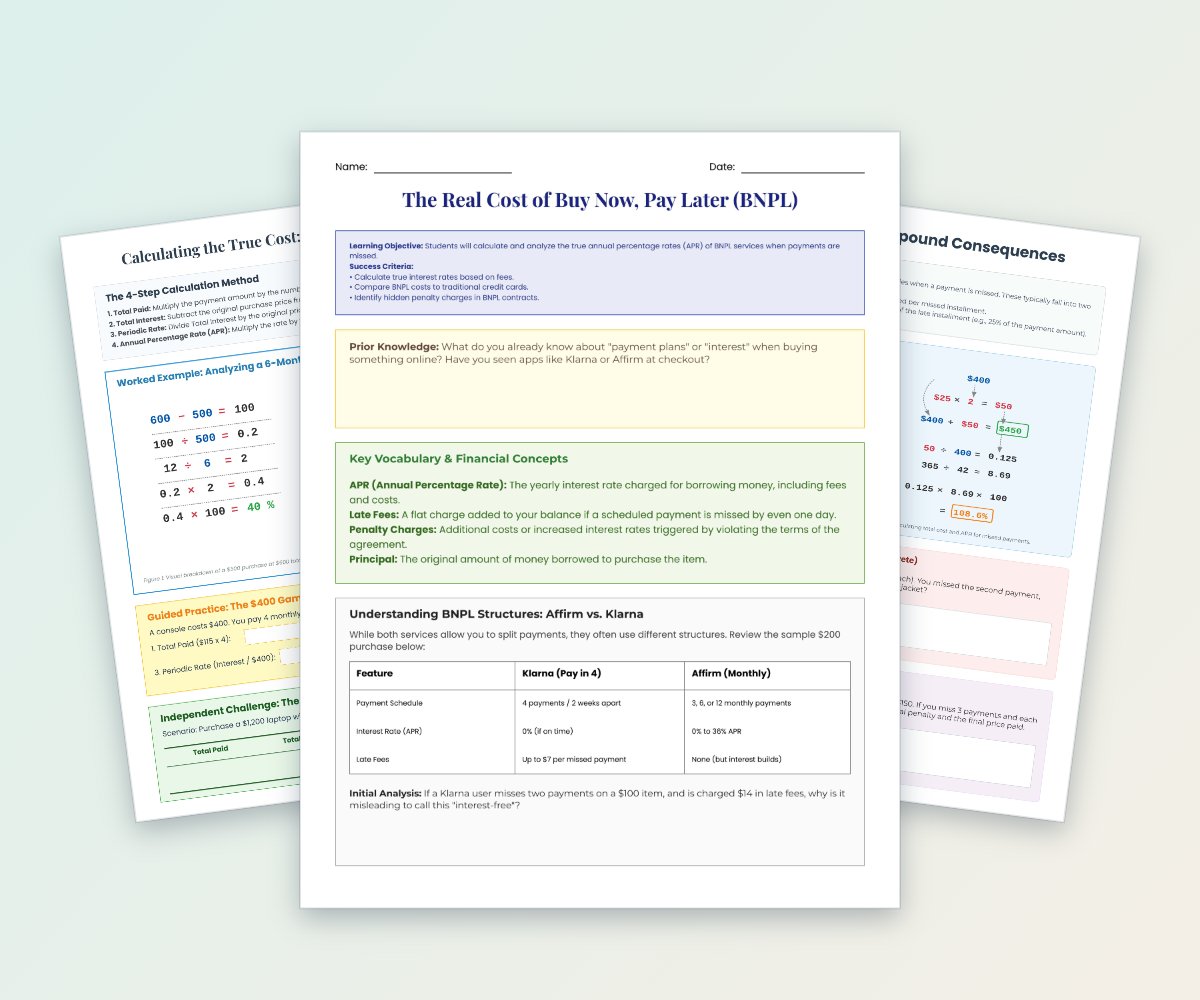
This financial literacy worksheet guides students through comparing BNPL services, calculating total costs and estimated APR, and identifying hidden fees.
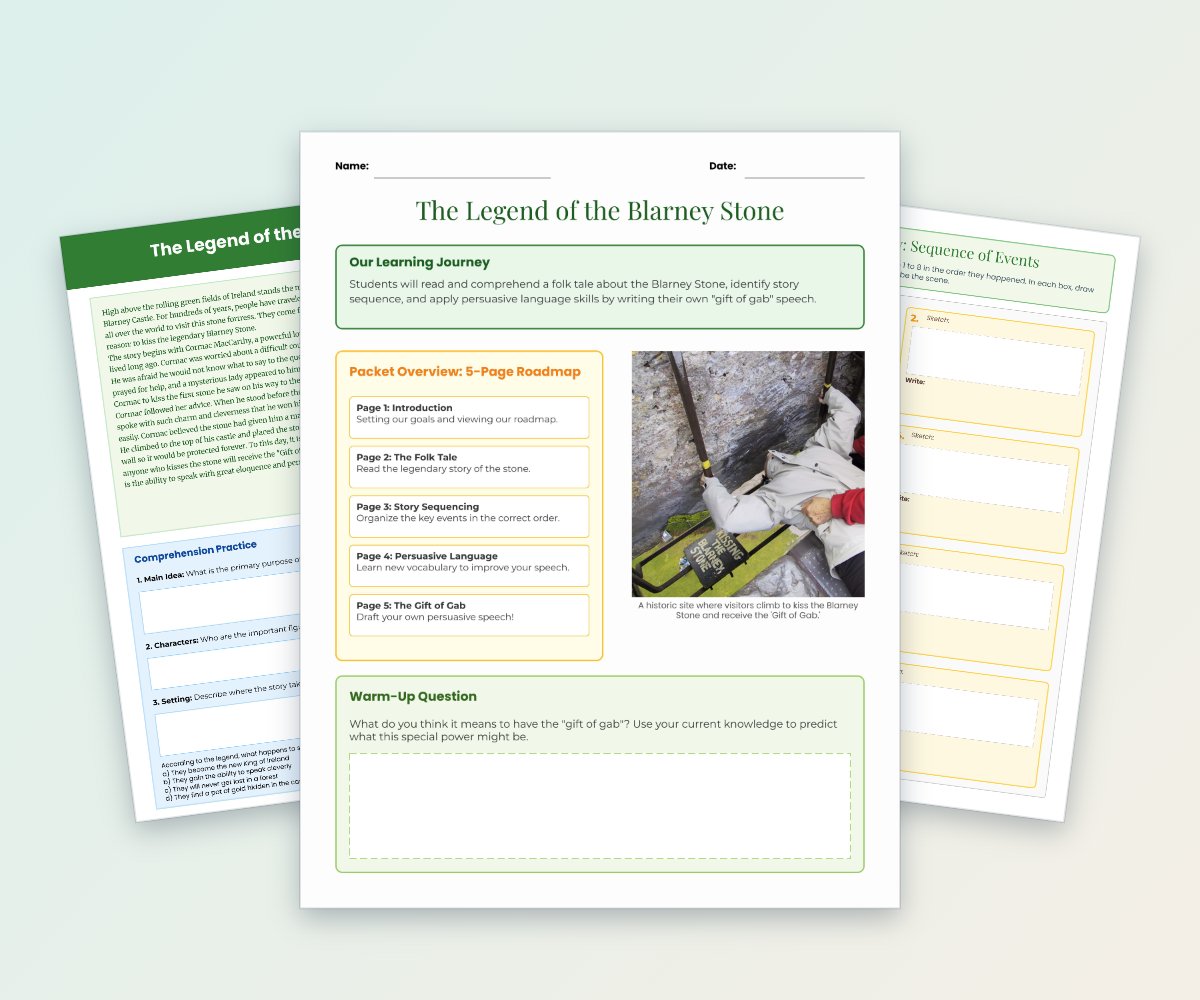
This literacy packet uses the legend of the Blarney Stone to build reading comprehension, story sequencing, vocabulary, and persuasive language skills.
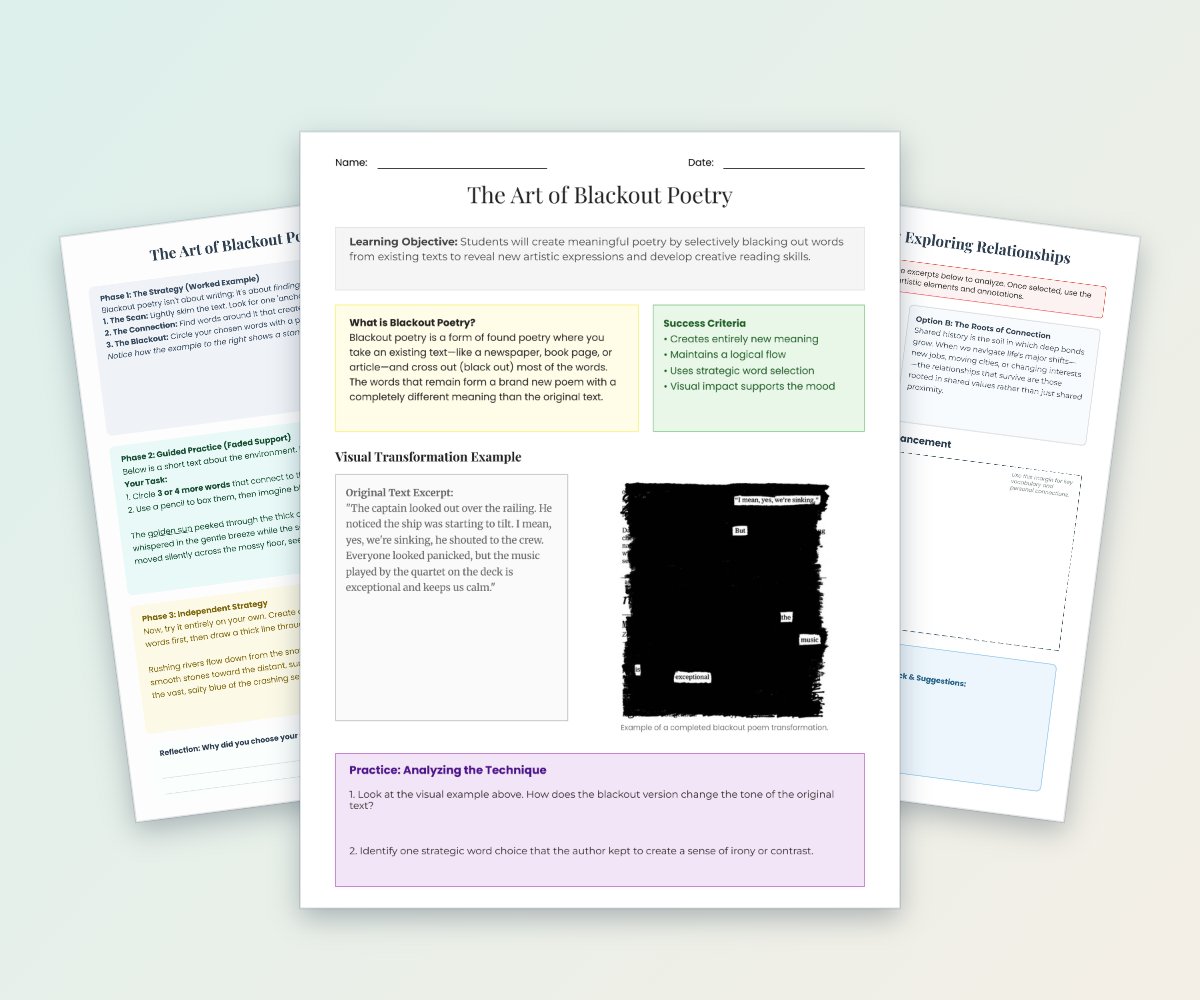
This four-page resource introduces blackout poetry through definitions, a visual transformation example, success criteria, and a step-by-step process.
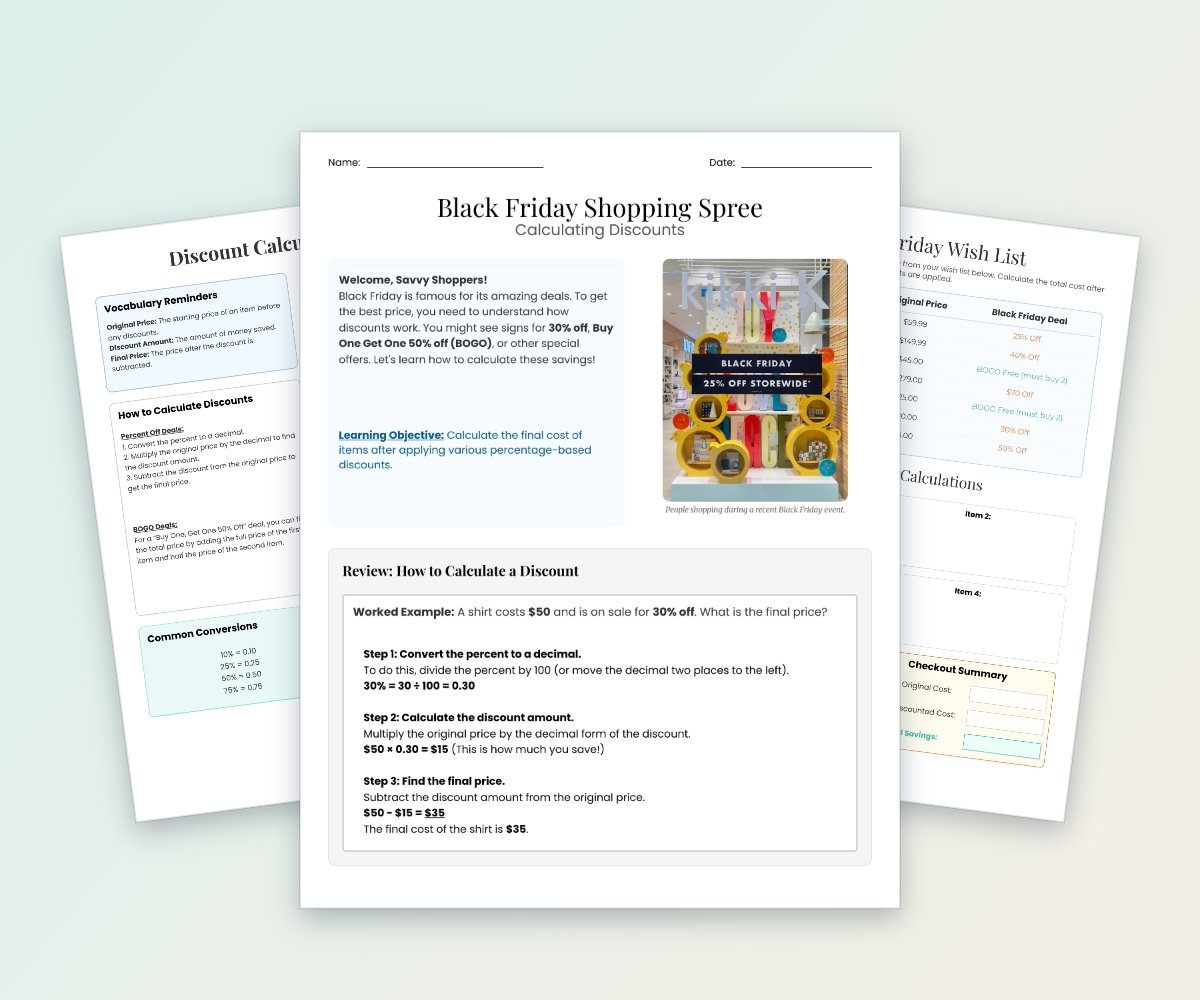
Students learn to calculate discount amounts and final prices using realistic Black Friday shopping scenarios.
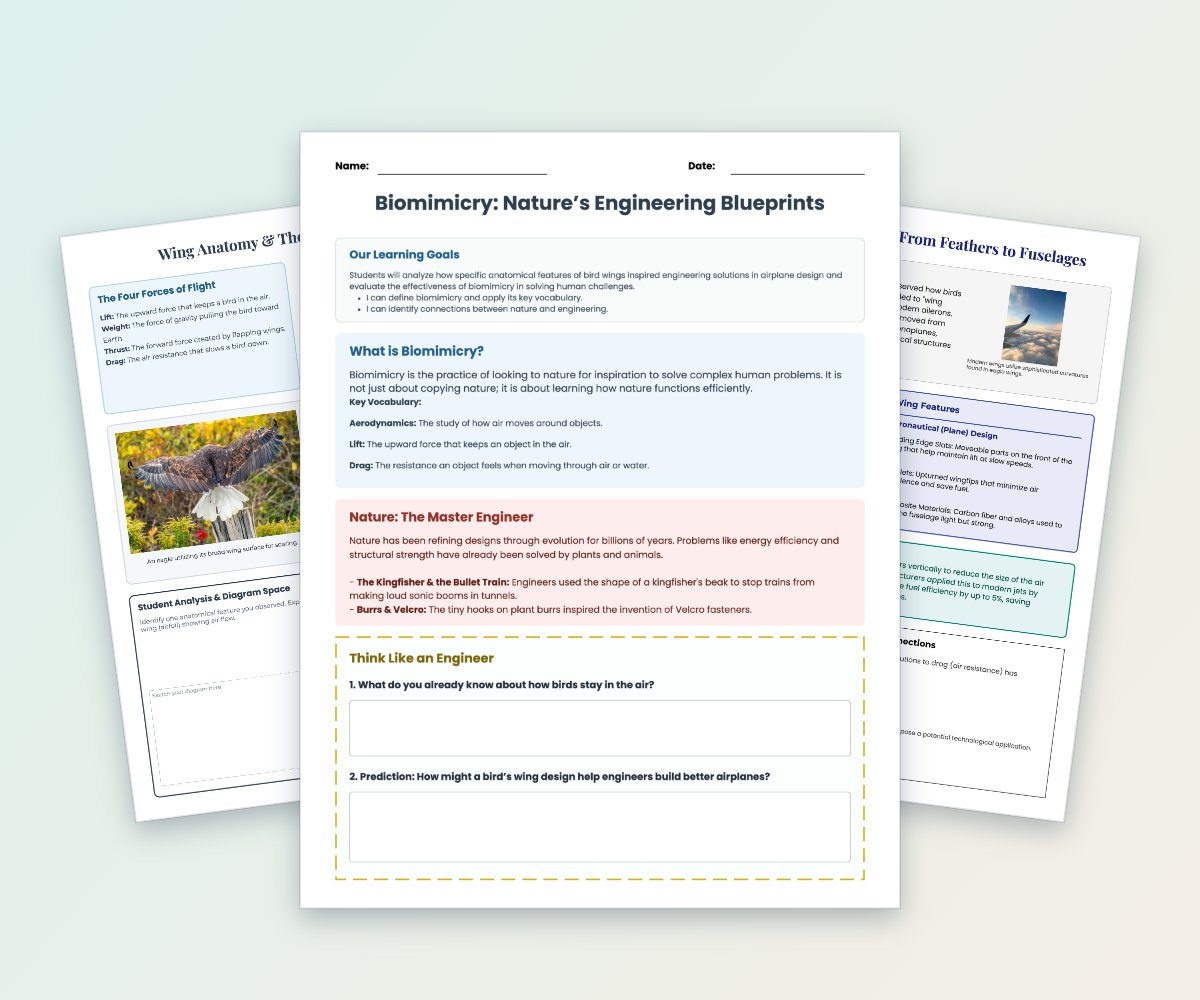
This four-page science lesson introduces biomimicry through examples such as bird wings, kingfishers, burrs, and airplane design.
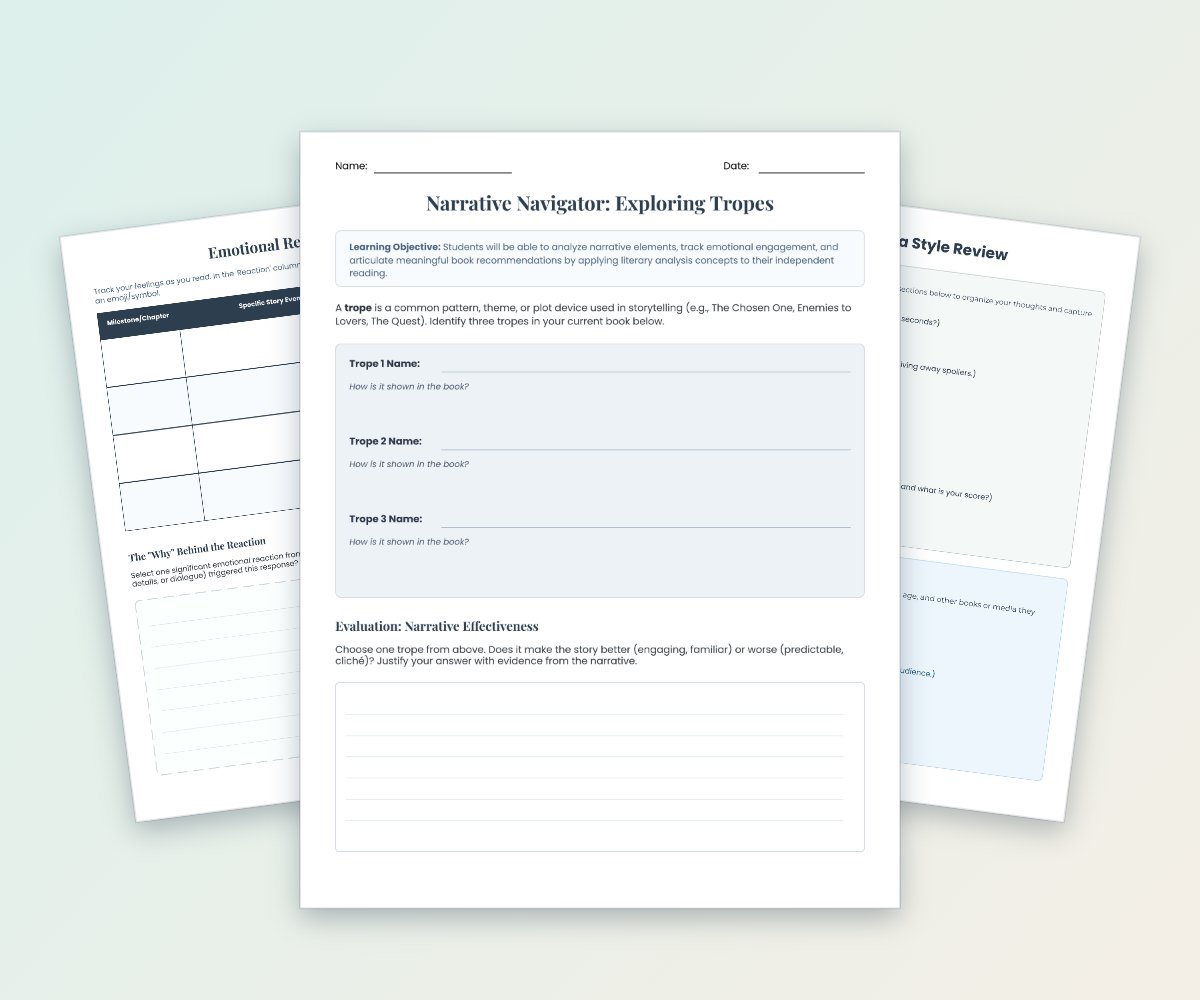
Engage students in independent reading through BookTok-inspired prompts focused on narrative tropes, emotional reactions, character development, pivotal moments, and evidence-based analysis.
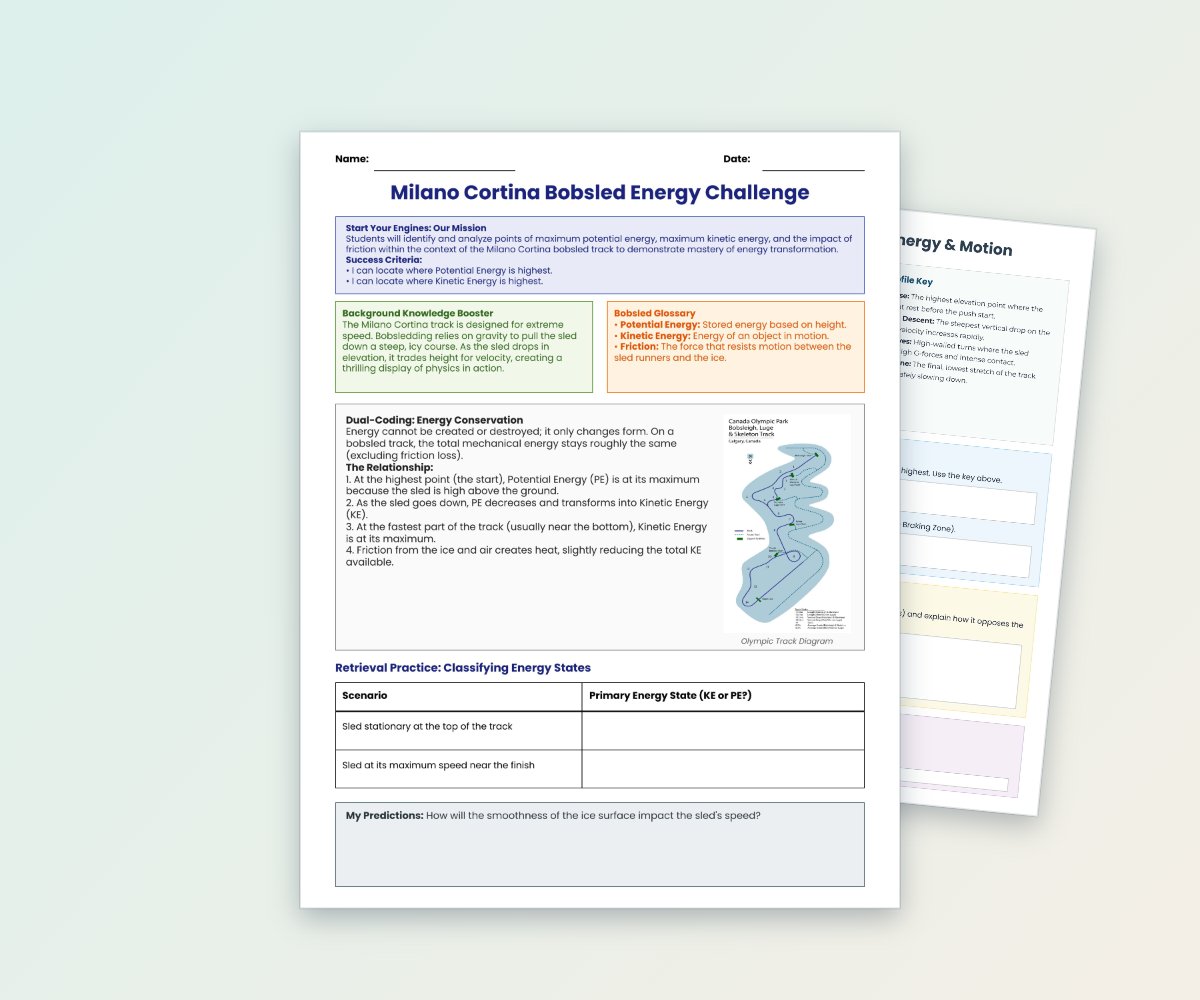
Students analyze a bobsled track to identify locations of maximum potential and kinetic energy.
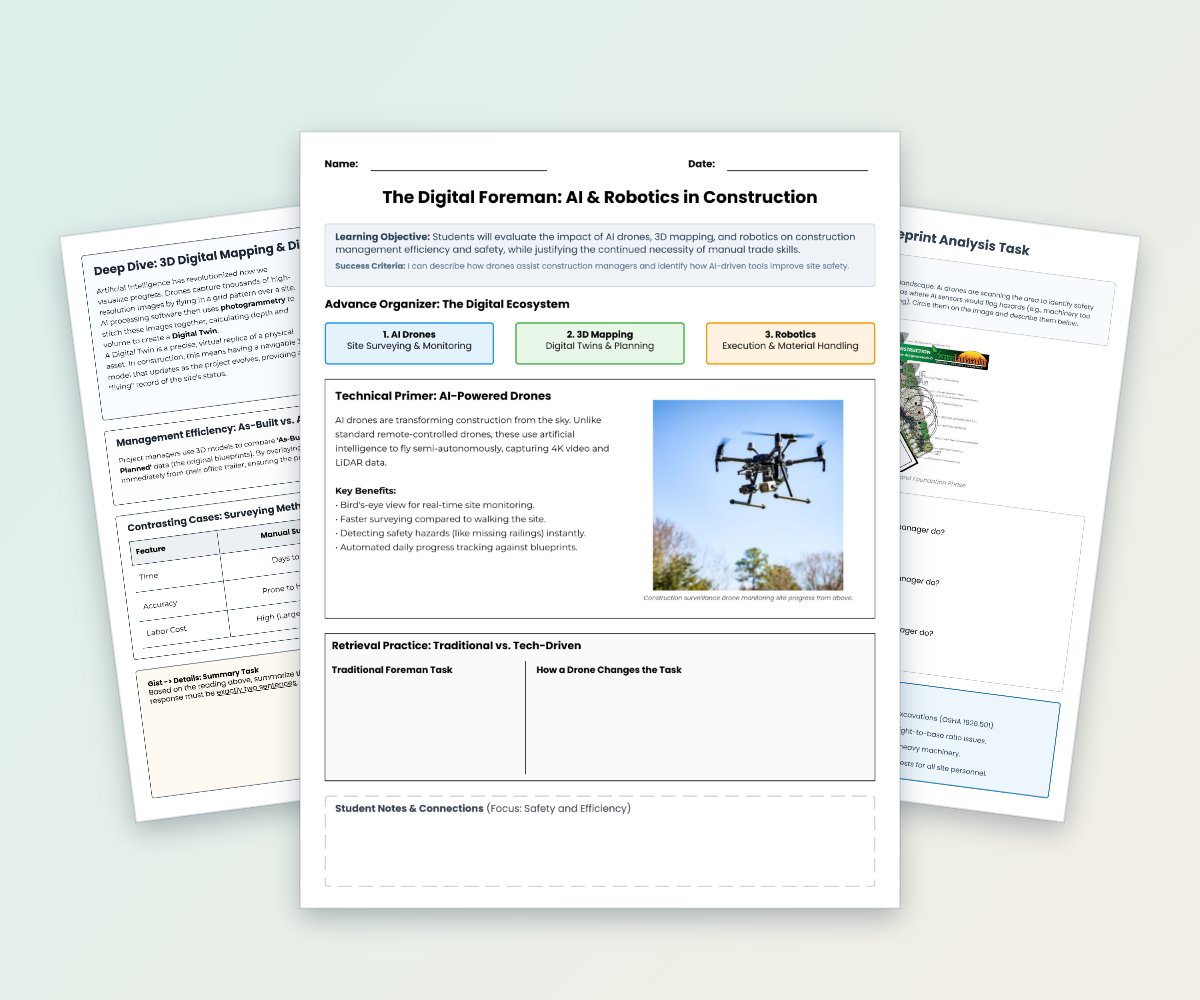
This five-page lesson introduces students to AI-powered drones, 3D mapping, digital twins, and robotics in construction management.
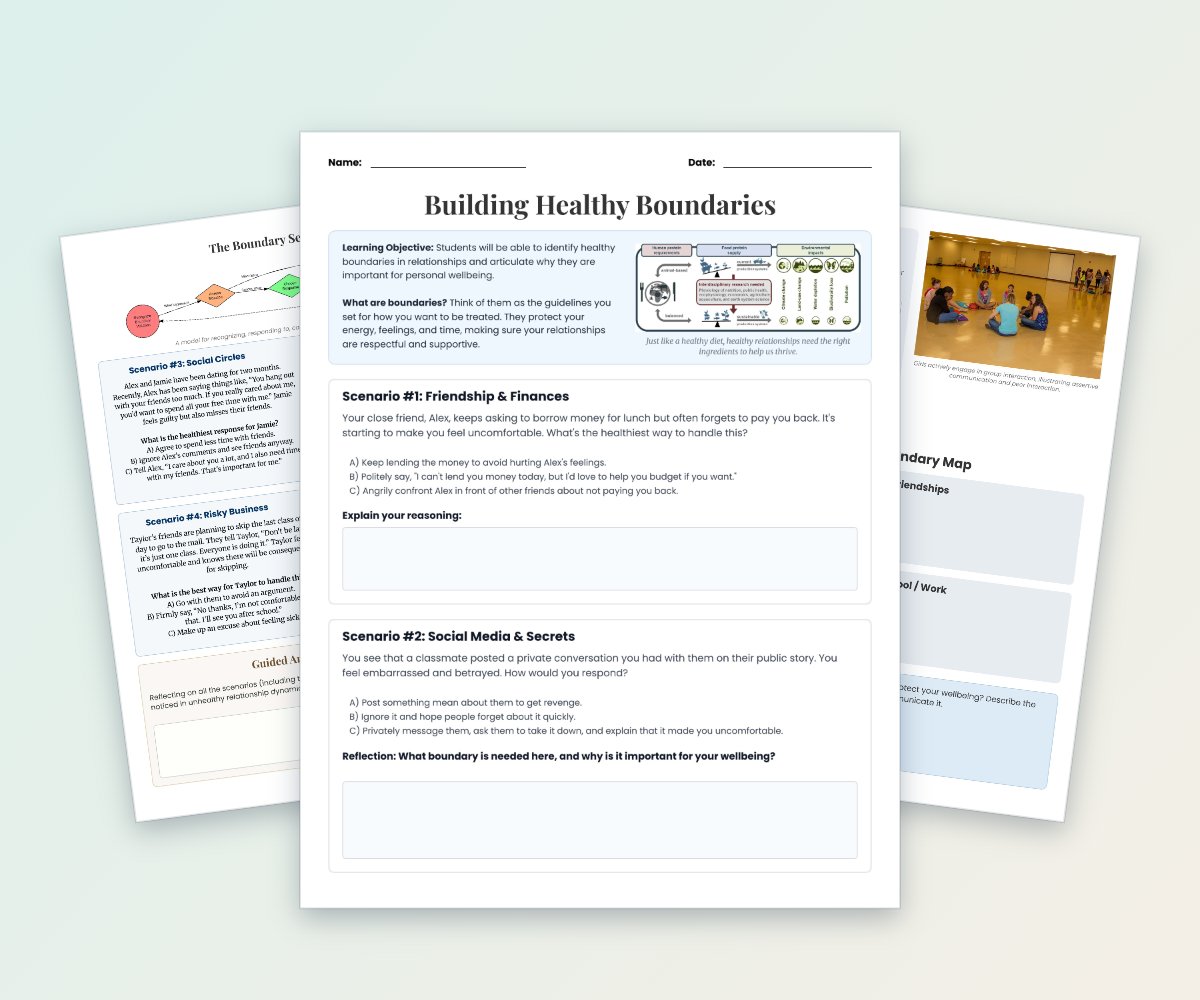
This three-page activity helps students understand healthy boundaries and why they support personal wellbeing.
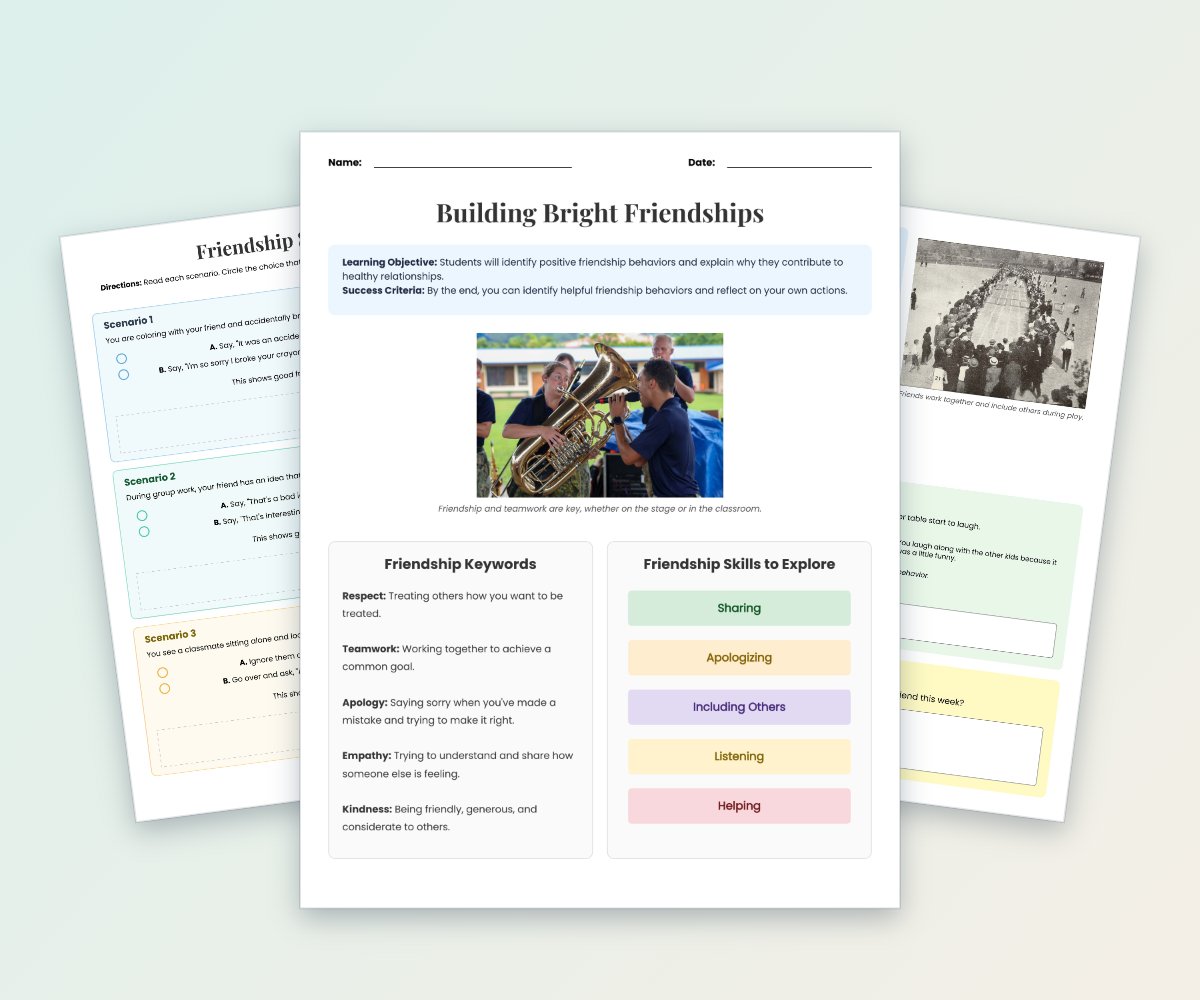
Students learn key friendship skills including respect, teamwork, empathy, kindness, sharing, apologizing, inclusion, listening, and helping.
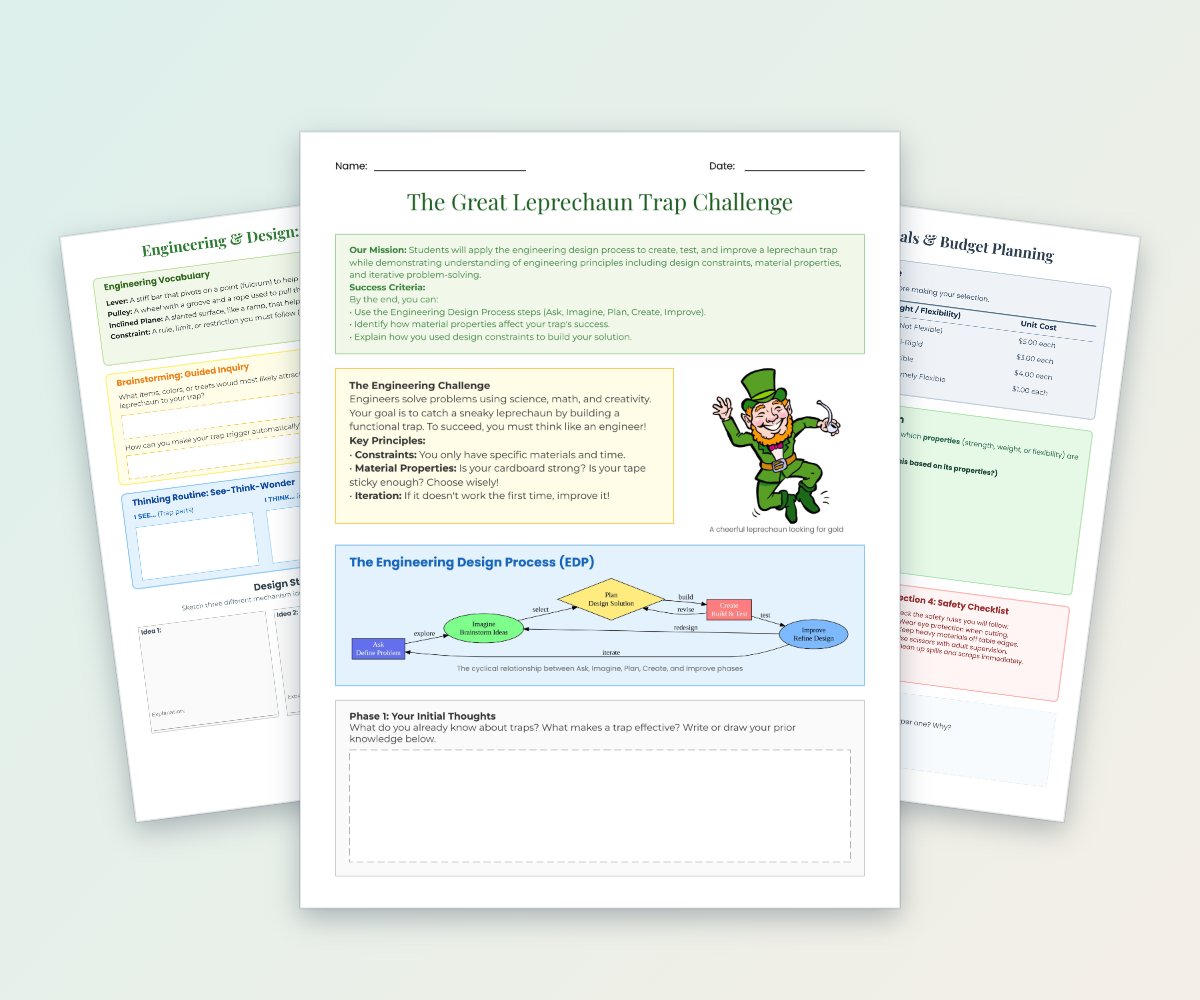
Students apply the engineering design process to design, build, test, and improve a leprechaun trap using constraints and material properties.
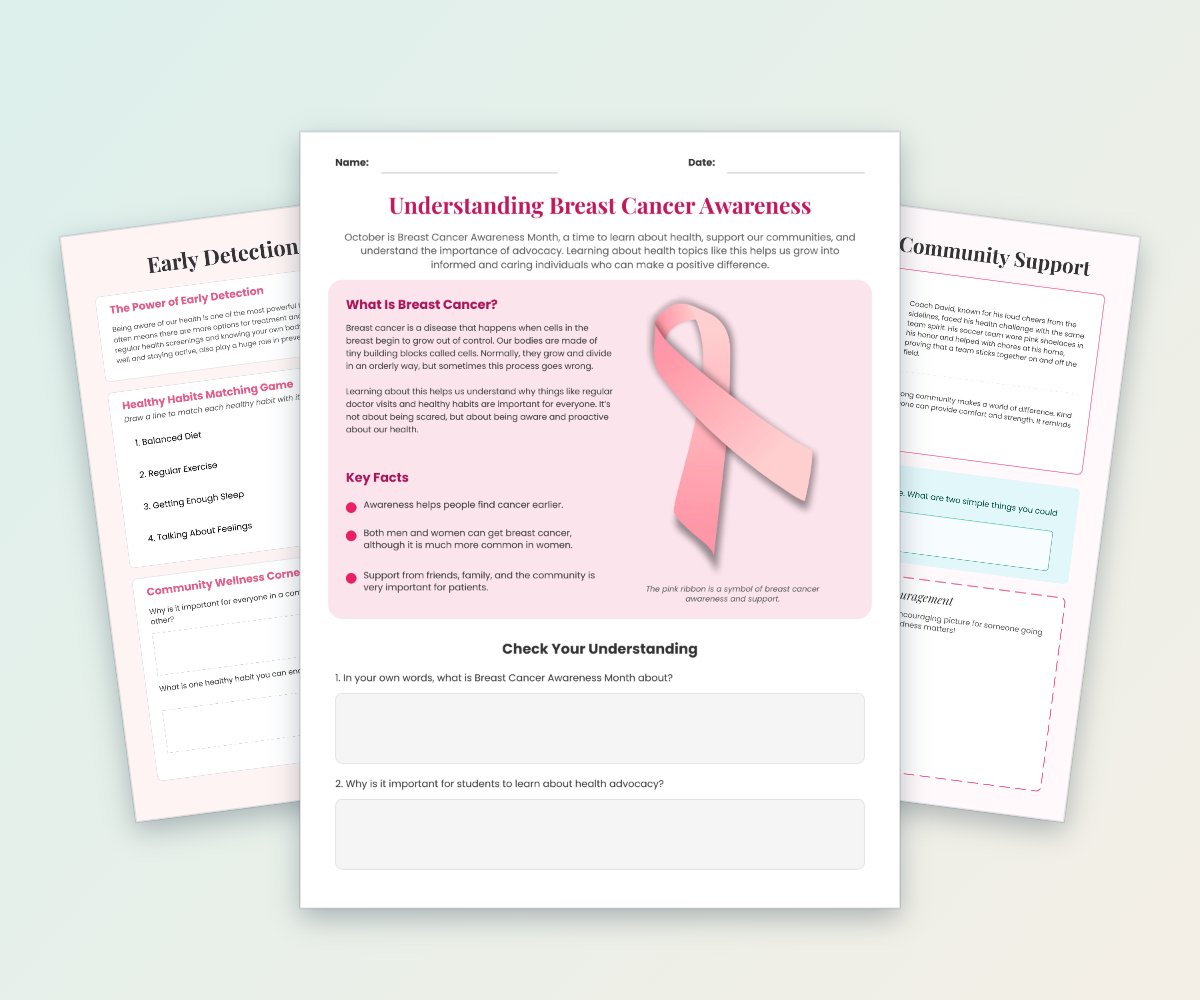
This five-page worksheet introduces breast cancer awareness, early detection, advocacy, community support, and healthy habits.
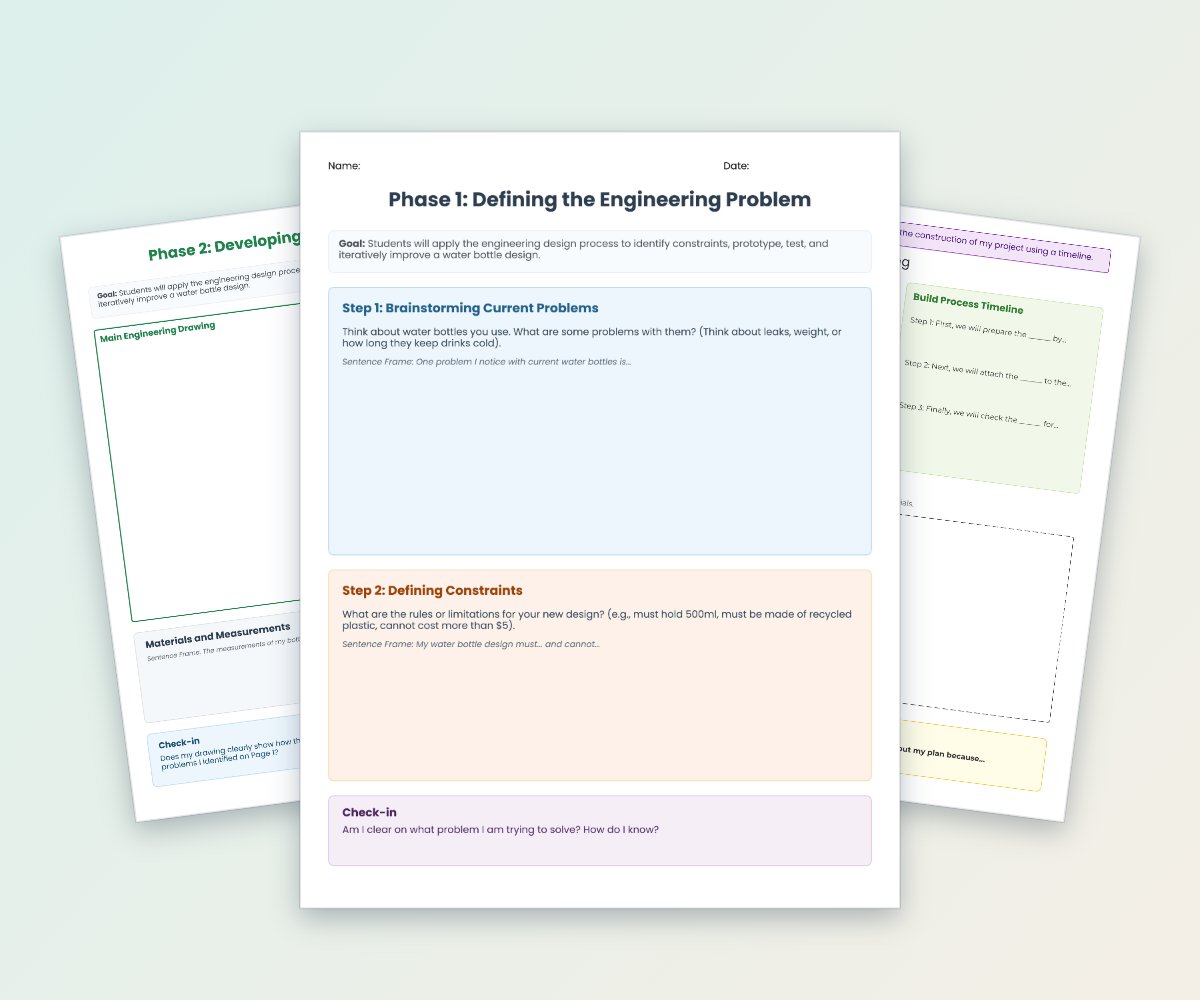
Students identify water bottle problems, define design constraints, sketch a prototype, plan construction, and collect testing data.
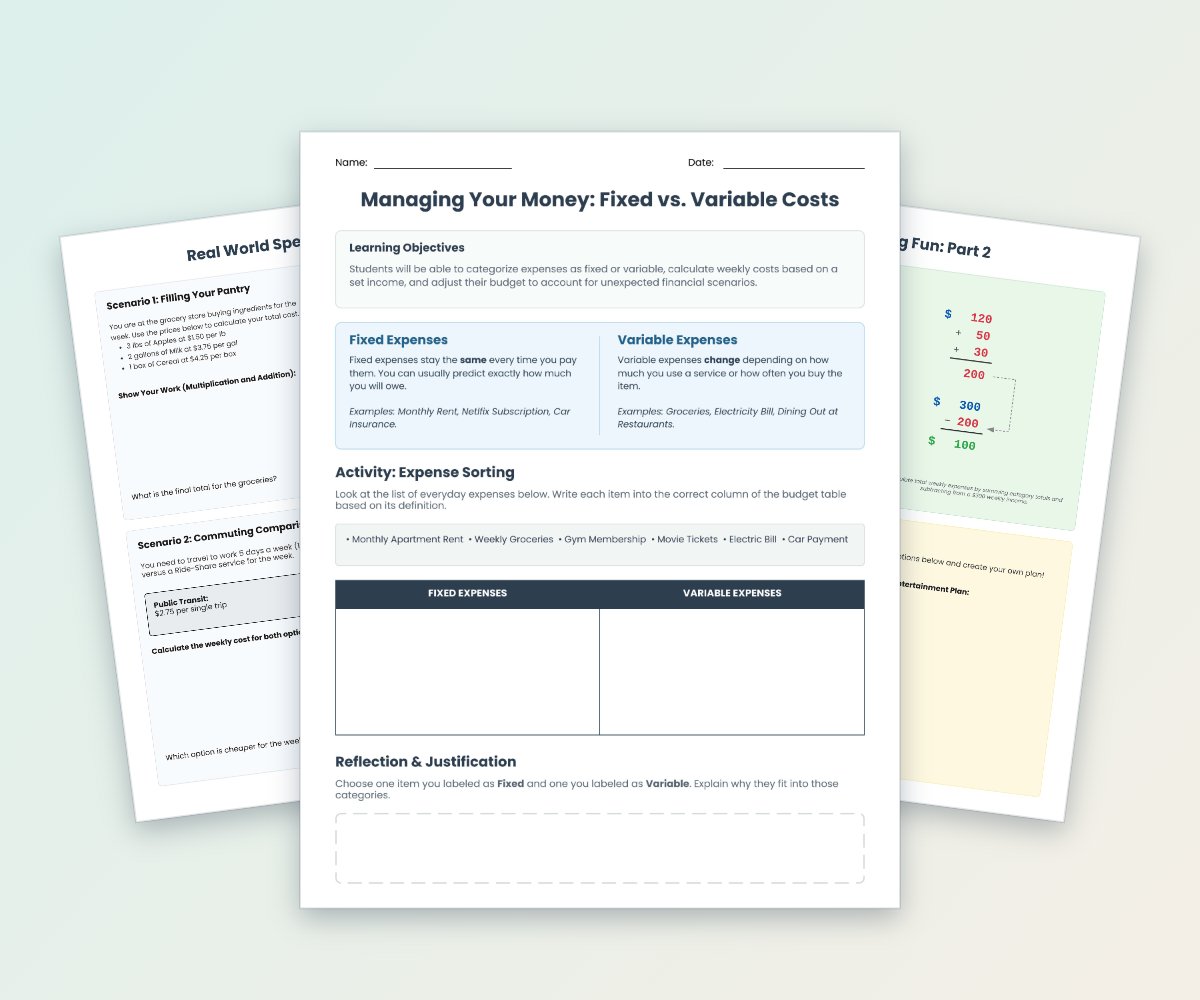
Students learn to distinguish fixed and variable expenses, calculate grocery and transportation costs, and track a weekly budget.
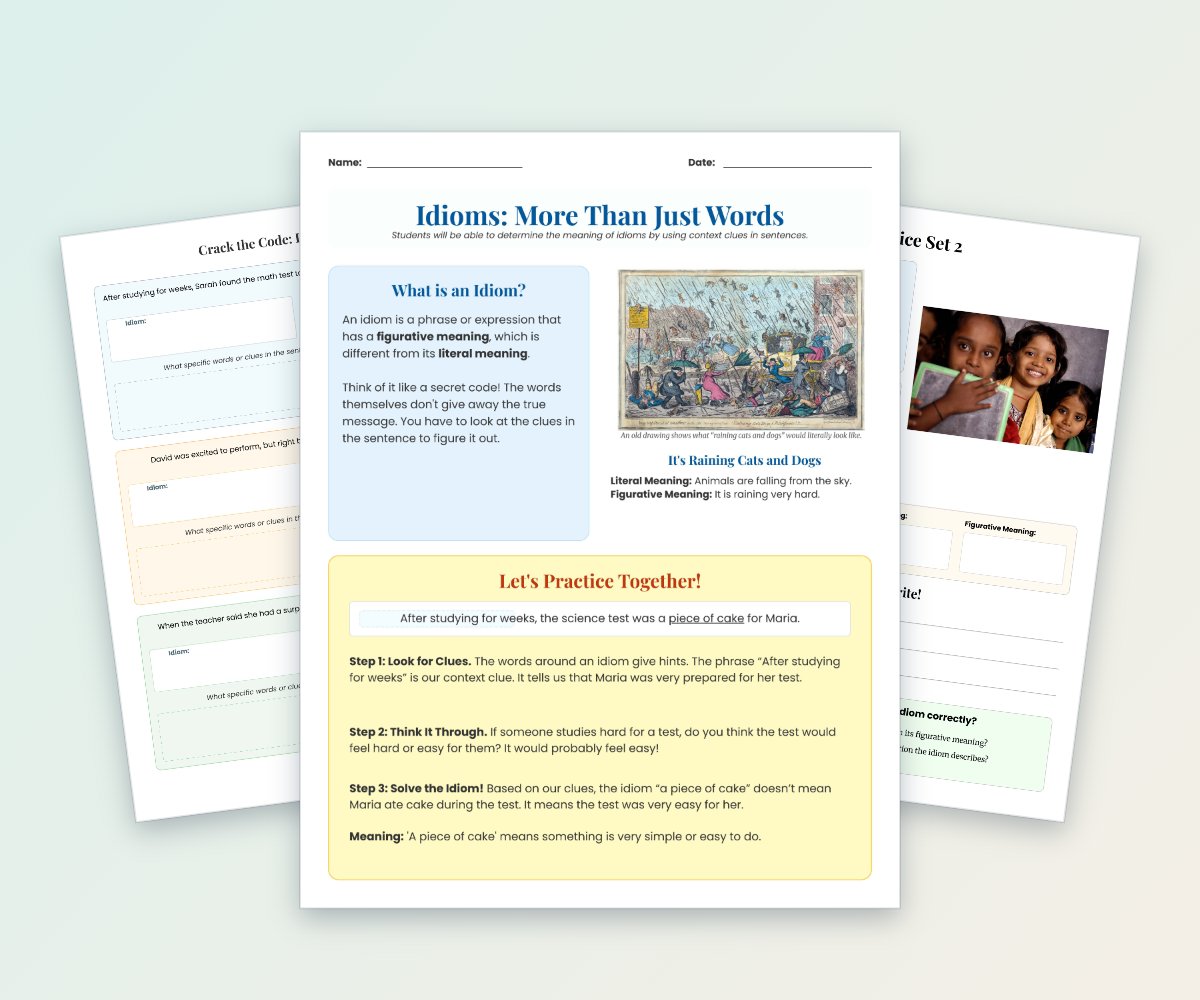
This four-page worksheet introduces figurative language and guides students through determining idiom meanings using context clues.
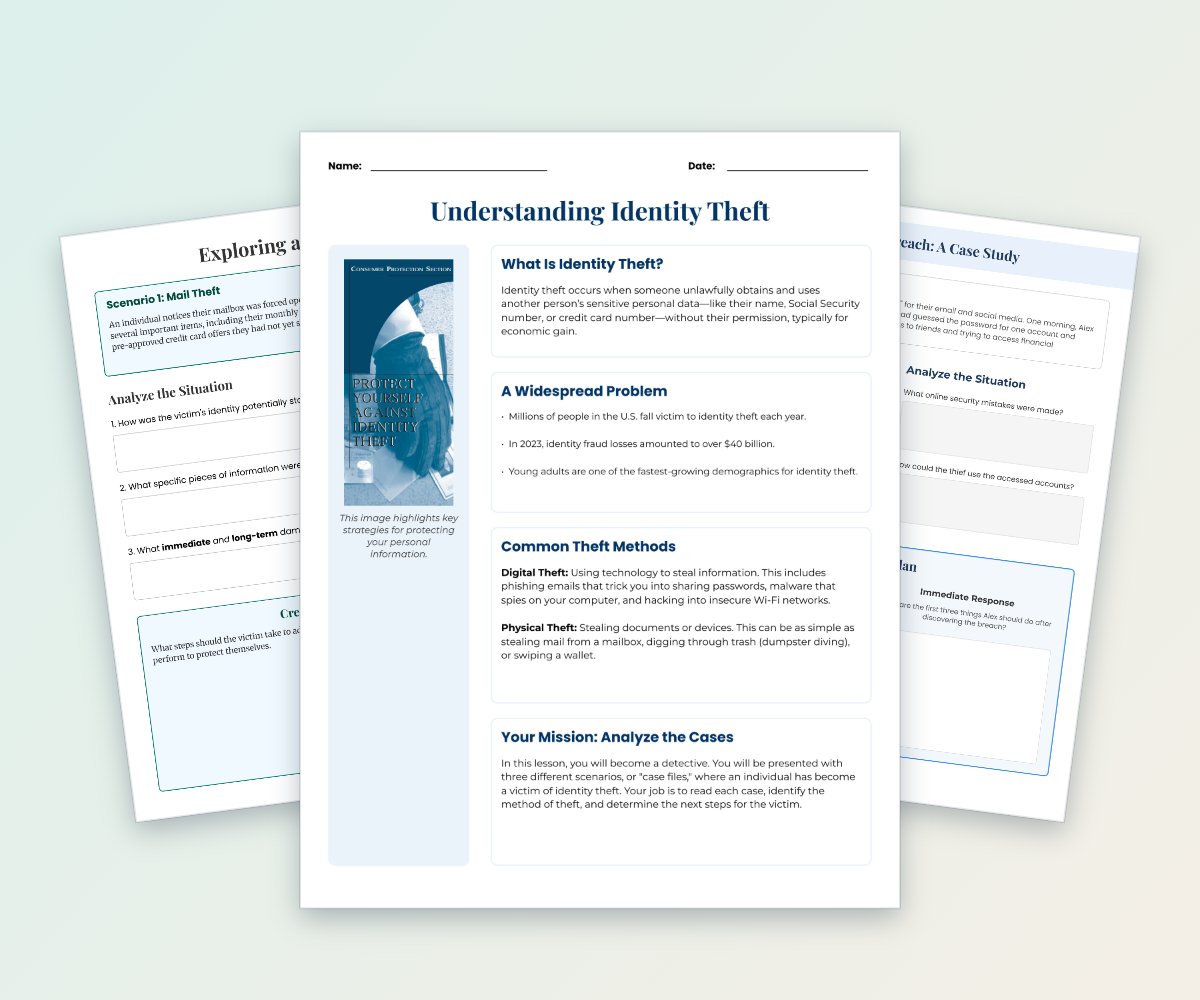
Students investigate identity theft through realistic mail theft and online security case studies.