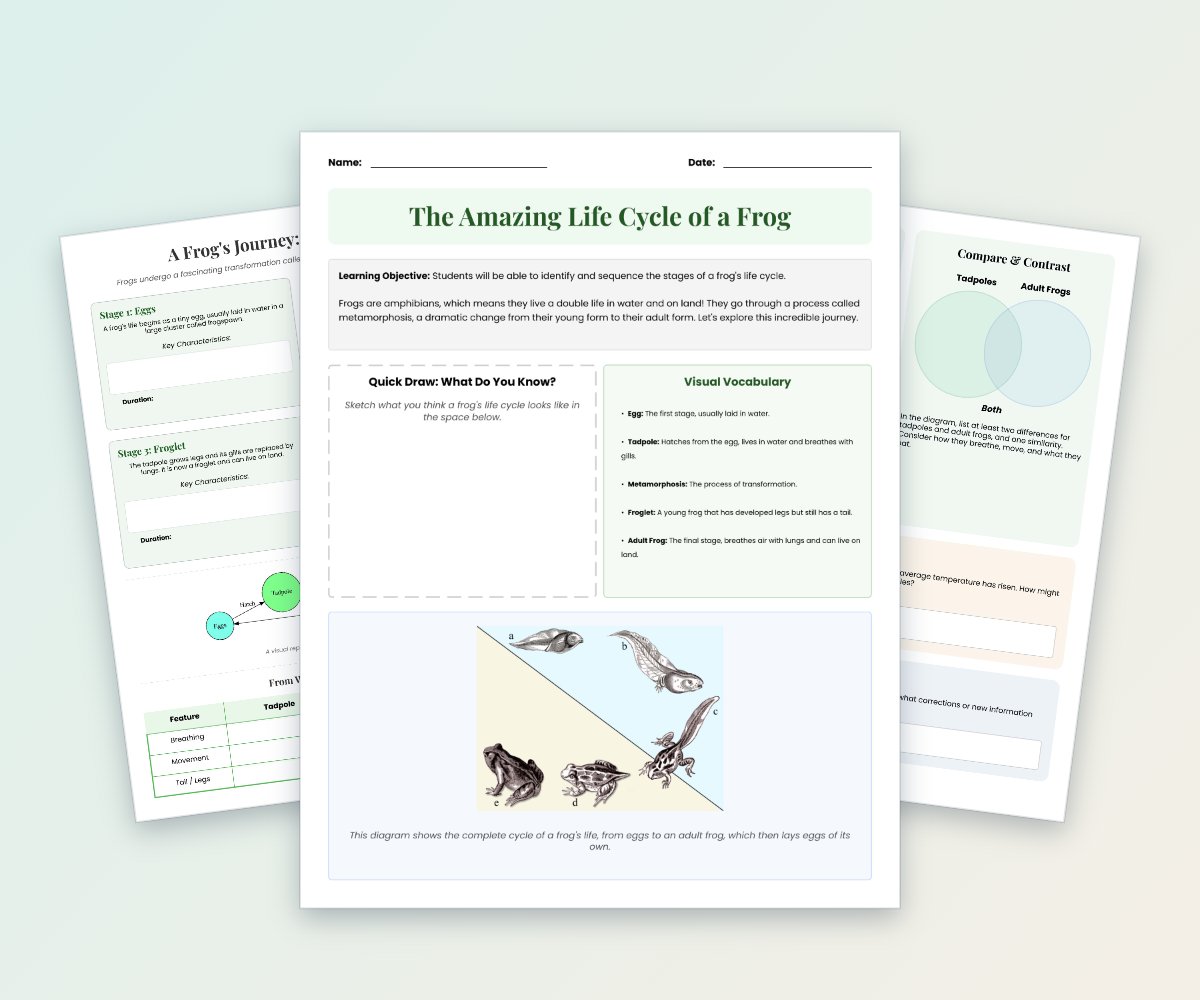
Exploring the Frog Life Cycle
This three-page science worksheet guides students through the stages of a frog’s life cycle, from egg to adult.
$4
Classroom-ready resources written for grade 3: printable worksheets, slides, activities and planning tools you can download and use straight away. Browse by subject below.
This three-page science worksheet guides students through the stages of a frog’s life cycle, from egg to adult.
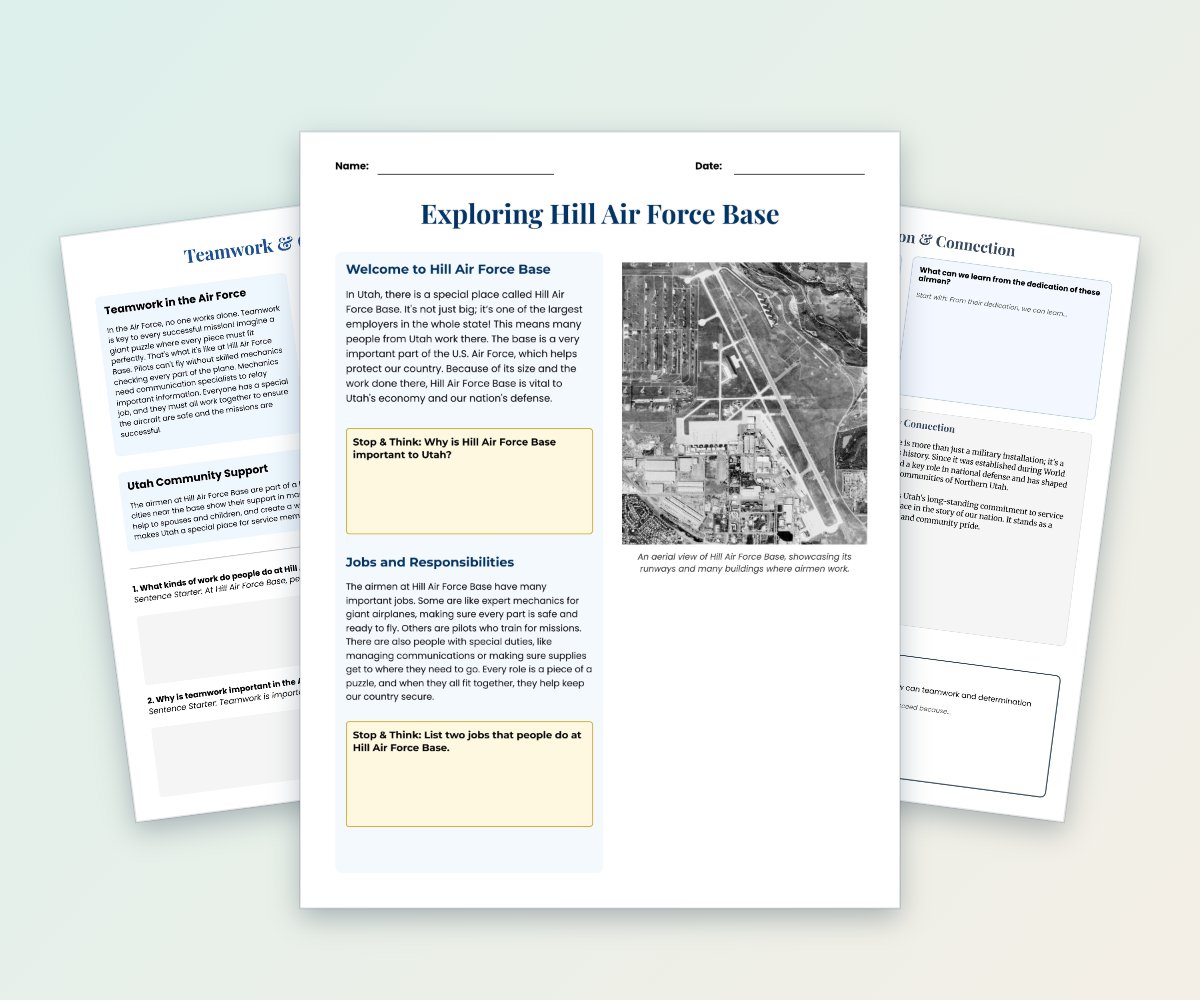
Students learn about Hill Air Force Base, its jobs, importance to Utah, and connections to the local community.
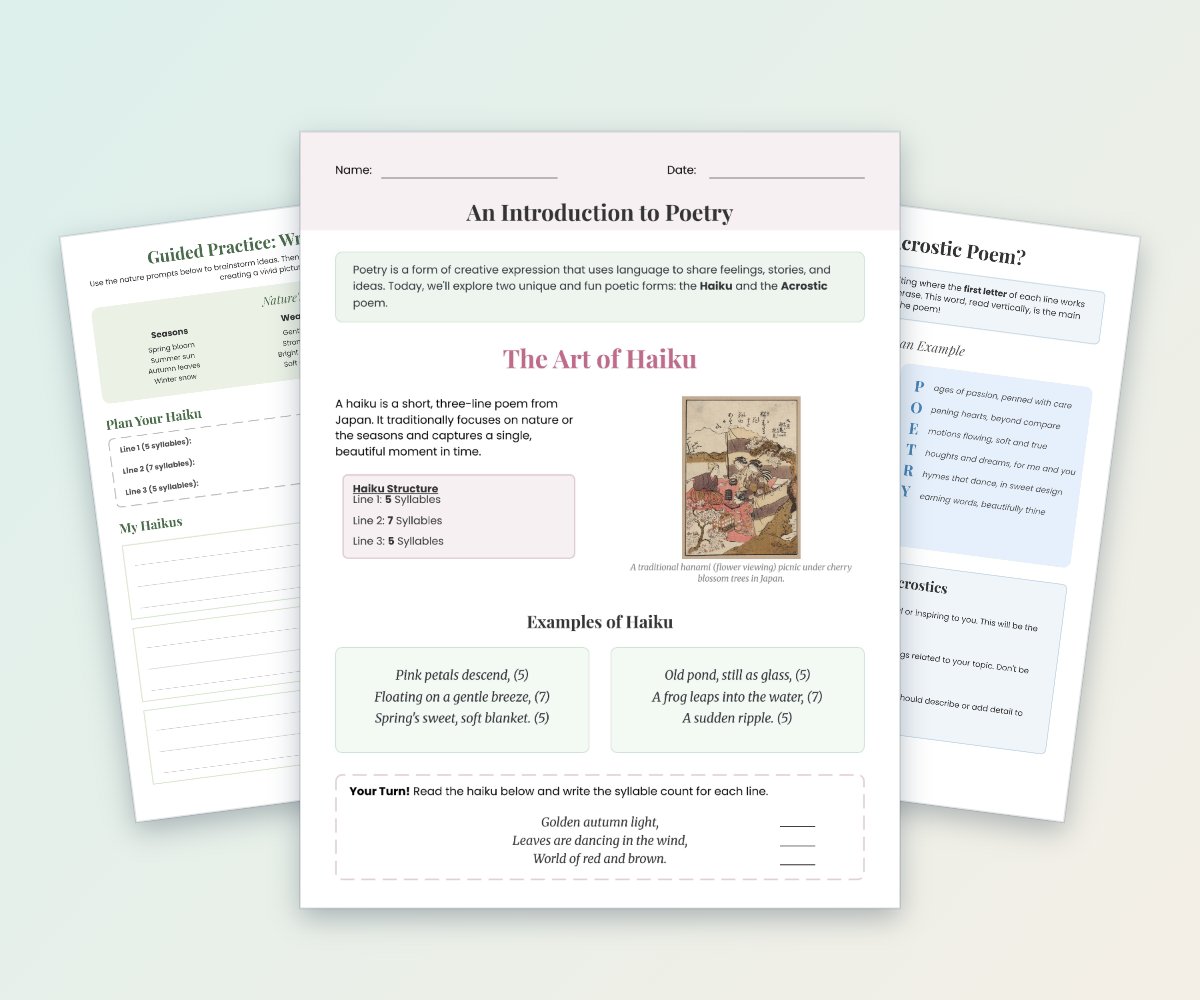
Introduce students to the structure and features of haiku and acrostic poems through examples, syllable-counting practice, nature-themed brainstorming, and guided writing prompts.
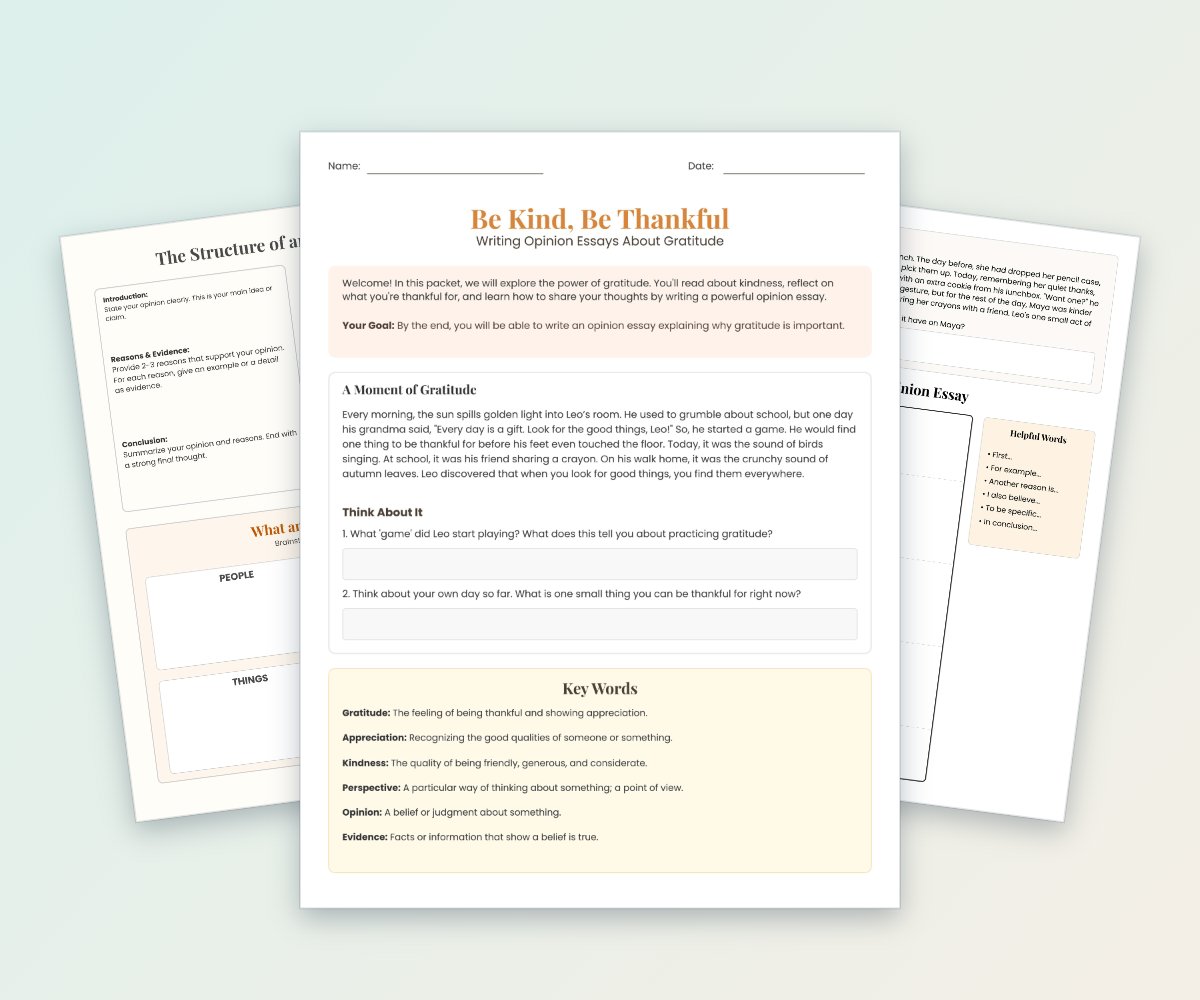
This six-page writing packet helps students explore gratitude and kindness while learning to write an opinion essay.
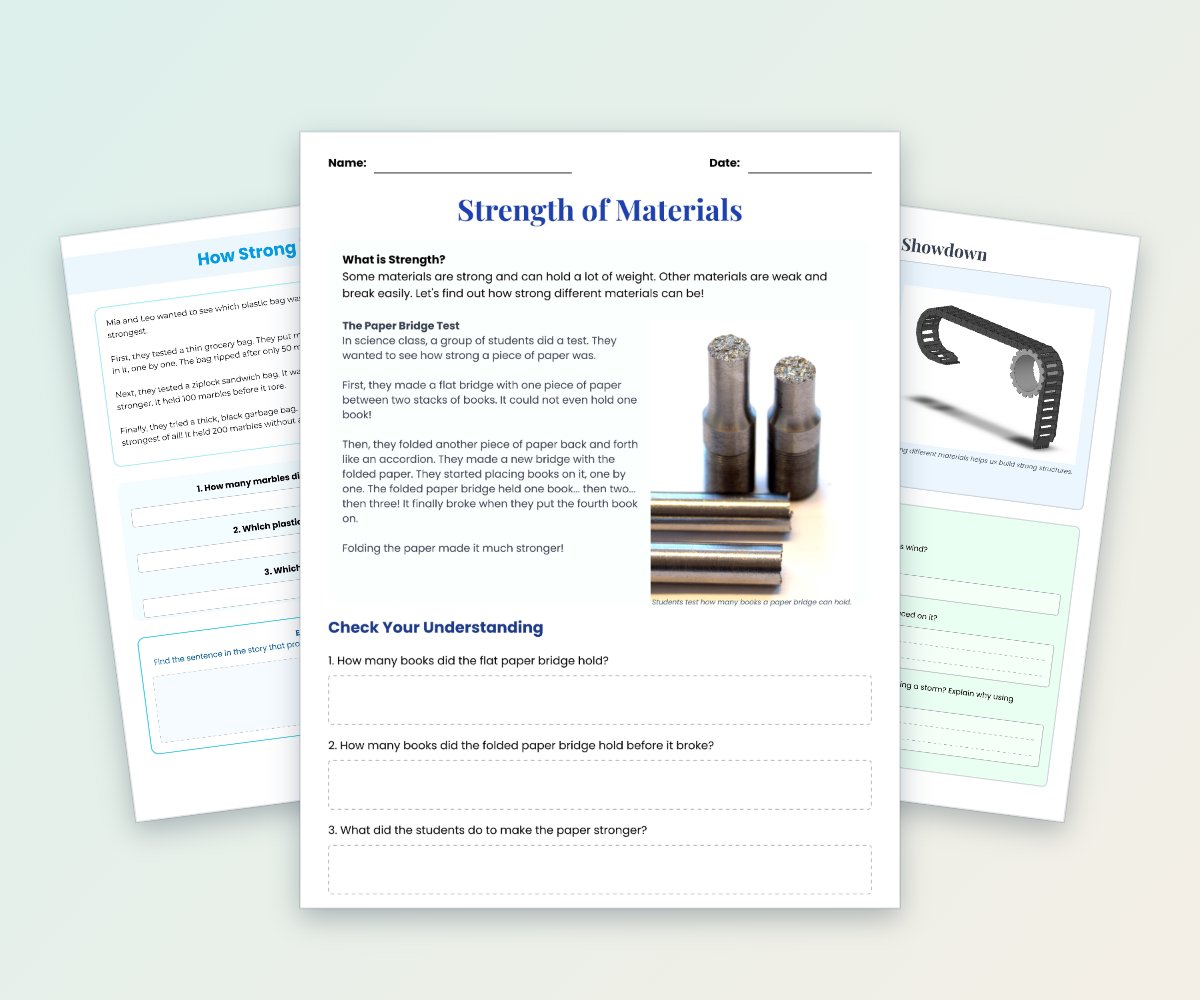
Students explore how folding, thickness, and material type affect strength through paper bridge, plastic bag, and model house tests.
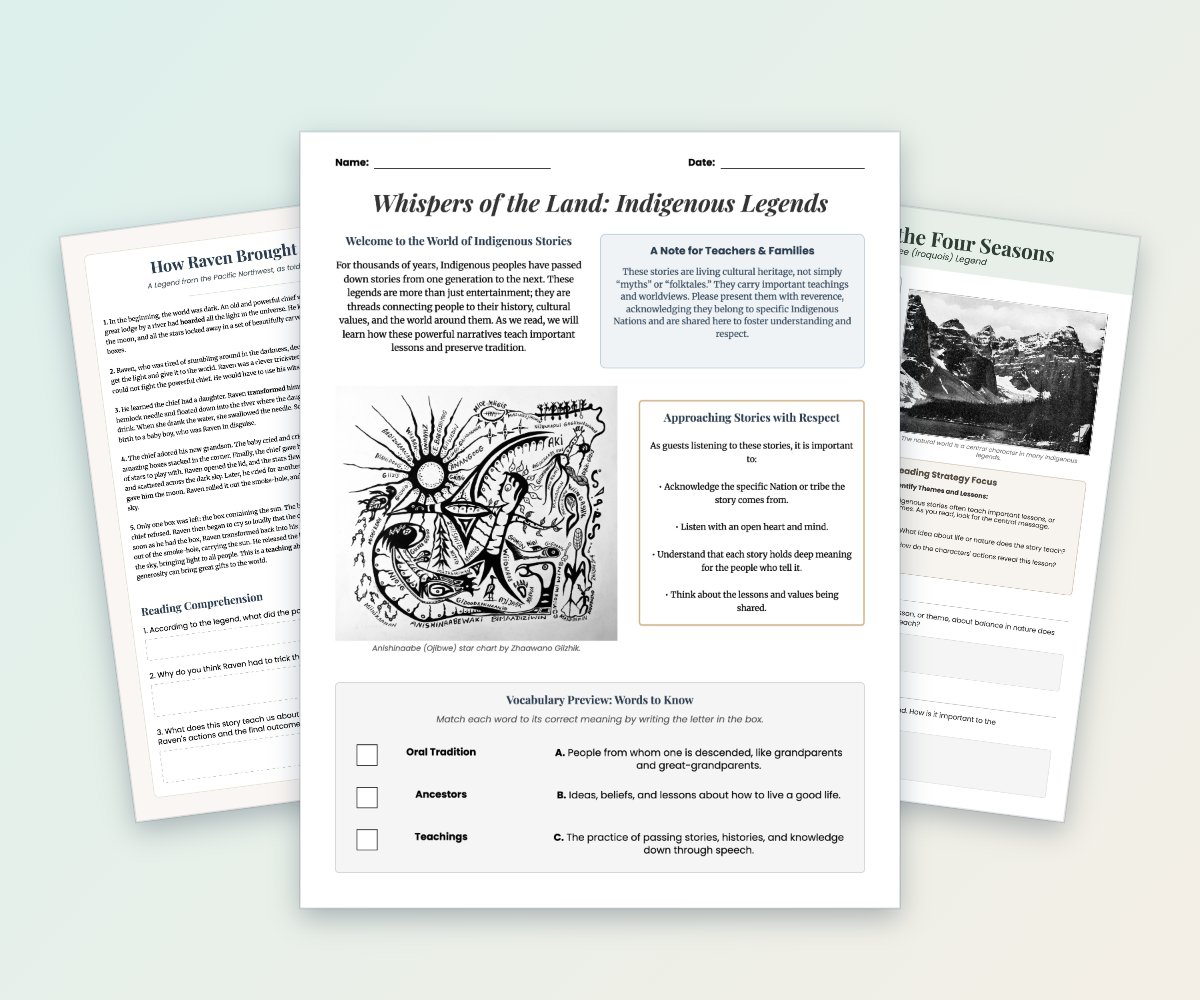
Introduce students to Indigenous storytelling traditions through respectful background information, vocabulary practice, and the legend of how Raven brought light to the world.
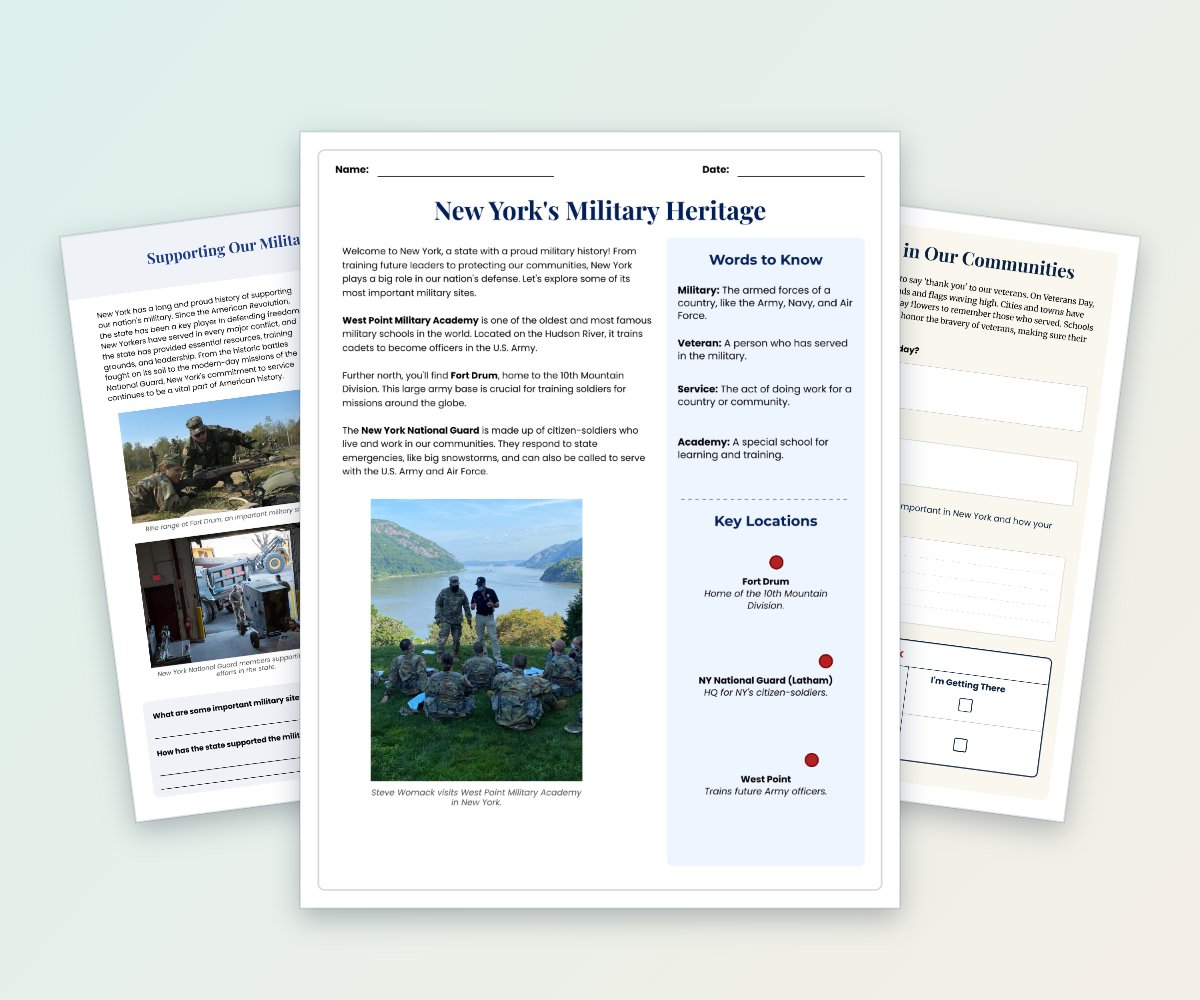
Students explore West Point, Fort Drum, the New York National Guard, and the state’s military contributions from the American Revolution to today.
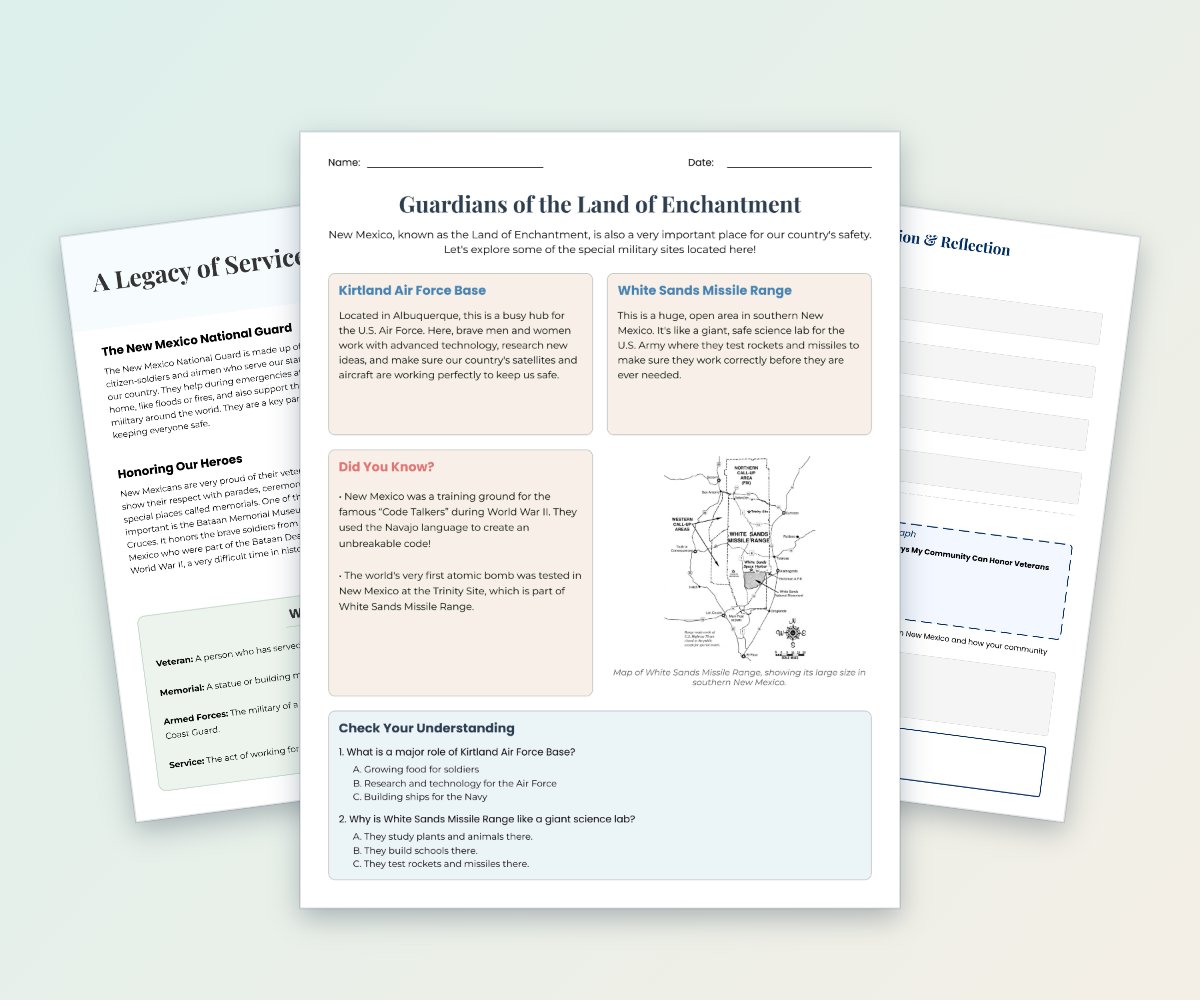
Students learn about Kirtland Air Force Base, White Sands Missile Range, the New Mexico National Guard, and the Bataan Memorial.
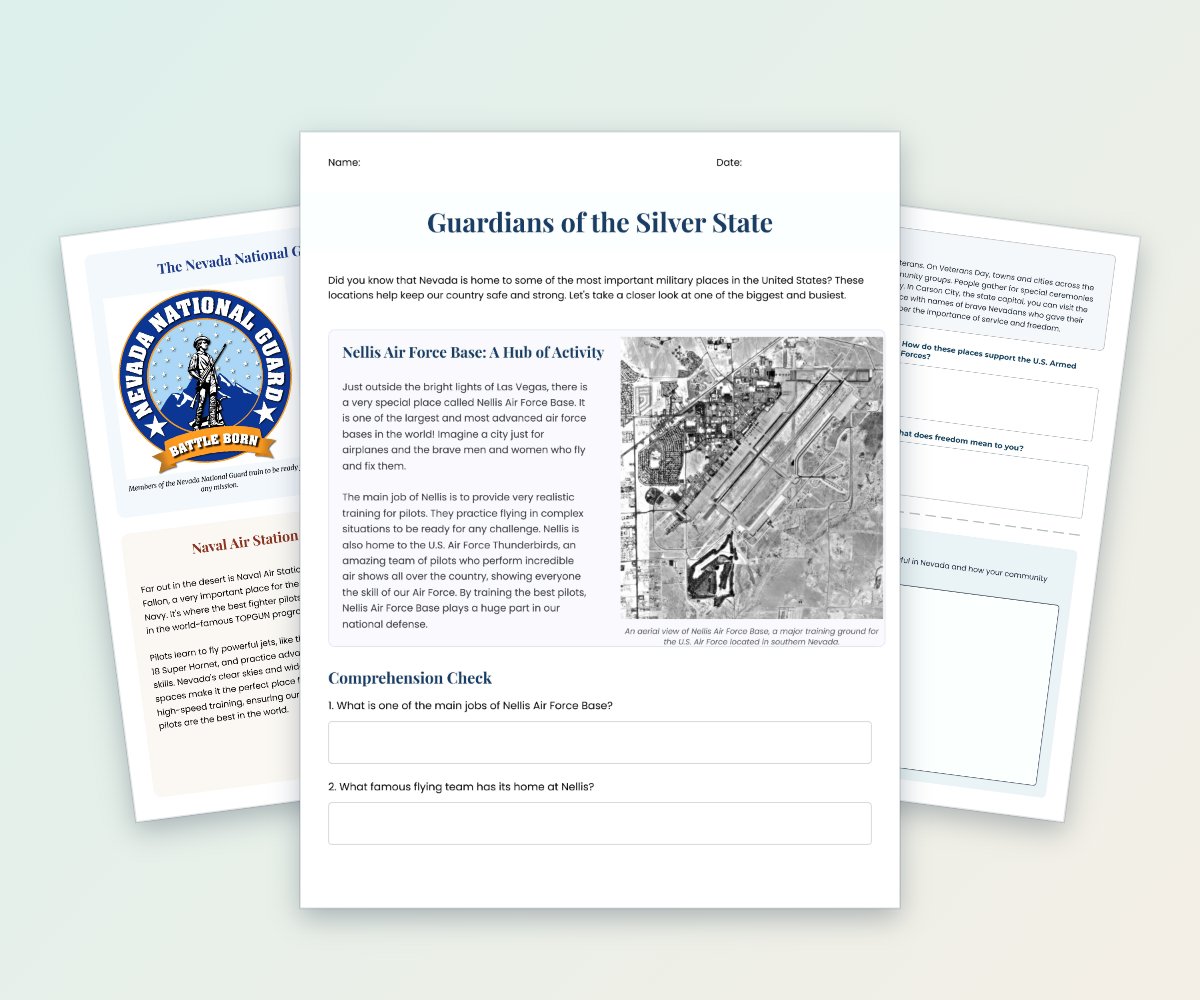
Students read about Nellis Air Force Base, the Nevada National Guard, Naval Air Station Fallon, and Nevada veterans.
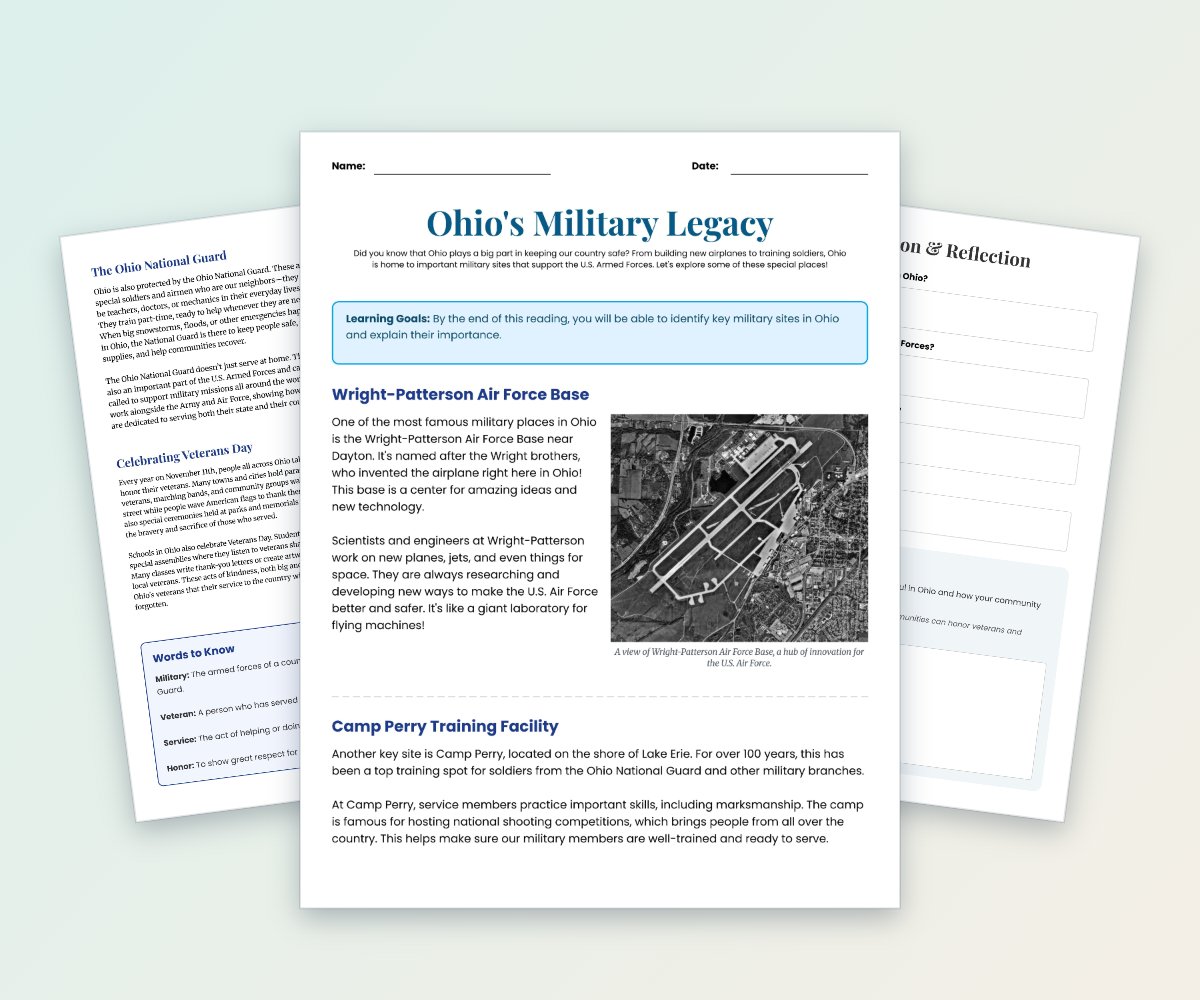
This three-page informational reading introduces students to Wright-Patterson Air Force Base, Camp Perry, the Ohio National Guard, and Veterans Day.
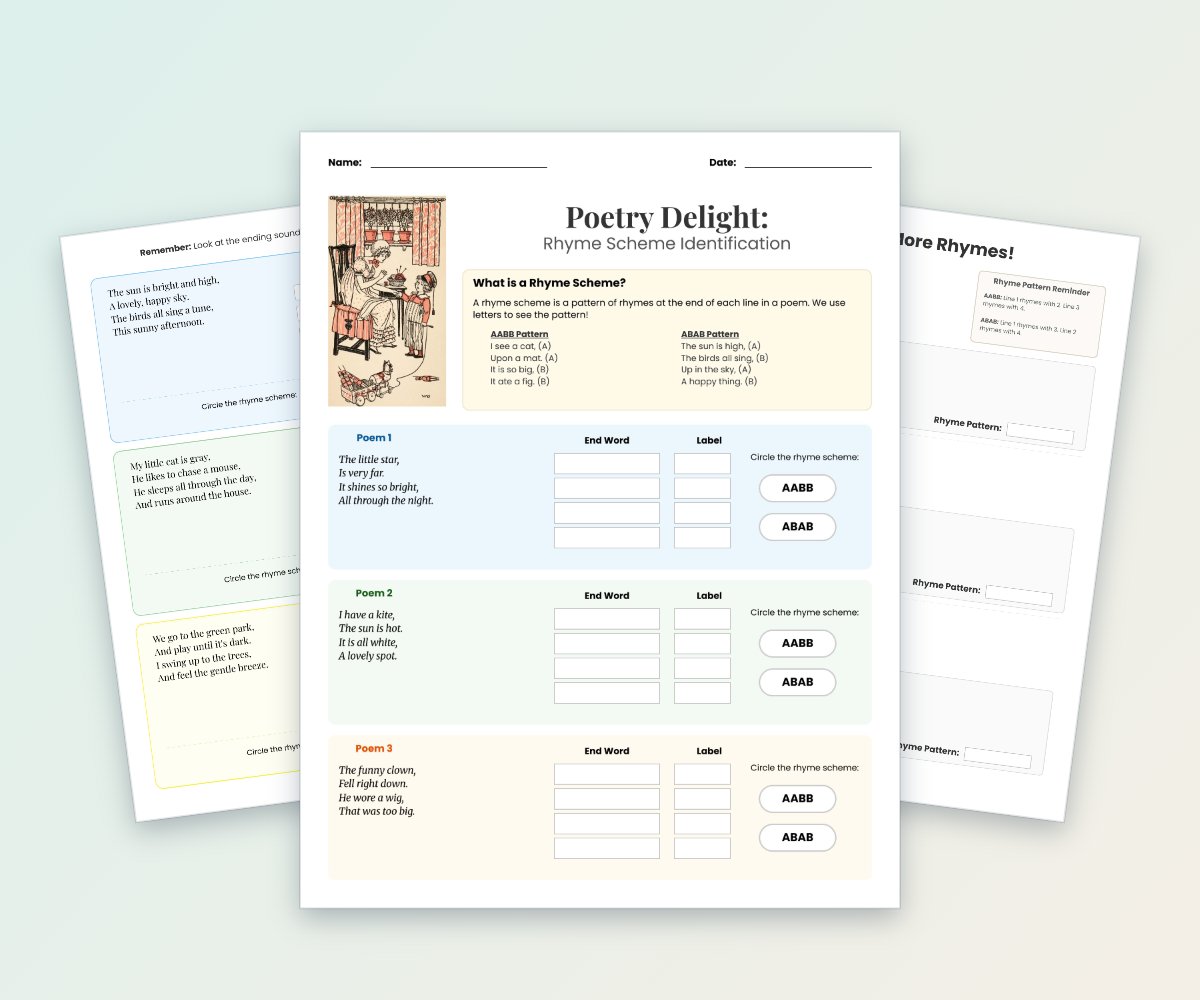
Students learn to recognize and label AABB and ABAB rhyme patterns in short, accessible poems.
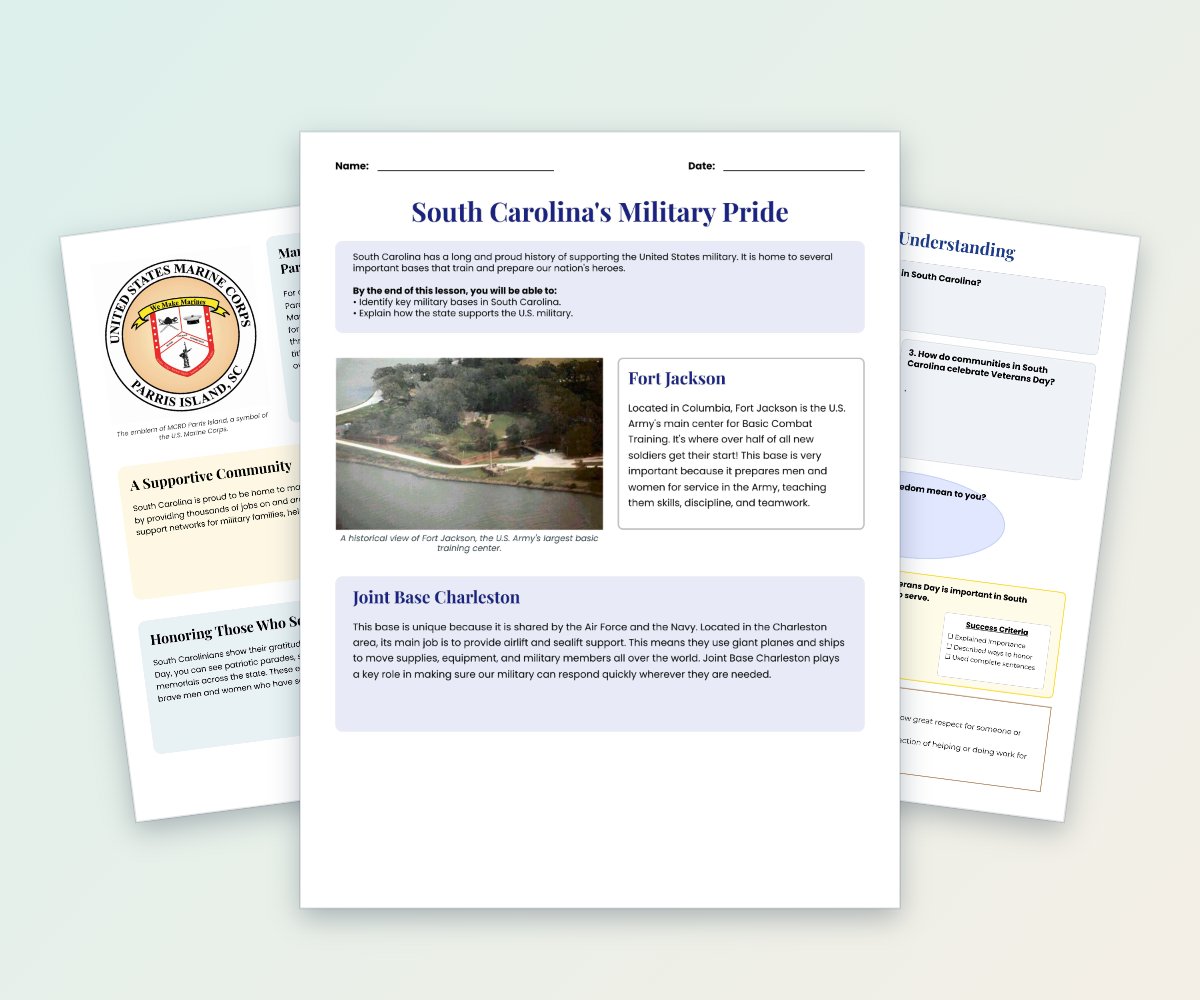
This three-page lesson introduces students to Fort Jackson, Joint Base Charleston, and Marine Corps Recruit Depot Parris Island.
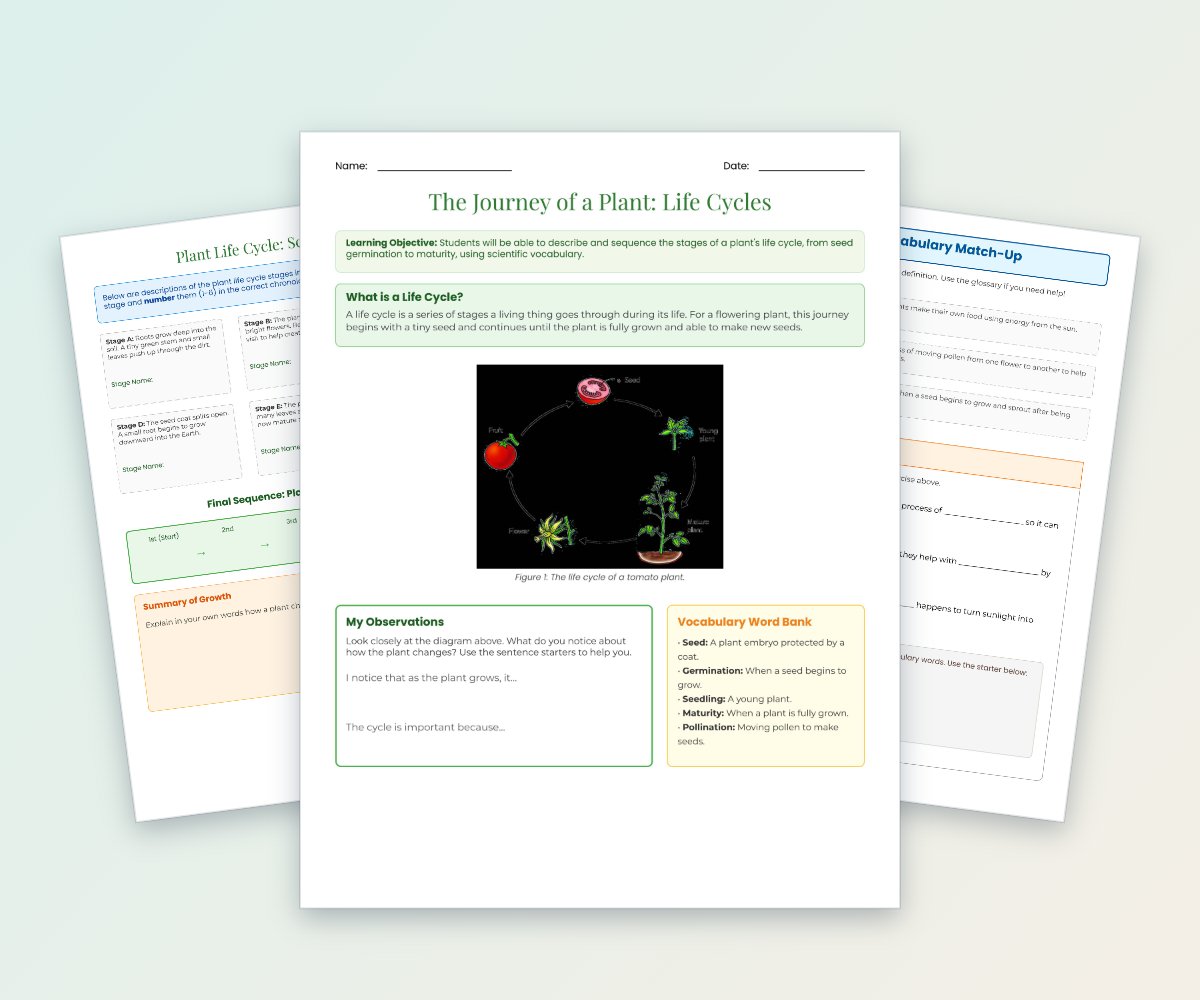
This six-page science worksheet guides students through the flowering plant life cycle, from seed germination to maturity and seed production.
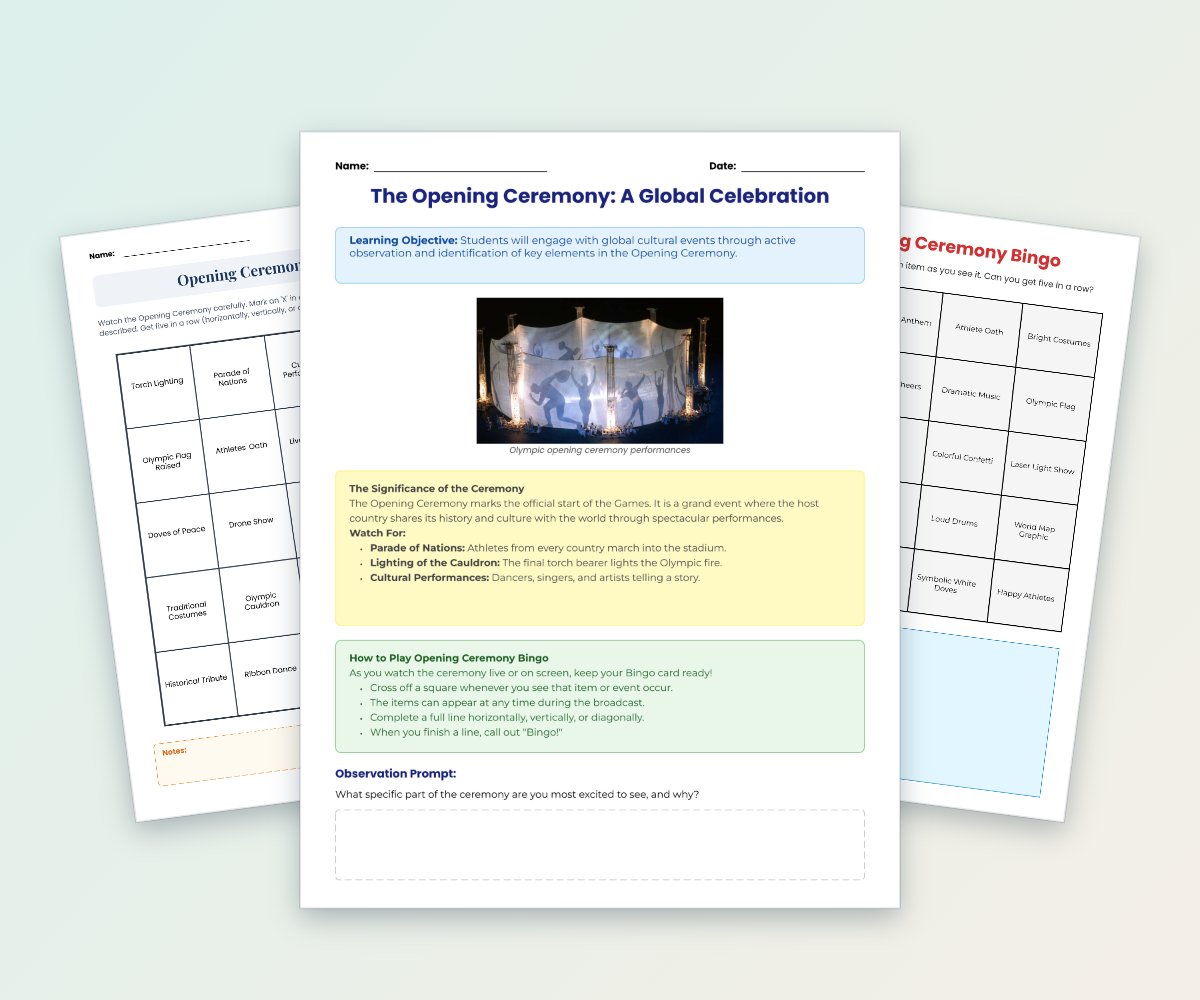
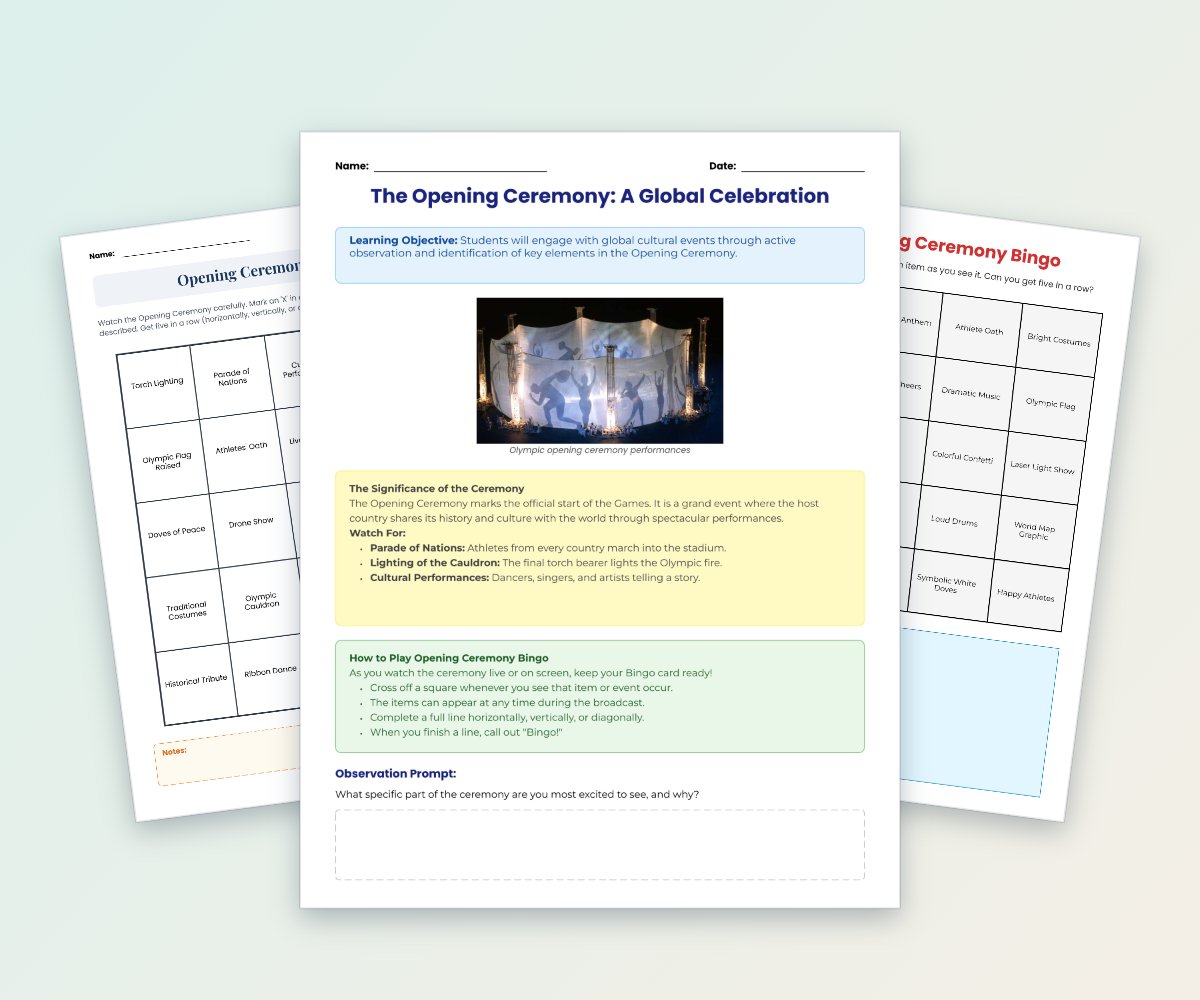
This engaging observation activity introduces students to the cultural significance and key features of an Olympic Opening Ceremony.
Students learn about the significance of the Olympic Opening Ceremony while observing cultural performances, traditions, and ceremonial events.
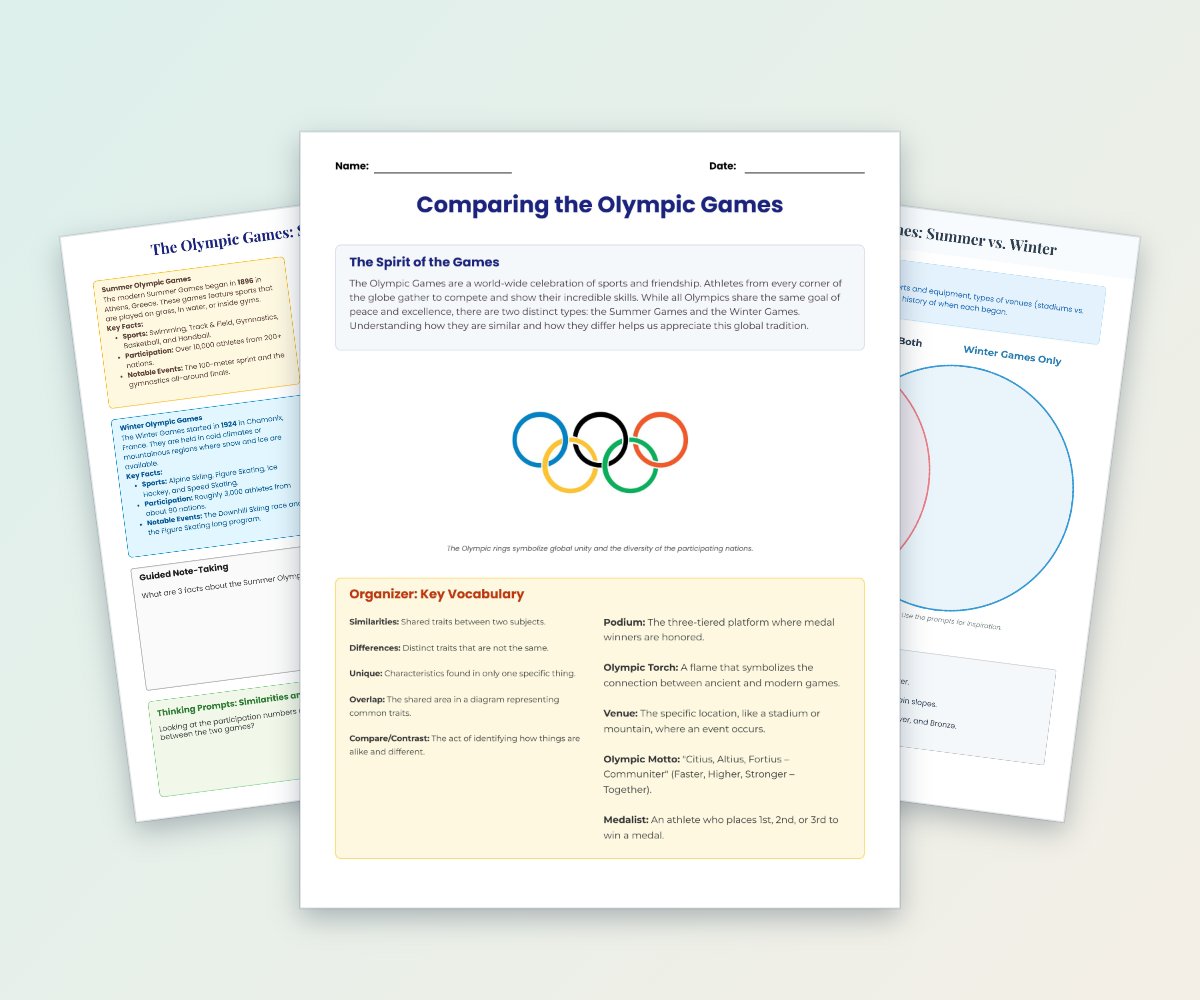
Students explore the history, sports, symbols, and participation of the Summer and Winter Olympic Games.
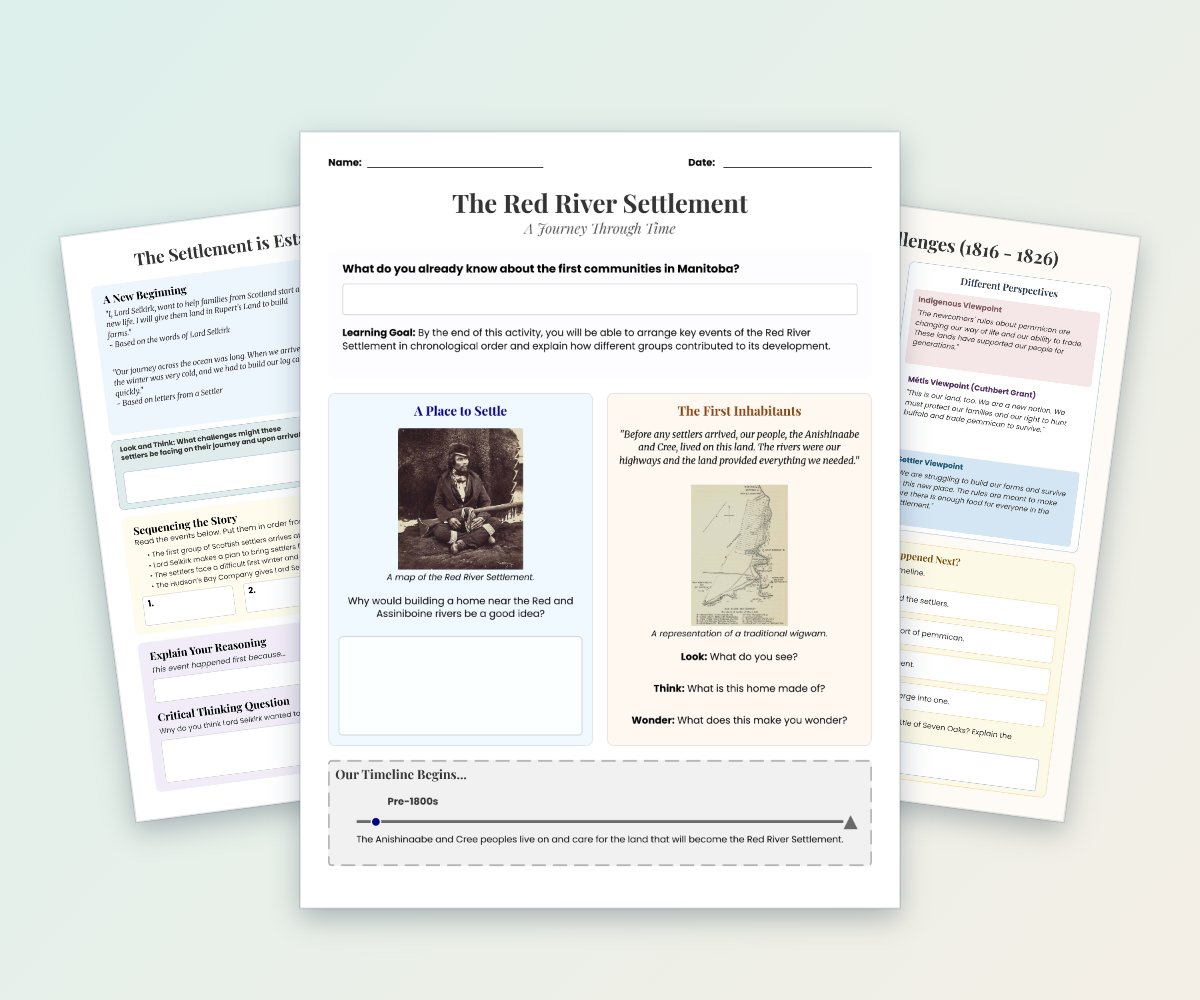
Students explore the development of the Red River Settlement through historical background, map analysis, visual observation, and sequencing activities.
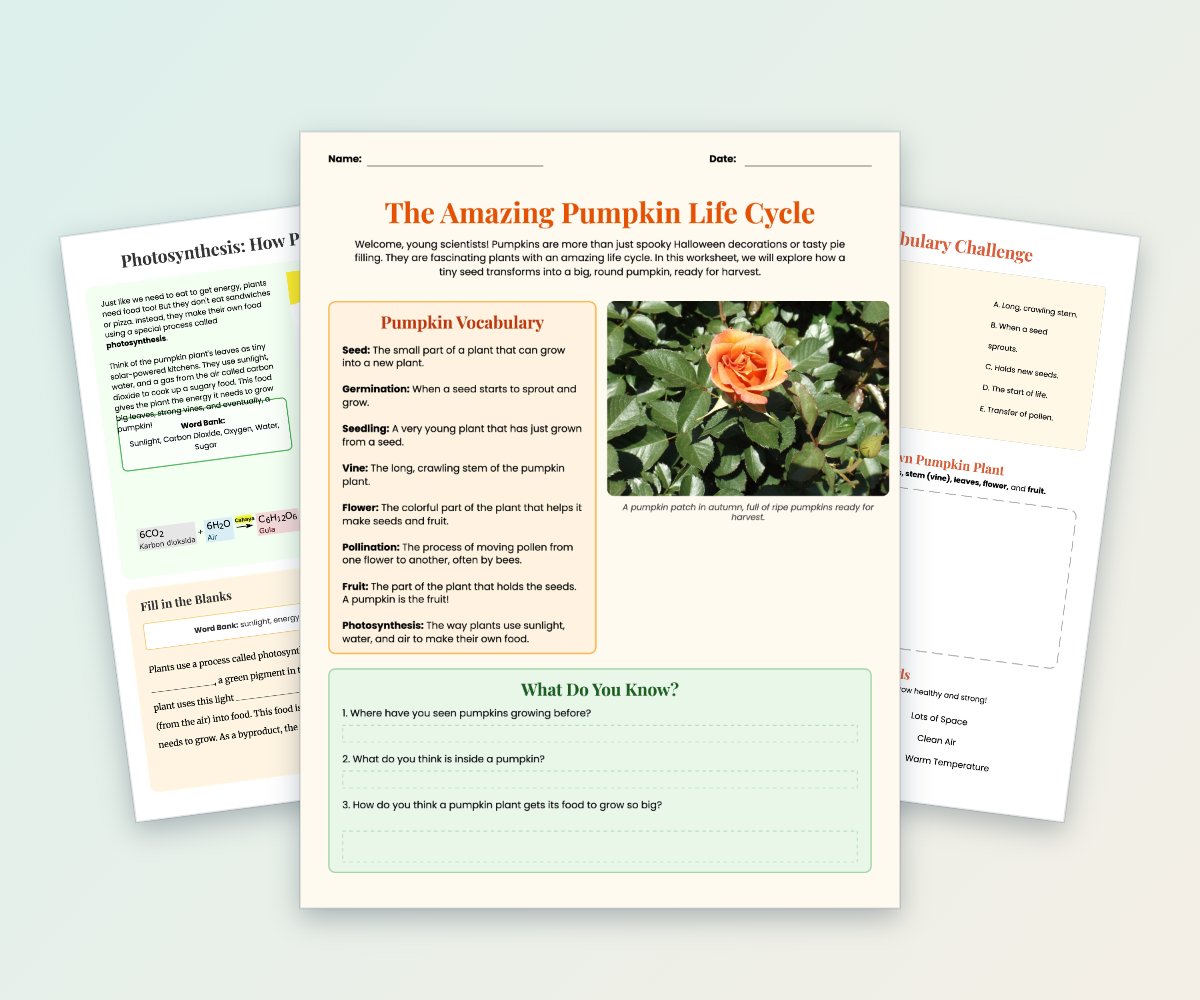
This elementary science worksheet explores pumpkin growth from seed to harvest and introduces key vocabulary such as germination, pollination, and photosynthesis.
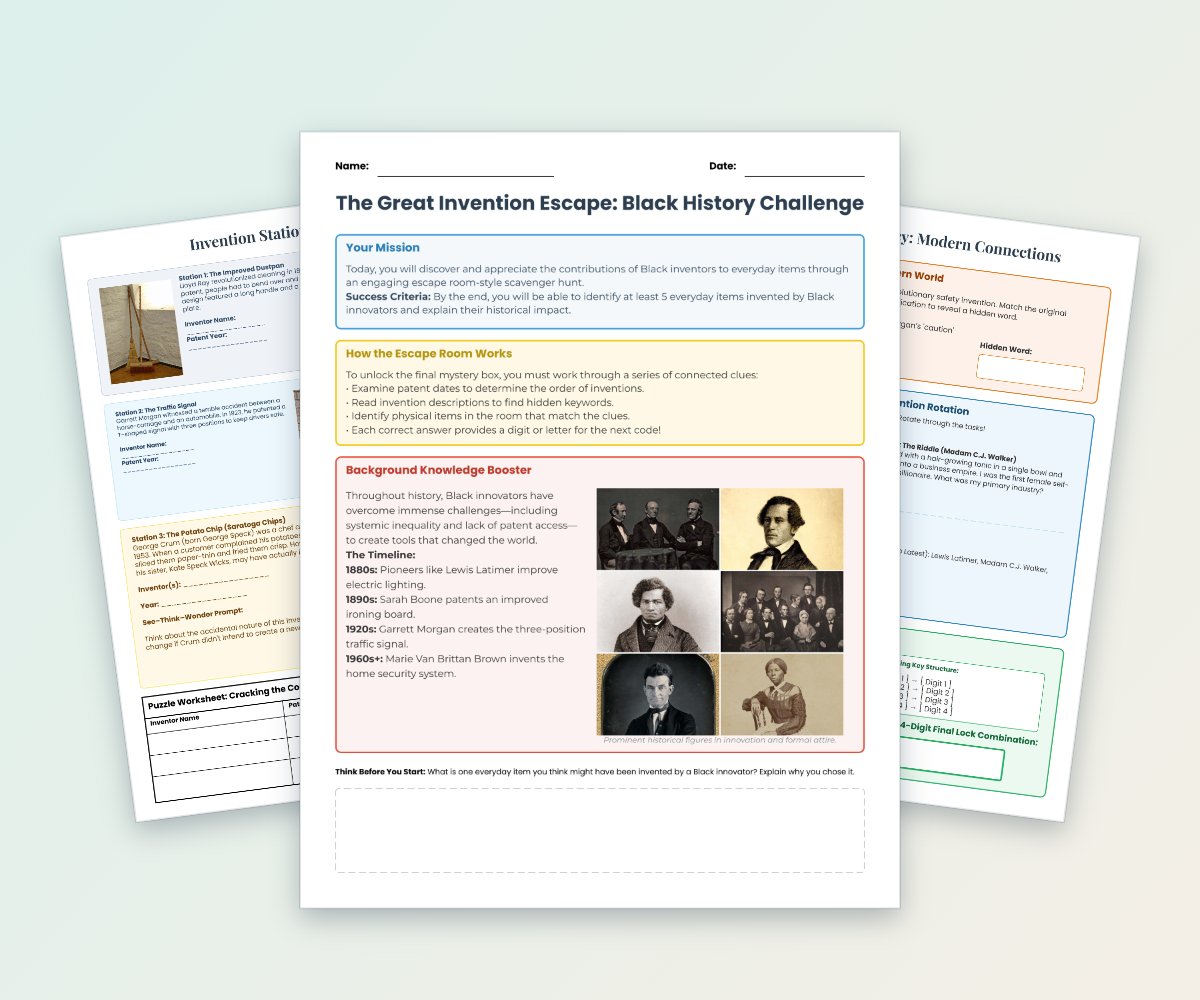
Students explore inventions and innovations by Black inventors through clues, patent dates, invention descriptions, and puzzle challenges.
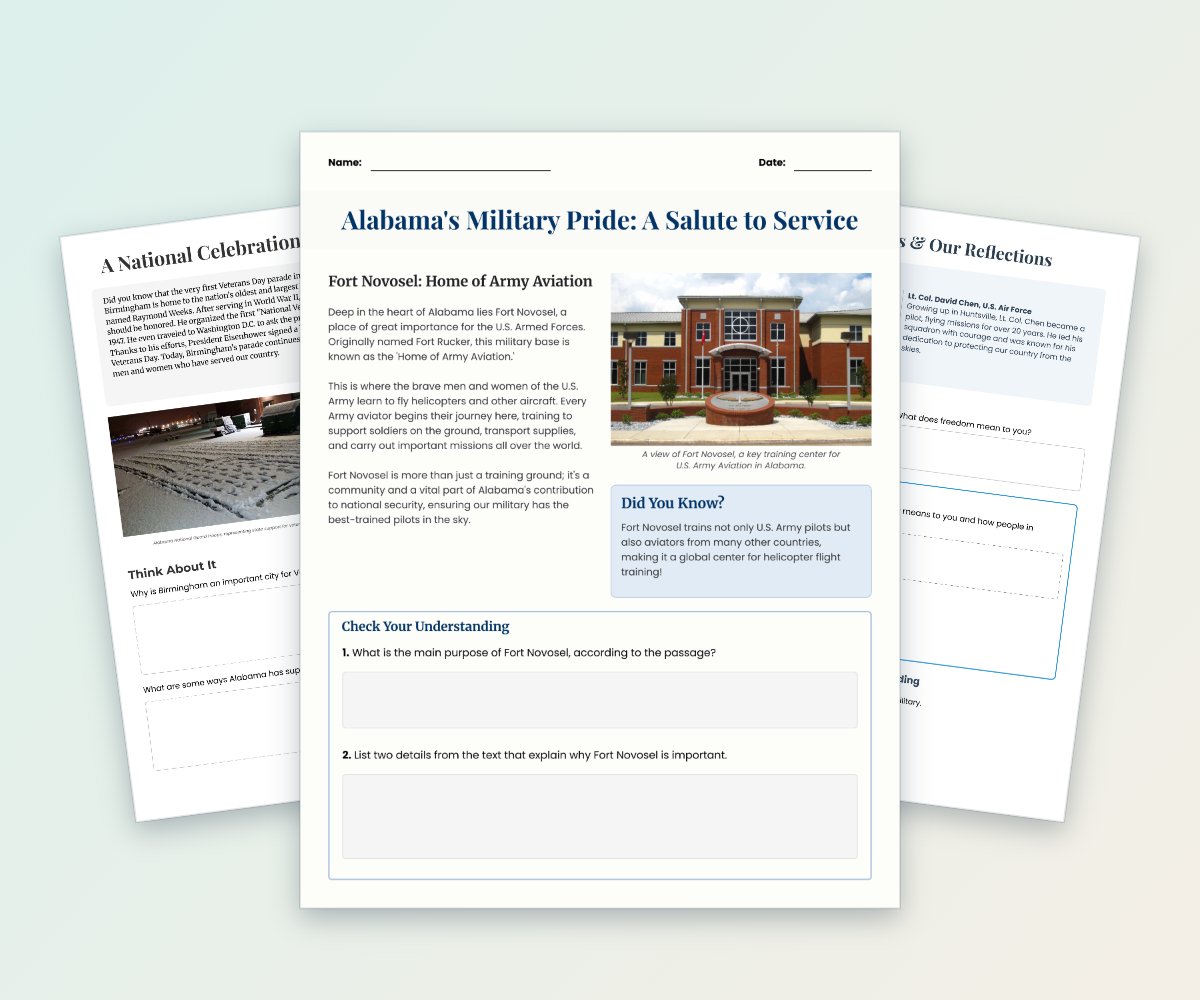
Students read about Fort Novosel, Army Aviation, Alabama's military contributions, and Birmingham's Veterans Day tradition.
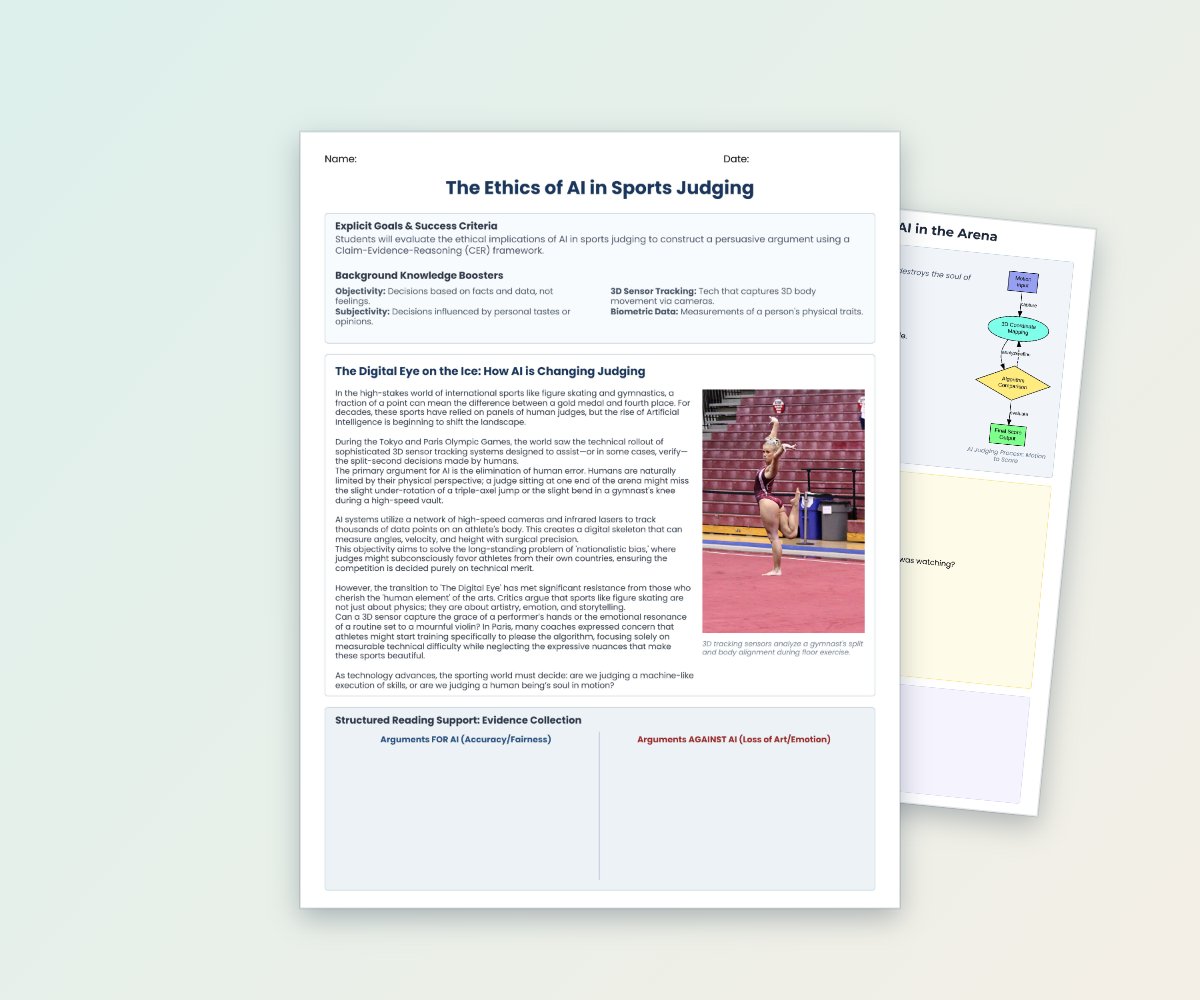
Students read an informational passage about artificial intelligence in sports judging, including objectivity, biometric data, and the human element of artistry.
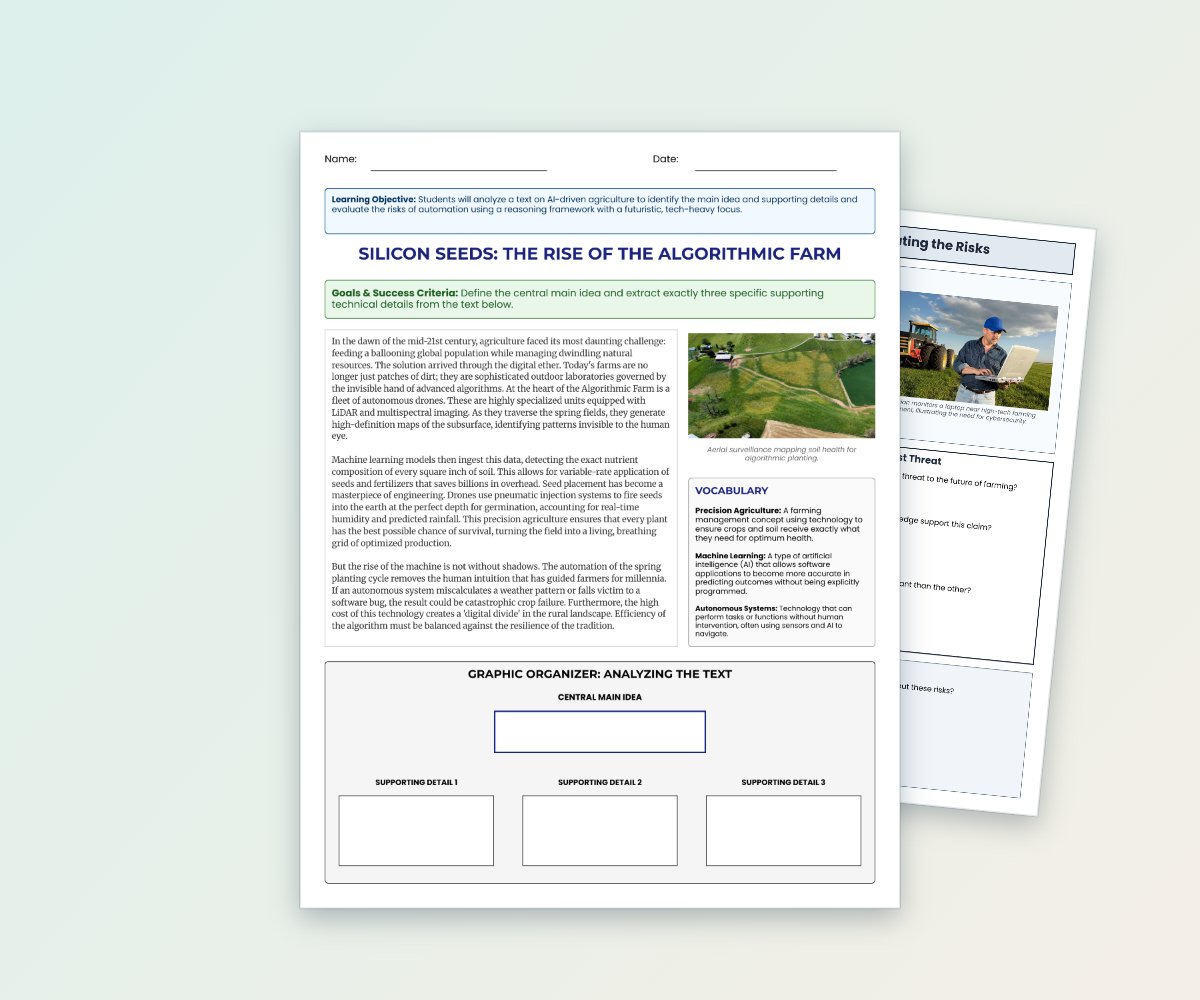
Students read an informational passage about artificial intelligence, drones, and precision agriculture in spring planting.
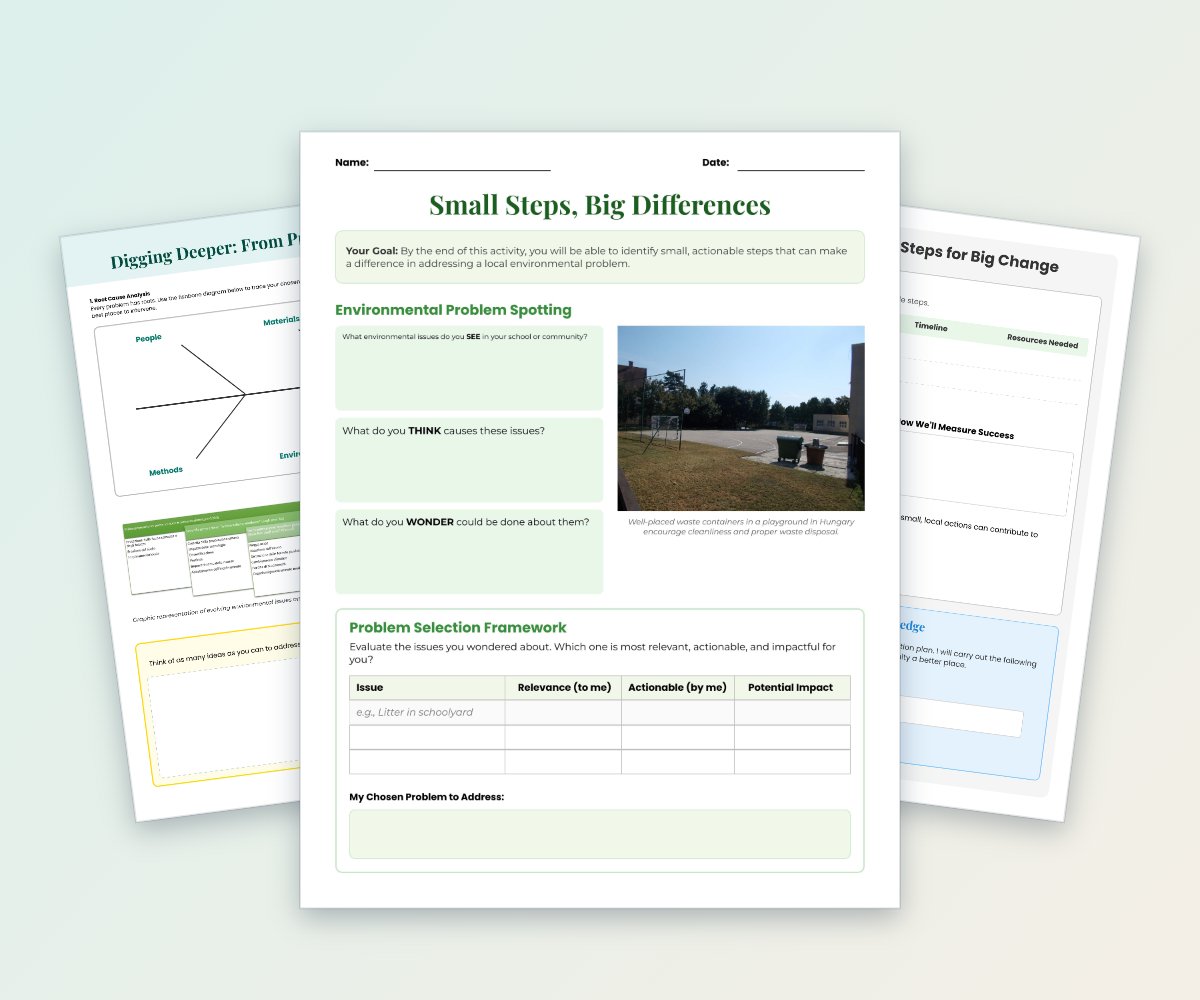
Students identify a local environmental problem, investigate its root causes, map stakeholders, brainstorm solutions, and create an action plan.
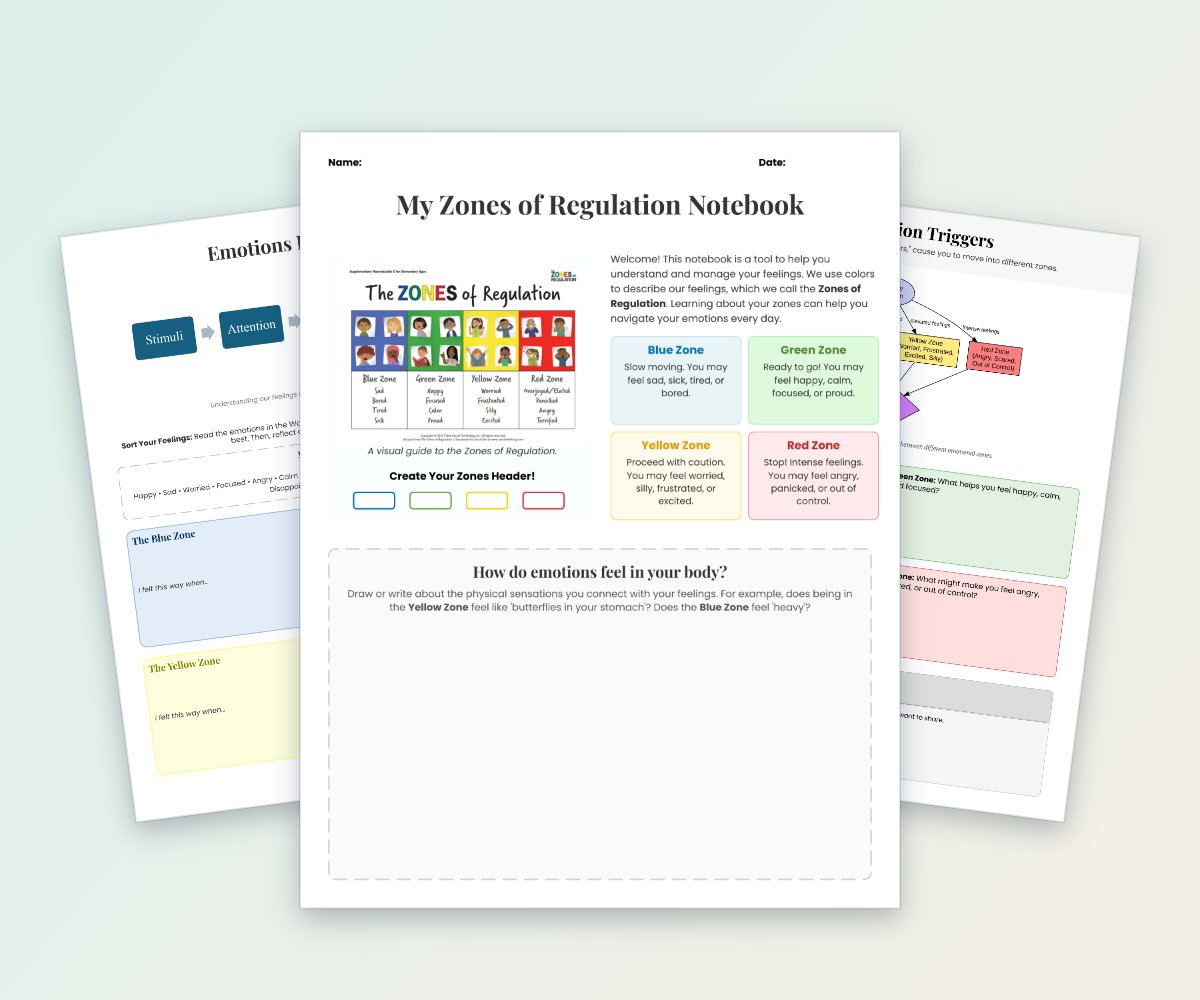
This five-page notebook supplement introduces the Blue, Green, Yellow, and Red Zones of Regulation.
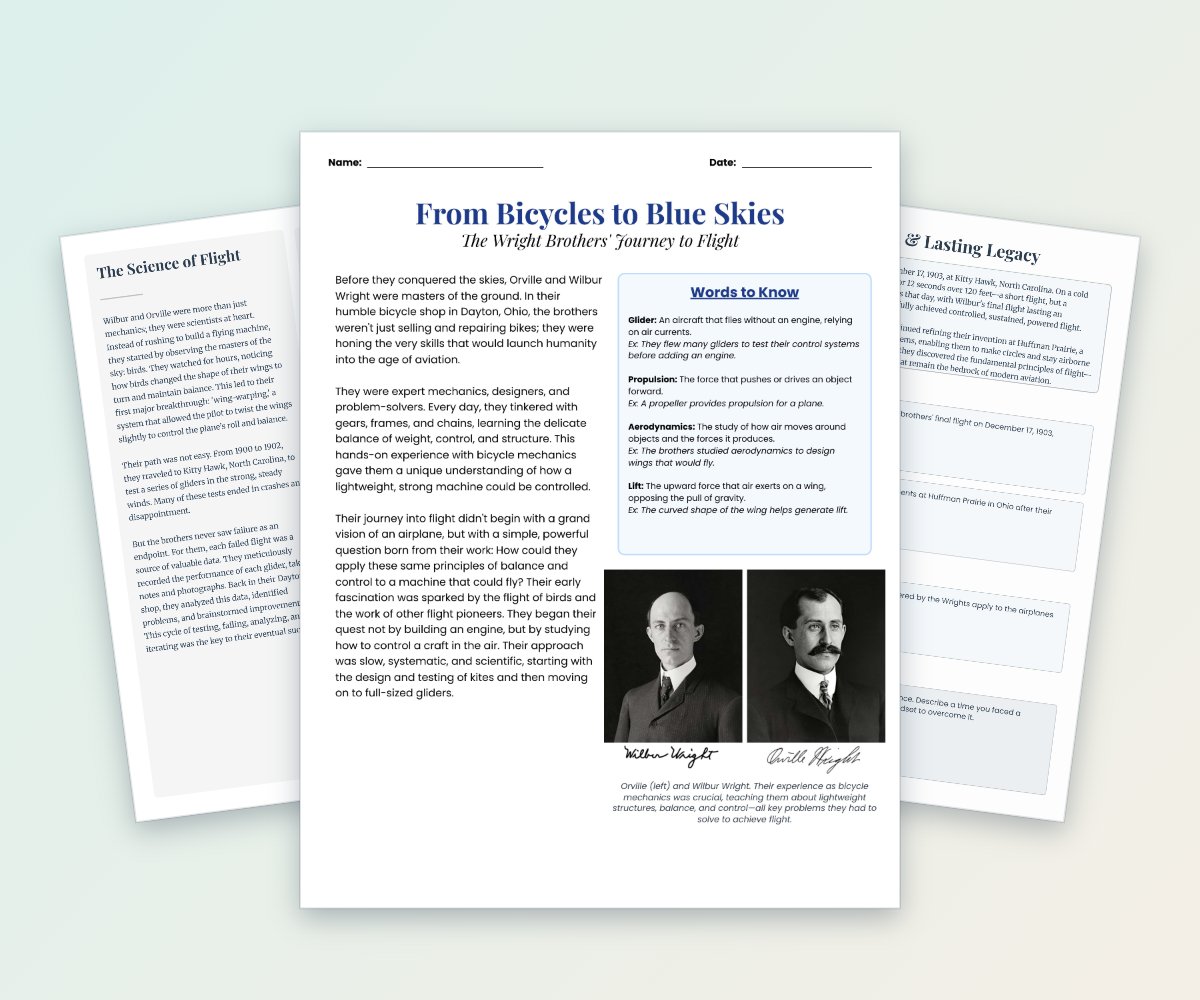
A student-friendly informational reading passage tracing Orville and Wilbur Wright’s journey from bicycle mechanics to aviation pioneers.
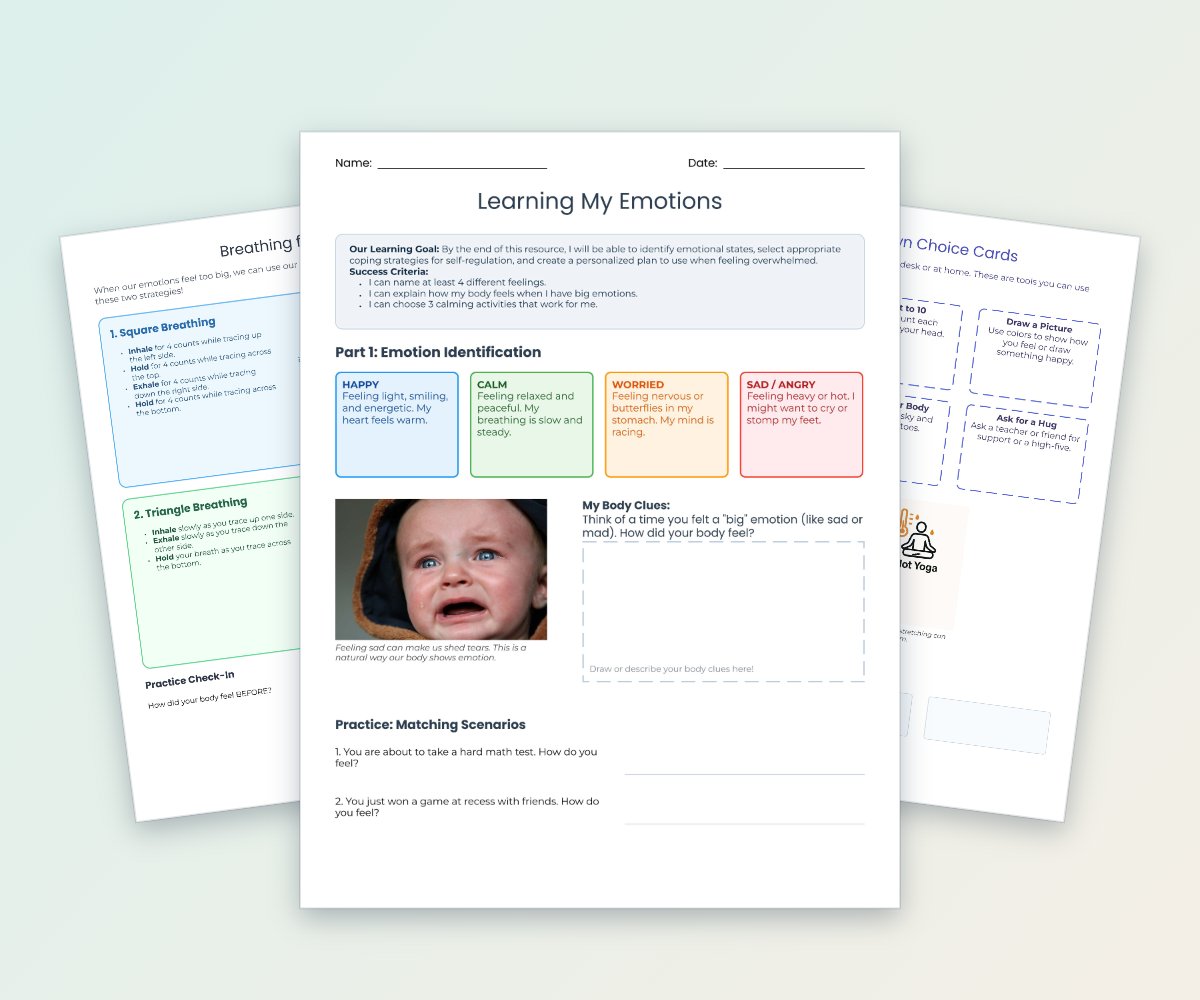
This seven-page activity pack helps students identify emotions, recognize physical signs of big feelings, and practice calming strategies.
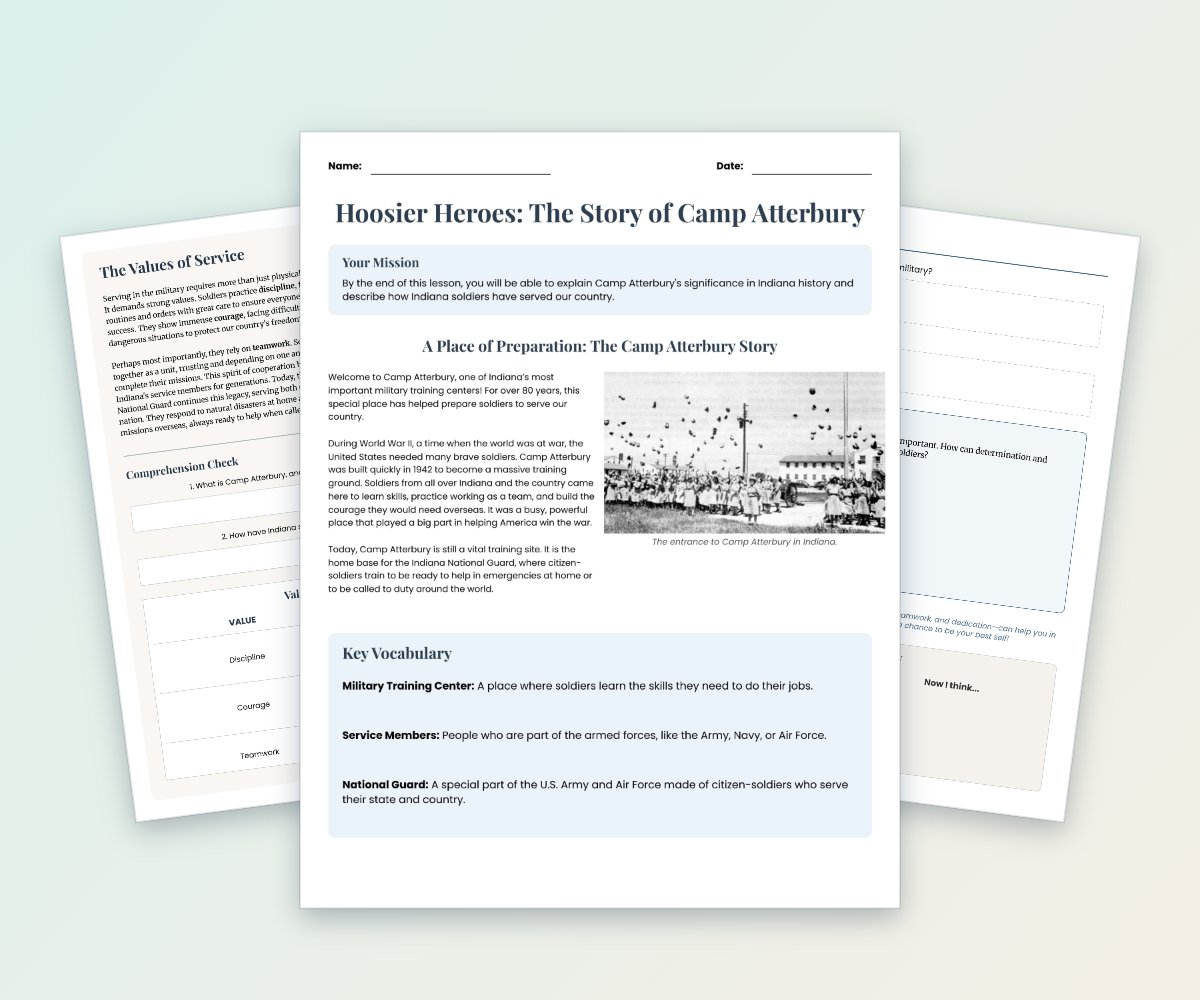
This short lesson introduces Camp Atterbury, its role in Indiana history, and the service of Indiana soldiers and the National Guard.
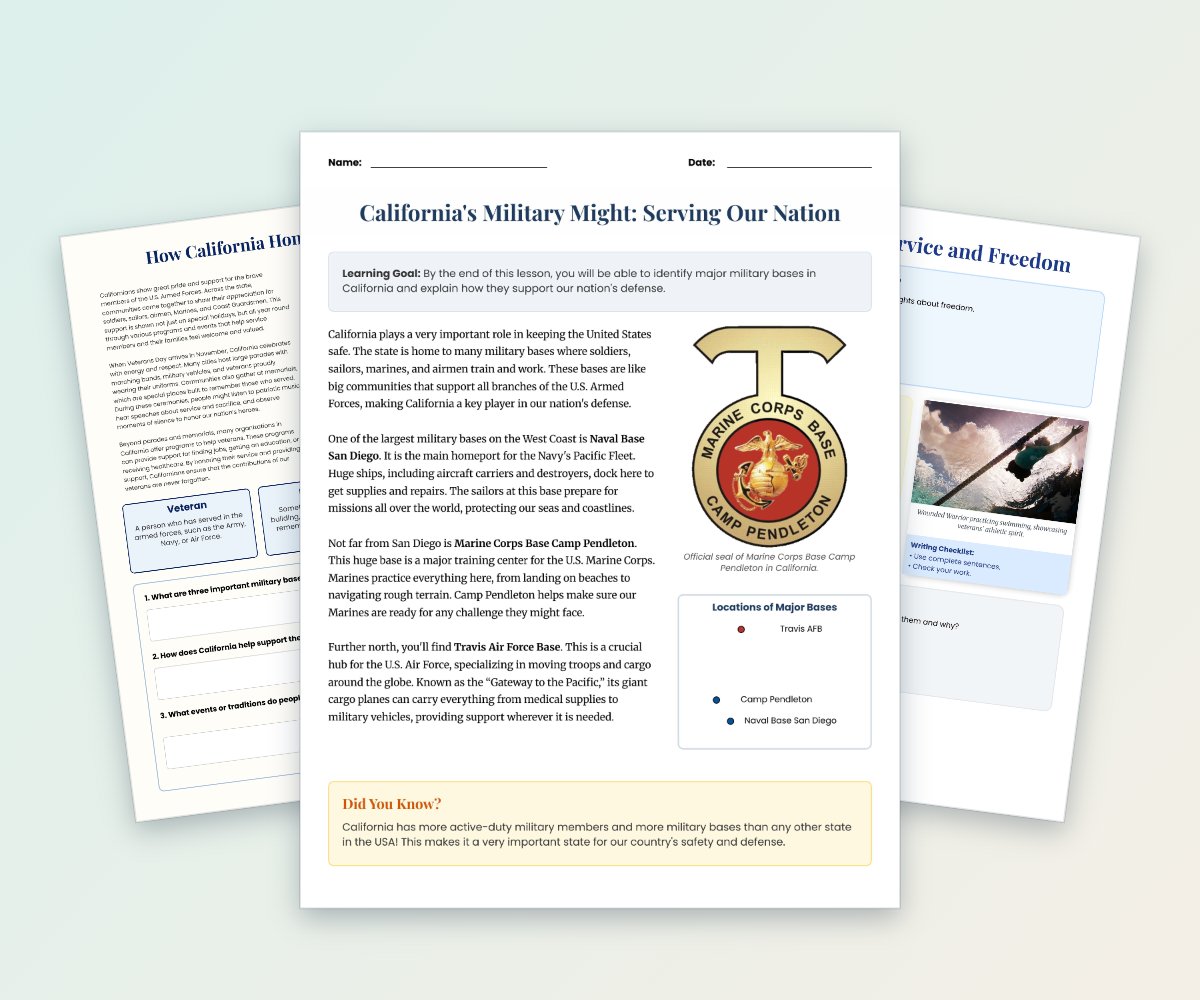
Students learn about major California military bases, their roles in national defense, and ways communities honor and support veterans.
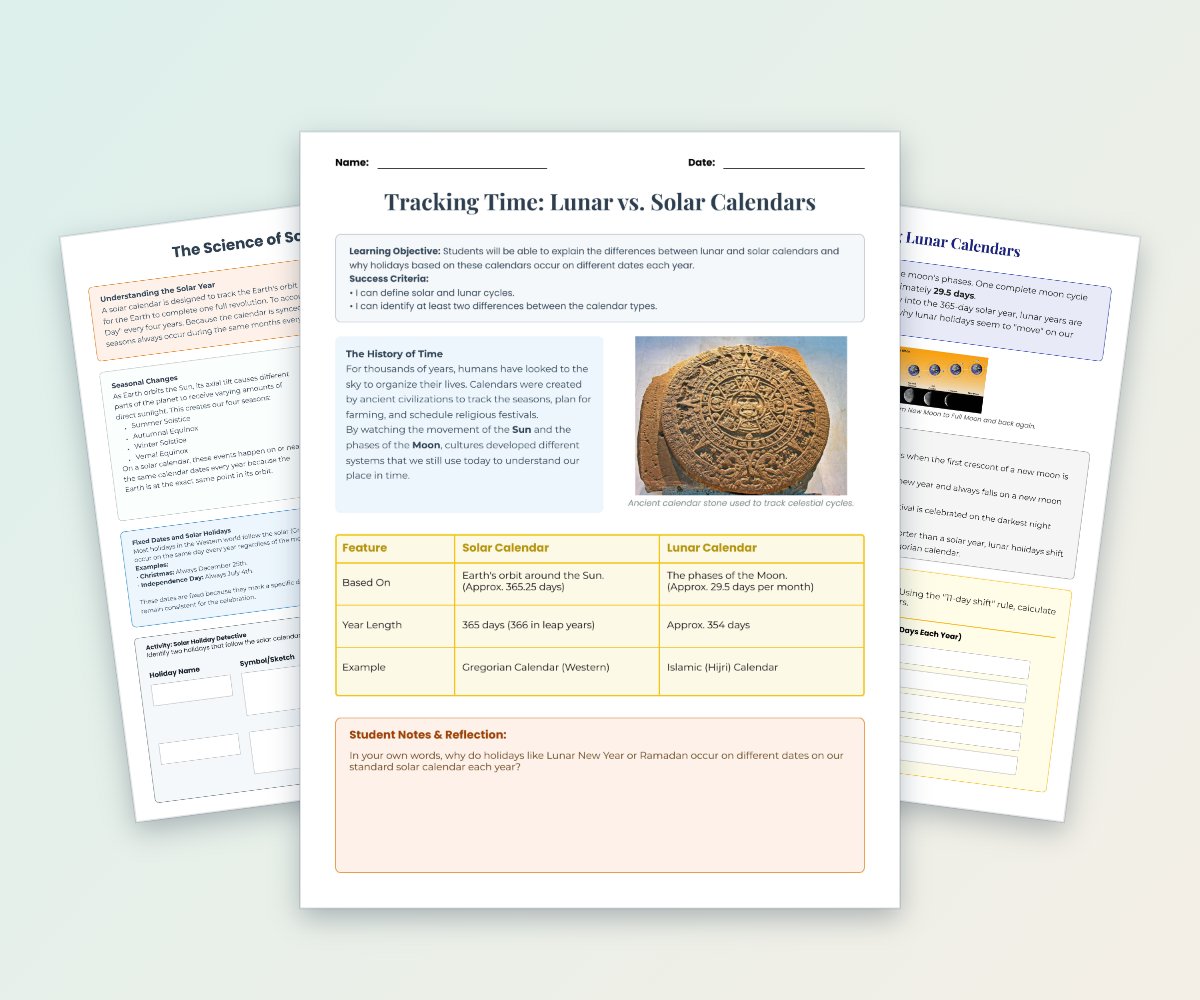
This four-page classroom resource introduces solar and lunar calendar systems, their relationship to Earth’s orbit and Moon phases, and why holidays may fall on different dates each year.
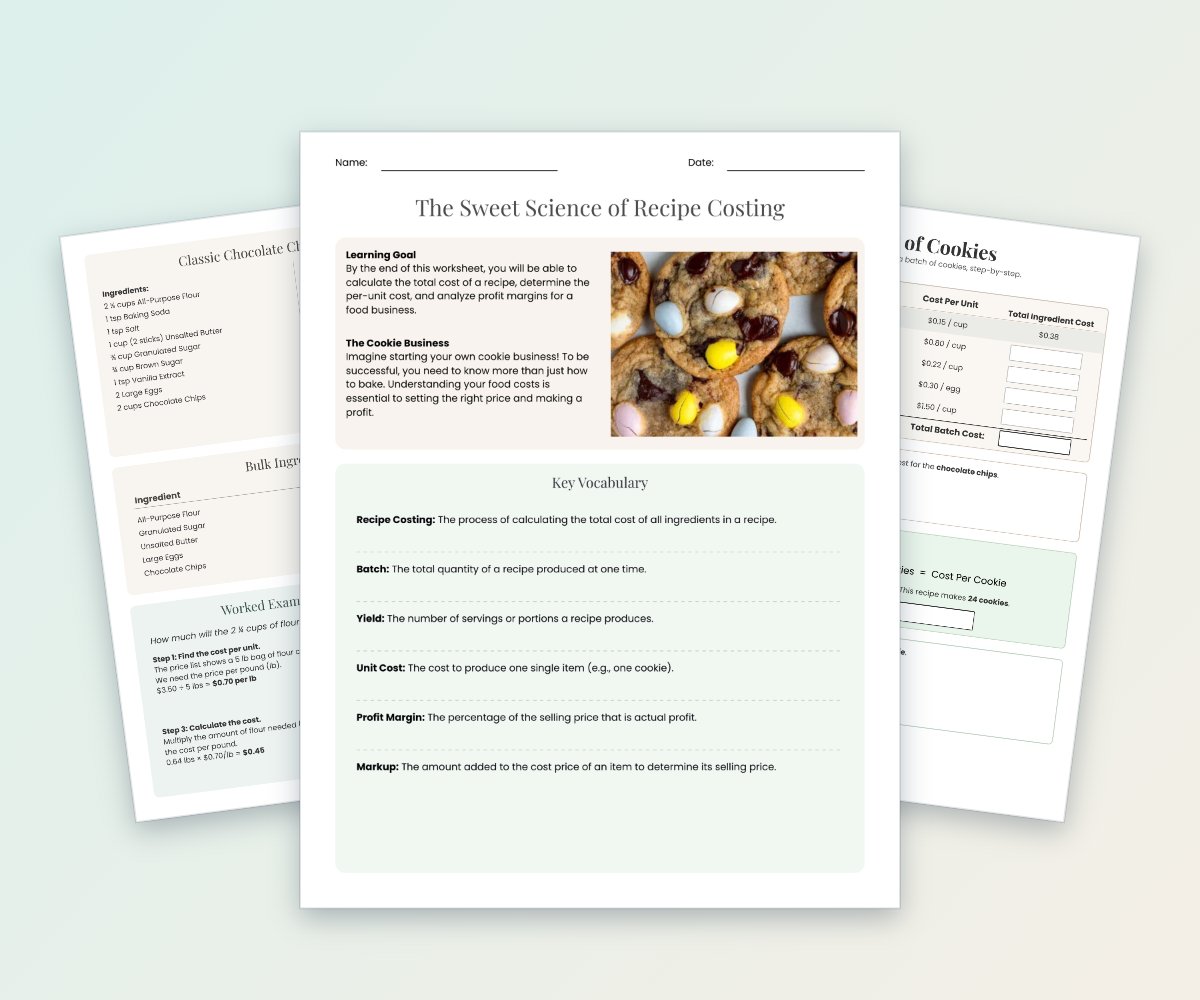
This four-page worksheet introduces recipe costing using a chocolate chip cookie business scenario.
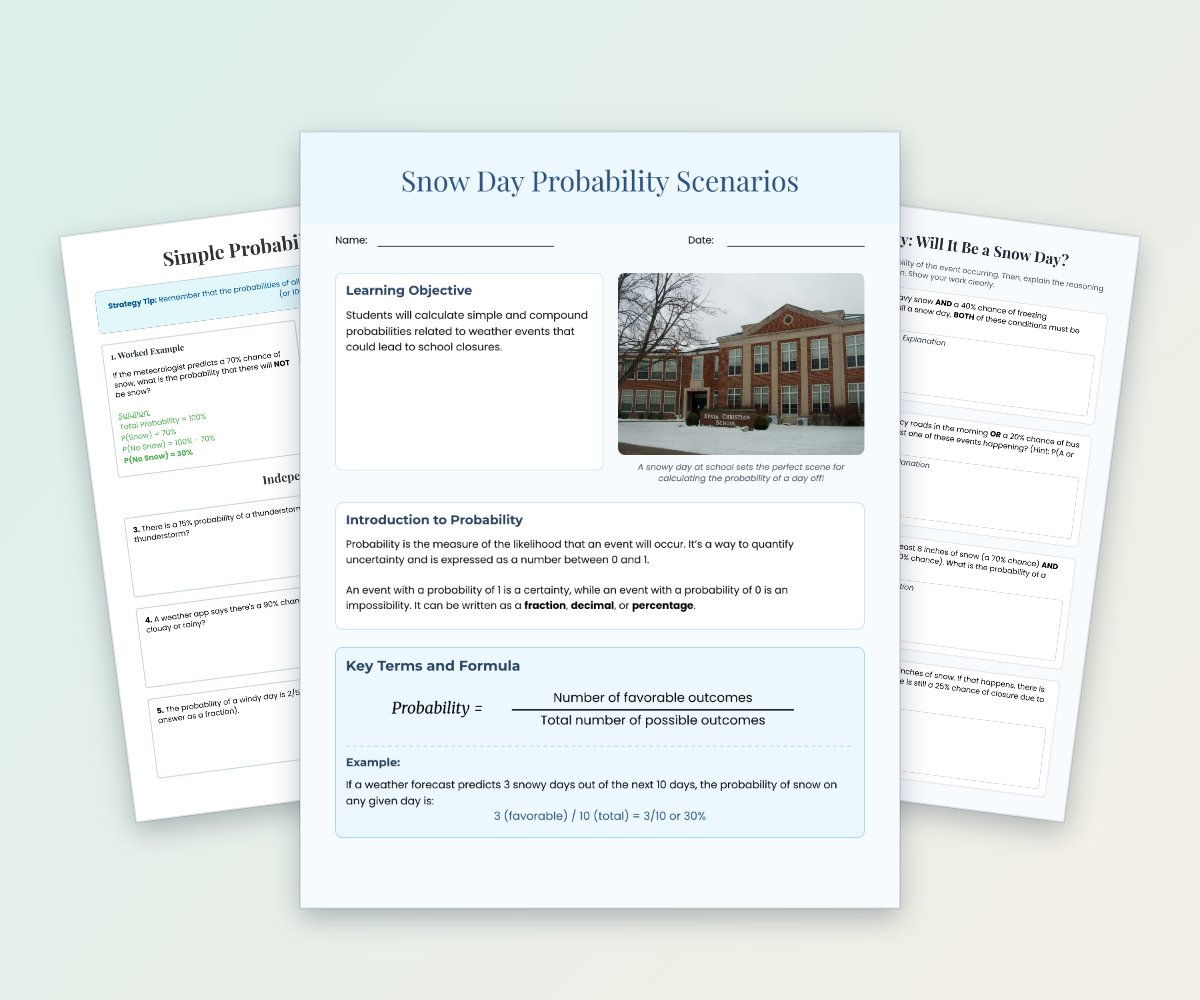
Students explore probability using engaging weather and school-closure scenarios.
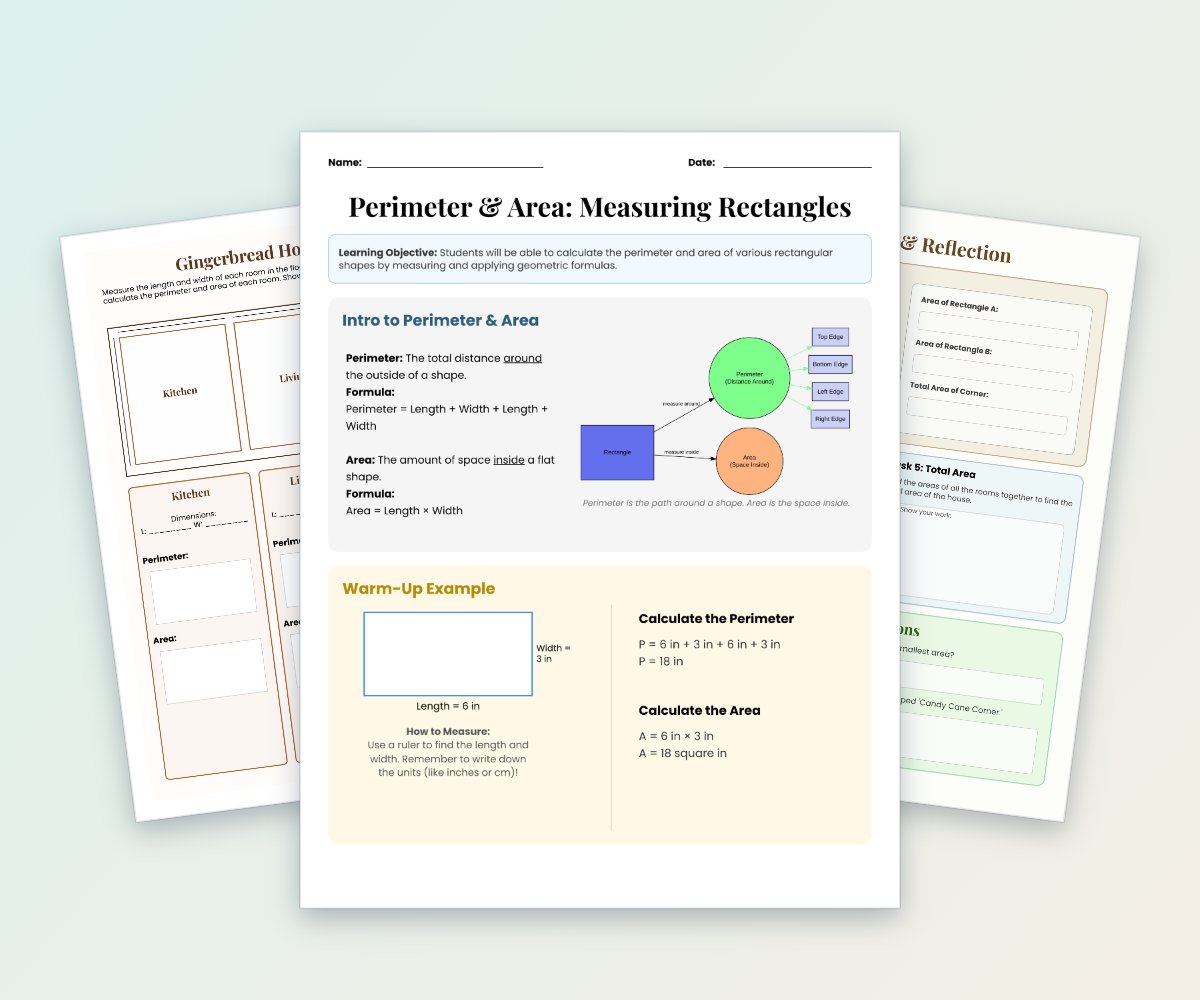
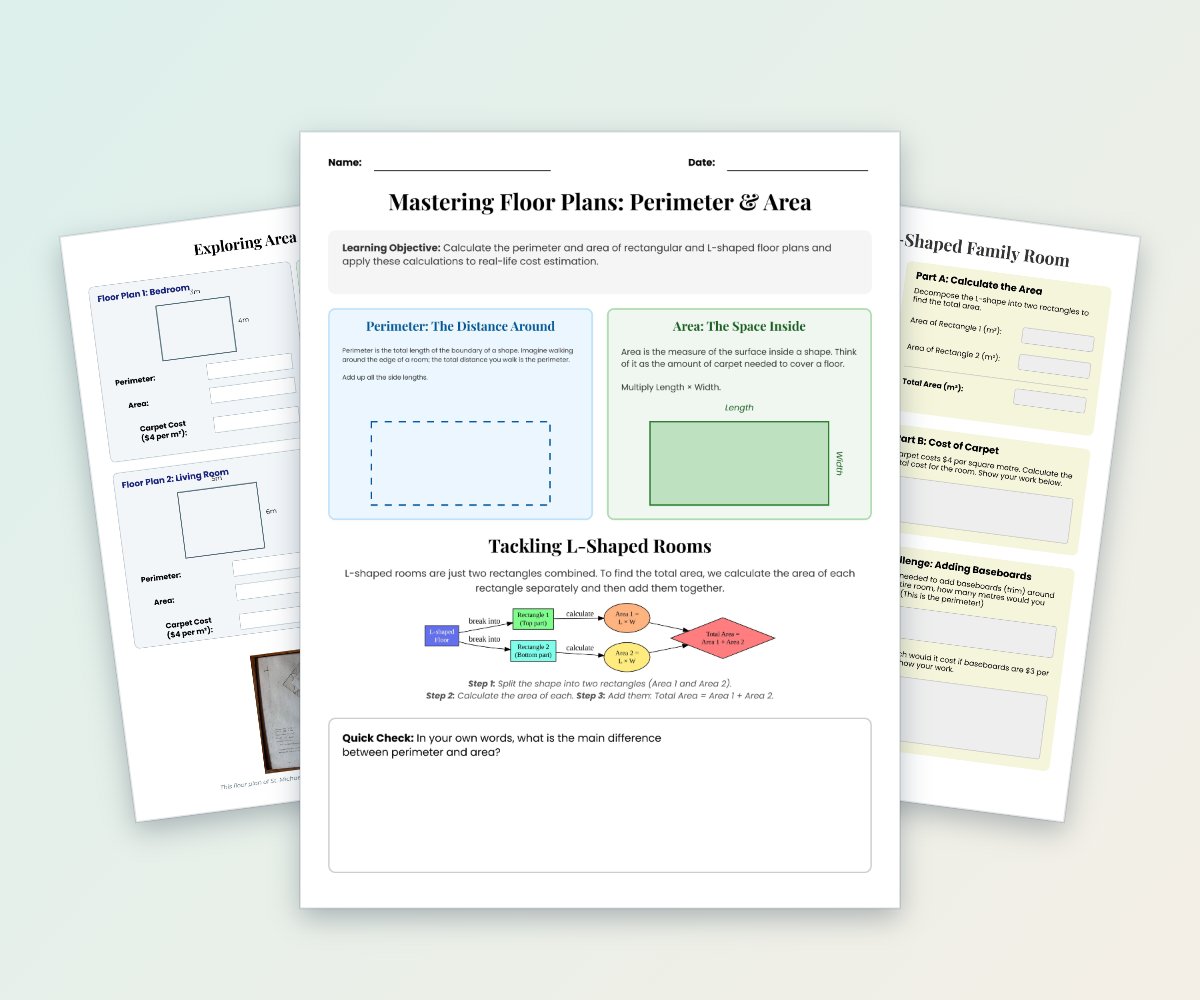
Students learn to calculate the perimeter and area of rectangles by measuring dimensions and applying formulas.
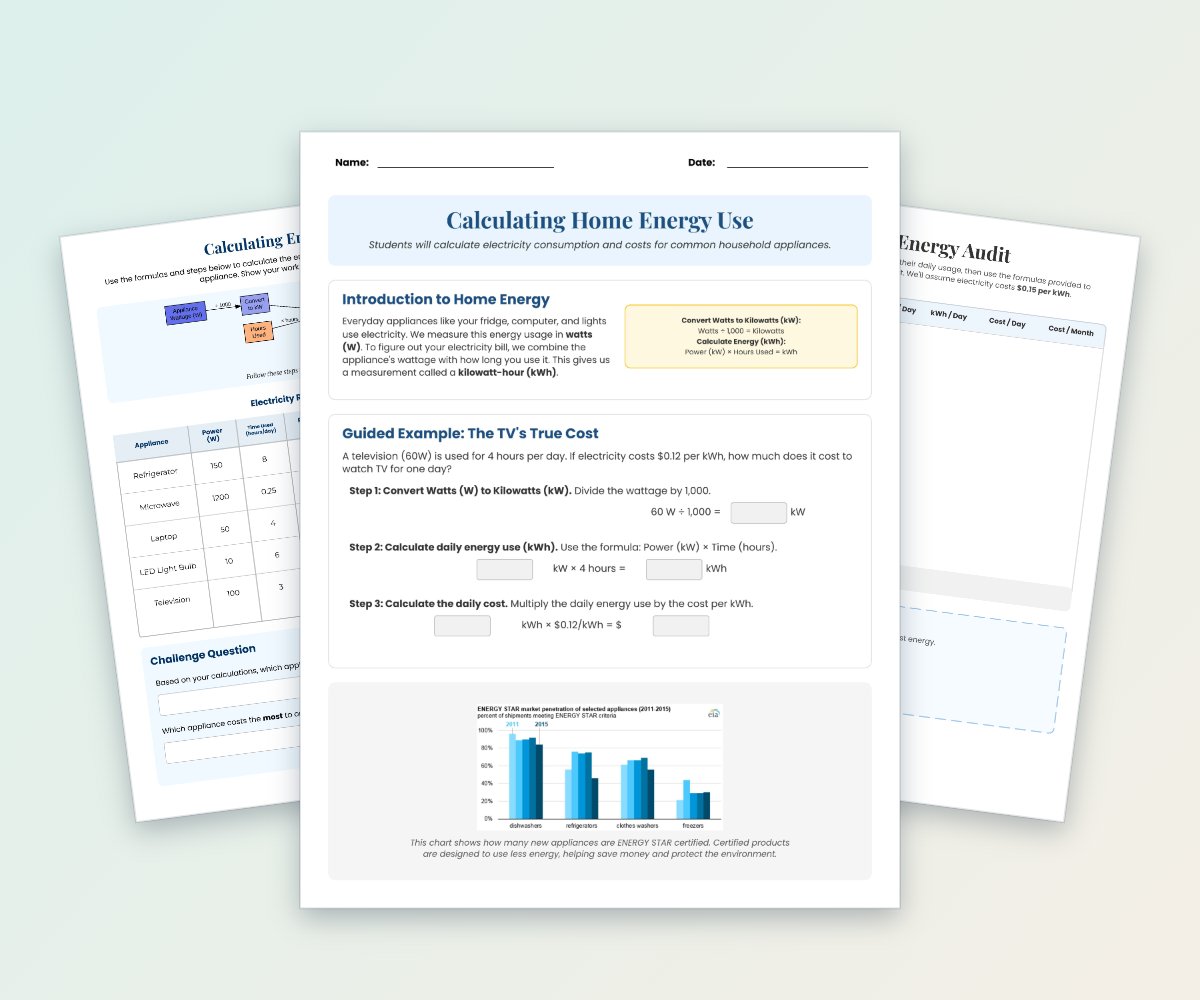
Students calculate kilowatt-hours and electricity costs for common household appliances using guided examples, formulas, and practice tables.
Students learn to calculate the area and perimeter of rectangular and L-shaped floor plans.
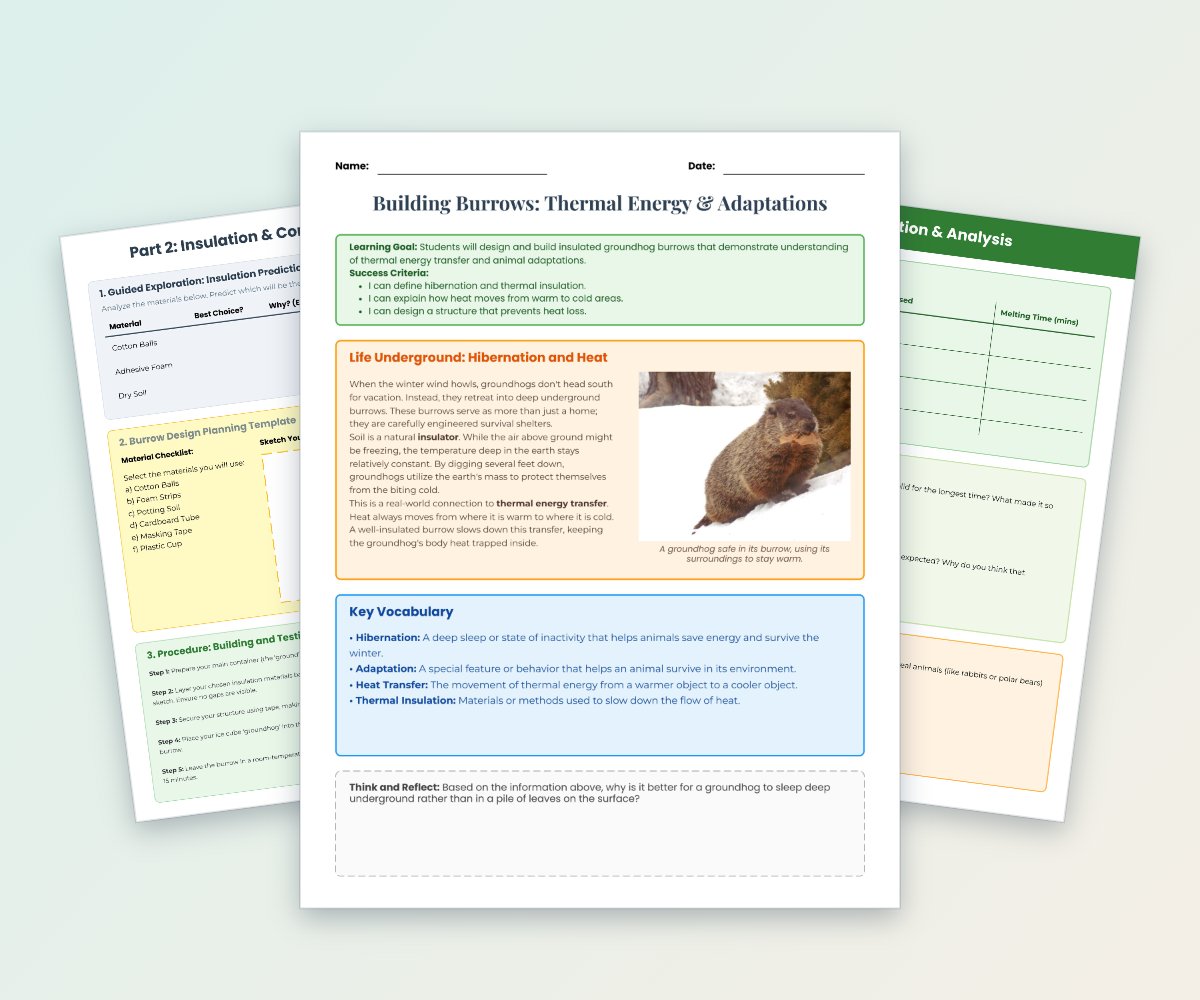
Students explore how groundhog burrows provide insulation and support hibernation.
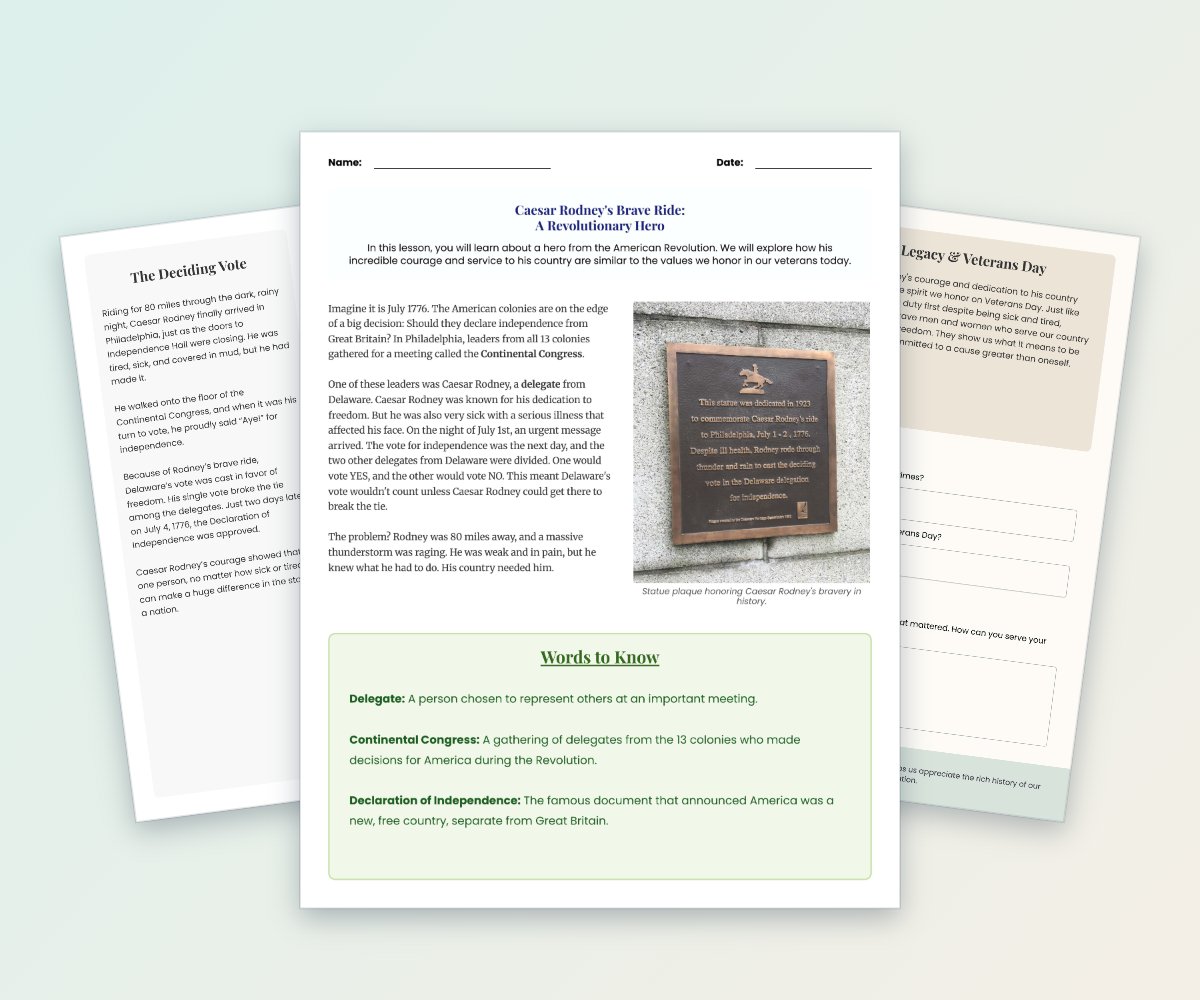
This three-page lesson introduces Caesar Rodney’s courageous ride to cast Delaware’s deciding vote for independence in 1776.
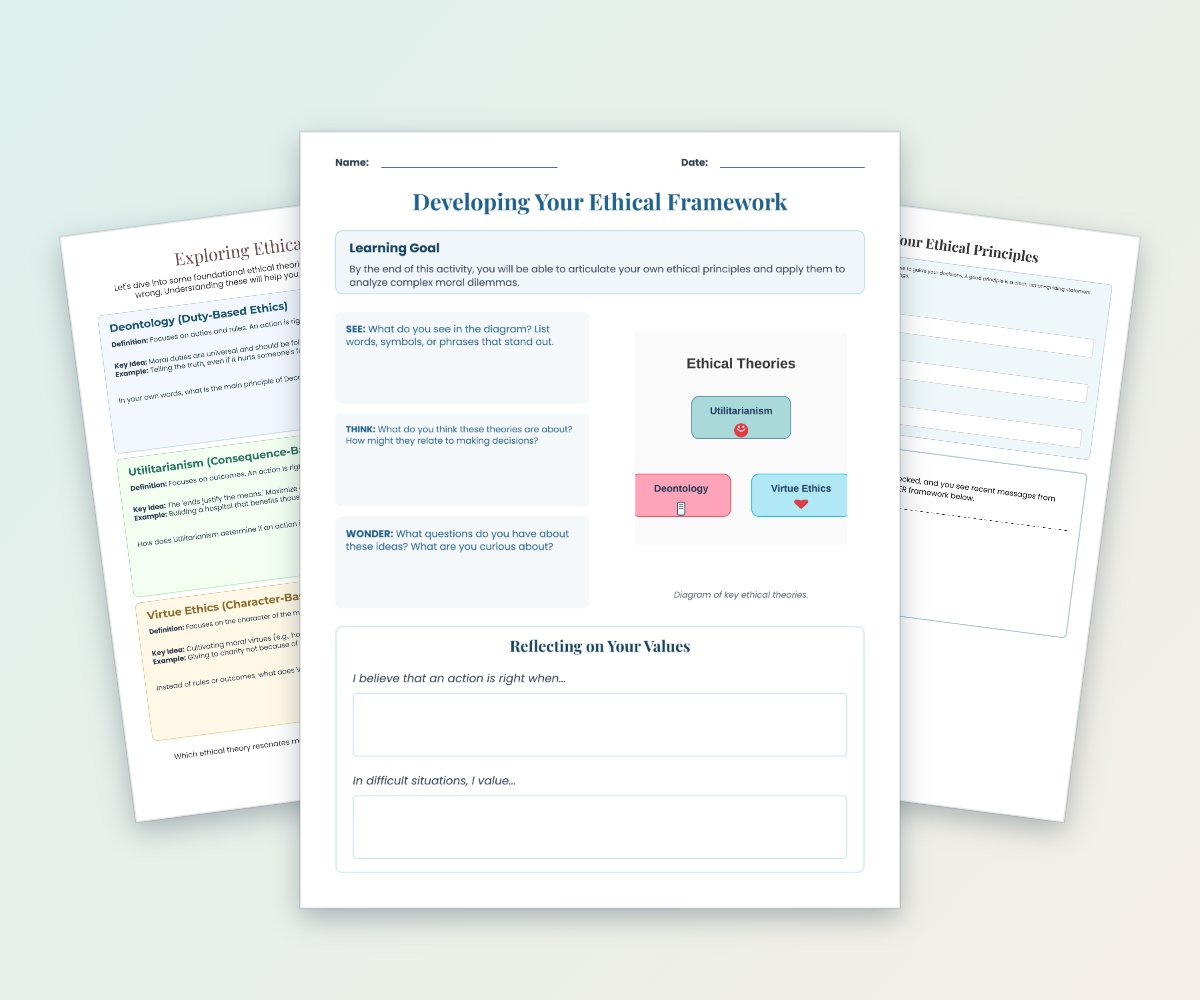
This four-page worksheet guides students through deontology, utilitarianism, and virtue ethics using reflection prompts and examples.
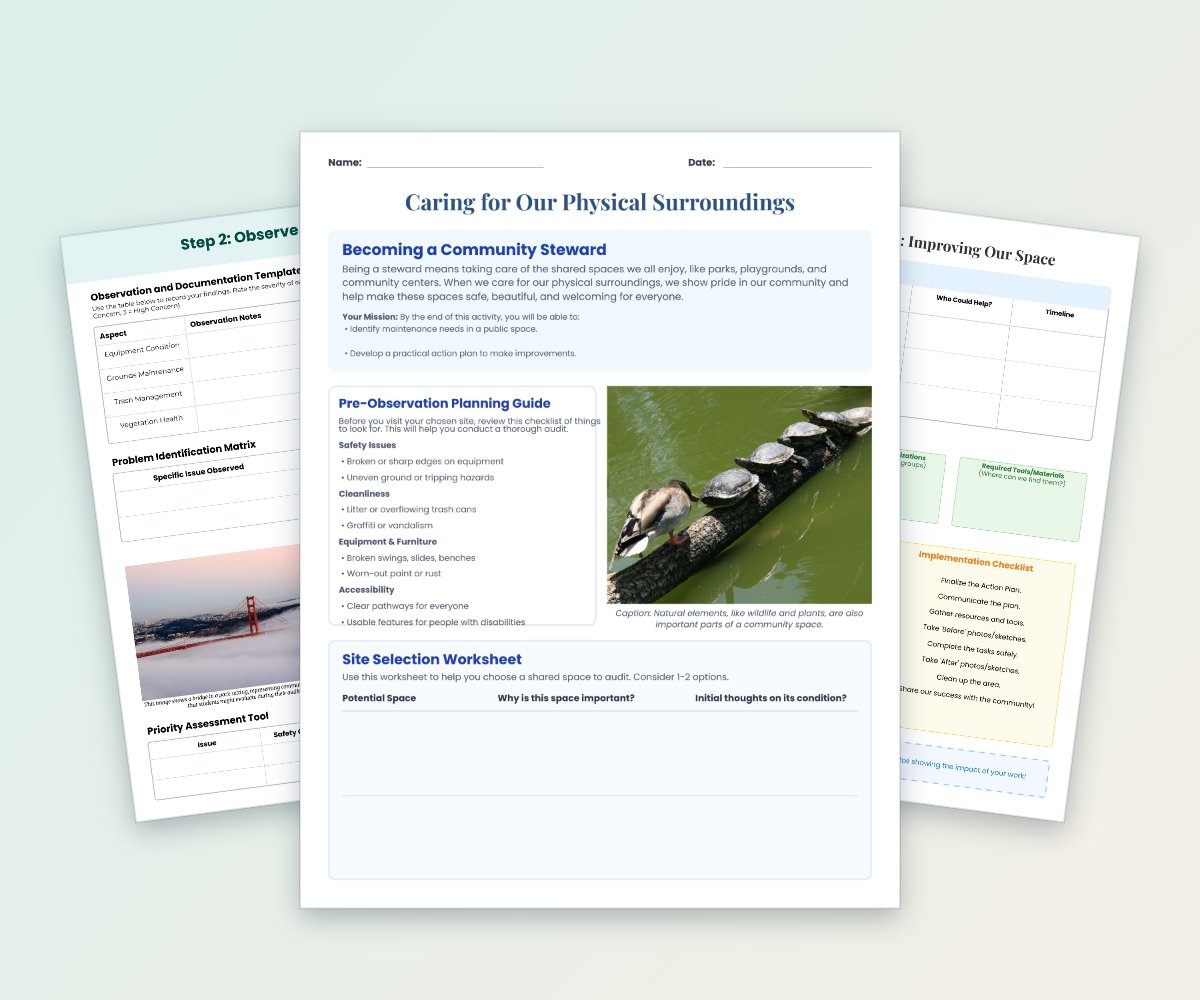
Students investigate a shared public space, identify safety, cleanliness, maintenance, and accessibility needs, and prioritize concerns.
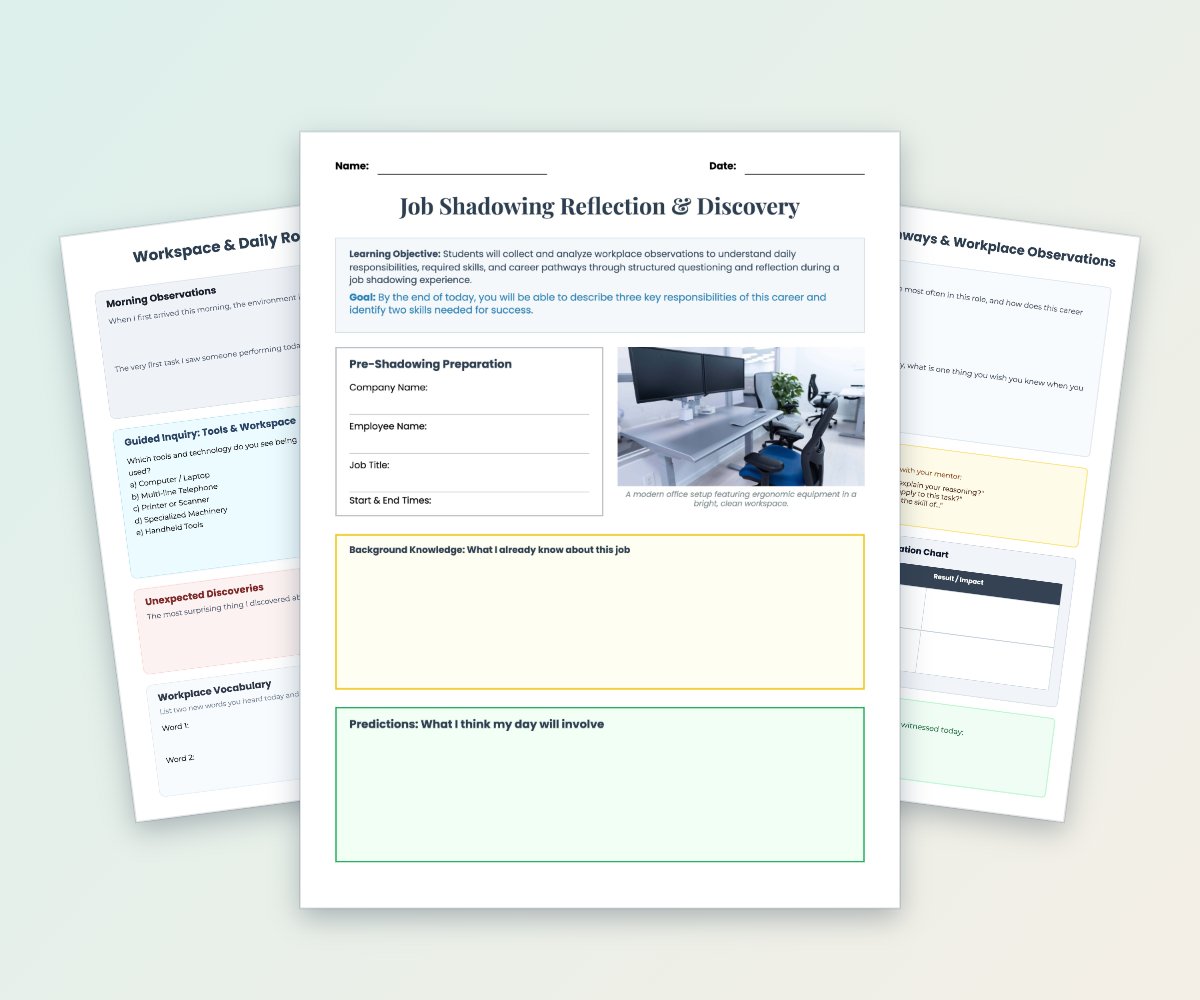
This four-page student log guides learners through pre-shadowing preparation, workplace observations, informational interviews, vocabulary development, and career reflection.
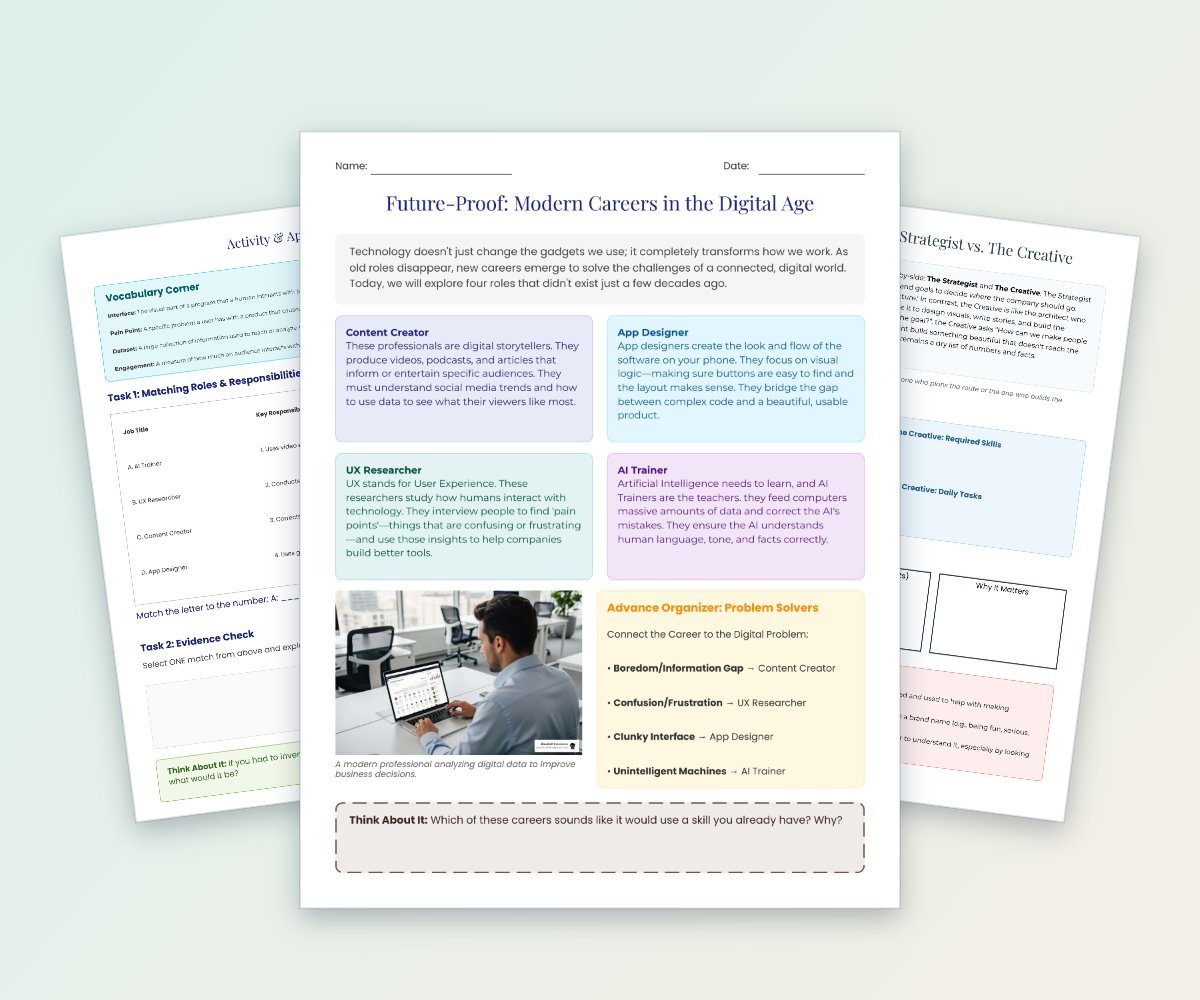
Students explore four modern careers: content creator, UX researcher, app designer, and AI trainer.
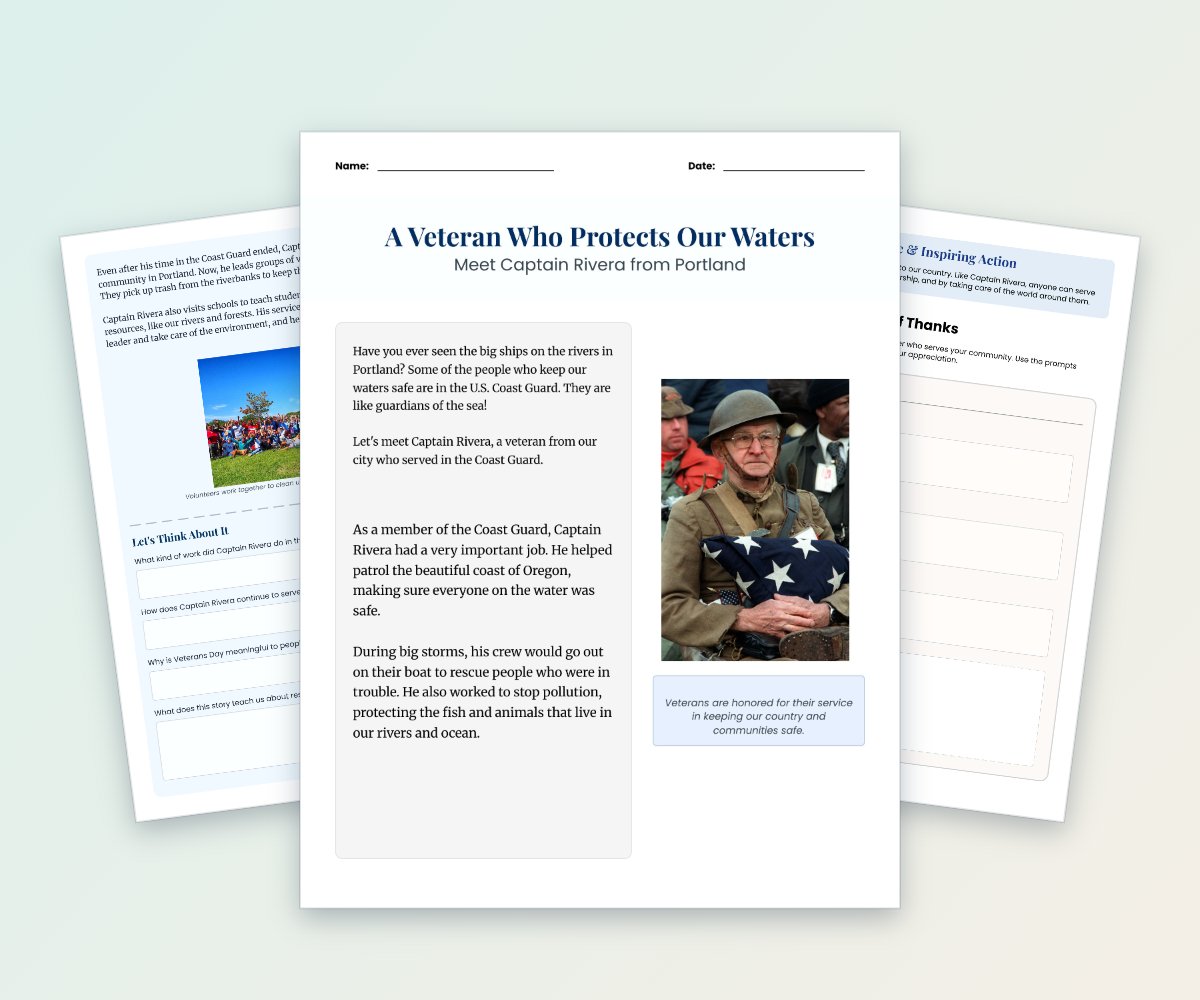
Students read about Captain Rivera, a Coast Guard veteran who protects Oregon waterways and leads community cleanups.
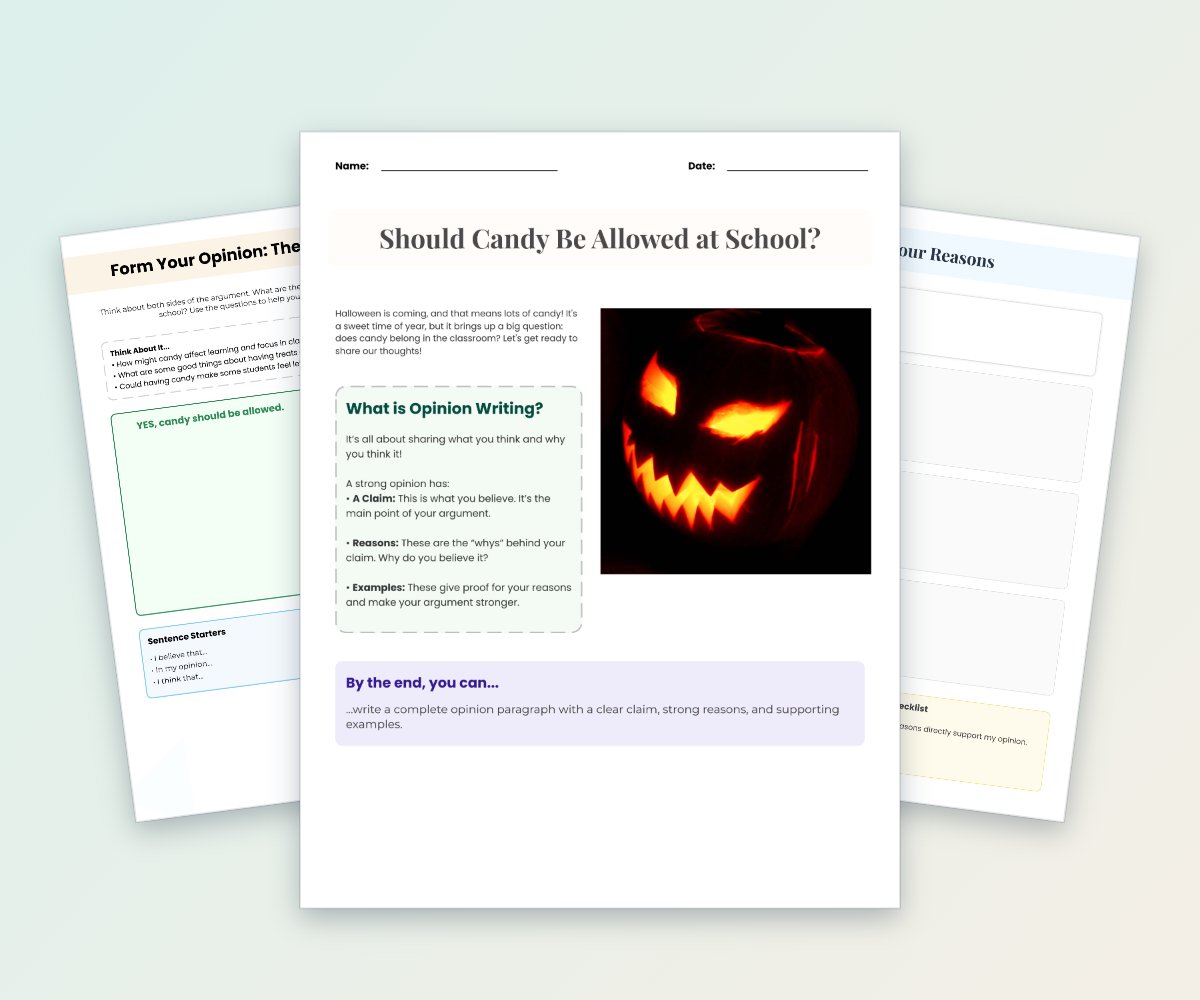
Students consider whether candy should be allowed at school and develop an evidence-supported opinion.
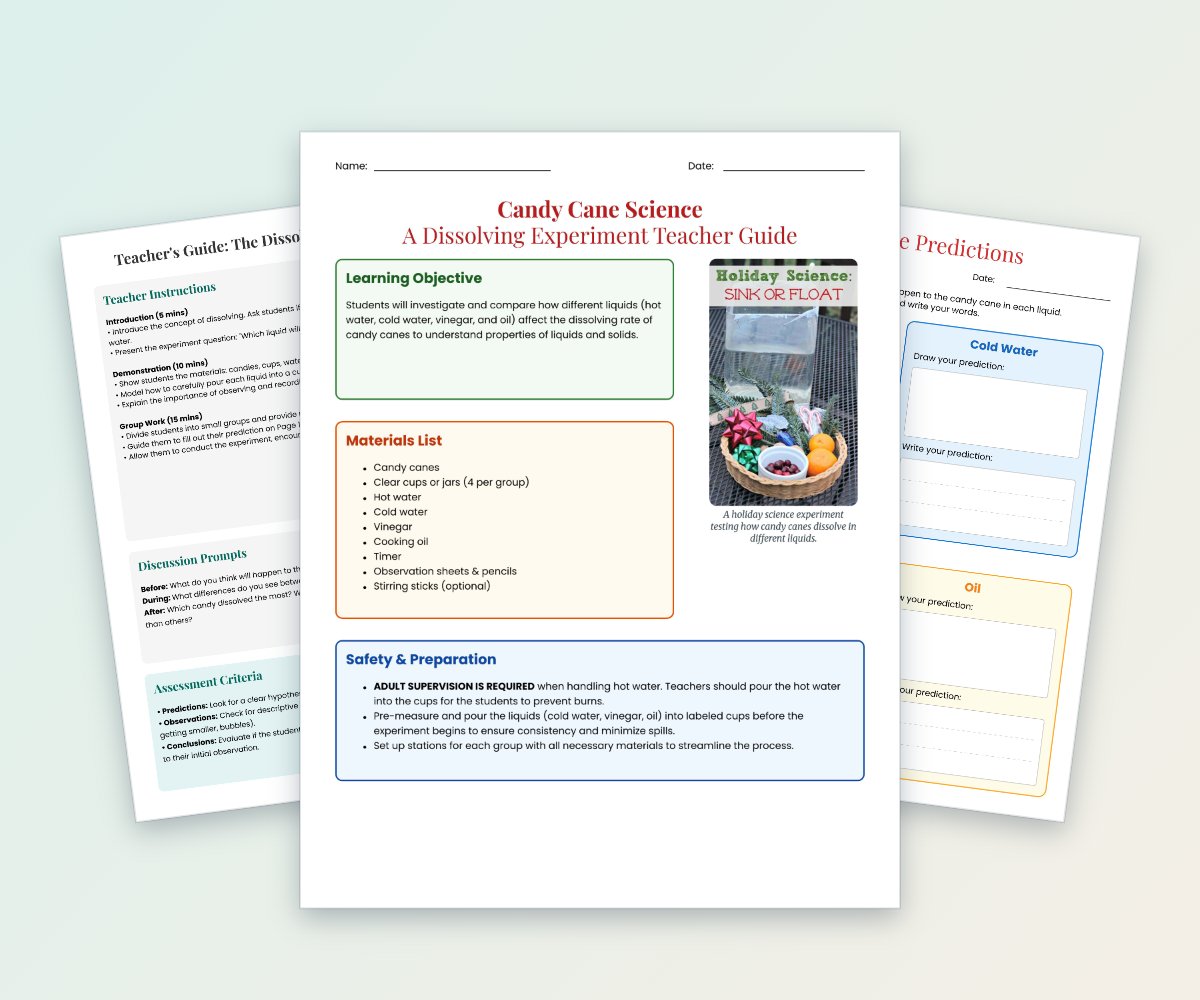
Students investigate how hot water, cold water, vinegar, and cooking oil affect the dissolving rate of candy canes.
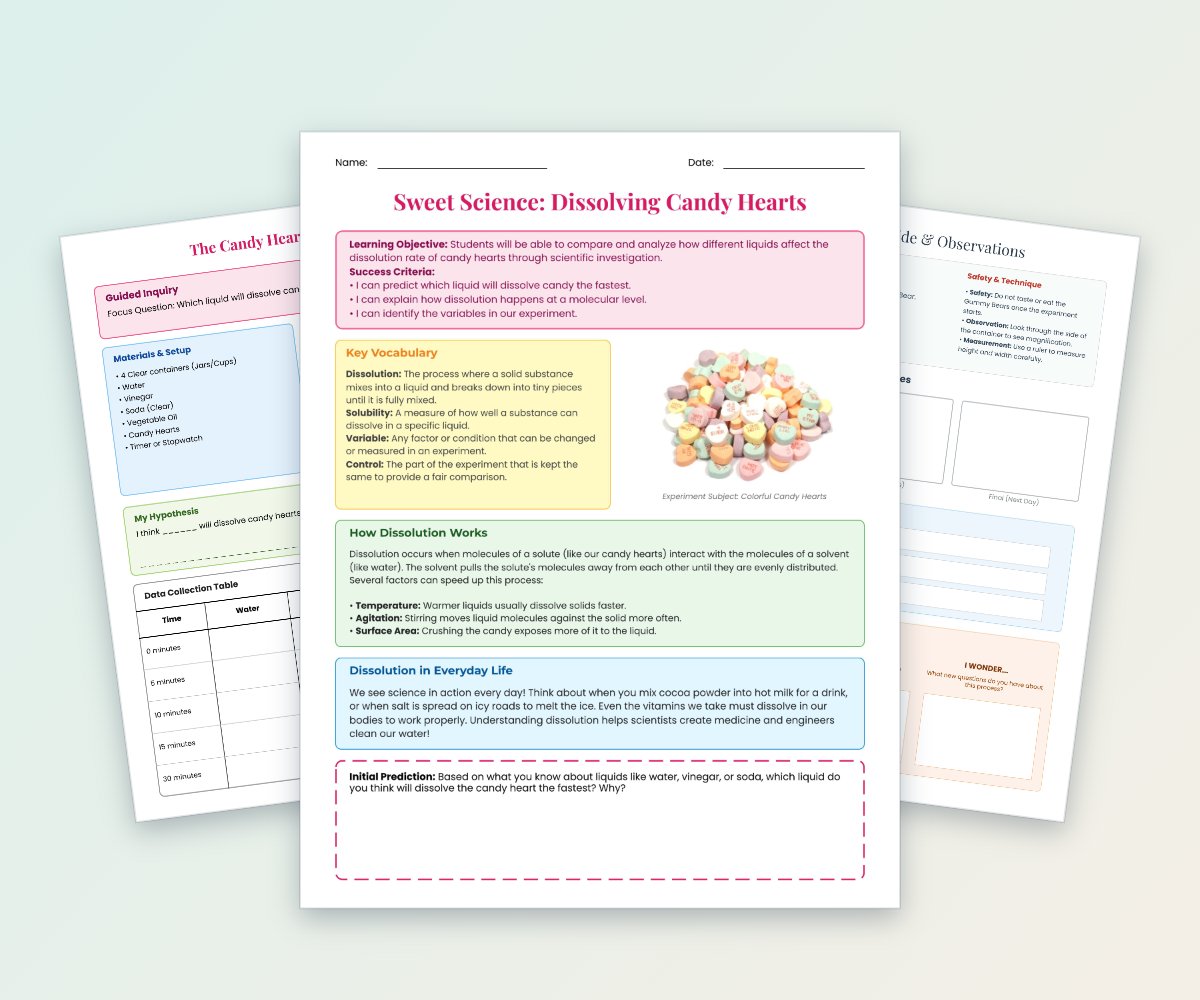
Students investigate how water, vinegar, soda, and vegetable oil affect the dissolution rate of candy hearts.
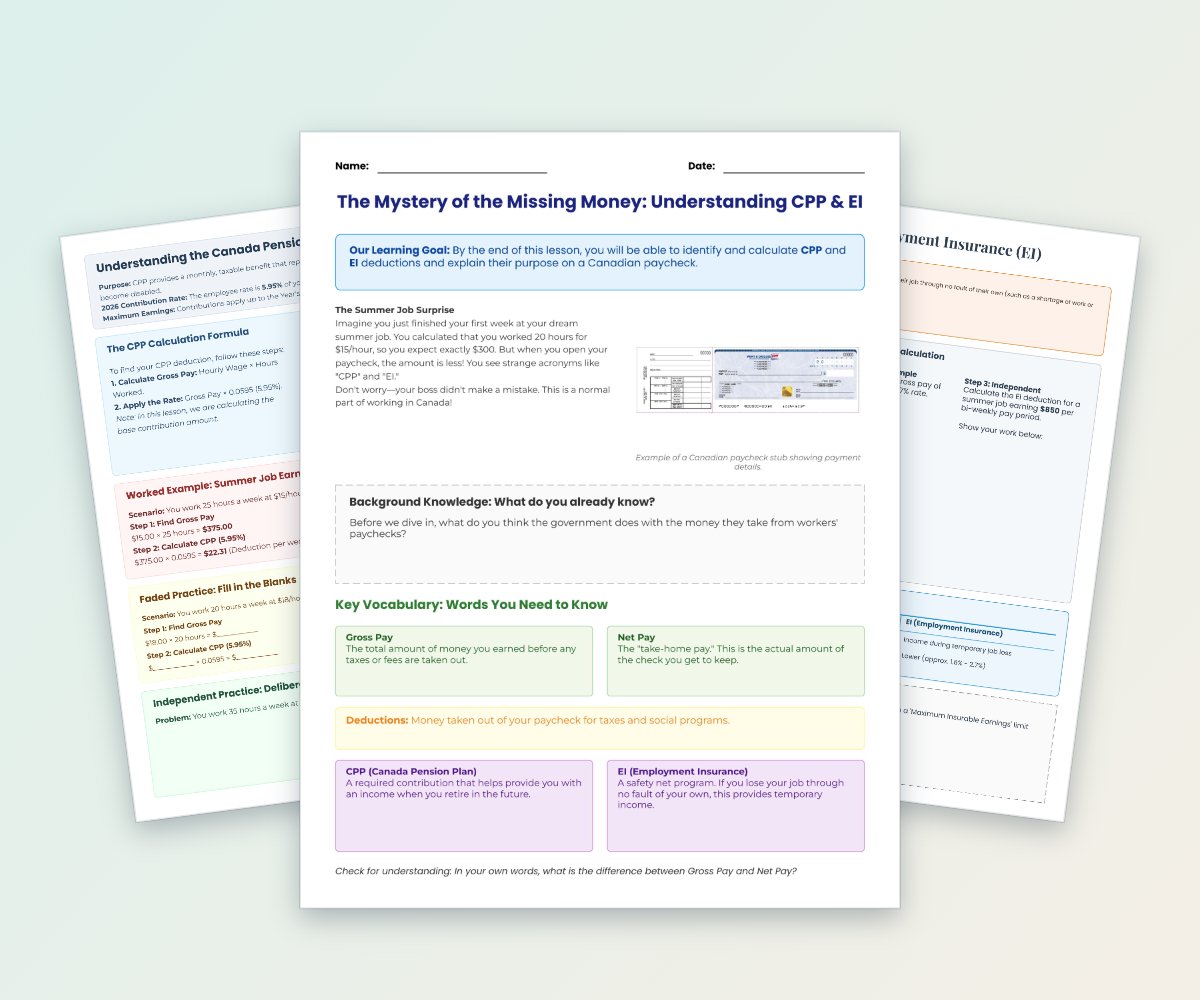
This five-page lesson and worksheet introduces students to gross pay, net pay, CPP, and Employment Insurance deductions on Canadian paychecks.
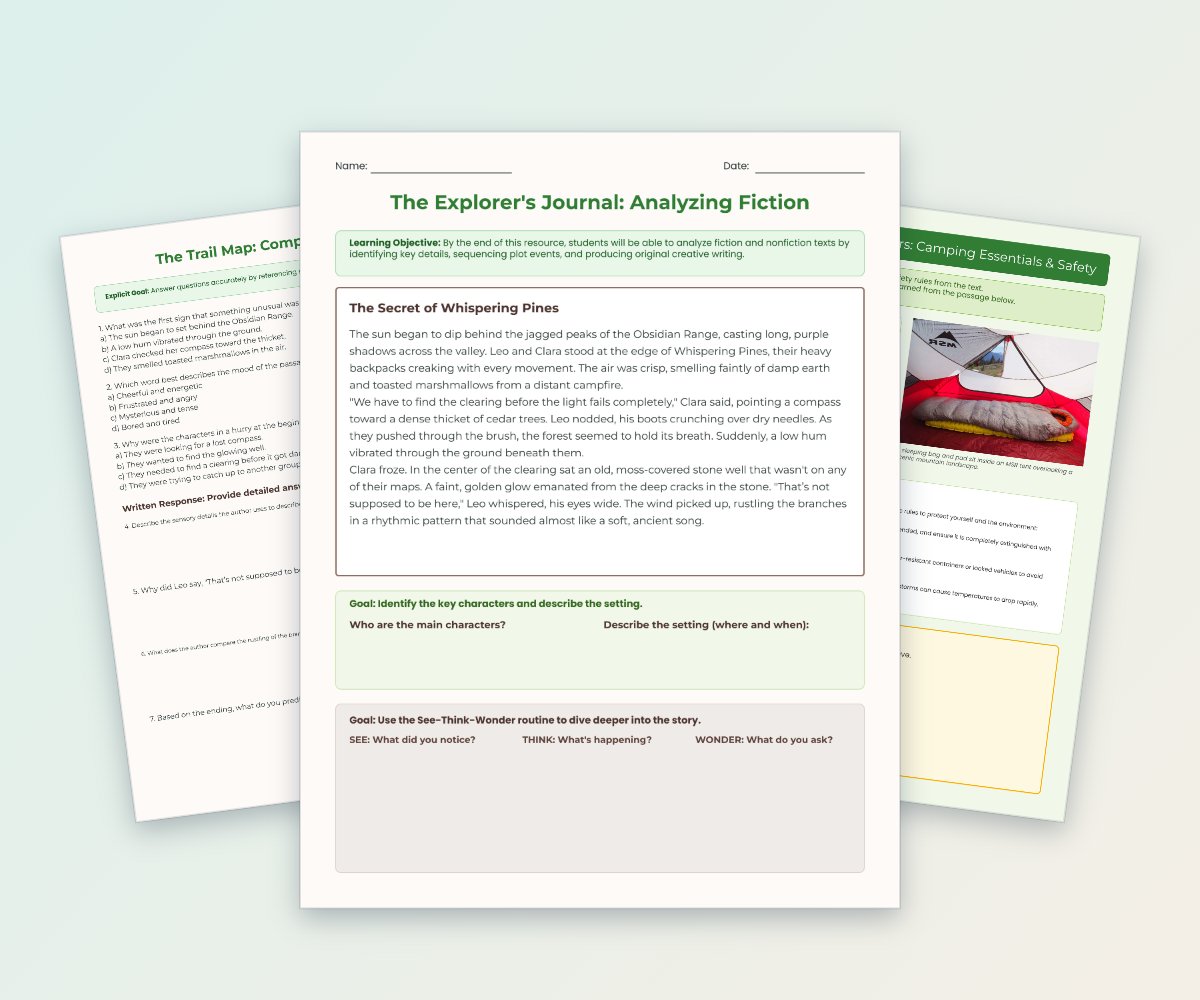
Students read an original camping adventure story, analyze characters and setting, identify key details, sequence events, and explore mood and sensory language.
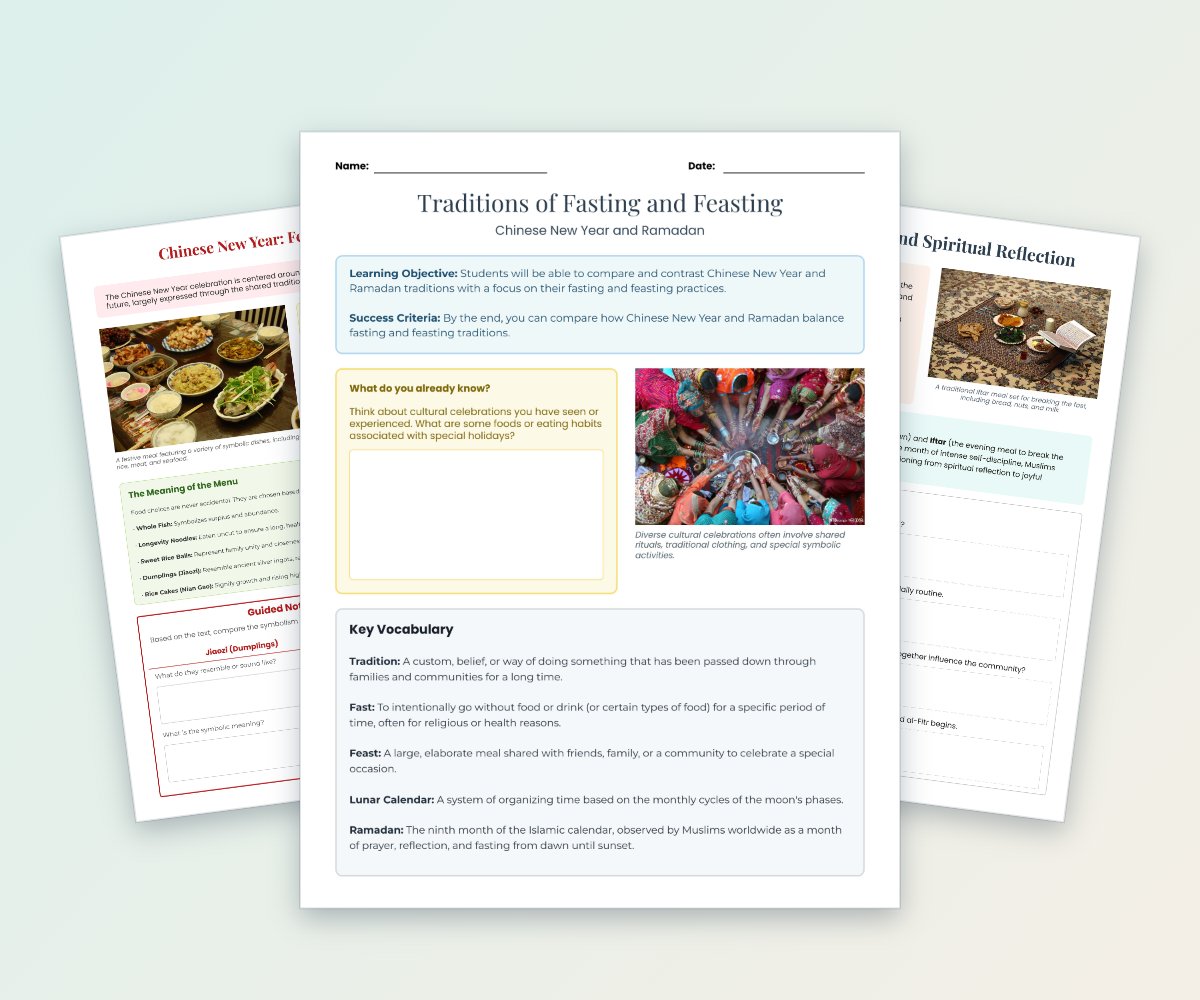
This four-page worksheet explores Chinese New Year and Ramadan through their fasting, feasting, family, and symbolic food traditions.
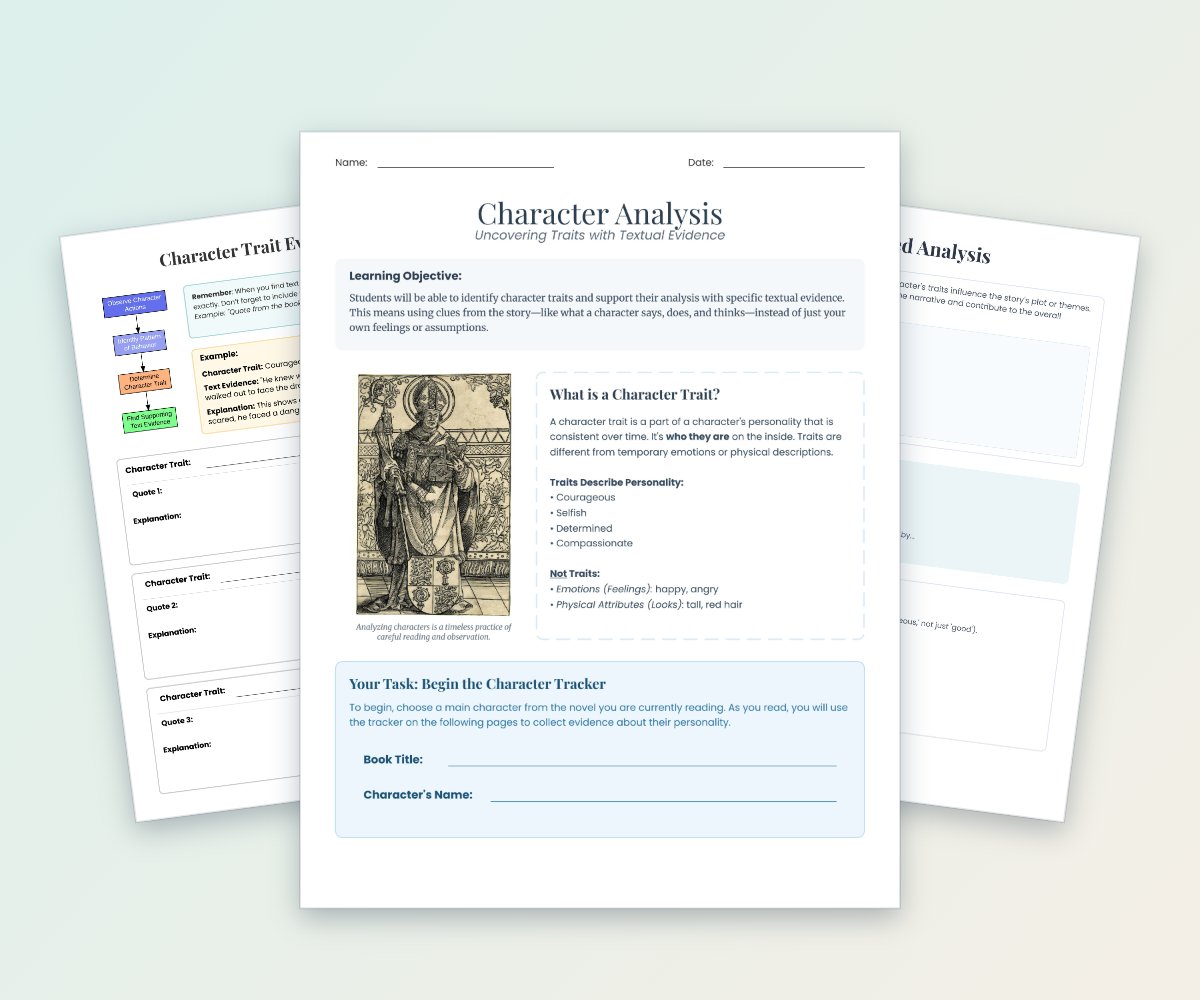
Students analyze a character’s personality traits using actions, thoughts, dialogue, and direct textual evidence.