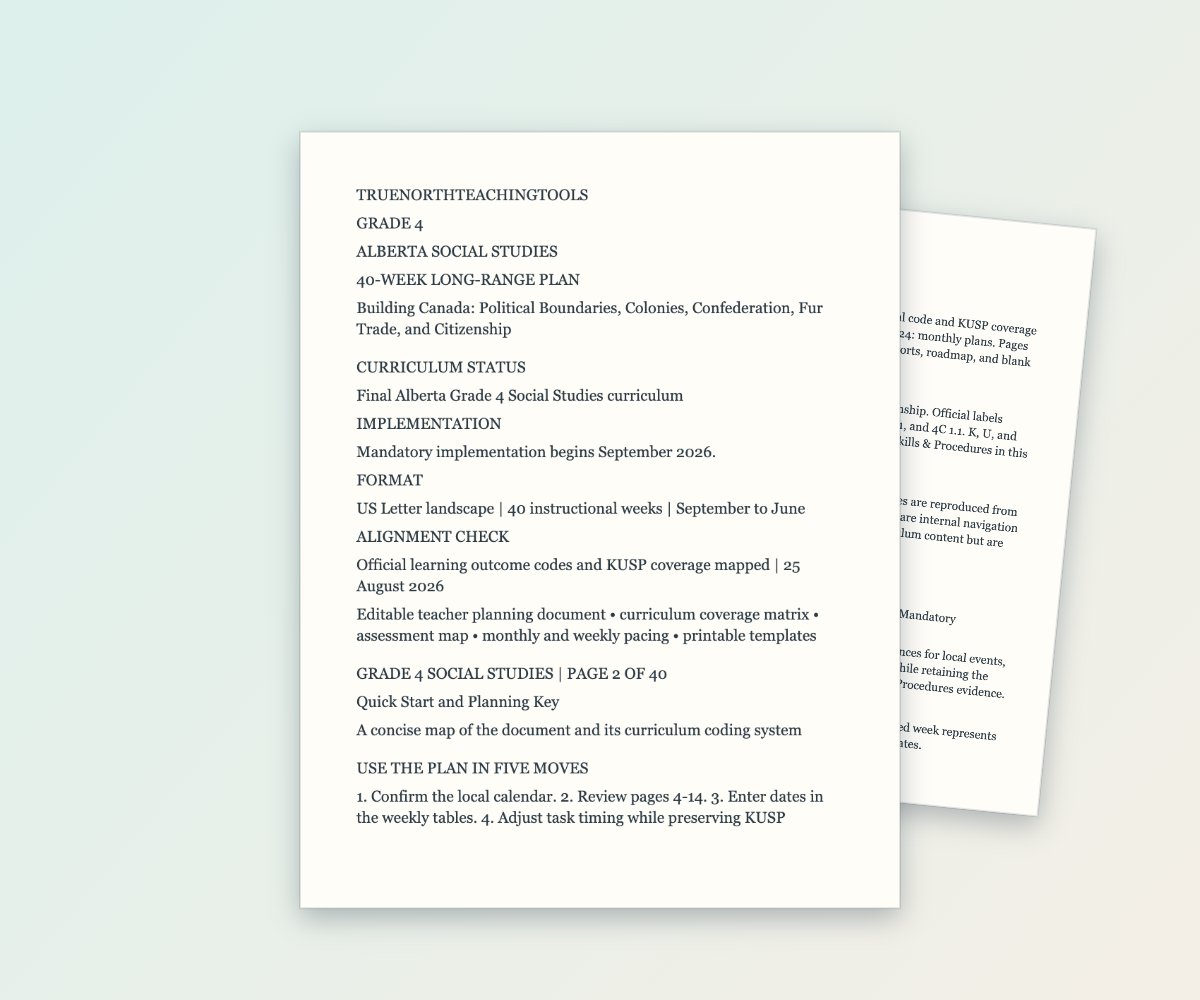
Grade 4 Alberta Social Studies 40-Week Long-Range Plan
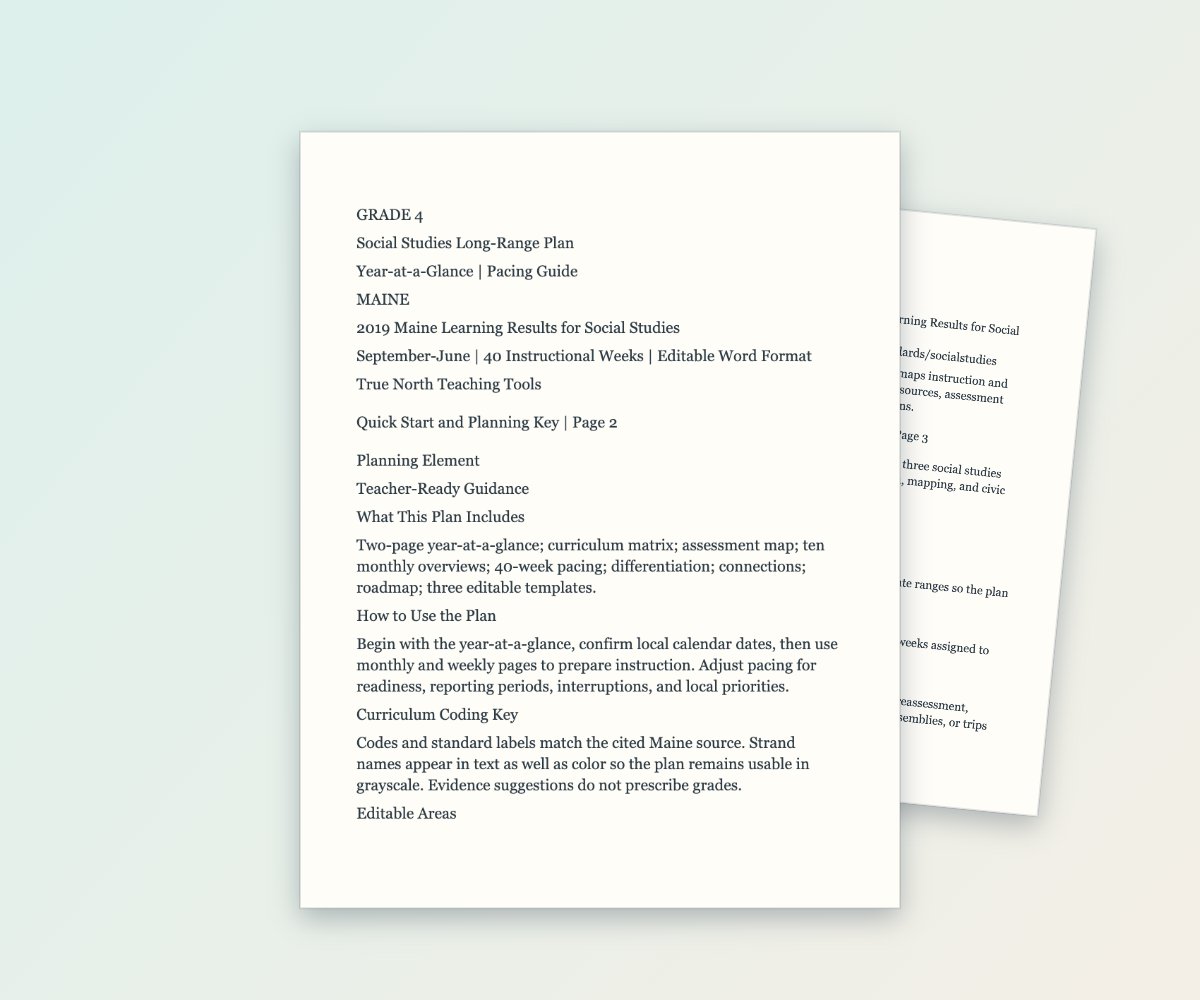
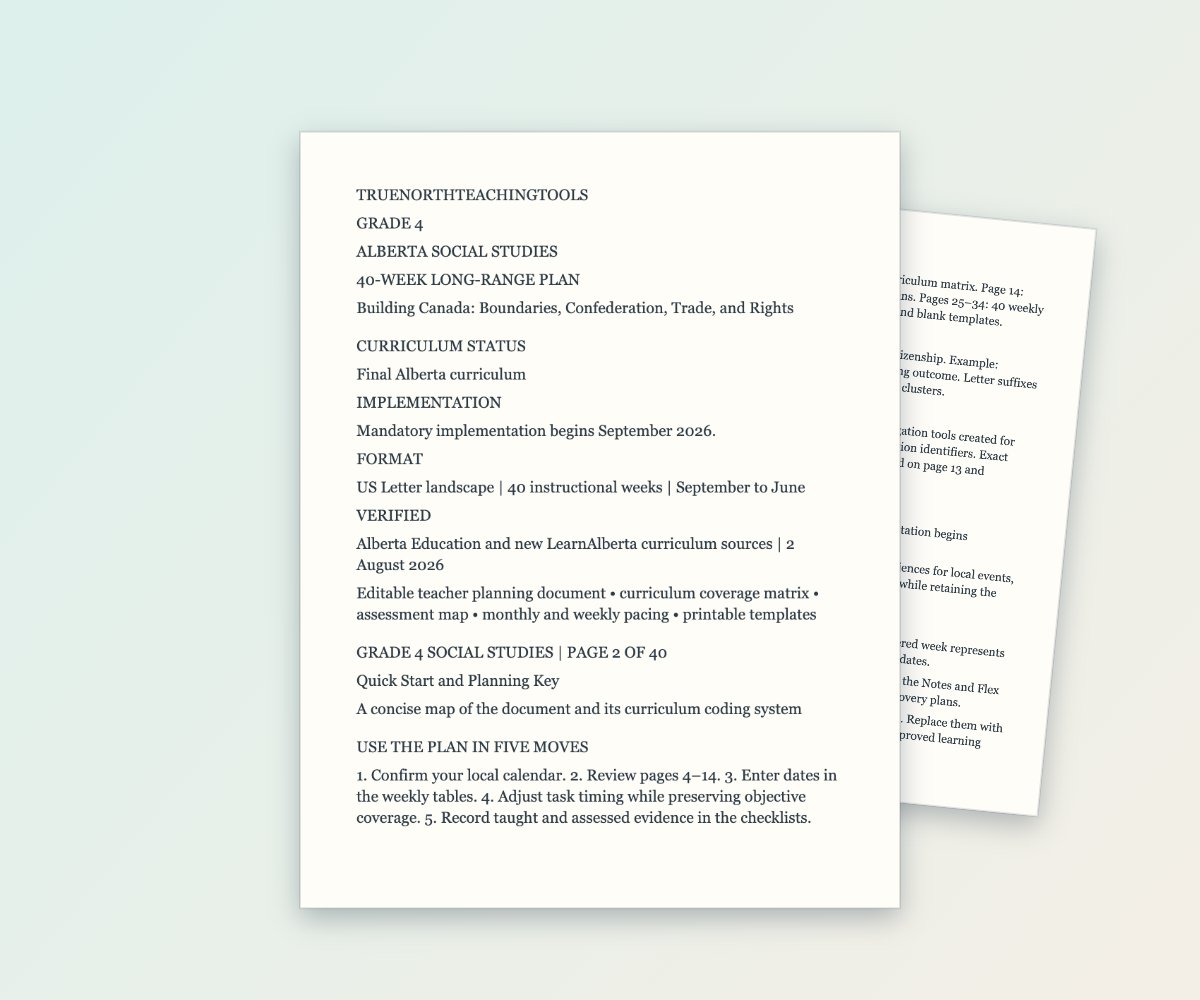
This editable 40-week long-range plan supports Grade 4 Alberta Social Studies from September through June.
$5
Clear, practical resources for busy educators, organized so you can get from search to ready-to-teach quickly.
This editable 40-week long-range plan supports Grade 4 Alberta Social Studies from September through June.
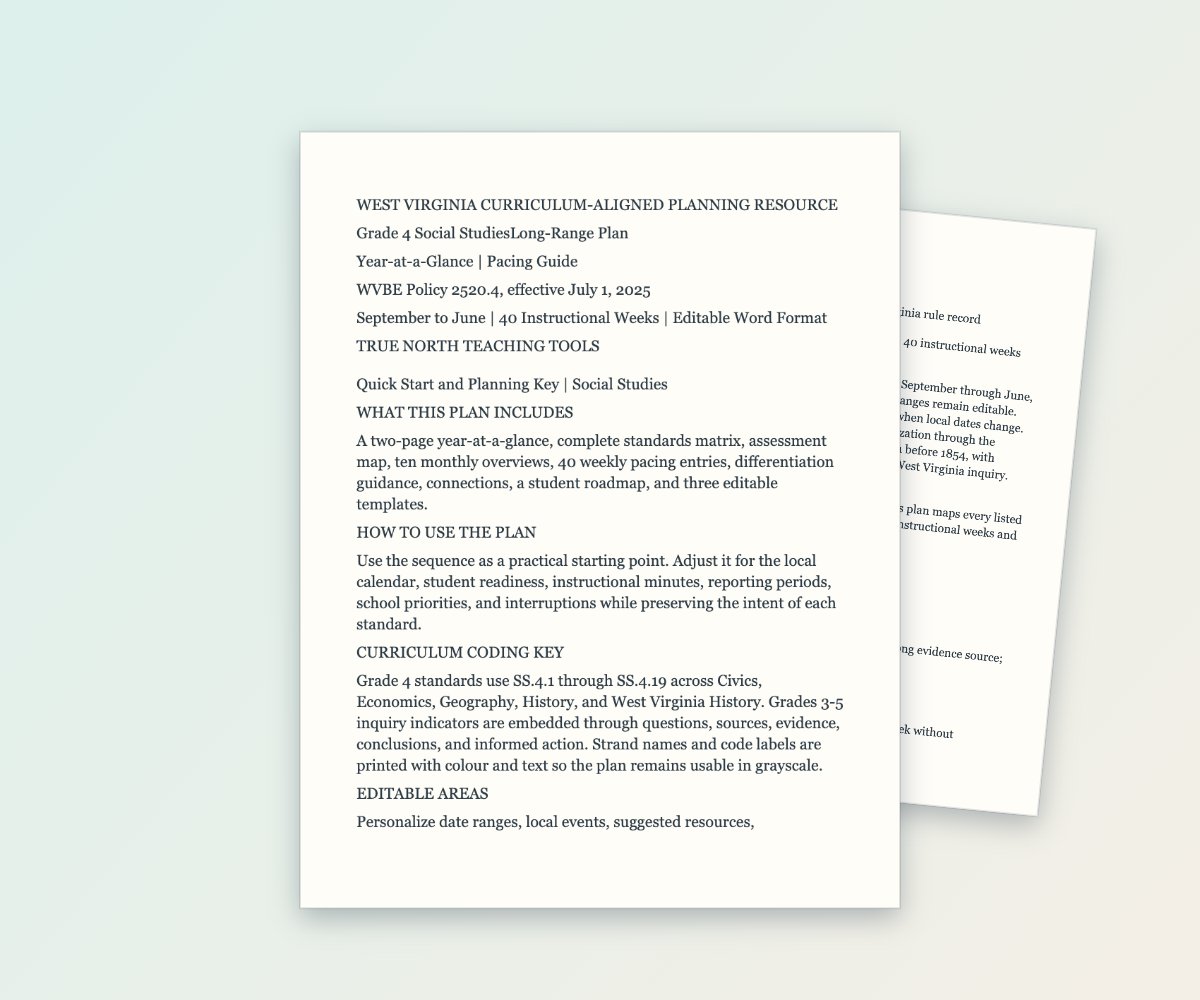
This editable 40-page long-range plan provides a September-to-June year-at-a-glance, standards matrix, assessment map, monthly overviews, and weekly pacing entries.
A polished, teacher-ready presentation exploring Ancient Egyptian geography, daily life, government, religion, writing, architecture, achievements, and legacy.
This editable 40-week long-range plan provides a September-to-June year-at-a-glance, curriculum coverage matrix, monthly sequence, pacing guide, assessment map, and differentiation supports.
Plan a full 40-week Grade 4 Alberta Social Studies year with curriculum-coded outcomes, weekly and monthly pacing, assessment mapping, and coverage tracking.
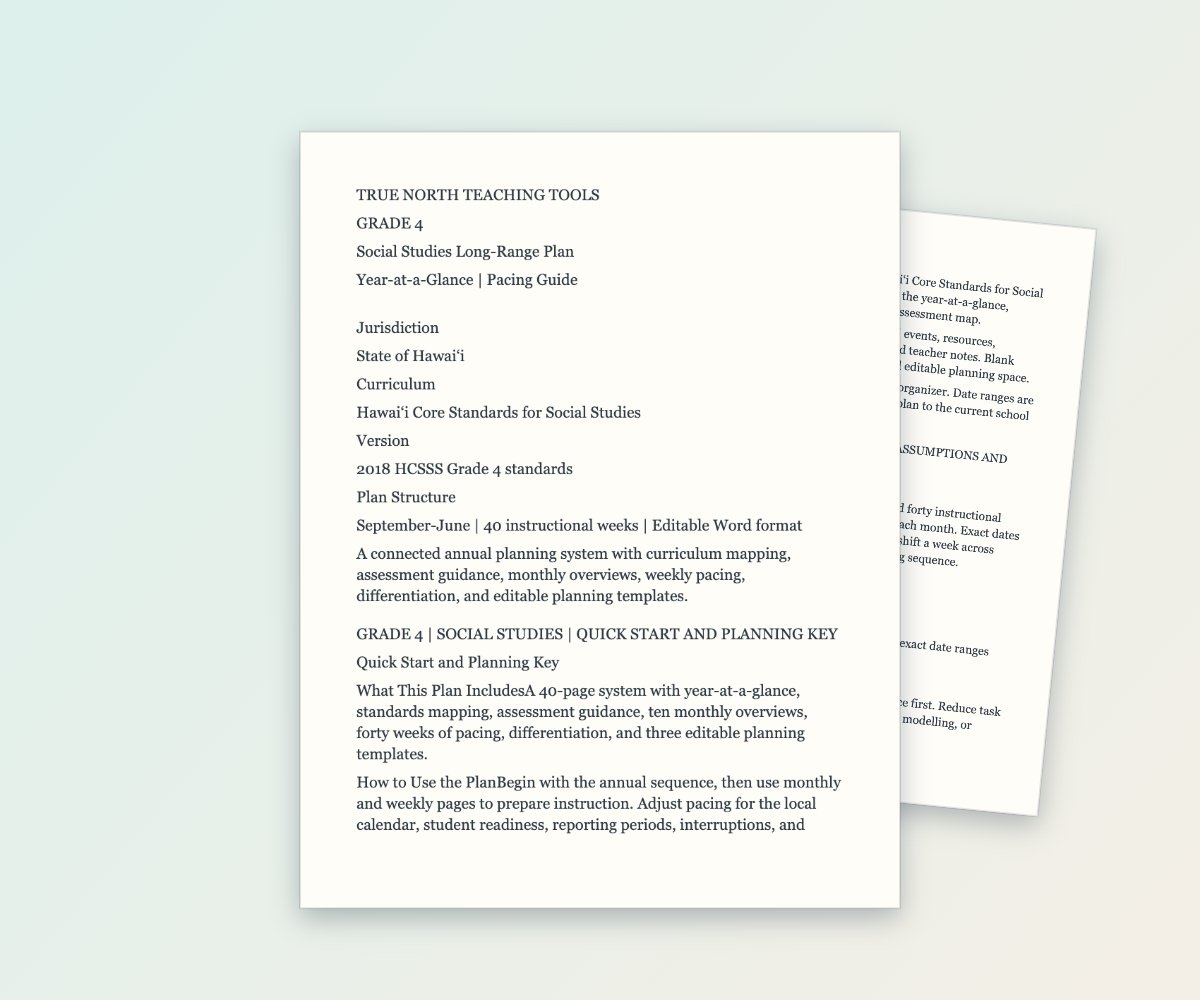
This editable 40-page plan organizes Grade 4 social studies instruction across 40 weeks, with year-at-a-glance planning, Hawaiʻi standards mapping, monthly overviews, weekly pacing, assessment guidanc
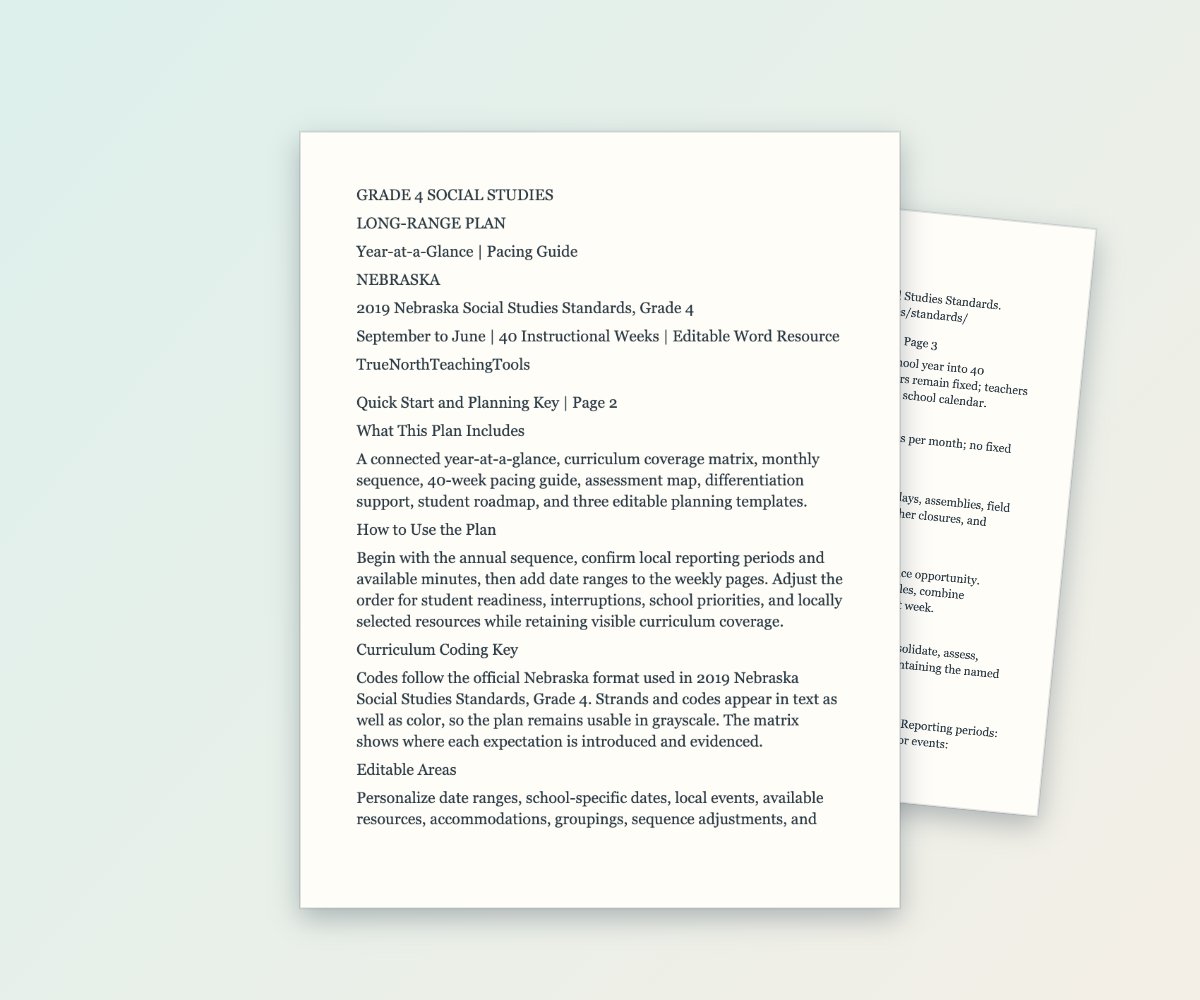
This editable 40-page long-range plan provides a full-year Grade 4 social studies overview, curriculum matrix, assessment map, monthly overviews, and 40-week pacing guide.
This editable 40-week long-range plan includes a year-at-a-glance, pacing guide, curriculum coverage matrix, monthly and weekly overviews, assessment mapping, differentiation support, and planning tem
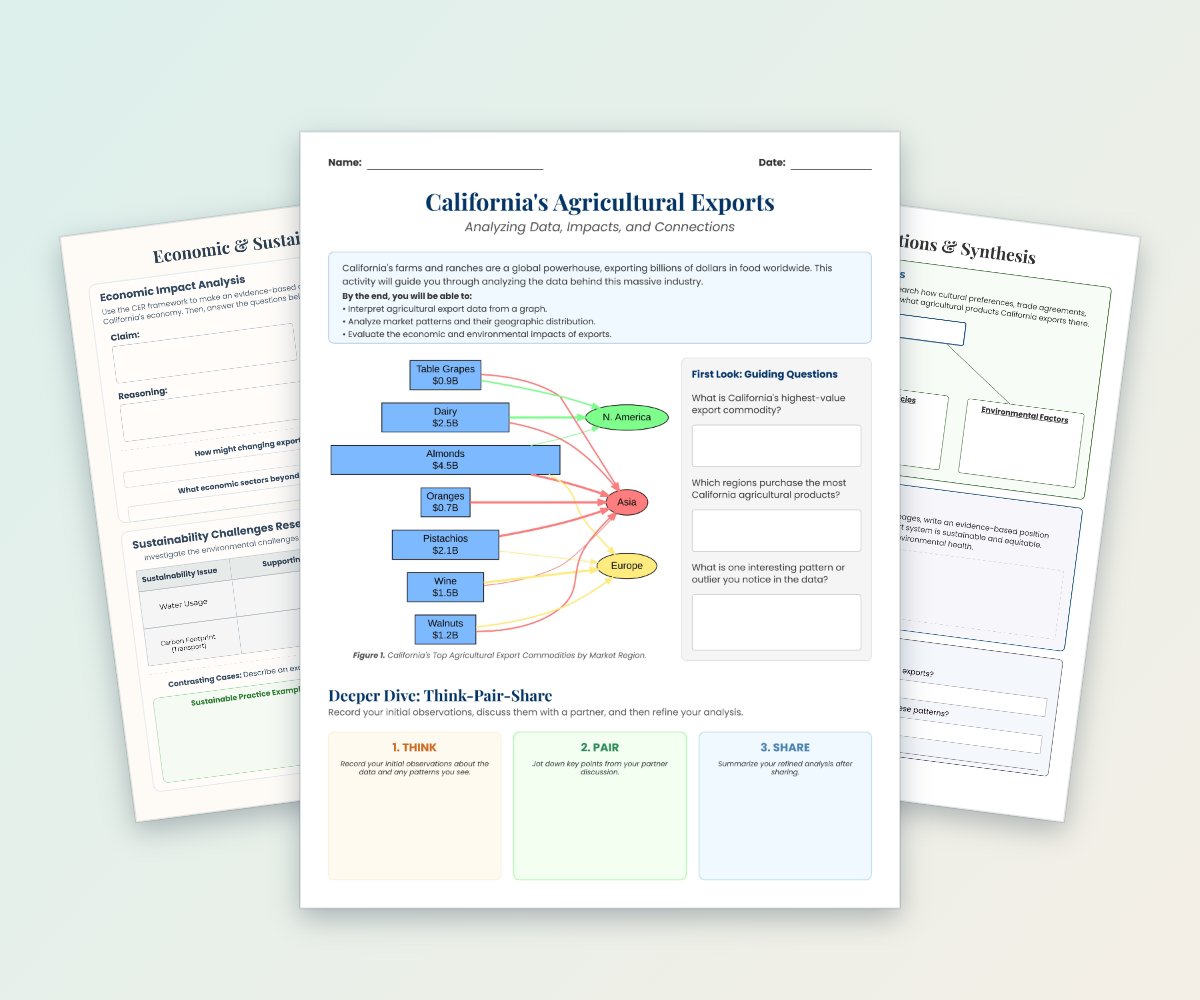
This three-page activity guides students in interpreting agricultural export data and examining economic, environmental, and global connections.
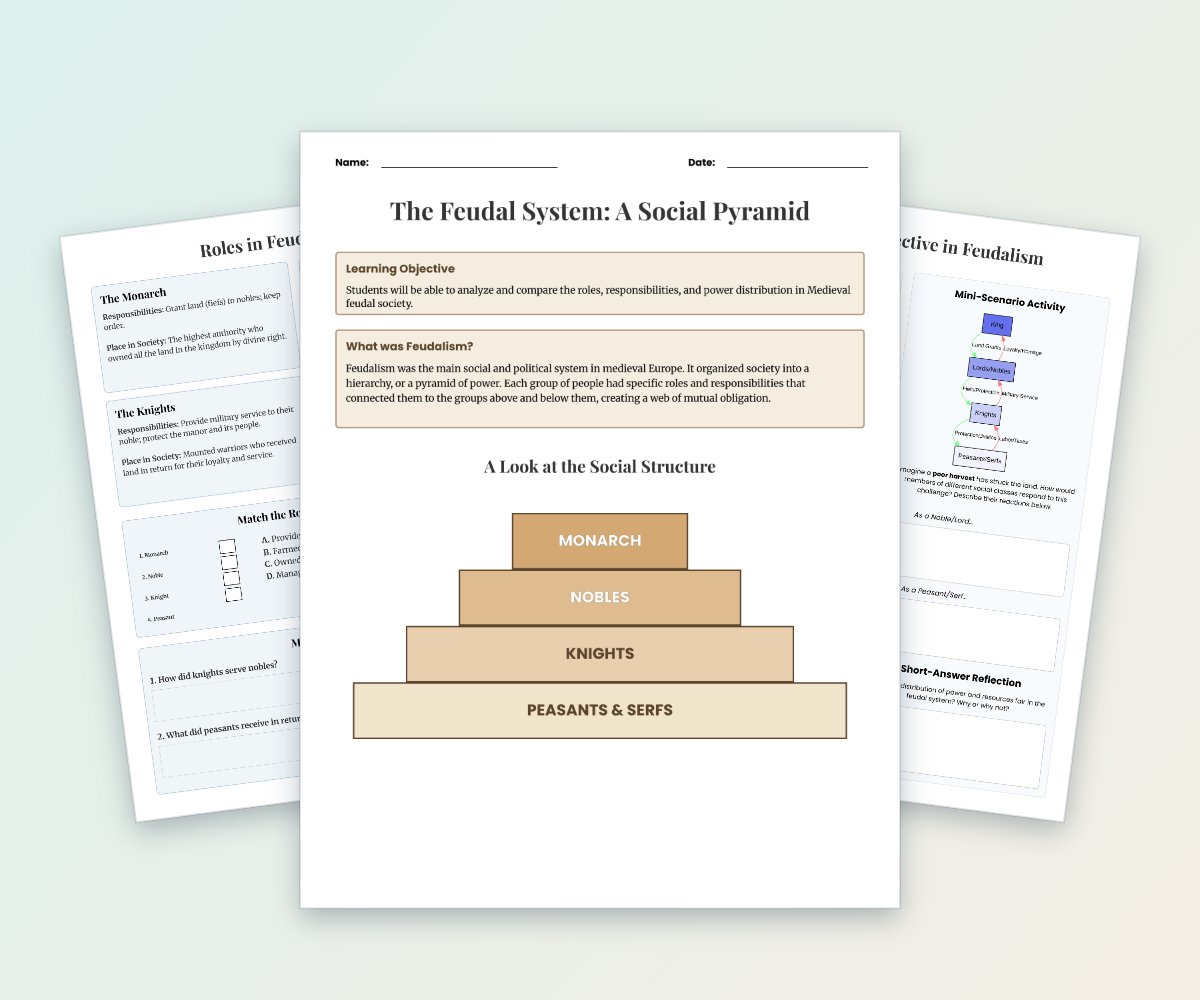
This four-page worksheet introduces the feudal system and examines the roles, responsibilities, power, and relationships among monarchs, nobles, knights, and peasants.
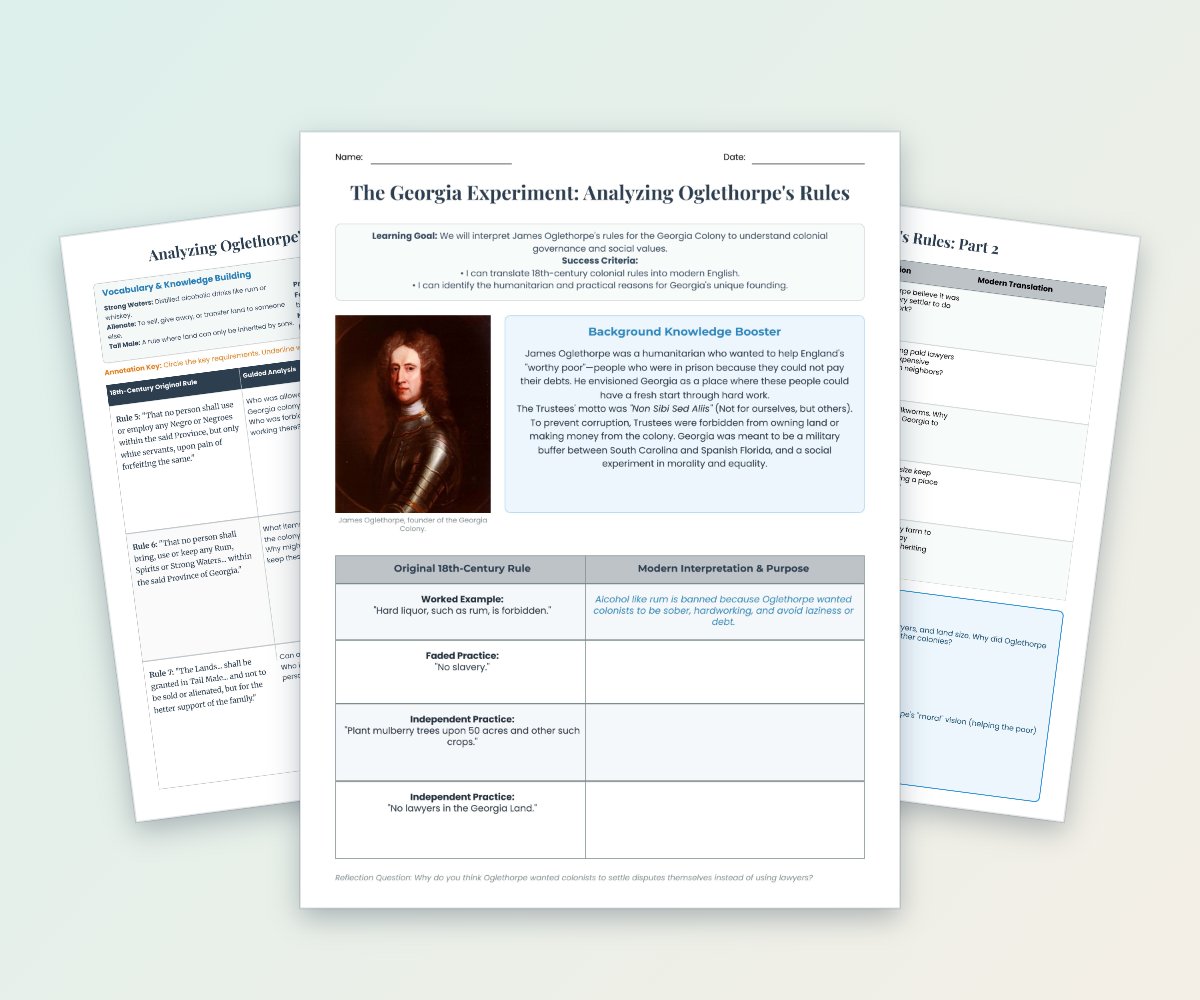
Students examine James Oglethorpe's rules for the Georgia Colony, translate historical language, and analyze the humanitarian, practical, and social purposes behind the rules.
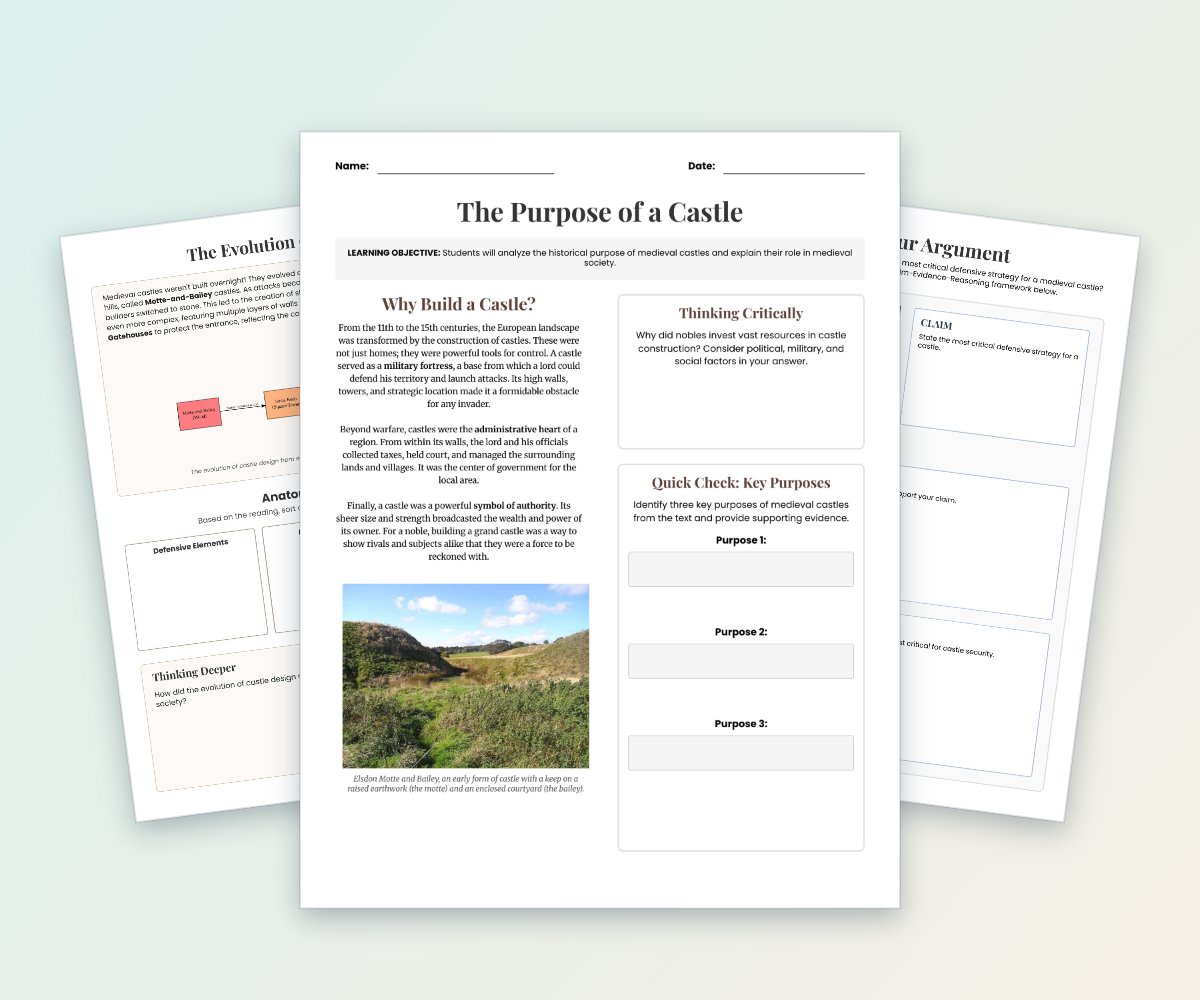
Students examine why medieval castles were built and how their designs evolved from motte-and-bailey forts to stone and concentric castles.
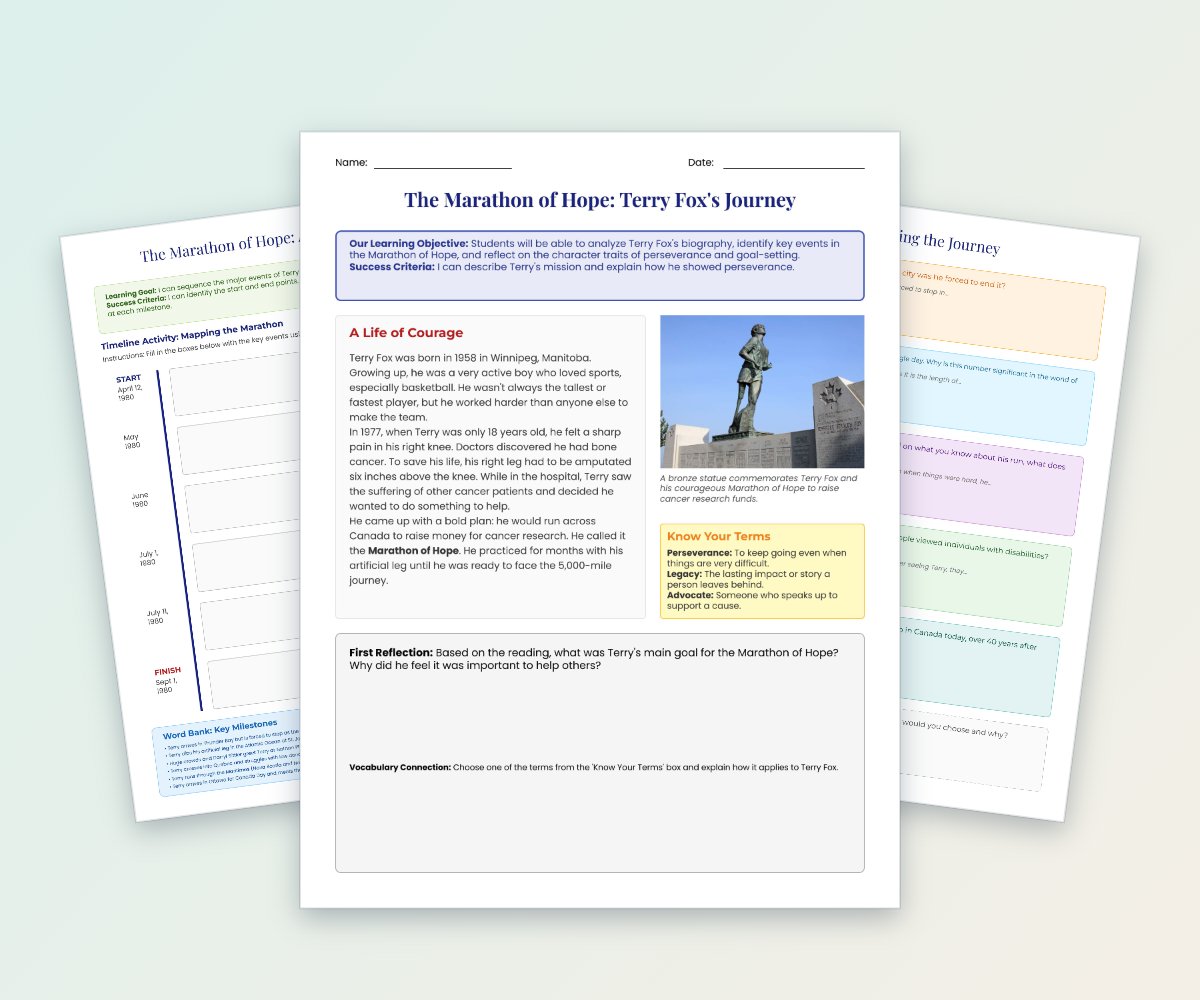
Students learn about Terry Fox’s life, cancer research mission, and Marathon of Hope through an informational reading and vocabulary activity.
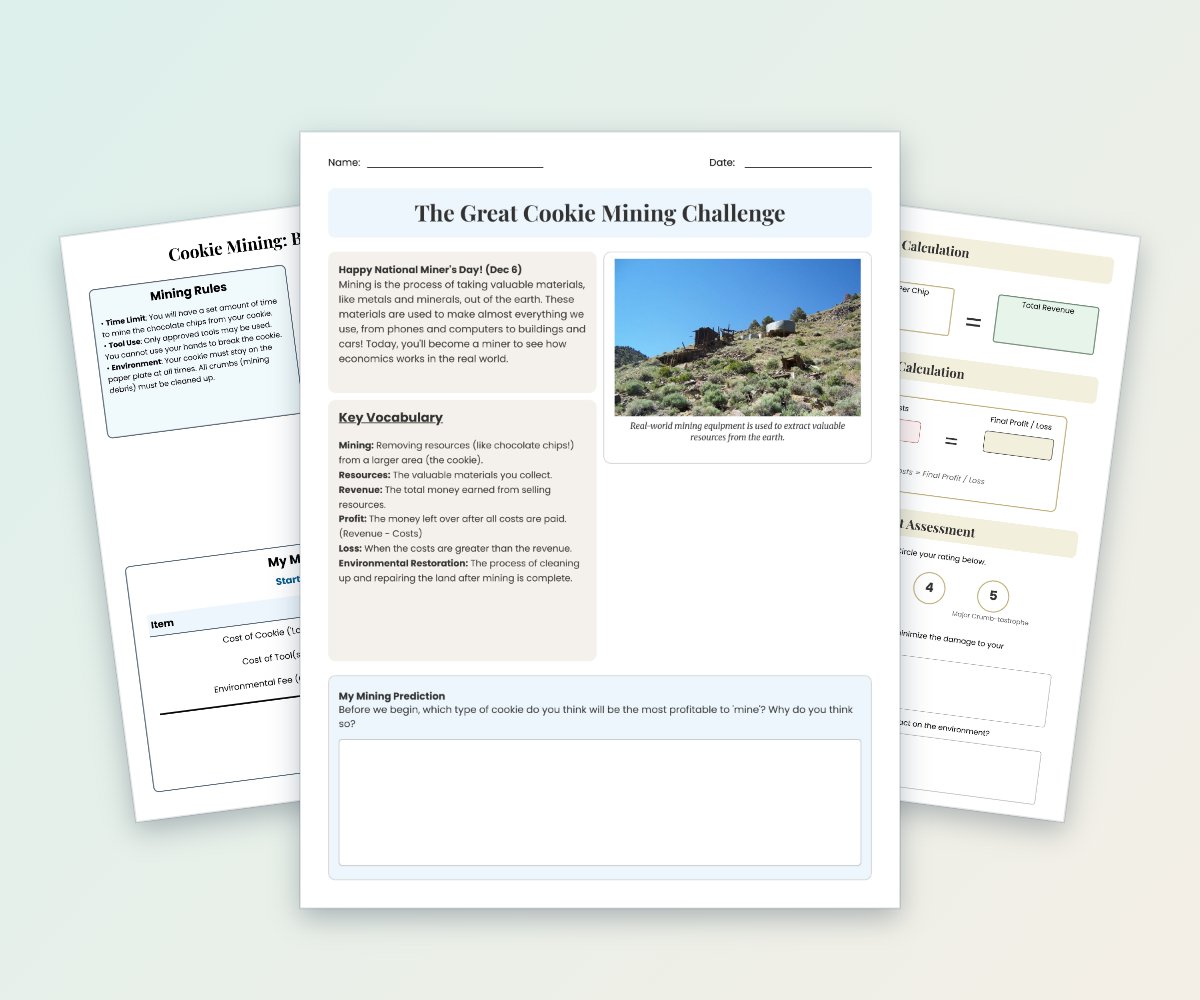
Students simulate mining by extracting chocolate chips from cookies while managing land, tool, cleanup, and environmental costs.
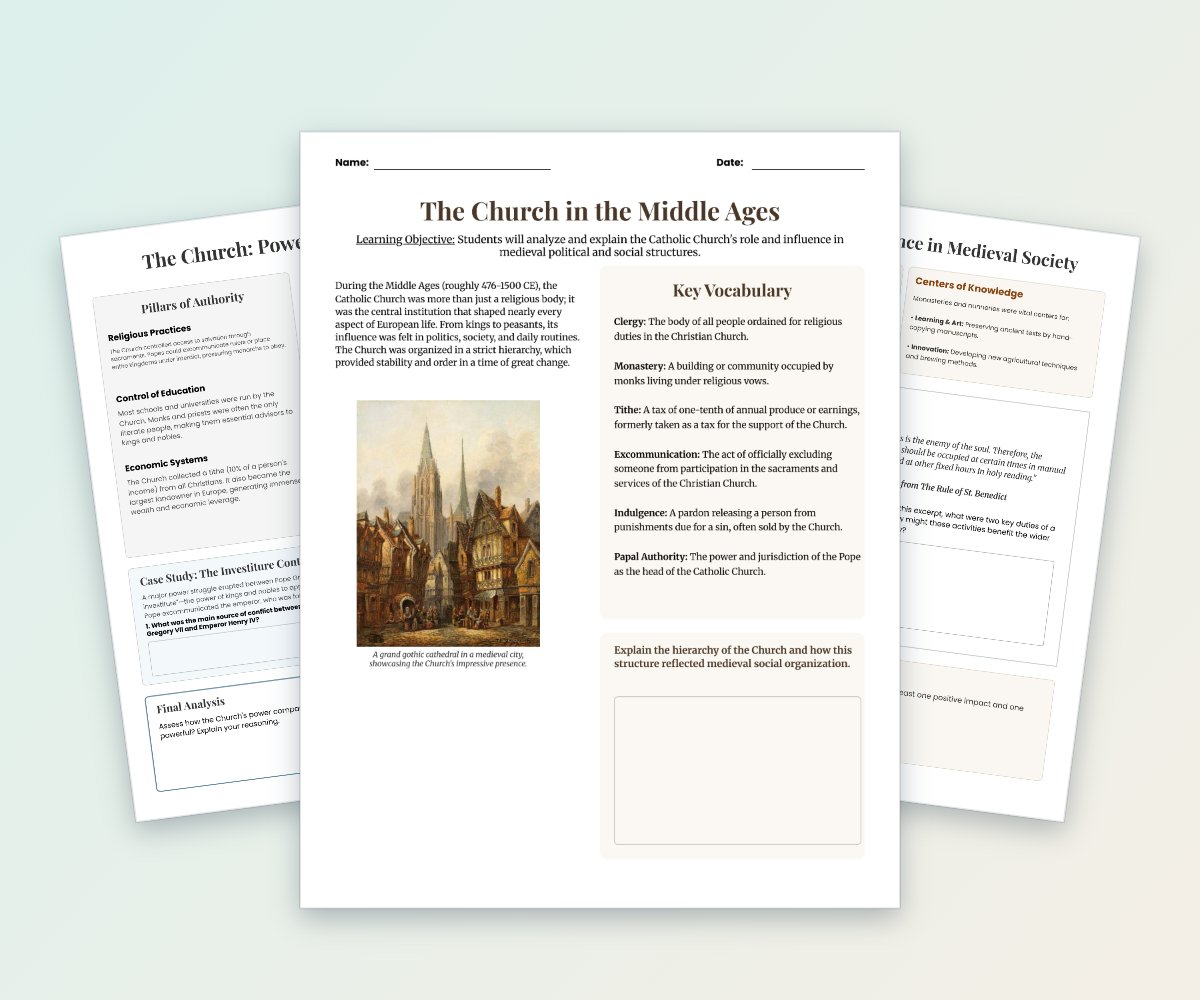
This four-page worksheet examines the Catholic Church’s role in medieval European political, social, educational, and economic life.
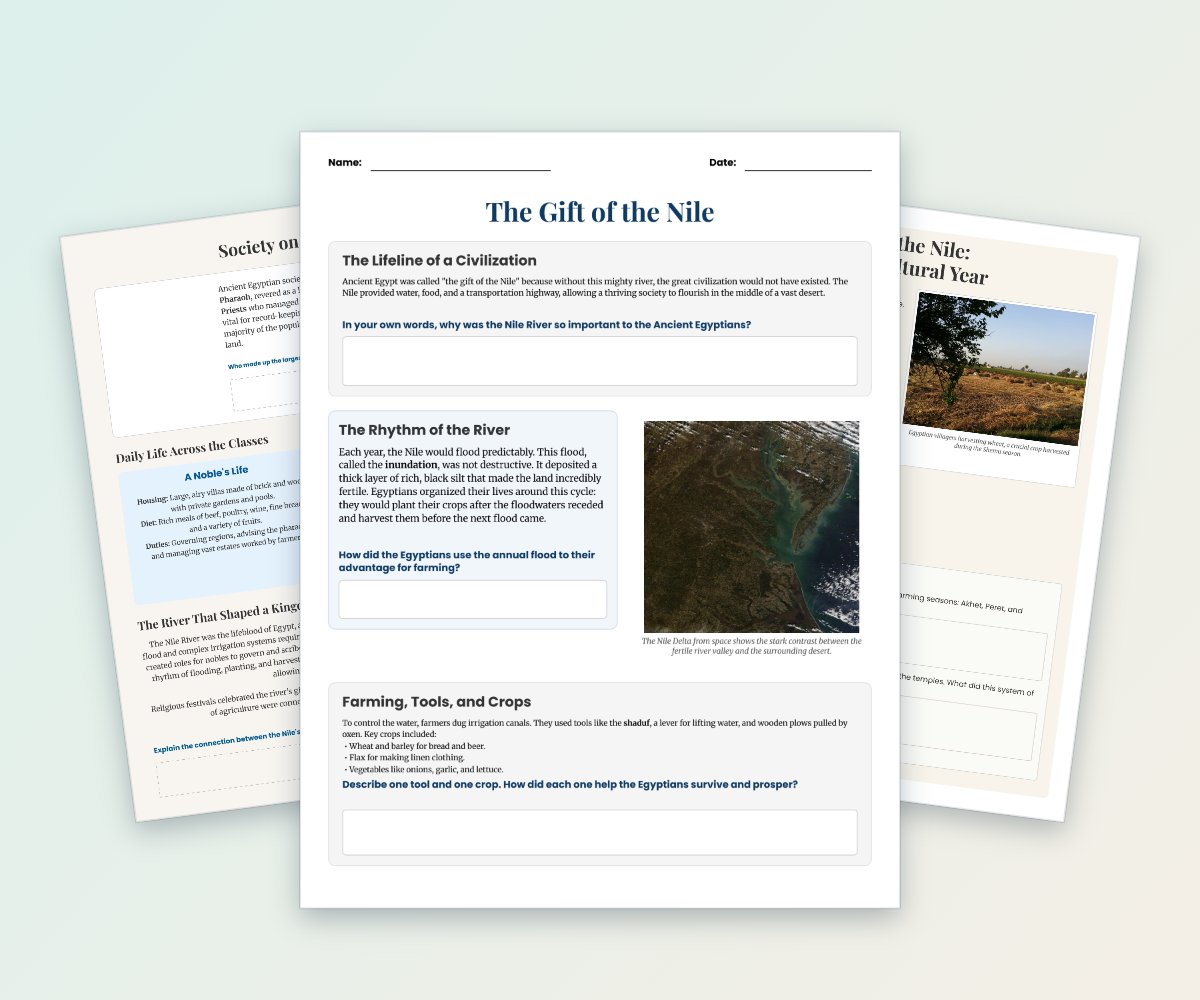
This five-page worksheet explores how the Nile supported farming, transportation, society, and daily life in Ancient Egypt.
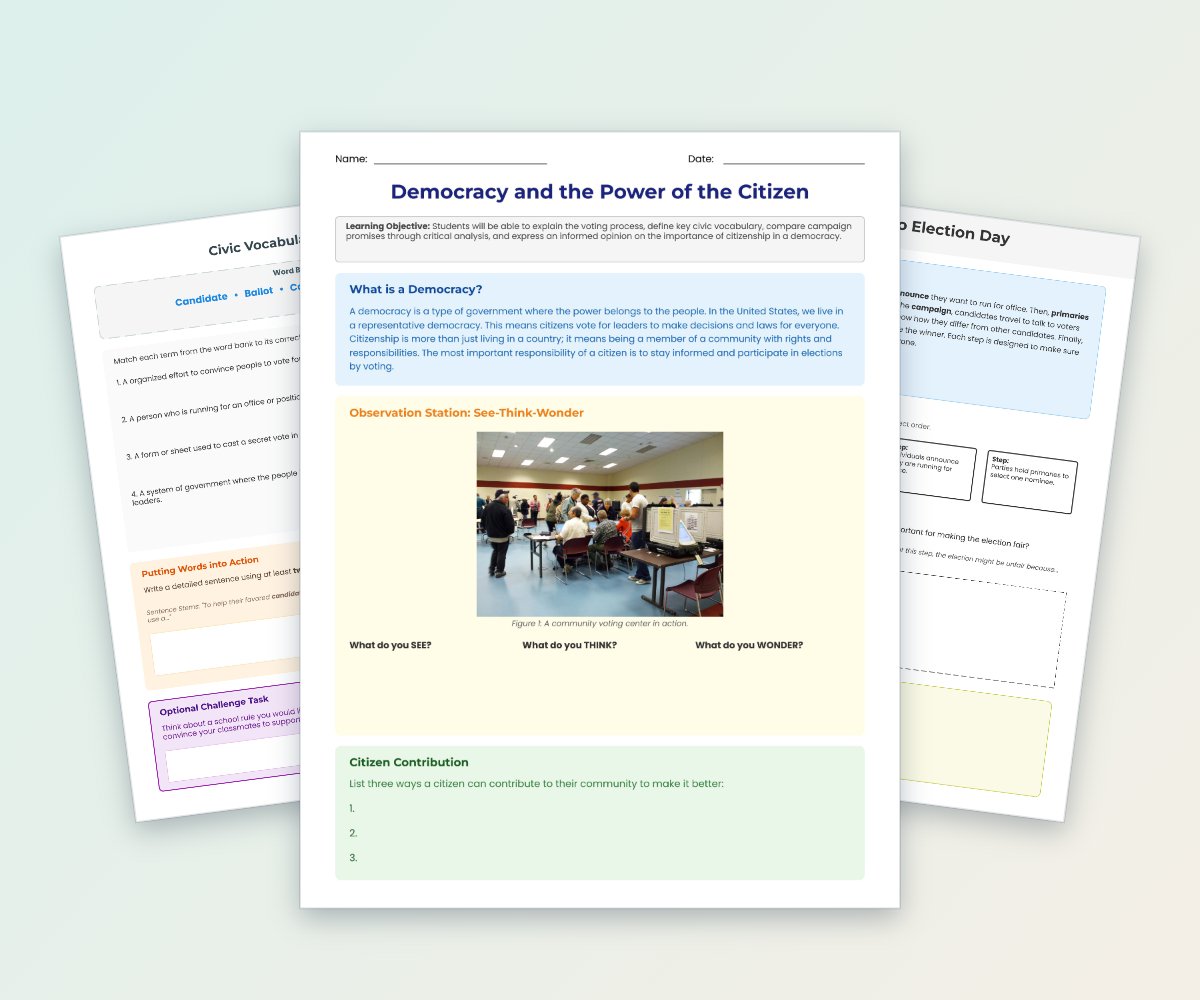
This six-page civics activity pack introduces democracy, citizenship, voting, elections, campaigns, candidates, and ballots.
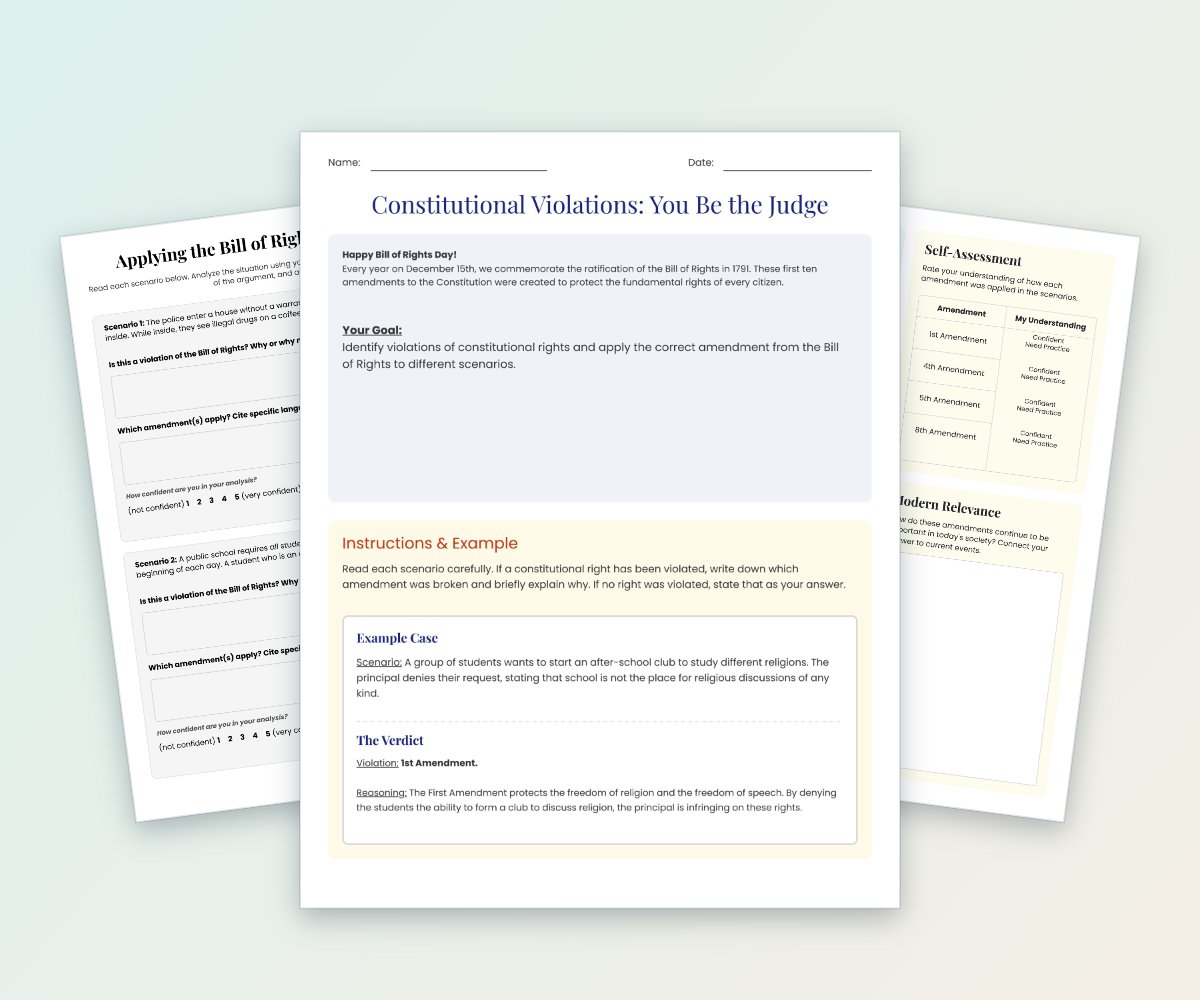
Students examine realistic scenarios involving the First, Fourth, and Fifth Amendments and determine whether constitutional rights were violated.
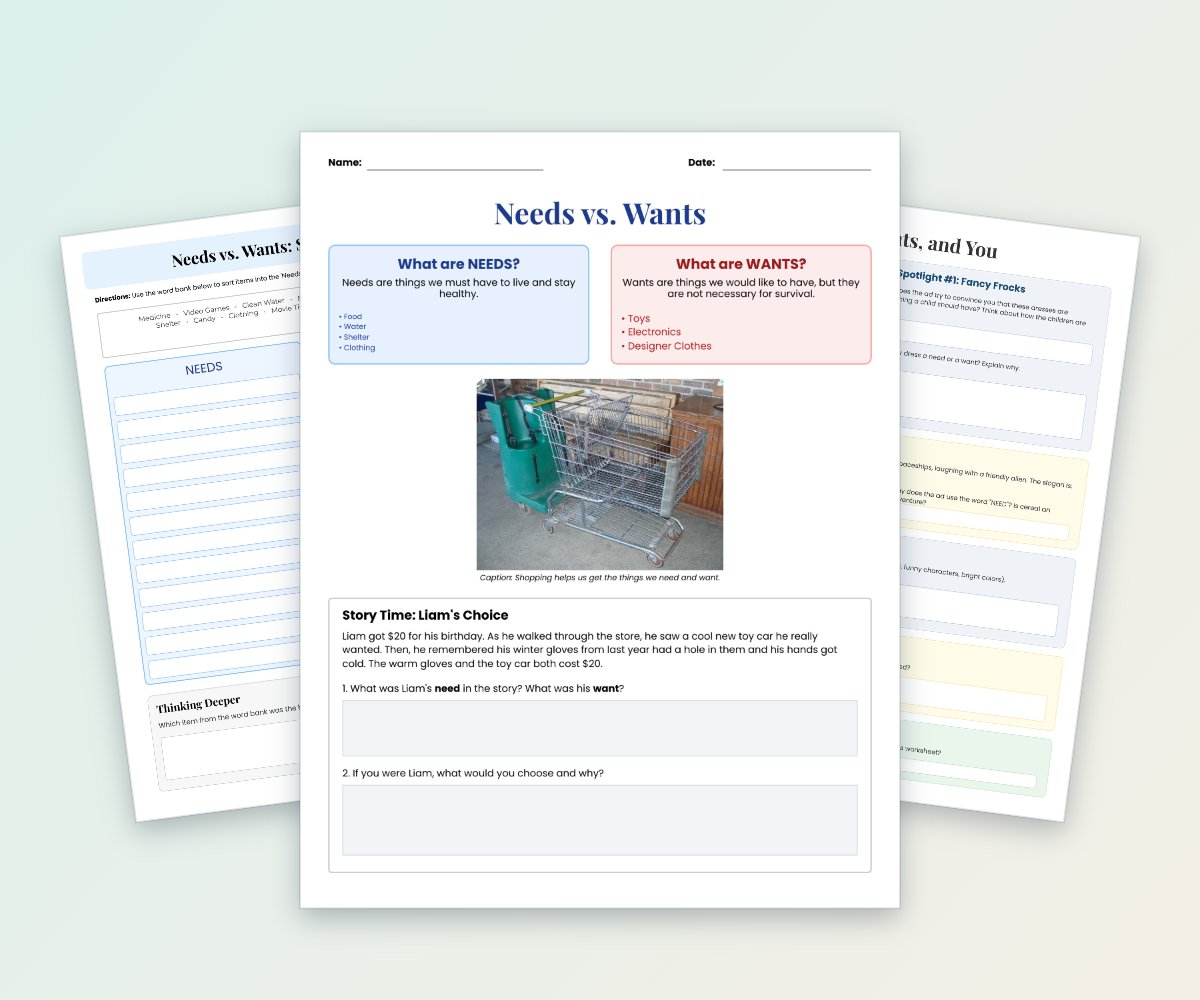
This four-page activity pack helps students distinguish needs from wants through definitions, a relatable spending story, sorting activity, and advertising analysis.
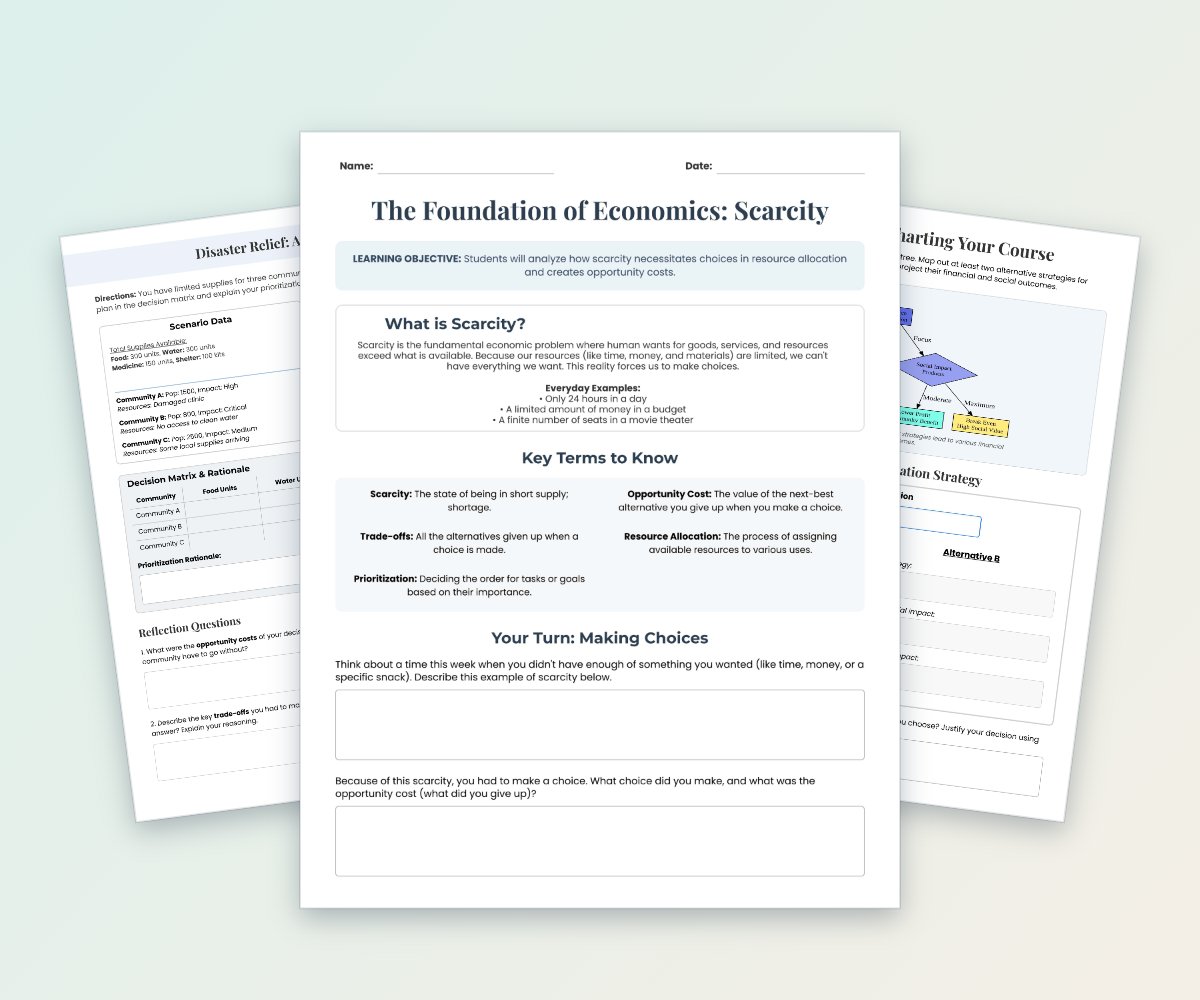
This five-page economics worksheet introduces scarcity, trade-offs, prioritization, opportunity cost, and resource allocation.
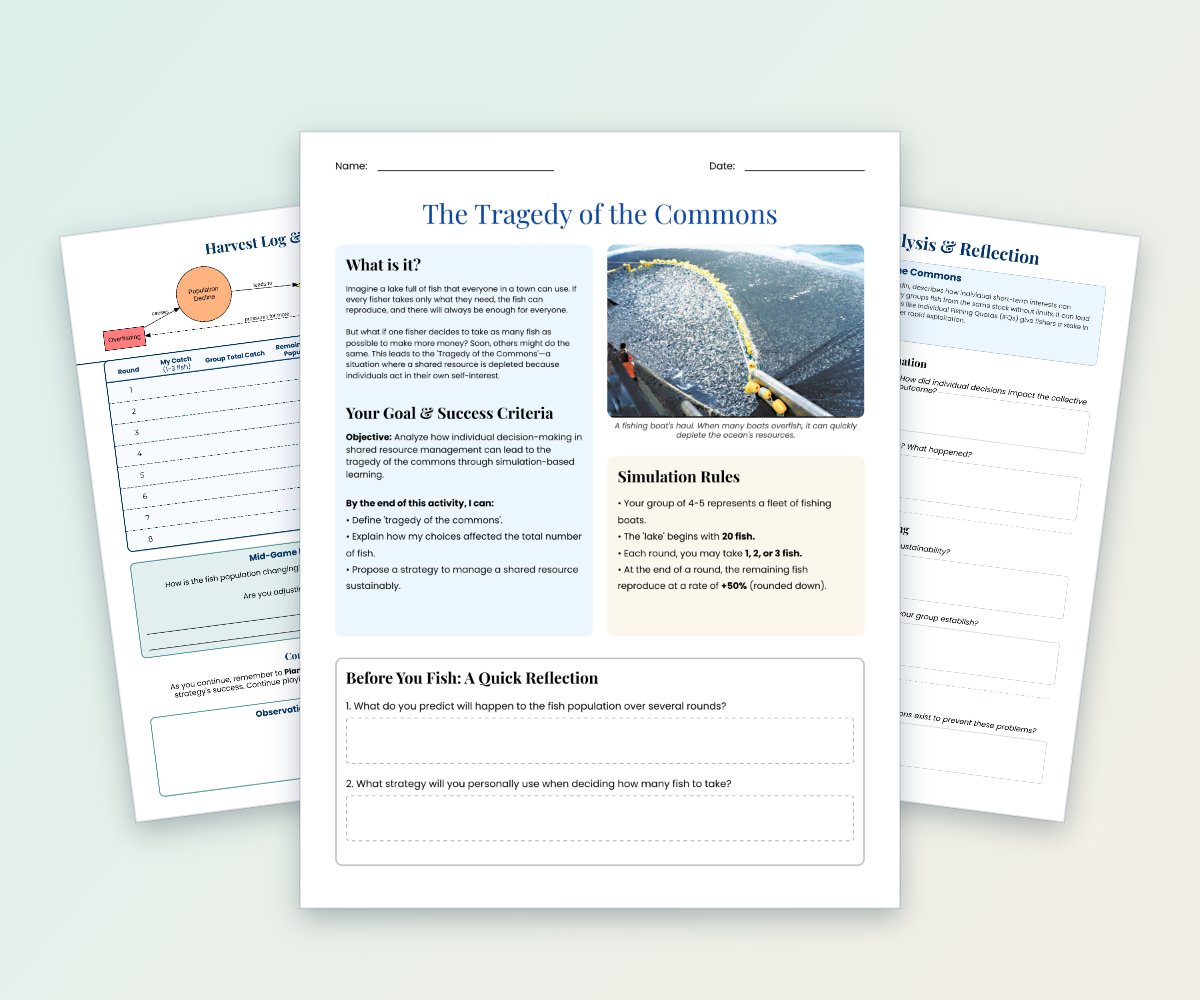
Students participate in an eight-round fishing simulation to explore how individual choices affect shared resources.
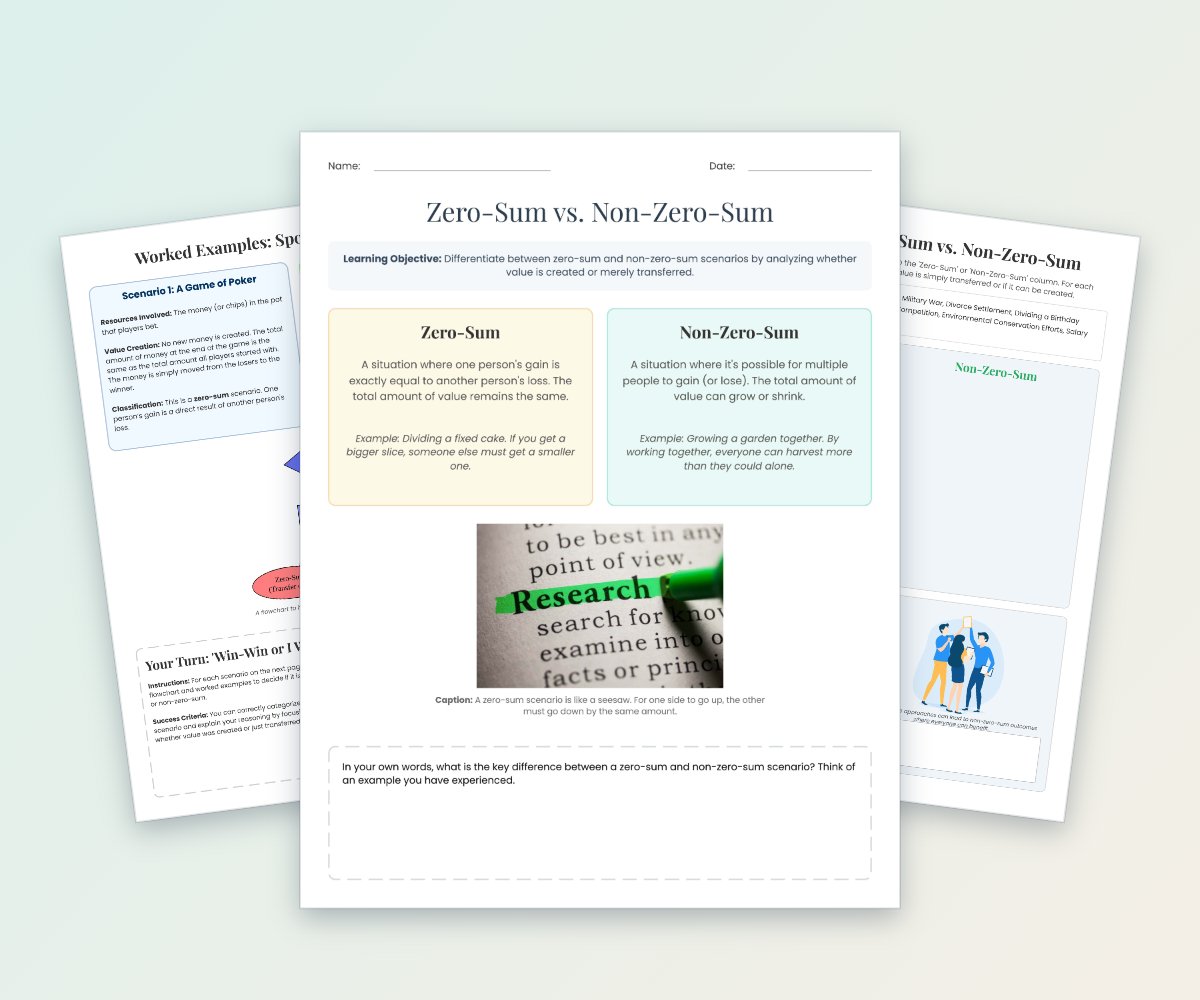
This four-page worksheet introduces zero-sum and non-zero-sum situations through definitions, examples, a decision flowchart, and scenario sorting.
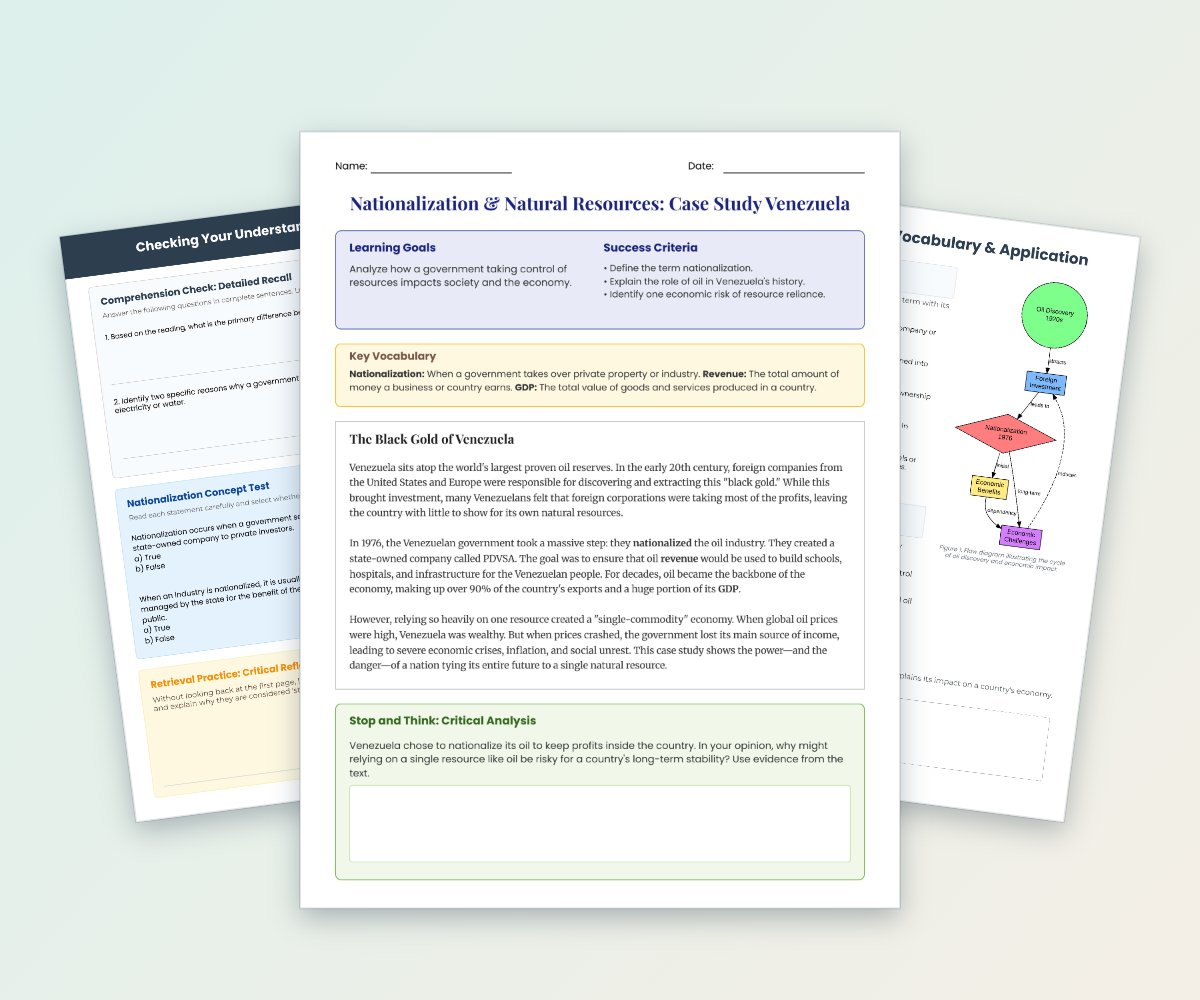
Students examine Venezuela’s 1976 nationalization of its oil industry, the role of PDVSA, and the economic risks of relying on one resource.
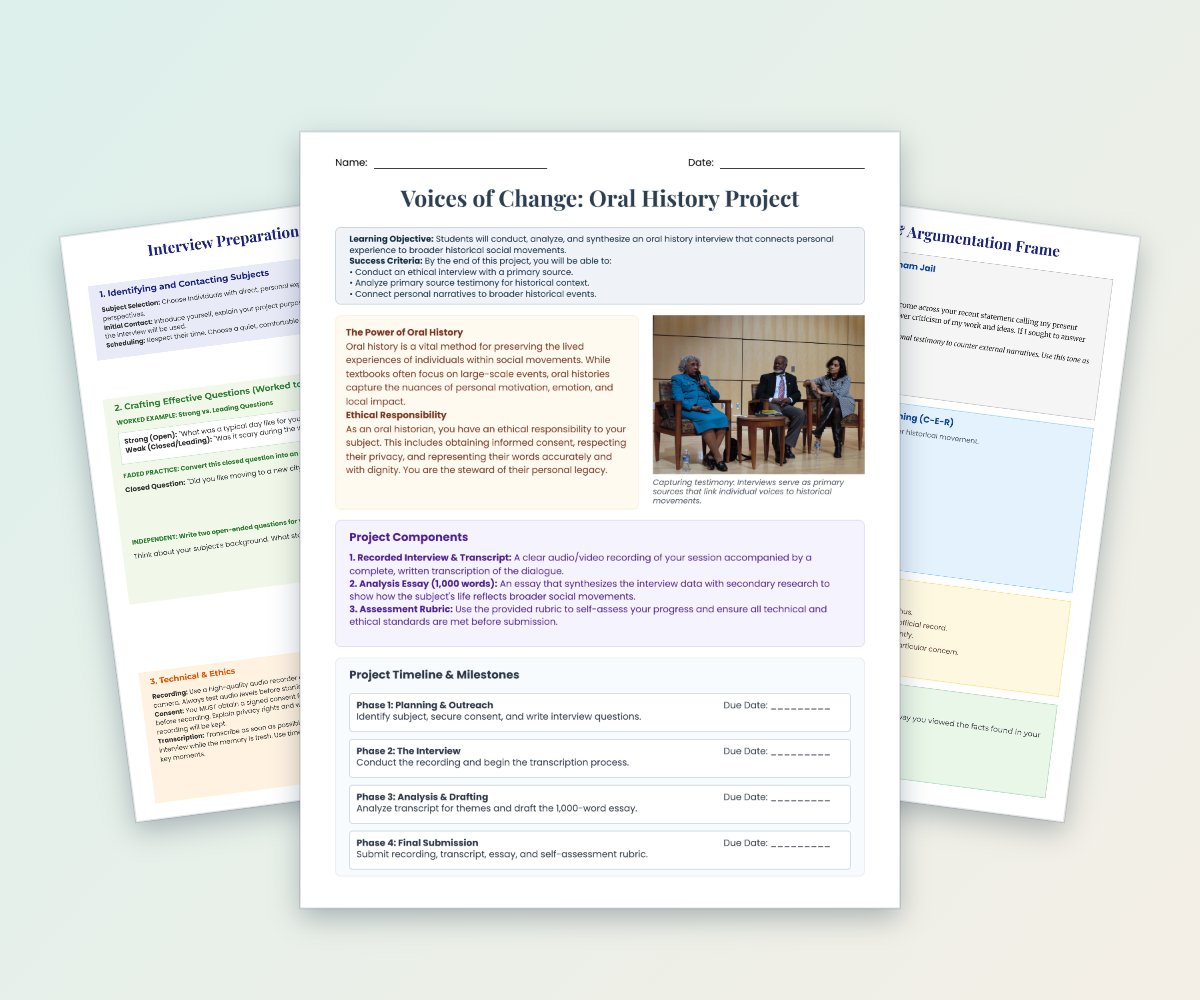
Guide students through planning, conducting, transcribing, and analyzing an oral history interview connected to broader social movements.
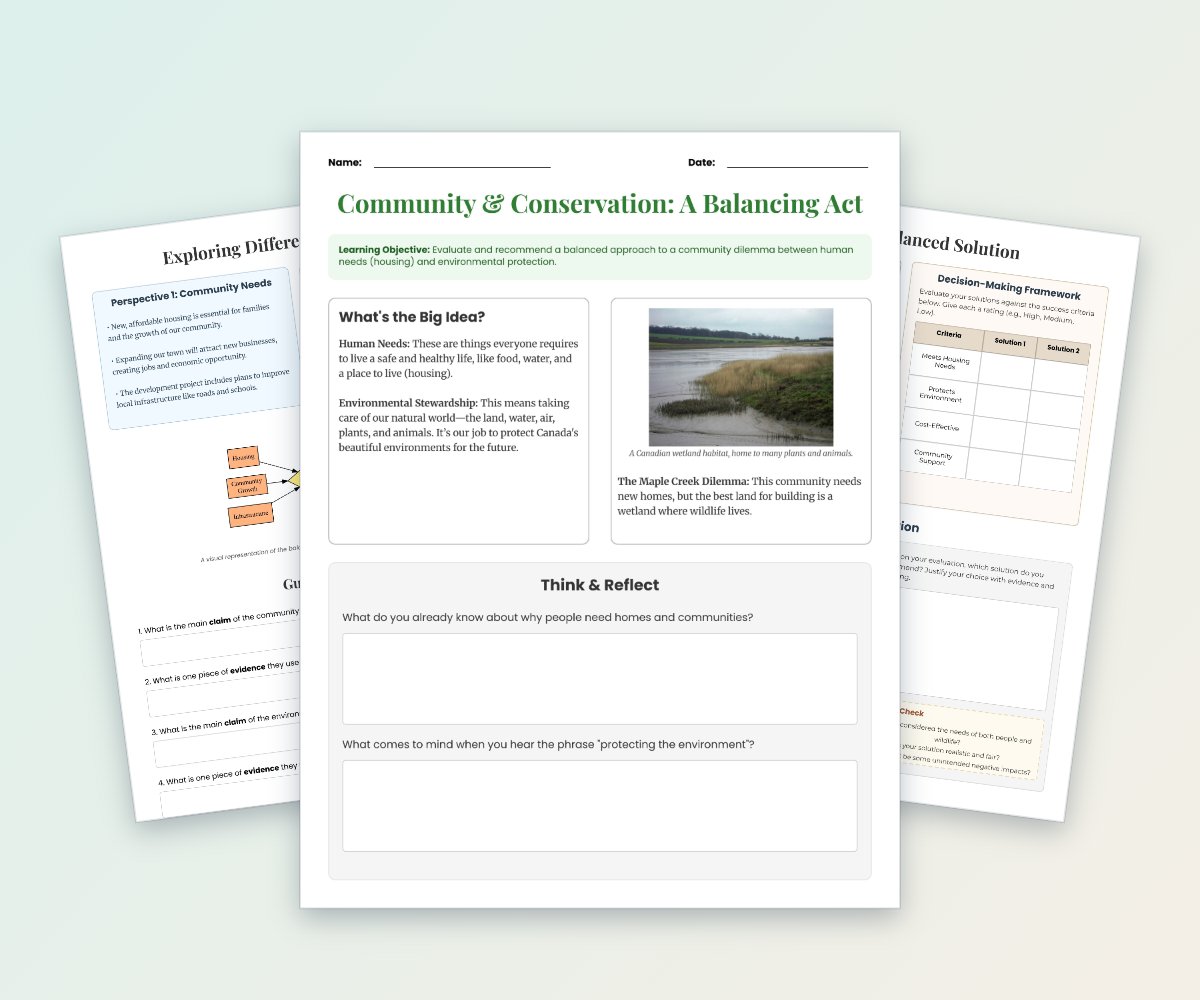
Students explore the Maple Creek dilemma, weighing the need for affordable housing against wetland conservation.
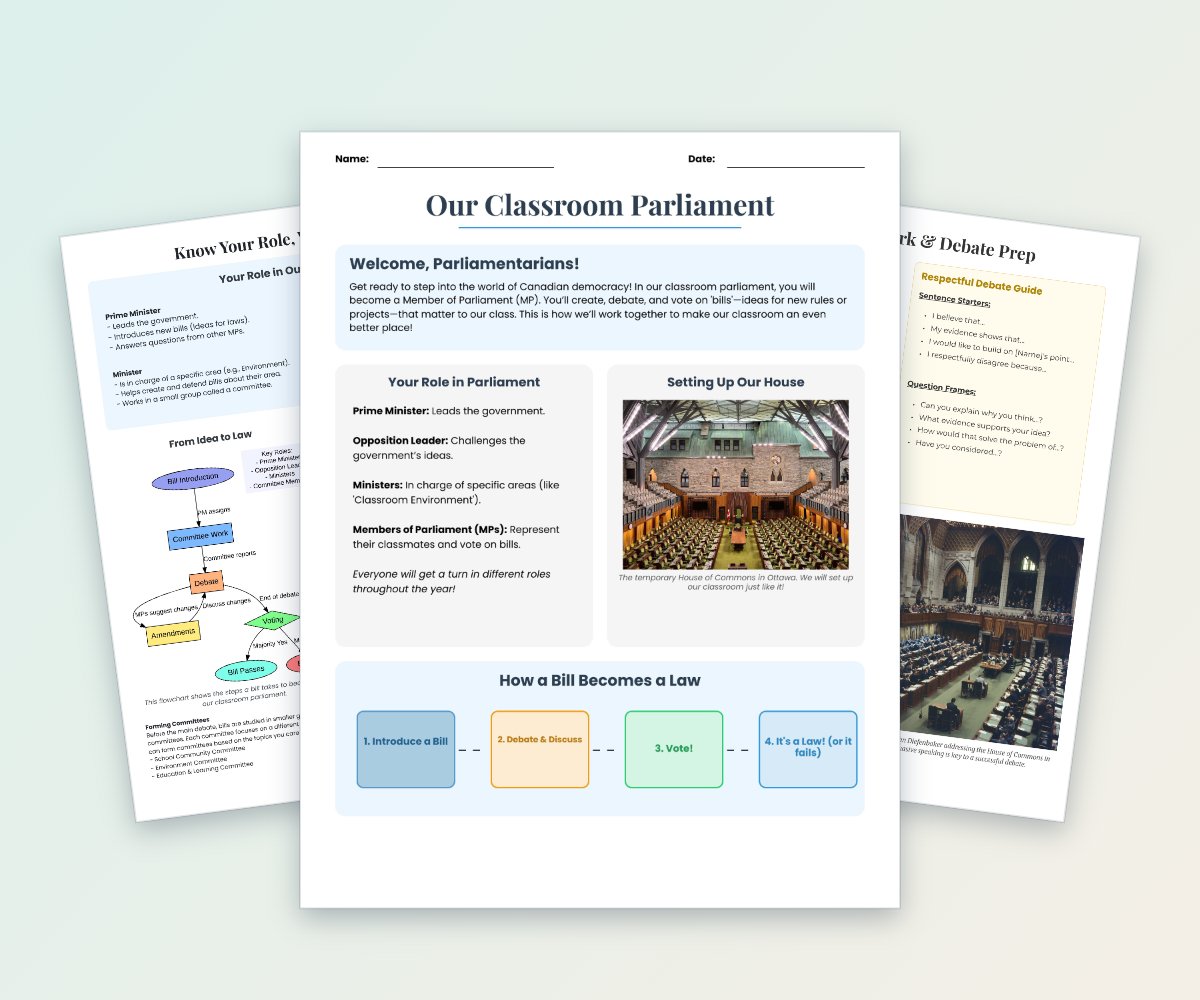
Students take on parliamentary roles, including Prime Minister, Opposition Leader, ministers, committee members, and MPs.
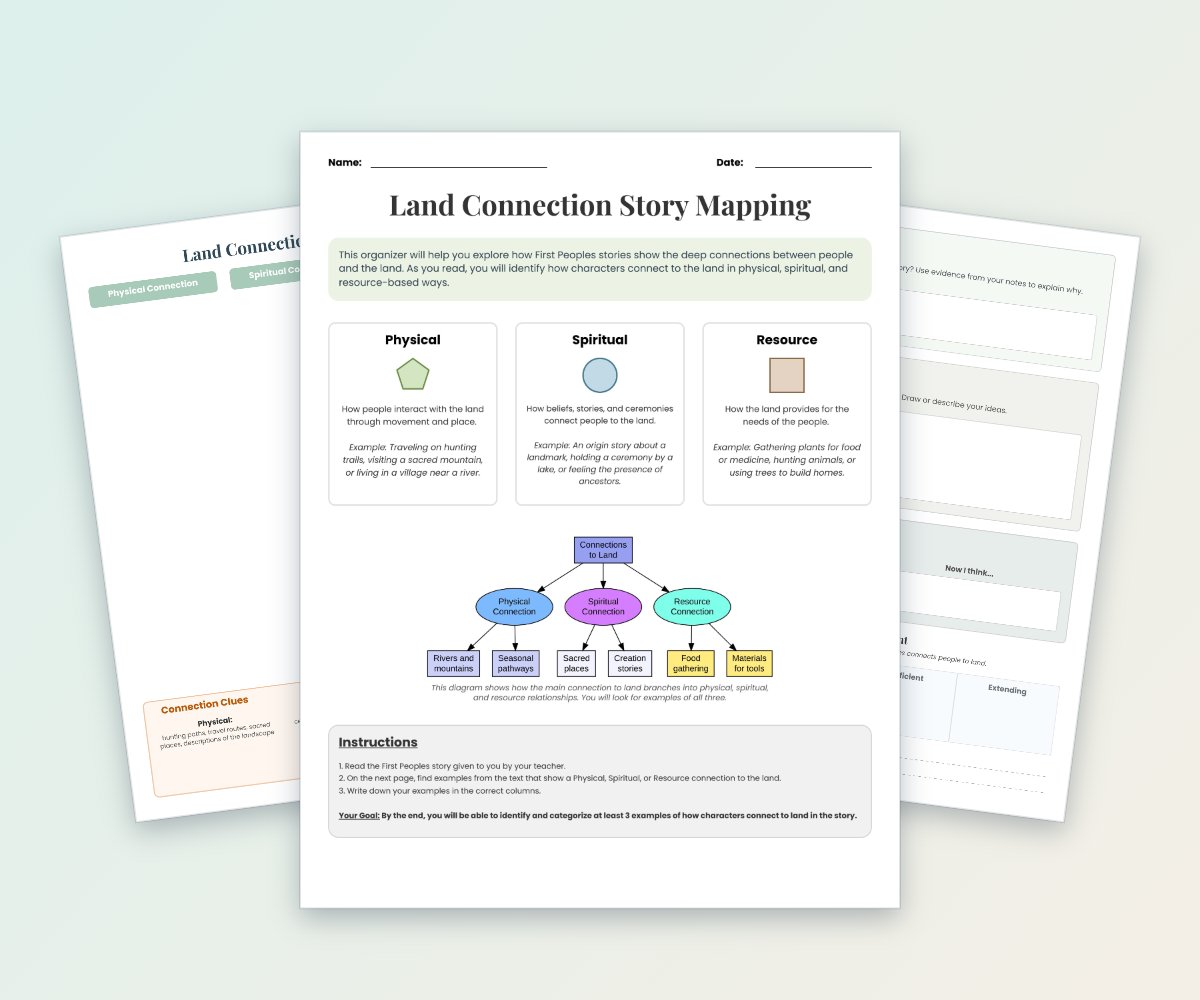
Students analyze a First Peoples story by identifying physical, spiritual, and resource-based connections to land.
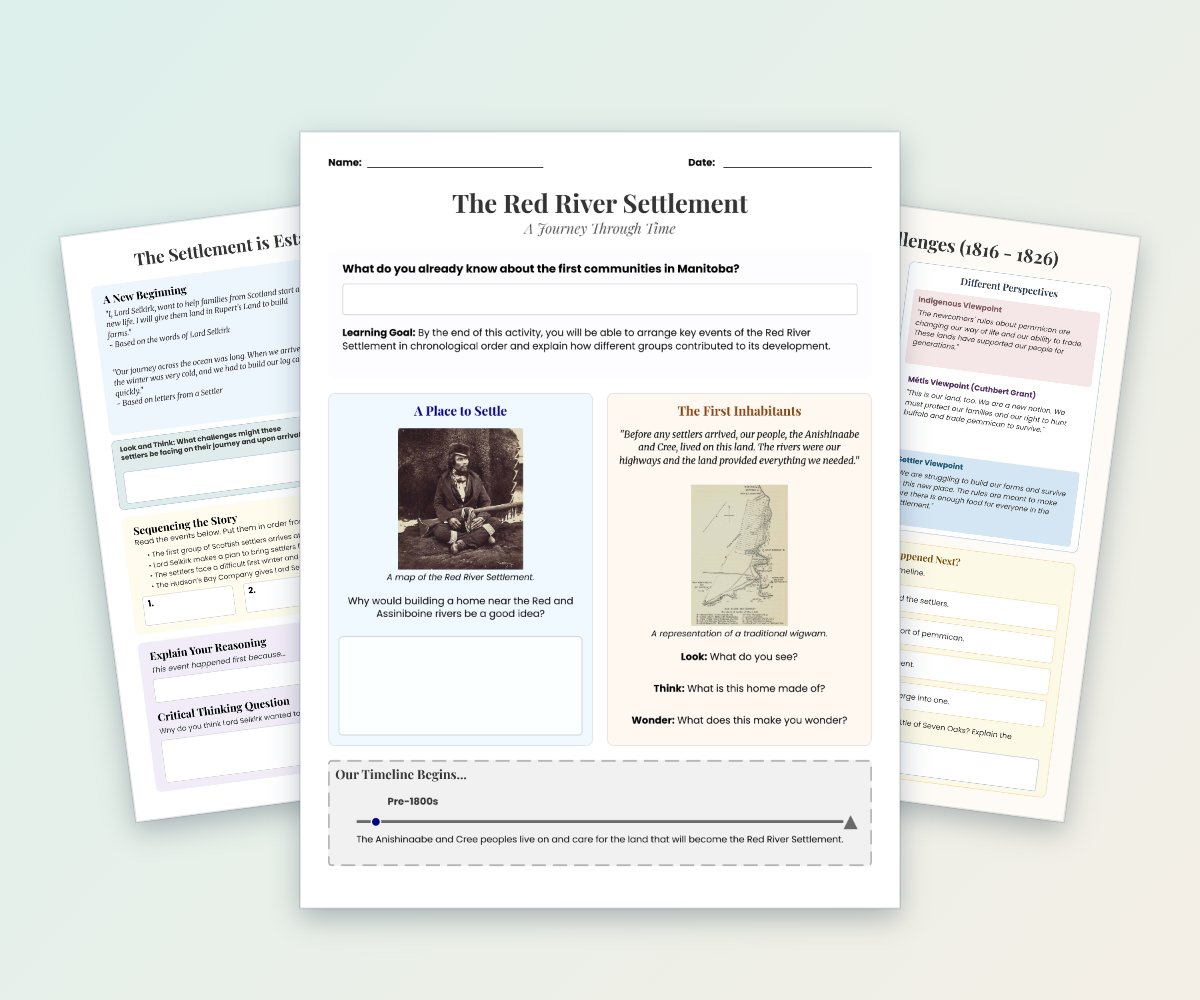
Students explore the development of the Red River Settlement through historical background, map analysis, visual observation, and sequencing activities.
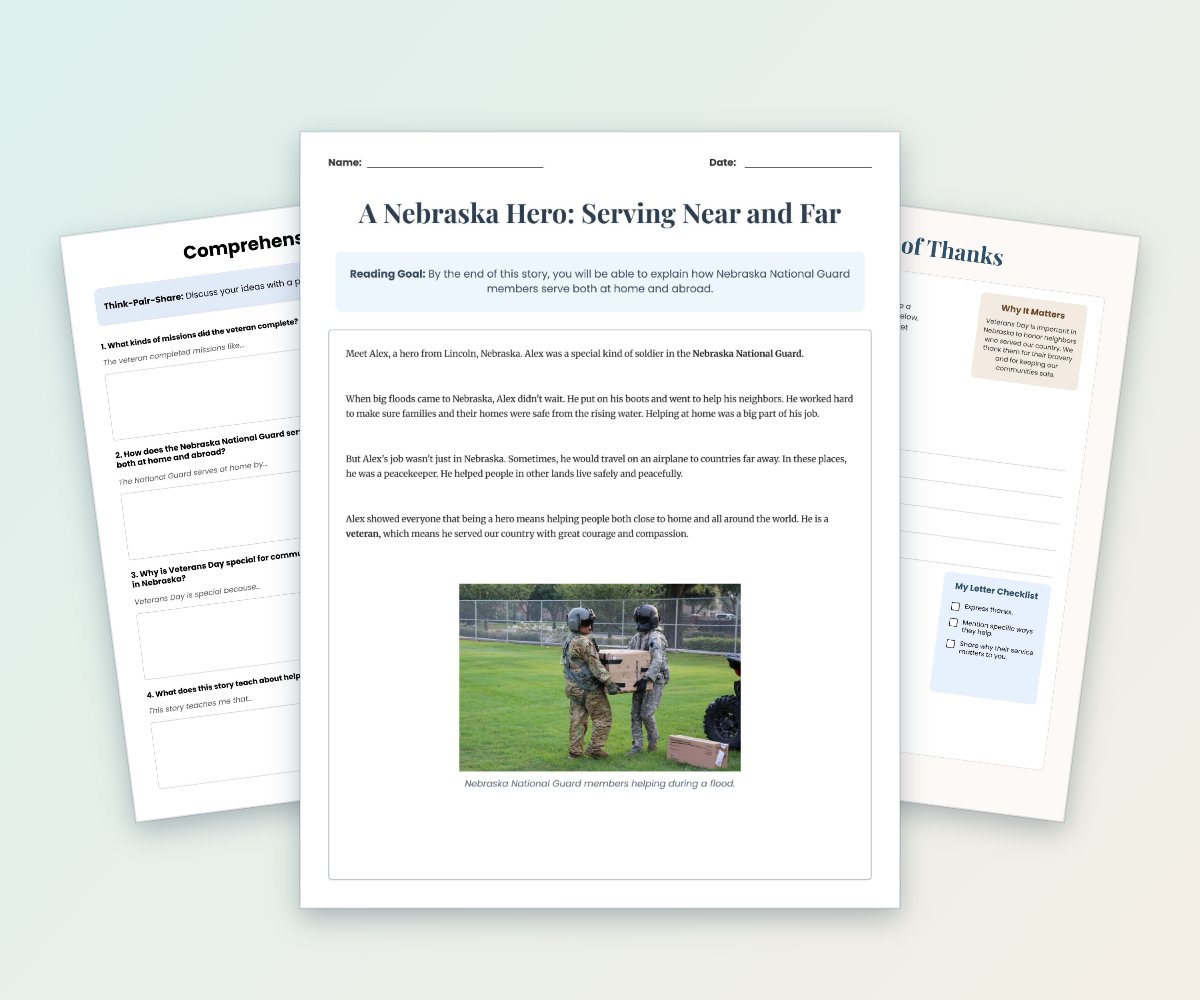
Students read about a Nebraska National Guard member serving during local floods and abroad, then answer comprehension questions.
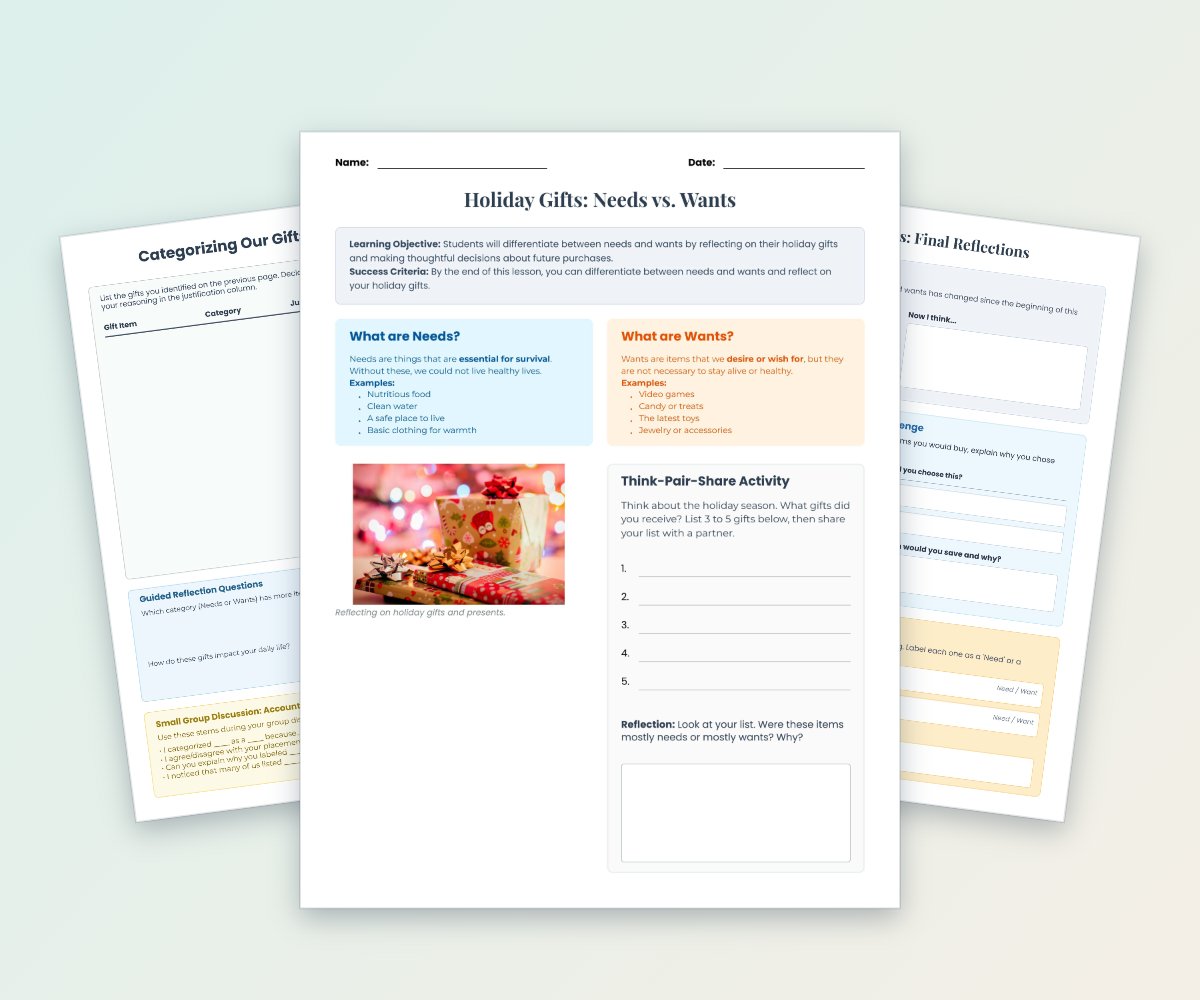
Students reflect on holiday gifts, categorize them as needs or wants, and explain their reasoning.
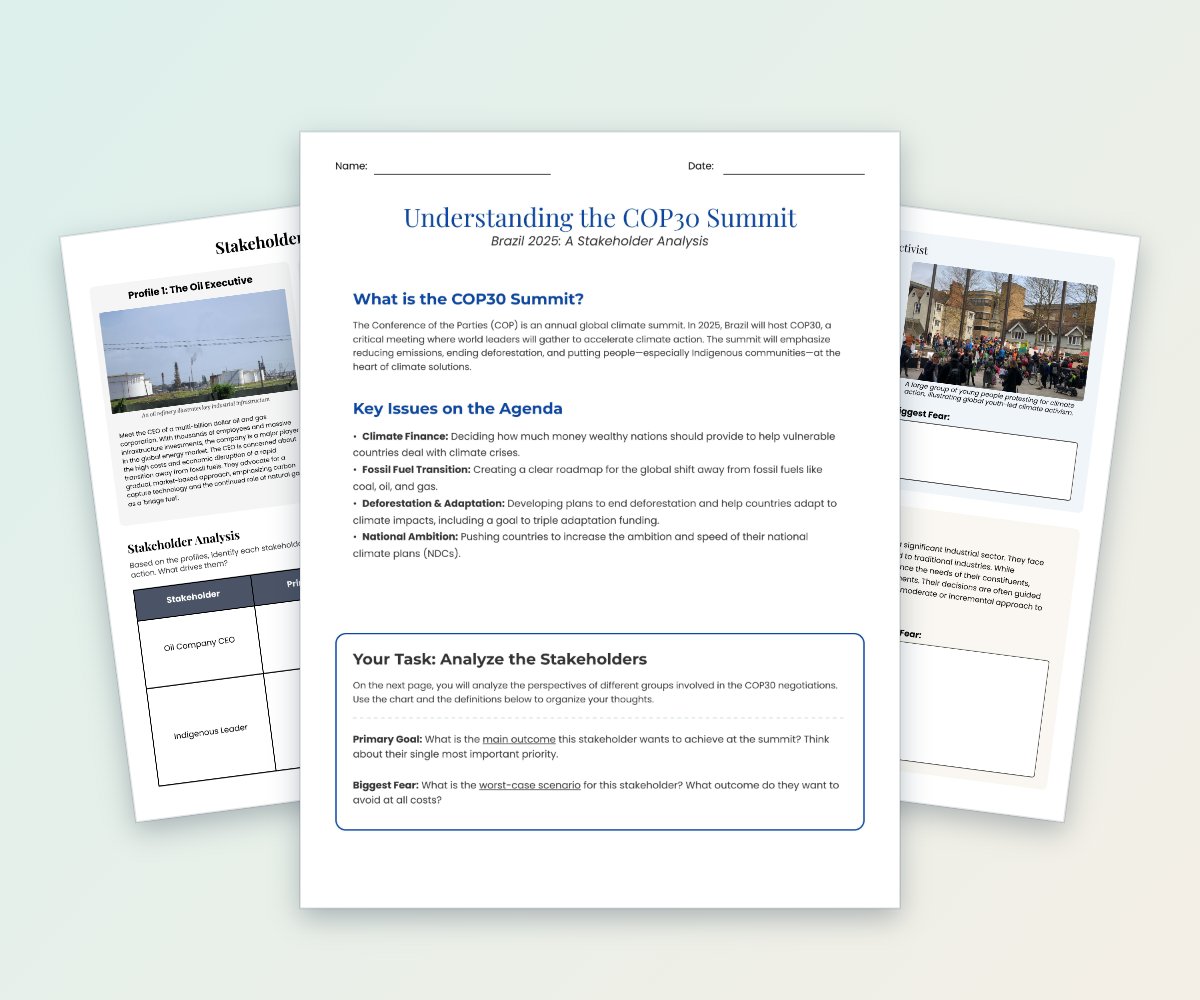
Students learn about COP30 and examine the priorities, concerns, and perspectives of stakeholders involved in global climate negotiations.
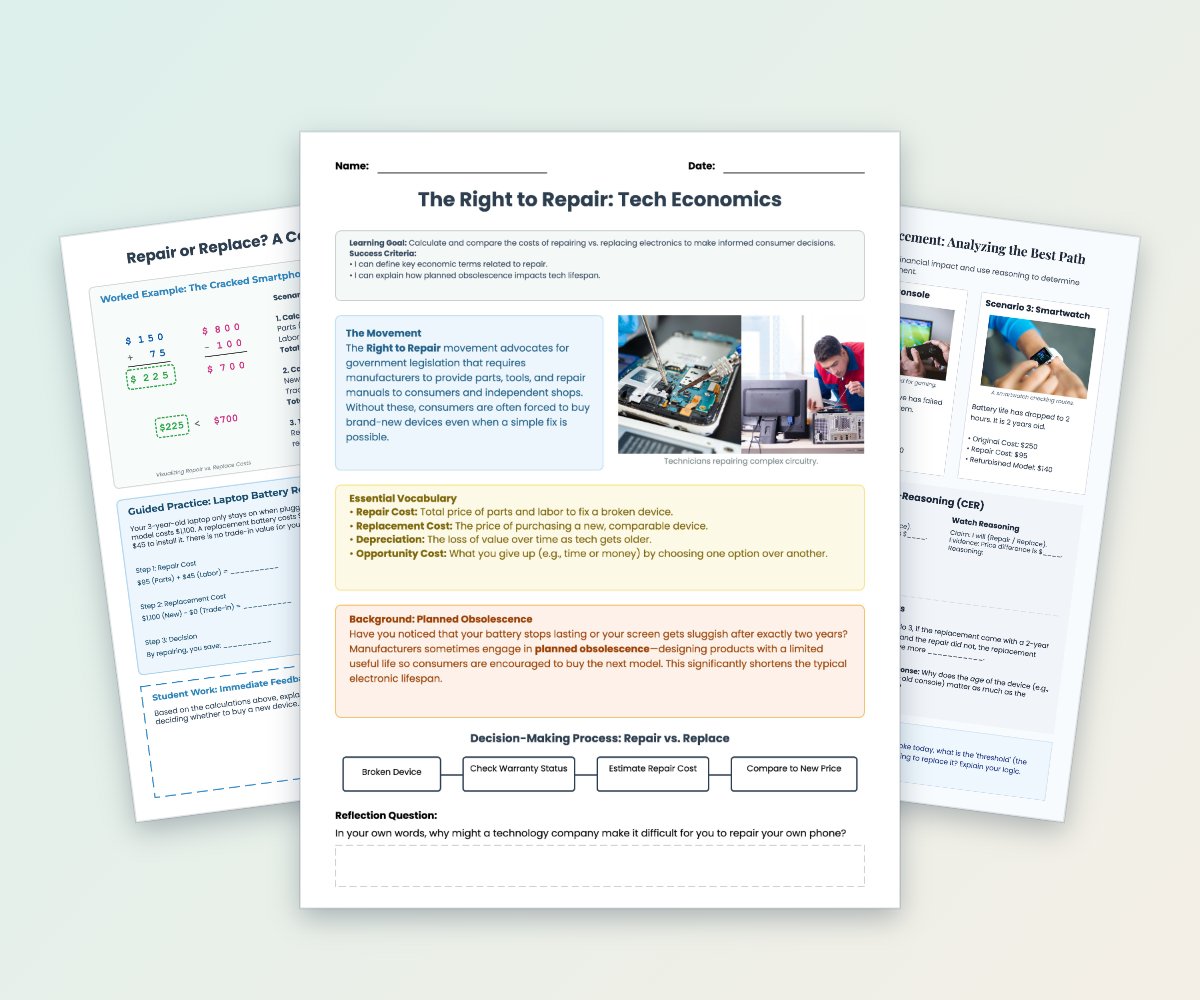
Students explore right-to-repair policies, planned obsolescence, depreciation, opportunity cost, and technology lifespan.
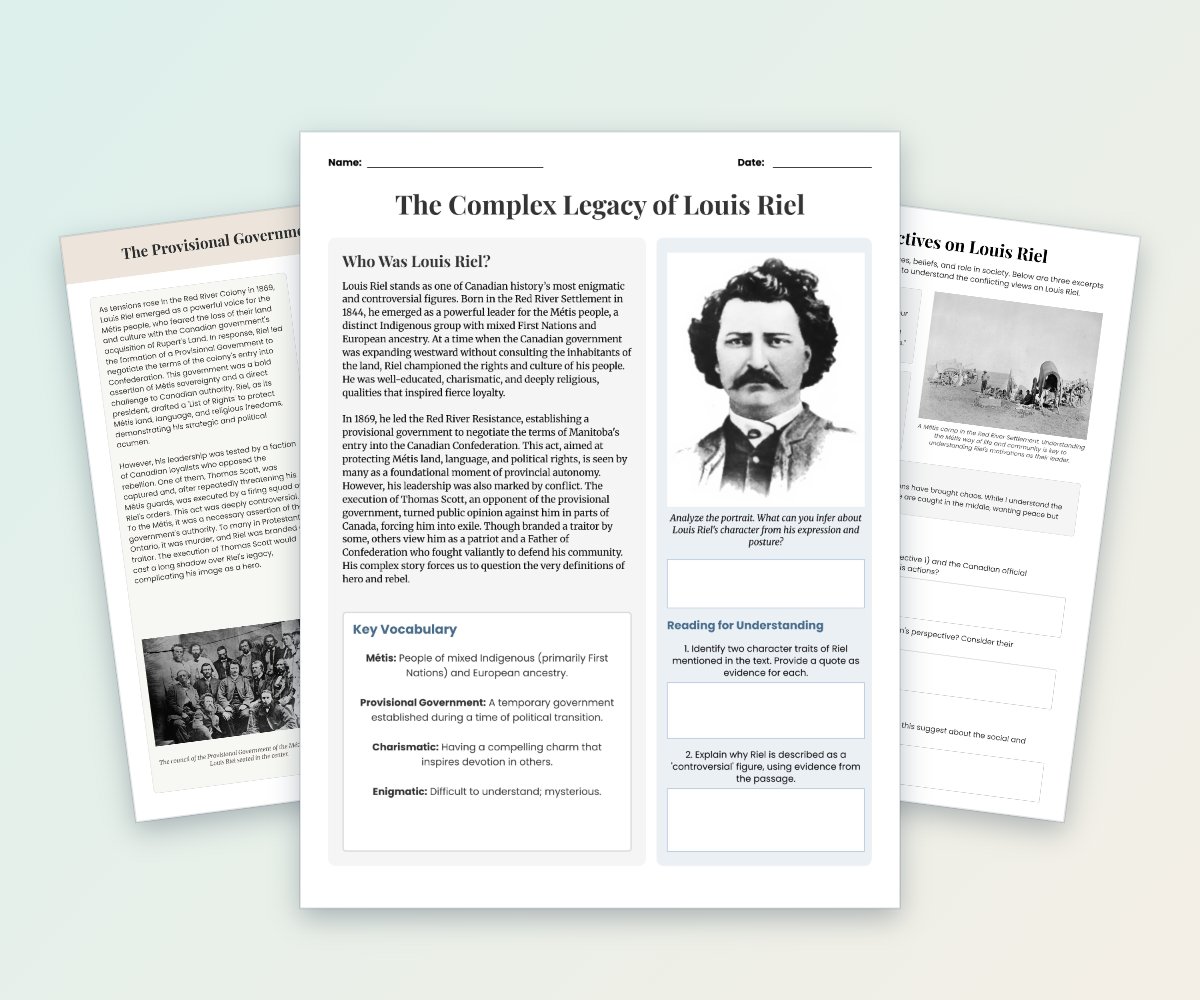
This four-page worksheet explores Louis Riel’s leadership, the Red River Resistance, the Provisional Government, and his contested historical legacy.
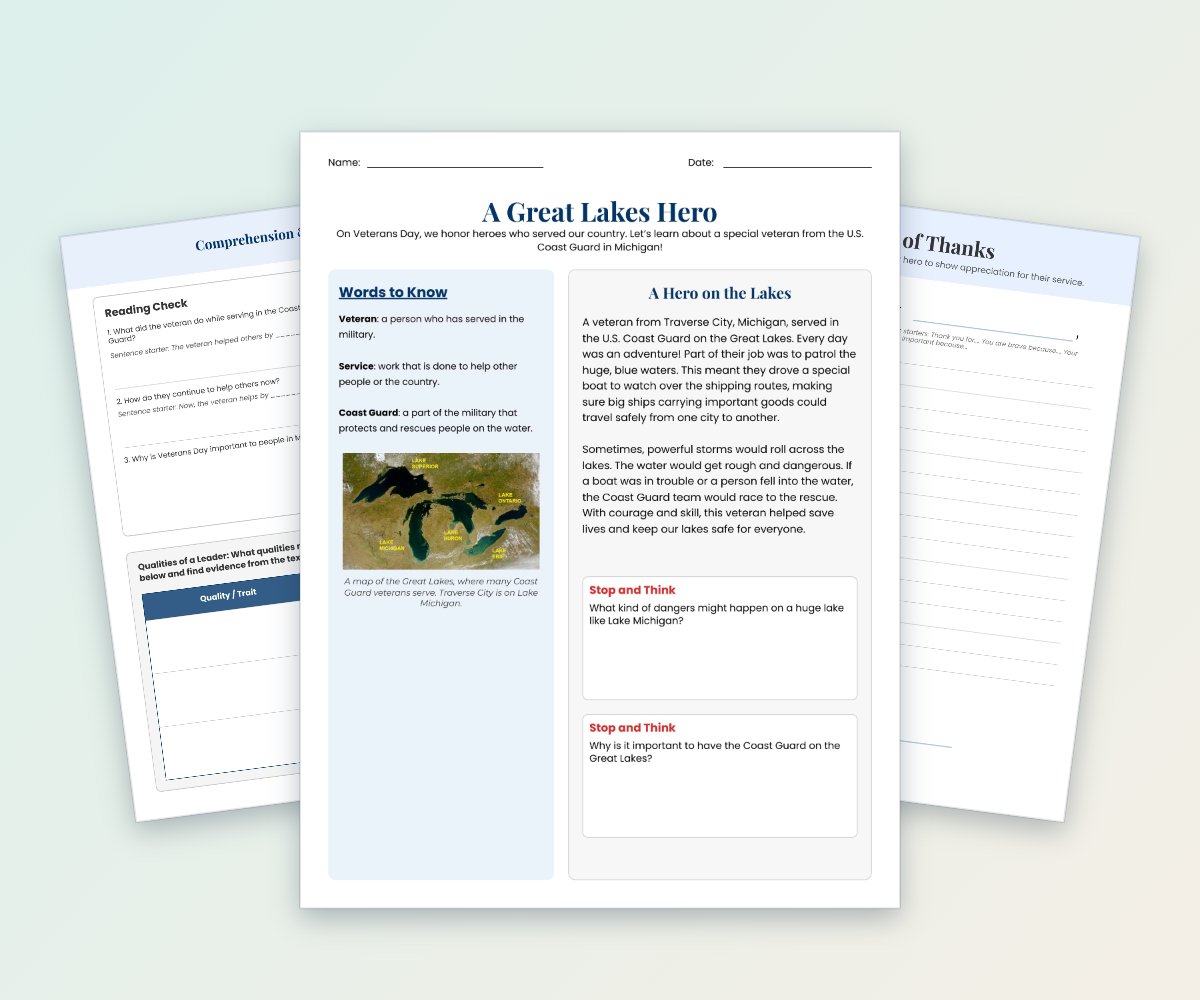
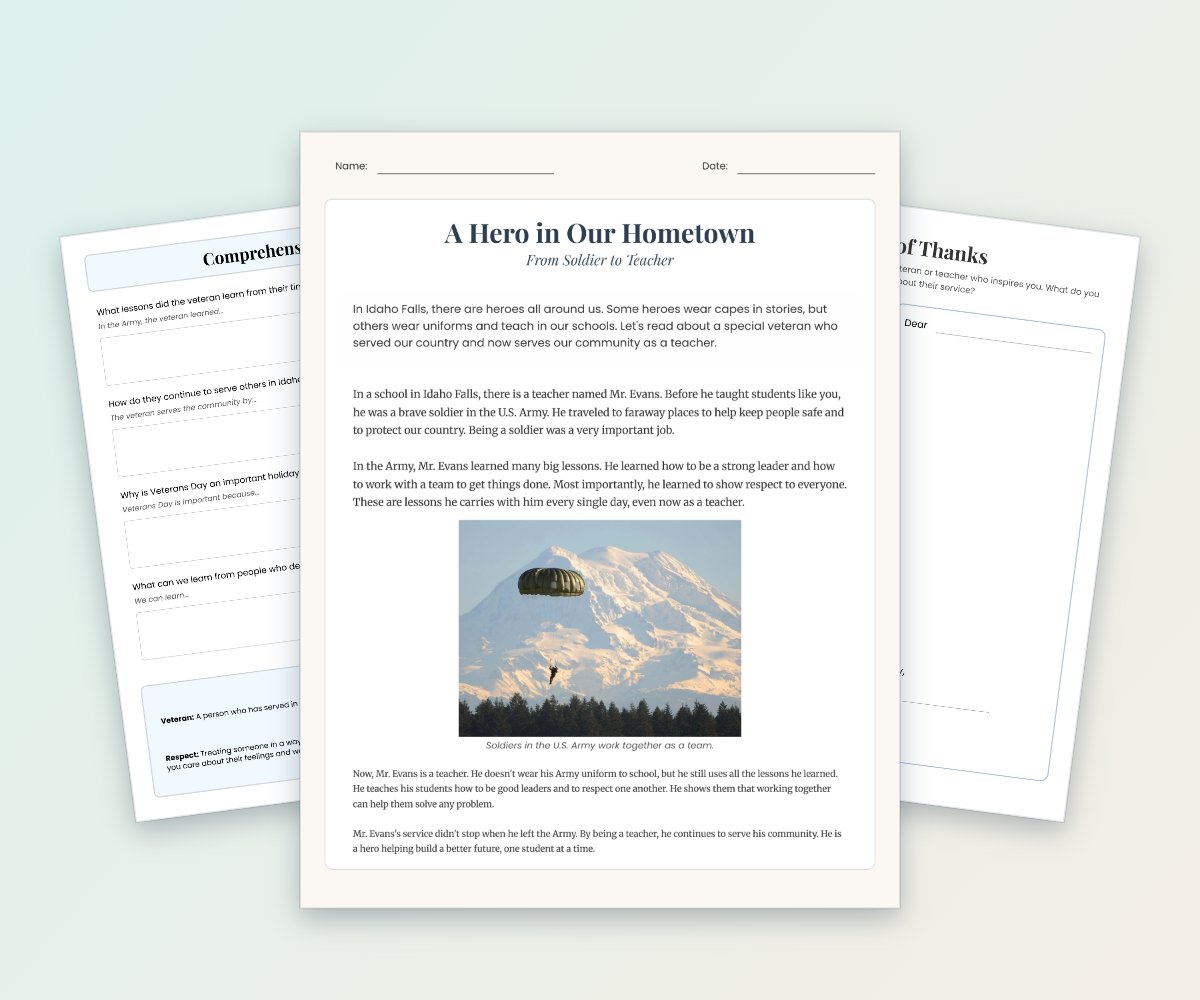
Students read a short informational passage about a veteran who became a teacher and answer comprehension questions.
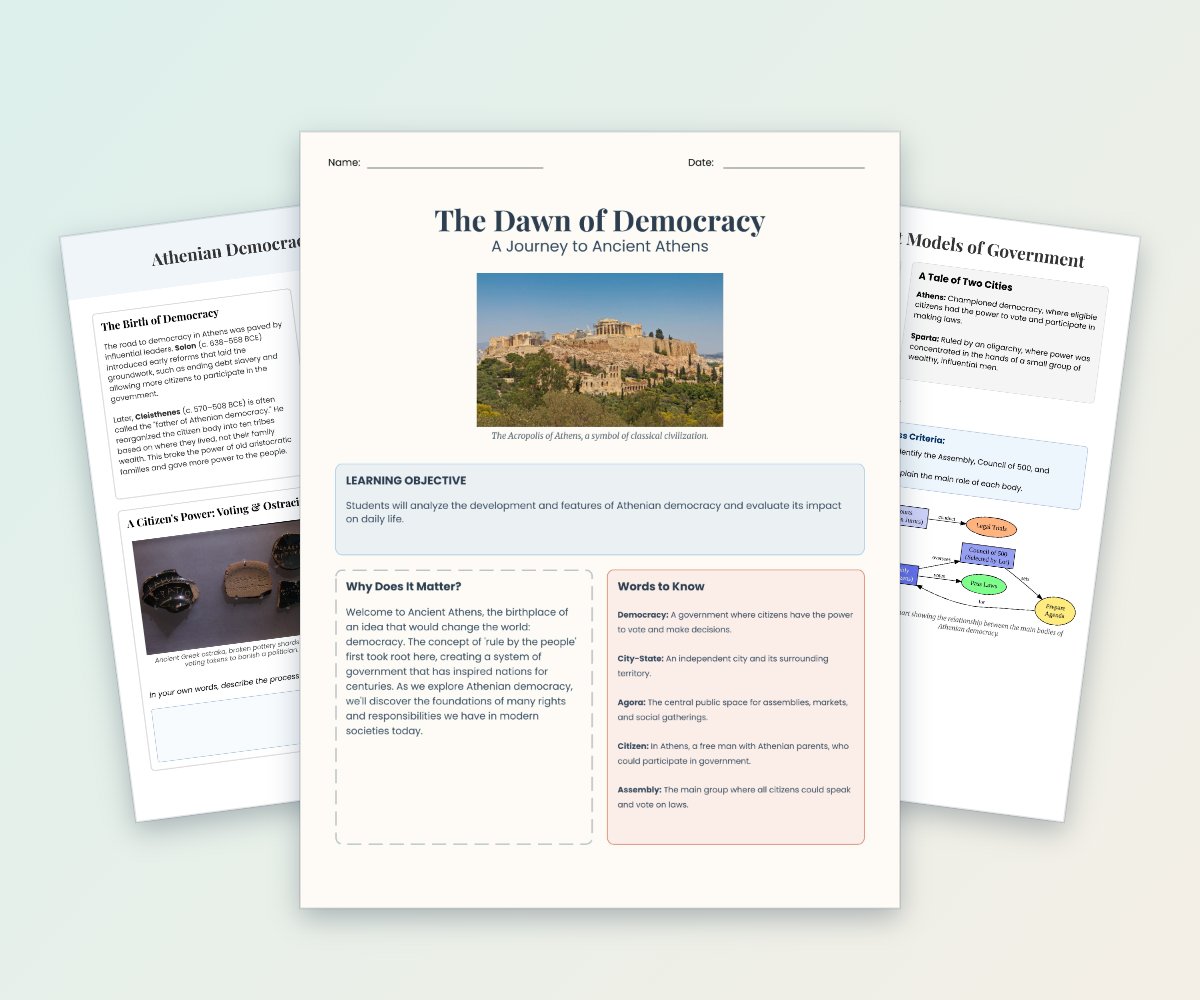
This six-page resource introduces students to the origins and features of Athenian democracy.
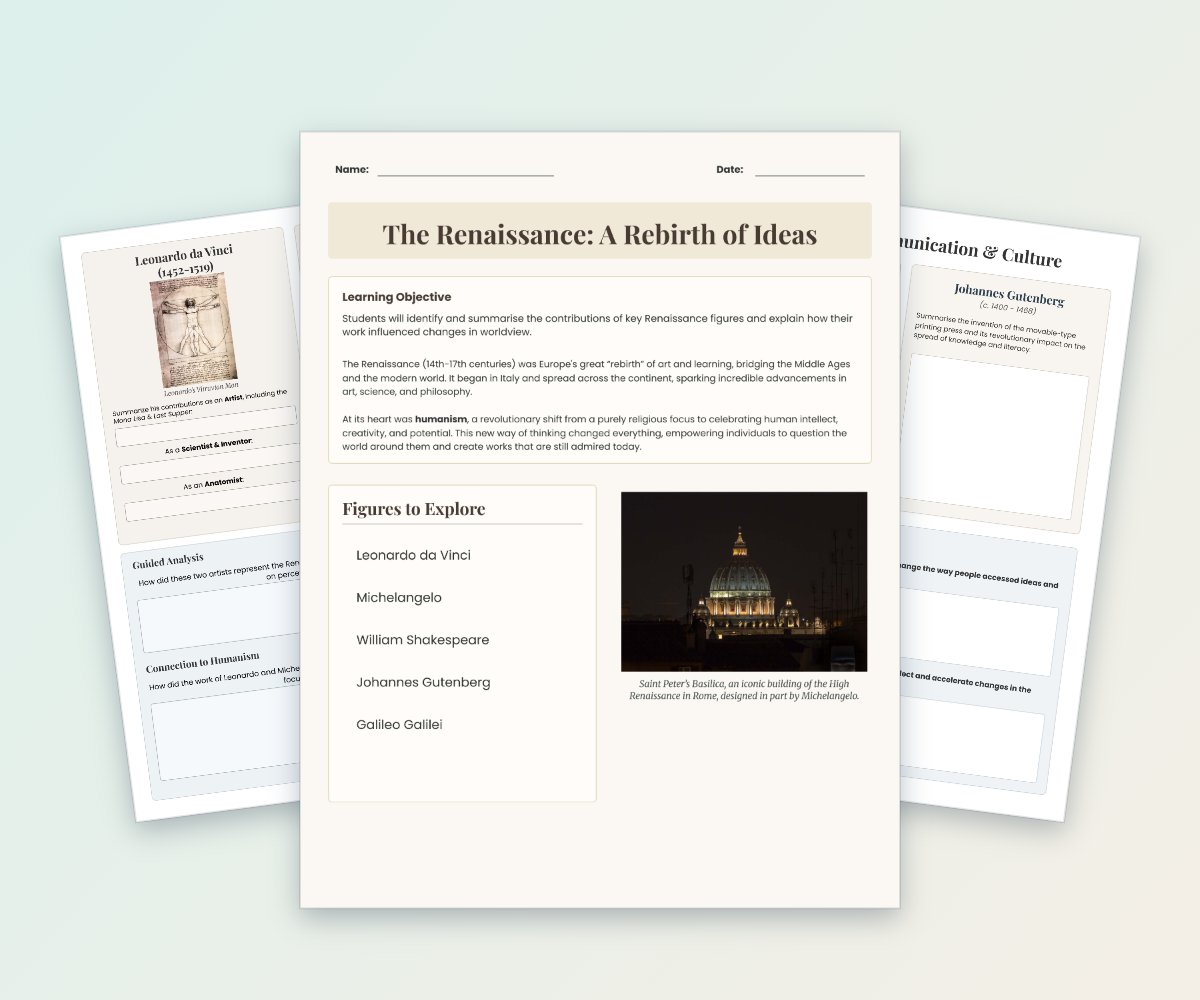
This four-page worksheet explores Leonardo da Vinci, Michelangelo, Shakespeare, Gutenberg, and Galileo and their contributions to Renaissance art, science, literature, and communication.
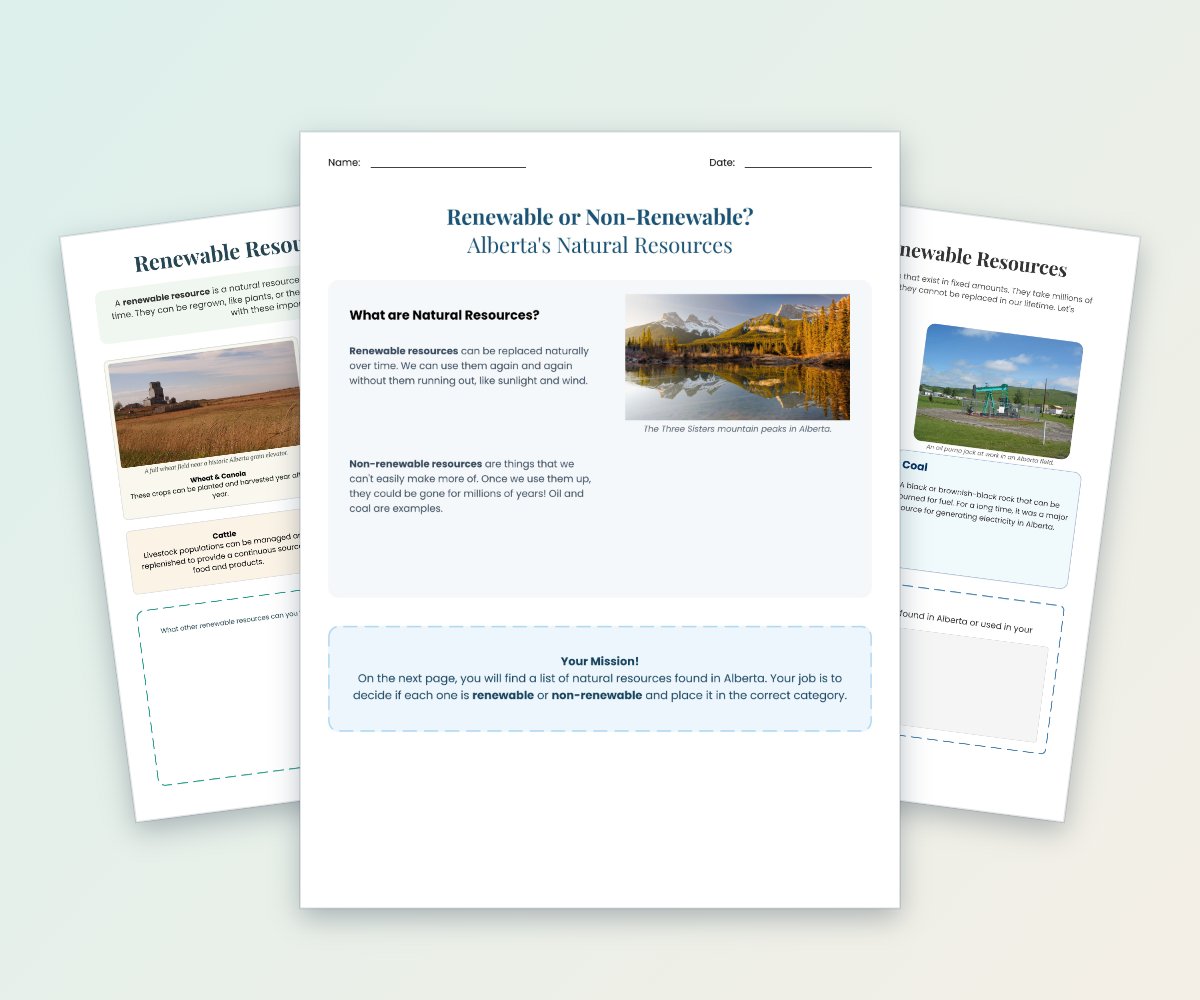
This four-page resource introduces renewable and non-renewable natural resources found in Alberta, including wheat, cattle, wind, timber, natural gas, oil, and coal.
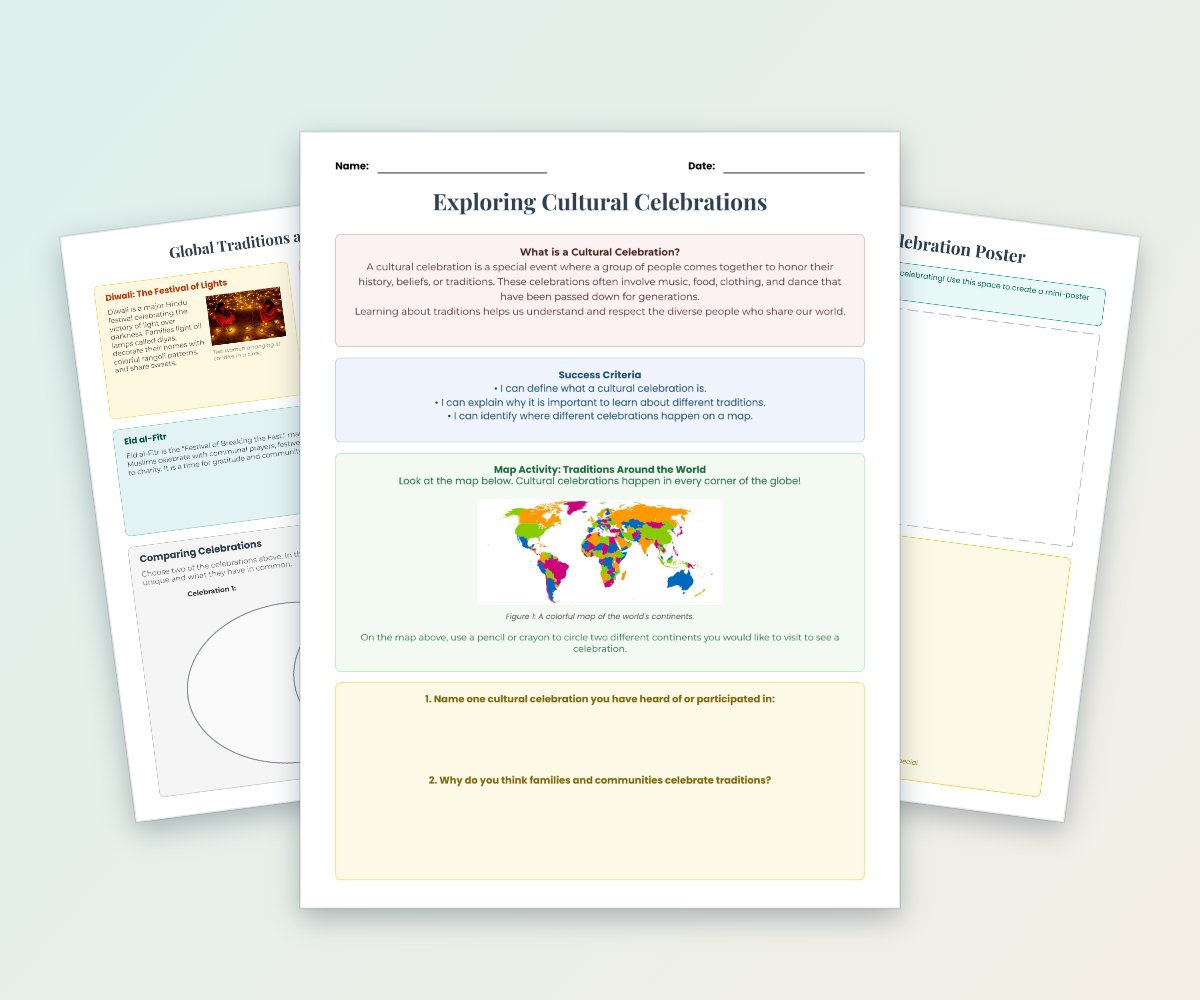
Students learn what cultural celebrations are and explore Diwali, Eid al-Fitr, and Lunar New Year.
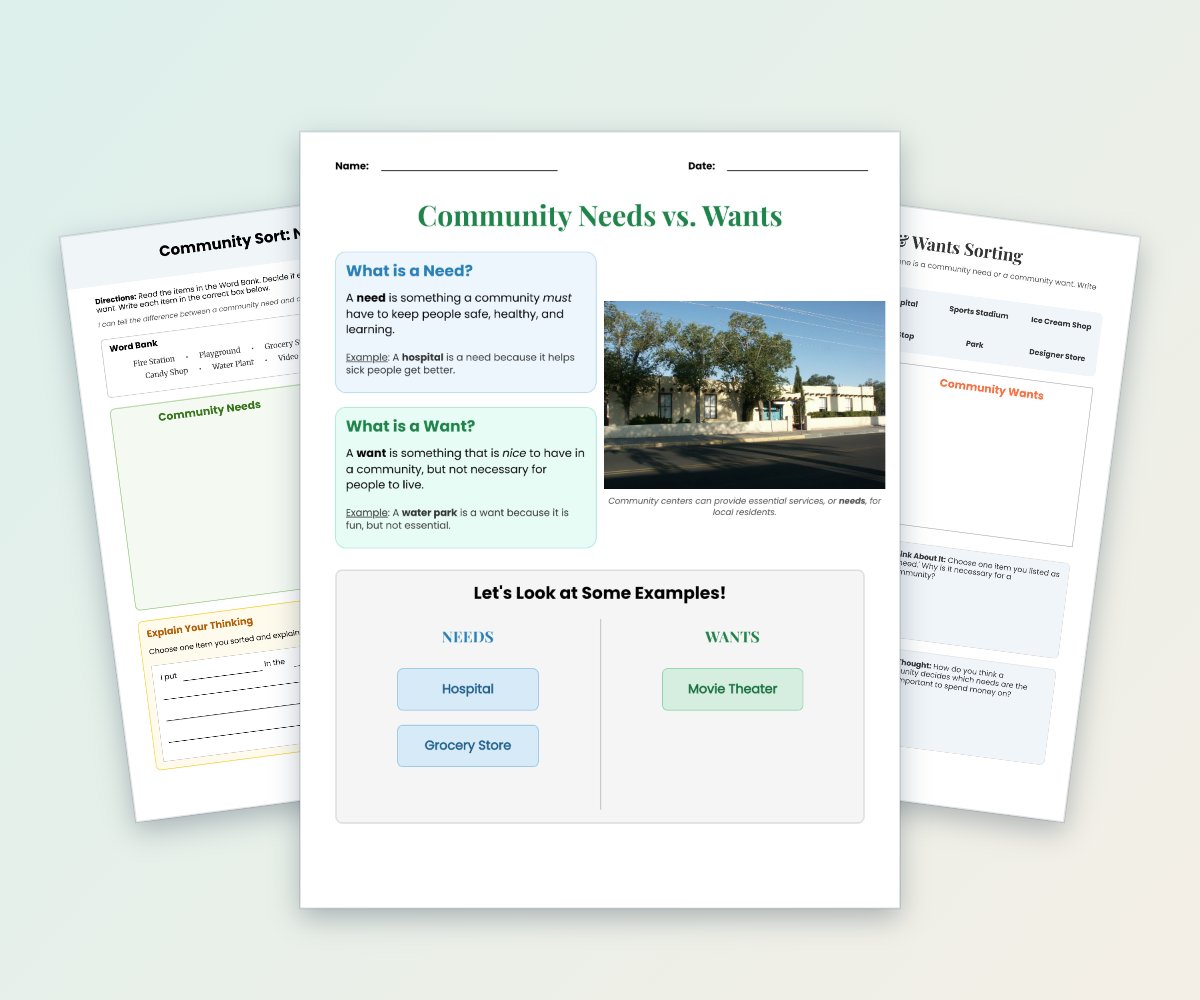
Students learn the difference between essential community needs and nonessential wants using examples such as hospitals, schools, parks, and stores.
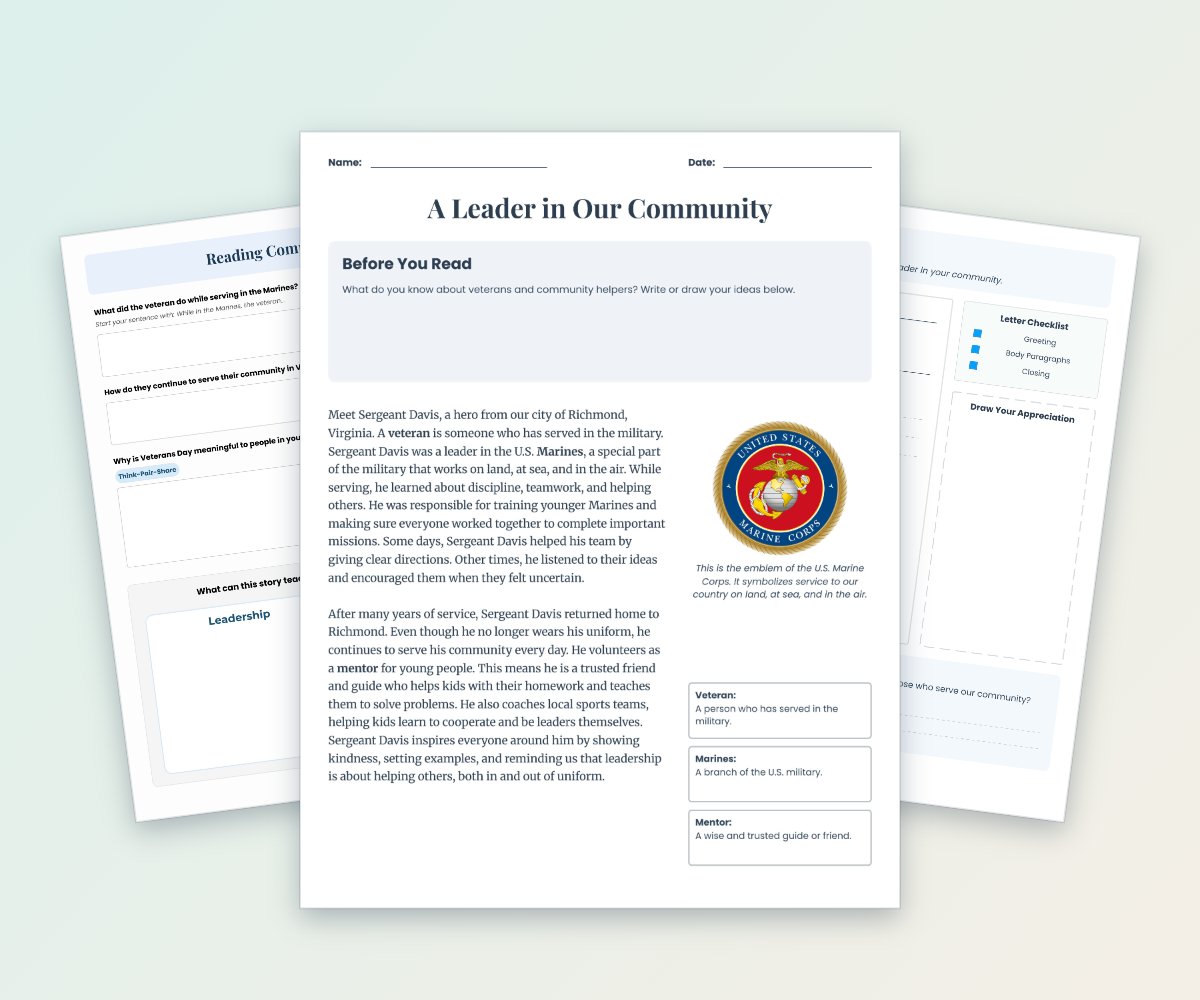
Students read about a veteran’s military service and continued community leadership in Richmond, Virginia.
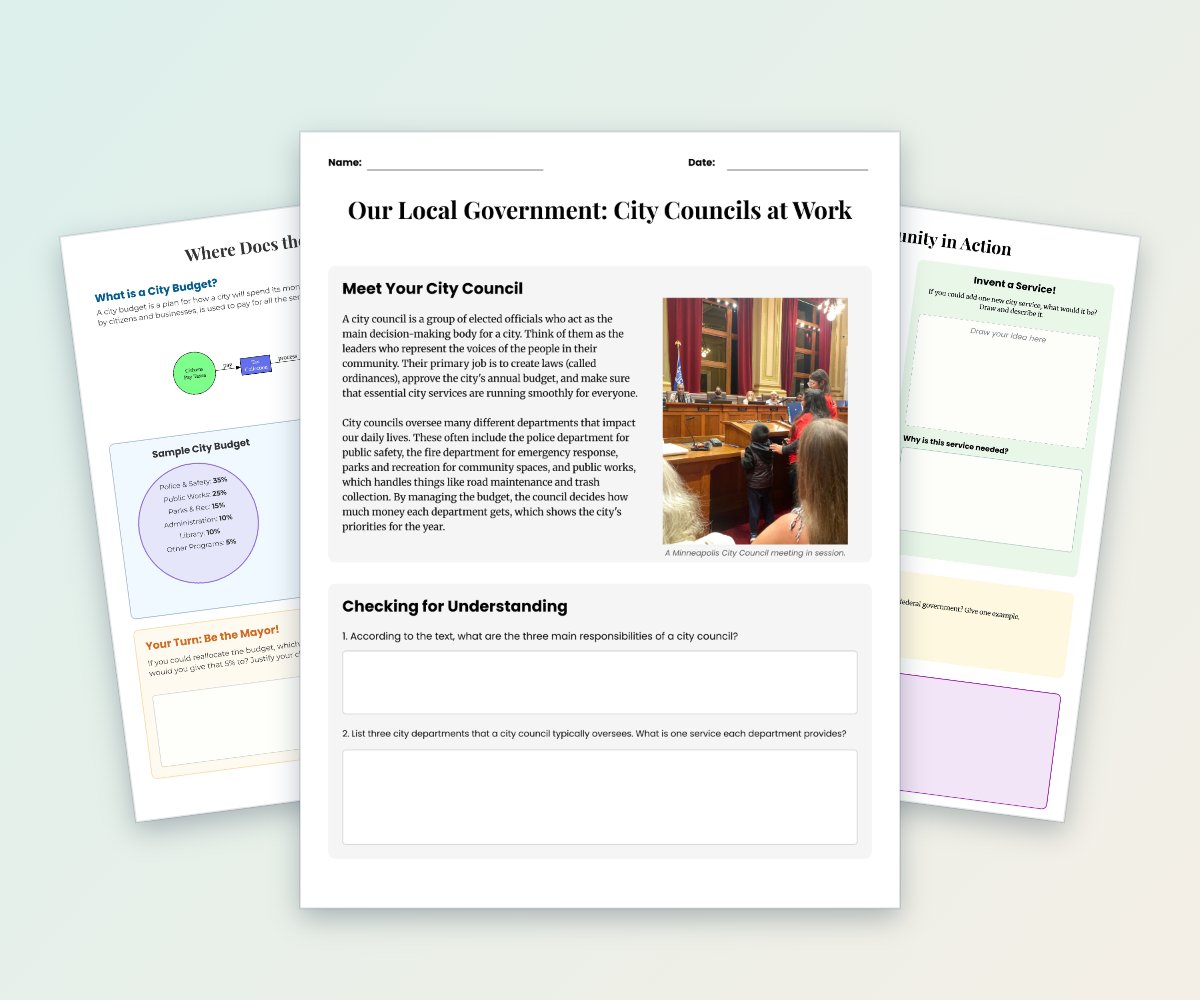
Students learn how city councils make decisions, oversee departments, and allocate annual budgets.
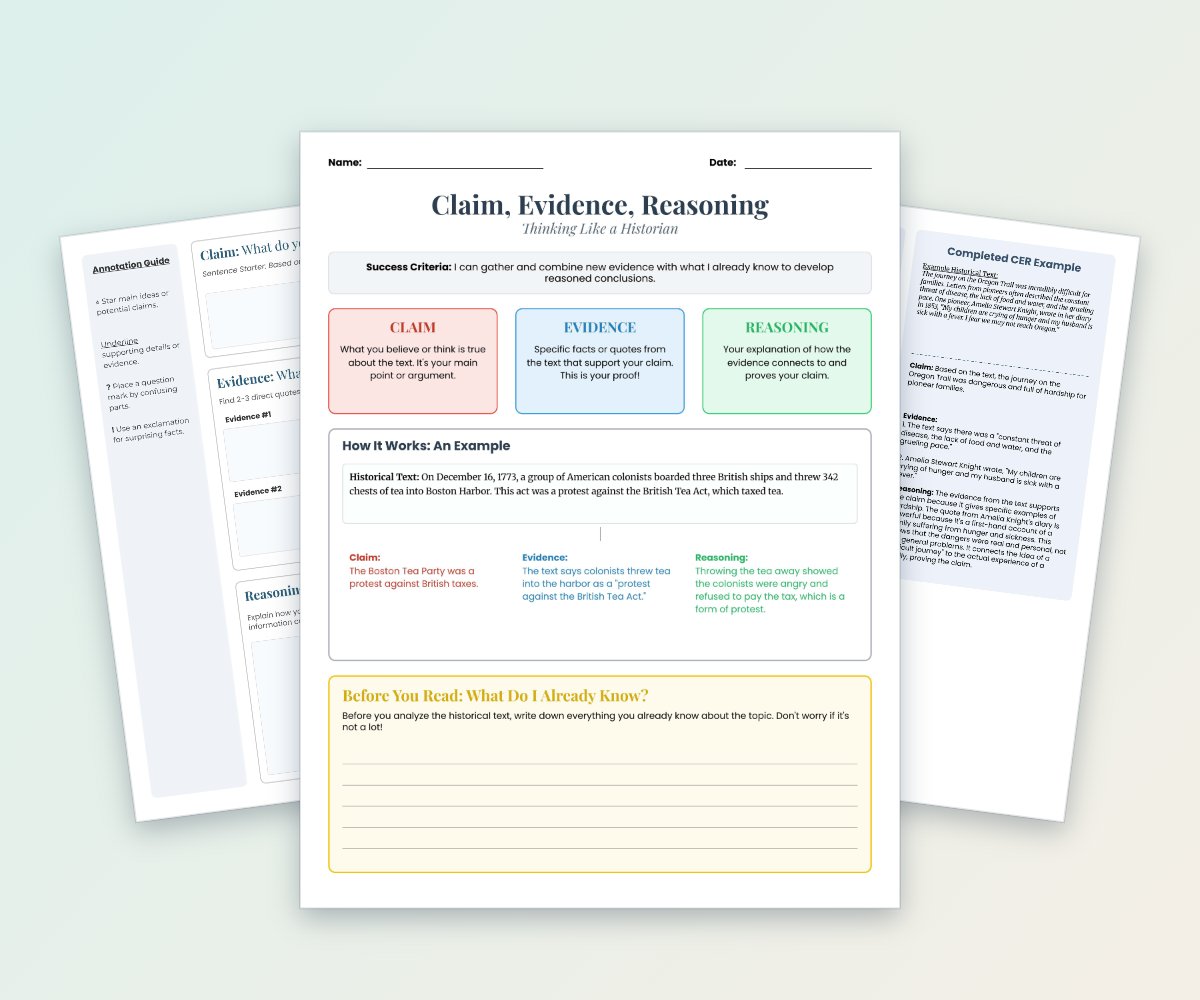
This three-page resource teaches students to develop historical claims, select textual evidence, and explain their reasoning.
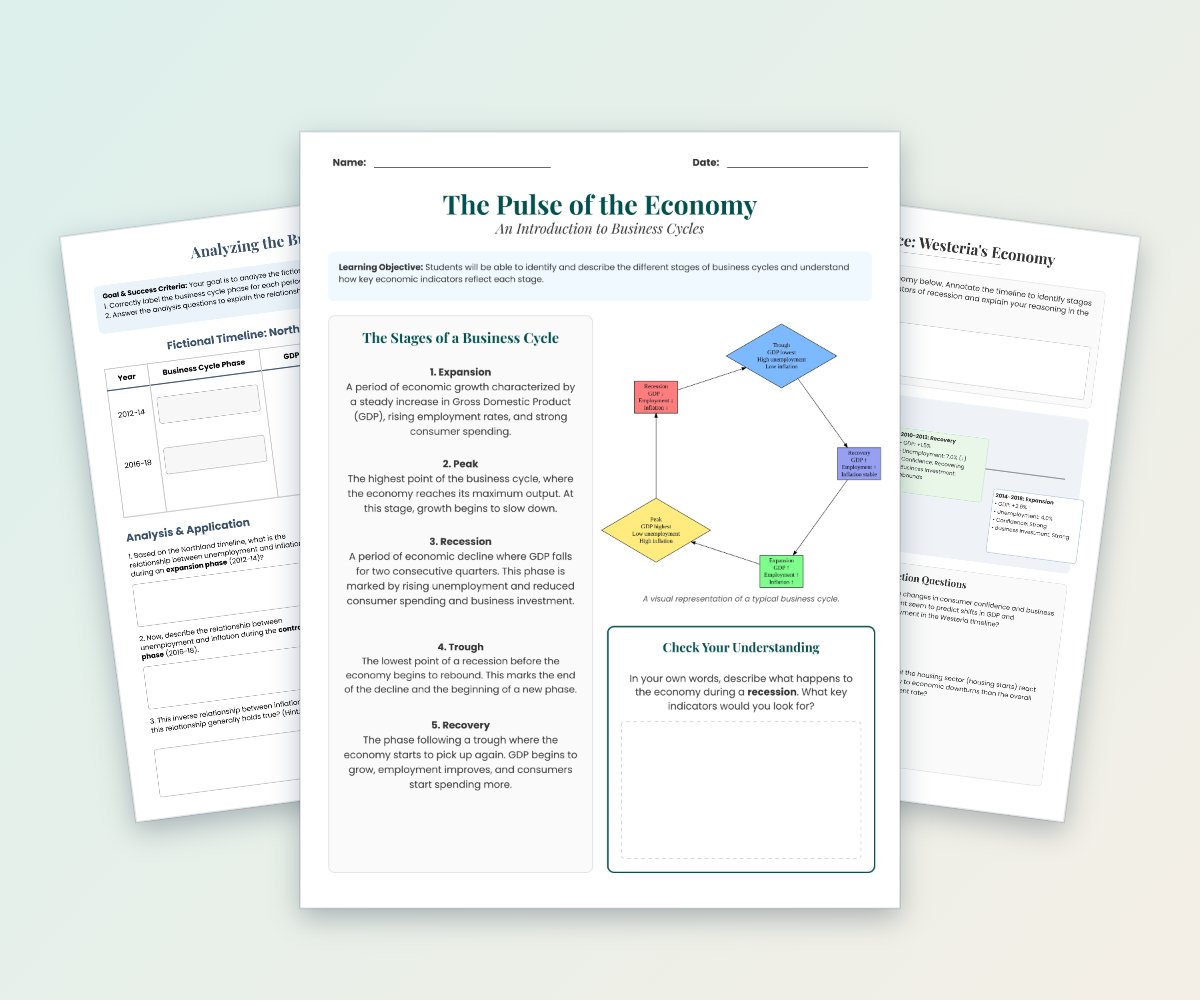
This five-page economics resource introduces expansion, peak, recession, trough, and recovery.
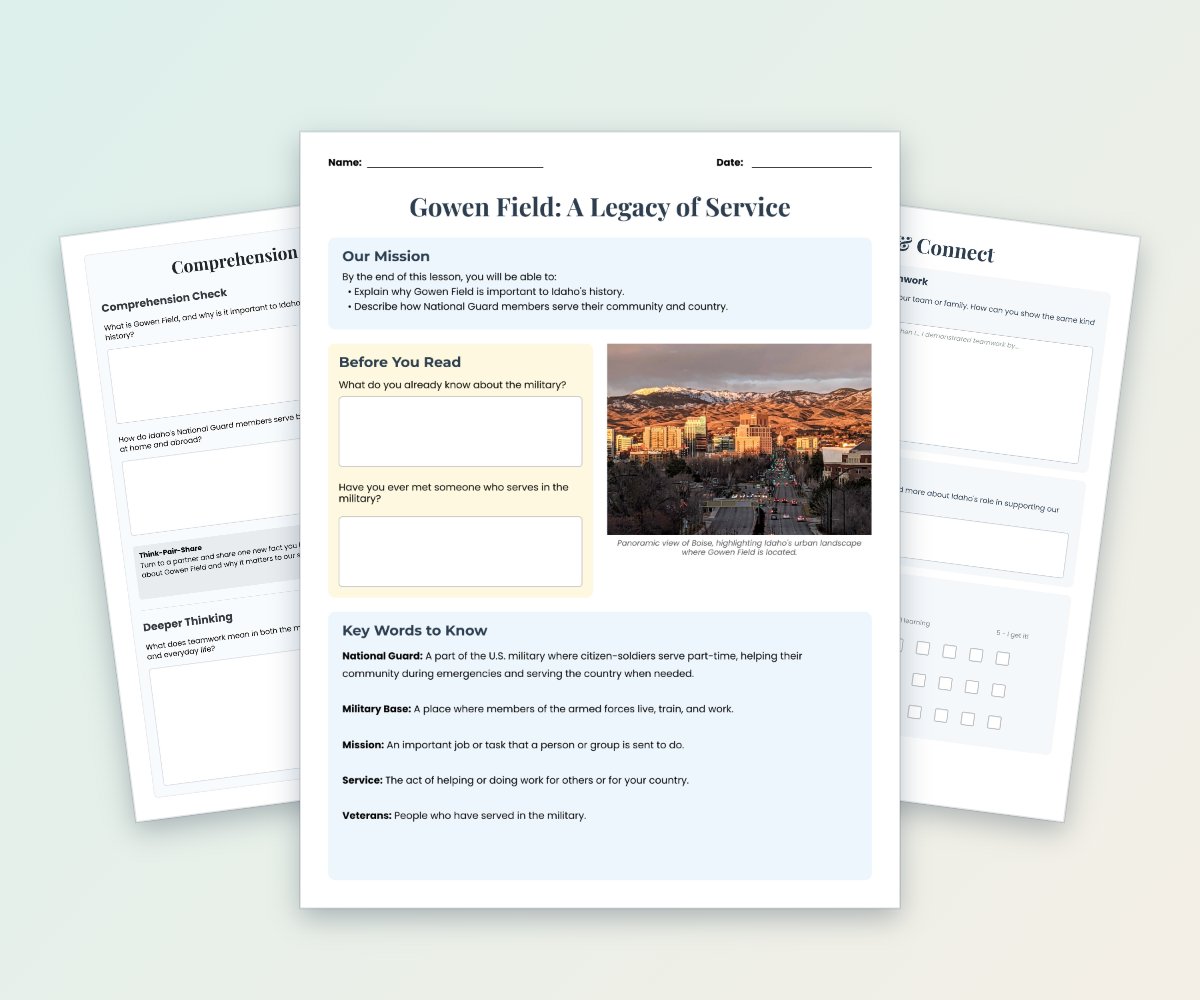
Students learn about Gowen Field’s importance to Idaho history and explore how National Guard members serve their communities and country.
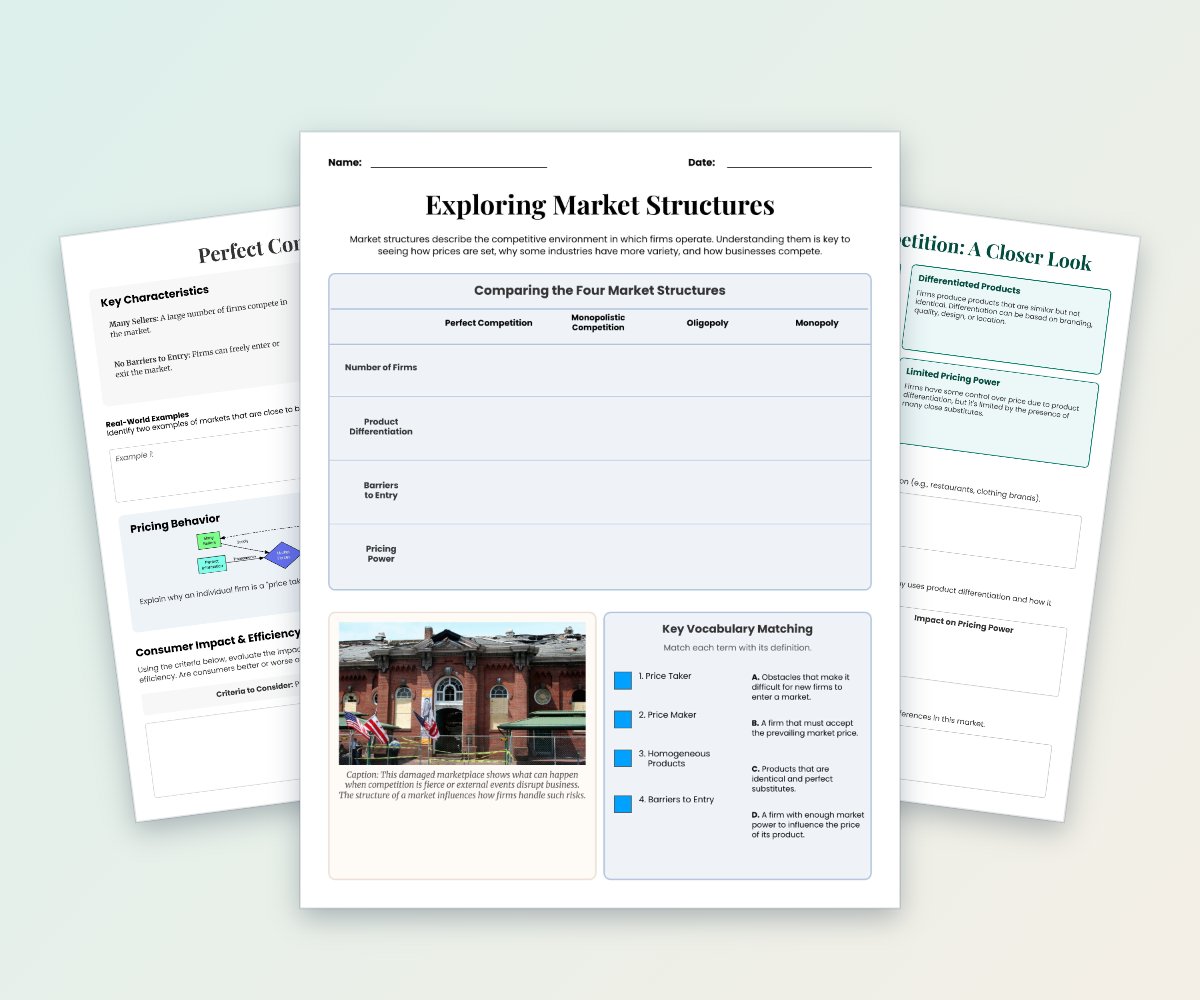
This six-page economics worksheet introduces perfect competition, monopolistic competition, oligopoly, and monopoly.
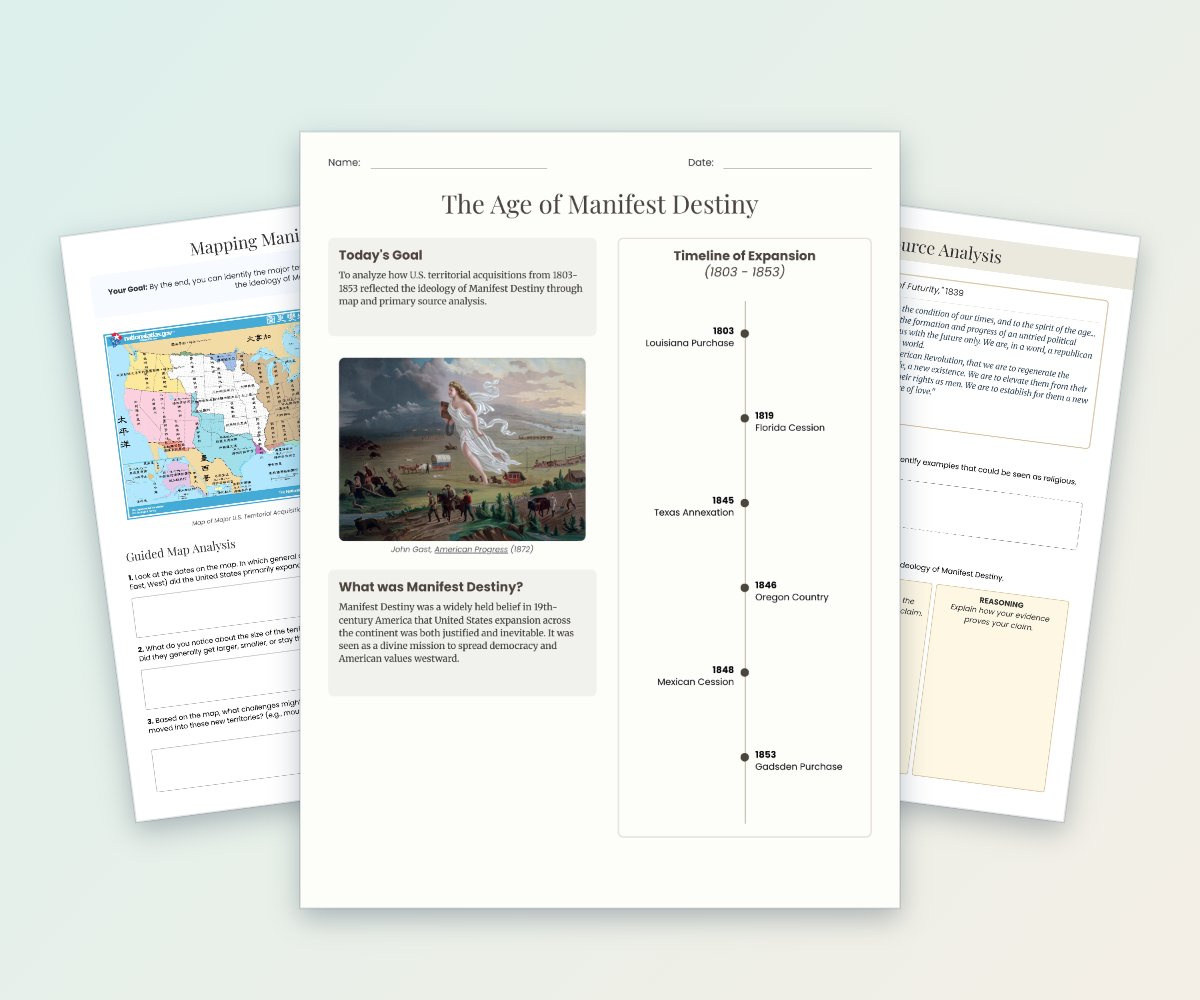
Students examine U.S.
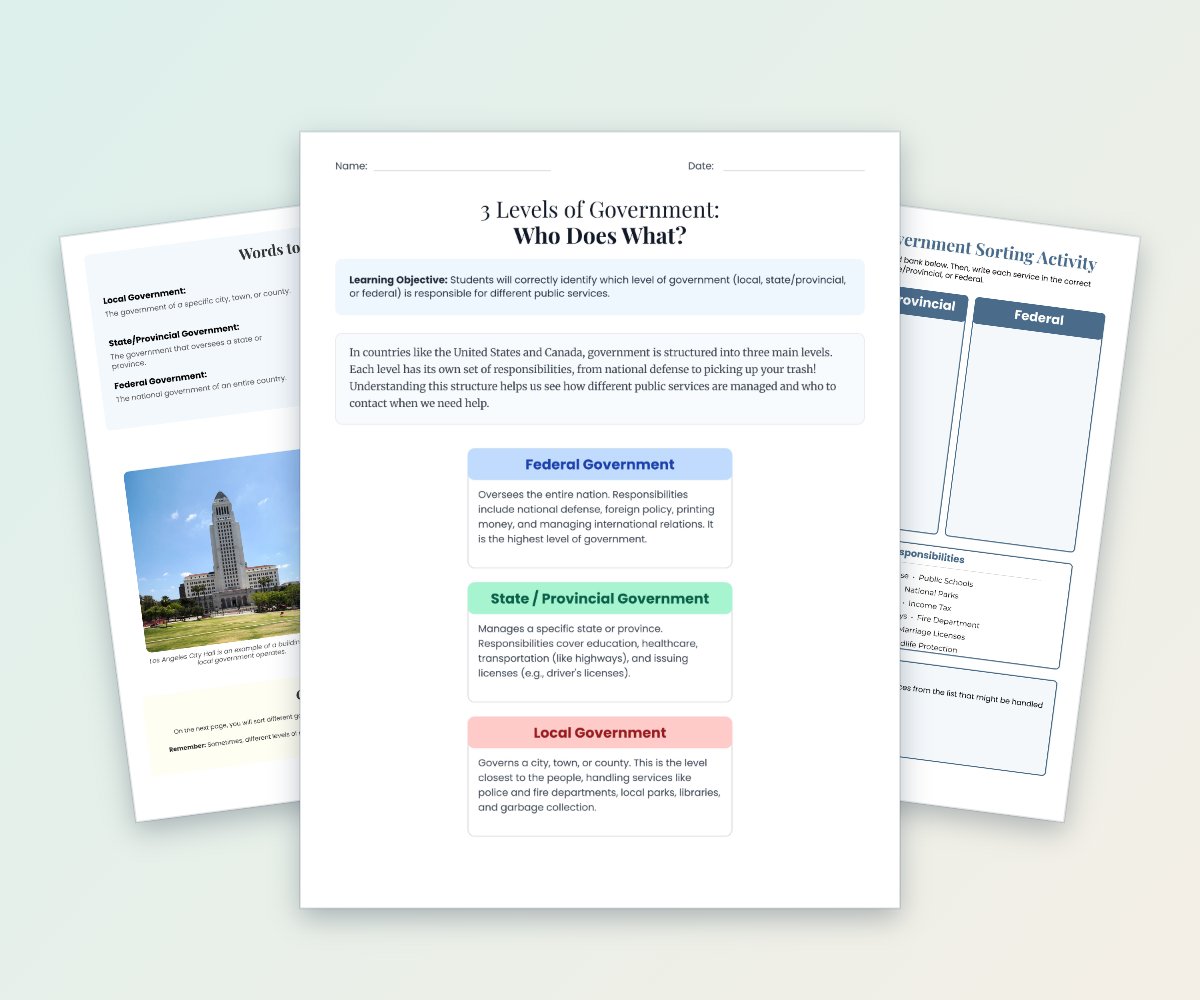
This four-page resource introduces local, state or provincial, and federal government responsibilities through clear explanations, vocabulary, examples, and a sorting activity.