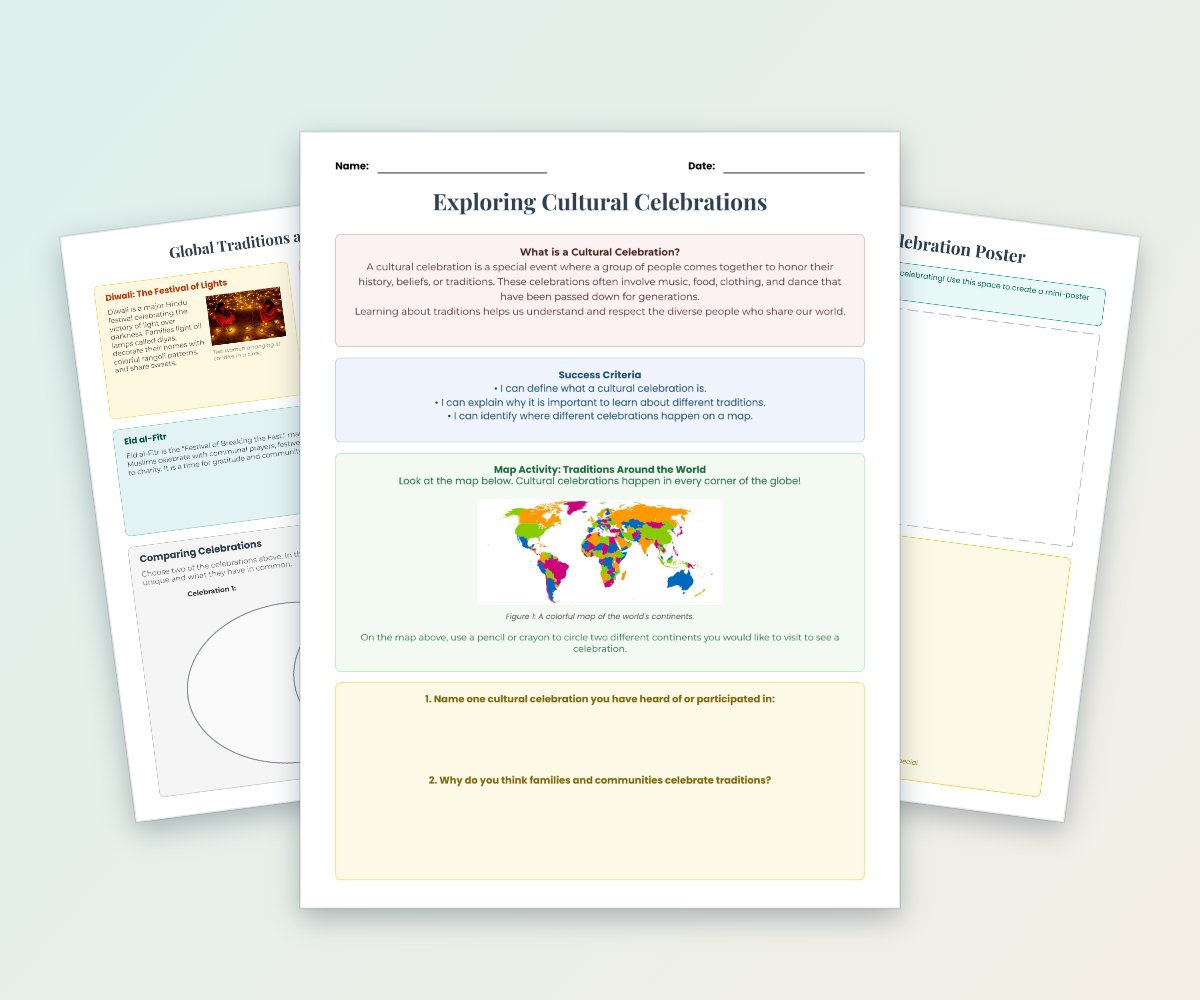
Understanding Cultural Celebrations: Exploring Global Traditions
Students learn what cultural celebrations are and explore Diwali, Eid al-Fitr, and Lunar New Year.
$3.99
Classroom-ready resources written for grade 11: printable worksheets, slides, activities and planning tools you can download and use straight away. Browse by subject below.
Students learn what cultural celebrations are and explore Diwali, Eid al-Fitr, and Lunar New Year.
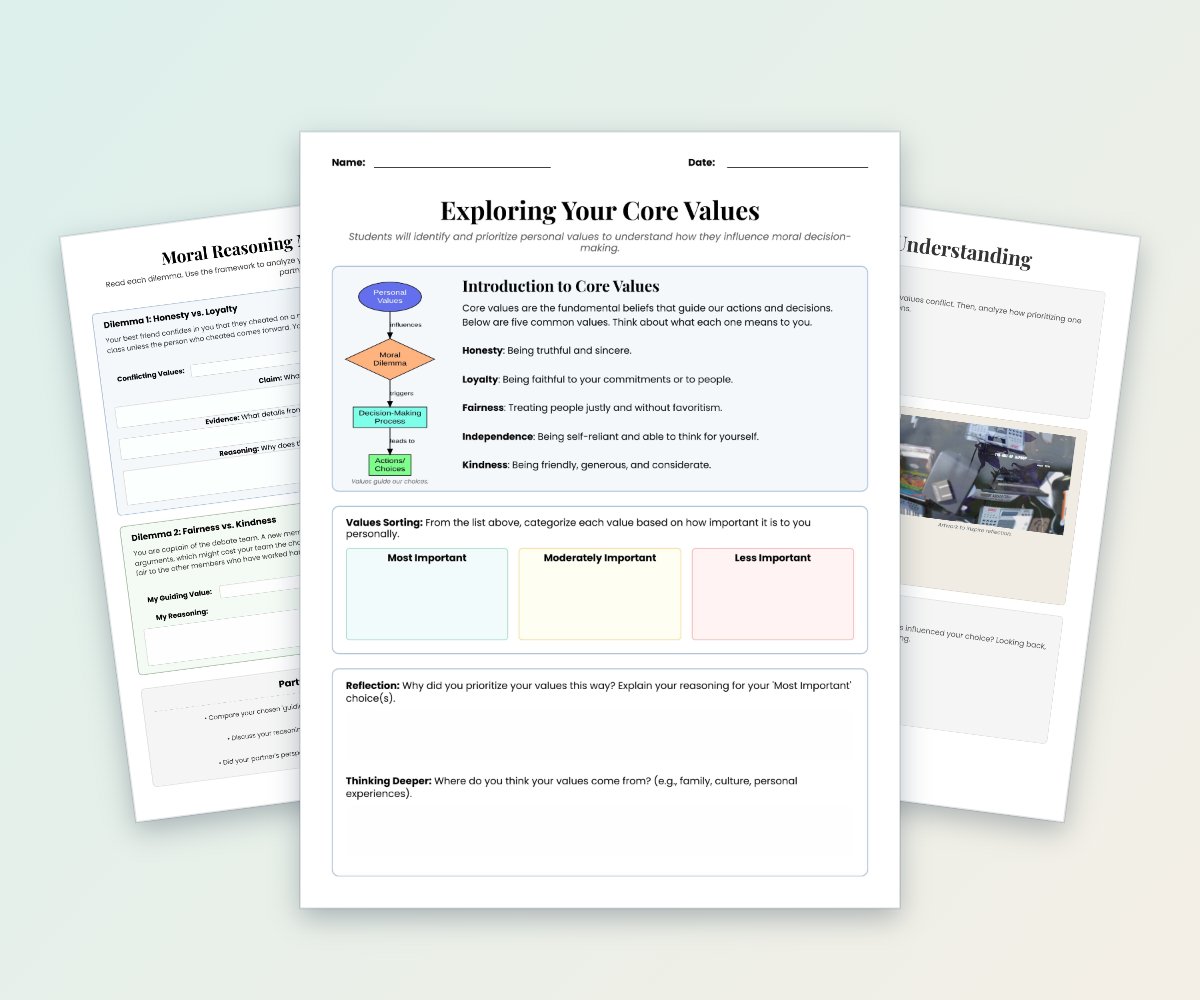
Students define and prioritize core values, then apply them to moral dilemmas involving honesty, loyalty, fairness, and kindness.
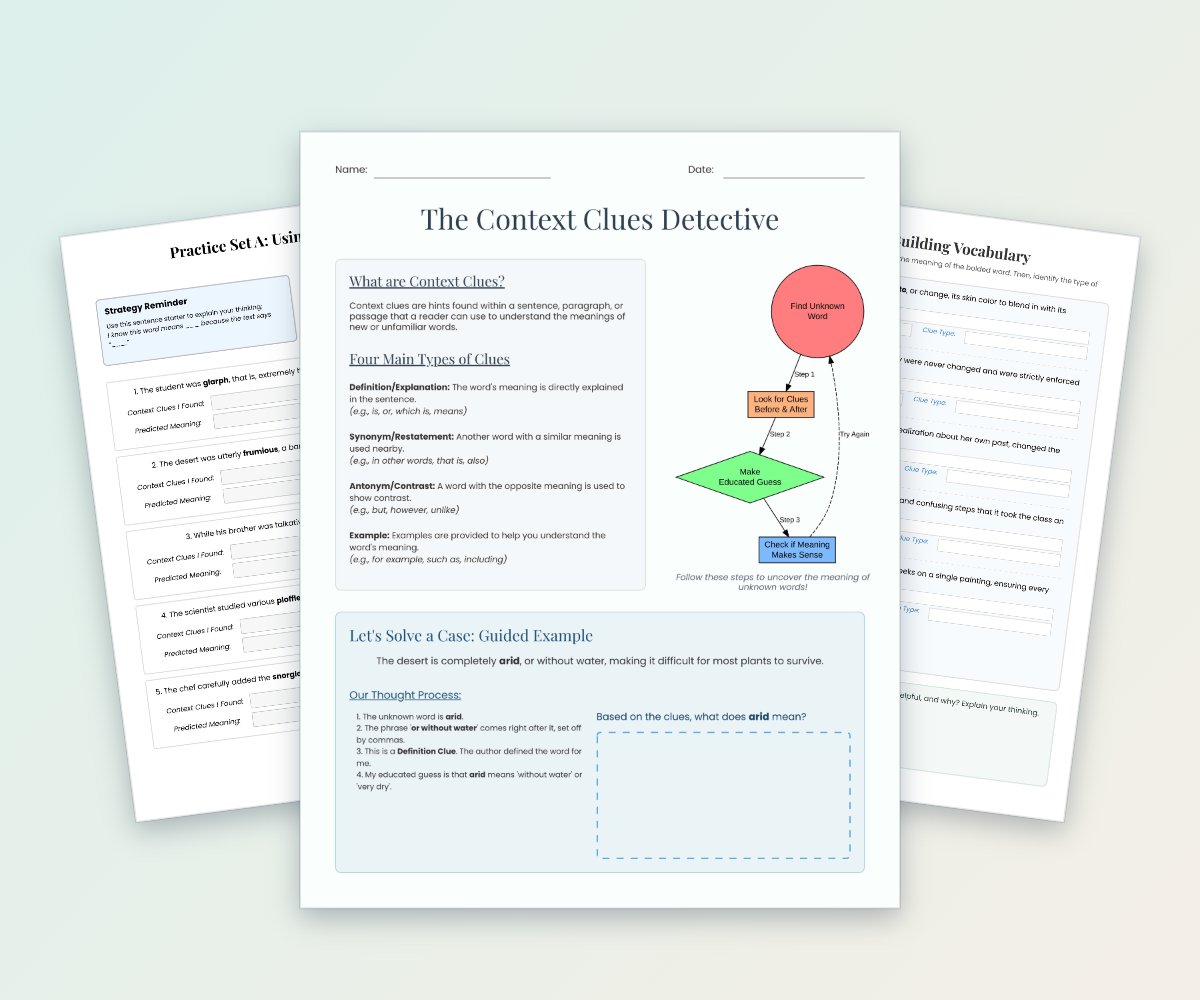
This four-page worksheet teaches students to identify definition, synonym, antonym, and example context clues.
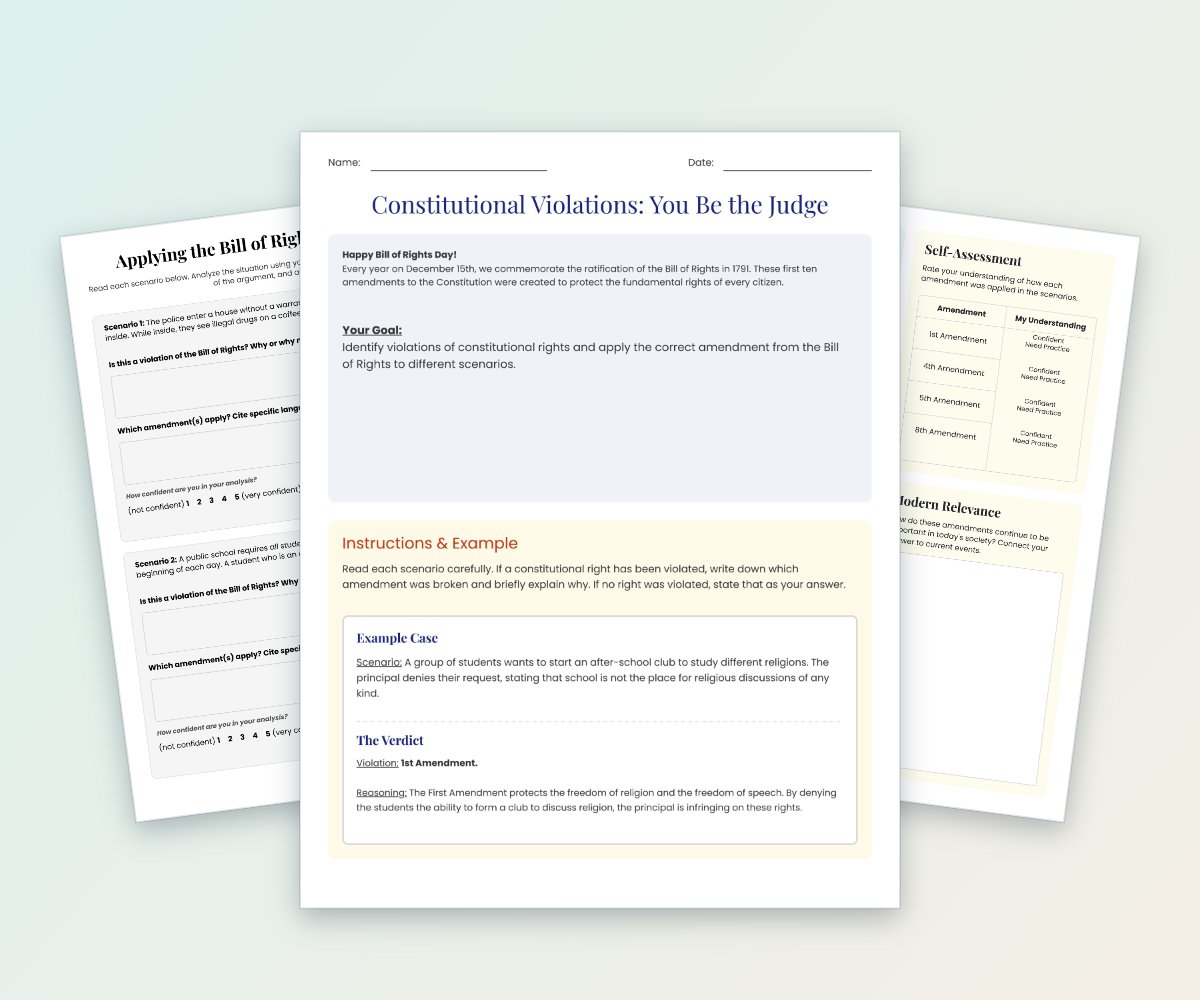
Students examine realistic scenarios involving the First, Fourth, and Fifth Amendments and determine whether constitutional rights were violated.
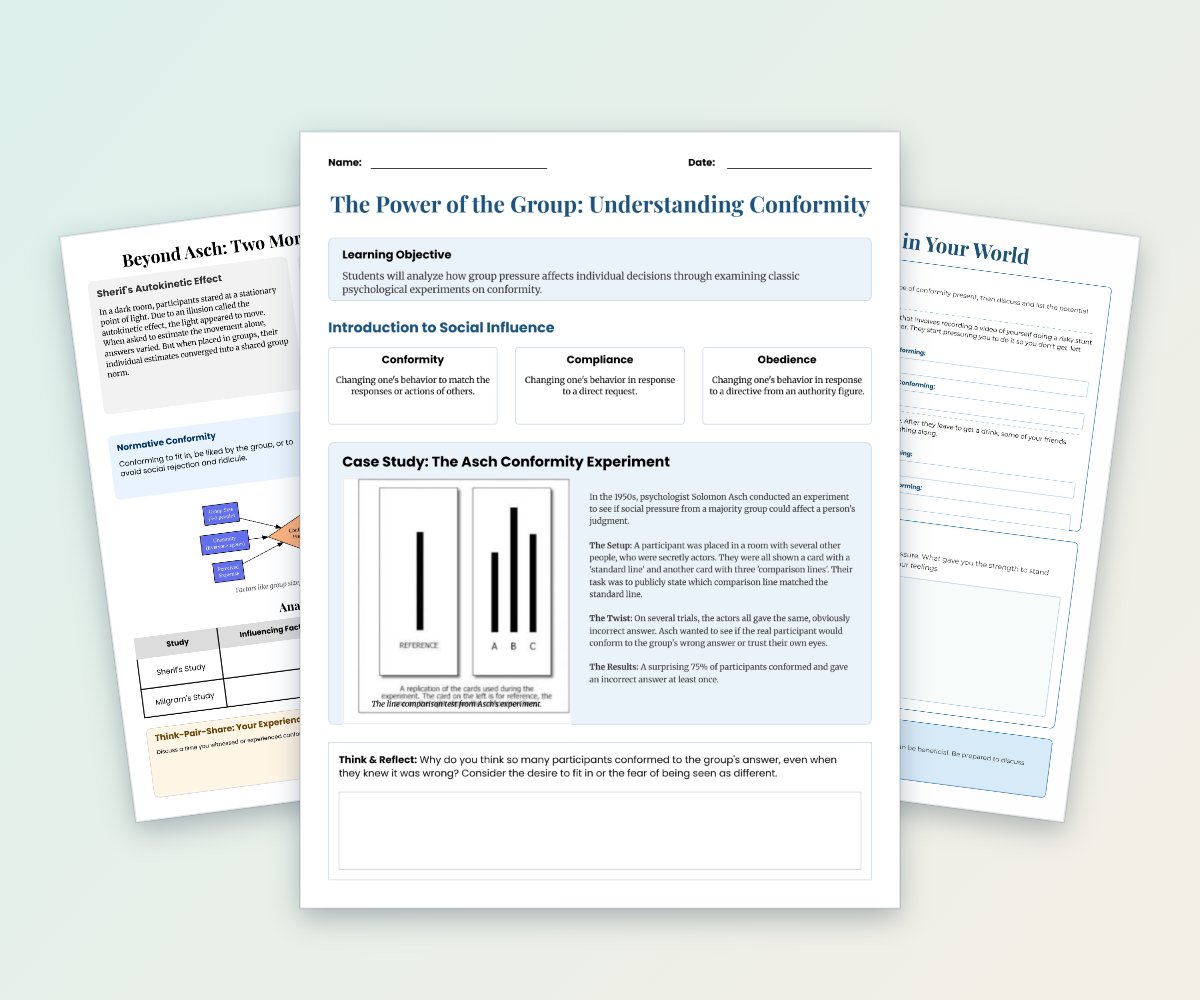
Students examine conformity, compliance, and obedience through the Asch, Sherif, and Milgram experiments.
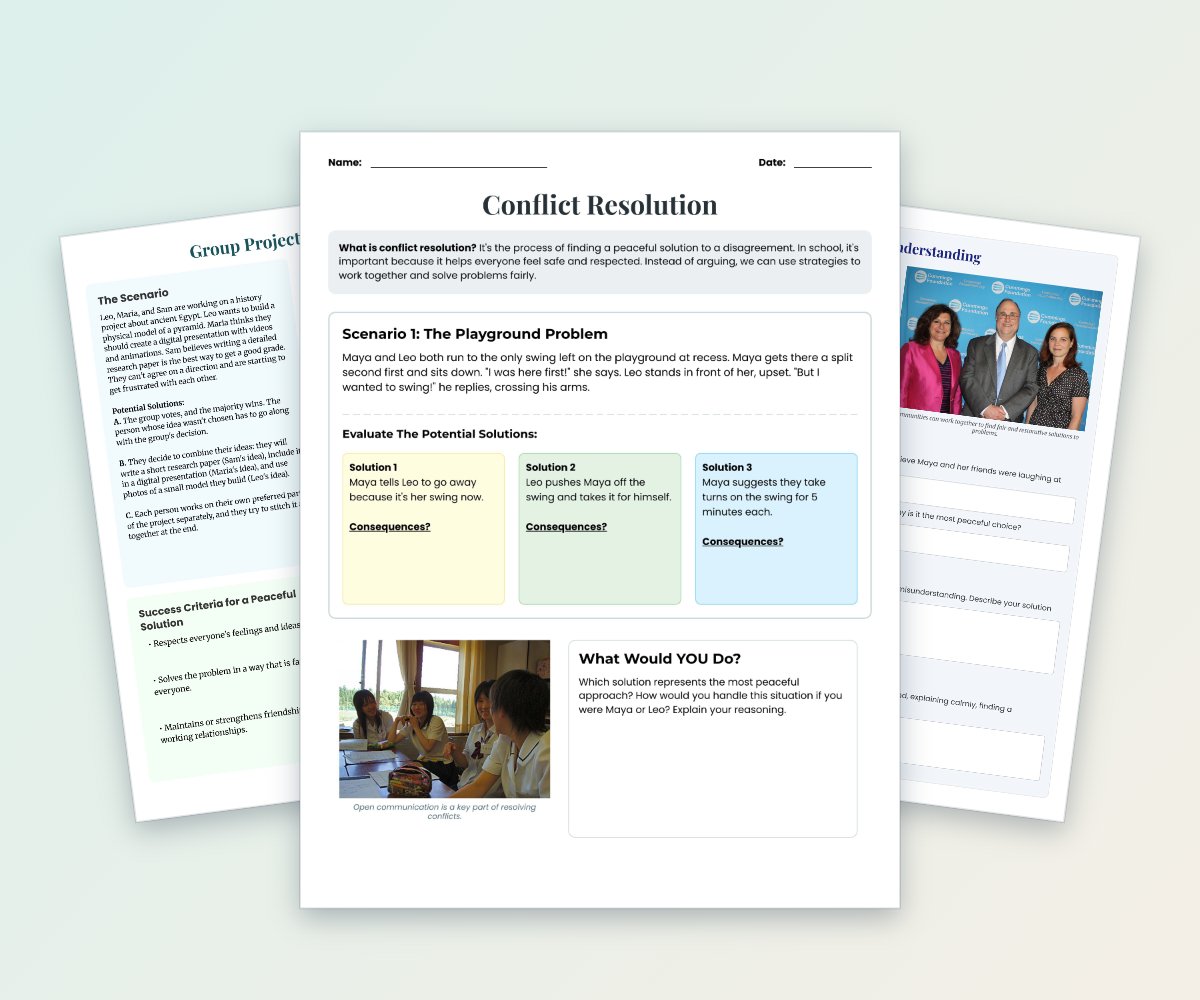
Students examine playground, group project, and lunchroom conflicts while evaluating possible solutions and their consequences.
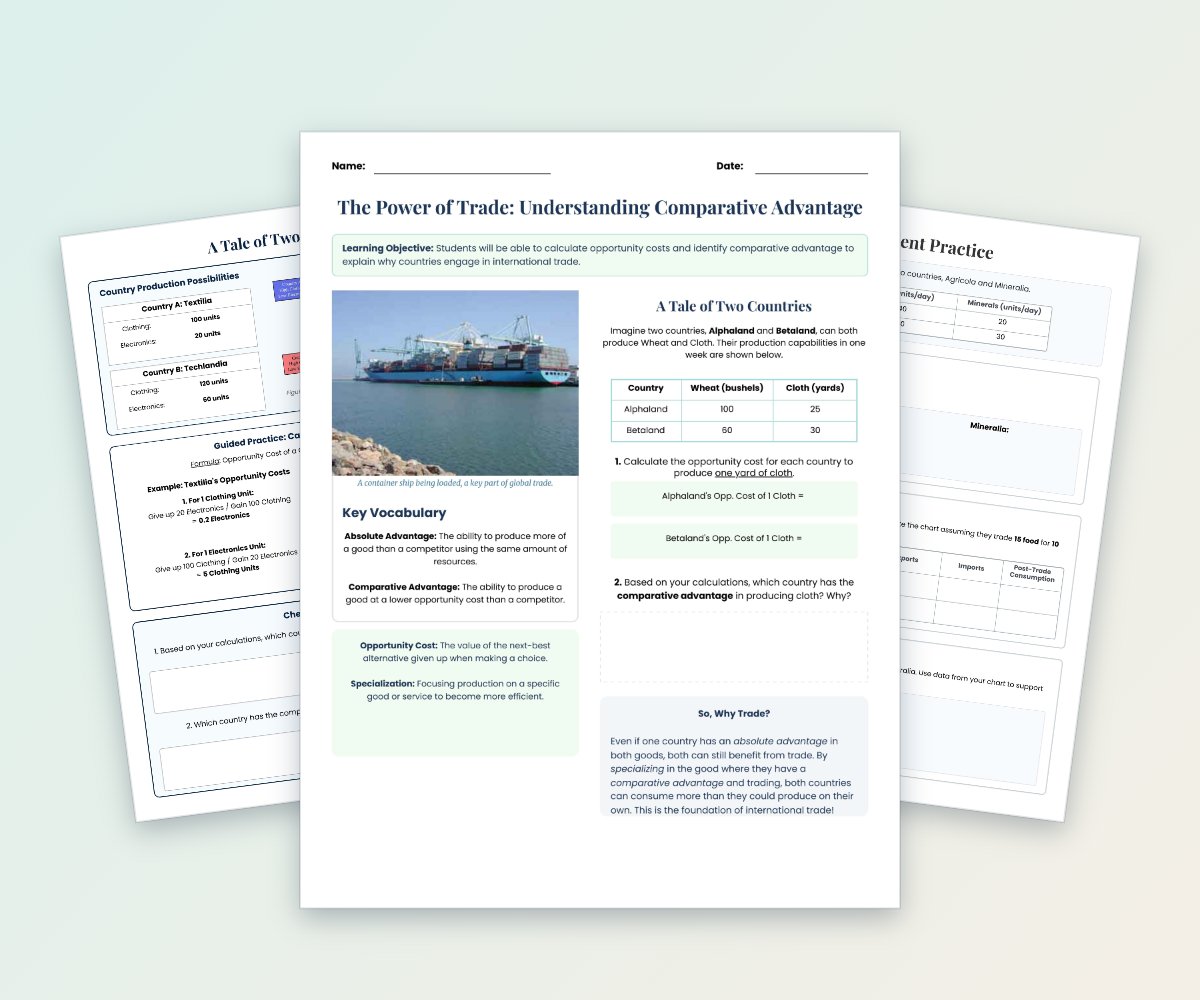
Students calculate opportunity costs and identify comparative advantage using country production scenarios.
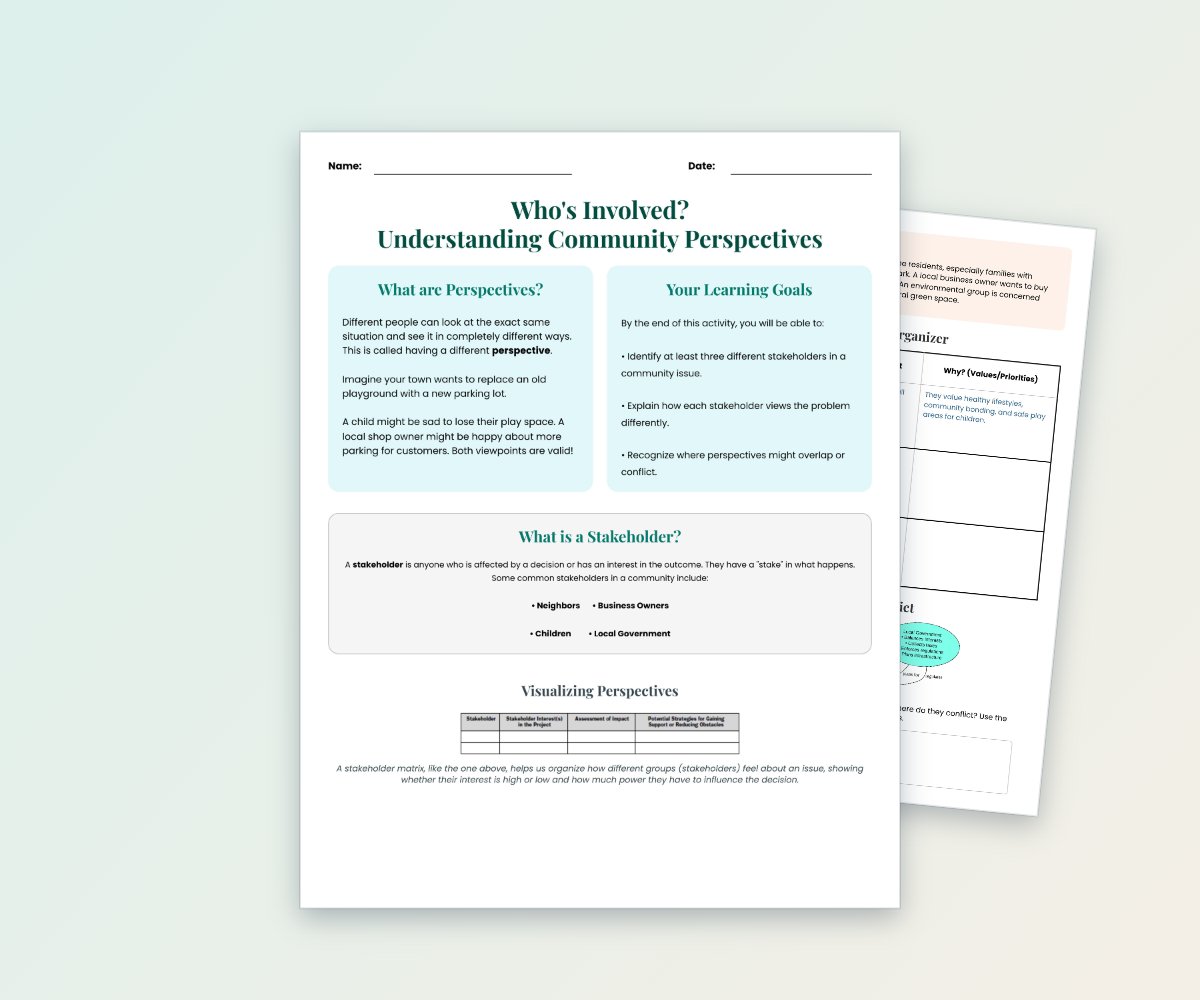
Students examine a community land-use issue from the perspectives of families, businesses, environmental groups, neighbors, developers, and local government.
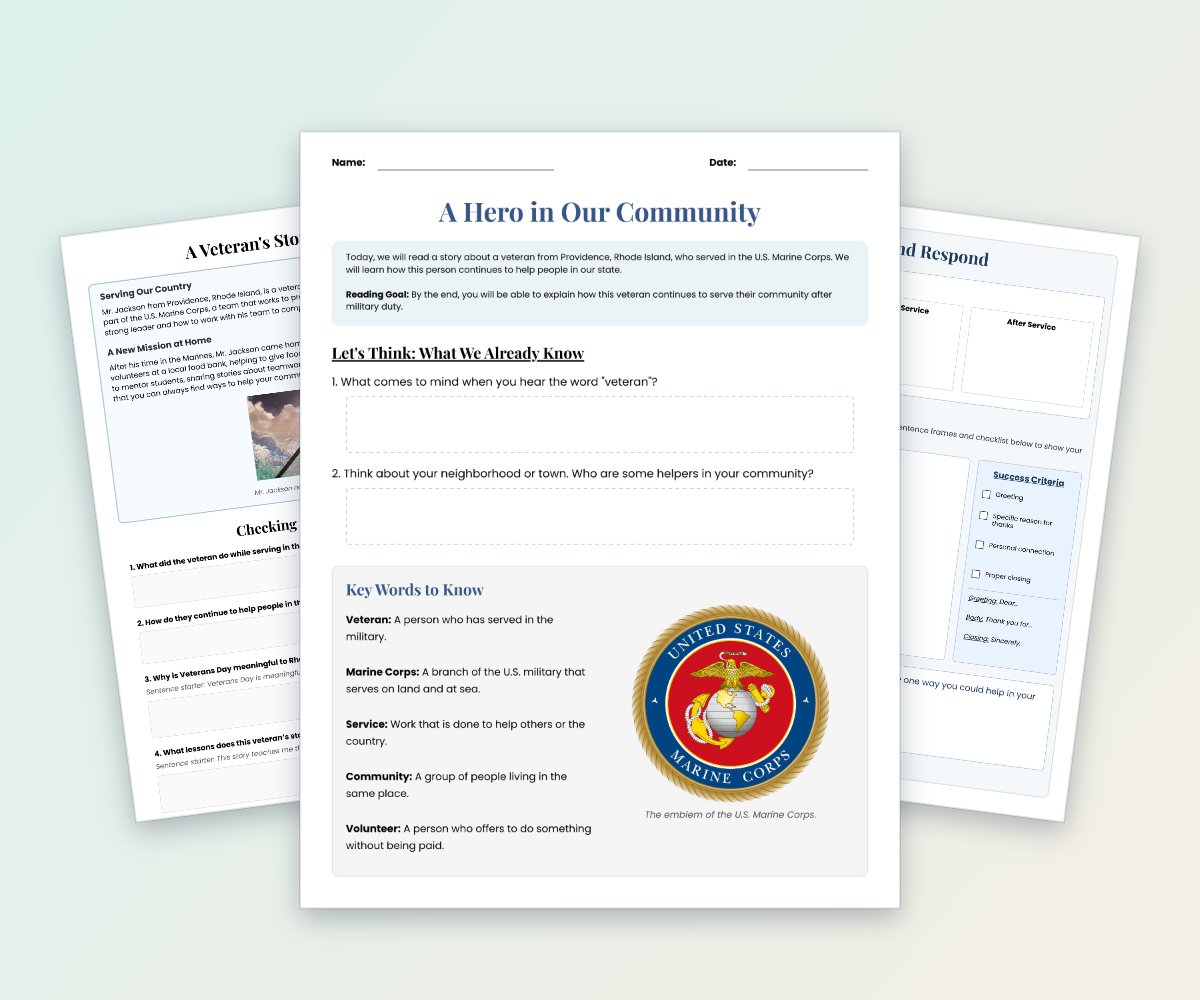
Students read about a Providence, Rhode Island, veteran who continues serving the community through volunteering and mentoring.
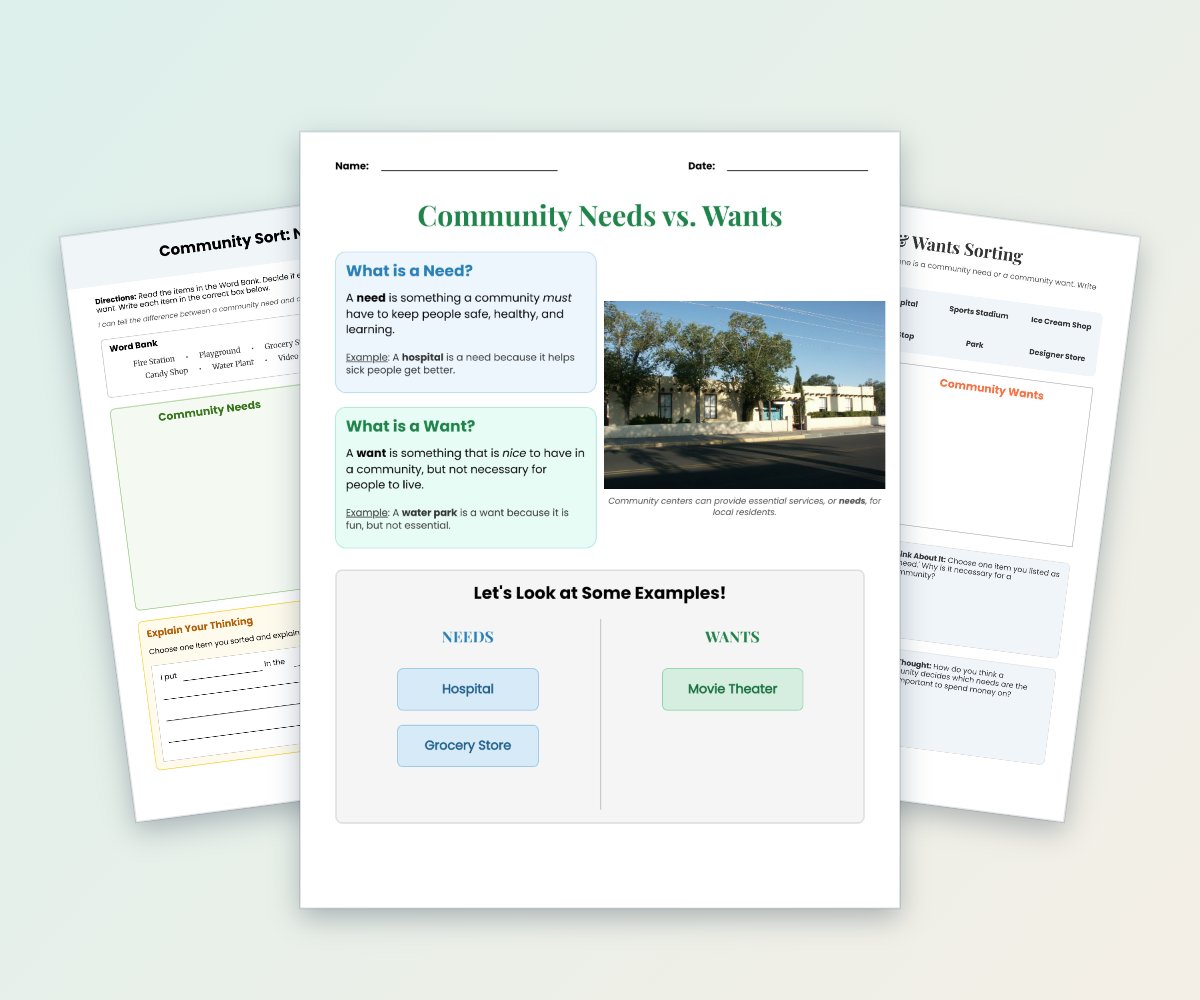
Students learn the difference between essential community needs and nonessential wants using examples such as hospitals, schools, parks, and stores.
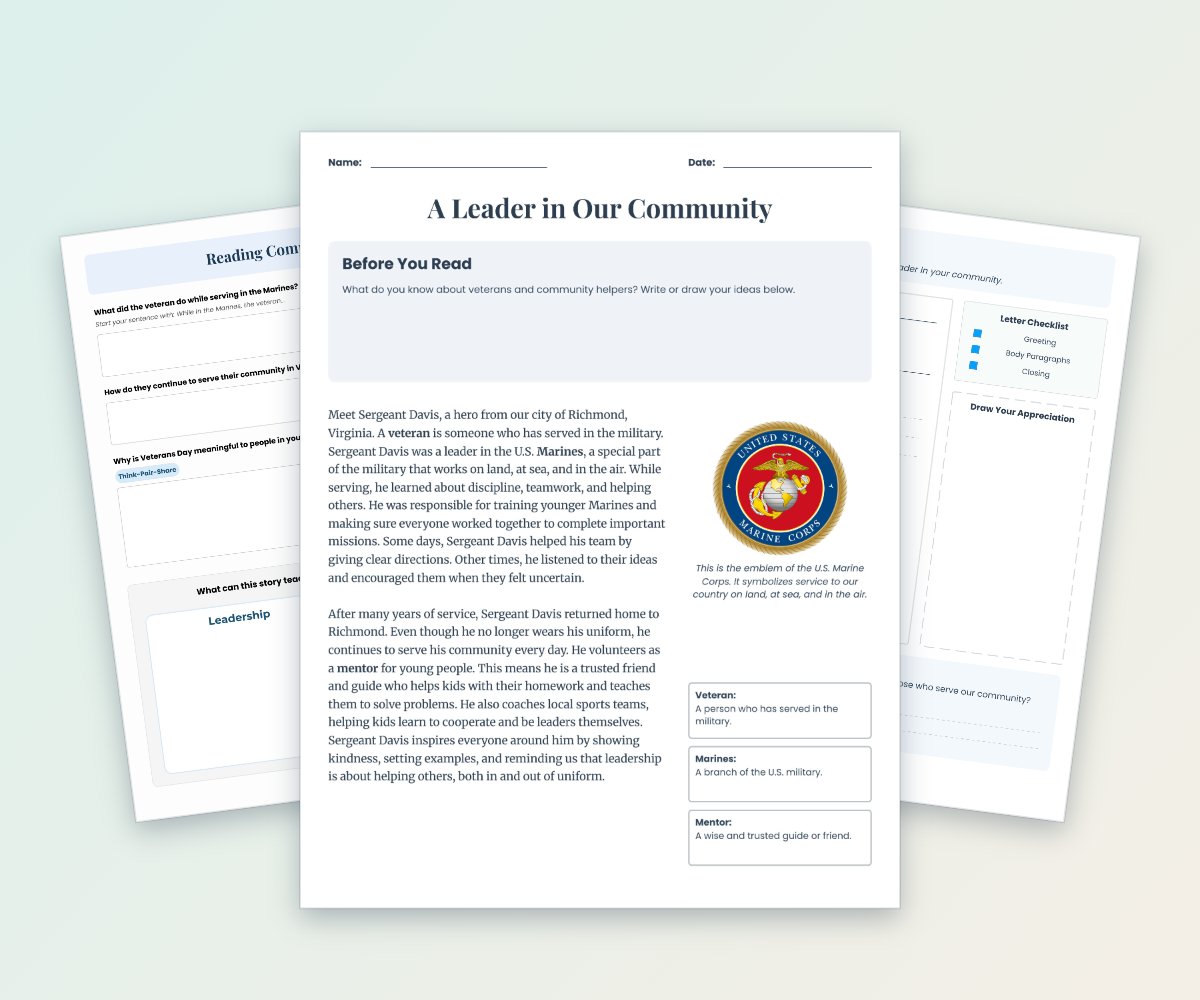
Students read about a veteran’s military service and continued community leadership in Richmond, Virginia.
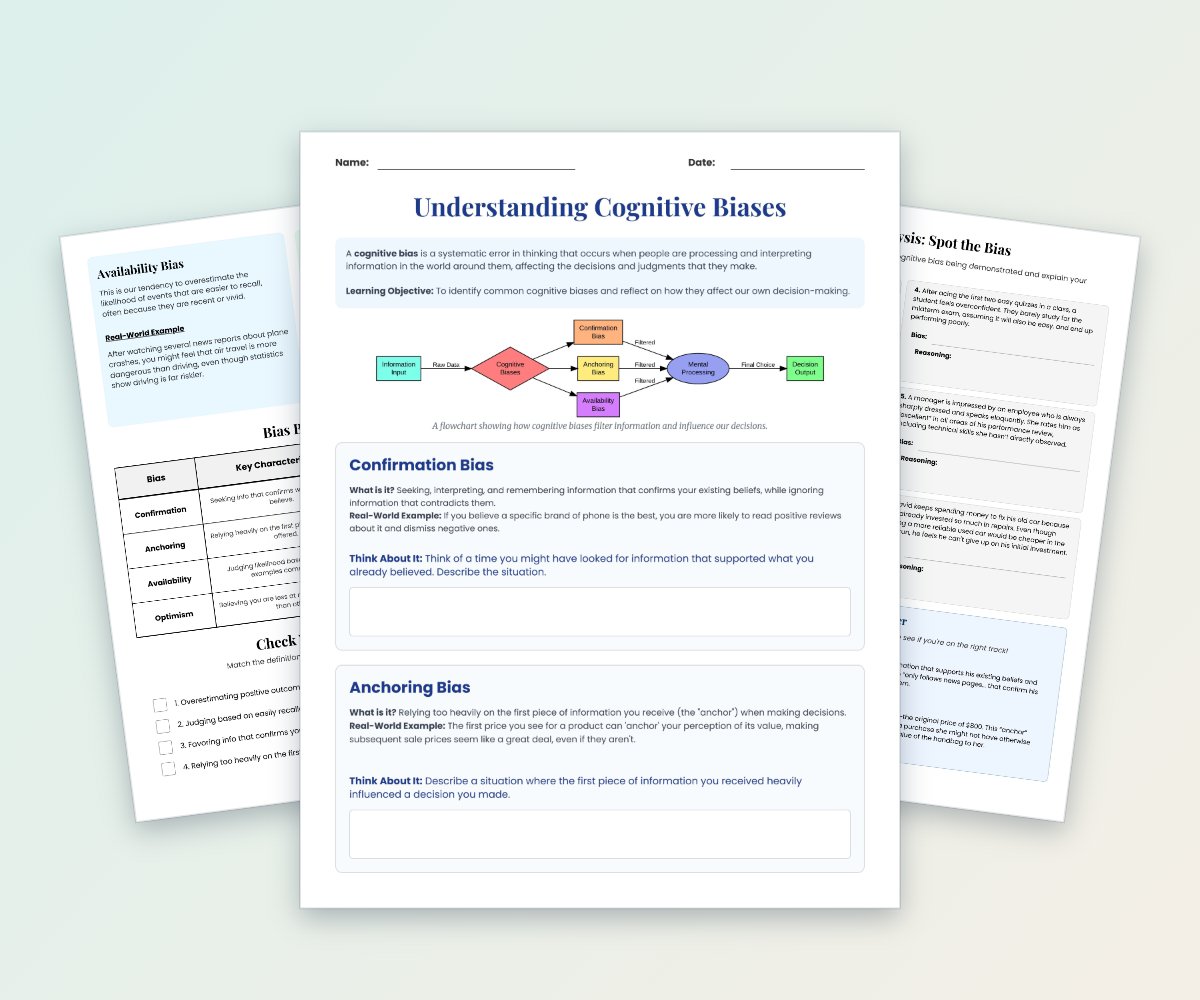
This four-page resource introduces confirmation, anchoring, availability, and optimism biases through definitions, real-world examples, a flowchart, and a comparison table.
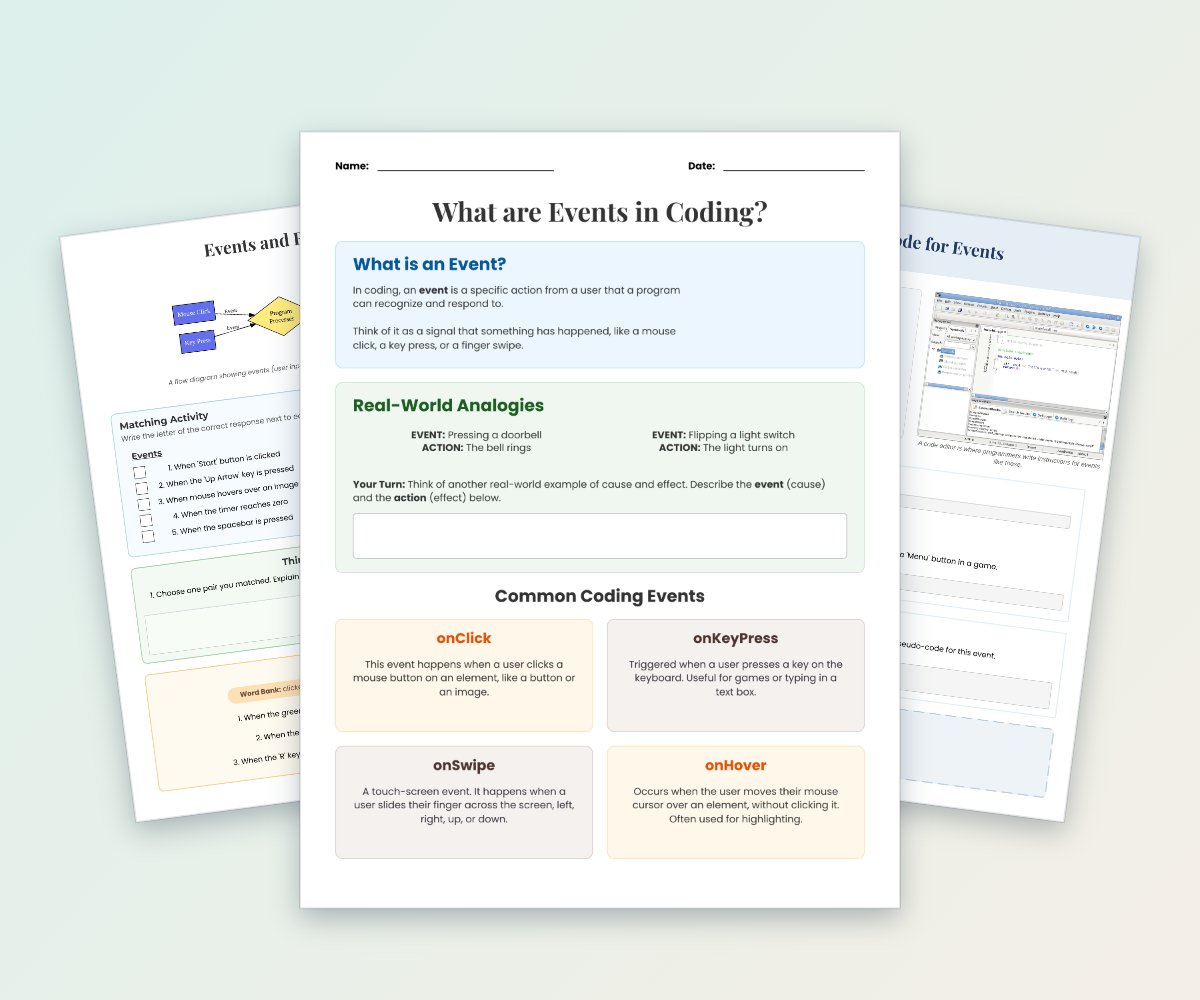
This four-page worksheet introduces coding events such as clicks, key presses, swipes, and hovers.
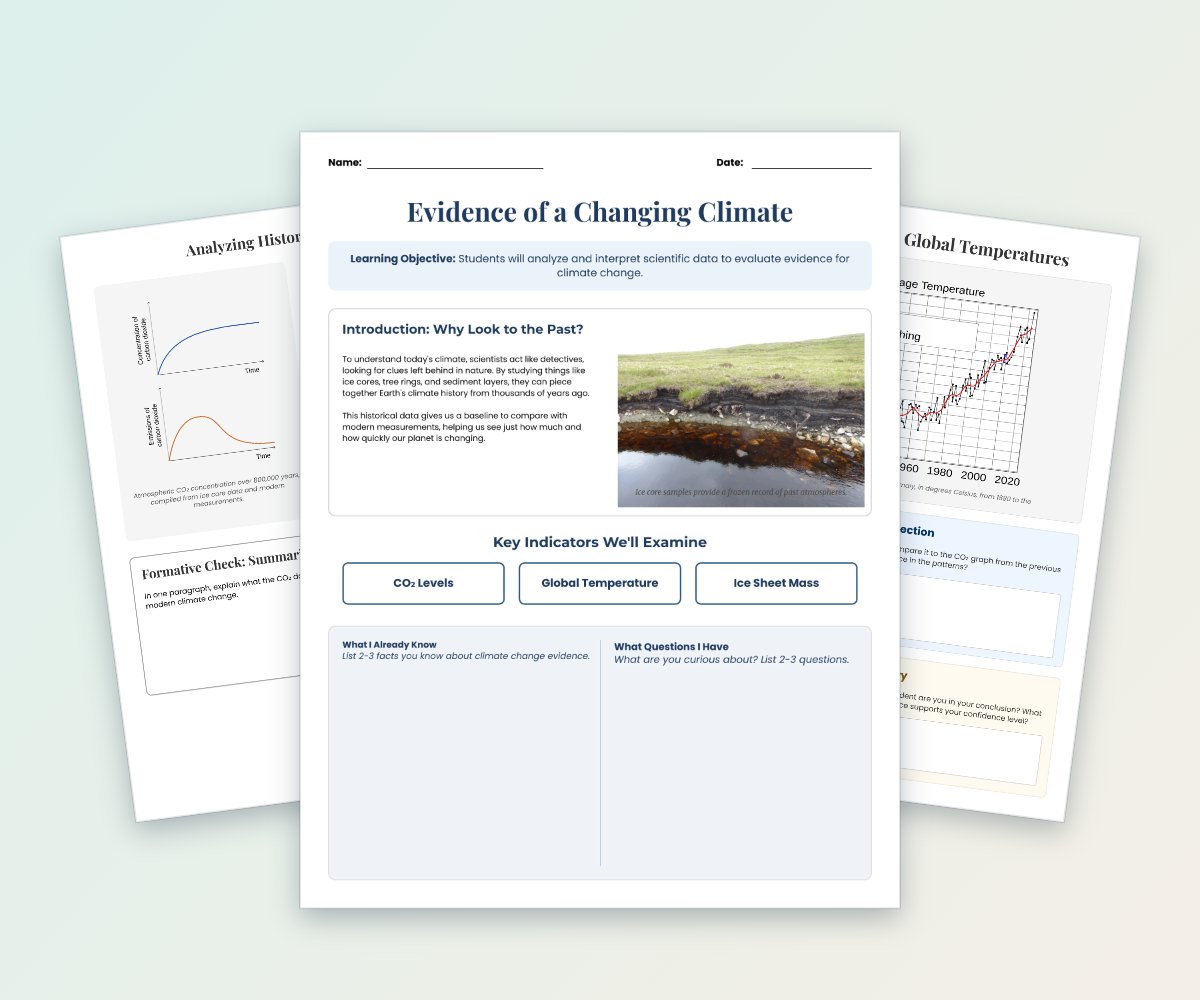
Students analyze historical and modern climate data, including atmospheric CO2 levels and global temperature trends.
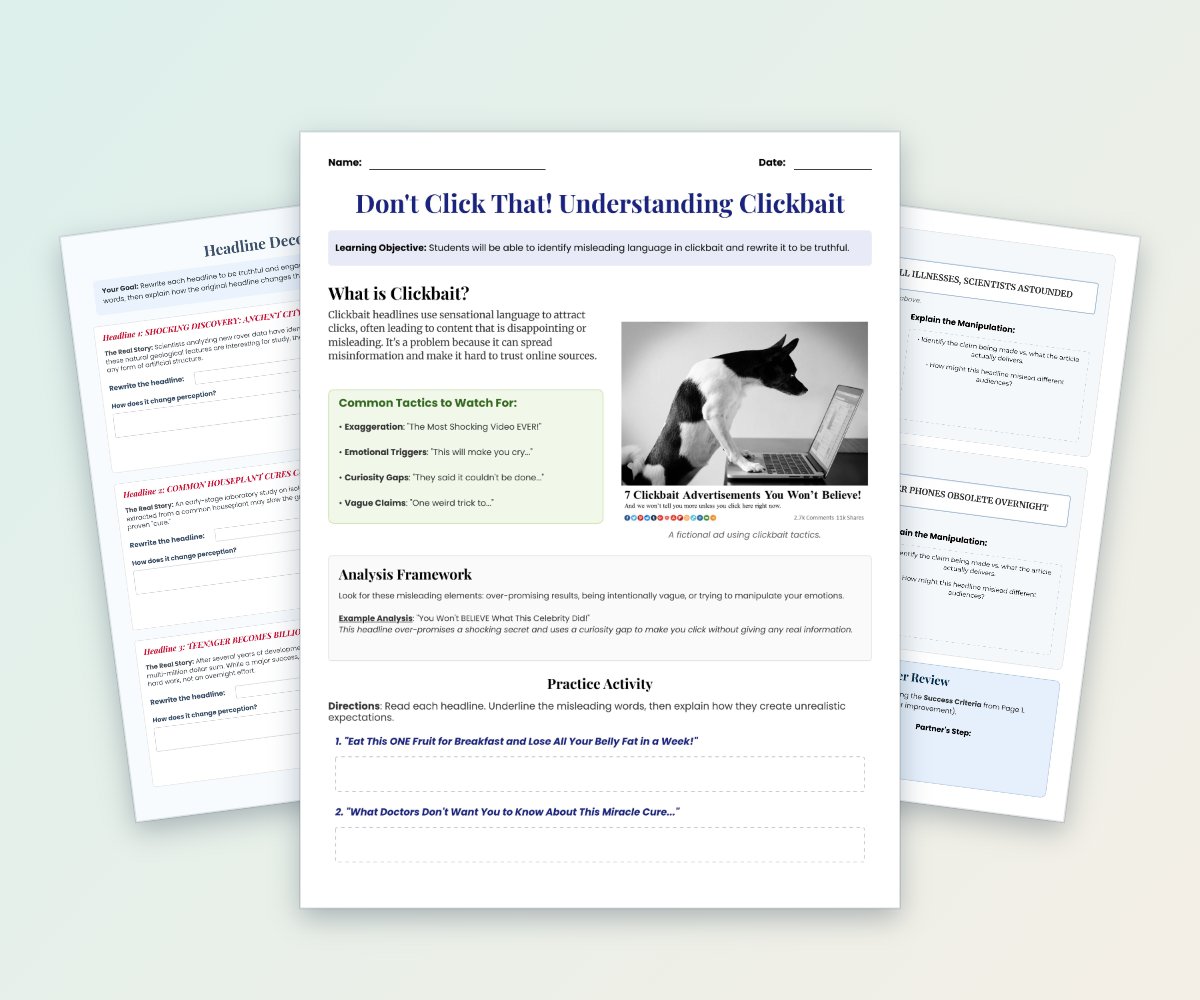
This four-page worksheet teaches students how clickbait uses exaggeration, emotional triggers, curiosity gaps, and vague claims.
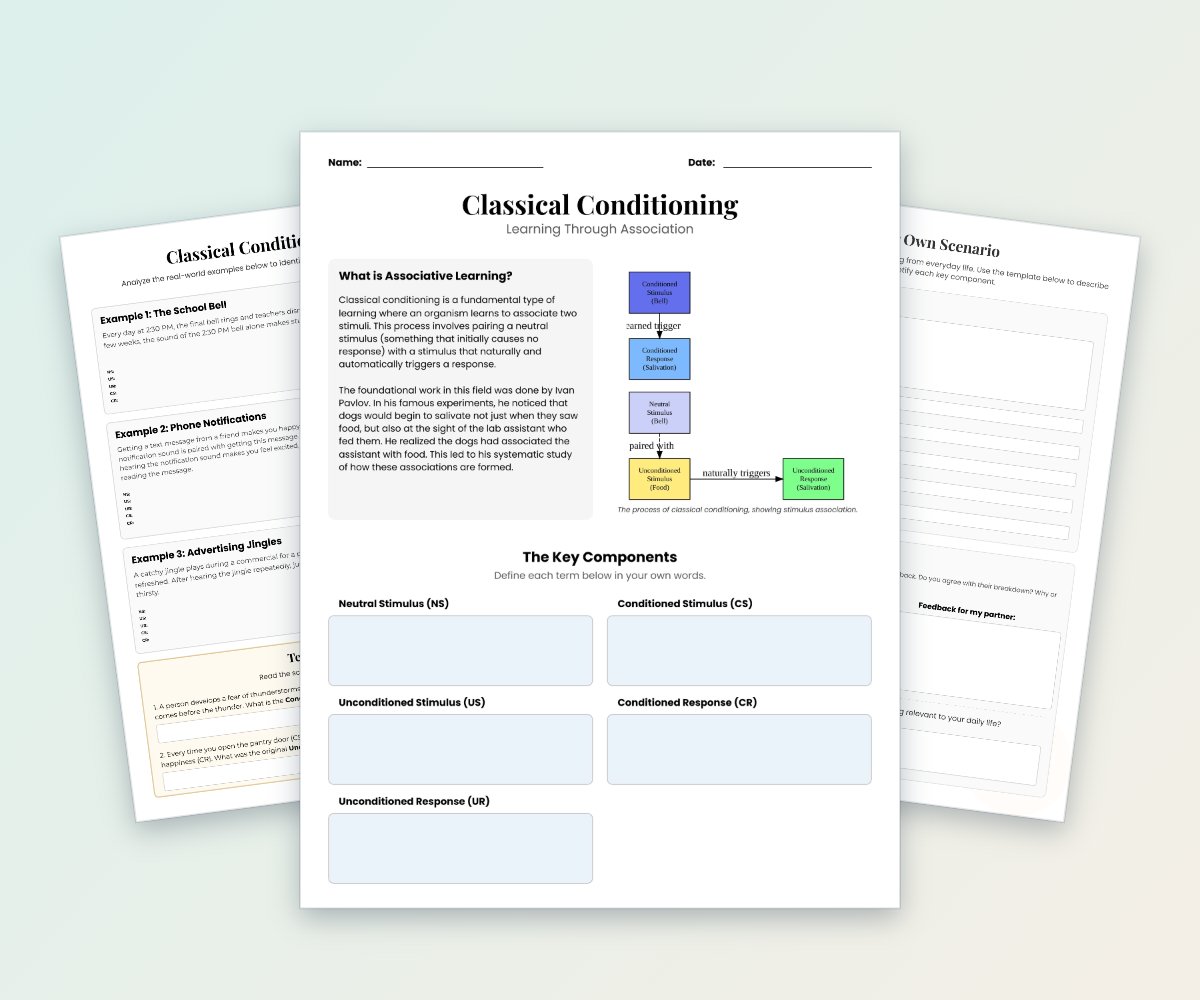
This three-page worksheet introduces classical conditioning and associative learning through explanations of Pavlov’s experiments, key vocabulary, diagrams, and real-world examples.
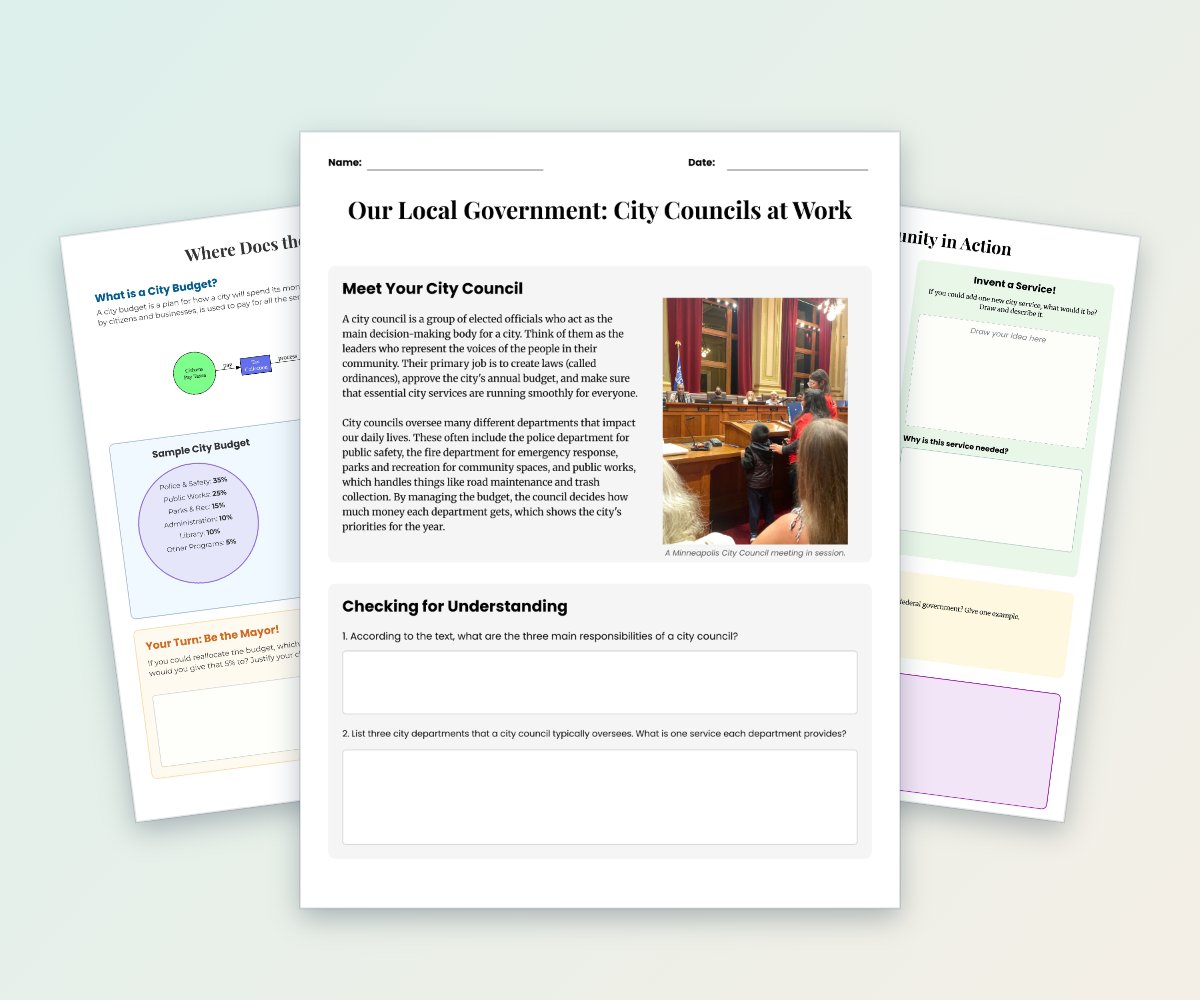
Students learn how city councils make decisions, oversee departments, and allocate annual budgets.
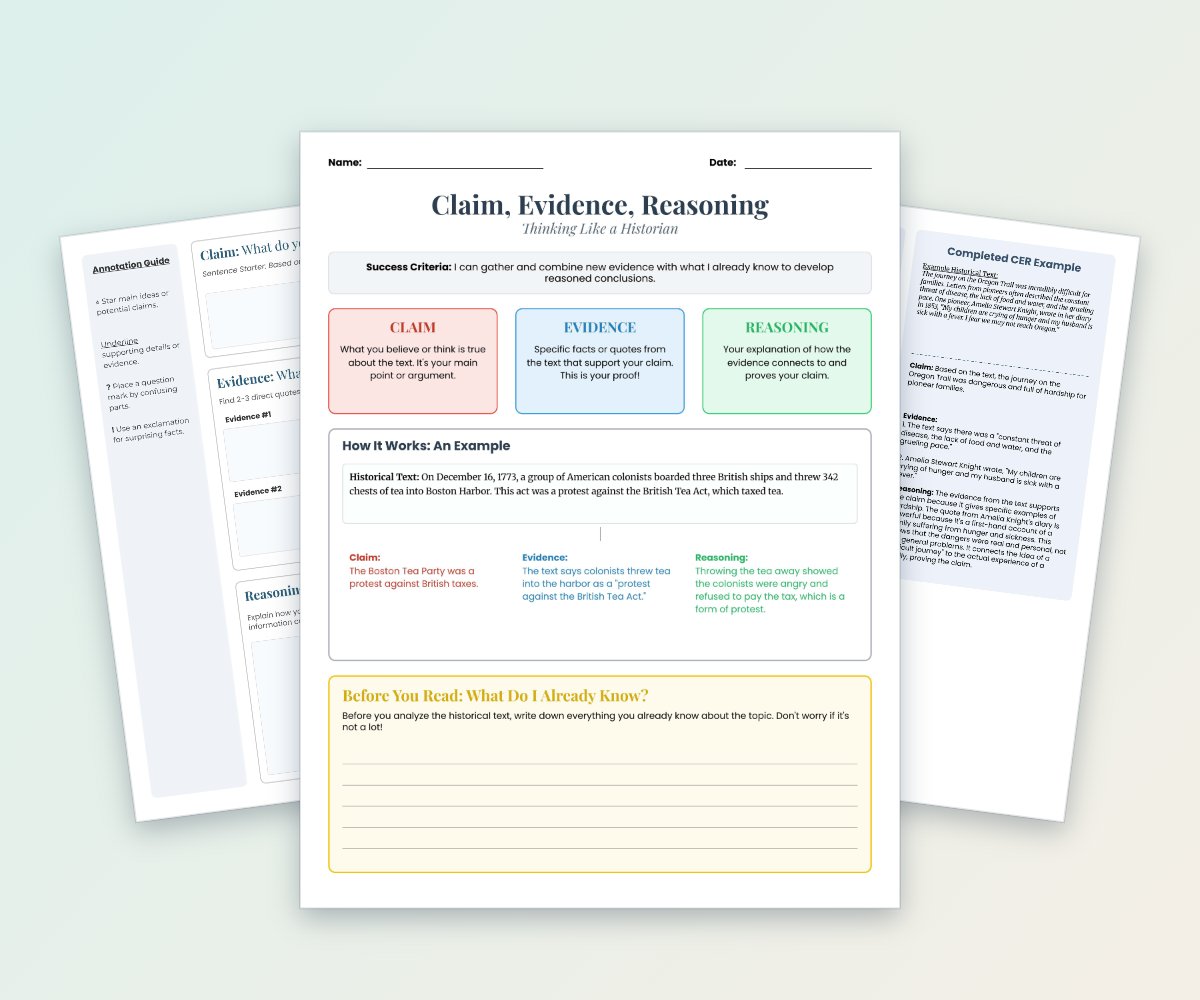
This three-page resource teaches students to develop historical claims, select textual evidence, and explain their reasoning.
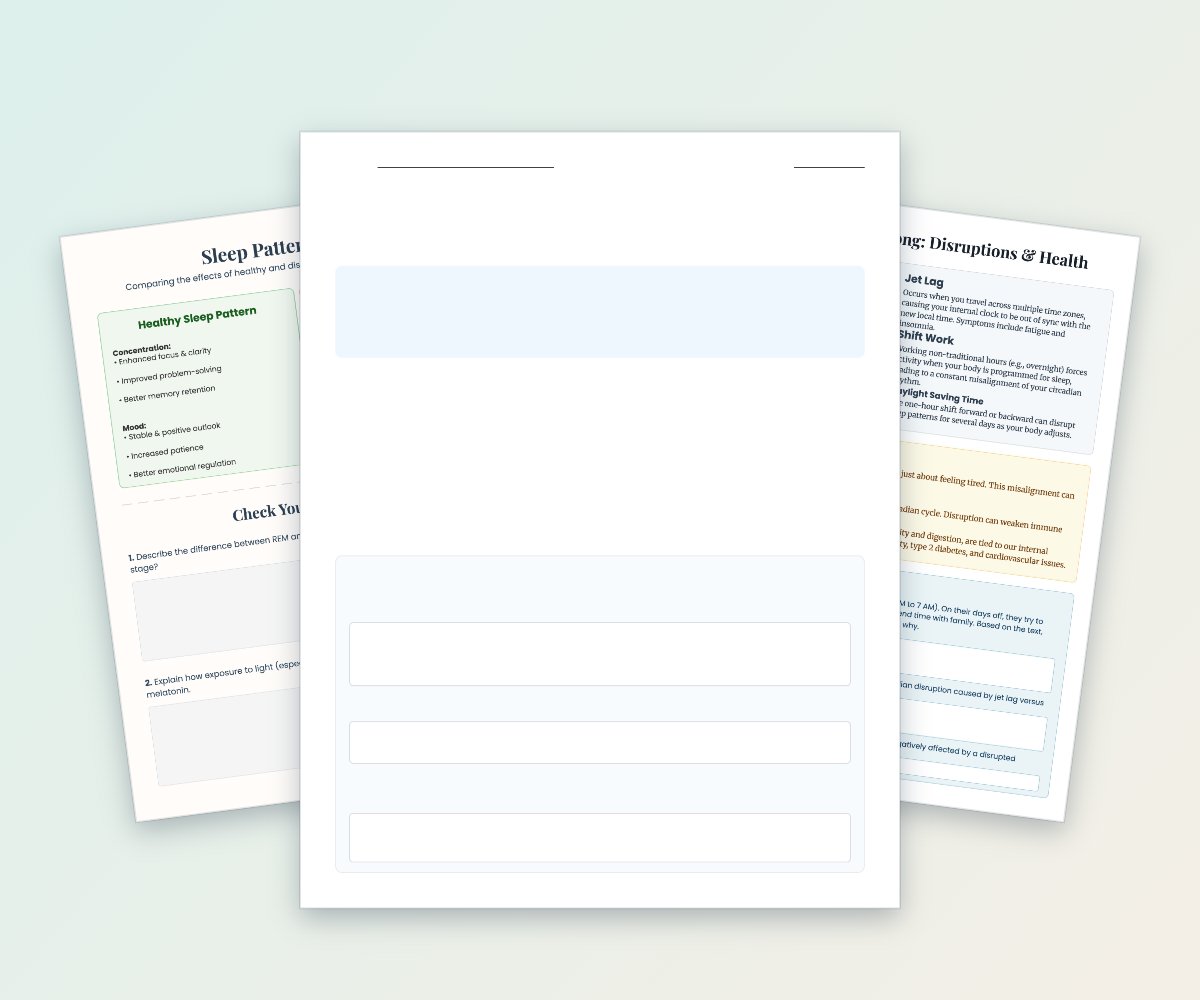
This four-page resource explains healthy and disrupted sleep patterns, REM and non-REM sleep, melatonin, jet lag, shift work, and health impacts.
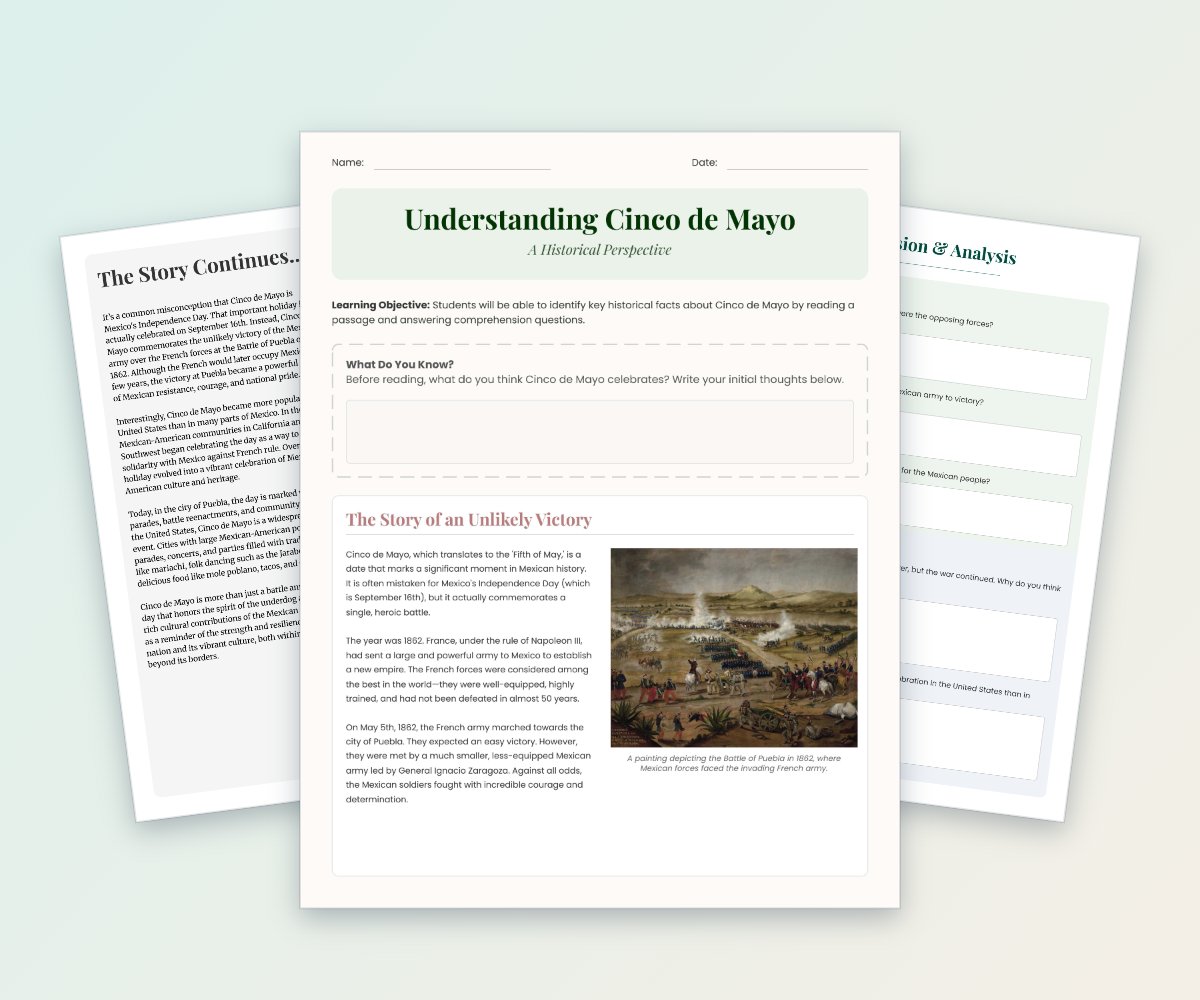
Students read an accessible historical passage about the Battle of Puebla, Mexican resistance, and the development of Cinco de Mayo celebrations.
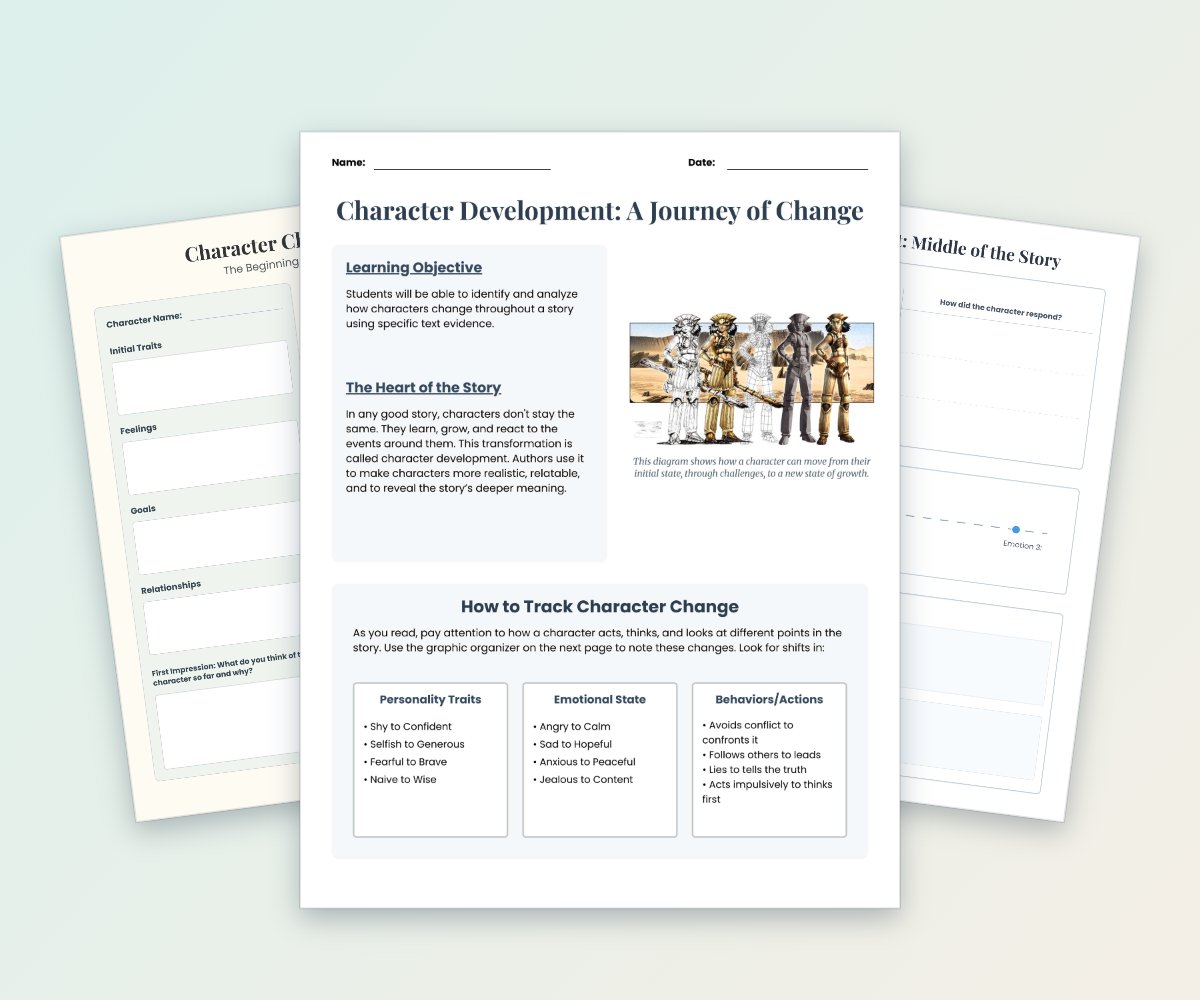
This four-page resource teaches students how to track character traits, emotions, actions, and relationships throughout a story.
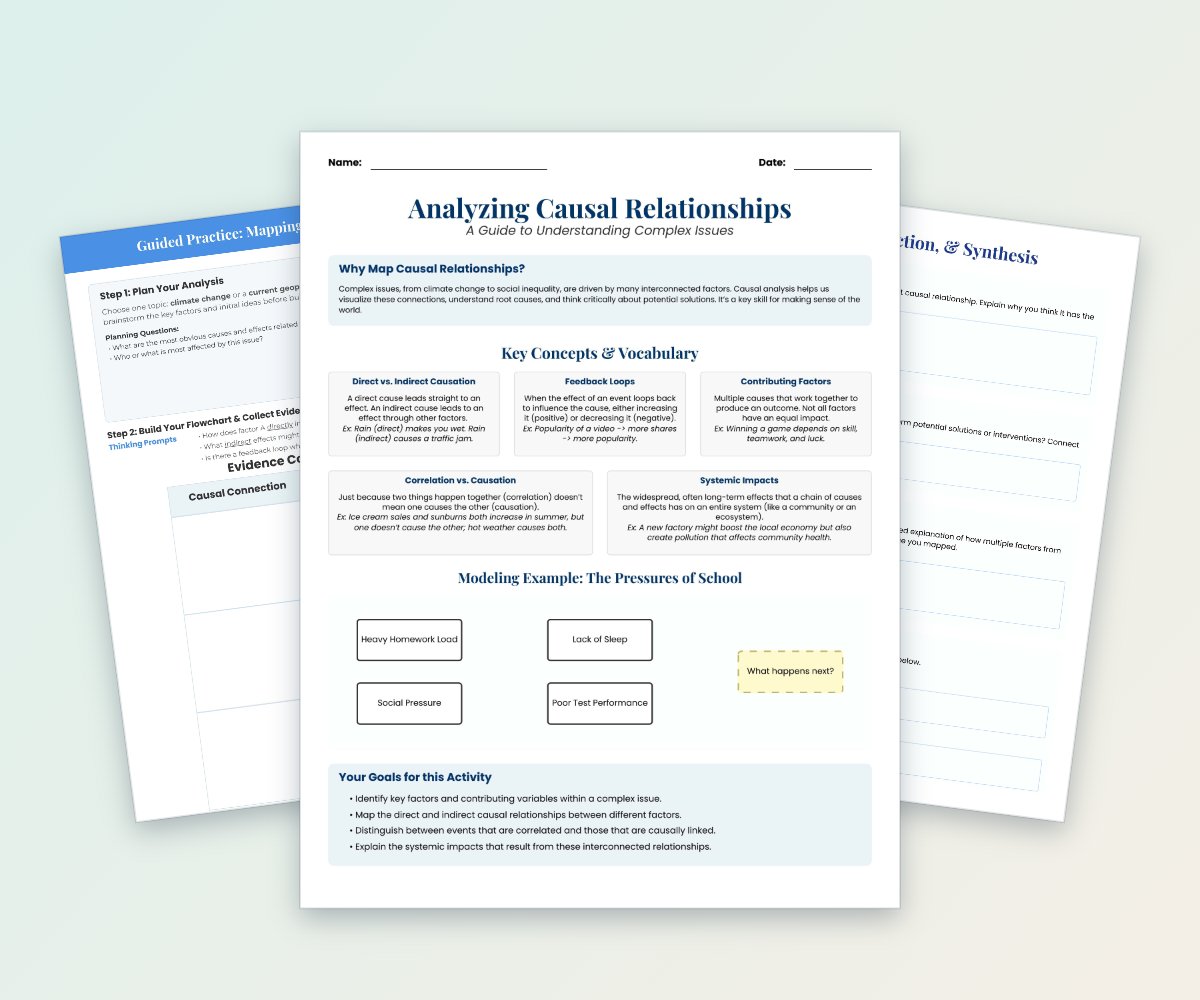
This three-page guide introduces direct and indirect causation, correlation versus causation, feedback loops, contributing factors, and systemic impacts.
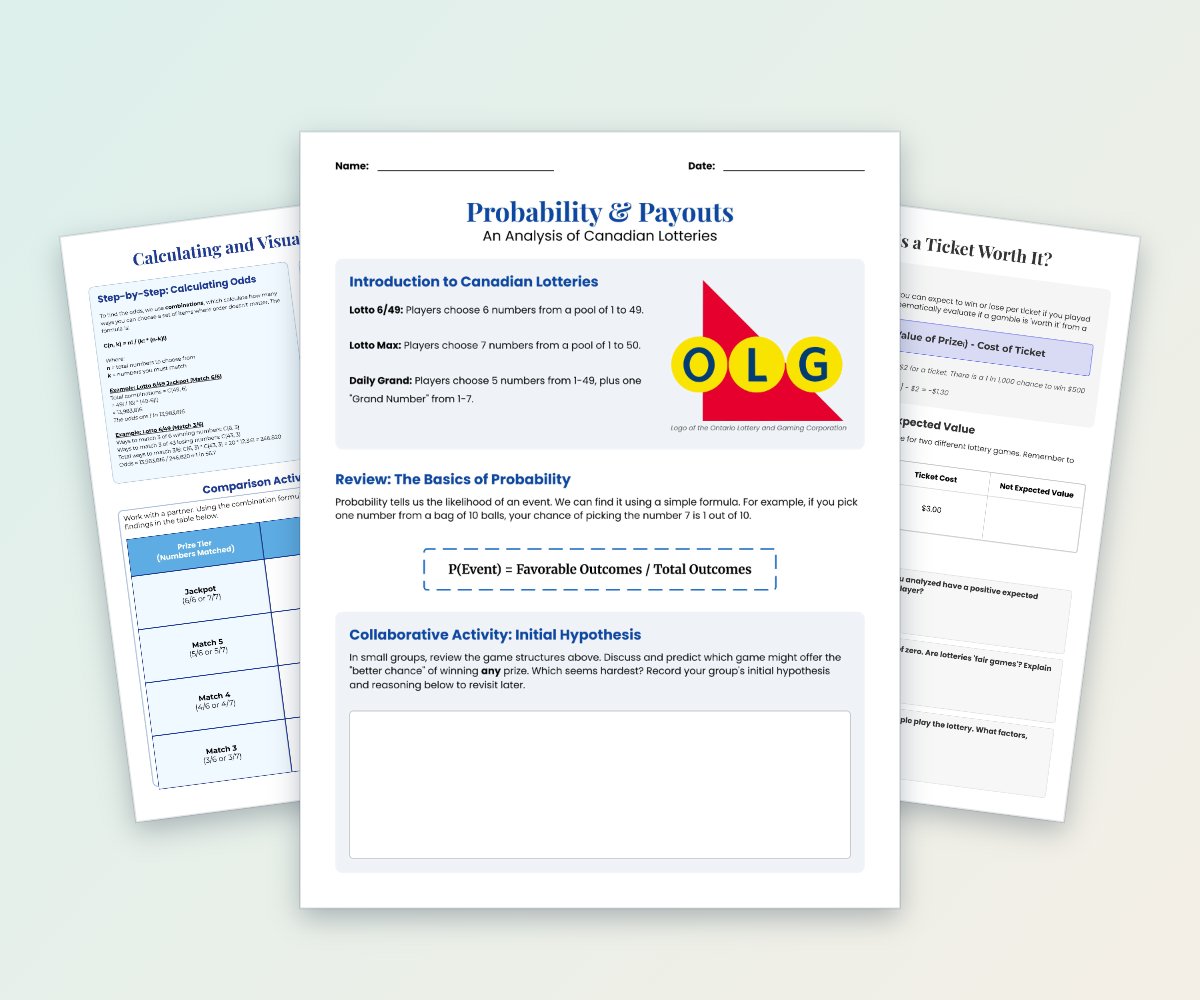
Students analyze Lotto 6/49, Lotto Max, and Daily Grand using probability formulas, combinations, odds, and expected value.
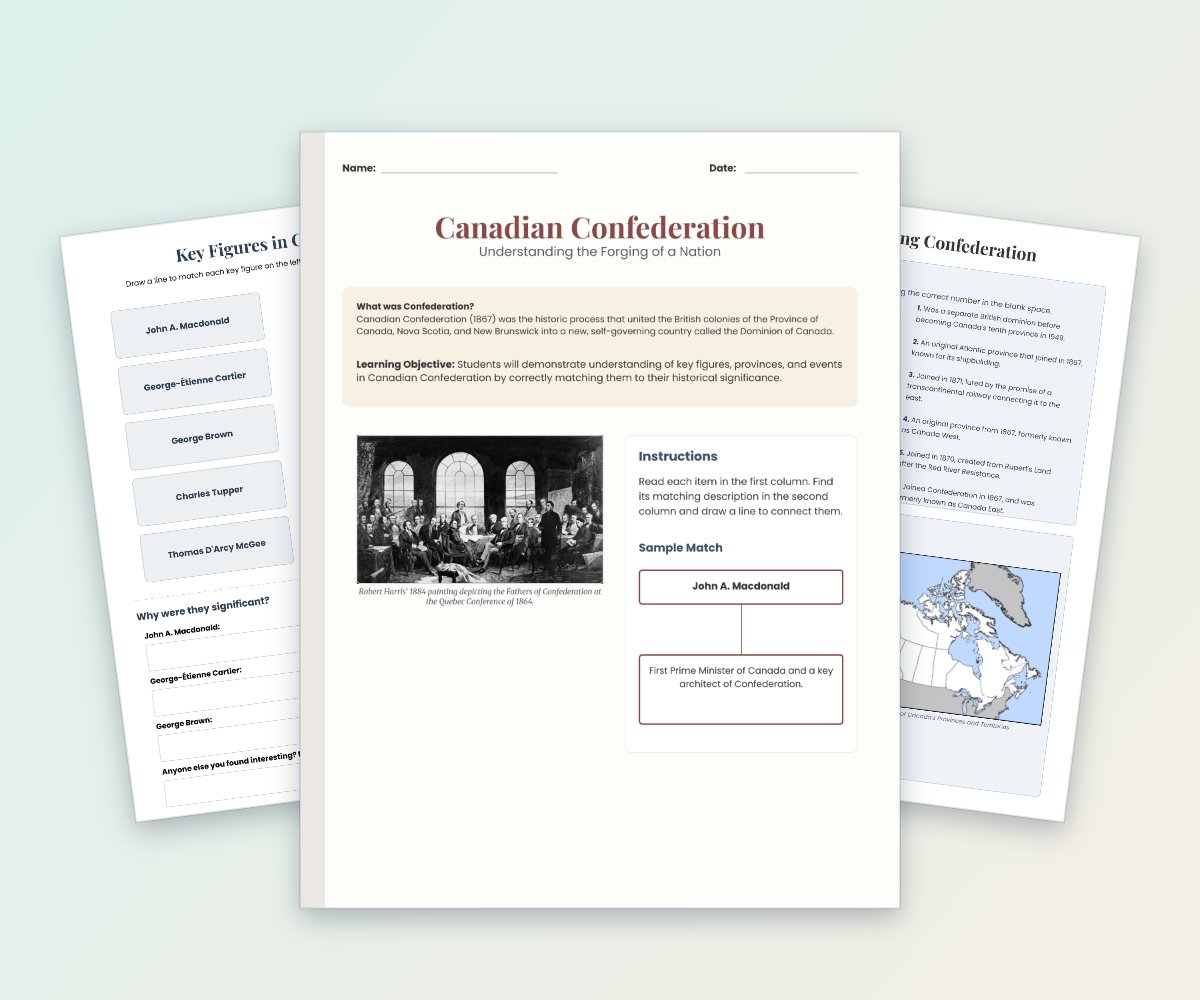
Students explore key figures, provinces, and events connected to Canadian Confederation through matching activities and a mapping task.
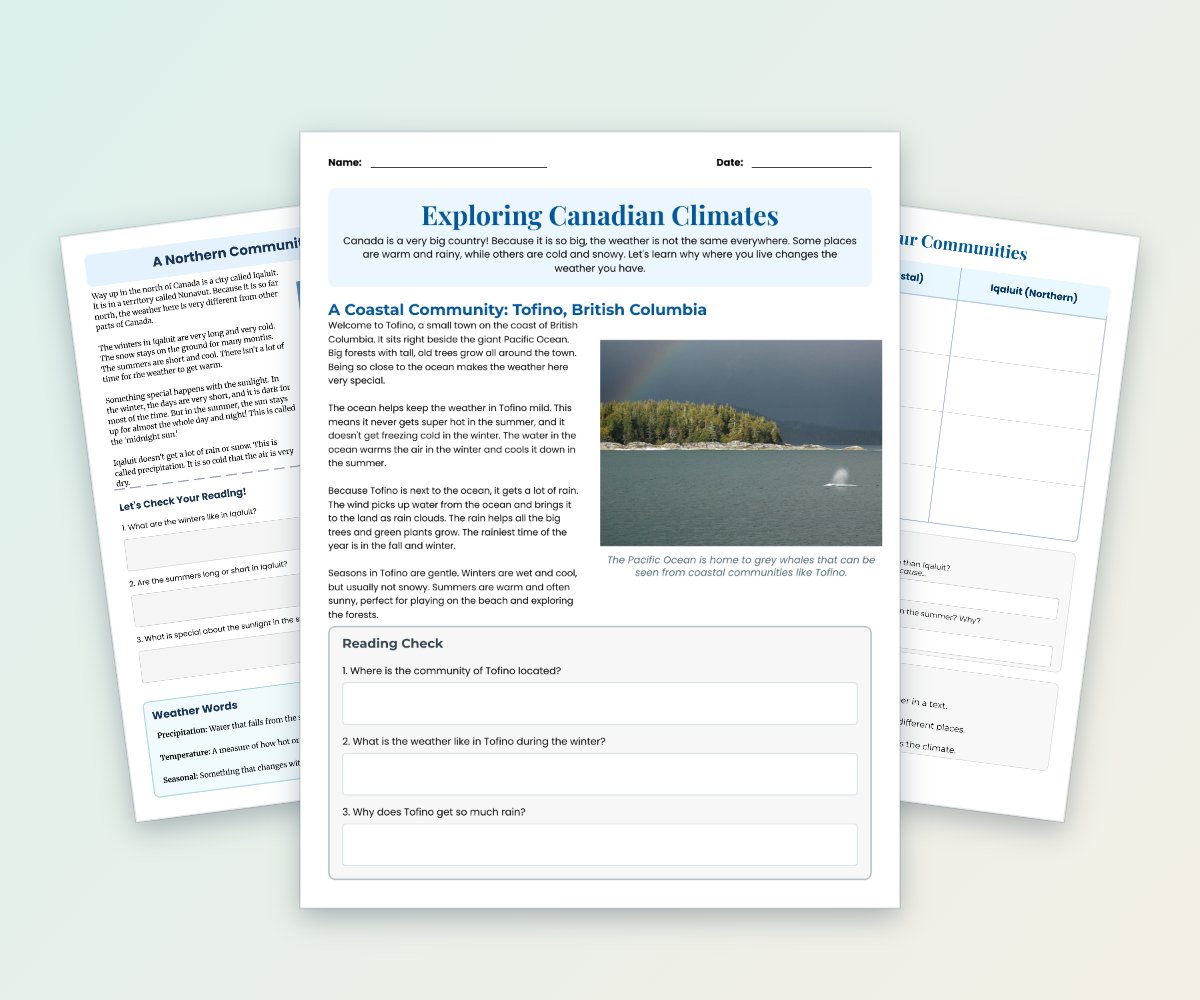
Students read accessible informational passages about coastal and northern climates in Tofino and Iqaluit.
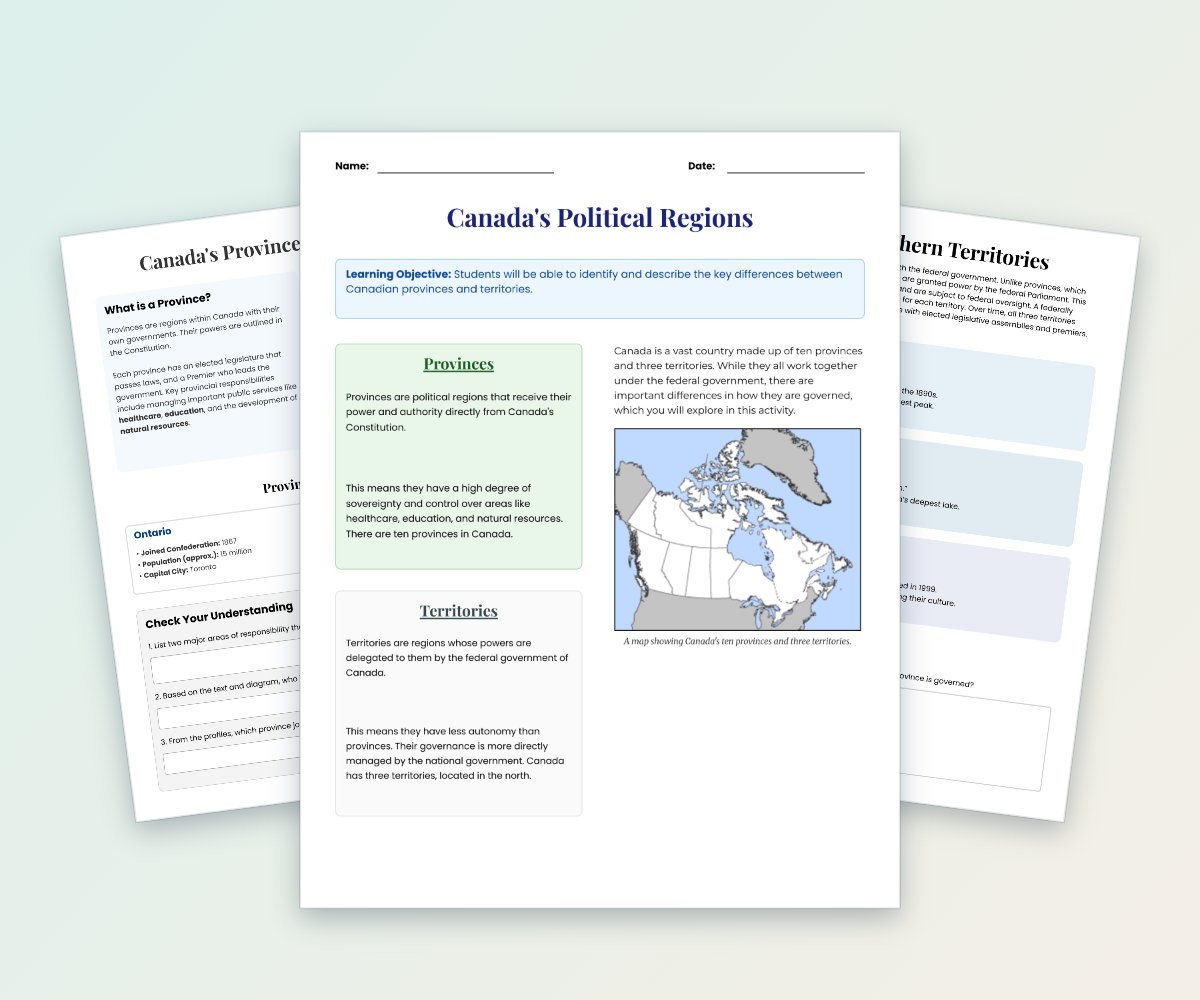
This four-page resource introduces the differences between Canada's provinces and territories, including governance, responsibilities, capitals, and Confederation dates.
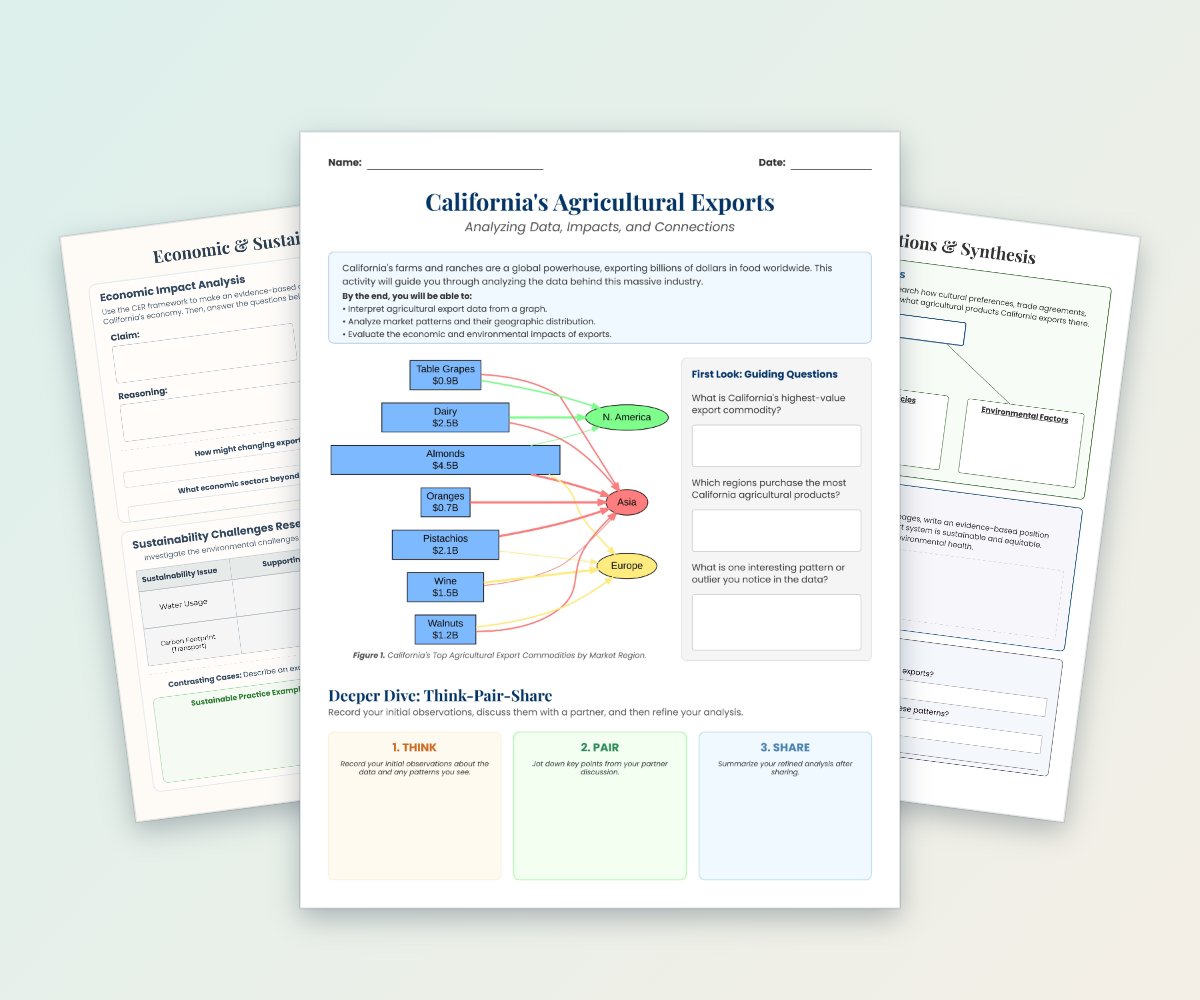
This three-page activity guides students in interpreting agricultural export data and examining economic, environmental, and global connections.
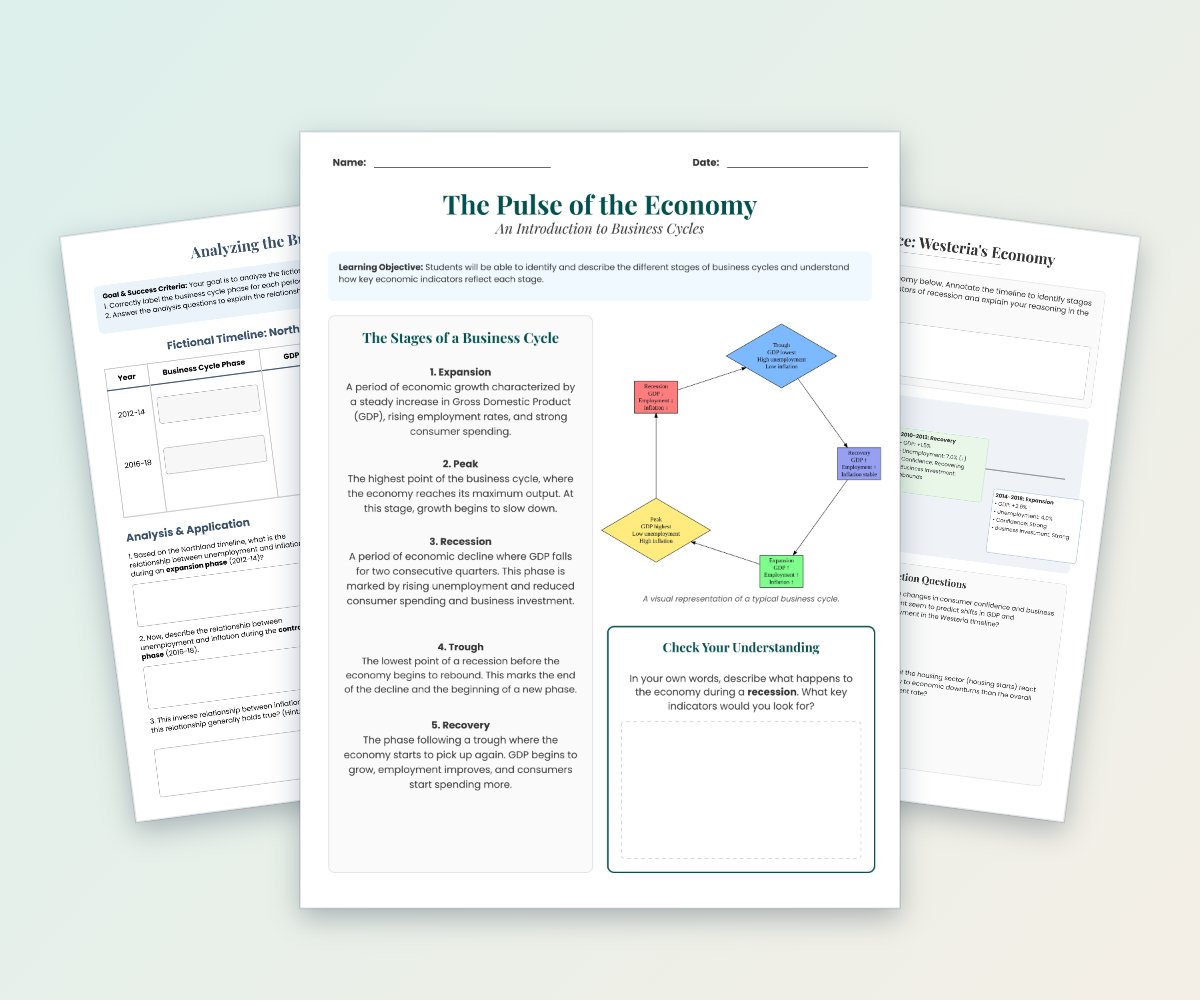
This five-page economics resource introduces expansion, peak, recession, trough, and recovery.
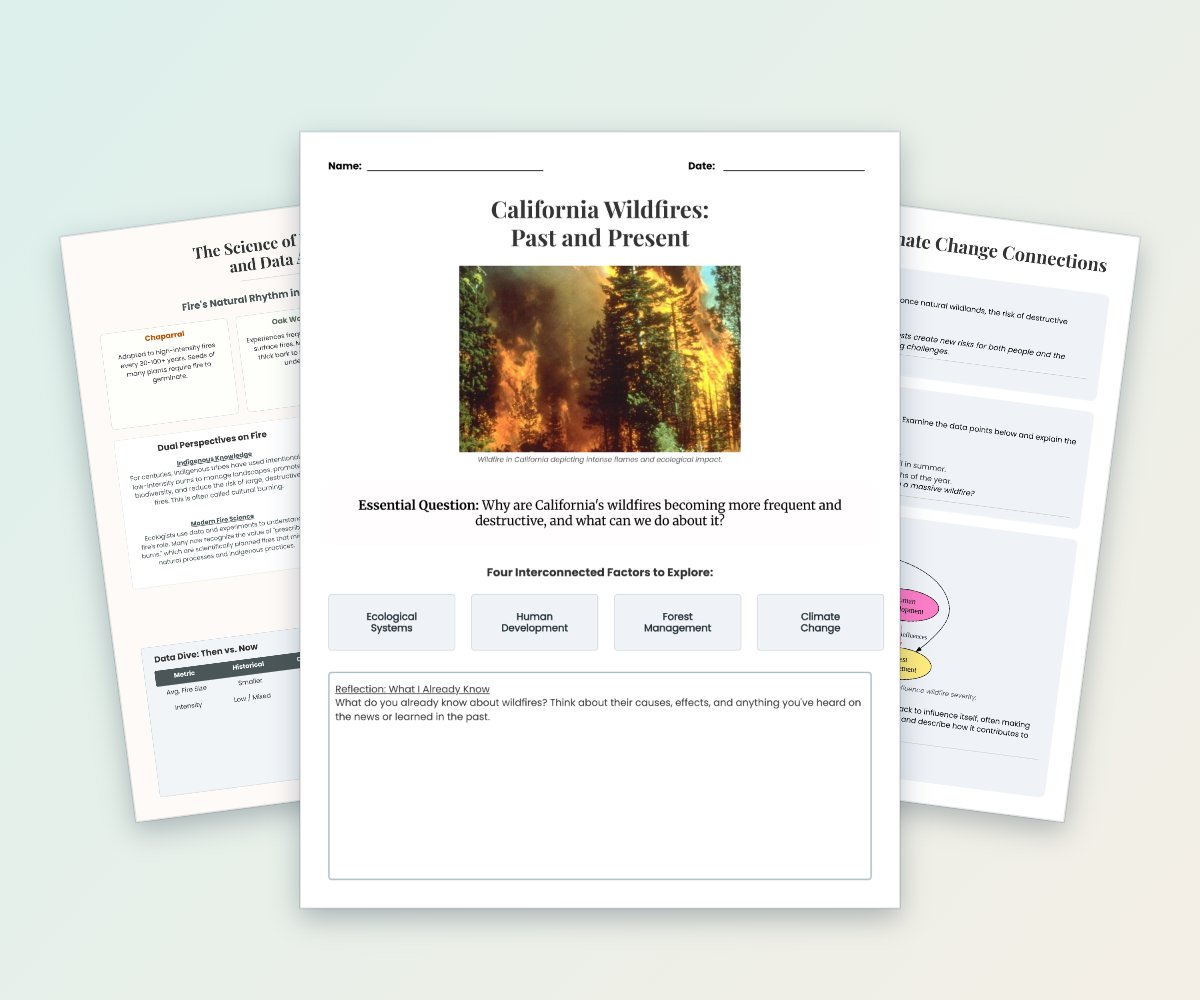
Students investigate why California wildfires are becoming more frequent and destructive through fire ecology, data analysis, case studies, and climate connections.
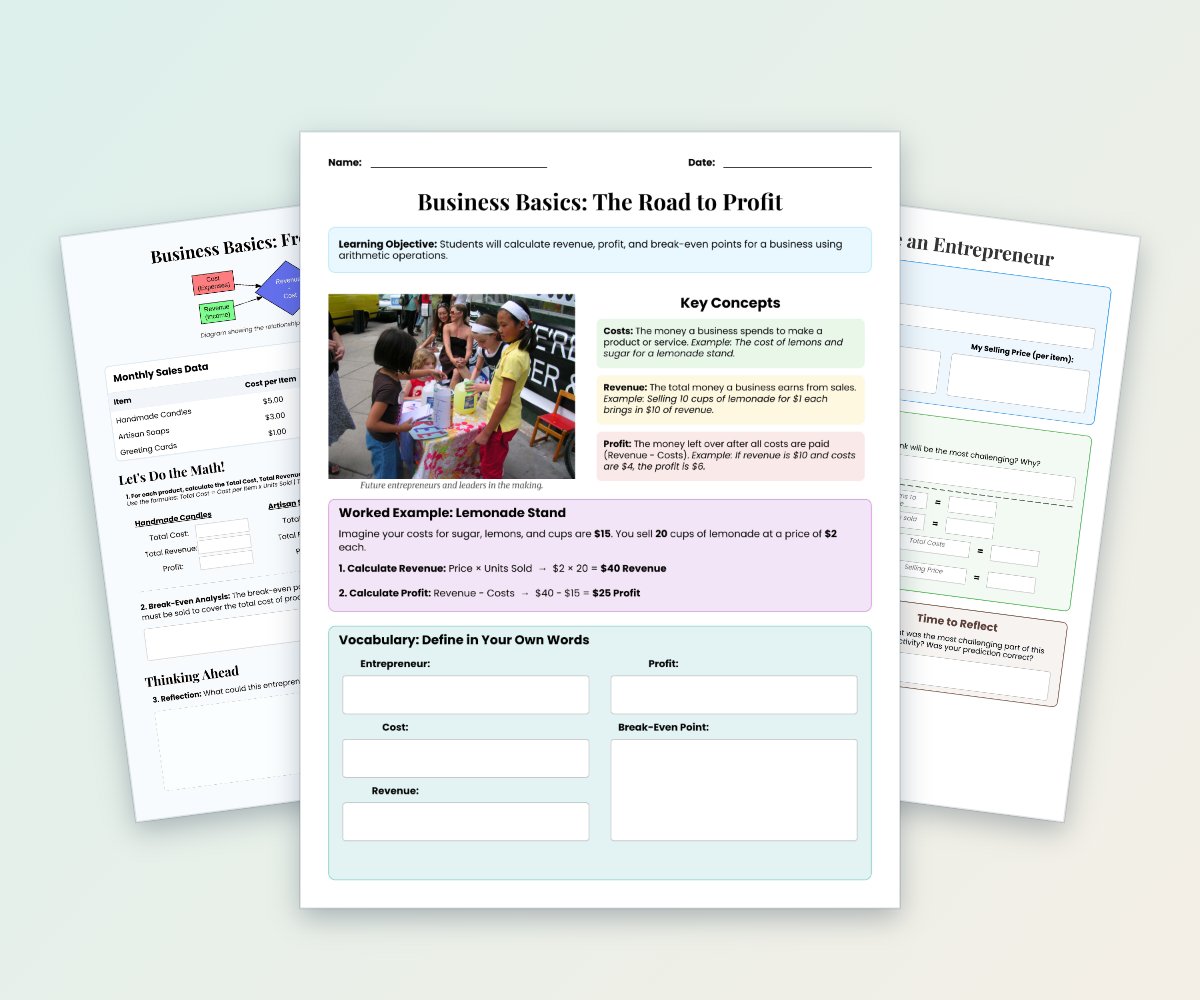
Students learn to calculate revenue, total costs, profit, and break-even points using lemonade-stand and product-sales examples.
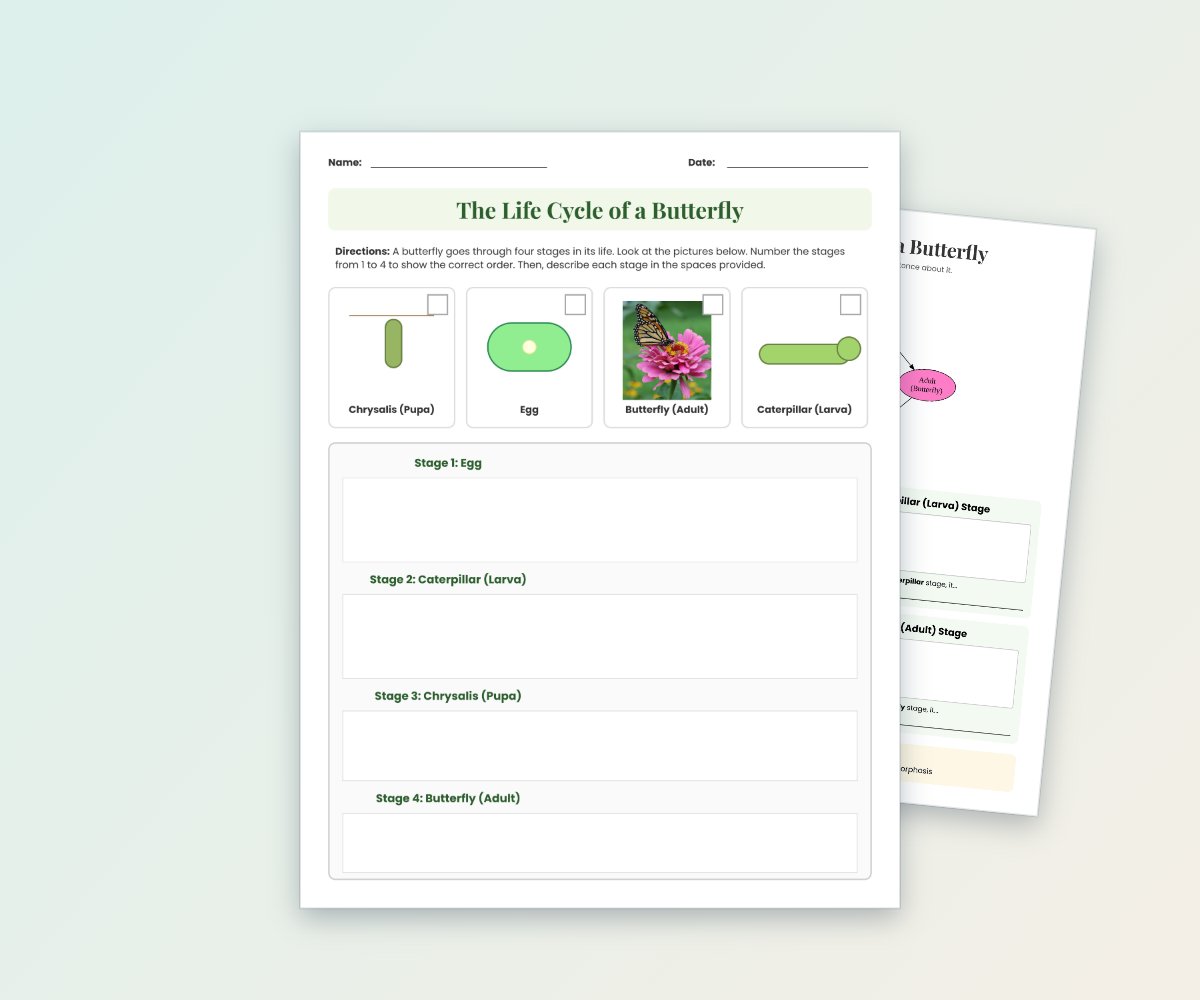
Students sequence the four stages of a butterfly's life cycle and describe each stage.
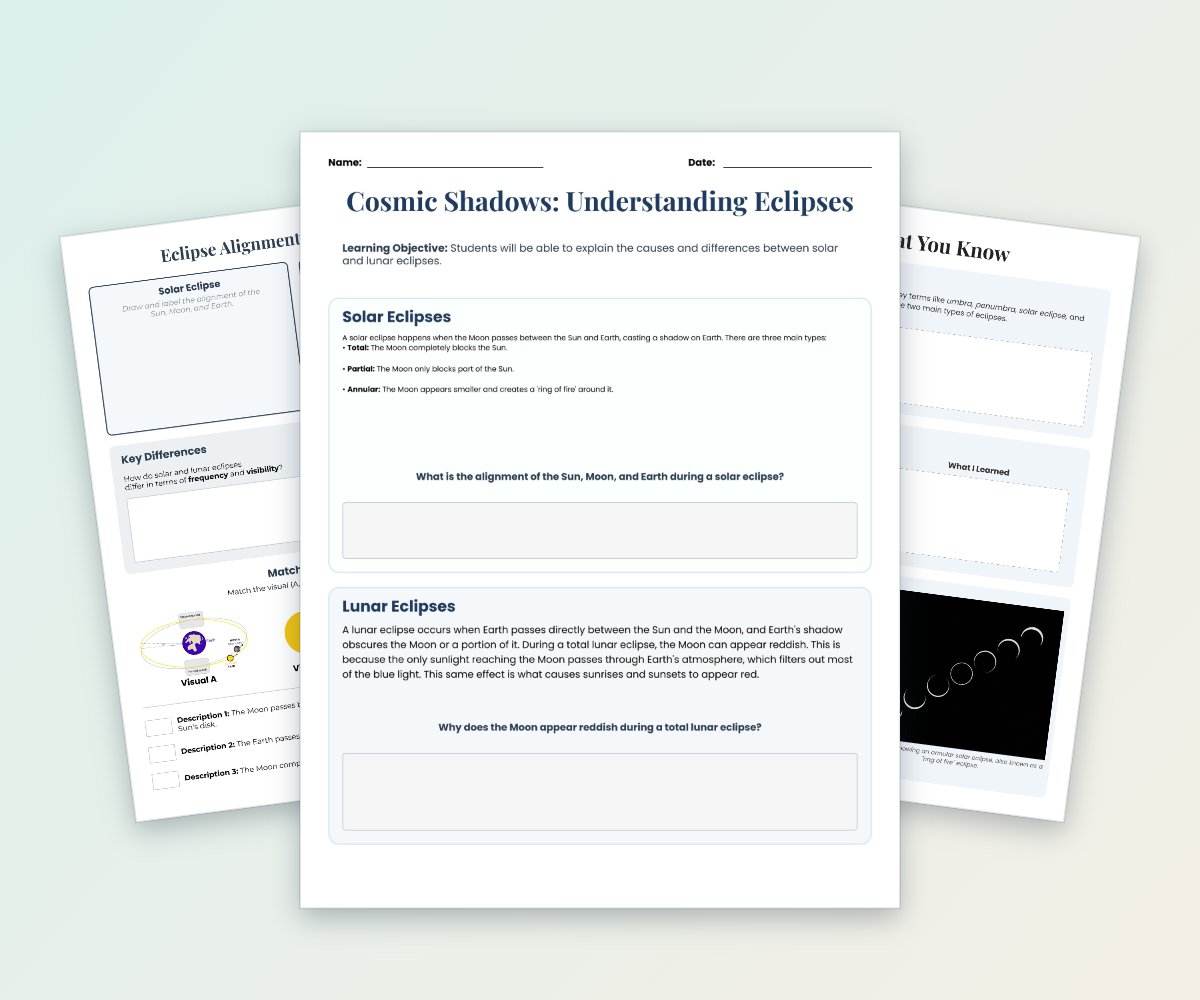
This three-page worksheet explores how solar and lunar eclipses occur, including Sun-Moon-Earth alignments, eclipse types, shadows, visibility, and safety.
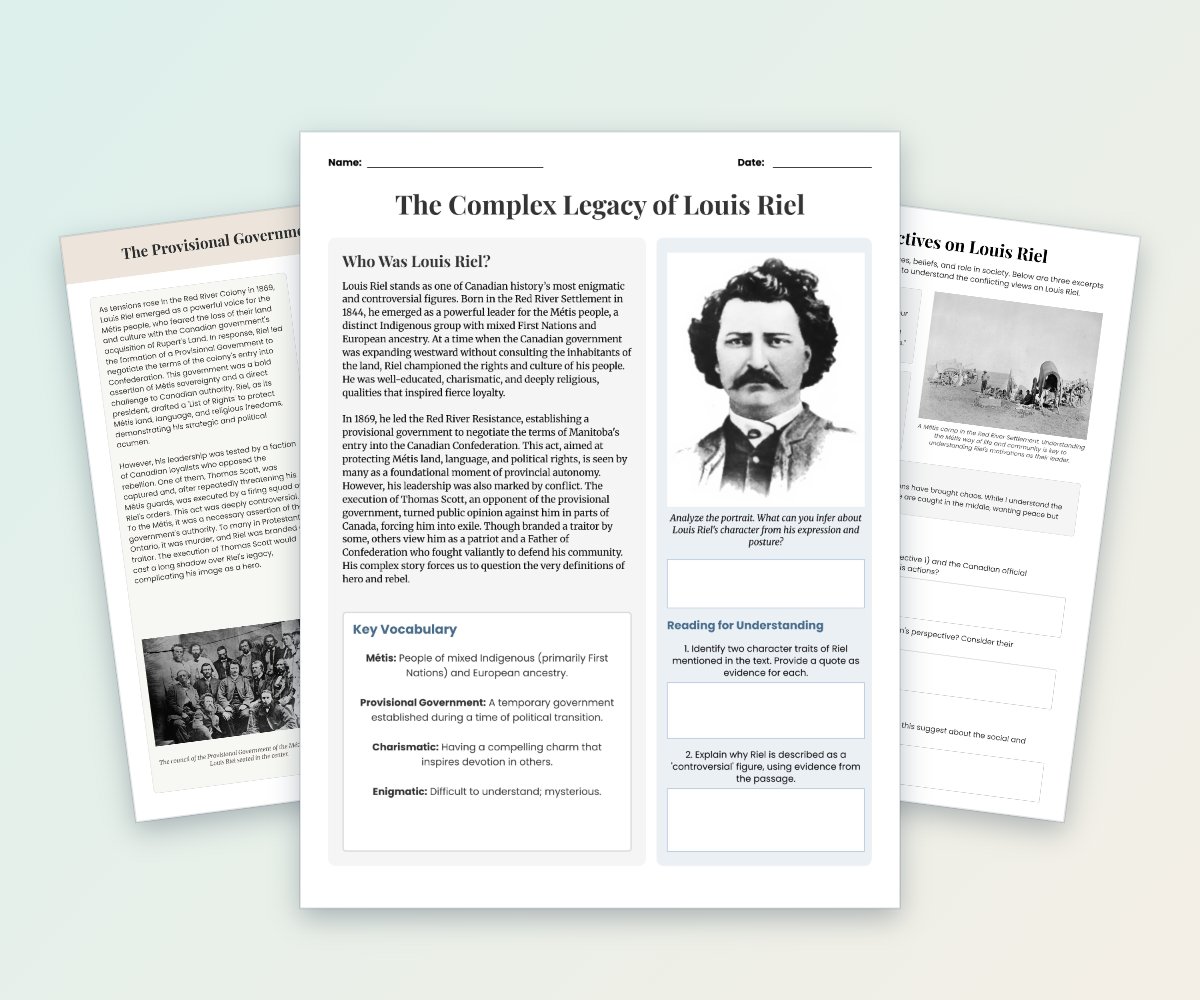
This four-page worksheet explores Louis Riel’s leadership, the Red River Resistance, the Provisional Government, and his contested historical legacy.
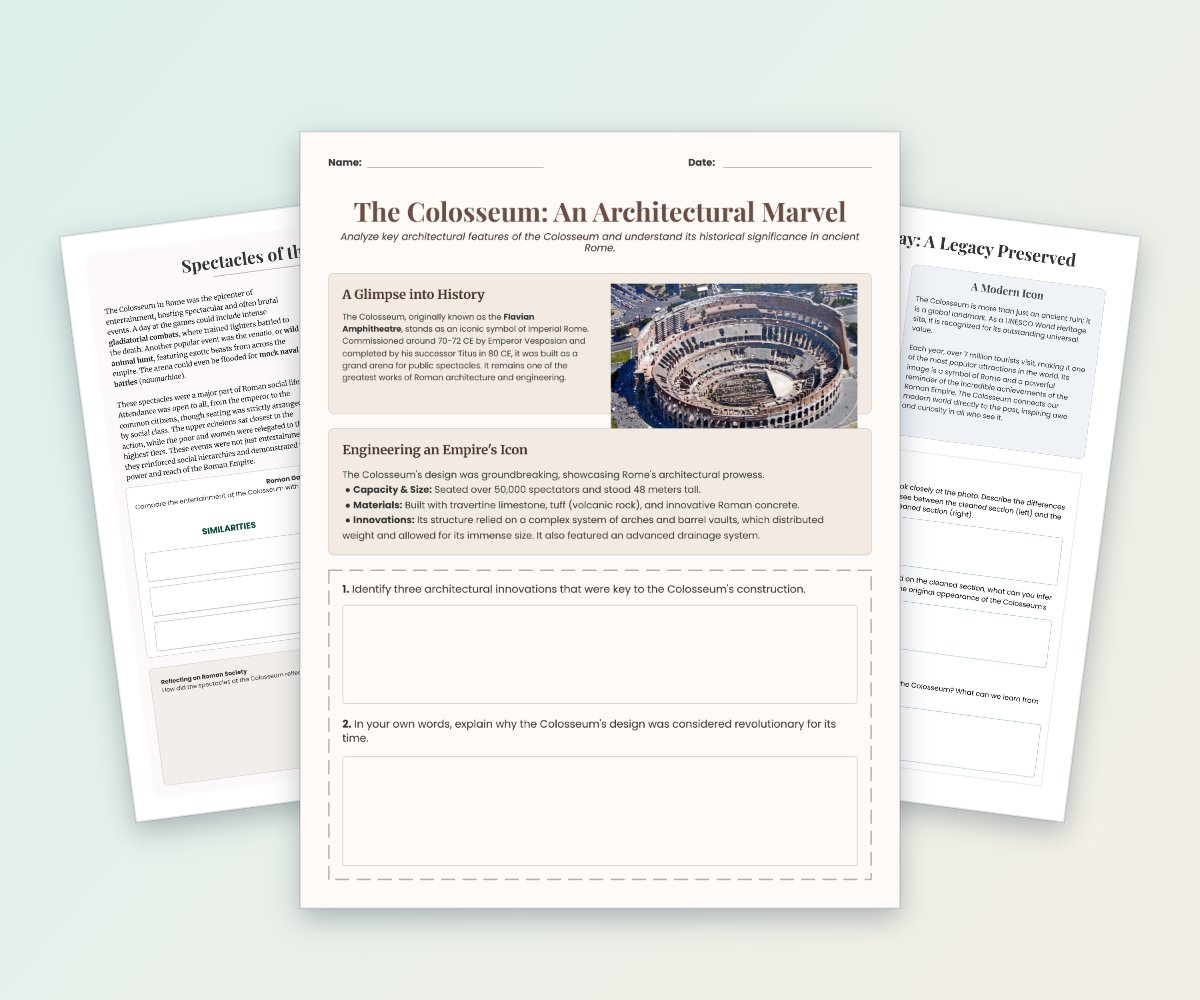
Students explore the Colosseum’s architecture, engineering innovations, historical significance, and role in Roman society.
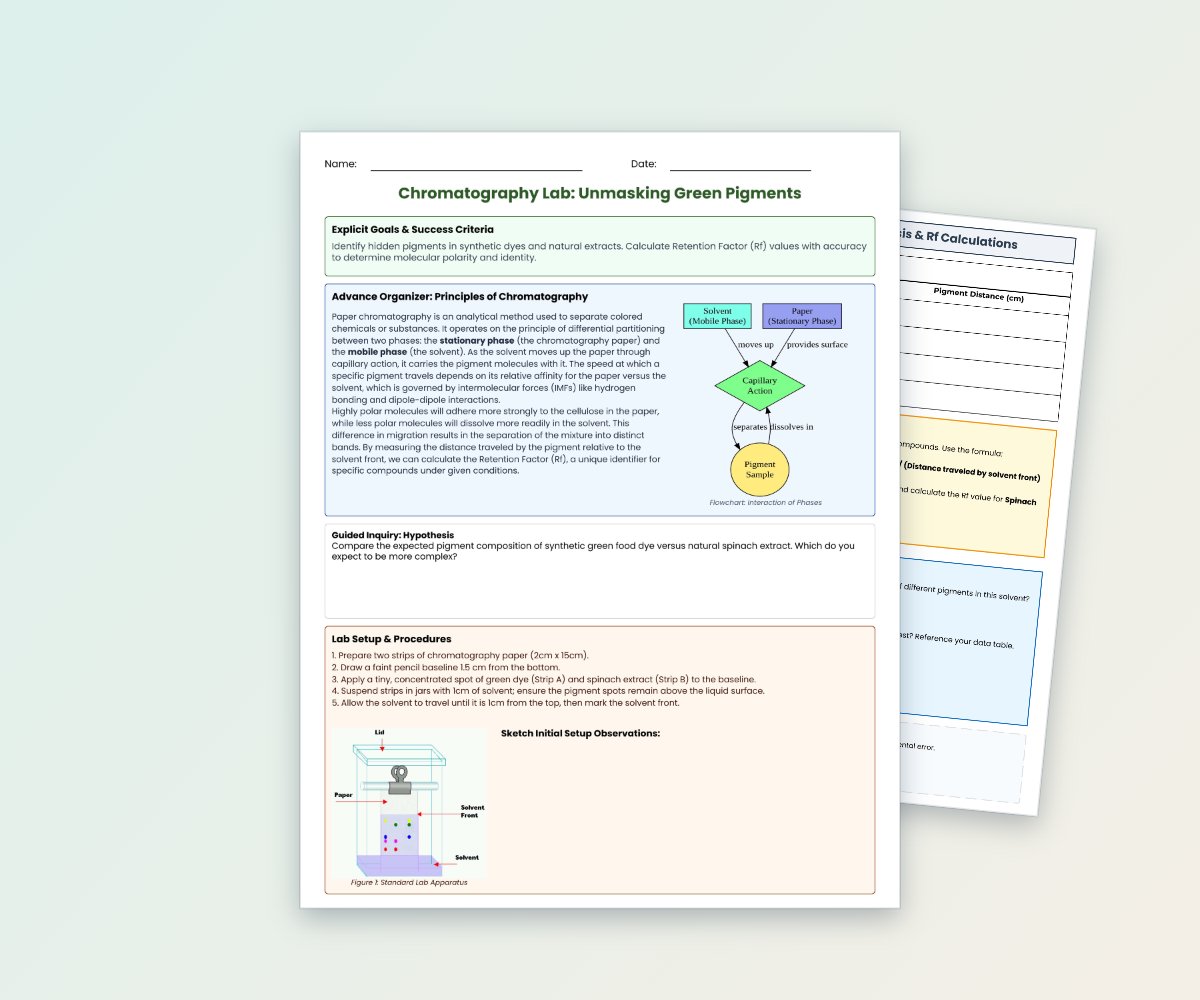
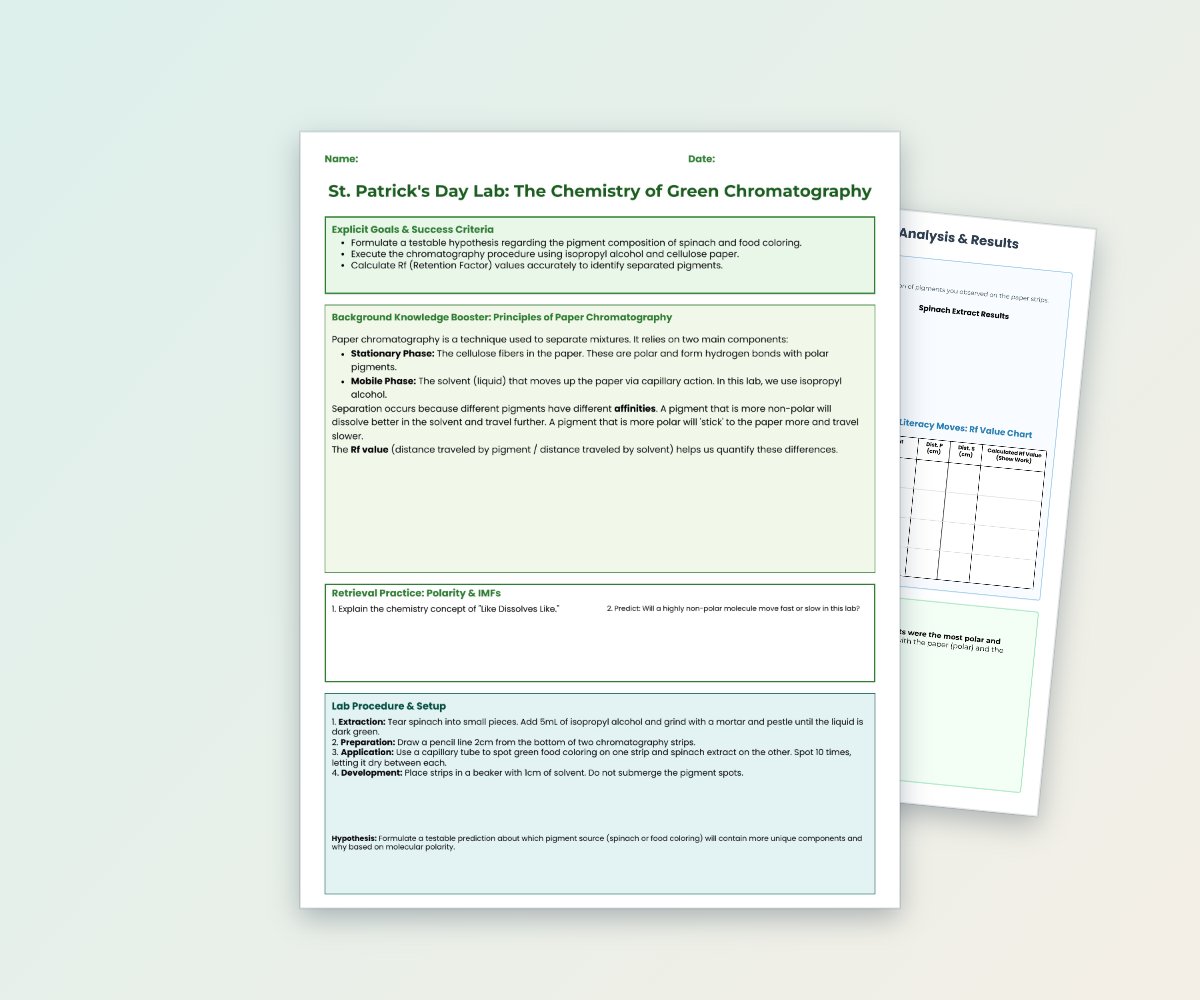
Students investigate synthetic green food dye and spinach extract using paper chromatography.
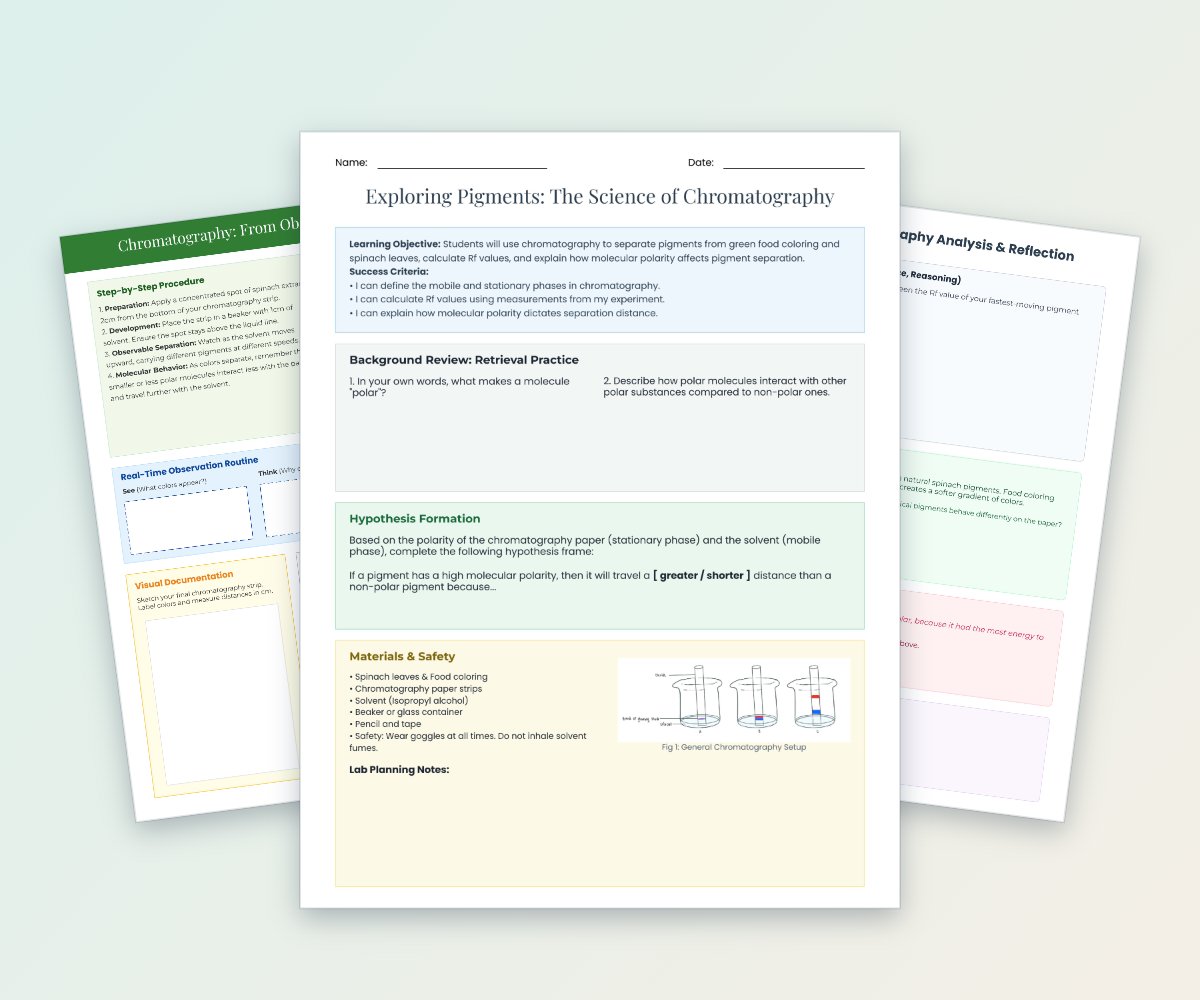
Students investigate spinach and food coloring through paper chromatography using isopropyl alcohol and cellulose paper.
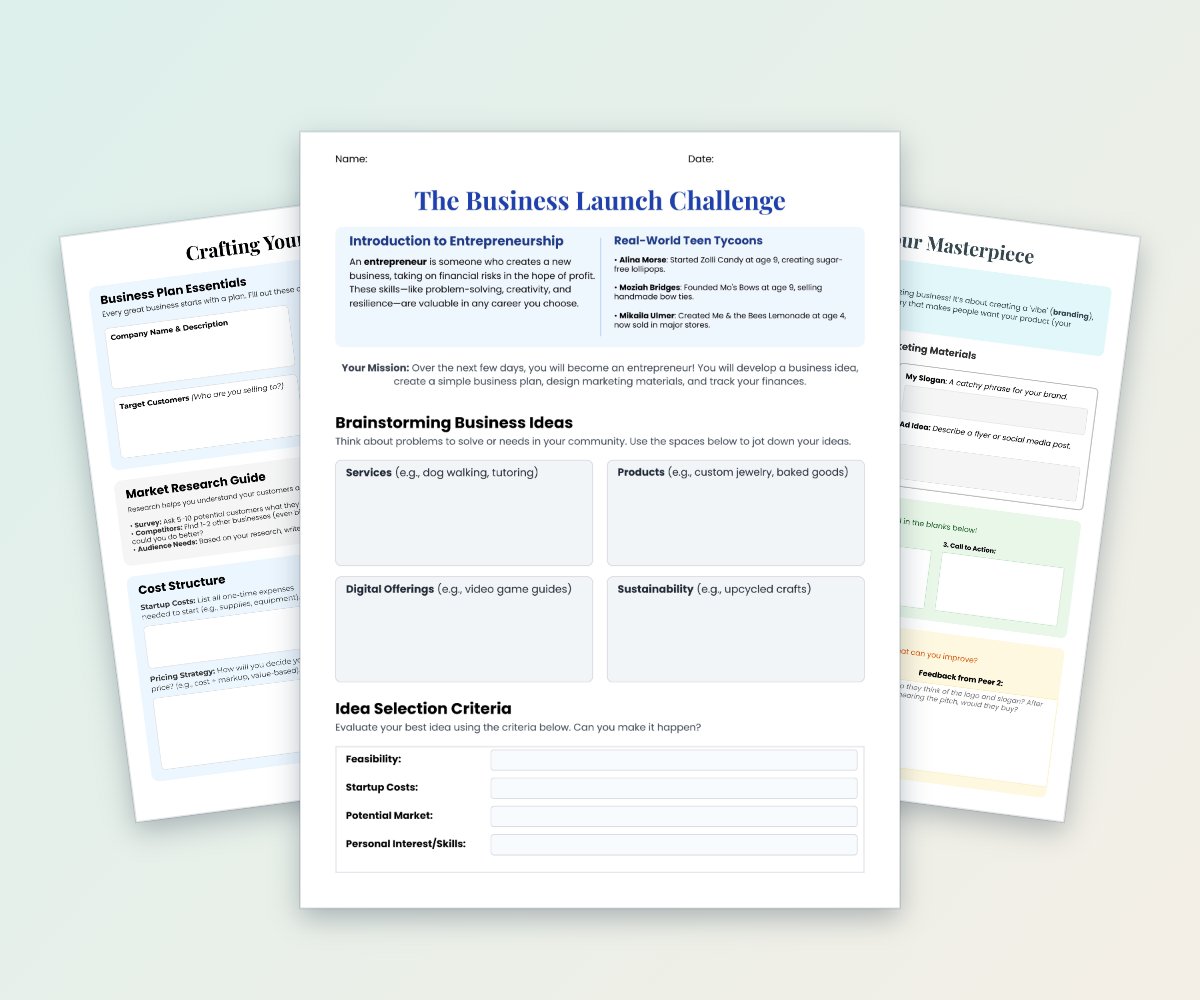
Students develop a business idea and work through feasibility, target customers, market research, startup costs, pricing, revenue, and break-even planning.
Students investigate the separation of pigments from green food coloring and spinach using paper chromatography.
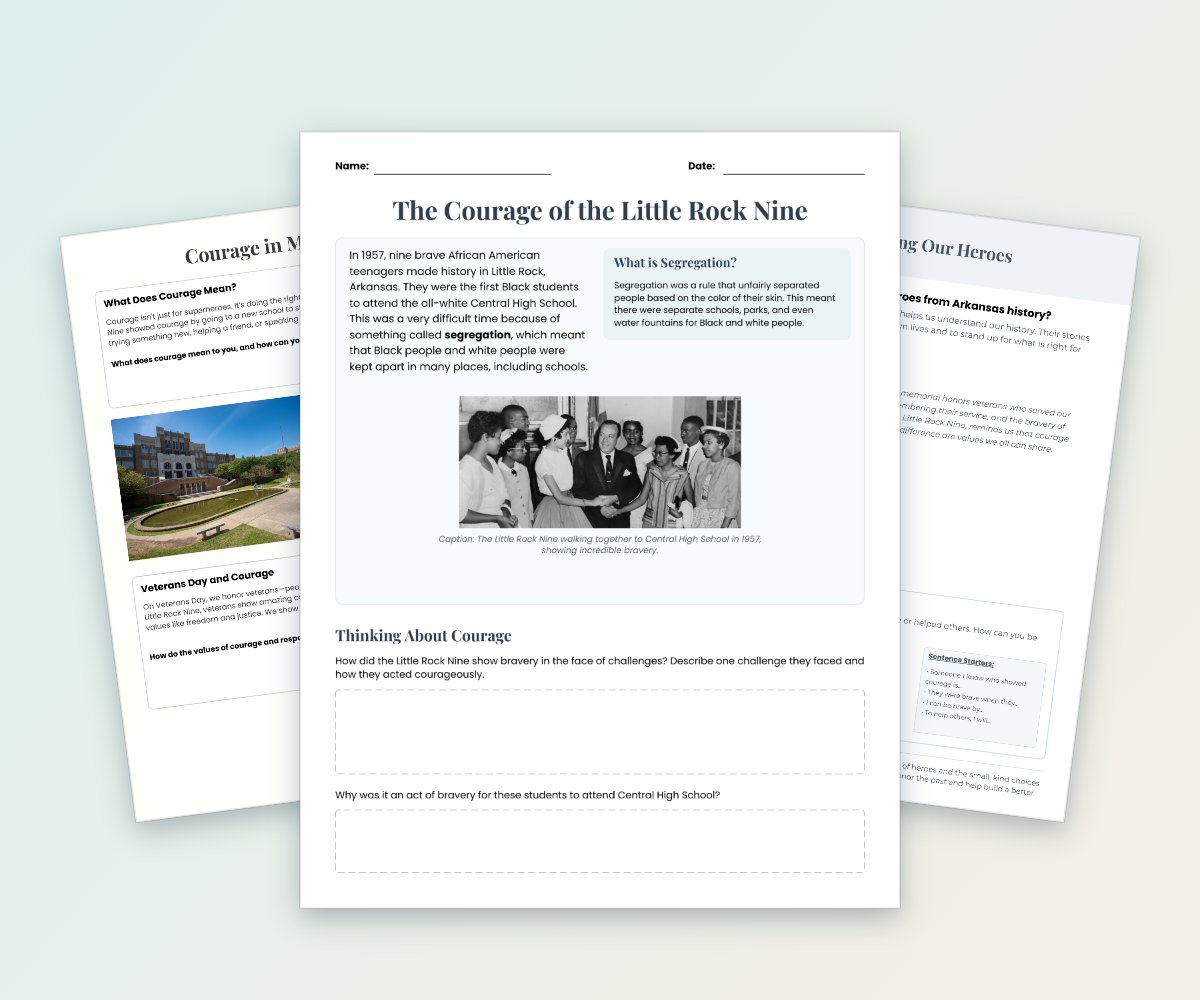
This three-page worksheet introduces students to the Little Rock Nine, segregation, desegregation, and the courage shown during the 1957 Central High School integration.
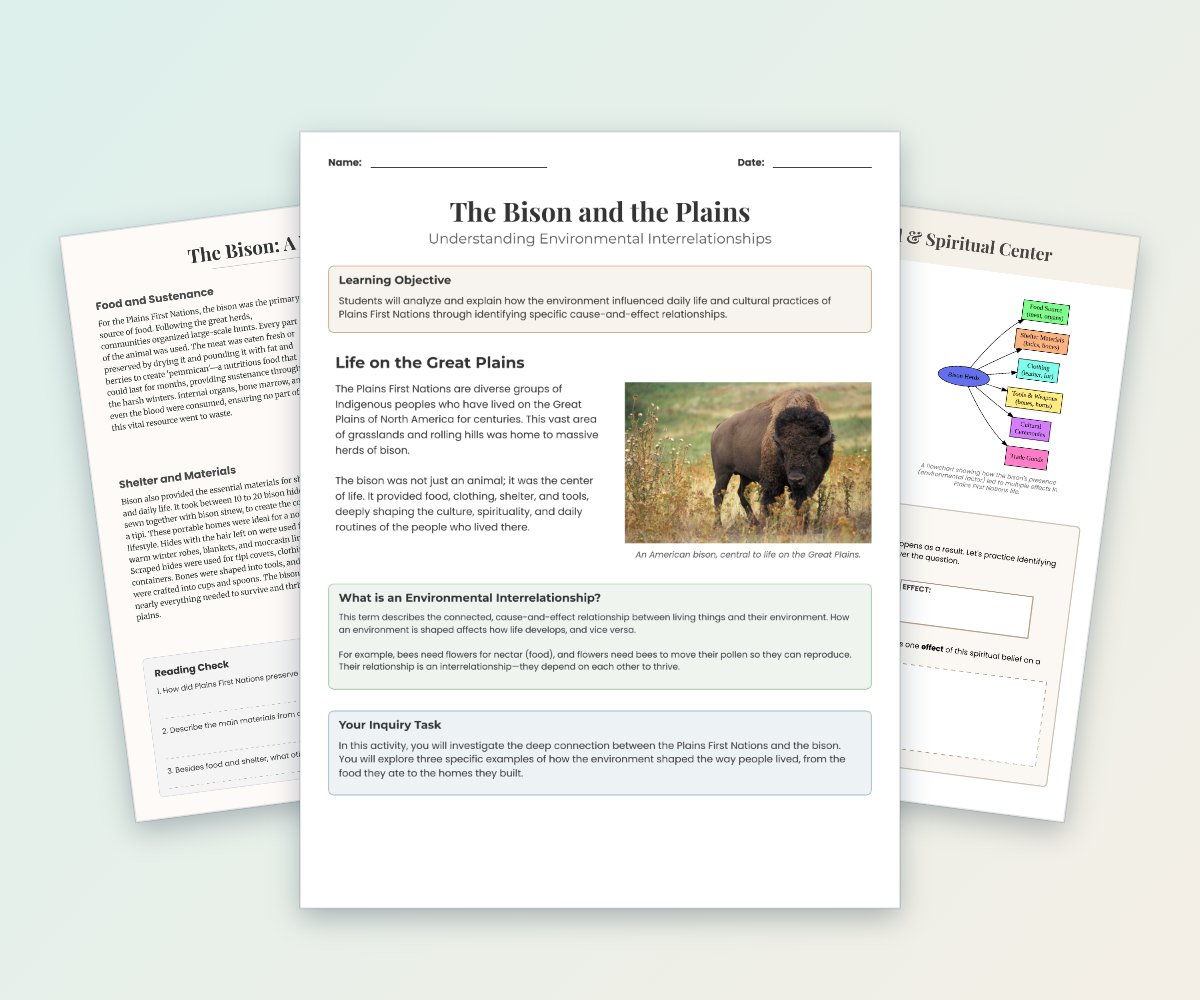
Students investigate how bison shaped food, shelter, clothing, tools, and cultural practices among Plains First Nations.
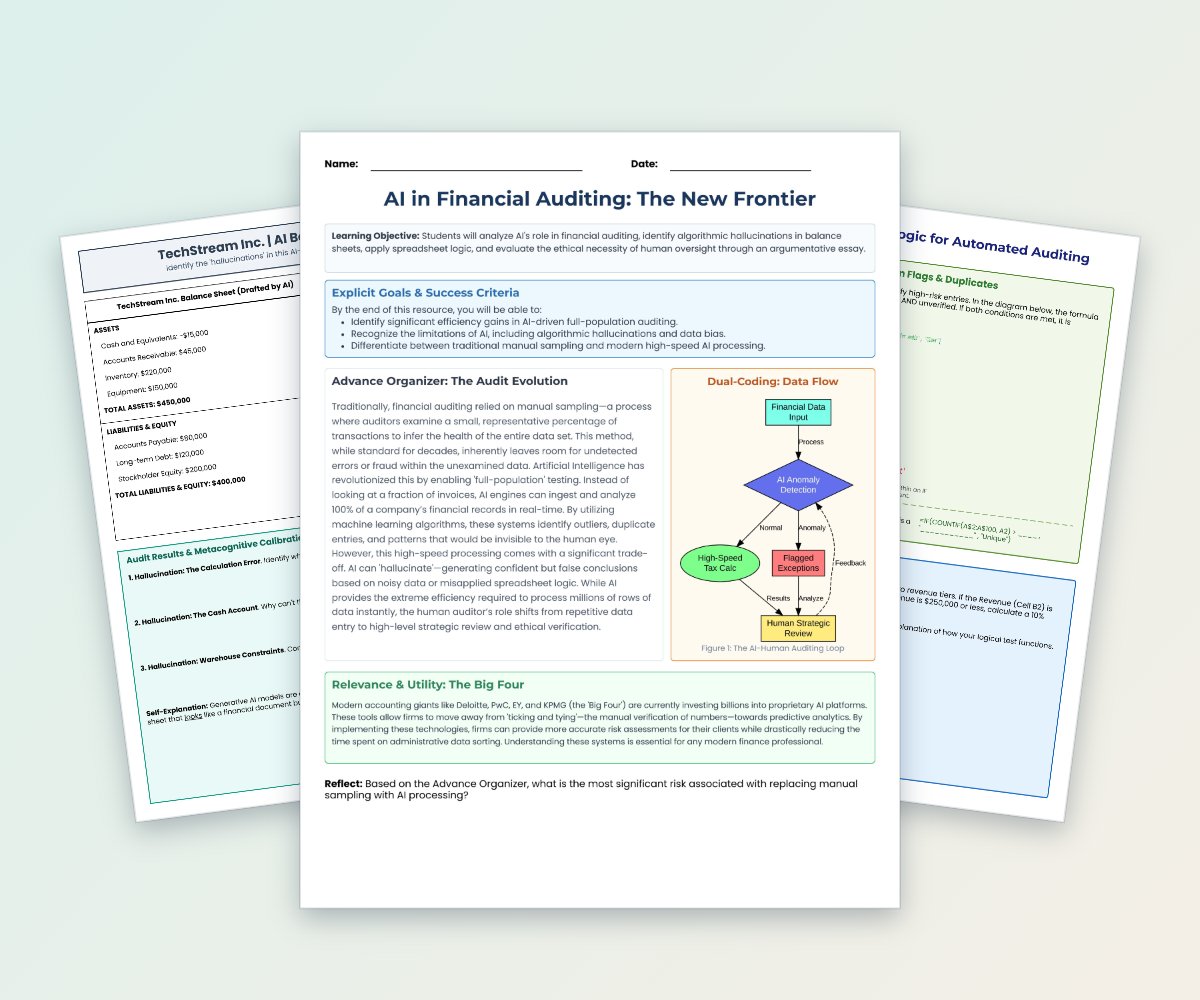
This five-page instructional resource introduces students to AI-powered full-population auditing, algorithmic hallucinations, data bias, and the continuing importance of human oversight.
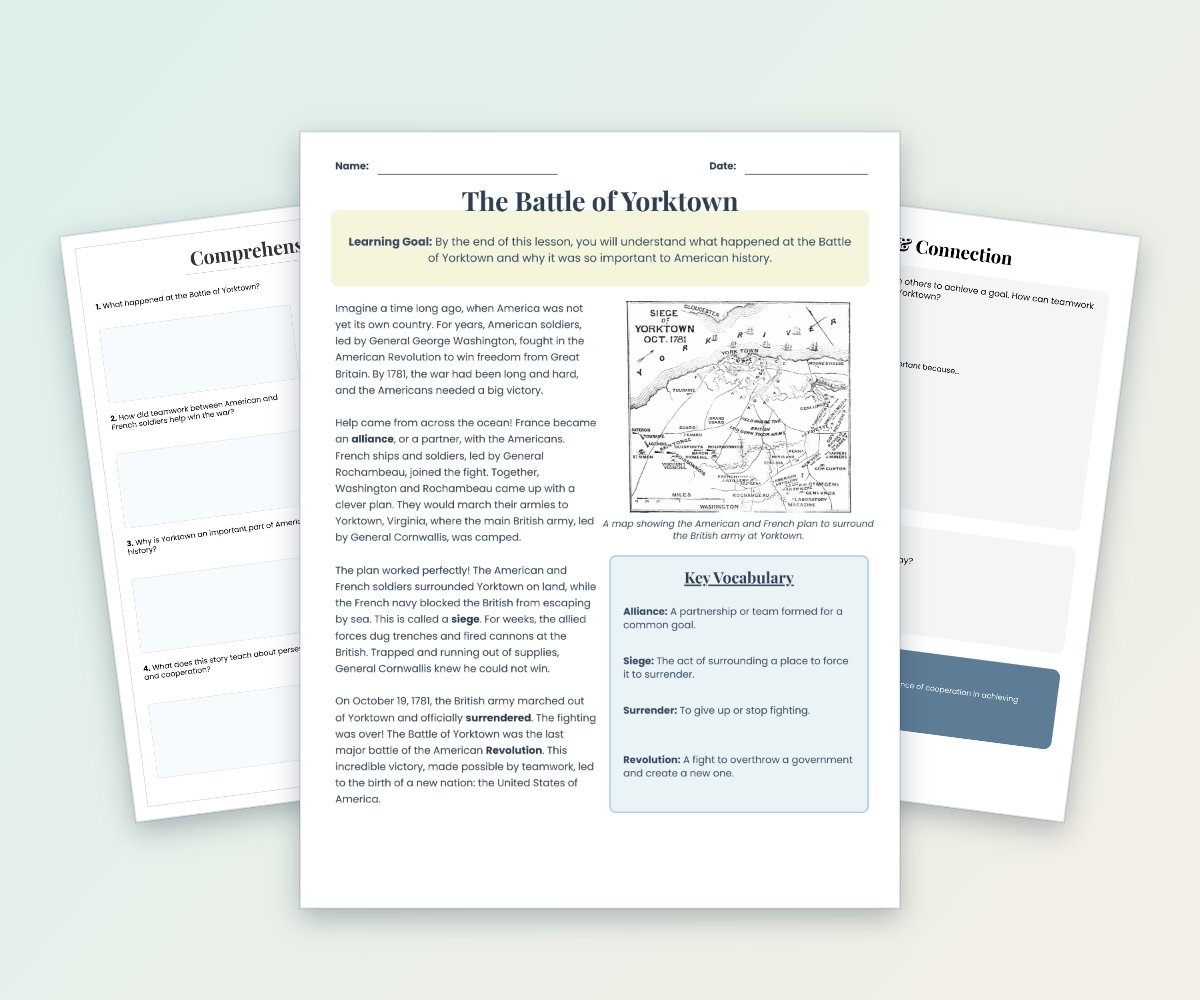
This three-page lesson explains the Battle of Yorktown, including the American-French alliance, siege strategy, and British surrender.
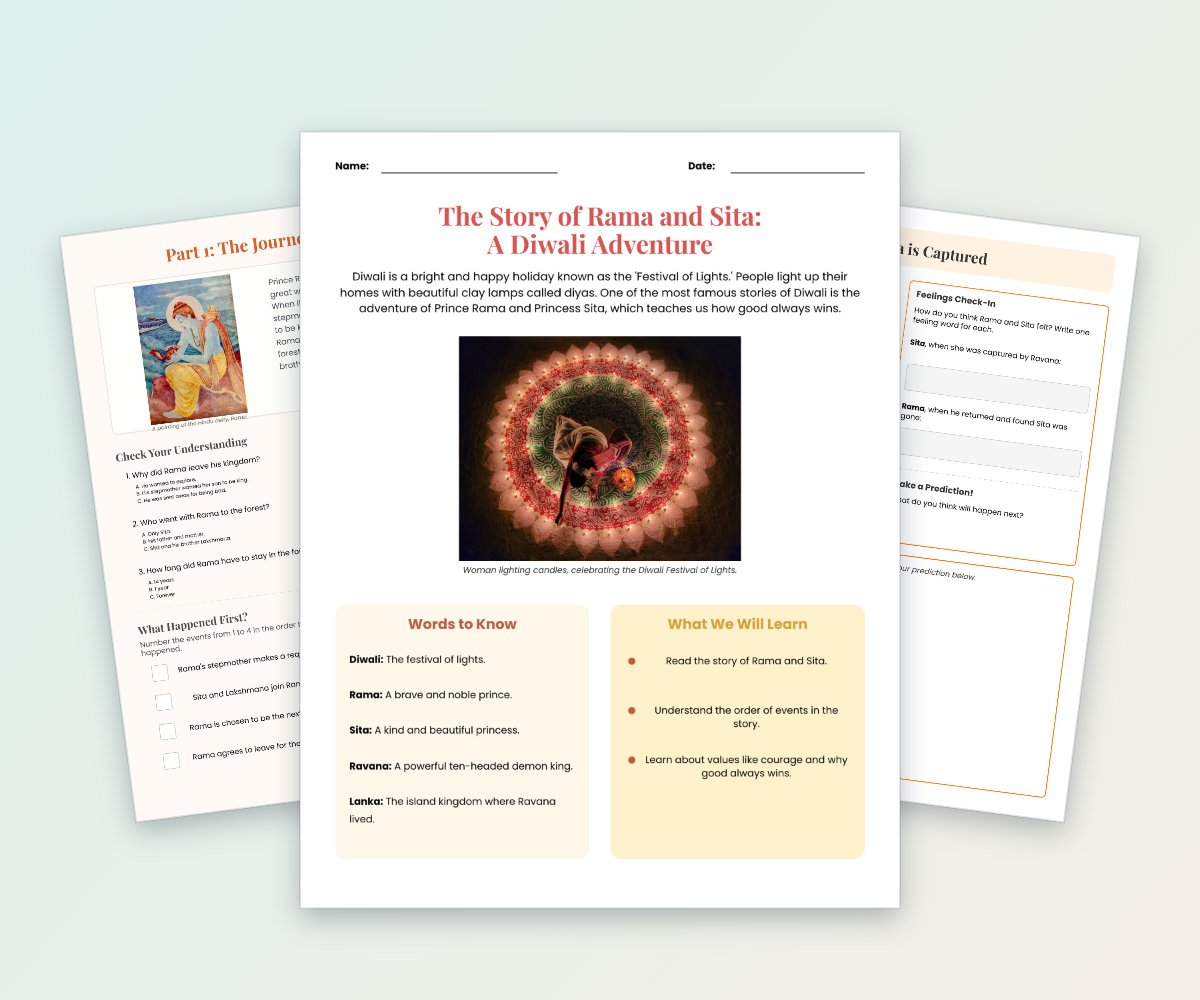
Students read an accessible retelling of the Rama and Sita story associated with Diwali.
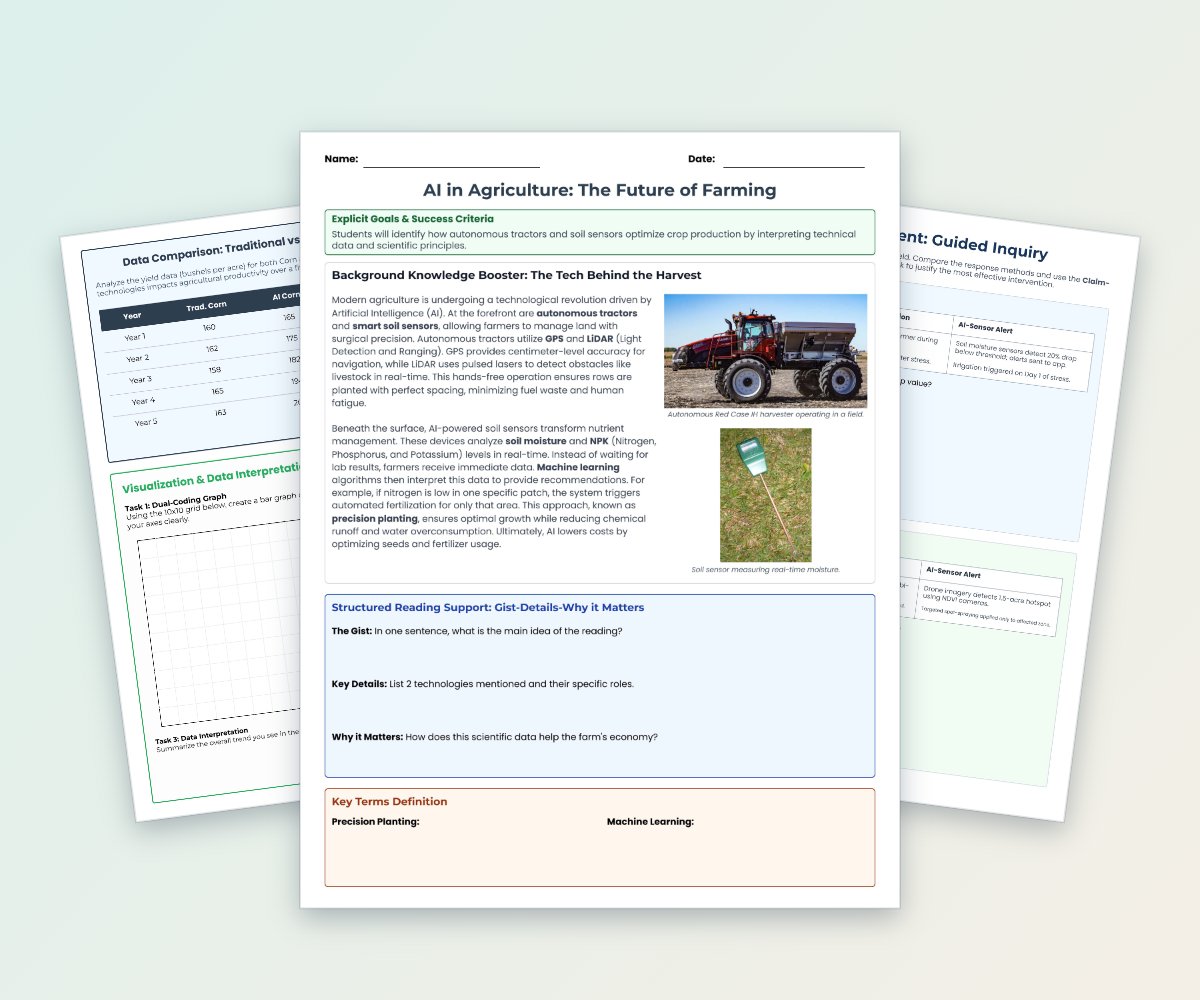
Students explore autonomous tractors, soil sensors, GPS, LiDAR, and machine learning in modern farming.
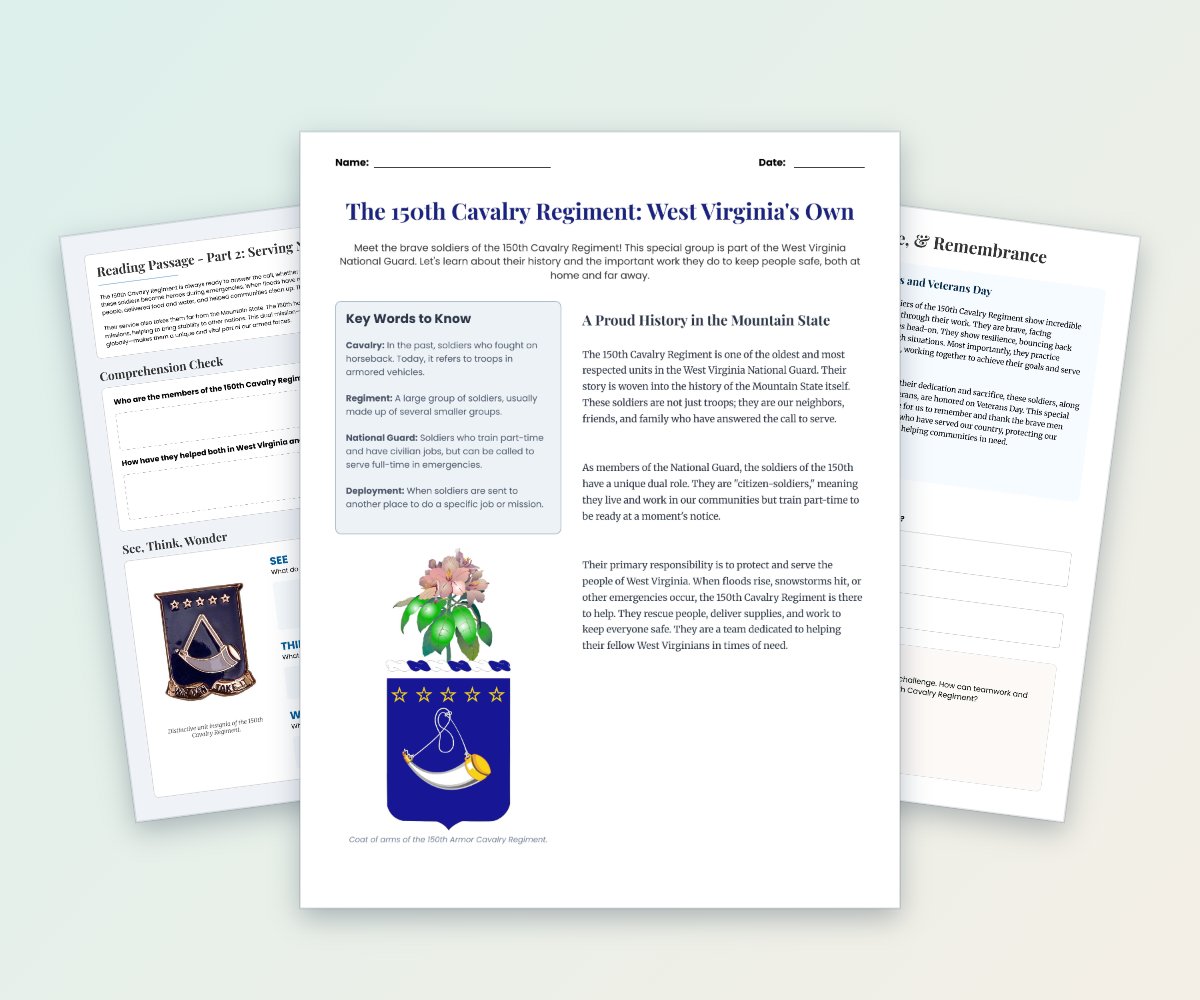
Introduce students to the history, mission, and community service of West Virginia’s 150th Cavalry Regiment.
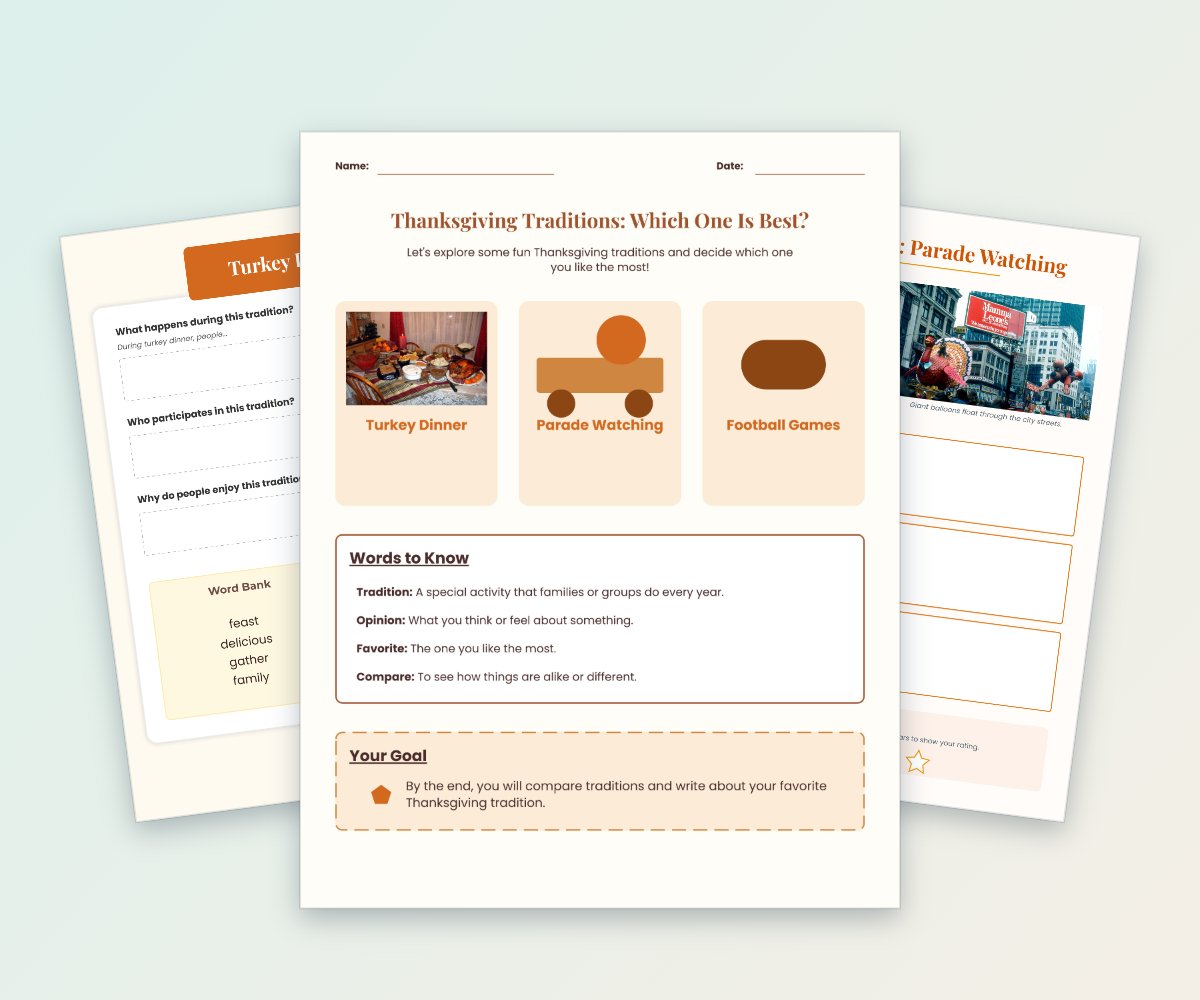
Students explore turkey dinner, parade watching, and football games as Thanksgiving traditions.