Understanding Physical and Chemical Changes Worksheet
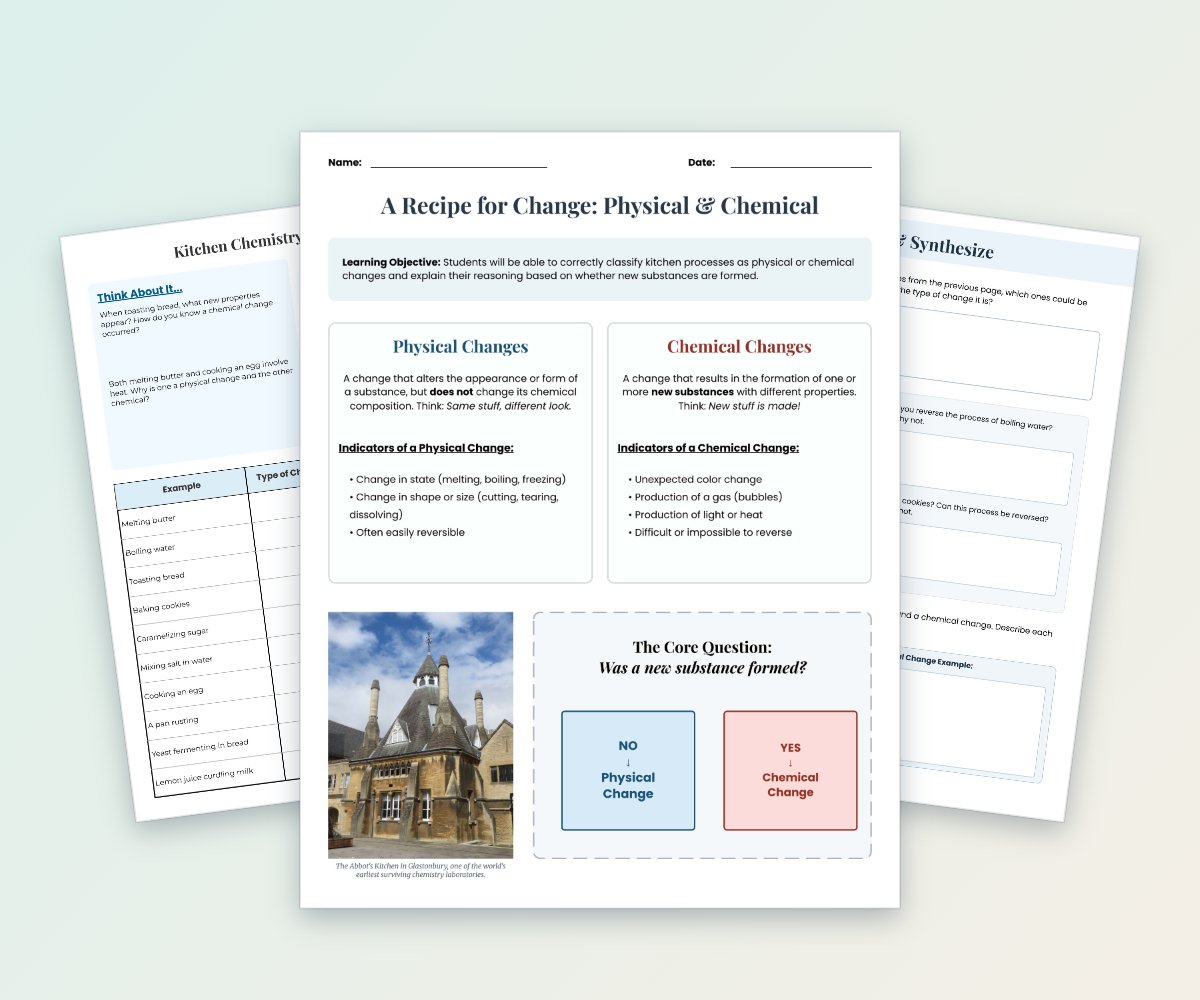
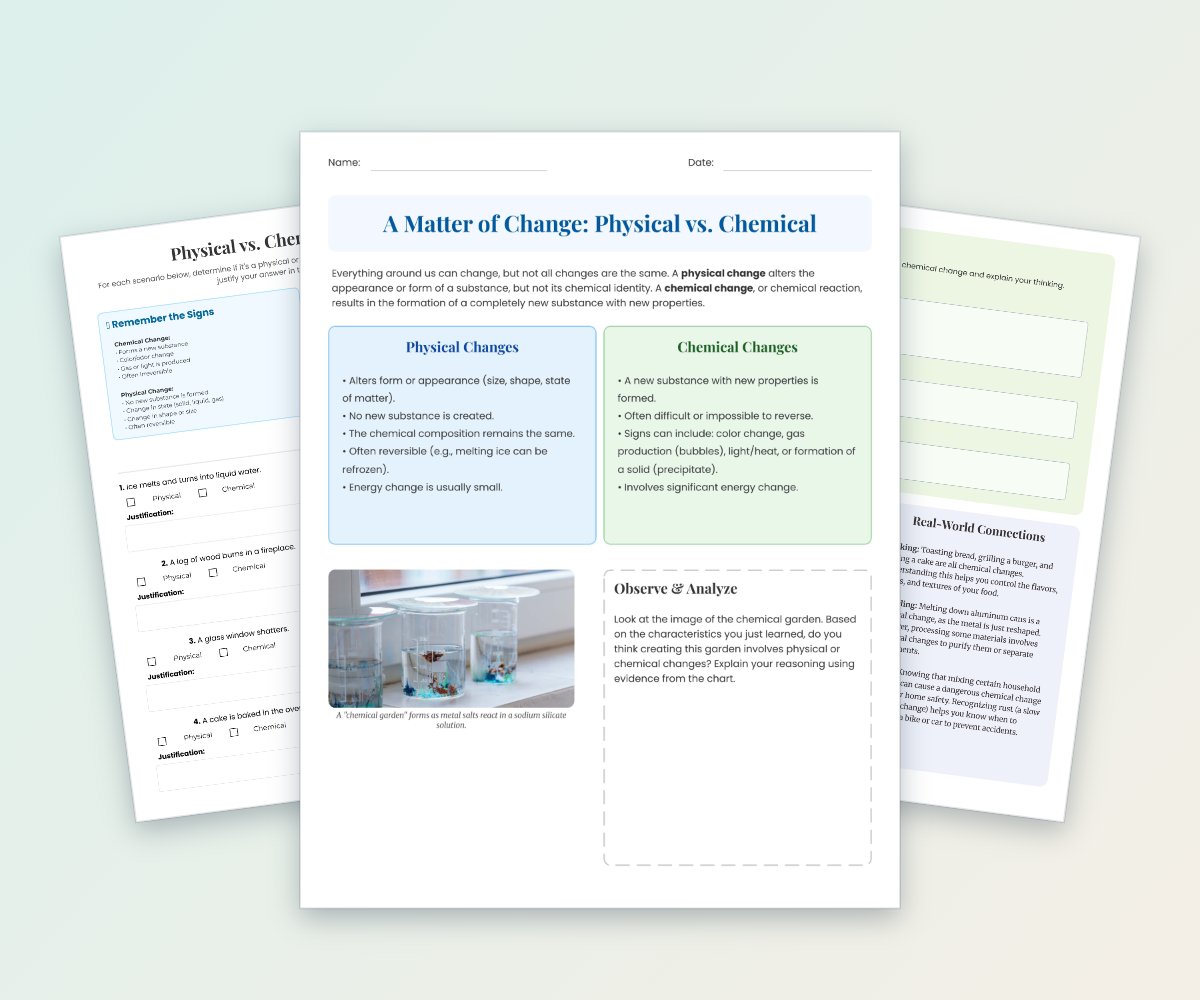
This three-page worksheet introduces the differences between physical and chemical changes using definitions, examples, and visual evidence.
$3.99
Classroom-ready resources written for grade 5: printable worksheets, slides, activities and planning tools you can download and use straight away. Browse by subject below.
This three-page worksheet introduces the differences between physical and chemical changes using definitions, examples, and visual evidence.
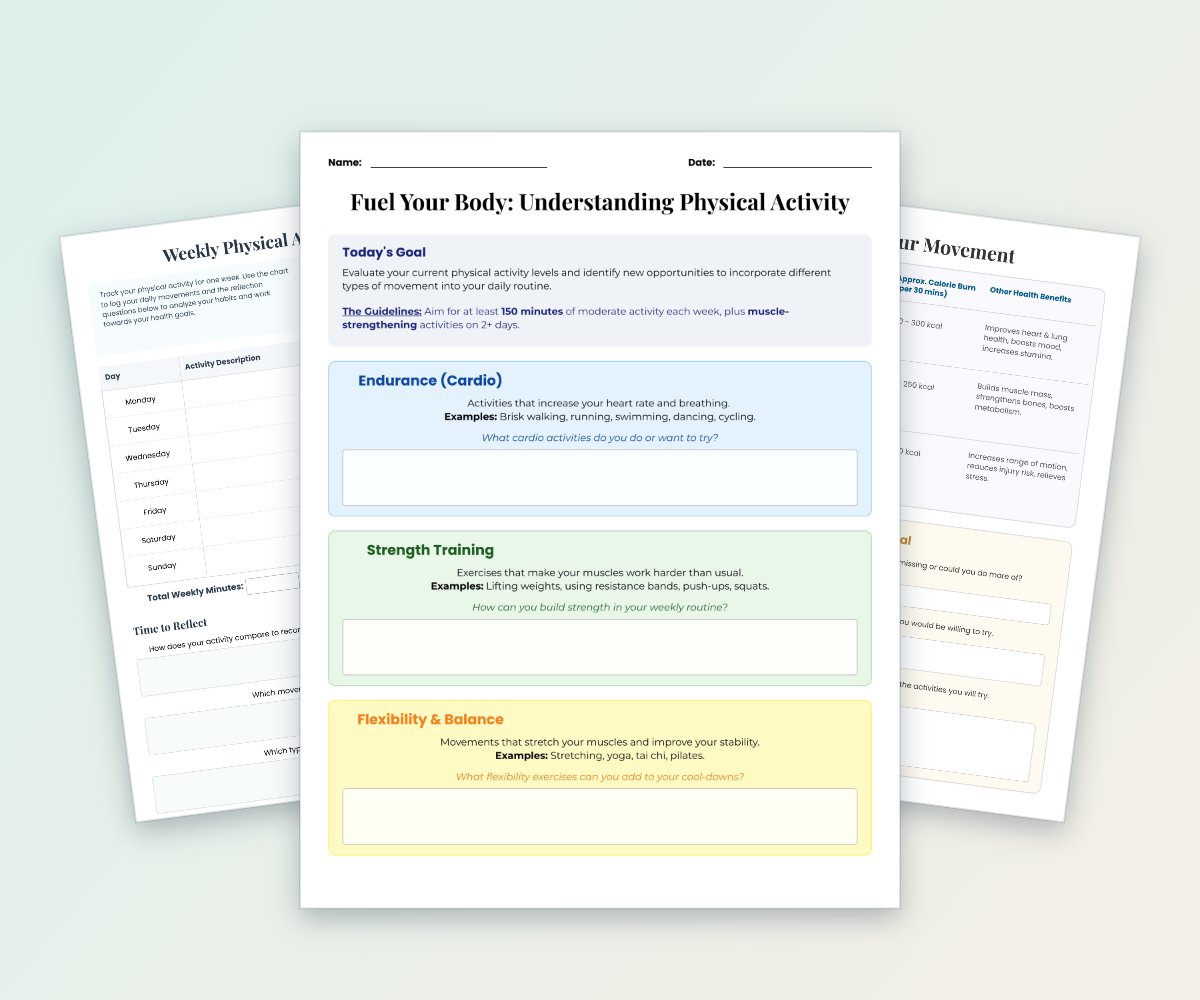
This four-page student worksheet introduces endurance, strength, flexibility, and balance activities.
This three-page worksheet introduces physical and chemical changes using familiar kitchen processes such as melting butter, baking cookies, and rusting.
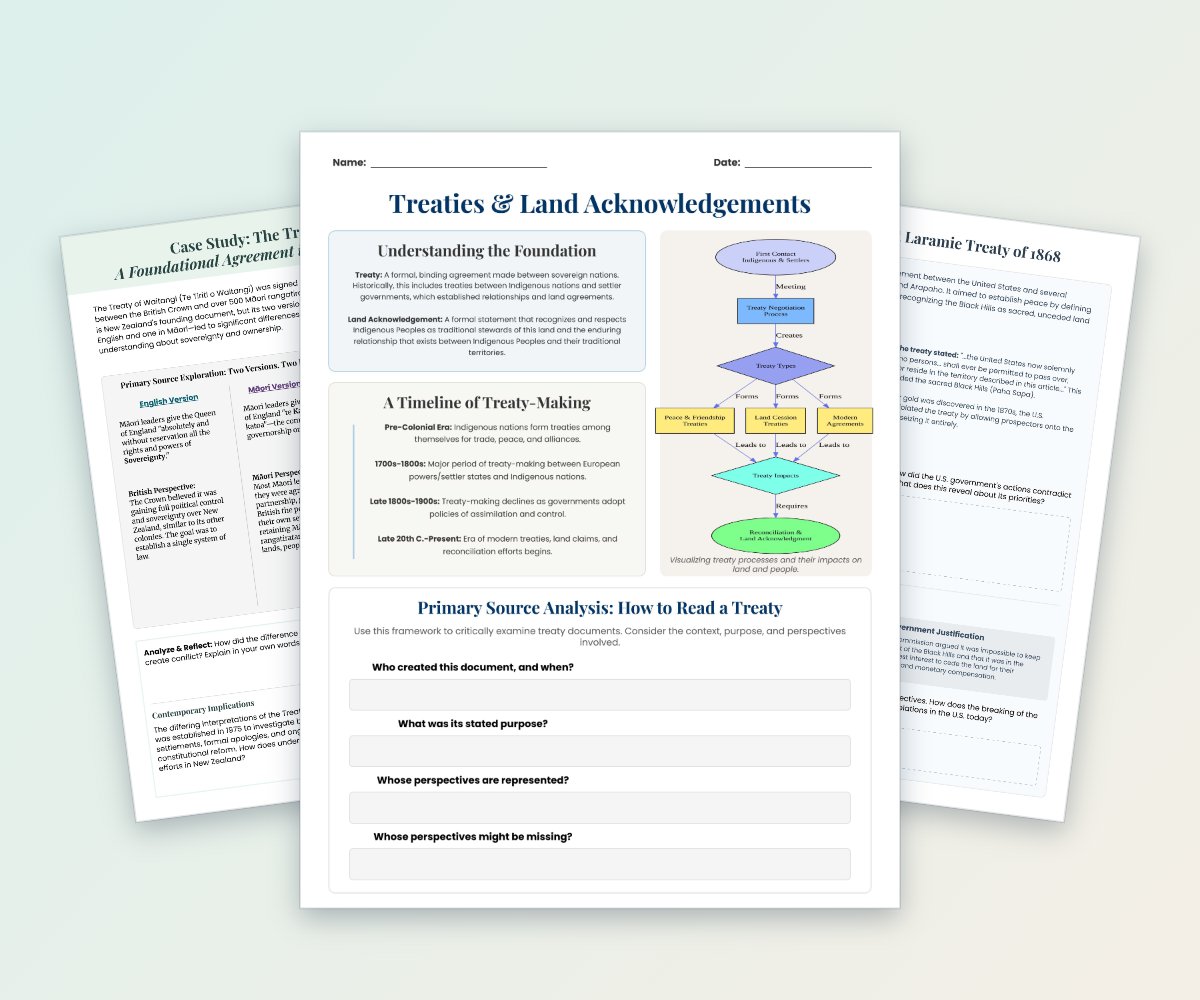
This five-page activity pack introduces treaties, land acknowledgements, treaty-making timelines, and reconciliation.
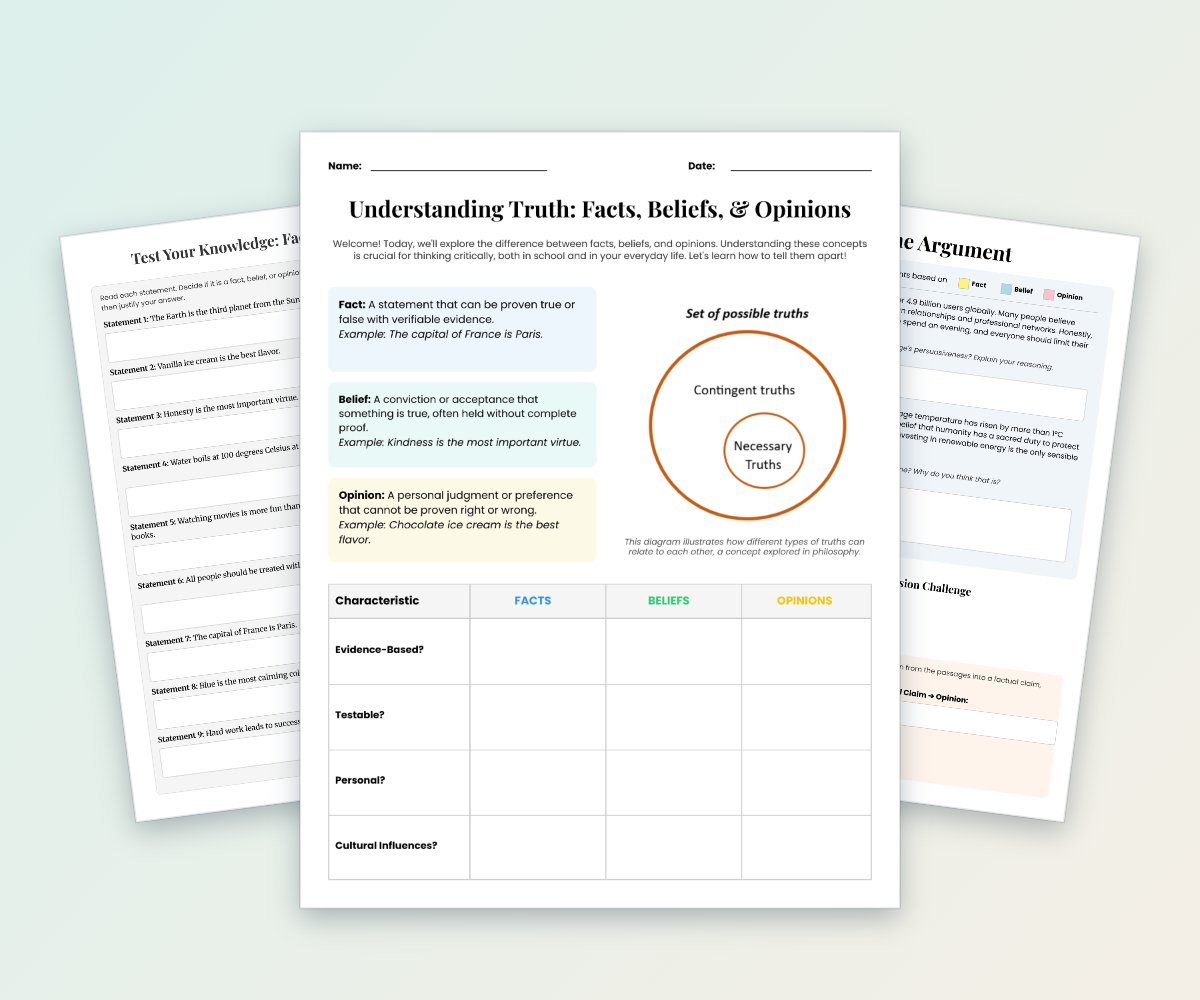
This four-page critical-thinking worksheet introduces the differences between facts, beliefs, and opinions.
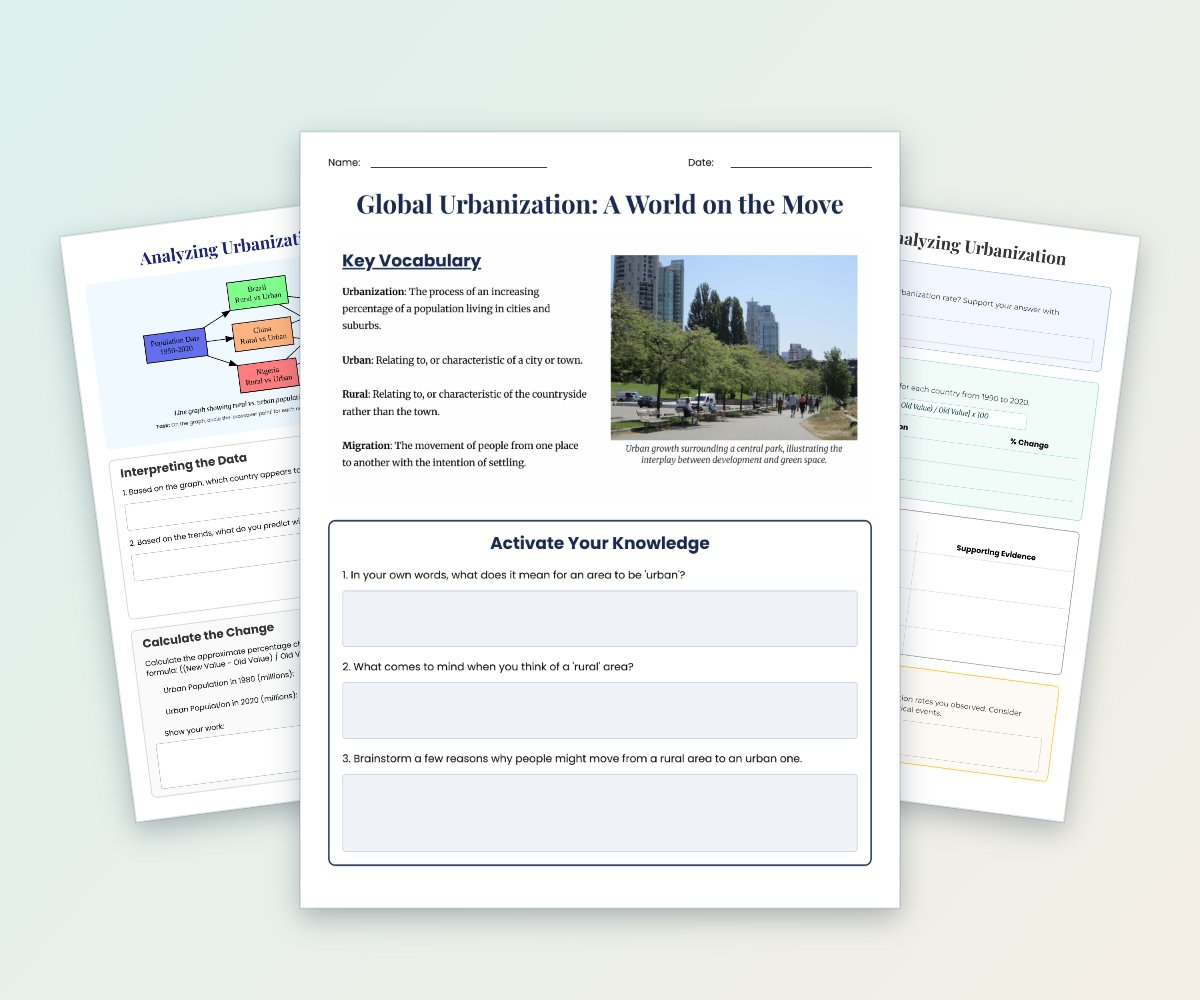
Students explore urbanization, rural and urban populations, migration, and urban growth through vocabulary review, graphs, calculations, and guided analysis.
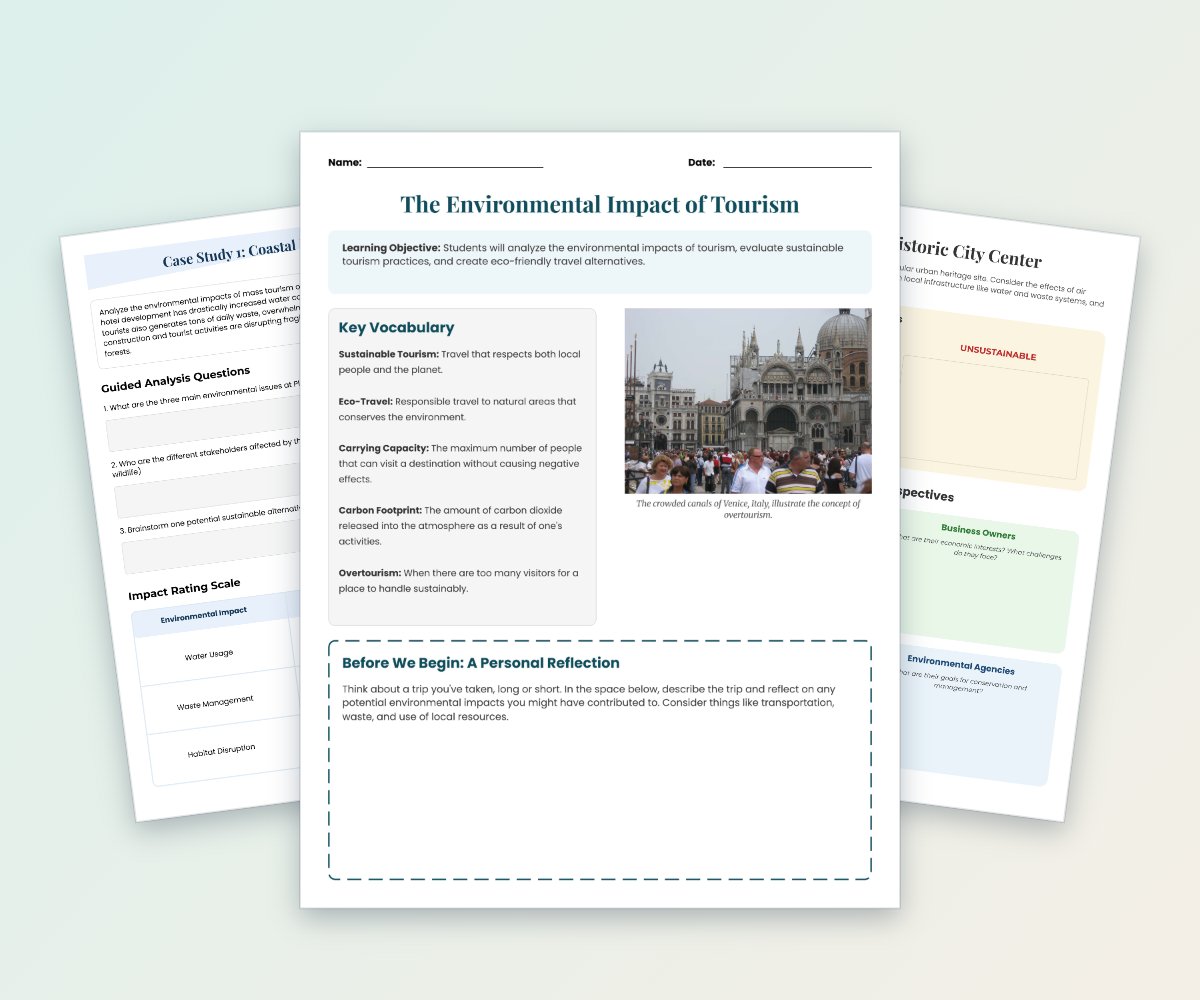
This five-page worksheet explores how tourism affects water supplies, waste systems, transportation, wildlife habitats, and local communities.
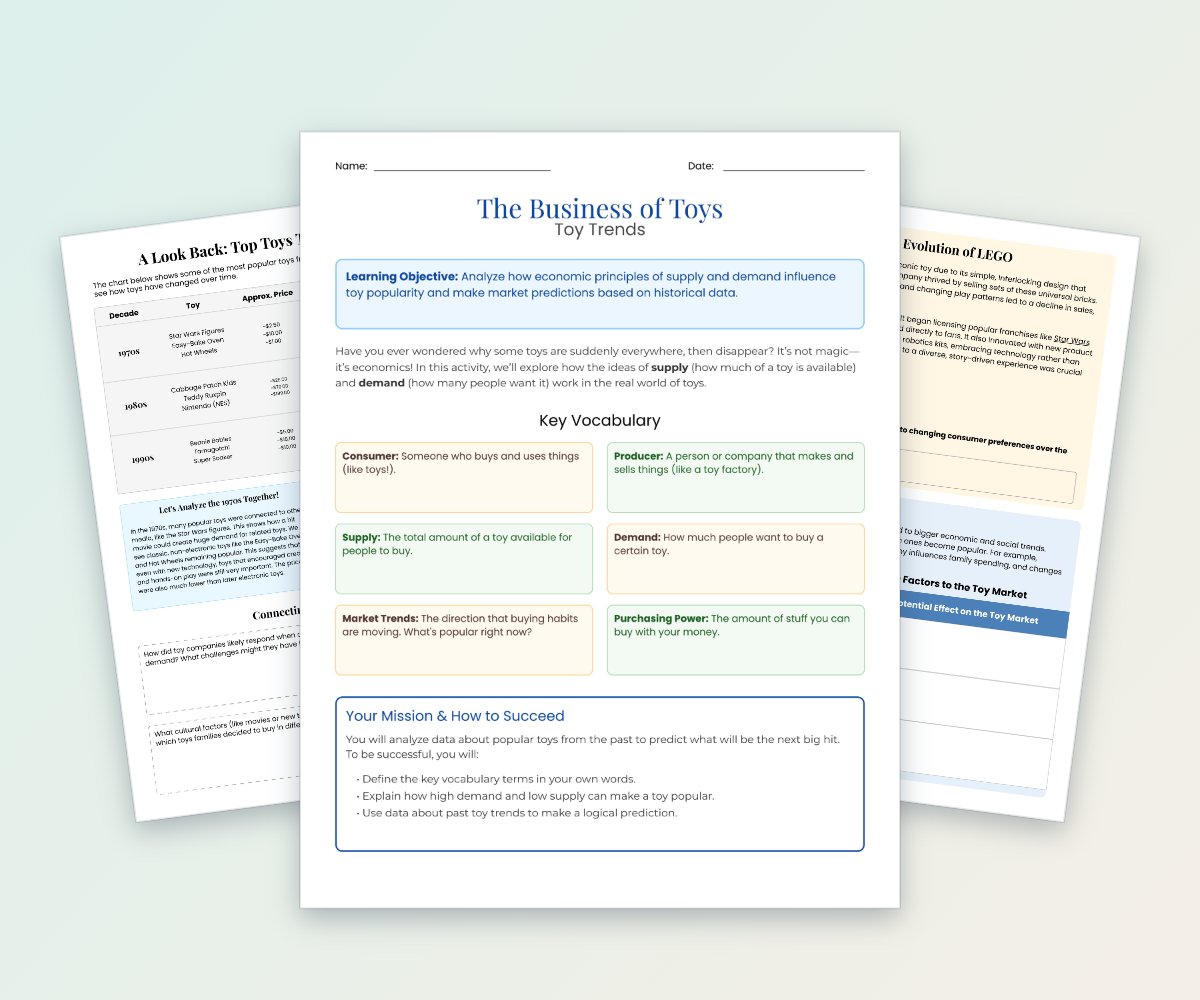
Students explore how supply, demand, purchasing power, and media influence toy popularity.
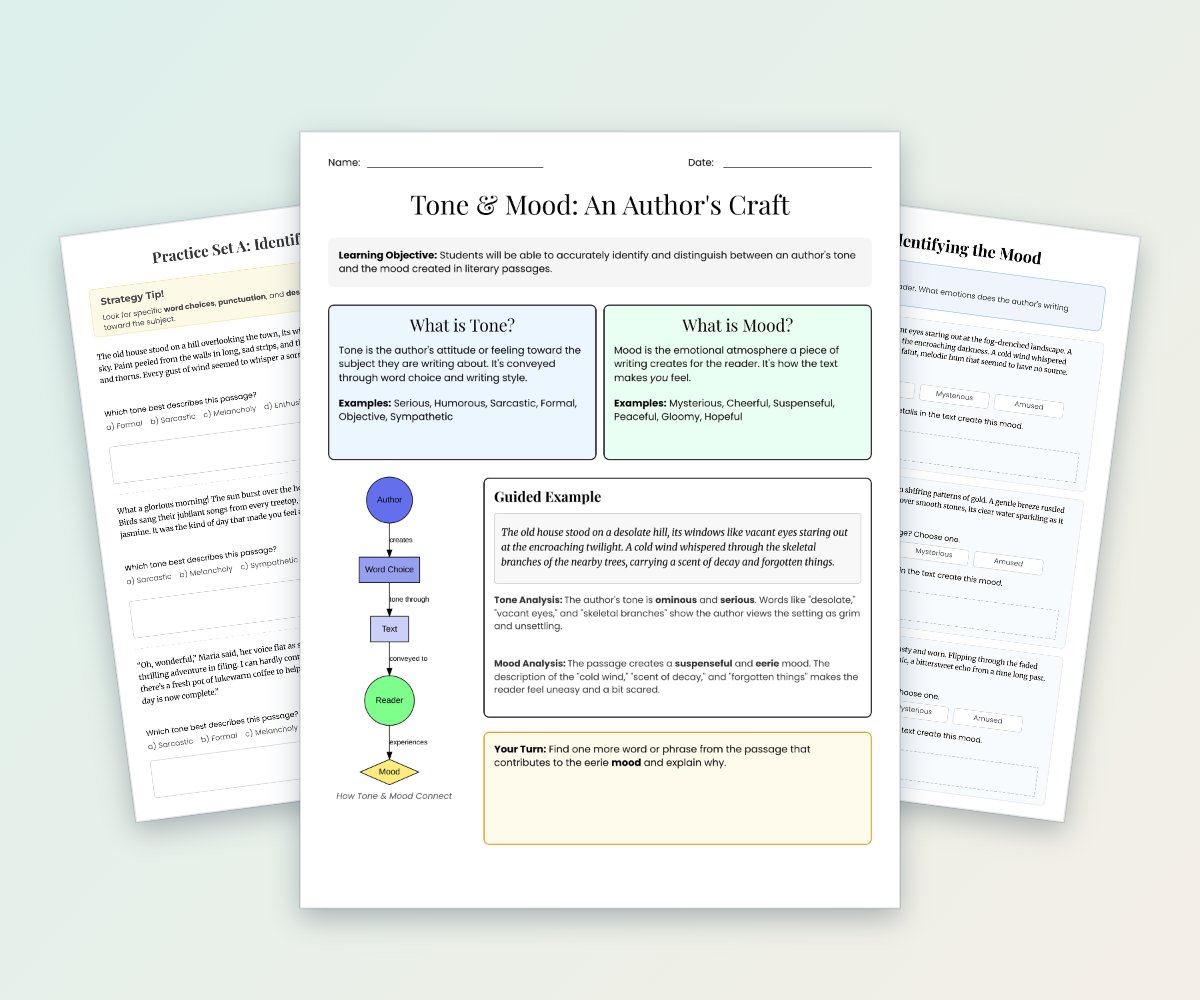
This four-page worksheet introduces the difference between an author’s tone and a text’s mood.
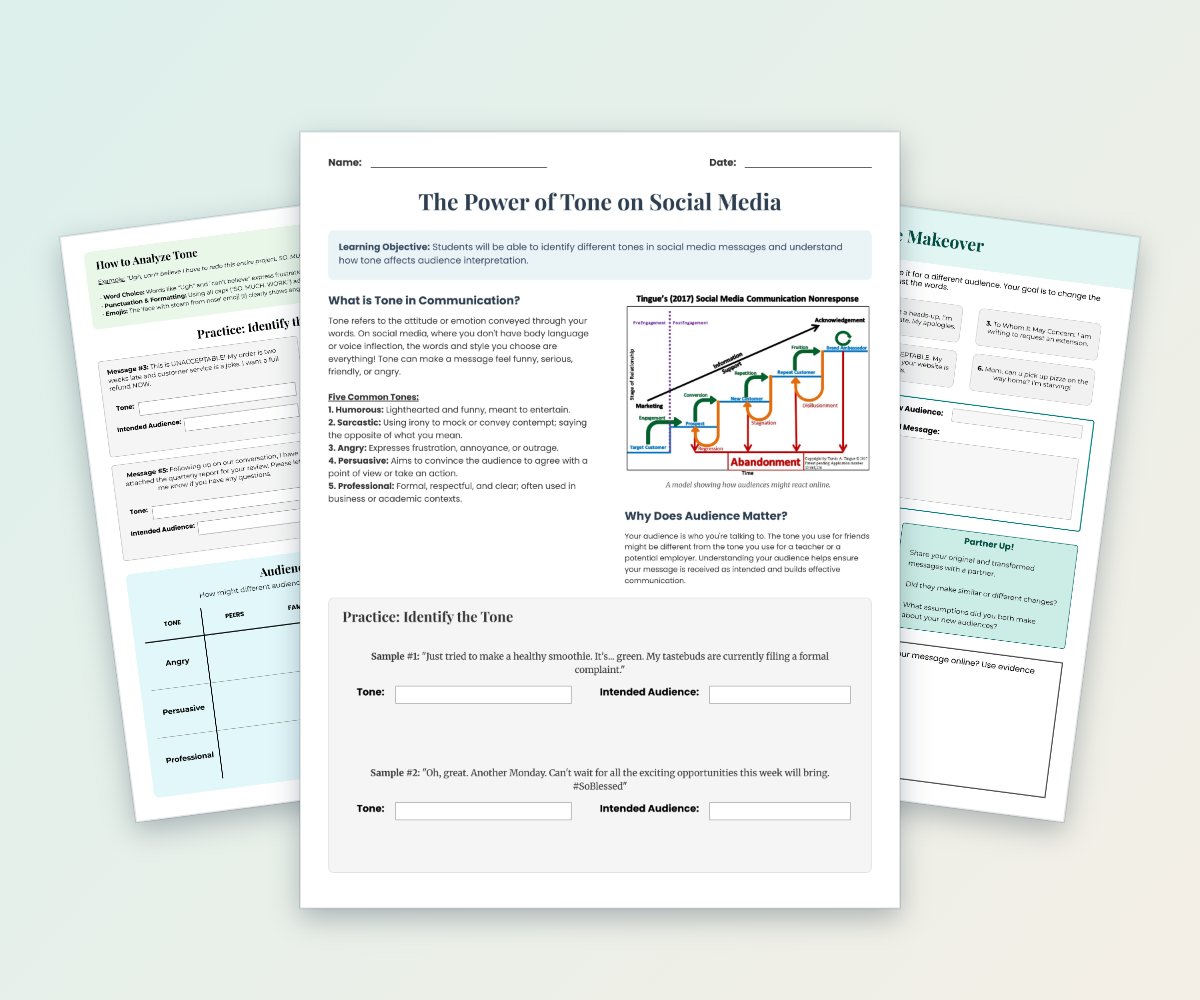
This three-page worksheet introduces five common tones in social media communication and explains how word choice, punctuation, formatting, and emojis affect audience interpretation.
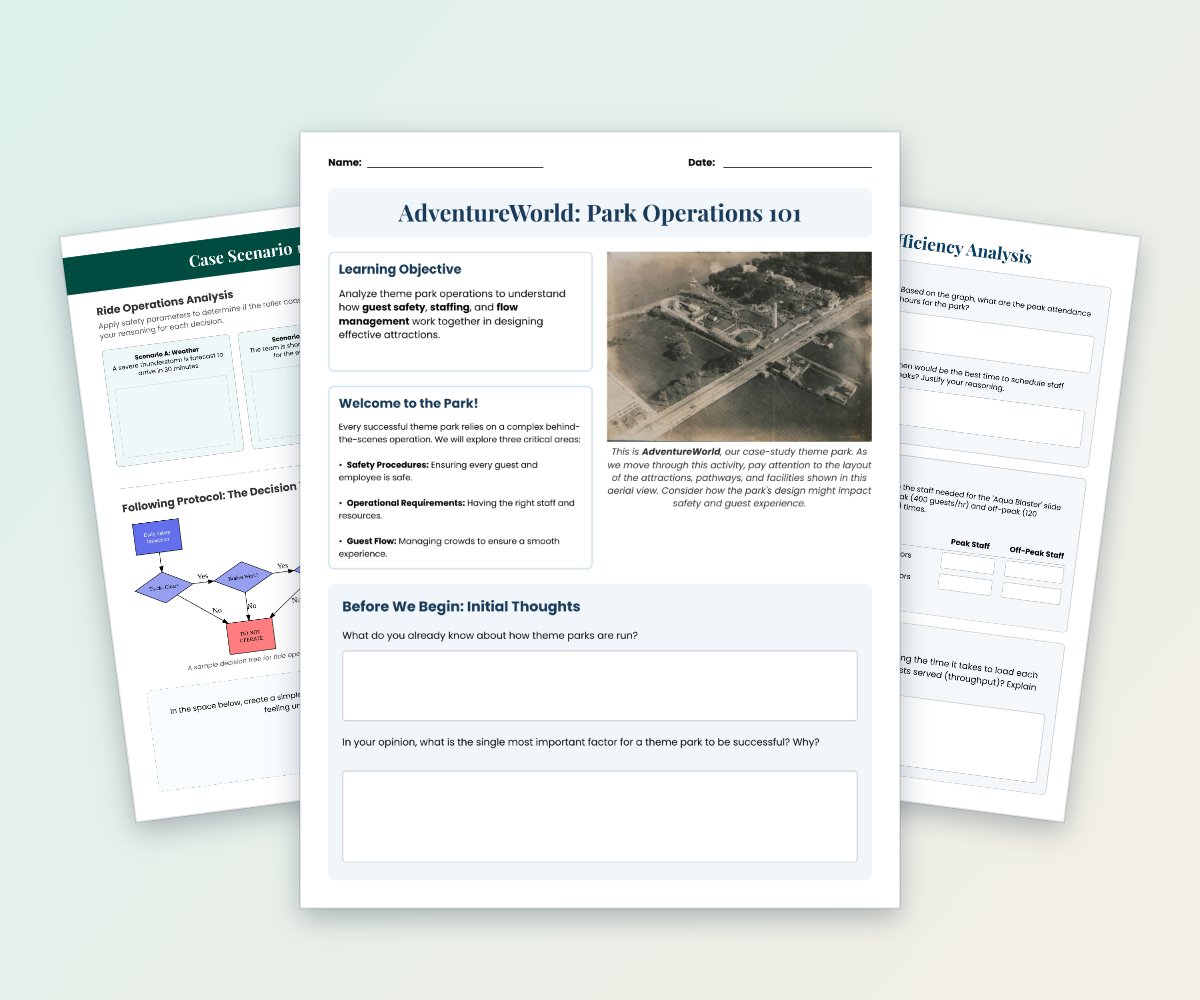
Students examine a fictional theme park to analyze ride safety, staffing requirements, guest flow, and operational efficiency.
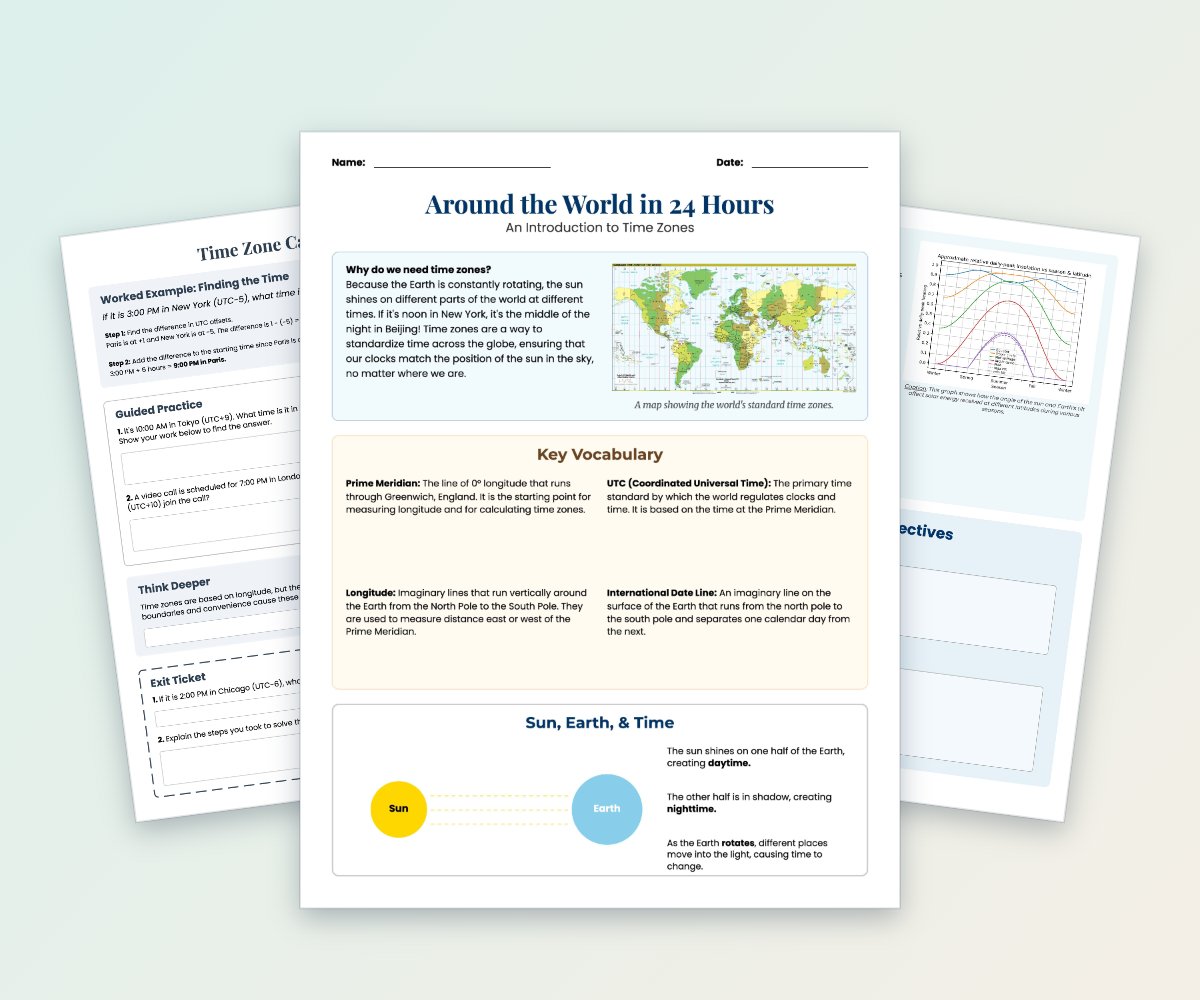
This four-page resource introduces time zones, longitude, UTC offsets, the Prime Meridian, and the International Date Line.
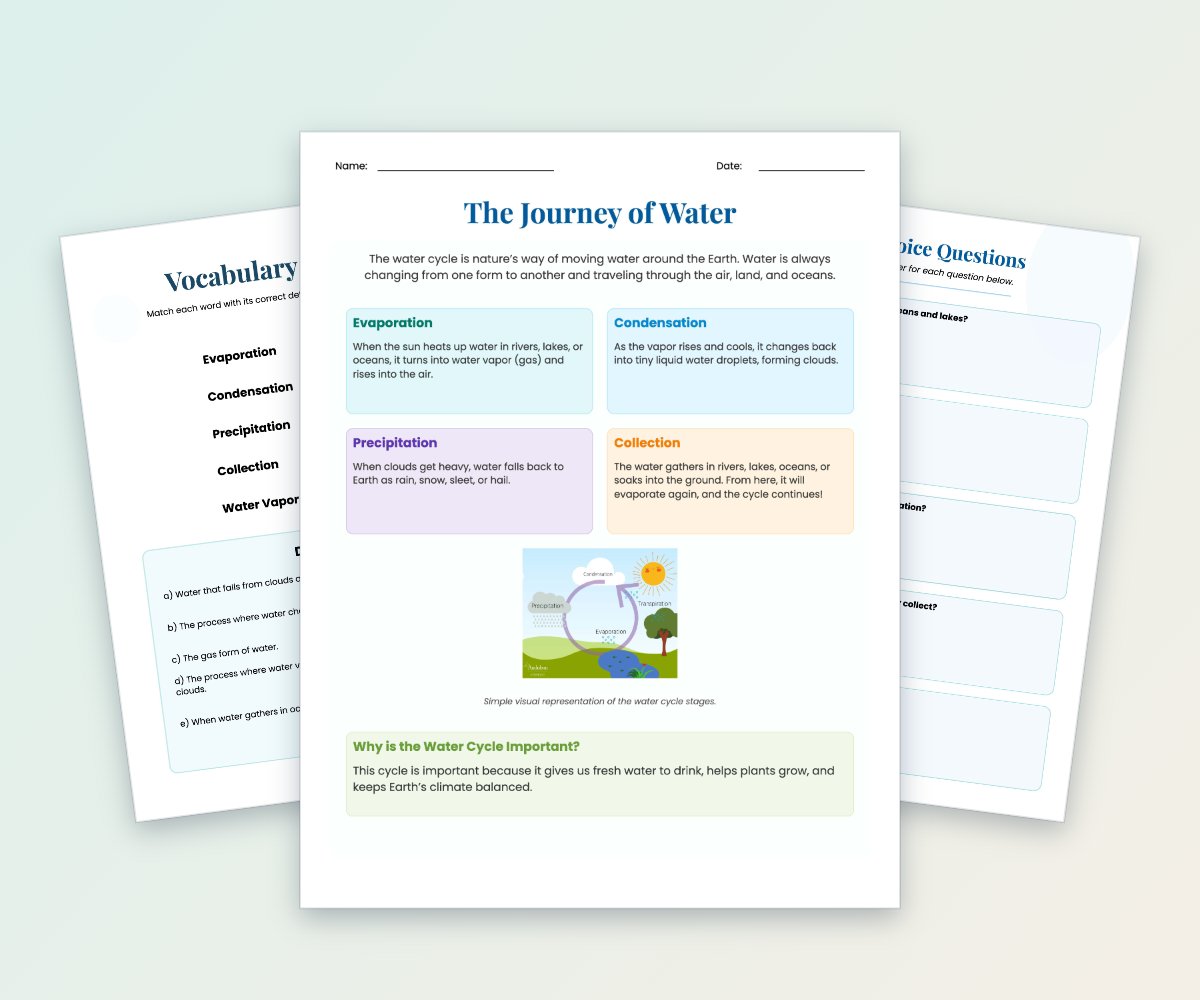
This six-page resource introduces evaporation, condensation, precipitation, collection, and water vapor through student-friendly explanations and visuals.
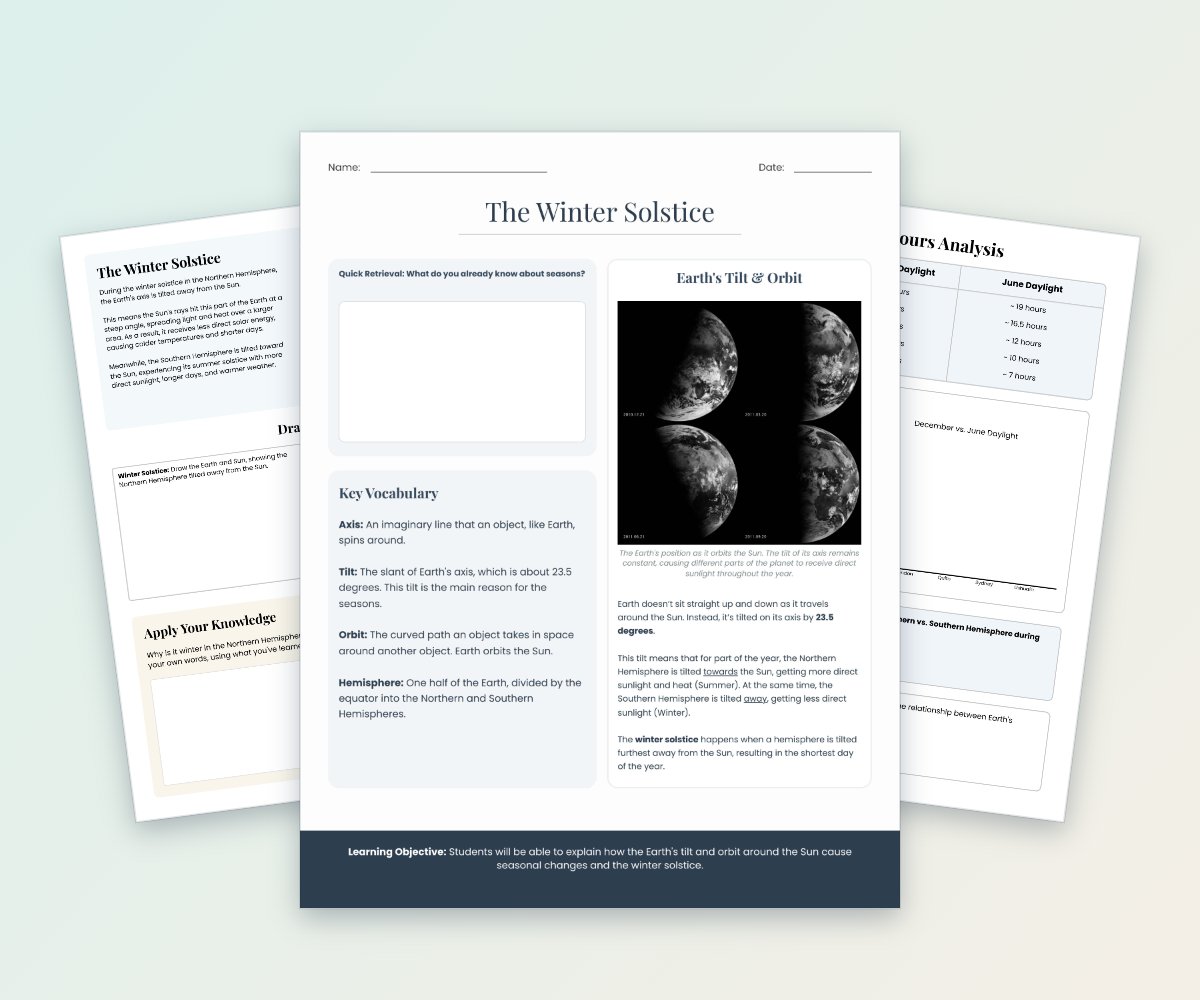
This four-page worksheet introduces Earth’s tilt, orbit, hemispheres, and their relationship to seasonal changes and the winter solstice.
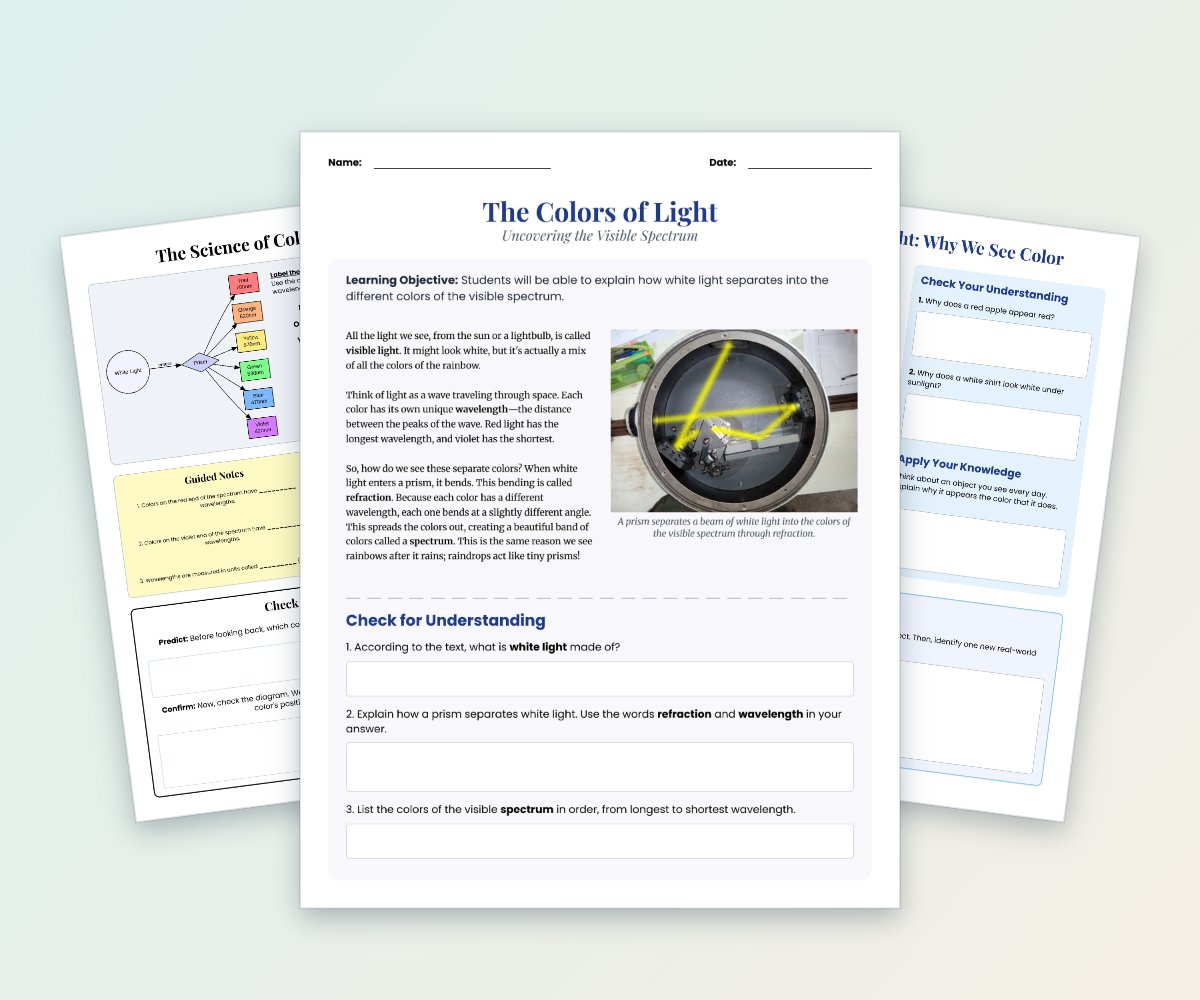
Students explore how white light separates into the visible spectrum through refraction and how wavelength relates to color.
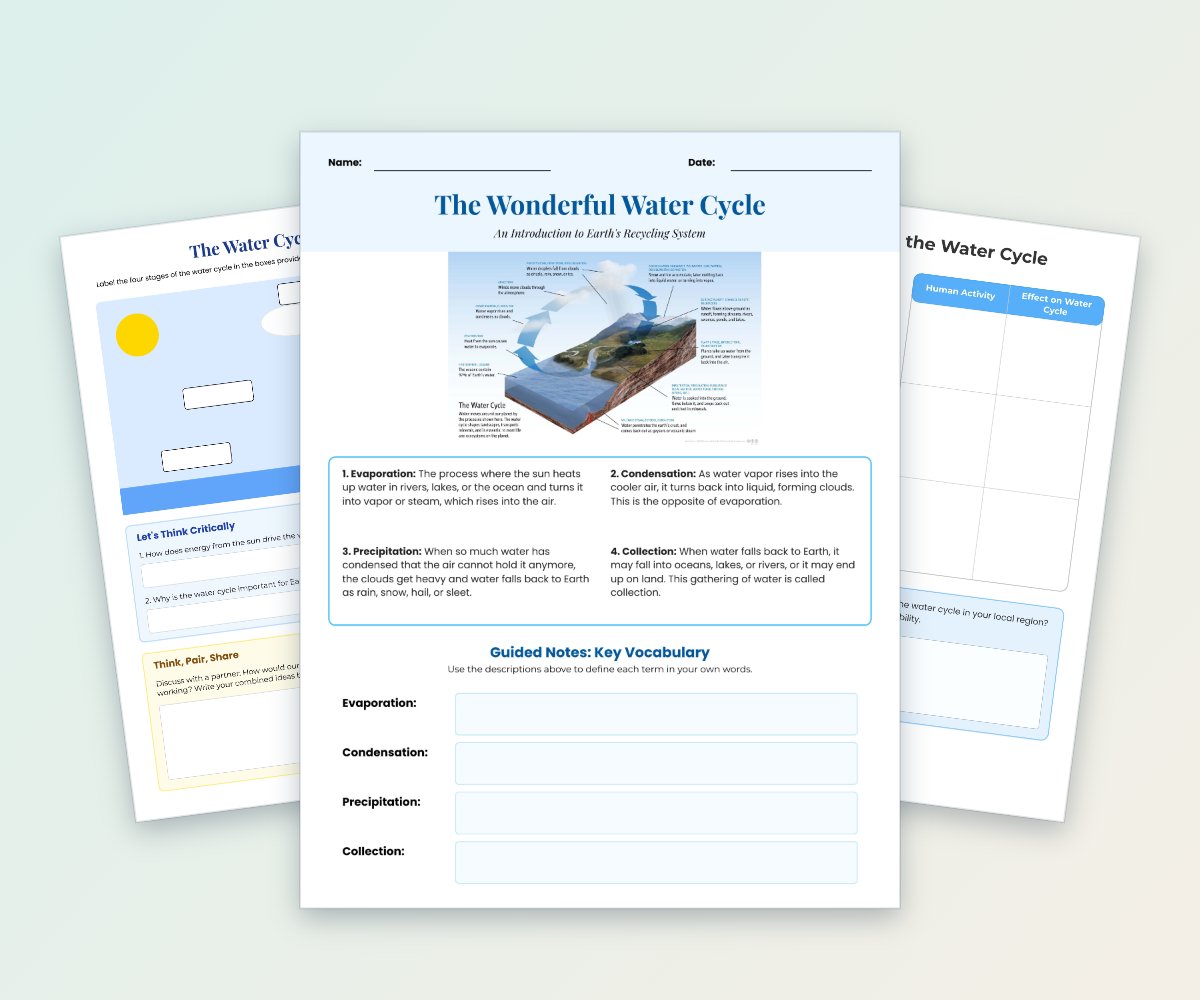
This four-page resource introduces evaporation, condensation, precipitation, and collection through an illustrated water-cycle overview and guided notes.
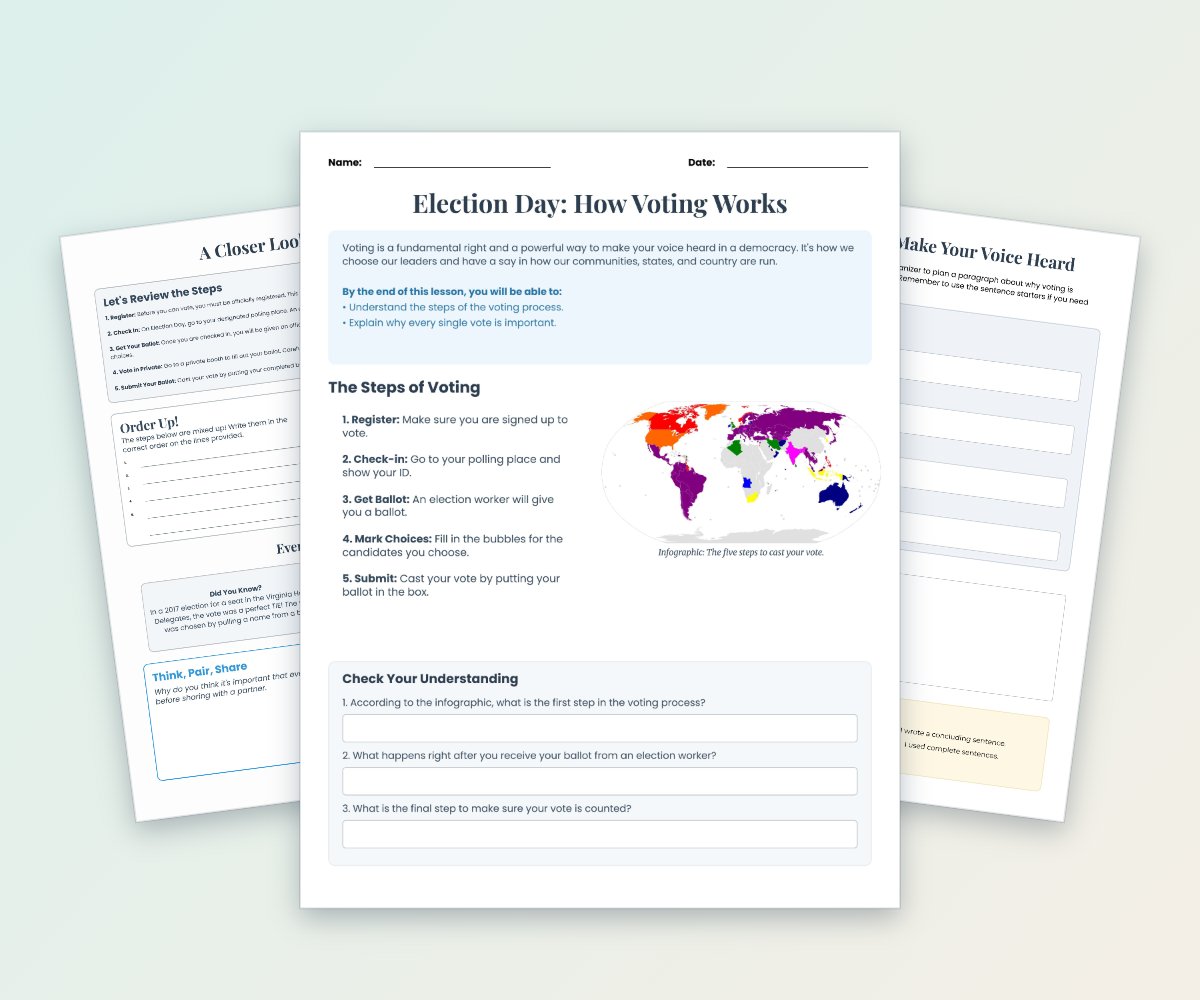
Teach students the five steps of voting, from registration through submitting a ballot.
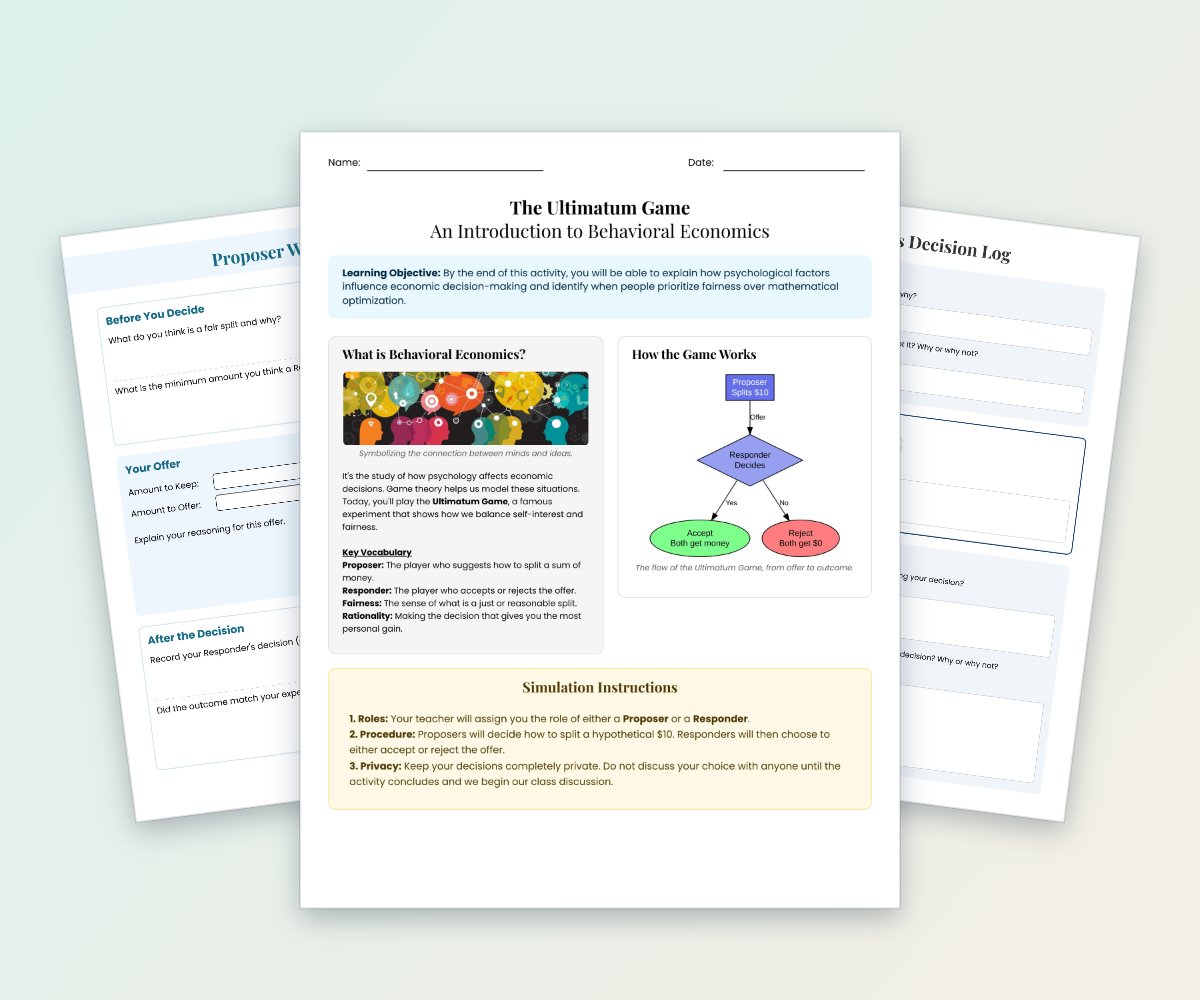
Students explore fairness, rationality, and decision-making through a classroom simulation of the Ultimatum Game.
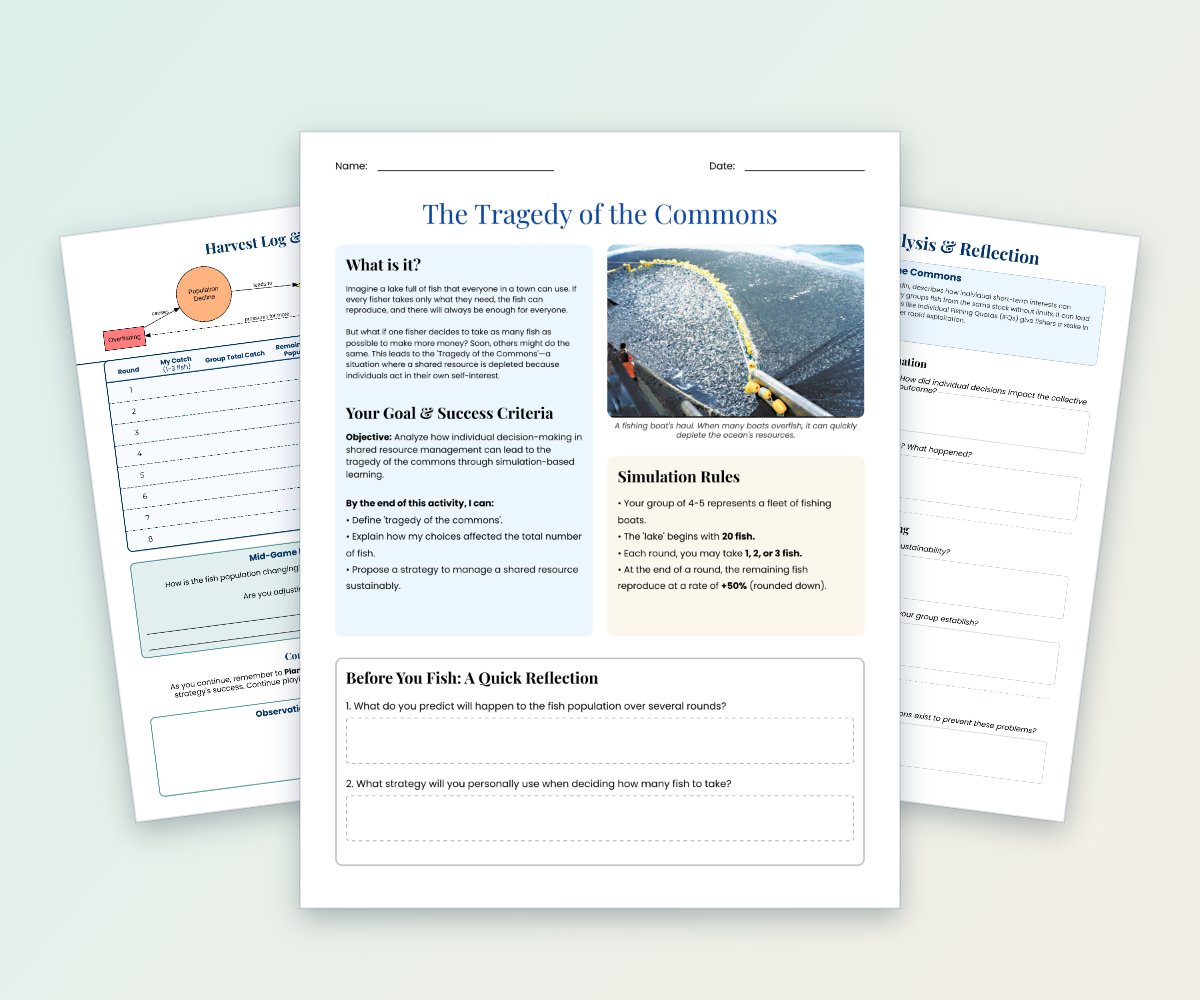
Students participate in an eight-round fishing simulation to explore how individual choices affect shared resources.
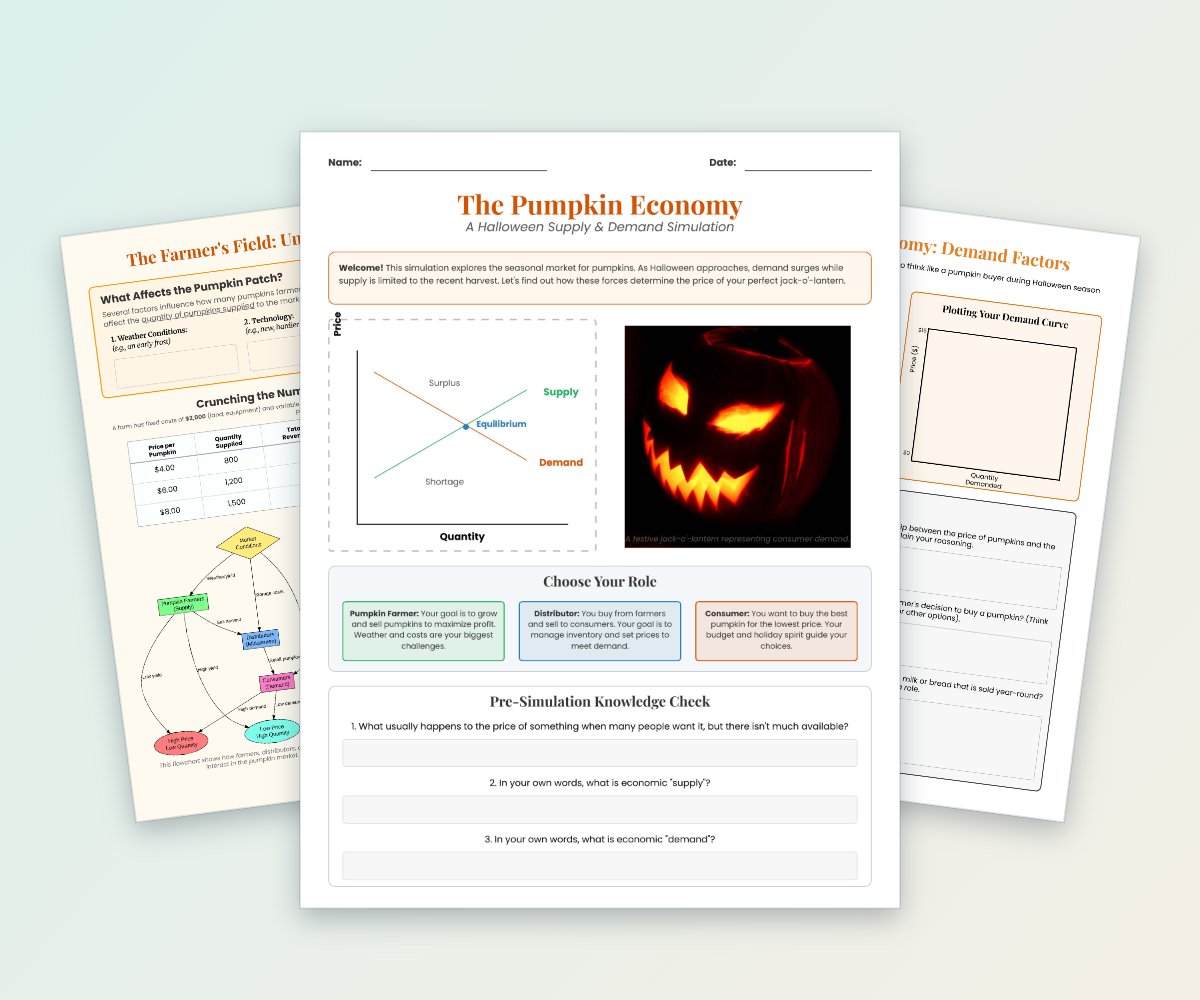
Students take on roles as pumpkin farmers, distributors, and consumers in a Halloween-themed market simulation.
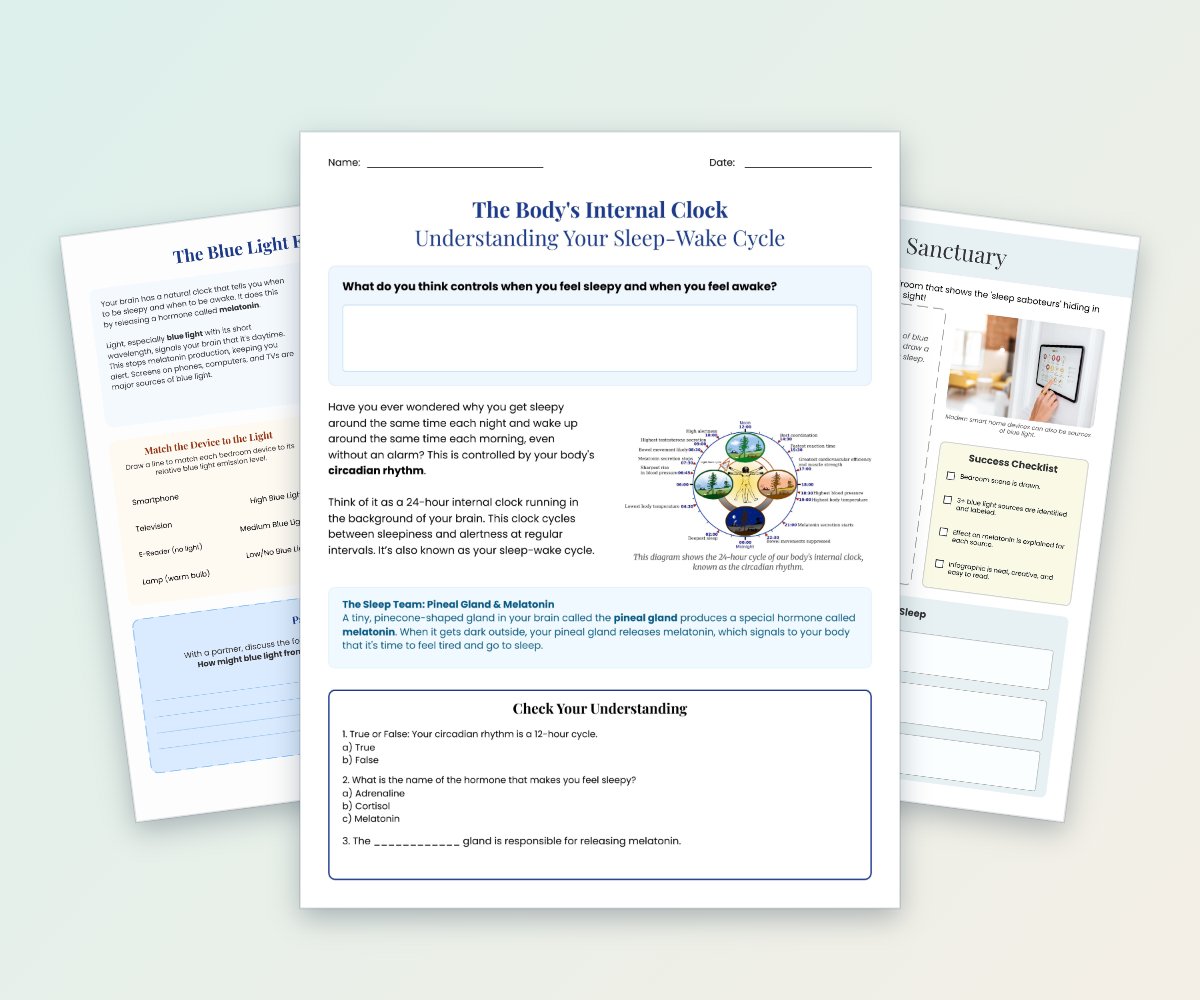
This student worksheet introduces the circadian rhythm, the pineal gland, melatonin, and the effects of blue light on sleep.
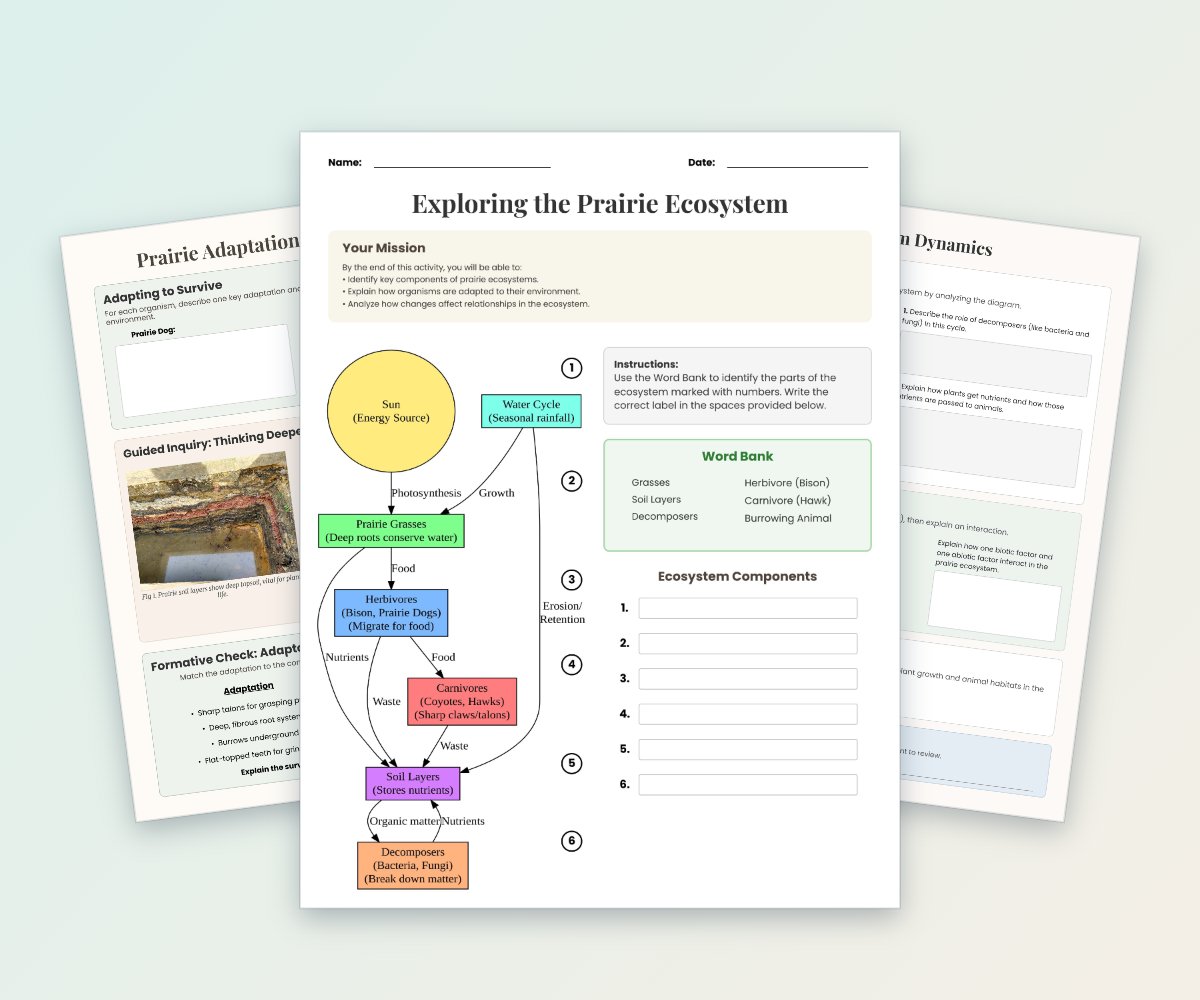
This four-page activity pack guides students through prairie ecosystem components, organism adaptations, energy flow, nutrient cycling, and biotic and abiotic factors.
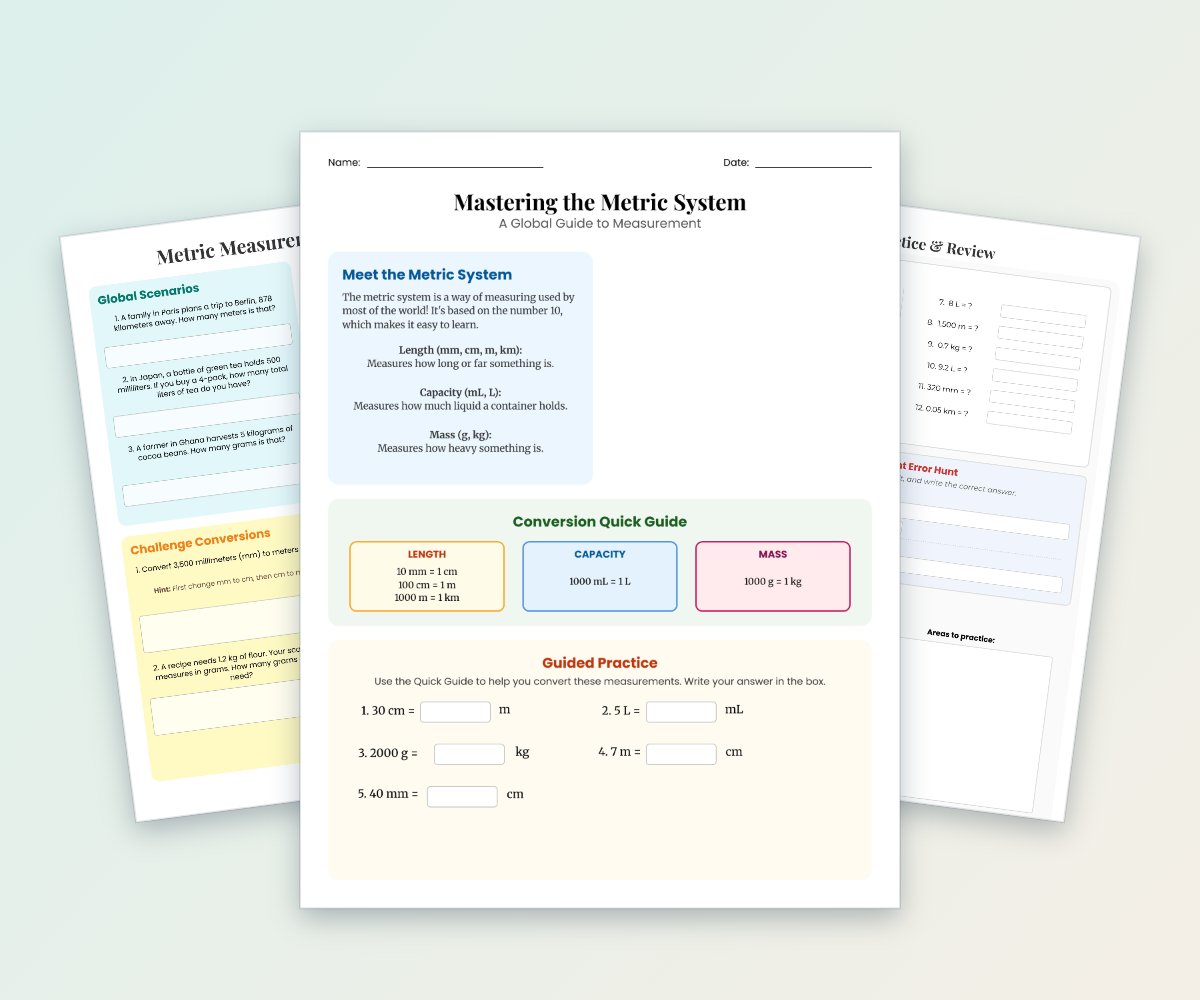
This three-page math resource introduces metric units for length, capacity, and mass, then provides guided practice, global word problems, mixed conversions, comparisons, and error analysis.
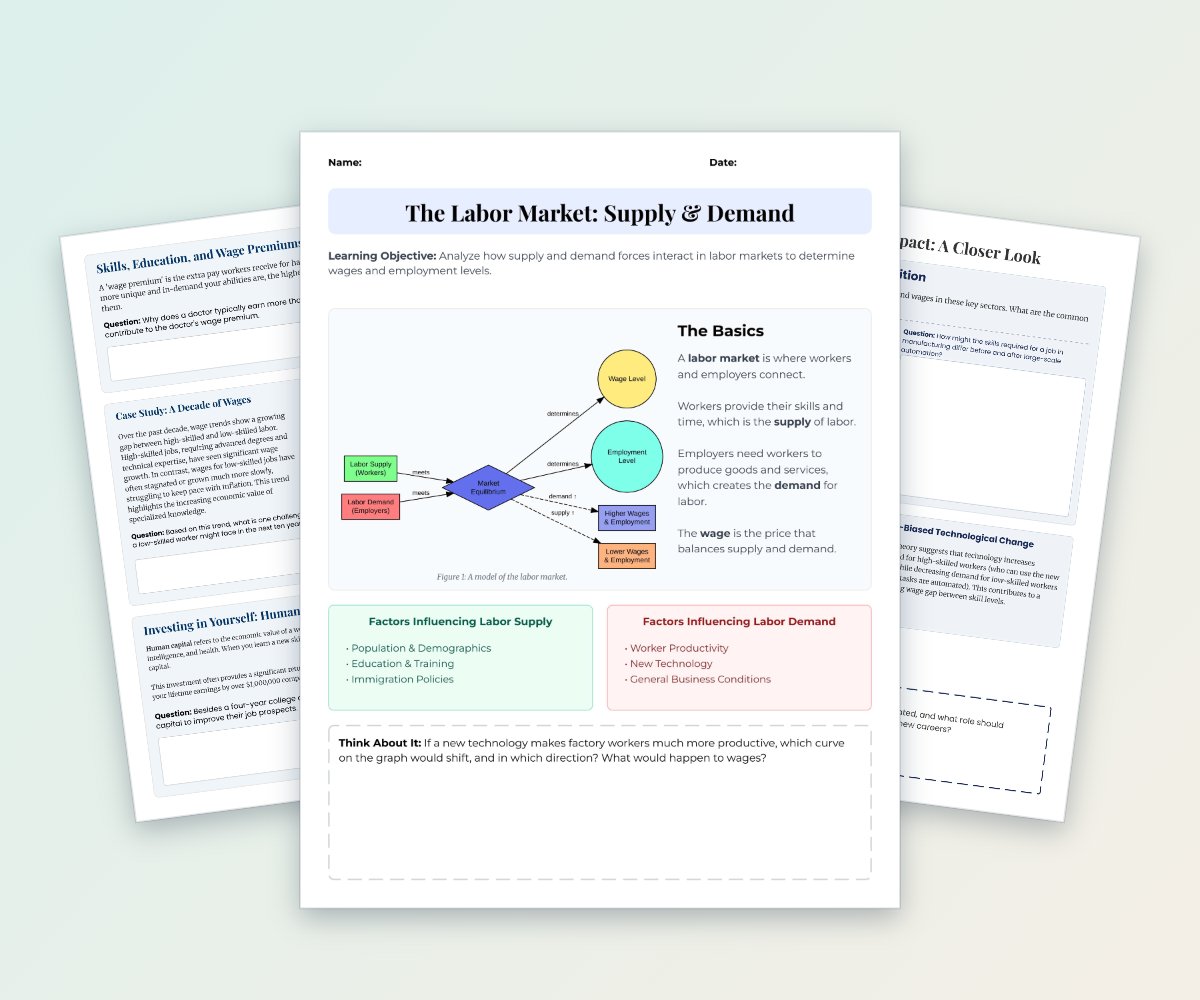
This five-page worksheet introduces labor-market supply and demand, wage determination, employment levels, wage premiums, and human capital.
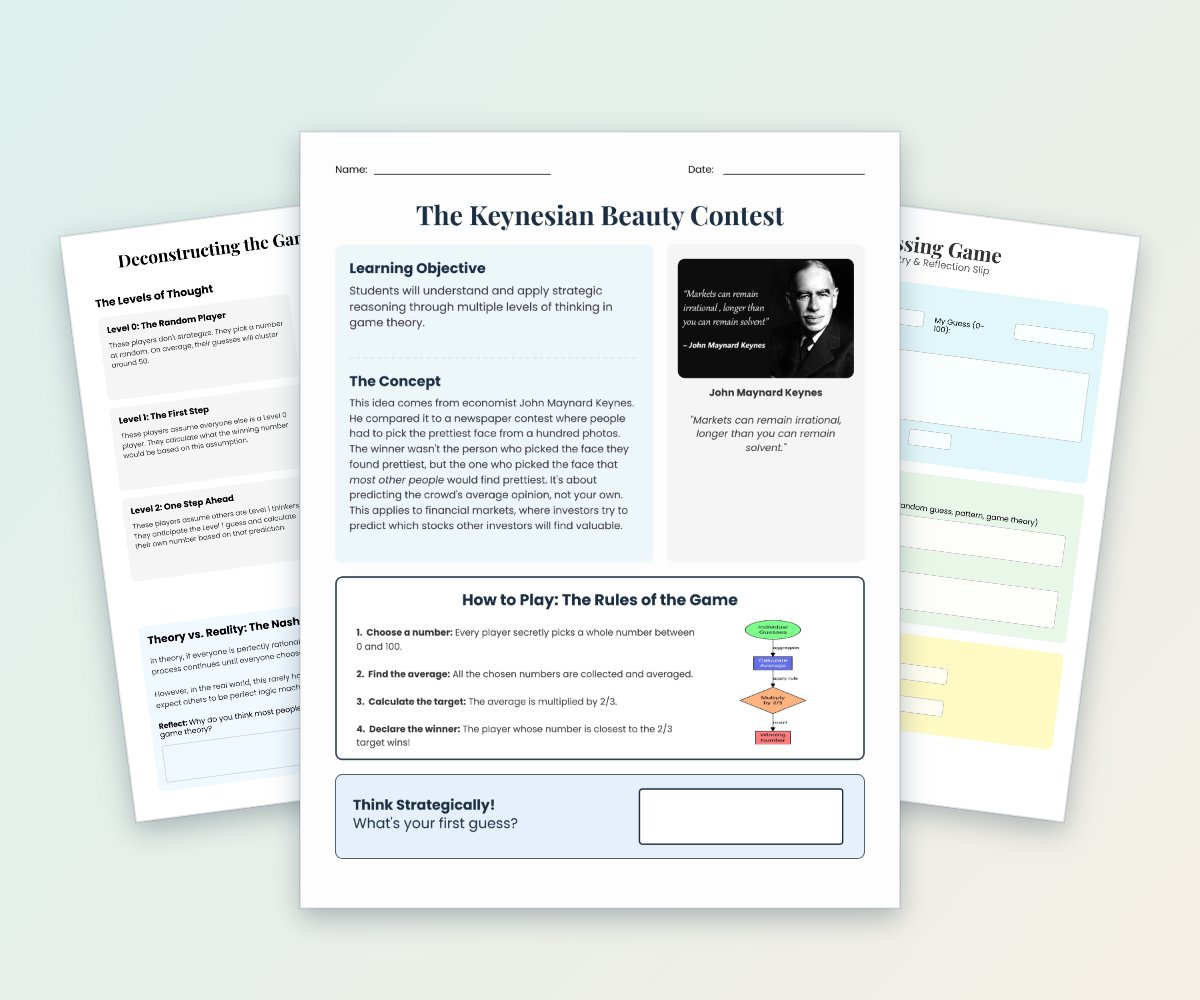
This four-page activity introduces the Keynesian beauty contest through a number-picking game and explains level-k thinking, Nash equilibrium, and bounded rationality.
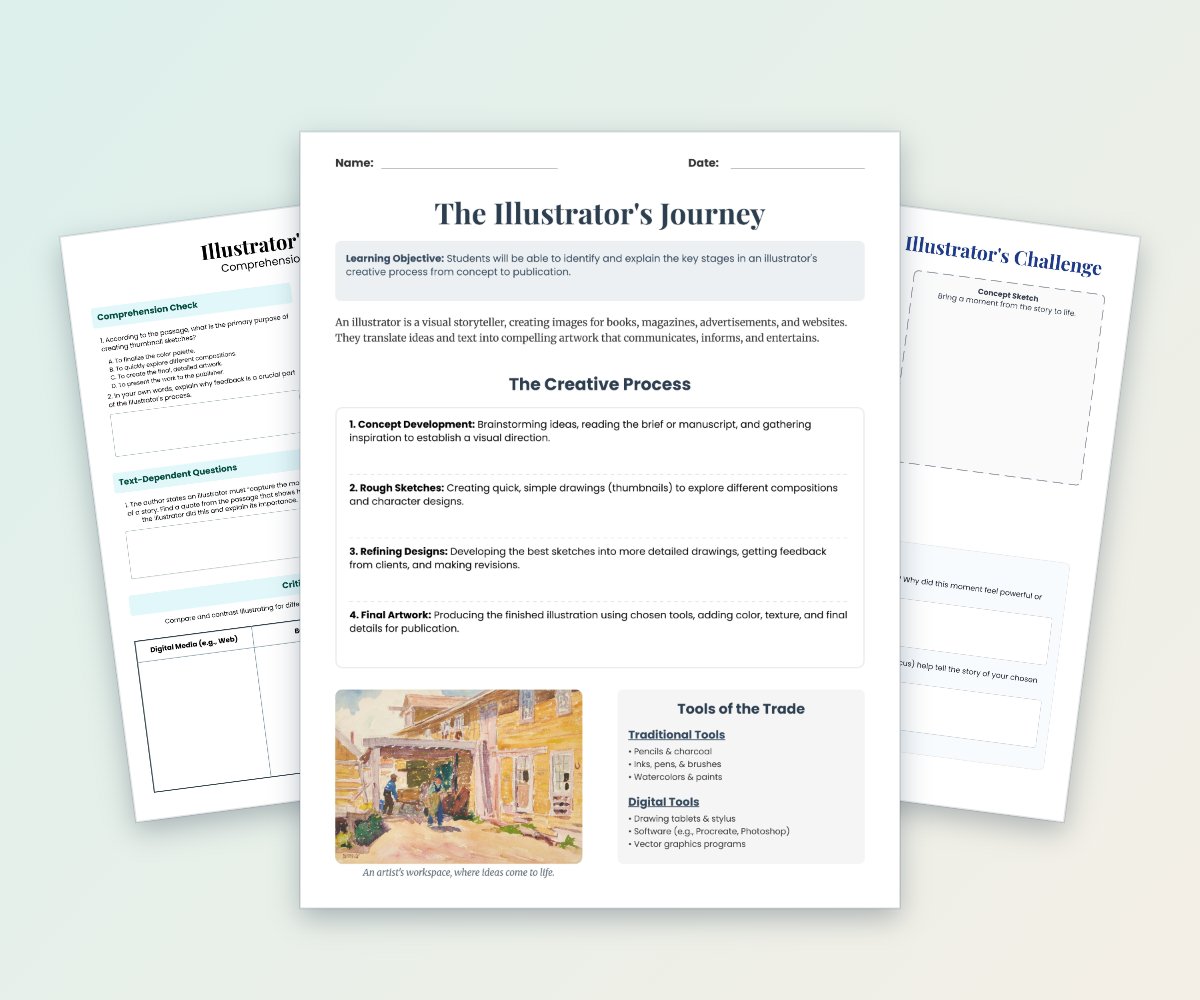
This three-page worksheet introduces the stages of an illustrator’s creative process, from concept development and rough sketches to refinement and final artwork.
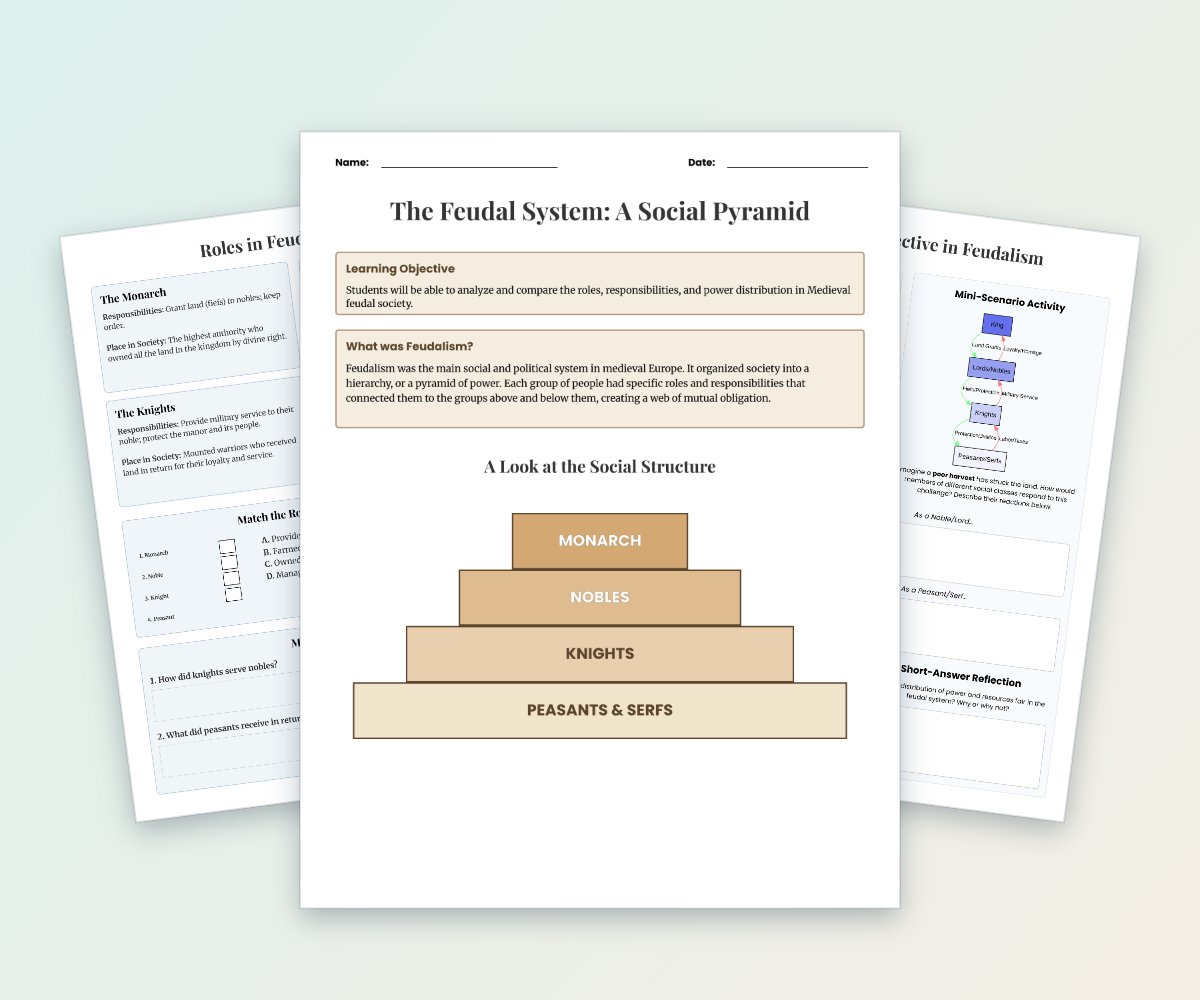
This four-page worksheet introduces the feudal system and examines the roles, responsibilities, power, and relationships among monarchs, nobles, knights, and peasants.
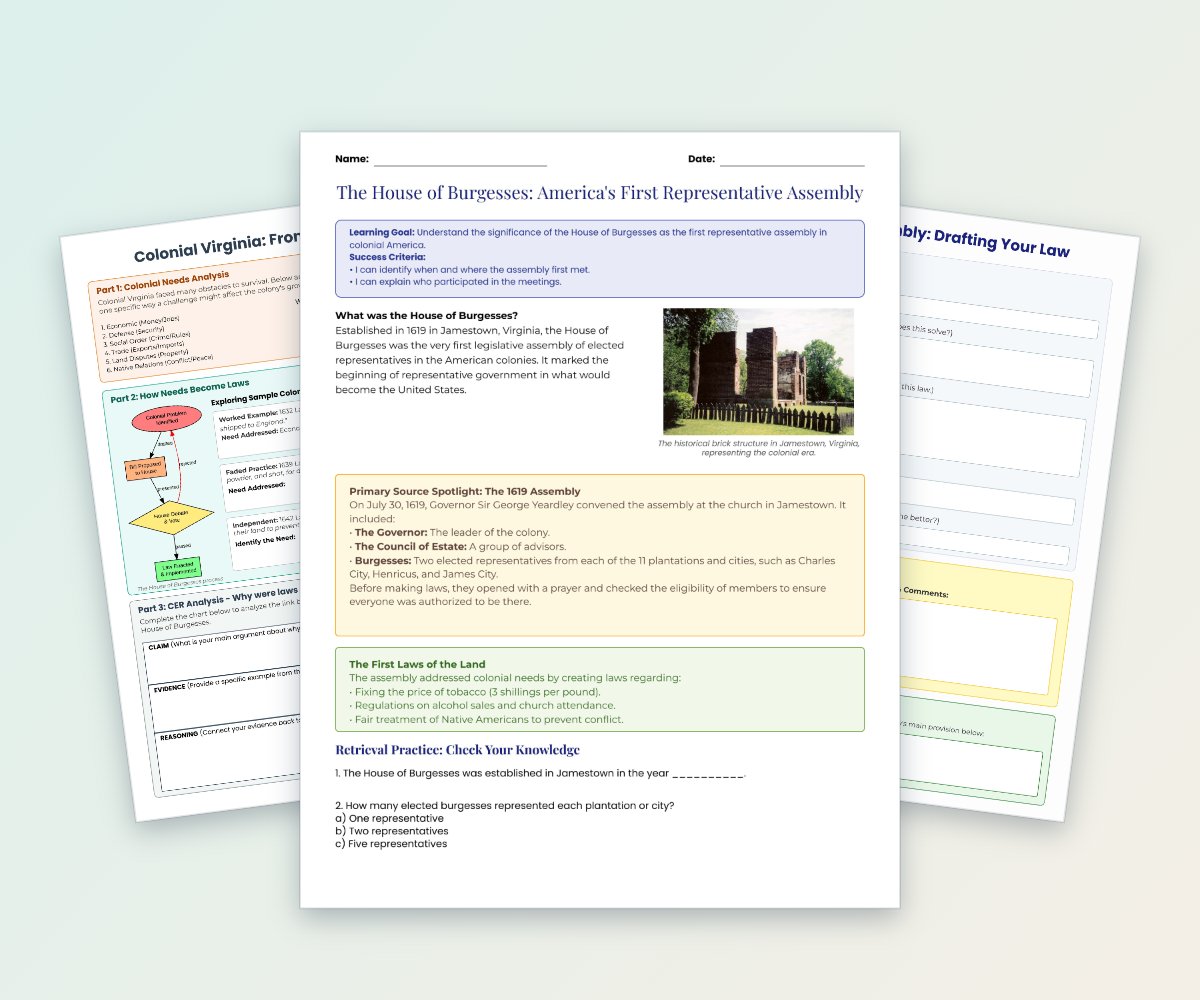
Students learn about the House of Burgesses as an early representative assembly in colonial Virginia.
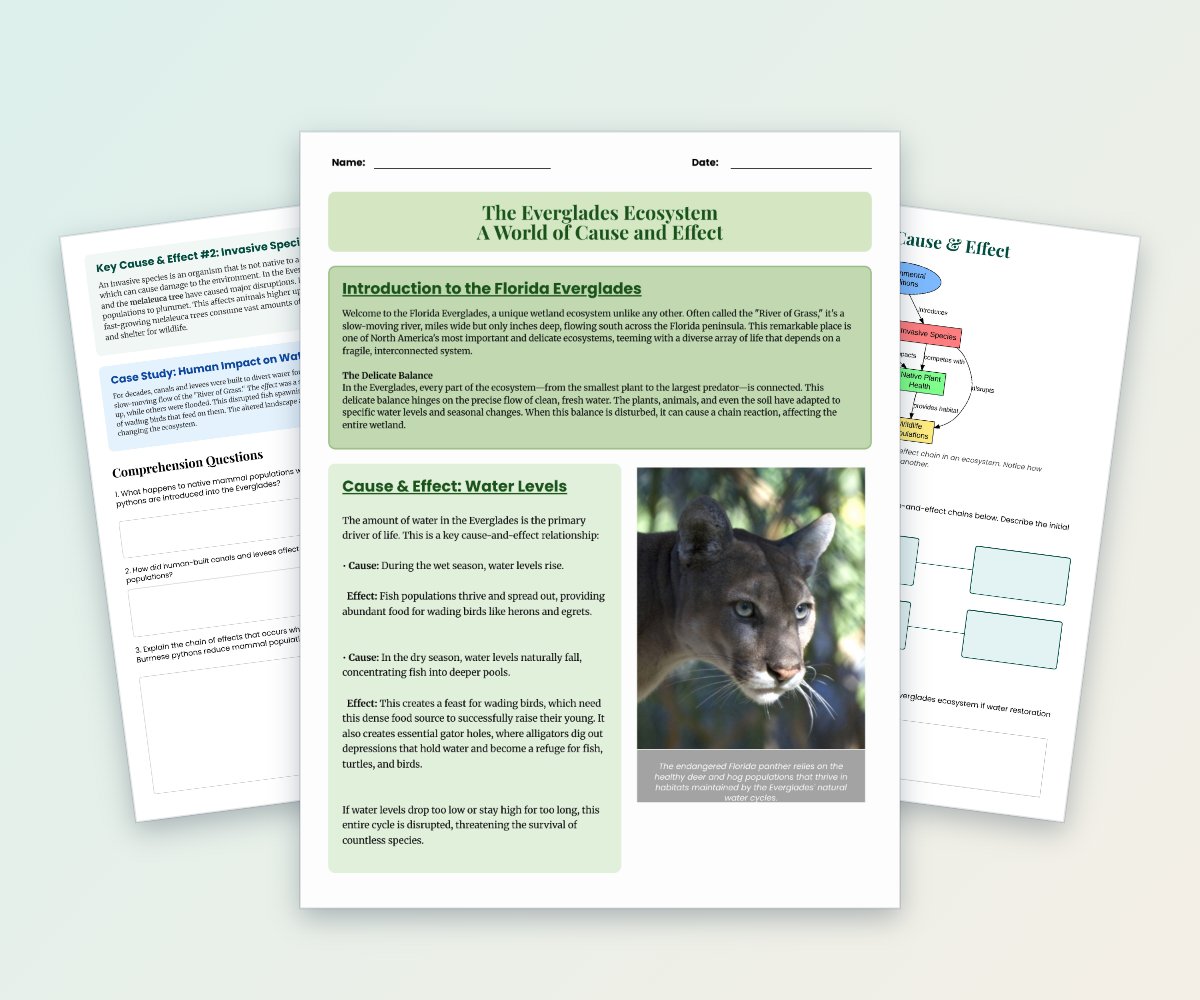
Students explore the Florida Everglades as a connected wetland ecosystem, focusing on water levels, invasive species, and human impacts.
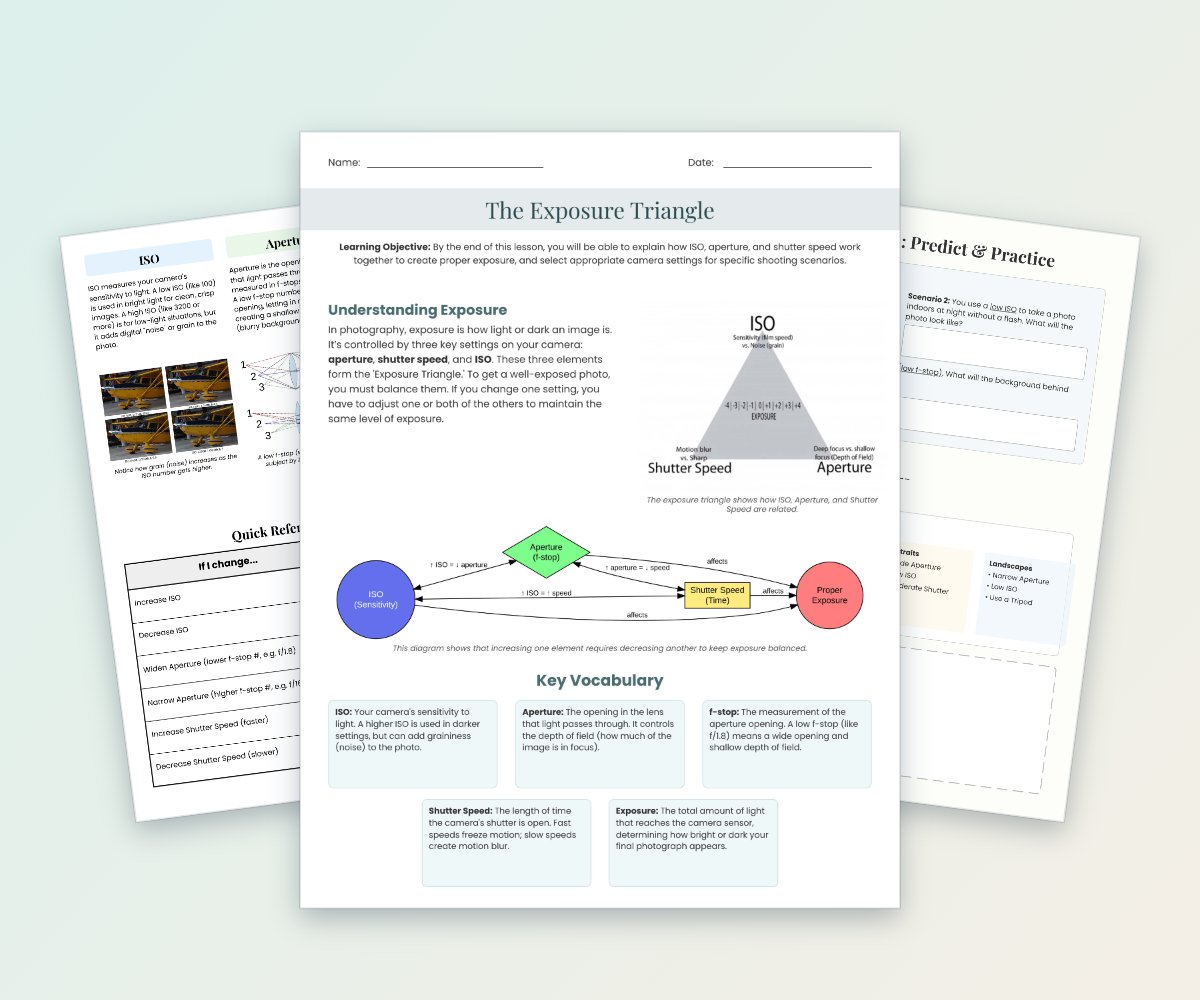
This four-page lesson introduces the relationship between ISO, aperture, and shutter speed.
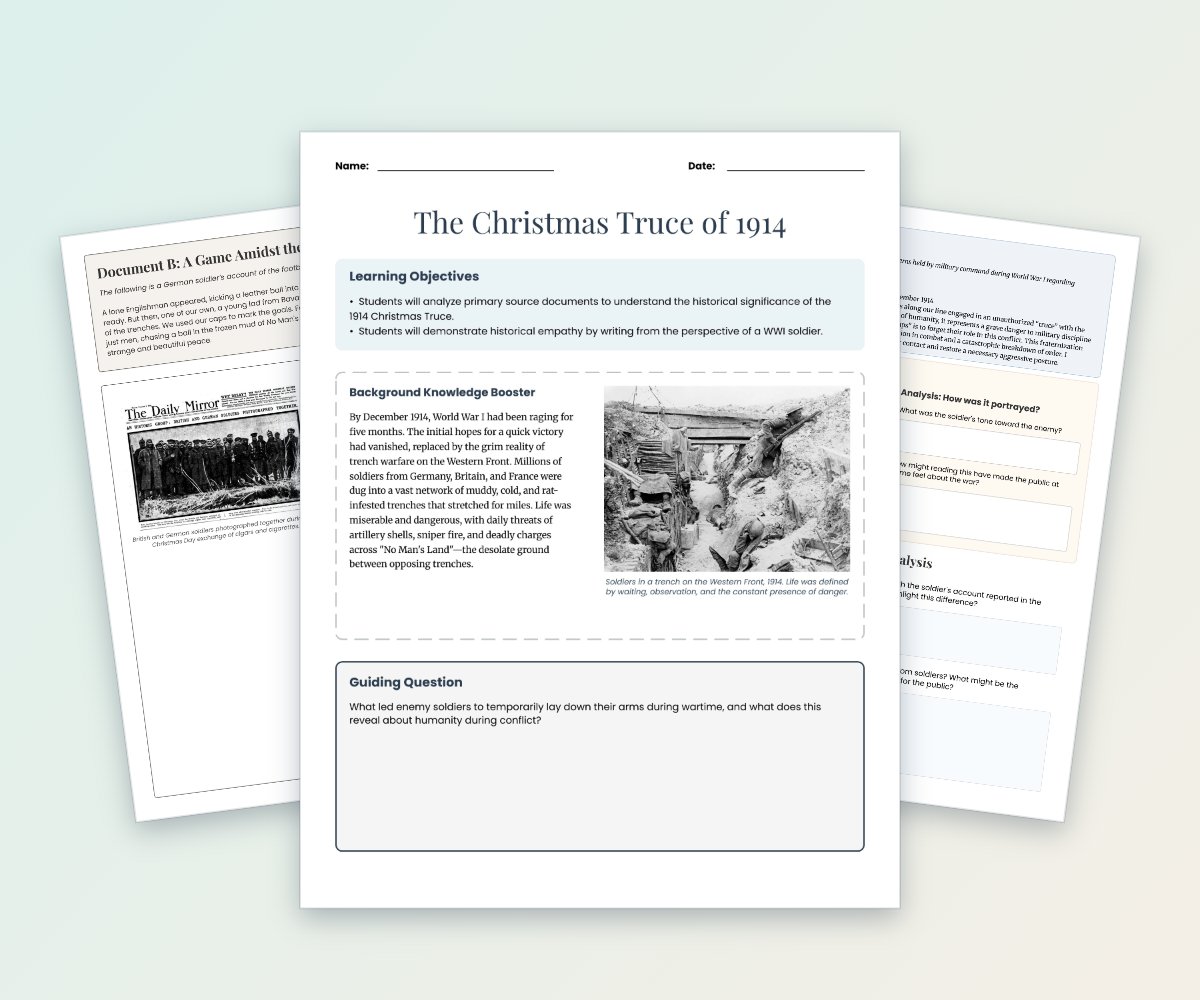
Students examine background information and primary-source-style documents about the 1914 Christmas Truce during World War I.
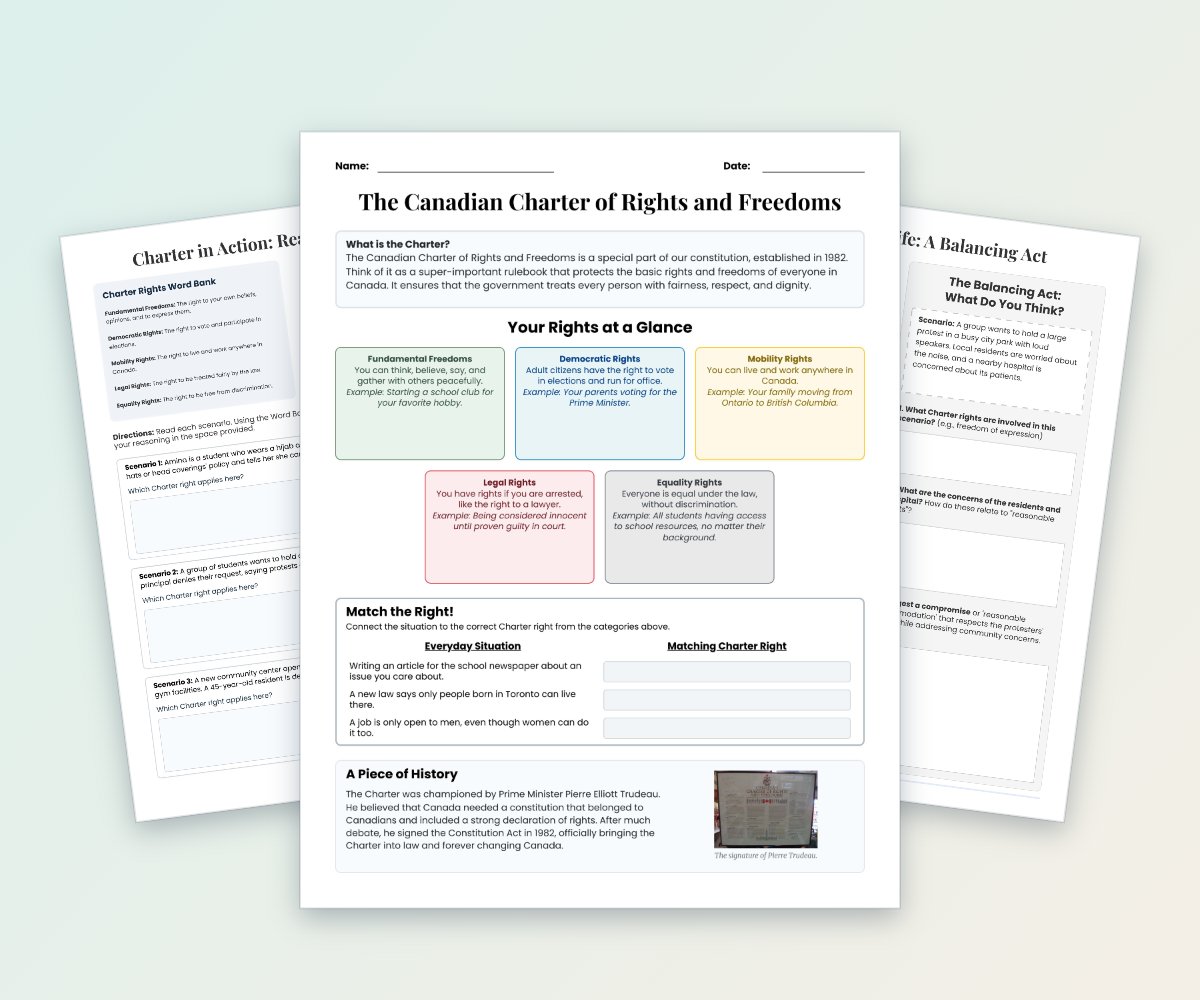
Students learn about fundamental, democratic, mobility, legal, and equality rights protected by the Canadian Charter.
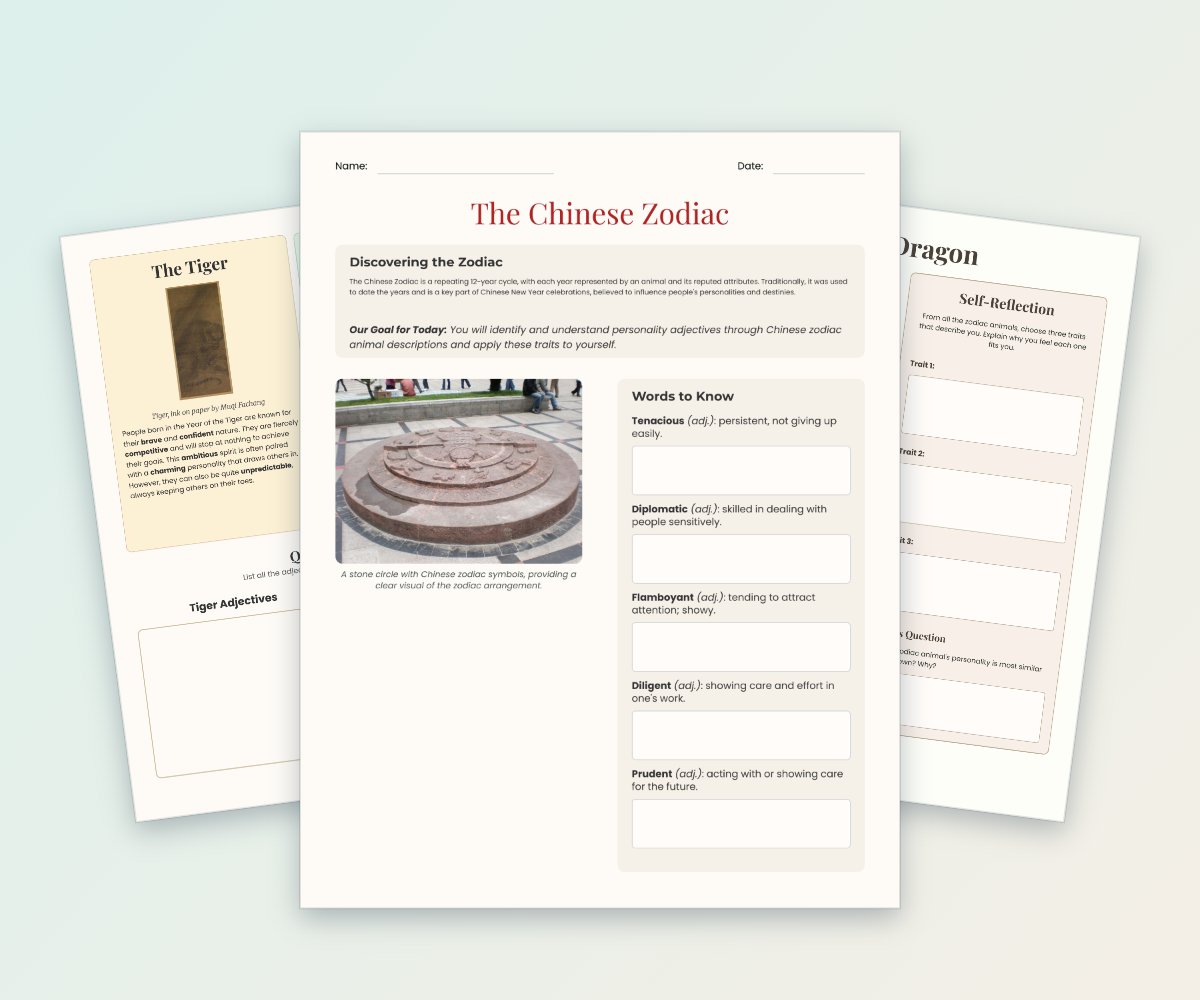
Students explore Chinese Zodiac animal descriptions while identifying and learning personality adjectives such as tenacious, diplomatic, and diligent.
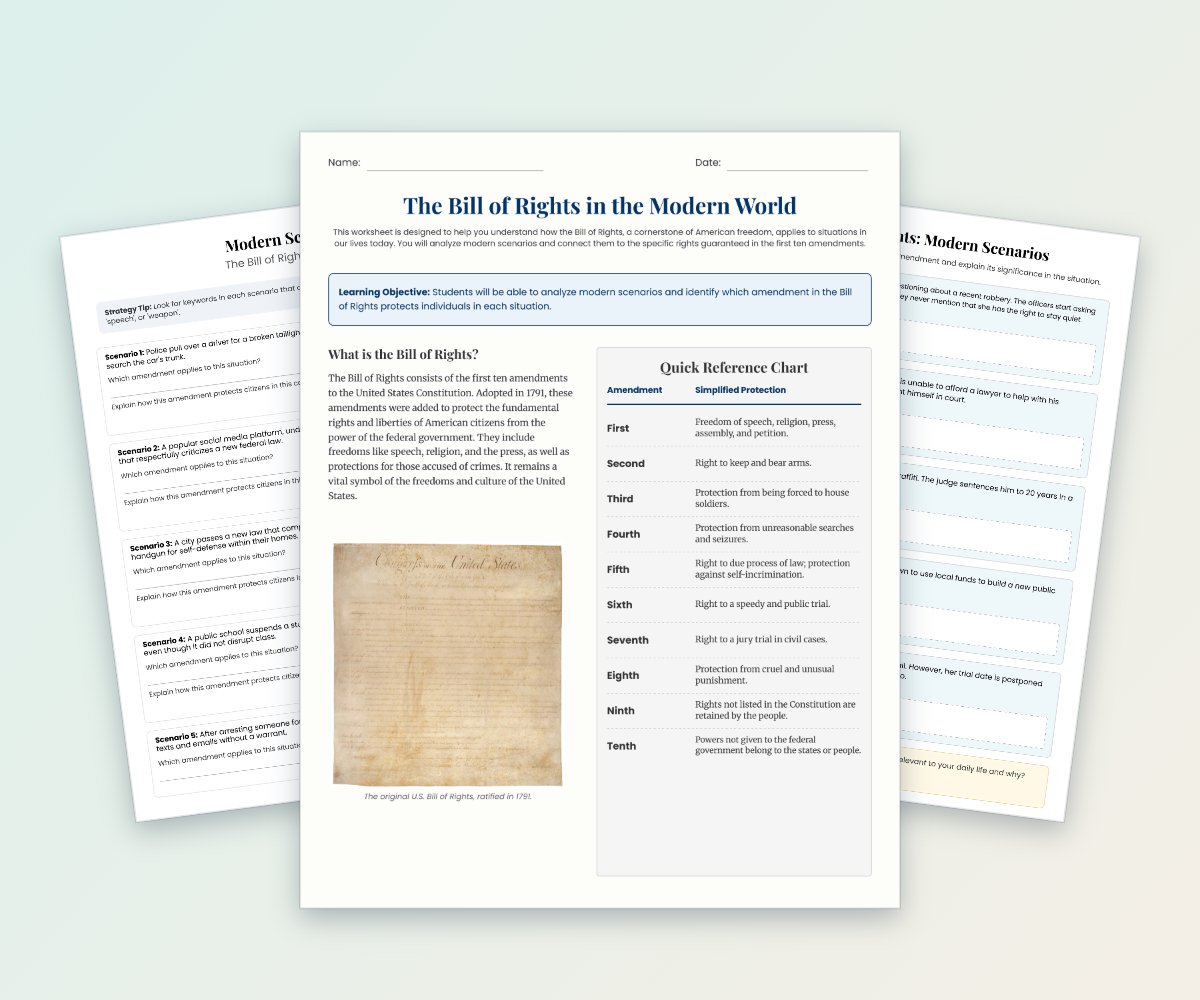
Students review the first ten amendments and analyze modern scenarios involving speech, searches, weapons, and other constitutional protections.
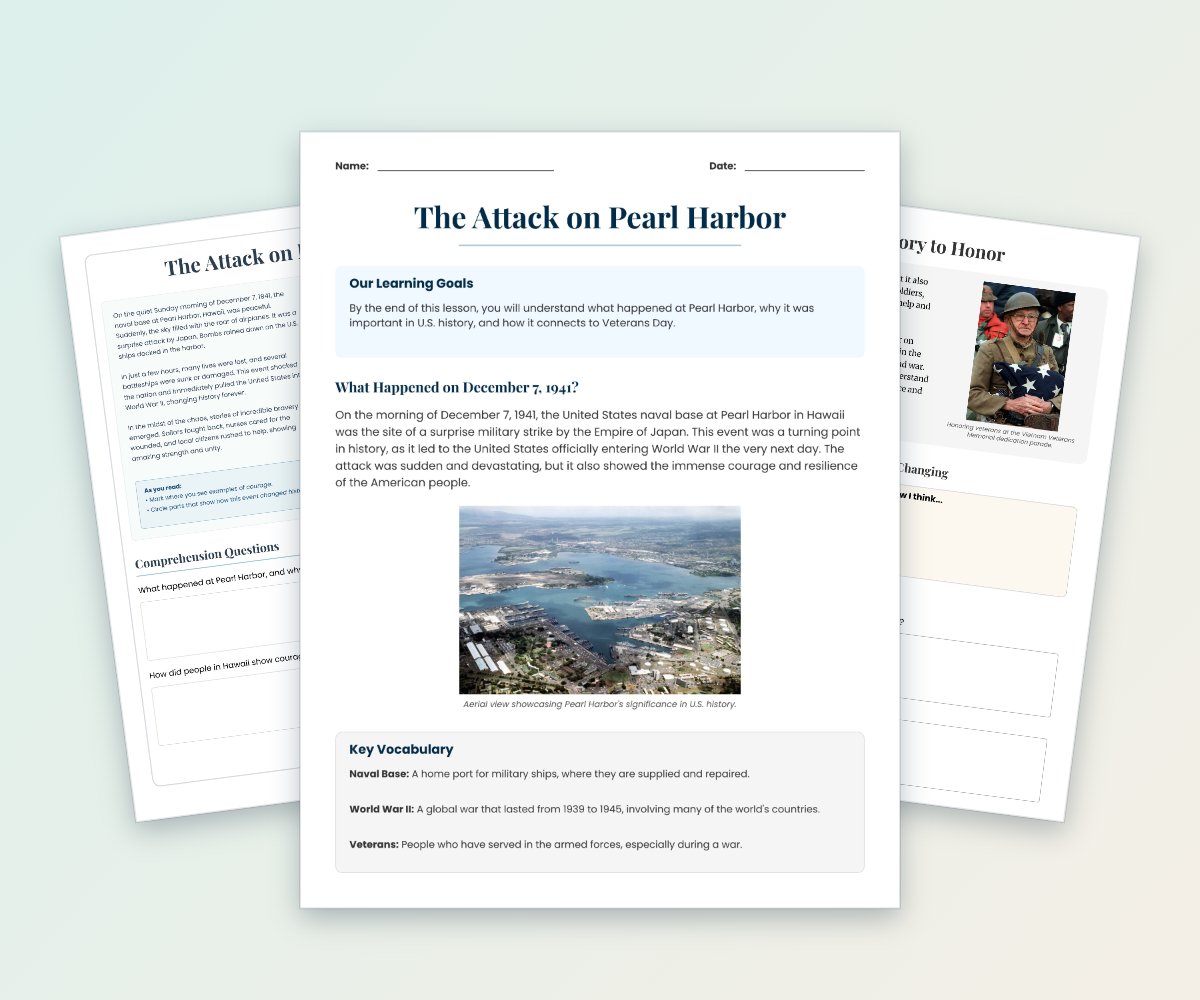
This four-page lesson introduces students to the attack on Pearl Harbor, its historical significance, and its connection to Veterans Day.
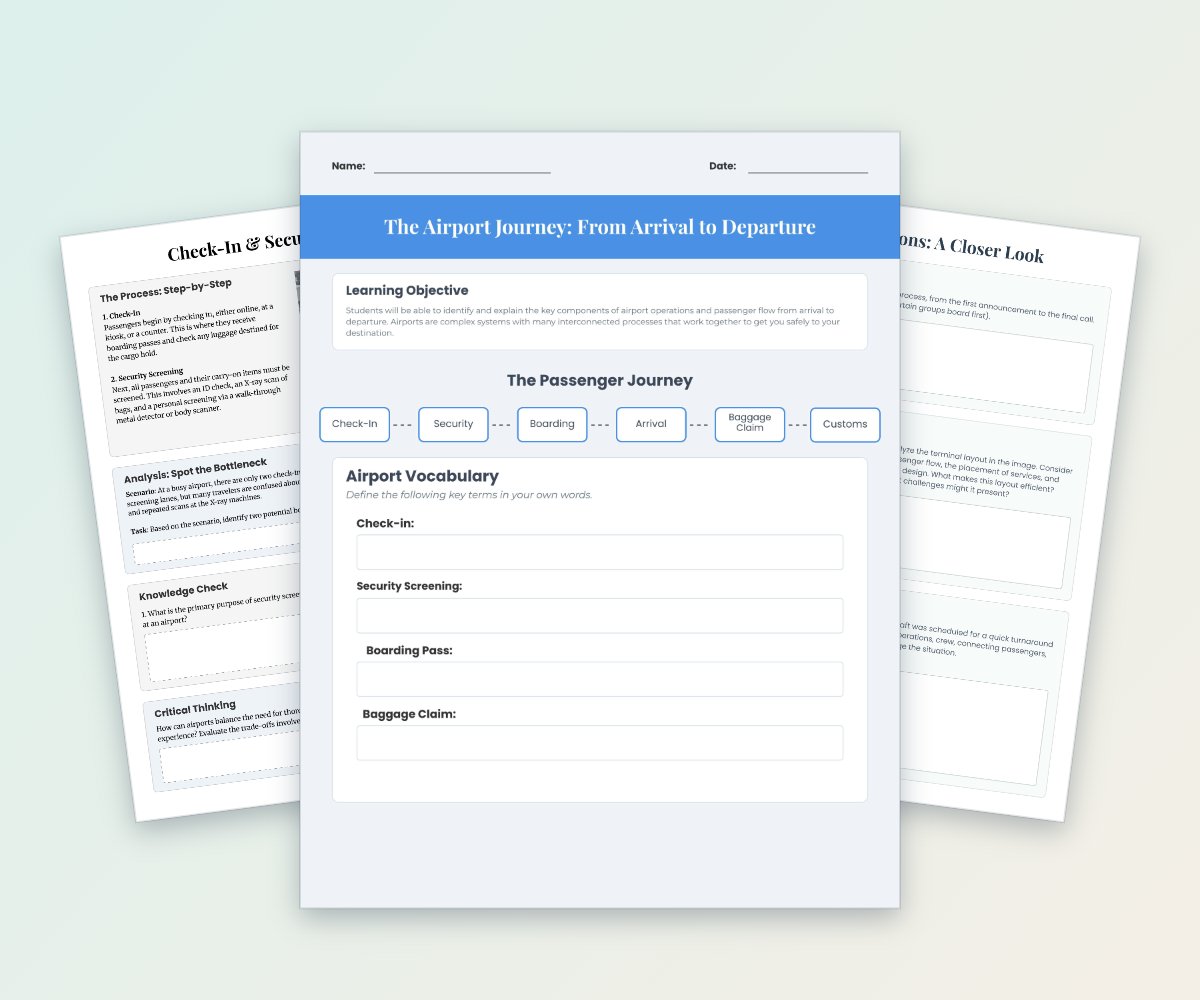
This five-page worksheet guides students through the airport passenger journey from arrival and check-in to security screening and boarding.
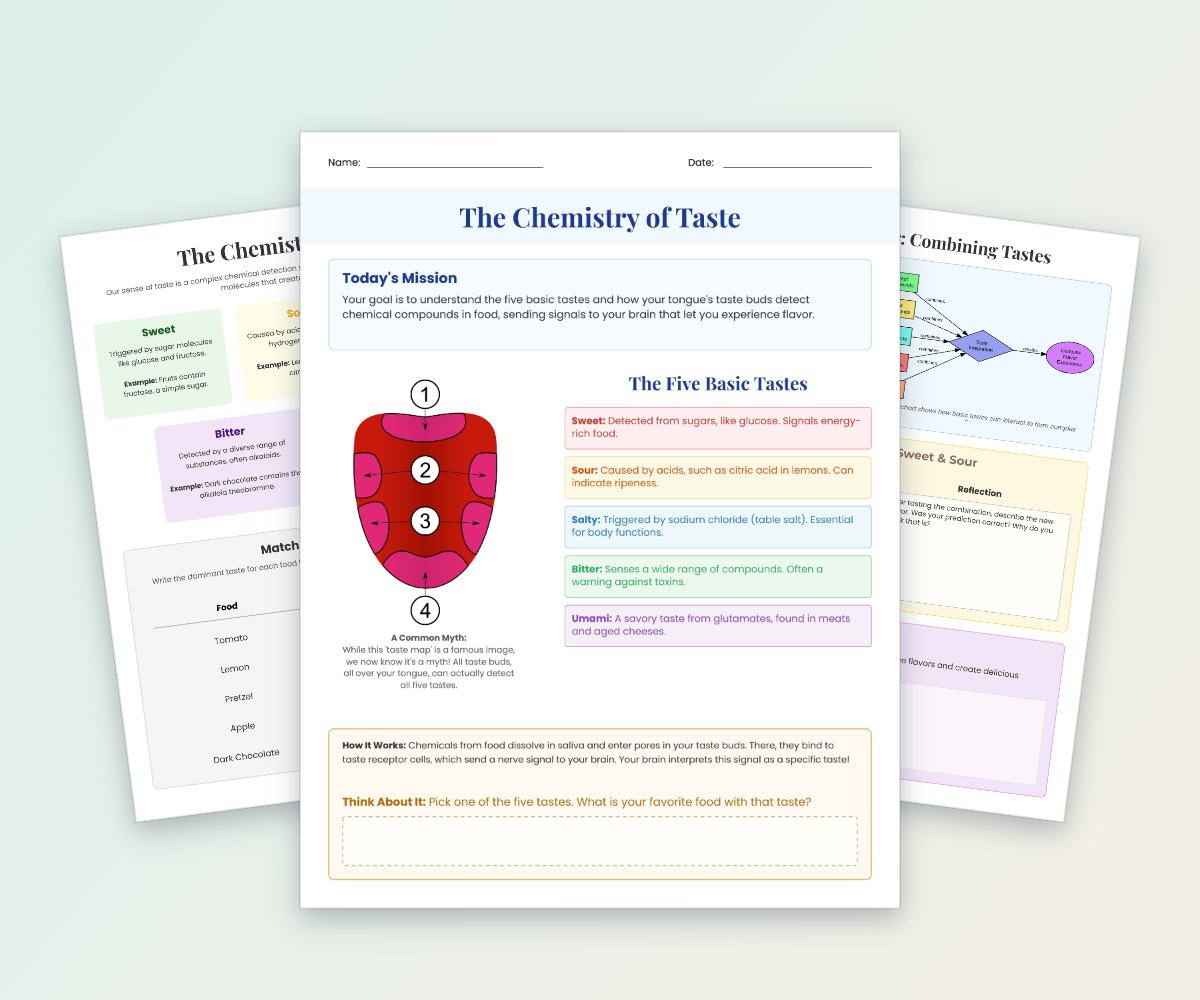
Students explore the five basic tastes, the chemical compounds that create them, and how taste receptors send signals to the brain.
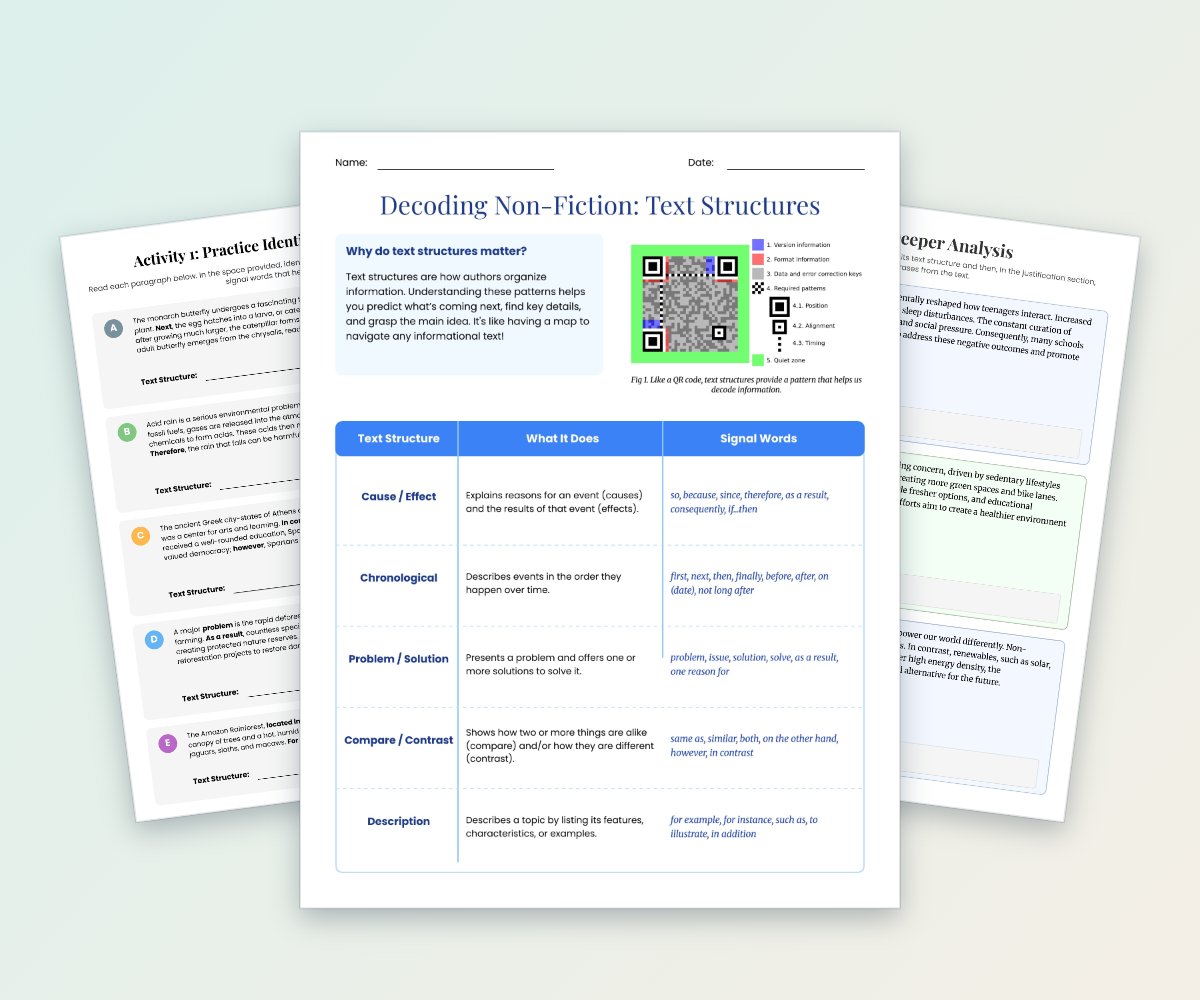
This four-page resource introduces five common nonfiction text structures: cause and effect, chronological order, problem and solution, compare and contrast, and description.
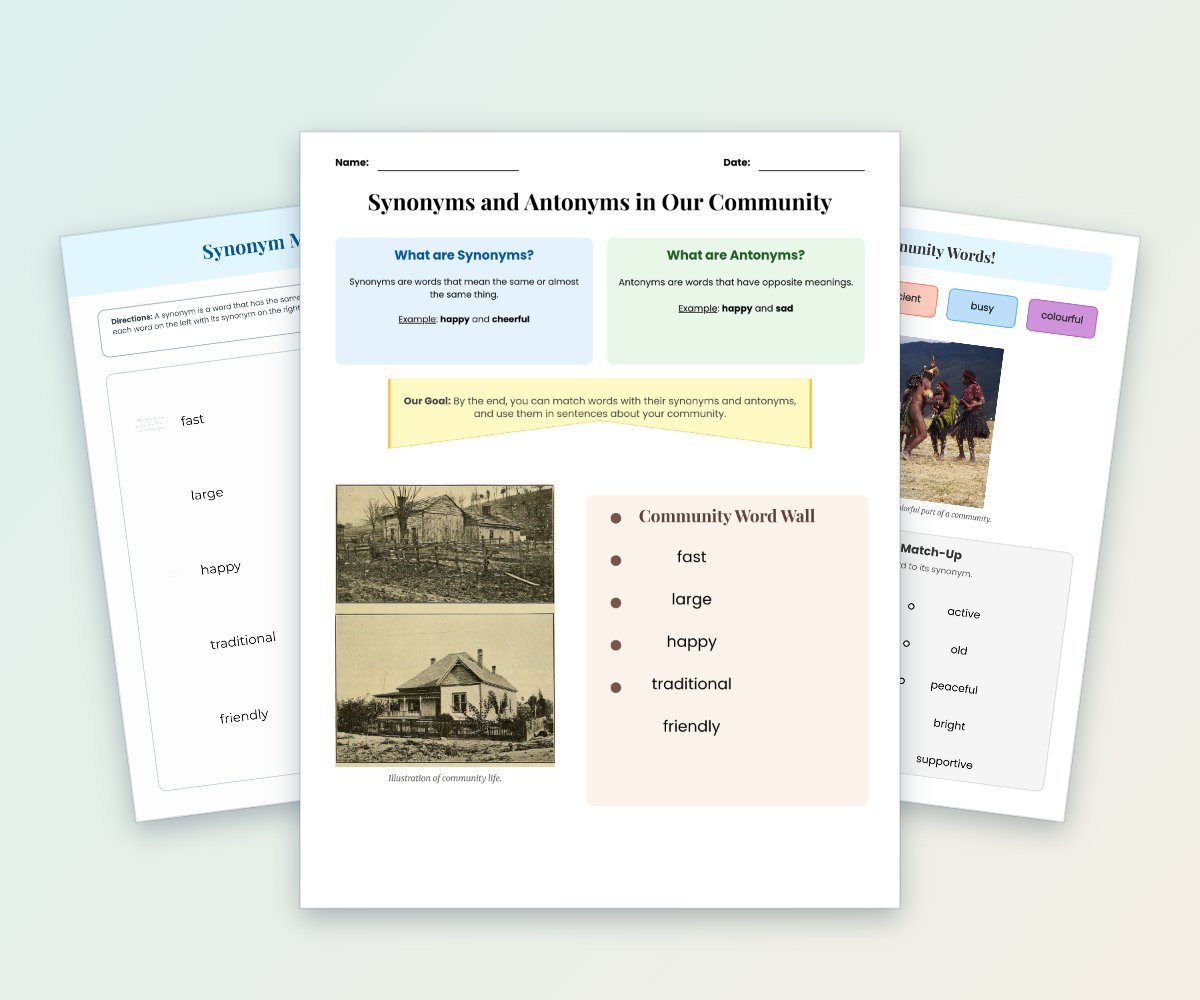
Students learn to identify synonyms and antonyms using community-themed vocabulary.
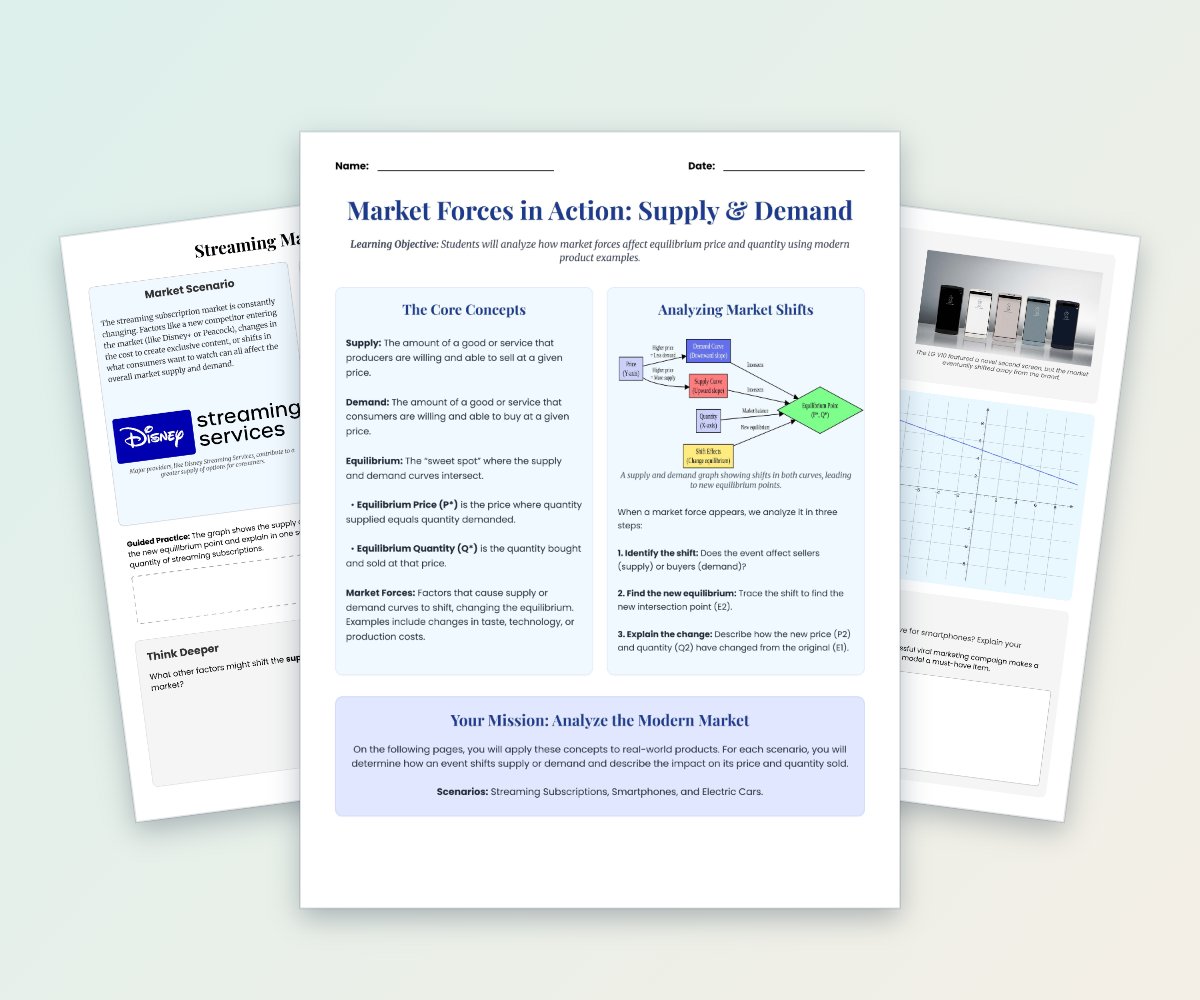
Students learn core supply, demand, and equilibrium concepts before analyzing market shifts in streaming services, smartphones, and electric cars.
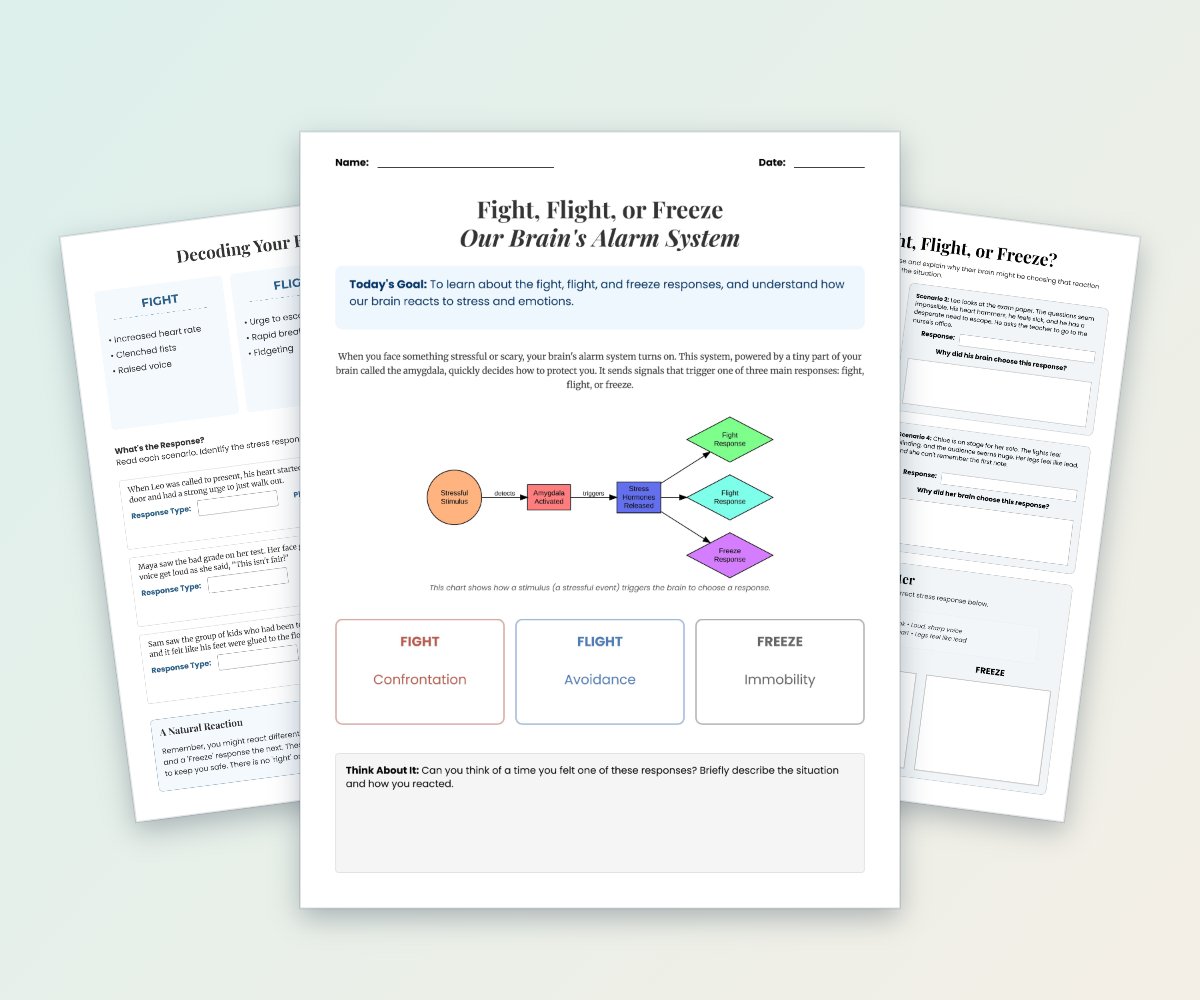
This four-page worksheet introduces the brain’s alarm system and explains fight, flight, and freeze responses.
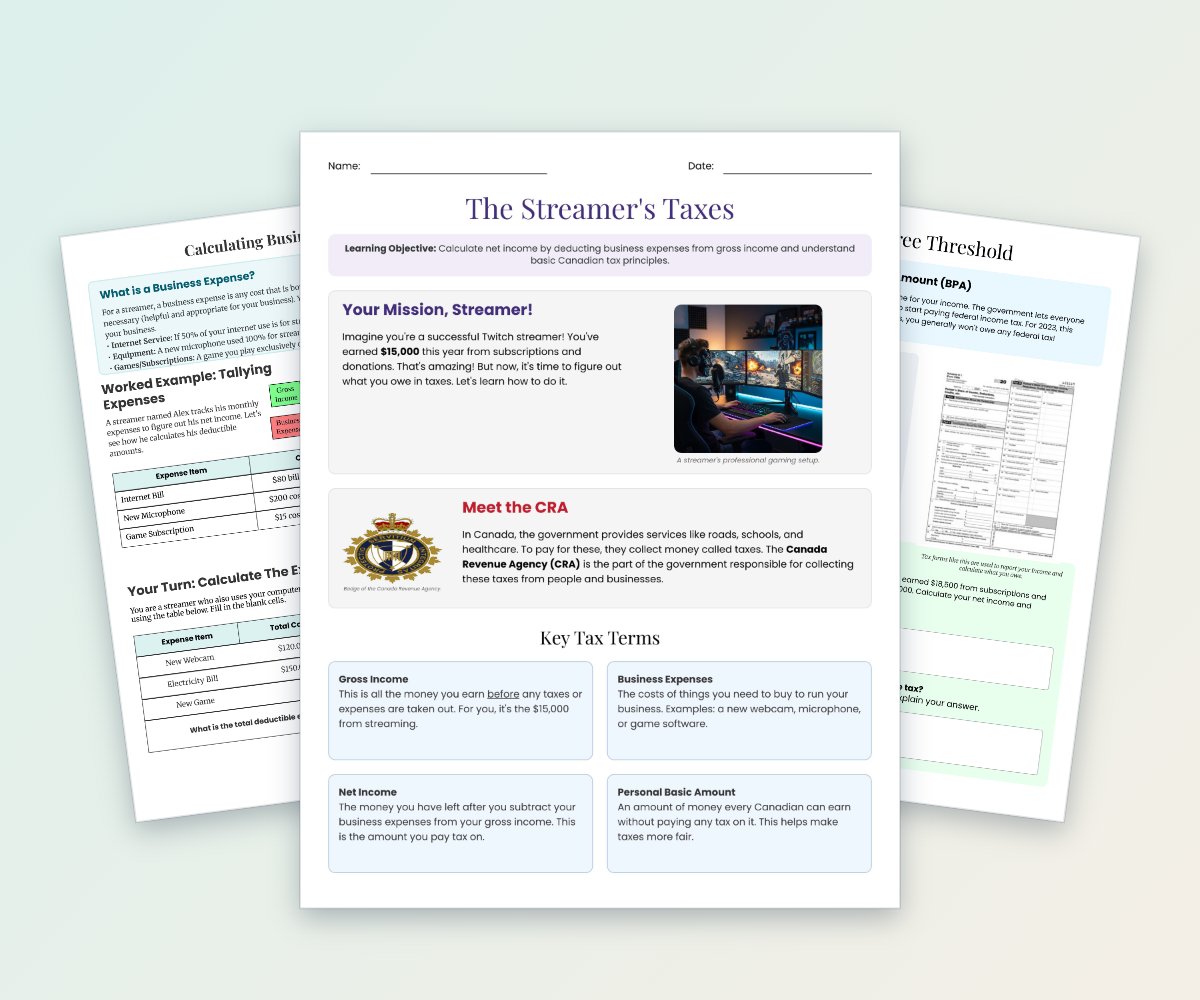
Students explore Canadian tax concepts through a streamer-themed scenario involving gross income, business expenses, deductible costs, and net income.
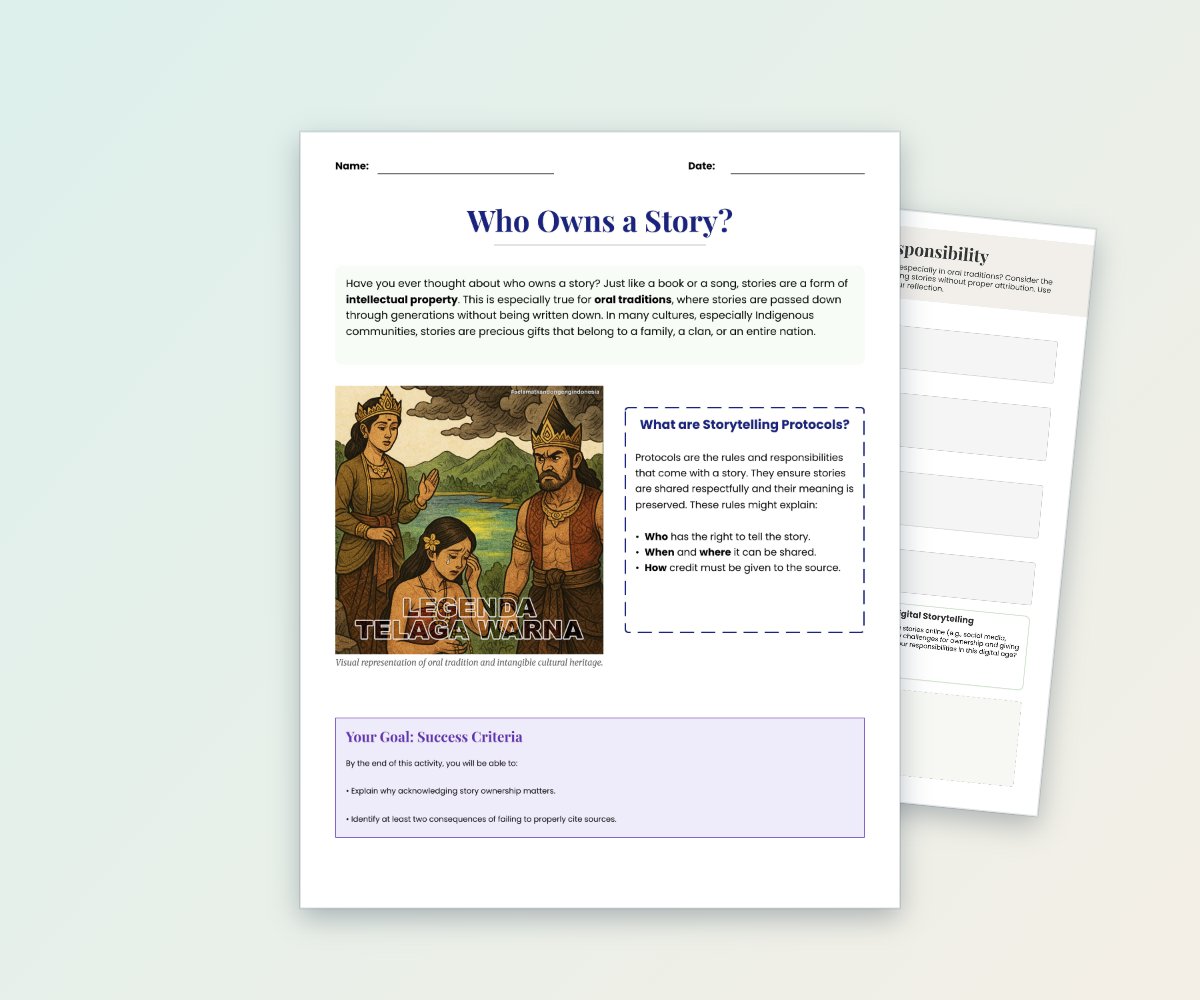
This student activity explores intellectual property, storytelling protocols, and respectful attribution, particularly within oral traditions and Indigenous communities.
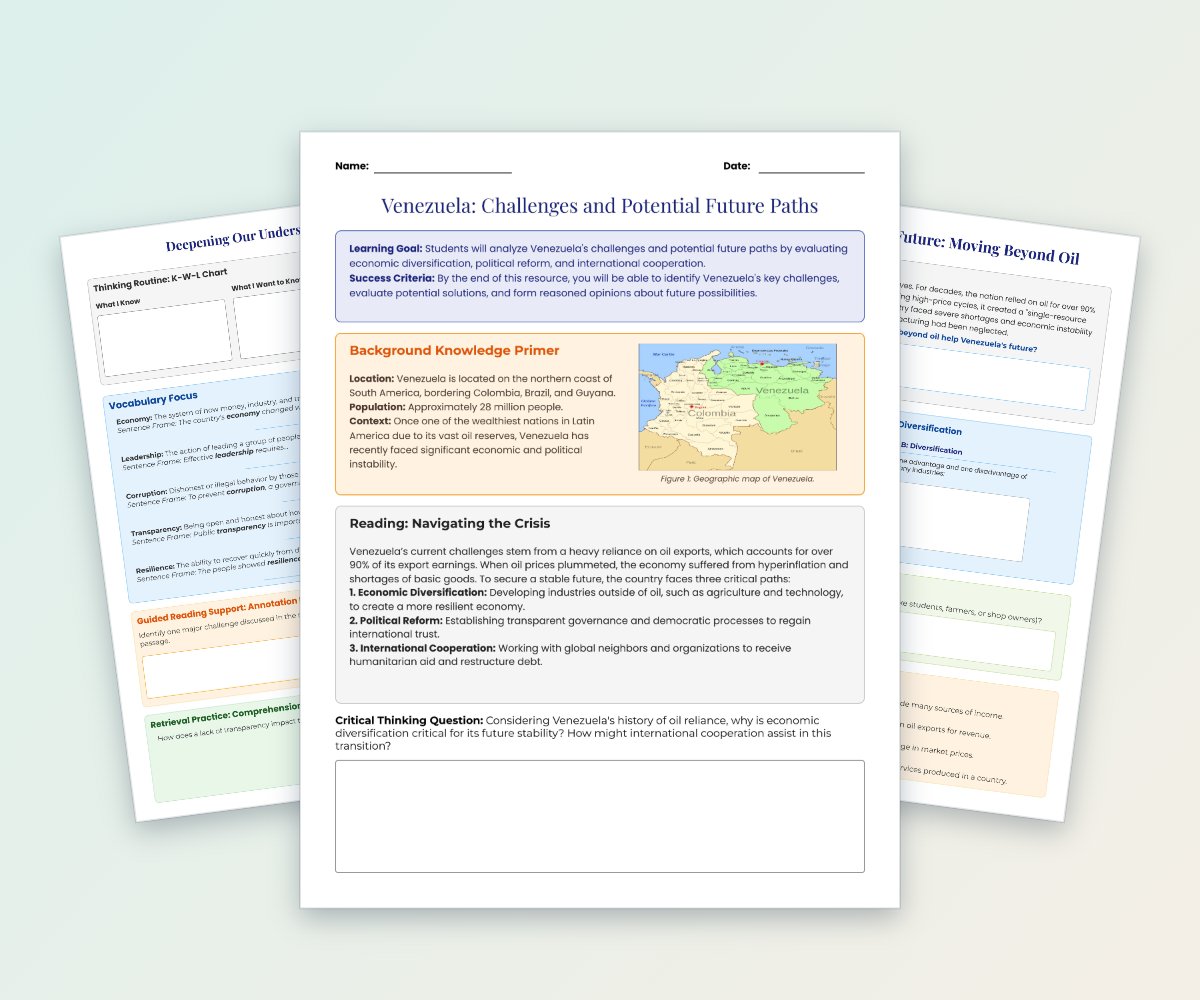
This four-page social studies resource guides students in examining Venezuela's economic reliance on oil, political challenges, and potential future paths.
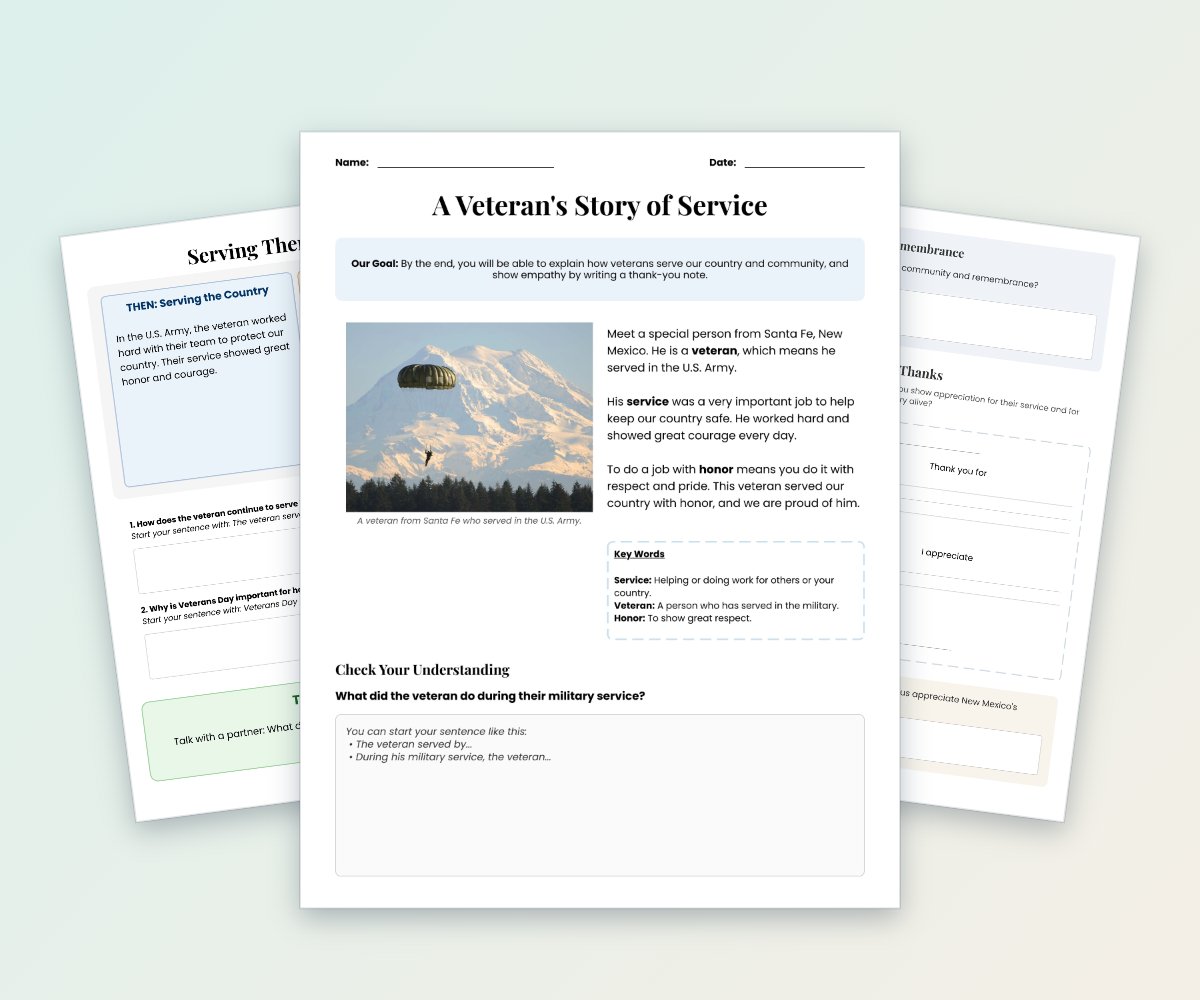
Students learn about a veteran’s military and community service through a short informational passage about a veteran from Santa Fe.
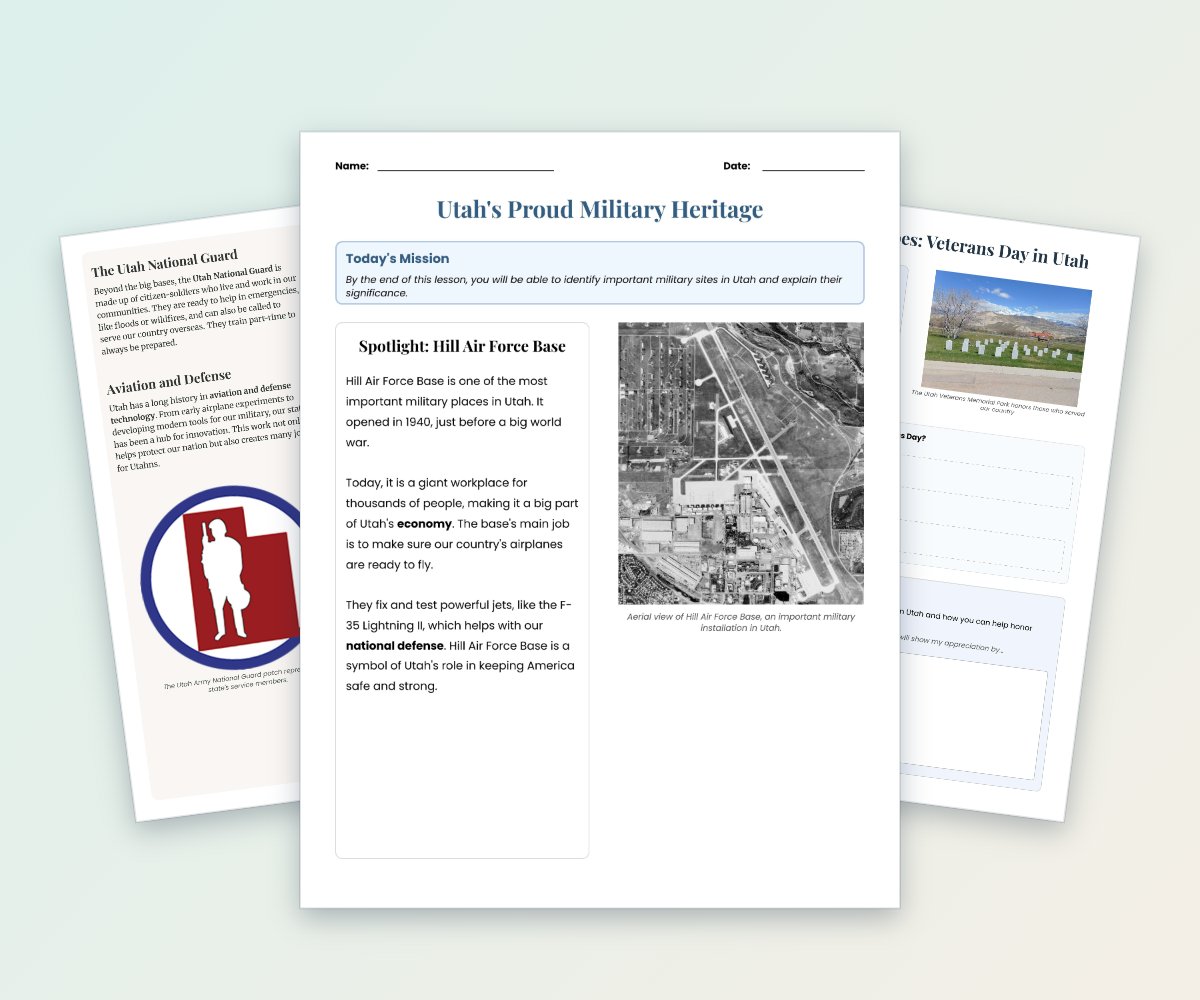
Students learn about Hill Air Force Base, the Utah National Guard, aviation and defense technology, and support for veterans.
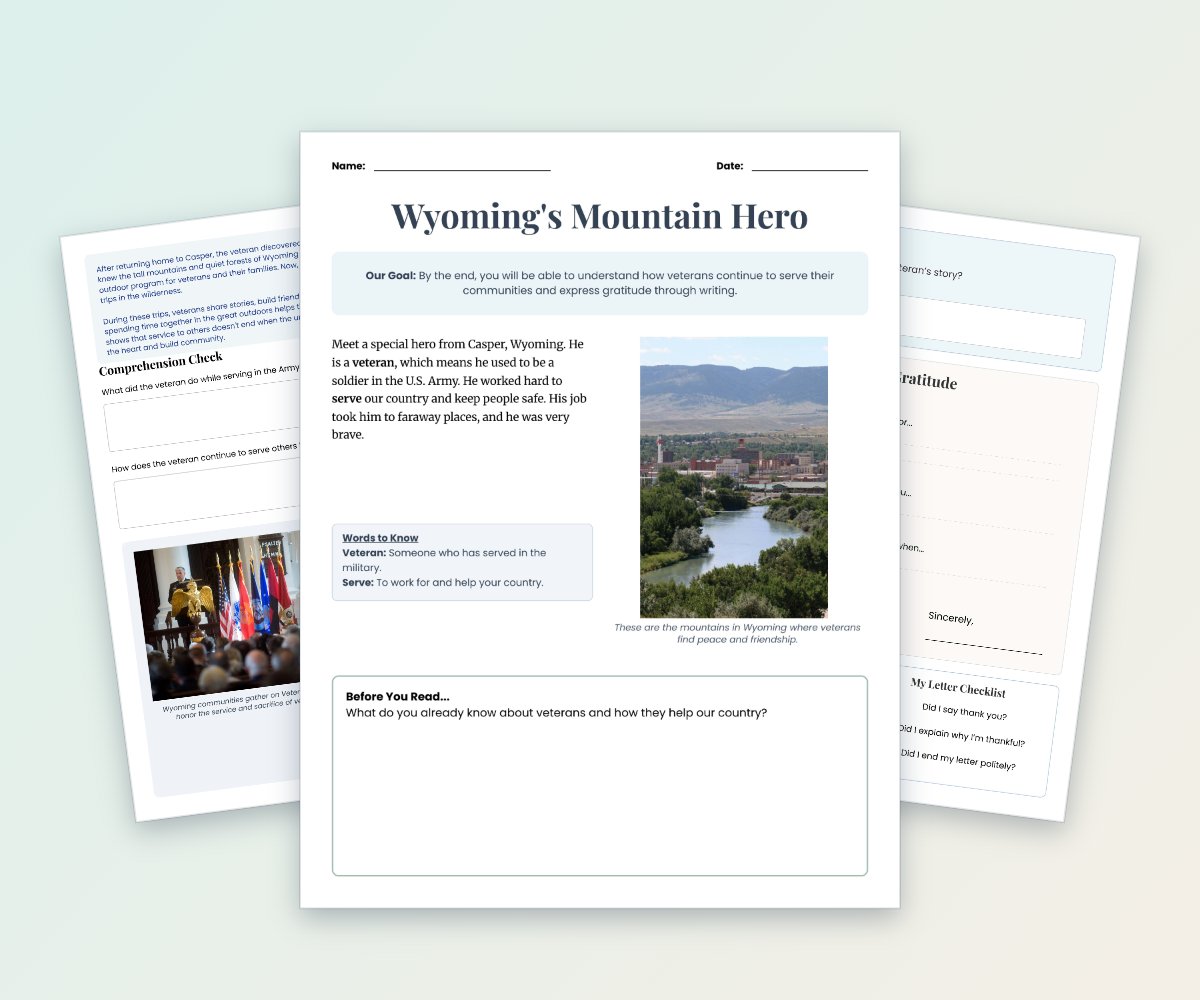
Students read about a Wyoming veteran who supports fellow veterans through outdoor activities, then complete comprehension and reflection questions.